Rain Trueax's Blog, page 13
April 8, 2015
if you are a writer
 in front of my computer-- where I write most everything
You are a writer if you write. It's not complicated. Writers write. It isn't about whether they publish or are bestsellers. They write. They don't have to be good. They don't have to sell. They don't have to finish anything. They write. Who decides if someone is a gifted writer-- that's subjective. Sales don't determine greatness in anything, and yet what else do we have? But to just be a writer does not require that person be gifted. Some of the books that have sold the most have been panned by critics. But the person who wrote them was a writer.
What makes someone an author is another of those things people ask. Author has more than one meaning. You can be the author of a new idea and not have written a single word. But if we take the word author and combine it with words-- it'd be someone who wrote an original work.
Not everyone needs to give themselves a title. Many don't care whether they are regarded as an author or a writer. They do what they do, and titles be damned. But if someone needs a title to identify themselves, which our society can request multiple places, what would make them an author?
The same debate can be made over painters or photographers. I love taking photos and enjoy painting; but if I was identifying myself to someone else, I'd not call myself a painter or a photographer. What would it take to bring me to the place where I would?
Authors might feel secure in deeming themselves such, if a big publishing house bought their book. That would mean they had been taken seriously by someone in the business. It is about the only reason I can see anybody would want to sign a contract for their book because those contracts limit the writer's rights-- for a very long time. Big publishing houses also take part of the profit from each sale. They often don't advertise anybody but their biggest writers. What they do offer is that cachet of saying you signed a contract with them. By the way, if you have yet to bring out your first book, be very careful that that desire for a publishing house doesn't lead you into one of the vanity presses, which can make your book so costly that it won't be purchased and limit also your rights for future independent action.
Does being an author require bringing out more than one successful book? If that was so, Harper Lee was not an author. Does that sound right to anyone? The new book coming out by her was actually written before To Kill a Mockingbird and from it came the masterpiece due to an editor's suggestions to take another look at how Mockingbird was told. So the new book is a sequel that actually was written first but forgotten.
Lee is not the only author of works regarded as masterpieces who only published one book. Did she remain a writer all of her life? Good question as she is rather private, and I am not sure who knows the answer to that one.


April 6, 2015
an article by Diana Gabaldon author of the Outlander series of historical novels

Going along with the earlier video on writers on writing, I thought this might interest some readers. It is by Diana Gabaldon, author of the Outlander books. I have not seen a link to it since I got it from following her on Facebook. I will look forward to when she writes a book about her process as it is interesting to see how successful authors, with a lot of sales, have approached it.
~~~~~~~~~~~~~~~~~~~~~~~~~~~~~~~~
MIND GAMES [Excerpt from THE CANNIBAL’S ART (not published; in progress)]
by Diana Gabaldon
The greatest thing about writing is that it’s just you and the page. The most horrifying thing about writing is that it’s just you and the page. Contemplation of that dichotomy is enough to stop most people dead in their tracks.
Success in writing—and by that, I mean getting the contents of your head out onto the page in a form that other people can relate to—is largely a matter of playing mind games with yourself. In order to get anywhere, you need to figure out how your own mind works—and believe me, people are not all wired up the same way.*
Casual observation (i.e., talking to writers for thirty years or so) suggests that about half of us are linear thinkers. These people really _profit_ from outlines and wall-charts and index cards filled out neatly in blue pen with each character’s shoe size and sexual history (footnoted if these are directly correlated). The rest of us couldn’t write that way if you paid us to.
The non-linear thinkers are described in all kinds of ways, most of them not euphonious: chunk writers, pantsters (_really_ dislike that one, as it suggests one’s literary output is not from the upper end of the torso), piecers, etc. ** All these terms carry a whiff of dismissal, if not outright disdain or illegitimacy, and there’s a reason for that.
Anyone educated in the art of composition in the Western Hemisphere any time in the last hundred years was firmly taught that there is One Correct Way to write, and it involves strictly linear planning, thought, and execution. You Must Have a Topic Sentence. You Must Have a Topic Paragraph. YOU MUST HAVE AN OUTLINE. And so forth and so tediously on…
Got news for you: You don’t have to do it that way. _Anything_ that gets words on the page is the Right Thing to Do.
Now, as a non-linear thinker myself, I prefer less pejorative terms. I like “network thinker.” Consider thinking and writing as a process that lights up your synapses (which it does): a linear thinker is like a string of holiday lights. Red-blue-green-yellow-blue-red-orange-yellow-green-red! And it lights up and then you can wind it around your Christmas tree or your Kwanzaa flag and it’s all pretty.
Well. You know those nets of lights that you throw over your front wall or your cactus or anything else that it would be inconvenient to staple strings of lights to? Those look like this:
Red - Yellow - Blue - Green - Red – Orange
l l l l l l
Blue - Orange - Red - Yellow – Green – Red
l l l l l l
Yellow – Green - Blue - Red - Orange – Red
The logical connections (the electricity, if you will) between any two lights in that network are there. It isn’t random, and in the end, it’s logical. It’s even linear. It just…isn’t necessarily a straight line.
Now, the reason that the educational establishment insists on the linear model of writing is that you can force a non-linear writer to work linearly (or apparently linearly). You can _not_ make a linear writer work non-linearly. (In fact, every time I describe the way I write to a linear-thinking person, they get annoyed. “You can’t _possibly_ do it that way!” they say. By which they mean that _they_ can’t possibly do it that way—and they can’t.)
But you can make any fifth-grader cough up a reasonably coherent essay using the linear model—and no one ever mentions that this isn’t the only way to do it. (Every time I go talk to an elementary-school class for Career Day, I pause mid-way and ask the teacher to turn his or her back. Then I tell the kids, “OK, the teacher can’t see you, so tell me the truth. When you get one of those essay assignments and you have to turn in an outline and a rough draft and a polished draft and a final copy….how many of you just write the final copy and then fake up the rest?” About a third of the class will raise their hands. I think it would be more, but some of them are scared to admit it.
……
• *This is why you can read an article purporting to tell you How to Write, and discover that you just can’t write that way. That’s because the writer is not really telling you how to write; he or she is just explaining how they write. Maybe they have the same kind of brain you do—but maybe they don’t.
• ** This is the insidious principle that underlies Politically Correct speech, btw—the undeniable recognition that names have power, coupled with the invidious notion that by insisting on a specific term, the person assigning the name thus controls the person named, by controlling the perception of the named party. Hence the tiresome attempts to rename political parties as “haters,” “tax-and-spend liberals,” etc.
Stupidly annoying as this may be—it works. Frankly, it’s a lot older than the notion of PC; it’s one of the baseline techniques of exorcism and voodoo. As a character in one of my books observes, “Ye don’t call something by name unless ye want it to come.”
http://www.siwc.ca/
April 3, 2015
Sky Daughter-- Free, are you kidding me?
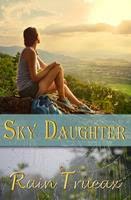
Sky Daughter was my first paranormal. It is set in contemporary times, in the mountains of Idaho. The characters are like anybody when they come across something that logic alone cannot explain. For the supernatural aspect, I researched the kinds of experiences some people claim to have had with the other side. The mystery the characters must unravel is what is real. Are there powers out there, which can be accessed sometimes to catastrophic results?
Maggie Gard, the heroine has no idea who her family is or what she will face when she moves back to her grandfather's mountain. Something is wrong there. Part of it is human, but it's not all. Her world becomes even more fraught with peril when Reuben Delgado arrives on the run from an unseen enemy. Neither of them are looking to fall in love and certainly not looking to deal with a human and supernatural enemy.
Sky Daughter has, what was for me, a fun secondary cast of characters as Maggie's grandfather has not been ignoring the dangers building around him, and he has lifelong friends-- oh and maybe a little something more.
Some strong language and mild profanity.
Heat Level: ♥♥♥♥ Free April 3, 4, and 5 for Kindle (always check that Amazon already has it at $0.00) Amazon Link
Snippet: When he put up his hand to signal no more, she sat back and studied him. "I am no doctor but I think we need to look at your wound and be sure it’s not infected."
“I suppose so." His tone was understandably reluctant.
“I hadn’t meant to shoot you, but you were threatening me."
"I was out of my head. You should have shot to kill. You didn’t know I didn’t intend worse than kidnap. If my mother had been there, she’d have said kill him.”
"It happened so fast. I never meant to pull that trigger at all."
"A reassuring thought. So you're no better at handling a weapon than I."
She gave him a look. “I’m not a bad shot. Just you rushed me.”
“I don’t like guns pointing at me.”
"I had it for protection." "From someone like me." It wasn’t a question. "Well at the time, it seemed a good idea." She rested a hip on the edge of a dresser and studied him. She had been around, lived other places, but Reuben Delgado was like no one she’d known. "I am in trouble," he said. She saw him considering, trying to decide. “Worse, I don’t know whether I can trust you.” “You have a choice?” He managed a smile. “I have enemies. I don’t know who they are. Not even what they look like, nor do I know why.” “You are sounding insane.” “I know. I was drugged. I can be sure of that much. I then had all my money, identification, even clothing taken from me. Whatever they wanted from me, I don’t think it’s over. There are people out to get me, who I won’t know if I meet them on the street. You could be one of them, and yes, I get it. It sounds crazy to me too.” She stiffened. Maybe he was crazy. This was not good. If he was crazy, maybe schizophrenic, she had him in her house with no phone and no help nearby. But wait, who heard voices? She managed a smile while she tried to think through what he had told her. “Yes, but if I’m nuts, you are more so for taking me in.” “Sounds that way.” “Somebody was hurting me. You saw that when you treated my wound.” “Men get in fights. That doesn’t require some invisible enemy.” He shook his head and looked away. “I wish I could tell you something that made sense. I can only tell you what I know and that’s not much.” “You make me nervous, New York.” “New York? Why’d you call me that?” “Your accent. Not all the time but when you get upset like now. You have a New Yorker twang.”

April 1, 2015
Kathleen Eagle interview
Seeing a writer as they discuss their work has been one of my secret pleasures. You can learn a lot by these discussions and get more of a feel for who the people are behind the words. I have shared a few links here, and this is another that I found informative by romance author, Kathleen Eagle.
Interview with Kathleen Eagle
Literally I don't remember the first time I read one of her books, but I was very taken with her themes and writing. Listening to this interview is a reminder of why I felt that way. Her stories are set mostly in the west, like Montana or North and South Dakota. She frequently writes about cowboys, and Native Americans-- her accuracy is helped by her long time marriage to a Lakota Sioux. She brings a reality to her romances that have always made them both romantic but with a feel that this could be.
If you are interested in being a writer, not necessarily even of romance, I think you will find this interview worth your half an hour as she discusses from where her ideas come as well as her process. I especially liked the last thing she was asked regarding a motto for writing. (also if you have a slower service, put the link on and then click pause to let it buffer. It makes for a much more harmonious outcome (got that one from my granddaughter on methodology and the term harmonious outcome from the Tom Selleck western film, Crossfire Trail).
She left the discussion with one piece of advice--
Writers Write!
Interview with Kathleen Eagle
Literally I don't remember the first time I read one of her books, but I was very taken with her themes and writing. Listening to this interview is a reminder of why I felt that way. Her stories are set mostly in the west, like Montana or North and South Dakota. She frequently writes about cowboys, and Native Americans-- her accuracy is helped by her long time marriage to a Lakota Sioux. She brings a reality to her romances that have always made them both romantic but with a feel that this could be.
If you are interested in being a writer, not necessarily even of romance, I think you will find this interview worth your half an hour as she discusses from where her ideas come as well as her process. I especially liked the last thing she was asked regarding a motto for writing. (also if you have a slower service, put the link on and then click pause to let it buffer. It makes for a much more harmonious outcome (got that one from my granddaughter on methodology and the term harmonious outcome from the Tom Selleck western film, Crossfire Trail).
She left the discussion with one piece of advice--
Writers Write!
March 29, 2015
why we write
Naturally, I cannot speak for all writers but will say where it comes to me, every time I bring out a new book, I am uncertain-- should I do it now? That was never more true than with this last one, Round the Bend. I had no idea how it would be received. I did what I knew to do in terms of getting the word out but just because readers see a book exists does not mean they will think it's worth their time to read.
My nervousness where it came to this book was why I waited so long. I have mentioned that it took finding the right image for the hero who had so long been in my imagination, for me to finally decide-- okay, I am going to do it. It was something more-- that the book deserved its chance, these characters deserved their chance, the Oregon Trail deserved its. The story was bigger than me.
Then came waiting to see what people thought about it. First indicator would be sales. There are writers where every single book goes into the stratosphere, as they have street teams and fans eager to read every word they write. I am not in that league. I have no street team. It's not that I'd object to giving out a lot of copies ahead of a book's release for reviews. It's that I don't know who would even want them. In view of that, I did all I knew in the way of getting the word out to those most likely to want such a book. I tweeted, blogged, commented, and posted. In the end, it's not about me or even the book. It's about readers. Would they like this kind of story?
When the book came out the 21st, I started editing the book which will come next, Where Dreams Go, aiming it for June 21st. It takes the story of some of these characters farther into Oregon's development as a Territory on its way to statehood. Communities were growing into towns and the people were trying to decide what they wanted them to look like. Working on it was also a way to distract myself from worrying about how Matt and Amy were being seen by readers.
With happiness, from the start, I saw sale results the best of any of my books since i stopped offering them for free. The only one that had come close was Arizona Sunset. Now these results weren't the spectacular ones of some authors, but for me, they were good. Book One was not immediately falling into Amazon's black hole.
Then I became uneasy when no reviews showed up. Now, I've had some books that never got a review... not one. But I was hoping that this one would get a few. Reviews are supposed to be for the readers, but they mean an awful lot to writers-- even those who have had a ton of them. For me, it would be my first chance to see how readers felt about a book that probably is as close to my heart as any I ever wrote-- given the length of time it's been in my life.
Then the first review showed up. Nervously I looked down to read it.
I never really know what people will think of my work until they tell me through an email, comment somewhere, or best of all, a review. Writing is pretty much a lonely game, but promoting and talking to readers about what they thought, that's where it becomes less so. This was a book that I knew some might not know what to think. So the fact that it got a pretty good launch made my week brighter.
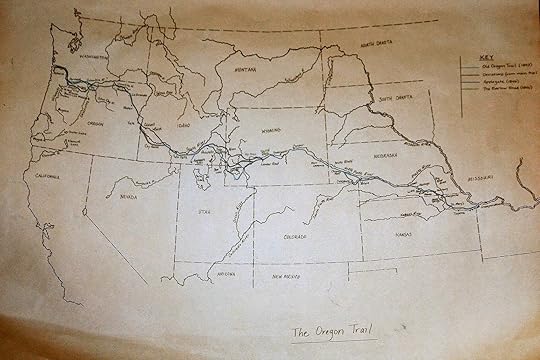
The map at the top was drawn years ago by my archaeologist daughter when she was still in college. She gave it to me as a gift because she knew I had been writing this book. I appreciated it then and now when I can finally share it with others.
My nervousness where it came to this book was why I waited so long. I have mentioned that it took finding the right image for the hero who had so long been in my imagination, for me to finally decide-- okay, I am going to do it. It was something more-- that the book deserved its chance, these characters deserved their chance, the Oregon Trail deserved its. The story was bigger than me.
Then came waiting to see what people thought about it. First indicator would be sales. There are writers where every single book goes into the stratosphere, as they have street teams and fans eager to read every word they write. I am not in that league. I have no street team. It's not that I'd object to giving out a lot of copies ahead of a book's release for reviews. It's that I don't know who would even want them. In view of that, I did all I knew in the way of getting the word out to those most likely to want such a book. I tweeted, blogged, commented, and posted. In the end, it's not about me or even the book. It's about readers. Would they like this kind of story?
When the book came out the 21st, I started editing the book which will come next, Where Dreams Go, aiming it for June 21st. It takes the story of some of these characters farther into Oregon's development as a Territory on its way to statehood. Communities were growing into towns and the people were trying to decide what they wanted them to look like. Working on it was also a way to distract myself from worrying about how Matt and Amy were being seen by readers.
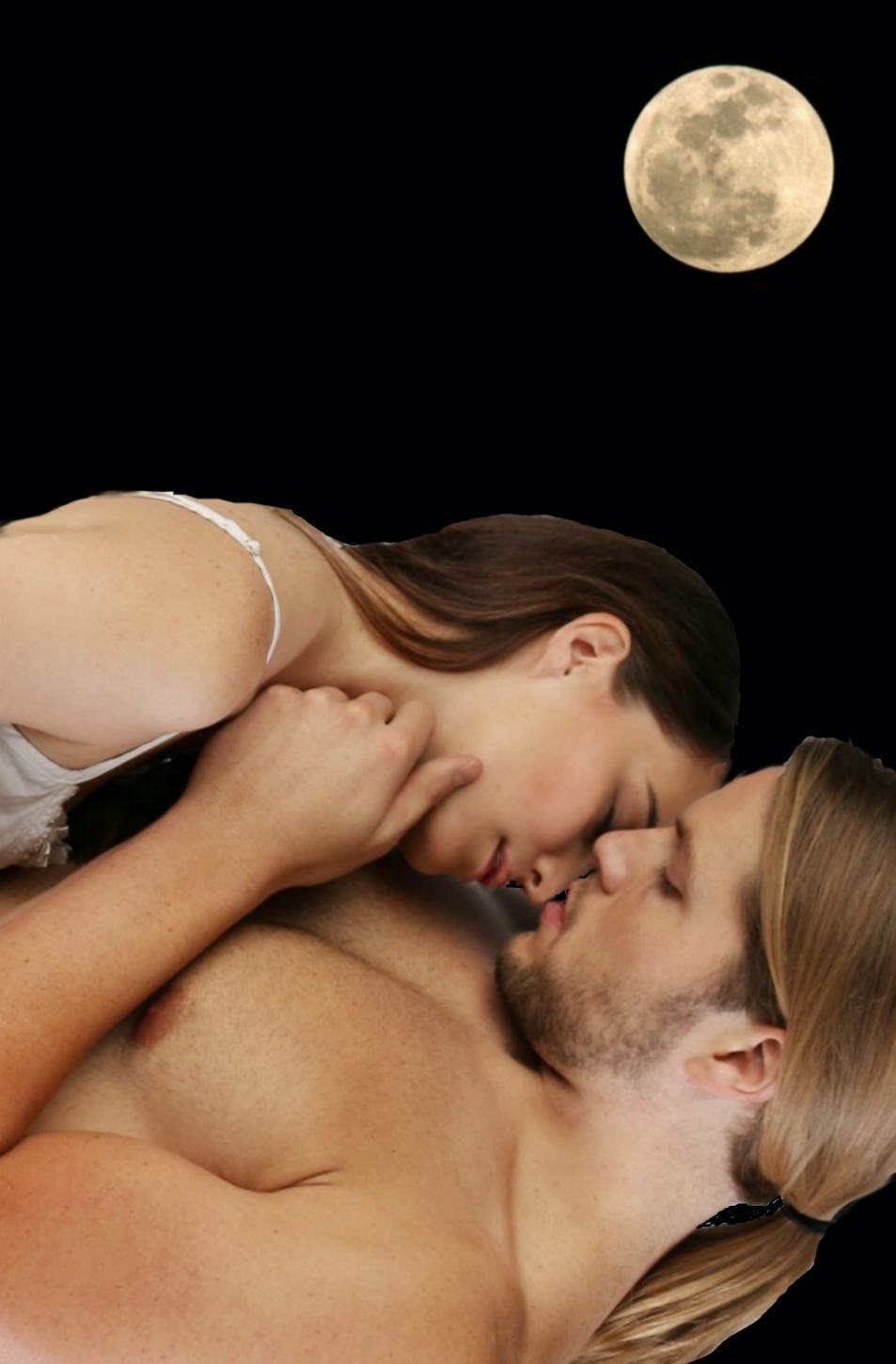
With happiness, from the start, I saw sale results the best of any of my books since i stopped offering them for free. The only one that had come close was Arizona Sunset. Now these results weren't the spectacular ones of some authors, but for me, they were good. Book One was not immediately falling into Amazon's black hole.
Then I became uneasy when no reviews showed up. Now, I've had some books that never got a review... not one. But I was hoping that this one would get a few. Reviews are supposed to be for the readers, but they mean an awful lot to writers-- even those who have had a ton of them. For me, it would be my first chance to see how readers felt about a book that probably is as close to my heart as any I ever wrote-- given the length of time it's been in my life.
Then the first review showed up. Nervously I looked down to read it.
"This is my first experience in reading one of Ms. Trueax's books and I wasn't disappointed. The story was exciting and never got boring. Amy and her family were traveling to Oregon along with Matt, his brother Morey, and father. It was a large wagon train so the storyline had many characters. I just loved St. Louis the Wagonmaster. He was the salt of the earth with so much experience in leading and understanding people. St. Louis had healing experience which was invaluable to those who traveled with him. I've never read a book like this with so many avenues that kept me fascinated. Amy and Matt were lifelong friends but he started feeling more than mere friendship. Amy actually began being courted by Adam, the Wagontrain Scout, but found out "the feeling" just wasn't there and soon realized her love for Matt was more than being a friend. Matt's brother, Morey, was disturbing in this book and led to the violence in Matt's life. The father was also part of the lies and deception that led Morey to hate his brother, Matt. I don't want to spoil this story for you so I won't go on. However, if you want an exciting, adventuresome and mysterious book, this historical western genre is for you. There is some violence and sexual content but the author did a great job in making all actions part of the story itself. I loved it!"Wow, I was so happy when I read that-- a new reader and she liked the book. Then after that one, another came from a longtime reader.
"Rain Trueax is at her best from the first sentence. Each phase of the plot and characters are richly developed.Her equally in depth review doubled my happiness. It's nice to get a new reader but knowing, a long time reader was not disappointed, is a joy.
The Oregon Trail experience, physically and mentally grueling, either built character in the hero Matt or caused dangerous psychopathic mental breakdown in Matt's brother Morey. The wagon master St. Louis Jones' experience went beyond previous trips on the Oregon Trail. He had lived with Indians and trappers. He had a depth of understanding of humanity. He was a believable mentor for Matt's amazing growth. Through him Trueax revealed insights to the Indian and emigrants' points of view and their conflicting interests. Obviously Trueax's writing reveals extensive research with exact details of folk and Indian medicine, cooking, weapons, and geography. On fly fishing I thought didn't exist until after the civil war but I was wrong and Trueax was correct to have dry flies and a bamboo rod. I am eager to read more of the series to find out if Loraine finds her true love and the destiny of Scout Adam Stone. Will they eventually get together?"
I never really know what people will think of my work until they tell me through an email, comment somewhere, or best of all, a review. Writing is pretty much a lonely game, but promoting and talking to readers about what they thought, that's where it becomes less so. This was a book that I knew some might not know what to think. So the fact that it got a pretty good launch made my week brighter.
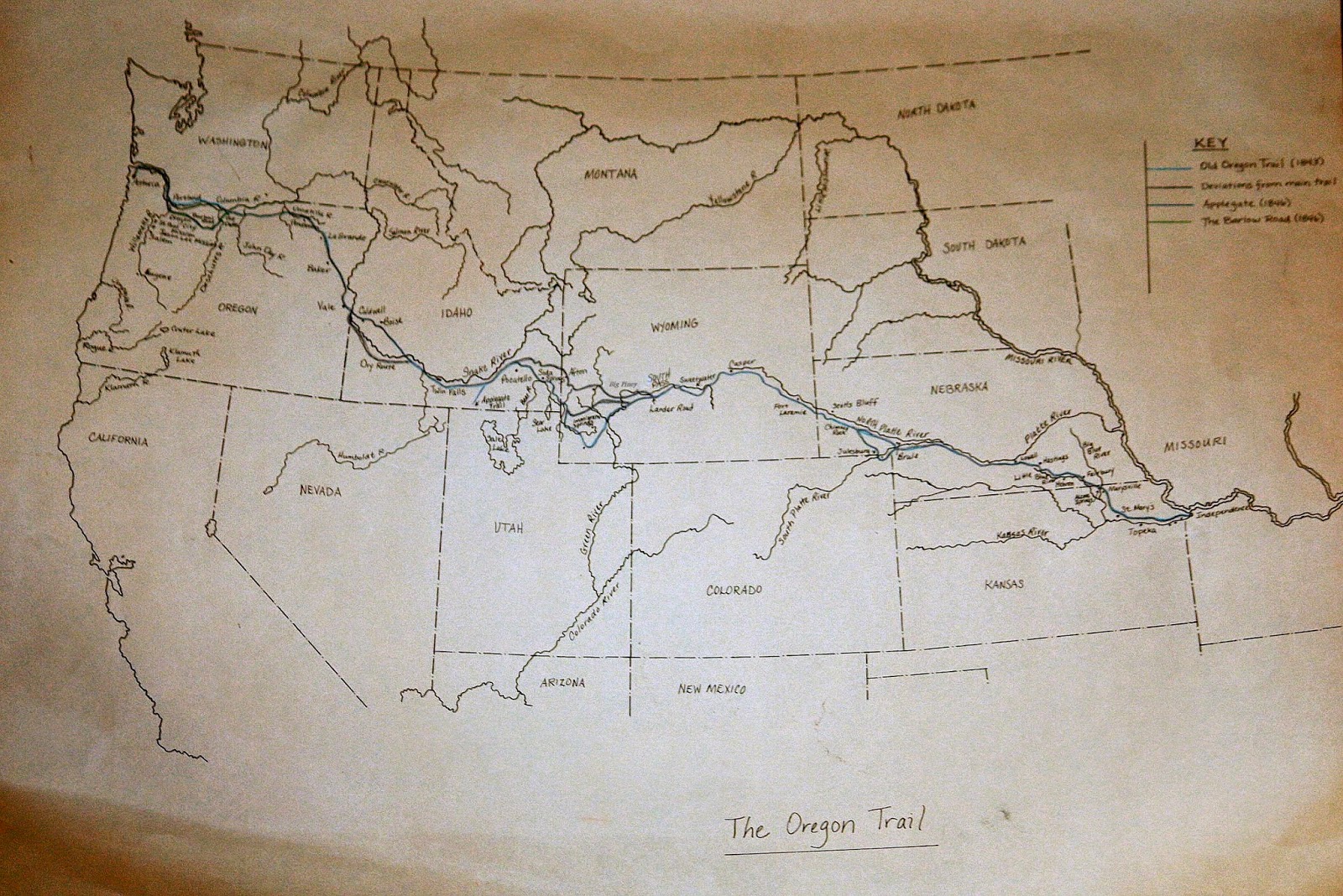
The map at the top was drawn years ago by my archaeologist daughter when she was still in college. She gave it to me as a gift because she knew I had been writing this book. I appreciated it then and now when I can finally share it with others.
March 25, 2015
living with history
.JPG)
For my once a month blog for Smart Girls Read Romance, I wrote about the Oregon Trail and setting a romance on it. For anyone interested in the trek west, my piece there may be of interest.
An Oregon Trail Romance
Pretty much, I grew up with history as a physical part of my life-- a lot of that due to my age and the years in which I grew up. The farm my parents bought in Washington got its water from a spring that was piped almost a mile to our home. Anytime the water stopped, my father had to go back and find where a deer had kicked out the pipe. The spring was partly protected by a cover and partly open, which means I probably had pretty good immunity to giardia-- at least back then. Fortunately, there were no homes above it and so cholera or e coli were not a risk.
Walking to the back of that property had two possible dirt roads to an orchard of plum trees, where we competed with the bears to get the fruit. My first school required walking off our hill and a mile and a half on a gravel road. The school was two rooms and my first grade teacher taught three grades in hers. It enabled students to proceed at their own pace-- which meant when the school consolidated, with a larger town school, I had to reread all the readers I'd read the year before.
The home I grew up in had been two smaller houses that were pushed together and made into one. In the winter, we would close off that other part with a curtain because it was too expensive to heat the whole house. That wasn't unusual back then and neither were phones where you dialed an operator to make a phone call.
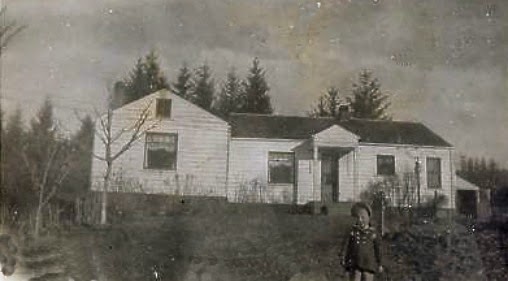
Fern Prairie, yes, that's what it was called, was a pioneer kind of community with a grange hall a few miles from the house where there were country dances and potlucks. There were two country stores not too far from our home and one had a locker (for those younger or who never lived in the country, it was a large room kept at freezing temperatures with rental lockers for nearby families to keep their deer or bear meat through the winter-- nobody had home freezers big enough in those days.
I grew up with history as part of daily living. I grew up with the freedom to run over hills, to get my first .22 when I was twelve, to see some things a person would rather not have seen but also live a life that isn't so commonly lived today.
My parents sold the farm, and we moved to the suburbs of Portland where I went to college and met my husband. He had grown up pretty similarly to me. As soon as we could, we set out to find the kind of land and life, which we had experienced. Moving out here came danged close. The original house was gone, but the owners had themselves built the home in which we live today.
The property had the original harness shed, which we have maintained with a lot of old tools in it. In front of our home here was the crossing for the community as the sandstone was hard enough to bring a wagon across it. Years before that, this was one of the locations the Luckiamute Indians used for some of their seasonal migratory living. Finding grinding stones and arrowheads didn't used to be unusual.
This area was not too far from what had been Fort Hoskins. Moving here, we again had a country store where the wood floors were cleaned with kerosene, yep it's how they did it. It burned from a probable arson (some rough folks live out in these hills). In what used to be a nearby community, there had been a popular dance hall. I met people when we first lived here who had gone to dances in it. It had been burned many years earlier because the locals weren't happy that the soldiers from the fort were coming down to whoop it up. Easy to solve problems if someone doesn't mind a little violence.
 summer 1978
When we first bought this farm, there was a barn, which had been built in 1904 by that homesteading family. Walking into it was like walking into history with handhewn beams and big handmade nails. Unfortunately, the kind of barn needed then with milk stanchions and feed bins, hay storage in a loft above was not the kind of barn that worked with ranching today where hay bales weigh nearly a thousand pounds and need a tractor to feed them out. Through the years, we put some money into maintaining the barn purely based on its beauty, history and aura. To keep it standing simply was not feasible (even if we had had it) considering the level of expenditure that would have been required. Tall, as it was, it was dangerous to work on it or around it as it was set on big stones and the beams below were slowly rotting from the moisture.
 summer in 2003
In 2006, it just collapsed. I heard the sound from the house, like a big sigh. There had not even been any wind. When we went out to look at the damage, we learned it had served its farm one last time as the sheep had tended to be under it for coolness. One had been there, but lying between heavy beams, it was protected in the collapse. Farm Boss got it out, and it ran off.
It is interesting to wade up our stream, find broken bits of pottery from earlier kitchens, old tools, and see the heavy metal cables that were once used by the loggers to dam up the stream enough to float logs down to the local sawmill.I think history is wonderful, exciting to read about, and hear the stories of what it was like. I enjoy setting my books into it. Living in it, not so much.
Finally--- there is another good reason to not live with our own history even. I was looking for an old photo of this place. I could probably find it in an album and scan it, but I thought I could find it the lazy way on my hard drive. I didn't, but I came across the first blog I ever did, which incidentally was in 2005. That blog ended up being cancelled by me as I decided to not continue-- but then started another blog with a name slightly altered (when you close down a blog, the name gets grabbed by someone-- do not ask me why because I had deleted everything from it). Anyway, I came across photos of me in 2005 (like the one below)... Talk. About. Depressing. Definitely-- do not even live with your own history! Live right where you are and make the most of it...

March 22, 2015
Round the Bend

Round the Bend is available as eBook and paperback. For the rest of March and all of April, the eBook will be $2.99 before it goes up to $3.99 the first of May.
Amazon
Links to Barnes & Noble; Kobo; iTunes; etc.
~~~~~~
Blurb: In 1851, Independence, Missouri, a big wagon train waits to begin the 2200 mile trek to Oregon. Seventeen year old Amy Stevens shares her excitement at the journey with her best friend-- only to face disappointment at his less than enthusiastic reaction. When he kisses Amy, who has fancied herself a bluestocking, she angrily tells him he is ruining everything. Changes are coming, but surely not for the two of them.
Three years older, with too many hard experiences, Matt shares none of her illusions as to what lies ahead. He also has seen how the train’s scout, Adam Stone has looked at her-- and it's not as a friend. He’s torn as to what he can do about it.
Matt has worked hard to earn enough for the supplies needed for the westward trek. His father and brother, both damaged by alcohol and hate, begged him to take them. His brother claimed he wanted a second chance. Except, what exactly does Morey mean by a second chance?
Round the Bend, book one in a series of four, is the story of the way west told through two families-- the Stevens and the Kanes—families as different as light and dark. It is a story of the purest of love and the most driven of hate. Most of all it is the story of how a man’s highest ideals can change his life and that of others. Heat level (with 1 least and 5 most) is ♥♥♥♥.
The Oregon series is four books following the Stevens family through sixteen years, four romances, and the settling of Oregon; each novel stands alone.
~~~~~~~
The following is a snippet showing the dilemma Amy is facing as she tries to work out what will make her happiest.
The moon still shone through the narrow opening of the tent, where she and her sisters slept, lighting up the area, making it hard to sleep. At best Amy slept restlessly when the moon was full. Tonight, her thoughts were bursting. She gave up and by moonlight wrote in her journal.
‘I left things in Missouri home, friends, all the life I knew but that was nothing to me. What lies ahead will be opportunity, adventure, new ideas, new places, new friends, new freedoms. Leaving my books was hardest when Father said I could only bring four. How does one narrow all beloved books to four? I chose small volumes by Wordsworth, Tennyson, Browning, and Shelley. Can anything soothe one’s soul better than poetry?’
Restlessly, she bit on the end of her pen before she added, ‘More than my books, I realize I left my childhood there.’ There was another thing she'd left there, one she refused to write about, as it would make it real. Only in Missouri was her friendship with Matt. The tears the laughter, all gone. He had ruined everything.
Although her own ambivalence over marriage and the limitations it would entail didn't leave her eager to accept the courtship of any man, if there had been a man, Adam Stone would have been the perfect one. He was Lancelot and Apollo rolled into one. Mentally she listed his qualities-- his confident way of talking, kind manner with people, the square jaw, the black curly hair, the soft buckskins, which emphasized his muscular frame. He was a man who would fit any girl's dreams. He had told her what he wanted. Why did she feel so miserable?
There was one reason. To be happy, she had to make peace with Matt, make him see their friendship was more important than his silly ideas of... well, something else. She'd grown up believing there was nothing she couldn’t do by confronting it directly. It was intolerable to have someone she loved angry with her.
She put away the journal and lay back on her cot. She did love Matt-- like a brother. She would talk to him, and it would be all right. After that, she could consider Adam's courtship more seriously... Matt could find a girl to love and— She stopped at that thought, unable to finish it, unable to face her feelings if that did happen.
March 18, 2015
condiments
One of the challenges when trying to describe a complicated story like Round the Bend is to tell the potential reader enough to get them interested but not go into aspects that might ruin the unfolding of it. There is much, in any book, where the reader should discover it as they go-- right along with the characters.
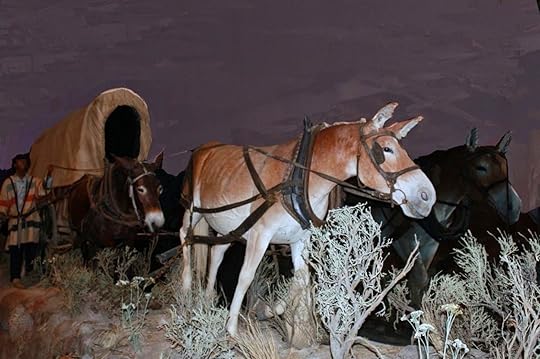
One of the things I like to do in my writing is put in what might be called red herrings. Real life is full of them. We meet someone. They are very interesting to us. They could be a potential friend. We never meet them again. That's what life is all about. Readers, however, get to expecting that anything interesting in a story must be a clue to what is coming. I don't write that way. I prefer the reader to learn along with the characters what is going to happen.
I do though always want the characters' actions to come out of their personalities. It should be believable even if it was not predictable. This is a goal with all my books whether they are epic or not. I don't think there is a way to tell the story of the westward migration without it becoming epic-- but I didn't want it to overpower the human side of the story.
Round the Bend has always been a tough book for me to categorize. It is definitely a romance but also the story of the Oregon Trail, healing, growing into adulthood, dysfunctional families, and what love is really about.
There are a core group of characters, some of whom go on to appear in the next three books. But when I am describing this one, I can't get caught up in the next three. I've thought about putting together a character list and might when I get to the next book.
The secondary characters in Round the Bend were (as they usually are) fun to write. Four proceed to their own romances. Yep, even though there are only three more books in the series, there are four characters in Round the Bend who do end up with a romance.
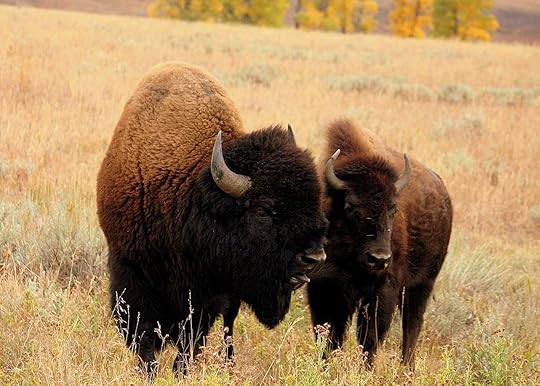
To me, one of the powerful parts of the story West, well actually of any of my books, has to be nature. What these people saw was a critical part of their experiences.
They faced a lot of problems as they went west, and it wasn't so much Indians. They traveled generally 14 to 15 miles a day. Some of the way was boring. Some of it miserable.
There were a lot of books I used as references; but for anyone interested in the personal side of the story, I recommend Women's Voices from the Oregon Trail by Susan G. Butruille. It gives a very personal look at what the women experienced and how they felt even once they got to Oregon. Remember, their work was not done once they reached Oregon Territory. In some ways, it had just begun.
Where I was setting all of that into a romance, the story of my young couple was paramount. I chose secondary characters for how they enriched understanding of the hero and heroine. A writer cannot fill their story with grace notes or they lose the melody. They do, however, serve a valuable purpose as the main characters bounce off them.
Although this book has a long history with me, when I edited it for the last time the first of March, I had more faith in it than I ever had. I don't think it's exactly a traditional romance but for those who enjoy character driven dramas that end up making them feel good, I think it will be a good read. I know I enjoyed my time with this hero and heroine-- and have for the 57 or so years since I first came across them. Maybe letting them go is why it's been so hard to actually publish the book.
When I do a book, I like to create a discussion that kind of gets into aspects I won't put into a blurb. Finally, this week, I got that together for Round the Bend. It's really a discussion about writing an historical romance set in something that has become almost mythic for my part of the United States-- if not other places. It is about three and a half minutes-- stop it when it's finished, as I don't know why that play all is there-- but I am suspicious about Youtube!
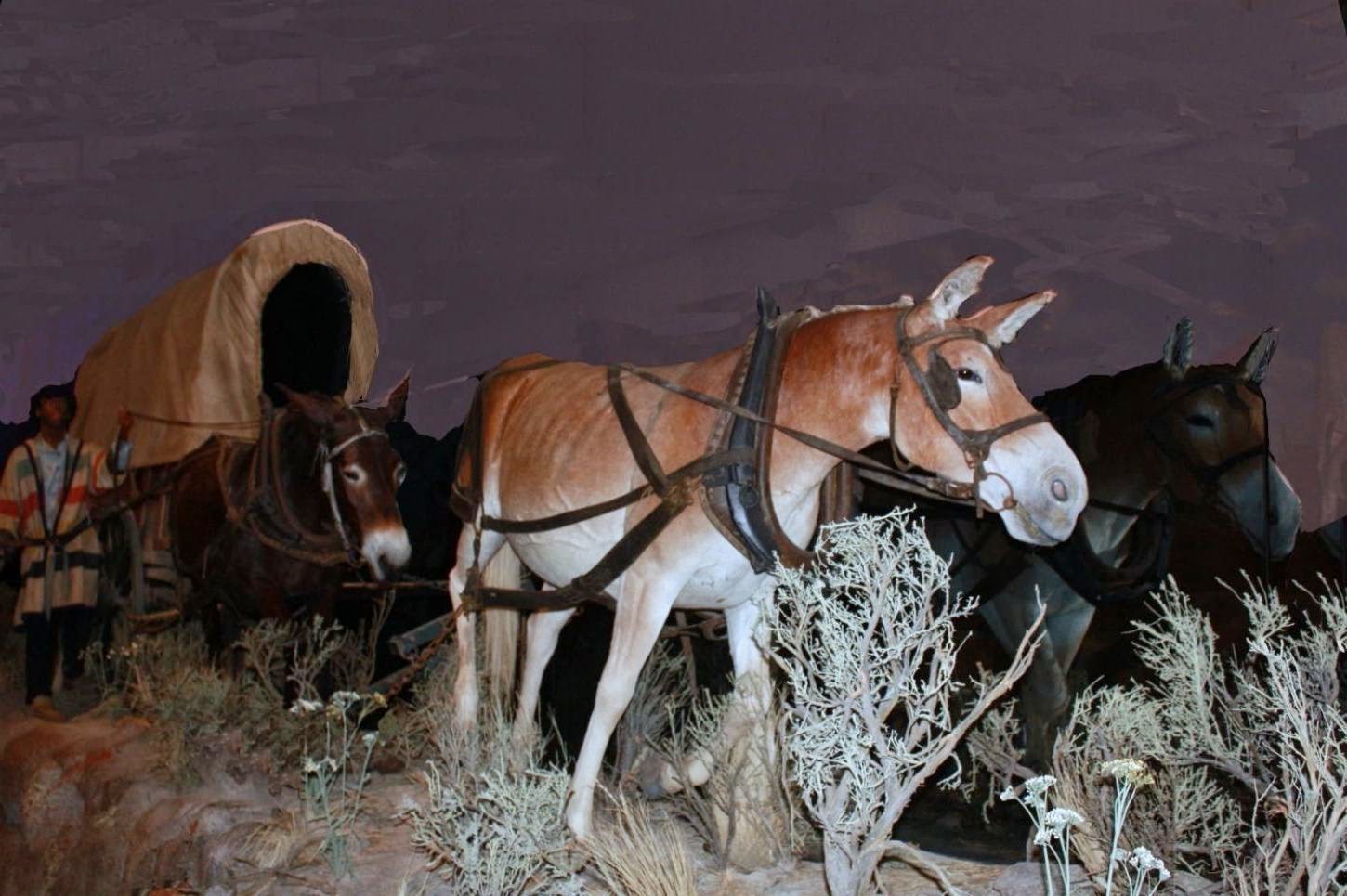
One of the things I like to do in my writing is put in what might be called red herrings. Real life is full of them. We meet someone. They are very interesting to us. They could be a potential friend. We never meet them again. That's what life is all about. Readers, however, get to expecting that anything interesting in a story must be a clue to what is coming. I don't write that way. I prefer the reader to learn along with the characters what is going to happen.
I do though always want the characters' actions to come out of their personalities. It should be believable even if it was not predictable. This is a goal with all my books whether they are epic or not. I don't think there is a way to tell the story of the westward migration without it becoming epic-- but I didn't want it to overpower the human side of the story.
Round the Bend has always been a tough book for me to categorize. It is definitely a romance but also the story of the Oregon Trail, healing, growing into adulthood, dysfunctional families, and what love is really about.
There are a core group of characters, some of whom go on to appear in the next three books. But when I am describing this one, I can't get caught up in the next three. I've thought about putting together a character list and might when I get to the next book.
The secondary characters in Round the Bend were (as they usually are) fun to write. Four proceed to their own romances. Yep, even though there are only three more books in the series, there are four characters in Round the Bend who do end up with a romance.
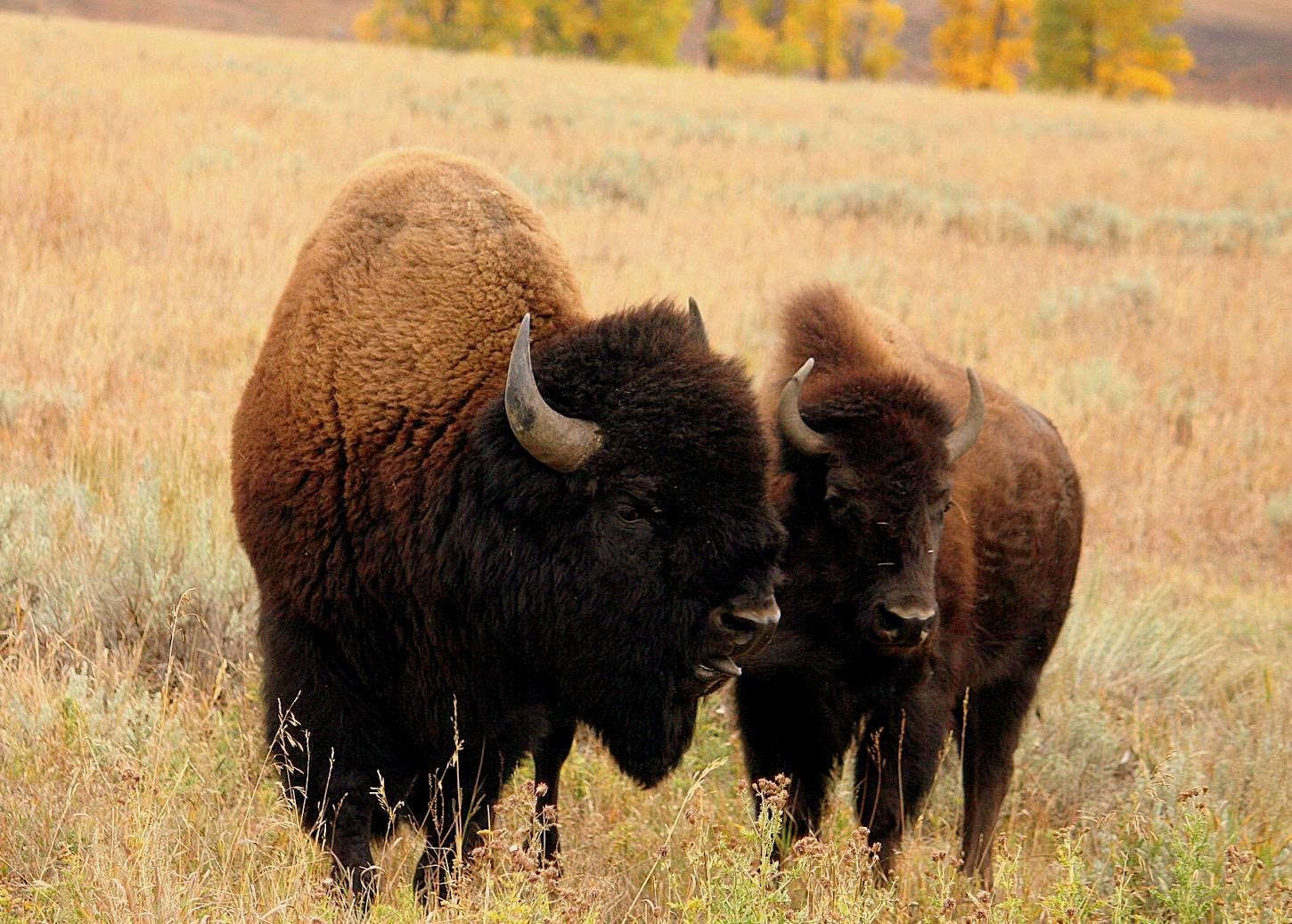
To me, one of the powerful parts of the story West, well actually of any of my books, has to be nature. What these people saw was a critical part of their experiences.
They faced a lot of problems as they went west, and it wasn't so much Indians. They traveled generally 14 to 15 miles a day. Some of the way was boring. Some of it miserable.
"Dreary times, wet and muddy, and crowded into the tent, cold and wet and uncomfortable in the wagon no place for the poor children. I have been busy cooking, roasting coffe & c today, and have came into the wagon to write this and make our bed--" Amelia Stewart KnightKnowing that the pioneers kept these journals, reading so many of them, gave me an idea for sharing transitional information through my heroine keeping a journal. One thing you don't really want to do as a writer is throw information at the reader, but some of it is an important part of what this journey really meant to those making it.
There were a lot of books I used as references; but for anyone interested in the personal side of the story, I recommend Women's Voices from the Oregon Trail by Susan G. Butruille. It gives a very personal look at what the women experienced and how they felt even once they got to Oregon. Remember, their work was not done once they reached Oregon Territory. In some ways, it had just begun.
Where I was setting all of that into a romance, the story of my young couple was paramount. I chose secondary characters for how they enriched understanding of the hero and heroine. A writer cannot fill their story with grace notes or they lose the melody. They do, however, serve a valuable purpose as the main characters bounce off them.
Although this book has a long history with me, when I edited it for the last time the first of March, I had more faith in it than I ever had. I don't think it's exactly a traditional romance but for those who enjoy character driven dramas that end up making them feel good, I think it will be a good read. I know I enjoyed my time with this hero and heroine-- and have for the 57 or so years since I first came across them. Maybe letting them go is why it's been so hard to actually publish the book.
When I do a book, I like to create a discussion that kind of gets into aspects I won't put into a blurb. Finally, this week, I got that together for Round the Bend. It's really a discussion about writing an historical romance set in something that has become almost mythic for my part of the United States-- if not other places. It is about three and a half minutes-- stop it when it's finished, as I don't know why that play all is there-- but I am suspicious about Youtube!
March 15, 2015
the main course-- distaff
It's a bit ironic that romances, which are read most often by women, have at their heart a hero. That does not mean, however, that the heroines are not important. If they are obnoxious and frustrate the reader, they can end up ruining the book. Still, if they are perfect, without a flaw, they seem unreal. So writing a heroine who can carry the story forward is as challenging as getting the right hero.
In the past i have written about how in a romance, one of the characters is mythic and the other represents the rest of us more ordinary folk. Most often, it's the hero who is mythic although it can go the other way. Heroines though generally represent a version of the reader and through their experiences, the reader gets to share in a world they will never know any other way (nor would they want to).
To some level, this is true of all really good writing. It takes you inside the head of someone else and lets you experience an alternate life. Anybody actually want to live The Life of Pi? But feeling like you did through words and imagination, that's just fine.
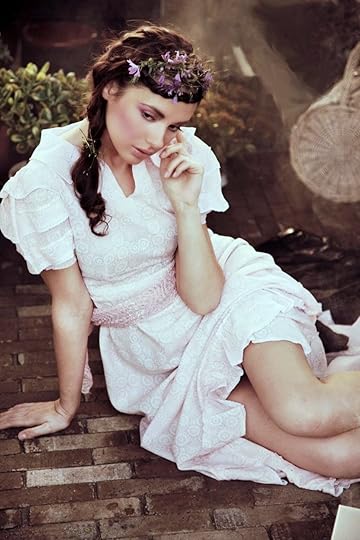
With my wagon train story, my heroine is the youngest I've ever written. Amelia Stevens is not yet eighteen. She is the only heroine I ever wrote that young. My average heroine is in her late twenties or mid-thirties. Amy Stevens had to be not much more than a girl to suit the story. Of course, that was how old I was when I first had her come to my imagination.
Amy, not unexpectedly, has a lot of growing to do. The story in Round the Bend will give her plenty of opportunity on multiple levels. She begins her journey full of naive (but understandable) concepts about life-- most of which she has gotten from her extensive reading. Coming from a well-off, loving and protective family, she has had every opportunity to explore learning.
She fancies herself a bit of a bluestocking or maybe a bluestocking wantabe. In Amy's time, the term was regarded rather insultingly to be intellectual and frumpy women. Bluestockings came out of the era where such groups, which sometimes included intellectual men, met to discuss ideas and critique work. The literary society that had so intrigued and formed many of Amy's early ideals had been founded in England in the 1750s by Elizabeth Montagu.
Amy also admired the female poets, of her time, women who wrote about social conditions and were early feminists. With a few exceptions, their work was not widely known then or today, but their fiery way of speaking their minds and leading unconventional lives inspired some women-- not to mention worried men.
As Amy saw it, before the big wagon train headed out, this might be only the beginning of adventuring. She could visit places she'd only read about like the Sandwich Islands. She could write and put her thoughts forward for others to consider. Up until this time she had written poetry but shared it with no one-- except her best friend, Matt. She did not see herself marrying. Although she admired and loved her mother, she had no intention of giving up her dreams for any man. What she doesn't understand, in Missouri, is the power of love; and how when a woman truly loves a man, it will impact all else that she does.
Amy has two possible suitors on the wagon train. One looks much like those fictional heroes she's been reading about. She loves the other. He has been her best friend since childhood, but she could never see him the role as a suitor.
The trip west will both challenge her notions and force her to face physical reality. It's an irony that while she is eager for change, she also fights it tooth and nail. The girl she is when she leaves Missouri will not be the woman she becomes by the time she reaches Oregon. This transition doesn't just come through a man but through the things she sees and comes to understand about physical reality. Words can only take it so far.
For book trailers and an eventual cover, her face was easier to find as she was beautiful with long black hair. Harder for me was to keep her interesting and make her changes believable. Having gone through that age myself, remembering how my set ideas didn't often end up the final ones, helped a lot.
In the past i have written about how in a romance, one of the characters is mythic and the other represents the rest of us more ordinary folk. Most often, it's the hero who is mythic although it can go the other way. Heroines though generally represent a version of the reader and through their experiences, the reader gets to share in a world they will never know any other way (nor would they want to).
To some level, this is true of all really good writing. It takes you inside the head of someone else and lets you experience an alternate life. Anybody actually want to live The Life of Pi? But feeling like you did through words and imagination, that's just fine.

With my wagon train story, my heroine is the youngest I've ever written. Amelia Stevens is not yet eighteen. She is the only heroine I ever wrote that young. My average heroine is in her late twenties or mid-thirties. Amy Stevens had to be not much more than a girl to suit the story. Of course, that was how old I was when I first had her come to my imagination.
Amy, not unexpectedly, has a lot of growing to do. The story in Round the Bend will give her plenty of opportunity on multiple levels. She begins her journey full of naive (but understandable) concepts about life-- most of which she has gotten from her extensive reading. Coming from a well-off, loving and protective family, she has had every opportunity to explore learning.
She fancies herself a bit of a bluestocking or maybe a bluestocking wantabe. In Amy's time, the term was regarded rather insultingly to be intellectual and frumpy women. Bluestockings came out of the era where such groups, which sometimes included intellectual men, met to discuss ideas and critique work. The literary society that had so intrigued and formed many of Amy's early ideals had been founded in England in the 1750s by Elizabeth Montagu.
Amy also admired the female poets, of her time, women who wrote about social conditions and were early feminists. With a few exceptions, their work was not widely known then or today, but their fiery way of speaking their minds and leading unconventional lives inspired some women-- not to mention worried men.
As Amy saw it, before the big wagon train headed out, this might be only the beginning of adventuring. She could visit places she'd only read about like the Sandwich Islands. She could write and put her thoughts forward for others to consider. Up until this time she had written poetry but shared it with no one-- except her best friend, Matt. She did not see herself marrying. Although she admired and loved her mother, she had no intention of giving up her dreams for any man. What she doesn't understand, in Missouri, is the power of love; and how when a woman truly loves a man, it will impact all else that she does.
Amy has two possible suitors on the wagon train. One looks much like those fictional heroes she's been reading about. She loves the other. He has been her best friend since childhood, but she could never see him the role as a suitor.
The trip west will both challenge her notions and force her to face physical reality. It's an irony that while she is eager for change, she also fights it tooth and nail. The girl she is when she leaves Missouri will not be the woman she becomes by the time she reaches Oregon. This transition doesn't just come through a man but through the things she sees and comes to understand about physical reality. Words can only take it so far.
For book trailers and an eventual cover, her face was easier to find as she was beautiful with long black hair. Harder for me was to keep her interesting and make her changes believable. Having gone through that age myself, remembering how my set ideas didn't often end up the final ones, helped a lot.
March 11, 2015
The main course
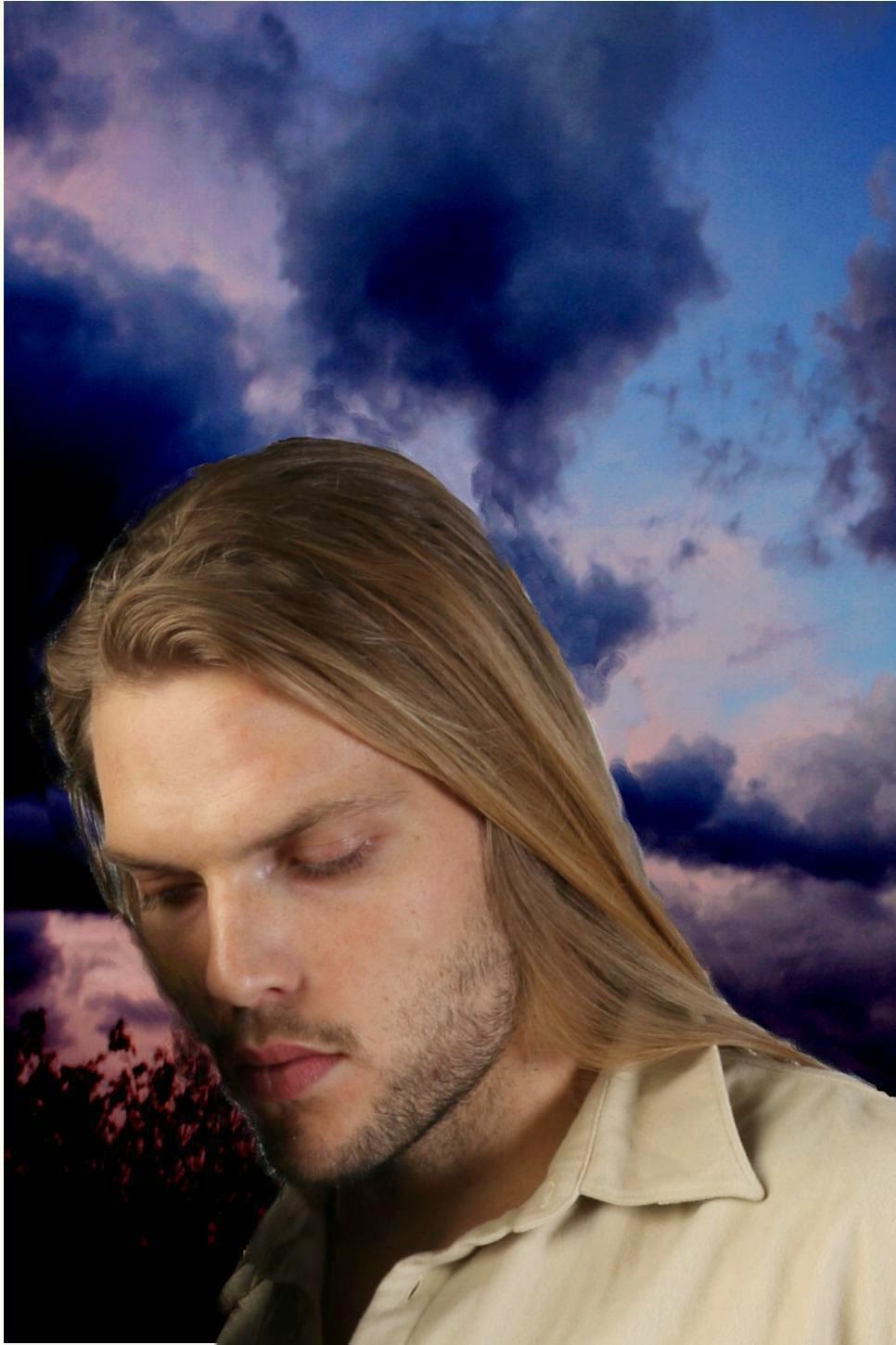
What makes a hero in a book? How does he come alive to the reader? When I was a girl and first saw Matthew Kane in my imagination, I recognized him as a worthy hero for a story. Matt would, of course, not agree. He saw himself as someone who only did what was needed. Time and again though, he reached deep and did what heroes do.
Fictionally, from all the way back then, until I refined the draft that became Round the Bend, he stayed true to who he was. Although I am no fonder of the word hero, than Matthew would be, there are qualities to the men who become heroes in novels. Some would call that the ultimate man-- or the sacred masculine. I liked the following words I came across several months back in Facebook from the The Goddess Circle :
"The Sacred Masculine is not a look, an age, a body or a type. It is the ability to be present of body and heart, to be open in spirit and feeling, free in soul and mind. It is kindness merging with strength, passion blending with purpose, sexuality joining with expression, emotion meeting truth and imagination combining with intelligence. He does not hide from what his heart speaks; he listens with open ear embracing his intuition, knowing that as warrior his instincts are sharp. He does not run from conflict, knowing that resolution is the traits of Kings. He will not wall off his heart from the Divine Feminine, feeling that within the flow of her love is eternity.~~~~~~~~~~~~~~~~~~~
"The Divine Masculine does not play games for he holds all others as equal to himself. He is open and honest in speaking his truth for he knows to hide his voice is to veil his purpose. He has no shame for the love in his heart for he knows to feel is sacred. He owns his mistakes and his past, but is not a prisoner to it's chains.
"The Sacred Masculine is a force of nature and as a part of nature, has a reverence for the natural world and all the creatures in it. His power is purposeful but not harmful, and wields a double edged sword of strength and compassion in equal measure. His love is a sacred space for himself to grow alone and with a companion in a place of trust, respect and soul connection . He would never lessen another to make himself more. He is a man that acknowledges his desires, his dreams and his deep emotions. He needs no lineage to be crowned King." ~Ara
Matt Kane is such a man. He came from a background that could have made him into a monster. Sometimes families do that to their offspring. He rose above it.
I have known men like him, who had every chance to become dishonorable but rose above it. One of them stands out in mind as a good example. He was the husband of a friend of mine. He shared my last name as he was a relative but distant one. When we moved to the farm, I knew that the family was out here, but we didn't really grow close. Well, I did to his wife. When he got cancer, she and I were together quite a bit as I tried to help in what small ways I could.
I remember her telling me once about a full moon when he told her that the two of them should go for a walk. They lived on a mountain where it was wilderness all around, and the walk he suggested was up a gravel road. She described it to me; and her moment became a special one to me, even though I only shared it in words.
This man was a loving father and a devoted husband. He had been to Vietnam and maybe it was there that he got the seed of what would kill him-- a particularly virulent leukemia. He fought to live but sometimes even heroes can be defeated.
The reason I thought of his story now is his upbringing had not been good. Not as bad as my hero in Round the Bend, but not the kind of thing that you'd expect to teach a man how to be someone everyone admired and who knew how to love fully. His childhood wouldn't explain the kind of man, who when he was dying of cancer, would ask his beautiful wife to go for a walk in the moonlight.
It's because of real men like him that I know people can overcome horrendous beginnings. It's what my hero had to do in the book coming out March 21, 2015. Matt saw himself a simple man who worked hard. He didn't do it to make people like him. He did it because he instinctively knew it was the right thing to do. He could have become like his brother or father, but instead he became a man all would come to admire. He was the kind of man they say-- he's one to ride the river with. Nothing had come easy for him, but with every difficulty he faced, he stood up to it and fought for what was right.
Finding a picture for Matt was nigh unto impossible. I wanted one for the cover of the book but blond, strong, young men are in short supply in model images. Many of them might be strong men, but they look like models. I can't count how many faces I looked at and even bought. Nothing was right; and then one day, I saw the face. It was the one I had seen all those years before. It really was after I had bought that image that I finally decided to bring out the Oregon historicals.