
Matador Network's Blog, page 436
August 5, 2022
11 Airbnbs in Sayulita To Experience Mexico’s Most Underrated Beach Town

Framed by the Sierra Madre Occidental mountains, Sayulita is one of the leading surf destinations in Mexico. The modest town is awash with art galleries, cute cafes, and yoga centers while this joyful seaside resort has a low-key yet fabulous nightlife if you’re looking to let your hair down. But first, where to stay in Sayulita? Cast an eye over our pick of the dreamiest Airbnb Sayulita vacation rentals that put you on the beach or up in the canopy.
Sayulita beachfront Airbnb rentalsSayulita Airbnbs with a private poolBeautiful Sayulita Airbnb treehousesWe hope you love the Airbnb Sayulita vacation rentals we recommend! Just so you know, Matador may collect a small commission from the links on this page if you decide to book a stay. Listed prices are accurate as of the time of publication.
Sayulita beachfront Airbnb rentalsBeachfront Airbnbs in Sayulita give you walk-up access to the best surfing, the best lounging, and the best coastal views. And because the town is right there, you can easily hop on a bike and be at the taco shop in moments.
Casa Paraiso: Unparalleled luxury villa
Photo: Airbnb

Photo: Airbnb

Photo: Airbnb

Photo: Airbnb
This deluxe beachfront villa sits mere yards from the water and has the added convenience of a private pool with mountain views. Two of the guest rooms are equipped with al fresco showers while the fourth is rigged with bunks that’ll delight the little ones in your party. This Airbnb Sayulita is pet-friendly and comes with a cook included in the price who will prepare breakfast and lunch daily.
Eleven guests, four bedrooms
Price: $1,155 per night

Photo: Airbnb

Photo: Airbnb

Photo: Airbnb

Photo: Airbnb
This cozy Airbnb Sayulita is curated for couples and honeymooners. The bungalow overlooks the ocean and is decked out with a private spa tub on the balcony. A simple kitchen lets you prepare basic meals to enjoy on the terrace as the waves crash below. Elsewhere at the complex you can make use of the shared pool and ask the concierge to arrange chefs, massages, excursions, and golf cart rental.
Two guests, one bedroom
Price: $200 per night

Photo: Airbnb

Photo: Airbnb

Photo: Airbnb

Photo: Airbnb
Pet-friendly, this Airbnb Sayulita with private pool is located in a remote neighborhood a short drive north of town. Rental is inclusive of the main house, a bungalow, and a casita. Beautifully styled interiors are ornamented with local and regional arts and crafts. In addition to the pool, the property features a hot tub and direct access to the beach where you can swim, surf, and hike.
Fourteen guests, four bedrooms
Price: $900 per night

Photo: Airbnb

Photo: Airbnb

Photo: Airbnb

Photo: Airbnb
Expect to have your mind blown by this Airbnb Sayulita beachfront rental home located on the peaceful north side of town. Locally crafted art, custom furniture, and bespoke murals fill the house and give it a one-of-a-kind personality. Meanwhile, the master bathroom is appointed with a luxe tiled bath for R&R. Keep your eyes peeled for whales and dolphins from the infinity pool and float beneath the milky way once the sun sets. Pets are welcome at Casa Orion.
Ten guests, four bedrooms
Price: $505 per night

Photo: Airbnb

Photo: Airbnb

Photo: Airbnb

Photo: Airbnb
Casa Paloma was remodeled by the same architect who designed an estate for the President of Mexico. The ozone-treated pool is set within a landscaped botanical garden while the rooftop terrace grants 360-degree views. Each of the six bedrooms has a personal bathroom and either an ocean or jungle view. Maid service is included in the rental fee while chefs and spa treatments may be added via the host.
Twelve guests, six bedrooms
Price: $985 per night
Taking a trip to Mexico? Check out Matador’s Mexico accommodations guides:The best Airbnbs in and around Mexico City’s historic center8 La Condesa Airbnbs to settle into Mexico City’s coolest neighborhood8 stunning Polanco Airbnbs in the city’s most international neighborhoodGrab Your Crew and Book These Oaxaca and CDMX Airbnbs for Dia de Los MuertosThese Top-Rated Tulum Airbnb Rentals Put You Right Near the Beach11 Cancún Airbnbs for an Unforgettable Beach Vacation11 Airbnbs In Cabo San Lucas for a Perfect Beach EscapeSayulita Airbnbs with a private pool
Don’t forget your swimsuit (not that you would on a trip here), because these Sayulita Airbnbs with a pool are the best places to chill in town. This is Sayulita coastal life, optimized.
Dreamy villa – Dulce Vida
Photo: Airbnb

Photo: Airbnb

Photo: Airbnb

Photo: Airbnb
This custom-built property is spread over two floors with the roof terrace providing the perfect hangout for an evening sundowner. Spend lazy afternoons jumping into the saltwater pool and soaking up the rays on the patio. Interiors continue the theme with bold textures, shapes, and colors across the decor and furnishings. The pet-friendly Airbnb Sayulita is located in the heart of town.
Eight guests, three bedrooms
Price: $300 per night
Photo: Airbnb

Photo: Airbnb

Photo: Airbnb

Photo: Airbnb
Soak up the silence from your Airbnb Sayulita private pool with only the sound of the birdsong in the background. No stone is left unturned in the attention to the materials, ornaments, and amenities at this mini-villa for couples. Prep light meals using ingredients from the market in the ornate kitchen and indulge in casual afternoons swaying in the hammock.
Two guests, one bedroom
Price: $175 per night

Photo: Airbnb

Photo: Airbnb

Photo: Airbnb

Photo: Airbnb
This family-friendly Airbnb Sayulita casita is centrally located and designed with all the charm of a traditional Mexican home. Four roomy guest suites are flattered by three attractive bathrooms and homely communal space. The kitchen is well-stocked with modern amenities including a coffee machine and a juice blender so you can fashion your own margaritas to sip around the pool.
Eight guests, four bedrooms
Price: $440 per night
Sayulita is the perfect place for a treehouse Airbnb vacation rental. With lush forestry just off the coast, you’ll have the best of both relaxation and views from these properties.
Beachfront treehouse perched in the jungle
Photo: Airbnb

Photo: Airbnb

Photo: Airbnb

Photo: Airbnb
Casa Nido is set within a patch of jungle and tropical garden overlooking the Sayulita coastline. The main dwelling is spread over three bedrooms each with a private bathroom while the detached palapa house has a further two rooms. Balconies are sheltered from the sun and provide perfect conditions for morning coffee or afternoon sun salutations. This pet-friendly Airbnb Sayulita suits couples, families, and larger groups.
Twelve guests, five bedrooms
Price: $590 per night

Photo: Airbnb

Photo: Airbnb

Photo: Airbnb
Nourish your soul at this unique Airbnb Sayulita treehouse buried in the foliage a 15-minute walk from downtown. You’ve got a decent kitchenette on the ground floor while the bedroom and an ornate bathroom occupy the upper floor and put you in direct line with the birds. The host will provide complimentary breakfast for your first morning and remains on hand to help with transport needs or tourist advice.
Three guests, one bedroom
Price: $75 per night

Photo: Airbnb

Photo: Airbnb

Photo: Airbnb

Photo: Airbnb
Be the envy of all your friends (and followers) when you spend a night at this luxury Airbnb Sayulita treehouse. The property towers above the bay and delivers ocean vistas that’ll stay with you long after checkout. An open concept kitchen means you can cook with a view while the infinity pool elevates this gorgeous home to the next level. Situated within a premier housing development, you’ll have access to communal pools, a gym, a private beach, and watercraft rentals. 
Eight guests, four bedrooms
Price: $1,400 per night


Bear Grylls Shares His Top Seven Outdoor Survival Tips

Survival expert Bear Grylls is back this summer with a new iteration of his hit show, in which he takes celebrity guests through some of the earth’s challenging areas and teaches them survival skills to master. The opening segment of Running Wild With Bear Grylls: The Challenge has Grylls and actress Natalie Portman take on the slot canyons of the Escalante Desert. Portman learns how to descend a narrow canyon, cross a deep ravine, and how to light a fire to signal for their extraction from the southwestern Utah region. In the second episode, actor Simu Liu learns how to protect himself against the freezing elements of the Canadian Rockies and he puts newly learned winter mountaineering skills to the test.
We caught up with Grylls recently just after the premiere:
Matador Network: If ever lost in the wild, what’s the first thing we should make sure to do?
Canadian Rockies — Bear Grylls rappels down an avalanche prone cliff in Running Wild with Bear Grylls: The Challenge.
Photo: National Geographic/Ben Simms
Bear Grylls: First up STOP. Most people rush in and make bad situations worse by panicking and doing a few rushed bad moves. STOP stands for stop, take a moment, observe, plan. This way you give yourself a fighting chance to reverse a simple error. Remember: your greatest asset is your brain. Think laterally, be smart, be resourceful and be determined to make it. Those are the elements that set survivors apart.
What gear should every adventurer always have with them?
Bear Grylls and Rob Riggle arrive in Sierra Nevada Desert Gorge via helicopter in Running Wild with Bear Grylls: The Challenge.
Photo: National Geographic/Ben Simms
Being prepared is so important, it sets you up for success from the get-go. Research the area and know the key items that will help you. For example, in the snowy mountains, a set of spare gloves can be a lifesaver. Ditto a small down jacket that you keep waterproofed and tucked into a small pounce in your backpack. Staple items are a multi-tool, waterproofed comms, such as an iPhone or satellite phone if off-grid. A small first aid and a fire starter kit. Enjoy water and some energy bars. Protective clothing: hat and long-sleeved shirt for desert and waterproof jacket for mountains.
This season takes you from the Escalante Desert with Natalie Portman to the Canadian Rockies with Simu Liu. What’s been your favorite terrain to adventure in?
Escalante Desert Plateau -- Natalie Portman and Bear Grylls in Running Wild with Bear Grylls: The Challenge. Photo: National Geographic/Ben Simms

Escalante Desert Plateau -- Bear Grylls short ropes Natalie Portman down steep terrain in Running Wild with Bear Grylls: The Challenge. Photo: National Geographic/Ben Simms

Canadian Rockies -- Simu Liu and Bear Grylls in Running Wild with Bear Grylls: The Challenge. Photo: National Geographic/Ben Simms
Every adventure for this season was a unique one for me, and we definitely pushed the boundaries in all respects. From the jungles to the high mountains. The stars come on this show because they want the empowerment that being in the wild can give and they want to learn some skills that might help them in life. Going to the Canadian Rockies with Simu Liu was one of the toughest. We were there in winter in storms and sub-zero conditions.
From the opening episode, we learn how to filter dirty water through underwear. What are some other luxury pieces we could use when all the underwear has already been used up?
Bear Grylls and Rob Riggle in Sierra Nevada Desert Gorge in Running Wild with Bear Grylls: The Challenge.
Photo: National Geographic/Ben Simms
Survival is all about being resourceful and using everyday items in ways that can help you stay alive. To filter the water you can use anything — yes underpants work but I’ve often also used socks or a t-shirt. Or used batteries or chewing gum to start a fire. You just have to use your imagination.
You mention the importance of having a positive spirit for survival. What is one situation you have been in that you couldn’t have gotten through without positivity?
Bear Grylls arrives to pick up Natalie Portman in Running Wild with Bear Grylls: The Challenge.
Photo: National Geographic/Ben Simms
A lifetime in the wild has taught me that attitude is the ultimate key to success and survival. The wild opens people up and never judges you, but it does ask a lot of us if we are going to survive. A good mindset is about positivity, resourcefulness, courage, determination, and faith. I remember being on Everest for three months in a small tent and often battling up the high faces for up to 18 hours a day. In those moments, heart, friendships and a never give up attitude count for everything. As does kindness. A key attribute to survival in groups.
From our exchange with Grylls and watching the first two episodes this season, we learned the following seven survival tips from him:
1. Firstly, make sure to STOP — stop, take a moment, observe, plan.2. Then, as he teaches Liu, Please Remember What’s First — protection, rescue, water, food. The first priority is always protection to survive in the wild.3. Think laterally, be smart, and be resourceful. For example, to filter water you can use anything, even underwear. Grylls shows Portman this after their descent when they come across sludge water.4. Research the area and know the key items that will help you. For example, in the snowy mountains, a set of spare gloves can be a lifesaver.5. Staple items to have are a multi-tool, waterproofed comms (such as an iPhone or satellite phone if off-grid), a small first aid, and a fire starter kit.6. Know how to light a signal fire. In both episodes, Grylls teaches the celebrity guests how to light a fire with their striker and how to add green to the fire to keep the smoke going to help signal the rescue.7. Be determined to make it. Attitude is the ultimate key to success and survival. And kindness is a key attribute to survival in groups.Currently running on National Geographic with new episodes every Monday, the rest of the season has Grylls survive in the jungles of Costa Rica with Ashton Kutcher, the volcanic rainforest with Florence Pugh, the Sierra Nevada Mountains with Anthony Anderson, and the Great Basin Desert with Rob Riggle. All the episodes will be available to stream on August 10 on Disney+.
Two Airports Made It in the Top 10 of ‘America’s Best Restroom Contest’

Airplane bathrooms are, in most cases, boxes of filth. And to avoid having to cram yourself in one of those flying Porta Potties, there’s only one solution: using the airport bathroom. Not all airport bathrooms are created equal, however. Some are bright, clean, and even artsy, while others are old, dingy, and sometimes plain weird. At Denver International Airport, for example, the bathrooms have large two-way windows, which means you have a lovely view of the tarmac where the aircrafts taxi and take off and the pilots and passengers have a lovely view of you after you’ve taken a pee.
For all of the bad airport bathrooms out there, some are also award worthy. For example, the two airport bathrooms nominated by Cintas for the 2022 America’s Best Restroom contest that are designed to be both utilitarian and beautiful, making the inevitable visit to the airport bathroom a pleasant experience rather than just a necessary one.
Newark Liberty International Airport
Photo: Cintas

Photo: Cintas
Photo: Cintas

Photo: Cintas

Photo: Cintas

Photo: Cintas
Newark Liberty International Airport’s acclaimed restroom is located in Terminal B. It was built to create much-needed extra facilities to this part of the airport.
The curved walls of the entrance and exit create privacy from the terminal while eliminating the need for a door, eliminating a high-touch area. A bench, away from the cubicles, allows for travel companions to wait comfortably, and there are water fountains near the entrance and exit for passengers to refill their water bottles. This airport bathroom is an all-gender facility where everyone is welcome, making for a more efficient use of space within the airport. There are cubicles for people with disabilities and changing tables for parents with young children. Privacy and the safety is maintained by fitting a large sink and mirror in each cubicle rather than a line of sinks outside. Each cubicle door extends from floor to ceiling, leaving no exposed room. Outside the cubicles is a long and narrow table where passengers can get their belongings organized before heading to their gate; there are also hooks to hang bags.
But beyond its functionality, this airport bathroom has also been nominated as one of America’s best restrooms for its unique decor. A large map of the world showing all the places people can fly to from Newark is located on the curved entrance wall — an appropriate piece of wall art for an airport. The use of light wood throughout creates a soothing and homely atmosphere, while splashes of bright blue paint cheer up the space alongside large, beautiful photographs of the area around Newark. The choice of blue is an intriguing one for an all-gender airport bathroom since it is often associated with masculinity – orange or green may have been more appropriate. As a third display of art, colorful mosaics with natural themes such as flowers and fruit are found in each cubicle, reminding people that they are indeed in New Jersey, the Garden State.
Tampa International Airport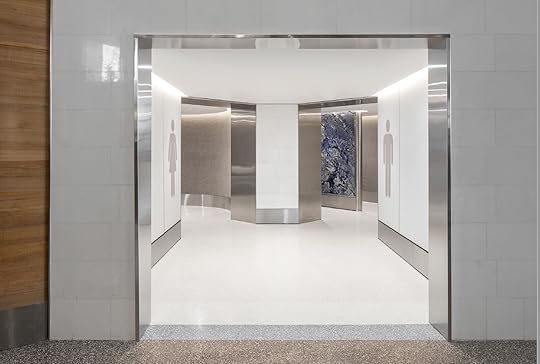
Photo: Cintas
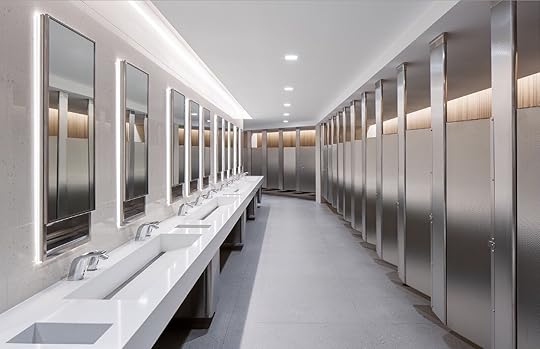
Photo: Cintas
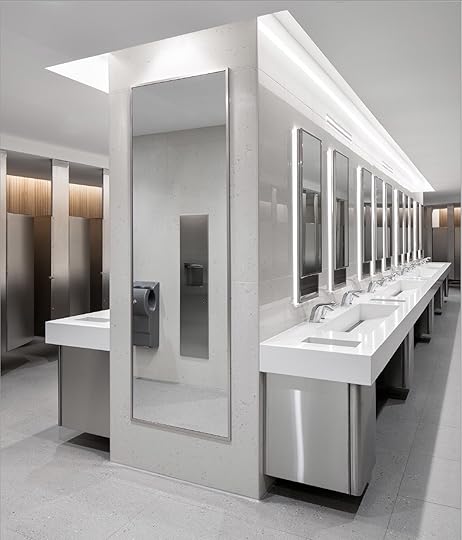
Photo: Cintas

Photo: Cintas
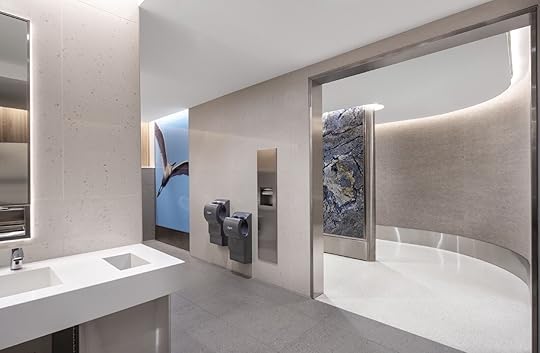
Photo: Cintas
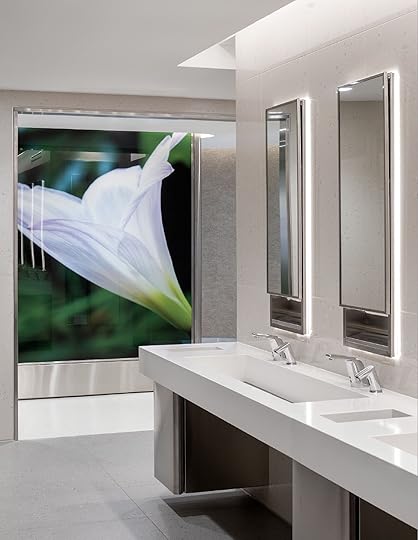
Photo: Cintas

Photo: Cintas

Photo: Cintas
Also nominated as one of America’s 10 best restrooms, the new bathroom in Tampa International Airport’s Airside C is exceptional, yet very different from the one in Newark Liberty International Airport.
The Tampa International Airport’s celebrated bathroom is separated into a women’s section and a men’s section. Privacy is less of an emphasis compared to the nominated bathrooms in Newark. Cubicle doors have gaps both at the bottom and the top, and the men’s bathrooms have urinals separated by small partitions and that face the sinks’ mirrors.
Like in Newark, this airport bathroom has curved wall entrances and exits instead of doors. Unlike in Newark, however, Tampa’s airport bathroom is fitted with lines of sinks and mirrors outside the cubicles. Each sink is meant for two users, however each user has their own automatic tap and soap dispenser. An embedded, no-touch trash can is found beside each sink.
Both the men’s and the women’s sections of this airport bathroom have fully ADA-compliant baby changing station. There is also a dedicated nursing room and family restroom that are separate from the main facilities, allowing more flexibility for families with your children.
Tampa International Airport’s bathroom decor is one that highlights a quest for cleanliness. Highly polished stainless steel cubicles and gray and white tiles create a hygienic atmosphere alongside the white angular sinks and chrome mirror frames and taps. While colorful touches like a wall of deep blue stone marks the entrance of the men’s bathroom, and beautiful, large prints of Tampa’s flora and fauna are displayed in both sections, they do little to bring warmth or a sense of geographical space into this very clinical setting. The faux wood tile found in both sections is also insufficient to create any coziness.
Other nominees for the 2022 America’s Best Restroom contest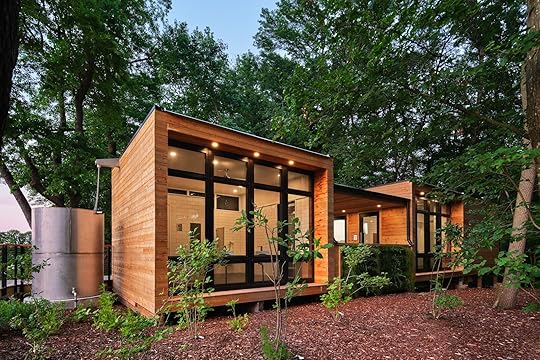
Bathroom at Delaware Botanic Gardens in Dagsboro, DE. Photo: Cintas

Bathroom at Eberly in Austin, TX. Photo: Cintas / Austin Monthly

Bathroom at Headlands Lodge and Spa in Pacific City, OR. Photo: Cintas

Bathroom at La Pâtisserie in Charleston, SC. Photo: Cintas
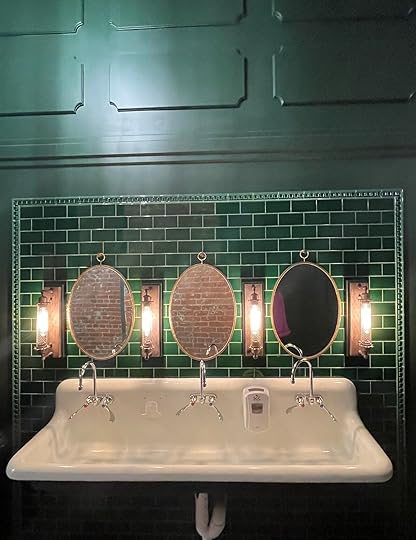
Bathroom at No. 5 Bistro & Bar in Sedalia, MO. Photo: Cintas
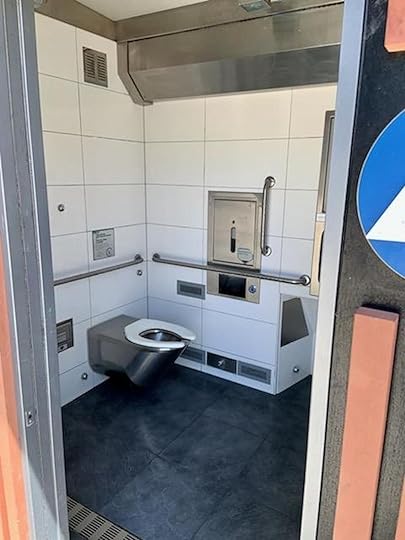
Bathroom at North Hollywood Recreation Center. Photo: Cintas
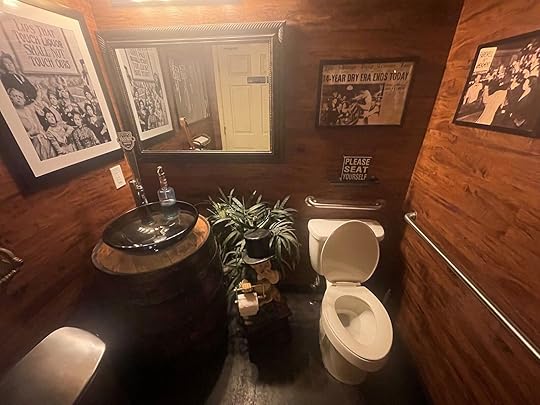
Bathroom at Stone Mountain Public House in Stone Mountain, GA. Photo: Cintas
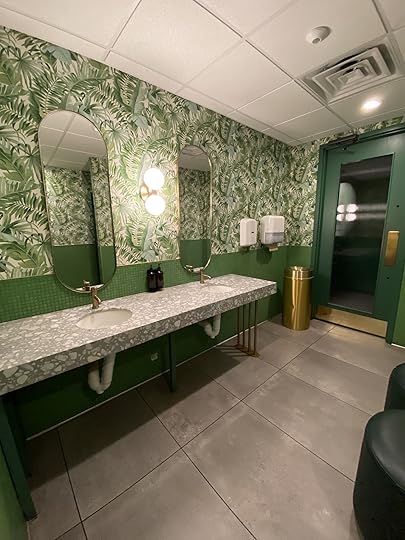
Bathroom at Tori Tori in Orlando, FL. Photo: Cintas
Cintas has narrowed down the list of the best restrooms in America to 10 contestants, including the bathrooms at Newark Liberty International Airport and Tampa International Airport mentioned above. The other eight finalists are:
Delaware Botanic Gardens in Dagsboro, Delaware: Clad in wood on the outside, and with minimalist interior decor that lets nature take center stage thanks to large windows, this bathroom fits its setting to perfection.Eberly in Austin, Texas: Painted entirely in dark cobalt blue, with accents of brass and soft yellow lights, this restaurant bathroom feels elegant and retro. Headlands Lodge and Spa in Pacific City, Oregon: The color palette of this spa bathroom is all about light and dark browns to create an atmosphere reminiscent of Oregon’s beautiful nature. The wave-like concrete sink is a highlight of the space.La Pâtisserie in Charleston, South Carolina: This beige and cold bathroom with its striking light fixtures is simply chic.No. 5 Bistro & Bar in Sedalia, Missouri: The exposed brick and penny tile floors contrast with the green walls in this stylish bathroom fitted with a vintage sink and mirrors. North Hollywood Recreation Center in North Hollywood, California: This utilitarian self-cleaning bathroom has touchless toilet paper and soap dispensers, as well as touchless sinks and hand-dryers.Stone Mountain Public House in Stone Mountain, Georgia: This themed bathroom has a sink made from a whiskey barrel and a beer tap in lieu of a faucet.Tori Tori in Orlando, Florida: With a green color scheme and a tropical wallpaper, the bathroom in this Japanese bar was modeled after the restroom from the 2004 movie The Aviator.You can vote for your favorite bathroom online until August 26, 2022.
The Real Reason Flight Attendants Make You Open the Window Shades Before Takeoff and Landing

Of all the things airline passengers are asked to do before a flight takes off and lands — buckling our seatbelts, stowing our tray tables, returning our seats to their upright positions — opening the airplane window shades seems pretty incidental. Turns out it’s not.
A recent Reddit thread posted to the r/YouShouldKnow subreddit by a flight attendant under the username u/TerraFormer 001 explained that opening the windows before takeoff and landing is actually a matter of safety. The goal is to help the human eye adjust to the outside light to ensure that passengers can evacuate as swiftly and safely as possible in the event of an emergency, without wasting time trying to orient their vision. The poster noted that the cabin crew always turns off the cabin lights during takeoff and landing for the same reason.
According to a 2018 news release from Amsterdam’s Schipol Airport, there’s another explanation for why airplane window shades need to be open during takeoff and landing, the two most dangerous stages of air travel. It allows the cabin crew to see if there are problems with the engines or wings that need to be communicated to the pilot or emergency services, as well as identify which side of the aircraft is safer to disembark from if the plane does need to be evacuated. In the event that emergency services is contacted, the release also points out that the fire service benefits from having the window shades open so that they can see if there’s smoke or fire in the cabin before they enter.
In response to the original Reddit post, one user commented that they recalled being asked to close the airplane window shades to keep the aircraft cool. Others said they’d had similar experiences on flights to destinations such as Las Vegas and Dallas. In response, another Reddit user who identified themselves as a flight attendant explained that this is common practice once the plane has safely landed.
“Once at the gate, if the plane is not staying in ‘full power mode’ it will start to get hot just as a car does,” the commenter wrote. “Then it takes a long time on the ground to cool back down for a new departing flight, so [closing the airplane window shades] after landing helps a bit.”
August 4, 2022
25 Must-Know Pieces of Hiking Advice for Beginners
If you’re anxious to hit the trails but aren’t quite show how to get started, don’t worry. Hiking experts on Reddit are sharing their best tips for hiking for beginners, ranging from what to pack to how to evaluate a trail to how to stay safe.
While hiking seems simple — and it fundamentally is — it’s understandable that it can be a little scary. Being out in the woods away from other people (and sometimes cell service) can make even an easy trail seem intimidating. But hiking for beginners doesn’t need to be extreme, and these 25 tips for first-time trail explorers prove it. These tips come from Redditors around the world, ranging from experts who have hiked the entire Pacific Crest Trail to tropical hikers used to rain storms and muddy trails.
The best part of some of these tips is how honest and easy they are, especially in regards to buying expensive new gear (hint: don’t do that right away). Pair these tips with suggestions of what not to do on the trails, and you’ll be a pro in no time.
Hiking for beginners can be intimidating, but hopefully this useful suggestions can help make you feel a little more confident about venting past the trailhead.
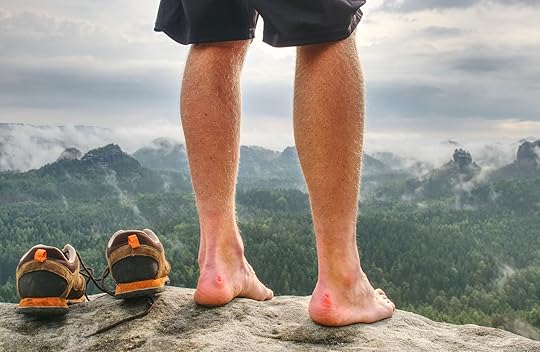
Start with your footwear
Photo: Diego Cervo/Shutterstock
“Shoes, and I can’t emphasize this enough: get good shoes.” – Yaglara
(By the way, Matador’s outdoor editor wrote a guide to her favorite trail shoes that work for hiking but aren’t big, clunky boots)
Seriously: shoes. And socks“This is so important! Your feet are your only mode of transportation when you’re hiking, so you have to take care of them. You don’t necessarily NEED super fancy “hiking shoes” right off the bat, you really could hike in tennis shoes, but I would consider the type of terrain you are hiking in.
“I would also invest in a pair of merino wool blend socks. They’re moisture wicking and odor resistant, so they’ll help wick away sweat from your feet and dry off faster, which in turn helps prevent blister formation.” – star_wolff
And break ’em inPhoto: rdonar/Shutterstock
“Do not wear new boots unless you have broken them in first or you’ll be left half way somewhere and in a lot of pain.” – Kanad3_Tachibana
It’s not just shoes that can hurt“Have a plan to avoid chafing. There are products out there that apply like deodorant or [wear] good underwear/compression shorts. Find what works and feels best for you. A little chafing leads to a lot of unpleasantness.” – skyrim9012
Know proper wildlife behavior
Photo: Travelvolo/Shutterstock
“Learn about proper food storage. Bears are real.” – rapiertwit
Trust your senses“If your gut says something is dangerous or not a great idea then listen to it. Solo trips are fun but you are alone and help may be far away if something goes wrong.” – pajamakitten
Hiking for beginners need not be difficult“As a beginner, there is really nothing you ‘need’ other than a bit of knowledge and a willingness to learn. John Muir would famously stuff a few handfuls of peanuts and raisins in his pockets and disappear for days. Not recommending this approach, but you probably already have an old-school backpack and some sort of water bottle you can use. Throw some snacks and a map in there and go for a walk.
Plan conservatively and do short, simple hikes. Ask yourself, ‘What did I enjoy about that hike? What might I l have liked to have or done differently to make it more enjoyable or to be better prepared in the future?’ Spend your money on those things as you learn more.” – njp9
Get to know your surroundings
Photo: ShutterstockProfessional/Shutterstock
“Brush up on nature and meteorology. For example, going above treeline and you see some clouds — is it a cumulonimbus or a lenticular cloud? Going off trail to pee… are you walking through stinging nettle, poison oak, or just Virginia creeper? And read up on bears. Believe it or not bears aren’t going out of their way to toss your campsite and hold you up by your legs.” – Ptr4570
Turning around is A-ok“Remember that when you go from A to B, then you have to go from B to A. If you are getting very tired don’t be afraid to turn around. Sometimes the way back (downhill) takes more time. Take it easy and don’t rush at first. You don’t want to give 90 percent of your energy in the first 10 percent of the way. Enjoy the view.” – Megymguy
Don’t buy expensive gear right away
Photo: Blue Planet Studios/Shuttestock
“All you need are exercise clothes, running shoes and a backpack for the essentials (water and whatever else is safe in your climate). I bought all my gear before I started and spent a lot of $$$, then had to sell it and buy different stuff once I knew what I was doing. The tent I bought was too big, the backpack was too big, there was lots of gimmicky stuff I didn’t need, the hiking boots made my legs tired, etc. Just wear your exercise clothes and go for a walk!” – PattersonsOlady
Start with pre-owned gear“I’m fairly new myself, only have done day hikes. But in my opinion you need whatever will make you comfortable so that you can focus on enjoying your surroundings. I have boots that fit alright, from REI used gear. I know it sounds weird, but it’s a good way to get high quality gear at lower prices. I also got super cheap used hiking pants and a light, breathable button down.” – streachh
(By the way: some of Matador’s editors favorite brands have their own used gear programs, such as Patagonia. You can also find great deals on used gear at REI if you’re an REI co-op member).
Lots of food and water“Bring more water than you think you need. A few snacks too. Beginning hikers make this mistake a lot. Myself included.” – Pat_solo
Find fellow hikers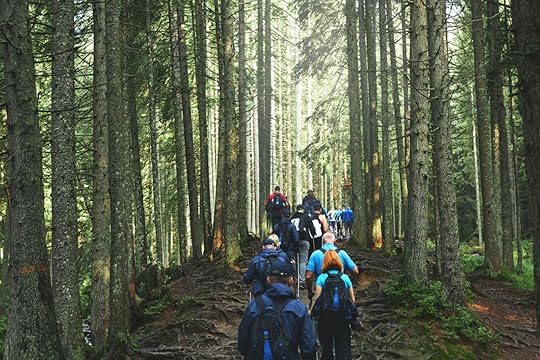
Photo: Vitalii Matokha/Shutterstock
“When you’re ready to attempt longer hikes, perhaps get in touch with a local hiking club. The Meetup App is pretty good for this. You’ll learn a lot from the more experienced members as well as get some great trail recommendations. As a bonus, you’re likely to make new friends, too.” – Acid_rain_747
Download a useful hiking app in advance“Personally, I’d recommend the AllTrails app. I went and bought the pro version, has some great downloadable map features, etc., gives decent insight into how hard or easy the trail will be and how long it might take, where to park, etc. Was fantastic on a recent trip to Acadia — so many choices for just three to four days.” – Ill-Albatross-8963
Hike in popular places first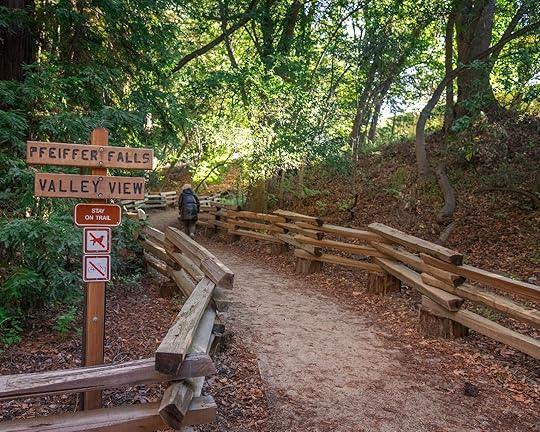
Photo: Gerry Matthews/Shutterstock
“Here’s my add: go to the popular places initially. Places you know that other hikers will be at. You’ll make new friends, find other solo or duo hikers, and if something goes wrong, there are people to help out. I’ve met a couple people out while solo hiking and still keep in contact with them.” – mazzicc
State parks are great“State park websites often have good information about different hiking trails and their levels of difficulty. If you pick a shorter trail, like under three miles or something, you probably don’t need to sweat too much about the details. Just wear tennis shoes/boots, find out where you can park, and bring water. Park offices usually have maps, and these might be available online as well, if that would increase your comfort level.” – natalielynne
Hydrate before you start
Photo: Pearl PhotoPix/Shutterstock
“My uncommon water advice: start the day hydrated. Drink 0.5 liters before bed the day before you start the hike. Then before leaving the house, drink as much as you can fit.” – SvalbardCaretaker
Manage your risk“If you’re just going out for the day, getting lost should be your main safety concern, followed by falls. Falls are the number one cause of death in national parks, with 245 falling deaths occurring between 2010 and 2020. Yosemite had the most falling deaths – 45 – in the 10-year period, while Grand Canyon had 27 and Sequoia had 25. So get a GPS app on your phone and/or map and compass if you know how to use them.
When you’re hiking solo never climb anything high enough if you slip you could be incapacitated and couldn’t walk out. Remember, lots of backcountry areas won’t have cell service, so you likely couldn’t call for help.” – Genericdude999
Take it seriously, but mistakes are okay“Don’t be intimidated. Hiking is easy to get into. Just be smart about it, know your fitness, experience, and knowledge levels and try to make good choices. If you can, find people you can enjoy it with and learn from. Have fun. Keep learning. Most mistakes don’t actually end in disaster, just discomfort or a less-than-ideal experience, so learn from them and keep going.” – Cephas24
Obvious, but essential
Photo: Maridav/Shutterstock
“No matter how short a trail or how familiar you are with the area, check the weather first. Lightning is unpredictable. Survivors of a strike can have permanent brain damage.” – PreserveHabitat
Make it easy to get found“My first thing I always recommend someone carry is a good whistle. If you get lost, it’s one of the most effective ways to alert others to where you are.” – rmcnee
Don’t forget about salt“You need water, but you also need salt. When you sweat you lose all the salts and electrolytes in your body and you have to replenish those. An imbalance will make you feel super lethargic and your legs will feel very heavy. Bring a salty, protein-dense snack like some nuts or some cheese and salami (my favorite) and you’re in good shape.” – BlissfullyChilling
Motivate yourself with a hiking bucket list
Photo: Ryan Kelehar/Shutterstock
“It’s easy. Start with well known and popular trails that people have told you about. Shoes, food, water, and elevation maps that show how many miles in/out/up/down. That way you know how far you are going. Start out with one/two mile loops… then keep going up from there. At some point bring extra weight to practice. Find some dream hikes (Havasupai) and figure out what it takes to complete them. Make all your hikes build up to completing your dream hike. Then find a bigger dream.” – circediana
Or make it about more than hiking
Photo: StockBusters/Shutterstock
“Be open to changing things… if your knees hurt on downhills, try a walking stick or poles. If you get blisters, change your footwear. If you’re feeling crummy at the end of a hike, change stuff… the end of a good hike should leave you wanting more.
If you can pick up some interest, it can make the hike more enjoyable. Maybe you can try to identify all the plants along the way, notice how they change through the season. Try to ID birds by their songs. Same for flowers or insects… maybe cartography or photography could be your thing.” – MayIServeYouWell
Maybe the most important“Tell someone where you are going, what trail you are taking, and how long you expect it to take. That way, if anything happens, they have an idea of where to look for you. I usually give my wife a copy of my map with my route highlighted and give her a rough window of when to expect me to check in when I’m headed back home.
This is good practice for any hike, not just solo hikes.” – jslondon85
You Can Be Fined $5,000 and Get Six Months in Jail for Visiting the World’s Tallest Tree
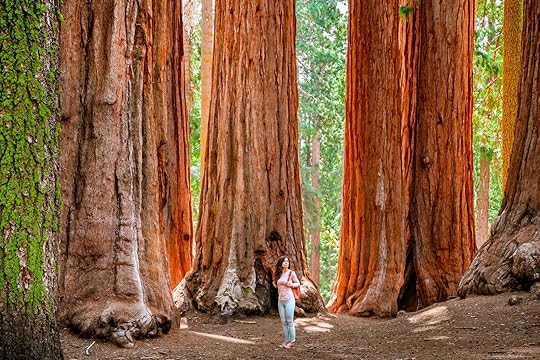
Taking the wrong hike in California can now lead to a $5,000 fine plus six months of jail time. The world’s tallest tree in northern California’s Redwood National Park has been off-limits since its discovery in 2006, but that hasn’t stopped people from trying to find it, according to the Los Angeles Times. Now, park officials hope the new consequences keep visitors at bay.
Named Hyperion after the Greek Titan of heavenly light, the tree was last recorded by Guinness World Records to measure over 380 feet and is estimated to be between 600 and 800 years old. Naturalists Chris Atkins and Michael Taylor put the tree on people’s radar in 2006. By 2010, blogs and Reddit threads revealed the location of the tree, and over the years, more and more visitors have created trails by bushwhacking their way to it. The tree has become degraded due to unwelcome visitors who leave trash and human waste and trample the surrounding area, ruining the vegetation and soil around the tree’s base. Some people even bring drones or try to climb the giant, Leonel Arguello, the park’s manager for natural resources, told The Associated Press. Joanna Nelson, director of conservation planning at Save the Redwoods League, told the Los Angeles Times that only five percent of old-growth redwoods are left that haven’t been used for commercial logging.
Traveling to the area is also dangerous for hikers because it’s completely off the beaten path with no cell service, making it easy to get lost.
But perhaps the most ironic thing about all of the people who desperately seek out the famous redwood is that officials say the tree is just not that impressive in person. Compared to other redwoods that are easier to get to, the trunk is thin and there’s no way for visitors to take in the tree’s massive height. Park officials hope that by further deterring visitors with the threat of fines and jail time, the natural vegetation around the world’s tallest tree will have time to heal.
An Inside Look at Where Flight Attendants and Pilots Sleep on Long Flights

If you’re a plane passenger who often flys economy, you know how challenging sleeping on a flight can be. Maybe you’ve dropped some dough on the perfect neck pillow to get a good night’s rest or resorted to the military sleep method. But what about the pilots and crew who are working those long haul flights? It turns out flight attendants and pilots have their own sleeping quarters. Quinten Moshy, a ramp agent and cabin groomer, posted a TikTok showing where the crew can get some rest while flying.
@quintenmoshy Apparently flight crews need rest after all… #boeing #787 #airplane #pilot #bayarea #california #london #airport #flightattendant #fyp #travel #aviation #rampagent ♬ Aesthetic – Tollan Kim
Moshy shows a 787 Dreamliner on British Airways, but according to Insider, the pilot’s quarters can look different depending on the airline. In Moshy’s TikTok, he shows how the pilot’s resting area is located behind the cockpit, which is common in almost all planes. Some areas on other planes include TV screens, bathrooms, and reclinable seats. And sometimes the flight attendants sleep in bunk beds. However, one commenter noticed there was one important feature missing.
@quintenmoshy Replying to @49erwarrior no windows, just mirrors and curtains #boeing787 #dreamliner #aviation #airplane #flight #flightattendant #pilot #california #london #travel #fyp #sleep #airport ♬ original sound – Finley
One of the best parts of flying is the view. And although it might seem a little harsh or claustrophobic that these sleep pods don’t have any windows, perhaps it’s a good thing to ensure that the crew gets uninterrupted rest.
The Best Things To Eat and Do on Procida, One of Italy’s Most Charming Islands

Procida, Italy is an idyllic island fringed with black sand beaches and candy hued architecture just off the coast of Naples (in Campania, Southern Italy). It has managed to remain largely hidden from the usual Naples tourist route, but after winning Italy’s much-coveted Capital of Culture status (the first island to be awarded such a distinction), now is the perfect time to explore this slice of rough-around-the-edges Neapolitan island culture.
Wash ashore from a ferry from Naples or Ischia and it’s likely that those glittering waters that nip at the volcanic black sand beaches, or the daily catch from local fishermen that piles up in boxes and nets across the marinas, will make you fall head-over-heels in love with Procida, Italy. Venture on a slow walk into Procida’s chaotic and often unkempt interiors, and you’ll soon realize that this pretty little island, with its winding roads, has so much more to offer than seafood – although that’s good, too, of course.
What is Procida, Italy, known for?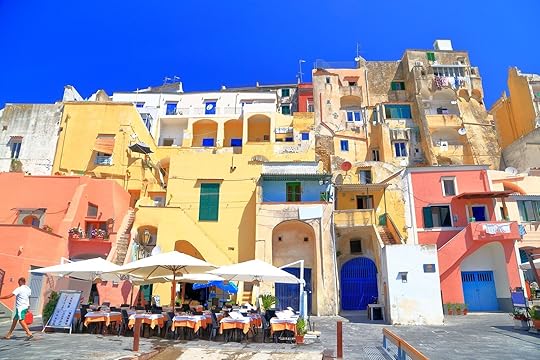
Photo: Inu/Shutterstock
Procida’s cobbled, candy-floss-colored marinas can easily rival its neighbors, but where Ischia and Capri are all glitz and €15 spritzes, in Procida you’ll see more fishing nets and crumbling walls, with a hardened Neapolitan charm that has barely changed in a century (although you can get a spritz for a fiver here, too).
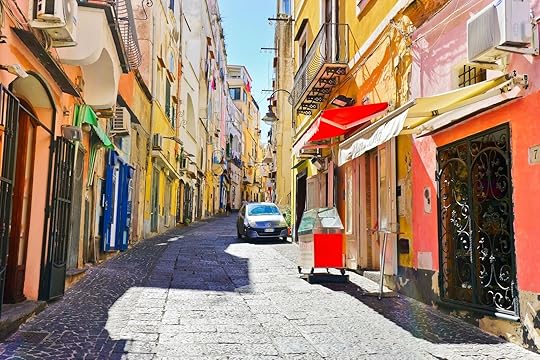
Photo: Javen/Shutterstock
Look up from most of the island and you’ll see a vast fortress on a hilltop, until recent years an infamous prison for Italy’s worst criminals. It hangs like some medieval shadow over the colorful houses of Marina di Corricella, where old cars and mopeds crowd the sidewalks punctuated by a forest of lemon trees, their roots breaking through the tarmac on narrow roads.
What are Procida lemons?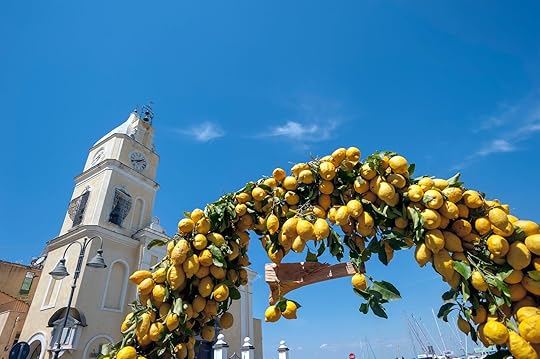
Photo: costagliola/Shutterstock
Treasured for its white pith, the fluffy underside of the rind, that locals refer to as the bread of the lemon, the Procida lemon is unlike any other. First of all, it’s huge. Some are as much as four times the size of a regular lemon, with porous skin and a lumpy exterior. Lemons are chopped into big chunks for deliciously sweet lemon salads, shredded up for pasta dishes and distilled into Limoncello di Procida.
Walk the streets of the Procida, Italy, and you’ll find lemon trees arching over roads, beds of lemons beneath thickets of bushes, bowls of lemons perched beside lemon-scented pasta dishes in waterside restaurants, and pretty houses made all the prettier by a lemon fresco or a house number marked by a tile decorated in hand-painted lemons. The Procida lemon colors this little island as much as it flavors and scents it.
How do I spend a day in Procida?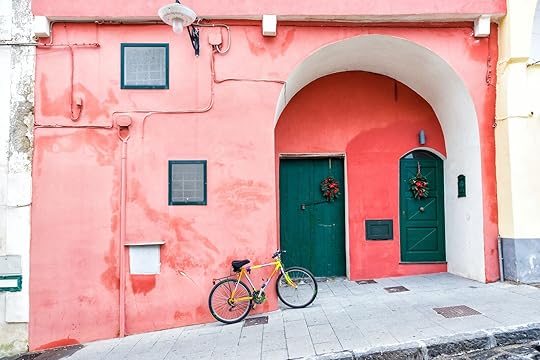
Photo: Francesca Sciarra/Shutterstock
Procida, Italy can be visited in a day, but take it slowly and get to know it, walking from the busy Marina Grande to the vistas atop Terra Murata and stay in a hotel with a view of Marina di Corricella – try to find one that serves freshly baked pastries in the morning (I recommend hotel La Casa Sul Mare).
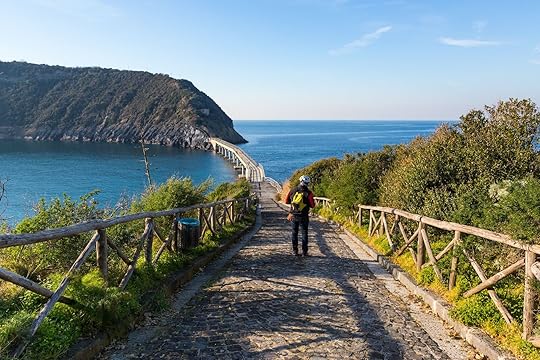
The bridge to Vivara Island. Photo: Francesca Sciarra/Shutterstock
Hike the length of the island (a trek that can be completed in less than half a day) to find the island’s interior lemon groves and hop over the bridge that connects to the nature reserve at Vivara Island. Stop for slices of Neapolitan pizza en route to black sand beaches where local limoncello spikes the spritzes and take the time to try each of these delicious island delicacies.
What to eat in Procida, Italy
Photo: trabantos/Shutterstock
Lingue di ProcidaHop off the ferry at Marina Grande (the only way to reach the island), avoiding the mopeds that form a disorderly crowd around the ferry docks, and grab a seat at a rustic outside table at Bar Roma – the place where this lemon cream-filled pastry was supposedly invented. It first popped up sometime in the 1960s, and its name means the Tongue of Procida. A golden-hued, extra crunchy puff pastry in the shape of a fat tongue, flaky and rough around the edges, with fluffy layers leading to a melting creamy lemony cream within. It pairs sublimely with a coffee for a perfectly Procidan breakfast, or alongside a spritz for an indulgent mid-day aperitivo.
Variations pop up here and there (try Panificio F.lli Dell’Amura or Pasticceria Spinelli) with custard and chocolate amongst the most popular, but Bar Roma’s original take is as good as any place to start a tour around the island, and they’ve served up their version for more than half a century.
Where to find it: Bar Roma, Via Roma, 164, 80079 Procida
Insalata di limoni di ProcidaOn Procida, plates piled with sliced lemons are a common sight. The unusually robust white pith is so thick that locals call it bread of the lemon, and the first bite is sweet, fresh, and juicy. The salad is further spiced by fresh onion and chillies, then seasoned with fresh mint and salt.The dish is often served on a small plate, and sometimes with a plateful of freshly fried anchovies, but it’s at its best when the chef is liberal with the chillies and sprinkles on a handful of freshly picked mint, as in the version at Il Pescatore.
Where to find it: Il Pescatore, Via Marina di Corricella, 63, 80079 Procida
Seafood from the marina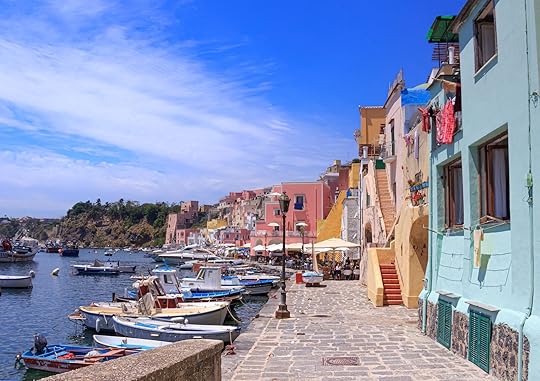
Photo: trabantos/Shutterstock
Stroll along the waterfront beneath the gelato-colored houses at Marina di Corricella and the choice of fresh seafood is abundant. Every restaurant boasts freshly caught fish and offers them up for selection from a silver plate. Stray cats weave in and out of empty fishing nets, eager to sample from the bowls of freshly topped up water. This little cinematic scene happens daily.
While it’s fair to say that the restaurants in Marina di Corricella have similar menus, serving up the local seafood and shaving parmesan and lemons onto crisp white plates, the marina remains a perfect spot for lunch and dinner. La Graziella serves up some of the better pasta, with spaghetti served with fried anchovies and lemon juice, or thick chunks of lemon and handfuls of mint, while Ristorante Gorgonia’s sea urchin pasta is a divine, salty hit of pure oceanic flavor.
If you’re traveling to Procida, Italy, in the high season it’s advisable to book, as space is limited, but La Lampara’s creamy seafood risotto is more than worth the effort. Pair it with an inexpensive but generally very good house wine poured from a carafe, all while gazing at views of the bay and the ornate duomo of Santuario S. Maria Delle Grazie Incoronata poking up from the skyline like a big lemon-colored wedding cake.
Where to find it: Marina di Corricella, Via Marina di Corricella, 80079 Procida
Babà with limoncello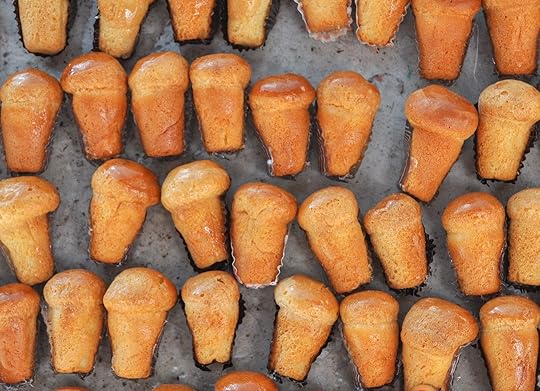
Photo: s74/Shutterstock
Babà, conical cakes soaked in sticky, citrus-flavored alcoholic syrup, are a staple on the Neapolitan food scene, but their roots grew from the east, where, in Poland, former king Stanislas Leszczynski had the idea of soaking a dried-out kugelhopf cake in liqueur.
The idea traveled and eventually hit Paris where it became babà au rum before being taken to Italy by the monsù – chefs who had trained in France and worked in the kitchens of the well-to-do families of southern Italy, ensuring babà would become as Neapolitan as pizza. In Procida, these delight cakes are often served soaked in the local limoncello.
They pop up across menus but the sweet, browned cones of babà served up on the terrace at Ristorante Gorgonia are often topped with cream for an extra hit of indulgence. A lemony, burned sugar flavor gives way to a strong hit of alcohol and the sticky sponge melts in the mouth, perfect for an after-dinner treat.
Where: Ristorante Gorgonia, Via Marina di Corricella, 50, 80079 Procida
Coniglio alla ProcidanaPeople with a taste for heavy meat dishes aren’t particularly well served on Procida. However, one red meat dish that you’ll find on the island is a hearty, heavily spiced rabbit stew. Procida’s stew is a slow, laborious affair; the cooking time goes on for several hours until the rabbit is tender and proficiently soaked in the flavors of local rosemary, a touch of garlic, cherry tomatoes, chillies and white wine.
La Pergola’s rabbit stew is legendary, and served, as seems correct for such earthy, autumnal fare, under the lemon vines of its romantic terrace amongst the island’s leafy interiors.
Where to find it: La Pergola, Via Salette, 10, 80079 Procida NA
Spaghetti alla pescatora poveraEveryone on Procida has a lemon tree close to hand, that much we’ve established. It’s also true that the sea is never more than a 10-minute walk away from where you are on the island.
This simple pasta dish of anchovies and peppers is emblematic of the fishermen who populate the island: In fact, the name loosely translates to poor fisherman’s spaghetti. On Procida the enlivening flavors of anchovies and green pepper give this dish a tang of both the sea and the land.
The dish comes together quickly with everything fried in olive oil and piled up atop a fresh hill of al dente spaghetti in the middle of the plate, topped with grated cheese (while not “traditional”, it is a mouth-watering accompaniment).
La Conchiglia serves its version in the traditional fashion from a delightful space overlooking the vistas at Spiaggia della Chiaia. The restaurant is accessible from the beach but is one of many restaurants that remain closed for the colder seasons, so check for opening times before descending the (hundreds) of twisting stairs to the sand.
Where to find it: La Conchiglia, Via Pizzaco, 10, 80079 Procida
Foglioli
Photo: youri/Shutterstock
Traditionally, while making Limoncello di Procida, the island’s native version of limoncello, producers would drop in a few lemon leaves along with the lemon peel for a subtle Procidan twist, but David and Cinzia Lubrano, the creators of Foglioli decided to drop the lemon entirely and make a drink inspired by limoncello using only the leaves of the local lemons. The results are more herbaceous than a limoncello, with less sugar, and a puckering bitterness on the palette. On my last visit to the island, David told me that breaking open a lemon leaf and smelling the “truly amazing” aroma is exactly how he got the idea for Foglioli.
In order to get a taste, order a spritz al Foglioli at Capriccio Bar on Via Roma or try the Flamingo Bar on Piazza Della Repubblica, where the cocktail menu often showcases the spirit.
Where to find it: Capriccio Bar, Via Roma, 99, 80079 Procida NA and Flamingo Bar, Via Libertà, 90, 80079 Procida
3 Mysteries Archaeologists Still Haven’t Figured Out About Ancient Egypt’s Pyramids

The world’s fascination with ancient Egypt has a long history; Greek rulers often portrayed themselves as pharaohs and Romans dragged obelisks out of Egypt to adorn their cities, including Istanbul and Rome. Following Napoleon’s invasion of Egypt in 1798, Egyptomania gripped Europe and amateur archaeologists began flocking to the country, unearthing massive temples and statues and excavating untold numbers of tombs, including the famous tomb of Tutankhamun, discovered by Howard Carter in 1915. But of all the impressive sites and artifacts found, the pyramids of ancient Egypt are unmatched in grandeur.
Pyramids were built as funerary tombs for pharaohs and high-ranking officials from 2600 BCE to 1550 BCE. These massive monuments displayed a person’s power and wealth and served as a place of ascension into the afterlife. Over 100 pyramids have been found in Egypt, mostly in clusters along the west bank of the Nile. The pyramids come in all shapes in sizes, from the early stepped pyramid of Djoser to the uniquely shaped Bent Pyramid, where the pyramid angle was changed mid-way through construction, to the three iconic Pyramids of Giza, which have been dominating Cairo’s horizon since 2550 BCE.
Research on the pyramids have been taking place since the early 19th century, with early archaeologists clearing sand from the complexes and exploring the interior chambers (sometimes, unfortunately, for the pyramid’s preservation, with the help of dynamite) and later archaeologists scanning and restoring the monuments. However, for all the centuries of excavation and research many pyramid mysteries remain.
Pyramid mystery #1: How were the pyramids of Egypt built?
The Pyramid of Khufu. Photo: ImAAm/Shutterstock
The Pyramid of Khufu (sometimes called Cheops), the largest Egyptian pyramid, is made of 2.3 million stone blocks, each weighing anywhere from 2.5 to 16 tons. Some of the blocks, particularly the ones used in the inner chambers, came as far as Aswan, 500 miles from Giza where the pyramid stands. But how did ancient Egyptians build such massive pyramids without using simple machines such as the wheel, which, while used by Egyptians for pottery making, was not used for carts or chariots until 1500 BCE, likely because wheels weren’t much use in the thick sand that covered the country? It’s an age-old mystery and one that continues to be an enigma for ancient monumental complexes across the world. While there are numerous theories, there is a lack of hard, archaeological evidence to fully support any one of them.
One theory about how the blocks were moved involves sleds and wet sand. A painting in the tomb of Djehutihotep shows men dragging a colossal statue on a sled. In front of them, a person pours water onto the sand. While initially thought to be a ceremonial gesture, physicist Daniel Bonn recently discovered that the right amount of water, about two to five percent of the volume of sand, increased the stiffness of the sand and reduced the friction between the object being dragged and the ground, making the object much easier to move. The same technique may have been used to drag stone blocks to pyramid construction sites.
Once the blocks were at the pyramid’s construction site, however, how were they lifted into place without the use of mechanical advantage? A ramp found in a quarry dating to the construction of the Pyramid of Khufu indicates that ancient Egyptians were able to pull stone blocks out of the quarry on a steep upward slope. It’s possible that similar ramps were used to haul stones up the pyramid’s sides to be placed. However, the exact system is unknown. The ramps could have been on the outside of the pyramid, spiraling up like a mountain road, or straight and long, or built within the pyramid. How a 16-ton block could have been moved up a ramp is also unknown, with theories ranging from sleds to wooden rollers to wooden posts tied to each side of a block, changing the shape from square to polygon and allowing them to be rolled like a keg of beer.
Pyramid mystery #2: What’s inside the mysterious cavities inside the Pyramid of Khufu?
A tunnel inside the Pyramid of Khufu. Photo: hlopex/Shutterstock
In 2017, ScanPyramids made a massive discovery inside the Pyramid of Khufu. With the aid of muon-tomography, a non-invasive scanning technique that uses cosmic rays to produce 3D images of spaces and can penetrate much more deeply than X Rays, researchers discovered two previously unknown voids inside the pyramid, the first new spaces found inside the pyramid since the 19th century.
A small void was detected on the pyramid’s north face, approximately 15 feet long. Horizontal and sloping upwards, this could be a passageway. More significantly, a 100-foot-long void was found above the Grand Gallery, itself a magnificent passageway that provides access to the burial chambers towards the center of the pyramid.
Not much is known about this larger chamber. It could be either horizontal or at a slope and may actually be made up of several smaller rooms. While it is unlikely to be a burial chamber, it could be a second Grand Gallery, or, more intriguingly, hold some of the secrets to the engineering and construction behind the pyramid. The Bent Pyramid, built by Snefru, Khufu’s father, has a similar chamber above the main burial chamber. The space is believed to help reduce the weight of masonry pressing down from above.
ScanPyramids has plans to scan more pyramids, including the Pyramid of Khafre, Egypt’s second largest. What other secrets could muon-tomography reveal about ancient Egypt’s monuments? Time will tell.
Pyramid mystery #3: Why did the Egyptians stop building pyramids?
Photo: Gurgen Bakhshetyan/Shutterstock
The last royal pyramid was built around 1500 BCE. Afterward, while wealthy individuals were occasionally buried in or near pyramids, pharaohs were buried in the Valley of Kings, near Thebes (modern-day Luxor), the new capital of ancient Egypt. What exactly caused the rulers of Egypt to abandon the practice of pyramid burials is unknown, though many theories exist.
One theory is that religious changes around 1500 BCE began emphasizing building tombs underground, in the bedrock, rather than interring bodies in pyramids. Thebes, unlike the previous Egyptian capital, Memphis, had far less open space and what little there was was rocky and rugged, hardly the ideal landscape to build massive monuments.
Tomb robbing was also an issue, and there was far less chance that burials would be looted if they weren’t placed in such conspicuous settings as horizon-dominating pyramids. The Valley of the Kings is a cliffy, complex landscape that was easy to hide royal burials and rock-cut tombs in. Tuthmosis, the first pharaoh to be buried in the Valley of Kings, hired a man named Ineni to inspect the excavation of his tomb. In his autobiography, Tuthmosis wrote, “I inspected the excavation of the cliff tomb of his Majesty alone, no one seeing, no one hearing.” Entrances were kept secret and necropolis guards patrolled the area for looters.
A more recent theory about why pyramid construction stopped comes from Peter James, an engineer tasked with examining the outer casing of the Bent Pyramid, built in 2600 BCE. While better preserved than other pyramids, which all have lost their outer casings of limestone and marble, the Bent Pyramid’s casing has also been breaking apart. Peter James discovered that the extreme temperature fluctuations of the Egyptian desert were causing the limestone to expand and contract, moving the stone blocks to the edges of the pyramid and forcing them to detach or break, taking the outer casing with them. Oddly enough, the Bent Pyramid’s unusual construction made it the best preserved pyramid; the gaps between the stone blocks have allowed them to shift with thermal expansion without breaking the casing. On the other hand, the more perfectly aligned and placed blocks of the Pyramids of Giza had no gaps between them. Any shifting of the blocks caused them to push against each other, causing the casing to disintegrate rapidly. This disintegration likely happened while pyramid building was still occurring. After spending so much time, money, and energy creating perfect monuments, this visible and rapid destruction of their perfection could have been one reason pharaohs abandoned them as burial monuments.
This Small Texas Town Hosts the Most Authentic Oktoberfest in the US

Fall is coming fast, which means Oktoberfest season will be here before you know it. The famed Oktoberfest in Munich is scheduled to return this year after a two-year hiatus due to the COVID-19 pandemic. If you’re not lucky enough to be able to catch a flight to Germany to drink beer for a couple of days, there are plenty of grand Oktoberfest celebrations right in the United States. One of the most notable is in Addison, Texas.
Named the country’s “most authentic Oktoberfest” by Forbes and USA Today, this small town’s celebration takes place from September 15 to 18. The festival typically brings in around 50,000 people to Addison Circle Park who come for authentic German food and performances. Expect polka music, sing-a-longs, Bavarian folk dances, yodels, and interactive games, all with German performers in costume. Kids can participate in the fun too in the Fun For Die Familie section with hands-on crafts, balloons, airbrush tattoos, and sachshund races.
Beer and food, of course, are at the center of it all. There’s a special Oktoberfest Paulaner Bier and plenty of German sausage, schnitzel, sauerkraut, strudel, and of course, giant pretzels. And in the Draught Haus Biergarten, guests can enjoy beer and brats while watching top college and pro games on a huge outdoor tv screen.
Tickets are on sale now with free admission for everyone on Thursday, September 15, and Sunday, September 18. Kids under 10 are free for the entire weekend of the festival. And tickets on Friday and Saturday are $10. Guests can also purchase a two-day pass for $40 that includes one commemorative half-liter stein, two Paulaner beers, and one commemorative lapel pin. For guests looking to spend the night from out-of-town, purchase one of the hotel packages with rates starting at $94.
As long as you don’t drink too much beer, you’re sure to have an experience you’ll never forget.
Matador Network's Blog

- Matador Network's profile
- 6 followers

