
Matador Network's Blog, page 433
August 10, 2022
Why Japanese Miyazaki Mangoes Sell for Almost $4,000 a Pair
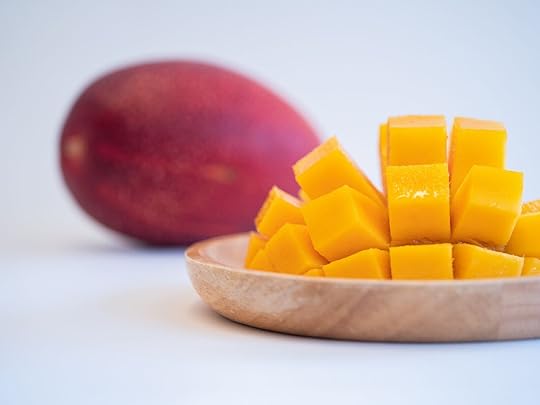
Paying more than $4 for a mango is eye-wateringly expensive for most people in the United States. But there is a variety of mango grown in Japan that cost 500 times more than that. At almost $4000 a pair, unsurprisingly, Miyazaki mangoes are some of the priciest pieces of fruit in the world.
What are Miyazaki mangoes?Miyazaki mangoes are a special type of mangoes that are grown in the Miyazaki prefecture in the southern tip of Kyushu Island in Japan. This region of Japan is known for its fruit production, including kumquats and lychees, thanks to “warm weather, and long hours of sunlight combined with the perfect amount of rainfall,” the Official Miyazaki City travel Guide‘s website explains.
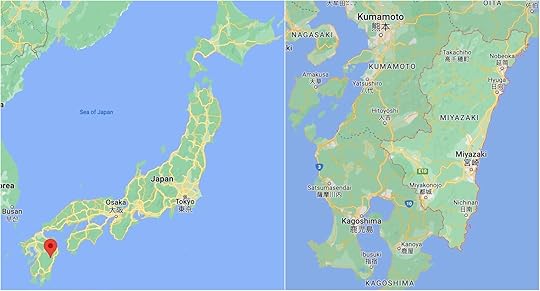
Photo: Google Maps
Miyazaki mangoes are from the Irwin variety of mangoes that originated in Florida in 1949 and have spread around the world. Today, they’re grown in Australia, Taiwan, and Japan, among other countries.
Unlike the varieties of mangoes consumers commonly find in US grocery stores, such as the Haden mango (large, oval-round, and red with green and yellow tones) or the Ataúlfo mango (small, kidney bean-shaped and yellow), Irwin mangoes are oval, of medium size, and turn from yellow to bright red when ripe.
What’s so special about Miyazaki mangoes?What makes Miyazaki mangoes special is the care each fruit receives during the growing process. Grown in greenhouses, each Miyazaki mango is tended to meticulously in the hope that it will grow and ripen into a perfect piece of fruit. In the greenhouse, each fruit is securely supported by strings set high above the plants to pull it toward the ceiling so that it receives as much sunlight as possible. Each mango is also wrapped in fine plastic mesh so the plant doesn’t break under the fruit’s weight and the fruit doesn’t fall to the ground and get damaged.
In a Business Insider video, Miyazaki mango farmer Takuya Hidaka goes so far as attaching a reflective square piece of milk carton on the bottom of each mango so every single fruit has a better chance to ripen into the sought-after uniform deep red color.
But despite the efforts of growers, not all Miyazaki mangoes reach extravagant selling prices. Only the ripe ones that fit very strict criteria, i.e. 10 percent of all Miyazaki mangoes, will be labeled Taiyo no Tamago, or Egg of the Sun. Taiyo no Tamago is the highest grade and most expensive type of mangoes in Japan.
For a Miyazaki mango to be considered a Taiyo no Tamago, the fruit needs to:
Be perfectly dark red with as little yellow as possible and no greenBear no flaw or blemishBe over 350 grams or 12.35 ounces in weightHave a sugar content of 15 percent of moreBe of perfect size, i.e. over the 2L size standardOnce a mango has been harvested, professionally inspected, and labeled Taiyo no Tamago, it will be put up for auction at Miyazaki Central Wholesale Market. There, representatives of luxury department stores purchase them for nearly $4000. The Taiyo no Tamago will later be displayed and sold to the public in those stores.
What do Miyazaki mangoes taste like?According to several online sources, the flawless orange flesh of the Miyazaki mangoes is very juicy, very sweet, creamy, and not fibrous.
Miyazaki mangoes can be cut and peeled very easily. Each Miyazaki mango sold has reached peak maturity and detached from the tree on its own.
Where can I buy Miyazaki mangoes?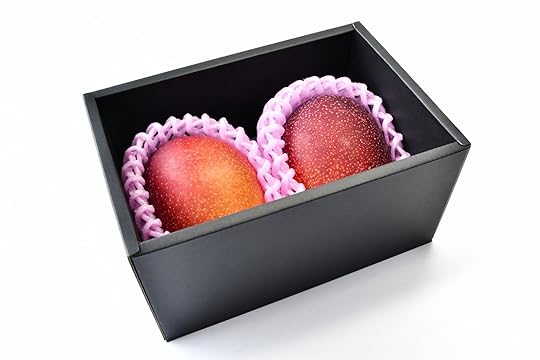
Photo: dreamnikon/Shutterstock
When in Japan, you can purchase and try dishes made with Miyazaki mangoes in Miyazaki city. The Official Miyazaki City travel Guide‘s website lists a few restaurants and cafés worth visiting.
The Taiyo no Tamago, the perfect specimen of Miyazaki mangoes, can be found in fancy department stores throughout Japan. Usually purchased as a gift, Miyazaki mangoes can cost up to $4000 a pair. They are usually displayed in pairs in beautiful cases and wrapped in protective styrofoam mesh cover.
Miyazaki mangoes that have not been labeled as Taiyo no Tamago can still cost up to $50 per fruit, Japanese food specialists at Bokksu report.
Miyazaki mangoes are only available between the months of April and August.
Snacks made with Miyazaki mangoes can be obtained in the US by purchasing a subscription to Bokksu, a Japanese food specialist that sends a box of Japanese snacks monthly to its subscribers.
You can try Irwin mangoes in many locations throughout the world, including in Florida where the fruit grows.
How can I grow Miyazaki mangoes?You can buy Irwin mango trees from nurseries in the US, especially in Florida where the climate is extremely favorable to their growth. That said, Irwin mangoes are only considered to be Miyazaki mangoes if grown in the Miyazaki prefecture. 


This Delightful New Hipcamp Spot Will Have You Sleeping on a Peach Orchard in Colorado, Beer Included
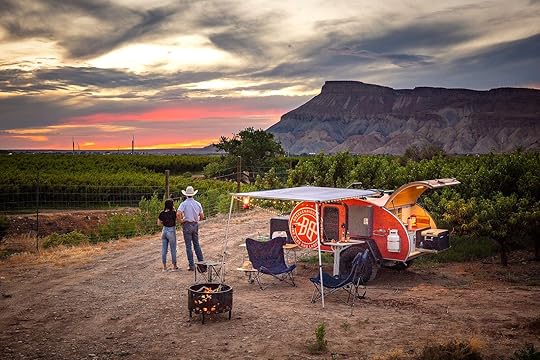
If there’s one thing that camping, peaches, and beer have in common, it’s that they all make summer better. That goes double for the rest of this summer. Starting August 15, campers can spend the night in a Breckenridge Brewery Peach Pod on an orchard in Palisade, Colorado.
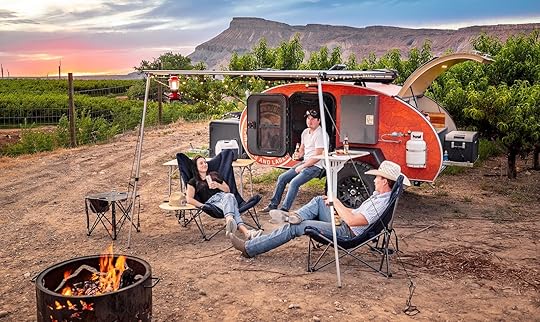
Photo: Breckenridge Brewery
If you didn’t know, the town of Palisade grows some of the juiciest peaches in the country. That’s why Breckenridge Brewery sources the stone fruits for its Palisade Peach Wheat beer from the local Talbott Farms. This August and September, the brewery is doubling down on its love for Palisade peaches with a limited-time Hipcamp on the orchard that you can reserve for $10 per night.
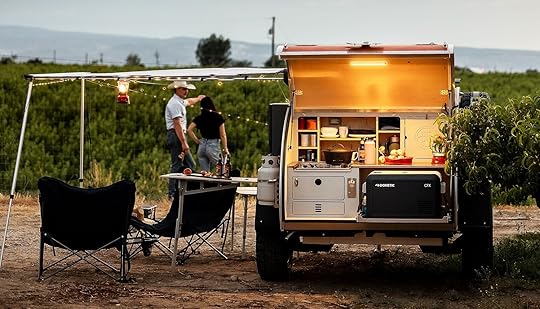
Photo: Breckenridge Brewery
On arrival at Talbott Farms, guests will be welcomed with a bushel of homegrown peaches and a six-pack of Palisade Peach Wheat beer that they can keep cool in the fridge of their Escapod camper. The glampy peach pod also comes equipped with a gas firepit, two-burner stove, kitchen sink, basic cookware, solar-powered chargers, and a queen-sized mattress pad that can comfortably sleep two adults or a family of four with small children — all you need to bring are sleeping bags.
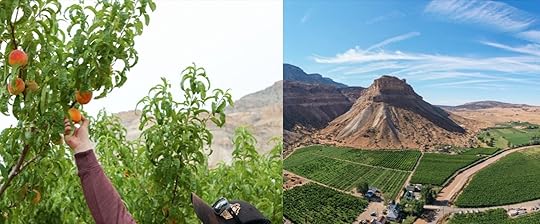
Photo: Breckenridge Brewery
When you’re not touring the orchard or chowing down at the Talbott Tap Room, you can hike around the Western Slope of the Continental Divide or cycle through Palisade’s wine country. Then, once the sun goes down, you can retreat back to your peach pod for a night of skywatching through the camper’s stargazing window.
Bookings for the Breckenridge Brewery Peach Pod will open at 9 AM MT on Monday, August 15, and reopen every Monday at 9 AM through the rest of August. Slots are first-come, first-served and must be booked for a minimum of two nights and a maximum of four nights.
Former Flight Attendant Reveals the Real Reason Why Flight Attendants Greet You on the Plane

Flight attendants definitely set a tone for how a flight is going to go. Getting greeted is a nice way to connect with them on arrival, but the gesture is more than a good faith practice of customer service. Kat Kamalani, a former flight attendant of six years, has taken to TikTok to explain things like why flight attendants can’t help you place your bag in the overhead bin and why tray tables need to be put away during take off and landing. Recently, Kamalani explained what flight attendants are really doing when they greet you before takeoff.
@katkamalani You would never guess the last part… #secretsrevealed #traveler #momsontiktok #flightcrew #travelhacks ♬ Sunny Day – Ted Fresco
In the comments, some asked how flight attendants know someone is a medical professional or emergency responder. Kamalani said it’s appreciated when these passengers let the flight attendant know when they’re greeted.
“I always tell them that I’m a nurse and a paramedic and where I sit. My firefighter friend told me to do so and since then it’s always appreciated,” said @tobis_private_tiktok.
Others joked about their ability to help.
“Does it count if we watch Grey’s Anatomy?” Julia Holzschuher wrote, to which Kalamani responded “Absolutely!”
“now I’m going to start limping everytime I board a plane..,” commenter @stellakinns said.
In addition to seeing who could assist in an emergency, flight attendants are on high alert for instances of human trafficking. Human trafficking is a big problem regardless of where you’re traveling. Many flight attendants have been able to intercept victims with proper training. And if you see something, you should say something.
The Top Airbnbs in Mérida, Mexico, To Experience the Best of the City

Mérida is often overlooked in favor of its seaside neighbors, Cancún, Tulum, and Playa del Carmen. But as the capital of the Mexican state of Yucatán, this historic city deserves more than a fleeting pitstop on your itinerary. Besides the churches, plazas, and Mayan ruins, Mérida has seen a recent renaissance in its property scene. Avant-garde designs fuse with traditional architecture to provide an unparalleled spread of accommodation. Cast an eye over our pick of the most beautiful Airbnb Mérida, Mexico, vacation rentals.
Most unique Airbnbs in Mérida, MexicoAirbnbs in Mérida, Mexico, with a poolPet-friendly Airbnbs in Mérida, MexicoAirbnbs in Mérida, Mexico, for long stays and remote workersWe hope you love the Airbnb Mérida, Mexico, vacation rentals. we recommend! Just so you know, Matador may collect a small commission from the links on this page if you decide to book a stay. Listed prices are accurate as of the time of publication.
Most unique Airbnbs in Mérida, MexicoA unique experience in MéridaPhoto: Airbnb

Photo: Airbnb

Photo: Airbnb

Photo: Airbnb
Is it a house or is it a palace? This lavish vacation rental features two swimming pools in a peaceful garden with immaculate landscaping and architecture. Suites are decorated with antique furniture, tilework, and marble tubs. Centrally located in Santa Ana, the main attractions of Mexico and in walking distance while the host is poised to arrange chefs, at-home massages, and tours.
Sixteen guests, eleven bedrooms
Price: $1,860 per night

Photo: Airbnb

Photo: Airbnb

Photo: Airbnb

Photo: Airbnb
Those with keen eyes might recognize the facade of this vacation rental from movies. Now, this Mérida Airbnb with a chef’s kitchen is available to travelers to soak up the A-list experience. Black and white tiles blanket the entire property while an ornate iron staircase connects the two floors. The pool remains fully private and there’s no better place to sip a margarita than the newly added roof terrace.
Six guests, two bedrooms
Price: $110 per night

Photo: Airbnb

Photo: Airbnb

Photo: Airbnb

Photo: Airbnb
This unique Airbnb in Mérida, Yucatán, caught the eye of the media with its energetic color palette and head-turning ornamentation. The gourmet kitchen merges with a tequila bar and movie theater. Much of the furniture, including the bespoke “hanging” beds, was custom-made. In addition to the pool in the backyard, you’ll find a plunge pool in the gym.
Twelve guests, five bedrooms
Price: $540 per night

Photo: Airbnb

Photo: Airbnb

Photo: Airbnb

Photo: Airbnb
This stylish casa is tastefully presented with inspiration taken from the local craft scene and the vegetation of the Yucatán. Each of the eight bedrooms at this Airbnb Mérida, Mexico, with private pool follows its own color theme and has its own bathroom. The outdoor pool is perfect for washing off a day exploring the sights and the host can hook you up with a chef to enhance the luxury.
Sixteen guests, eight bedrooms
Price: $600 per night
Taking a trip to Mexico? Check out Matador’s Mexico accommodations guides:The best Airbnbs in and around Mexico City’s historic center8 La Condesa Airbnbs to settle into Mexico City’s coolest neighborhood8 stunning Polanco Airbnbs in the city’s most international neighborhoodGrab Your Crew and Book These Oaxaca and CDMX Airbnbs for Dia de Los MuertosThese Top-Rated Tulum Airbnb Rentals Put You Right Near the Beach11 Cancún Airbnbs for an Unforgettable Beach Vacation11 Airbnbs In Cabo San Lucas for a Perfect Beach Escape11 Airbnbs in Sayulita to experience Mexico’s most underrated beach townCasa Kan – Downtown gem for design-minded travelers

Photo: Airbnb

Photo: Airbnb

Photo: Airbnb

Photo: Airbnb
Steps from Paseo Montejo and the city’s star attractions, this downtown Airbnb in Mérida, Mexico, is designed for families or a couple of couples. All three bedrooms have en suite bathrooms and enjoy immediate access to the courtyard where the pool and cabana await. Cook like a chef in the state-of-the-art kitchen – or, don’t. Hire a professional and be amazed by Yucatán cuisine.
Six guests, three bedrooms
Price: $375 per night

Photo: Airbnb

Photo: Airbnb

Photo: Airbnb

Photo: Airbnb
This deluxe Airbnb in Mérida, Mexico, comes with a chef and maid service. The grounds consist of a gigantic lawn, a children’s playground, a swimming pool, and a private cenote. Curated for bibliophiles, the tower has been converted into a library complete with a reading and birdwatching den. Situated a 20-minute drive out of town, the hacienda enjoys a peaceful setting and is a popular wedding venue.
Fourteen guests, five bedrooms
Price: $5,000 per night

Photo: Airbnb

Photo: Airbnb

Photo: Airbnb

Photo: Airbnb
This unique Airbnb in Mérida, Mexico, with a hot tub combines Mayan architecture with contemporary styling. Luxurious touches include the outdoor rain shower and the tub that overlooks the pool. High ceilings, minimalist design, and a roof carved to resemble a cenote add to the sense of space. Pets are welcome at this photogenic escape moments away from Centro.
Four guests, two bedrooms
Price: $230 per night

Photo: Airbnb

Photo: Airbnb

Photo: Airbnb

Photo: Airbnb
This house sets out to prove that you can never have enough tiles. Floors, walls, the pool area, and the kitchen are meticulously appointed with tiling that evokes the spirit of Latin America. The decor of the seven bedrooms is inspired by flowers that inspired such artists as Diego Rivera, Andy Warhol, and Gustav Klimt. While it’s possible to rent the entire property, you also have the option to book a single unit and share the pool and kitchen with other guests.
Fourteen guests, seven bedrooms
Price: $320 per night

Photo: Airbnb

Photo: Airbnb

Photo: Airbnb

Photo: Airbnb
This pet-friendly Airbnb Mérida, Mexico, is perfect for families seeking home comforts and space. There’s a fully equipped kitchen with ample dining space and a cozy lounge for evening games or movies. The pool is surrounded by lush foliage and offers complete privacy. Shops, restaurants, and bars are minutes away meaning that you can get around easily on foot.
Thirteen guests, four bedrooms
Price: $275 per night

Photo: Airbnb

Photo: Airbnb

Photo: Airbnb

Photo: Airbnb
Kooky, bright, and homely – this Mérida, Mexico, Airbnb with a private pool is ideal for couples, solo travelers, or remote workers looking to linger in town. The casita opens to a sunkissed courtyard and pool with soothing water features. Inside, you can sway in the hammock or crack on with work at the desk using the superfast Wi-Fi.
Two guests, one bedroom
Price: $105 per night

Photo: Airbnb

Photo: Airbnb

Photo: Airbnb

Photo: Airbnb
Wrapped around a Venetian-style pool, this 100-year-old home overflows with charm and personality through vintage furnishings. There is a spa room on the premises where you can rejuvenate with an at-home massage. The host provides breakfast staples that you can prep and eat at the poolside under the shade of the tropical trees and plants. Stay alert for Merlin – the garden’s resident owl.
Eight guests, four bedrooms
Price: $375 per night
7 Sonoma Wine Tasting Rooms That Are the Perfect Introduction To the Region

Sonoma may not have the same level of name recognition as its grape growing neighbor Napa, but it should–some of the best wines in the United States are made here. Sonoma County as a whole encompasses 1,768 square miles and is home to close to 20 AVAs (American Viticultural Areas), each one producing a wide range of wines. There is a lot to see and taste when it comes to California wine, but rushing to do too much during one trip doesn’t match with the region’s easygoing reputation. With wineries big and small, historic and modern, Sonoma tasting rooms are a perfect place to start your tour of wine country.
The downtown Sonoma Plaza is a quaint gateway to wine country lined with hotels, restaurants, boutiques, and tasting rooms. You could easily plan a full day of wine tasting around the Plaza without even having to get in a car. However, you’ll want access to transportation in order to visit wineries on the outskirts of town. By seeing the vineyards where grapes are picked and the facilities where they’re crushed, it’s impossible to leave without gaining a deeper respect for the effort that ends up going into every bottle of wine.
While tasting at its core is simply about trying new wines and learning what you enjoy about them, it’s also a part of a greater experience. Art appreciation, food pairing, and even yoga may play a part in your Sonoma stay. Each one of these Sonoma tasting rooms has something special to offer in terms of their styles of winemaking and atmosphere. There is something for everyone here.
The wineries and tasting rooms below are all worthy stops on any Sonoma itinerary. Keep in mind that this list represents a tiny fraction of Sonoma’s wine scene so you’ll just have to come back one day to experience it all. There is so much more to explore and even if you wish to revisit the places you’ve already been to, each new vintage brings a fresh slate of wines.
Winery tasting rooms in Sonoma to check outAnaba WinesPhoto: Anaba Wines / Bex Wyant
Anaba’s bucolic property is located in a quiet corner of Sonoma. As much as it is an ideal place to unwind with wine, the winery also offers amenities like bocce ball and pickleball courts by reservation. If you happen to be in town during the last Sunday of the month between June and October you can even book an on-site yoga class.
The winery gets its name from anabatic winds, air currents that flow up hillsides and serve as a cooling influence on the vineyards. These winds in Anaba’s case come from the nearby San Pablo Bay, the presence of which makes the area ideal for growing cooler climate grapes like chardonnay and pinot noir. Naturally, these make up the majority of Anaba’s portfolio, although they also dabble in Rhône varietals like grenache blanc and syrah which are less commonly produced in this part of California.
Where: 62 Bonneau Road, Sonoma, CA 95476
Buena Vista Winery
Photo: Buena Vista Winery / Scott Chebegia
History buffs, this one’s for you. Founded in 1857 by Hungarian nobleman Agoston Haraszthy, Buena Vista Winery is California’s oldest premium winery. It managed to ride out obstacles from multiple phylloxera outbreaks in the vineyards to Prohibition to the 2014 South Napa earthquake. More than 150 years after it first opened, the estate is still standing.
Today, the winery commemorates its history with bottlings like The Founder, a red blend that pays tribute to Haraszthy. If the storied past isn’t enough to entice you, you may be intrigued by an equally vivid present. Buena Vista was acquired in 2011 by Jean-Charles Boisset, a French vintner with a penchant for opulent design. In addition to many renovations and cosmetic upgrades, was a seismic retrofit to the winery’s Champagne Cellars. The cellars shut down in 1989 after the Loma Prieta earthquake, and reopened in 2012 for sparkling wine production and tours.
Where: 18000 Old Winery Road, Sonoma, CA 95476
Ceja Vineyards
Photo: Ceja Vineyards
A visit to Ceja Vineyards is its own special occasion, and the bell featured on each bottle of wine here seems to allude to that experience. The Cejas, one of the first Mexican-American families to own and operate their own winery in California, and the family’s presence in the business lends itself to a welcoming atmosphere at the winery’s intimate tasting room space.
You can learn all about the Ceja family’s journey from Mexico to California wine country while you sample current releases. It’s production includes chardonnays, pinot noirs, cabernet sauvignons, and even dessert wine if you enjoy something on the sweeter side. Take or ship some bottles home, then check out the appetizing collection of recipes on their website to cook and pair the wines with.
Where: 22989 Burndale Road, Sonoma, CA 95476
Donum Estate
Photo: The Donum Estate
The art of winemaking meets the art of sculpture at Donum Estate. The winery is home to one of the world’s largest publicly accessible private sculpture collections. Pieces by Fernando Botero, Keith Haring, and Yayoi Kusama among others serve to enhance the natural beauty of the grounds. Walking tours are offered, but you may opt for cruising the estate on an all-terrain vehicle tour.
While the stunning sculptures are undeniably a draw for visitors, what’s in the glass more than measures up and easily compliments an all-around enjoyable sensory experience. Donum focuses on chardonnay and pinot noir, the star grapes of the Carneros AVA where the winery is located.
Where: 24500 Ramal Road, Sonoma, CA 95476
Gloria Ferrer Caves & Vineyards
Photo: Gloria Ferrer Caves & Vineyards
This is where you go to take a brief hiatus from all the still wines you’ve been tasting, and indulge in some sparkling wine instead. Gloria Ferrer produces an array of sparkling wines made in the traditional méthode champenoise. The founders, Gloria and José Ferrer, were already well-known cava producers in Spain when they arrived in Sonoma in the early 1980s to do what they did best with different grapes in a fresh location. The town is better for it–who doesn’t love a nice glass of bubbles?
The winery has a beautiful terrace where you can try blanc de blancs, blanc de noirs, and rosé sparklers amid vineyard views. If you visit on a weekend, you can reserve a seat at the tasting room’s multi-course brunch pairing.
Where: 23555 Arnold Drive, Sonoma, CA 95476
Gundlach Bundschu Winery
Photo: Gundlach Bundschu Winery / Wool + Son
Gundlach Bundschu is another historic winemaking estate which first opened all the way back in 1858, just one year after Buena Vista Winery. It is California’s oldest continuously family-owned winery with the sixth generation of Bundschus currently in the business. Affectionately referred to as “Gun Bun” by locals, it’s a staple on any Sonoma newcomer’s to-do list.
This winery produces a range of different reds and white wines including a gewürztraminer as a nod to the family’s Alsatian heritage. If you want to learn more about how it’s all made, there are vineyard tours, cave tours, and even estate tours on the winery’s Pinzgauer. If you’ve ever dreamed of sipping wine while off-roading in a Swiss army vehicle, this is your moment.
Where: 2000 Denmark Street, Sonoma, CA 95476
Three Sticks Wines
Photo: Three Sticks Wines / Douglas Friedman
Wine tasting at Three Sticks is a lesson in terroir, the name for the combination of a particular place’s natural elements that collectively impact grape quality and character. This would consist of everything from microclimate to soil type to topography, meaning even wines made from grapes grown in different blocks on the same property can vary greatly. Single-vineyard chardonnay and pinot noir are the stars at Three Sticks. Thanks to the focused production, visitors can taste how much location matters through different expressions of the same varietal.
The tasting room is located downtown in the Vallejo-Casteñada Adobe, once the private residence of Sonoma’s founder, Don Mariano Guadalupe Vallejo. Three Sticks would be a perfect spot to book a tasting before or after lunchtime as there are plenty of stellar restaurants around the Plaza within walking distance.
Where: 143 West Spain Street, Sonoma, CA 95476
Note: increasingly, and especially since the COVID-19 pandemic began, wineries in the area have been pivoting toward appointment-only visits in order to provide optimal experiences for guests. Please call ahead or check websites while planning your trip to ensure you are able to get in where you want to go. Cheers!
The Best Rooftop Bars in Fort Lauderdale

Sometimes you just feel like drinking with a bird’s eye view. And in Fort Lauderdale, that means glorious views of the ocean and cityscape and the wonderful breeze that comes from being multiple stories above the ground. Fort Lauderdale doesn’t have as a robust rooftop pool scene as other US cities, but these spots below make up for it with plenty of space to lounge and excellent drink menus to enjoy. But you don’t always need a pool to get the good times rolling. The three additional rooftop bars featured here cater to those looking for excellent food and beverage with the added benefit of a killer view. From the rooftop pool bars that will keep you cool all day long to lively locales where the party goes until late, these are the six best rooftop bars in Fort Lauderdale right now.
ELEV8 Pool Bar
Photo: Hyatt Centric Las Olas Fort Lauderdale

Photo: Hyatt Centric Las Olas Fort Lauderdale

Photo: Hyatt Centric Las Olas Fort Lauderdale
Located on the eighth floor of Hyatt Centric Las Olas Fort Lauderdale, ELEV8 Pool Bar is an arty oasis surrounded by some of the city’s tallest skyscrapers. The sparkling pool is a welcome respite from the South Florida sun, while fire pits warm up chillier evenings.
“This art-infused escape allows our guests to soak in city views with one-of-a-kind murals as a backdrop,” says Joshua Morris ELEV8’s general manager. “As we roll out the new ELEV8 menu, we are elevating the typical rooftop pool and bar experience, making sure to leave our guests sunkissed and satisfied.”
Refreshing libations like frozen cherry limeade and a watermelon margarita are perfect for poolside sipping, while bar snacks, sandwiches, and salads can satisfy appetites big and small.
The Easton
Photo: The Easton

Photo: The Easton

Photo: The Easton
The Easton has a little something for everyone, whether you’re looking for a chill after-work cocktail, raucous weekend pool party, or Sunday morning yoga class. The indoor-outdoor venue features weekly DJs, sweeping views of surrounding Fort Lauderdale, and, of course, a lovely blue pool to enjoy.
“I think our most distinctive feature is having an amazing pool in the middle of our venue,” says Diego Echeverry the assistant general manager. “It gives our guests the opportunity to enjoy delightful craft cocktails at a rooftop bar and allows them to do it wearing a bikini while enjoying our lasting summer weather.”
The Easton has both signature and classic cocktails (think negronis and passionfruit margaritas) on deck, as well as bottle service and a small food menu.
Rooftop at The Kimpton Goodland Hotel
Photo: The Kimpton Goodland Hotel

Photo: The Kimpton Goodland Hotel
Located just steps from the beach, The Kimpton Goodland Hotel offers serene, modern rooms and lively dining options that make for the perfect Fort Lauderdale hotel stay. The property has two pools, one of which sits high above the city on the eighth floor that offers views of the Intracoastal Waterway.
Guests can cool down with quenching house cocktails like We Are All Pirates, made with two types of rum, ginger, lime, and apricot liqueur, or grab a frosty beer, wine, or canned cocktail. A robust poolside menu has something for every appetite, like smoked swordfish dip with pickled fresno chile and a classic turkey club.
Sparrow
Photo: Tribute Portfolio

Photo: Tribute Portfolio
Sparrow is one of the coolest places to grab a drink in Fort Lauderdale right now, with its gorgeous design and excellent libations. Located on the top floor of The Dalmar, Fort Lauderdale, a Tribute Portfolio Hotel, the indoor-outdoor space boasts plush seating, an expansive patio, and views for days.
The cocktail menu features tropical riffs on classic cocktails, large-format punches for groups, and signature tiki libations like the Me Oh My, made with bourbon, Italicus Bergamot Liqueur, Giffard Framboise, calamansi honey, yuzu, tonic, and sage. Guests can also grab a bite from the dinner menu — which has nibbles like sushi and bao buns, in addition to larger plates — if you’re feeling peckish, and don’t miss $10 cocktails during happy hour.
Rooftop @1WLO
Photo: Rooftop @1WLO/Facebook

Photo: Rooftop @1WLO/Facebook

Photo: Rooftop @1WLO/Facebook
If you’re looking for a loungey party vibe in a place that serves great cocktails, Rooftop @1WLO has everything from happy hour food and drink specials to sparkler-topped bottle service. The plant-filled space overlooks Las Olas Boulevard and is designed with both bar and cushy lounge seating so guests can choose their own adventure.
Classic cocktails like the Martini are always on the menu, and signature drinks like Into the Sunset — made with blanco tequila, Cherry Herring, passion fruit, and lemon — taste as good as they look. You can also ask for a tailor-made cocktail and choose between different spirits, flavor profiles, and even opt to have the libation smoked. Nibbles like patatas bravas and shrimp toast are also available.
Bar Rita
Photo: Bar Rita

Photo: Bar Rita

Photo: Bar Rita
There are few better places to grab a Margarita in Fort Lauderdale than Bar Rita, which serves its excellent variations both by the glass and by the pitcher. The original lime margarita comes frozen or on the rocks, but we love their signature takes on the classics like The Matador (reposado tequila, blood orange, and tonic) and the Mango Mezcalita (mezcal, mango, blanco tequila, and agave). The bi-level restaurant and bar feature a breezy open-air rooftop where you can sip your margarita of choice and nosh on dishes like Baja grilled shrimp and brisket barbacoa enchiladas.
The 7 Most Gorgeous Waterfalls in Massachusetts You Need To See

For tourists, waterfalls in Massachusetts tend to take a backseat to the state’s seafood, professional sports, and Irish bars. You don’t have to go to New Hampshire or Maine, however, for a scenic outdoor experience. Massachusetts is home to an abundance of waterfalls, particularly in the Berkshires region out west. These tumbling cascades make the perfect cornerstone for any weekend hiking trip or road trip through the state’s more rural areas.
For travelers looking for more than just clam chowder, these are the best waterfalls in Massachusetts that you can see.
1. Bash Bish Falls, Mount Washington
Photo: Jennifer Yakey-Ault/Shutterstock
Resist the urge to incorrectly pronounce it “Bish Bash” Falls and Massachusetts will welcome you with open arms. Bash Bish is the highest waterfall in Massachusetts, with a cascade that splits into two over a jutting rock before falling 80 feet into a pool. Located in the southwestern corner of the state, they falls are part of Bash Bish Falls State Park and are surrounded by scenic forests and hiking trails. The moderate difficulty trail to reach the falls is about half a mile one way, but it’s more than worth it.
2. Doane’s Falls, Royalston
Photo: scott conner/Shutterstock
Located in Doane’s Falls Reservation, these falls have a 175-foot total drop over a series of cascades that plunge over various rocky shelves. Lawrence Brook tumbles into Tully Lake, making for a dramatic viewing experience. To reach the falls, take a relatively easy hike to the lower part of the waterfalls and you can continue along the trail to further explore the area. Fishing, hiking, and picnicking are popular in the preserve, though keep in mind that swimming and wading are banned due to sometimes dangerous conditions.
3. Tannery Falls, Savoy
Photo: Paula Stephens/Shutterstock
A series of tall, plunging cascades and slides, Tannery Falls is located in Savoy Mountain State Forest on the western side of the state. It’s accessible via a five-mile loop trail that’s rated as easy to moderate, and the best time to visit is between May and October when trail conditions are ideal, the weather is pleasant, and the waterfall looks its best. There’s an open area near the pool at the base of the falls where you can relax or even picnic. On the later side of the season, you may also catch some leaves changing color to combine your waterfall trip with a leaf-peeping trip.
4. Wahconah Falls, Dalton
Photo: jdwfoto/Shutterstock
Any trip out to western Massachusetts should include Wahconah Falls in Wahconah Falls State Park. With places to picnic, fish, and hike, you could have a full day in the park without even visiting the falls – but since you’re there, you might as well check out the 40-foot cascades fed by the Wahconah Falls Brook. As you hike a half-mile loop along the upper falls, you’ll be able to watch the water flow dramatically over multiple tiers of rock. Note that swimming is banned due to the dangerous nature of the rushing water.
5. Trap Falls, Ashby
Photo: Jerry Gantar/Shutterstock
Not nearly as sinister as it sounds, Trap Falls – located between Ahby and West Townsend – consists of three separate falls that plunge into a shallow pool. The highest waterfall of the three is just 12 feet high, but that doesn’t make them any less beautiful. You’ll find the secluded falls in the heart of Willard Brook State Forest, and they’re easily accessible via a .1-mile hike. The best time to visit is in autumn, when the forest’s foliage is most vibrant, but it’s even worth visiting in the winter when the falls freeze over.
6. Campbell Falls, Marlborough
Photo: Dan Hanscom/Shutterstock
A visit to Campbell Falls State Park in New Marlborough will bring you to one of the best waterfalls in Massachusetts. Campbell Falls, which empties from the Whiting River into small pools and gorges, has a 50-foot drop that gets more dramatic the more it rains. To reach the lower falls, hike an easy .2-mile trail, which is open year-round and is popular for both walking and trail running.
7. Slatestone Brook Falls, SunderlandLocated in Sunderland, just north of Springfield, the Slatestone Brook Falls might be the most convenient waterfall in the state. Visiting from the roadside, the falls have a 40-foot drop where you can see multiple streams of water trickling down the rocky mountainside. The water is highest from April through June, making spring the best time to visit. Since the falls are located on private property you can’t hike directly up to them, but you can get a clear view from the roadside.
[readlink readtext=”More like this:” title=”How To Plan the Perfect Autumn Road Trip Through the Berkshires” url=”https://matadornetwork.com/read/plan-...” logo=”true”
How To Use Argentina’s Black Market Exchange Rate To Combat Hyper-Inflation When Visiting

Inflation is sending plenty of people in the US into a panic. The roughly nine percent knock-up is impacting gas prices, groceries, and travel expenses like airfare, hotels, and rental cars. However, the rate of inflation in Argentina is far worse. The Argentinian peso is expected to reach inflation of 90 to 92 percent by the end of the year. So if you booked a trip to Buenos Aries or anywhere else in the region, you’re going to want to know how to make sure you’re getting the most out of your money.
Inflation is a perpetual problem in Argentina that locals have been forced to adapt to. The country’s experience with inflation also means there are built in ways that travelers can navigate spending money while on vacation.
A TikTok from Brigham Dallas recently explained Argentina’s hyperinflation and how he was able to make his money stretch longer using US dollars in cash versus a credit card.
@brighamdallasArgentina’s currency: 135 pesos to $1 ar tbe bank, 290 pesos to $1 on the black market. Hyperinflation!
♬ original sound – Brigham Dallas
It should be noted that Dallas received such a favorable rate because he traded cash on the Dolar Blue, which isn’t regulated by any bank or government agency, instead of at an officially sanctioned location. At the Dolar Blue 290 peso to $1 exchange rate, he would’ve walked out with a bit under 360,000 pesos. But at the current formal exchange rate, he would’ve received around 200,000 less pesos than he did trading on the unofficial “blue market” exchange rate. Dolar Blue is popular among tourists and locals alike to exchange cash for a better rate than one would get at a bank or ATM.
@uptin #inflation #argentinatiktok #economics ♬ original sound – Uptin
Some experts say that current fears of hyper-inflation in the country are overblown. Argentina’s chief debt negotiator Daniel Marx told Bloomberg that the high surges were caused by the abrupt departure of the former economy minister, Martin Guzman. Sergio Massa is set to soon take his place. Marx will serve on the minister’s advisory committee to aims to boost foreign reserves, ensure Treasury financing and bolster the local debt market, hopefully moving the country closer to a singular exchange rate that’s easier for locals and tourists to manage without looking for workarounds.
A Statewide Guide To Exploring the Best of Tennessee
 A Statewide Guide to Exploring the Best of TennesseeText by Joe Sills | Feature Photo by Kevin Ruck/Shutterstock
Smoky Mountain sunsets, Lower Broadway’s honky-tonks, and Beale Street’s neon glow are just a few sensations that make the scenic route worth taking all the way through Tennessee. This star-studded state spans 400 miles from east to west, leading visitors from the foggy peaks of the Blue Ridge Mountains to the hollows of Appalachia to the rolling waters of the Mississippi River.
Each region — East, Middle, and West — claims a bustling homebase steeped in music history and culinary tradition, making the Volunteer State both delightful and logistically convenient to explore. From iconic landmarks to incredible outdoor adventures, set out on your own Tennessee discovery tour with our statewide guide.

This post is proudly produced in partnership with the Tennessee Department of Tourist Development.
East Tennessee Downtown Knoxville Pigeon Forge Lookout Mountain, Chattanooga
Homebase: Knoxville. Centered around a vibrant downtown filled with arts and culture, this East Tennessee hub is the big-city gateway to the Smokies and the Cumberland Plateau. Mountains rise beyond the skyline in multiple directions, providing plenty of outdoor adventure in and around their weatherworn peaks. You’ll find family fun and off-grid expeditions in this section of the Volunteer State made for the nature lover.
AttractionsDollywood – Spend the day riding the rollercoasters and waterslides at Dollywood before settling into a rustic Tennessee cabin. The best theme park in the US according to TripAdvisor, Dolly Parton’s namesake attraction is beloved by families looking for a full day of mountain fun.
Pigeon Forge and Gatlinburg – Both national park towns, Pigeon Forge and Gatlinburg come loaded with activities. Highlights include Ripley’s Aquarium of the Smokies, Ober Gatlinburg Amusement Park & Ski Area, and guided outings with Pink Adventure Tours.
The Tennessee Theatre – The twinkling lights of the Tennessee Theatre have brought the stars out in downtown Knoxville since 1908. Now home to the Knoxville Opera and Knoxville Symphony Orchestra, this beautiful monument to a bygone age hosts regular concerts, touring shows, and a summer movie series.
Gatlinburg, TNRuby Falls, Chattanooga, TNOutdoor Activities and AdventureGreat Smoky Mountains National Park – Hike, bike, fish, and glimpse wildlife in Great Smoky Mountains National Park. The nation’s most visited national park is also one of the best places to spot black bears in the summertime and see brilliant autumn foliage come October and November.
Lookout Mountain – Head two hours south of Knoxville to watch the sun set over Chattanooga at Sunset Rock or ride the Lookout Mountain Incline Railway to the top for a spectacular scene. Up here you’ll find Rock City Gardens, a natural wonderland of wild rock formations and 400 native plant species (plus trails, caverns, and a gift shop). Located a breath away from the Georgia state line, this landmark of Americana is a must-see when visiting East Tennessee.
Ruby Falls – Explore an underground world full of light and sound at Ruby Falls, the country’s tallest underground waterfall open to the public. This Tennessee wonder is one you’ll remember long after the visit is over.
DestinationsGatlinburg SkyLift Park – Riders can take the SkyLift 500 feet up to cross the Sky Bridge — the longest pedestrian cable bridge in North America. Stop at the midpoint to glimpse the view below through glass floor panels.
Sunsphere – Built for the 1982 World’s Fair, the 266-foot Sunsphere is home to one of the state’s most scenic observation decks. Make the trip up to the fourth level to get a glimpse for yourself.
Bijou Theatre – Take in a show in a former vaudeville staple: the Bijou Theatre. This property traces its history all the way back to Andrew Jackson’s administration, when the building operated as a hotel. Today, the Bijou hosts acts from Mavis Staples to Dawes and features a seven-day-a-week bistro.
Knoxville Ice Bears – From October to March, Knoxville’s minor league hockey franchise, the Ice Bears, serves up family entertainment on the doorstep of the Tennessee River at the Knoxville Civic Auditorium and Coliseum.
Sunsphere, Knoxville, TNPhoto credits: Sean Pavone/Shutterstock, Kevin Ruck/Shutterstock, Sean Pavone/Shutterstock, jdross75/Shutterstock, IrinaK/Shutterstock, and Melinda Fawver/Shutterstock.Middle Tennessee Downtown Nashville Natchez Trace Tennessee State Museum
Homebase: Nashville, aka “Music City.” The state capital played a massive role in the development of country music — storied honky-tonks still line the downtown streets in the shadow of glass skyscrapers and a modern entertainment scene. Beyond the city limits, you’ll find winding cycle routes, hiking retreats, kayaking oases, and more.
AttractionsLower Broadway – Head to Lower Broadway to find the historic heart of Music City. While the area has shapeshifted over the years, haunts like Tootsie’s Orchid Lounge, Robert’s Western World, and Acme Feed & Seed still serve up a foot-tappin’ good time.
Country Music Hall of Fame and Museum – Trace the history of country music’s biggest stars back to their beginnings at the Country Music Hall of Fame and Museum. This monument to twang runs the gamut from Hank Williams to Ray Charles and sits within arm’s reach of the honky-tonks of Broadway.
The Parthenon – Nashville is also known as the “Athens of the South.” Built for the 1897 Tennessee Centennial Exposition, this life-size replica of the most famous building in Greece — featuring a to-scale statue of Athena — is as close as you can get to the Mediterranean without crossing an ocean.
The Parthenon, Nashville, TNHarpeth River, TNOutdoor Activities and AdventureBike the Natchez Trace – Hop on a bike and pedal down a slice of the historic 444-mile Natchez Trace Parkway. One of America’s most scenic thoroughfares, the Trace is an ideal place for road cycling set amidst the rolling hills of Middle Tennessee.
Hike Montgomery Bell State Park – Just 40 minutes from downtown Nashville, Montgomery Bell State Park is a popular retreat for hikers close to Music City. Enjoy one of the park’s well-equipped campgrounds or go for a day hike in a leafy deciduous forest for some natural R&R.
Kayak at Harpeth River State Park – From spring to autumn, the typically placid waters of the Harpeth River offer a playground for paddleboarders and kayakers a short drive from Nashville.
DestinationsNational Museum of African American Music – Opened in 2021, the National Museum of African American Music pays homage to the Black musicians who created or inspired sounds emanating from studios in cities like New York, Los Angeles, Memphis, Chicago, and Detroit.
Tennessee State Museum – From the Battle of King’s Mountain to Indigenous cultures and the geologic wonders of the Smoky Mountains, get a grip on Tennessee history at the Tennessee State Museum. This robust time capsule of the Volunteer State is an immersive experience for history lovers of any age.
Tennessee Titans – From August to January, the Tennessee Titans take center stage at Nissan Stadium. After catching a game, walk from the stadium to downtown via the John Seigenthaler Pedestrian Bridge for easy access to Lower Broadway and Nashville’s Arts District.
National Museum of African American Music, Nashville, TNPhoto credits: Sean Pavone/Shutterstock, STLJB/Shutterstock, and Tennessee Tourism. West Tennessee Downtown Memphis Sun Studio Sunrise at Reelfoot LakeHomebase: Memphis. The birthplace of rock ‘n’ roll and a foundational city in the genres of blues and soul, Memphis is one of America’s true cultural capitals. The city that gave the world B.B. King, Elvis Presley, Johnny Cash, Isaac Hayes, and Three 6 Mafia has a rich history that still reverberates from its streets. Stroll its blocks and feel it for yourself.
AttractionsSun Studio – The room where rock ‘n’ roll began still looks much as it did when Sam Phillips recorded the likes of Ike Turner, Elvis Presley, Johnny Cash, Carl Perkins, and Jerry Lee Lewis in the 1950s. The studio offers tours and includes a museum where the first DJ booth to broadcast rock ‘n’ roll music is on display.
Graceland – The home of Elvis Presley from 1957-1977, this suburban Memphis estate is one of the most visited homes in America. The recent additions of the Soundstage at Graceland and the Guest House at Graceland have reinvigorated the experience with live music and an immaculate, Presley-themed place to stay.
Stax Museum of American Soul Music – Home to enough gold records to make even Graceland blush, the Stax Museum of American Soul Music harbors a rebuilt Studio A that replicates the setting in which Otis Redding, Isaac Hayes, Rufus Thomas, and Sam & Dave once recorded hits. This must-see Memphis museum pays tribute to the city’s indelible imprint on soul music.
Stax Museum of American Soul Music, Memphis, TNGhost River, TNOutdoor Activities and AdventureBig River Crossing – Stroll across the Mississippi River on the nation’s largest active pedestrian bridge. With expansive views of the Memphis skyline and bustling river barge traffic, the Big River Crossing provides one of the most dramatic views of the Mississippi River in the country.
Reelfoot Lake – Stunning Reelfoot Lake State Park sits 30 minutes from Discovery Park of America. Explore the history of the scenic cypress-lined lake created by earthquakes in the early 1800s, and get up close with local wildlife at the park’s visitor center.
Ghost River – Clear, rippling waters await paddlers on the Ghost River, 45 minutes from downtown Memphis. Day trips here take kayakers through a labyrinth of cypress swamps and lily-lined lakes during spring, summer, and fall.
DestinationsThe National Civil Rights Museum – American history was forever changed on April 4, 1968, when Dr. Martin Luther King Jr. was fatally shot on the balcony of the Lorraine Motel in downtown Memphis. Today, the motel is the site of the National Civil Rights Museum, a monument to the American Civil Rights movement that educates on the work of King as well as other leaders.
Earnestine & Hazel’s – The “most haunted bar in America,” Earnestine & Hazel’s has a checkered past as a church, a salon, a brothel, and a nightclub. These days, the music still ricochets out its doors and onto South Main Street for those brave enough to step inside.
Tina Turner Museum – In Brownsville, visit Flagg Grove School and walk in the footsteps of Anna Mae Bullock, her sisters, and her classmates. Anna Mae is better known as world-renowned singer, dancer, actress, and author Tina Turner, and the school houses the only Tina Turner Museum in the world.
Memphis Grizzlies – The NBA’s Grizzlies moved to Memphis in 2001 and never looked back, becoming perennial playoff contenders and one of the hottest teams in the league. Led by superstar point guard Ja Morant, these bears throw weekly parties on Beale Street at FedExForum from November into May each year.
National Civil Rights Museum, Memphis, TNPhoto credits: Sean Pavone/Shutterstock, Anthony Heflin/Shutterstock, Tennessee Tourism/National Civil Rights Museum/Isaac Singleton, and Tennessee Tourism.This post is proudly produced in partnership with the Tennessee Department of Tourist Development.
August 9, 2022
7 Italian Lakes To Visit That Aren’t Lake Como

Lake Como is the most famous lake in Italy, thanks to its long history as an exclusive vacation spot for the rich and famous. And while Como earns its creds with plenty of stunning scenery, it’s not the only fish in the sea — or, rather, not the only lake in the peninsula.
Northern Italy has an entire region laced with deep, clear, and dramatically situated lakes carved by glaciers. Further south, the scenery is less epic, but there’s still a lake or two worthy of your attention.
The best Italian lakes are suited to a range of pursuits, whether your interests are active sports like hiking, paragliding, or paddleboarding, or if your idea of a lakeside activity is more of the drinking-an-Aperol-spritz-with-a-view variety. Before your European trip begins, check out these seven Italian lakes that make worthy alternatives to Lake Como, along with how to reach them, what to do while there, and the best times to visit.
Lake GardaPhoto: pointbreak/Shutterstock
If Como is the lake of the landed gentry, Lake Garda is the lake of the people. Apart from attracting legions of daytrippers from Venice and Verona, it’s also hugely popular with tourists from Austria and Germany. If you drive around the lake, you’ll likely have to swerve to avoid ambitious backpackers and entire families of bicyclists loaded down with bikepacking gear — there’s just more of an active, family vibe here. (An under-construction bike path will eventually ring the entire lake.)
On a skinny peninsula on the lake’s southern end, Sirmione and its 12th-century castle draw the crowds, as do Riva del Garda, Desenzano di Garda, and a host of pretty lake towns covered in swaths of flowers when the weather is warm. To ride the rollercoasters at Italy’s most popular amusement park, head to Gardaland, near Peschiera del Garda.
Closest major city: Verona or VeniceNot-to-miss experience: Get out on the water on a passenger ferry, private boat, kayak, or stand-up paddleboardBest season to visit: Summer, when the rest of Italy is sweltering. Just expect a lot of company.Lake Maggiore
Photo: Saiko3p/Shutterstock
The westernmost of the major Italian lakes — in fact, “Maggiore” roughly translates to “major” — this lake straddles the regions of Piedmont and Lombardy and stretches into Switzerland’s English-speaking Ticino region. The lake’s Borromeo Islands, most easily accessed via ferry from the town of Stresa on the Piedmont coast, are a big draw here for their palaces, terraced gardens, and grottoes, which combine for some swoony photo ops.
Among all the northern Italian lakes, Maggiore has some of the best water quality and swimming beaches, with options ranging from grassy lawns to pebbly tracts or downright sandy shores, especially on the relaxed eastern shore. In addition to Stresa, the towns of Verbania, Cannobio, and Baveno are among those worth exploring or basing yourself for a few nights.
Closest major city: Milan or TorinoNot-to-miss experience: Ditch the rental car and experience the lake by boat on a historic vesselBest season to visit: For swimming, it’s late June to early SeptemberLake Lugano
Photo: Eva Bocek /Shutterstock
Only about 40 percent of Lake Lugano is actually in Italy, but even the mostly Swiss section of the lake is heavy on Italian personality. The predominant language and cuisine are Italian, and the palm trees and mild weather are more reminiscent of a Mediterranean seashore than an alpine lake.
The prettiest zone in Italian territory is on Lake Lugano’s fingerlike northeastern branch, where densely forested mountains surround an endearing cluster of lakefront towns. Campione d’Italia is especially notable as a tiny wedge of Italy completely surrounded by Switzerland. And a big plus of staying on the Italian section of the lake and dipping into Switzerland, either by boat, car, or train? It’s way more affordable.
Closest major city: MilanNot-to-miss experience: Eat at one of many lakeside “grottos” – rustic, shady eateries offering hearty local fareBest season to visit: Spring, when the lake towns wake from their winter slumberLake Iseo
Photo: /Shutterstock
Seriously, locals love Lago di Iseo so much it almost feels like spoiling it to include it on this list. Wedged between the Lombardy cities of Bergamo and Brescia, this picturesque body of water is the antidote to the larger, often touristy, and overcrowded lakes in the same northern region. The small towns around the lake are essentially still fishing villages, running on the same seasonal rhythms that have sustained them for centuries.
Once you’ve slowed down to the relaxed pace, consider an outing on the water for fishing, sightseeing, kayaking, or windsurfing. And don’t miss a visit to tiny Monte Isola, with its pretty village and hiking trails leading up the wooded mountain.
Closest major city: MilanNot-to-miss experience: Visit a Franciacorta winery and taste the sparkling Italian wine; it’s a definite upgrade from proseccoBest season to visit: For a real glimpse at lake life, visit in the spring or fall — just don’t plan on swimming.Lake Bolsena
Photo: Fabio Lotti/Shutterstock
Alone as the only southern of the Italian lakes on this list, Lake Bolsena is also Europe’s largest volcanic lake. Lago di Bolsena formed nearly 400,000 years ago when a cataclysmic caldera collapse shaped the deep, roundish shell that eventually became the lake. The archaeologically-rich lands around the lake have been inhabited for eons, most evidently by the ancient Etruscans (the pre-Roman tribes who inhabited most of central Italy). You can see evidence of their settlements in the main town of Bolsena, as well as in nearby Grotto di Castro and, more famously, Orvieto.
Back on the lake, content yourself with swimming in water that’s usually clear and clean (unless the wind has stirred up some debris), paddling around on a rental, or spending half a day or so on a sailboat tour of the lake and its two scenic islands.
Closest major city: Rome or OrvietoNot-to-miss experience: Al fresco dining on a summer evening, when the breeze off the lake cools everything downBest season to visit: June through AugustLake Braies
Photo: Chursina Viktoriia/Shutterstock
Nope, you’re not in Switzerland, but it’s easy to get confused. At less than one-tenth of a square mile, Lake Braies (called Lago di Braies in Italian or Pragser Wildsee in German, which is the other official language of the South Tyrol/Alto area) is tiny but packs a picturesque punch.
The high-altitude lake is surrounded by the Dolomites, Italy’s toothiest mountain range and home to some of the best hiking, skiing, and adventure sports in Europe. The lake water ranges from clear to milky turquoise blue to frozen solid depending on the light and season. Only the very, very brave swim here — water temperatures never rise above 14 degrees Celsius or a very brisk 57 degrees Fahrenheit. There’s a cozy three-star hotel on the lakeshore, an easy walking trail around the lake, and rental rowboats in the warmer months.
Closest major city: Bolzano, Italy; or Innsbruck, AustriaNot-to-miss experience: The trailhead for the 125-km Dolomite Classic hike (the Alta Via #1) is at the lake. You can hike from the trailhead as an out-and-back day hike.Best season to visit: Late spring to fall for hiking, or winter for a snowy landscapeLake Nambino
Photo: essevu/Shutterstock
It’s the journey, not the destination, right? But at Lake Nambino in the Trentino region, it’s a little bit of both. This tiny lake is reachable only by way of a fairly challenging uphill hike from the trailhead near Madonna di Campiglio, a resort town about an hour from Trento. The hike takes about 45 minutes and passes through woodlands, passing rushing streams and waterfalls before terminating at the lake, where a welcoming, family-run rifugio awaits (as well as picnic areas, a meadow, and the clear-but-cold lake).
Watch your footing on the way down, especially if there are patches of thawing ice or snow — and yes, this writer may know this from personal experience.
Closest major city: TrentoNot-to-miss experience: Reward your hike with a hearty lunch at Rifugio Nambino. Or better yet, spend the night in one of their cozy rooms.Best season to visit: Late spring, summer, or early fallLake Como
Photo: Rasto SK/Shutterstock
Like it or not, there’s a reason Lake Como is so popular among Italian lakes: it’s gorgeous.
Italy’s third-largest lake is shaped like an upside-down Y, with both the “arms” and central leg offering distinct experiences.
For the fashionable, high-priced Italian glamor that still evokes the jet-set days of yore, head to the towns of Como, Bellagio, or Varenna. Plan to visit at least one historic lakefront villa. Villa Carlotta and Villa del Balbianello are open to the public, but you’ll need to book a room (and part with a few thousand Euros per night) to see Villa d’Este.
For a less-aristocratic ambiance — and frankly, cleaner water for swimming, though perhaps lower odds of running into George and Amal — head to the lake’s northern reaches, where you’ll find more campgrounds than five-star hotels.
Closest major city: MilanNot-to-miss experience: Take the cable car from Como to Brunate and hike back down.Best season to visit: Shoulder season months (May and June, or September and October)More like thisBeaches and IslandsThe 6 Best Beaches in Italy To Vacation Like a Local
Matador Network's Blog

- Matador Network's profile
- 6 followers


