
Matador Network's Blog, page 2091
July 3, 2015


Why Trump's wrong about Mexicans

Photo: Gage Skidmore
TRUMP’S NOW INFAMOUS STATEMENT about Mexican immigrants caused NBC, Univision, and Macy’s to end business relationships with him. Yet Trump continues to stand by his original assertions.
Did his comments hold any element of truth? Here are a few facts that prove otherwise.
1. When the immigration population grows, crime actually declines.
Though the foreign-born population of the U.S. grew from 7.9% to 12.9% between 1990 to 2010, and the number of unauthorized immigrants tripled from 3.5 million to 11.2 million, FBI data showed that violence crime also declined 45 percent during that same period. The declines occured even in the states with the higher immigration populations: a 2008 report found that in the nineteen highest immigration states, the total crime rate declined more than 13% from 1999 to 2006. In the other 32 states, the crime rate only declined 7.1%.
2. Even when lacking formal education, immigrant men have a lower rate of incarceration compared to native-born men.
A 2007 study by University of California Irvine found that in 2000, the 3.5 percent incarceration rate for native-born men ages 18-39 was five times higher than the 0.7 percent rate for immigrant men. Even among high school dropouts, 9.8 percent of the native-born were in prison compared to only 1.3 percent of immigrants.
In New Jersey specifically, an analysis of data from the New Jersey Department of Corrections and U.S. Census Bureau by New Jersey’sStar-Ledger found that U.S. citizens were twice as likely to land in prison as immigrants. A June 2008 report from the Public Policy Institute of California found the same in California.
3. Drug use is actually higher for white American men than for Hispanics.
A 2011 study published in the Archives of General Psychiatry, controlling for variables like socioeconomic status, found that the rate of severe drug use was 9% for whites versus 7.7% for Hispanics. A 2011 survey from the Substance Abuse and Mental Health Services Administration also found that around 20% of whites have used cocaine, while only 10% of blacks and Latinos have.
4. Some studies prove that Mexican immigrants are actually the most educationally successful parents out of every immigrant group.
Though children of Mexican immigrants have been chastised for their low levels of educational attainment in general, they actually have the highest rate of educational attainment relative to the educational level of their parents: Mexican immigrant children have a high school graduation rate more than double that of their parents.
Their college graduation rate more than doubles that of their fathers (7 percent) and triples that of their mothers (5 percent). These numbers are higher than any other immigrant group in the U.S, suggesting that Mexican immigrants, though starting with hardly any educational capital, still jump the furthest up the educational ladder and achieve the greatest educational gains from one generation to the next. 

The best travel writers on writing

Ernest Hemingway at Work. Photo: Florida Keys Public Library
PRETTY MUCH EVERYONE WANTS TO BE a travel writer. Who wouldn’t want to get paid to travel around the world, do awesome things, and then write about those awesome things? But as anyone who has tried writing of any kind knows, it is not as simple as merely putting thoughts onto paper: writing is a craft as well as an art, and the skills required to become competent in the craft have to be strong before you can start making art worth reading.
The good news for the aspiring writers among us is that the masters have been more than happy to offer their advice as to how to become a great writer. Here’s what some of the world’s greatest travel writers have had to say about the craft of writing:
Elizabeth Gilbert
“Keeping in mind that this is all very ephemeral and personal,” begins Elizabeth Gilbert of Eat, Pray, Love fame on her website, “I will try to explain here everything that I believe about writing.” Writing advice, by it’s nature, is contradictory — methods that work for some do not work for others, and that’s what Gilbert can’t stress enough. But her advice can be distilled into two main points, the first about how to start as a writer:
”I believe that – if you are serious about a life of writing, or indeed about any creative form of expression – that you should take on this work like a holy calling. I became a writer the way other people become monks or nuns. I made a vow to writing, very young. I became Bride-of-Writing. I was writing’s most devotional handmaiden. I built my entire life around writing. I didn’t know how else to do this. I didn’t know anyone who had ever become a writer. I had no, as they say, connections. I had no clues. I just began.
Her second point is about how to survive as a writer:
As for discipline – it’s important, but sort of over-rated. The more important virtue for a writer, I believe, is self-forgiveness. Because your writing will always disappoint you. Your laziness will always disappoint you. You will make vows: “I’m going to write for an hour every day,” and then you won’t do it. You will think: “I suck, I’m such a failure. I’m washed-up.” Continuing to write after that heartache of disappointment doesn’t take only discipline, but also self-forgiveness (which comes from a place of kind and encouraging and motherly love). The other thing to realize is that all writers think they suck. When I was writing “Eat, Pray, Love”, I had just as a strong a mantra of THIS SUCKS ringing through my head as anyone does when they write anything. But I had a clarion moment of truth during the process of that book. One day, when I was agonizing over how utterly bad my writing felt, I realized: “That’s actually not my problem.” The point I realized was this – I never promised the universe that I would write brilliantly; I only promised the universe that I would write. So I put my head down and sweated through it, as per my vows.
Obviously, she more than fulfilled her promise. Read the rest of what she had to say at her blog.
Bill Bryson
Bill Bryson is possibly the English language’s best living comic travel writer: he’s written best-selling books like A Walk in the Woods, Notes from a Small Island, and In a Sunburned Country. In an interview with the E-zine belonging to the St Christopher’s Inn hostel chain, Bryson gives his simple, direct advice on how to become a writer:
I think the main thing is to just write. There are an awful lot of people that just talk about a book they are going to write, but they never get round to writing it. I think that unless you just get on with the writing, there’s no way to tell whether you’re a good writer or not.
Also I get an awful lot of people writing to me asking for advice on how to write a book. Instead of doing that they should just write the book. People just seem to put it off. Also don’t be afraid of rejection. There are all kinds of reasons why articles and books don’t get accepted. You shouldn’t take it personally.
Paul Theroux
Paul Theroux is probably the most highly-respected travel writer alive. In an interview with The Atlantic, Theroux was asked if there were any shortcuts travel writers should take:
Yes: The main shortcut is to leave out boring things. People write about getting sick, they write about tummy trouble, they write about having to wait for a bus. They write about waiting. They write three pages about how long it took them to get a visa. I’m not interested in the boring parts. Everyone has tummy trouble. Everyone waits in line. I don’t want to hear about it.
Ernest Hemingway
While you could hardly contain the immensity of Ernest Hemingway’s work within the label of “travel writing,” Hemingway’s work tended to focus on foreign or expatriate life, and often contained many of the elements of travel writing. He mercifully left us many of his opinions on the craft of writing. In his book A Movable Feast, he wrote about how to get over writer’s block:
”I would stand and look out over the roofs of Paris and think, ‘Do not worry. You have always written before and you will write now. All you have to do is write one true sentence. Write the truest sentence that you know.’ So finally I would write one true sentence, and then go on from there. It was easy then because there was always one true sentence that I knew or had seen or had heard someone say.”
Pico Iyer
Rather than doling out his own advice, renowned travel writer Pico Iyer generously gave us the best advice he’d ever been given on writing: “The reader wants to travel beside you,” his editor at Knopf, Charles Elliott, told him, “looking over your shoulder.”
Rolf Potts
Rolf Potts was probably one of the first truly great travel bloggers, earning himself a column at Salon and coining the term “vagabonding.” He now teaches classes on travel writing, and he posted some of his most basic tips on his website. Here are some of them:
1. Travel a lot.
2. Write a lot.
3. Read a lot.
4. Don’t quit your day job.
You can get more in-depth with his tips (and get a few more of them) at his website.
Hunter S. Thompson
The gonzo journalist who wrote possibly the greatest travel novel of all time, Fear and Loathing in Las Vegas, had some blunt things to say about whether you have the mind of a writer. In a letter to a friend, he wrote,
“Frankly, I have no taste for either poverty or honest labor, so writing is the only recourse left me.”
In his book The Great Shark Hunt, which may be his best collection of essays, he expanded on the idea that writing is a “fun” life, and not one that one simply must do:
“The only other important thing to be said about “Fear & Loathing” at this time is that it was fun to write, and that’s rare—for me, at least, because I’ve always considered writing the most hateful kind of work. I suspect it’s a bit like fucking—which is fun only for amateurs. Old whores don’t do much giggling. Nothing is fun when you have to do it—over and over, again and again—or else you’ll be evicted, and that gets old.
You may simply need to have a certain mind to write for a living. But the overarching theme of the advice of the greats is this: just do it. Do it often. Don’t give up. Consider your audience. Work at it. And leave it at that. 
July 2, 2015
9 signs you were born and raised in New Zealand
On annual Calf Club Days, an institution in most rural primary schools, children turn up with a beloved farmyard pet in tow and compete for the prestigious awards of ‘Best Behaved Sheep’ or ‘Fattest Calf’. Chaos reliably ensues because said animals have been trained by children, not farmers, but that’s all part of the fun.
Next
Prev
2. …and eat it shortly afterwards.
Because at the end of the day, farmers are running a business, not a petting zoo.
Next
Prev
3. You take every opportunity to ditch the shoes and go barefoot.
Hardy kiwi kids are used to running around without shoes, and this extends from the beach and back garden to the street, around town and to school. You probably didn’t even wear shoes every day until you got to high school. The soles of your feet become thick and leathery and able to withstand rough, hot surfaces (much like a hobbit’s, in fact). Even now, you feel more comfortable barefoot and relish the thought of toughening up your soles every summer.
Next
Prev
4. Your language is liberally sprinkled with Māori.
You may not speak Te Reo properly or have attended a Kura Kaupapa Māori, but when it’s time for kai you might fill your puku with kumara; holidays are for hanging at the bach with the whānau; when staying at someone’s whare you might take koha as a goodwill gesture, and you respect the mana of Aotearoa’s tāngata whenua. New Zealand English is unique because it’s not entirely English at all: it’s Kiwinglish, with over 1000 Māori words in common use. Tumeke!
Next
Prev
5. You thought that snakes were a mythological creature until an embarrassingly old age.
Just like dragons or witches, you thought that snakes were a creature made up to scare children. And you can be forgiven for thinking so, as there aren’t any snakes in the entire country — including in zoos.
Next
Prev
6. You still can’t believe that rugby is not the most popular sport on earth.
You grew up believing it was, and were heartbroken to learn that it isn’t. Even in Australia, your biggest rival, it’s only the third or fourth most popular. (But at least you’re still world champions).

This story was produced through the travel journalism programs at MatadorU. Learn More
Next
Prev
7. You first got drunk in a muddy paddock in the middle of nowhere.
On Kristoff, Mad Jacks, Bernadino or Spumante (otherwise known as Spew-mante). Whether this occurred in 1995, 2005 or 2015, the soundtrack was the same: the Red Hot Chili Peppers, Metallica and Dave Dobbyn.
Next
Prev
8. You took it for granted that you would travel the world when you grew up.
New Zealand is so far away from anywhere else that isolation has bred a nation of ready travelers. You think nothing of sitting on an aeroplane for 24 hours, and were shocked to learn that a vast proportion of Americans don’t even own a passport. ‘The big OE’, or overseas experience, is a rite of passage, and even if you return to New Zealand and stay there for the rest of your life, you know you’re not a fully-fledged adult until you’ve gone out and seen some of the world. Even if that just means hanging out with other New Zealanders in London.
Next
Prev
9. You’re unimpressed with beaches anywhere else in the world.
Goa, Ibiza, Phuket or Bali may be renowned beach destinations, but they leave you asking what the fuss is all about. It’s hard to beat the stretches of pristine golden sand and turquoise waters of your local beach back home. And unless it’s the week between Christmas and New Year, you don’t expect to see anybody else on it.
Next
Prev

14 bars and restaurants that Oahu locals swear by
How does stuffing your trap with flaky macadamia nut monchong slathered with lobster butter sauce sound? What about digging your fork into the chocolatey decadence of a Melting Hot Chocolate Soufflé? At Roy’s you may never want to put your fork down. And that’s okay.
Next
Prev
2. Helena’s Hawaiian Food
Maybe the gigantic line gave it away. Or the James Beard Award. But damn, home girl Helena can cook. Order the pipikaula-style short ribs and you’ll die happy.
Next
Prev
3. Goma Tei
When you want to go out and grab some food, the mall might not be the first place on your list. But among the horrible fluorescent lights and the interesting (read: rank) aroma of parking garages and food court trash cans at Ala Moana Center, there is hope hidden behind those two glass doors. Push them open and immediately it’s all “Hello sunlight!” And “How are you clean tables?” The staff is extremely kind and the food, well, it’s good enough to forget you’re eating at the mall. Some personal favorites are the Tonkatsu Tan Tan Ramen and the Teriyaki Chicken Bowl.
Next
Prev
4. The Pig and the Lady
Grab a seat at the bar and order the caramelized avocado cake. You’ll thank me later.
Next
Prev
5. Haleiwa Joe’s
It’s pretty hard to get into Haleiwa Joe’s, partly because they don’t take reservations and partly because it overlooks a scene straight out of Jurassic Park. Serving bar food with a heaping side of aloha, it’s the perfect place to sip a mai tai as the wind gently rustles your hair. If that’s not enough of a reason to take the effing long drive to the North Shore, you get to keep the tacky glass with the sand on the bottom to remind you that it’s all downhill from here.
Next
Prev
6. Ono Seafood
To fully understand the awesomeness that is this place, you need to get with the lingo. “Ono” means delicious in Hawaiian, and the poke (pronounced poke-eh) is definitely something to rave about. Walk right into this inconspicuous looking ground floor joint, grab a few pupus and choose from the list of ingredients (white or green onions, chili pepper, kukui, etc.) you can add to your poke.
Next
Prev
7. Diamond Head Cove Health Bar
Unless you’ve been living under a rock, you’ve probably heard of this thing called an acai bowl. The Diamond Head Cove Health Bar has the best one. Anyone who doesn’t dream of healthy, ice cream-like goodness for breakfast is just plain insane, if you ask me.
Next
Prev
8. Alan Wong’s Restaurant
Try just about anything on the menu, especially the Twice Cooked Short Rib, soy braised and grilled “kalbi” style. You can’t not love it.
Next
Prev
9. Doraku Sushi
You know how in chapter six of Catching Fire the Capitol’s citizens purposefully drink stuff that makes them puke when they get too full — just so they have room to eat more? You’re going to want some of that for your gorgefest on any of Doraku’s Special Rolls.
Oh, and if eating raw seafood totally freaks you out, there’s always Burger King.
Next
Prev
10. Waiola Shave Ice
Say “shaved” and someone will probably shoot you the stink eye. While all the haoles will inevitably head to the North Shore to visit the famed Matsumoto’s, you can sip, scoop and slurp your way to ecstasy without ever having to leave the Waikiki area. Experiment with fancy flavors like Li Hing Mui, Haupia or Green Tea, then add some sweet azuki beans or tapioca pearls for a true taste of Hawaii. Oh, and at $3 for an extra-large bowl, you’re sure to get your money’s worth.
Next
Prev
11. Elena’s Filipino Foods
If it’s authentic island flavors you’re seeking, look no further than Elena’s, an Oahu staple. At this Filipino hot spot, all the dishes are made from scratch and the portion sizes are pretty perfectly huge. Try the popular Pork Adobo Fried Rice Omelette wrapped in a thin egg crepe or the Sari-Sari, a mixture of local vegetables simmered with pork belly and shrimp.
This story was produced through the travel journalism programs at MatadorU. Learn More
Next
Prev
12. Giovanni’s Shrimp Truck
On an island littered with shrimp trucks, Giovanni’s is the king. This little gem located on the North Shore of Oahu may not look like much at first, but catch a whiff of this truck’s garlic-lemon-butter deliciousness and you’re sure to be a fan for life. First timer? Try the Shrimp Scampi. Like it hot? Opt for the “No Refunds” Hot and Spicy Shrimp smothered in a fiery hot red sauce. It hurts so good.
Next
Prev
13. Leonard’s Bakery
Meet the malasada: round puffs of dough dusted in sugar that taste like heaven. You really can’t beat the original, hot and fluffy right out of the oven, but the cream or haupia-filled versions come close.
Next
Prev
14. Yard House
Sure, it might be a chain, but if you like beer and bar food, Yard House is where it’s at. The Hot & Spicy Edamame is on point, but the street tacos are the real stars of the show. Order the Vampire Taco (not as scary as it sounds) made up of carnitas, bacon chorizo, cumin crema, guac and chipotle salsa hugged by a cheese-crusted tortilla. Dude, yum.
Next
Prev

Take a road trip from Moscow to NYC
Russia plans to make airplanes and boats obsolete by connecting Eurasia to North America with a tunnel, according to the Siberian Times.
Although the route for such an ambitious project is yet to be determined, by building a high-speed railway and a superhighway (alongside the tracks) across Russia and over the Bearing Straight to Alaska, Vladimir Yakunin, the head of Russia’s state railways, would link the whole Northern Hemisphere thanks to the largest and longest highway on Earth.

The current highway system in North America could then connect this formidable infrastructure to the rest of the continent via The Alaska Highway. As far as the railway connection is concerned, we’ll have to wait for the US to extend their railway network to make any travelling plans.
Overland travellers may already be dreaming of loaded roofracks and travel mugs filled with vodka on their next road trip from Vlasdivostock to San francisco, but this plan (estimated to cost trillions of dollars) has much more to do with an extremely long-term investment in Russia’s oil and gas pipelines, and the development of isolated Siberia, than some romantic adventures.
So, don’t hold your breath.
Instead, look into the 7-day trip from Moscow to Beijing in the Trans-Siberian or the future 48-hour one between the same two cities in high-speed train. It won’t get you to The Americas, but it will get you closer. 
30 untranslatable illustrations
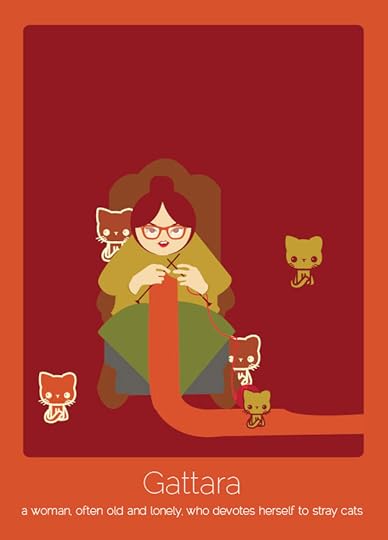
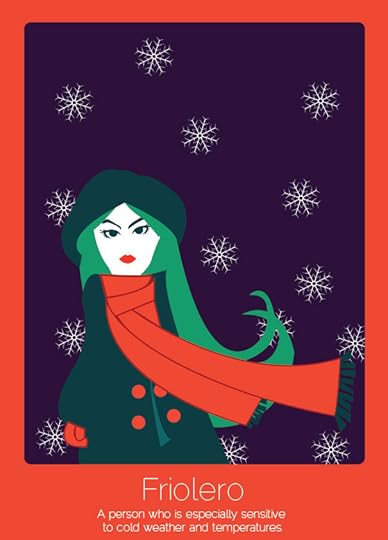
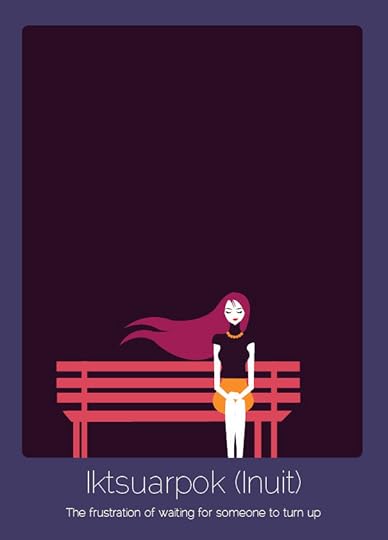
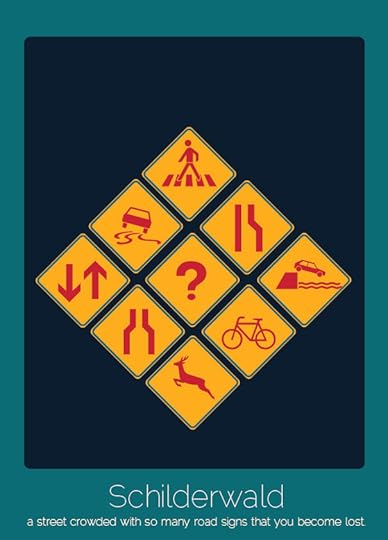
THE BEAUTY OF UNTRANSLATABLE WORDS is in their ability to capture the feelings and actions we don’t know how to put into words. Here, Anjana Iyer has illustrated 30 of them beautifully.

1
Pochemuchka (Russian)

2
Fernweh (German)

3
Aware (Japanese)
Intermission
202
The 20 coolest towns in the US
by Matador Team
372
What bartenders actually think of your drink order
by Lisa Millar-Jones
5
How to become a Spaniard in 20 easy steps
by Ana Bulnes

4
Komorebi (Japanese)

5
Tingo (Pascuense)
6
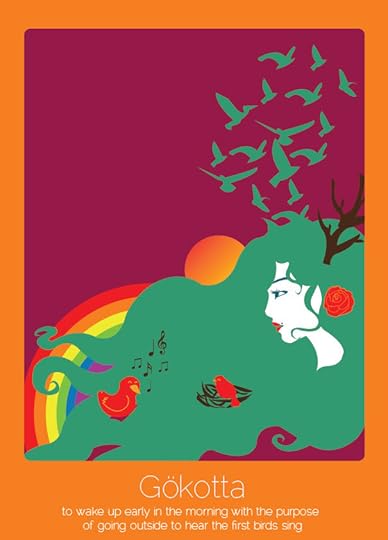
Gökotta (Swedish)
7
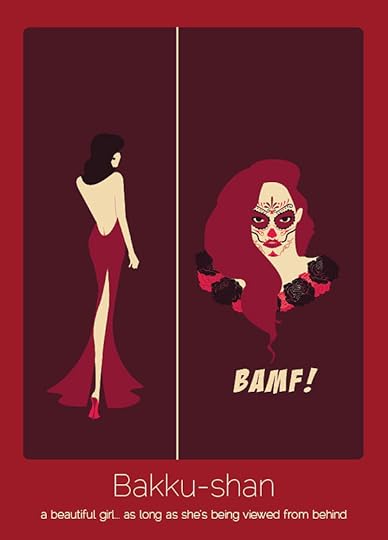
Bakku-shan (Japanese)

8
Backpfeifengesicht (German)

9
Tsundoku (Japanese)
Intermission
372
What bartenders actually think of your drink order
by Lisa Millar-Jones
139
The 22 craziest party hostels around the world
by Matt Kepnes
7
10 German words we should all be using
by Morgane Croissant
10
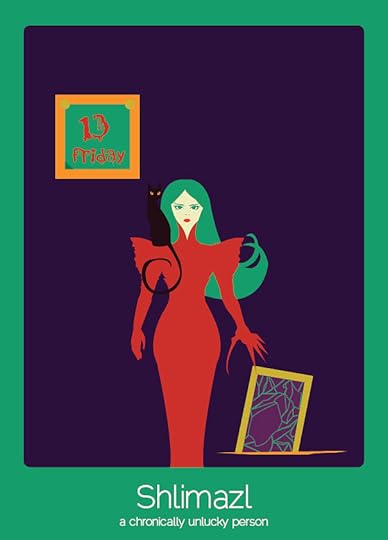
Shlimazl (Yiddish)

11
Hanyauku (Rukwangali)
12
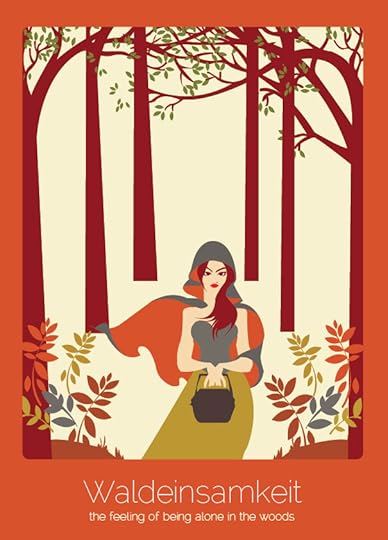
Waldeinsamkeit (German)

13
Rire dans sa barbe (French)
14
Gattara (Italian)

15
Prozvonit (Czech)
Intermission
139
The 22 craziest party hostels around the world
by Matt Kepnes
501
9 American habits I lost when I moved to Germany
by Vanessa Van Doren
1
The 18 funniest Chinese expressions (and how to use them)
by Jocelyn Eikenburg
16
Friolero (Spanish)
17
Iktsuarpok (Inuit)

18
Papakata (Cook Islands Maori)
19
Schilderwald (German)
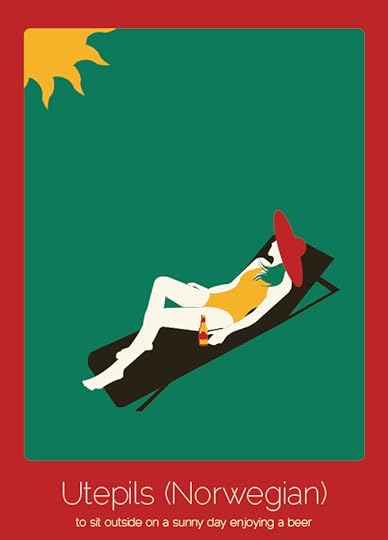
20
Utepils (Norwegian)
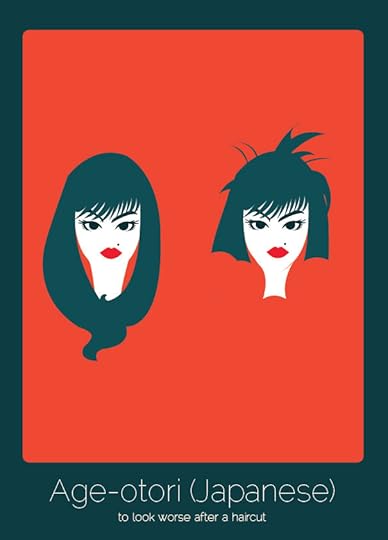
21
Age-otori (Japanese)
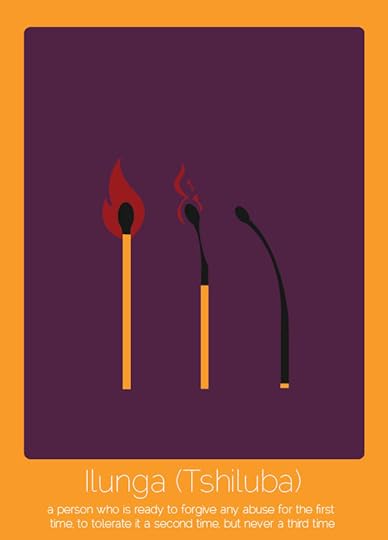
22
Ilunga (Tshiluba)
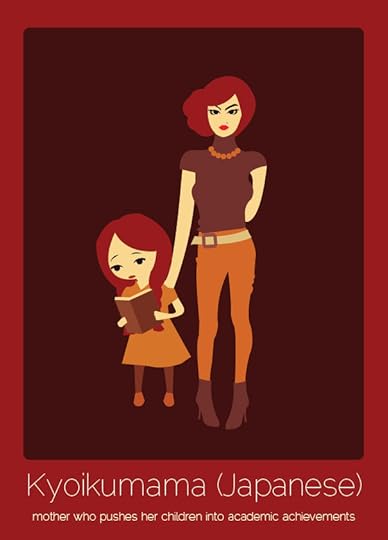
23
Kyoikumama (Japanese)
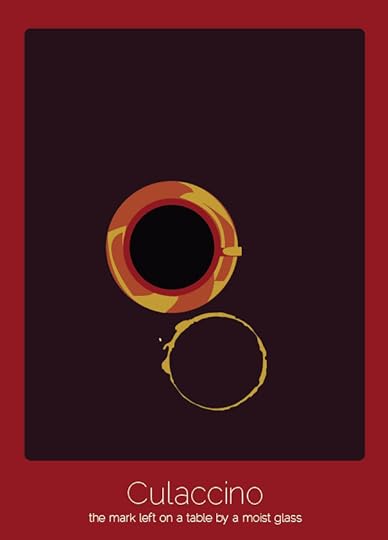
24
Culaccino (Italian)
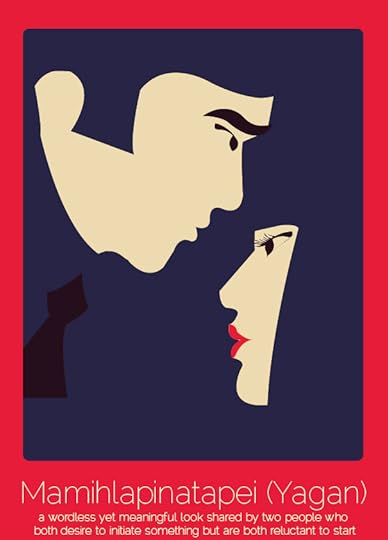
25
Mamihlapinatapei (Yagan)
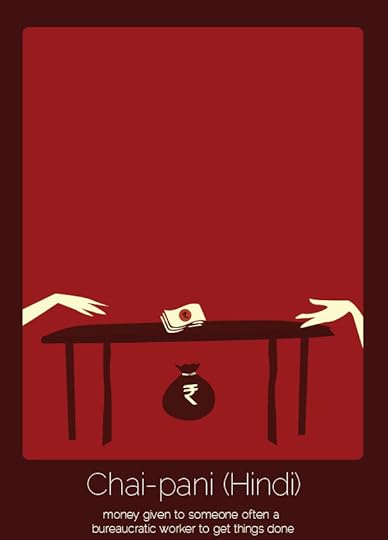
26
Chai-Pani (Hindi)
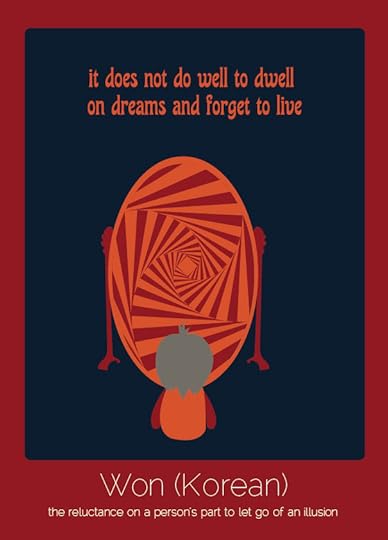
27
Won (Korean)

28
Schadenfreude (German)

29
Wabi-Sabi (Japanese)
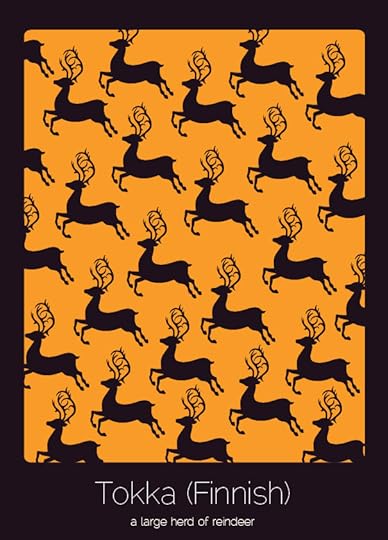
30
Tokka (Finnish)
Illustrations by Anjana Iyer.

6 birthing practices from around the world that the US should adopt

Photo: Big D2112
1. Laughing gas instead of epidurals
Considering labor has been compared to stretching your upper lip over the back of your head, it’s not difficult to see why over 60% of women in the United States receive an epidural during vaginal birth. One percent, however, opt for inhaled analgesia — either nitrous oxide or flurane derivatives — which is an odorless and tasteless gas inhaled from a handheld mask. You know, the stuff that makes going to the dentist just slightly less god-awful.
But it’s not just a distraction from the intensity of childbirth. It’s also easy to administer with effects kicking in within a minute, non-invasive, and safe for the baby since the mother’s lungs filter the gas. Studies from the UK reveal that the 60% of women use this method of pain relief with no increased need for forceps, vacuum, or Cesarean section. Not to mention it gives the woman a sense of control — if she doesn’t like it, she can always remove the mask, cutting the effects almost immediately.
So why is there such a low percentage of US women using inhaled analgesia over epidurals? In addition to only 19 hospitals and 14 birthing centers in the US offering this method of pain relief, women here typically want the strongest available choice — even if that means a massive needle to the lower back over some laughing gas.
2. Squatting during labor
In certain parts of the developing world — such as parts of Asia, Africa, and the Americas — women squat during labor, conflicting with pretty much every Hollywood depiction of the woman on her back, feet up in stirrups, and screaming about how much she wants to punch her husband in the balls. But studies show that women who squat, on average, experience a shorter first stage of labor and are 27% less likely to need an epidural than women who lie on their backs. This is mainly due to more pressure on abdominal blood vessels when on the back, which weaken contractions and render them less effective, increasing the need for a Cesarean section. Squatting, on the other hand, teams up with gravity to encourage a less complicated and easier delivery. To put it simply, you’re gonna want gravity on your side.
3. Paid paternity leave
Being the only industrialized nation not to mandate paid leave for new mothers, it’s no secret that the US is effed in terms of maternity. Those who take unpaid leave anyway? About 43% leave work voluntarily at some point during their career.
And then there’s Iceland. Not only does this country offer three paid months at 80% salary for new mothers, they also reserve three months for the father and three months to be shared between both parents. Twenty-five percent of women in the United States, on the other hand, go back to work within ten days of giving birth. This maternal whiplash can cause health and financial difficulties, such as poor recovery, an increase in postpartum depression, and an inability to keep a consistent breastfeeding schedule.
And to make things even more screwed, it can also affect the gender pay gap. In a study by the University of Massachusetts, results reveal that for every child a woman has, her salary decreases by 4%. Lower-wage workers are penalized even more. However, for men, becoming a dad increases their earnings by more than 6%. Additionally, when companies offer paid paternity leave, it decreases the risk of employers stigmatizing young women and not hiring them out of fear. Because new mothers are pretty much equal to a union of bog monsters threatening the workforce, y’know?
Not that it isn’t bad enough being the only developed nation in the world without any form of paid parental leave, but then there’s the added fact that 91% of businesses in the United States claim paid parental leave results in either positive outcomes or no outcome at all — meaning, no disadvantages. In other words, it’s way past time to get it together.
4. Home birthing
Despite the criminalization of midwifery by the medical market in the 1930s, the United States is no stranger to home birthing. The Farm — one of the nation’s oldest intentional communities in Tennessee — has led the movement in recognizing midwifery as a legitimate practice since its founding in 1971. Pamela Hunt, one of the The Farm’s original members and current practicing midwife, explains “Our goal is to make birthing safe for all women. To achieve this goal, we need to have these entities working closely together: the midwives, the doctors, and the nurse midwives.”
While the United States sees a 5-8% rate of preeclampsia, a devastating disease that can result in life and brain threatening seizures, and a 32.7% rate of cesarean delivered babies, The Farm sees rates of preeclampsia at 0.4%, cesareans at 1.7%, and zero cases of maternal mortality. Yet, home births account for only 1.36% of births in the United States with Certified Professional Midwives being legal in only 28 states and Certified Midwives practicing legally in three.
The Dutch Government, on the other hand, fully supports midwifery with home births in the Netherlands accounting for 20% of all births. As a natural part of life, childbearing occurs in the comforts of home — safe from drugs, fluorescent lights, and surgical masks. After all, why go to the hospital if you’re not sick?
5. Finland’s ‘baby boxes’
In the 1930s, Finland’s infant mortality rate was 65 out of 1,000 babies. However, a steady decline began paving the way following the distribution of maternity boxes to low-income mothers in 1938. The decline steepened even more after the boxes extended to all mothers in 1949. These baby boxes acted as a starter kit, packed with clothes, sheets, and toys, as well as a variety of other baby related necessities. It’s also an example of Finland prioritizing equality early on.
Today, Finland still supplies these boxes and leads with one of the lowest infant mortality rates in the world. It also ranks as one of the best places in the world to be a mother based on a variety of factors including maternal health, the involvement of women in national government affairs, and the mortality rate of children under six.
The United States comes in at a whoppin’ 33rd.
6. Burying the placenta
Plenty of places around the world celebrate the cycle of life by burying the placenta such as Costa Rica, Estonia, Turkey, and Switzerland. In particular, new parents in the Philippines bury the placenta with a book to guarantee an intelligent child.
And while there’s no proof that a book-pressed placenta breeds intellect, there are studies revealing that eating the placenta literally has no affect on your health whatsoever. Not that your cabin-dwelling, weed-dealing, and kombucha-brewing friend or expert Kourtney Kardashian will buy into these studies. 

7-day nightlife guide to Calgary

Photo: Asparukh Akanayev

This post is proudly produced in partnership with Heineken. #LiveLegendary
CALGARY’S EXPLODING POPULATION means there are plenty of sophisticated people with disposable incomes looking to blow off steam when they’re not working. And while that means the city’s got some high-priced entertainment options, you don’t necessarily have to break the bank for a night on the town. Here, a guide to the best that Calgary has to offer on any night of the week.
Monday

Photo: Comedy Monday Night at Broken City
A good deal’s a good deal, and you’d be silly not to indulge in the cheap sweets offered by Margarita Mondays at Salt and Pepper. Be sure to visit their location in historic Inglewood, where you can explore the decidedly unique stores (including Plant — a store fully devoted to terrariums) before you down some half-price booze jugs on the Mexican restaurant’s sweet patio.
If you’re looking for some laughs, Calgary’s small but dedicated comedy community can often be found huddled around the one-foot stage at indie bar Broken City, who host their Comedy Monday Night on a weekly basis. The event boasts a wide spread of talent, from first-timers through local veterans and touring comics, and there have even been a handful of surprises — recent guests have included Bob Odenkirk and Zach Galifianakis.
End it with a nightcap at Milk Tiger, Calgary’s beloved hole-in-the-wall bar that mixes up a wide variety of traditional cocktails. The tiny bar can get extremely full on busier nights, but it’s even better for a quiet early week nightcap.
Tuesday

Photo: Corbeaux
For dinner, celebrate Taco Tuesday with a twist. Calgary’s Tubby Dog is a punk rock institution known for its all-ages music events and deliciously strange hot dog concoctions, but on Tuesday nights it transforms into a traditional taqueria complete with soft tacos, tostadas, and Coronitas. Be sure to show up around 7pm, because once they run out of toppings they’re done for the night.
Cheap Tuesday night movies are no longer a thing of the past, and while you could visit any big box theatre you’d be best to support your local art house cinema. The Globe is the place to go if you’re looking for some adventurous filmmaking from around the world. On Tuesdays, all shows will only run you five dollars.
Looking to indulge a late-night sweet tooth? The recently-opened Corbeaux Bakehouse serves up locally-roasted Fratello coffee, world-class meals, and remarkable desserts. Its wide open seating style adds to the atmosphere, while the menu offers plenty of options for an after-dinner snack. The eatery is open until 10pm most nights, extending its hours to midnight on Fridays and Saturdays.
Wednesday

Photo: Castlefin
Much more than the chain restaurants that litter areas of downtown, Calgary’s culinary scene is becoming world class. Among the many favourites is Charcut, a roast house located in the lobby of the St. Germain Hotel downtown. All of the restaurant’s many, many meats are butchered and cured in house (you can see into the kitchen thanks to a handy menu), and they boast mouth-watering sides and top-class cocktails. If you show up early enough in the day, they serve classic home-made lunches at seriously affordable prices.
Fans of live roots, folk, and country will find plenty to love at the Inglewood institution, the Ironwood. This bar, eatery, and live music venue boasts some serious history and some excellent musical acts, both touring and local. If you’re looking for some western music without the garish cowboy feeling, just keep an eye out for the Ironwood’s iconic sign.
Brand new hangout Good Luck Bar is a refreshingly simple spot. In a city dominated by fancy, high-end bars with exceedingly expensive beers, the hard-to-find spot has plain black walls, incredibly cheap beer (cans only) and an easygoing vibe. That simplicity also means it can be transformed into anything — the venue regularly hosts impromptu DJ nights, vogue parties, and live concerts. On Wednesdays, it’s all about the YouTube karaoke. If you can find the karaoke version of any given song on YouTube, you can sing it.
Thursday

Photo: National
Thursday is most certainly the new Friday, and you’ll be hard-pressed to find yourself bored on the weekend’s penultimate night.
For an affordable yet elegant dinner, visit Briggs. With an incredibly diverse and creative menu, the restaurant’s reasonable prices almost seem like a mistake. There’s a deep selection of sharing plates if you’re feeling adventurous, along with some standard (but no less impeccable) meat and potatoes if you’d like to stick to an entree. As is common in all of Calgary’s restaurants, Briggs also boasts a brilliant cocktail menu.
Save room for more drinks, however, because right next door to Briggs is National on 10th. The National is a recent hit from the Concorde Group and boasts four locations across town. What makes the 10th Ave S.W. location special, however, is its facilities. Upstairs, you’ll find a fancy bourbon room, while the basement is a full-on bowling alley. Knock down some pins while you knock back some craft beers.
If you’re still keen to keep going, continue down the block to the Hifi Club, whose legendary Hai Karate night has been a Calgary staple for over a decade. Hosted by the Smalltown DJs, it’s the city’s hottest dancefloor for electro, EDM, trap, and hip-hop — and there’s often a line down the street to prove it.
Friday

Photo: castlefin
You certainly won’t be partying alone on Friday night, when many of the weekend warriors come out to play. That’s hardly a bad thing, however, as Calgary’s got plenty of fun to go around.
Start your evening with a late-afternoon drink at Container Bar. This space opened last year in the Kensington neighbourhood when the folks behind the Brasserie and Kensington Wine Bar noticed they had a large alley space between their two buildings, and opted to turn it into a quirky outdoor space. One of Kensington’s best kept secrets, they offer everything from delicious snacks to unique cocktails with an emphasis on unique kinds of gin.
If you’d prefer some craft beer, the Last Best brewery recently opened their bar and restaurant downtown. They’ve got a deep selection of locally-made beers, including a caramel flavour that’s basically liquid gold.
Speaking of liquid gold, indulge your sweet tooth with a trip to Village Ice Cream, a local and hand-crafted ice cream company that’s spreading joy (and maybe a cavity or two) throughout the East Village.
There’s no shortage of DJ nights vying for your attention on a Friday night. One unique choice is Nervous Breakdown, a vinyl-only evening of vintage soul, garage, and rock ’n’ roll at the Drum and Monkey.
Saturday

Photo: castlefin
If it’s nice out, you’ll want to hit the bike paths and go for a ride along the river. Be sure to stop at the historic Simmons building, which has recently been converted to house a Phil & Sebastian coffee shop and Sidewalk Citizen bakery.
Proving that Calgary’s not entirely meat-minded, vegetarians should opt for an evening at The Coup. A staple of 17th Avenue S.W., the restaurant offers everything from delicious vegetarian and vegan cuisine to creative cocktails.
For something a little more beefy (or piggy), head over to the Palomino Smokehouse. From succulent brisket to bacon-wrapped corn on the cob, you’ll have no trouble getting enough protein for dinner. Then you can work it all off on the dance floor — it’s also one of the city’s most respected venues, hosting everything from country music to metal and punk on its two floors.
If you’d prefer your music without guitars, cap your Saturday with Broken City’s legendary hip-hop night. Playing all of your favourites from the ‘80s through today, you’ll hardly find a better spot to yell along to the hits while sweating it out on the dancefloor.
Sunday

Photo: Kenton Smith
If you can manage peeling yourself out of bed in time for brunch, there are plenty of Calgary eateries competing for the best eggs benedict. A recent favourite is The Beltliner located, naturally, in the heart of Calgary’s beltline.
The downtown Stephen Avenue stroll is virtually deserted compared to the buzzing swarm of workers that fill it up on a week-day lunch hour, but that means you’ll have plenty of space to breathe it all in. You can also take in some art at Calgary’s largest museum, the Glenbow.
You’ll want to burn off some calories anyway, because Sunday night is all about an enormous family dinner. From chef Justin Leboe, the contemporary Model Milk stands as one of Calgary’s finest dining experiences. Take it all in with their Sunday Supper, a four-course meal that costs $35 per person. Though it’s a set menu, it changes every week meaning you’ll be sure to come back on the regular.
This post is proudly produced in partnership with Heineken. #LiveLegendary

Matador Network's Blog

- Matador Network's profile
- 6 followers

