
Matador Network's Blog, page 2094
June 25, 2015
Here are the hottest hipster neighborhoods in the US
Great things are happening in some relatively unknown neighborhoods across the US — a prolific chef is opening a restaurant with lines out the door, a hip hotel is lending to gentrification, a bar scene is taking shape, and all the cool kids are moving in for bigger and cheaper loft spaces. Welcome to the new Williamsburg (or SoFi Miami or East Austin or Downtown LA). From California to Washington, DC, we rounded up emerging neighborhoods (and some cities) that are destined to become America’s hottest new destinations.
1. West Loop, Chicago, Ill.
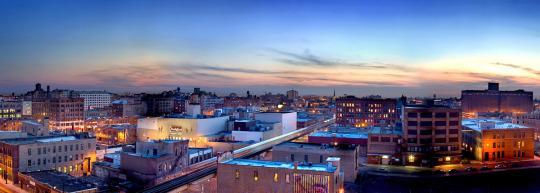
Photo: West Loop Community Org.
In just two years, Chicago’s recent travel boom welcomed notable hotel openings like Richard Branson’s first Virgin hotel, Thompson Chicago in Gold Coast, and Langham Chicago. But Soho House Chicago had its finger on the pulse, opening last year in the emerging West Loop neighborhood, which has become the ultimate hot spot for hipsters, bohemians, and professionals alike. Top Chef’s Stephanie Izard first brought the cool with the opening of Girl & The Goat and spots like the famous cocktail bar The Aviary have opened since. Add buzzing eatery Formento’s and new watering holes like retro-inspired The BettyNow, and discerning locals are ditching Wicker Park to move into this burgeoning ‘hood to form a creative community.
2. Bentonville, Ark.
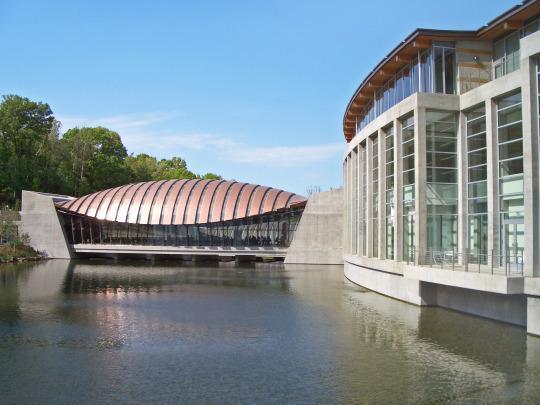
Photo: Charvex/Wikimedia Commons
It seems the fate of unassuming, small-town Bentonville was to be a hub for art and culture. After the opening Crystal Bridges Museum of American Art in 2011, the stylish hotel-cum-museum 21C Museum Hotel opened in 2013, which helped fuel the art flame, and this year Bentonville inaugurates its first major film festival. It’s promising enough for hip locals to move into cheap pads and embrace the alternative, laid-back lifestyle. A major food revolution is on its way, too. Chef Matthew McClure of the Hive was a James Beard award semi-finalist last year and a new hospitality group Ropeswing is going to change the way locals eat with stylish new spots. Up first is Belfry, a contemporary restaurant opening this summer in a 111-year-old historic church.
3. Benson, Omaha, Neb.
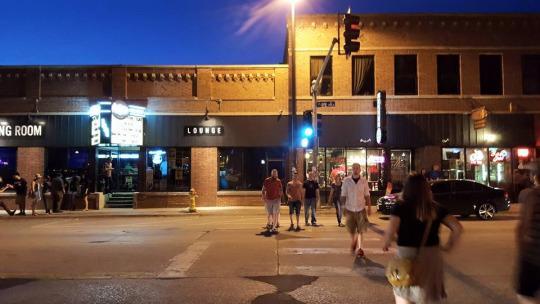
Photo: Benson, Nebraska/Facebook
Not only is Benson Omaha’s coolest, hippest, leftist neighborhood (sneakers and vintage tees are the uniform), it’s a ‘hood that truly fosters a creative community. Benson First Friday, which debuted last year, has grown to be a neighborhood-wide celebration of visual arts and music where locals and visitors alike check out art spaces, galleries, coffee shops, and more. In fact, Benson is all about festivals (from Benson Beer Fest to Summerfest to the quirky new Ramen Noodle Fest), and cool restaurants like Lot 2 (coincidentally there’s one in Brooklyn) have been popping up. Diners can even sushi in stylish quarters (in mid-America, no less) at Taita restaurant. Most visitors generally shack up at one of the lovely boutiques like The Magnolia Hotel, an upscale, historic hotel since 1974.
4. Bend, Ore.
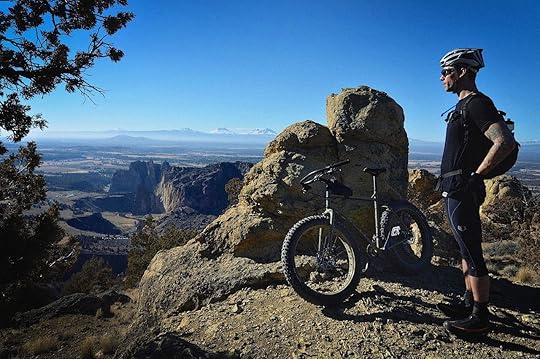
Photo: Gabriel Amadeus
For years, the rural city of Bend (three-hours drive from Portland) has been a hot spot for nature- and beer-loving hipsters thanks to a craft brewery scene surrounded by lush landscape that’s threaded with bike trails. But Bend is going fully on-the-radar as it has even more to offer. Pronghorn, an Auberge Resort, is opening a $20 million, 105-room guest lodge this summer to accommodate the throng of overnight guests; two new homegrown distilleries, Cascade Alchemy and Backdrop, have opened; and a handful of new bike trails recently debuted. It’s no coincidence real estate in Bend is rising and still among the 10 fastest growing in the country.
5. The Bywater District, New Orleans, La.
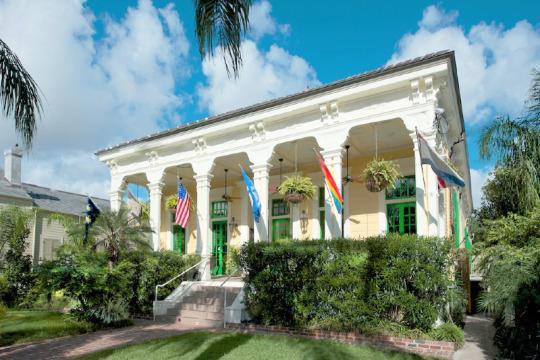
Photo: The Country Club
Five years ago, this neighborhood just two miles east of the French Quarter was considered unsafe, but now the biggest complaint from locals is that it’s too cool. While still rough around the edges, rent is cheap, dive bars are exciting and unique (and free of throngs of tourists), and there’s a sense of weird eclecticism that makes it tres hip (a voodoo priestess runs a psychic shop-slash-botanical store, Island of the Salvation Botanica, just a stone’s throw from a fancy clubhouse, Country Club, that’s popular with the gay community). While most residents are non-locally raised (as New Orleanians will point out), Bywater is still very NOLA with street-side parades, charming B&Bs, barbecue and jambalaya joints, and funky boutiques.
6. Shaw, Washington DC
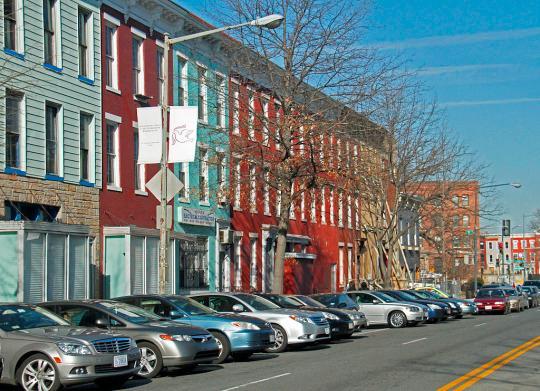
Photo: AlbertHerring/Wikimedia Commons
Remember when Logan Circle underwent massive development two years ago? That development continues to spread east where the dust is still in the air in the formerly barren Shaw neighborhood, with the heart of it all on 9th street. One could point their finger at Marriott Marquis, opened last year and now the largest hotel in D.C. with more than 1,000 rooms. The area has become one of the glitziest neighborhoods for well-heeled residents moving into refurbished row houses and new condos with enticing amenities (rooftop dog parks and on-premise dry cleaning to name two). Their neighbors? Jose Garcas, Jose Andres, and Cedric Maupillier and their elevated, chef-driven restaurants, with about 16 more slated to open very soon.
7. Design District, West Hollywood, Calif.
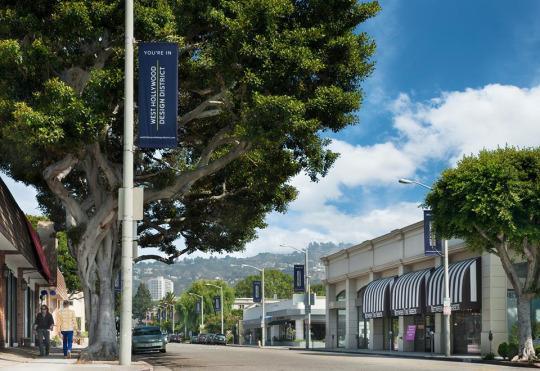
Photo: West Hollywood Design District/Facebook
While Downtown LA has become the “it” spot due to massive redevelopment over the past two years, West Hollywood is hot on its heels for becoming the most relevant neighborhood in Los Angeles, particularly the fairly new Design District. It’s the place to be seen or, better yet, just be. Hipster vegan Cafe Gratitude restaurant opened sister vegan Mexican restaurant Gracias Madre, which has a packed outdoor patio any night of the week; Moschino is bringing the Beverly Hills crowd with its new flagship store; and famed Sunset Tower hotelier Jeff Klein recently flipped San Vicente Bungalows (not to mention James Hotel is opening up the street in 2017). Kimpton recently broke ground and at least two-dozen businesses opened in the past year alone (along with flashy new condos and residences). La Cienega Boulevard has become the unofficial restaurant row with hot new openings like Barton G, Hutchinson, and the new EP&LP.
8. Old Fourth Ward, Atlanta, Ga.
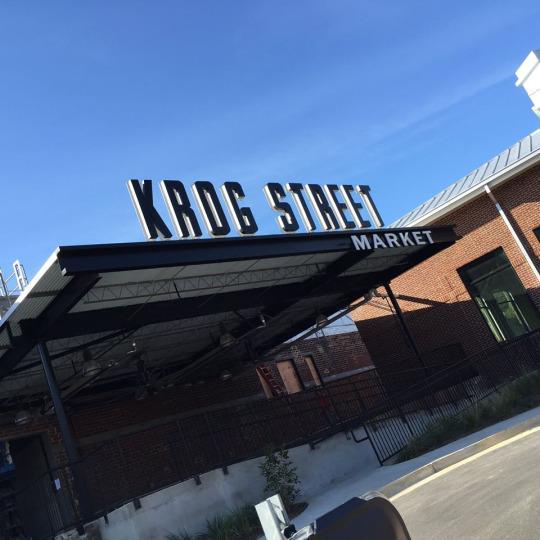
Photo: Krog Street Market
Atlanta neighborhoods gentrify fast (locals are still shocked to see the formerly gritty Little Five Points a tourist destination and no-mans-land East Atlanta a thriving hipster spot). The next big thing is Old Fourth Ward, unusually and exceptionally pedestrian friendly for a traditional car city. A planned, anticipated streetcar prompted erected condos and smart businesses moving in. Already open is Krog Street Market, a dining and retail multi-use concept with two dozen businesses, and elevated Southern dining restaurants like The Cockentrice and Ladybird are putting Old Fourth Ward on the map as the next foodie destination. No hotels are planned yet, but nearby Midtown is chockfull of great accommodations like the new Hyatt Atlanta Midtown.
9. Lowertown, St. Paul, Minn.
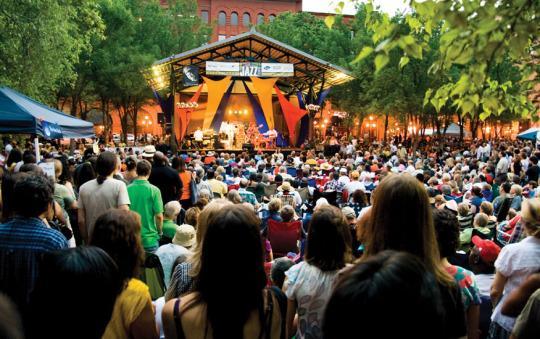
Photo: Chris McDuffe/Visit Saint Paul
St. Paul has been cited as having the most hipster zip code in the U.S. based on walkability, rental stock, young demographic, and cost of living. But hipster or not, everyone seems to be migrating to the Lowertown neighborhood, an area that’s home to Union Depot (the bus and train station). The area is experiencing a major renaissance: Lofts have been gutted out from restored 19th-century buildings and the ‘hood has become the designated spot for music festivals, like the Lowertown Arts & Music Festival and Concrete and Grass music festival. Lowertown is also becoming St. Paul’s most buzzing foodie destination with creative new restaurants like Public and Barrio. With a popular farmer’s market, a sprawling park, and seamless bike-share program, we wonder why it took this long to get noticed!
10. LoDo and Riverfront, Denver, Colo.
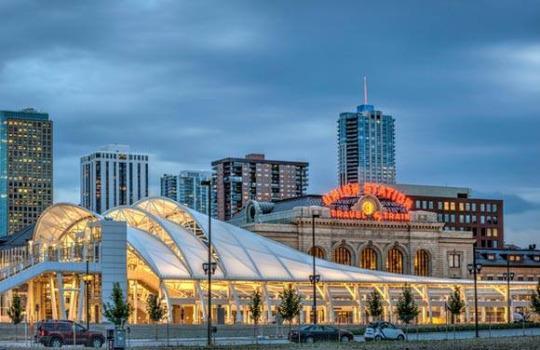
Photo: LoDo/Facebook
Ever since Real World Denver put LoDo (Lower Downtown) on the map back in 2006, everyone wanted a piece of the oldest neighborhood in Denver. Revitalization of the historic district has been almost a decade long but it’s not until recently that LoDo became home to discerning locals buying cushy loft spaces and condos. A true testament to the ‘hood is the new Crawford Hotel that opened last August inside Union Station, and the new Art Hotel is slated to open this June… not to mention some serious nightlife to boot (there are at least 40 places to party now). While LoDo is hot now, Riverfront, literally on the other side of the tracks, is slated to be the new new for locals, determined by all the construction of mixed-use buildings and tony residences in progress and, naturally a tell-tale sign, a new Whole Foods that’s already open. 
This article originally appeared on Yahoo! Travel and is republished here with permission.
Let Yahoo Travel inspire you every day. Hang out with us on Facebook, Twitter, Instagram, and Pinterest. Watch Yahoo Travel’s original series “A Broad Abroad.”


What NOT to do in Portugal
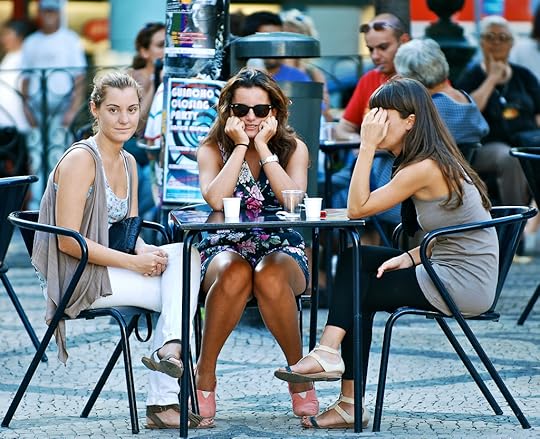
Photo: pedrosimoes
1. Go ‘out drinking’ instead of ‘living the night’.
Please don’t come here and try to drink like you are sprinting to the finish line. It’s about 11pm on a Saturday night, you look around and realize you already drank six canecas and your Portuguese friends seem to be on their third imperial. You may think they’re sissies and you can ingest a lot more alcohol than them, but on the other hand you will probably go home and pass out after leaving the bar around 2am. They will head to the club at 3am, have a few drinks, dance the rest of the night away, head out for a bifana (pork sandwich) or a hot dog at 6am, have a few drinks, watch the sunrise, wait for the bakery to open, eat a cake and drink a bica and either go to an after-hours party (if they live in the city) or have a little rest before meeting you at the beach to play volleyball. We don’t “go out drinking”, nós vivemos a noite (we live the night).
2. When in Lisbon, buy a miniature of the yellow tram 28 in Porto.
Would you buy an Eiffel tower in London, or a Big Ben in Madrid? A handcraft is a form of native art made by local artisans that reminds us of a certain place in a certain period a time. So learn about where you are and take home a piece of culture of the place you visited, and not from a town hours and hours away you most likely have never seen. The possibilities are endless from the varina with 7 skirts from Nazaré to a bottle of ginginha from Óbidos passing by a miniature boat rebelo from Porto, etc.
3. Call enchidos sausages.
I know they might all look the same to you, but for us Portuguese, sausages are only salsichas (frankfurters). So if you would like to try barbequed chouriço, alheira frita, farinheira, paio, salame, salpicão, mortandela, morcela, chouriço de sangue or one of the many types of enchidos you can have in Portugal, do not call them sausages or you might be in for a surprise. It would be like going to the supermarket, asking for a banana and expecting it to taste like an apple.
4. Head to the Ribeira in Porto to eat a Francesinha.
Or go to the Baixa in Lisbon to eat a Caldo Verde, just because you are blindly following other tourists. They probably landed yesterday, and were told about this restaurant by another traveller who was in town for a week, who, like you, was just following a crowd of tourists. Walk around the cobblestones streets, find a busy small tasca filled with locals and eat what they eat. Do not ask the hotel receptionist what she recommends — ask her about her favorite place in town, her favorite restaurant and her favorite beach.
5. So you like beer. Please don’t order a cerveja grande (big beer).
Have you heard any local ordering a cerveja grande? The odds are you have not. Let’s work on your beer etiquette. A big beer is a caneca while a small beer is an imperial. If you’d like a bottle instead of draft beer, call them by their names – Super Bock or Sagres. If you want a small 200 ml bottle order a mini, and if you’d rather try a darker beer ask for a cerveja preta.
6. Assume we speak Spanish.
Okay, if you speak Spanish it will be obviously easier to get around and have a sense of what is going on, but in the same way you will not understand everything, neither will we! If you ask us directions to the oficina (office in Spanish) we will send you to a garage (oficina in Portuguese); if you want to buy an escritorio (desk in Spanish), we will send you to a real estate agent to buy an office (escritório in Portuguese). It’s the same when a Portuguese man goes to Spain and says he feels embaraçado (Portuguese for embarassed) and the Spanish look at him wondering how the hell he got pregnant (embarazado). It’s like screaming “Oso” when you see bear and expecting help, instead of confused looks trying to work out why do you need a bone (osso)?!
7. Drink Porto wine with your main course.
Although Porto wine is internationally renowned and you might be eager to try it, let’s remember that it is a dessert wine. If you’d like to mix it with food, then find yourself a platter of typical cheese or maybe some chocolate and/or strawberries.
8. Call us Spaniards or Hispanic.
While Spaniards is a term used for someone who lives in Spain, the term Hispanic is usually related to someone who was born in one of the Spanish-speaking countries of Central and South America. So why would you call a Portuguese, who was born in a country about 400 years older than what is now called Spain, a Spaniard?
9. Go to Portugal on a diet.
And then dare skip dessert. The only thing which may be worse than missing out on the traditional Portuguese gastronomy is deciding you will not have dessert. At least once you must have a three-course meal in a small typical restaurant and end it with a baba de camelo (camel’s drool) or a toucinho do céu (heaven’s bacon) — your ears might not like the sound of it, but your taste buds will be grateful forever! 
18 reasons you should never visit Colombia
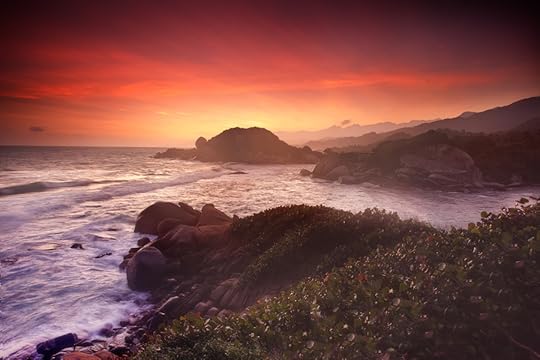
‘Jungle Jive’, Colombia, Santa Marta, Tayrona National Park, El Cabo San Juan by Chris Schoenbohm on 500px
2. Walking around Cartagena, enjoying the sunset right next to the fortress while having deliciously cold beers and local food… I don’t get what’s so special about this pirate’s destination. I am not going… ni jincho de la perra.
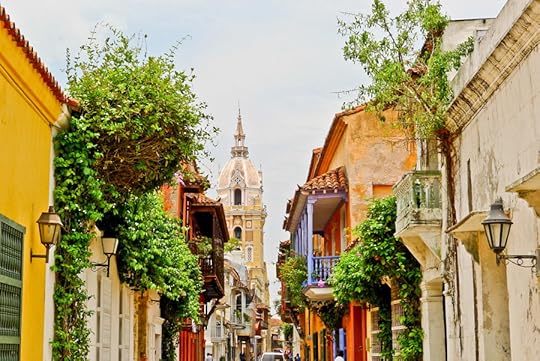
Le Clocher by Julien Vidal on 500px
3. I have never heard of Botero’s work… and I am not into famous street art.
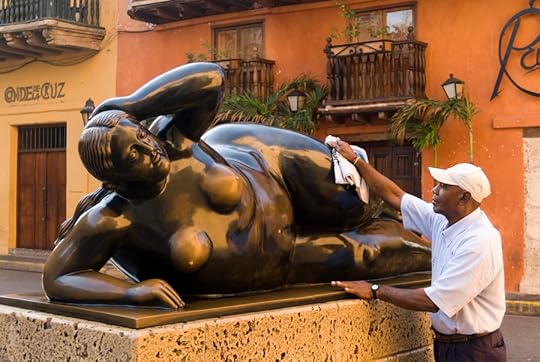
Polishing Botero nude, Cartagena, Colombia by Alex Segre on 500px
4. OK, I have to admit Bandeja Paisa and Ajiaco taste heavenly… but spending my time in a family-environment, as if every single day was a sunny Sunday? I’m afraid I would get used to the good life and would never be able to have fast food again.
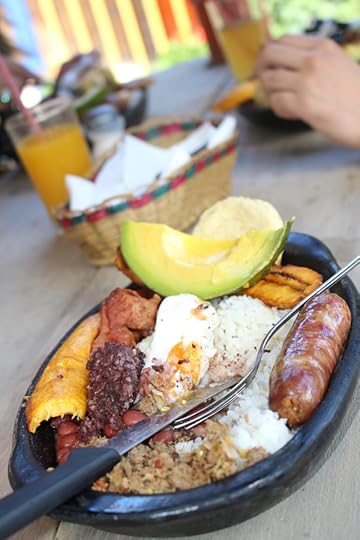
Bandeja Paisa by Egberto Antonio Carreño Parra on 500px
5. Why go to the heart of Colombia’s coffee cultural landscape? Just to try what real coffee tastes like in a traditional finca? The coffee shop in the mall is more convenient… They already know how I like my latte.
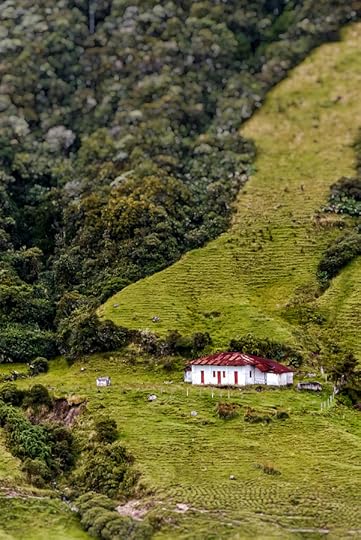
finquita by Andre_Roches on 500px
6. Dancing and singing to the sound of the marimonda night and day, enjoying myself in the Carnival of Barranquilla… No way, Jose: it’s too hot for such a party. Qué pereza.
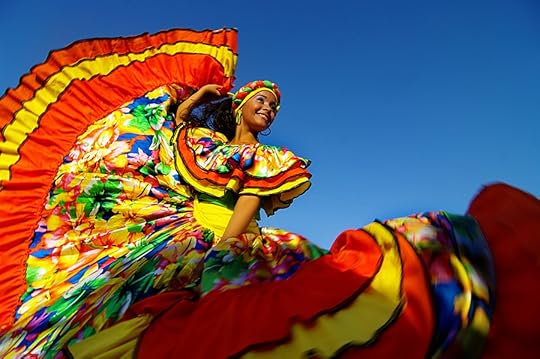
CARIBEAN BEAUTY by Gustavo RQ Photographer on 500px
7. Experiencing the oldest theater festival in Latin America in the streets of Manizales, appreciating the best of performing arts at no cost… sounds snob. I would rather watch sit-coms online, thanks.

Teatro by Juan Pineda Londoño on 500px
8. Diving makes me feel a little claustrophobic. I don’t think I can be tempted with coral, thousands of fish species and crystal clear waters… not even if I know “Sea Flower” is one of the largest “biosphere reserves” in the world, according to UNESCO. Just leave me in my comfort zone, would you?
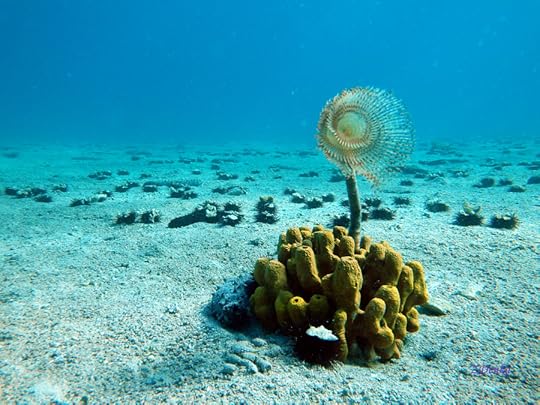
sea flower by Zdenka Borić on 500px
9. Admiring the immensity of the Colombian capital from Monserrate while having a hot cocoa? But… it’s probably cold up there.
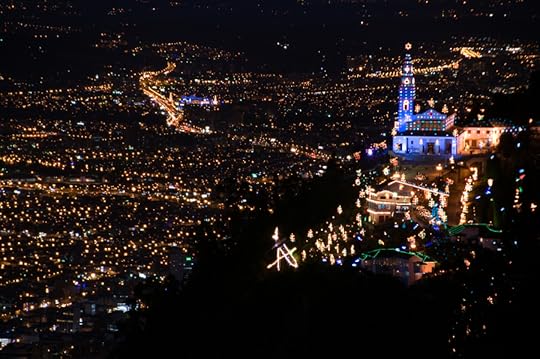
Vista nocturna de Bogotá by caserranor on 500px
10. Reaching the Nevado del Ruiz summit, one of the highest active volcanoes in Colombia, seems kind of extreme. I’m better off staying where it’s safe.
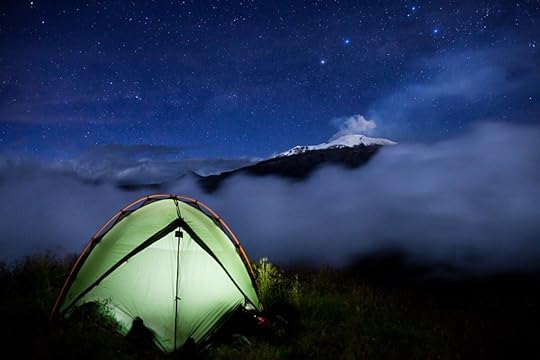
Nevado del Ruiz by Jonathan Duriaux on 500px
11. This thing about “visiting Tayrona Park, one of Latin America’s best kept secrets” sounds like I am going to be fighting mosquitoes instead…
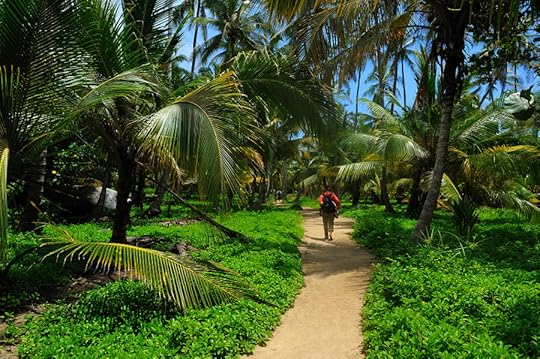
Tayrona National Park by Paulo Capiotti on 500px
12. Plus… Could you picture yourselves facing a storm like this? Scary.

Tayrona Big Flash by David Reichel on 500px
13. I can barely dance the Macarena with my two left feet… I don’t see what I could gain by going to Feria de Cali, in the “salsa capital.”
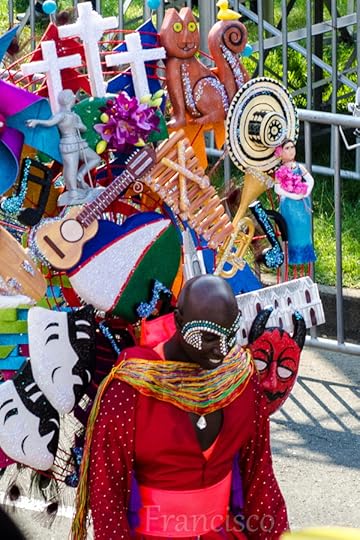
El “Salsodromo” de Santiago de Cali! by Francisco Lam on 500px
14. Letting oneself be surprised by the Lost City, in Sierra Nevada de Santa Marta… Hmmm, maybe, as they say, some things are better lost than found.
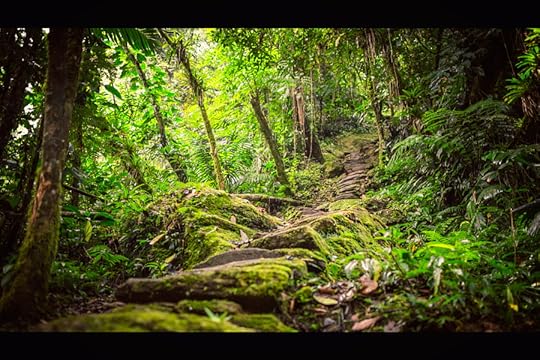
1.260 Steps by Martin Spijker on 500px
15. How come “the rainbow has melted in Caño Cristales”? There must be some sort of trick in this seven-colors river… It cannot be real.
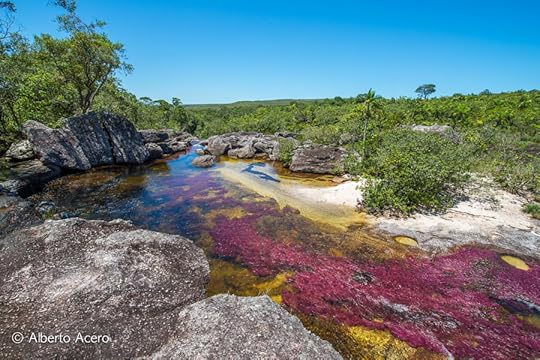
Caño Cristales – La Macarena by Alberto Acero on 500px
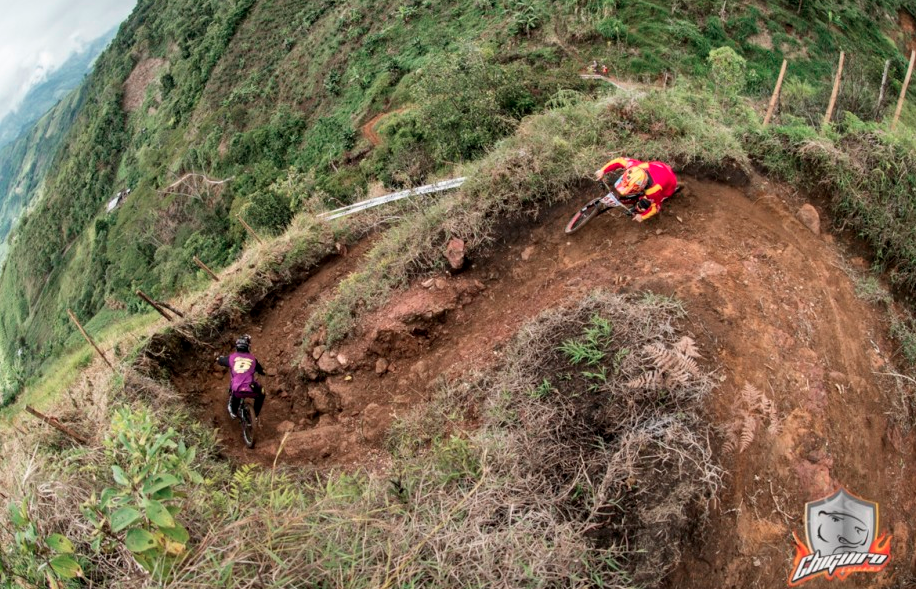
16. There must be something wrong with whomever thinks downhill is cool…
17. Calling these landscapes “paradise on Earth” is clearly an exaggeration.
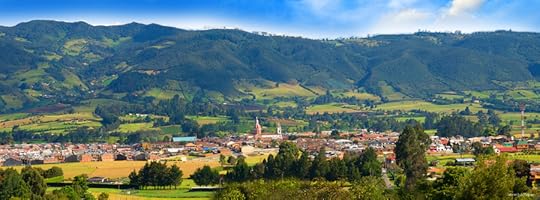
SUBACHOQUE PANORAMIC by LeoRodriguez-Photo on 500px
18. Not even the promise to see a million stars will make me change my mind.
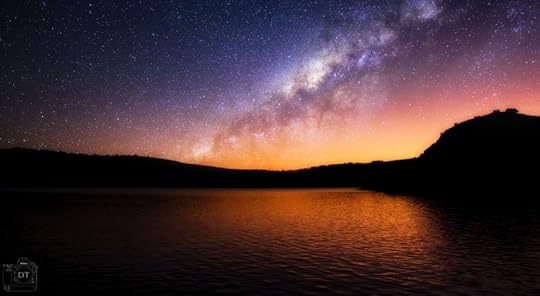
Another Paradise by David Tamayo on 500px

Why BC's coast is worth protecting
SUPER NATURAL BRITISH COLUMBIA. Beautiful British Columbia. The Best Place on Earth. We’ve had a whole slew of taglines over the years but they’ve got a connection: The beauty of this place. We’re world famous for our dramatic landscapes, our dense and lush rainforest, and our remarkable wildlife.
On a larger scale, with this being the hottest June on record and one of the driest years in all of BC history, the need to address global warming and what we stand to lose is greater than ever. But making change starts on a more local scale, and the ever growing debate on two proposed pipelines — one from Alberta to Burnaby Mountain just on the edge of Vancouver, courtesy of Kinder-Morgan, and another from Alberta to Kitimat, BC proposed by Enbridge — needs more attention than ever. As many protesters have been chanting: “There is no Planet B.”
The Enbridge Pipeline will cross more than 1000 streams and rivers in Northern BC, many of which are the headwaters for major rivers that cut through the province, before arriving in Kitimat, where massive tankers will load up with oil to take to China or the USA before navigating the famously precarious inlets of the north of our state.
An oil spill in this region — and at any point along the way — would be devastating to locals, to animals, to the ecosystem, and to the First Nations and their land. Despite protests around the province — and despite First Nations tribes turning down “investments” of more than 1 billion dollars to use their land — both pipelines are moving forward disturbingly quickly. Organizations such as Pull Together have been fundraising from both BC residents and local businesses to help financially support the First Nations bands who want to take a stand against Enbridge — specifically the Nadleh Whut’en, Nak’azdli, Heiltsuk, Gitga’at, Haidi, Kitasoo/Xia’xias, and Gitxaala nations.
Here are 13 images of our beautiful BC coast, all of which barely scrape the surface of what we stand to lose, not only to global warming, but to pipelines running across our beautiful province.

The hunt by Florent NICOLAS on 500px
1. An orca cuts through the water on a hunt near the Great Bear Rainforest — one of the largest temperate rainforests left on Earth. The area covers the central coastline and goes as far north as the Alaska border.
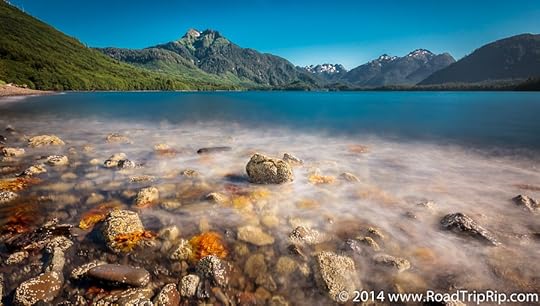
Haida Gwaii – British Columbia – Canada by Road Trip Rip on 500px
2. The isolated but phenomenally beautiful Haida Gwaii islands (formerly known as the Queen Charlotte Islands) lie in the Pacific, across the water from Kitimat, BC.

Siwash Rock at Sunset by Pierre Leclerc on 500px
3. Siwash Rock in Stanley Park, Vancouver, at sundown.

Tip-toe Through the Fish by Pat Roque on 500px
4. A young grizzly spies something of interest in a central BC river.
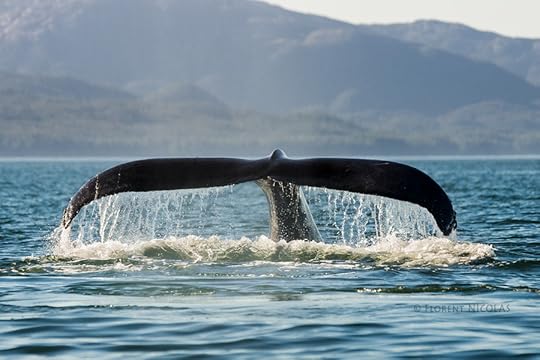
Typical one, but worth it by Florent NICOLAS on 500px
5. A humpback whale passes through the Great Bear Rainforest passage.
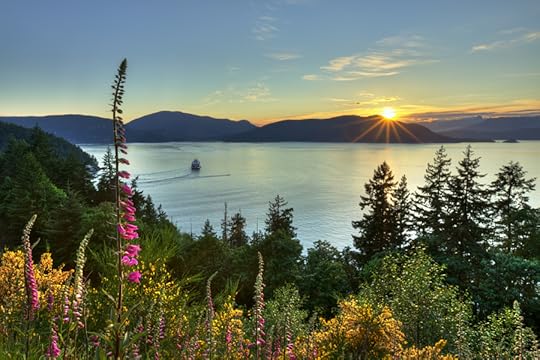
Wandering Through the Weeds by Shaadi Faris on 500px
6. The view from Horseshoe Bay over the Salish Sea, as the sun sets behind the islands, while a ferry navigates the coastline.

Freedom of Flight by Evan Spellman on 500px
7. A bald eagle in flight near Prince Rupert, BC.
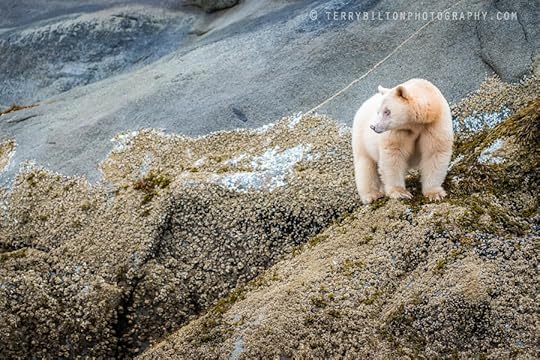
Spirited Bear by Terry Bilton on 500px
8. A kermode bear. Also knows as a spirit bear, 1 in 10 of these bear cubs have a recessive gene that makes their coat white. They are not polar bears — they are white grizzly bears. They’re a protected species in Central and Northern BC, extremely elusive and rare to see — and they live right along the proposed pipeline.
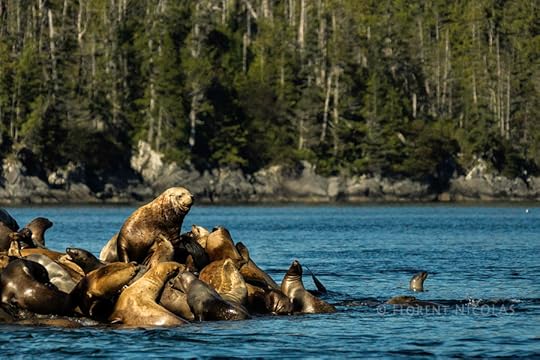
His harem by Florent NICOLAS on 500px
9. Sea lions take in the last sun of the day along the Central BC coast.
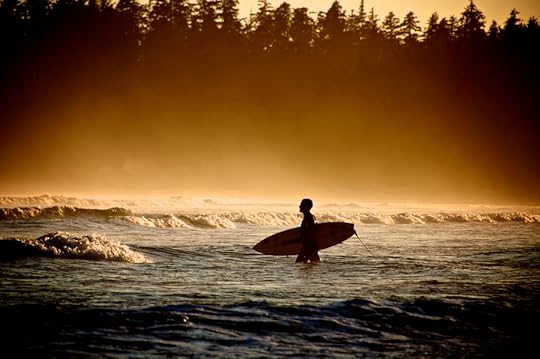
Final Wave by Ben Johnson on 500px
10. A surfer in Tofino, on Vancouver Island, makes his way out of the rainforest and into the waves.
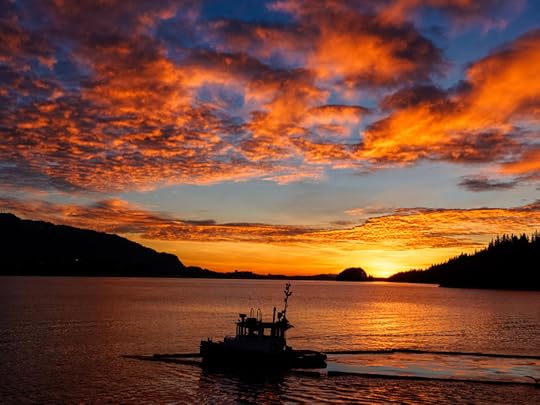
Brilliant Winter Sunset-DXO-1 by Evan Spellman on 500px
11. A fishing boat heads out to sea from Prince Rupert, BC, with the sky ablaze.
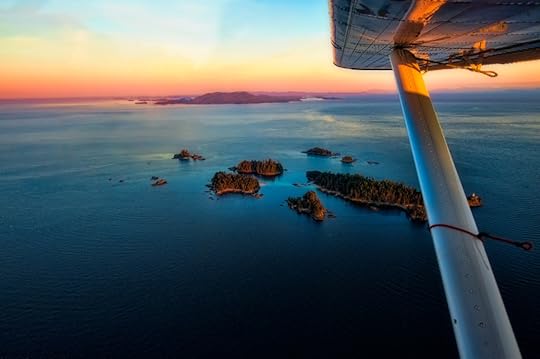
Sunrise over the Ocean by Evan Spellman on 500px
12. Some of the Haida Gwaii island seen from a seaplane.
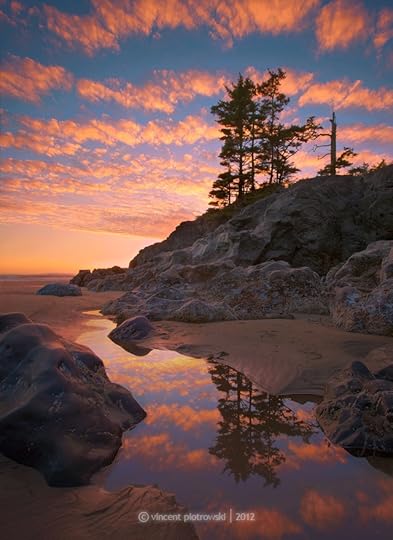
Too Cool Tide Pools by Vincent Piotrowski on 500px
13. Tidal pools glow in last light on Vancouver Island. 
Idaho from the air
Follow Matador on Vimeo
Follow Matador on YouTube
Join Gem State local and filmmaker Andrew Garcia as he explores Idaho from the air. Andrew brought his drone on an 8 day road trip from Boise to the Canadian border, through Missoula, MT and into the Twin Falls. Sit back and experience the natural beauty of Idaho from above. 
You don’t have to be white to travel
I LIVE IN A WORLD WHERE EVERYTHING IS POSSIBLE. I live in a world where limitations are self imposed. I live in a world where I create my reality and my destiny.
Though lately, some people have burst my optimism bubble. After reading my post How to Travel the World When You’ve Got Absolutely No Money, they’ve insisted that my ability to believe in possibility comes from my white privilege. They’ve contested that the opportunities for travel and dream chasing only apply to others like me. They’ve decided that you’ve got to be a “hot white chick” to travel the world.
Admittedly, I don’t know what it’s like for someone who isn’t a twenty something American-born white girl to travel. The same way someone who isn’t a twenty something American-born white girl can’t fully know what it’s like for me. But my wisdom tells me that though we are each born and met on the road of life with different challenges, everything, absolutely everything is possible. I have to believe that if I am to continue believing in humanity.
A big part of that comes from the many people I’ve met on the road who have shattered limiting beliefs I once held. I could tell you how I’ve met people from all walks of life, wearing all colors of skin, coming from all countries on this planet, doing many of the things that I’ve done to finance a life of travel, and more. But I know that it doesn’t carry as much weight coming from the lips of a “privileged” white girl. I’d rather they told you themselves.
So I’m turning off my microphone, and I’m shining the spotlight on some other inspiring humans instead. I’ve contacted my fellow travel blogging nomads who come from developing countries, have diverse ethnic backgrounds, and have special physical challenges, and today they’re sharing their stories with you. They’re here to tell you that no matter who you are, no matter where you come from, and no matter what may stand in your way, you can absolutely travel the world if you set your heart and your mind to it.
Olivia Christine, OChristine.com
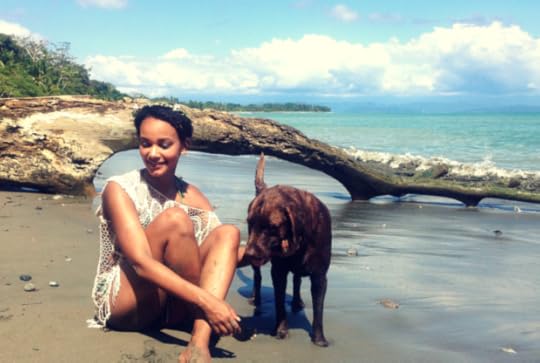
“The past 10 years have been filled with fear, bravery, hesitation, and perseverance. When people ask me to tell my story, I often meet their invitation with confusion. What part of the story do you want to hear? That I was poor: born and raised in the inner city of the South Bronx during some of NYC’s most dangerous decades? Concrete mayhem painted with the footprints of innocent hopefuls playing doubledutch and street scully. Or is it my release from that world that is more appealing? The kid who “got out”? The girl who, though made fun of and ridiculed for even fathoming that she COULD live beyond that bubble, actually did it? At a young age, I decided the opinions of others weren’t for me. They were shackles to my dreams and food to my fears.
And I did get out. But not without pain. Not without setbacks. At 17, I was diagnosed with Lupus Nephritis: an autoimmune disease that almost destroyed my kidneys. My travel dreams deferred and hope shattered, I spent 180 days receiving monthly chemotherapy to save me from needing dialysis. Those six months met deep meditation and reflection. I set an intention to travel the world and pursue all that brings joy to my soul.
Fast forward 11 years: my name is Olivia Christine and I am travel blogger, digital nomad, and yoga teacher. Having lupus and being poor was a great crutch when I needed to justify my misery and explain why I couldn’t travel. Healthcare was a problem and money was a never-ending pain in my ass. So initially, I got a corporate job and traveled the country planning conferences all year round. That was travel right? But I was unhappy. I was shuffled around in planes and hotels with barely any time to see and enjoy my experiences until I burned out. Enough was enough.
As a traveler with lupus, my biggest challenge is remembering to embrace slow travel. I know that under extreme stress, my lupus could flare and destroy me. I often get excited and want to explore anything and everything, which takes a toll on my body. Now, I often do yoga to keep my stress level down and get lots of sleep. Every three days is a break day where I do nothing but drink water and rest.
As an Afro-Latina, I met the world of travel with apprehension. I felt like the world wasn’t good to people of color and I didn’t want to encounter the hate I saw so much around me and in the media. But I took the leap with an open mind and realized people around the world want knowledge, culture, and exploration just as much as I do! But because they don’t have the opportunity to travel, all they have are stereotypes portrayed by the media. I feel like it became MY JOB to travel. To show people that women of color and city dwellers travel too! That we are brave and adventurous! And yes, I CAN camp, swim and get my hair wet!
There are audiences out there hungry to feel included and connected with our work. I aim to help fill that gap. Women of color, people from less fortunate backgrounds, and those with health issues should also know that they deserve to dream beyond their wildest imaginations, because why not?”
Inspired by Olivia and want to follow her travels? Check her out on her blog.
Aileen Adalid, IAmAileen.com

“I was born in a small island in the northern part of the Philippines that’s called ‘Batanes’ and given the size of my hometown, I have always pondered about what else is ‘out’ there for me to experience and see. So when I moved to the capital and acquired a stable job in a world-renowned investment bank, I had the firm belief that I finally have the chance to earn a LOT in order to travel more — but of course, such was NOT true. As a fresh graduate and as a resident of a country that hasn’t developed so much in the past years, I was ‘underpaid’ to the point that I just had about enough money every month to get by. Add the fact that my working hours were harsh so I barely had the chance to travel!
Slowly, I realized that it was not the kind of life that I wanted and when I started to meet and befriend backpackers and nomads who were passing through my city, that’s when I discovered that there was a better path for me. I found out that I had a skill (marketing) and a hobby (graphic and web design) that I both enjoy which could make me travel more and which would also give me the chance to take control of my life (and not leave it in the hands of someone else).
So right then and there, I decided to follow my true passion and dream: traveling the world while working for myself. Such was NOT an easy ordeal to start, but I persisted! At 21, I quit my job to travel the world while working as a digital nomad. This life change worked really well for me. In fact, during my travels, I was inspired to start my own company which made me a successful entrepreneur just last 2014 and thereby making me lead an even more sustainable traveling lifestyle now. Overall, given my story, I have used my blog iAmAileen.com as a platform to spread the word that a life of travel is absolutely NOT only for the rich and that it’s possible even for a person that has a limited passport (like me)!
I say this because since I’m born in a ‘third world county’ I definitely have encountered challenges during my travels. First of all, there’s the fact that my passport only allows me to visit a few number of countries without a visa — this means that for most of the world’s high-ranked destinations like those in the U.S. and Europe, I would often have to shell out a considerable sum of money for visa applications (add the hustle and bustle that comes along with it). Second of all, there’s also the issue of discrimination in immigration centers (they give me a hard time given my nationality, and more).
This is a rampant and sad reality unfortunately, but I never let it become a hindrance to my traveling lifestyle (and you shouldn’t either!) My #1 tip: first travel to the visa-free countries that are as applicable to your nationality. These countries would typically have a low cost of living; thus giving you enough spare money AND time to save up more for your traveling sprees in the future! (To note, there are tons of remote jobs that you can do while on the road, and for my case, I’ve chosen to become a digital nomad.)
As time goes on, if you want to start visiting countries that are not visa-free to you, remember to be resourceful in your visa applications and to over deliver at all times! For instance, grab sponsors like your relatives or parents even if it’s just on paper so you can add more proof to your solvency (if ever your situation might not be enough), and then provide as many documents as you can in order to prove that you have the capability to travel and that you have good intentions for your trip (prove to them that you’re not overstaying, that you are well-traveled, etc.). All of these actions have proved to be great steps for me as I have already been traveling for almost 3 years already!
Ultimately, as you can see, a traveling lifestyle will only be a challenge if you let it become one, because there are and always will be a ton of possibilities and ways that can enable you to travel more! If I have managed to do this despite my background, then YOU can definitely do the same!”
Read more in Aileen’s post The Five Steps I Took to Start a Life of Travel.
Erick Prince, MinorityNomad.com
“I started traveling full time about four years ago. I’ve been traveling internationally since 2005 on holidays. In 2001 I joined the military which initially introduced me to International Travel and opened my eyes to the world which had previously been inaccessible to me. Growing up in East Cleveland, travel wasn’t high on the priority list of things to aspire to do. Now that I’ve experienced it there’s no turning back. Amazing lifestyle.
Honestly, most challenges I’ve faced are a result of programming. My own and others. My idea that people are racist and out to get me all around the world and others perceptions of what African Americans are like. To understand what travel is like for African Americans you have to understand our history first. You have a people who have been stripped of all identity, culture, and history. Then given an artificial and antiquated version of each. We are then systematically marginalized and killed regularly in OUR country where we are supposed to be safe. By basic logic why would we expect better treatment elsewhere when we’ve been programmed to fear the known and the unknown?
People around the world definitely have an idea of who African-Americans are. Sometimes that’s negative but I’ve largely found it to be positive. People are genuinely curious to meet and talk with African Americans and you would be surprised how deeply you’ll be welcomed into many cultures and communities.
My advice to any person of color is to get out there. JUST GO. And don’t start with some “How Stella Got her Groove Back” trip to the Caribbean. Go someplace you haven’t heard of. Go someplace that doesn’t have a restaurant in your city. Embrace the unknown and you’ll be shocked at how much it changes you as a person for the better.
Also seek out advice from those few of us out here. We are few but we are definitely out here traveling and exploring. The world wants to meet you. Is excited to meet you. Don’t keep them waiting. Matthew Henson, the first African-American Arctic explorer , said “As I stood there on the top of the world and I thought of the hundreds of men who had lost their lives in the effort to reach it [North Pole], I felt profoundly grateful that I had the honor of representing my race.
It’s our turn to get out there and represent.”
Read Erick’s in depth post My Experience Traveling While Black
Lois Yasay, We Are Sole Sisters (We Are Sole Sisters)

“I was 26 years old, working aimlessly at a desk job in Manila, when it first occurred to me that I can just leave everything behind and start a new life elsewhere. I barely had any savings, had only traveled abroad twice and didn’t really know where to move. All I knew was that I had to go away or else I would waste an entire life doing the same thing over and over without having seen the world.
I saved around 2,500 USD and planned to travel indefinitely and document the trip on the travel blog We Are Sole Sisters. With that money, I managed to travel to across India and all over Southeast Asia covering 9 countries in 6 months. I documented my route, itinerary and recommendations in my ebook “Where Should I Go in Southeast Asia?” More than 4 years later, I’ve managed to escape the cubicle and I’m currently based in Europe with my husband and baby.
As a Filipino, I often find it challenging when I’m applying for a visa abroad. Like when I applied for a visa from the Spanish embassy to join a group of women travel bloggers from all over the world for a sponsored trip to run with the bulls in Pamplona. I was denied. The reason they gave me was that they could not guarantee that I would come back to the Philippines. They assumed I would overstay, At first I was incredulous, but I started to see things from their perspective. I was a single, unemployed female with no permanent job or residence. It didn’t matter to them that I had previous visa stamps from other European countries.
Once, when applying for a Canadian visa, the consul asked me: ‘Let me get this straight. You are a single Filipino woman in the US, applying for entry to Canada with no job here, no permanent address, no bank account and nothing whatsoever that ties you to your country- and you expect me to grant you a visa? I’m sure you have a nursing degree and will only try to get a job in Canada when you arrive.’
I told him, ‘You’re wrong. I only want to visit Canada to see Niagara Falls. I heard it’s more beautiful on that side.’ My answer took him aback. He didn’t expect my response. In the end, he gave me the visa.
It was difficult for me at first to accept the limits of my Philippine passport. I wanted to see the world but I knew there would be places that would not easily accept me because of the country I represent. It’s not fair but it’s not something I can change. I can only change my attitude. I can only change my mindset. And I choose to travel. I travel because it’s my way of telling the world I can.
The reality is, traveling with a Filipino passport poses a lot of challenges. We often face discrimination because sadly, a lot of Filipinos are illegal immigrants. We also need to apply for visas to a lot of countries and that means we generally have to apply for it in the Philippines (reducing the ease of travel). As of this year, the most powerful passport in the world, Finland gets visa free access to 173 countries. Filipinos only get about 60. We also need to secure visas way in advance and spend a lot of money on application fees. But I don’t think that this should stop us from traveling. Yes, it’s more difficult. Yes, it makes travel more expensive. Yes, we feel restricted, frustrated and powerless, even. But it should not stop us from exploring the world. There are no guarantees in life and there’s nothing we can do to make sure we get a visa. But here are some suggestions on how you can increase your chances of getting approved:
1) Be meticulous and gather all the necessary documents at least a month before your interview. Carefully fill out forms and always be honest.
2) Do your research well and ask others who have recently applied for the same visa for some tips and advice.
3) If you have previous visas and entry stamps from other countries, this may increase your chances of getting approved.
4) Dress for the part by wearing something simple and professional looking. But don’t overdress- this can be seen as an act of desperation.
5) A consul will always have a main question in mind: “Is this person going to overstay in my country?” Reassure him as much as possible by showing all possible ties you have to your home country (i.e. a stable, well-paying job, assets, properties and strong relationships)
6) Be confident during the interview but stay humble. Never lie. Embassies make a thorough background check for sure. Being able to speak English fluently is a major plus.
7) Don’t give out unnecessary information or documents when it’s not asked. Keep your answers brief and straight to the point.
8) Visualize yourself as already arriving in that country. Sometimes, all it takes are positive thoughts and a dream.”
Find out how Lois traveled in Southeast Asia for 6 months on just $2500 in her ebook Where I Should I Go in Southeast Asia.
Jay, JayOnLife.com
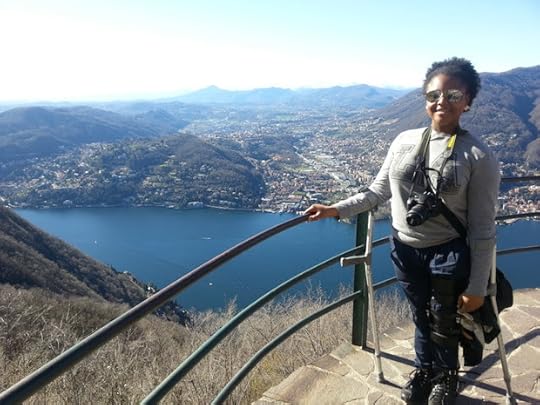
“Let’s be perfectly honest, being a “cute white girl” will get you far in life, especially when traveling. But while I am a disabled woman of color with a lust for travel, I have also found a few different ways of traveling without the pretty white girl aesthetic.
Regardless of how you look, broke is broke. Having travelled extensively while being a poor student, you need to figure out how to make your money go far. I couchsurfed as much as I could during my 2 month tour of America, Canada and Jamaica. This saved me a lot of money and meant that I made a bunch of new friends along the way.
When I couldn’t find a host, I stayed in cheap hostels and met even more people that way, including some that I am still in contact with to this day. All these new friends may also have a couch (or if you’re lucky, a bed!) free when you’re in their neck of the woods.
A large part of traveling is just throwing yourself out there and engaging with people that have lived very different lives from you. What people first notice about me is the hardware I have on my leg due to polio. While some do leap straight to the question of “so what happened to your leg?”, I am not shy about telling them. As I would like more people to know a bit about the disability and show them that, that is the least interesting thing about me.
Fully abled pretty white girl, or disabled black woman with a penchant for bad jokes, the only way to really afford a life of travel is to want it more than anything. The desire to travel will mean that you will do what it takes to see as much of the world as you possibly can, boundaries be damned.”
Learn more about Jay on her blog.
Shazia Chiu, Gap Year for Two
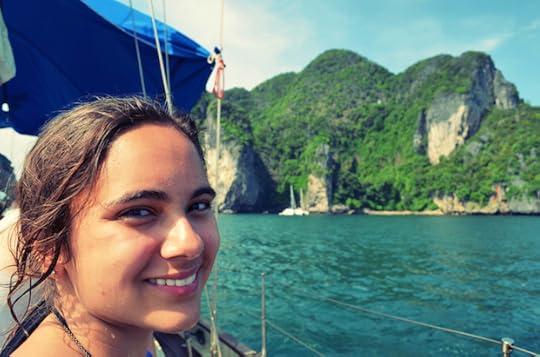
If you saw a few bullet points of information about me, I’d sound just like your average American girl. I was born and raised in an affluent Northern California neighborhood. My native language is English and I attended a few public schools growing up. I’m about to graduate from a respected university. But there is one small thing that sets me apart from many Americans — I am half-Pakistani, and I grew up in a mixed Muslim-Christian household.
I am proud of and grateful for this heritage, but at times, I’ve wondered if my background would negatively impact my ability to travel safely abroad. However, several recent trips I’ve taken to European and Asian countries have taught me a valuable lesson: in this day and age people are quite accepting of diverse lifestyles and beliefs. I think it’s more possible than ever to see all that the world has to offer, no matter where you’re from.
So far my travels have shown me that my skin color, my economic background, and my religious beliefs don’t have much of a bearing on how people treat me. I know this is definitely not the case for everyone, and that it’s important to sensitive to other people’s experiences. But I also believe that it’s important to realize that you can reach your travel dreams, no matter who you are! It’s always inspiring for me to hear stories about people who travel despite physical and mental limitations, or cultural and economic barriers. With options for working abroad in exchange for food and accommodation, the ability to create small online businesses, and the ever-shrinking nature of our planet, I think it’s easier than ever for people to experience all that the world has to offer. I’m beyond excited to meet more inspiring and open-minded people when my husband and I begin our year-long, round-the-world trip this August.
Read more about Shazia’s travels on her blog.
Raphael Zoren, A Journey of Wonders
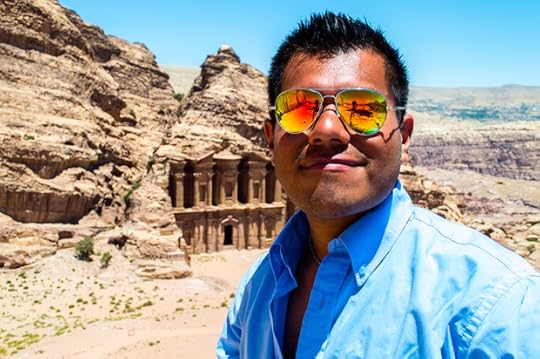
“‘Not everyone can be a world traveler but a world traveler can come from anywhere.’ That is my motto in life and as a Mexican, I understand how difficult is for people from developing countries to achieve their dreams of traveling the world.
If achieving a life of constant travel was a video game, then you can easily say that people from developed countries start in the easy to medium difficulty setting regardless of their skin color, ethnicity or socio-economic status.
Let’s not kid ourselves, people in developing countries start in the very hard to extremely hard difficulty setting: making a global income is hard, getting visas for developed countries is harder and well, there’s just not as many opportunities (no work holiday visas, no mile based travel hacks, no teaching English abroad even if your tests are better than those of native speakers).
But my message is not about trying to discourage you. In fact, it is the entire opposite: I am the living example that your dreams of travel are a possibility if you wish for them hard enough.
Free yourself of the chains of the local economy and start thinking globally. Yes, I know it’s scary to quit your job in order to venture into the world of traveling but believe in yourself. Anything is possible in this life and instead of complaining that you weren’t born with a silver spoon, you need to embrace it. You need to take it all in and make yourself stronger.
As a Mexican, I have it relatively easy when it comes to visas (at least compared to travelers from Africa, Asia and the Middle East) and yet, I get questioned every single time at airports and land borders.
The reason? Border agents aren’t used to seeing a Mexican world traveller who backpacks without much money and without a return plane ticket home. And yes, there is still a lot of mistrust and questions as sometimes they assume I’m entering their country to work illegally.
Here are my tips for how other Mexicans can travel the world:
1) Freelance online during your travels so you can make money on the road.
2) Get an University degree in a sought-after area and work abroad in a developed country for a couple of years to make and save money.
3) Get a work holiday visa in New Zealand (it’s the only developed country that gives those visas to Mexicans).
4) Get an University degree in a USA University so you can apply for a Teaching English Abroad position.
5) Marry someone whose passport can allow you to have more opportunities to fund your travel (note: this last one is a joke, you should marry for love but the passport is a nice plus #joking #halfjoking.)”
Learn more about Raphael on his blog.
DJ Yabis, Dream Euro Trip
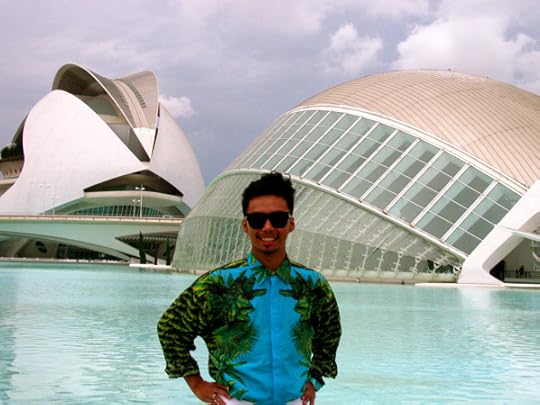
“I’ve always believed that if you want something really badly, you will do everything to get it. There are no valid excuses for not getting what you want in life.
I’m Filipino, gay and have pretty much known since I was young that I’ve always wanted to travel the world and live in Europe. The only problem is that I need a bloody visa for pretty much all the destinations I want to visit and more importantly, I need a lot of money to be able to afford it.
So what did I do? I got creative!
European Commission has an Erasmus Mundus scholarship program for non-Europeans to study their Masters for 1 or 2 years. Since I had a great educational background as an Industrial Engineer from the best university in the Philippines, University of the Philippines, and great work experience from the biggest shipping and human resources company in Asia, Magsaysay Inc, I worked my ass off and applied for the scholarship.
It’s great because it solves two things: my visa so I can stay in Europe for 2 years and my money situation since they give monthly allowance every month even during the summer break.
I eventually got it and have lived and travelled all over Europe ever since.
You don’t have to follow my path nor think that my path is the only way. The point I’m trying to make is that you have to open yourself to the fact that there are limitless possibilities out there and there is nothing stopping you from getting what you want in life besides you and your excuses.
My tips if you want to start a life of travel:
1) Start small. Visit cities and countries near you.
2) Need a visa? Forget them for now and visit countries where you don’t need a visa. I’m sure there are loads of them as well.
3) Need money? Save and don’t spend on unimportant things in life!
4) Look for various opportunities that can help you achieve your travel dreams like scholarships, conferences, study abroad opportunities, global internships like AIESEC, volunteer programs. There are seriously a lot of ways on how to see the world. Just look around and choose which one makes more sense to you.
5) Dream! And believe in them. It’s so cliche but it’s true. But you have to truly believe in your dreams and you make conscious effort towards achieving them and you’ll see it will all come to reality!
6) If you get stuck, move on. Maybe it’s not for you. The universe is guiding you towards something else.
7) Get creative!
Want to learn how you can live and travel in Europe? Check out DJ’s blog.
Francesca Murray, One Girl One World
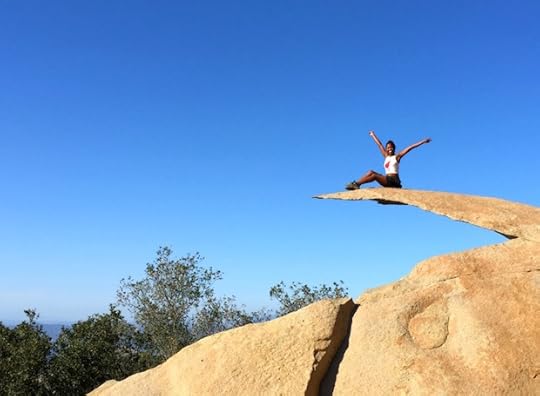
“I always thought that I would follow a straight and narrow path: graduate college, start my career as a publicist, climb the corporate ladder, marry a nice man and by 25 begin raising our children in a cute house by the beach. But in 2009 I studied abroad in Portovenere, Italy and my life has never been the same. Since then I’ve lived in Spain, worked in France, and traveled to 15 countries and counting. I’ve traveled for so many reasons. To escape, to chase love, to teach, to party…but in general I live for discovering new cultures and languages. I’ve picked up a few things along the way, including French, Spanish, some Italian and a couple of cooking recipes.
My biggest challenge hasn’t been money (not that I’m rich, far from it actually) because I always find a way around that. Be it scholarships to study abroad, saving intensely, or finding a job abroad; the possibilities have actually been endless. Contrary to popular belief, my ethnicity hasn’t posed a great challenge either. Not that I’m blissfully unaware of racism or that there aren’t people who stare at me because I’m different, but because I choose not to let it limit my life experiences. My age and gender have not presented many challenges either. My biggest personal challenge has been breaking through the social norms of my home country. If I played the role right, I would have been married with my first child and in a managerial position at a marketing firm in some major US metropolitan city. None of those things have motivated me to work as hard as the desire to keep traveling does. Thankfully we live in a time where choosing your own path is becoming more encouraged and accepted, so I am!
I truly believe that if I can do it, you can too! My favorite saying is “do it afraid” because fear should never be an excuse not to live your dream! I come from humble beginnings and I’m all about helping and inspiring others to live their dream and travel. Once you find the courage inside you to live the life you really want, what everyone else thinks won’t matter. Let’s keep breaking the mold until there is no longer a mold to break!”
Read more about how Francesca affords a life of travel here.
Kirsten Kester, Globetrotter in a Wheelchair
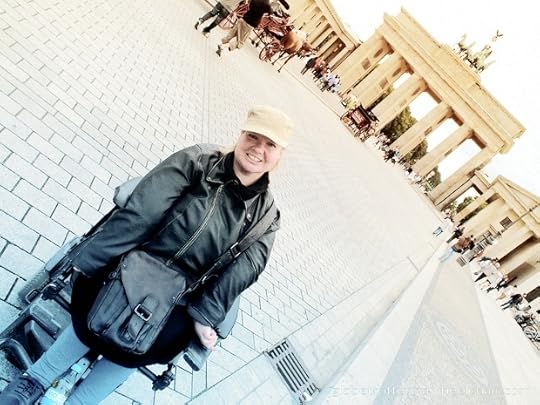
“Being in a wheelchair may sound like a challenge, but in my opinion it depends on how you approach life. I was born with a rare handicap called Arthrogryposis Multiplex Congenita. It affects my ability to walk and therefore I use a wheelchair. My handicap seldom affects my life in a negative way. That means I don’t let my handicap control what to do with my life but of course it will affect it. It’s not as if I can say today I will climb this mountain and forget about the wheelchair. But I can and DO say; today I want to go up that mountain and then I will figure out a way to get up there. My curiosity and will power makes me turn the next corner until there aren’t any more.
Globetrotting in a wheelchair means thinking out of the box. Everything from finding suitable accommodation to do the adventurous journeys is totally different from when my friends are traveling. Still I’ve experienced so much more than any of them.
I usually travel with my husband, whom I have known since 1991. After so many years everything becomes a lot easier. We both know what to do in most situations. Almost, I should say because when you’re globetrotting there are seldom two situations that look alike.
I am often asked how do you travel being in a wheelchair. The short answer is, it is impossible to explain in a few words. When you travel in a wheelchair, the key is not to get frustrated or give up each time you meet an obstacle, but choose a different approach, ask for help and use your imagination.
I have always been a curious, open minded and an extrovert woman. I want see the world, and challenge myself. To me the world is a huge playground and I will rather face the hurdles and difficulties, than stay at home.”
To read more about Kirsten’s travels in a wheelchair, check out her blog.
Kach Medina Umandap, Two Monkeys Travel
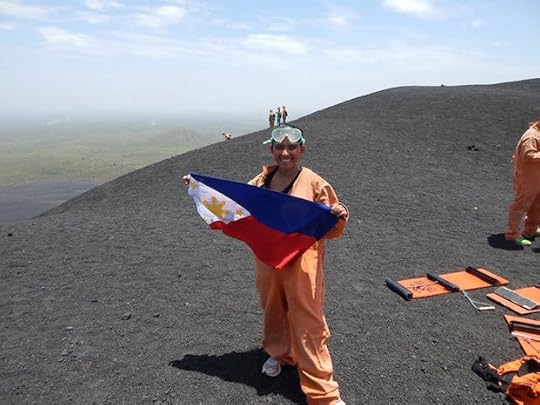
“I grew up and studied in the Philippines but after getting my University degree at the age of 20, I moved to the Middle East to find work – Kuwait and Iraq for 4 years before embarking on this long-term backpacking journey. Being a Filipino, it’s not that common for us to travel abroad for leisure, most of them thinks it’s a waste of money, expensive, or difficult due to having a Philippines passport.
I won’t deny that there are challenges, I was refused entry into Nicaragua (land border crossing) because they don’t know what the requirements were for a Filipino citizen like me. I ended up crying in the corner when an immigration official took pity on me and helped me get the visa on arrival. I had to pay $85 for a visa to enter Panama because that’s the cheapest route to go to South America and I couldn’t even fly to any Caribbean countries because most flights have to pass through the USA, but I don’t have a valid tourist visa.
Having a Philippines passport can be a disadvantage at times, but I will always be proud of it and will never give it up. If you just want to make your life easier then try to get a 10 year USA tourist visa so you will be able to save money while backpacking around the Caribbean and Central America (no need to pay for visa fees). However, having a Philippines passport is great if you decide to travel around Asia, where most of the countries are visa free or visa on arrival and you don’t have to pay any fees, whereas western passport holders spend a lot on their visas!
One little advantage to being an Asian traveler, particularly a Filipina, is that my Latino Asian looks seem to blend in wherever we go. In Vietnam, India, South America – people always assume I’m a local, which helps keep the ‘tourist tax’ a bit lower, until I start speaking that is!
Since leaving my life as a worker in the Middle East in April 2013, I’ve been traveling non-stop all over South East Asia, India, UK, Central and South America. Most of the places that we’re going are countries that have a bilateral agreement with my country so it will be less hassle for me – we spent 6 months in Peru, 3 months in Costa Rica, 9 months in Vietnam and even 3 months in India. My partner and I invested in skills to support our travels. We both quit our old jobs with salaries over two years ago, but our savings were just enough for less than a year of travels.
We are now TEFL certified teachers, Tantra Yoga Teachers and Ayurveda Massage therapists. We usually apply for business visas once we enter a new country so we can start earning money to fund our next travels. If there’s no opportunity for us to earn a living, we do volunteering work (mostly hostel jobs) so we can cut down on food and accommodation expenses. We were actually broke when we arrived in Peru, after a year of traveling around, but we found a job in an eco-hostel in Cuzco, Peru where we cooked, cleaned and did receptionists work. We then found a massage table and pushed around in a wheelbarrow to different hotels in the afternoon and at night to earn money to fund our next move.”
Read more about Kach’s experiences getting visas all over the world here.
Jazzy, Road Affair
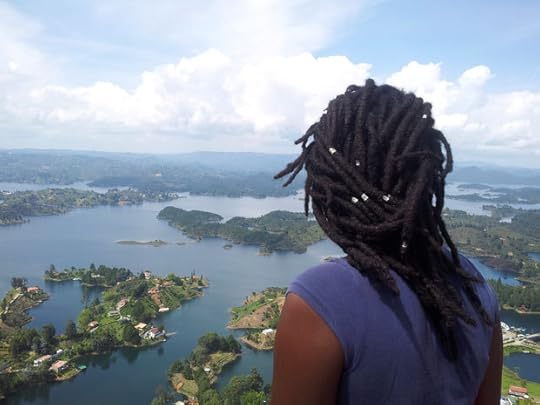
“A lot of black people have this misconception that black people don’t travel (only white people do), nor do they have the means to travel and if they do, they will be lynched or burned on a cross. All of this is bullsh**.
I am a long-term budget traveler, and no I am not white, nor was I born into a heap of money. Actually, I am a Haitian-American black traveler that has never had a job that has paid me more than $18,000 a year (surviving in NYC with this wage is a struggle) before I started living the nomad lifestyle.
And guess what, I wasn’t chased out of any country because of my skin color, nor was I asked to use the black’s only restroom. If anything it was the complete opposite.
I know you are probably thinking, is traveling while black difficult and will I face any challenges? My answer is, no it’s not and honestly, I haven’t faced any “challenges” traveling while black.
Yes, people will stare, touch your hair, laugh or even call you a “nigger” but if you call those challenges then you must be struggling to survive everyday because there’s people in your hometown that will do that too. But those things shouldn’t stop any black person from exploring the world or make them believe that everyone around the world treats black people like shit.
The amazingly nice and wonderful people I met throughout my journey so far and all the positive experience and adventures I have, are the things that feed my urge to travel more. F@ck the small “I don’t like you because you are black” moments. I live for the positive moments and you should too.
Honestly, if someone is uncomfortable with your presence then that’s their problem. You shouldn’t lose sleep at night because of someone else’s ignorance nor should it stop you from traveling. And if you do, you’re giving them way too much power over you.
The world is just as much yours as it is theirs.
But I do challenge you to understand the difference between hatred, curiosity and lack of knowledge. There are people out there in the world that have never seen a black person in the flesh and their reaction will be to touch, stare and even take pictures.
But I believe if we expose them to more people of our skin tone (only way we can do this, is by traveling) the less they will stare, and the more they will know that there is more to the world then just them and white people. It’s also not just about more black people traveling but also educating people along the way. That is how you feed the curious and educate the ignorant.
Travel to learn the world and to teach the world.
To my fellow black people, here’s some advice:
1) Don’t be afraid of traveling because you fear what might happen. Fear should be a motivation not something that makes you crawl up in a corner and never come out.
2) If you want to travel, don’t think about all the reasons why you can’t travel, make traveling your priority and think about all the great experiences you will have, the amazing people you will meet and the freedom you will feel. But most importantly, think about how you will start living for the first time in your life.
3) And you know what, if you finally do travel and end up facing some challenges while traveling as a black person, then face it, overcome it, learn from it, spread what you have learned to others and move on to the next obstacle, if there are any.
Lastly, remember traveling is not a privilege for whites only. Traveling is for anyone that wants it. If you want it, there is no reason why you can’t have it too. If there is a will there is a way!”
Amen, thank you for that Jazzy. For more insights, read her post Traveling While Black.
This article was originally posted on This American Girl, and has been re-published here with permission.

11 staggering Chicago skylines
CHICAGO’S MAGNIFICENCE LIES IN ITS DEEP DISH PIZZA BUT ALSO IN ITS SKYLINE (move over New York). Located on Lake Michigan, Chi-Town’s skyline includes beauties such as the John Hancock Center, the Willis Tower and the Tribune Tower. Much of what we see in Chicago today is thanks to Daniel Burnham and Edward Bennett’s 1909 Plan of Chicago, that envisaged a downtown of skyscrapers to replace the industrial city of the 20th century, linking together with public parks and the inner harbor. My hat’s off to you boys!
1. Storms at sunset, from the John Hancock Center
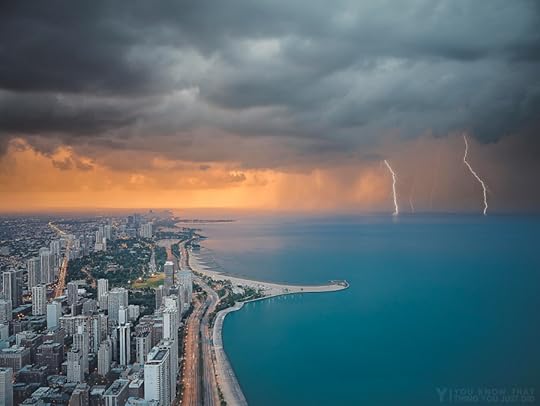
Storms at sunset by YouKnowThatThing on 500px
2. Midnight in Chicago
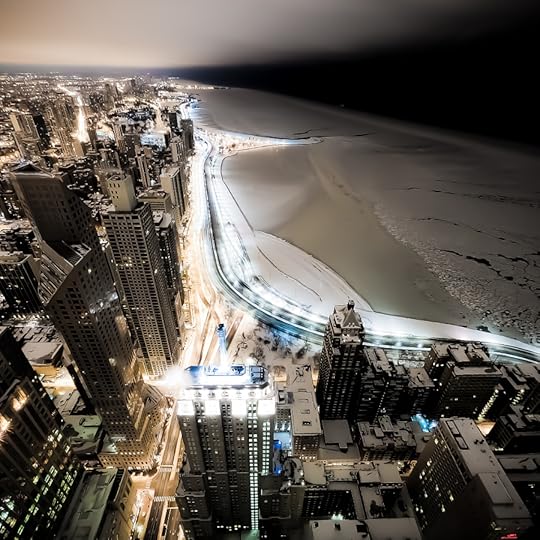
Midnight by John Harrison on 500px
3. Chicago River

Shine by Tatiana Avdjiev on 500px
4. Lake Michigan, circa minus 15C
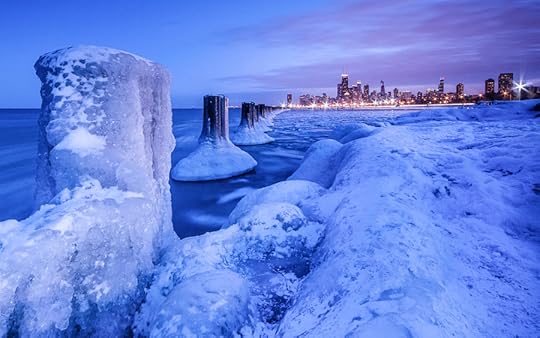
Coldtown Chicago by WilsonAxpe / Scott Wilson on 500px
5. Lake Michigan reflection
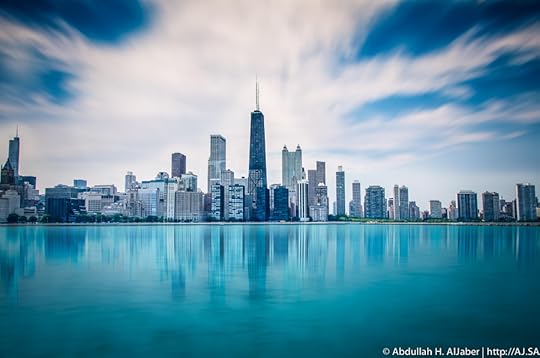
Chicago Skyline by Abdullah AlJaber on 500px
6. Cloud Gate, Millennium Park
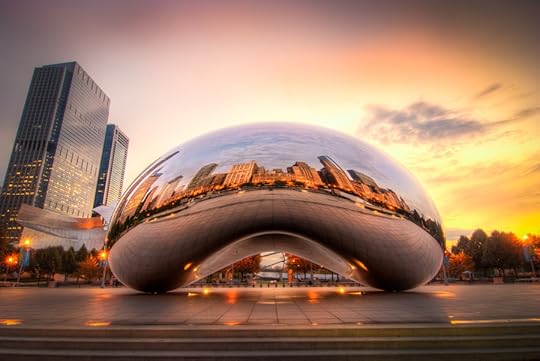
Chicago Bean by Ali Erturk on 500px
7. Sunlight on Lake Michigan
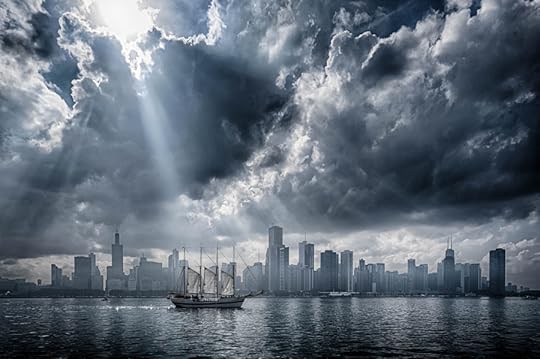
Chicago by Jarno Savinen on 500px
8. Stormy City, from the John Hancock Center
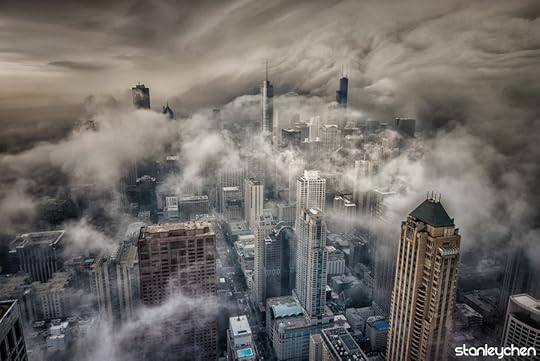
Stormy Chicago by Stanley Chen Xi on 500px
9. Trump Tower
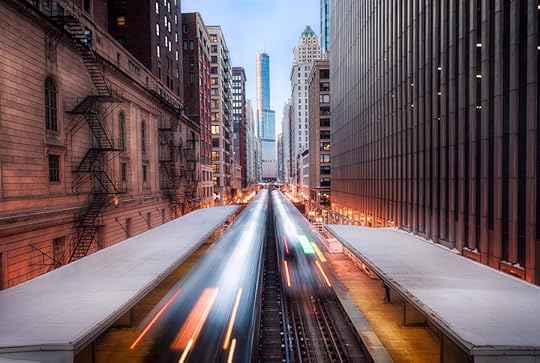
Gotham City by Andrew Fang on 500px
10. Downtown Chicago
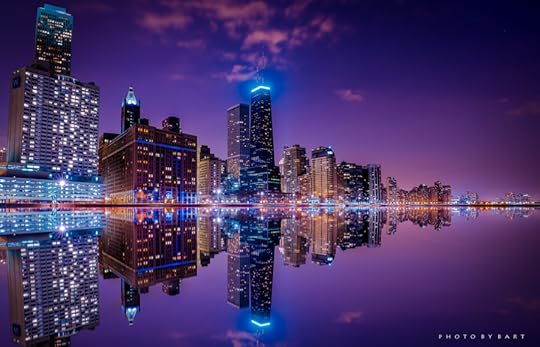
Chicago Midnight Dream by Bart on 500px
11. Chicago fog
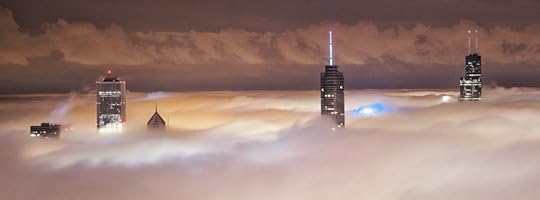
NeverEnding Story by Kyle Buckland on 500px

22 bars and restaurants that Portsmouth locals swear by
A photo posted by @jackiedaaang on Nov 8, 2014 at 8:45am PST
For the best sit-down breakfast in town, go to Daniel street. But don’t try the front door — the entrance is through the alley, where you can sit and sip your coffee until a table is free. Colby’s is an old-school Yankee restaurant that famously banned all presidential candidates during New Hampshire’s primary season in 2012. With new menu creations every day, Colby’s manages to keep prices low and creativity high in this local haven where you can order anything from buckwheat pancakes to lobster benedict. Just don’t try to do any campaigning.
2. Ceres
A photo posted by e193 (@e193) on May 22, 2015 at 12:07pm PDT
This is where we go for our to-go croissants. Ceres is where you can listen to the regulars banter under the bakery’s unusual decorations — like the gigantic wooden hand waving a magic wand or the stained-glass windows that spell out the Ceres motto: ‘Eat something, you’ll feel better.’
3. Caffe Kilim
Science: Being yourself is sexy
Photo: David Baxendale
SOME OF US, THIS WRITER INCLUDED, WASTED our early dating years trying to fit in with everyone else, and found that it did not get us very far in our romantic lives. We discovered, much later on, that simply being ourselves was the best way to be attractive to others.
Well, now we have science to confirm that fact: new studies show that neither men nor women prefer conformist partners. Matthew Hornsey, a psychologist based out of the University of Queensland in Australia, has conducted five studies that suggest that both men and women broadly find nonconformity to be more sexually attractive than conformity, even though women often assume that men prefer the opposite.
“Nonconformity is more attractive than conformity for women and men,” the researchers wrote, “People think that men prefer conformist women, but this impression is discrepant from reality.” They found this by conducting surveys of men and women which gave the participants a profile of hypothetical partners. Participants tended to prefer partners who were described as non-conformists (“She often does her own thing rather than fit in with the group”) than conformists (“She is quite happy to go along with what others are doing”).
Separate research suggests that this result holds across cultures as well: respondents in the US, UK, Australia, and India were more likely to feel romantic satisfaction if they had nonconformist personality traits.
The research also found that women tend to think men are more attracted to conformity than they actually are, a fact which the researchers attributed to an earlier culture where women were expected to be subordinate to men. But it’s not the case.
So: to all awkward high schoolers, and to all single people: stop trying to be like everyone else and start trying to be yourself. That’s what’s really sexy. And it isn’t just your mom saying that: it’s science.
h/t: Big Think and Pacific Standard

Why we will never stop exploring
Follow Matador on Vimeo
Follow Matador on YouTube
WHEN WE LOOK BACK ON THE MODERN GLOBAL ERA, the person we declare the age’s great prophet may well be the late scientist Carl Sagan. Sagan understood what was best about humanity, and he spoke about it with eloquence that few other men of science and reason ever have. In this brief video, animator Erik Wernquist sets Sagan’s speech about humanity’s inherent need to wander and explore to images of what our future settling of our own solar system may well look like. It will resonate deeply for those of us who see exploration not as a luxury but as a necessity.
Also, if you haven’t seen it already, watch this potentially life altering animation of his famous “Pale Blue Dot” speech. 
Matador Network's Blog

- Matador Network's profile
- 6 followers


.jpg)