
Andrew Weil's Blog: Dr. Weil's Healthy Living Blog, page 7
June 19, 2020
How We Can Help Men Live Longer Lives
By Myles Spar, M.D. – The recent difference in impact of COVID-19 between men and women, with men being more likely to get seriously ill and to die of the virus than women, has highlighted a greater fact about the difference in life expectancy between the genders. We take it for granted that women live longer than men. This is the case in over 98 percent of countries in the world. In the United States, average life expectancy is almost five years longer for women than for men (76.3 years for men vs. 81.1 years for women). Almost five years! Why? Why is it that for every major cause of mortality that affects both men and women, men die faster?
Are men genetically programmed to die sooner than women? Is it determined in our genes that men develop cancer and heart disease more often than women? No. Men have a 60 percent higher chance of developing cancer and a 40 percent higher chance of dying from cancer than women, even when you leave out gender-specific cancers like breast, cervical, and prostate cancers. In fact, men have an increased risk of mortality, both cancer-related and non-cancer-related, at all ages. Of the top ten causes of death in the United States, men are winning in nine of them.
This difference in lifespan between men and women has been relatively unexamined because it has been assumed to be based on biology. But this does not appear to be the case. For one, the extent of the gender gap in life expectancy changes across time and across countries. In the United States, the gap has been narrowing, from 7.8 years in 1979 to 4.8 years in 2011. If the gender gap were encoded in our genes, it would not be changing so much over time. The change is thought to be due to women increasingly taking on stresses and habits that used to affect mostly men, such as smoking, drinking alcohol, and working outside the home, while men are still less likely to lead a health-promoting lifestyle. Clearly there is more to the gender gap than our genes.
Perhaps masculinity itself is killing men. It seems that doctor avoidance, risk-taking behavior, and stress may be the best explanations for the gender gap. It is true that men just don’t go to the doctor. Men are twice as likely as women to say they do not have a usual source of healthcare, and men attend half as many preventive care visits. This means there are only half as many opportunities to screen men for high blood pressure, obesity, high cholesterol, high blood sugar, substance abuse, cigarette smoking, depression, and anxiety. Not identifying such risks means fewer chances to intervene in a disease process before it results in a heart attack, a stroke, diabetes, or cancer.
Male gender roles may play a part in making men feel that they should deal with symptoms or illness on their own. Just as men typically won’t ask for directions when lost, they may feel it is not “masculine” to seek help for potentially serious medical symptoms. But it is not all us guys’ fault—too often, the visit to our healthcare practitioner is perfunctory and unrevealing. The typical annual physical is unlikely to be beneficial, as has been shown by the U.S. Preventive Services Task Force. Some healthcare providers, such as myself, are offering more impactful prevention-oriented annual exams, but most are just not changing the way they do yearly checkups. Still, to the extent that higher mortality can be explained by avoidance of the healthcare system, it is important to make resources available that are more relevant, impactful, and accessible to men.
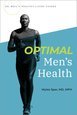 As I write about in my book, Optimal Men’s Health, there is a need for an approach to men’s health that addresses a man’s specific concerns, such as sexual function, prostate issues, avoidance of heart disease, and maintaining healthy weight and optimal performance, in a way that is responsive, approachable, and thorough. A precision prevention model that focuses on working with men to help them achieve their goals by facilitating optimal health does just that.
What does a precision prevention approach look like? It is essentially an integrative medicine model, which uses science-based methods, focuses on prevention and the influence of lifestyle on health, and is open to new and cutting-edge paradigms, combining conventional therapies with complementary and alternative therapies while seeking natural and safer health solutions individualized to the goals of each patient. This book takes such an approach, which involves the use of the most advanced assessments of a patient’s current state of health and risks for future health problems, including genetic and other predictive testing.
Just as important, it starts with a man’s goals rather than merely his chief complaints. After all, health is the most significant influence on whether or not a man is optimally positioned to achieve his goals, such as performance at work, in bed, in the gym, or in the boardroom. In other words, most men respond better to recommendations around health behaviors that will help specifically with whatever goals matter to them, rather than an abstract goal of wellness. Specific goals that optimal health can foster might include being more energetic, being more “on” at work, being more sexually confident, looking better, or being a better father—so why not focus on such goals rather than a general concept of health solely for health’s sake? It’s much more motivating. When those goals are coupled with personalized risk assessments, the recommendations you get are much more likely to have an impact.
What Does He Want His Health For?
The tools of optimal health incorporate an integrative approach. There are 8 key levers that can be used to varying degrees to personalize a plan most likely to help a man achieve his goals.
Medical. This is the lever you’re most familiar with from traditional doctor recommendations and tests, including the use of prescription and over-the-counter medications.
Nutrition. Diet has a huge impact on health and is a powerful tool in your arsenal for achieving your goals.
Behaviors. Drinking, smoking, and things that interfere with sleep, such as excessive screen time, can waylay the achievement of what’s really important.
Stress and emotions. Feeling depressed, anxious, or stressed likewise can prevent anyone from achieving even the most basic progress toward health and overall goals. But there are powerful tools available for minimizing their impact.
Social. Engaging with a community, even one that fosters some competition, can be a very motivating and uplifting part of optimal health.
Physical activity. Staying active is perhaps the most powerful anti-aging tool we have.
Spiritual. This relates to having an identified goal or purpose. Feeling connected with some reason to pursue your goals is extremely motivating.
Environment. What and whom you surround yourself with can facilitate health—or add to your toxic burden.
The key is to pick ONE lever that is most likely to have the greatest inpact on a man’s goals, make a specific plan with metrics to tweak an aspect of that lever, and keep track of the outcomes that matter most. This system of starting with one pertinent change, measuring the change and monitoring the impact can be a powerful tool in getting men engaged and ultimately living healthier, longer lives.
##
Excerpted from the book Optimal Men’s Health by Myles Spar, MD. Optimal Men’s Health is the first in the Dr. Weil’s Healthy Living Guides series and came out in 2020. You can learn more about Dr. Spar at www.drspar.com.
Kenneth D. Kochanek, Sherry L. Murphy, and Jiaquan Xu, “Deaths: Final Data for 2011,” National Vital Statistics Report 63, no. 3 (July 27, 2015), http://www.cdc.gov/nchs/data/nvsr/nvs....
“Precision medicine” is a newer term frequently associated with treatment of serious illness, such as cancer, utilizing a personalized approach that targets therapies at an individual’s unique cancer type. However, precision medicine can also be used as a prevention technique, incorporating an assessment of unique health risks based on personal health history, current lifestyle, and genetic testing and involving the development of a personalized plan for disease prevention and optimal health maintenance.
The post How We Can Help Men Live Longer Lives appeared first on DrWeil.com.


May 6, 2020
The Legacy Of Building Community In A Pandemic
Living alone as I have for the past 22 years takes on new meaning as the weeks of sheltering-in-place crawl on. I’m a natural extrovert and over my lifetime have sought family and communities to nourish my soul and feel whole. Now I observe that my needing, hungering for, and appreciating community seems universal.
It didn’t take long for my family and communities to become adept (all ages) at using technology to gather. My home Al-Anon group meets weekly over Zoom. Our extended family and friends gathered on Zoom to celebrate Passover. My synagogue has been providing services and classes on Zoom for over a month, each rabbi leading from home. Service and social communities are connecting with technology. (I wish I’d had the foresight to buy Zoom stock in January).
Intuiting the need, I initiated three small communities this month: Being known as “the book granny” I invited my now older teen grandkids to participate in a reading group, providing them structure twice a week, the opportunity to see and catch up with cousins, and I get to read to them as I did when they were younger. Second, while organizing some pictures, I came across a century old photo of my maternal grandparents and their first three children. Deciding to share it with my remaining six cousins (ages 60s to 90s), I emailed it to them with an invitation to start an email community sharing how each of us is dealing with the pandemic. Enthusiastically received, we have now included our children, making the community inter-generational, and are planning a Zoom get together (some of us have not seen others since we were children!)
The third community just began; I invited all the certified legacy facilitators whom I’ve trained over the last decade to come together on Zoom to share ourselves and our work in legacy writing. My hope is that the work of this small professional community will be enriched beyond the personal gifts we’ll share and that we’ll plan to meet again.
I’ve also been reading about the importance of community, and I’ve received several prayers and poems, some of which are here as space permits before we write ourselves as legacy writers:
“The earliest and most basic definition of community – of tribe – would be the group of people that you would both help feed and help defend. A society that doesn’t offer its members the chance to act selflessly in these ways isn’t a society in any tribal sense of the word….”
– Sebastian Junger
”. . . . disasters thrust people back into a more ancient, organic way of relating. Disasters create a ‘community of sufferers’ that allows individuals to experience an immensely reassuring connection to others. As people come together to face an existential threat, class [and other] differences are temporarily erased ….”
– Charles Fritz
“. . . we are saying thank you faster and faster with nobody listening we are saying thank you we are saying thank you and waving dark though it is.”
– W.S. Merwin
Taking Action:
Consider the importance of community in your life – in what ways it nourishes you and provides you with a sense of. belonging and caring.
Reflect on ways you’ve participated in community life – giving and taking, focusing on others’ and your needs – ways you plan to foster community in our pandemic and post-pandemic world.
Translate your reflections, thoughts, and feelings into a legacy letter for someone(s) in a younger generation with the goal of awakening their awareness of the power and need for community.
“May you bless communities with your love and action, and may you be blessed in return as you actively participate in community.”
– Rachael Freed
Rachael Freed, LICSW, senior fellow, Earl E. Bakken Center for Spirituality & Healing, University of Minnesota, is the author of Your Legacy Matters, Women’s Lives, Women’s Legacies: Passing Your Beliefs & Blessings to Future Generations and Heartmates: A Guide for the Partner and Family of the Heart Patient Rachael Freed rachael@life-legacies.com and www.life-legacies.com
The post The Legacy Of Building Community In A Pandemic appeared first on DrWeil.com.
April 29, 2020
Making Hard Choices
Facing a hard decision? Does uncertainty of outcome immobilize you? Humans can spend an excessive amount of time and a tremendous amount of energy making difficult choices between confusing options. The problem is, that there may be trade-offs that require compromise. Even when making a simple decision between healthy foods for the body and unhealthy foods to satisfy cravings we may run into a perceived impasse.
Ask yourself:
Do I routinely pay attention to my gut or intuition?
Am I problem solving?
Am I contemplating all viable options – even the hard ones?
Am I avoiding a difficult conversation?
Do I allow myself the space to fail? And then try again?
Do I end up regretting choices I’ve made?
If some routine decisions tend to weigh you down and consume lots of time and energy, think about new ways you might approach a decision or choice.
Listen to your heart, your inner compass.
Be patient, be confident.
Be non-judgmental of yourself.
Be true.
Give yourself time to think through a decision but understand when you’ve begun to overthink something. Then trust in your life-long personal values; will this decision reinforce your strong foundation, your life’s purpose? Or will it take away from those?
Talk it through with trusted friends and family: Ask for perspective, advice, a sounding board. Meditate and listen to your inner guide. Journal through your uncertainty. And finally? Set a time-frame!
The post Making Hard Choices appeared first on DrWeil.com.
April 14, 2020
Sheltering At Home
More than 300 million Americans have been told to stay at home for the next few weeks and maybe longer because of the nationwide spread of the coronavirus, COVID-19. This isn’t easy for most of us, but fortunately most “stay at home” orders allow for some time outdoors – for grocery shopping, to walk dogs or play with children or to get exercise that’s not possible indoors. However, when out for a walk or run it is essential to stay at least six feet away from anyone who is not a member of your household. There’s an important reason for this “six feet” recommendation: when you stand too close to a person who coughs or sneezes, you’re in range to inhale any droplets of liquid they may spray out. These droplets could contain the coronavirus.
Given the stay at home orders, I recommend taking as many walks as possible, and gardening if you can. If you are able to manage some time outside in the mornings, you may find improvements in the quality of your overnight sleep.
I know many of us tend to turn to comfort foods at times when we’re anxious and stressed. Try to be extra vigilant about eating while isolating at home. Focus on planning and preparing healthy, well-balanced meals and avoid snacking out of boredom.
You also may find that practicing meditation daily will help quiet an overactive, agitated mind and can help relieve cabin fever. Try not to take out your frustrations on your spouse, children or any frontline workers with whom you may need to interact. Focus on staying calm.
Being home does have some pluses. It is an opportune time to catch up on reading, to clean, organize and figure out what is essential and what really isn’t. And try to build some fun into your days, maybe with puzzles and games. Try to limit television and streaming to a manageable amount. Bingeing on anything is never a good idea, and bingeing on news and mindless shows can waste a lot of time that otherwise could be used for productive introspection.
Stay safe,
Andrew Weil, M.D.
The post Sheltering At Home appeared first on DrWeil.com.
COVID-19: About Reading & Writing The Virus
Famous writers have written novels, diaries, and journals about their experiences and about their world during painful times that affected millions. Here are a few:
Oryx and Crak, 2003, by Margaret Atwood is a novel describing a world devastated by a plague that wiped out much of humanity; Namwali Serpell wrote The Old Drift (2019) about the AIDS epidemic in Zambia; Severance (2018) by Ling Ma is about a fictional epidemic that taps into anxieties about pandemics; Physician Chris Adrian wrote The Children’s Hospital (2006) about apocalyptic and miraculous events during a plague.
Some of the older books and classics include: The Plague by Albert Camus, about the cholera epidemic in Algeria in 1849; Gabriel Garcia Marquez, author of Love in the Time of Cholera said, “Plagues are like imponderable dangers that surprise people; they seem to have a quality of destiny.” Samuel Pepys’ Diary is about the plague in 1659-61 (check Google for a listing of free PDF downloads). Daniel Defoe wrote a novel in 1772 about the Bubonic Plague from 50 years earlier: A Journal of the Plague Year. Anne Frank journaled through her quarantine in the attic in Amsterdam, never dreaming that millions of people would be interested in her thoughts and feelings and they still are, almost 75 years later.
For the rest of us, who are not famous, don’t even consider ourselves talented writers, we can write a journal for ourselves, and maybe to share sometime in the future with family or future generations.
In a journal, there is no responsibility to be interesting, artistic, or even grammatically correct. Your journal may never be famous, but it can document your story of this extraordinary time in history, help you structure and organize your time, serve to counteract negative feelings of hopelessness and loneliness.
Journal Writing Tips
Here are some tips to structure your journaling if the empty page or totally free-form writing is a barrier. Use any or all of these whenever they strike you as worthy of your time, thoughts and writing:
Something I noticed today that I never noticed before, about myself, others, my environment
Something that was prominent today in the larger world
Something I found myself thinking about today
About my feeling sad (lonely, anxious, afraid) today
About how I’m coping physically and psychologically being quarantined
Ways that I feel myself changing and being changed by the pandemic
Ways that I and my family are connecting while quarantined separately
Something I feel grateful for today
Something I prayed for today
Thoughts I have about: how our world will be different when this ends
Something about the contacts I made today
Creative celebrations I’ve organized or participated while in quarantine
Something I did for someone else today: (a woman who lives in my building has been making masks for neighbors, and, she intends to make masks for workers – in groceries, pharmacies, for delivery people, etc. in our community.)
Writing: offers us something to do regularly as well as the opportunity to document creative ways people have celebrated during “sheltering in place.” (My son-in-law organized a drive-by birthday party for my daughter on her 50th birthday in early April 2020. About 25 cars came rolling by, honking and displaying “happy birthday” signs. We rolled down our windows – it was a gorgeous afternoon – and wished her a happy birthday. She said not only was she surprised, but she felt loved and cared for, and that it was her best birthday ever, one she’d remember always.)
How Journaling Can Help
Journal writing:
Can lead us somewhere we didn’t even know we were going
Can clear our feelings
Can stimulate our creativity
Can surprise us with new ideas
Can keep us connected to others and the larger world
Can clarify our values
Can clarify what’s true not just our imagination running wild
Can lift our spirits.
May your writing bring you satisfaction, joy, and peace,
Rachael Freed (founder of Life Legacies)
Rachael Freed, LICSW, senior fellow, Earl E. Bakken Center for Spirituality & Healing, University of Minnesota, is the author of Your Legacy Matters, Women’s Lives, Women’s Legacies: Passing Your Beliefs & Blessings to Future Generations and Heartmates: A Guide for the Partner and Family of the Heart Patient Rachael Freed rachael@life-legacies.com and www.life-legacies.com
The post COVID-19: About Reading & Writing The Virus appeared first on DrWeil.com.
April 1, 2020
Legacy Of This: Our Moment In Time
We are living a historic moment in time. The COVID-19 virus is controlling us and everyone on the planet. For many this will be catastrophic: bringing a lonely death of a loved one, and for the rest of us, we will be left to mourn those lost and to forge our way in a new and forever-changed world.
In the midst of the fear, helplessness, and lonely isolation, we hear stories of and participate in beautiful things. Many people are learning creative new ways to stay in and build community, like operating Zoom and other online platforms. Others from all over are reconnecting with their families, some for the first time in years or ever.
It seems clear that the world post-COVID-19 will be unlike the world we knew. Documenting it for the future is one of our tasks as legacy writers.
(I lost an aunt who was 15 when the 1918 influenza epidemic changed the world then. My family never talked about Lillian, how her unexpected death changed the family, or how the larger world was different after that catastrophe that claimed 1/3 of the earth’s population and left 675,000 Americans dead.)
Consider the following idea as you write for the future: there are 3 time zones (I don’t mean daylight saving time, etc.) There is the moment in time when something happened; then there is the time when it is written about (and if we continue to write NOW these two time zones will be collapsed), and the third time zone is the time when the writing is read, which might be in a generation’s time or longer.
We’ve all suffered from not knowing our history and feel the empty place within us that can never be filled because those who could have told us, our ancestors, are gone. Let’s not let that happen to future generations.
Taking Action:
Considering reflecting and writing for 10-15 minutes daily to document our time and your personal situation. This journal can be shared in the future with those now too young to realize, and those yet unborn. Be as clear and detailed as you can; remember your readers will be living in a different time zone and will be fulfilled by the treasure of knowing their history.
Write about your feelings, and the things you are personally doing to offer help to others. You might do something so simple as to make 2 or 3 calls to others just to connect and see how they are doing, and note and write about how you felt before and after each call.
If you know someone, family or friend, who is working in the demanding and dangerous health system, reach out to them to see if there are ways you can help: sewing masks, donating money, and just letting them know you are thinking about and appreciating them.
Use our four-paragraph template (context, story, learning – wisdom extracted from the story, and a blessing) to format your legacy letters, keeping the gift of your letters personal and informative.
“As you write, you are blessing the larger world by actively participating in the community. You bless others and yourself by documenting the reality of this new world we are all evolving into. May your words make a difference to others now and in the future and may you and your loved ones be blessed to stay safe and well.”
Rachael Freed
Rachael Freed, LICSW, senior fellow, Earl E. Bakken Center for Spirituality & Healing, University of Minnesota, is the author of Your Legacy Matters, Women’s Lives, Women’s Legacies: Passing Your Beliefs & Blessings to Future Generations and Heartmates: A Guide for the Partner and Family of the Heart Patient Rachael Freed rachael@life-legacies.com and www.life-legacies.com
The post Legacy Of This: Our Moment In Time appeared first on DrWeil.com.
March 16, 2020
COVID-19: What You Should Know About Coronavirus
Many coronaviruses can cause illness in humans and animals, from the common cold to serious diseases including Middle East Respiratory Syndrome (MERS) and Severe Acute Respiratory Syndrome (SARS), and now illness due to the current virus (COVID-19) infecting humans worldwide. MERS, and SARS seem to have originated in bats and then jumped to an intermediate animal (camels for MERS and civit cats for SARS, with the pangolin theorized for COVID-19), which then allowed human exposure.
Stay up to date:
The most current world-wide COVID-19 stats
Cases in the United States
No vaccine is currently available to prevent COVID-19. One is under development but is not expected to be available for at least another year.
Below, you’ll find what you need to know about transmission of the virus from person to person, symptoms, testing and treatment, as well as Dr. Weil’s recommendations for prevention
Transmission Of COVID-19
According to the U.S. Centers for Disease Control and Prevention (CDC), the virus can be passed via close contact (within six feet) with an infected person who coughs or sneezes, spreading droplets that you can inhale. You also can pick up the disease by touching surfaces where viruses have landed and then touching your mouth, nose or eyes. However, according to the CDC, this is not the main way the virus spreads.
Symptoms
The initial symptoms of COVID-19 include fever, cough and shortness of breath that develop between two to 14 days after exposure. Most cases (an estimated 80 percent) are mild. Some people have no symptoms after picking up the virus but can still transmit it to others. If you have been diagnosed with COVID-19 and develop severe breathing problems, call 911, tell them about your diagnosis, explain what’s wrong and ask for immediate medical help. In addition to fever and coughing, difficulty breathing is the main symptom of serious illness.
Those who develop serious illness as a result of infection with the corona virus usually are people age 65 and older, as well as those with underlying health problems, such as lung disease, high blood pressure, heart problems or diabetes.
Testing
Initially, the CDC restricted testing for the coronavirus, eliminating those people who had no symptoms, those who had not been in contact with someone who had a confirmed case or had not traveled to China, Italy, Iran or other affected countries.
Limits on testing of people in the U.S. who fear they have the virus were lifted on March 4 subject to doctors’ orders. Testing may involve a blood test, as well as taking samples of mucus from your nose, throat or lungs.
Initially, the CDC sent test kits to state labs but later announced that some were flawed and asked that specimens be sent to its lab in Atlanta. New test kits are in production. According to the Association of Public Health Laboratories, its government labs would be able to conduct about 10,000 tests daily when all its 100 affiliate members able to perform testing are running. At this writing 79 of the labs are able to do so.
In mid-February (2020), the CDC announced plans to begin testing people with flu-like symptoms in Chicago, Los Angeles, New York, San Francisco and Seattle and eventually to expand testing to all 50 states in order to detect possible spread of the virus.
Treatment OF COVID-19
There is no specific treatment for mild cases. If you have tested positive and have a mild case, you probably will be told to go home and stay there. The CDC advises wearing a facemask when you’re around people or animals in your household. Do not allow guests to visit while you’re in quarantine. If possible, stay in a room of your own, away from other members of the household and (if possible) use a bathroom for yourself alone. Your physician or local health department will determine when you’re no longer capable of transmitting the infection to others and no longer need to be quarantined. This is done on a case-by-case basis.
Symptoms of severe cases include shortness of breath, increased trouble breathing and a high fever that can lead to severe pneumonia with respiratory failure and septic shock. People this sick need to be hospitalized.
In China, death rates from COVID-19 have been higher among men than women, possibly because more men in China are smokers and at greater risk of respiratory complications.
Prevention Of COVID-19, Dr. Weil’s advice:
Wash your hands frequently and thoroughly with soap and water for at least 20 seconds. Studies have shown that this can reduce respiratory illness in the general population by 16 to 21 percent. Reportedly, in 2003 during the SARS epidemic, handwashing reduced the risk of transmission by 30 to 50 percent. According to the U.S. Centers for Disease Control and Prevention (CDC), hand washing is essential under the following conditions:
Before eating and during and after food preparation…
Before and after treating a cut or wound.
After using the toilet, changing diapers or cleaning up a child who has used the toilet.
After blowing your nose, coughing or sneezing.
After touching an animal or cleaning animal waste.
After handling pet food or pet treats; after touching garbage.
Hand sanitizers: Choose products with an alcohol concentration between 60–95 percent. These are more effective than those with a lower concentration of alcohol or non-alcohol-based products. Apply the product to the palm of one hand (read the label to learn the correct amount) and rub it all over the surfaces of both hands until they are dry.
Avoid sick people.
If you’re sick: Stay at home.
Wear a mask if you’re sick: This can prevent transmission of the virus; wearing a mask if you’re not sick won’t protect you from infection.
Do not shake hands. Instead, greet friends and business associates with a fist bump or friendly nod.
Try not to touch your face: Most people touch their face multiple times per day. If you’ve picked up germs on your hands, then touch your face, you give the infectious agents easy access to your body via eyes, nose and mouth.
What to consider taking:
Vitamin D: Weil recommends taking 2000-4000 IU daily. Choose supplements that provide D3 (cholecalciferol). Anyone with vitamin D deficiencies should discuss intake levels with his or her physician.
Astragalus: This is one of Dr. Weil preferred immune-boosting tonics. He recommends taking two capsules of a standardized extract preventively twice a day during the flu season. for this herb’s anti-viral effects. Astragalus is nontoxic and can be used long-term to increase resistance to infection.
MycoShield throat spray: Dr. Weil recommends this spray when in close contact with the public, such as on trains or airplanes. It is a mushroom-based product that helps support the immune system.
Elderberry: An elderberry extract called Sambucol® is indicated for flu – not for colds. It appears to shorten the duration of symptoms, but. it does not work as a preventive.
Garlic extract: Garlic (Allium sativum) contains several compounds that possess antibacterial, antifungal and antiviral properties. Dr. Weil advises taking two cloves of raw garlic at the first sign of a cold or as a preventive. Mash them or chop finely and mix with food or cut cloves into chunks and swallow them whole like pills. Capsules of allicin, the active component of garlic, are more powerful.
Zinc lozenges: Dissolve one in your mouth every few hours at the first sign of a sore throat or respiratory irritation.
For more information:
Dr. Weil recommends accessing the U.S. Centers for Disease Control and Prevention COVID-19 website.
Information about the spread of the coronavirus worldwide is available from the World Health Organization.
The post COVID-19: What You Should Know About Coronavirus appeared first on DrWeil.com.
February 26, 2020
The Legacy Of Water
As storytelling beings, we tend to remember stories more than lectures. Stories have the power to shift our perspectives, change our values and behaviors. It follows then if we want to make an impact on future generations, we will likely be more successful if we share our personal and memorable stories.
We all know that water is basic to life – that our bodies are made up of 50–65% water – that clean water is at risk planet-wide. What we’ve long taken for granted is a scarce and endangered commodity. We are plagued with floods, droughts, and tsunamis. It’s predicted that the wars of the 21st century will be fought over water, not oil. Closer to home, we run water in our kitchens and bathrooms without a thought for its value. We remain unconscious at best and entitled at worst as we waste the elixir of life.
I’m in Israel as I write this to you, living for two months less than a five-minute walk from the Eastern coast of the Mediterranean Sea. I spent several days last week in the Negev desert, (with my son who was visiting me) where they get less than 2 inches of rain annually.
Last month I heard about an award-winning Israeli company, Watergen, that developed a practical way to make water from … (drum roll, please) … air! Check out their story that amazed me and gave me hope that we could change the legacy of millions dying in droughts and deserts, I decided to re-post a 2015 Tips&Tools I’d written about water. Back then it was Seth M. Siegel’s amazing book, Let There Be Water, describing Israel’s water partnerships with Jordan and The Palestinian Authority – sharing drip irrigation and dirty water reclamation projects to preserve this precious commodity that inspired me.
Water is the driver of nature.
– Leonardo da Vinci
Water, water, everywhere, And not a drop to drink.
– Samuel Taylor Coleridge
Is it possible for us to affect this terrible legacy we’re leaving the future? The best way I know is to tap my memories and share stories with my grandchildren, hoping they will value water before it’s too late.
Born a Scorpio, one of the water signs, it’s no wonder that I love being in and around water: Viewing the unique blue of Crater Lake in Oregon; watching the sun paint the clouds as it sets over the Eastern edge of the Mediterranean, feeling awe at the power of the Flaming Gorge Dam in Utah, and the frigid western shore of Lake Superior; canoeing in the pristine Minnesota Boundary Waters; listening to the sound I make trailing my hand in the water from a rowboat; sitting at the creek’s edge feeling the spray from wind and water play; riding my first bike around Lake Harriet every day of my tenth summer.
Here are two of my favorite water stories that I want my grandchildren to remember:
During the drought of the late 1970s, we lived in northern California. Water was rationed. We learned from neighbors the water-saving strategy of ‘flushing with a friend’. One afternoon my seven- and nine-year-old kids returned from school enthusiastically proclaiming their plan to participate in the family’s water preservation efforts: they wouldn’t bathe anymore!
One afternoon I took a dying friend for a ride around the Minneapolis lakes; we stopped at the southern shore of Lake Bde Maka Ska (name recently returned to its original legacy name of the Dakota Native American tribe) I opened the sun–roof and the waning autumn sun warmed the tops of our heads as we sat – each of us occupied with our own thoughts. We’d talked a lot as we drove, but the silence at the lake broken only by the water lapping the shore had a special quality. His wife later told me he’d said that afternoon was the best he’d had in a long time. For me too, and the water was more than just a setting!
We forget that the water cycle & the life cycle are one.
– Jacques Cousteau
Taking Action:
Take some time to reflect and write about your own water memories and favorite stories.
Choose a person or persons of a younger generation to share your memories and stories with.
Begin your letter explaining the context of the importance of water specifically for this time in history. You may want to share how you feel about the privilege of having an abundance of water. Share your stories and memories. Conclude your legacy letter with a blessing.
You might want to follow up your letter with a conversation in which they share their water stories with you and together you make a commitment to use water more consciously and carefully.
May you and your loved ones be responsible stewards of our planet and always enjoy water, the elixir of life.
– Rachael Freed
Rachael Freed, LICSW, senior fellow, Earl E. Bakken Center for Spirituality & Healing, University of Minnesota, is the author of Your Legacy Matters, Women’s Lives, Women’s Legacies: Passing Your Beliefs & Blessings to Future Generations and Heartmates: A Guide for the Partner and Family of the Heart Patient Rachael Freed rachael@life-legacies.com and www.life-legacies.com
The post The Legacy Of Water appeared first on DrWeil.com.
February 21, 2020
Fungi: A Dr. Weil Favorite
Dr. Weil has a well-known passion for mushrooms. He began to hunt them in the wild years ago and still does. Mushrooms’ rich, complex flavors aren’t all they have to offer. Many varieties that used to be considered exotic and hard to find have become increasingly available in the United States. Some are delicious as additions to your diet, but some are strictly medicinal mushrooms available in dried, liquid extract or in capsule form. Many have potent medicinal activities. Learn more!
Fungi: A Dr. Weil Favorite
Video Transcript
Here’s a sampling of what some of them can do for you.
Shiitake Mushrooms
Staples of Asian cuisines, shiitakes have a rich, savory taste. Dr. Weil likes them so much he’s trying to grow them near his summer home in British Columbia. Shiitakes contain substances that may help lower cholesterol, boost immune function, combat viruses and reduce the risk of several kinds of cancer.
Mushrooms Of Immortality: Reishi
Woody reishi mushrooms have impressive health benefits but aren’t for eating. You can buy reishi in tea bags, as capsules and as liquid extracts. These medicinal mushrooms can help:
Lower blood pressure
Improve immune function
Protect the liver
Counteract allergy symptoms.
They may even help prevent the spread of cancer cells.
Energy Boosting Mushroom: Cordyceps
Cordyceps are parasitic medicinal mushrooms and grow mainly on insects and even other fungi. Cordyceps can:
Enhance energy
Help increase aerobic capacity
May help athletic performance
Banish fatigue.
They also can help overcome muscle weakness and heighten sexual vigor. You can buy cordyceps in tinctures, liquid extracts, capsules, and powders.
Hen of the Woods: Maitake
These mushrooms resemble the tail feathers of a nesting hen. Maitakes taste great and are widely available fresh or dried. Maitakes have anticancer and antiviral effects. They also can help control high blood pressure, high blood sugar control and enhance immune system power.
Lion’s Mane Mushrooms
These culinary mushrooms also have impressive health benefits. They can improve mild cognitive impairment and promote nerve growth. Lion’s Mane mushrooms also have been shown to reduce anxiety and enhance sleep.
Enoki Mushrooms
Enoki are mild tasting mushrooms that cook quickly and are perfect in soups and salads. Besides their great taste, enokis have anticancer and immune enhancing effects.
Turkey Tail Mushrooms
Strictly medicinal mushrooms Turkey Tails have anticancer effects and can increase immune function. You can buy Turkey Tail mushrooms in liquid form or in capsules.
Agaricus Blazei
This edible medicinal mushroom is also known as the “almond portobello” for its distinctive flavor. Healthwise, agaricus blazei can enhance immune system effects. It also has anti-tumor and anti-viral activity.
Final Notes On Mushrooms
Dr. Weil always cooks mushrooms and warns against eating them raw because they’re tough to digest and some contain toxins that cooking destroys. Before broiling, grilling or sautéing, Dr. Weil flavors mushrooms with a little teriyaki sauce.
Dr. Weil used mushrooms in the line of skin care products he developed for Origins to combat dry, inflamed or sensitive skin.
The post Fungi: A Dr. Weil Favorite appeared first on DrWeil.com.
February 3, 2020
The Legacy Of February Light
Wherever I travel, I notice that light is unique; I only thought of the light as peculiar to Tunis or San Francisco, two cities where I’ve lived where the sky and the light are very different from my native Minneapolis.
I never thought of light also changing according to the time of year – not just shorter or longer days, but that the quality of light is also different until I read Elizabeth Strout’s new sequel to her Pulitzer Prize winning novel, Olive Kitteredge – Olive, Again
“What she would have written about was the light in February. How it changed the way the world looked… for Cindy the light of the month had always been like a secret, and it remained a secret even now. Because in February the days were really getting longer and you could see it, if you really looked. You could see how at the end of each day the world seemed cracked open and the extra light made its way across the stark trees, and promised. It promised, that light, and what a thing that was. As Cindy lay on her bed she could see this even now, the gold of the last light opening the world.”
“Here is the thing that Cindy, for the rest of her life, would never forget: Olive Kitteridge said, my God, but I have always loved the light in February.” Olive shook her head slowly. “My God,” she repeated, with awe in her voice. “Just look at that February light.”
Elizabeth Strout is not the only author to note the light of this time of year; here’s Parker Palmer’s profound awe in Let Your Life Speak:
“Spring teaches me to look more carefully for the green stems of possibility; for the intuitive hunch that may turn into a larger insight, for the glance or touch that may thaw a frozen relationship, for the stranger’s act of kindness that makes the world seem hospitable again.”
Listen to the music of light that opens Where the Crawdads Sing, Delia Owens’ bestselling novel: “Marsh is a space of light, where grass grows in water, and water flows into the sky. Slow-moving creeks wander, carrying the orb of the sun with them to the sea… Then within the marsh, here and there, true swamp crawls into low-lying bogs, hidden in clammy forests. Swamp water is still and dark, having swallowed the light in its muddy throat.”
Perhaps the earliest legacy we share with all life is light: The Bible begins: “In the beginning God created…and darkness was upon the face of the deep… And God said, “Let there be light: and there was light. And God saw the light, that it was good…”
What do the Bible, Owens, Palmer, and Strout have to do with legacy? Everything! Light is our legacy every day from sunrise to sunset, and like so much – in all of nature – we are unaware, blind, and fail to observe and experience the sublime, the gift of awe that is our legacy every day.
What better legacy can we offer others than to invite them to experience February light, the light that is so special, and also the harbinger of spring.
Taking Action:
Reflect on your personal relationship with light – how it has nourished you, enhanced your life.
Write one paragraph about a time when light lifted you, or filled you with awe – and if in February, all the better!
Choose a recipient for your legacy letter about light.
Use our four paragraph template (context, story, learning – wisdom extracted from the story, and a blessing) to keep the gift of your letter simple.
May your memories of light remind you to be present to the February light and to light all year long.
– Rachael Freed
Rachael Freed, LICSW, senior fellow, Earl E. Bakken Center for Spirituality & Healing, University of Minnesota, is the author of Your Legacy Matters, Women’s Lives, Women’s Legacies: Passing Your Beliefs & Blessings to Future Generations and Heartmates: A Guide for the Partner and Family of the Heart Patient Rachael Freed rachael@life-legacies.com and www.life-legacies.com
The post The Legacy Of February Light appeared first on DrWeil.com.


