
Andrew Weil's Blog: Dr. Weil's Healthy Living Blog, page 2
January 7, 2025
4 Favorite Anti-Inflammatory Foods
More and more evidence is accumulating that suggests chronic inflammation is the root cause of many serious diseases in the developed world, including heart disease, Alzheimer’s and many cancers. Research also makes it clear that certain foods can ramp up the body’s inflammatory response, while others can dampen or “cool” it. For optimal health, foods in the latter category should be prominent in the diet.
But there is more to eating than just maximizing health advantages. To me, the best foods are those that offer disease-preventive benefits such as anti-inflammatory effects and pleasure. When I enjoy a meal made with these foods, I feel as though I’ve hit a grand-slam homerun – the gratifying taste experience is heightened by the fact that each bite contributes to my overall well-being.
Many foods promote anti-inflammatory action; see my Anti-Inflammatory Food Pyramid for a broad sample. Some are not only potent in this regard, but are deeply flavorful, particularly when harvested at peak quality and prepared with focus and skill. Here are four that, in my view, meet those criteria admirably:
Berries: I can’t be more specific here, because I enjoy all berries, and all have anti-inflammatory effects – in fact, they are among the most healthful foods one can eat. One compelling research development: a study at Ohio State University found that black raspberries reduce the incidence of certain cancers in animals by 50 percent. A more exotic choice, less common in the U.S., is the juice (not the oil) of sea buckthorn berries. Known by its Italian name, olivello juice, this is one of the most concentrated natural sources of vitamin C ever discovered. It’s quite tart. I like it added to sparkling water. Sweeten it lightly if you wish.
Black cod: Also known as butterfish or sablefish, black cod has even more omega-3 fatty acids than salmon. As one of its names suggests, it has a buttery taste that makes it quite delicious. Once rare in the U.S. markets, it is becoming much easier to find; any well-stocked fish market should have it and you can order it online.
Bok choy: Cruciferous vegetables have potent anti-inflammatory and anti-cancer effects, and bok choy has a higher concentration of beta-carotene and vitamin A than any other member of the cabbage family. Steam or stir-fry it lightly or add to soups.
Ginger: In addition to be an effective anti-inflammatory agent, this spicy root is also an extraordinary carminative (a substance that helps eliminate intestinal gas) and anti-nausea agent. Add freshly grated ginger root to stir-frys, and try ginger lemonade made with grated ginger, lemon juice, honey and water or a simple ginger tea.
For some recipes that use these foods, check out Blueberry Pie, Grilled Fish with Tropical Relish, Hot and Sour Greens, and Ginger Almond Pears. These should persuade you that there’s no contradiction in the idea of food that’s both healthy and delicious. Enjoy!
Originally posted September 2011. Updated January 2025.
The post 4 Favorite Anti-Inflammatory Foods appeared first on DrWeil.com.


January 3, 2025
U.S. News & World Report Names Dr. Weil’s Anti-inflammatory Diet Among 2025 Best Diets
TUCSON – January 3, 2025 − Dr. Weil’s Anti-inflammatory Diet has been recognized as a Best Diet for 2025 by U.S. News & World Report.
Dr. Weil’s Anti-inflammatory Diet ranked 8th in Best Overall Diets.Dr. Weil’s Anti-inflammatory Diet ranked 2nd in Best Diets For Inflammation.Dr. Weil’s Anti-inflammatory Diet ranked 2nd in Best Diets For Arthritis.Dr. Weil’s Anti-inflammatory Diet ranked 5th in Best Diets For Brain Health.Dr. Weil’s Anti-inflammatory Diet ranked 5th in Best Diets For Diverticulitis.Dr. Weil’s Anti-inflammatory Diet ranked 6th in Best Diets For Gut Health.Dr. Weil’s Anti-inflammatory Diet ranked 7th in Best Diets For Menopause.Dr. Weil’s Anti-inflammatory Diet ranked 9th in Best Diets For Heart Health.Dr. Weil’s Anti-Inflammatory Diet is not a diet in the popular sense – it is not intended as a weight-loss, nor is the Anti-Inflammatory Diet an eating plan to stay on for a limited period of time. Rather, it is a way of selecting and preparing anti-inflammatory foods based on scientific knowledge of how they can help your body maintain optimum health. Along with influencing inflammation, this natural anti-inflammatory diet will provide steady energy and ample vitamins, minerals, essential fatty acids dietary fiber, and protective phytonutrients.
Best Diets recognizes the diversity of individual health needs, empowering consumers to choose diets and eating plans that align with their specific nutritional and health goals. Now in its 15th year, U.S. News’ Best Diets examines 38 diets among 21 categories.
“The 2025 Best Diets ratings cut through the noise to deliver research-driven insights,” said Gretel Schueller, managing editor of health at U.S. News. “Recognizing that one size doesn’t fit all, U.S. News analyzed the latest industry research and consulted with renowned medical and nutrition experts to identify the most effective and sustainable diets for a wide variety of lifestyle goals and health conditions, allowing individuals to choose the diet that’s the best fit for them.”
U.S. News’ evaluation of diets follow a methodology devised by U.S. News in partnership with The Harris Poll, which factors in evaluations from 69 expert panelists — including medical doctors, registered dietitians, nutritional epidemiologists, chefs and weight loss researchers.
Those looking to choose a diet that’s right for them should consult a medical professional as part of their decision-making process.
For more information, visit Best Diets on U.S. News and use #BestDiets on Facebook, Instagram, TikTok and X.
About U.S. News & World Report
U.S. News & World Report is the global leader for journalism that empowers consumers, citizens, business leaders and policy officials to make confident decisions in all aspects of their lives and communities. A multifaceted media company, U.S. News provides unbiased rankings, independent reporting and analysis, and consumer advice to millions of people on USNews.com each month. A pillar in Washington for more than 90 years, U.S. News is the trusted home for in-depth and exclusive insights on education, health, politics, the economy, personal finance, travel, automobiles, real estate, careers and consumer products and services.
The post appeared first on DrWeil.com.
October 18, 2024
Cooking With Beans & Legumes
Beans and legumes, like whole grains, are low-glycemic-index foods (slow-digesting carbohydrates) and an important part of the Anti-Inflammatory Food Pyramid. They are rich in vitamins, minerals, and fiber – key dietary components that support healthy aging – and are delicious when prepared properly. Additionally, being among the most inexpensive foods you can buy, they stand as the ultimate refutation of the notion that “you have to be rich to eat healthy.”
Legumes are the seeds of plants in the Fabaceae family that includes beans, lentils, soybeans, peas, peanuts, and even alfalfa and clover. They are exceptionally healthy foods for humans and animals, with the bonus of being excellent for the environment: their roots fix nitrogen in the soil, reducing the need for petroleum-based fertilizers.
The term “legumes” usually refers to pulses – the edible seeds of annual pod-bearing plants that are dried for consumption. In other words, these are the dry beans and lentils you can find in the bulk bins of any natural food store.
Beans and lentils are rich in folic acid, magnesium, potassium, B vitamins, complex carbohydrates, and soluble fiber, and, at 20-25% protein by weight, are a go-to for vegetarians and vegans.
The American Diabetes Association, the American Heart Association, and the American Cancer Society all recommend legumes as one of the most important food groups for disease prevention and optimal health. Due to their content of fiber, protein, and micronutrients, legumes aid in blood sugar regulation more than almost any other food group, a key quality for diabetics and those concerned with maintaining stable insulin sensitivity.
Legumes are also heart-healthy; their high fiber content lowers cholesterol and triglyceride (blood fat) levels. A study of over 15,000 middle-aged men across the U.S., Europe, and Japan for 25 years found the regular consumption of legumes was associated with an 82% reduction in risk of death from heart disease. Most varieties of beans and lentils are also high in folate, a vitamin that helps prevent the build-up of the amino acid homocysteine – elevated levels of which are a major risk factor for heart attack and stroke.
Cheap, healthful, versatile, and delicious – no wonder that pulses are staples throughout the world. Whether you enjoy them as dips and spreads like hummus, paired with nutritious whole grains such as the ever-popular beans and rice, or merely used to bulk-up soups, stews, and salads, they deserve a prominent place in your anti-inflammatory kitchen!
General tips on cooking with legumes:
This guide is for cooking dried legumes from scratch, which is by far the most inexpensive, fresh, and tasty way to enjoy them. However, canned beans can be a good choice in a pinch. If you opt for canned, look for varieties that do not contain chemical preservatives, and be sure to rinse them thoroughly to remove excess sodium that may have been included in the canning liquid.
Some dried beans such as black, navy, and kidney beans are found in typical supermarkets, but you will have better luck finding more obscure beans, such as azuki beans and unique lentil varieties at natural foods stores or ethnic market (such as Indian groceries). For all dried legumes:
Opt for organic varieties from the bulk bins of health food stores whenever possible – they have higher turnover rates, which improves the likelihood of freshness.Store in airtight containers in a cool, dry place that is not in direct sunlight. Generally, if done properly, they can be stored for up to one year.Before preparing, it is advisable to spread them out on a light surface to check for and remove any small stones, spoiled beans, or other debris. Then, place in a strainer and rinse under cool water.Almost all legumes – split peas and lentils being the exceptions – should be soaked before cooking. Soaking improves digestibility and decreases cooking time. Place rinsed, dried beans in a pot and add water until it is roughly three inches above the beans. Cover the pot and place in the refrigerator for at least one hour for small beans, six hours, or overnight for larger varieties. Then drain the soaking water – don’t use it for cooking, as it’s full of difficult-to-digest starches that can cause flatulence and other digestive woes.
The instructions in the list below are for stovetop preparation in a pot. But you can also use a pressure cooker or Instapot for most of these beans, which can reduce cooking times by up to 80 percent. See the instructions that were included with your cooker for details on the amount of liquid needed and cooking times.
You can also cook your legumes in vegetable stock instead of water for added flavor, but do not add any salt or acidic ingredients like tomatoes or lemon juice – either will toughen the beans and greatly increase cooking time. As a general rule, wait until beans are done or nearly done cooking before seasoning.
To further reduce the gas-producing properties of beans, add a large strip of dried kombu seaweed to the pot of beans and water before boiling. Remove the kombu once cooking is finished. You can find kombu in your local natural foods store or ethnic markets. Adding a slice or two of ginger or some fennel or cumin seeds can also help. Additionally, skimming and discarding the foam during boiling is also an effective means of gas reduction.
To cook: Refill the pot with fresh, cold water for cooking (three cups per cup of soaked beans is a good general rule, but optimal amounts for each legume variety are provided). Bring to a boil in a pot with a lid. Once boiling, reduce to a simmer, tilt the lid slightly to allow steam to escape, and leave to cook for the designated time. Beans are done when they are fully tender; though if you desire an even softer texture (useful for some recipes that call for mashed beans) simply cook them longer.
Try these legumes as part of a healthy aging food/diet plan:
Originally Posted August 2011. Updated October 2024.
The post Cooking With Beans & Legumes appeared first on DrWeil.com.
October 11, 2024
High Cholesterol
What is high cholesterol?
High cholesterol is a well-established risk factor for heart disease. Cholesterol is a waxy, fat-like substance that is primarily made by the liver, although some comes directly from the diet. It is an essential component of cell membranes and is used by the body to produce some hormones and vitamin D.
Cholesterol is carried through the bloodstream attached to two different compounds called lipoproteins: low-density lipoproteins (LDL) and high-density lipoproteins (HDL). LDL is commonly known as the “bad” cholesterol because it transports cholesterol from the liver throughout the body and potentially allows it to be deposited in artery walls. HDL, known as the “good cholesterol,” picks the substance up from the blood and delivers it to cells that use it or takes it back to the liver to be recycled or eliminated from the body.
Too much cholesterol in the blood can accumulate on artery walls causing hardening of the arteries (atherosclerosis). This narrows arteries, slowing or blocking the flow of oxygen-carrying blood to the heart and other organs. If blood flow is cut off completely because of clogged arteries, the result is damage to the heart muscle – a heart attack.
What are the symptoms of high cholesterol?
High cholesterol itself does not cause symptoms
What are the causes of high cholesterol?
The tendency toward high cholesterol appears to be genetic although diet is also an influence. Other factors include being overweight and being physically inactive. The older you get, the more likely your cholesterol levels are to rise. Before menopause, women tend to have lower levels than men of the same age, but after menopause, women’s LDL levels often increase.
There is considerable controversy over whether high cholesterol is in itself a cause of heart disease (the lipid hypothesis),or a symptom of an inflammatory condition that is the true cause (the inflammation hypothesis). According to the latter theory, chronically high levels of inflammation create small lesions on arterial walls; the body sends LDL to heal those lesions, but it ultimately accumulates and oxidizes, causing blockages. From this perspective, the best lifestyle approach to lower cardiovascular disease risk is to lower inflammation in the body rather than just focusing on LDL levels.
The two theories are not mutually exclusive; they may both be true to some extent.
How is high cholesterol diagnosed?
Your cholesterol levels can be measured by a blood test done after you’ve fasted for nine to 12 hours. Results will reveal your total cholesterol level, your LDL and HDL levels as well as those of triglycerides, the most common type of fat circulating in the body. Some doctors also obtain tests for LDL particle size and distribution, which will influence their recommendations.
Desirable levels of total cholesterol are 200 mg per deciliter of blood or less; levels between 200 mg/dL and 239 mg/dL are considered borderline high; 240 mg/dL or higher is considered high and raises your risk of heart disease to twice what it would be if your total cholesterol were 200 mg/dL or lower.
A desirable level of heart protective HDL cholesterol is 60 mg/dL or higher; levels below 40 mg/dL for men and less than 50 mg/dL for women increase the risk of heart disease. According to the American Heart Association, the mean level of HDL cholesterol for American adults age 20 and older is 54.3 mg/dL.
A desirable level of LDL (“bad”) cholesterol is less than 100 mg/dL – the lower your LDL, the better in terms of heart disease risk. Levels between 139 and 150 mg/dL are borderline high and those between 160 to 189 mg/dL are considered high, while LDL levels above 190 mg/dL are classed as very high. According to the American Heart Association, the mean level of LDL cholesterol for American adults age 20 and older is 115.0 mg/dL.
Normal triglyceride levels are considered 150 mg/dL or lower; those from 150 to 199 mg/dL are considered borderline high while those from 200-499 mg/dL are considered high, and those above 500 mg/dL are deemed very high. The American Heart Association reports that the mean triglyceride level for American adults age 20 and older is 144.2 mg/dl.
What is the conventional treatment of high cholesterol?
Treatment of high cholesterol usually begins with lifestyle changes geared toward bringing levels down. These include losing weight if you’re overweight, and changing your diet to emphasize vegetables and fruits, fish, particularly cold water fish such as wild Alaskan salmon, mackerel,sardines, herring and black cod that provide heart healthy omega-3 fatty acids. If lifestyle changes don’t help or if you’re unable to make the changes your doctor recommends, cholesterol-lowering drugs may be prescribed. These include statins, which effectively lower LDL cholesterol; bile acid sequestrants that may be prescribed along with statins to lower LDL; nicotinic acid to lower LDL cholesterol and triglycerides (and raise HDL); drugs called fibrates that may be prescribed to lower LDL cholesterol and may raise HDL; and a drug called Ezetimibe to lower LDL by blocking the absorption of cholesterol in the intestine.
What therapies does Dr. Weil recommend for high cholesterol?
Dr. Weil recommends making the following lifestyle and dietary changes in order to lower high cholesterol levels:
Lose weight. Even a modest amount of weight loss can lower cholesterol levels.Reduce the amount of sugar and flour in your diet. Recent evidence indicates that added sugar – in the form of table sugar (sucrose) or high-fructose corn syrup – is probably a greater contributor to heart disease than is consumption of saturated fat. This suggests that the inflammatory hypothesis may in fact have more validity than the conventional lipid hypothesis, although the debate is far from settled. As a general rule, Dr. Weil advises against consuming foods with added sugars, particularly soft drinks and highly processed snack foods, which can cause rapid spikes and dips in blood sugar levels. The result can be overeating, obesity and heart disease.Avoid trans-fatty acids. These heart-damaging fats can reduce HDL (“good”) cholesterol levels and raise levels of LDL (“bad”) cholesterol. The tip-off that trans-fatty acids are present in foods is the listing of “partially hydrogenated oil” on a food’s ingredient list. Trans-fats are found in many brands of margarine and in most heavily processed foods, as well as in snack foods such as chips, crackers and cookies, and in the oils used to cook fast-food French fries, doughnuts and movie popcorn.Exercise. Daily aerobic exercise can help increase HDL levels.Don’t smoke. Smoking is a known risk factor for heart disease. It can also significantly lower HDL cholesterol.Relax. Emotional stress may prompt the body to release fat into the bloodstream, raising cholesterol levels. Counter stress by practicing daily breathing exercises and other stress-reduction techniques such as yoga, meditation, guided imagery or tai chi.Nutrition and Supplements For High Cholesterol
Dr. Weil recommends the following dietary changes that may help lower cholesterol levels.
Eat some nuts every day. Choose almonds, walnuts and cashews, all of which contain heart-healthy monounsaturated fat.Substitute whole soy protein for some animal protein. Soy protein such as tofu, tempeh, soy milk, whole soy beans and roasted soy nuts has been shown to lower cholesterol levels. Choose organic products where possible.Use fresh garlic regularly. Garlic has been shown to lower both cholesterol levels and blood pressure. Use one or two raw or lightly cooked cloves a day.Drink green tea daily. The antioxidants it contains help lower cholesterol and prevent the cholesterol in your blood from oxidizing.Eat plenty of soluble fiber. Beans and lentils, apples, citrus fruits, oats, barley, peas, carrots and ground flax seed are all good sources of soluble fiber, which has a significant cholesterol-lowering effect. Limit refined carbohydrates . These include cookies, cakes, crackers, fluffy breads, chips and sodas, all of which can worsen cholesterol levels by lowering HDL and also increase triglyceride levels.Take coenzyme Q10 (CoQ10). This highly effective antioxidant benefits heart health by preventing the oxidation of LDL cholesterol and by supporting the utilization of oxygen by mitochondria in the heart cells, which is where energy metabolism occurs. Statin drugs can reduce the body’s normal production of CoQ10, so anyone on statins for high cholesterol should consider supplementing with CoQ10. CoQ10 may also help lower blood pressure.Take fish oil. Fish oil contains an abundance of essential omega-3 fatty acids (omega-3s) that have been shown to lower triglyceride (blood fat) levels, minimize inflammation and clotting, and increase HDL (“good”) cholesterol. Research indicates that omega-3s may help reduce the risk and symptoms of a variety of disorders influenced by inflammation, including heart attack and stroke. You can add omega-3s to your diet by eating more cold water fish such as wild Alaskan salmon, sardines, herring, mackerel and black cod. If that’s not possible, Dr. Weil recommends taking two grams daily of a fish oil supplement that contains both essential omega-3 fatty acids, EPA (eicosapentaenoic acid) and DHA (docosahexaenoic acid). When choosing a supplement, look for one derived from molecularly distilled fish oils – these are naturally high in both EPA and DHA and low in contaminants. Also choose a supplement brand that has been independently tested and guaranteed to be free of heavy metals such as mercury and lead, and other environmental toxins including polychlorinated biphenyls, also known as PCBs. Vegetarians and others who avoid fish can take omega-3 supplements derived from algae.Originally Posted December 2008. Updated October 2024.
The post High Cholesterol appeared first on DrWeil.com.
September 17, 2024
Fish Oil and Omega-3
Fish oil is a rich source of the two essential omega-3 fatty acids known as EPA (eicosapentaenoic acid) and DHA (docosahexaenoic acid). It occurs in the fatty tissues of cold-water, oily fish and is also available in supplement form (liquids or capsules).
Why is fish oil and omega-3 necessary?Both omega-3 and omega-6 fats are “essential,” meaning the body cannot make them; they must be obtained from the diet. For most of human history, these fatty acids were present in the diet in roughly equal amounts. However, modern foods provide an overabundance of omega-6’s, mostly from refined vegetable oils that are ubiquitous in fried food and snack foods like cookies and crackers. Omega-3s, conversely, are now relatively rare in American diets. The resulting imbalance of these essential fats drives inflammation and promotes a number of diseases, including heart attack, stroke, several forms of cancer and autoimmune diseases such as rheumatoid arthritis.
Compared to typical dietary intakes, regular consumption of fatty fish and/or supplemental fish oil and the omega-3 fatty acids these contain, combined with reduced intake of omega-6 fatty acids, can optimize fatty acid ratios and reduce inflammation, protecting both mental and physical health. EPA supports heart health. DHA is a constituent of membranes of nerve cells in the brain and is thought to play an important role in normal brain development and function.
What are the signs of an omega-3 deficiency?The average American diet is universally lacking in omega-3’s.The development of any of the conditions noted above may indicate a deficiency. Other signs of possible deficiency include excessive thirst, frequent urination, and dry hair and skin.
How much, and what kind of omega-3s does an adult need?Dr. Weil recommends eating oily cold-water fish 2-3 times per week. If you use fish oil capsules, he recommends taking a USP certified product that provides 700 to 1,000 mg of EPA and 200 to 500 mg of DHA daily in the smallest number of pills. If you use liquid fish oil, find one that provides these amounts in the fewest teaspoons. Pregnant women in particular should be sure to supplement, as adequate supplies of omega-3 fatty acids are crucial to optimal brain and nervous system development in the fetus. When choosing a supplement, look for one derived from molecularly distilled fish oils – these are naturally high in both EPA and DHA and low in contaminants. Also choose a supplement brand that has been independently tested and guaranteed to be free of heavy metals such as mercury and lead, and other environmental toxins including polychlorinated biphenyls, also known as PCBs.
How much fish oil does a child need?Fish oil has been used at one to three grams daily to help alleviate the symptoms of ADHD in children, but Dr. Weil believes the evidence is clear that all children can benefit from eating cold-water, oily fish at least twice weekly or from supplementing with one gram of fish oil daily. Effective doses are not clearly established, so consult your pediatrician before giving children fish oil supplements.
How do you get enough fish oil and omega-3s from food?Oily fleshed, cold water fish such as wild Alaskan salmon, mackerel, sardines, herring and black cod are the best sources of fish oil.
Are there any risks associated with too much omega-3s?Very large intakes of fish oil/omega-3 fatty acids (termed “Eskimo amounts” by the National Institutes of Health, referring to diets that consist almost exclusively of fish) may increase the risk of hemorrhagic stroke, and have been associated with nosebleed and blood in the urine.
Are there any other special considerations?Because they can affect blood clotting, use fish oil supplements cautiously if you’re taking any anticoagulant drugs such as Coumadin (warfarin), have had a hemorrhagic stroke, or are scheduled for surgery. People with allergies to fish should avoid fish-derived omega-3 capsules. Fish flesh may contain mercury, so pregnant and breastfeeding women and children should take care to eat species of fish that are low on the food chain and relatively free of contaminants. Dr. Weil particularly recommends sardines, as they are both relatively mercury-free and abundant.
Vegetarians and others who avoid fish can take omega-3 supplements derived from algae.
Originally Posted April 2009. Updated September 2024.
The post Fish Oil and Omega-3 appeared first on DrWeil.com.
September 5, 2024
Cobra Pose
“I enjoy practicing the Cobra Pose first thing in the morning in conjunction with my breathing exercises to help open my chest and lungs. Sitting at a computer tends to contract the front of the torso; this pose reverses that effect.” – Andrew Weil, M.D.
Description & History
The Cobra Pose is a basic yoga posture used to strengthen the spine and buttocks as well as stretch the chest, shoulders, and abdomen. It’s Sanskrit name, Bhujangasana, comes from the words bhujanga, meaning serpent, and asana, meaning posture. Strength and flexibility are important components of a healthy back. By using the Cobra Pose along with other back-related yoga poses, a practitioner can develop the ability to maintain correct body posture and improve back strength.
How to Perform the Cobra Pose
Begin in prone position on the floor with legs together and feet pointed. Place hands under shoulders and squeeze your elbows against the body. Firmly press the tops of your feet, legs, and hips to the floor, maintaining this connection throughout the pose.On an inhalation, first use your back muscles to lift your chest off of the floor keeping the neck relaxed and drawing shoulder blades and elbows back; then, straightening the arms, continue to lift the chest as you look up. Go to a comfortable height that you are capable of maintaining without pain. Press your tailbone toward the floor and lift the abdominal muscles toward the spine.Relax the shoulder blades by keeping them down, avoiding adding unneeded tension to the back and shoulders. Find a spot about 45 degrees in front and above that you can focus on as long as it is pain-free.Hold the Cobra Pose for 15 to 30 seconds and maintain even breathing.To release, exhale and drop your head to the floor and lower your body by using your arms. Repeat the pose twice more. Watch a video demonstration of the Cobra Pose .Potential Health Benefits
Can help alleviate sciatica and low back painOpens the chest, allowing for deeper breathingStrengthens abdominal muscles and buttocksStimulates digestion and helps relieve constipationTraditional yoga texts say Cobra Pose “increases body heat and destroys disease.”A 2012 study published in the Journal of Education and Practice looked at the effects of the Cobra Pose along with other yoga poses that focus on the back muscles. After the three-month study concluded, researchers found that performing them led to significant improvements in overall back strength.
Modifications & Variations
It is important to remember not to overdo the backbend during the Cobra Pose. Beginners should find a height that is comfortable and does not put excessive strain on the back. If you are stiff and do not feel comfortable with performing this pose on the floor, you can modify it. Start by placing a metal folding chair against a wall with the seat facing out. Place your hands on the edge of the seat and stand on the balls of your feet. Go through the same motions as you would with the Cobra Pose on the floor.
For an advanced version of the Cobra Pose, start the same as you would with the normal pose, but instead of using the arms to lift the upper body, contract the buttocks and lower back. This modified movement will limit the height at which your upper body will lift. Know your limits and avoid pushing yourself too far.
Precautions
Pregnant women should refrain from performing this pose, as should individuals with active ulcers, abdominal pain and hernias. Those with neck tension or injury should avoid lifting the head to a level that causes discomfort. And those with back pain or injury should bend the spine only to a degree that is comfortable, keeping the elbows bent if needed. Keep the spine rounded while performing the Cobra pose and avoid bending at the hips.
Related Poses
Bow Pose (Dhanurasana)Camel Pose (Ustrasana)Bridge Pose (Setu Bandhasana)Sphinx PoseSources
Bhowmik, Sanjib Kumar, Avjeet Mondal, Shrikrishna Patel, and Upendra Pandey. “Effect of Various Yogic Intervention Strategies on Back Strength of Homemakers.” Journal of Education and Practice 3, no. 14 (2012): 49-58.
Originally Posted August 2006. Reviewed by: James Nicolai, M.D., on May 20, 2013. Updated September 2024.
The post Cobra Pose appeared first on DrWeil.com.
September 2, 2024
Peptic Ulcer Disease
What is peptic ulcer disease?
Peptic ulcers or stomach ulcers are painful, open sores that develop on the lining of the stomach, small intestine and esophagus. Peptic ulcer disease (PUD) is a common disorder that affects between four and five million people in the United States each year, accounting for roughly 10% of medical costs for digestive disorders. Not long ago, it was thought that peptic ulcer disease (PUD) was primarily a result of lifestyle and dietary factors, typically too much stress or spicy food. However, over the past 20 years, major advances have been made in the understanding of peptic ulcers such that we now know that ulcers of the stomach and small intestine (specifically the upper portion, called the duodenum) develop in response to many factors, including bacterial infection and the use of certain medications, as well as lifestyle and dietary factors. Ulcers in the esophagus can also be associated with gastroesophageal reflux (GERD). These discoveries about peptic ulcers have led to important changes in diagnostic and treatment strategies, with oftentimes successful treatment taking just a few weeks.
What are the symptoms of peptic ulcer disease?
The most common symptom of peptic ulcer disease is pain that is burning or searing in nature and can be felt anywhere from the top of the sternum all the way down to the navel. Peptic ulcer or stomach ulcer pain can last from minutes to several hours, and can come and go for a few days to weeks. It is typically aggravated by excess stomach acid, which can happen especially at nighttime, when one’s stomach is empty or in relation to eating or drinking certain foods. Pain can be reduced by eating other foods that help neutralize stomach acid or by taking acid-suppressing medications.
Complications of an ulcer are uncommon but include chronic nausea or vomiting; internal bleeding that can be heralded by vomiting blood (hematemesis), which can appear bright red or with a dark, coffee-ground appearance, or having dark, tarry stools; perforation; and unexplained weight loss.
What are the causes of peptic ulcer disease?
We now know that many ulcers are caused by a bacterium called Helicobacter pylori (H. pylori). This discovery won the Nobel Prize for Medicine in 2005. H. pylori can cause both peptic ulcers and stomach cancer, or it may cause no symptoms at all. It is a common gastrointestinal infection with 20 percent of people younger than thirty and 50 percent of individuals over sixty harboring the bacteria in their digestive tracts. And yet, fewer than half of all people infected with H. pylori ever develop PUD.
Although it isn’t exactly clear how H. pylori spreads from one person to another, it is thought that it can be transmitted via food, water and close physical contact . Results of a study from the Aug. 1, 2003 issue of the Journal of the American College of Nutrition showed that infection with H. pylori was more likely in individuals with low blood levels of vitamin C. Although cause and effect was not clear, the researchers who conducted the study did recommend increased vitamin C consumption.
Additional causes of ulcers besides H. pylori include excess digestive acids that damage the lining of the digestive tract and, sometimes, long-term use of anti-inflammatory drugs – both non-steroidal drugs (NSAIDS) like Ibuprofen and Naproxen in addition to the use of steroid medications like Prednisone. Smoking and excess alcohol consumption can increase the risk of ulcer formation as well as slow down healing of already existing ulcers. Although stress isn’t considered a sole cause of PUD as it once was thought, unmanaged stress induces changes in immune system function, blood flow, and acid secretion that can lead to upper digestive tract mucosal injury, as well as aggravate symptoms and delay healing.
What is the conventional treatment of peptice ulcer disease?
Ulcers can sometimes be identified with an upper GI X-ray, but are most often visualized directly with the use of an endoscope, a long narrow tube that is threaded down the esophagus of an anesthetized patient and into the stomach and upper small intestine. If necessary, a biopsy of tissue can be taken close to the ulcer to check for the presence of H. pylori and to rule out cancer. Blood, breath and stool tests can also detect the presence of H. pylori and are a good way to monitor treatment progress.
The conventional treatment of peptic ulcer disease focuses on killing the bacteria and reducing the level of acid in the stomach to relieve pain and encourage healing. This is done with a combination of two antibiotics ( most commonly amoxacillin or metronidazole together with clarithromycin ) plus a drug to reduce or neutralize stomach acid (such as omeprazole ), so-called “triple therapy.” The duration of treatment is typically only two weeks, yet the approach is often very effective.
Ulcers that do not heal with treatment may indicate a resistant form of H. pylori or the presence of other factors interfering with the healing process like smoking, alcohol or NSAID use. Rare causes of ulcers include extreme overproduction of stomach acid (Zollinger-Ellison syndrome), stomach cancer, or Crohn’s disease.
What therapies does Dr. Weil recommend for peptic ulcer disease?
Dietary changes: As a general guideline, follow the anti-inflammatory diet for peptic ulcer disease. Specifically:Avoid all coffee and other sources of caffeine, including decaffeinated coffee, as well as alcohol and tobacco.Avoid milk and milk products as well, they increase acid secretion. Eat smaller amounts of foods more frequently.Don’t let your stomach go empty for long periods of time.Drink peppermint tea and chamomile teas frequently. Both soothe the lining of the digestive tract; however, if you have been diagnosed with GERD it is best to avoid peppermint, which may worsen symptoms of GERD.Try taking one teaspoon of aloe vera juice after meals.Sip red pepper tea (one quarter teaspoon of cayenne pepper steeped in a cup of hot water) or a small capsule of the powder. Cayenne pepper has a good local anesthetic effect.For prevention, be sure to eat foods high in vitamin C. If acidic sources like citrus fruits and tomatoes are bothersome, try apples, asparagus, berries, broccoli, cabbage, melon (cantaloupe, honeydew, watermelon), cauliflower, kiwi, fortified foods (breads, grains, cereal), dark leafy greens (kale, spinach), peppers (especially red bell peppers), and potatoes.Supplements: Avoid frequent use of aspirin and other salicylates, and nonsteroidal anti-inflammatory drugs (NSAIDs). Use acetaminophen (Tylenol) or an herbal anti-inflammatory for the treatment of mild pain instead, but even acetaminophen may not be safe for long-term use. Don’t take steroids unless your doctor insists.To protect the lining of your stomach and duodenum take deglycyrrhizinated licorice (DGL), which has excellent soothing and healing properties. The dose is one half teaspoon of DGL powder or two tablets of DGL extract (chew these slowly) before or between meals. You can continue taking DGL as long as you have symptoms.Mind/Body Medicine: Make serious efforts to neutralize stress in your life by practicing healthy stress management techniques such as breathing exercises and meditation, learning visualization or hypnotherapy (or both) to heal your ulcer, or by taking a course of biofeedback training. As necessary, create positive changes in whatever in your life causes you the most stress – your job, living situation, or relationships.Originally Post June 2011. Updated September 2.
The post Peptic Ulcer Disease appeared first on DrWeil.com.
July 30, 2024
Natural Sleep Aids & Tips
Secrets to Sleeping Soundly
Avoiding Afternoon Slowdowns
Drowsing in the Afternoon?
Fighting Fatigue With Herbs
Natural Remedies for Insomnia
Sleep for Weight Loss
Trouble Counting Sheep?
Trouble Sleeping? Try Mantram

There are many reasons why people have a difficult time falling asleep or staying asleep. The good news is that common problems with sleep are often easily addressed without the use of medication. There are no guaranteed cures for insomnia, but there are effective steps you can take, including adopting some basic lifestyle practices. Ask yourself these questions (and try the simple sleep aid recommendations) if you find yourself waking frequently in the night:
Are you physically uncomfortable? A too soft or too firm mattress, an uncomfortable pillow, or older, worn-out bedding can all impede a good night’s sleep. Check your mattress for signs of wear at least twice a year, and consider new pillows. You may also want to see an osteopathic physician who specializes in osteopathic manipulative therapy. A session or two of this safe and effective treatment can be life-changing.Is your bedroom noisy? Consider a “white noise” generator to address insomnia. This is an inexpensive but effective device for making soothing sounds to mask jangling ones.Is your mind overactive? If you can’t sleep because of thoughts whirling through your head, try the Relaxing Breath, which can help you put aside the thoughts that are keeping you awake. A few stretches can help encourage sleep, too.Are you frequently getting up to urinate and then not able to get back to sleep? Eliminate caffeine and alcohol, especially before bedtime: both can increase nighttime urination and sleep disturbances.Are you using tech devices prior to sleep? This has become one of the most common sleep disturbing habits in our society today. Using smartphones, tablets, and computers prior to sleep can lower levels of melatonin and shorten REM cycles. Turning off technology one to two hours prior to sleep can really help.If you experiment with all these possibilities and still wake in the early morning hours, try getting up and reading or doing some light stretching – anything other than watching the clock and worrying about the sleep you’re losing. Taking your mind off the problem can help to relax you and may help you to fall back asleep.
Avoiding Afternoon SlowdownsMany people find themselves losing steam in the afternoon, due to a variety of reasons. If you experience afternoon slumps, ask yourself the following:
Do you exercise regularly? Exercising can help keep your energy levels high, especially if you exercise in the morning.Are your lunches heavy in carbohydrates? Midday meals with lots of carbs can make you sleepy. Make sure your lunch has a balance of carbs and protein.Do your snacks come in the form of a cookie or candy bar? Stay away from refined and processed foods, especially products heavy in sugar. While they can cause an initial energy spike, they are usually followed by a crash.. Opt for healthier snacks, like fresh fruit, that will better sustain your energy.How do you combat boredom? Instead of slumping in your chair, get up and go for a brief walk to get your blood flowing.How much coffee do you drink in the morning? It can energize you early in the day, leaving you lethargic and slow in the afternoon. Green tea is a good coffee substitute, one that is less likely to make you feel sluggish in the afternoon. Drowsing in the Afternoon?Each of us has different patterns of high and low states of energy throughout the day. Some people find that exercise in the morning can go a long way toward keeping their energy level consistent during the afternoon. A strategy known to those who have become habitual exercisers is that effort creates energy. Don’t wait for energy to come when you are tired; as soon as you begin to feel that afternoon slump, shake it off by moving your body. Try taking a brisk walk after lunch. It may be what you need to keep you awake and alert the rest of the day.
Handling Fatigue With Herbs
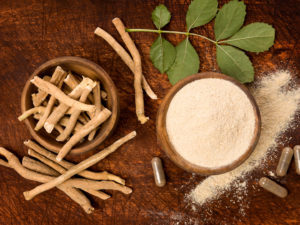
If you feel worn down or are lacking energy due to improper sleep, a hectic schedule or day-to-day stressors, learn how to address fatigue naturally. Taking a few minutes for yourself and doing simple breathing exercises can be helpful, as can daily moderate exercise and getting adequate rest. Certain nutrients and botanicals can also help:
Magnesium. Supplementation has been shown to help alleviate symptoms of fatigue in persons with low magnesium levels.Studies suggest that his herb (Eleutherococcus senticosus) can help enhance mental activity as well as physical endurance.Coenzyme Q10. This vital nutrient is involved in cellular energy production throughout the body.Ashwagandha. This Ayurvedic herb is prized for its ability to help the body deal with stress.Cordyceps. This traditional Chinese medicinal mushroom may help reduce fatigue and boost energy levels. Natural Remedies For InsomniaSleep is an important part of reaching your health goals. Shakespeare called sleep “the chief nourisher in life’s feast.” Adequate sleep is a primary component of a healthy lifestyle. Although often the undesirable result of our busy lives, insufficient sleep may also be indicative of imperfect health, and can itself lead to future health problems.
Here are some suggestions for getting the sleep you need to protect body and mind:
Eliminate caffeine from your diet, especially in the form of coffee, soft drinks, energy drinks,, as well as in over-the-counter drugs (check the labels).Practice daily breathing exercises, and the relaxing breath when falling asleep.Take a warm bath before bedtime.Get at least 45 minutes of aerobic activity every day. Sleep For Weight LossWant help achieving and maintaining a healthy weight? Aim for eight hours of sleep a night. Research suggests that appetite-regulating hormones are affected by sleep and that sleep deprivation could lead to weight gain. In two studies, people who slept five hours or less per night had higher levels of ghrelin – a hormone that stimulates hunger – and lower levels of the appetite-suppressing hormone leptin than those who slept eight hours per night. So make sure getting adequate sleep is near the top of your optimum health checklist!

Insomnia is relatively common, affecting about one-third of the adult population worldwide, and more women than men. Typical symptoms of insomnia include problems falling asleep, waking up frequently in the night with difficulty falling back to sleep, waking too early in the morning, and feeling unrefreshed when waking in the morning. The causes of insomnia are varied. Noise, temperature changes, medication side effects, jet lag, and a change in surroundings can all cause it, as can PMS, menopause, menstruation, or pregnancy.
If you suffer from insomnia, try to stick to a routine at bedtime, and go to bed at the same time every day. Avoid caffeine and alcohol before bedtime, and get plenty of exercise during the day. A dark room free of noise may also help; consider buying a “white noise” device if your bedroom is noisy. If you are having trouble falling asleep, try relaxation techniques like breathing exercises, meditation, or yoga.
Trouble Sleeping? Try MantramMantram is the practice of repeating over and over in the mind certain syllables, words or phrases that help unify consciousness and counteract negative mental states. It is especially helpful for people with restless minds, whose turbulent thoughts keep them from falling asleep. The repetition of a verbal formula is a way of focusing the thinking mind and negating the effects of thoughts that produce anxiety, agitation and unhappiness.
You can practice mantram anywhere, especially as a sleep aid and a natural remedy for insomnia- it is a totally portable technique, requires no training or equipment, and can be used in any circumstance, so long as you don’t practice it while doing something that otherwise requires your undivided attention. Try experimenting with it – choose a word, sound or phrase that is pleasing to you, and repeat it. If your mind wanders, simply focus back on the word.
Find more information about natural remedies for insomnia and other sleep aid information by browsing Dr. Weil’s articles and advice.
Reviewed by Benjamin S. Gonzalez, M.D., May, 2016. Updated July 2024.
The post Natural Sleep Aids & Tips appeared first on DrWeil.com.
July 24, 2024
The Seed Oil Free Alliance Welcomes Dr. Andrew Weil MD as Advisor, Medical Researcher and Partner
BOCA RATON, Fla.–(BUSINESS WIRE)–Amidst an ongoing surge in health-conscious consumer purchasing behaviors in the US and globally, the Seed Oil Free Alliance proudly announces the addition of Dr. Andrew Weil as advisor, medical researcher, and partner. Dr. Weil, a renowned figure in integrative medicine and public health, will play a pivotal role in shaping the rigorous Standards and laboratory testing protocols for the Alliance’s pioneering certification seal.
“At the forefront of our mission is addressing the widespread, excessive use of highly refined seed oils, a pervasive yet often overlooked health concern,” stated Dr. Andrew Weil, Chair of Integrative Medicine at the University of Arizona. “Through the ‘Seed Oil Free Certified’ Seal, consumers gain vital transparency, empowering them to make informed, healthier choices when purchasing consumer packaged goods or eating out,” Weil added.
Dr. Weil’s expertise will drive the Alliance’s commitment to transparency, accountability, and education in the global food supply chain. Corey Nelson, Chief Innovation Officer of the Seed Oil Free Alliance, expressed gratitude for Dr. Weil’s endorsement, emphasizing the partnership’s potential to revolutionize food labeling in the interest of public health and consumer choice.
“We are deeply honored that Dr. Weil has joined our team. Further, this partnership will bring clarity to erroneous labeling practices while accelerating the availability of seed oil-free food options through trust, transparency and technology,” stated Corey Nelson.
The average American today consumes between 20% and 30% of their daily calories from refined seed oils like soybean, corn, and canola oil. They’re an inexpensive source of empty calories found in snacks, ready-to-eat foods, food service offerings, and cooking oils. The simple, memorable, trademarked “Seed Oil Free Certified” Seal will appear on product packaging and marketing materials for the increasing number of consumers who are already eating a seed oil-free diet and provide brands with a unique opportunity to take a stand on this timely issue.
“The overconsumption of inflammatory omega-6 fats is a driver of chronic disease, and most Americans are still unaware of the health implications of how these oils affect their health. They have no place in diets that promote health and longevity,” Weil added.
About Seed Oil Free Alliance
The Seed Oil Free Alliance is a third-party certifying organization that offers the world’s first “Seed Oil Free Certified” Seal for qualifying consumer packaged goods (CPG), ready-to-eat foods, food service operations, and bottled cooking oil products. The “Seed Oil Free Certified” Seal guarantees consumers that the foods they choose have undergone independent laboratory testing to ensure the purity of added oils and refined fat ingredients. Supporting the Seed Oil Free Alliance in its mission to accelerate the availability of seed-oil free food options through trust, transparency, and technology is an advisory panel made up of leading public health and nutrition experts led by Dr. Andrew Weil. More information can be found at seedoilfreecertified.com.
About Dr. Andrew Weil, MD
Andrew Weil is a Harvard-trained medical doctor, author of peer-reviewed scientific papers and New York Times bestselling books, and founder of True Food Kitchen. He is known for his popular lectures and talk show appearances as well as training doctors and nurses at the Andrew Weil Center for Integrative Medicine at the University of Arizona, where he also holds the Lovell-Jones Endowed Chair in Integrative Medicine and is Clinical Professor of Medicine and Professor of Public Health. Dr. Weil serves as a mentor and scientific advisor to the Seed Oil Free Alliance team.
Contacts
Margie Adelman
VP of Communications
Seed Oil Free Alliance
margie@seedoilfreecertified.com
916-220-3500
The post The Seed Oil Free Alliance Welcomes Dr. Andrew Weil MD as Advisor, Medical Researcher and Partner appeared first on DrWeil.com.
June 21, 2024
Turmeric
The rhizome (underground stem) of Curcuma longa, a member of the ginger family, yields the yellow spice turmeric. It has long been used in India and other Asian countries as an herbal medicine and food.
In the 13th century, traders introduced turmeric to Europe, where it was called Indian saffron because it looked like the spice saffron. It is responsible for the bright color of curried dishes and American yellow mustard.
Best Uses For Turmeric:Research studies are most often focused on the antioxidant and anti-inflammatory properties of turmeric’s main active ingredient curcumin (no relation to the spice cumin), which may offer protection against certain cancers, help address arthritis, benefit those with inflammatory bowel disease, reduce blood sugar, and help prevent Alzheimer’s disease. Turmeric is recommended as part of an anti-inflammatory diet
Turmeric can be taken orally to assist in treating osteoarthritis (OA) and rheumatoid arthritis (RA). Some clinical studies show turmeric extract can reduce joint pain and improve functionality. It also helps reduce the need for NSAIDs and other pain medications. Other studies suggest that turmeric may also reduce symptoms of RA, but more research is needed.
Preliminary studies suggest regular ingestion of turmeric extract may help stabilize or even prevent colorectal cancer.
Growing evidence suggests that the spice may help protect against Alzheimer’s disease. The main constituent of turmeric, curcumin, appears to block the progression of Alzheimer’s disease in mice. Epidemiologic studies of Indian populations, whose diets are rich in turmeric, show that rates of Alzheimer’s disease are very low in these groups. More research is needed to confirm or disprove the effectiveness of turmeric for Alzheimer’s disease prevention.
The curcumin in turmeric may also prevent oxidation of cholesterol, reduce the progression of atherosclerosis, and protect against heart attack and stroke.
Topically, turmeric is used for a variety of skin disorders including ringworm, skin inflammation, and bruising. It is also used as an analgesic.
Turmeric is a culinary spice and an important ingredient of curry powder. Turmeric essential oil is used in perfumes and as a color component in many foods.
Turmeric Is Available In:Turmeric is available in powdered form as a culinary spice, and in tablets and capsules as medicinal extracts. It should be labeled as an extract of turmeric standardized to the compound curcumin or curcuminoids.
Interactions And Warnings:Turmeric is considered safe when used appropriately and according to the label. Those with liver disease should use turmeric with caution.
There are no known drug interactions, but in rare instances, daily use of turmeric over an extended period of time may cause stomach upset or heartburn in some patients. Those taking medication for diabetes should be aware that turmeric may reduce blood sugar levels.
Women who are pregnant should avoid turmeric due to the possibility of uterine stimulation. There is insufficient information about the use of turmeric for women who are nursing, so contact your doctor before taking it.
Do not take turmeric if you have gallstones or bile duct dysfunction, as it may influence gallbladder contractions. Turmeric also exhibits antiplatelet effects and may promote bleeding if used immediately before surgery. Discontinue use of turmeric two weeks before surgical procedures.
When Buying Turmeric:Look for products standardized to 95 percent curcuminoids and that also contain black pepper (or piperine or bioperine) to improve absorption. For cooking, choose brightly colored and aromatic turmeric powder.
Turmeric Dosage:Adults can take 400 to 600 mg of turmeric extract three times per day or as directed on the product label. The dried spice is not effective for addressing specific conditions but is good for general health.
Child Dosage:Young children should not be given turmeric.
Dr. Weil Says:The bottom line is that turmeric is good for you so find ways to include it in your diet. If you are a lover of Indian food like I am that should not be too difficult. I have long recommended drinking turmeric tea, a popular drink in Okinawa, and probably one of the reasons that lifespans are longer there than any other country. I frequently recommend turmeric supplements and believe them to be more effective than isolated curcumin for inflammatory disorders. . When shopping for supplements, make sure that the one you choose contains black pepper extract or piperine. (If you’re cooking with turmeric, be sure to add some black pepper to the food.). Note that piperine can slow the elimination of some prescription drugs including phenytoin [Dilantin], propranolol [Inderal], and theophylline. Be patient when taking turmeric supplements: the full benefits may not be apparent for eight weeks.
Learn more about turmeric:Three Reasons To Eat TurmericTurmeric For Depression?Curcumin Or Turmeric?Turmeric For Arthritis?Cooking With TurmericSources
American Cancer Society – cancer.org/Treatment/TreatmentsandSid...
Consumerlab. consumerlab.com/tnp.asp?chunkiid=21874 (accessed July 18, 2016)
Natural Health, Natural Medicine: The Complete Guide to Wellness and Self-Care for Optimum Health, by Andrew Weil.
Natural Database – naturaldatabase.therapeuticresearch.c...
Reviewed by Russell Greenfield, M.D., August, 2016. Updated June 2024.
The post Turmeric appeared first on DrWeil.com.


