
Veronica Roth's Blog, page 3
June 30, 2023
CYOW: On Originality, The Soup, and Building a World Around A Story
Yesterday was the first session of Choose Your Own World, a pair of worldbuilding seminars where we build a world together via a series of polls (and then I write a story set in that world).
If you were able to come, thank you so much for being there! I know I went, uh, a half-hour longer than I said I would— I think I underestimated how long it was going to take me to make polls and also to decide what should be in those polls. I have some ideas for how to streamline it next time so it’s a more easily digestible length. That said, I had a really great time with all of you and almost didn’t want it to end.
I did section it off on my twitch page here, so if you want to just watch the “lesson” part of it, which is a little more meaty, that is only twenty minutes long. And I’ll put our ultimate world-building conclusions— which we’ll build off of next time!— at the end of this little summary.
Here are some highlights, if you want to know what went on but aren’t the video-watching kind—
WORLDBUILDING BEGINS WITH ONE DECISION
Worldbuilding can be intimidating! But it starts with one decision, and then another, and another, and another, until you have something you can work with. In this exercise, we chose a story “type” (loosely taken from Ronald B. Tobias’s 20 Master Plots) and our first decision was just about genre. Is this story going to be on future earth? In space? In a vampire coven? A school for magic? That choice, regardless of what it is, sparks questions about character and story, that then spark questions about world. That’s because…
IT’S ALL A BIG SOUP
People often ask me if I start with character or plot, which I’ve never known how to answer. Instead, I describe my world-building method as a “soup” of plot, character, and world. Why build a world this way, you ask? Because you want your story to lead your reader through the most interesting parts of your world. Extraneous lore can be very cool, but the best worlds are functional— you don’t want to weigh your story down too much with information that doesn’t impact either character or plot. So I use story and character to guide my worldbuilding, to keep things tighter, to make sure I’m making interesting choices for the story in front of me, and to build something that matters to the characters.
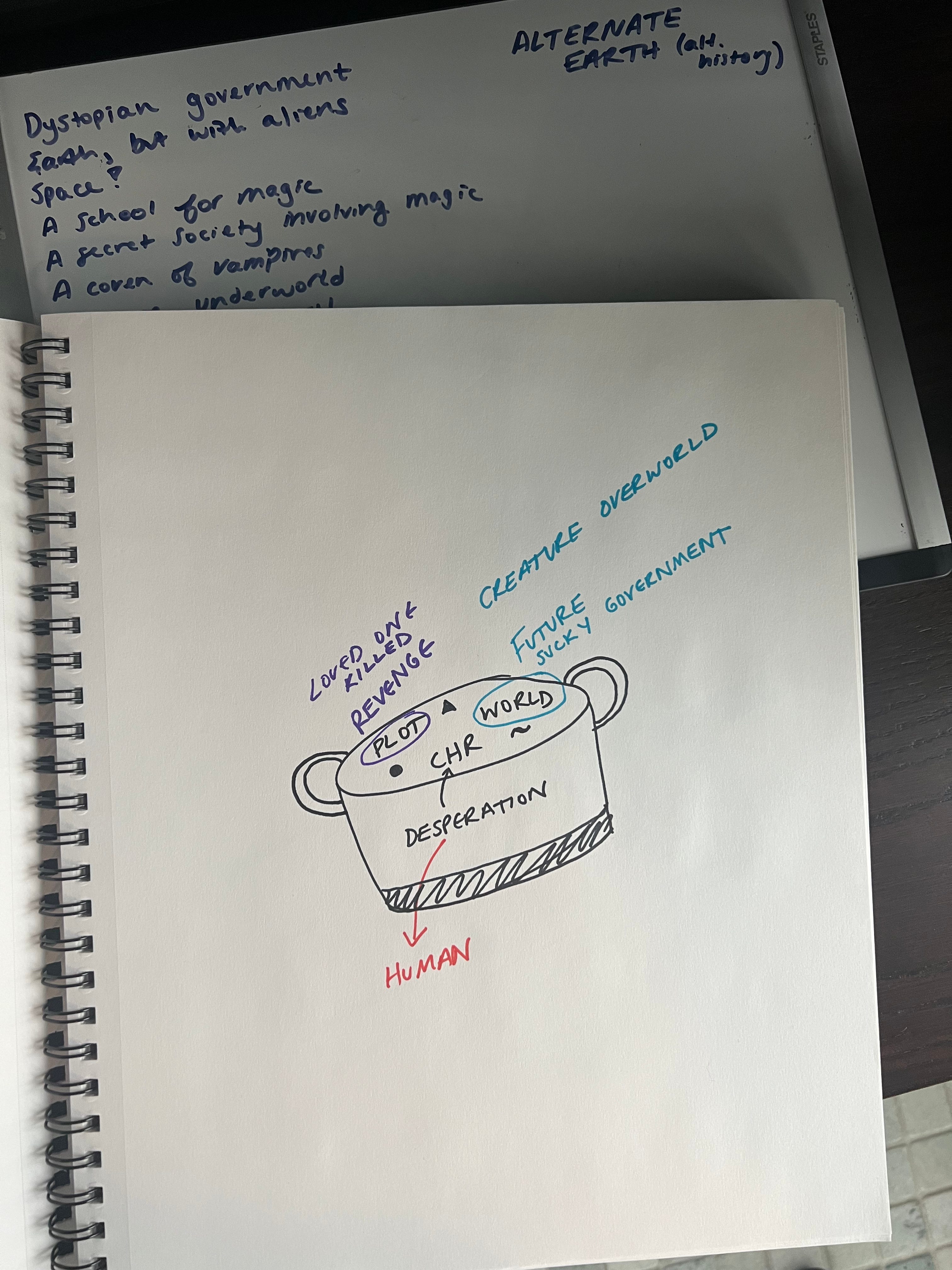
A CAVEAT ABOUT ORIGINALITY
Beginner writers— and experienced writers, let’s be real— worry a lot about originality. I don’t think they should. UNoriginality can be a useful tool. Think of your story like a backpack. It has a finite amount of space, and every single thing you put in it— every character, plot point, and world-building detail— takes up space in that backpack. If your goal is to focus on vivid, interesting characters, you can save space in your backpack by using a tried-and-true structure for your plot. If your goal is to develop a really fascinating plot, you can save space in your backpack by letting your world be a little familiar. Most of my favorite stories are actually simple— Children of Men (the movie, anyway) is just a pursuit plot at its core; John Wick is standard revenge fare. It’s their execution— characters, certain world-building choices, style— that makes them work, that makes them resonate.
SELECTION OF DETAIL
I didn’t call this idea by this name during the seminar, but “selection of detail” is something I always used to focus on in literary analysis (when I was writing papers in college, I mean)— it’s basically a term that describes which details the author chose to include in their work. Selection of detail affects the reading experience by communicating what’s important to the reader. The more time you, the writer, spend on a particular thing, the more important it’s going to appear to the reader. So spend your time on what’s important and interesting and exciting to you. And try to spend less time on the things that you are not excited by.
the outcome!
When offered a choice of “pursuit” plot, “revenge” plot, or “assassination” plot, seminar attendees chose “revenge”! They also chose…
a futuristic earth with a terrible government (aka dystopia)
which we combined with the other top choice: a creature overworld, aka a world in which creatures were in charge instead of living in secret.
and we decided that “creature” in this world meant genetically modified human beings.
One attendee noted that we had worked our way right back to Divergent. To which I say: lol, in a sense yes, but we’re definitely going to build something different from Divergent. In the next session, we’ll work on our “systems”. A “system” in this context is just a description of who holds power and how they hold it— a government, a religion, a school, a company, those are all systems, and worlds are made up of systems. We definitely have a government to build, but there are plenty of other systems to consider— so join me on July 11th at 7PM central time if you want to learn about how to construct them and help me with all those decisions!
<3,
V


June 27, 2023
Choose Your Own World
You may have already seen this, but I’m doing something fun this Thursday and I’d love it if you could join me—
If you are…
A. A writer who wants to learn more about how to make worlds
B. A reader who’s curious about how authors do this whole “make a fictional world up from scratch” thing
C. Both of the above
…then this is for you: Choose Your Own World, a pair of interactive world-building seminars with me, for free, on Twitch, that will culminate in me writing a short story set in the world you help me build.

After brainstorming with other writers for quite a few years now, I’ve realized that nothing gives you a sense of how a writer’s mind works quite like being present while they’re brainstorming. So my goal here was to find a way for you to be present while I do some brainstorming— and not just present, but participating, via a series of Choose Your Own Adventure-style polls. And that way I can take you through my thought process, and share some of what I’ve learned after writing seven (published) novels.
The point is to 1. have a great time, 2. use a case study to give a lesson in world-building that may help you in your approach to your own, and 3. give you something new to read within the next six months, via this newsletter. So if you want to read the short story that will come at the end of this, subscribe to this substack, if you haven’t already!
A FEW QUESTIONS ANSWERED:
What if I can’t make it to the live sessions?
I’ll leave them up on Twitch afterward so you can tune in whenever! But you won’t be able to participate in the fun and games if you aren’t there, alas.
Can I come to one session without coming to the other?
Yes! Though if you can only come to the second, you should probably watch the first one before attending so you know what we’re talking about.
How much will this cost?
It will cost you zero dollars and zero cents! It’s free, baby!
What is this Twitch you speak of?
I’m not going to attempt to explain all of Twitch to you, but Twitch is kind of the perfect platform for this: you can watch for free at twitch.tv/vrothbooks without creating an account, or create a free account to participate in the chat. And Twitch will host the streams for later viewing. They also allow polls! Yay.
Will you help me with my story idea/manuscript/etc.?
No— I’m happy to talk about more general writing questions in the Q&A following the session, but for various reasons (some of them legal), I can’t get specific to your work or read it or anything.
Will you answer my Divergent questions?
No, that’s not the focus here, so I will ignore you if you ask Divergent questions (unless they’re very pertinent to the world-building/craft discussion). Go to my instagram (instagram.com/veronicaroth) to watch the many, many questions I have already answered there and saved to my highlights.
If you have other questions, feel free to ask in the comments! Otherwise, I hope to see you on Thursday. :)
V
Thanks for reading Veronica Roth! Subscribe for free to receive new posts and support my work.
May 10, 2023
"It's Like the Universe is Twisting the Knife": A Carve the Mark Deleted Scene
I write short, so I don’t usually have a lot of deleted scenes to offer. The ones I do have usually contain so many different character names, place names, drastically re-ordered events, etc., that it’s difficult to share them without overburdening you with explanations. But when I thought about what deleted scenes I might share from Carve the Mark— which, unlike all my other books, actually has a lot of deleted material— this scene was the first one to come to mind.
It’s a bit of an odd one. For a scene that’s supposed to depict the start of Cyra and Akos’s slow burn (slow thaw?) romance, it includes something kinda un-sexy: a girl getting her period.
I don’t know how it is for other people, but for me, periods have always been an intense monthly intrusion, both absurdly painful and unpredictable. It’s strange to me to think that such a huge part of my experience of having a body is so private, both because of my natural inclinations toward privacy and because the world makes people feel gross and even alien for having periods. So when I thought about Cyra’s pain, and when I thought about the complicated relationship she has with her body because of it, and the occasions on which she most felt the loss of the only kind person she’d ever had in her life— her mother— this moment seemed like the obvious choice.
And as for the romantic opportunities it offered, well. I know it’s not going to make it into many romcom scripts or anything, but I find this scene to be pretty sweet. Cyra isn’t someone for whom vulnerability comes naturally, but her body betrays her in this moment, and she braces herself for Akos’s scorn, or perhaps for him to treat her as alien and strange…and he doesn’t. He has every reason to be unkind to her at this stage, but he treats her like a person, instead. Which is revolutionary for Cyra, since she’s only ever been treated like a monster.
So why did I cut it? Well, I think it was partly for pacing— I needed to speed things along at this point in the book— and partly because I needed to be deliberate about how Cyra was unlearning all her father and brother’s brainwashing, and and how her understanding of Akos was shifting over time— so this scene just hit the wrong note at the wrong time.
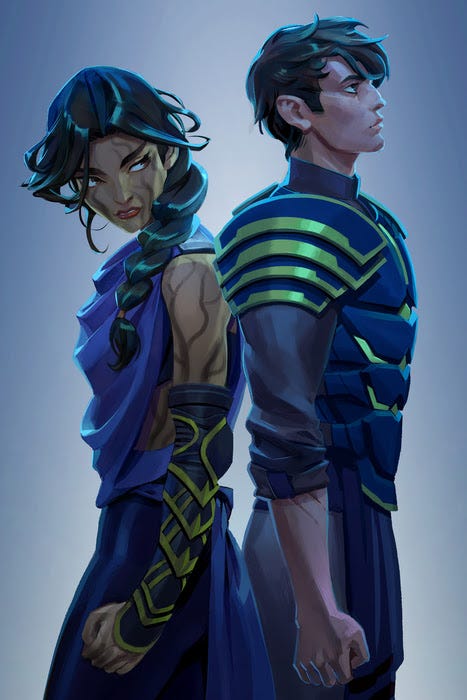 (art by Mindy Lee)
Two days before I turned sixteen, and four days before we were supposed to board the sojourn ship for Akos’s first sojourn, I woke to blood spotting the sheets beneath me. My mother had told me about this day, a long time ago, before I was old enough to understand what she meant by any of it. Something about ebbs and flows and a message relayed from organ to organ. But all I could think of were the days when I still wet the bed. That my body could do something that I wasn’t aware of while I was sleeping, and that I would have to clean up after myself like I was still a child, was somehow humiliating.
And my mother was supposed to be here to help me. To tell me again about the power of this step forward through life. But she was dead.
Akos walked in when I was still standing at the edge of my bed, staring at the red spot like it was my mother’s own blood, the sign of her murder. My face heated up, and I blinked away tears.
I covered my face. “Get out.”
“Should I get someone?” he said, quietly.
“Who?” I demanded. “My brother? Vas? You think they would be helpful?”
Then I sat on the edge of the bed and cried. I hadn’t cried in a long time, not really. Just the kind of tears that appeared in your eyes when you were in pain. But suddenly I didn’t care if Akos saw me this way, I didn’t care if it made me look weak. I didn’t care about anything.
I felt his hands on my shoulders, and I meant to shove him away, but I was frozen.
“Come on,” he said. He took my arm, at first, holding me by the armor I wore strapped to my arm even in my sleep. Then his hand slipped down to mine, stalling my gift, and he pulled me toward the panel in the wall that led to the servants’ passage. He slid it open, and ducked inside.
In the dark, I wasn’t as worried about the ache in my abdomen and the sheets I had left behind. We descended a staircase, took a few turns, and reached an open wall panel in the kitchen.
“Stay here, I’ll get someone,” he said.
“Otega,” I said. “Ask for Otega.”
I stayed back, in the shadows, while he disappeared into the bustle of the kitchen staff. I could still see them from this angle, chopping ingredients for breakfast and lunch, arguing about whose turn it was to carry the tray to Ryzek’s room. I heard them refer to me, too: “Miss Noavek probably needs her kitchen restocked.” “Is it just me, or is she eating twice as much these days?” “It’s not for her, it’s for Kereseth.” “Ooh, Kereseth. What wouldn’t I give to know what that’s about.”
I blushed again.
“What did you say about me?” Akos’s voice sounded, deep and steadier than it had been when I first met him.
“Nothing, kezagyang,” one of the voices replied. The word was harsh slang for one of the Reclaimed, co-opted from the Pithar words for “paper” and “skin.” Some of our language, like much of our technology, was scavenged.
“You use my name in conversation, you’d better be sure it’s not for ‘nothing’,” Akos retorted.
I raised my eyebrows.
Silence fell over the kitchen, and Akos ducked into the passage again. Following him was Otega—older now than when she had braided my hair, but still sturdy as she had been when I was young, and stern as the Shotet came. She nodded to me as Akos took my hand again, snuffing out the currentshadows that had gone into a frenzy at the sight of her.
“Well,” Otega said, from behind us. “That confirms that rumor, at least.”
“Rumor?” I said.
“That he can touch you without wanting to die,” Otega said.
A brutal way of putting it. “What other rumors are there?”
“Better that you don’t trouble yourself with them,” Otega said. “There’s nothing you can do to stop them anyway. Shotet mouths are busier than most, especially when it comes to favored lines and Reclaimed survivors.”
“Reclaimed,” Akos said, harshly, from the front of our little line. “I hate that word.”
“Which one do you prefer?” Otega said. “I’ll use that instead.”
“How about ‘Victim of Kidnapping’,” Akos said. “Or ‘Speaker of the Accursed Tongue’.”
“Accursed Tongue.” Otega snorted. “You spontaneously speak a language without having to learn it, and you call it a curse? That curse is your birthright, boy.”
We reached the open panel, and Otega marched into the room and ripped the sheets off the bed in one swift motion. I turned to Akos, dried tears making my cheeks tight.
“Thank you,” I said. “I should have been able to deal with this myself.”
Akos just shrugged. “When my sister turned thirteen, my dad had a long talk with all of us. There were diagrams involved.” He tilted his head a little. “It’s hard to go through things a parent is supposed to help with when you don’t have a parent. It’s like the universe is twisting the knife.”
I let that statement— the truth of it— hang between us for a few seconds. I was looking at him, and he was looking at me, and it wasn’t strange.
“What’s your sister’s name?” I said.
“Cisi,” he replied. “Cisi.”
Her name came from a tight throat, spoken with such longing I felt it in my own chest.
“Cisi,” I repeated, with a sharp nod, trying to match his accent. “I’ll remember.”
“All right,” Otega said, as she charged back into the room, dusting off her hands. “You and I need to have a talk, Miss Noavek. Kereseth, out.”
Akos’s hand lifted, hesitant, to rest just above my elbow. My pain disintegrated at his touch. His fingers were warm, and gentle, and then gone.
He walked into the next room. Before he closed the door between us, we exchanged a smile. Small. Tentative.
That was a little short, so how about a bonus scene? If you voted for the “shorter, softer” option on Instagram, the following scene will probably scratch that itch a little better. :)
In this little piece of a draft, I had Akos and Cyra find out that their mothers switched them at birth in the first book, right before they confront Ryzek in the arena. But I realized I was trying to cram too much into the first installment, so I delayed that revelation to the second book in the series, The Fates Divide, to give it more room to breathe.
(Also, in earlier drafts, Cyra’s currentgift got worse around Akos because she was attracted to him. Hot? No? Lol.)
But here it is!
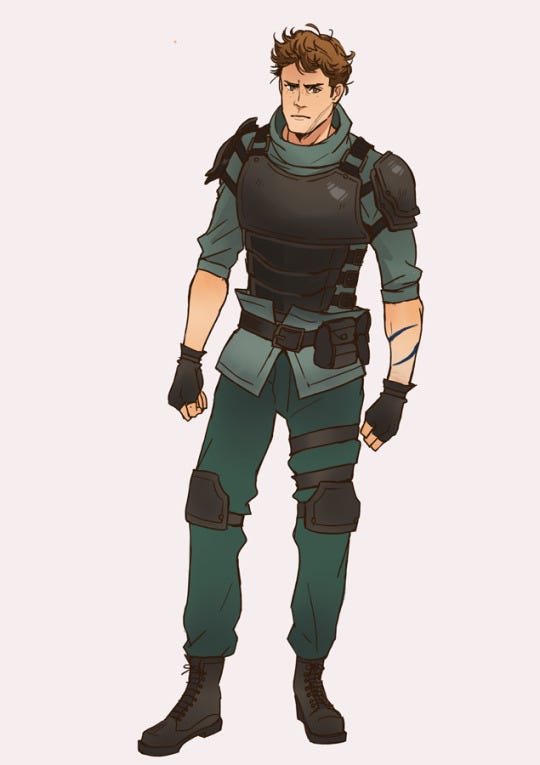
(art by Gabriel Picolo)
I crossed the room, and opened the door next to the bed. Akos had unlocked it when we came in, so he could get into his room. I didn’t knock. I liked catching him off-guard—it always showed me more than I got to see otherwise. Showed me what he was like when there were no eyes on him, when nothing was expected of him at all.
He stood at the dresser, tugging the armor over his head. His windows were open, letting in the cool air and the sound of shouting and music from the street below. His room was more sparse than mine, long and narrow, with a slim bed between the windows. Along the far wall, was a metal countertop with burners at the far end and shelves suspended above it. Jars of hushflower in all its forms stood on the shelves, marked with Akos’s Thuvhesit scrawl. Dangling from the ceiling were pots, pans, knives, and vials, glowing with fenzu light from the little lamps that hung every few feet.
“You okay?” I said.
He didn’t look back. “Not really.”
“I say, fuck them,” I said. “Our parents are liars. Fuck them.”
He pulled his shirt over his head, and I stepped back, pushing the door closed behind me. He turned at the sound. I felt the shadows burning across my throat like a blush as I looked over his narrow waist. The bruises that had stained his skin the last time I saw him, cowering on the floor in the basement, were faded now, light brown and green. He wore new scars on his left arm and a new weight on his shoulders.
I pressed my hands to my cheeks, briefly, willing myself to calm down. “Dammit,” I said.
But he was moving toward me—cautiously, at first, one step at a time. Frowning, a crease between his eyebrows. The closer he came, the darker and more frantic the shadows became, until I had to bite my tongue so I wouldn’t cry out at the pain.
I flinched, and at the first outward sign of my pain, he pressed a hand to my cheek, extinguishing the currentshadows so all I had left was the pulse in my face and my hands and the deep ache in my stomach, the ache that was just for him.
“No,” I said, sharply, slapping his hand away. “You can’t do things like that to me. Not when there’s no hope of anything behind them.”
“Well,” he said, “what if there was hope?”
My hands went flat and limp against the door. He took his hand away from my cheek, and the shadows were just a dull stain on my arms.
“What?” I finally said.
He reached for me, to quiet the currentgift, and I snapped, “Leave it.”
“I can’t talk to you when you’re in pain—”
“Yes you can, just tell me what you meant!”
“I meant exactly what I said!” He threw up his hands in frustration. “I meant that you were a Noavek, and loving you meant betraying my country, but now…you’re a Kereseth and you’re sending me home even when it causes you agony, and when they told you your own mother sent you to live with Lazmet Noavek as an infant your first instinct was to comfort me!” He stared at me, incredulous, eyes wide. “I told you that everything had changed, Cyra. I meant it.”
A strange ferocity came into his eyes, and he pressed closer to the door, framing my face with his forearms. Only a sliver of space separated us. He was so close I could feel his warmth. He was so close I could taste his breaths.
He dropped his hand to my waist, to the strip of skin just beneath the hem of my shirt. Then he bent his head and kissed me.
I had intended the first time I kissed him to be the last. He could never love me, I thought, not while I was still a Noavek, with Ryzek’s blood in my veins. It would feel like a betrayal, to him. I understood that, and I had resolved never to let it happen again.
But I was not a Noavek. Ryzek’s blood was not in my veins.
I stayed still, at first. Getting used to him, unyielding mouth and heavy-pressed palm and heat.
Then I put my hands on him. I had thought about touching him hundreds of times, and now it was happening—now I knew how strong his arms were, how his ribs were still right at the surface of his skin. He pulled me closer, his arm wrapping around my back, his hand covering my side, beneath my shirt. Everything was warm and close and muddled for a moment, and then he pressed me against the door again, hard, his teeth closing over my lip. He kissed my throat, hungry and searching.
Someone knocked on the door, right behind my head. I swallowed a curse. He pulled away just far enough to call out, “What is it?”
“How’s the poison coming?” Teka said. “You said it takes a few hours to brew.”
Akos gave me an exasperated look, and I laughed.
We pulled away from the door to open it, and I went to the counter to start chopping the jealousy petals for the poison.

(art by Morgana Wallace)
Thanks for reading Veronica Roth! Subscribe for free to receive new posts and support my work.
April 13, 2023
The Sneakiest Peek
Whew, guys, it’s been a weird couple of months.
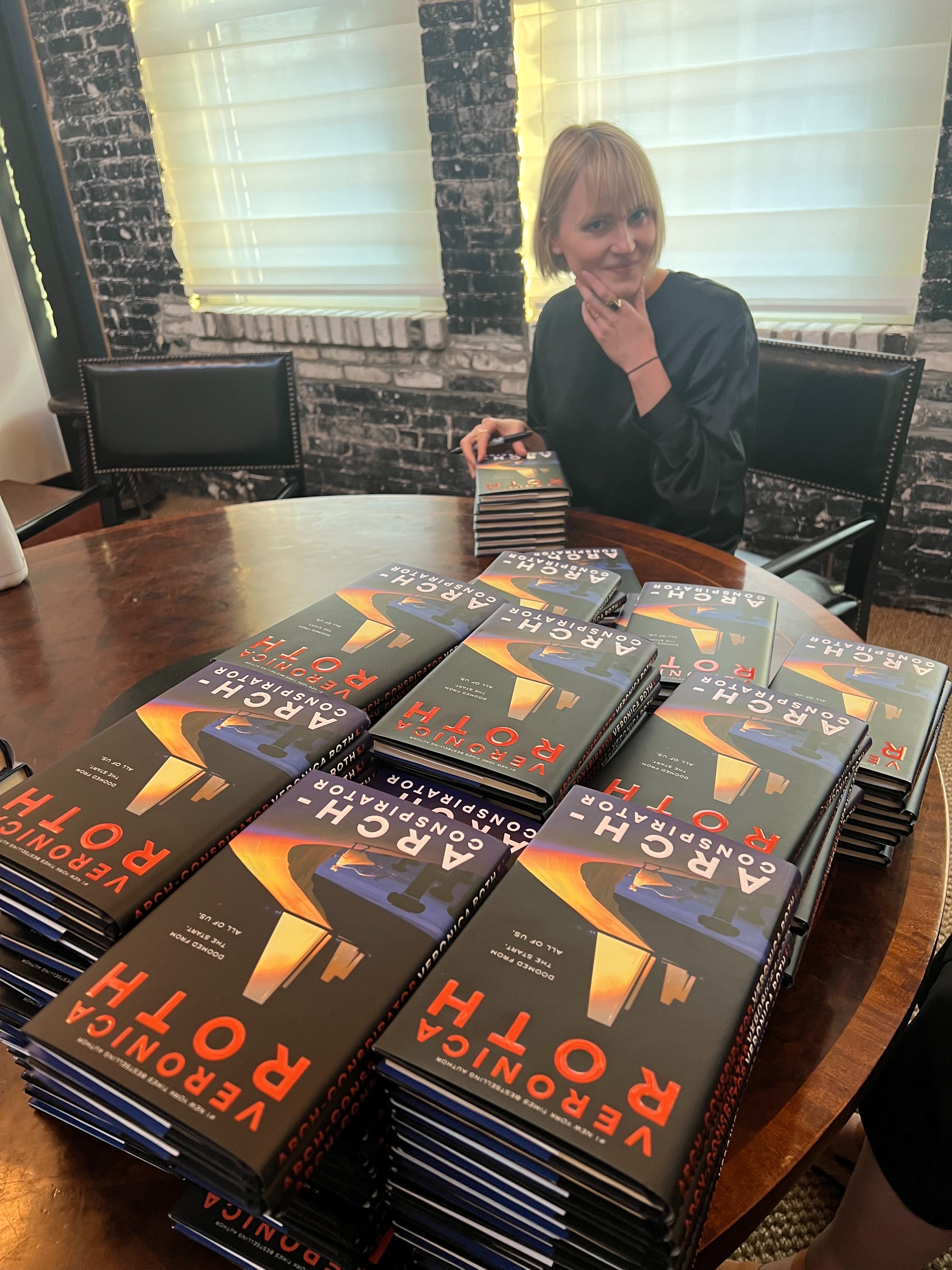
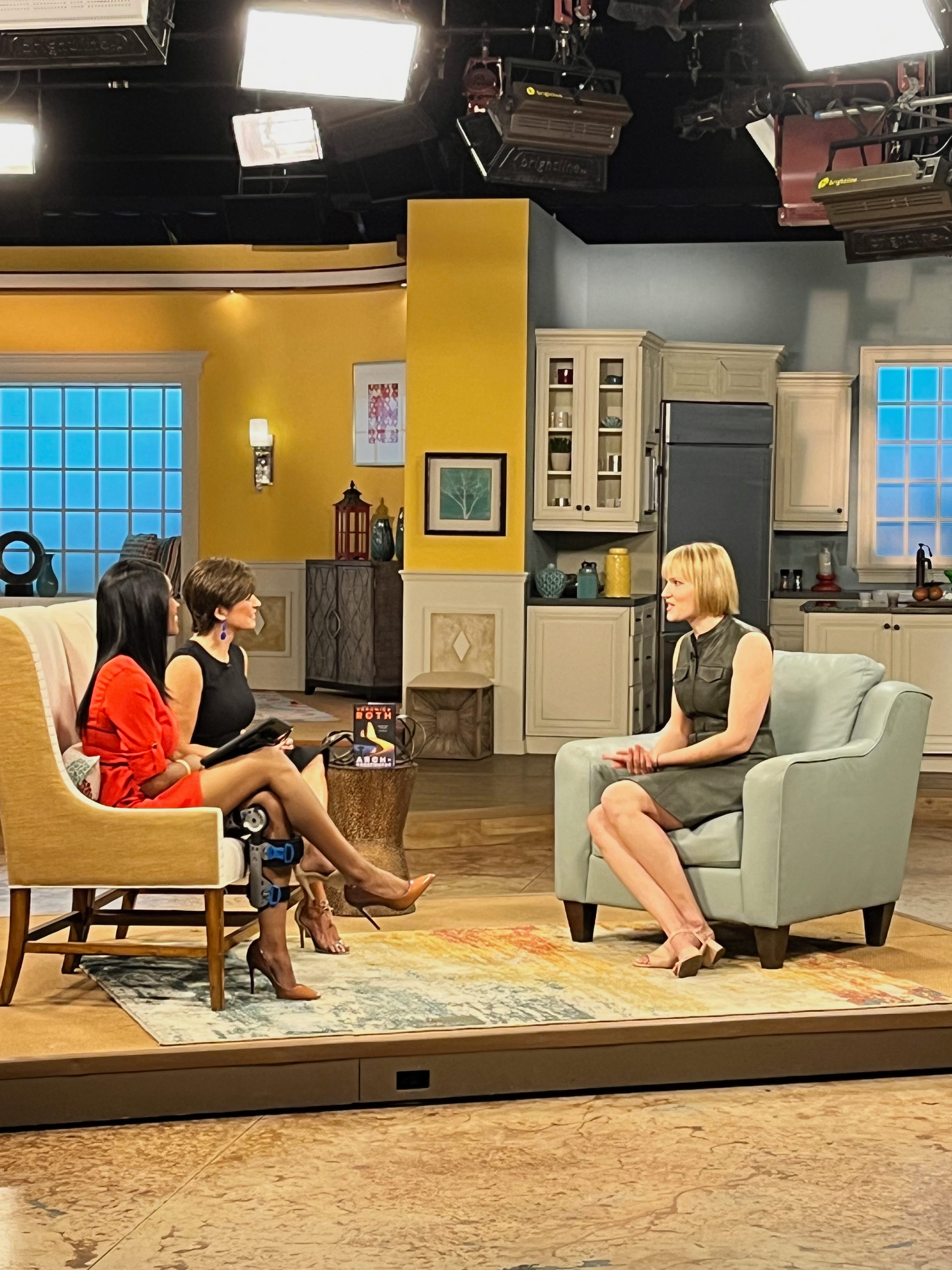
The Arch-Conspirator tour was really excellent— thank you to everyone who came to the events or preordered a copy or otherwise supported AC! I so appreciate it and I had such a great time with you all. (Also, because I feel like people don’t actually know this: one of the best ways to support authors is to leave reviews, even if they’re not raves! Wherever you bought the book from is a good place to start, or on Goodreads, but really, wherever.)
Then I got Covid and found myself inexplicably binge-watching The Closer and playing Two Dots on my phone for five days.
While all that has been going on, I’ve been finishing up two projects. One is a short story that will come out this year, and it’s very fun; I hope to share more about it soon. The other is my next novella, which comes out next year…but I’m going to tell you a little more about it anyway.
For context, in the period of time I like to refer to as Mid-Divergent, I had to stop talking about my works in progress at all because…they were Insurgent or Allegiant and THE EYES OF THE WORLD WERE UPON THEM, and people would read entirely too much into a stray remark about a bad writing day, or the songs on my playlist, and they would bombard me with panicked messages online. So I trained myself to keep everything locked down, all the time. Of course, now that I am no longer in the middle of a series being adapted into movies, there’s no need for that level of intensity. But sometimes when you’ve kept your hand in a fist for that long, you don’t know how to unclench it; it’s like hey, I just have a fist instead of a hand now, that’s normal, right?
This is all to say, I’m going to start relaxing that hand and share more about what I’m working on. Especially here.
A few things about my next novella:
It’s long. We’re talking…the upward limit of what technically still counts as a novella. (40,000 words, for those keeping track.) So if you read Arch-Conspirator (~23,000 words) and enjoyed the novella format but wished there was a little more meat on its bones, this should be good news!
It’s fantasy. Some of my other work (Carve the Mark, Chosen Ones) has had fantasy leanings, but always with the incorporation of some obvious sci-fi element, such as superpowers, spaceships, portals, alternate dimensions, and so on. This one is Fantasy, capital F, though set in the real world.
It’s set in Chicago. There is an actual reason for this beyond my enduring love of Chicago—
It incorporates Polish folklore, and Chicago has one of the largest Polish communities in the world outside of Poland itself. This was really meaningful for me, because as a first generation American, I’m a little detached from this aspect of my identity, and writing this novella helped me to engage with it more. I did a lot of research on the history of Polish immigration to Chicago, as well as into the folklore itself, and my uncle proofread the Polish in the story itself, which was both nerve-wracking and touching. Dziękuję @ him.
The title is based on a Polish idiomatic expression that may or may not be used by actual Polish people, I’m sure they’ll let me know— but I came across it and loved it and it was just right for the story.
And lastly it has a playlist which I have made public on Spotify…
If it’s been awhile since you listened to Flagpole Sitta or any kind of System of a Down: you’re welcome. I listened to them while writing fight scenes.
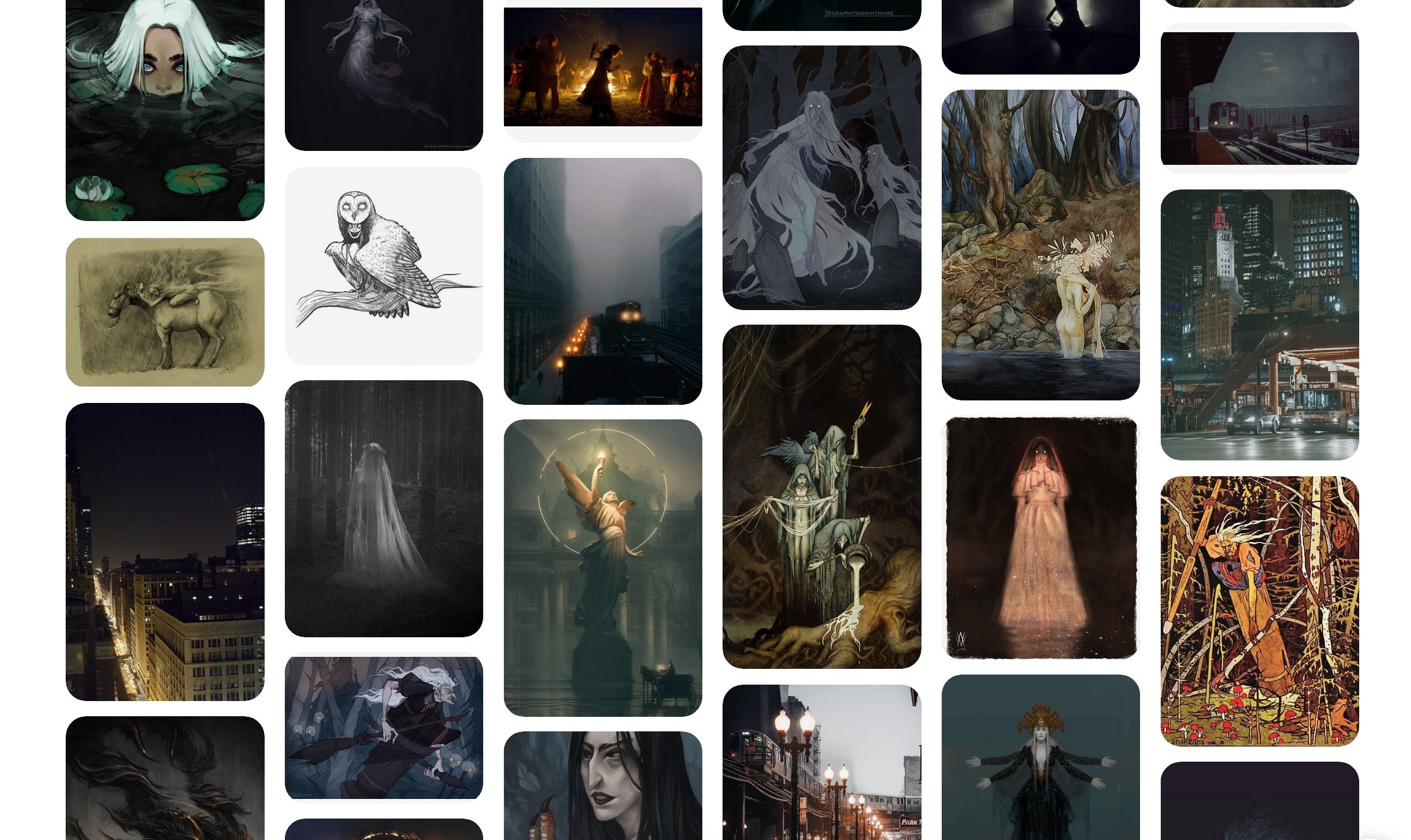
Also…a Pinterest board.
That’s all I have for now, but let me know in the comments if you have any requests for ~behind the scenes things!
And as usual, give me your book recs. :)
V
Thanks for reading Veronica Roth! Subscribe for free to receive new posts and support my work.
February 21, 2023
Arch-Conspirator is Out Today!
Hello!
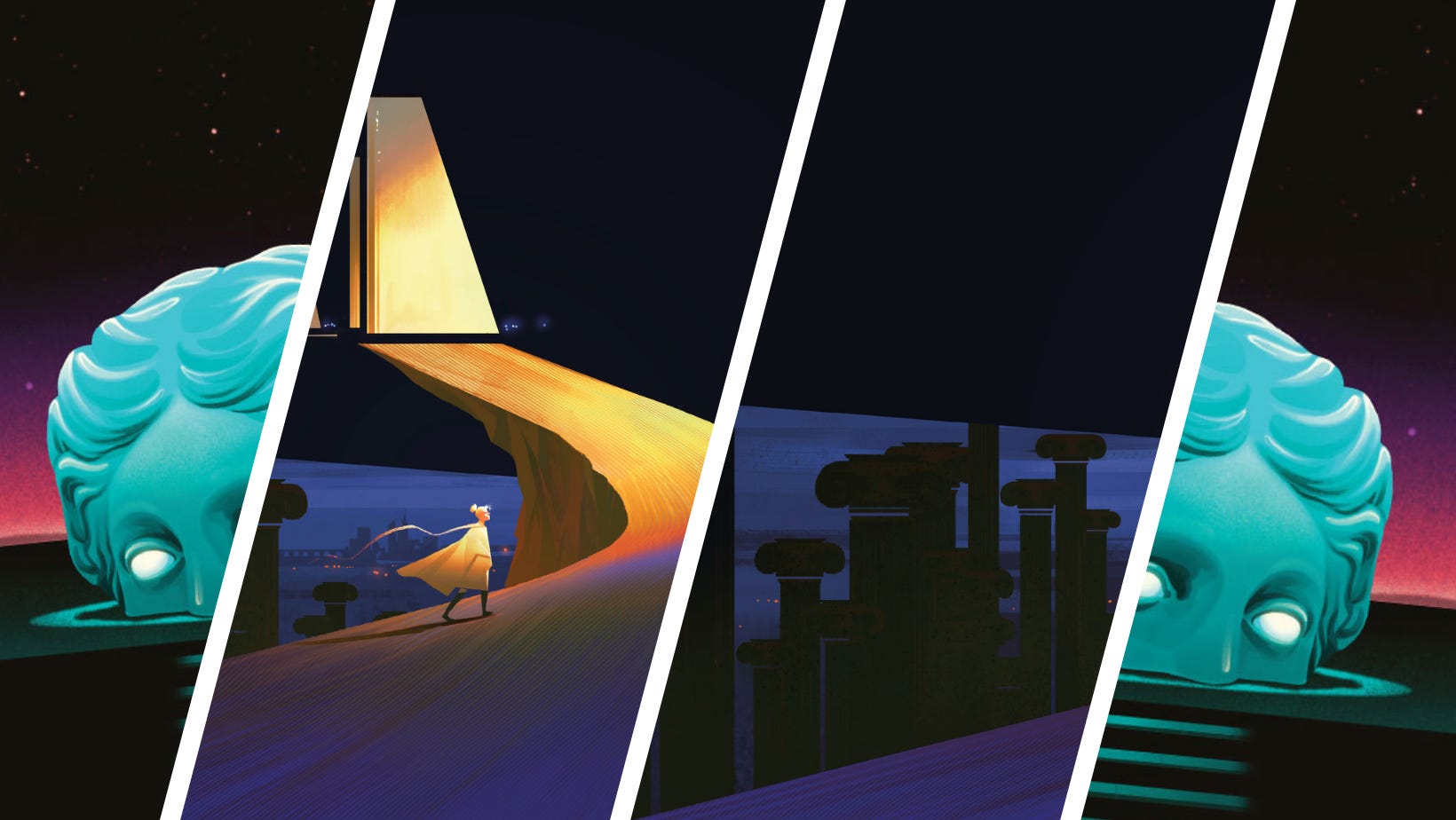
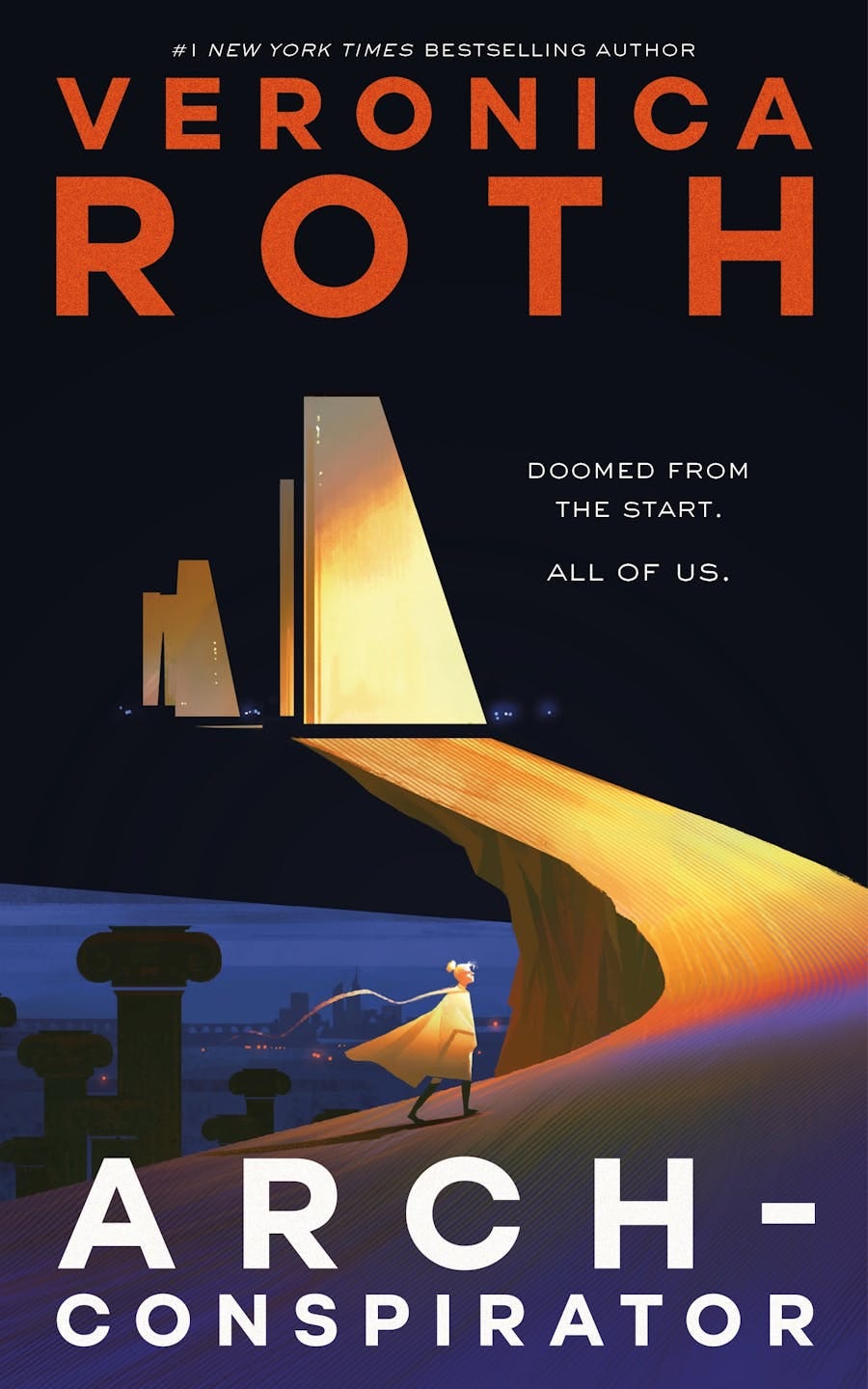
Today is a very exciting day: Arch-Conspirator, my futuristic retelling of the Greek tragedy Antigone, is out today!
Did you read Antigone in high school? In my high school class, we read the trio of plays together: Oedipus Rex, Oedipus at Colonus, and Antigone. For those who don’t remember: Oedipus is the guy who unknowingly kills his own father and marries his own mother in a fulfillment of a tragic fate. Antigone is his daughter, the outcome of this so-called “cursed” union. In her play, her brother Polyneikes dies, and her uncle Kreon, the king, declares that anyone who gives Polyneikes a proper burial will be put to death. Antigone does it anyway. She suffers the consequences. (Again: it’s a tragedy.)
Arch-Conspirator follows that same rough outline, but instead of being the product of Oedipus’s relationship with his mother, she bears a different kind of curse: she was born with unedited genes. According to her society’s mysticism surrounding gene-editing, that means Antigone has no soul. It’s my version of the “curse” she bears.
Antigone is typically presented as a kind of ass-kicking feminist heroine, defying a system that devalues her. Those elements are certainly in the play. But what struck me when I first reread it to prepare for this retelling was Antigone’s vulnerability. She’s been told from birth that her life isn’t worth as much as other people’s because of the “curse” that she bears. In Oedipus at Colonus, she communicates some of that when she says she’d rather be buried with her father than continue on without him. And in Antigone, she’s quick to discard her life in favor of giving her brother proper burial rites.
In Arch-Conspirator, I wanted to explore this self-destructive tendency a little more than the play is able to. At one point in my retelling, Antigone tells her brother, “Sometimes I stare into the future and I don’t like anything I see.” Her struggle in the story is with how to give her life meaning—not the meaning that other people assign to it, but the meaning that she assigns to it. (“I could become something greater than my body simply by allowing myself to use it.”)
This play is a tragedy, yes. But it’s also about a young woman navigating the claustrophobic space that society allows her to the best of her ability, and finding a way to do something powerful despite being powerless.
So yeah, Antigone kicks ass. But maybe in a different way than you’d think.
I hope you love her. I know I do.

This week I’ll be on tour in Tampa, FL; Nashville, TN; Greenville, SC; and Austin, TX. More information about each stop is on this page here.
If you can’t make it out to any of those events, you can order a signed copy (before February 22nd!) here at Bookmarks.
Thank you so much to my team at Tor Books in the US and Titan Books in the UK for putting this book together and getting it out in the world! And to my editor Lindsey Hall for helping me shape it from the start. What a wonderful process this has been. <3
V
US Cover Art: Pablo Hurtado de Mendoza
Preorder Print Art: Nash Weerasekera
UK Cover Art: Julia Lloyd
Thanks for reading Veronica Roth! Subscribe for free to receive new posts and support my work.
February 4, 2023
Insurgent Deleted Scenes!
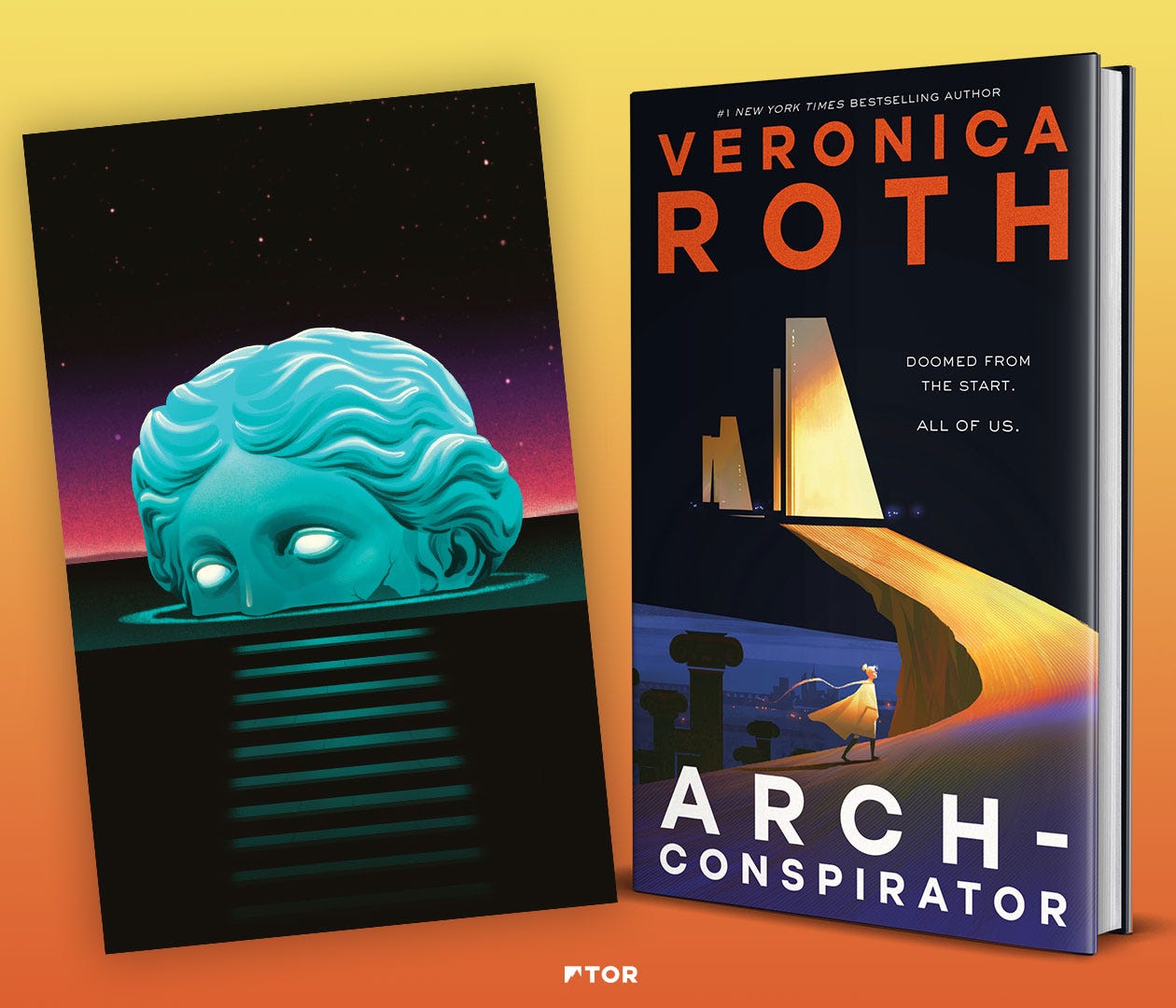
Before I get to the deleted scenes, a reminder that I’ll be going on tour this month for the release of Arch-Conspirator, my far future Antigone retelling that comes out on February 21st. If you preorder it, you can get a very cool art print. If you go to one of my tour stops, you’ll get a cool bit of swag— and a signed book, of course.
February 21st: Tampa, FL.
February 22nd: Nashville, TN.
February 23rd: Greenville, SC. (Just me, but with cocktails.)
February 26th: Austin, TX.
I honestly didn’t think I had any Divergent deleted material left after all the special editions, but I had forgotten to check my Scrivener file. There’s still not much— I don’t generally have a lot of deleted scenes, and what I do have is often just a slightly different iteration of what ended up in the books. But there is a little, and I’m excited to share with you!
Just to situate you a little bit: Insurgent came out in 2012, which was a particular moment in books. Basically, YA was hot hot hot, paranormal romance was petering out, and dystopia was at its peak. The pressure for me to deliver was high, and the timeline was tight.
I wrote a draft pretty quickly, and though there was some tumult in the editorial process, one note stuck out to me: my draft had Tris completely isolated, right from the start of the book. I think that’s because I was experiencing a kind of anxious paralysis, having Tris avoid decisions because I wasn’t sure what to decide, myself. To address this problem in revisions, I kept Tris’s grief, but I saved the divisions in her relationships for a little bit later in the book, and I dug a little deeper into how the characters would actually relate to each other, beyond surface-level drama.
These deleted bits are relics of that old draft. Tris and Tobias begin the second installment of their story in conflict: he’s just told her that he loves her, and she hasn’t said it back, and it’s creating all kinds of tension for them right from the start.
Also worth noting: I love a dramatic haircut almost as much as I love an arena fight.
I wake to the sound of buzzing, and swat at the air around my head. Sometimes bees find their way into the Amity sleeping quarters, and after getting stung on the hand last week, I am adding them to the list of reasons why I hate it here.
The buzzing doesn’t stop, and stays at a constant volume, which means it is not a bee. I open my eyes and see the faction symbols drawn in black ink on Tobias’s spine, Dauntless at the top and Amity at the bottom. He holds a pair of electric clippers to his head, which explains the buzzing.
I sit up and watch him. I should have recognized the sound. My father cut my brother’s hair every two weeks, and my mother did the same for my father, so I woke to the buzz of clippers every second Wednesday and Thursday. No one in Abnegation cuts their own hair.
I feel tears coming, and as always, these days, they seem to have no connection to how I actually feel. I blink them away, not wanting Tobias to see me cry for no reason. And as quickly as they came, they are gone.
He brings the clippers too close to his ear, and nicks the skin. Air hisses between his teeth as he turns the clippers off and leans close to the mirror to survey the damage. A bright spot of blood appears on the top of his ear, but it seems to be minor. I stand, my bare feet sticking to the floorboards, and walk into the bathroom.
“I’ve been doing this for two years on my own,” he says, “so you would think I wouldn’t cut myself anymore.”
I pick up the clippers and turn them back on. My mother never taught me how to do this, but it isn’t difficult to figure out. I stand on my tiptoes and bend his ear forward to protect it, running the clippers over his hair in straight lines, going over the uneven places at the back of his head.
His eyes catch mine in the mirror, and he has a strange look on his face, eyebrows furrowed, mouth faintly turned up at the corners. I open my mouth to ask him why he’s looking at me like that, and then I realize.
In Abnegation, offering to cut a man’s hair in place of his parents means behaving like a spouse. It’s the closest thing to a courtship ritual Abnegation has.
I sink back onto my heels, my eyes wide with fear, and switch the clippers off. The faint smile disappears from Tobias’s face, and he takes the clippers from me, a little too roughly.
“You don’t have to look so terrified,” he says. “I know it doesn’t mean anything.”
“I do not look terrified,” I say, scowling at his reflection. “I was just surprised. You know, that I didn’t remember…what that meant.”
“Right,” he says, rolling his eyes. “Just get out, Tris.”
“Don’t be mean,” I say.
“I’ll stop being mean when you stop being a liar,” he says.
I stare at him for a second, my blood running hot with anger, and he stares defiantly back. Then I turn and walk out of the room.
But it’s hard to stay angry, because if he knew how much of a liar I was, he would do more than roll his eyes at me.
ACCIDENTAL COURTSHIP RITUAL is my new band name.
All right, here’s the breakup:
I do not say anything, and neither does he. He turns and walks toward the elevators, and I follow him, because I know that’s what he wants. We stand in the elevator, side by side, in silence. I hear ringing in my ears and blame it on the serum, but I think it’s more that everything is about to fall apart and I know it.
The elevator sinks to the ground floor, and I start to shake. It starts with my hands, but travels to my arms and my chest, until little shudders go through my entire body and I have no way to stop them. I follow him into the lobby and we stand between the elevators, right above the symbol of Candor, the uneven scales. That symbol is also drawn on the middle of his spine.
He doesn’t look at me for a long time. He stands with his arms crossed and his head down until I can’t stand it anymore, until I feel like I might scream. I should say something, but I don’t know what to say. I can’t apologize, because I only told the truth, and I can’t change the truth into a lie. I can’t give excuses.
“So you shot Will.”
“Yeah,” I say. “Those nightmares I was having…they were about him.”
And this isn’t something you felt like telling me?” His voice is quiet and under control. That’s good. Maybe he isn’t as angry as I thought.
“It wasn’t something I felt like telling anyone,” I say.
“Here I was thinking I wasn’t just ‘anyone’ to you,” he says. He laughs harshly. “Guess not.”
He isn’t yelling, but he is on the verge of it, his voice quaking with the effort of keeping it under control. He glares at me, and in his stare is an accusation, but I don’t know what he’s accusing me of. Lying? Keeping things from him? Murdering one of my friends? Not being in love with him?
I don’t know where the anger comes from, because a few seconds ago, I was terrified of losing him. But my face is boiling hot and the creature that has been clawing at my chest since Will died gnashes its teeth. “I’m sorry, was I inconsiderate? How terrible of me, not to think of your feelings when both my parents are dead and I can’t sleep without nightmares about armies of mindless Dauntless and almost drowning in a glass box and shooting my friend in the head!”
“Don’t even pretend that I am being petty,” he snaps. “You know as well as I do that this is just the start of the things that you refuse to tell me. Of the things that you lie to me about.”
He is right. I do know. Anger drains from my body abruptly. It isn’t just Will. It’s all the faces that haunt me. It’s what happened to my parents. What the Erudite did to me. What my nightmares are about every night. How I really feel about him. How I really feel about anything. I keep it all inside because it’s the mortar keeping me from collapsing.
“I’ve been deluding myself,” he says, “because I thought the reason you couldn’t kill me that day—the reason you almost died for me—was that you loved me. And that maybe you couldn’t admit it yet because you’re young and your parents just died and it just wasn’t the time. But that’s not why you did it.”
“I did it because it was you. I couldn’t bear the thought of killing—“
“Because it was me. Right.” He snorts. “I could have been anyone. It could have been anyone in that control room, it had nothing to do with me. You did it because you believed it was the right thing. Out of…duty.”
“That isn’t true!” I shudder again, but this time more with anger than fear. “I killed people. I killed one of my best friends. But I couldn’t kill you! What does that tell you?”
“It tells me that you don’t have the stomach to shoot an unarmed person in the head,” he says. “But that you can shoot people who are shooting at you. That’s all. That’s all it tells me.”
“I don’t understand why this is so crucial for you,” I say. “I couldn’t shoot you, so I didn’t. It was one moment, one single moment. And every other day I’ve been with you, I have done everything because I cared about you. Don’t all those days count for more than one instant?”
“No,” he says. “God, Tris! Sacrificing yourself for me…it’s meaningless if you don’t love me, it’s empty.” He lets out a frustrated yell. “The only reason I could tell you how I felt…the only reason I trusted you—and it’s just a delusion of mine.”
“I did the best I could. I saved your life. It is not my fault that you told me you loved me because of something I did. It’s not my fault!”
“I am not saying it’s your fault,” he says, quietly. “I am telling you why this is over.”
Over. The word takes up all the space in my head, space that was just full of arguments and excuses and reasons a moment ago. I stare blankly at him like I’ve forgotten what it means. And then it breaks into me and drives a crack into me.
“Over,” I say. “You…” I breathe too quickly, like I’ve just been running. Vaguely, I wonder why. “You’re breaking up with me because, after a few weeks of dating, I’m not in love with you?”
“I let you see everything about me. And now I find out I can’t trust you? That I barely know you?” He sounds perfectly steady now. His arms fall to his sides. Resigned. “You’re impenetrable, Beatrice. And that won’t change.”
“Impenetrable,” I say, because I hope that saying it will make it sink in.
“I mean, look at you,” he says. “You’re arguing with me about the logic of what I’m saying. You’re angry because you don’t think my reasons make sense. You aren’t emotional. You aren’t heartbroken. You’ll be just fine without me.”
“I…” I feel like my brain is stuck in one place, on one word—over.
“Good-bye, Beatrice.”
Tobias: kind of an asshole in this version! Geez.
Lastly, because I don’t want to leave you with such strife, here was their original reconciliation. It’s the same as in the final version, with I think one paragraph different. It’s interesting to see, though, how I stumbled into a scene that I still really like as a result of some choices that I ultimately really didn’t like. That’s one of the amazing things about writing: making the wrong choices is sometimes the only way to get to the right ones.
I pick up the bar of soap and turn it in my hands until my skin is coated with white lather. I kneel next to him and run my hands over his feet and ankles, slowly, making sure I get everything. It feels good to do something, to clean something, and to have my hands on him again.
We get water all over the bathroom floor as we both splash it on our legs to get the soap off. We get water all over ourselves, and it makes me cold, but I shiver and I don’t care. He gets a towel and starts to dry my hands.
“I don’t…” I sound like I am being strangled. “My family is…they’re all dead, or traitors, I don’t…how can I…”
I am not making any sense. The sobs take over my body, my mind, everything. He gathers me to him, and bath water soaks my legs. His hold is tight. I listen to his heartbeat and, after awhile, find a way to let the rhythm calm me.
“I’ll be your family now,” he says.
And it is simple.
I don’t know what I was so afraid of. I thought that telling him I loved him would give him power over me, maybe, or that I would want to take it back. I was afraid to trust him with something so personal as my devotion. But instead, saying it is just an acknowledgement of what already exists between us, and the gift of telling him, finally, that I trust him.
I am his, and he is mine, and it has been that way all along.
“I love you,” I say.
He stares at me. I wait with my hands clutching my water-soaked knees for stability as he considers his response.
He frowns at me. “Say it again.”
“Tobias,” I say, “I love you.”
His skin is slippery with water and he smells like sweat and my shirt sticks to his arms when he slides them around me. He presses his face to my neck and kisses me right above the collarbone, kisses my cheek, kisses my lips.
“I love you too,” he says.
Ultimately, I know I made the right call— Tobias doesn’t actually seem like the sort of person to get that bent out of shape about not hearing exactly what he wants to hear when he wants to hear it…from someone who’s just endured some terrible shit, no less. They still have conflict in the final version of Insurgent, but it feels more organic to their experience of each other, the growing pains of learning to communicate even in the midst of trauma. Not this more petty, surface-level stuff that would make more sense if they were, you know, in high school band instead of fighting for their lives, or something.
I’ll keep digging around for deleted scenes, but I hope you enjoyed this! <4
-V
Thanks for reading Veronica Roth! Subscribe for free to receive new posts and support my work.
December 16, 2022
2022: Recs 'n Recs
Whew. I meant to send a newsletter last month but it felt like November just melted away. Before December also melts, I have a 2022 wrap up for you.
My Stuff
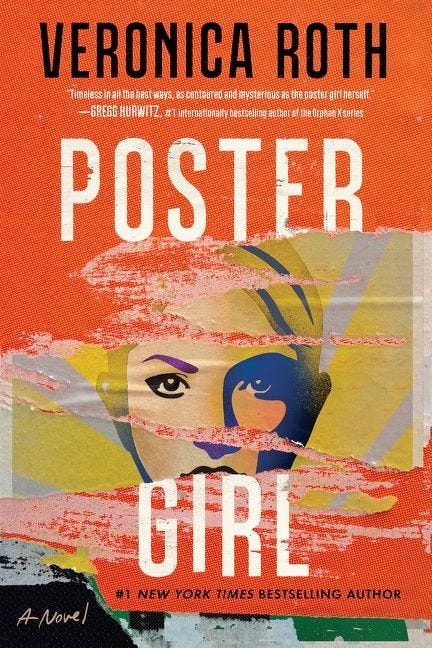
Poster Girl came out this year! Hurrah! And some amazing things happened with it. It got two starred reviews, an array of amazing blurbs, and it was featured in the New York Times and People magazine. And in the UK, it was a Sunday Times bestseller! Hot damn!
I also went on tour and finally got to meet with readers in person, which was really lovely. Thank you to everyone who bought the book, came out to meet me, or otherwise supported me in 2022. I so appreciate it.
And you don’t have to wait long for another story from me— Arch-Conspirator, a far future retelling of the Greek tragedy Antigone, comes out on February 23rd!

You can preorder it here and receive an exclusive (and awesome) art print!
Some Recs
I made a little video of my favorite SFF reads of 2022 here.
But let me recap them quickly for you:

The “Alternate Universe” Group: White Cat by Holly Black, The Women Could Fly by Megan Giddings, The Atlas Six by Olivie Blake
These are all books that are set on Earth, but with magic. This alters the way each world functions in profound ways. The Women Could Fly is on the more “dystopian” end of the spectrum, whereas The Atlas Six is more fantastical, with White Cat a little closer to the latter. White Cat is an oldie but a goodie, published in 2010, but this was my first encounter with it and it holds up— it’s concerned with a kind of criminal underworld, and it’s YA, whereas the other two are adult.
The “Big Science Fiction Universe” Group: The Immortality Thief by Taran Hunt, The Stars Undying by Emery Robin, and Light From Uncommon Stars by Ryka Aoki
If you want fast, fun action (without losing emotional heft), go with The Immortality Thief— it’s heist-y. If you want to really dive into some gripping world-building, go with The Stars Undying (Cleopatra…in spaaaace!). And if you want something that plays with both science fiction and fantasy (there’s deals with the devil AND a donut shop run by intergalactic travelers in this one), go with Light From Uncommon Stars.
The “Future Tech” Group: Upgrade by Blake Crouch and The World Gives Way by Marissa Levien
Upgrade is a thriller for people who like science fiction, and science fiction for people who like thrillers—especially the “shady government” kind. The World Gives Way is technically a cat and mouse style detective-y story, but it’s set on a generation spaceship that’s catastrophically breaking apart, which…complicates matters. To say the least. (I think I technically read it last year, along with Light from Uncommon Stars, but WHAT IS TIME! TIME IS MEANINGLESS! ET CETERA!)
And Last But Not Least: Spirits Abroad by Zen Cho
Did I read this in 2022 or 2021? OH WELL. This is a collection of short stories that is perfect for a cozy day when you want to read in short bursts. Or any other day.
Non-Book Recs
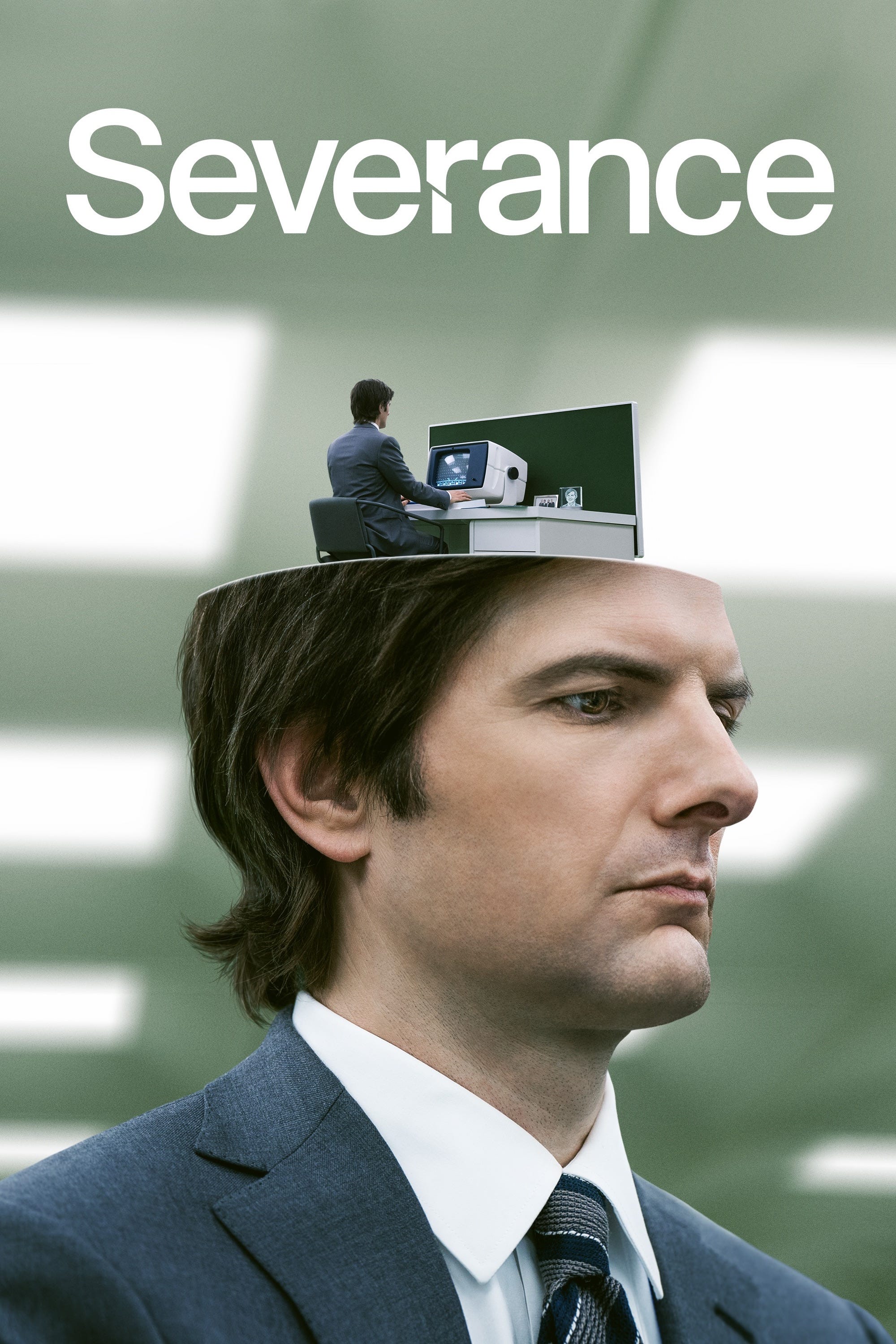
WATCH SEVERANCE! JUST DO IT! I DON’T WANT TO HAVE TO TELL YOU THIS AGAIN!
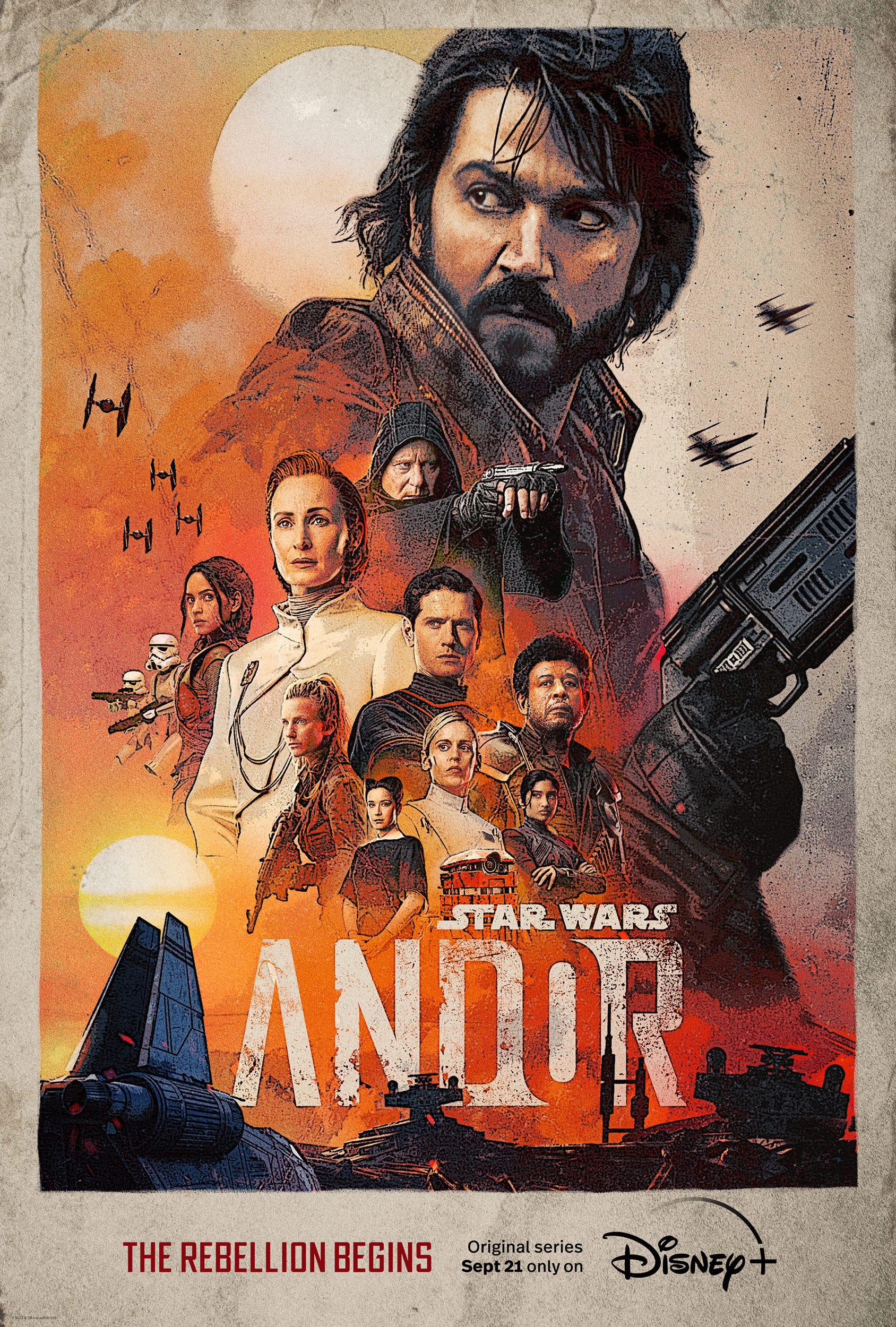
I’ve been behind with anything on Disney Plus (a gal can’t subscribe to EVERYTHING, and I’m sort of off the superhero train), but a friend of mine pressured me to watch Andor and I did and it was great. My favorite Star Wars movie is Rogue One— that’s right, I said it— and the show struck a similar tone, which really worked for me.
Also good: Everything Everywhere All at Once (duh), and I discovered Killjoys this year, which was a delight.
Share your own recs in the comments, if you’d like, and otherwise have a safe and warm and happy end-of-2022!
V
Thanks for reading Veronica Roth! Subscribe for free to receive new posts and support my work.
October 18, 2022
Poster Girl is Out Today!

She was on the Delegation’s propaganda posters when she was young. She fled when the Delegation was toppled, but she was caught, then sentenced to prison along with all its other favored children. Ten years later, an old enemy presents her with a deal: find a missing girl, and she can earn her freedom.
But Sonya’s family was full of secrets, and secrets can be dangerous.
The missing girl is the biggest secret of all.
I started writing this book in October 2020, in a sunny home office in Los Angeles, across the desk from my husband. I had just decided to take a six month break from social media to write it.
My main character, Sonya, had lived most of her life observed by a mandatory implant in her eye known as an Insight. But she was fond of the Insight, as I’m fond of my smartphone. It opened up the world for her. Answered her questions all throughout her childhood, like another parent. Played music and movies for her. Connected her to other people. And beyond all those things, it rewarded her for even the smallest good behavior. Posture. Manners. Stillness.
But when the uprising destroyed the old regime, the Insight went silent. No more rewards, no more connection, no more of anything.
“You have my sympathy. Everyone else in this city has the option of getting that thing removed, free of charge. But you don’t.” His head tilts. “I suppose I shouldn’t assume that you would, if you could.”
He folds his hands over his knee.
“Would you?”
Sonya doesn’t know how to answer. She doesn’t know what he’s trying to do, what he’s getting at, what he wants.
“I don’t know,” she says. “It used to speak to me. Now it’s just there.”
“And you liked it,” he supplies. “When it spoke to you?”
“Yes.”
“Why?”
“Why?” Heat rushes into her cheeks as she searches for the words. “Because it…it made the world feel—richer. Everything I looked at had history and complexity that was in my grasp. Everything I did had meaning.”
“No,” he says, softly. “Everything you did was quantified. There’s a difference.”
Taking a break from social media felt a little like that, to me. What would I do, without the influx of photos from Instagram? That sounds silly, but I mean it— I followed cute puppies and kittens, NASA and the New York Times, King Arthur Flour and travel photos. The stream of images in my Instagram feed was beautiful and uplifting, interesting and educational. It added richness to my life.
Then suddenly it was gone. And I was left with an itch that I couldn’t scratch. A twitch of my fingers toward my phone to check something, anything. I started to realize that twitch only happened when I was uncomfortable. Bored. Worried. Sad. I started to realize that I checked things to avoid feelings—to feel numb, when numbness was preferable to discomfort.
Without social media, I had to sit with myself. I had to lean on people. I had to let hard moments pass in their own time. Eventually, I settled into the quiet. I started to make things. Lots of things. I wrote Become of Me. I wrote a novella. And I wrote Poster Girl.
Poster Girl is about a woman wrestling with herself. I wrote it while I was wrestling with myself. It’s gotten some career-best reviews, including two starred ones, and that’s fucking awesome. But let me tell you a secret: what you’re left with, after reviews have come and gone, and book tour is over, and the fever of having a new book out breaks, is always how you feel about the work you produce.
This book made me a better writer, and a wiser person. I am so proud of it.
I hope you love it.
I’m on book tour this week! I’ll be in…
New York City (with Elena Nicolau!)
Boston
Fairfield, CT (with my agent, Joanna Volpe! This one will also be virtual, if you want to attend online!)
Cincinnati (with Gwenda Bond!)
St. Louis (with Taran Hunt!)
San Diego (with Cindy Pon!)
Palo Alto (with Yohanca Delgado!)
Beaverton, OR
Edmond, OK
Click this link for the whole tour round up. To my knowledge, most of the stores that are graciously hosting me will fill orders online and ship. (Inquire with the store about international shipping; I’m not sure.) So please consider ordering a book from one of them! If you get your order in ASAP, I’ll sign it for you, too!
Looking forward to seeing you all IN REAL LIFE!!!
<3 to you and yours, and thank you for supporting my work,
V
Thanks for reading Veronica Roth! Subscribe for free to receive new posts and support my work.
September 9, 2022
The Epigraphs That Weren't
In the earliest draft of Divergent that I have saved to my computer, the very first page is a quote from the book Dune by Frank Herbert. Here is a screenshot:
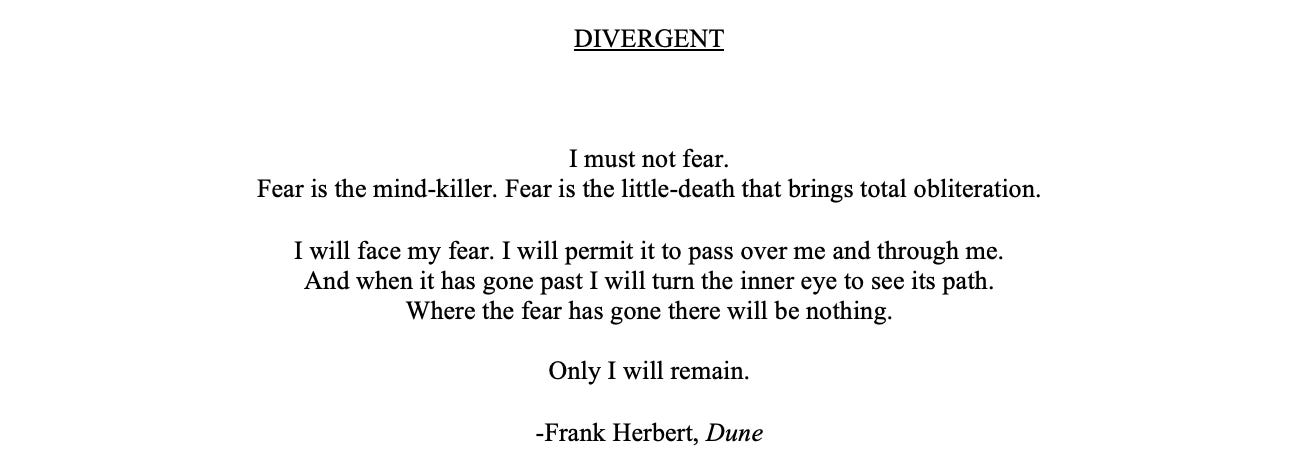
This is the Bene Gesserit Litany Against Fear, an oft-quoted prayer of sorts, useful for focusing the mind in times of great stress. I’ve made no secret of the impact Dune had on me as a writer. Though imperfect (to say the least), it was one of those reading experiences that expanded my understanding of what books could do, particularly science fiction and fantasy.
It probably comes as no surprise, then, that I leaned on one of my favorite quotes about fear when I decided to write about a young woman who was hell bent on facing it. Tris’s initiation doesn’t involve shoving her hand into a box of pain, of course, as it is for Paul Atreides; but she does willingly go into the most difficult parts of her mind, over and over again, and the litany against fear seemed like a nice fit for that.
The epigraph disappeared in later drafts. This isn’t the last time this happened to me. Most recently, it happened with Poster Girl. This is the quote that used to open my draft of Poster Girl:

I haven’t actually seen the movie Stalker, directed by Andrei Tarkovsky (not sure why I spelled it with a “y” in the screenshot above, sorry about that) and written by Arkady and Boris Strugatsky, who wrote Roadside Picnic, the novel on which the movie is (loosely) based. The basic premise of the movie is this: there’s a “zone” on Earth where the laws of physics don’t apply. In that zone there’s a room that grants the desires of those who enter it. A “stalker” helps to lead people through the “zone” to the room. My husband spent an evening telling me all about this movie, once, in such detail that I feel like I know it. I haven’t watched it because I struggle with old movies and, frankly…it’s very slow. There’s a single shot that’s just the back of a guy’s head as he rides a train, and if I recall correctly from my husband’s retelling, it’s five minutes long.
He did talk to me a lot about this quote, the one I used for my epigraph. My husband loved it when he watched the movie; I love it now, even though I haven’t. The full text is this:
May everything come true. May they believe. And may they laugh at their own passions. For what they call passion is not really the energy of the soul, but merely friction between the soul and the outside world. But, above all, may they believe in themselves and become as helpless as children. For softness is great and strength is worthless. When a man is born, he is soft and pliable. When he dies, he is strong and hard. When a tree grows, it is soft and pliable, but when it is dry and hard, it dies. Hardness and strength are death’s companions. Flexibility and softness are the embodiment of life. That which has become hard shall not triumph.
I think it takes tremendous strength to remain pliable as you get older. It’s much easier to decide that it’s too late to change, you’re set in your ways and you’re stuck the way you are, everyone else be damned. What a sad thing, if you think about it— to decide that you’re done growing.
In Poster Girl, near the beginning of this story, there’s this quote: “Sonya’s mind often feels, to her, like clay hardened by the sun, left out too long to take a new shape.” Sonya believes she’s hardened; she believes she’s stuck. Over the course of the novel she begins to soften. That doesn’t mean she becomes mushy and sentimental; it means she starts to believe in change, perhaps not in the world around her, but in herself. That’s why I chose this quote for the epigraph.
In Poster Girl, as in Divergent, once I reached the later drafts of the book, I removed the epigraph. A good epigraph in a final book helps to shape the reader’s mind to prepare them for the story ahead. My epigraphs served that purpose for me as a writer, but by the time I reached later drafts, I no longer needed them, and I didn’t think they would be particularly helpful for readers, either.
Sometimes in writing you need a touchstone—something to remind you what you care about in your writing, what you’re aiming for, what you’d like to return to every time your mind starts to stray. And it’s okay to let those touchstones go, as the story changes and grows and takes its new shape.
-V
P.S. - this is happening TODAY, FYI!
 (Click the above for 25% off your Poster Girl preorder at Barnes and Noble! Use code PREORDER25 at checkout.)
August 22, 2022
A Poster Girl Sneak Peek, and Some Favorite Things
To start: the first 40 pages of Poster Girl are available for you to read right now; check them out here.
I’m going to be talking about favorites today, so let me start with my favorite page of that excerpt:
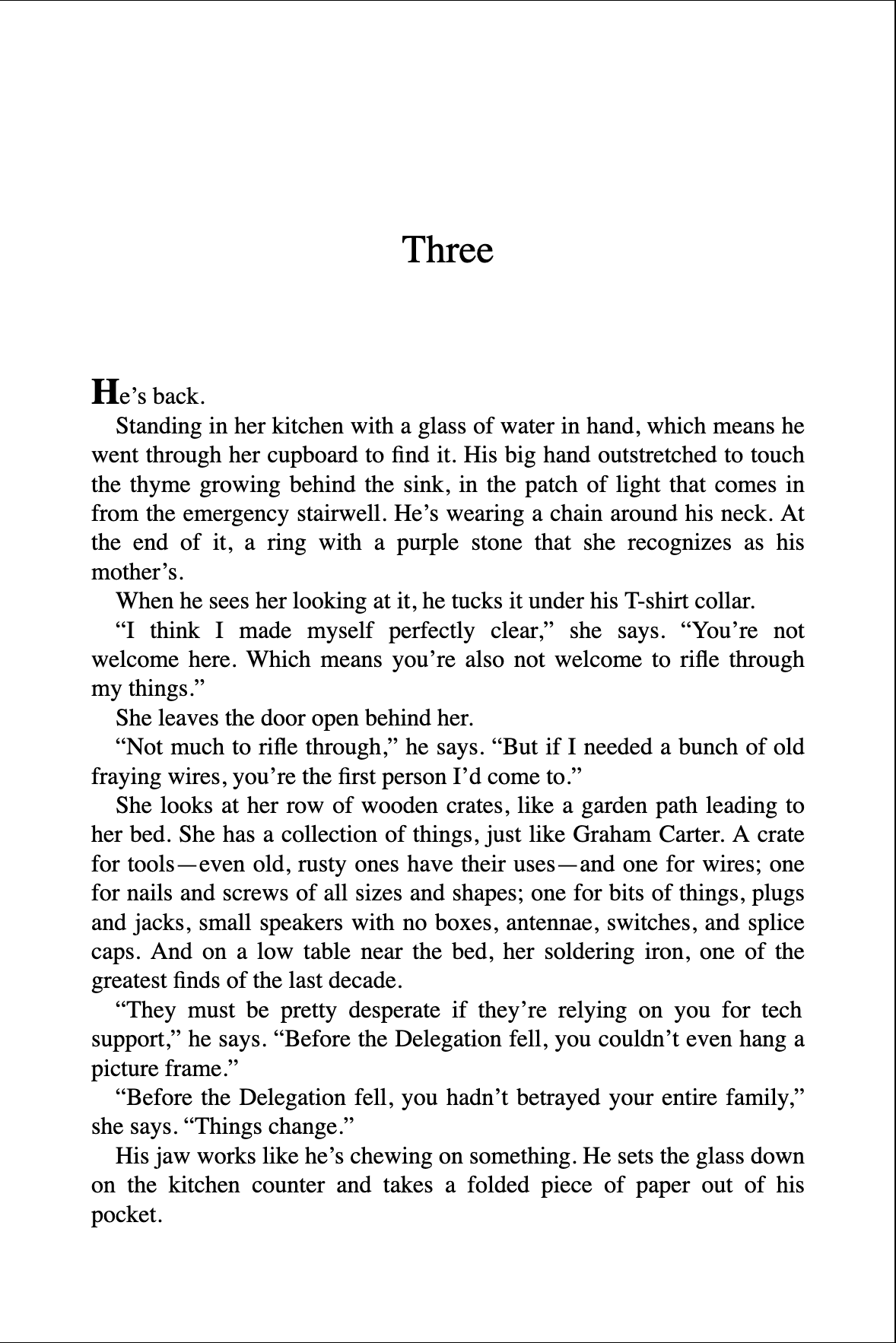
These two characters know each other from a long time ago— and they hate each other now. I like this page because I like how their history bleeds through everywhere— he may hate her, but he’s comfortable enough in her space to go through her cabinets; she may hate him, but she knows what that ring he’s wearing means.
As to other favorites, I’ve noticed in the past two Instagram Q&As I’ve done (I do them somewhat regularly, follow me here if you don’t want to miss the next one) that a lot of questions center around favorites and least favorites— favorite character in X book, least favorite part of the writing process, favorite book I’ve written, least favorite tropes, favorite book I’ve read recently, etc. So I thought I would do a little round-up for you.
The thing about an author’s favorites, though, is that they’re probably not going to align with a reader’s favorites. My relationship to my work is as the creator, so I remember what was challenging, what was rewarding, what came easily and what didn’t, what required multiple rounds of editing, etc. What I love are things that are hard-won or that appeared in the book with unexpected power or brilliance, and if I do my job correctly, you actually can’t tell what those things are by the time the book makes it to you, because I will have integrated them well into the story. Just something to keep in mind when you hear authors talk about their favorites.
Faves
Book I’ve Written: this is actually a hard question, and the more I think about it, the less sense it even makes. Favorite in what way, is my question in response. No book will ever feel quite like your first, so does that make Divergent my favorite? What about the book that I worked the hardest on (Poster Girl)? Or the one that came together the most effortlessly (The Fates Divide)? The one that gave me the biggest rush of creative joy (Carve the Mark) or the one with the main character and world-building I was most proud of (Chosen Ones)? You get the idea. So no, I can’t pick one, but hopefully that list gives you some more insights.
Favorite Character I’ve Written: Tris, Cyra, Sloane, Sonya. (Yes I do love an “s” sound.) This answer may seem sort of boring, since they’re the main characters of my novels, but it’s true: I wouldn’t write about these women if I didn’t find them to be the most interesting, the most compelling. That’s not to discount the interestingness of other central characters, like Akos and Cisi from Carve the Mark, but these are the characters that carried me through the writing of each book with their interestingness.
Okay, Fine, But Aside From Them: I really, really love a complicated mother figure. (Evelyn, Sifa.) And a friend who’s not here for your bullshit. (Teka, Esther.) And I can’t wait for you to meet Knox, from Poster Girl. I can’t wait.
Book I’ve Read: seriously, can anyone answer this question?! I’m an author; I love books. I love a lot of books.
Book I Read This Year: okay, now we’re getting somewhere.
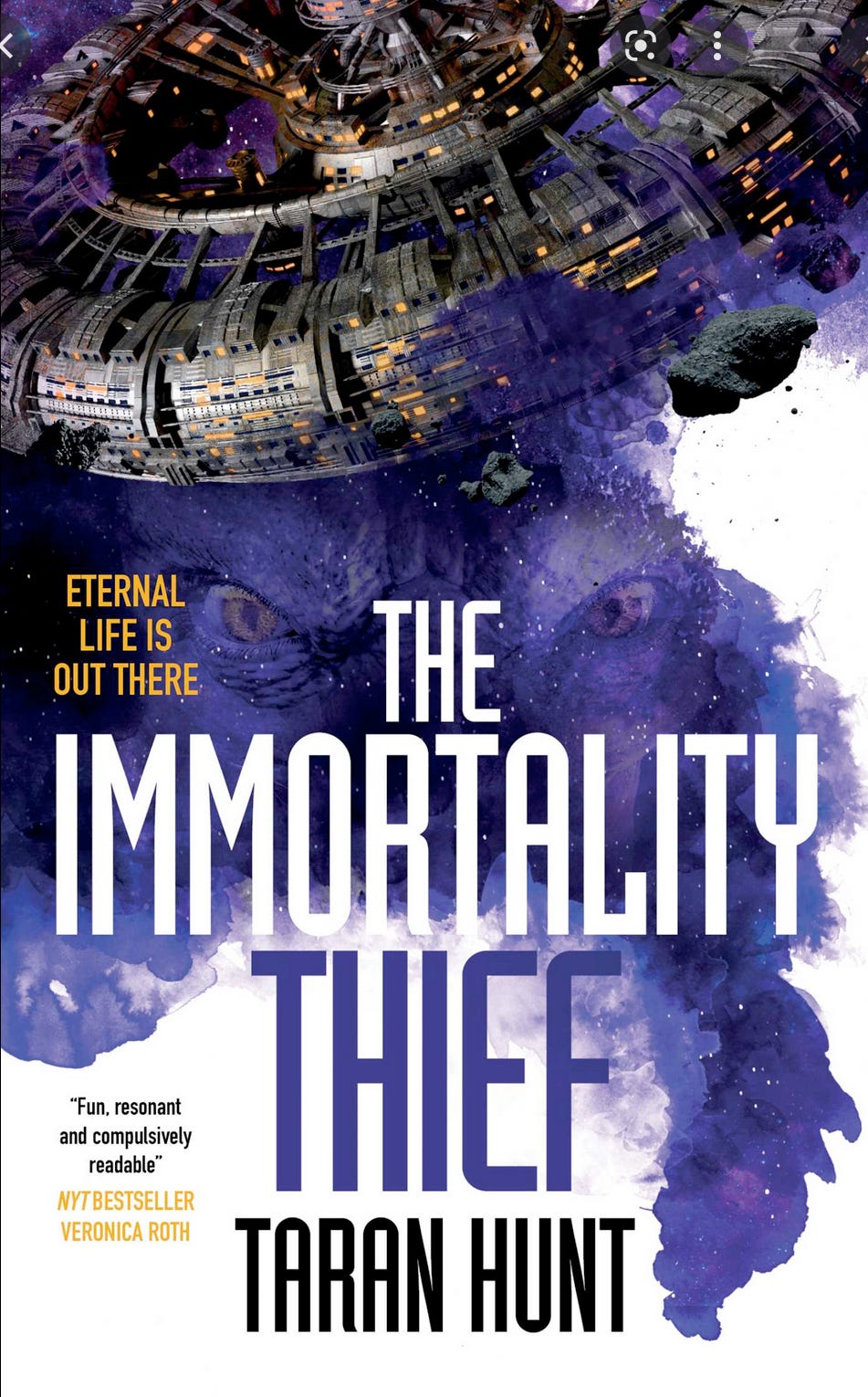 Refugee, criminal and linguist Sean Wren is made an offer he knows he can’t refuse: life in prison, “voluntary” military service – or salvaging data in a long-dead language from an abandoned ship filled with traps and monsters, just days before it’s destroyed in a supernova. Data connected to the Philosopher’s Stone experiments, into unlocking the secrets of immortality.
And he’s not the only one looking for the derelict ship. The Ministers, mysterious undying aliens that have ruled over humanity for centuries, want the data – as does The Republic, humanity’s last free government. And time is running out.
In the bowels of the derelict ship, surrounded by horrors and dead men, Sean slowly uncovers the truth of what happened on the ship, in its final days… and the terrible secret it’s hiding.
(More info here.)
As you can tell by the tiny quote on the cover there, I blurbed this book. In a nutshell, The Immortality Thief is a good time, full stop. I know I need that so much these days, and I’m sure you do, too. The voice was funny and immersive, the world was interesting, the action was nonstop, and yet somehow I still developed these really strong feelings for the characters, especially Sean, who must be protected at all costs. I really devoured this one. It’s out October 11th.
Okay, I think that’s enough favorites for now—I hope you enjoy the excerpt from Poster Girl!
-V
P.S. Also, don’t forget I’m going on tour soon! I’ll be in Winnetka, IL; New York, NY; Boston, MA; Cincinnati, OH; St. Louis, MO; San Diego, CA; Palo Alto, CA; Beaverton, OR; and Edmond, OK. More info about each stop here!


