Phil Simon's Blog, page 15
October 11, 2022
Kind of a Big Deal
“In God we trust. All others must bring data.”
—William Edwards Deming
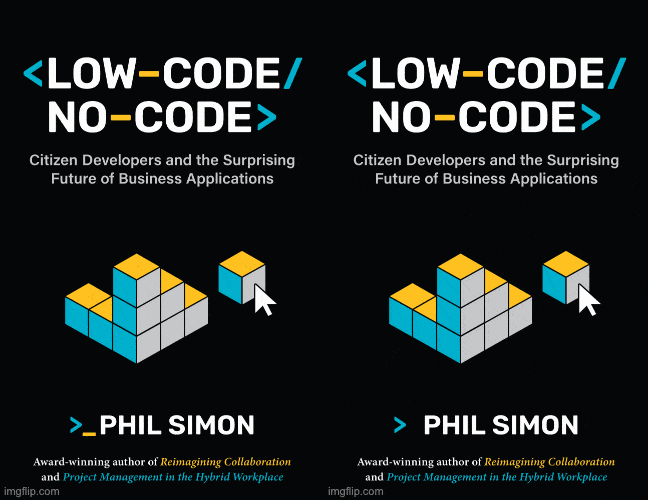 When I began researching the new book, I knew that low-code/no-code tools had started to gain acceptance. Ten-billion-dollar valuations tend to validate a market. At the same time, though, I doubted that they had gone mainstream.
Yet.
To further verify my assumption, I launched an informal poll on a LinkedIn project-management group. It received 60 responses before the moderators inexplicably removed it.
Despite its limited shelf-life, the decidedly unscientific results supported my initial hypothesis:
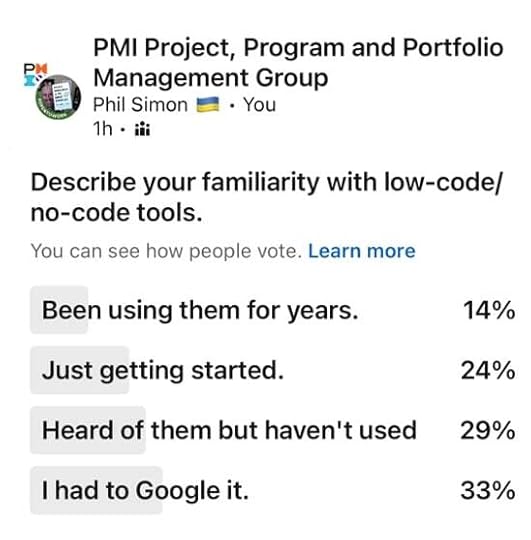
Of course, the adoption of every new tech is uneven. (Cue Gibson quote.) LC/NC has arrived in earnest, and it’s already kind of a big deal.
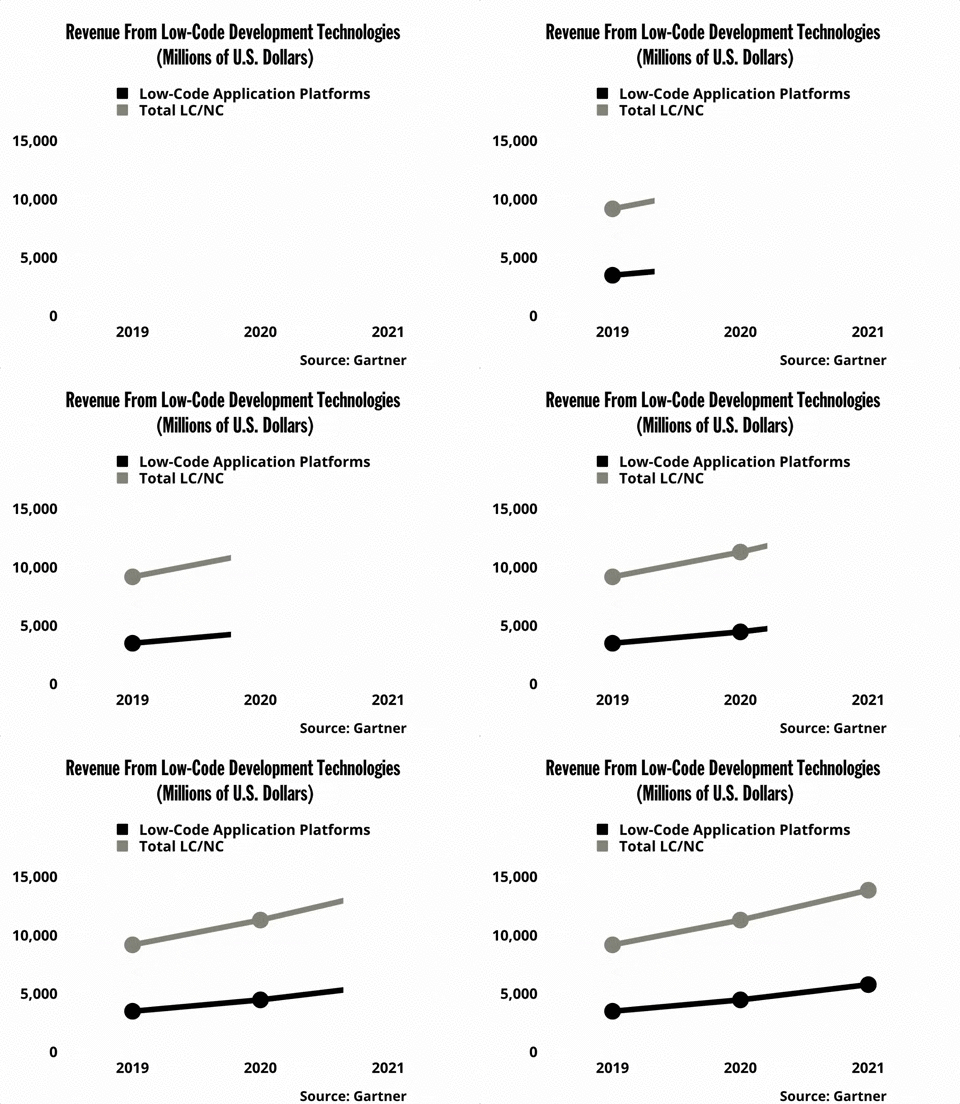
After writing the book, I know now why.
Today’s LC/NC tools are an order of magnitude more powerful, extensible, user-friendly, and affordable than their predecessors. All sorts of organizations are already putting them to good use. I think that you’ll find the case studies in Low-Code/No-Code particularly instructive.
PRE-ORDER THE KINDLE VERSIONThe post Kind of a Big Deal appeared first on Phil Simon.


October 7, 2022
Low-Code/No-Code Table of Contents
Low-Code/No-Code: Citizen Developers and the Surprising Future of Business Applications is progressing well. The design is finished and we’ll be indexing soon.
Here’s the ToC.
PRE-ORDER KINDLE VERSIONThe post Low-Code/No-Code Table of Contents appeared first on Phil Simon.
October 4, 2022
Episode 71: Intelligent Automation With Josh Snow
 Josh Snow from SupportDept joins me. We talk about automation, Airtable, teaching yourself new tools, how to improve business processes, and sleep. WANT EARLY ACCESS TO PODCAST EPISODES? ➡️
 The post Episode 71: Intelligent Automation With Josh Snow appeared first on Phil Simon.
October 3, 2022
Professional Scribes vs. Amateur Writers
Professional writers are no exceptions to this rule; they approach their craft differently than their amateur counterparts. When beginning the process of writing a book, pros focus on:\n
\nPlanning\nOutlining\nResearching\n\nIn other words, they tend to do very little actual writing\u2014at least at first. Here’s a visual:\n
[image error]\n
The professional scribe spends most of the early days setting up pins so she can systematically knock them down. Near the end of the writing process, they’re tweaking, editing, tightening up figures, reaching out to prominent folks for blurbs, and continuing their marketing efforts.\n On the other hand…\n When approaching their first book project, newbies just jump in and write, unaware of the quality and cohesion of their words. (Cue Rumsfeld quote on unknown unknowns.) Their process looks something like this:\n [image error]\n At the start, the amateur often thinks that writing is relatively easy. Hammer out 1,000 words per day and, at the end of a few months, Voil\u00e0! You’ve got yourself a completed, publication-ready manuscript. What’s so hard about writing a book? Guffaw.\n When approaching a new writing project, amateurs just jump in and write.\n\n Except that, at the end of the process, the amateur gives the manuscript to a friend, colleague, agent, or acquisitions editor. And here’s where things break bad.\n Feedback isn’t positive. Case studies are lacking or confusing. The organization and flow of the book are off. Odds are that a substantial or complete rewrite is in order. Entire parts and chapters need major surgery\u2014or to be put out to pasture. The neophyte wrote a book, just not a good one.\n Allow me to answer your question with a question.\n When undertaking a long-form writing project, how do you start?","tablet":" [image error]Certain tenets apply to all vocations. The guys who play weekend hoops might take a few jump shots before playing a game to eleven. They don\u2019t practice like Steph Curry. Whether you get paid to play golf, belt out tunes, or give speeches, pros don't just wing it.\nPros\n Professional writers are no exceptions to this rule; they approach their craft differently than their amateur counterparts. When beginning the process of writing a book, pros spend most time their time planning, outlining, and researching. In other words, they tend to do very little actual writing. Here's a visual:\n [image error]\n When approaching a new book project, amateurs just jump in and write.\n\n The professional scribe spends most of the early days setting up pins so she can systematically knock them down. By the end of the process, they're tweaking, tightening up figures, reaching out to prominent folks for blurbs, and continuing their marketing efforts.\n On the other hand...\n When approaching a new book project, amateurs just jump in and write, unaware of the quality and cohesion of their words. (Cue Rumsfeld quote on unknown unknowns.) It looks something like this:\n [image error]\n The amateur thinks that writing is relatively easy. Hammer out 1,000 words per day and, at the end of a few months, Voil\u00e0! There's a completed manuscript. What's so hard about writing a book?\n Except that, towards the end, the amateur gives his manuscript to a friend, colleague, agent, or acquisitions editor. And here's where things break bad.\n Feedback isn't positive. Case studies are lacking or confusing. The organization and flow of the book are off. Odds are that a substantial or complete rewrite is in order. Entire parts and chapters need major surgery\u2014or to be put out to pasture.\n Allow me to answer your question with a question.\n When undertaking a long-form writing project, how do you start?","phone":" Certain tenets apply to all vocations. The guys who play weekend hoops at the Y take a few jump shots before playing a game to eleven. They don\u2019t practice like Steph Curry. Whether you get paid to play golf, belt out tunes, or give speeches, pros don't just wing it.\nPros\n Professional writers are no exceptions to this rule; they approach their craft differently than their amateur counterparts. When beginning the process of writing a book, pros focus on:\n In other words, they tend to do very little actual writing\u2014at least at first. Here's a visual:\n [image error]\n When approaching a new writing project, amateurs just jump in and write.\n\n The professional scribe spends most of the early days setting up pins so she can systematically knock them down. Near the end of the writing process, they're tweaking, editing, tightening up figures, reaching out to prominent folks for blurbs, and continuing their marketing efforts.\n On the other hand...\n When approaching their first book project, newbies just jump in and write, unaware of the quality and cohesion of their words. (Cue Rumsfeld quote on unknown unknowns.) Their process looks something like this:\n [image error]\n At the start, the amateur often thinks that writing is relatively easy. Hammer out 1,000 words per day and, at the end of a few months, Voil\u00e0! You've got yourself a completed, publication-ready manuscript. What's so hard about writing a book? Guffaw.\n Except that, at the end of the process, the amateur gives the manuscript to a friend, colleague, agent, or acquisitions editor. And here's where things break bad.\n Feedback isn't positive. Case studies are lacking or confusing. The organization and flow of the book are off. Odds are that a substantial or complete rewrite is in order. Entire parts and chapters need major surgery\u2014or to be put out to pasture. The neophyte wrote a book, just not a good one.\n Allow me to answer your question with a question.\n When undertaking a long-form writing project, how do you start?"}},"slug":"et_pb_text"}" data-et-multi-view-load-tablet-hidden="true" data-et-multi-view-load-phone-hidden="true"> Professional writers are no exceptions to this rule; they approach their craft differently than their amateur counterparts. When beginning the process of writing a book, pros focus on: In other words, they tend to do very little actual writing—at least at first. Here’s a visual: The professional scribe spends most of the early days setting up pins so she can systematically knock them down. Near the end of the writing process, they’re tweaking, editing, tightening up figures, reaching out to prominent folks for blurbs, and continuing their marketing efforts. On the other hand… When approaching their first book project, newbies just jump in and write, unaware of the quality and cohesion of their words. (Cue Rumsfeld quote on unknown unknowns.) Their process looks something like this: At the start, the amateur often thinks that writing is relatively easy. Hammer out 1,000 words per day and, at the end of a few months, Voilà! You’ve got yourself a completed, publication-ready manuscript. What’s so hard about writing a book? Guffaw. When approaching a new writing project, amateurs just jump in and write. Except that, at the end of the process, the amateur gives the manuscript to a friend, colleague, agent, or acquisitions editor. And here’s where things break bad. Feedback isn’t positive. Case studies are lacking or confusing. The organization and flow of the book are off. Odds are that a substantial or complete rewrite is in order. Entire parts and chapters need major surgery—or to be put out to pasture. The neophyte wrote a book, just not a good one. Allow me to answer your question with a question. When undertaking a long-form writing project, how do you start?\n
\n
\n
 Certain tenets apply to all vocations. The guys who play weekend hoops at the Y take a few jump shots before playing a game to eleven. They don’t practice like Steph Curry. Whether you get paid to play golf, belt out tunes, or give speeches, pros don’t just wing it.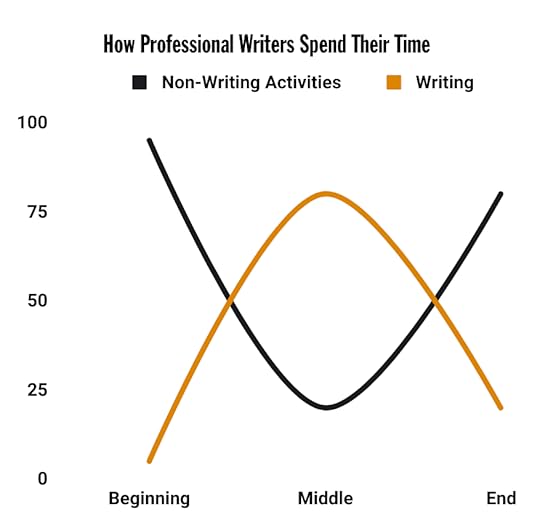
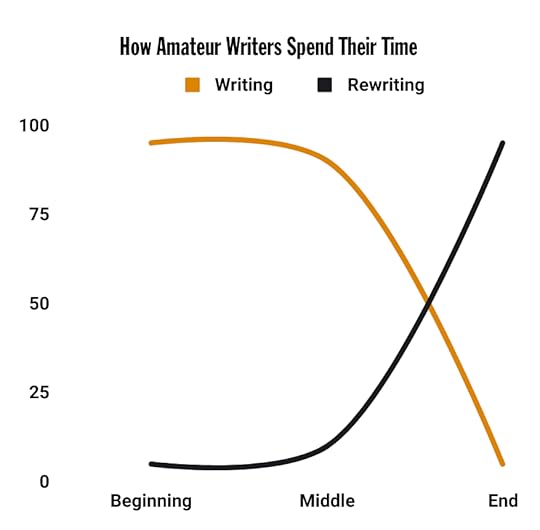
The post Professional Scribes vs. Amateur Writers appeared first on Phil Simon.
September 20, 2022
Episode 70: Geeking Out in Notion With Jenny Blake
 Jenny Blake joins me. Her new book is
Free Time: Lose The Busywork, Love Your Business
. We talk about tech tuition, Notion, the importance of documentation, automation, yachts, and other cool stuff. WANT EARLY ACCESS TO PODCAST EPISODES? ➡️
Jenny Blake joins me. Her new book is
Free Time: Lose The Busywork, Love Your Business
. We talk about tech tuition, Notion, the importance of documentation, automation, yachts, and other cool stuff. WANT EARLY ACCESS TO PODCAST EPISODES? ➡️ The post Episode 70: Geeking Out in Notion With Jenny Blake appeared first on Phil Simon.
Episode 70: Geeking Out in Notion With Jennie Blake
Jenny Blake joins me. Her new book is Free Time: Lose The Busywork, Love Your Business. We talk about tech tuition, Notion, the importance of documentation, automation, yachts, and other cool stuff.
The post Episode 70: Geeking Out in Notion With Jennie Blake appeared first on Phil Simon.
September 14, 2022
Review Copies of Low-Code/No-Code
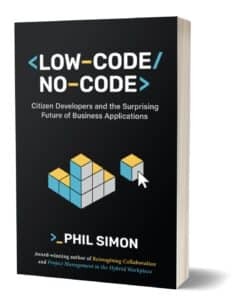 Around 1 a.m. yesterday, I completed the manuscript for Low-Code/No-Code: Citizen Developers and the Surprising Future of Business Applications. It’s now in the hands of my editor. I like to think that I’ve written a valuable, timely, and interesting book.
The new pub date is early December.
I’ll be giving away some Kindle copies for honest Amazon and GoodReads reviews. If you’re interested, please fill out the form below.
The post Review Copies of Low-Code/No-Code appeared first on Phil Simon.
August 19, 2022
Looking to Profile a Few Citizen Developers for the New Book
 Yesterday I announced my forthcoming book Low-Code/No-Code: Citizen Developers and the Surprising Future of Business Applications.
The writing is moving quickly and I’m on track to hit my pub date. Evidently, I’m on to something here.
One of the chapters involves the people who are using this increasingly powerful set of tools. To that end, I’m looking to profile a few citizen developers in one of the chapters. Connect with me if you’re open to a profile.
The post Looking to Profile a Few Citizen Developers for the New Book appeared first on Phil Simon.
August 18, 2022
Announcing My 13th Book
I’ve got news.
I’m dropping a new book early next year.
Here’s the skinny.
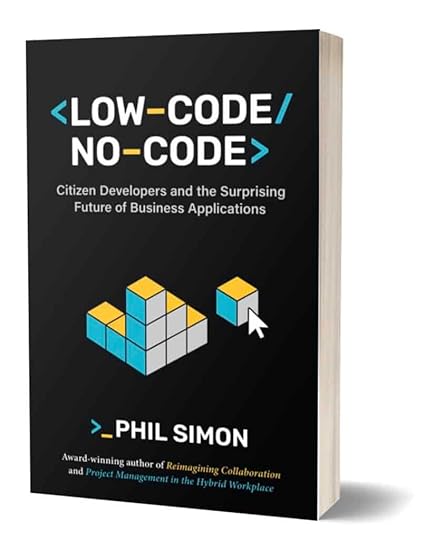 For decades, our relationship with workplace technology has been, in a word, complicated. The pandemic only made it more so.
The stats are astonishing. Two in three employers cannot find qualified candidates to fill their open IT positions. By 2024, the deficit of software developers in the US alone will hit 500,000. Supply and demand for techies are out of whack and, most alarmingly, there’s no end in sight.
The effects of this labor-market imbalance are profound and difficult to overstate. Nearly three in four technology leaders cannot focus on their strategic priorities. Countless other firms, departments, teams, and leaders have struggled because IT can’t deliver the tools they so desperately need. Adding salt to the wound, business units now need new applications to address the logistical challenges posed by pervasive remote and hybrid work.
Brass tacks: Organizations are at a crossroads. They need to solve these thorny tech problems. Now. But how?
Supply and demand for techies are out of whack and, most alarmingly, there’s no end in sight.
In Low-Code/No-Code: Citizen Developers and the Surprising Future of Business Applications, I square this circle. My thirteenth book deftly illustrates how, thanks to powerful new tools and a new breed of employees, organizations are finally fulfilling critical business needs and reducing their reliance on pricey software developers.
Low-Code/No-Code is an invaluable treasure trove of insightful analysis, synthesis, examples, and advice. At the risk of being immodest, it will be arriving at the perfect time, but you can pre-order the Kindle version now. The physical book will be available for pre-order in December.
Massive props as usual to my friend and über-talented cover designer Luke Fletcher.
PRE-ORDER THE KINDLE VERSION OF LC/NCThe post Announcing My 13th Book appeared first on Phil Simon.
August 16, 2022
Episode 69: Next-Level Slack With Christine McHone
 Christine McHone joins me today. She’s a Slack Capability Leader at Slalom, a management consulting firm. We geek out on Slack, organizational change, and flexible work.
The post Episode 69: Next-Level Slack With Christine McHone appeared first on Phil Simon.