
Maggi Andersen's Blog, page 65
November 15, 2012
Here's a taste of THE FOLLY AT FALCONBRIDGE HALL, a romantic mystery released December 6th!
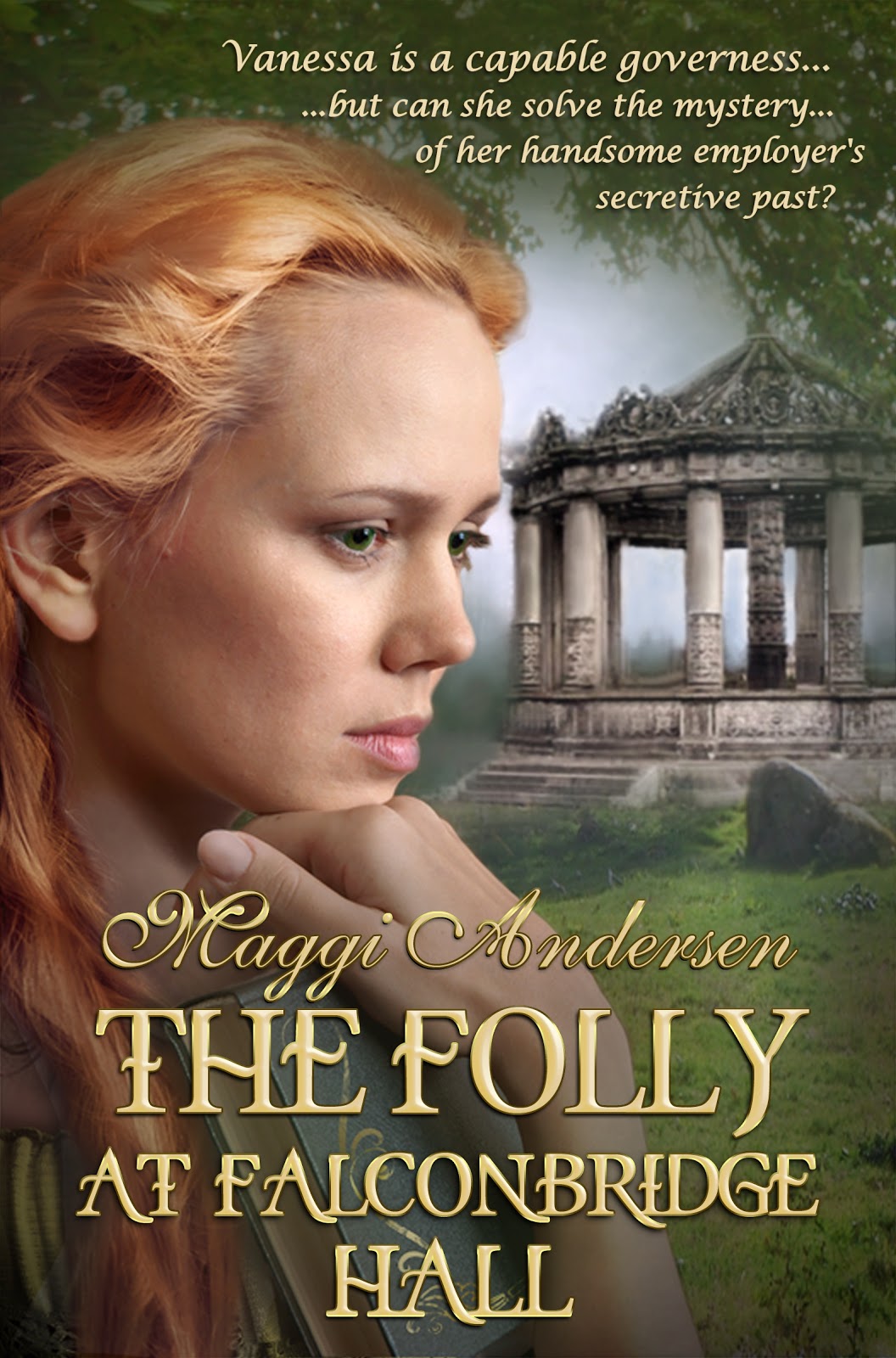
BUY LINK:
1894 Clapham, England
Chapter One Vanessa Ashley planned to arrive at her destination cool and composed, but she felt like a wilting lily. She dabbed her handkerchief at the sweat trickling into her collar as heat gathered beneath her chip-straw bonnet. Clapham High Street Railway Station was a noisy and smelly hub of activity, luckily the residence that was to be her new home lay in the countryside. A short, bearded man approached her and politely touched his hat. “For Falconbridge Hall, miss?”“Yes, I’m Miss Ashley. Thank you . . . Mr.?”“They just call me Capstick, Miss Ashley. This way.” He led her to a trap. After he’d loaded her trunk and her bicycle on board, they seated themselves. He slapped the reins and told the horse to walk on. “You’re the new governess?” She smiled. “Yes.”“Another one,” he muttered and shook his head.Startled, Vanessa stared at him. “How many have there been?” “A few. They don’t stay long.”“But why?”Capstick declined to comment. He just grunted and shook his head.“Well, I intend to.” Vanessa straightened her shoulders. It was true she had never wished to be a governess. Even though she was still quite young, her wish for children of her own now seemed unlikely, and if this was to be her fate, she intended to make the best of it. A person without funds, indifferent looks, and a lack of grace had no other course open to them. “Good luck to yer, then.” Capstick grinned at her, revealing a large gap in his front teeth. With reassuring skill, he negotiated around a horse-drawn tram as they passed the bandstand on the common and then drove down tree-lined avenues. Villas were soon replaced by streets of gracious homes set amid beautiful gardens. A sign, reading Clapham Park Estate, appeared, followed by larger country houses on acreages. They passed the last of the houses and were out in the countryside now. Green fields crisscrossed by hedgerows stretched away to a line of forest in the distance. The trap followed the road beside a high brick wall for about a mile until they came to a pair of impressive wrought iron gates with Falconbridge Hall emblazoned on them in gold lettering. Capstick drove through, and a house appeared above the trees. Many chimneys rose from the massive slate roof. Ahead of them, a stocky dark-haired man rode a magnificent bay horse across the lawn and vaulted a hedge. Vanessa had a glimpse of dark, gypsy eyes and a white smile beneath a black mustache. Before they drew level, he turned the animal and rode towards the woods.“Who was that?” she couldn’t help asking, watching him disappear into the trees.“That’s the groom, Lovel, exercising the master’s horse.” Capstick shook his head. “The gardeners will not be pleased.”The gravel drive bordered by lime trees curved around through formal gardens to the front of the house where he left her, disappearing with her trunk and bicycle toward the rear entrance and, she presumed, the coach house and stables. The sprawling red brick house had sandstone trim around the windows and a tower at one end, ivy covered its walls. It was older and far bigger than those they’d passed on their way from the station. The house had settled into its surroundings, and she had the feeling it had been here for a very long time while the urban sprawl of Clapham edged ever closer. Conscious that she looked rumpled and untidy, Vanessa smoothed the skirt of her olive green linen dress and straightened the limp white collar with travel-stained cotton gloves. She picked up her bag and stepped up to the paneled door flanked by stout white columns. Before she could knock, a maid wearing a mobcap and a white apron over her grey floral dress opened the door. “Miss Ashley? Please come in.”Surprised not to be met by a butler in such an establishment, Vanessa stepped into the wide entrance hall. One of those new inventions, the telephone sat on a table. A fine Persian carpet ran the length of the parquet floor, pale green satin papered the walls, and fringed and tasseled emerald velvet drapes hung from the windows. Potted ferns clustered in corners, and a gracious staircase led upward. Despite fractured light filtering down from a stained-glass window above the stair, the house was so gloomy inside dusk might have fallen. “The master’s in his study, miss. Please wait here while I announce you."Vanessa sank gratefully onto the edge of a straight-backed chair. It had been hours since she’d had a drink, and her mouth was horribly parched. Now her knees had developed a worrying tendency to tremble. To distract herself, she studied the remarkable flesh tones on the naked woman’s torso of the oil painting hanging on the opposite wall. A François Boucher if she was not mistaken. More flesh than was decent, surely. Her father had preferred the sea and boats as his subjects. He considered the naked body to be soft pornography and not fine art but altered his opinion after nudes became an important asset to any wealthy man’s collection and began to fetch high prices. More than once, Vanessa had come across nude models posing in his studio, barely covered by drapery and, sometimes, wearing nothing at all.At the thought of her father and their home in Cornwall, a wave of homesickness passed over her; she had never envisaged such a drastic change in fortune. She swallowed and focused her mind on the letter and the offer that had brought her here. In his fine script, the viscount had been brief and to the point. He was a widower with a young daughter in need of tutoring. An associate of her uncle’s had approached him on her behalf. She’d read his words with disquiet. He sounded so business-like and … unsympathetic. He had been informed that her mother and father died from the influenza, but his few words of condolence failed to make her more confident of what lay ahead. The maid’s head appeared over the banister rail. “The master will see you now.”Vanessa walked up the wide oak stair to where the maid awaited outside a door. A deep voice answered her knock. Vanessa turned the knob thinking how she would have liked to wash before meeting her new employer; it was difficult to appear cool and in control when so hot. The room she entered was also gloomy. A gas lamp glowed where a man sat in shirtsleeves and braces, his dark head bent over a desk. She took two uncertain steps and paused in the middle of a crimson Persian rug. Vanessa clasped her hands together and inspected the room. Shelves of leather-bound books lined one wall. Heavy bronze velvet drapes, pulled halfway across the small-paned windows, framed a narrow but magnificent view of parkland where broad graveled walks trailed away through well-grown trees. She suffered a sudden urge to walk across, pull the curtains back and throw open a window.Lord Falconbridge put down the butterfly under-glass he had been examining and pushed back his leather chair, rising to his feet.


November 5, 2012
GUNTER'S TEA SHOP
Gunter’s Ices
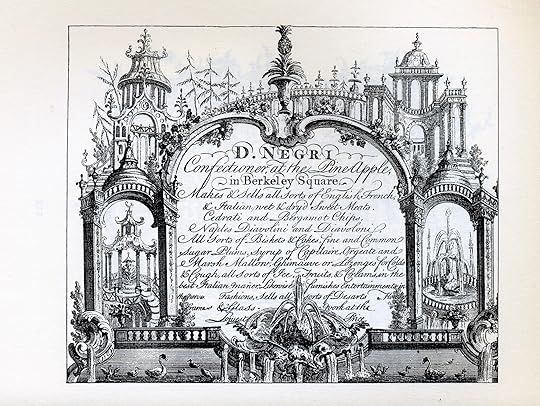
 Where did one go for confectionery in the Georgian era? Why Gunter’s of course. Originally known as The Pot and Pineapple, it was founded in 1757 by an Italian pastry-cook, Domenico Negri at number 7 Berkeley Square in the center of the upper-class, West End of London. Negri served a wide range of sweet and savory foods and was one of the first confections in England to establish ice cream and water ices as a sought-after delicacy. His elegant trade card listed such delicious confections as Cedrati and Bergamet Chips, sugar plums, biskits, marshmallow, wet and dry sweetmeats and ices, fruits and creams made in the traditional Italian style.

In the late eighteenth century, James Gunter took over ownership of the Berkeley Square premises and renamed the business Gunter’s. The name quickly became synonymous with the finest pastries, sweets and ice creams. Every society host or hostess went first to Gunter’s when catering for a large dinner, important ball, or party.
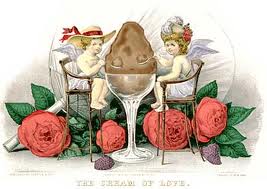 They offered an extraordinary range of ice and ice cream flavors: Jasmine, elderflower, orange and lemon, pistachio, burnt filbert and Parmesan.George III bought his buns there and the aristocracy of Mayfair lounged outside on hot days cooling themselves with his ices.In the nineteenth and twentieth centuries, Gunter's became a fashionable light eatery in Mayfair, notable for its ices and sorbets. In 1815, James sent his son Robert (1783–1852) to study the confectionary trade in Paris. Robert assumed sole control of the business following his father's death in 1819, and took on his cousin John as a partner in 1837.
 Gunter’s had a vast icehouse in the cellars under the shop. In 1827, they offered famous fruit ice cream thanks to the arrival of the ship Platoff with a cargo of ice brought from the sea off Greenland. Gunter’s enjoyed royal patronage throughout the nineteenth century.
Several confectioners employed by Negri and Gunter's employees wrote cookbooks with significant chapters on icecreams. William Gunter himself wrote an entertaining and humorous book about ices, filled with asides on gossip and name-dropping and helpful tips about exercise, digestion and the stomach.
When the east side of the square was demolished in 1936–7, it moved to Curzon Street. The tea shop closed in 1956, although the catering business continued for another twenty years.
Sources: Georgette Heyer's Regency World Jennifer KloesterWikipedia Secret London by Andrew DuncanOf Sugar and Snow: A History of Ice Cream Making by Jeri Quinzio
Further Reading:
Gunter's Modern Confectioner: A Practical Guide to the Latest and Most Improved Methods for Making the Various Kinds of Confectionery, Including Ices; Adapted for Private Families, Or Large Establishments. William Gunter, William Jeanes. Published 1875.

November 1, 2012
Taming a Gentleman Spy
Summer, London 1819
Chapter One A gunshot exploded into the quiet night. Strathairn dropped into a crouch as another ball whistled overhead, followed by a thud as lead bit into the wall above him, showering him with fragments. A bead of sweat trickled into his brow. Hell’s teeth – not the first time he had been shot at, but he’d expected this to be a fool’s errand. The moon sailed free of the clouds. It cast the new dock in silver light, revealing it empty. Where was Nesbet? Breath held against the stench of low tide, he listened. Nothing but the surge of waves and the creak of ships moored out in the middle of London Pool waiting to unload their wares. The faint voices of the sailors aboard carried over the water.At the slap of running feet echoing into the distance, Strathairn gripped his pistol. Keeping low, he rushed forward and leapt a pile of crates to flatten himself against a wall. He edged around the corner, his pulse a drumbeat in his ears. Nesbit lay spread-eagled on his back. Strathairn fell to his knees and groaned. A pool of blood seeped from his partner’s head gleaming black in the dim light. Nesbet’s eyes, a lively brown only moments before, looked blank and wide open in surprise. A prickle of foreboding climbed his spine. Had Nesbet been as surprised as he by this attack, or had he recognized his killer?Knowing it to be futile, he felt Nesbit’s throat for a pulse cursing effusively under his breath when he found none. He had witnessed the death of too many good men. Determined not to let emotions weaken him now, he focused his mind on the business at hand, and moved stealthily through the shadows.Apart from the scamper of rats, the rest to the dock stood empty. Whoever had shot at them had gone. The moonlight picked out something shiny on the ground. Strathairn stooped to pick it up; a finely wrought gold cravat-pin in the shape of an eagle. A familiar restless energy and heightened alertness caused blood to pump through his veins. Just like the one Count Forney favored. He was believed to be dead. But was he? A calling card? A flowery scent lingered in the air. Strathairn held the pin to his nose. Parisian, and a lady’s, if he was any judge.

October 31, 2012
Great review of The Reluctant Marquess!
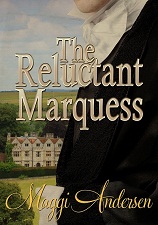 Book Review: The Reluctant Marquess - Maggi AndersenAMAZON BUY LINK: Romance Fiction Reviews on September 22, 2012 at 17:23The Reluctant Marquess by Maggi AndersenKnox Robinson PublishingMarch 2012Good Read250 PagesA delightful and enjoyable historical romance that will keep readers eagerly turning the pages, The Reluctant Marquess is a terrific tale from a writer to watch out for: Maggi Andersen!Charity Barlow is an impoverished young orphan who has only ever had one dream: to marry a man she loves who would love her back. When her parents had died, she had been left in the care of her godfather, the Marquess of St.Malin. However, Charity is shocked when, on arriving at her guardian's house, she discovers the Marquess had died and she has been left in the care of his heir, his nephew Lord Robert. As if that wasn't bad enough, Robert and Charity soon discover that the only way they can inherit the estate is if they marry!Robert makes it perfect clear that theirs can only ever be a marriage of convenience. But will Charity be able to show her reluctant husband that happiness can be within his grasp if only he would let her breach the defenses which he has built around his heart?An engaging and engrossing Georgian tale with a fantastic heroine, a swoon-worthy hero, emotional angst, steamy passion and poignant romance, The Reluctant Marquess is a page-turning tale readers are sure to love!Reviewer - JuliePage Turner
October 26, 2012
Forgotten English: Bridelope.
Because I have a great book on words no longer used in the English Language, I thought I'd blog about some of them.
LOVE IS BLIND ~ BRIDELOPE ~ The earliest word for a marriage custom by Maggi Andersen
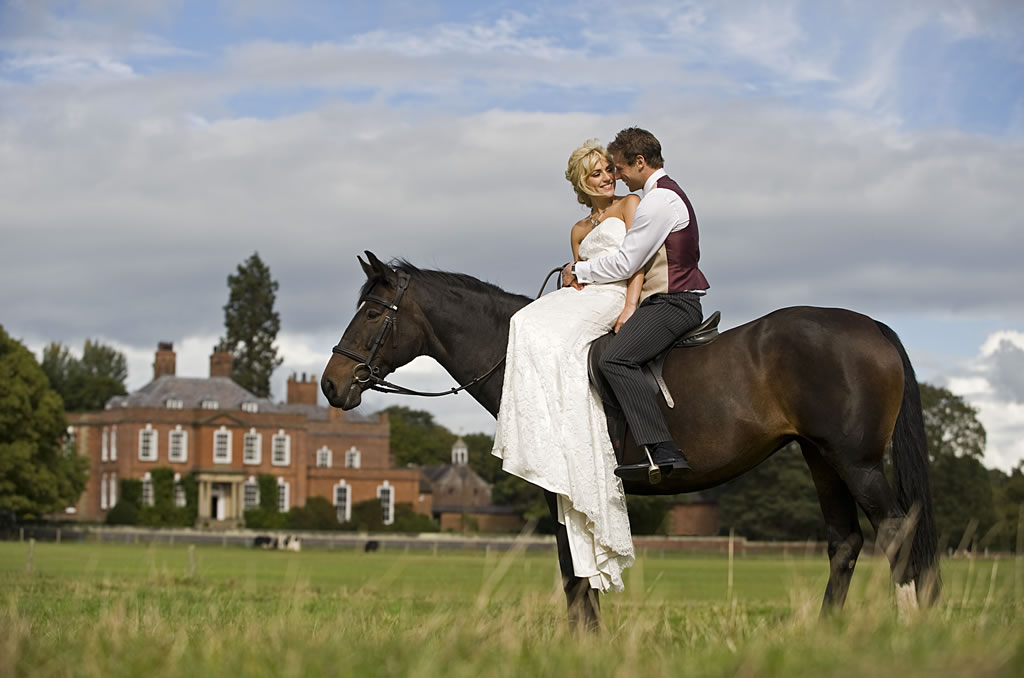
BRIDELOPE dates back to A.D. 950 when it was called brydlopa. Part of this custom, called the ‘run for the bride-door,’ was an ancient tradition in which the bride was both symbolically and physically swept off on horseback to her husband’s home by him and sometimes a helper who was later known as the ‘best man’. The Anglo-Saxon root word wedd (‘to gamble, wager’) first referred to livestock or other payment by the groom to the bride’s father, as a more civilized alternative to abduction.
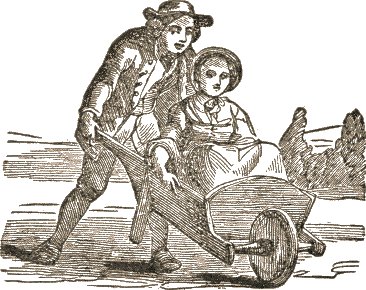
In the 17th Century, before it became associated with romantic images, elopement was a legal term for the act of a woman who leaves her husband and ‘dwells with the adulterer, by which she shall lose her dower’. (Thomas Blount Glossographia 1656.)
As a symbol of resistance, the well-prepared Saxon bride’s wedding attire often included knives, which she ‘gracefully hung from her girdle’. John Heywood listed other bridal equipment in his 1545 work The Four Ps: Silke swathbonds, ribbands, and sleeve-laces,Girdles, knives, purses and pin-cases,Fortune dothe give these knives to you,To cut the thred of love if’t be not true.
Bridesmaids were originally a maid’s closest friends who might attempt to defend her from an unwanted groom and make sure she didn’t panic and run off, especially in arranged marriages. In a custom known as ‘charming the path,’ the bride was hidden or disguised when the groom’s party came for her. ‘This was a common practice at old-fashioned weddings in Wales, among other places. The bride is generally expected to make a great show of resistance to her departure, and to lament loudly.’ (Burne, Charlotte S. The Handbook of Folklore. London 1883)
As late as the 18th Century, a custom that often accompanied weddings in Wales was a race by the male members of the wedding party to the couple’s future residence, with food or a silk scarf (originally the bride’s garter, a potent love charm) typically awarded to the winner.
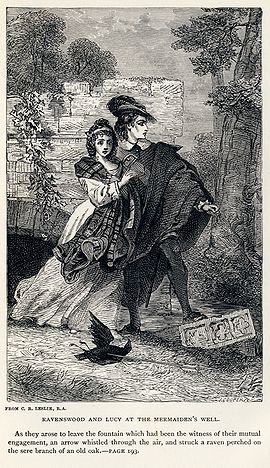
At Scottish country weddings, a related custom, to ‘ride the brose,’ with the first to arrive receiving a ‘cog of brose,’ or ‘good fat broth made for the occasion.’ (John Jamieson. An Etymological Dictionary of the Scottish Language 1808) ‘The boast of the winner was how far on with the brose he was before the rest of the company arrived.’
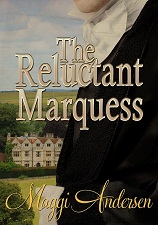 My Georgian romance The reluctant Marquess is a marriage of convenience story, set during the Georgian era. Free to Amazon Prime readers. BUY LINK:
Source: Forgotten English Jeffrey Kacirk, Quill William Morrow NY.S Further reading:Thomas Blount recognized that many of the new words entering the English language were those spoken in the street. He saw that tradesmen and merchants were collecting words as well as wares on their journeys overseas. And therefore many of these new words, such as coffee, chocolate, drapery, boot, omeletteor balcony, were those used in shops or other public places - drinking houses, tailors, shoemakers or barbers.Charlotte Burne (1850–1923) served the Folklore Society (FLS) for forty years. She was editor of the massive Shropshire Folklore (1883–6), and the second revised edition of the FLS's only official guide, The Handbook of Folklore (1914). She authored over seventy folklore papers, notes and reviews in Folklore and its predecessors, as well as several articles in newspapers and magazines; she was the first woman editor of this journal (1900–08) and the first woman President of the FLS (1909–10). This appreciation is the first part of a two-part study of her life and works. The second part will be a provisional bibliography of her published works. John Jamieson FRSE(3 May 1759 – 12 July 1838) was a Scottish minister of religion, lexicographer, philologistand antiquary.

October 22, 2012
MEN’S CLOTHES ~ THE ORIGINS OF THE MODERN LOOK18th Centu...
MEN’S CLOTHES ~ THE ORIGINS OF THE MODERN LOOK18th Century England ~ 21stCentury
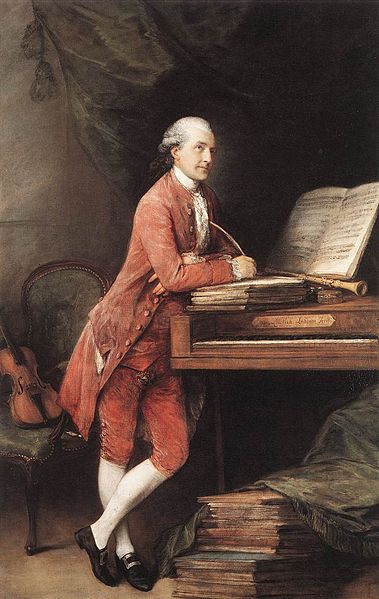
An English three piece suit. Matching coat, waistcoat and Pantaloons. Thomas Gainsborough, 1780.It was not in France, but Britain that the classic style of clothes worn by men today began to evolve.
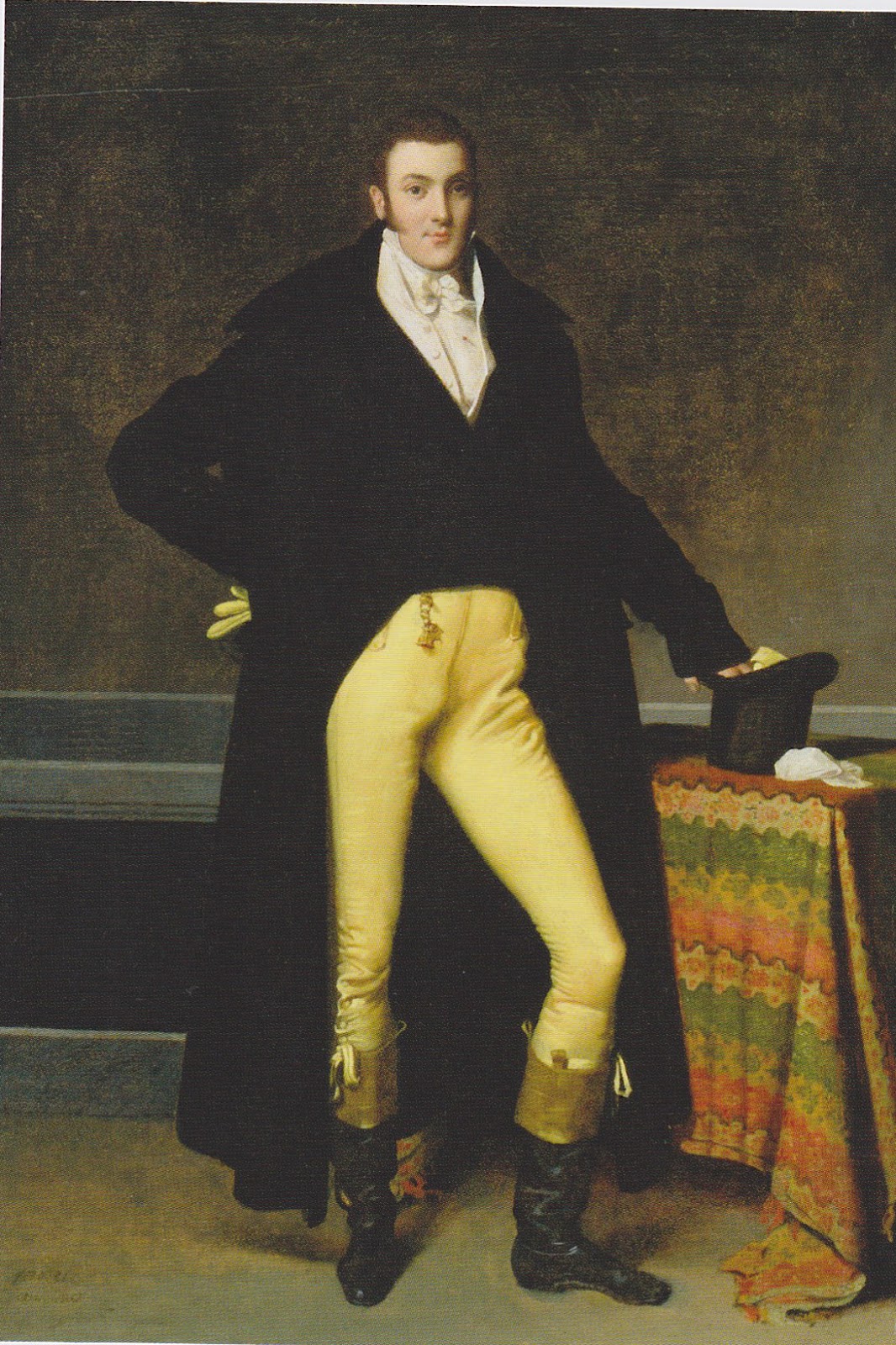 During the Georgian period, upper-class Englishmen were busy running their country estates. They needed fabrics which supported their sports, travel and life in the countryside.
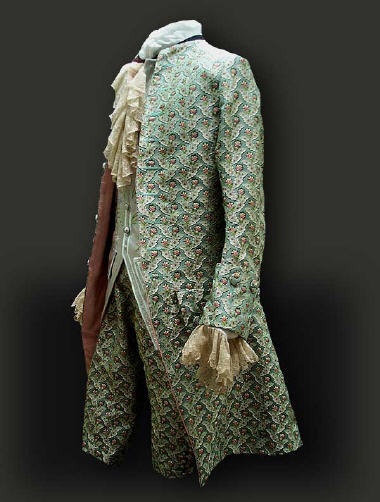 Surprisingly, the French, who remained in court and dressed accordingly, came to admire the sensible dress of the English. And in the 1780s, France became obsessed with all things English. This frenzy was known as Anglomania.
 Sir Walter Scott describes it well: “France, who had so long dictated to all Europe in matters of fashion, seemed now herself disposed to borrow the more simple forms and fashions of her ancient rival.”Aside from the adoption of English butlers, carriages, dogs and horses, the French began to use wool for jackets instead of the traditional silks and satins. The French Revolution influenced this, with the turning away from aristocratic forms of dress for both men and women. This resulted also in a turning away from bright colors for men. The colors of jackets were limited to brown, grey, dark green, blue and black. Blue was acceptable for any occasion, and black reserved for morning (informal) or for evening wear.
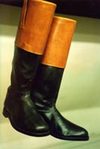 Boots became de rigueur. There is a wide range of acceptable boots for daywear and riding with a low heel. Regency men did not wear heels like their fathers and grandfathers did. Pantaloons were skin tight and worn with gleaming Hessians. The colors were predominantly light-colored: yellow, biscuit, buff and fawn. Normally they were one plain color, but sometimes pin-striped. Materials were wool, cashmere, corduroy, cotton, linen, leather and silk with satin and velvet for formal occasions. Breeches were worn with Hessians or half boots, but never with top boots. By the 1820s trousers of a knitted material, (inexpressibles) became the dominant item of clothing for men instead of breeches and pantaloons. Light colored, they were made of nankeen or jean fitting closely to the leg, but cut wide at the ankle. They could be worn with half-boots, boots or shoes.
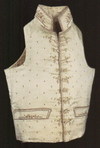 Waistcoats were the main item used for color and variety. Sometimes two waistcoats were worn simultaneously to show contrasting colors. They were made in a variety of fabrics and often exhibited expensive embroidery. Many wore white or flesh colored waistcoats to give the impression, should the man remove his coat, that he was naked. Influenced by the Grecian Ideal, men were proud of their bodies and sought by fair means or foul (a little padding or corsetry) to display them at their best.
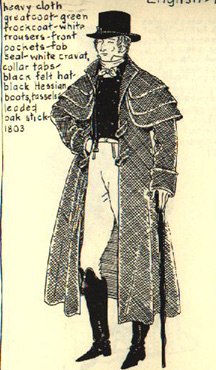 Gentleman’s Garrick greatcoat and hessian boots. Lady Lyttelton writes of the Barouche Club gentry in a letter in 1810: ‘a set of hopeless young men who think of no earthly thing but how to make themselves like coachmen … have formed themselves into a club, inventing new slang words, adding new capes to their great-coats and learning to suck a quid of tobacco and chew a wisp of straw
  Sense and Sensibility. The Three-Piece suit wasn't favored in the Regency Era.
.jpg)
Under the influence of Beau Brummel, shirts were white linen and clothing for day wear was a tightly fitting, dark-coloured tailcoat with non-matching (usually pale) trousers, pale waistcoat, white shirt and cravat and tall boots. The cravat which required several meters of expensive cotton was a great symbol of flair and individuality. Tying it took a considerable amount of time and assistance. These were predominantly white, although some striped fabrics were used, similar to ties worn today.
.jpg) The Beau.
The Beau.
.jpg) By the Regency era, cleanliness became an important factor - again the Beau's influence - and white fabrics demonstrated that the wearer’s clothing was clean. Regular bathing and the use of soap replaced the heavy use of perfume to disguise body odor.The movement away from powder, perfume wigs, silks, lace, embroidery and stockings segregated the fashions of men and women to become more like our modern day understanding of menswear and masculinity, through the many changes during the Victorian and Edwardian periods.
By the Regency era, cleanliness became an important factor - again the Beau's influence - and white fabrics demonstrated that the wearer’s clothing was clean. Regular bathing and the use of soap replaced the heavy use of perfume to disguise body odor.The movement away from powder, perfume wigs, silks, lace, embroidery and stockings segregated the fashions of men and women to become more like our modern day understanding of menswear and masculinity, through the many changes during the Victorian and Edwardian periods. This tall, stiff-crowned Victorian hat has a rolled-edge brim; worn in black silk with white tie, also worn in gray felt with black band with morning dress.
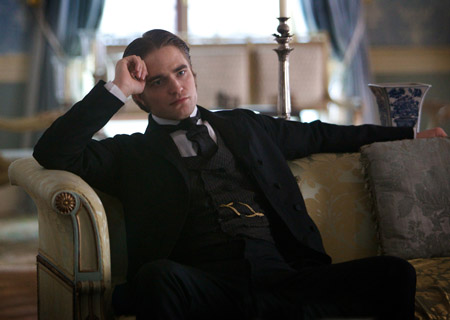 Robert Pattinson wears the Victorian version of the three-piece-suit
 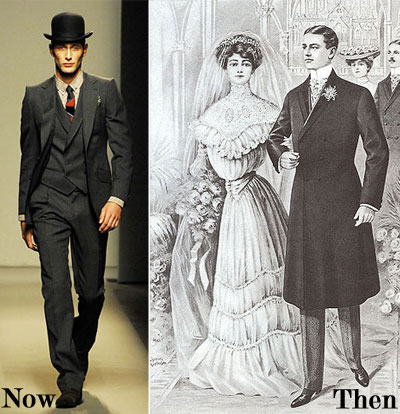 A contemporary three-piece suit. A Victorian groom wears the frock coat.
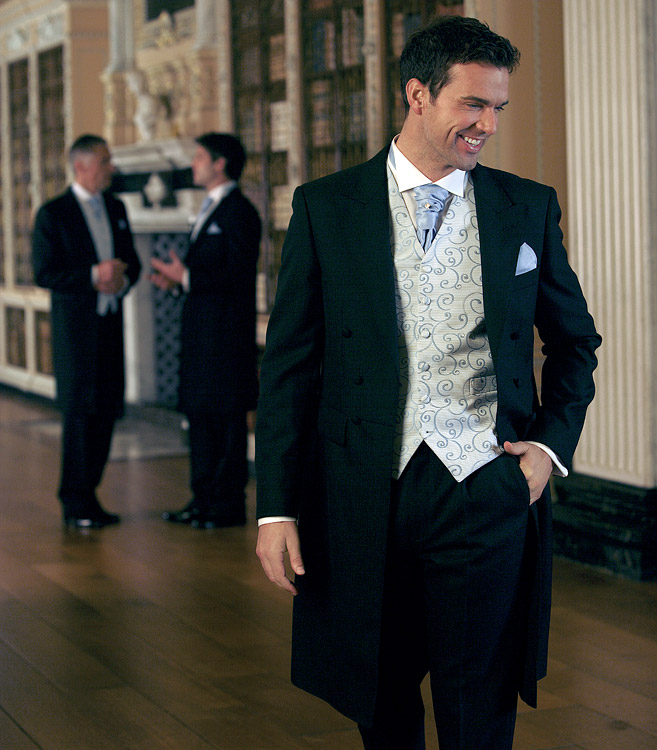 A groom’s attire today - a version of the frock coat.
Website: http://www.maggiandersenauthor.comTwitter: @maggiandersenFacebook: Maggi Andersen AuthorSources: Georgette Heyer’s Regency World, Jennifer Kloester.Napoleon and the Empire of Fashion, Skira.Fashion in the time of Jane Austen, Sarah Jane Downing, Shire Library.

October 21, 2012
Monday Image - Wentworth Castle
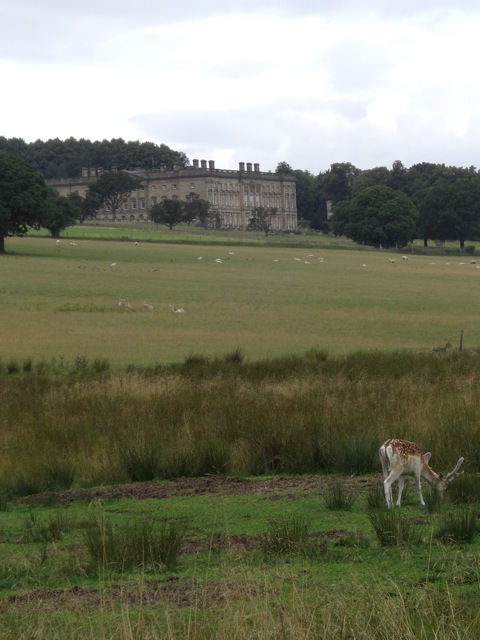 Wentworth Castle, Yorkshire.
This lovely image inspired Strathairn Hall, the home of my hero, John Haldane, Earl of Strathairn in Taming a Gentleman Spy - The Spies of Mayfair, Book Two. Coming September, 2013 to Knox Robinson Publishing.
Blurb: 1819 LONDON
John Haldane, Earl of Strathairn, has a pressing mission. Someone is killing his fellow spies. Might the treasonous Frenchman, Count Forney have returned to England to wreak havoc? After visiting the young widow of one of his agents, Strathairn strengthens his resolve never to marry. And most certainly not to Lady Sibella Winborne, with her romantic ideas of love and marriage. Unable to give Sibella up entirely, he keeps her close as a friend. Then, weak fool that he is, he kisses her…
Lady Sibella Winborne has refused several offers of marriage since her come-out several years ago – when she first set eyes on the handsome Earl of Strathairn. Sibella’s sisters always rush to her aid to discourage an ardent suitor, but not this time. Her elder brother, Sebastian, Marquess of Brandreth, has approved the enigmatic Lord Coombe’s suit. At three and twenty, Sibella yearns to set up her own household. She is known to be the sensible member of the family, but she doesn’t feel at all sensible about Lord Strathairn. If only she could forget that kiss…

October 16, 2012
Released December 2012! THE FOLLY AT FALCONBRIDGE HALL
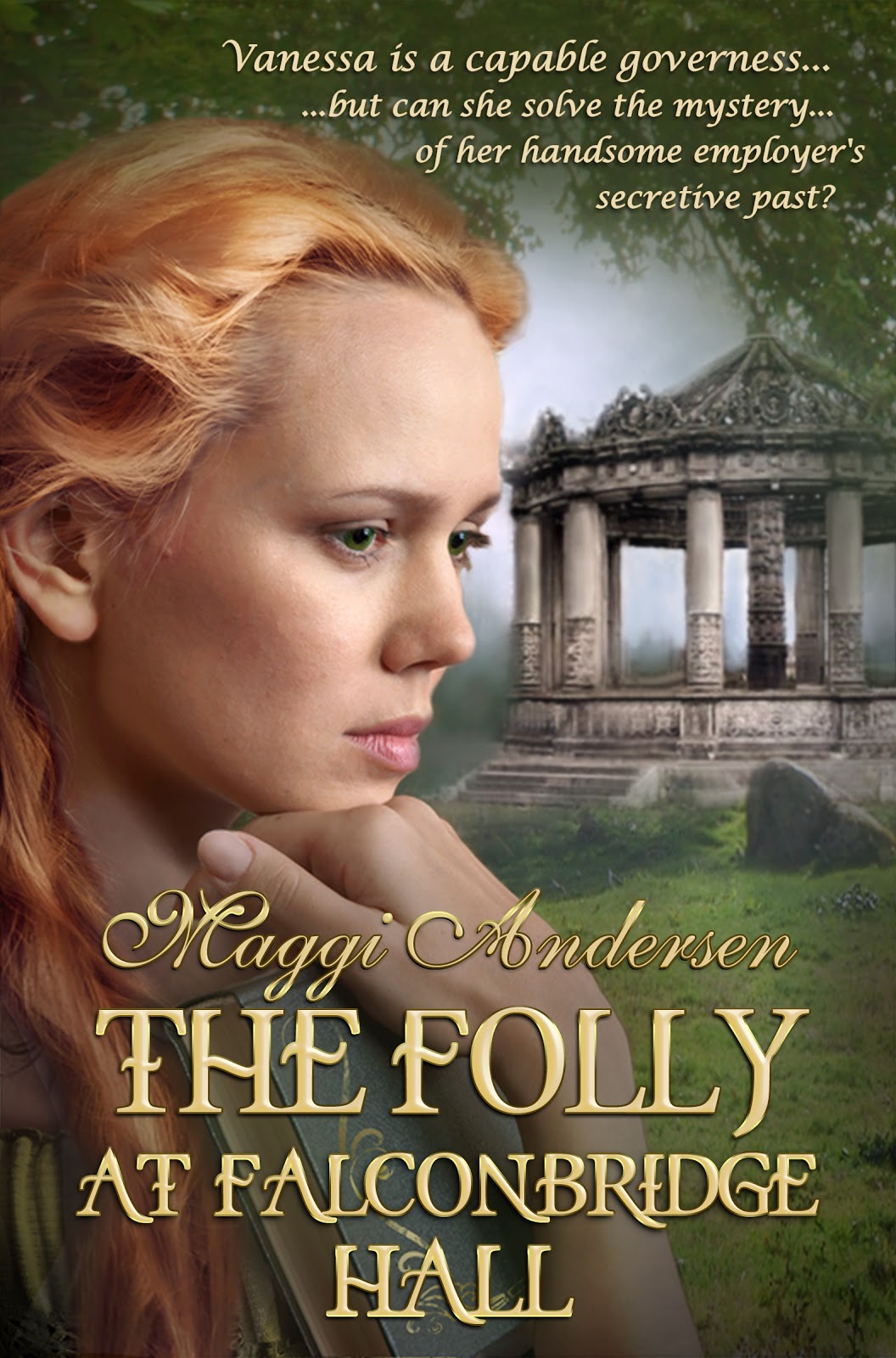
BUY LINK: AMAZON UK
Vanessa Ashley felt herself qualified for a position as governess, until offered the position at Falconbridge Hall. Left penniless after the deaths of her artist father and suffragette mother, Vanessa Ashley draws on her knowledge of art, politics and history to gain employment as a governess. She discovers that Julian, Lord Falconbridge, requires a governess for his ten-year-old daughter Blyth at Falconbridge Hall, a huge rambling mansion in the countryside outside London. Lord Falconbridge is a scientist and dedicated lepidopterist who is about to embark on an extended expedition to the Amazon in search of exotic butterflies. An enigmatic man, he takes a keen interest in his daughter's education, but Vanessa feels that he may disapprove of her modern methods. As she prepares her young charge to enter into the modern world, Vanessa finds the girl detached and aloof. As Vanessa learns more about Falconbridge Hall, more questions arise. Why doesn't Blythe feel safe in her own home? Why is the death of her mother, once famed society beauty Clara, never spoken of? And why did the former governess leave so suddenly without giving notice?
PrologueA full moon painted the gardens in a chiaroscuro of deep purple and pewter. She hurried along expecting sprites to emerge to dance amongst the trees on such a magical night. Would he be pleased? Her heart beat fast with the anticipation of seeing his handsome face. The lake was liquid silver, smooth and calm. The folly awaited. She began to quote from her favorite poem. “And by the moon the reaper weary, piling sheaves in uplands airy, listening, whispers, ‘’Tis the fairy Lady of Shalott.”A man appeared at the top of the steps. “What have you got there?”She held up her prize.

October 12, 2012
Painted cats through the ages
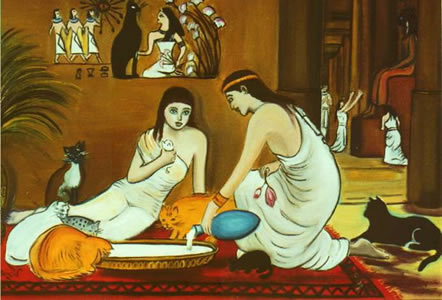 Temple CatsWhite Anora Cat chasing a butterfly Jacques Bachelier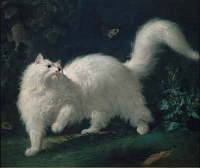
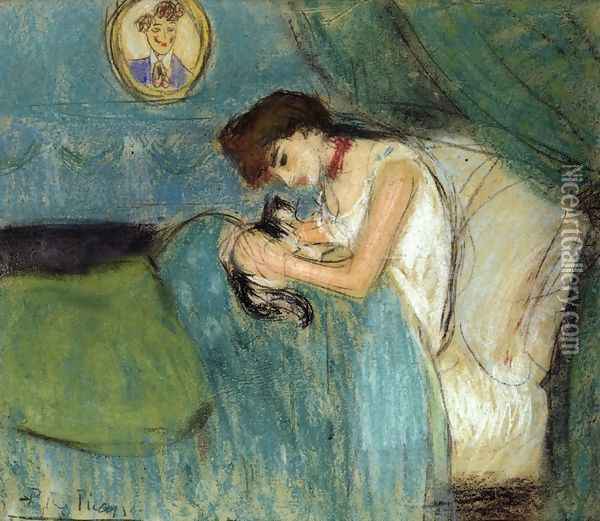 Picasso's cat
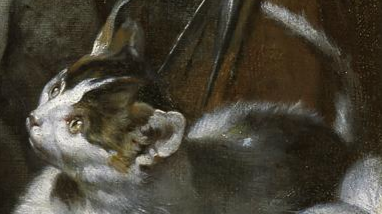 Detail: The Wool Winder
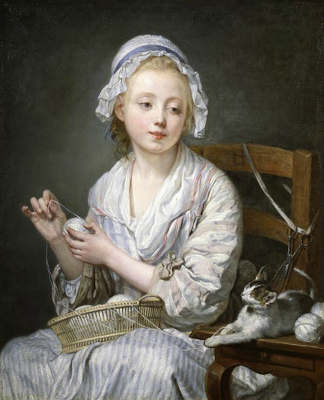 The Wool Winder Jean Baptiste Greuze 1759
+Woman+with+a+Cat.jpg) Woman with Cat Renoir
Woman with Cat Renoir Sleeping Cat Renoir 1876
 Renoir Boy with Cat
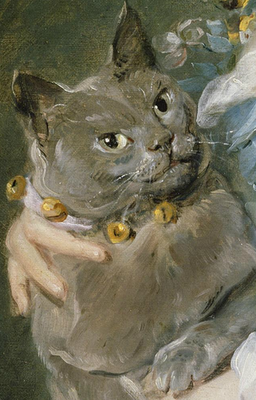 Magdeleine Princeloup 18th C.
Picasso's cat
Magdeleine Princeloup 18th C.
Picasso's cat
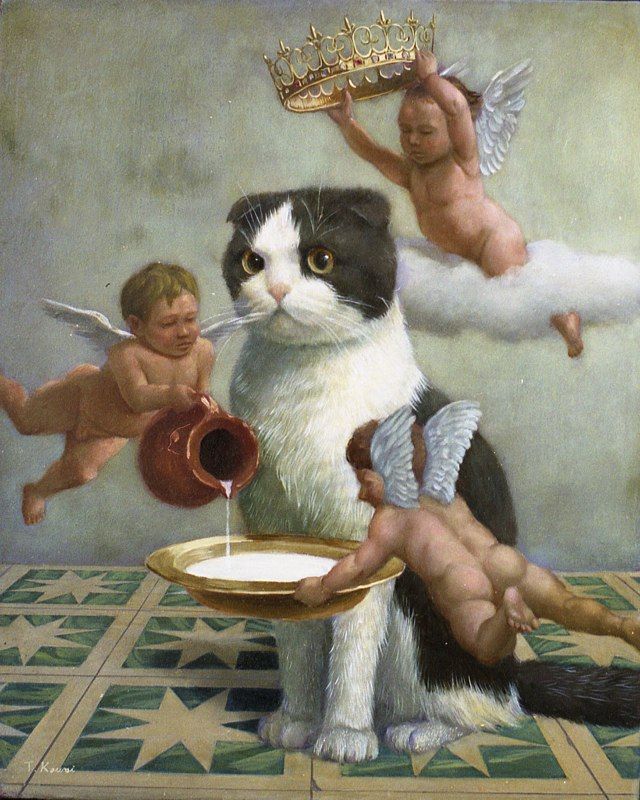 Tokuhiro Kawai Surrealist Painter
C'mon there's work to be done!
 My hard task master.


