Bernadette Simpson's Blog, page 8
February 15, 2011
T is for Tourist Attractions (and, yes, most of them are safe)

Well, needless to say, a lot has happened here in Egypt over the past several weeks. If you haven't heard, there's been a revolution. (Those are not words I ever thought I'd type!) The Egyptian Revolution of 2011, also being called the 25 January Revolution, led to the resignation of President Hosni Mubarak on Friday, February 11. Mubarak handed over power to The Supreme Council of the Armed Forces.
The army and Egyptian citizens are beginning to rebuild their government and repair the damages (physical, financial, and emotional) to the country and her people. One of the areas severely hurt was, of course, tourism. Many tourists and foreign residents left the country during the protests and clashes. But Egypt would like you to know that most of the tourist attractions are safe and open for business! In fact, many of the attractions and seaside resorts remained quiet and free of protests the whole time.
Visit the Egyptian Tourist Authority to learn more about the amazing tourist attractions and destinations that the country boasts. There's the Nile Valley with Marsa Martrouh, El Alamein, Alexandria, Cairo, Luxor, and Aswan. You can travel to Sinai and visit Taba, Nuweiba, Dahab, or Sharm el Sheikh. There's also Ras Mohamed National Park and St. Catherine's Monastery. For real adventurers, desert safaris in the Western Desert, Sahara, or Sinai are a must! These safaris are my top choice. What's yours?
Spread the word…Egypt awaits!
Facebook user? Considering clicking 'yes' to attending this Support The Tourism in Egypt event.





February 8, 2011
Egypt Remembers

Since January 25, hundreds of thousands of Egyptians have been protesting across the country, demanding a change to their current government – demanding their rights to freedom of speech, freedom of association, free and fair elections, and other political , economic, and social reforms that would create a more democratic and just Egypt.
If you've been following events – on television, on the web, or in print – you're sure to have seen plenty of images of this revolution, both inspiring and heartbreaking. I have none to share with you. Rather, I would simply like to dedicate this post to the memory of those who lost their lives during the ongoing demonstrations. For the names, faces, and more information about the deceased, please visit Egypt Remembers.





January 20, 2011
H is for Habiba

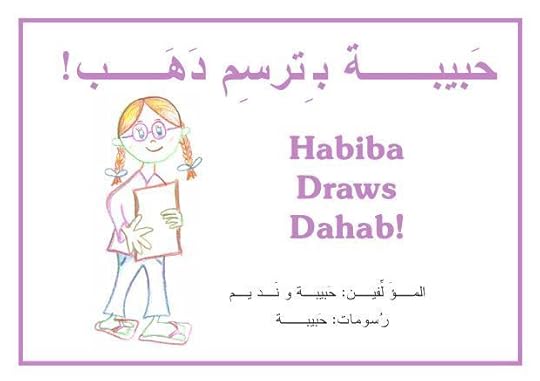
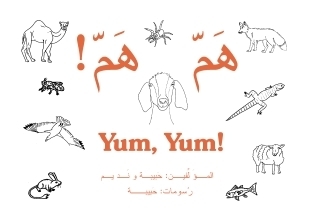
Meet Habiba, my Arabic-speaking alter ego! It is her fault that I have not been practicing my photography or posting new images to the blog. She has been busy studying Arabic and writing and illustrating little story books. These books are written in Egyptian Arabic and English – and Habiba is sharing them for free! There are only two titles available at the moment – Habiba Draws Dahab and Yum, Yum! - but there are plans for more. You can download and read the eBooks on-screen or download the printable versions to make your own books.
If you have comments, suggestions, or would like to assist Habiba in translating the stories into other languages, please contact her via email at habiba AT bernadettesimpson DOT com





January 2, 2011
H is for Halawa

Halawa tahiniya, or حلاوة طحينية, is one of my favorite sweet snacks in Egypt. Halawa means "sweetness" in Arabic and is made from tahina, a sesame seed paste, and sugar. It is typically made and sold in blocks that you can purchase from the deli section of local shops. You can also buy it in packages like the one pictured above. Traditionally, halawa is plain but today there are many varieties available – chocolate, almonds, hazelnuts, and pistachios. Halawa is usually eaten in a sandwich (hot or cold) on baladi bread, the pita-like local bread. Although it is not unusual to see people simply dig in with a spoon!





December 14, 2010
Q is for Qasab

I decided to post this sugar cane photo under it's Arabic name, but that wasn't as easy as I'd thought! Sugar cane in Arabic is قصب السكر , literally "cane of sugar". The Arabic letter /ق/ is usually transliterated as /q/ in English…but that does not help with pronunciation, does it? In Egyptian Arabic, the /ق/ is pronounced as a glottal stop, so sugar cane would sound something like /'asab/. In Sinai Bedouin Arabic, the /ق/ is pronounced more like /g/, so sugar cane is /gasab/.
Maybe I should I simply have categorized this under S is for Sugar Cane!
Whatever you call it, my young Bedouin neighbors and I enjoyed munching on several stalks the other day. We bought them from a vendor who was selling them from his truck, in other words – not something we get on a regular basis so it was a treat! I believe we paid LE 1 per stalk.


December 7, 2010
L is for Lentils
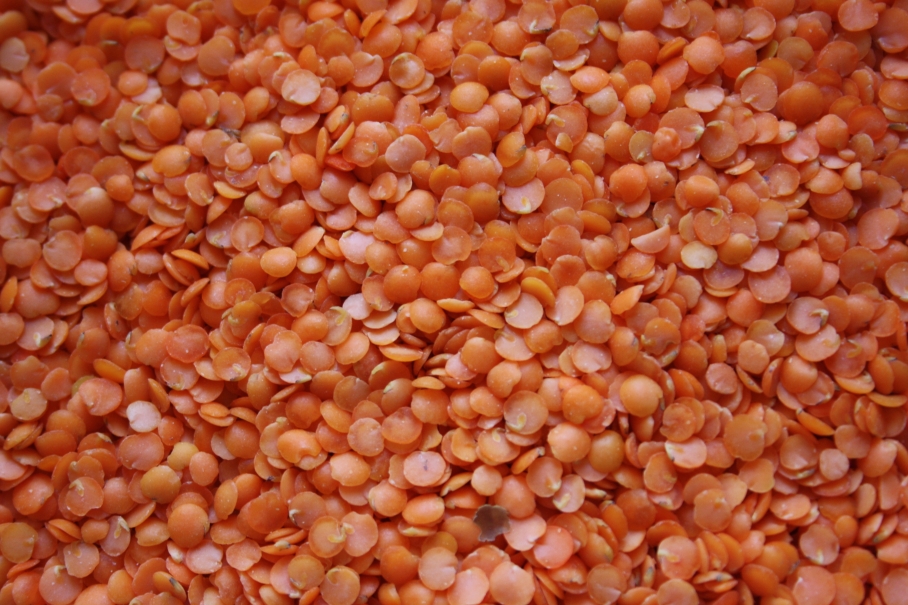
Lentils, or "ads" عَدس in Arabic, are popular in Egypt. These pictured here are called orange, yellow, or red, lentils. They are split and hulled and are used in Egypt to make delicious lentil soup. Brown lentils are used in koshary and to make a thick lentil stew.





November 27, 2010
E is for Elections!
And Parliamentary elections began across the country this morning. For numerous news stories and reports on the elections in Egypt, go here.
In my little neighborhood, there were campaign stickers galore!

My neighbor's taxi

The sticker I removed from my electric box.

On the wall of a nearby apartment building

A young Bedouin boy trying to pass on this poster to me...I settled for a photo.
And many other young people were enthused with the campaign stickers and placed them around the neighborhood, sometimes without permission – I removed two posters stuck to my car!
If you take a closer look at the posters, you'll notice each candidate is represented by a symbol – the cresent, a teacup and saucer, a telephone. Why we're not 100% sure of the purpose behind these, we assume one reason is to assist illiterate voters.
* By posting these photos, I am in no way showing my support of any specific candidate.





November 23, 2010
Another Book Giveaway!!
If you love books, you'll love Goodreads…so if you're not a member, check out the site – and try not to get sucked in! 
Goodreads Book Giveaway
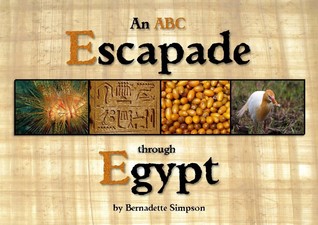
An ABC Escapade through Egypt
by Bernadette Simpson
Giveaway ends December 31, 2010.
See the giveaway details
at Goodreads.





November 22, 2010
P is for a Painted Lady!

A Painted Lady Butterfly, that is! Vanessa cardui butterflies are widespread in Egypt, occurring in any areas with flowers – even in my desert garden in Sinai.
To learn more about these beautiful critters, check out Butterflies of Egypt: Atlas, Red Data Listing, & Conservation by Francis Gilbert and Samy Zalat. Prepared for the Nature Conservation Sector of the Egyptian Environmental Affairs Agency (EEAA), this publication is available as a free PDF download. (The file is nearly 20 MB so it may take some time to download.) It's a fantastic resource for nature enthusiasts!!





November 16, 2010
A is for Alexandria

Alexandria is a city on the north coast of Egypt, along the Mediterranean Sea. Alex, as it is often referred to in English, is the second largest city in Egypt. This is a picture of the wall between Montazah and Ma'amoura beaches that I snapped a few years ago when staying at the El Salamlek Palace Hotel.