Tory Richards's Blog, page 178
July 28, 2012
I Survived!
Four days of watching the grandkids almost all day, with a break of a couple hours after my son-in-law gets up in the afternoons. He's working overtime this week. I'm so looking forward to peace and quiet today and tomorrow. I love Alivia and Mason to pieces but they are a lot more active than I am these days. I think I'll have a drink tonight to celebrate, and maybe get a good night sleep, too. We all survived!
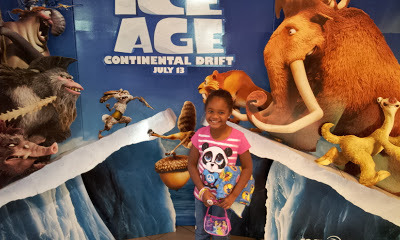 Alivia will be 6 on August 3rd
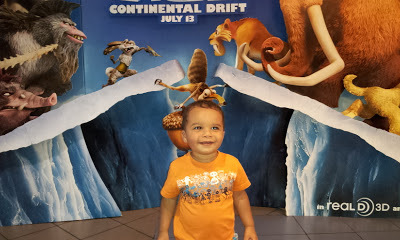 Mason will be 2 on December 1st
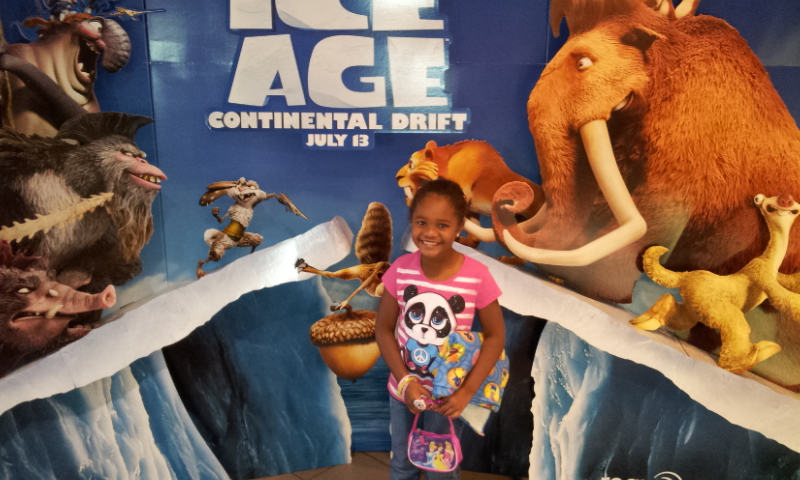 Alivia will be 6 on August 3rd
 Mason will be 2 on December 1st


July 27, 2012
Ever heard of Jimmy Thomas? You've probably seen him a hu...
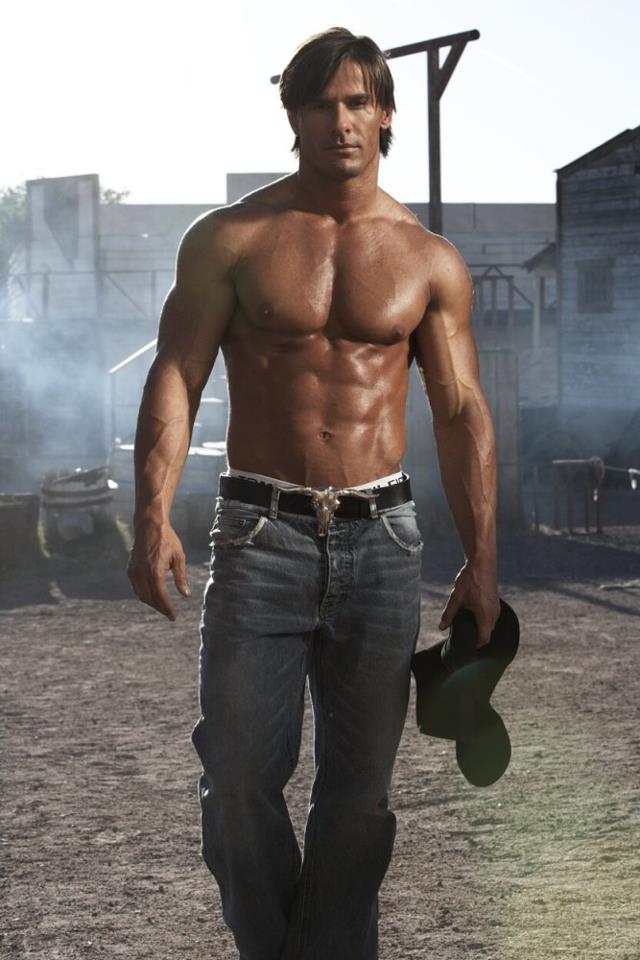
Ever heard of Jimmy Thomas? You've probably seen him a hundred, maybe even a thousand times on the cover of some steamy romance novel. He's all over the place! There are a lot of handsome hunks out there, but lately wherever you look he's the stud on the book cover. Now, that's not a bad thing. I've actually seen the man in person, for a couple seconds, at the RT Convention I attended a few years ago. I remember thinking to myself at the time, he's okay. I guess I didn't get close enough to get the full Jimmy Thomas affect!
What an understatement! I spent two hours on his website last night, okay I'll be honest, it was more like three. Just scoping out the thousands of book covers he has in his collection. I couldn't pull myself away. By the time I left there I wanted one of my own. He has all the elements that make a hot cover. It's more than just his good looks. I was simply mesmerized by the time I was done glancing over his pictures. He definitely knows what works to capture your interest. And he's an animal lover! LOL
He made a comment about the famous Fabio on his site that made me chuckle. Because when I first began reading romance novels Fabio was the hunk on those book covers. I did a little drooling over him, too. I'm not sure but I don't believe he does book covers anymore. Once in a while I see him on TV, still a nice looking man.
But my goal was to have Jimmy Thomas on one of my book covers. And I was so surprised at how easy that was. All I had to do was purchase the art from his site. My first book with him on the cover is Passionate Encounters, which will be released in Aug! And notice my new blog. It was done over using another of his photos.
Book covers are one of the most important selling points. I know from my own experience that if the cover doesn't grab me, I won't grab the book.
Just check out the link below to see some hot, beautiful book covers with Jimmy Thomas as the hero!
http://www.romancenovelcenter.com/casting_view.php?id=&adnum=3&poster=1

July 25, 2012
Whew! I've survived watching the grand-kids from 7:30-6:0...
Whew! I've survived watching the grand-kids from 7:30-6:00 the last two days. Two more to go! I do get a break when my son-in-law gets up for a couple hours. He's working overtime this week. It is easier on the days Alivia goes to camp, believe it or not. When her and Mason are together they're all over the place, and play very noisily. Tomorrow she's home:)
July 24, 2012
PunographyI do not enjoy computer jokes. Not one bit.I ch...
Punography
I do not enjoy computer jokes. Not one bit.
I changed my i Pod name to Titanic. It's syncing now.
When chemists die, they barium.
Jokes about German sausage are the wurst.
A soldier who survived mustard gas and pepper spray is now a seasoned veteran.
I know a guy who's addicted to brake fluid. He says he can stop any time.
How does Moses make his tea? Hebrews it.
I stayed up all night to see where the sun went. Than it dawned on me.
This girl said she recognized me from the vegetarian club, but I'd never met herbivore.
I'm reading a book about anti-gravity . I can't put it down.
I did a theatrical performance about puns. It was a play on words.
They told me I had type A blood, but it was a Type- O.
A dyslexic man walks into a bra.
Why were the Indians here first? They had reservations.
Class trip to the Coca-Cola factory. I hope there's no pop quiz.
Energizer battery arrested. Charged with battery.
I didn't like my beard at first. Then it grew on me.
How do you make holy water? Boil the hell out of it!
Did you hear about the cross eyed teacher who lost her job because she couldn't control her pupils?
When you get a bladder infection, urine trouble.
What does a clock do when it's hungry? It goes back four seconds.
I wondered why the baseball was getting bigger. Then it hit me!
Broken pencils are pointless.
I tried to catch some fog. I mist.
What do you call a dinosaur with a extensive vocabulary? A thesaurus.
England has no kidney bank, but it does have a Liverpool .
I used to be a banker, but then I lost interest.
I dropped out of communism class because of lousy Marx.
All the toilets in New York's police stations have been stolen. Police have nothing to go on.
I got a job at a bakery because I kneaded dough.
Haunted French pancakes give me the crepes.
Velcro - what a rip off!
Cartoonist found dead in home. Details are sketchy.
Venison for dinner? Oh deer!
Earthquake in Washington obviously government's fault.
I used to think I was indecisive, but now I'm not so sure.
Be kind to your dentist. He has fillings, too.
I do not enjoy computer jokes. Not one bit.
I changed my i Pod name to Titanic. It's syncing now.
When chemists die, they barium.
Jokes about German sausage are the wurst.
A soldier who survived mustard gas and pepper spray is now a seasoned veteran.
I know a guy who's addicted to brake fluid. He says he can stop any time.
How does Moses make his tea? Hebrews it.
I stayed up all night to see where the sun went. Than it dawned on me.
This girl said she recognized me from the vegetarian club, but I'd never met herbivore.
I'm reading a book about anti-gravity . I can't put it down.
I did a theatrical performance about puns. It was a play on words.
They told me I had type A blood, but it was a Type- O.
A dyslexic man walks into a bra.
Why were the Indians here first? They had reservations.
Class trip to the Coca-Cola factory. I hope there's no pop quiz.
Energizer battery arrested. Charged with battery.
I didn't like my beard at first. Then it grew on me.
How do you make holy water? Boil the hell out of it!
Did you hear about the cross eyed teacher who lost her job because she couldn't control her pupils?
When you get a bladder infection, urine trouble.
What does a clock do when it's hungry? It goes back four seconds.
I wondered why the baseball was getting bigger. Then it hit me!
Broken pencils are pointless.
I tried to catch some fog. I mist.
What do you call a dinosaur with a extensive vocabulary? A thesaurus.
England has no kidney bank, but it does have a Liverpool .
I used to be a banker, but then I lost interest.
I dropped out of communism class because of lousy Marx.
All the toilets in New York's police stations have been stolen. Police have nothing to go on.
I got a job at a bakery because I kneaded dough.
Haunted French pancakes give me the crepes.
Velcro - what a rip off!
Cartoonist found dead in home. Details are sketchy.
Venison for dinner? Oh deer!
Earthquake in Washington obviously government's fault.
I used to think I was indecisive, but now I'm not so sure.
Be kind to your dentist. He has fillings, too.
July 23, 2012
Due to a recent post by an author who unfortunately paid ...
Due to a recent post by an author who unfortunately paid the price, I will no longer be posting Monday Man Candy. A reader was kind enough to direct me to this author's post, which went into great detail about copyright laws regarding the pictures people post on their blogs. Now granted, if someone takes a picture there are ways they can protect it from being used, but a lot of photographers don't. Whether from lack of knowledge or know how.
Recently there have been mentions on FB about another author using protected pictures, where she went in and tried to remove the watermark herself, for her book covers. It was very obvious. So it appears this kind of thing is being noticed, and rightly so, and if you're caught you can be prosecuted.
I had over 1700 posts and spent the better part of the morning deleting any that had a picture I deemed questionable. Because I was one of those people who thought if it wasn't water marked or protected that it was okay to use. I'm not in the habit of knowingly breaking the law.
A lot of people aren't aware they can actually be sued for using photos that don't belong to them. It's up to us to make sure they aren't copyrighted. And luckily, there are sites out there where the pictures are free for all to use. And most photographers will give you permission to use their photos if you ask first. Lastly, there are sites out there where you can purchase pictures if you so choose.
With all the hype around ebooks being pirated, and how it effects us authors, it basically boils down to the same thing when we use someones picture. Especially if they're photographers trying to make a living off them.
I'm including the author's link in case you want to read her article. It's very interesting, and a great FYI for those who didn't know.
http://www.roniloren.com/blog/2012/7/20/bloggers-beware-you-can-get-sued-for-using-pics-on-your-blog.html#disqus_thread
Recently there have been mentions on FB about another author using protected pictures, where she went in and tried to remove the watermark herself, for her book covers. It was very obvious. So it appears this kind of thing is being noticed, and rightly so, and if you're caught you can be prosecuted.
I had over 1700 posts and spent the better part of the morning deleting any that had a picture I deemed questionable. Because I was one of those people who thought if it wasn't water marked or protected that it was okay to use. I'm not in the habit of knowingly breaking the law.
A lot of people aren't aware they can actually be sued for using photos that don't belong to them. It's up to us to make sure they aren't copyrighted. And luckily, there are sites out there where the pictures are free for all to use. And most photographers will give you permission to use their photos if you ask first. Lastly, there are sites out there where you can purchase pictures if you so choose.
With all the hype around ebooks being pirated, and how it effects us authors, it basically boils down to the same thing when we use someones picture. Especially if they're photographers trying to make a living off them.
I'm including the author's link in case you want to read her article. It's very interesting, and a great FYI for those who didn't know.
http://www.roniloren.com/blog/2012/7/20/bloggers-beware-you-can-get-sued-for-using-pics-on-your-blog.html#disqus_thread
AROUND THE WORLD--PARADISE HAWAIIAN STYLE by Virginia Cam...
AROUND THE WORLD--PARADISE HAWAIIAN STYLE by Virginia Campbell
For many, the island of Hawaii is the ultimate dream getaway--Paradise on Earth. Lush and lyrical with a timeless allure, Hawaii sends a siren's call. Today, Hawaii is a global gathering place for visitors to share in the spirit of aloha. Beyond the sun and surf of the islands, you'll discover that the rich cultural history of Hawaii makes a visit there truly memorable. “The Aloha State” became the 50th state in 1959, but the history of Hawaii goes back centuries earlier. Roughly 1,500 years ago, Polynesians from the Marquesas Islands first set foot on Hawaii Island. With only the stars to guide them, they miraculously sailed over 2000 miles in canoes to migrate to the Islands.
Five hundred years later, settlers from Tahiti arrived, bringing their beliefs in gods and demi-gods and instituting a strict social hierarchy based on a kapu (taboo) system. Hawaiian culture flourished over the centuries, giving rise to the art of the hula and the sport of surfing, but land division conflicts between ruling chieftains were common.
In 1778, Captain James Cook, landed on Kauai at Waimea Bay. Naming the archipelago the "Sandwich Islands" in honor of the Earl of Sandwich, Cook opened the doors to the west. Cook was killed only a year later in Kealakekua Bay on Hawaii Island. In 1791, North Kohala born Kamehameha united the warring factions of Hawaii Island and went on to unify all of the Hawaiian Islands into one royal kingdom in 1810. In 1819, less than a year after King Kamehameha's death, his son, Liholiho, abolished the ancient kapu system. In 1820, the first Protestant missionaries arrived on Hawaii Island filling the void left after the end of the kapu system. Hawaii became a port for seamen, traders and whalers. The whaling industry boom flourished in Lahaini Harbor in Maui. Throughout these years of growth, western disease took a heavy toll on the Native Hawaiian population.
Western influence continued to grow and in 1893, American Colonists who controlled much of Hawaii's economy overthrew the Hawaiian Kingdom in a peaceful, yet still controversial coup. In 1898, Hawaii became a territory of the United States. In the 20th century, sugar and pineapple plantations fueled Hawaii's economy bringing an influx of Japanese, Chinese, Filipino and Portuguese immigrants. Lanai, under the leadership of James Dole, became known as the “Pineapple Island,” after becoming the world’s leading exporter of pineapple. This mix of immigrant ethnicities is what makes Hawaii’s population so diverse today. Food exports include macadamia nuts, pineapple, livestock, coconut and sugarcane. Many of the foods and flowers native to Hawaii, like coconut, cane sugar, shea nuts, orchids, and white ginger, just to name a few, are used in cosmetic and skin care products. Hawaii has made a strong effort to diversify its agriculture, which used to depend exclusively on sugarcane and pineapples. The only state in the United States of America able to grow coffee plants commercially is Hawaii. Coffee, grown primarily along the western coast of Hawaii Island, is a major export crop.
On December 7, 1941, the Japanese launched a surprise attack on Pearl Harbor on Oahu. Four years later, on September 2, 1945, Japan signed its unconditional surrender on the USS Battleship Missouri, which still rests in Pearl Harbor today. The USS Missouri or Mighty Mo, as she is often called, is anchored at Ford Island in Pearl Harbor within a ship's length of the USS Arizona Memorial, forming fitting bookends to the involvement of the Unites States in World War II.
Long before Western explorers and missionaries arrived in the Polynesian islands, many traditional crafts existed in Hawaii that set the stage for the development of its unique and wonderful style of quilting. The striking method of cutting a design from a single piece of fabric and appliqueing it to a contrasting background emerged in the islands sometime in the mid-nineteenth century. A Hawaiian quilt is a distinctive quilting style of the Hawaiian Islands that uses large, symmetric applique patterns. Motifs often work stylized botanical designs in bold colors on a white background. Hawaiian quilt applique is made from a single cut on folded fabric. Quilting stitches normally follow the contours of the applique design. The climate of Hawaii is unsuitable for cotton cultivation, so all Hawaiian quilts are constructed from imported material. Hawaiian women learned how to quilt from the New England missionaries in the early nineteenth century.
Before quilting, Hawaiians originally covered their beds with kapa moe, which is made by beating the bark of the mulberry tree, felting it, and then strategically dying the blanket to produce a traditional pattern. After the Hawaiians were taught the modern quilting techniques by the missionaries, they fused their traditional patterns with the newly learned quilting style and Western fabrics. This produced wholly unique blankets reflecting their unique island culture blended with western methods.
TROPICAL DREAM PIE
1 can sweetened condensed milk
1/4 c. lemon juice
1 (8 oz.) carton whipped topping
1/2 c. coconut flakes
1 can crushed pineapple (drained)
1 c. chopped macadamia nuts
1 (8 oz.) jar maraschino cherries
3 or 4 bananas, sliced
2 graham cracker crusts (deep dish)
Beat together sweetened condensed milk and lemon juice in a large bowl. Lightly fold in whipped topping. Add coconut, cherries, pineapple and nuts, stirring just until combined. Slice bananas and line bottom of crusts. Layer whipped topping mixture and bananas, ending with whipped topping mixture. Top with a cherry in center. Chill until firm (sets better overnight).
For many, the island of Hawaii is the ultimate dream getaway--Paradise on Earth. Lush and lyrical with a timeless allure, Hawaii sends a siren's call. Today, Hawaii is a global gathering place for visitors to share in the spirit of aloha. Beyond the sun and surf of the islands, you'll discover that the rich cultural history of Hawaii makes a visit there truly memorable. “The Aloha State” became the 50th state in 1959, but the history of Hawaii goes back centuries earlier. Roughly 1,500 years ago, Polynesians from the Marquesas Islands first set foot on Hawaii Island. With only the stars to guide them, they miraculously sailed over 2000 miles in canoes to migrate to the Islands.
Five hundred years later, settlers from Tahiti arrived, bringing their beliefs in gods and demi-gods and instituting a strict social hierarchy based on a kapu (taboo) system. Hawaiian culture flourished over the centuries, giving rise to the art of the hula and the sport of surfing, but land division conflicts between ruling chieftains were common.
In 1778, Captain James Cook, landed on Kauai at Waimea Bay. Naming the archipelago the "Sandwich Islands" in honor of the Earl of Sandwich, Cook opened the doors to the west. Cook was killed only a year later in Kealakekua Bay on Hawaii Island. In 1791, North Kohala born Kamehameha united the warring factions of Hawaii Island and went on to unify all of the Hawaiian Islands into one royal kingdom in 1810. In 1819, less than a year after King Kamehameha's death, his son, Liholiho, abolished the ancient kapu system. In 1820, the first Protestant missionaries arrived on Hawaii Island filling the void left after the end of the kapu system. Hawaii became a port for seamen, traders and whalers. The whaling industry boom flourished in Lahaini Harbor in Maui. Throughout these years of growth, western disease took a heavy toll on the Native Hawaiian population.
Western influence continued to grow and in 1893, American Colonists who controlled much of Hawaii's economy overthrew the Hawaiian Kingdom in a peaceful, yet still controversial coup. In 1898, Hawaii became a territory of the United States. In the 20th century, sugar and pineapple plantations fueled Hawaii's economy bringing an influx of Japanese, Chinese, Filipino and Portuguese immigrants. Lanai, under the leadership of James Dole, became known as the “Pineapple Island,” after becoming the world’s leading exporter of pineapple. This mix of immigrant ethnicities is what makes Hawaii’s population so diverse today. Food exports include macadamia nuts, pineapple, livestock, coconut and sugarcane. Many of the foods and flowers native to Hawaii, like coconut, cane sugar, shea nuts, orchids, and white ginger, just to name a few, are used in cosmetic and skin care products. Hawaii has made a strong effort to diversify its agriculture, which used to depend exclusively on sugarcane and pineapples. The only state in the United States of America able to grow coffee plants commercially is Hawaii. Coffee, grown primarily along the western coast of Hawaii Island, is a major export crop.
On December 7, 1941, the Japanese launched a surprise attack on Pearl Harbor on Oahu. Four years later, on September 2, 1945, Japan signed its unconditional surrender on the USS Battleship Missouri, which still rests in Pearl Harbor today. The USS Missouri or Mighty Mo, as she is often called, is anchored at Ford Island in Pearl Harbor within a ship's length of the USS Arizona Memorial, forming fitting bookends to the involvement of the Unites States in World War II.
Long before Western explorers and missionaries arrived in the Polynesian islands, many traditional crafts existed in Hawaii that set the stage for the development of its unique and wonderful style of quilting. The striking method of cutting a design from a single piece of fabric and appliqueing it to a contrasting background emerged in the islands sometime in the mid-nineteenth century. A Hawaiian quilt is a distinctive quilting style of the Hawaiian Islands that uses large, symmetric applique patterns. Motifs often work stylized botanical designs in bold colors on a white background. Hawaiian quilt applique is made from a single cut on folded fabric. Quilting stitches normally follow the contours of the applique design. The climate of Hawaii is unsuitable for cotton cultivation, so all Hawaiian quilts are constructed from imported material. Hawaiian women learned how to quilt from the New England missionaries in the early nineteenth century.
Before quilting, Hawaiians originally covered their beds with kapa moe, which is made by beating the bark of the mulberry tree, felting it, and then strategically dying the blanket to produce a traditional pattern. After the Hawaiians were taught the modern quilting techniques by the missionaries, they fused their traditional patterns with the newly learned quilting style and Western fabrics. This produced wholly unique blankets reflecting their unique island culture blended with western methods.
TROPICAL DREAM PIE
1 can sweetened condensed milk
1/4 c. lemon juice
1 (8 oz.) carton whipped topping
1/2 c. coconut flakes
1 can crushed pineapple (drained)
1 c. chopped macadamia nuts
1 (8 oz.) jar maraschino cherries
3 or 4 bananas, sliced
2 graham cracker crusts (deep dish)
Beat together sweetened condensed milk and lemon juice in a large bowl. Lightly fold in whipped topping. Add coconut, cherries, pineapple and nuts, stirring just until combined. Slice bananas and line bottom of crusts. Layer whipped topping mixture and bananas, ending with whipped topping mixture. Top with a cherry in center. Chill until firm (sets better overnight).



July 21, 2012
Hey everyone! I hope your weekend is going great so far. ...
Hey everyone! I hope your weekend is going great so far. I goofed off today but plan to do some writing on Sunday. I thought I was done with a paranormal I was writing but when I went back to revise it I added a lot more content. Not good considering it's supposed to be a 15,000 word, short erotic romance. Oh well, we'll see what happens.
Tootles!
Tory 4JYK2V9ABDYQ
Tootles!
Tory 4JYK2V9ABDYQ
A little HOT SPOT teaser! Due out August 13 at Liquid Sil...
 A little
HOT SPOT
teaser! Due out August 13 at Liquid Silver Books
A little
HOT SPOT
teaser! Due out August 13 at Liquid Silver BooksShe reached for the doorknob and barely got the door open when he slammed it shut in her face. Sammy spun around, trapped between the door and his body. Her heart skipped a beat as she raised her eyes to his. His expression looked almost fierce, and matched the fire burning in his eyes.
“What are you doing?” Her senses went into overdrive as the warmth of his body enveloped her, threatening to suck her in.
“Where are you going so fast? You just got here.”
He was too close. His warm breath sent a shiver down her spine. “I’m not in a hurry. I only came long enough to visit with the girls again.”
John’s gruff chuckle revealed he didn’t believe her. “You can see my sisters anytime. You expect me to believe that?”
Sammy’s eyes grew round. “If you think I came here to see you then you’re crazy. I’ve spent the last twenty years—” When it dawned on her what she’d been about to say, she cut herself off.
John finished her comment for her, hitting the nail right on the head. “Trying to forget me?” His tone was low and sexier than Sammy remembered. The cockiness of youth was gone, replaced with the firm, deep tone of experience.
Keep it light, Sammy. She tried to laugh off the notion. “You wish!” She put her hands on him to push him away. “Please move.”
“Why? Do I bother you?”
There was no way she was going to show him what he was doing to her. She’d worked too hard pretending she didn’t like him during their brief acquaintance to ruin it now by swooning at his feet.
He leaned in closer. Sammy gasped and tried to shrink back against the door. She kept her hands flat against his chest, trying not to notice how rock hard his pectorals were. Or that his cock was hardening. Their lower bodies were flush and the feel of his erection caused a warm flow between her legs. Sweet Jesus! She was going to jump his bones if she didn’t get out of there soon.
“John, please. I have to go.” Was that panic in her voice? “I should never have come in.”
John grabbed her by the wrists and forced her arms above her head, pinning them against the door. He ignored Sammy’s gasp. “You’ve got that right, baby. You’ve been running from me since we were teenagers. Well, I made myself a promise, Sam. The next time I got you to myself, I was going to find out if fucking you was as sweet as I’ve dreamed it would be.”

July 19, 2012
AROUND THE WORLD--PARADISE HAWAIIAN STYLEby Virginia Camp...
AROUND THE WORLD--PARADISE HAWAIIAN STYLE
by Virginia Campbell
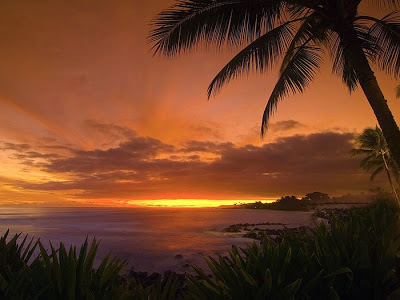
For many, the island of Hawaii is the ultimate dream getaway--Paradise on Earth. Lush and lyrical with a timeless allure, Hawaii sends a siren's call. Today, Hawaii is a global gathering place for visitors to share in the spirit of aloha. Beyond the sun and surf of the islands, you'll discover that the rich cultural history of Hawaii makes a visit there truly memorable. “The Aloha State” became the 50th state in 1959, but the history of Hawaii goes back centuries earlier. Roughly 1,500 years ago, Polynesians from the Marquesas Islands first set foot on Hawaii Island. With only the stars to guide them, they miraculously sailed over 2000 miles in canoes to migrate to the Islands.
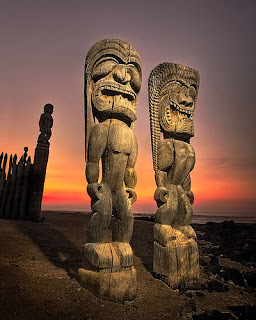
Five hundred years later, settlers from Tahiti arrived, bringing their beliefs in gods and demi-gods and instituting a strict social hierarchy based on a kapu (taboo) system. Hawaiian culture flourished over the centuries, giving rise to the art of the hula and the sport of surfing, but land division conflicts between ruling chieftains were common.
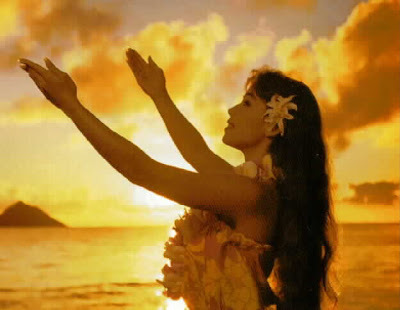
In 1778, Captain James Cook, landed on Kauai at Waimea Bay. Naming the archipelago the "Sandwich Islands" in honor of the Earl of Sandwich, Cook opened the doors to the west. Cook was killed only a year later in Kealakekua Bay on Hawaii Island. In 1791, North Kohala born Kamehameha united the warring factions of Hawaii Island and went on to unify all of the Hawaiian Islands into one royal kingdom in 1810. In 1819, less than a year after King Kamehameha's death, his son, Liholiho, abolished the ancient kapu system. In 1820, the first Protestant missionaries arrived on Hawaii Island filling the void left after the end of the kapu system. Hawaii became a port for seamen, traders and whalers. The whaling industry boom flourished in Lahaini Harbor in Maui. Throughout these years of growth, western disease took a heavy toll on the Native Hawaiian population.
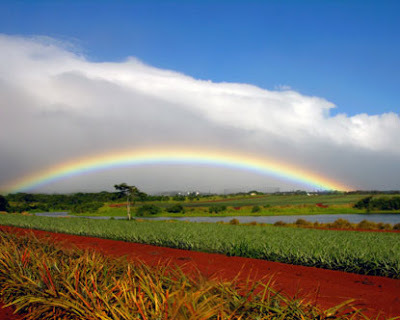
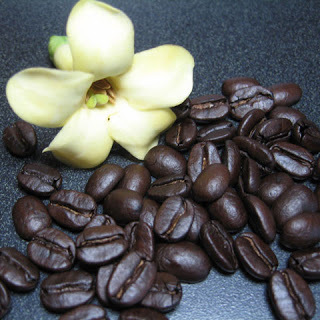
Western influence continued to grow and in 1893, American Colonists who controlled much of Hawaii's economy overthrew the Hawaiian Kingdom in a peaceful, yet still controversial coup. In 1898, Hawaii became a territory of the United States. In the 20th century, sugar and pineapple plantations fueled Hawaii's economy bringing an influx of Japanese, Chinese, Filipino and Portuguese immigrants. Lanai, under the leadership of James Dole, became known as the “Pineapple Island,” after becoming the world’s leading exporter of pineapple. This mix of immigrant ethnicities is what makes Hawaii’s population so diverse today. Food exports include macadamia nuts, pineapple, livestock, coconut and sugarcane. Many of the foods and flowers native to Hawaii, like coconut, cane sugar, shea nuts, orchids, and white ginger, just to name a few, are used in cosmetic and skin care products. Hawaii has made a strong effort to diversify its agriculture, which used to depend exclusively on sugarcane and pineapples. The only state in the United States of America able to grow coffee plants commercially is Hawaii. Coffee, grown primarily along the western coast of Hawaii Island, is a major export crop.
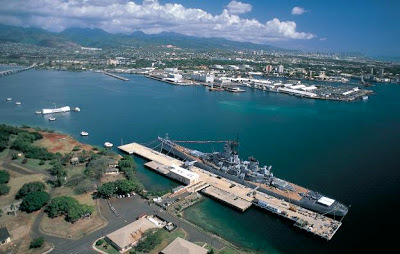
On December 7, 1941, the Japanese launched a surprise attack on Pearl Harbor on Oahu. Four years later, on September 2, 1945, Japan signed its unconditional surrender on the USS Battleship Missouri, which still rests in Pearl Harbor today. The USS Missouri or Mighty Mo, as she is often called, is anchored at Ford Island in Pearl Harbor within a ship's length of the USS Arizona Memorial, forming fitting bookends to the involvement of the Unites States in World War II.
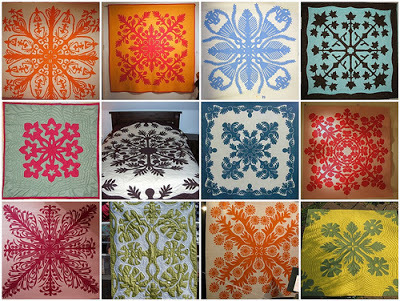
Long before Western explorers and missionaries arrived in the Polynesian islands, many traditional crafts existed in Hawaii that set the stage for the development of its unique and wonderful style of quilting. The striking method of cutting a design from a single piece of fabric and appliqueing it to a contrasting background emerged in the islands sometime in the mid-nineteenth century. A Hawaiian quilt is a distinctive quilting style of the Hawaiian Islands that uses large, symmetric applique patterns. Motifs often work stylized botanical designs in bold colors on a white background. Hawaiian quilt applique is made from a single cut on folded fabric. Quilting stitches normally follow the contours of the applique design. The climate of Hawaii is unsuitable for cotton cultivation, so all Hawaiian quilts are constructed from imported material. Hawaiian women learned how to quilt from the New England missionaries in the early nineteenth century. Before quilting, Hawaiians originally covered their beds with kapa moe, which is made by beating the bark of the mulberry tree, felting it, and then strategically dying the blanket to produce a traditional pattern. After the Hawaiians were taught the modern quilting techniques by the missionaries, they fused their traditional patterns with the newly learned quilting style and Western fabrics. This produced wholly unique blankets reflecting their unique island culture blended with western methods.
TROPICAL DREAM PIE
1 can sweetened condensed milk
1/4 c. lemon juice
1 (8 oz.) carton whipped topping
1/2 c. coconut flakes
1 can crushed pineapple (drained)
1 c. chopped macadamia nuts
1 (8 oz.) jar maraschino cherries
3 or 4 bananas, sliced
2 graham cracker crusts (deep dish)
Beat together sweetened condensed milk and lemon juice in a large bowl. Lightly fold in whipped topping. Add coconut, cherries, pineapple and nuts, stirring just until combined. Slice bananas and line bottom of crusts. Layer whipped topping mixture and bananas, ending with whipped topping mixture. Top with a cherry in center. Chill until firm (sets better overnight).
CHOCOLATE-COFFEE POUND CAKE
1 box devil's food cake mix
1/2 cup sugar
1/3 cup vegetable oil
3 eggs
3/4 cup water
1/4 cup bourbon
1/2 cup coffee liqueur
3/4 cup of very strong black coffee
2 teaspoons cocoa powder
Icing:
1/2 cup butter
1 cup sugar
1/3 cup evaporated milk
1 1/2 cups chocolate chips
To make cake: Preheat oven to 350 degrees. Mix all the cake ingredients in a large bowl and beat for 4 minutes. Bake in a greased Bundt pan for 50 minutes. Let cool for 10 minutes before icing.
To make icing: Heat the butter, sugar and milk; boil for 2 minutes stirring constantly. Remove from heat and rapidly stir in chocolate chips, immediately pour over cake. Allow icing to cool and set before serving cake.
GRILLED PINEAPPLE SHRIMP
1/2 c. pineapple juice
1/4 c. lime juice
2-4 tbsp. soy sauce
1/2 c. oil
1 lb. lg. shrimp
2 red bell peppers
16 oz. pineapple chunks
Lime slices
If using bamboo skewers, soak in water at least 1 hour. Mix canned pineapple juice, fresh lime juice, soy sauce to taste and light flavored oil in shallow ceramic or glass dish. Halve peppers, scoop out seeds and cut fresh pineapple into chunks. Thread large, unpeeled, deveined shrimp on skewers, alternating with pineapple and pepper chunks. Place in dish with marinade. Turn to coat evenly. Marinate 15 to 30 minutes, turning occasionally. Prepare barbecue for medium-heat grilling. Grill shrimp about 5 minutes each side, or until done. Serve on skewers over rice pilaf and garnish with lime slices, if desired.
COFFEE-MARINATED STEAK
6 tablespoons butter or margarine
1 medium onion, chopped
4 garlic cloves, minced
1 cup strong brewed coffee
1 cup soy sauce
2 tablespoons white vinegar
2 tablespoons Worcestershire sauce
1 tablespoon brown sugar
2 pounds boneless beef top sirloin steak, cut 1 inch thick
In a skillet, saute onions and garlic until tender. In a bowl, combine the coffee, soy sauce, vinegar, Worcestershire sauce, brown sugar, and onion-garlic mixture. Pour half into a large resealable plastic bag; add steak. Seal bag and turn to coat; refrigerate for 8 hours or overnight, turning occasionally. Cover and refrigerate remaining marinade. Drain and discard marinade from steak. Grill steak, covered, over medium-hot heat for 6-10 minutes on each side or until meat reaches desired doneness (for medium-rare, a meat thermometer should read 145 degrees F; medium, 160 degrees F; well-done, 170 degrees F). Warm reserved marinade and serve with steak.
by Virginia Campbell
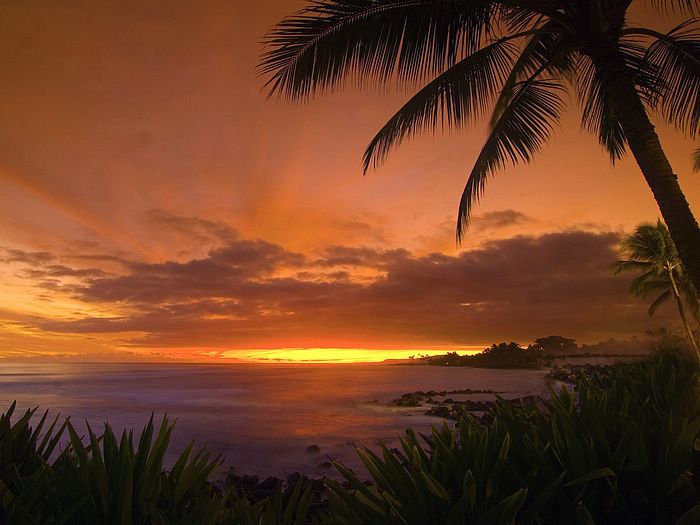
For many, the island of Hawaii is the ultimate dream getaway--Paradise on Earth. Lush and lyrical with a timeless allure, Hawaii sends a siren's call. Today, Hawaii is a global gathering place for visitors to share in the spirit of aloha. Beyond the sun and surf of the islands, you'll discover that the rich cultural history of Hawaii makes a visit there truly memorable. “The Aloha State” became the 50th state in 1959, but the history of Hawaii goes back centuries earlier. Roughly 1,500 years ago, Polynesians from the Marquesas Islands first set foot on Hawaii Island. With only the stars to guide them, they miraculously sailed over 2000 miles in canoes to migrate to the Islands.
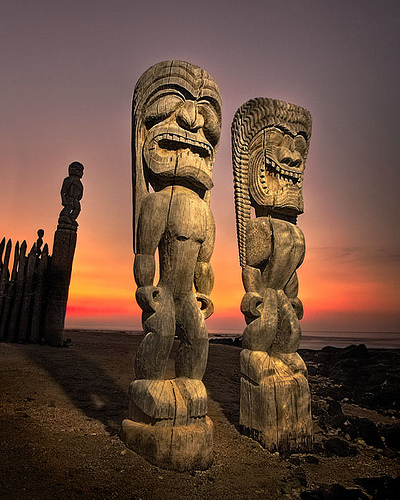
Five hundred years later, settlers from Tahiti arrived, bringing their beliefs in gods and demi-gods and instituting a strict social hierarchy based on a kapu (taboo) system. Hawaiian culture flourished over the centuries, giving rise to the art of the hula and the sport of surfing, but land division conflicts between ruling chieftains were common.
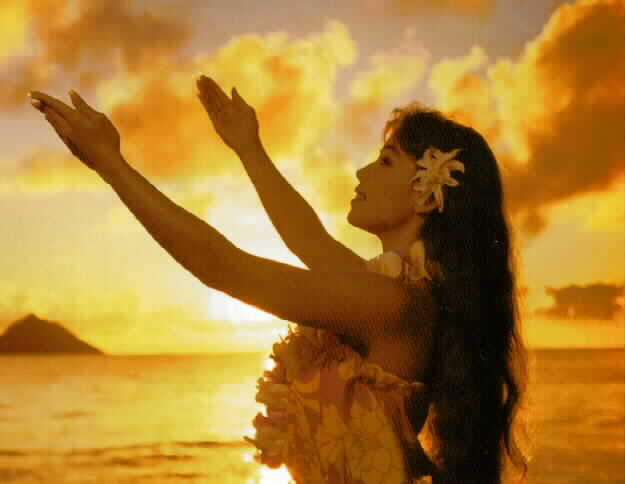
In 1778, Captain James Cook, landed on Kauai at Waimea Bay. Naming the archipelago the "Sandwich Islands" in honor of the Earl of Sandwich, Cook opened the doors to the west. Cook was killed only a year later in Kealakekua Bay on Hawaii Island. In 1791, North Kohala born Kamehameha united the warring factions of Hawaii Island and went on to unify all of the Hawaiian Islands into one royal kingdom in 1810. In 1819, less than a year after King Kamehameha's death, his son, Liholiho, abolished the ancient kapu system. In 1820, the first Protestant missionaries arrived on Hawaii Island filling the void left after the end of the kapu system. Hawaii became a port for seamen, traders and whalers. The whaling industry boom flourished in Lahaini Harbor in Maui. Throughout these years of growth, western disease took a heavy toll on the Native Hawaiian population.
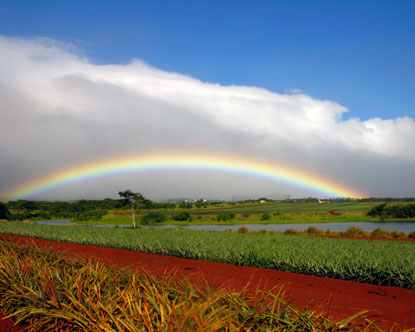
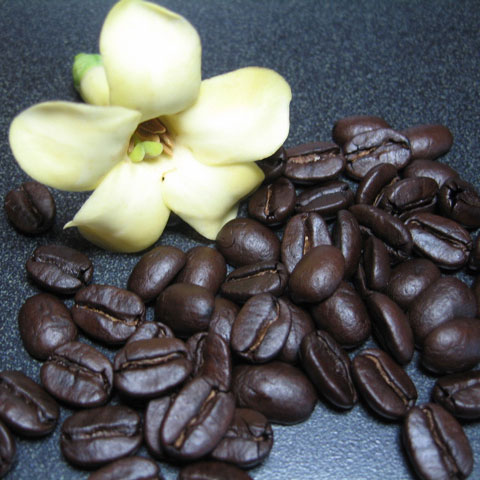
Western influence continued to grow and in 1893, American Colonists who controlled much of Hawaii's economy overthrew the Hawaiian Kingdom in a peaceful, yet still controversial coup. In 1898, Hawaii became a territory of the United States. In the 20th century, sugar and pineapple plantations fueled Hawaii's economy bringing an influx of Japanese, Chinese, Filipino and Portuguese immigrants. Lanai, under the leadership of James Dole, became known as the “Pineapple Island,” after becoming the world’s leading exporter of pineapple. This mix of immigrant ethnicities is what makes Hawaii’s population so diverse today. Food exports include macadamia nuts, pineapple, livestock, coconut and sugarcane. Many of the foods and flowers native to Hawaii, like coconut, cane sugar, shea nuts, orchids, and white ginger, just to name a few, are used in cosmetic and skin care products. Hawaii has made a strong effort to diversify its agriculture, which used to depend exclusively on sugarcane and pineapples. The only state in the United States of America able to grow coffee plants commercially is Hawaii. Coffee, grown primarily along the western coast of Hawaii Island, is a major export crop.
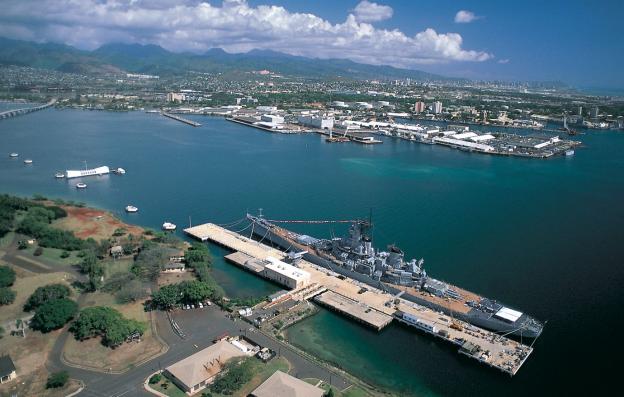
On December 7, 1941, the Japanese launched a surprise attack on Pearl Harbor on Oahu. Four years later, on September 2, 1945, Japan signed its unconditional surrender on the USS Battleship Missouri, which still rests in Pearl Harbor today. The USS Missouri or Mighty Mo, as she is often called, is anchored at Ford Island in Pearl Harbor within a ship's length of the USS Arizona Memorial, forming fitting bookends to the involvement of the Unites States in World War II.
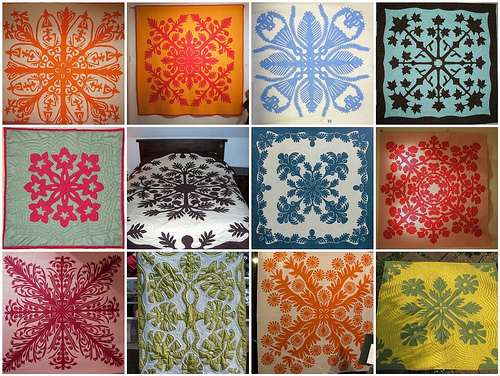
Long before Western explorers and missionaries arrived in the Polynesian islands, many traditional crafts existed in Hawaii that set the stage for the development of its unique and wonderful style of quilting. The striking method of cutting a design from a single piece of fabric and appliqueing it to a contrasting background emerged in the islands sometime in the mid-nineteenth century. A Hawaiian quilt is a distinctive quilting style of the Hawaiian Islands that uses large, symmetric applique patterns. Motifs often work stylized botanical designs in bold colors on a white background. Hawaiian quilt applique is made from a single cut on folded fabric. Quilting stitches normally follow the contours of the applique design. The climate of Hawaii is unsuitable for cotton cultivation, so all Hawaiian quilts are constructed from imported material. Hawaiian women learned how to quilt from the New England missionaries in the early nineteenth century. Before quilting, Hawaiians originally covered their beds with kapa moe, which is made by beating the bark of the mulberry tree, felting it, and then strategically dying the blanket to produce a traditional pattern. After the Hawaiians were taught the modern quilting techniques by the missionaries, they fused their traditional patterns with the newly learned quilting style and Western fabrics. This produced wholly unique blankets reflecting their unique island culture blended with western methods.
TROPICAL DREAM PIE
1 can sweetened condensed milk
1/4 c. lemon juice
1 (8 oz.) carton whipped topping
1/2 c. coconut flakes
1 can crushed pineapple (drained)
1 c. chopped macadamia nuts
1 (8 oz.) jar maraschino cherries
3 or 4 bananas, sliced
2 graham cracker crusts (deep dish)
Beat together sweetened condensed milk and lemon juice in a large bowl. Lightly fold in whipped topping. Add coconut, cherries, pineapple and nuts, stirring just until combined. Slice bananas and line bottom of crusts. Layer whipped topping mixture and bananas, ending with whipped topping mixture. Top with a cherry in center. Chill until firm (sets better overnight).
CHOCOLATE-COFFEE POUND CAKE
1 box devil's food cake mix
1/2 cup sugar
1/3 cup vegetable oil
3 eggs
3/4 cup water
1/4 cup bourbon
1/2 cup coffee liqueur
3/4 cup of very strong black coffee
2 teaspoons cocoa powder
Icing:
1/2 cup butter
1 cup sugar
1/3 cup evaporated milk
1 1/2 cups chocolate chips
To make cake: Preheat oven to 350 degrees. Mix all the cake ingredients in a large bowl and beat for 4 minutes. Bake in a greased Bundt pan for 50 minutes. Let cool for 10 minutes before icing.
To make icing: Heat the butter, sugar and milk; boil for 2 minutes stirring constantly. Remove from heat and rapidly stir in chocolate chips, immediately pour over cake. Allow icing to cool and set before serving cake.
GRILLED PINEAPPLE SHRIMP
1/2 c. pineapple juice
1/4 c. lime juice
2-4 tbsp. soy sauce
1/2 c. oil
1 lb. lg. shrimp
2 red bell peppers
16 oz. pineapple chunks
Lime slices
If using bamboo skewers, soak in water at least 1 hour. Mix canned pineapple juice, fresh lime juice, soy sauce to taste and light flavored oil in shallow ceramic or glass dish. Halve peppers, scoop out seeds and cut fresh pineapple into chunks. Thread large, unpeeled, deveined shrimp on skewers, alternating with pineapple and pepper chunks. Place in dish with marinade. Turn to coat evenly. Marinate 15 to 30 minutes, turning occasionally. Prepare barbecue for medium-heat grilling. Grill shrimp about 5 minutes each side, or until done. Serve on skewers over rice pilaf and garnish with lime slices, if desired.
COFFEE-MARINATED STEAK
6 tablespoons butter or margarine
1 medium onion, chopped
4 garlic cloves, minced
1 cup strong brewed coffee
1 cup soy sauce
2 tablespoons white vinegar
2 tablespoons Worcestershire sauce
1 tablespoon brown sugar
2 pounds boneless beef top sirloin steak, cut 1 inch thick
In a skillet, saute onions and garlic until tender. In a bowl, combine the coffee, soy sauce, vinegar, Worcestershire sauce, brown sugar, and onion-garlic mixture. Pour half into a large resealable plastic bag; add steak. Seal bag and turn to coat; refrigerate for 8 hours or overnight, turning occasionally. Cover and refrigerate remaining marinade. Drain and discard marinade from steak. Grill steak, covered, over medium-hot heat for 6-10 minutes on each side or until meat reaches desired doneness (for medium-rare, a meat thermometer should read 145 degrees F; medium, 160 degrees F; well-done, 170 degrees F). Warm reserved marinade and serve with steak.