Mari K. Eder's Blog, page 2
April 26, 2025


April 13, 2025


April 3, 2025
Tipping Point

By April 1945, the tipping point had not only been reached, but it was rapidly fading into the past. In Europe, Patton’s Third Army was heading into Germany.
The end was near. Everyone could feel it coming.
Millie Rexroat and her fellow WASP pilots were suddenly watching from the sidelines. The program that had let them fly, although not in uniform, and not for long, had ended in December 1944, and male pilots, returning from 8th Air Force assignments in England and other locations, were replacing them.
One of those pilots was Ed “Shorty” Robarts. He was back stateside as of December 1944 and reassigned to the Ferry Division of the Air Transport Command. He was looking forward to meeting his longtime girlfriend and pen pal, Betty Bemis, in person. For the first time!
Betty was serving as a Navy WAVE in Dayton, Ohio, with the top-secret Ultra project. She had her request for time off to meet Ed in Florida for Easter. She was excited to meet him!
He was there to meet her flight when she landed, and three days later, they were engaged.
.stk-0c10848 {margin-bottom:0px !important;}.stk-0449242 {background-color:var(u002du002dstk-global-color-14950, #273891) !important;}.stk-0449242:before{background-color:var(u002du002dstk-global-color-14950, #273891) !important;}.stk-2e540c3 .stk-img-wrapper{width:512px !important;}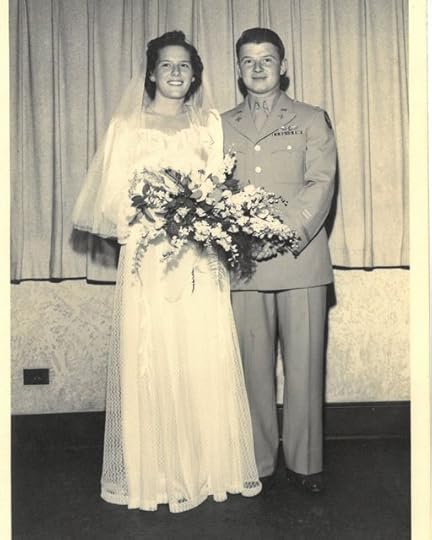
In Germany, as U.S. troops reached the gates of concentration camps, the German guards opened the gates and fled.
Kate Nolan and the nurses of the Fifty-third Field Hospital were there at Gardelegen, where the Nazis had set a barn on fire to kill hundreds of prisoners. It was a part of her war experience she never discussed.
The women who served with the resistance could feel the change coming as well.
Virginia Hall was still leading resistance fighters in France. The same was true for Diet Eman in the Netherlands and Mary Sigillo (Barraco), who was still working as a liaison between two Canadian regiments and the Belgian resistance.
Captain Stephanie Czech was in her first assignment with the Office of Strategic Services (OSS) in London. She worked out of the U.S. Embassy on assignments of observing and reporting enemy troop movements and other criteria set for her and other counterintelligence agents by the OSS Director there.
She was preparing for her first undercover assignment, but it wouldn’t come to fruition until August. But she did meet her future husband while in London, Colonel Bill Rader, a bomber group commander.
.stk-54c9259 {margin-bottom:0px !important;}.stk-aaa21c4 {background-color:var(u002du002dstk-global-color-14950, #273891) !important;}.stk-aaa21c4:before{background-color:var(u002du002dstk-global-color-14950, #273891) !important;}.stk-3f0423d .stk-img-figcaption{text-align:center !important;color:var(u002du002dstk-global-color-14743, #ffd700) !important;}.stk-3f0423d {margin-bottom:0px !important;}.stk-3f0423d .stk-img-wrapper{width:600px !important;height:575px !important;}.stk-3f0423d .stk-img-wrapper img{transform:scale(1.06) !important;object-fit:contain !important;}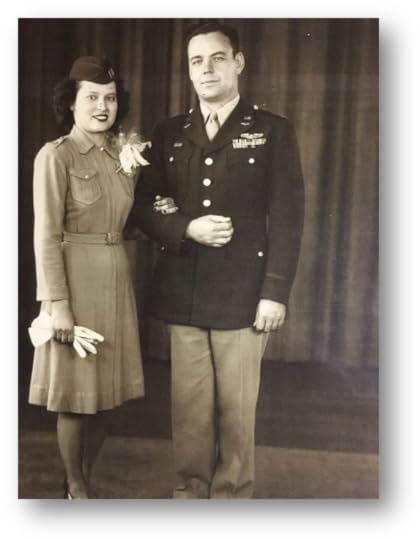
Stephanie had spent the first half of her Army career at Fort Des Moines, Iowa, working in a WAC basic training unit. She volunteered for the OSS because she felt she needed a challenge.
Major Charity Adams was also at Fort Des Moines and likewise craved a challenge. She found her calling with the challenge of battalion command.
With success in solving one major problem came the requirement to fix another. The 6888th was ordered to Rouen, France, where they would arrive just weeks after VE day in May. Then, they would participate in another parade—this one to celebrate victory. Then, they would clear the backlog of diplomatic mail.
.stk-d48e7cf {margin-bottom:0px !important;}.stk-d2ecdf3 {background-color:var(u002du002dstk-global-color-14950, #273891) !important;}.stk-d2ecdf3:before{background-color:var(u002du002dstk-global-color-14950, #273891) !important;}.stk-7e07df3 .stk-img-figcaption{text-align:center !important;color:var(u002du002dstk-global-color-14743, #ffd700) !important;}.stk-7e07df3 {margin-bottom:0px !important;}.stk-7e07df3 .stk-img-wrapper{width:600px !important;height:575px !important;}.stk-7e07df3 .stk-img-wrapper img{transform:scale(1.06) !important;object-fit:contain !important;}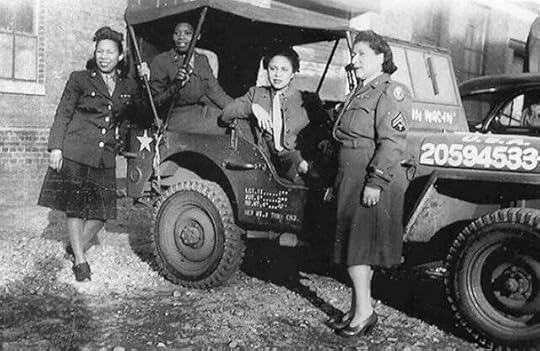
In the U.S., factories were slowing production. Some military training facilities, particularly those training women for the Women’s Army Corps, were beginning to close.
After all, they wouldn’t be needed after the war ended. In New York City, policewoman Mae Foley saw more ships coming into the harbor. Soldiers were beginning to return.
In China at an OSS office, Betty McIntosh was using her propaganda skills to demoralize and deceive Japanese troops. At a Japanese concentration camp nearby, twelve-year-old Mary Taylor wondered when she could go home again.
The struggle was in its final days. For many, it was hard to believe.
.stk-a8e2d87 {margin-bottom:0px !important;}.stk-4c01e16 {background-color:var(u002du002dstk-global-color-14950, #273891) !important;}.stk-4c01e16:before{background-color:var(u002du002dstk-global-color-14950, #273891) !important;}.stk-adccfdd .stk-img-figcaption{text-align:center !important;color:var(u002du002dstk-global-color-14743, #ffd700) !important;}.stk-adccfdd {margin-bottom:0px !important;}.stk-adccfdd .stk-img-wrapper{width:600px !important;height:575px !important;}.stk-adccfdd .stk-img-wrapper img{transform:scale(1.06) !important;object-fit:contain !important;}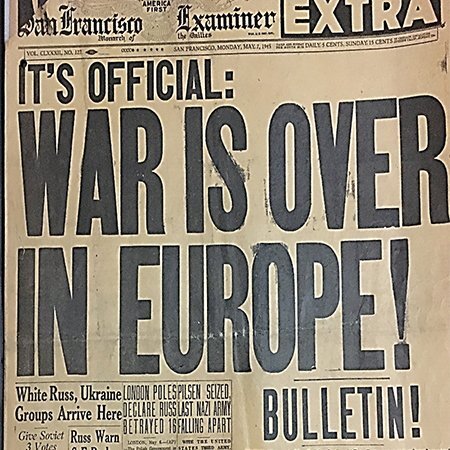 .stk-1328bd4 {margin-bottom:0px !important;}.stk-2e04d4d {background-color:var(u002du002dstk-global-color-14950, #273891) !important;}.stk-2e04d4d:before{background-color:var(u002du002dstk-global-color-14950, #273891) !important;}.stk-9ba9f59 .stk-img-figcaption{text-align:center !important;color:var(u002du002dstk-global-color-14743, #ffd700) !important;}.stk-9ba9f59 {margin-bottom:0px !important;}.stk-9ba9f59 .stk-img-wrapper{width:600px !important;height:575px !important;}.stk-9ba9f59 .stk-img-wrapper img{transform:scale(1.06) !important;object-fit:contain !important;}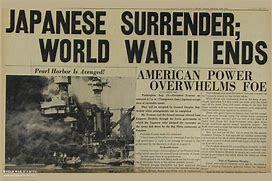
Enjoyed this post? Get my newsletter delivered to your inbox so you don’t miss the next one! I send out one mailing a month most months and promise zero spam.
The post Tipping Point appeared first on Benson's ReView.
March 26, 2025


March 23, 2025


March 4, 2025
The 6888 Central Postal Directory Battalion
The soldiers of the 6888 Central Postal Directory Battalion are finally getting their due on a broader scale. This World War II unit consisted of 855 women of color and became the only such unit to deploy overseas during WWII. Their story remained virtually unknown until, in 2018, a small group of volunteers began to work and work hard to have them recognized for their accomplishments.
There was a meritorious unit citation issued by the Army, a memorial to the unit was built at Fort Leavenworth, Kansas, a Congressional Gold Medal passed in 2022, and now there is a movie to bring their story to new generations.
.stk-0c10848 {margin-bottom:0px !important;}.stk-0449242 {background-color:var(--stk-global-color-14950, #273891) !important;}.stk-0449242:before{background-color:var(--stk-global-color-14950, #273891) !important;}.stk-c099d8b .stk-img-figcaption{text-align:center !important;font-size:13px !important;color:var(--stk-global-color-14743, #ffd700) !important;}.stk-c099d8b {margin-bottom:0px !important;}.stk-c099d8b .stk-img-wrapper{width:500px !important;height:352px !important;}@media screen and (max-width: 1023px){.stk-c099d8b .stk-img-figcaption{font-size:13px !important;}}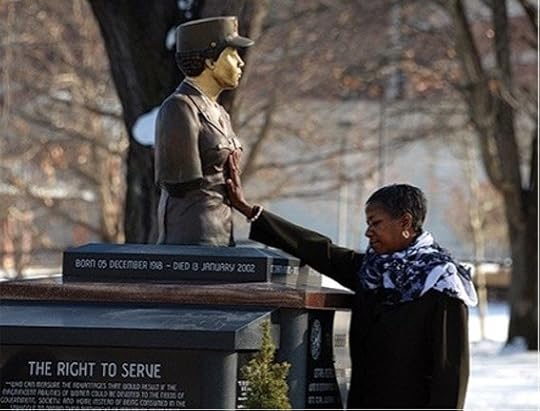 Retired Master Sergeant Elizabeth Helm-Frazier touches the likeness of Lieutenant Colonel Charity Adams Earley on the monument honoring the 6888 Central Postal Directory Battalion on Nov. 19, 2028. U.S. Army photo
The 6888 movie opened in theaters on December 6, 2024. It has been available for streaming on Netflix since December 20th, and I’ve been thrilled to see the many comments on social media from people who absolutely loved this inspirational story.
Many of the comments were along the lines of, “I didn’t know this story,” and “Why have we never heard about this brave unit and what these women did?” Even Tyler Perry, who wrote and directed the movie, said he was ashamed he had never heard this story.
I said much the same thing when I first heard about the 6888 and their contributions to the war effort–they understood that mail is central to a soldier’s morale and well-being. And that morale is critical to a soldier’s ability to function and fight.
But it wasn’t a story I ever heard in the Army.
For many years following WWII, the story of the war was about the big picture–world leaders, politicians, generals, and battles and tactics. Then came the stories of individual bravery, medals, and accomplishment, but again, these were stories about the men who fought the war, their contributions, and their service.
But as any soldier knows, for every one serving on the front lines, there is a long tail of logistics behind that service member, regardless of service.
Logistics can make or break an operation, and it can also break the will of not only the soldier but of the enemy he faces. Logistics naturally includes the obvious, weapons and ammunition, adequate food, water, and clothing.
But the intangible is equally important–faith, connection, and family. Especially family.
Chaplains accompanied many units during the war, providing comfort and support. Medical units provided life-saving care. But connection…. Connection was provided by the link to home.
And absent Zoom calls, iPhone access, or even newspapers for the most part, that tenuous connection to family became even more important. Letters from home were coveted, read, and reread.
However, due to the rapid pace of operations in the European theater, delivery slowed, and then by 1944, it nearly stopped completely. The backlog of two or more years of troop mail meant soldiers and their families were fearing the worst.
What was happening at home? How were their parents? Did they have children? And at home, those fears were more pointed–could a loved one have been killed?
.stk-54c9259 {margin-bottom:0px !important;}.stk-aaa21c4 {background-color:var(--stk-global-color-14950, #273891) !important;}.stk-aaa21c4:before{background-color:var(--stk-global-color-14950, #273891) !important;}.stk-3f0423d .stk-img-figcaption{text-align:center !important;color:var(--stk-global-color-14743, #ffd700) !important;}.stk-3f0423d {margin-bottom:0px !important;}.stk-3f0423d .stk-img-wrapper{width:600px !important;height:575px !important;}.stk-3f0423d .stk-img-wrapper img{transform:scale(1.06) !important;object-fit:contain !important;}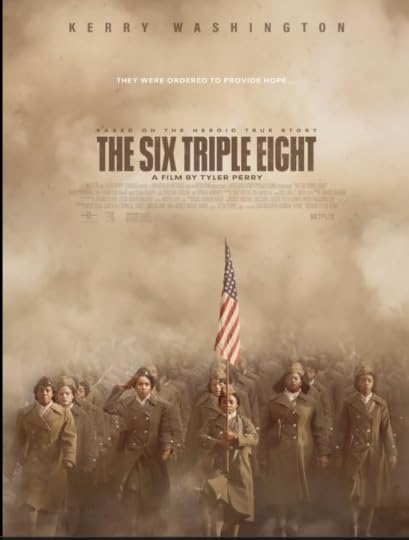
The 6888 had the mission to fix this major problem of connection. Their motto, “No Mail, Low Morale,” held true. They got the mission where others had failed, and it was clear they were expected to fail as well. But they did not. They could not.
As the war drew to a close, Army units did not return as whole organizations. Individuals returned according to how many points they had accumulated during their service. It was a way of managing the large numbers the Army and the Navy both had to deal with.
The 6888 dwindled in size throughout the summer and fall of 1945. The women in that organization didn’t expect awards, and they didn’t believe they deserved much news coverage.
Like the majority of their fellows in the “Greatest Generation,” they were modest and didn’t talk much about their service.
The news of the day and many days thereafter pushed their story aside. Now we know them: the 855 women of color who served in the only such unit to deploy overseas in World War II. Theirs was the only unit to touch soldiers in every other unit in Europe.
Thank God they are receiving their due – remembrance, recognition, and respect.
Still others helped with the rehabilitation of the wounded. Gretchen Fraser taught skiing and horseback riding to wounded sailors at a rehabilitation hospital in Sun Valley, Idaho. After the war, she would begin to think about the Olympics again, but not then.
Millions of other women found their own ways to make a difference, to ‘do their bit.’
They all made a difference, some more than others, most more than even they could ever know.
They set the table for us today.
Enjoyed this post? Get my newsletter delivered to your inbox so you don’t miss the next one! I send out one mailing a month most months and promise zero spam.
The post The 6888 Central Postal Directory Battalion appeared first on Benson's ReView.
February 4, 2025
Our War Too: Women in Service
On Veterans Day 2023, a new exhibit opened at the National World War II Museum in New Orleans. “Our War Too: Women in Service” was a remarkable tribute to the over 350,000 women who served in uniform during World War II. This major exhibit recognizes the contributions of servicewomen to the war effort and celebrates their accomplishments.
I was thrilled to be able to visit this exhibit at the museum last February when they held a day-long Women’s History Symposium featuring a number of renowned historians and researchers.
Retired Army Colonel Edna Cummings keynoted the conference the evening before. Many of those presentations, including those on women in science, nurses in WWII, and the adventures of war correspondent Maggie Higgins, are still available for streaming on the Museum’s website.
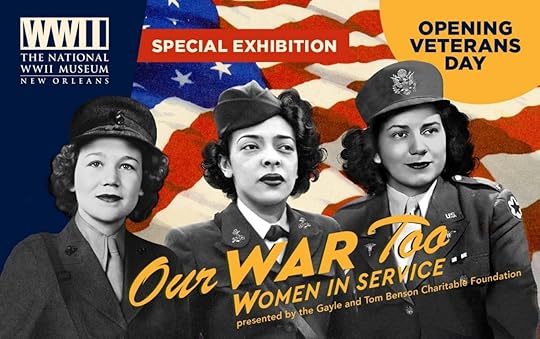
The exhibit itself features many unique items from the Museum’s collection, some on display for the first time, including a wedding dress made from a silk parachute and a variety of uniforms, the items nurses carried and used on a daily basis, and more.
Visitors were especially intrigued by the interactive scrapbook that allows visitors to explore hundreds of items that come from many veteran’s own scrapbooks. It is an exploration that technology has make possible.
Another gift of technology is the ability to hear from several women veterans in their own words. Their interactive biographies and holograms invite visitors to speak with these trailblazers and ask them questions about their service time.
There is also a section on the now well-known 6888 Central Postal Directory Battalion, the only all-Black, all-female unit to deploy overseas in World War II. Given an impossible mission, the 855 women of this unit came together to get the mail moving to front-line troops.
Led by Major Charity Adams, the story of this unit is one that young visitors find both remarkable and inspirational.
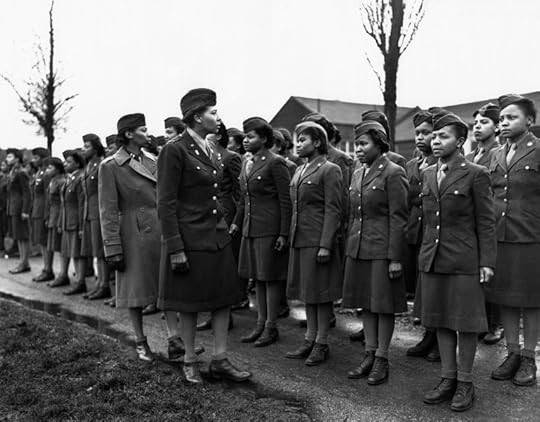
This major temporary exhibit left the World War II Museum in July 2024. But the good news is that it is now traveling the U.S. for the next two years. Those hoping to see this exhibit can take a peek via one of the WWII Museum’s videos about this extraordinary presentation of so many untold stories.
Here are some of the upcoming dates and venues
• California Museum, Sacramento CA – Feb. 4 2025 – May 4, 2025
• The Henry Ford, Dearborn, MI – May 24, 2025 – Sep. 7, 2025
• Atlanta History Center, Atlanta GA – Oct. 25 2025 – Mar. 15, 2026
This exhibit presents a wonderful opportunity to learn and appreciate more of the remarkable history of women in WWII. Come out to see it and be prepared to immerse yourself in their memories.
Enjoyed this post? Get my newsletter delivered to your inbox so you don’t miss the next one! I send out one mailing a month most months and promise zero spam.
The post Our War Too: Women in Service appeared first on Benson's ReView.
January 7, 2025
New Year New Hope
Last June, America and her allies commemorated the 80th Anniversary of D-Day.
Now, in January, with the anniversary of the Battle of The Bulge behind us, we are following the trail of the greatest generation, the stories of those soldiers, sailors, and Marines as they continue on their path towards victory, both in the European Theater and in the Pacific.
.stk-0c10848 {margin-bottom:0px !important;}.stk-0449242 {background-color:var(--stk-global-color-14950, #273891) !important;}.stk-0449242:before{background-color:var(--stk-global-color-14950, #273891) !important;}.stk-c099d8b .stk-img-figcaption{text-align:center !important;font-size:13px !important;color:var(--stk-global-color-14743, #ffd700) !important;}.stk-c099d8b {margin-bottom:0px !important;}.stk-c099d8b .stk-img-wrapper{width:500px !important;height:352px !important;}@media screen and (max-width: 1023px){.stk-c099d8b .stk-img-figcaption{font-size:13px !important;}} Commemorative event at the National D-Day Memorial in Bedford, Virginia. June 6th, 2024
In January of 1945, Charity Adams and the soldiers of the 6888 Central Postal Battalion were on their way to England. She flew to London while her incoming soldiers followed, braving the Atlantic Ocean on a troop ship that was targeted by Nazi submarines.
Kate Nolan was again on the move with the 53rd Field Hospital, churning towards the Rhine with the armor and infantry units of Patton’s Third Army.
In the U.S., a hopeful feeling was taking hold— the tide of war was turning.
The Women’s Air Service Pilots found themselves out of a job. Not just that, many felt they’d lost a career, a calling, and a way to make a difference in the war. Male pilots were returning from Europe and the Pacific to take their jobs—pulling targets for air and ground gunners, ferrying planes from factories to bases, or to be repaired and retrofitted.
Millie Rexroat felt she’d lost her lifelong dream. She couldn’t fly any longer, and like all other women who served in the WASP, they discovered they weren’t even worthy of being called veterans.
Another fight was beginning.
In Dayton, Ohio, Navy WAVES were still building the bombe, but soon, their work would also slow. Meantime, the codebreakers, both Army and Navy women, were busier than ever at their work in Washington.
In China, an eleven-year-old girl looked forward to her twelfth birthday and fifth year as a prisoner of the Japanese. But release was coming, even if it was still months away.
Young Mary Taylor was determined not to give up.
.stk-54c9259 {margin-bottom:0px !important;}.stk-aaa21c4 {background-color:var(--stk-global-color-14950, #273891) !important;}.stk-aaa21c4:before{background-color:var(--stk-global-color-14950, #273891) !important;}.stk-3f0423d .stk-img-figcaption{text-align:center !important;color:var(--stk-global-color-14743, #ffd700) !important;}.stk-3f0423d {margin-bottom:0px !important;}.stk-3f0423d .stk-img-wrapper{width:900px !important;height:500px !important;}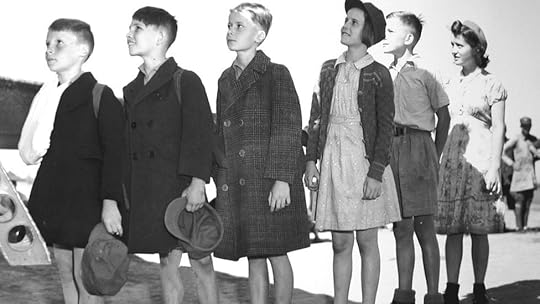 Mary Taylor, third from the right with her brothers and sister, ready to board a flight to be reunited with her parents. She celebrated her twelfth birthday along the way.
 And like all those women who fought on the front lines with the resistance, they too felt a change was in the air.
Diet Eman was still serving in the Netherlands. Released from prison, Mary Barraco was acting as a liaison officer with Canadian forces in Belgium. Virginia Hall continued to lead operations with the French resistance in the south of France. Hilda Gimpel Eisen was fighting with the resistance in Poland. Plus, three million women volunteered with the Red Cross.
More than six million women worked in factories and other industries supporting the war efforts.
Mae Foley and a number of her contemporaries in New York City and other cities and towns across the country served as policewomen, making their own contributions to the safety of their communities.
.stk-7441135 .stk-img-figcaption{text-align:center !important;color:var(--stk-global-color-14743, #ffd700) !important;}.stk-7441135 {background-color:var(--stk-global-color-14950, #273891) !important;margin-bottom:0px !important;}.stk-7441135:before{background-color:var(--stk-global-color-14950, #273891) !important;}.stk-7441135 .stk-img-wrapper{width:388px !important;height:542px !important;}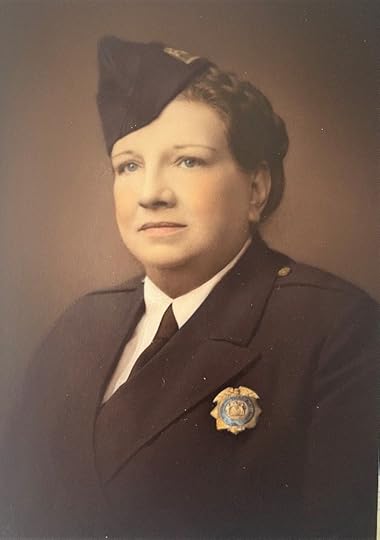 Mae Foley in her new uniform with the NYPD
Still others helped with the rehabilitation of the wounded. Gretchen Fraser taught skiing and horseback riding to wounded sailors at a rehabilitation hospital in Sun Valley, Idaho. After the war, she would begin to think about the Olympics again, but not then.
Millions of other women found their own ways to make a difference, to ‘do their bit.’
They all made a difference, some more than others, most more than even they could ever know.
They set the table for us today.
Enjoyed this post? Get my newsletter delivered to your inbox so you don’t miss the next one! I send out one mailing a month most months and promise zero spam.
The post New Year New Hope appeared first on Benson's ReView.
December 3, 2024
Great Reads & Great Movies
Once I started reading about the exploits of men and women in World War II, I found it difficult, if not impossible, to stop.
I read a number of autobiographies and memoirs of the women I’ve written about: Alice Marble’s early memoir, The Road to Wimbledon, Undercover Girl by then Betty MacDonald – all about her adventures in the OSS, undoubtedly a “tell-all” she would undoubtedly not be able to publish today.
I read at least four books about the enigmatic Virginia Hall and look forward to the upcoming movie about her time with both the SOE and the OSS. The movie is based on the book A Woman of No Importance.
I read the autobiography of Diet Eman, The Things We Couldn’t Say, and other stories about women who fought in the resistance in France, the Netherlands, and Belgium.
I found a number of books about nurses, women who joined the WASP and more. I read the memoir Safe Passage by Ida Cook about her and her sister Louise and how they helped families escape Germany during the War. There are several later versions of this narrative, and I’ve read them as well.
.stk-0c10848 {margin-bottom:0px !important;}.stk-0449242 {background-color:var(--stk-global-color-14950, #273891) !important;}.stk-0449242:before{background-color:var(--stk-global-color-14950, #273891) !important;}.stk-c099d8b {margin-bottom:0px !important;}.stk-c099d8b .stk-img-wrapper{width:450px !important;}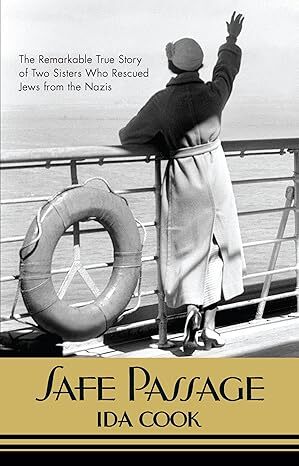
A few years ago, I spoke at the National World War II Museum’s International Conference and met Gwen Strauss, author of The Nine. It is a difficult story to read about women who survived concentration camps, escaped and made their way home during a series of frightening encounters. But like many other tough tales, it is also uplifting.
I have at least five books on the women who served as codebreakers, American and British, in Washington D.C. and at Bletchley Park. I’ve also picked up a copy of the short documentary about the Navy WAVES who built the massive machines, “Bombes” in Dayton, Ohio.
I’ve read about reporters, photographers, and war correspondents, finding stories by Ruth Gruber, Martha Gellhorn, and a coffee-table book from the British Imperial War Museum of photos by Lee Miller, A Woman’s War.
The movie about her, titled simply “Lee,” is now streaming.
.stk-aaa21c4 {background-color:var(--stk-global-color-14950, #273891) !important;}.stk-aaa21c4:before{background-color:var(--stk-global-color-14950, #273891) !important;}.stk-3f0423d {margin-bottom:0px !important;}.stk-3f0423d .stk-img-wrapper{width:426px !important;height:499px !important;}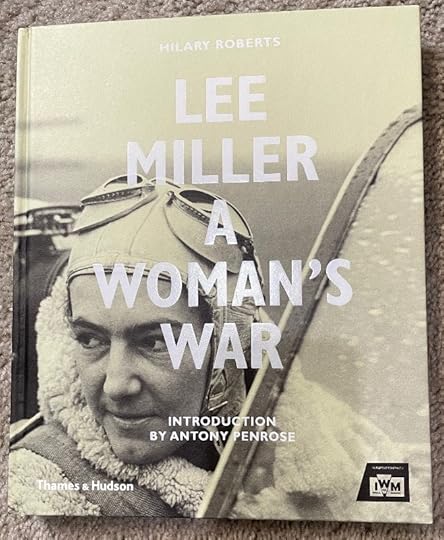
But I’ve been most excited to see the new movie about the all-female, African-American unit from WWII, the 6888 Central Postal Directory Battalion. Based on the story of the unit’s commander, Lt. Col. Charity Adams Earley, the movie will be in selected theaters by Dec 6th and available on Netflix by Dec 20th.
Titled “The Six Triple Eight,” it is the story of this remarkable unit’s success in boosting morale during the war by solving the issue of a nearly impossible years-long backlog of troop mail.
I’ve also written about Charity Adams, and read her memoir, One Women’s Army, about her incredible journey with a segregated U.S. Army during WWII
.stk-7441135 {margin-bottom:0px !important;}.stk-7441135 .stk-img-wrapper{width:388px !important;height:542px !important;}It has taken a monumental effort to bring forth the account of this incredible unit and its remarkable leader. The force behind this effort—that was once a moment, then a movement, and is now a movie—is retired U.S. Army Colonel Edna Cummings.
An advocate and a historian, she led the effort that has resulted in not only this adaptation of the 6888 story but the granting of the Congressional Gold Medal to the 6888 and the retelling of their story in many other ways—through memorials, the naming of Post Offices, historical tours to the U.K and France to see where the unit was stationed, and more, including a future Broadway musical about their journey.
This true champion has brought the 6888 story not only to light but back to life.
Now, there is another book I’m looking forward to—and that is the remarkable story of 6888 promoter Edna Cummings herself, her path from life as a military brat to ROTC, then life as an Army officer, wife, and mother, to advocate and spokesperson for the women of the 6888.
A Soldier’s Life is the story of service, adversity, personal tragedy, and ultimately a triumph of achievement. This book is on Amazon now and available for pre-order.
I’m already in line.
.stk-f81b84e {margin-bottom:0px !important;}.stk-f81b84e .stk-img-wrapper{width:450px !important;height:678px !important;}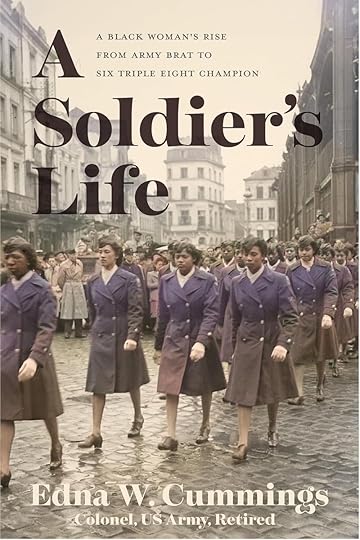
Enjoyed this post? Get my newsletter delivered to your inbox so you don’t miss the next one! I send out one mailing a month most months and promise zero spam.
The post Great Reads & Great Movies appeared first on Benson's ReView.
November 11, 2024
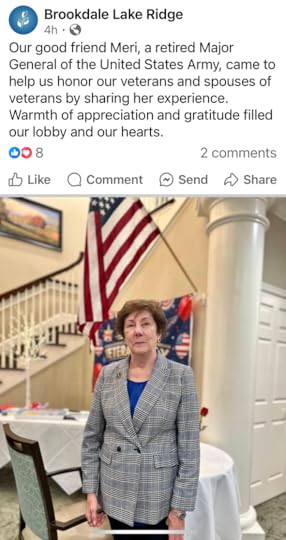
Photos from the Brookdale Lake Ridge 2024 Veterans Day Presentation
The post Photos from the Brookdale Lake Ridge 2024 Veterans Day Presentation appeared first on Benson's ReView.