David Weller's Blog, page 7
April 1, 2023
Practice Listening and Speaking with ChatGPT

AI is taking giant leaps, and fast.
I wrote before about how AI can help you write your lesson plans, create images for you, and 10 ways it can help your language students practice.
Now, you (and your students) can have a spoken conversation with AI.
Mindblowing. 🤯
Let me show you how.
🤖 How Does it Work?We know how important it is for students to practice their speaking skills. But finding the time and resources for one-on-one conversation practice outside the classroom is often a huge ...


March 18, 2023
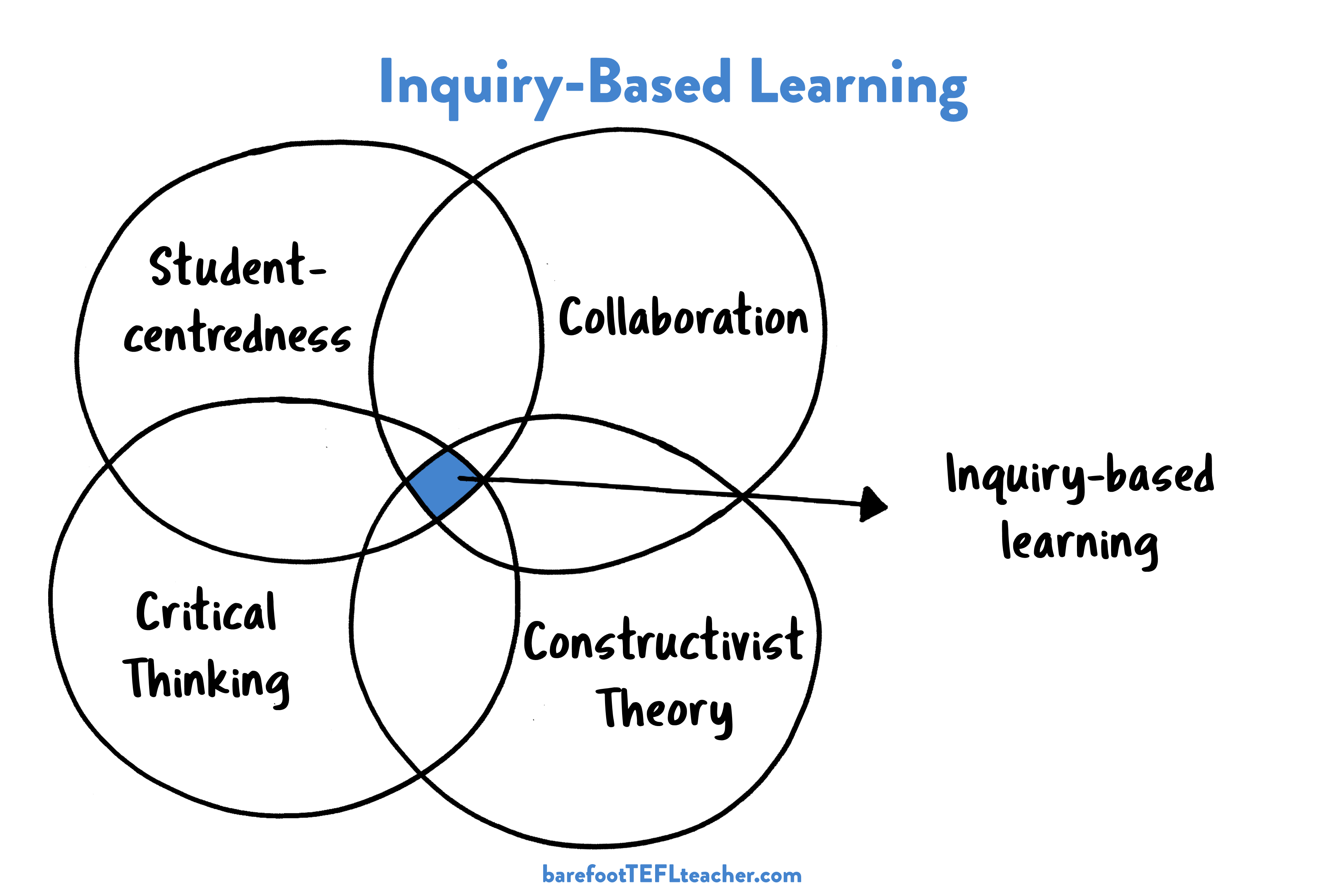
What is Inquiry-Based Learning?
When was the last time you tried a new way to plan a lesson?
Most teachers use the same framework for every lesson. That's fine, but it can become tiresome for you and your students.
Most teachers rely on the Presentation-Practice-Production or Engage-Study-Activate models for their lessons, with an occasional Task-Based Language lesson for variety.
But have you tried an Inquiry-Based Learning lesson?
What is Inquiry-Based Learning?Inquiry-Based Learning (IBL) is a teaching method that ...
March 4, 2023
Teach Vocabulary with the 'Diglot Weave' Story Method

Teaching vocabulary is hard.
There are so many new words that students get bored. It's tough to find ways to keep our students engaged while they learn new lexis.
A professor called Robbins Burling also thought so, and in 1968 he proposed a new 'outlandish' way to teach vocabulary. He added words he wanted students to learn into stories in his students’ first language.
Mixing the two languages to create stories this way is called a ‘diglot weave’.
Over time researchers have tested this method of mix...
February 18, 2023
What is the Fifth Language Learning Skill?

What skills should we teach as language educators?
Traditionally, four macro skills form the backbone of any good language syllabus: listening, speaking, reading, and writing.
However, a skill that claims to be the ‘fifth skill’ pops up every few years. The contenders I’ve seen are:
Culture
Grammaring
Translation
Viewing
Mediation
(If you’ve heard of any more, please let me know!)
Language macro and micro skillsBefore we look at these, let’s agree that language learning and teaching are st...
February 4, 2023
10 Ways Language Students Should Use AI
 Photo by Andy Kelly on Unsplash
How long do you spend with your language students each week?
Two hours or less is common for a lot of language schools. If your students study English in their regular school for another two hours, that makes four hours a week in total. It’ll take your students forever to become fluent in a language.
Thanks for reading Barefoot TEFL Teacher! Subscribe for free to receive new posts and support my work.
That's why study time outside the classroom is so important - and n...
January 20, 2023
8 Myths About Using L1 in Your Classroom
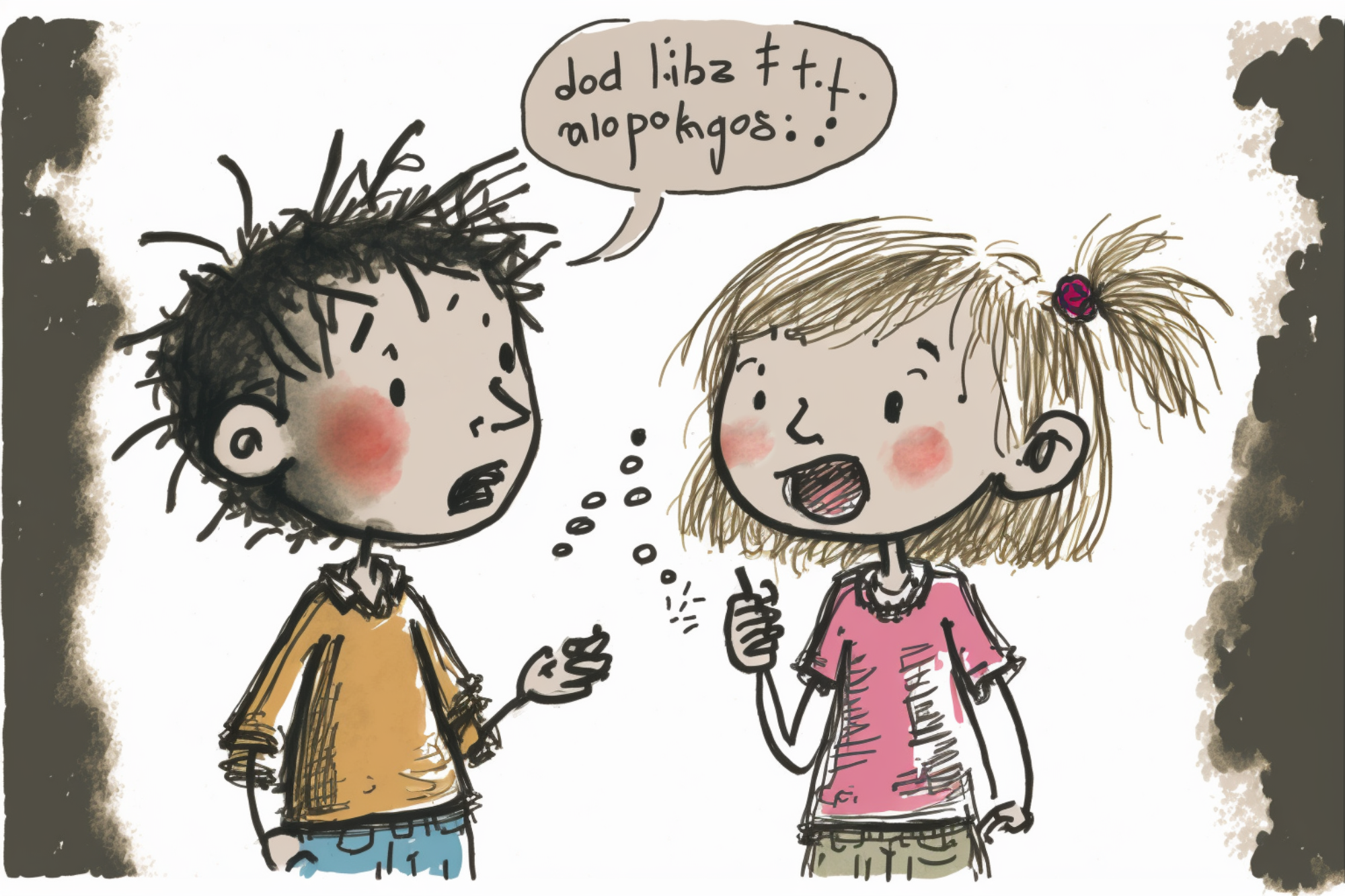
I've lost count of how many language teachers I've met who say you should never use L1 in the classroom.
'You should never use L1 in the classroom' - countless teachers I've met agree.
They're wrong.
‘L1’ is our students' first language, and there are (at least) eight myths about why using it in our lessons damages learning another language. I'm not blaming teachers for believing these myths, as many teacher training courses still preach that all L1 in the classroom is wrong. I was tr...
October 17, 2020
What is Cognitive Load Theory?
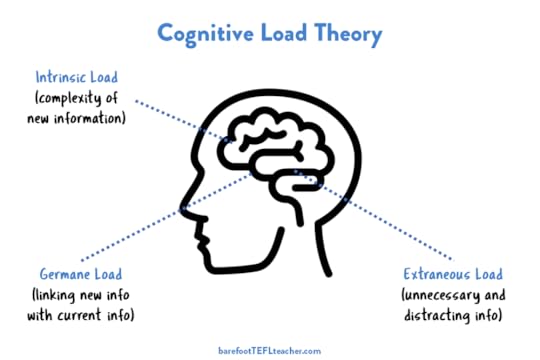
Cognitive load theory explains how we process and remember information, and how too much (or too complex) information is harmful to learning. In this article we’ll look at cognitive load in our lessons, and 5 principles to reduce cognitive load for our students.
As teachers, cognitive load theory is a key principle that sh...
October 6, 2020
What are Thinking Routines?
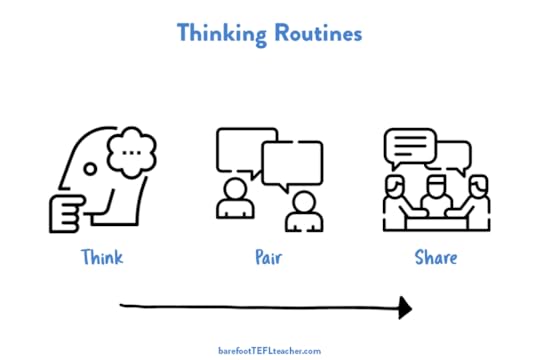
A thinking routine is a short series of steps that guides your thought process. They’re simple and easy to use. Best of all, encouraging students to use them regularly will lead to them growing in confidence, improving critical thinking, and more open discussions.
So What Exactly are Thinking Routines?When we talk about ro...
September 27, 2020
What is Context, Analysis, Practice (Evaluation)?
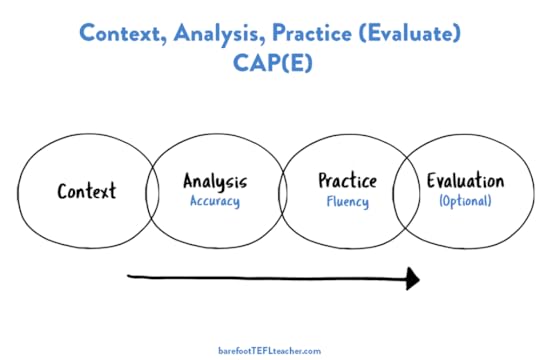
CAP(E) is a lesson planning model, similar in many ways to Engage, Study, Activate.
Lesson planning models are a fantastic way to help you plan your lesson and structure your class. They can help you think through the stages that you and your students will go through in the class, and help to focus learning.
Like most of t...
November 12, 2019
What is Engage-Study-Activate?
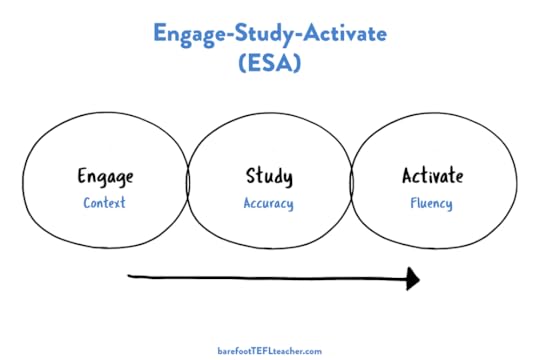
Engage, Study, Activate (ESA) is a method of sequencing activities in your lessons, and was first proposed by Jeremy Harmer in his book, ‘How to Teach English’.
At first glance, ESA appears to be the same as PPP (Presentation, Practice, Production). Like PPP, there are three stages. Each stage of ESA roughly corresponds t...