David Weller's Blog, page 4
January 11, 2025
What is Action Research in TEFL?

Just as you start improving your teaching, someone mentions ‘action research’.
You know what action is. And research. But what do they mean together? And how does it relate to your TEFL teaching?
Action research is a way of saying ‘testing things out your classroom’ - but in a structured way, that will definitely improve your teaching over time.
Action research helps with your specific issues.Think of a problem you have in your classroom.
It could be a that you have issues with young learner behavio...


December 14, 2024
Translanguaging, Interlanguage, and Code-Switching - What’s the Difference?
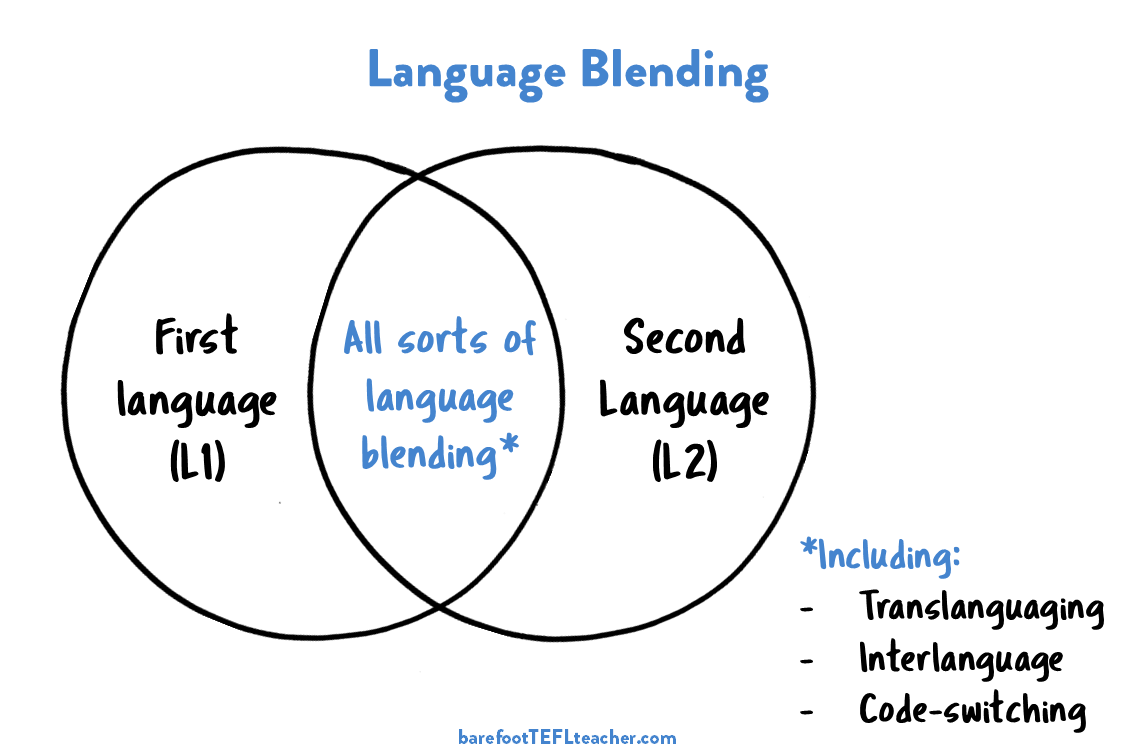 3 types of language blending: translanguaging, interlanguage and code-switching.
Ever found your students switching back and forth between languages during class?
Or maybe you’ve heard them use bits of their first language when they don’t know the English. These moments might seem minor, but your students using their first language can be a rather useful tool for helping them improve their language skills.
And that’s what translanguaging, interlanguage, and code-switching are—three ways that lear...
November 30, 2024
The 4 Stages of Competence in Language Teaching
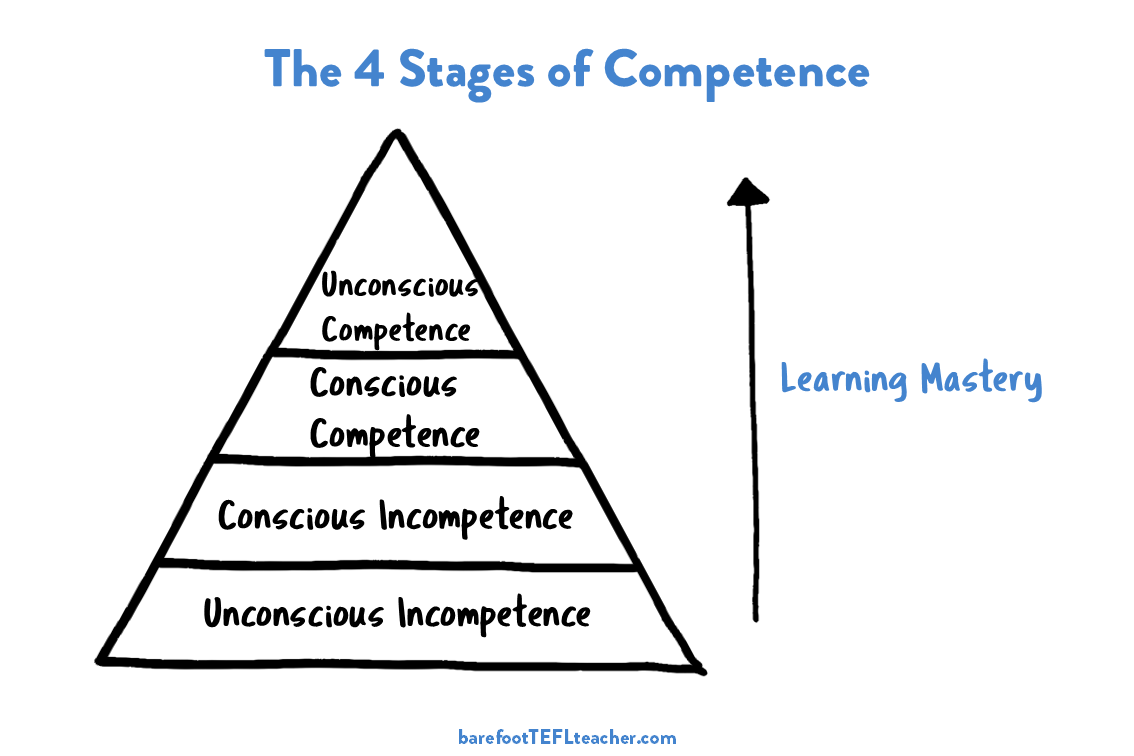
We all want to be better teachers.
But just how do we progress from a stumbling newbie to an expert teacher isn’t always clear.
That’s where the 4 Stages of Competence Model comes in.
Originally developed to explain skill acquisition, this framework is handy for understanding our own teaching journey and our students’ progress. Let’s look at each stage, how each one impacts language teaching, and then how to use them.
1. Unconscious Incompetence – Blissful IgnoranceThis is where most of us start—bl...
November 16, 2024
The Power of Extensive Reading in Language Learning and Teaching

Read loads, and your second language will improve loads.
Extensive reading – the idea of reading a lot, for pleasure, and for general understanding – is one of the best things you can get your students to do. It lets students explore language in a way that’s natural, enjoyable, and non-pressured.
Less pressure, more fun, better language learning.
Let’s look at what makes extensive reading effective, how it’s different from intensive reading, and top tips to make it work in your classroom.
Why is ex...November 2, 2024
Mastering Cultural Intelligence for TEFL Teachers

Imagine walking into a classroom where students come from all corners of the globe, each bringing their own ways of learning, thinking, and seeing the world.
As TEFL teachers, this is our reality.
But more than just knowing where our students are from, cultural intelligence—or CQ—means diving a bit deeper. It’s about understanding, adapting, and bridging those gaps in ways that make students feel seen and supported. Integrating cultural content can massively improve students engagement and motiv...
October 19, 2024
Troubleshooting Task-Based Learning

Many language teachers misunderstand Task-Based Learning (also known as Task-Based Language Teaching).
If you don’t have a clear grasp of TBL's core elements, you can't maximise the method's potential. Do you know what makes a task "task-based,"? If not, you're likely not using TBL in ways that truly engage your students.
Unclear tasks = unengaged students = wasted time and effort.
Here are three common challenges with Task-Based Language Teaching, with suggested solutions.
1. Off-task behaviourPro...
October 5, 2024
The Five 'E's of Storytelling for Teaching
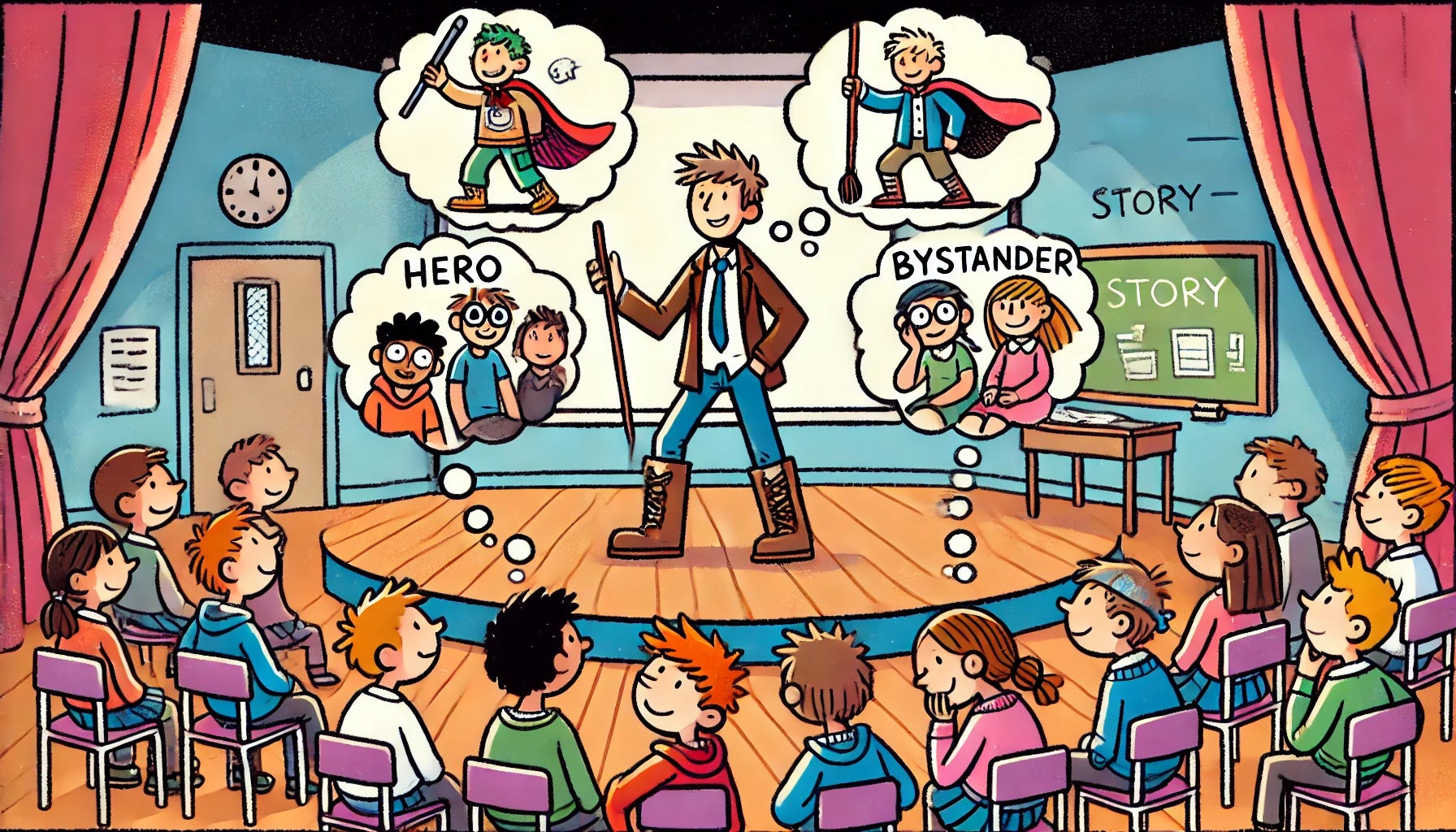
Storytelling kicks ass when you teach language students.
Stories do so much with so little. They improve students’ reading, writing and creating skills1 - and make them enjoy the process.
Master the art of teaching with stories, and not only will you keep your students hanging on every word, you'll also help them acquire vocabulary and use language meaningfully2. This is true, even for adult learners3. Stories can deliver unbelievable value.
Unfortunately, many teachers overlook them, as they thin...
September 21, 2024
Create AI-Generated Podcasts from PDFs

There’s now an easy way to turn PDFs into podcasts, with AI.
For you, it means reading articles easier and more fun (and studying is way easier). For your students, it can be a way to personalise learning content and have fun at the same time. And it’s not just PDFs - you can use text, websites and more.
Let’s look at how, and then about what types of podcasts might be interesting for your students (and you!).
Thanks for reading Barefoot TEFL Teacher! Subscribe for free to receive new posts.
How to ...September 7, 2024
Language Teachers: from Gatekeepers to Curators

It’s hard to believe, but before the Internet, people were still able to learn languages.
In those distant times, language learners had relatively few resources - textbooks, dictionaries, the occasional cassette tape, and library books. Teachers were fonts of knowledge who had the key to unlocking a new language. They were linguistic gatekeepers.
Today, we have AI chatbots and the internet.
Learning resources: scarce to abundantLanguage learning has dramatically changed in the last twenty years (an...
August 24, 2024
Why Don't Students Want to Speak?

We've all experienced awkward silence in the classroom.
It’s your students’ time to speak, they hesitate, and silence grows. You ask more questions, and still silence. Now what?
These pits of silence can happen despite our most enthusiastic efforts to engage learners. Scott Thornbury’s observation from Big Questions in ELT cuts to the heart of the issue;
“Why are some learners unwilling to communicate? There are at least three likely sources of learner reticence: a social-cultural one, a psycholog...