Federica Lupis's Blog, page 3
February 24, 2024
Italian Reflexive verbs
Part 2 of 5
Reflexive verbs are verbs that are used with a reflexive pronoun.
The Italian reflexive prononus are:
mi - myself
ti - yourself
si - himself, herself, oneself
ci - ourselves
vi - yourselves
si - themselves
Reflexive prononuns usually come before the verb, e.g., mi diverto – I enjoy myself. However, in some imperative forms and the infinitive, reflexive prononuns follow the verb, e.g., sbrigati!/sbrigatevi! – hurry up!, and sbrigarsi – to hurry up.
In this article, we will learn the most common Italian reflexive verbs.
Enjoy!

Photo by Federico Di Dio photography on Unsplash
Avvicinarsi – to get closerAvvicinati cara Biancaneve. Vieni, che ti faccio vedere la mela – Come closer dear Snow White. Come, I'll show you the apple.
Chiamarsi – to be called (my name is…) Chiedersi – to wonder, to ask oneself Inventarsi – to make upMi chiamo Federica, non Fenicia. Mi chiedo quale altro nome si inventeranno domani a lavoro – My name is Federica, not Fenicia. I wonder what other name they'll come up with at work tomorrow.
Diplomarsi – to graduate from schoolUna delle figure più importanti della letteratura americana, Mark Twain, non si è mai diplomato – One of the most important figures in American literature, Mark Twain, never graduated from school.
Divertirsi – to have fun
A: “Cosa ti piace fare per divertirti?” – “What do you like to do for fun?”
B: “Vado a ballare tre volte alla settimana con le mie compagne di università” – “I go dancing three times a week with my university friends”
A: “E quando studi?” – “And when do you study?”
B: “Un mago non rivela mai i suoi trucchi!” – “A magician never reveals his tricks!”
Farsi il bagno – to have a bath Farsi la doccia – to have a shower Godersi – to enjoy Trattarsi – to treat oneself
A: “Preferisci farti il bagno o farti la doccia?” – “Do you prefer to bathe or shower?”
B: “In settimana mi faccio la doccia, ma nel weekend, riempo la vasca d’acqua calda, mi verso un bicchiere di vino rosso e mi godo del buon cioccolato” – “During the week I take a shower, but on the weekend, I fill the tub with hot water, pour myself a glass of red wine and enjoy some good chocolate”
A: “Ah! Vedo che ti tratti bene!” – “Ah! I see you treat yourself well!”
Farsi la barba – to shave
“Non c’è bisogno di farti la barba tutti i giorni. Preferisco gli uomini con la barba.” – “You don't need to shave every day. I prefer men with beards.”
Farsi male – to hurt oneself“Va bene, andate pure a giocare a nascondino nel bosco, ma state attenti a non farvi male!” – “Okay, go and play hide and seek in the woods, but be careful not to get hurt!”
Fermarsi – to stop, to stay over for lunch/dinner, to sleep over
A: “Volete fermarvi a cena?” – “Would you like to stay over for dinner?”
B: “Sì grazie, con piacere” – “Yes, thank you, with pleasure”
Fidanzarsi – to get engaged“Molte persone mi chiedono quando mi fidanzerò ufficialmente. La mia risposta è sempre la stessa: MAI” – “Many people ask me when I will officially get engaged. My answer is always the same: NEVER”
~ ~ ~
Thanks for reading, I'll see you all next month!
If you enjoyed my article, you can discover my tried and tested language learning strategies in my books:
· ,,Why You're Not Fluent and How To Fix It
and here are this month's book offers:
,,The Booklist that Everyone is Talking About? Discover it NOW!
Kyara e l'Anello degli Antenati by Saveria Parisi - ITALIAN version
Kyara e i Guerrieri di Pietra by Saveria Parisi – ITALIAN version
This newsletter was brought to you by Taurinorum Tattoo Studio, Via Gian Francesco Bellezia, 12a, 10122 Torino (TO), Italy.
Go to the Italian version.
To read my previous article, click below:
,,Italian Reflexive verbs_Part 1 of 5


January 30, 2024
Italian Reflexive verbs
Part 1 of 5
Reflexive verbs are verbs that are used with a reflexive pronoun.
The Italian reflexive pronouns are:
mi - myself
ti - yourself
si - himself, herself, oneself
ci - ourselves
vi - yourselves
si - themselves
Reflexive pronouns usually come before the verb, e.g., mi diverto – I enjoy myself. However, in some imperative forms and the infinitive, reflexive pronouns follow the verb, e.g., sbrigati!/sbrigatevi! – hurry up!, and sbrigarsi – to hurry up.
In this article, we will learn the most common Italian reflexive verbs.
Enjoy!
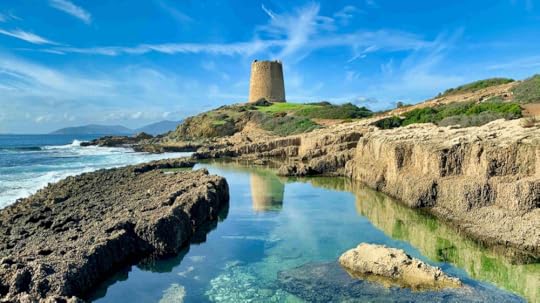
Photo by Tristan MIMET on Unsplash
Abituarsi a – to get used to Trasferirsi – to moveAntonia si è trasferita in Spagna e si è abituata alla cultura spagnola molto velocemente – Antonia moved to Spain and got used to Spanish culture very quickly.
Abbronzarsi – to get a tanCome sempre, quando andremo in vacanza, Valentina si abbronzerà tantissimo. Ha sempre una bellissima abbronzatura dopo che andiamo al mare – As always, when we go on holiday, Valentina will get a great tan. She always has a beautiful tan after we go to the beach.
Addormentarsi – to fall asleepDopo aver bevuto due bicchieri di amaro San Simone a testa, io e Veronica ci siamo addormentate sul divano – After drinking two glasses of San Simone liqueur each, Veronica and I fell asleep on the sofa.
Allenarsi – to work out Tenersi – to be heldElisa si allena tutti i giorni per la competizione di danza acrobatica che si terrà a febbraio. Ama fare acrobazie pericolose – Elisa trains every day for the acrobatic dance competition that will be held in February. She loves doing dangerous stunts.
Allontanarsi – to go away, to step back, to go far
Va bene Heidi, puoi andare a vedere le caprette, ma non allontanarti troppo! – It's okay Heidi, you can go and see the baby goats, but don't go too far!
Alzarsi – to stand upSe fosse un giorno lavorativo, dovrei alzarmi presto, ma sono in vacanza e dormirò almeno fino alle dieci – If it were a workday, I would have to get up early, but I'm on vacation and will sleep until at least ten.
Ammalarsi – to get sickMolti dottori dicono che le persone che non si lavano spesso le mani, si ammalano più frequentemente – Many doctors say that people who don't wash their hands often get sick more often.
Annoiarsi – to get bored
Mi annoio quando le persone non parlano d’altro che di soldi e lavoro – I get bored when people talk about nothing but money and work.
Arrabbiarsi – to get angry Scatenarsi – to break out, to unleash/go wildA: “Perché la nonna si è arrabbiata?” – “Why was grandma angry?”
B: “Perché Luca non ha mangiato le melanzane ripiene.” – “Because Luca didn't eat the stuffed aubergines.”
A: “Chiamate i pompieri! Sta per scatenarsi l’inferno!” – “Call the firefighters! Hell is about to break loose!"
~ ~ ~
Thanks for reading, I'll see you all next month!
If you enjoyed my article, you can discover my tried and tested language learning strategies in my books:
· ,,Fluent On The First Try ,,
· ,,Why You're Not Fluent and How To Fix It
and here are this month's book offers:
Click Here! And Discover Amazing Books! Kyara e l'Anello degli Antenati by Saveria Parisi - ITALIAN version Kyara e i Guerrieri di Pietra by Saveria Parisi – ITALIAN version
This newsletter was brought to you by EsoutacheCreations, one of a kind Jewellery. Handmade in Italy with love.
Go to the Italian version.
To read my previous article, click below:
,,Common Italian idioms_Part 5 of 5
November 26, 2023
Common Italian Idioms
Part 5 of 5
An idiom is a sentence whose meaning can’t be understood from the meaning of the individual words that are part of it. For example, the English idiom ‘break a leg’ means ‘good luck’; it is not a way to curse someone.
In this article, we will learn the most common Italian idioms.
Enjoy!
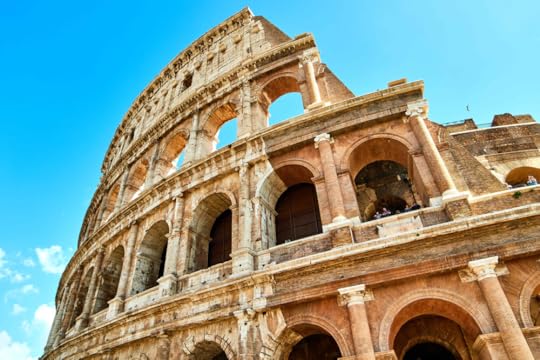
Photo by Mathew Schwartz on Unsplash
1. Non rimandare a domani quello che puoi fare oggi – don't put off until tomorrow what you can do today.
A: “L’esame è tra un mese. Perché stai studiando?”
B: “Mia madre mi dice sempre ‘Non rimandare a domani quello che puoi fare oggi’ e a volte seguo i suoi consigli”.
A: “The exam is in a month. Why are you studying?”
B: “My mother always tells me 'Don't put off until tomorrow what you can do today' and sometimes I follow her advice.”
2. Non tutte le ciambelle riescono col buco – you can't win them all/not everything turns out as planned.
Literal translation: not all doughnuts come out with a hole
A: “Ho deciso di dare il bianco perché sono brava a dipingere e pensavo fosse più o meno la stessa cosa, ma il risultato non è stato quello che mi aspettavo…”
B: “Non tutte le ciambelle riescono col buco… ma comunque credo che tu abbia fatto un buon lavoro!”
A: “I decided to paint my house because I'm good at painting and I thought it would be more or less the same thing, but the result wasn't what I expected…”
B: “Not everything turns out as planned… but I still think you did a good job!”
3. Occhio non vede, cuore non duole – out of sight, out of mind.
Literal translation: the eye does not see, the heart does not hurt.
A: “Dopo che si sono lasciati e ha saputo che lei si è messa con un altro, lui si è trasferito dall’altra parte del mondo.”
B: “Occhio non vede, cuore non duole.”
A: “After they broke up and he found out she was dating someone else, he moved to the other side of the world.”
B: “Out of sight, out of mind.”
4. O la va o la spacca! – make it or break it.
A: “Vuoi dare l’esame senza aver studiato? Sei pazzo?”
B: “È il mio ultimo esame. O la va o la spacca!”
A: “Do you want to take the exam without having studied? Are you crazy?"
B: “It's my last exam. Make it or brake it!"
5. Qualcosa bolle in pentola – something is up.
Literal translation: something boils in the pot.
A: “Tuo marito ha pulito casa e ti ha preparato la cena? Qualcosa bolle in pentola…”
A: “Your husband cleaned the house and made dinner for you? Something's up..."
6. Parli del diavolo e spuntano le corna – speak of the devil.
Literal translation: speak of the devil and horns emerge.
A: “Mille euro di bolletta? Penso sia ora di parlare con mamma e dirle di smetterla di lavare continuamente!”
B: “Oh mamma! Parli del diavolo e spuntano le corna…”
A: “A thousand-euro bill? I think it's time to talk to mom and tell her to stop washing all the time!”
B: “Oh mom! Speak of the devil…”
7. Ride bene chi ride ultimo! – he who laughs last, laughs longest.
A: “Pensa di avermi sconfitto, ma non sa cosa ho in serbo per lui. Ride bene chi ride ultimo!”
A: “He thinks he has defeated me, but he doesn't know what I have in store for him. He who laughs last, laughs longest!"
8. Rompere il ghiaccio – to break the ice
A: “Quando c’è un incontro di lavoro e ci fanno fare dei giochi per rompere il ghiaccio, vorrei prendere e andarmene. Perché ci fanno sprecare tempo? Non siamo mica all’asilo!”
B: “Dai Luca, non ti arrabbiare, magari sta volta i giochi sono più interessanti!”
A: “Vuoi scommettere?!”
A: “When there's a business meeting and they make us play games to break the ice, I’d like to stand up and leave. Why do they waste our time? We're not in kindergarten anymore!"
B: “Come on Luca, don't get angry, maybe this time the games will be more interesting!”
A: “Do you want to bet?!”
9. Rompere le scatole – to bother someone
Literal translation: to break the boxes.
A: “Sei al secondo Cornetto? Ma non avevi detto che eri a dieta?”
B: “Non mi rompere le scatole. Faccio cosa mi pare.”
A: “Mamma mia come sei acida. Per me puoi mangiarne anche dieci!”
A: “Are you eating your second Cornetto ? Didn't you say you were on a diet?"
B: “Don't bother me. I do what I want.”
A: “My goodness, you are so sour. As far as I’m concerned, you can eat ten of them!”
10. Sano come un pesce – t o be very healthy, as sound as a bell
Literal translation: as healthy as a fish.
A: “Come sta tuo nonno?”
B: “È sano come un pesce. Aveva solo fatto indigestione dopo aver finito una scatola di cioccolatini”.
A: “How is your grandfather?”
B: “He is as sound as a bell. He just had indigestion after finishing a box of chocolates."
11. Sbarcare il lunario – to make ends meet.
Literal translation: to unload the almanac.
A: “Tra l’aumento dei prezzi e dei tassi di interesse, è sempre più difficile sbarcare il lunario per alcune famiglie.”
A: “Between rising prices and interest rates, it is increasingly difficult for some families to make ends meet.”
12. Senza peli sulla lingua/non avere peli sulla lingua – without mincing words
Literal translation: not to have hairs on your tongue.
A: “Perché non mi hai rinnovato il contratto di affitto?”
B: “Perché non fai altro che lamentarti tutto il tempo e non ti sopporto più!”
A: “Certo che non hai proprio peli sulla lingua!”
A: “Why didn't you renew my rental contract?”
B: “Because all you do is complain all the time and I can't stand you anymore!”
A: “You certainly don't mince your words!”
13. Si chiama Pietro e torna indietro – you must give it back to me.
Literal translation: His name is Pietro and he comes back.
A: “Mi puoi prestare il libro ‘no self, no problem’?”
B: “Sì, ma si chiama Pietro e torna indietro!”
A: “Can you lend me the book 'no self, no problem'?”
B: “Yes, but you must give it back to me”.
14. Sfortunato al gioco, fortunato in amore – unlucky at cards, lucky in love”
A: “Non compro mai I biglietti della lotteria. Tanto perdo sempre!”
B: “Sfortunato al gioco, fortunato in amore!”
A: “I never buy lottery tickets. I always lose anyway!”
B: “Unlucky at cards, lucky in love!”
15. Sputa il rospo – spit it out.
Literal translation: to spit the toad.
A: “Cos’hai? Sei strana.”
B: “No, niente…”
A: “Quando dici ‘no, niente’, c’è qualche problema. Sputa il rospo! Che cos’hai?”
A: “What's wrong with you? You're acting weird"
B: “No, nothing…”
A: “When you say 'no, nothing', there’s something wrong. Spit it out! What's wrong?"
16. Stare/calzare a pennello – to suit to a T, to fit like a glove, to look great.
A: “Come mi sta questo vestito?”
B: “Ti sta a pennello!”
A: “How does this dress look on me?”
B: “It looks great on you!”
17. Stare con le mani in mano – to sit on your hands.
Literal translation: to stay with your hands in your hand.
A: “Wow! Quanta roba da mangiare hai comprato?”
B: “Sì ma non stare con le mani in mano! Aiutami a scaricare la macchina!”
A: “Wow! How much food did you buy?”
B: “Yes but don't sit on your hands! Help me unload the car!”
18. Stare sullo stomaco/sulle palle – to gets on someone’s nerves
Literal translation: to stay on the stomach/on the balls
A: “Perché non ti piace Mario?”
B: “Perché è sempre scortese senza motive. Mi sta proprio sulle palle!”
A: “Why don't you like Mario?”
B: “Because he is always rude for no reason. He really gets on my nerves!”
19. Tale madre, tale figlia/tale padre, tale figlio – like mother, like daughter/like father, like son.
A: “Vera è una famosa attrice di teatro e sua figlia Valentina ha appena recitato in un film con Robert De Niro e Leonardo Di Caprio”.
B: “Tale madre, tale figlia!”
A: “Vera is a famous theatre actress, and her daughter Valentina has just starred in a film with Robert De Niro and Leonardo Di Caprio”.
B: “Like mother, like daughter!”
20. Tanto v a la gatta al lardo che ci lascia lo zampino – curiosity killed the cat.
Literal translation: the cat goes to the lard so much that it leaves its paw.
A: “Tanto va la gatta al lardo che ci lascia lo zampino. Poi non dire che non ti avevo avvisato!”
A: “Curiosity killed the cat. Then don't say I didn't warn you!"
21. Tirare un pacco – to stand someone up
22. Dare buca – to stand someone up
Literal translations: to throw a package/to give a hole.
A: “Dovevamo trovarci al Cutre alle 10, ma mi ha tirato pacco”.
B: “Peggio per lui! Non sa cosa si perde!”
A: “We were supposed to meet at Cutre at 10, but he stood me up”.
B: “Too bad for him! He doesn't know what he's missing!”
23. Togliersi dai piedi – to get out of the way
Literal translation: to get out of the feet
A: “Dai Remo, smettila di abbaiare e togliti dai piedi, se no non riesco a darti da mangiare!”
A: “Come on Remo, stop barking and get out of my way, otherwise I won't be able to feed you!”
24. Tra il dire e il fare c’è di mezzo il mare – easier said than done/there is a world of difference between saying and doing.
Literal translation: between saying and doing is the ocean.
A: “Vedrai, entro domenica il giardino sarà perfetto! Taglierò l’erba, poterò gli alberi e pianterò i fiori”.
B: “Tra il dire e il fare c’è di mezzo il mare”.
A: “You'll see, by Sunday the garden will be perfect! I will cut the grass, prune the trees and plant the flowers."
B: “There is a world of difference between saying and doing”.
25. Tra moglie e marito non mettere il dito – never interfere between a husband and wife.
Literal translation: don’t put a finger between wife and husband.
A: “Quando mi ha chiesto consiglio, le ho detto di lasciarlo e adesso non mi parla più!”
B: “Tra moglie e marito non mettere il dito!”
A: “When she asked me for advice, I told her to leave him and now she doesn't talk to me anymore!”
B: “Never interfere between husband and wife!”
26. Tutto fa brodo – every little bit helps, every little thing counts
Literal translation: anything makes broth.
A: “Mi dispiace ma posso donare solo venti dollari. Non so se sarà molto utile.”
B: “Non preoccuparti! Tutto fa brodo”
A: “I'm sorry but I can only donate twenty dollars. I don't know if it will be very useful.”
B: “Don't worry! Every little bit helps."
27. Tutto fumo e niente arrosto – all bark and no bite/all hat and no cattle
Literal translation: all smoke and no roast
A: “Ha detto che avrebbe organizzato una mega festa, ma come sempre non ha fatto nulla!”
B: “Tutto fumo e niente arrosto!”
A: “He said he was going to throw a huge party, but as always he didn't do anything!”
B: “All hat and no cattle!”
28. Vedere i sorci verdi – make someone see stars from pain/cause someone great trouble.
Literal translation: to see green mice.
A: “Quando mi ha disinfettato la ferita, ho visto i sorci verdi!”
A: “When he disinfected my wound, I saw stars from pain!”
29. Vedersela brutta – to experience a narrow escape/to have a rough/hard time
Literal translation: to see it ugly.
A: “Quando ho guidato in mezzo alla tempesta, me la sono vista brutta!”
A: “When I drove through the storm, I had a rough time!”
30. Passare un brutto quarto d'ora – to get really worried
Literal translation: to have a bad quarter of an hour
A: "Quando non trovavo più il portafoglio, ho passato un brutto quarto d'ora."
A: "When I couldn't find my wallet, I got really worried."
~ ~ ~
Thanks for reading, I'll see you all next month!
If you enjoyed my article, you can discover my tried and tested language learning strategies in my books:
· ,,Why You're Not Fluent and How To Fix It
and here are this month's book offers:
,,It's Book Frenzy! Don't Miss out on these Amazing Books! ,,Kyara e l'Anello degli Antenati by Saveria Parisi - ITALIAN version ,,Kyara e i Guerrieri di Pietra by Saveria Parisi – ITALIAN versionThis newsletter was brought to you by ,Oksshen58 Ebay fashion shop.
Go to the ,,Italian version.
To read my previous article, click below:
October 31, 2023
Common Italian Idioms
Part 4 of 5
An idiom is a sentence whose meaning can’t be understood from the meaning of the individual words that are part of it. For example, the English idiom ‘break a leg’ means ‘good luck’; it is not a way to curse someone.
In this article, we will learn the most common Italian idioms.
Enjoy!
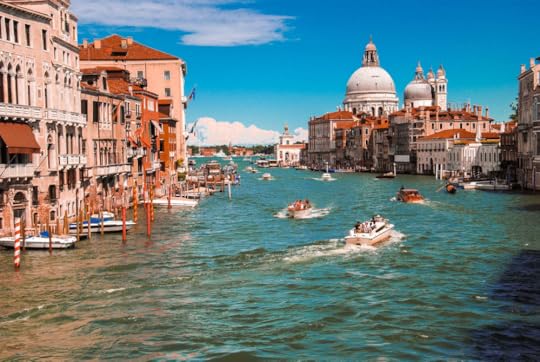
Photo by Dan Novac on Unsplash
1. Da leccarsi i baffi – Delicious
Literal translation: to lick one’s mustaches.
A: “Com’era la torta?”
B: “Da leccarsi i baffi!”
A: “How was the cake?”
B: “Delicious!”
2. L’abito non fa il monaco – don’t judge a book by its cover.
Literal translation: the dress does not make the monk.
A: “Sembrava così tranquillo quando ha iniziato a lavorare qui, ma si è rivelato essere un festaiolo!”
B: “L’abito non fa il Monaco, mia cara!”
A: “He seemed so calm when he started working here, but he turned out to be a party animal!”
B: “Never judge a book by its cover, my dear!”
3. L’ambasciator non porta pena – don’t shoot the messenger (do not blame the person who is giving you bad news, when you should blame the people who are responsible for it.)
Literal translation: the ambassador does not bring pain.
A: “Quindi mi stai dicendo che devo lasciare l’appartamento entro una settimana?!”
B: “Sì, ma non prendertela con me! Ricordati che l’ambasciator non porta pena.”
A: “So you're telling me I have to leave the apartment within a week?!”
B: “Yes, but don't blame me! Remember that you should never shoot the messenger."
4. L’amore è cieco – love is blind
A: “Sta con un tizio che non lavora e passa le sue giornate sul divano. Come fa?”
B: “Non ne ho idea! È proprio vero che l’amore è cieco!”
A: “She's in a relationship with a guy who doesn't work and spends his days on the couch. How does she do that?”
B: “I have no idea! It really is true that love is blind!”
5. L’appetito vien mangiando – appetite comes with eating
A: “Quando mi sono seduta a tavola non avevo molta fame, ma adesso ho una fame da lupo”
B: “L’appetito vien mangiando!”
A: “When I sat at the table, I wasn't very hungry, but now I'm starving”
B: “Appetite comes with eating!”
6. L’erba del vicino è sempre più verde – the grass is always greener on the other side.
A: “Ha tre Ferrari, due Lamborghini e una Maserati. Fa una vita da sogno!”
B: “L’erba del vicino è sempre più verde. Sii grato per tutto quello che hai”.
A: “He has three Ferrari, two Lamborghini and a Maserati. He lives the dream life!”
B: “The grass is always greener on the other side. Be grateful for everything you have."
7. La pazienza è la virtù dei forti – patience is a virtue (the ability to wait for something without getting upset is a good quality)
Literal translation: patience is the virtue of the strong.
A: “Quando gli ho detto che ci sarebbe stato un ritardo di tre giorni nelle consegne, avevo paura che si sarebbe arrabbiato, invece mi ha fatto un sorriso”
B: “La pazienza è la virtù dei forti”.
A: “When I told him that there would be a three-day delay in deliveries, I was afraid he would be angry, instead he gave me a smile”.
B: “Patience is the virtue of the strong.”
8. La speranza è l’ultima a morire – hope springs eternal.
Literal translation: hope is the last to die.
A: “Non ce la faremo mai a ripulire tutto prima che mamma e papà tornino a casa”
B: “La speranza è l’ultima a morire. Vedrai che ce la faremo!”
A: “We'll never be able to clean everything up before mum and dad come home.”
B: “Hope springs eternal. You'll see we'll make it!"
9. Mai giudicare dalle apparenze – don’t judge a book by its cover.
Literal translation: never judge by the appearance.
A: “Hai visto le loro foto su Instagram? Sembravano così felici insieme!”
B: “Mai giudicare dalle apparenze!”
A: “Have you seen their photos on Instagram? They looked so happy together!”
B: “Never judge a book by its cover!”
10. Mal comune, mezzo gaudio – a trouble shared is a trouble halved
Literal translation: common evil, half joy.
A: “Parlare con te mi ha fatto sentire meglio!”
B: “Mal comune, mezzo gaudio!”
A: “Talking to you made me feel better!”
B: “A trouble shared is a trouble halved!”
11. Mandare all’aria – to mess something up/to throw it away, to call everything off.
Literal translation: to send to the air.
A: “Stavano per sposarsi, ma ha mandato tutto all’aria e si è trasferito in Giamaica!”
B: “Che invidia!”
A: “They were going to get married, but he called everything off and moved to Jamaica!”
B: “I’m so jealous!”
12. Meglio tardi che mai – better late than never.
A: “Mi ha inviato la sua ricerca cinque minuti prima della scadenza!”
B: “Meglio tardi che mai!”
A: “He sent me his paper five minutes before the deadline!”
B: “Better late than never!”
13. Mettere lo zampino – meddling in other people’s business/putting your nose where it doesn’t belong.
Literal translation: to put the paw.
A: “I preparativi per la festa a sorpresa stavano andando bene, finché Karla ci ha messo lo zampino e ha rovinato tutto!”
A: “The preparations for the surprise party were going well, until Karla put her nose where it doesn’t belong and ruined everything!”
14. Mettere nero su bianco – to put in writing, on paper.
Literal translation: to put black on white.
A: “È tutto scritto qui! Nero su bianco.”
A: “It’s all here! In writing.”
15. Metterci una vita – to take forever
Literal translation: to take a lifetime
A: “Ci metti sempre una vita a preparati! Sbrigati!”
A: “You always take forever to get ready! Hurry up!"
16. Morire dal ridere – to die laughing
Morire di sonno – to be dead tired
Morire di fame – to starve
Morire dal caldo/freddo – to die from the heat/to be freezing
· “Quando guardo Helen Bidou muoio sempre dal ridere”
“When I watch Helen Bidou I always die laughing”
· “Non sono stanca, sto morendo di sonno.”
“I'm not tired, I'm dead tired.”
· “Ti prego mangiamo, sto morendo di fame!”
“Let's eat please, I'm starving!”
· “Prima morivi di caldo e adesso muori di freddo… deciditi!”
“Before you were dying from the heat and now, you're freezing… make up your mind!”
17. Morto un papa, se ne fa un altro – there are plenty more fish in the sea.
Literal translation: once a pope dies, another pope is elected.
A: “Mi ha lasciato perché secondo lui leggo troppi manga”
B: “Che scemo! Meglio così! Morto un papa, se ne fa un altro.”
A: “He left me because he thinks I read too many manga”
B: “What an idiot! It's better that way! There are plenty more fish in the sea."
18. Non ci piove – No doubt about it
Literal translation: It doesn’t rain on it.
A: “La squadra dell’anno scorso era più forte e su questo non ci piove!”
A: “Last year's team was stronger. There's no doubt about it!”
19. Ogni due per tre – very often
Literal translation: every two for three.
A: “Dice bugie ogni due per tre.”
A: “He lies very often.”
20. Ogni morte di papa – once in a blue moon
Literal translation: every death of a pope.
A: “Tuo fratello pulisce la casa ogni morte di papa.”
A: “Your brother cleans the house once in a blue moon.”
21. Oltre al danno, anche la beffa! – to add insult to injury.
Literal translation: in addition to the damage, even the insult!
A: “Una macchina non le ha dato la precedenza e l’assicurazione non vuole pagare. Oltre al danno, anche la beffa!”
A: “A car didn't give her way and the insurance doesn't want to pay adding insult to injury!”
22. Pareggiare i conti – to get even/settle a score
Literal translation: to match numbers.
A: “È andato dalla polizia dopo che quel tizio gli ha mandato una lettera dove diceva che era ora di pareggiare i conti.”
A: “He went to the police after that guy sent him a letter saying it was time to settle a score.”
23. Perdersi in un bicchier d’acqua – to drown in an inch of water (not knowing how to handle the simplest situations)
Literal translation: to get lost in a glass of water.
A: “È un ragazzo intelligente, ma a volte si perde in un bicchier d’acqua!”
A: “He's a smart guy, but sometimes he drowns in an inch of water!”
24. Piangere come una fontana – to cry desperately.
Literal translation: to cry like a fountain.
A: “Piange come una fontana. Come faccio a farlo smettere?”
A: “He is crying desperately. How do I make him stop?”
25. Piangere sul latte versato – to cry over spilled milk
A: “È inutile piangere sul latte versato. Dovevi pensarci prima!”
A: “There's no use crying over spilled milk. You should have thought of that before!”
26. Piovere a catinelle – it’s raining cats and dogs
Literal translation: it’s raining basins
A: “Ma dove vuoi andare? Sta piovendo a catinelle!”
A: “Where do you want to go? It's raining cats and dogs!”
27. Piove sempre sul bagnato – Lucky people will always be lucky.
Literal translation: It always rains on wet ground.
A: “Ha tre macchine e ne ha appena vinta un’altra alla lotteria! Piove sempre sul bagnato!”
A: “He has three cars and just won another one in the lottery! Lucky people will always be lucky!”
28. Prendere due piccioni con una fava – to kill two birds with one stone
Literal translation: to take two pigeons with one broad bean.
A: “Quando raggiungi due obiettivi allo stesso tempo, puoi dire che hai preso due piccioni con una fava.”
A: “When you achieve two goals at the same time, you can say you've killed two birds with one stone.”
29. Prendere lucciole per lanterne – to make a mistake/a blunder, to misunderstand.
Literal translation: To take fireflies for lanterns
A: “Non hai capito proprio niente! Prendi sempre lucciole per lanterne!”
A: “You didn't understand anything at all! You always misunderstand!”
30. Prendere un granchio – To make a mistake/a blunder
Literal translation: to catch a crab.
A: “Pensavo fosse innamorata di me, ma mi sa che ho preso un granchio!”
A: “I thought she was in love with me, but I think I made a mistake!”
~ ~ ~
Thanks for reading, I'll see you all next month!
If you enjoyed my article, you can discover my tried and tested language learning strategies in my books:
· Why You're Not Fluent and How To Fix It
and here are this month's book offers:
These Hidden Gems are waiting for YOU! Discover them Now! Kyara e l'Anello degli Antenati by Saveria Parisi - ITALIAN version Kyara e i Guerrieri di Pietra by Saveria Parisi – ITALIAN versionThis newsletter was brought to you by EsoutacheCreations, one of a kind Jewellery. Handmade in Italy with love.
Go to the Italian version.
To read my previous article, click below:
August 1, 2023

July 29, 2023
Common Italian Idioms
Part 3 of 5
An idiom is a sentence whose meaning can’t be understood from the meaning of the individual words that are part of it. For example, the English idiom ‘break a leg’ means ‘good luck’; it is not a way to curse someone.
In this article, we will learn the most common Italian idioms.
Enjoy!

La Mole Antonelliana, Turin, Italy.
Photo by Massimiliano Morosinotto on Unsplash
1. Essere il cavallo di battaglia – strong point, forte.Literal translation: it’s my battle horse.
A: “Scusa ma… che canzone sta cantando?”
B: “Non ne ho idea, ma ha detto che è il suo cavallo di battaglia… immagina le altre canzoni!”
A: "Excuse me but... what song is he singing?"
B: “I have no idea, but he said it’s his strong point… imagine the other songs!”
2. Essere/cacciarsi in un bel pasticcio – to be in a bit of a pickle, a fine mess.Literal translation: to be in a nice trouble.
A: “Oh cavolo! Abbiamo rotto la finestra!”
B: “Siamo in un bel pasticcio! Mamma ci aveva detto di non giocare a baseball nel cortile di casa”.
A: “Oh man! We broke the window!”
B: “We're in a fine mess! Mom told us not to play baseball in the backyard."
3. Essere pieno come un uovo – to be stuffed/to be packed.
A: “Allora? Com’era il ristorante?”
B: “Ottimo! Sono pieno come un uovo!”
A: “So? How was the restaurant?”
B: “Excellent! I'm stuffed!"
4. Essere matto da legare/matto come un cavallo = to be raving mad, to be as mad as a hatter.
Literal translation: to be so mad that you need to be tied up/to be as mad as a horse.
A: “Come ha fatto a vincere le elezioni presidenziali?”
B: “Non lo so. So solo che è matto da legare!”
A: "How did he win the presidential election?"
B: “I don't know. I just know he's raving mad!"
5. Essere nelle canne/nelle curve – to be in difficulty or to be in a rush.
A: “Mi dispiace ma non riesco a passare in panetteria. Sono nelle curve”.
B: “Non ti preoccupare, vado io”.
A: “I'm sorry but I can't go to the bakery. I'm in a rush."
B: "Don't worry, I'll go".
6. Essere nero – to be very angry.
Literal translation: to be black.
A: “Cosa ne pensi delle nuove leggi?”
B: “Guarda, lascia perdere, sono nero!”
A: “What do you think of the new laws?”
B: "Look, forget it, I'm very angry!"
7. Essere/tenere sulle spine – to be on pins and needles/to keep someone guessing.
Literal translation: to be/to be kept on thorns.
A: “Dai! Non tenermi sulle spine! Dimmi come è andata!”
A: “Come on! Don't keep me guessing! Tell me how it went!”
8. Essere un asino – to be ignorant.
Literal translation: to be a donkey.
A: “Mi ha dato dell’asino solo perché non so usare bene il computer”.
B: “Ahah detto da una che non sa neanche accendere un fornello!”
A: "She told me I’m ignorant because I don't know how to use a computer well".
B: "Haha coming from someone who doesn't even know how to light a stove!"
9. Essere un osso duro – be a tough cookie.
Literal translation: to be a hard bone.
A: “Ti piace fare l’osso duro eh? Vediamo se quando chiamo i tuoi genitori fai ancora lo spiritoso…”
B: “No! Per favore non chiami i miei genitori! Le prometto che ripulirò tutto dopo scuola!”
A: "You like being a tough cookie, huh? Let's see if you still act funny when I call your parents..."
B: “No! Please don't call my parents! I promise I'll clean everything up after school!"
10. Essere un pezzo grosso = to be a big shot
Literal translation: to be a big piece.
A: “Chi è quel tipo? Perché tutti vogliono parlare con lui?”
B: “È un pezzo grosso. Ha un’azienda di microchip che guadagna più di due milioni di euro all’anno”.
A: “Who is that guy? Why does everyone want to talk to him?”
B: “He's a big shot. He has a microchip company that earns more than two million euros a year”.
11. Essere una mosca bianca – to be exceptional, to be a rare bird.
Literal translation: to be a white fly.
Boyan Slat, il fondatore di ,The Ocean Cleanup è una mosca bianca in questo mondo dominato dagli interessi individuali.
Boyan Slat, the founder of ,The Ocean Cleanup is a rare bird in this world dominated by individual interests.
12. Essere una pecora nera – to be the black sheep.
A: “Sono sempre stato la pecora nera della famiglia, ma da quando sono diventato un attore tutti i miei parenti hanno cercato di riallacciare i rapporti con me. Patetici!”
A: “I've always been the black sheep of the family, but since I became an actor all my relatives have tried to reconnect with me. Pathetic!”
13. Far buon viso a cattivo gioco – to pretend that everything is fine.
A: “Perché non hai chiamato la polizia?”
B: “Se voglio recuperare i miei soldi, devo far buon viso a cattivo gioco”.
A: "Why didn't you call the police?"
B: “If I want to recover my money, I have to pretend that everything is fine”.
14. Fare l’avvocato del diavolo – to play devil’s advocate.
Literal translation: to do the devil’s lawyer.
A: “E se la tua teoria fosse completamente sbagliata? Perché dovrei investire soldi in qualcosa che non è certo?!”
B: “Ma la mia teoria è giusta!”
A: “Sto solo facendo l’avvocato del diavolo. Sicuramente cercheranno di metterti in difficoltà all’incontro di domani”.
A: “What if your theory is completely wrong? Why should I invest money in something that is not certain?!”
B: "But my theory is right!"
A: "I'm just playing devil's advocate. Surely, they will try to put the pressure on at tomorrow's meeting”.
15. Fare il punto della situazione – to assess the situation, to take stock of the situation.
Literal translation: to make the point of the situation.
A: “Ok, facciamo il punto della situazione. La cena è pronta, la torta è in forno e il tavolo è apparecchiato. Adesso dobbiamo solo mettere i regali sotto l’albero!”
A: “Ok, let's assess the situation. Dinner is ready, the cake is in the oven and the table is set. Now we just have to put the presents under the tree!”
16. Fare le ore piccole – to stay up/out late.
Literal translation: to make the small hours.
A: “Perché continui a sbadigliare?”
B: “Sono uscito con i miei colleghi ieri sera e abbiamo fatto le ore piccole!”
A: "Why do you keep yawning?"
B: “I went out with my colleagues last night and we stayed up late!”
17. Fa un freddo cane – it's freezing cold.
Literal translation: it makes cold dog.
A: “Oggi fa un freddo cane. Stamattina i vetri della mia macchina erano gelati!”
A: “It's freezing cold today. This morning the windows of my car were frozen!”
18. Avere un colpo di fortuna – to get a lucky break, to hit the jackpot, to have a stroke of luck.
Literal translation: to have a stroke of luck.
A: “Come hai fatto ad incontrare Tom Hardy?”
B: “Ho avuto un colpo di fortuna! Io e la mia amica cercavamo un posto per cenare e appena ci siamo sedute l’abbiamo visto seduto al tavolo di fianco a noi. È proprio un bell’uomo!”
A: "How did you meet Tom Hardy?"
B: “I had a stroke of luck! My friend and I were looking for a place to have dinner and as soon as we sat down, we saw him sitting at the table next to us. He's a handsome man!"
19. Farsene un baffo – not care less.
Literal translation: to make a mustache of it.
A: “Nonna, perché hai messo la cipolla nel sugo? Lo sai che alla mia ragazza non piace!”
B: “Me ne faccio un baffo che non le piace! In questa casa aglio e cipolla sono sacri!”
A: “Grandma, why did you put the onion in the sauce? You know my girlfriend doesn't like it!"
B: “I couldn’t care less! In this house garlic and onion are sacred!”
20. Farsi in quattro – to bend over backwards.
Literal translation: to do oneself in four.
A: “Mi sono fatta in quattro per finire questo progetto e il mio capo non l’ha neanche guardato!
A: "I bent over backwards to finish this project and my boss didn't even look at it!"
21. Fare un colpo grosso – to pull off something big, to make a big hit.
A: “Ha fatto un colpo grosso e non dovrà più lavorare per il resto della sua vita!”
B: “Beata lei!”
A: "She pulled off something big and won't have to work again for the rest of her life!"
B: "Lucky her!"
22. Finché c’è vita c’è speranza – while there’s life, there’s hope.
A: “Come fai essere così positivo dopo tutto quello che è successo?”
B: “Finché c’è vita c’è speranza amico mio!”
A: "How can you be so positive after everything that's happened?"
B: "As long as there is life there is hope my friend!"
23. Gettare benzina sul fuoco – to add fuel to the fire, to make matters worse.
Literal translation: to throw fuel on the fire.
A: “Non mi piace quando due persone litigano e le loro famiglie continuano a gettare benzina sul fuoco. Dovrebbero starne fuori!”
A: “I don't like it when two people fight and their families keep adding fuel to the fire. They should stay out of it!"
24. Hai voluto la bicicletta? E adesso/Allora pedala! –You’ve made your bed, now lie in it.
Literal translation: You wanted a bike? Now/then, pedal!
A: “Mamma mi aiuti a pulire casa? I miei amici arrivano tra due ore e non ho ancora iniziato!”
B: “Hai voluto la bicicletta? E adesso pedala!
A: “Mum, can you help me clean the house? My friends arrive in two hours, and I haven't started yet!”
B: “You’ve made your bed, now lie in it!”
25. I fatti parlano più delle parole – actions speak louder than words.
Literal translation: facts speak more than words.
A: “Non capisco, quando mi chiama dice sempre che mi ama e che non vede l’ora di vedermi, ma poi sparisce per settimane senza motivo!”
B: “Lascialo perdere! I fatti parlano più delle parole”.
A: “I don't understand, when he calls me, he always says that he loves me and can't wait to see me, but then he disappears for weeks for no reason!”
B: “Forget him! Facts speak louder than words."
26. Il lupo perde il pelo ma non il vizio – a leopard cannot change its spots.
Literal translation: the wolf loses its fur but not its vice.
A: “Gli ho dato un’altra possibilità, ma è tornato a Las Vegas, ha perso altri 10.000 dollari e ha postato un’altra foto con un’altra stripper sul profilo Facebook di mia nonna!”
B: “Il lupo perde il pelo ma non il vizio! Ma che problema ha con tua nonna?”
A: "I gave him one more chance, but he went back to Vegas, lost another $10,000, and posted another picture with another stripper on my grandma's Facebook profile!"
B: “A leopard cannot change its spots! But why does he always take it out on your grandmother?”
27. Il mattino ha l'oro in bocca – the early bird catches the worm
Literal translation: the morning has the gold in the mouth.
A: “Ma perché inizi sempre a studiare così presto?”
B: “Perché il mattino ha l'oro in bocca!”
A: "Why do you always start studying so early?"
B: “Because the early bird catches the worm!”
28. In bocca al lupo – break a leg.
Literal translation: in the mouth of the wolf
The answer should be: “Crepi il lupo,” (May the wolf die).
A: “Domani ho un esame”.
B: “In bocca al lupo!”
A: “Crepi!”
A: “Tomorrow I have an exam”.
B: "Good luck!"
A: "Thanks!"
29. Incrociamo le dita – fingers crossed.
Literal translation: let’s cross our fingers.
A: “Incrociamo le dita che vada tutto bene!”
B: “Stai tranquilla andrà tutto per il meglio!”
A: "Let's cross our fingers that everything is fine!"
B: "Don't worry, everything will be fine!"
30. Ingoiare il rospo – to bite the bullet.
Literal translation: to swallow the toad.
A: “Gli ho detto quello che pensavo. Questa volta non sono riuscito a ingoiare il rospo!”
B: “Hai fatto benissimo!”
A: “I told him what I thought. This time I couldn't bite the bullet!”
B: "Good on you!"
~ ~ ~
Thanks for reading, I'll see you all next month!
If you enjoyed my article, you can discover my tried and tested language learning strategies in my books:
· ,Why You're Not Fluent and How To Fix It
and here are this month's book offers:
Looking For Great Books? Click Here! Kyara e l'Anello degli Antenati by Saveria Parisi - ITALIAN version Kyara e i Guerrieri di Pietra by Saveria Parisi – ITALIAN versionThis newsletter was brought to you by Unalome Care, Community and Social Access Assistance, Payneham, South Australia.
Go to the Italian version.
To read my previous article, click below:
July 28, 2023
Common Italian Idioms
Part 2 of 5
An idiom is a sentence whose meaning can’t be understood from the meaning of the individual words that are part of it. For example, the English idiom ‘break a leg’ means ‘good luck’; it is not a way to curse someone.
In this article, we will learn the most common Italian idioms.
Enjoy!

Matera, Italy
Photo by Luca Micheli on Unsplash
1. Batti il ferro finché è caldo – Strike while the iron is hot, Carpe Diem.
Literal translation: strike the iron while it’s hot.
A: “La mia azienda mi ha offerto un posto a Stoccolma per un anno. Dovrei trasferirmi a giugno e tutte le spese, incluso l’affitto, sarebbero pagate. Cosa ne pensi?”
B: “Cosa ne penso? Penso che è meglio se batti il ferro finché è caldo!”
A: “My company offered me a position in Stockholm for one year. I should move there in June and all expenses including rent would be covered. What do you think?"
B: “What do I think? I think it's best if you strike while the iron is hot!"
2. Calmare i bollenti spiriti – Chill out, calm down.
Literal translation: to calm the hot spirits.
A: “Cretino! Ti avevo detto di girare destra. Per colpa tua siamo finiti nel quartier generale del nemico e ci hanno sterminato!”
B: “Cretino a chi?! Ti faccio vedere io chi è cretino!”
Mamma: “Ragazzi! È meglio che calmiate i bollenti spiriti se non volete che vi confischi il videogioco e vi metta in punizione!”
A: “Idiot! I told you to turn right. Because of you we ended up in the enemy's headquarters and they wiped us out!”
B: “Idiot?! I'll show you who's an idiot!"
Mom: “Guys! You better calm down if you don't want me to confiscate your video game and ground you!"
3. Cane mangia cane – It's a dog-eat-dog world
Literal translation: dog eats dog.
A: “Perché ha lasciato il suo lavoro a Wall Street?”
B: “Perché è un mondo spietato dove cane mangia cane”.
A: "Why did he quit his job on Wall Street?"
B: “Because it's a ruthless dog-eat-dog world”.
4. Carta canta – It’s set in stone, it’s decided.
Literal translation: paper sings.
A: “Il padrone di casa ha cercato di sfrattarmi solo perché vuole vendere la casa, ma sul contratto c’è scritto che deve darmi almeno tre mesi di preavviso.”
B: “Carta canta!”
A: "The landlord tried to evict me just because he wants to sell the house, but the contract states that he has to give me at least three months' notice"
B: "It’s set in stone then!"
5. Cavare un ragno dal buco – It’s like getting blood out of/from a stone, used when something is extremely difficult to achieve or when you can’t achieve the result you wished for.
Literal translation: to pull a spider out of a hole.
A: “Perché piange?”
B: “Non ne ho idea… Ho cercato di farla parlare, ma non sono riuscito a cavare un ragno dal buco”.
A: "Why is she crying?"
B: "I have no idea... I tried to make her talk, but I failed".
6. Cercare il pelo nell’uovo – To be picky Literal translation: to look for hairs in the egg.
A: “Tesoro, quando hai riverniciato il cancello non ti sei accorto che la vernice è più chiara di quella che c’era prima?”
B: “Certo che cerchi sempre il pelo nell’uovo! La prossima volta fallo tu!”
A: "Honey, when you repainted the gate, didn't you notice that the paint is lighter than the one that was there before?"
B: "You're always nitpicking! Next time, do it yourself!"
7. Cercare un ago in un pagliaio – To look for a needle in a haystack.
A: “Ha perso un orecchino mentre nuotava a più di dieci metri dalla costa e vuole che vada a cercarlo”.
B: “Povero te! Sarà come cercare un ago in un pagliaio!”
A: “She lost an earring while swimming more than ten meters from the coast and she wants me to go look for it”.
B: “Poor you! It will be like looking for a needle in a haystack!”
8. Chi fa da sé, fa per tre – If you want something done properly, do it yourself.
Literal translation: who does it by themselves, does it for three (people).
A: “Ho chiesto aiuto a Mia e Lia per organizzare la festa e non sono neanche state capaci di inviare un’email agli invitati!”
B: “Come sempre, chi fa da sé, fa per tre!”
A: “I asked Mia and Lia for help organizing the party and they weren't even able to send an email to the guests!”
B: "As always, if you want something done properly, do it yourself!"
9. Chi dorme non piglia pesci – The early bird gets the worm, slow and steady doesn't win the race, you snooze you lose.
Literal translation: he who sleeps does not catch fish.
A: “Che cosa fai ancora in pigiama?”
B: “Ascolto gli uccellini che cantano in giardino.”
A: “Dai su, forza, vestiti! Abbiamo un sacco di lavoro da fare! Chi dorme non piglia pesci!”
B: “Sei sempre così pratica…”
A: "What are you doing in your pyjamas?"
B: "I listen to the birds singing in the garden."
A: “Come on, come on, get dressed! We have a lot of work to do! The early bird gets the worm!”
B: "You're always so practical..."
10. Chi non risica non rosica – Nothing ventured, nothing gained. Literal translation: who doesn’t risk, doesn’t bite.
A: “Se le dico che sono innamorato di lei e lei prova lo stesso potrò finalmente stare con la donna dei miei sogni, ma se il sentimento non è ricambiato rovinerò un’amicizia che dura da anni”.
B: “Chi non risica non rosica, amico mio. Preferisci continuare a vederla come se niente fosse e soffrire? È arrivato il momento di dirglielo!”
A: "If I tell her that I'm in love with her and she feels the same, I will finally be able to be with the woman of my dreams, but if the feeling is not reciprocated, I will ruin a friendship that has lasted for years".
B: “Nothing ventured, nothing gained, my friend. Do you prefer to continue to see her as if nothing had happened and suffer? It's time to tell her!"
11. Chi troppo vuole nulla stringe – Grasp all, lose all
Literal translation: he who wants too much, squeezes nothing.
A: “I supermercati dovrebbero smetterla di alzare i prezzi senza motivo! Se non la smettono, perderanno molti clienti e finalmente capiranno che chi troppo vuole nulla stringe!”
B: “Mi sa che finché avremo solo due grandi catene di supermercati, potranno fare come gli pare e piace.”
A: “Supermarkets should stop raising prices for no reason! If they don't stop, they will lose many customers and they will finally understand that those who grasp all, lose all!”
B: "I think that as long as we have only two large supermarket chains, they can do as they please."
12. Chiodo scaccia chiodo – One problem drives away another, there are plenty of fish in the sea.Literal translation: a nail drives out another nail.
A: “Appena mi ha detto che quella strega l’ha lasciato ho organizzato una seratona! Siamo andati a ballare e abbiamo conosciuto due belle ragazze!”
B: “Chiodo scaccia chiodo, eh?”
A: “As soon as he told me that witch left him, I organized a great night out! We went dancing and met two beautiful girls!”
B: " One problem drives away another, huh?"
13. Chi trova un amico, trova un tesoro – Good friends are worth their weight in gold.
Literal translation: he who finds a friend, finds a treasure.
A: “Mi ha accolto in casa sua quando avevo appena perso il lavoro e mio marito mi ha lasciata, senza fare domande”.
B: “È proprio vero che chi trova un amico, trova un tesoro”.
A: "She welcomed me into her home when I had just lost my job and my husband left me, no questions asked."
B: “It's true that good friends are worth their weight in gold.”
14. Chiusa una porta, si apre un portone – When one door shuts, another opens.Literal translation: once a door is closed, a main door opens.
A: “Hanno deciso di fare dei tagli e ovviamente hanno deciso di smettere di insegnare lingue, così io e i miei colleghi abbiamo perso il lavoro da un giorno all’altro”.
B: “Lo so che fa male, ma ricordati che chiusa una porta, si apre un portone. Troverai un lavoro migliore dove ti apprezzeranno per quello che fai e ti pagheranno quello che meriti”.
A: “They decided to make cuts and of course they decided to stop teaching languages, so my colleagues and I lost our jobs overnight”.
B: “I know it hurts, but remember that when one door shuts, another opens. You'll find a better job where you'll be appreciated for what you do and paid what you deserve."
15. Concedere il beneficio del dubbio – To give the benefit of the doubt.
A: “Una provola intera è sparita dalla mia cantina. Ho dato al mio cane Atlante il beneficio del dubbio, ma ieri ho trovato l'etichetta nella sua cuccia. Spero solo che l'abbia sotterrata e che non l'abbia mangiata tutta!”
A: “A whole provola cheese has disappeared from my cellar. I gave my dog Atlante the benefit of the doubt, but yesterday I found the label in his doghouse. I just hope he buried it, and he didn't eat it all!"
16. Costare un occhio della testa = To cost an arm and a leg
Literal translation: to cost an eye of the head.
A: “L’operazione per salvare il mio pitone mi è costata un occhio della testa, ma non me ne pento”.
B: “Fossi in te mi pentirei di avere in camera un pitone…”
A: "The operation to save my python cost me an arm and a leg, but I don't regret it".
B: "If I were you, I'd regret having a python in my room..."
17. Da che pulpito viene la predica! – Look who’s talking!
Literal translation: from which pulpit the sermon is coming!
A: “Prima o poi dovremo comprare una casa solo per metterci le tue borse e le tue scarpe!”
B: “Da che pulpito viene la predica! Non posso più mettere piede in garage perché è pieno dei tuoi cosiddetti attrezzi di lavoro che non userai mai!”
A: “Come sei acida… Era solo una battuta!”
A: "Sooner or later we'll have to buy a house just to put your bags and shoes in!"
B: “Look who’s talking! I can't set foot in the garage anymore because it's full of your so-called work tools that you'll never use!"
A: " You're as bitter as a lemon... It was just a joke!"
18. Dare buca = To stand someone up, to ditch
Literal translation: to give a pothole.
A: “Ha aspettato che finissi il mio turno, mi ha chiesto il numero di telefono e mi ha invitato a cena”.
B: “Wow! E dove siete andati?”
A: “Io al ristorante Saigon Gate”.
B: “E lui?”
A: “E lui non so... mi ha dato buca!”
A: "He waited for me to finish my shift, asked for my phone number and invited me to dinner."
B: “Wow! And where did you go?”
A: “Me? At Saigon Gate restaurant”.
B: "And him?"
A: "And him I don't know... he stood me up!"
19. Dare tempo al tempo – Let time run its course.
Literal translation: to give time to time.
A: “Abbiamo fatto pace da un po’, ma ancora non riesco a comportarmi come se niente fosse successo”.
B: “Dai tempo al tempo, vedrai che andrà meglio!”
A: "We've made up a while ago, but I still can't act like nothing happened."
B: "Let time run its course, it will get better!"
20. Darsela a gambe = To cut and run
A: “Signora perché ha chiamato la polizia?”
B: “Ho visto un’ombra in cima alle scale e me la sono data a gambe!”
A: “La donna in casa sua dice di essere sua madre.”
B: “Oh! Mi ero dimenticata che si era fermata a dormire!”
A: "Madam, why did you call the police?"
B: "I saw a shadow at the top of the stairs, so I cut and run!"
A: "The woman in your house says she is your mother."
B: “Oh! I forgot that she was sleeping over!”
Dirne/farne/vederne/diventare di tutti i colori
21. Dirne di tutti i colori – to call somebody all the names under the sun, to use many unpleasant words with them.
22. Farne di tutti i colori – to be up to all sorts of things.
23. Vederne di tutti i colori – to see all sorts of things.
24. Diventare di tutti i colori – to be very embarrassed or angry.
Literal translation of ‘di tutti i colori’: of all colours.
A: “Il mio ex ne ha fatte di tutti i colori, allora gliene ho dette di tutti i colori e sono diventata di tutti i colori!”
B: “Brava, ma hai dimenticato un’espressione. Dopo averlo trovato nascosto in frigo puoi dire di averne viste di tutti i colori!”
A: "My ex was up to all sorts of things, so I called him all the names under the sun and got very angry!"
B: "Well done, but you forgot an expression. After finding him hidden in the fridge you can say you've seen all sorts of things!"
25. Dormire come un ghiro – To sleep like a log
Literal translation: to sleep like a dormouse.
A: “Quando ero piccolo dormivo come uno ghiro, adesso sono fortunato se riesco a dormire otto ore. Perché?”
B: “Prova a non usare il telefonino e meditare prima di andare a letto. Dicono che aiuti a rilassarsi e dormire meglio”.
A: “When I was little, I used to sleep like a log, now I'm lucky if I can sleep eight hours. Why?"
B: “Try not to use the phone and meditate before going to bed. They say it helps you relax and sleep better."
26. È tutto pepe! = He/she is full of life/energy, enthusiasm, and initiative.
Literal translation: he/she is all pepper.
A: “Ultimamente sembra che tu sia più contento di andare a lavoro. Come mai?”
B: “Hanno assunto una ragazza tutto pepe. Mi mette di buon umore solo a vederla”.
A: “Non è che ti piace?”
B: “Sei sempre così malizioso!”
A: “Ahah! Lo sai che mi diverto a prenderti in giro!”
A: “Lately you seem to be happier when you go to work. How come?"
B: “They hired a girl full of life. I get in a good mood just seeing her”.
A: "Could it be that you like her?"
B: "You're always so mischievous!"
A: “Haha! You know I enjoy teasing you!"
27. È un gioco da ragazzi – It’s a piece of cake, it's child's play
Literal translation: it’s a children’s game!
A: "Come pensi di poter saltare da un palazzo all'altro?"
B: "Non preoccuparti! È un gioco da ragazzi!"
A: "Certo, certo... ma per sicurezza ho fatto installare una rete di protezione. Non vorrei che finissi come una frittatina".
A: "How do you think you can jump from one building to another?"
B: "Don't worry! It's child's play!"
A: "Sure, sure... but to be safe, I had a safety net installed. I don't want you to end up like an omelette".
28. Essere a cavallo – To be on top of things, to find a good solution to an issue.
Literal translation: to be on a horse.
A: “Allora sei preparata per l’esame?”
B: “Sì, devo solo ripassare l’ultimo capitolo e poi sono a cavallo!”
A: "So are you prepared for the exam?"
B: "Yes, I just have to review the last chapter and then I'm on top of things!"
29. Essere al settimo cielo – To be in seventh heaven, to be over the moon.
A: “Quando le ho detto che avevo comprato due biglietti per la Tailandia era al settimo cielo!”
B: “Ci credo!”
A: “When I told her I had bought two tickets to Thailand she was over the moon!”
B: "I bet!"
30. Essere al verde – To be broke.
Literal translation: to be at the green.
A: “Come fa ad essere sempre al verde?”
B: “Prende lo stipendio e lo spende. Non risparmia nulla”.
A: "How is he always broke?"
B: “He takes his salary and spends it. He doesn’t save anything."
31. Essere come il diavolo e l’acqua santa – To be extremely different
Literal translation: to be like the devil and holy water.
A: “Tim e Tom sono come il diavolo e l’acqua santa ma vanno molto d’accordo”.
A: "Tim and Tom are like the devil and holy water but they get along great."
32. Essere/trovarsi fra l’incudine e il martello – To be between a rock and a hard place
Literal translation: to be between the anvil and the hammer.
A: “È il compleanno di mio zio, ma Marco mi ha invitato a cena fuori. Non so cosa fare, sono fra l’incudine e il martello”.
B: “Vai a trovare tuo zio in giornata e vedi Marco per cena”.
A: “Ma poi mio zio si offende…”
B: “Regalagli una bella bottiglia di vino e vedi che gli passa!”
A: “It's my uncle's birthday, but Marco invited me to go out for dinner. I don't know what to do, I'm between a rock and a hard place."
B: “Go and see your uncle during the day and see Marco for dinner”.
A: "But then my uncle gets offended..."
B: "Give him a nice bottle of wine and I’m sure he’ll get over it!"
~ ~ ~
Thanks for reading, I'll see you all next month!
If you enjoyed my article, you can discover my tried and tested language learning strategies in my books:
· ,Why You're Not Fluent and How To Fix It
and here are this month's book offers:
,Act Fast! Don't Miss Out on These Amazing Books! Kyara e l'Anello degli Antenati by Saveria Parisi - ITALIAN version Kyara e i Guerrieri di Pietra by Saveria Parisi – ITALIAN versionThis newsletter was brought to you by Taurinorum Tattoo Studio, Via Gian Francesco Bellezia, 12a, 10122 Torino (TO), Italy.
Go to the Italian version.
To read my previous article, click below:
Common Italian Idioms
Part 1 of 5
An idiom is a sentence whose meaning can’t be understood from the meaning of the individual words that are part of it. For example, the English idiom ‘break a leg’ means ‘good luck’; it is not a way to curse someone.
In this article, we will learn the most common Italian idioms.
Enjoy!

Bosco Verticale (Vertical Forest) in Milan, designed by ,Boeri Studio (Stefano Boeri, Gianandrea Barreca, and Giovanni La Varra)
Photo by Zac Wolff on Unsplash
1. A caval donato non si guarda in bocca = never look a gift horse in the mouth, don’t criticize something that has been given/gifted to you.
Literal translation: one shouldn’t look inside the mouth of a gift horse.
A: “Certo che avrebbe potuto evitare di regalarmi degli strofinacci per la cucina per Natale…”
B: “Mia cara… Conosci l’espressione, a caval donato non si guarda in bocca!”
A: “Sì, sì, la conosco… ma ogni anno mi costa sempre più fatica fare un sorriso credibile quando apro il pacchetto e vedo le cose orrende che mi regala!”
A: "He could have avoided giving me tea towels for the kitchen for Christmas..."
B: "My dear... You know the expression, don't look a gift horse in the mouth!"
A: "Yes, yes, I know it... but every year it's more and more difficult for me to give a credible smile when I open the package and see the horrendous things that he gives me!"
2. A gonfie vele = full sail ahead/very well
Literal translation: at full sails
A: “Come va con Ash?”
B: “A gonfie vele! Stasera mi porta a vedere il concerto di Eminem!”
A: "How's it going with Ash?"
B: “Very well! He's taking me to see Eminem's concert tonight!"
3. A mali estremi, estremi rimedi = desperate times call for desperate measures, decisions that may seem extreme under normal circumstances are appropriate when we face adversity.
Literal translation: to extreme evils, extreme remedies.
A: “Non posso credere che tu ti trasferisca dall’altra parte del mondo.”
B: “A mali estremi, estremi rimedi. Qui non c’è lavoro e io voglio lavorare.”
A: “I can't believe you're moving to the other side of the world”.
B: “Desperate times call for desperate measures. There is no work here and I want to work”.
4. Acqua in bocca! = keep it to yourself!
Literal translation: keep the water in your mouth!
A: “Ho deciso di prendere un gatto!”
B: “Che bello!”
A: “Sì ma… acqua in bocca! Se il padrone di casa lo scopre, rischio lo sfratto!”
A: "I've decided to get a cat!"
B: "How nice!"
A: “Yes but… keep it to yourself! If the landlord finds out, I risk being evicted!”
5. Ad occhi chiusi = with your right hand tied behind your back, very easily.
Literal translation: with my eyes shut.
A: “Ho cucinato la pasta al ragù così tante volte che adesso posso farlo a occhi chiusi!”
A: “I've cooked pasta with meat sauce so many times that now I can do it with my right hand tied behind my back!”
6. Al cuore non si comanda = the heart wants what it wants.
Literal translation: the heart cannot be controlled/you can’t rule the heart.
A: “Non posso credere che sia tornata con lui dopo che l’ha lasciata per farsi un viaggio in Giamaica”
B: “Cara mia, al cuore non si comanda!”
A: "I can't believe she got back with him after he left her to take a trip to Jamaica"
B: "My dear, the heart wants what it wants!"
7. Andare a farsi benedire = go to hell
Literal translation: go get blessed.
A: “Il tavolo non è esattamente al centro della stanza e i fiori sono troppo vivaci. Non vorrei distogliessero l’attenzione dal mio bellissimo vestito”.
B: “Adesso basta! Mi sono stufato dei tuoi inutili capricci! Vai a farti benedire!”
A: “The table isn't exactly in the centre of the room and the flowers are too bright. I wouldn't want them to take the attention away from my beautiful dress."
B: “Enough now! I'm sick of your useless tantrums! Go to hell!"
8. Andare/filare liscio come l’olio = smooth as glass, to go very smoothly.
Literal translation: to go as smooth as oil.
A: “Com’è andata la riunione di famiglia?”
B: “Sorprendentemente è andato tutto liscio come l’olio!”
A: "How was the family reunion?"
B: "Surprisingly everything went smoothly!"
9. Arrampicarsi sugli specchi = to clutch/grab at straws, to defend something that is impossible to defend.
Literal translation: to climb mirrors.
A: “Perché sei sparito?”
B: “Non ci crederai mai, ma ho preso il volo sbagliato e sono finito a Copenaghen!”
A: “E non hanno i telefoni a Copenaghen?”
B: “Sì, ma la polizia mi ha arrestato perché mi sono imbarcato con il mio cane Gigio nascosto nel cappotto e ho passato un mese in una prigione federale in Texas!”
A: “Ma che cosa stai dicendo!? Non sai nemmeno dov’è Copenaghen! Smettila di arrampicarti sugli specchi!”
A: "Why did you disappear?"
B: "You'll never believe it, but I took the wrong flight and ended up in Copenhagen!"
A: “And they don't have phones in Copenhagen?”
B: “Yes, but the police arrested me because I embarked with my dog Gigio hidden in my coat and spent a month in a federal prison in Texas!”
A: “But what are you saying!? You don't even know where Copenhagen is! Stop grabbing at straws!"
10. Avere fegato = to have guts, to be brave.
Literal translation: to have liver.
A: “Hai fegato ragazzo! Che ne dici di iniziare a lavorare per me? Cose facili… pagate in contanti, non te ne pentirai!”
B: “Mi dispiace ma mia mamma mi ha detto di non fidarmi mai degli sconosciuti. Ciao!”
A: “You have guts boy! How about you start working for me? Easy things… paid in cash, you won't regret it!”
B: “I'm sorry but my mum told me never to trust strangers. Goodbye!"
11.Avere troppi grilli per la testa = to have flights of fancy, to have crazy ideas unlikely to be realistic, true, or practical.
Literal translation: to have too many crickets in the head.
A: “Ma scusa… che lavoro fa?”
B: “Non lo so neanche io! Prima ha provato a vendere magliette personalizzate online, poi ha aperto un negozio di cupcake e adesso ha fondato un’associazione per la cura dell’anima…”
A: “Insomma, ha troppi grilli per la testa!”
A: "I’m not sure I understand... what's his job?"
B: “I don't know either! First, he tried to sell custom T-shirts online, then he opened a cupcake shop and now he's started an association for the care of the soul…”
A: "In short, he has his head in the clouds!"
12. Avere il cuore in gola = to be very excited or scared.
Literal translation: to have your heart in your throat.
A: “Ogni volta che scendo dall’aereo all’aeroporto di Milano ho il cuore in gola!”
B: “Ci credo! È sempre bello rivedere la tua famiglia!”
A: “Every time I get off the plane at the Milan airport, I’m very excited!”
B: “I have no doubt about it! It's always nice to see your family again!"
13. Avere l’acqua alla gola = to be in a difficult situation, to be under pressure.
Literal translation: to have water to the throat.
A: “Vorrei tanto aiutarti, ma ho l’acqua alla gola. Domani mattina ho un esame e domani sera arrivano i miei dall’Italia e devo dare una pulita alla casa!”
A: "I would like to help you, but I'm under pressure. Tomorrow morning, I have an exam and tomorrow evening my parents arrive from Italy and I have to clean up the house!”
14. Avere la luna storta = to be in a bad mood
Literal translation: to have a crooked moon.
A: “Ultimamente, hai sempre la luna storta!”
B: “Lo so, ho bisogno di una vacanza!”
A: "You’ve been in a bad mood lately!"
B: "I know, I need a vacation!"
15. Avere la testa di legno = to be as stubborn as a mule
Literal translation: to have a wooden head.
A: “Ho chiamato un idraulico per riparare il lavandino.”
B: “Certo che sei proprio una testa di legno! Ti avevo detto di aspettare. Sono sicuro di poterlo riparare io!”
A: “Scusa ma ogni volta che allaghi la casa sono io che devo pulire!”
A: "I called a plumber to fix the sink."
B: “You're as stubborn as a mule! I told you to wait. I'm sure I can fix it!”
A: "Sorry, but every time you flood the house, it's me who has to clean!"
16. Avere le braccine corte = to be stingy, a pinchpenny
Literal translation: to have short arms.
A: “Ogni volta che andiamo a cena fuori, beve solo acqua, ordina sempre la cosa meno cara sul menu e si rifiuta di pagare alla romana, ma se offre qualcuno ordina il cocktail più costoso, la bistecca, dolce, amaro e caffè. Fa il manager e sono sicura che guadagna almeno il triplo di quello che guadagniamo noi!”
B: “Fregatene! È talmente antipatico ed egoista che non piace neanche al suo cane!”
A: “Ahah! Come sei cattivo!”
B: “Ma se hai iniziato tu!”
A: “Every time we go out to dinner, he only drinks water, always orders the cheapest thing on the menu and refuses to go Dutch, but if someone else is paying, he orders the most expensive cocktail, a steak, dessert, liqueur and coffee. He's a manager and I'm sure he earns at least three times what we earn!"
B: “Who cares! He's so unpleasant and selfish that even his dog doesn't like him!"
A: “Haha! You’re so mean!"
B: "You started it!"
17. Avere le lacrime di coccodrillo = to have crocodile tears, to have fake and insincere tears
A: “Sei andato a Las Vegas con i tuoi amici il giorno del nostro anniversario, hai perso 10 mila dollari alle slot machine e hai postato una foto con una stripper sul profilo Facebook di mia nonna che per poco non ha avuto un infarto… e adesso piangi perché ti ho lasciato? Sono solo lacrime di coccodrillo!
A: “You went to Las Vegas with your friends on our anniversary, lost $10,000 on slot machines and posted a picture with a stripper on the Facebook profile of my grandmother who almost had a heart attack…and now you cry because I left you? They're just crocodile tears!"
18. Avere le mani in pasta = having influence in an affair/affairs. It can be negative in the sense of having undue influence, or positive in the sense of playing an important role in an affair or organization.
Literal translation: to have your hands in the dough.
A: “Ma come ha fatto a diventare sindaco se fino a un mese fa nessuno lo conosceva?”
B: “Ha le mani in pasta… conosce tutti i pezzi grossi!”
A: "How did he manage to become mayor if no one knew him until a month ago?"
B: "He's got his hands full... he knows all the big shots!"
19. Avere lo stomaco di ferro = to have a cast-iron stomach
Literal translation: to have a stomach made of iron.
A: “Arnold ha lo stomaco di ferro, potrebbe digerire qualsiasi cosa!”
A: "Arnold has a cast-iron stomach, he could digest anything!"
20. Avere poco sale in zucca = to have no common sense
Literal translation: to have little salt in the head.
A: “Ma che cosa gli è saltato in mente?”
B: “Non lo so, ma te l’avevo detto che non ha molto sale in zucca!”
A: " What came over him?"
B: "I don't know, but I told you that he has no common sense!"
21. Avere una memoria di ferro = to have a good memory
Literal translation: to have a memory made of iron.
A: “Mio nonno ha 100 anni, ma ha ancora una memoria di ferro!”
A: "My grandfather is 100 years old, but he still has a good memory!"
22. Avere un cervello di gallina = to be bird-brained/brainless
Literal translation: to have a hen’s brain.
A: “Continua a sostenere che la terra sia piatta. Ha proprio un cervello di gallina”.
A: “He keeps saying that the earth is flat. He really is brainless”.
23. Avere un diavolo per capello = to be angry/furious.
Literal translation: to have a demon for each hair.
A: “Va tutto bene? Sembri un po’ tesa…”
B: “Tesa? Ho un diavolo per capello! Avevo detto al mio vicino di non innaffiare le piante nel mio studio, ma non mi ha ascoltato e ora le piante sono tutte morte, incluso il mio povero bonsai!”
A: "Is everything okay? You seem a little tense…”
B: “Tense? I am furious! I told my neighbour not to water the plants in my study, but he didn't listen to me and now the plants are all dead including my poor bonsai!”
24. Bere come una spugna = to drink like a fish.
Literal translation: to drink like a sponge.
A: “Allora, cosa hai intenzione di fare adesso che hai finito gli esami?”
B: “Berrò come una spugna e giocherò tutto il giorno alla Play!”
A: “Mi sembra un ottimo piano!”
A: "So, what are you going to do now that you've finished your exams?"
B: "I'll drink like a fish, and I'll play PlayStation all day!"
A: "Sounds like an excellent plan!"
25. Buono come il pane = as good as gold, a good person, generous and kind.
Literal translation: as good as gold.
A: “Mia nonna era buona come il pane. La adoravo e mi manca tantissimo!”
A: “My grandmother was as good as gold. I loved her and I miss her so much!”
26. Brutto come la fame = ugly as sin
Literal translation: as ugly as hunger
A: “Il suo cane è brutto come la fame. Non capisco come abbia potuto spendere tutti quei soldi per comprarlo!”
B: “Dai… non dire così! Gli animali sono tutti belli!”
A: “Questo cane potrebbe essere bello solo se lo guardassi controsole!”
A: “Her dog is as ugly as sin. I don't understand how she could spend all that money to buy it!"
B: "Come on... don't say that! All animals are beautiful!”
A: “This dog could only be beautiful if you looked at it against the light!”
27. Cadere dalle nuvole = to be very surprised
Literal translation: to fall from the clouds.
A: “Quando mi ha detto che si è licenziato perché detestava il suo lavoro sono caduta dalle nuvole. Mi sembrava sempre così contento”.
A: “When he told me that he quit because he hated his job, I was very surprised. He always seemed so happy to me”.
28. Cogliere qualcuno con le mani nel sacco/essere colto con le mani nel sacco = to catch someone with their hands in the cookie jar/to be caught red handed.
Literal translation: To catch someone with their hands in the bag/to be caught with one’s hands in the bag.
A: “Che cosa stai mangiando?”
B: “Niente…”
A: “Non sarà mica la torta che ho appena tirato fuori dal forno?”
B: “Mi hai colto con le mani nel sacco!”
A: “What are you eating?”
B: "Nothing..."
A: "Couldn't that be the cake I just took out of the oven?"
B: "You caught me red-handed!"
29. Come viene, viene = it goes as it goes/whatever happens the result is not that important.
Literal translation: it comes out as it comes out.
A: “La base della pizza è un po’ troppo spessa…”
B: “Senti… come viene, viene!”
A: “The pizza base is a bit too thick…”
B: "Listen... whatever happens the result is not that important".
30. Conosco i miei polli = I know who I'm dealing with, I know what I'm talking about.
Literal translation: I know my chickens.
A: “Come fai a essere sicura che ci daranno buca all’ultimo momento?”
B: “Fidati! Conosco i miei polli…”
A: "How can you be sure they'll stand us up at the last minute?"
B: "Trust me! I know who I'm dealing with…"
~ ~ ~
Thanks for reading, I'll see you all next month!
If you enjoyed my article, you can discover my tried and tested language learning strategies in my books:
· ,Why You're Not Fluent and How To Fix It
and here are this month's book offers:
Brace Up and Get Ready for These Amazing Books! Kyara e l'Anello degli Antenati by Saveria Parisi - ITALIAN version Kyara e i Guerrieri di Pietra by Saveria Parisi – ITALIAN versionThis newsletter was brought to you by Oksana Shendrik, mortgage broker, Australia-wide.
Go to the Italian version.
To read my previous article, click below:
July 4, 2023
Italian Filler Words
Last Part
Fillers words are words that ‘fill in’ silence when people are speaking. They are very common in informal language, and they come in handy when you’re thinking about what to say next.
Today we’ll learn the most common Italian filler words.
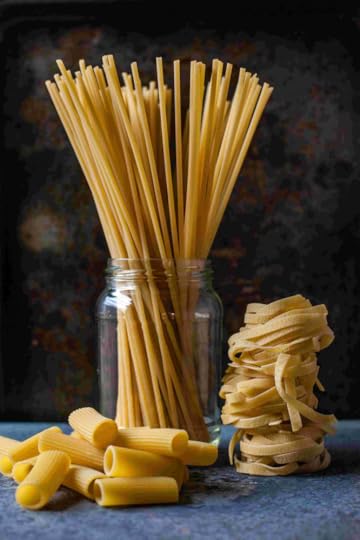
Photo by Heather Gill on Unsplash
21. Nel senso = I mean, meaning that
Nel senso, so che hai ragione ma è meglio trovare un compromesso – I mean, I know you're right but it's better to find a compromise.
‘Cioè’ can be used instead of ‘nel senso’ with the same meaning.
Ci faranno sapere, nel senso che non verranno, no? – They'll let us know, meaning they won't come, right?
22. Niente = anyway
E niente... alla fine due tipi seduti al bar mi hanno aiutato a ritrovare l'hotel! – Anyawy... in the end two guys sitting at the bar helped me find the hotel!
E quindi niente... alla fine era tutto un equivoco... – Anyawy... in the end it was all a misunderstanding...
23. Onestamente = honestly
Onestamente mi aspettavo di più da questo ristorante – I honestly expected more from this restaurant.
Onestamente sono rimasto piacevolmente sorpreso – Honestly, I was pleasantly surprised.
24. Per intenderci: to be clear
A: Giusto per intenderci, ho accettato il suo invito solo per essere gentile.
B: Ma chi vuoi prendere in giro? Si vede che ti piace!
A: Just to be clear, I accepted his invitation just to be kind.
B: Who are you kidding? It's clear you like him!
25. Praticamente: basically, pretty much
A: Alla fine? Cosa è successo? B: Praticamente è arrivata la polizia, ma i ladri erano già scappati! – A: In the end? What happened? B: Basically, the police arrived, but the thieves had already escaped.
Praticamente, è lui a mandare avanti la baracca – He's pretty much the one who runs the place.
26. Sai: you know
Hanno fatto pace, sai? – They made up, you know?
Non è sempre tutto rose e fiori come sembra, sai! – It's not always all rosy as it seems, you know!
27. Senti: look, listen
Ok, senti, te lo devo prorpio dire – Okay, look, I really have to tell you.
Senti, perché non le regaliamo un massaggio per il suo compleanno? – Listen, why don't we get her a massage for her birthday?
28. Sostanzialmente: basically
Sostanzialmente, mi stai dicendo che devo scegliere tra la pasta e la pizza? Impossibile! – Basically, are you telling me that I have to choose between pasta and pizza? Impossible!
Sostanzialmente, mi hanno preso! Devo solo firmare il contratto! – Basically, I got the job! I just have to sign the contract!
29. Tutto sommato = all in all, all things considered
Tutto sommato è andata bene – All in all it went well.
Tutto sommato è una bella serie TV – All in all it's a good TV series.
30. Vabbé/evabbé = fair enough, whatever, oh well, alright
Evabbé che ci posso fare? – Oh well, what can I do?
Vabbé, chi se ne frega – Whatever, who cares.
Evabbé, se la vedi così… - Fai enough, if you feel that way…
Vabbé, non importa – Oh well, it doesn't matter.
~ ~ ~
Thanks for reading, I'll see you all next month!
If you enjoyed my article, you can discover my tried and tested language learning strategies in my books:
· Why You're Not Fluent and How To Fix It
and here are this month's book offers:
Treat Yourself to These Amazing Books! Kyara e l'Anello degli Antenati by Saveria Parisi - ITALIAN version Kyara e i Guerrieri di Pietra by Saveria Parisi – ITALIAN versionThis newsletter was brought to you by Unalome Care, Community and Social Access Assistance, Payneham, South Australia.
Go to the Italian version.
To read my previous article, click below:
May 30, 2023
Italian filler words
Part Two
Fillers words are words that ‘fill in’ silence when people are speaking. They are very common in informal language, and they come in handy when you’re thinking about what to say next.
Today we’ll learn the most common Italian filler words.
Photo by amirali mirhashemian on Unsplash
11. E QUANT’ALTRO = and so on, and more
C’era di tutto all’hotel: piscina, idromassaggio, sauna e quant’altro – There was everything in the hotel: swimming pool, jacuzzi, sauna and more.
Se vuoi fare il tiramisù devi prima comprare le uova, il mascarpone, i savoiardi e quant'altro – If you want to make tiramisu you must first buy the eggs, mascarpone, ladyfingers and so on.
12. ECCO = I mean, there!
Certo che, ecco, poteva evitare di mettersi il pigiama a righe e le pantofole per andare da Bunnings – I mean, okay, he could avoid putting on his striped pyjamas and slippers to go to Bunnings.
Mi piace la musica di Justin Bieber e non mi interessa cosa pensa la gente! Ecco! Finalmente l’ho detto! – I like Justin Bieber's music and I don't care what people think! There you have it! I finally said it!
13. Ehm = um, uh
A: Hai spento il forno prima di uscire? B: Um… forse è meglio che torniamo a casa – A: Did you turn off the oven before going out? B: Um… maybe it's better that we go home.
14. Fammi pensare = let me think, let me see
A: Qual è il tuo ristorante italiano preferito ad Adelaide? B: Fammi pensare… A: What is your favourite Italian restaurant in Adelaide? B: Let me think…
15. Guarda = look
Guarda, non so davvero cosa dire – Look, I really don't know what to say.
16. Insomma = well, in short
Insomma, cosa ti ha detto? – Well, what did he tell you?
A: Ti e' piaciuto il Sud Italia? B: Ho trovato gente accogliente, cibo delizioso e monumenti incredibili...insomma, un paradiso! – A: Did you like Southern Italy? B: I found welcoming people, delicious food and incredible monuments...in short, a paradise!
17. MA DAI = really?!
A: Ha mollato tutto e si è trasferita in Portogallo. B: Ma dai?! – A: She dropped everything and moved to Portugal. B: Really?!
18. Mah = who knows, well.
A: Che cosa gli è passato per la testa a comprarsi una moto? B: Mah, sarà la crisi di mezza età… – A: What went through his mind (when he decided) to buy a motorcycle? B: Well, it must be the midlife crisis…
A: Pensi che verrà? B: Mah! Speriamo! – A: Do you think he’ll come? B: Who knows! Let's hope so!
Do not confuse ‘mah’ with ‘maaa’.
‘Maaa’ (from ma=but) is one of my favourite Italian filler words. Every time something is not working or doesn’t go as expected, you will hear me saying “Maaa…”.This is the Italian way of saying: “What’s going on?”
For example, when I write on my whiteboard during my lessons, sometimes I turn around and realize I wrote in a spot that my camera doesn’t reach so my students can’t see it. That’s when you’ll hear me saying: “Maaa!!!”
19. Mica = at all
Sa quello che fa. Non è mica scema! – She knows what she's doing. She's not silly at all!
Mica male! = Not bad!
Ha vinto tre partite di seguito! Mica male per un principiante! – He won three games in a row! Not bad for a beginner!
20: MMM = hmm
A: Com’era la pizza? B: Mmm… preferisco non esprimermi – A: How was the pizza? B: Hmm… I prefer not to say anything.
A: Dove vuoi andare? B: Mmm… non so. Fammi pensare… A Las Vegas! – A: Where do you want to go? B: Hmm… I don't know. Let me think… To Las Vegas!
~ ~ ~
Thanks for reading, I'll see you all next month!
If you enjoyed my article, you can discover my tried and tested language learning strategies in my books:
· ,Why You're Not Fluent and How To Fix It
and here are this month's book offers:
Have an Unforgettable Summer! With These Amazing Books! Kyara e l'Anello degli Antenati by Saveria Parisi - ITALIAN version Kyara e i Guerrieri di Pietra by Saveria Parisi – ITALIAN versionThis newsletter was brought to you by Taurinorum Tattoo Studio, Via Gian Francesco Bellezia, 12a, 10122 Torino (TO), Italy.
Go to the Italian version.
To read my previous article, click below: