Cara Gilger's Blog, page 5
January 18, 2021
5 Favorite Posts of 2020
I always find it interesting what reflections resonate with readers and what ones flop. Often reflections I write and adore, fall flat with readers and reflections I am slightly underwhelmed by really resonate. In preaching this is understood as Spirit work–closing the gap between the crafter and hearer of the word. I thought it might be fun to round up some of both my and readers favorite posts from 2020.
 Grief Brain and Holy Week
Grief Brain and Holy Week was originally featured in my newsletter, but was shared so widely and quickly I shared it on my blog as well. It seemed to capture well the intersection on pandemic living and Holy Week, the intersection between grief and hope. I also shared a bit of my own journey with grief that doesn’t sit well in clear categories.
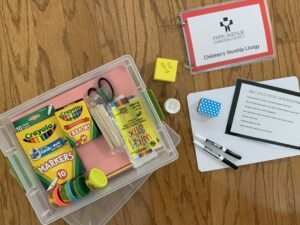 Worship Boxes for Digital Children’s Worship
As we shifted from the crisis management of the spring pandemic response into thinking about long term sustainability for virtual ministry, I shared my Worship Boxes for Digital Children’s Worship. They were the product of a summer interim with a fun and energetic group of kids and I love getting tagged in other churches versions as they create and share them online.
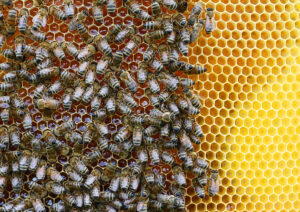 Honeybees, Ruth Bader Ginsburg and Hope
A meditation that originally was published in my newsletter, I shared it on the blog after so many readers passed it along to friends and shared it on social media. Honeybees, Ruth Bader Ginsburg and Hope seemed to resonate with where we were this summer and even where we are now–caught between what is and what could be, hope and despair.
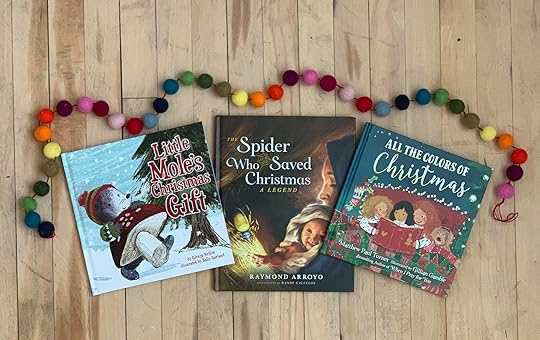 2020 Best Christmas Books for Kids
A perpetual favorite with readers is my annual round up and review of the year’s best books for Advent and Christmas. 2020 Best Christmas Books for Kids reviews the newest releases as well as the books that have staying power in our Christmas and Advent family library. You can also check out my 25 Childrens Books for Advent and Christmas.
How to Start a Book Advent Calendar on a Budget

Over the years sharing my favorite Advent and Christmas books with readers and sharing how we use books as part of our family tradition I’ve answered lots of questions about how to start an Advent Calendar with books on a budget. So this year I shared How to Start a Book Advent Calendar on a Budget.


January 16, 2021
A Word for 2021
We danced in the kitchen to Cindi Lauper. We made big sloppy messes on canvases with real paint from mommy’s stash of art supplies. We bought a pass to the city water park and squeezed in as many days of splash pads and sunscreen as we could between exploring new city parks and trips to the library. We soaked up joy. For two years, joy was my star word, the word I used to guide my days and my dark. Last year I chose tenderness. I don’t know if I did well cultivating tenderness in my life, but I do know that I cried more in 2020 than in any other year, it was a hard yearand at times definitely felt like a lost year.
I’ve had the tradition for several years of picking a word that I use as a guiding star for my year. Just like the wisemen in the Matthew narrative traveled by the light of the Bethlehem star to guide them closer and closer to the holy, a star word, a word selected to guide, challenge and deepen can be a spiritual tool. For me, choosing a single word both helps me narrow my year down to a single point and provides a touchstone by which I can check in with when discerning what to do next. As I have talked about before, my word comes from what I already sense God is doing in my life, the word names what God is already up to and helps me get with the beat in joining God.
As I spent time on spiritual retreat at the end of 2021 (don’t get too jealous…it was a half day I had set aside) I discovered that while 2020 wasn’t the year I planned it still had value. I made progress, just not the progress I thought I would. I completed projects, just not the ones I had set out to create or complete. My 2020 goals were a total and complete bust, a straggly wreckage trailing behind me, the source of guilt and fodder for my inner critic. But in their place other things grew and flourished.
When I looked at what grew in the strange soil of 2020, it was everything I gave my steady attention to day in and day out, week after week. Scraps of time on the fringe of my day to write turned into multiple submitted (and some published) pieces. A few hours each evening saw the second year of my bi-montly newsletter not only completed but thriving, adding new members to this little community of people interested in faith, books and other nerdy things. Training after training amounting to twenty hours invested in becoming an anti-white supremacy small group facilitator within my faith tradition. An hour or two a week adding up to steady work helping guide white Christians through the hard conversations of anti-white supremacy work. Work with clients shaped around the contours of virtually schooling two small humans on late afternoons, squeezed between school Zooms and on weekends expanded my work slowly including more ministry partners to this work. For nearly a year of pandemic I showed up and said “what small thing can I do to make progress?”
It turns out that being steady creates impact.
This is hardly revolutionary. Steadiness is the foundational understanding of spiritual disciplines. You show up in a posture of prayer day after day, week after week, month after month and its not what you do in the time, but rather that you engage in God’s presence in the here and now.
The steadiness of our presence meets God’s steady presence and creates space for the holy. Both the mystics and activists amidst us know that the work is not flashy, fast or fancy. It’s steady.
I don’t know what 2021 will bring, if the first two weeks are any indicator we have some deep spiritual and cultural work to continue in the midst of a global pandemic. In short, I am not sure that 2021 will look much different than 2020. So what can I do in light of the uncertainty?
I am committing to being steady.
Steady in my ministry working with congregations to think through staffing and leadership development for the next phases of ministry.
Steady in supporting ministers as they seek rest, renewal and reframing through preaching support and coaching.
Steady in caring for the people in my sphere of care–my family, friends and neighbors. This was the most demanding year of my parenthood, but perhaps most rewarding. Why not name the huge commitment of time and responsibility in a global pandemic to childcare and make it a part of the expectation of 2021?
Steady in writing. I am so deeply grateful for the Louisville Institute for their unwavering faith in my writing project with their grant support. I cannot wait to finish drafting this project as well as continuing my writing in a variety of spaces.
Steady in my ongoing work to disciple people of faith in such a way that we dismantle the many manifestations of white supremacy in the small, necessary ways we can in our communities of influence.
Steady over remarkable.
Steady over goals.
Steady, one day at a time.
Like what you’ve read? Want more? Sign up for my twice a month newsletter (because we’re not spammy) and get original content you can’t find here on the blog. Reflections on faith and living, book recommendations and other good, nerdy fun. Sign up HERE.
January 5, 2021
12 New Books I Am Looking Forward to in 2021
When it comes to books I have learned (often the hard way) to wait for the marketing hype to die down and reviews to settle in before I pick up most new releases. However, there are books each year that I look forward to either because they come from a trusted and beloved author or because they catch my eye. I also try to use my pre-ordering dollars to support black, latinx, asian, native and queer authors as much as possible. Pre-orders help tell booksellers and publishers that an author is worth investing marketing dollars into and paying larger advances for future work. More than that, diversifying my pre-orders means expanding the perspectives from which I read all year round. You can see what books I was Looking Forward to in 2020, two of which ended up being on my list of Favorite Books of 2020.
Here is what I am looking forward to this year as a reader:
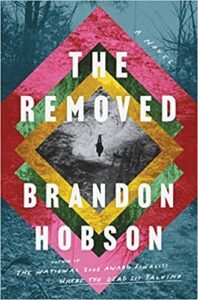 The Removed by Brandon Hobson
 From the author of Where the Dead Sit Talking comes the tale of a Cherokee family still dealing with the fall out of a fifteen year old tragedy as they prepare for their annual bonfire in The Removed. Reviewers are promising the vibes of Tommy Orange’s There, There and Louise Erdrich’s Round House, both authors I have enjoyed for their Native American voice and their sharp storytelling.
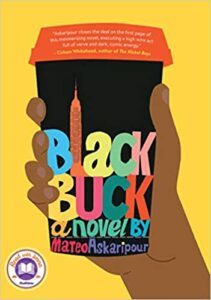 Black Buck by Mateo Askaripour
 The whole set up of this debut satire has got me so jazzed. A young black man Darren gets his shot at professional stardom as the only black salesman at a start-up. When Darren realizes all is not as it seems he turns his efforts to opening the door for other young, black professionals. I am married to someone in sales, so I am looking forward to seeing the critiques we often discuss in our kitchen (and more) in fictional satire form in Black Buck.
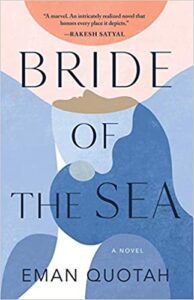 Bride of the Sea by Eman Quotah
Tin House has delivered some of my favorite novels as of late, so I was excited to see Bride of the Sea releasing this spring, a story about Saeedah and Muneer, their separation and Saeedah’s abduction of their daughter. The way I described it, it sounds like a thriller but instead Bride of the Sea is an unspooling transcontinental story about family, faith, culture and the consequences of our choices on those we love.
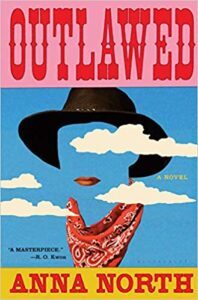 Outlawed by Anna North
Last year I was surprised by how much I delighted in Sue Monk Kidd’s The Book of Longings as a new take on feminist historical fiction. So the forthcoming Outlawed about female bandits in the American West has piqued my interest. I have some apprehension due the inherent racism employed in books about the American West when employing lazy and inaccurate tropes of Native peoples, but that’s what a good, critical reading is for, right?
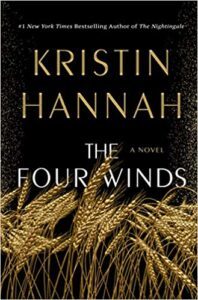 The Four Winds by Kristin Hannah
Author of the hit book and soon to be film adaptation The Nightingale, as well as The Great Alone, The Magic Hour and countless other books, Hannah is set to release what will likely be another hit. The Four Winds is set in Texas following the Great Depression at the onset of the Dust Bowl as our female protagonist wrestles with whether to head West or stay put in an unforgiving landscape.
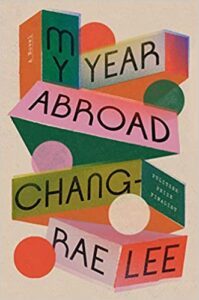 My Year Abroad by Chang-rae Lee
Tiller is an average American college student with a good heart but minimal aspirations. Pong Lou is a larger-than-life, wildly creative Chinese American entrepreneur who sees something intriguing in Tiller beyond his bored exterior and takes him under his wing. When Pong brings him along on a boisterous trip across Asia, Tiller is catapulted from ordinary young man to talented protégé. My Year Abroad combines two things I love-coming of age stories and travel. Since 2021 isn’t looking good for travel (yet) I might as well travel via the pages and My Year Abroad sounds like the perfect fit.
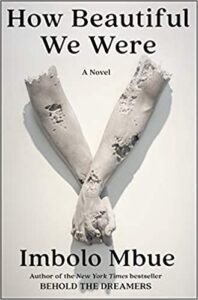 How Beautiful We Were by Imbolo Mbue
The long awaited second novel from the author who wrote one of my favorite books of 2017, Behold the Dreamers, Mbue tells the story of a fictional African town grappling with the environmental destruction of an American oil company’s abuse of the land. Exploring the intersection of the reckless drive for profit, the ghosts of colonialism and a communities determination, How Beautiful We Were is bound to be a powerhouse of a book.
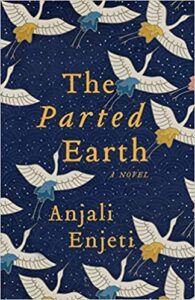 The Parted Earth by Anjali Enjeti
 One of my reading goals for this year is to read more about the Partition between Pakistan and India–its history, politics, and lasting impact–for my own investment in being a good friend and neighbor living in a largely Pakistani and Indian neighborhood. Enjeti’s The Parted Earth about two young adults split by conflict that spans several decades will be a good, but not definitive place to start.
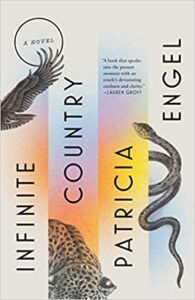 Infinite Country by Patricia Engel
Rich with Bogotá urban life, steeped in Andean myth, and tense with the daily reality of the undocumented in America, Infinite Country is the story of two countries and one mixed-status family—for whom every triumph is stitched with regret, and every dream pursued bears the weight of a dream deferred. Infinite Country, an Own Voice author and story that has been supported by Own Voice readers, this is an excellent book to read instead of that Oprah’s Bookclub book about immigration.
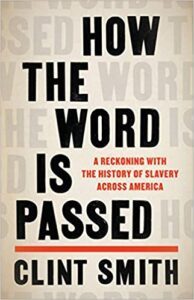 How the World is Passed by Clint Smith
I am focusing my non-fiction reading on course assignments and research reading this year. So it speaks greatly to how excited I am for Clint Smith, author of one of my favorite poetry volumes Counting Disent, to release his first work of nonfiction. I have been a fan of Dr Smith’s dogged research and meticulous analysis since he was one of the co-host of Pod Save the People. Thisok explores honw historical sites reckon with the history of slavery–or don’t–and it’s consequences. If you’ve read Stamped, How the World is Passed would make an excellent conversation partner for your ongoing anti white supremacy studies.
Matrix by Lauren Groff
The two time nominee for the National Book Award for her novels Fates & Furies and Florida, Lauren Groff is set to release Matrix this year, a historical fiction novel set in a convent. A book about nuns? Yes, please. I am always on the hunt for fiction that articulates faith in more nuanced and layered ways than non-fiction can. I also love to read fiction to explore the theological perspective of the many cultures outside of the mainline Protestant perspective. But, yes, nuns.
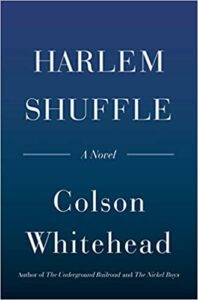 Harlem Shuffle by Colson Whitehead
The Nickel Boys wrecked me and with two Pulitzer Prizes, Colson Whitehead’s newest book is sure to deliver a moving, thoughtful and challenging read. Harlem Shuffle’s ingenious story plays out in a beautifully recreated New York City of the early 1960s. It’s a family saga masquerading as a crime novel, a hilarious morality play, a social novel about race and power, and ultimately a love letter to Harlem.
This year looks as though it will be an exceptional year for reading. What titles are you looking forward to this year?
Like what you’ve read? Want more? Sign up for my twice a month newsletter (because we’re not spammy) and get original content you can’t find here on the blog. Reflections on faith and living, book recommendations and other good, nerdy fun. Sign up HERE.
December 30, 2020
A Prayer for the New Year
As we tip from one year to another,
let us slide with ease and grace into
the next unknown.
Let us seek the holy in the ordinary
so that the extraordinary means more.
May we burn the things that do not serve.
Let us burn our selfishness,
small slips of paper clutched in our hand
listing the reasons we are right
and deserving of stolen things.
Let us burn half hearted attempts
to care for our neighbor
the convenience weighed against the care;
care never quite heavy enough.
Let us burn the voice that whispers
you are not good enough
you were never good enough
you will not and never be.
May the ash of these tiny fires
fertilize the soil of our flourishing.
Let it nourish a love and tender care
that inspires others
to burn the year away
to join the planting of a new year
in the holy ash of the old. Amen.
December 27, 2020
The Hidden Value of Lost Years
I am not sure that any of us know what the impact of 2020 will be on us as individuals or communities for quite some time. As a friend joked on Twitter last week “I look forward to unpacking what 2020 meant to me with my therapist…in 4 years.” This resonates with me as I believe that time composts experience into wisdom. Nothing can shortcut the work that time does on who we are and how we interpret our experiences. Is 2020 a total disaster and year lost to juggling childcare and unmet professional aspirations? Is there some beauty in the chaos? What hidden value does this year that feels so filled with loss hold?
In my early 20’s a mentor gave me a copy of the book The Life You Save May Be Your Own, an extensive volume that explores the lives of four Catholics that shaped a new Catholicism in the 20th century–the writers Walker Percy and Flannery O’Connor, the activist Dorothy Day and the contemplative Thomas Merton. Each of these giants made an impact on the cultural and religious landscape of the time with their desire to use their work to bend the world closer to what God might imagine it to be. Their greatness, however, isn’t what captured my imagination reading this volume in my early twenties. What captured my attention then and what I think of now at the end of 2020 wondering is the years Merton spent drunkenly carousing through New York City or the year that Dorothy Day worked odd and meaningless jobs or the time Walker Percy, obsessed with film and storytelling, spent in medical school. I think about how these lost years helped each of them refine the desires of their heart.
I am not a proponent of some divine purpose, a la conseverative evangelical Rick Warren. I don’t believe in a divine purpose magically tucked away for us to discover so it can be yielded and wielded for our own prosperity. I don’t believe in a God that is some sort of cosmic conductor of the symphony of our tragedy and success. God is more of a presence, an invitation to see both the crap of life and the joy of it all as holy. A presence that invites us to respond with love in a world that inspires greed, selfishness and individualism. For me, the life of faith requires equal doses of creativity and imagination to see what could be in the midst of a very crappy what is. However, as I think about O’Connor and Merton, Percy and Day, and of my own semi-lost year of Covid, a year that required me to make difficult pivots and deep stretches emotionally, spiritually and relationally, I think perhaps all is not lost. There is hidden value in lost years. In the years where we lose beloved people and dreams, in the years that seem like a slog no matter how hard we try, in the years that feel like drifting from one thing to the next, there is an invitation.
There is a hidden value in the lost years because there is a hidden invitation to discover our desires. To ask “what do I really want?” For a person of faith, the discovery of what we really want is a spiritual practice. We ask “what do I really want?” and then we listen for the answer. When it comes, we hold it up to the light of our own faith to see if what we want is also what God wants. Another way to ask this is “what does God want for me?” This aligning of our desires with God’s desires is a work of self-discovery, but it is also a work of liberation. Discovering what we want helps us strip away the things that distract and move us off course from the trajectory of our desires.
For Dorothy Day the series of mundane jobs helped her refine her passion for liberating the urban poor from the systems and circumstances of poverty. For Percy, medical school clarified his desire to tell stories. For Merton the carousing burned through him like a clarifying fire, leaving him to contemplate life in the fullness of human experiences.
It is our lost years, not our best years that work to clarify the desires of our heart and calling of God’s spirit in our lives. It is our lost years, not our best years that invite us to engage our world and God with creativity and imagination, move us to ask for help, break us out of our comfort with the ways things have been so that we can dream of what could be.
December 20, 2020
Favorite Reads of 2020
As reading years go, this year has been unexpected which makes it very on brand for 2020. When I found a book I loved, I really loved it. However, much of what I read was good, but not amazing. My favorite books need to wow me, make me think, reorient my perspective or make me think long after the story is finished. I also love a book that is unexpectedly funny. Having read 100 books this year, it was easy to dissect the titles that wowed me from the ones that made good or middling reads. In fact, many of the authors on my list this year have additional titles I enjoyed this year.
Since I am a fan of reading not just new releases but backlist books as well this list includes a mix of both. For me, recommending books on the backlist (the fancy word for books that aren’t new releases) is an accessibility issue. Not everyone can afford to buy new releases and the wait and some libraries are long. These two things shouldn’t keep you from a good book. This list also reflects my commitment to read authors of black, hispanic, indigenous, and Asian descent as well as authors that center the LGBTQIA perspective. My reading has so much growing to do, but it grows in that commitment.
A final word about this year’s list. I tried this year to read across a wider expanse of genres, as I realized I also had a bias in terms of what genres produce good literature. I have always maintained that reading is a creative endeavor that not only engages, but shapes the imagination and the books we choose and the books we exclude say much about the world we imagine for ourselves and others. For that reason I stretched myself to read from romance, YA, fantasy and sci-fi this year and was pleasantly surprised to find books that will be life-long favorites.
Here are the best books I read in 2020:
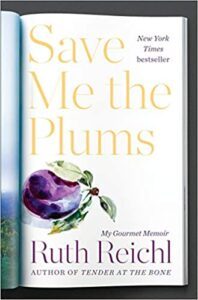 Save Me the Plums by Ruth Reichl
 Released in 2019, I grabbed my copy at The Corner Bookstore on Maddison and 93rd on the Upper East Side last winter which is fitting given this memoir of Reichl’s time as the head of Conde Nast’s Gourmet magazine is so delightfully New York. Reichl’s writing is clean, well edited, engaging and unexpectedly funny. I immediately tracked down copies of her back list via my local used bookstore and am working my way through them. So far I adore Garlic and Sapphires almost as much as Save Me the Plums and can’t wait to dive into Reichl’s one novel Delicious. You can read a full review of Save Me the Plums HERE.
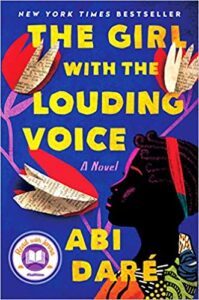 The Girl with the Louding Voice by Abi Dare
Universally adored, this novel about a fifteen year old Nigerian girl Adunni brought up in a rural village and sold into marriage creates a hard to achieve balance between revealing the hardship and brutality visited on women and girls and creating a sense of spirited hope. In The Girl with the Louding Voice, Dare gives her protagonist and other female characters dignity in difficult situations which is the true mark of an Own Voice author and why we need more Own Voice authors and stories published.
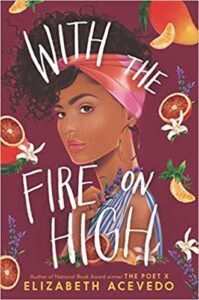 With the Fire on High by Elizabeth Acevedo
 Often YA fiction gets overlooked by readers, but as Angie Thomas, Nic Stone and Jason Reynolds have demonstrated in the past few years, YA can be a force when it comes to wrestling with complex issues in thoughtful and nuanced ways. Acevedo introduces us to Emoni, a high school senior thinking about her future and juggling motherhood. Instead of getting some low-key sermon on teen sex, Acevedo treats teen moms with respect and dignity and Emoni’s obsession with the culinary arts practically jumps off the page creating a richness and texture to the story. With the Fire on High was a delight to read because Acevedo respected her subject, characters and their urban life.
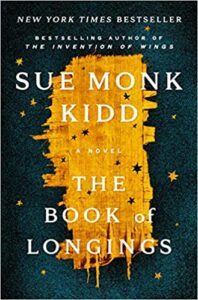 The Book of Longings by Sue Monk Kidd
There are a million and one ways that a book about the forgotten wife of Jesus could go disastrously sideways. And I thought of a good portion of them when I saw Kidd was releasing this book, but turns out you can avoid those pitfalls with good research, clear vision and a thoughtful and feminist touch. I loved The Book of Longings as a piece of historical fiction but also for the theological insight it offered from a strong female voice in her own right not just as a women in Jesus’s orbit. You can read my full review HERE.
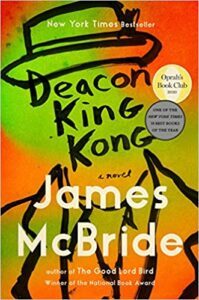 Deacon King Kong by James McBride
 I love a book that makes me laugh out loud, books like people who make me laugh have my heart. Add in a slapstick caper, a teen in trouble but not wanting rescue, a lonely mob boss and detective, a well woven community dynamic that centers around a church and *chef kiss* I am here for it. McBride delivers something unique, bright and compelling in Deacon King Kong, a rare gem in my reading life not just this year, but ever.
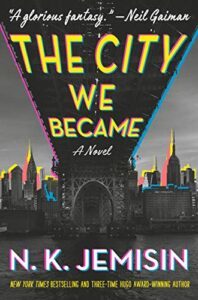 The City We Became by NK Jemisin
 I am ashamed to admit I had never read Jemisin until this year, but now that I have she has set the bar for what Sci-fi literature can be. The City We Became is a smart, sharply insightful commentary on racism, civilization and building communities of mutual thriving. Plus this book is like a love note to the rich culture of the five boroughs that make up New York City. I cannot wait for the rest of this trilogy to be released.
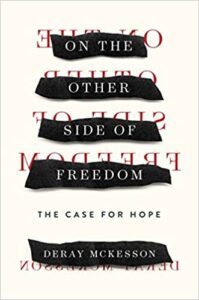 On the Other Side of Freedom: A Case for Hope by DeRay McKesson
I can’t tell you how many times I have grabbed On the Other Side of Freedom off the shelf when writing or prepping sermons or told my preacher friends how helpful this book has been. McKesson, one of the original organizers in Ferguson and the Black Lives Matter movement and founder of Campaign Zero, shares tells the story of the beginning of a movement but also makes a case for why the work of racial justice is worth hoping for and how the work can be achieved. More than that, there’s a undercurrent of theology and a direct address to the church and its role in the movement for racial justice that I found moving and helpful. You can read an essay I wrote inspired by McKesson’s words HERE.
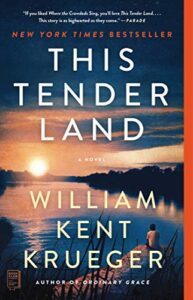 This Tender Land by William Kent Kruger
 If you’ve been talking books with me for a while you know I love a good “kids on a heist/adventure” book a la Mark Twain. This Tender Land is a moving story about a group of kids who make an escape from a boarding school that is more of an internment camp to set upon the river. Set during the Great Depression, they run across all sorts of characters from farmers to faith healers each on their own journey to find home and meaning.
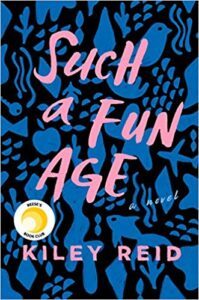 Such a Fun Age by Kiley Reid
 I loved this book for the reason many reviewers found it hard to digest. The white people behave poorly, there are no grand epiphanies and it felt like the perfect book to capture the pervasiveness of white fragility and white supremacy this year has been particularly good at shining a light on. In the white characters I saw painful fragments of myself as a white woman and that’s why many people didn’t love it and why I think Such a Fun Age is a must read.
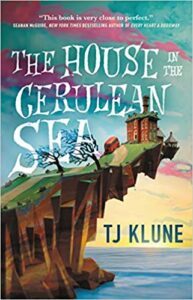 The House in the Cerulean Sea by TJ Klune
 Technically billed as fiction, this book is appropriate for any reader from your third grade nephew to your grandma. A touching fantasy story about an investigator sent to look in on and write reports on a school for children with special abilities, The House in the Cerulean Sea is a touching book about queerness, love, chosen family and finding your way. I will be gifting and sharing this book for years to come.
Obviously this list is not exhaustive. There were so many books I enjoyed, made me laugh or caused me to think deeply about what it means to be human, a thoughtful Christian and engage other traditions and experiences. But of the 100 books I read in 2020, these are the ones that stand out as books I will revisit, recommend and pass on for years to come.
Read what stood out to me in 2019 and if you want to see what I am reading year round you can follow me on Instagram and Goodreads.
December 13, 2020
Advent Practices for Shaping a Season
Five years ago Christmas stopped being fun. It had no reason to stop being enjoyable. I am a pastor charged with the teaching and preaching of this sacred and holy season, a season and story I delight in sharing. My children were peak ages for dollhouses nestled under the tree, slow sleepy drives to look at Christmas lights, evenings nestled in to read picture books about the birth of Jesus and magical thinking. It had every reason to stop being enjoyable. Our holiday negotiations with extended family on when and how we celebrated the holiday added compounding pressure on one of my busiest seasons in the church. My partner traveled non-stop doing end of year presentations and business planning for the next year with his partner companies, coming home exhausted and eager to re-engage the family. His enthusiasm added extra responsibility and pressure to execute the season and keep him in the loop when he was in Canada or Europe or Chicago.
I share this because I don’t think I am alone. I have stood at the back of the preschool Christmas program with other tired parents. I have shared panicked texts about what to buy and helped girlfriends brainstorm solutions for the holidays that juggle family expectations.
A little over two years ago I read Desiring the Kingdom by the theologian James KA Smith for a theological cohort gathering. Smith’s work is a little on the dense side (although he also has wonderful books written for anyone to digest) but it turned out to be well worth the brain power because the basic premise of the book changed my spiritual life permanently. In it he talks about how we orient our hearts, explaining that there are things that are competing for the trajectory of our heart–capitalism and consumerism, nationalism and militarism. Each one asks us through small daily habits to turn our heart towards them. Instead, Smith challenges that we should cultivate daily practices that orient our heart towards the kin-dom of God. We are not what we think, as Descarte would argue, we are actually what we do over and over. We are essentially our habits and if what we do reveals what we love, we ought to be more mindful about what we do.
After reading Smith’s book I began to ask troublesome questions about all my habits. Does this orient my heart towards God or towards consuming? How does this care for my neighbor? If someone were to step into my life and perform an audit of my habits, where would they say my heart lies? These were not easy questions nor did they have easy answers. While I didn’t have all the answers (and still don’t) I knew that in this moment God was inviting me to think about how I would live a life of faith that demands not just something of me but demands my whole heart.
So when Advent rolled around two years ago, I had a new framework I had been wrestling with for several months. What could I do to shape my heart toward Christ in a season that is made to steer my heart (and my children’s hearts) towards consumerism? And so I sat down and talked to my partner and we decided together to make some changes. I am in the midst of our third year of doing the Advent and Christmas season differently and it feels like home. Here are a few of the practices we’ve been cultivating:
Peeling Apart Advent from the Liturgies of Capitalism
One of the ways God has been working in my heart is showing me the ways in which so much of my life–my time, my money and ultimately my heart is shaped by the pervasive capitalism of my American suburban context. Covid may mask this as there is no store-going but the digital invitation is perhaps more pervasive, subtle and ultimately dangerous. As part of our Advent practice we choose our family’s gifts in the fall, so that by the time Advent rolls around our time and energy isn’t focused on finding the right gift for the hard to shop for family member.
When I tell people about this Advent practice they often roll their eyes at me like I am highly organized or an orver-achiver. I am not. I just set a different deadline, I scooch the budget over a month or two. The resulting shift has meant that my Advent has more breathing space. No longer occupied with consuming and gift giving, there is headspace and calendar space for reading, studying and serving in intensional ways.
Prioritizing Authentic, Intentional Connection
Imagine my surprise when I discovered that once I cleared off all the activities that involved consuming that there was space for community. In past years this has meant connecting with friends and family in person. In this pandemic shaped year it’s meant Zoom gatherings and game nights with the kids. The calendar space creates headspace and so as a pastor and friend I am better about checking in on people in their various stages of grief with tenderness and thought. I am also better equipped to navigate the family dynamics with a clearer head and energy to creatively imagine how we might gather.
Cultivating a Practice of Resistance
When the kids were little we started an Advent book calendar as an act of resistance to the pervasive Elf on the Shelf and Santa culture that whispered in my children’s ear that their belovedness was somehow tied to their goodness. Each book in our Advent calendar is a book that either teaches the Christmas story or the theological idea that they are a created and beloved child of God. This small practice created an alternative narrative for our family–we were God’s beloved and when we live thoughtfully we can be bearers of God’s light in Christ.
There are so many ways to practice resistance, that are really just practicing living into God’s narrative. Lighting a candle in the evenings and while it is lit, everyone stays off their devices. Taking a walk early in the dawn each day and praying gratitude for the day as the light breaks into the darkness. Abstaining from holiday inspired sugar a few days a week to clear the mind from the brain fog it creates so you can clearly observe God’s movement each day. There are a million ways to disrupt a stressful Advent and shift to a gentler more generous Advent. It only takes one small practice to shift the trajectory of the heart.
What changed in me these years I understand to be part of some ongoing project God is working into my heart. Strangely pandemic has helped reinforce the ways that God was reshaping me, rather than disrupting the way God was reshaping me. Covid has been an invitation to clear. The more years we string together thoughtful, slow Advents the more our Advent practices bleed into the rest of our year. We are slower to make purchases, more intentional when we do. We seek out people and presence as our top priority. We leave space to just be as a family, to play wild and rancorous games and snuggle in to watch movies. We give generously year round as an extension of our Advent understanding that we are both awaiting Christ in our midst and bringing Christ’s light into the world.
It is not perfect. But it is holy and spacious.
December 5, 2020
Fall 2020 Reading Recap
As I review the books I’ve read over the fall season (September, October, November) I am struck by how as my reading nears the end of the year, it has gotten more focused. I’m less willing to give my time to fluff or average reads. I am prioritizing books I really want to read, giving my time only to those books that wow me. Does that mean that there are no duds? No, there are some. But far more of my fall books will make my Best of 2020 List at the end of the year.
Fiction
Deacon King Kong by James McBride Format: Hardcopy; Length: 371 pages
This novel will easily make it onto my list of favorite books of 2020. McBride does something incredibly rare in this book–he’s able to build a community that is funny, nuanced, quirky and authentic. But Deacon King Kong had me on the first page when he described two sisters fighting in the choir in the way that church ladies are wont to do.
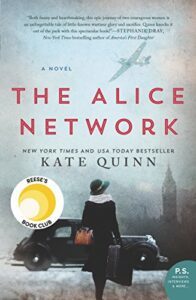 The Alice Network by Kate Quinn
Format: Audiobook; Length: 15 hours
The Alice Network follows female spies during the First World War and the people they left behind to find them after both wars had ended. While hardly my favorite Kate Quinn (that will forever be held by The Huntress), it’s a book that does what it has to do.
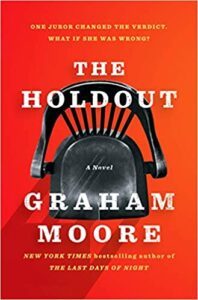 The Holdout by Graham Moore
Format: Audiobook; Length: 10 hours
A legal thriller about a juror turned attorney, turned murder suspect, The Holdout was a fast paced legal thriller that posed the questions “can we ever be certain beyond a shadow of a doubt?” I would recommend this one if legal thrillers are your jam.
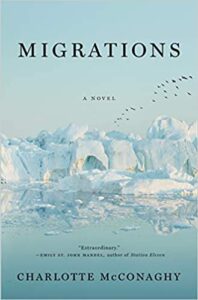 Migrations by Charlotte McConaghy
Format: Audiobook; Length: 9 hours
If Mary Oliver made a climate apocalypse novel in the vein of Station Eleven about grief and loss, the beauty of birds and the collision human life creates, it would be Migrations. I found this book hauntingly beautiful, with complex characters and breathtaking sense of place. While this is a very particular kind of book, I thoroughly enjoyed the prose, the haunting sense of Frannie’s past like a ghost in the story and the ecological themes.
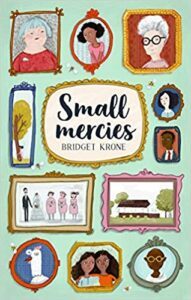 Small Mercies by Bridget Krone
 Format: Hardcopy; Length: 223 pages
Oh my heart, this book will be one of my favorites of the year for sure. Mercy lives with her elderly white aunts Mary and Flora in a small town in South Africa. As Flora becomes ill and money runs short, they decide to take on a boarder in the garden cottage, Mr Singh. Add to her troubles at home Mercy’s school life is a miser game of social survival each day. I loved each of the sweet quirky characters in this book who represent the wide array of people that make up communities. I also deeply appreciated the way the author introduces some of the teaching of Ghandi to readers. The ecological theme that runs through the larger theme of community and chosen family was beautifully done and not overworked. Small Mercies will go on the list with The House in the Cerulean Sea as a favorite book to give away to Middle Grader readers and readers of all ages.
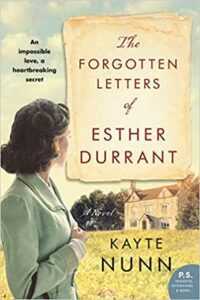 The Forgotten Letters of Esther Durrant by Kayte Nunn
Format: Audiobook; Length: 11 hours
A dual timeline historical fiction novel about a woman who’s been committed to a mental health facility after the loss of her infant and the research scientist that comes across her lost letters. The Forgotten Letters of Esther Durrant was a middling novel about discovering what you want and who you want to be with in life.
The Book of Longings by Sue Monk KiddFormat: Hardcopy; Length: 416 pages
Another excellent read for this year following the life of the forgotten wife of Jesus of Nazareth. There are a million ways this book could have gone sideways but doesn’t. Instead The Book of Longings delivers a well researched, moving and thoughtful story. I understand that this is not going to be a book for everyone, but if you enjoy historical fiction, feminist critique, if you are comfortable with the human aspects of Jesus and enjoy a more progressive faith, you will find this an enjoyable read. Read my extended review HERE.
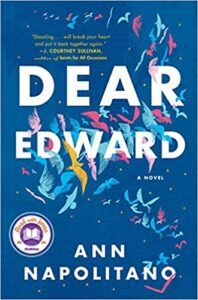 Dear Edward by Ann Napolitano
 Format: Audiobook; Length: 12 hours
The twelve year old sole survivor of a plane crash, we follow Edward as he settles into life with his aunt and uncle. I enjoyed each of the characters in Edward’s post-crash orbit. I loved the way we as the reader move inside Edward’s shell of grief so that we can experience how he breaks out of it. I could have done without one or two of the back stories of other passengers on the plane but I understand once it all came together why she included so many. Despite my slowness to warm to it, on the whole I loved Dear Edward and was very moved by the way all the threads were pulled together.
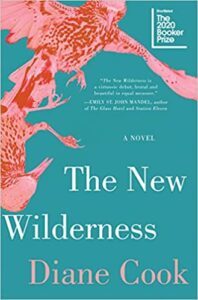 The New Wilderness by Diane Cook
 Format: Hardcopy ARC; Length: 416 pages
The New Wilderness is a post-apocalyptic book that centers around climate change and a mother and daughter relationship. I found this book very hard to believe–Cook creates a world in which there is no ritual, meaning making or grief. It’s primal and raw and leaves too many strings left untied in the end, the longer time passes since I’ve read it the less I’ve liked it.
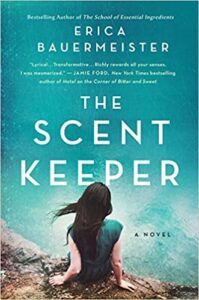 The Scent Keeper by Erica Bauermeister
 Format: Audiobook; Length: 10 hours
This book was unexpected in that for the first several chapters I thought I was reading some sort of historical fiction or perhaps a book with some magical realism and instead about a third of the way in I discovered it is contemporary fiction. It follows Emmeline from her late childhood, a childhood of magic and fairy tales into the real world as a presumed orphan. But she has a special gift, her father taught her to see and understand the world through the richness of smells. The Scent Keeper was unique but still left me wanting, although what I’m uncertain.
With the Fire on High by Elizabeth Acevedo Format: Hardcopy; Length: 400 pages
Emoni is headed into her senior year and has a lot of decisions to make about her future, all of which will impact not just her but her two year old daughter and aging Abuela. When the opportunity of a lifetime shows up—a new culinary arts class and a possible trip to Spain—Emoni is stretched in new ways as she balances work, family and her passion to cook. I absolutely loved this story for the way it provided a counter narrative to all the negative stereotypes about teen moms. I loved how earnest Emoni was in her the way she engaged her friends and family. I loved that food played almost it’s own mystical character in the book. In a similar vein, the city of Philly was given such a sense of place, it wasn’t just a backdrop it gave detail and texture to the story. And I loved that the romance in this book was secondary to Emoni discovering who she was and what she wanted. With the Fire on High was a delightful read I highly recommend.
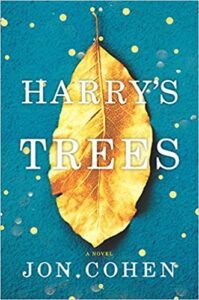 Harry’s Trees by Jon Cohen
Format: Hardcopy; 432 pages
Harry is a year widowed and suddenly decides he can’t keep up his mundane job and live in his grief drenched house anymore and so takes off for the forest. Oriana’s dad, strong and admirable Dean, died suddenly a year ago leaving she and her mom Amanda spinning in their own tide pools of grief. Throw in Olive the aging librarian of the dilapidated Pratt County library, a mysterious book and the magical thinking of a child in grief and Harry gets more than he bargained for when he tried to retreat from life in the woods near Oriana’s home. Harry’s Trees gave me a similar feel to This Tender Land by William Kent Krugger and Magic Hour by Kristin Hannah so if you enjoyed either of those you will likely enjoy Harry’s Trees.
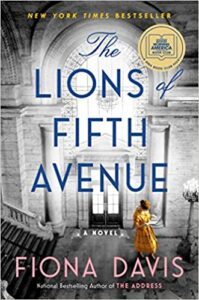 The Lions of Fifth Avenue by Fiona Davis
 Format: Audiobook; Length: 11 hours
Which is why I was surprised by The Lions of Fifth Avenue—a story set in two timelines 1918 and 1993 that revolves around stolen books from the New York City Library, it’s also a feminist story of women exploring what they want beyond domestic life. I loved the strong female characters, the library setting, the bookish and feminist plot. I didn’t see the plot twist until almost the end. I did feel like the ending scene was rushed a bit but I can forgive it because overall it was a great book. If you liked Fiona Davis’s The Dollhouse you will enjoy this one.
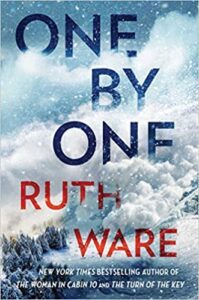 One by One by Ruth Ware
Format: Audiobook; Length: 13 hours
I loved the mix of the setting of a ski chalet that is isolated by an avalanche and the characters which were a toxic combination of working class and rich people behaving bratty. The pacing and suspense was excellent. While I find Ruth Ware inconsistent in delivering female characters I enjoy, I really loved One by One.
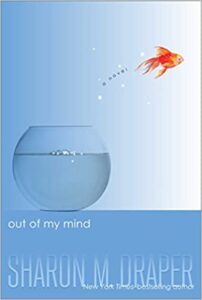 Out of My Mind by Sharon M Draper
Format: Audiobook; Length: 7 hours
I read this one with my oldest after she said she’d heard it was akin to Wonder. Melody can’t write or talk or walk, but she has a photographic memory and can remember details better than anyone else in her class. But most of the grown ups and kids around her can’t see past her cerebral palsy. Determined to show she’s more than her disability Melody tries out for the quiz bowl team and what ensues is an exploration about different abilities including the ability to be open minded about the gifts of others. We loved Out of My Mind and the social nuances that lent itself well to discussion.
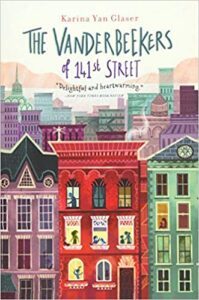 The Vanderbeekers of 141st Street by Karina Yan Glaser
Format: Hardcopy; Length: 297 pages
Another read with my middle grade reader, I highly recommend the Vanderbeekers series for the spunky, determined and often mishap Vanderbeeker children as they adventure through life in Harlem. Funny, quirky and endearing, we look forward to reading the other four books in the series.
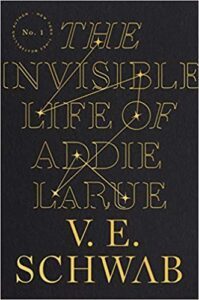 The Invisible Life of Addie LaRue by VE Schwabb
 Format: Hardcopy; Length: 442 pages
One of the most hyped books of late 2020, I fall into the small group of people who found this book uninspiring, overworked and dull. Three hundred years ago Addie LaRue made a deal with a dark god to live forever, not knowing the catch was that no one would remember her. The premise sounds interesting but we meet Addie 300 years into her curse and still behaving like a 23 year old. To put it plainly, The Invisible Life of Addie LaRue didn’t pass my “why should I care about this white woman’s woes?” litmus test.
The Girl with the Louding Voice by Abi DareFormat: Audiobook; Length: 12 hours
The story of teenage Adunni growing up in a rural Nigerian village who longs to get an education so that she can speak up for herself and teach other girls. Despite the seemingly insurmountable obstacles in her path, Adunni never loses sight of her goal of escaping the life of poverty she was born into so that she can build the future she chooses for herself. I adored Adonni’s grit and determination as she navigates an adult world far too young. As she navigates one hardship after another her character is unflappable and while there are adults that would harm Adonni there are also adults that help her along. I loved The Girl with the Louding Voice for its story about hope, education and finding one’s voice in the midst of so many that wish to silence it.
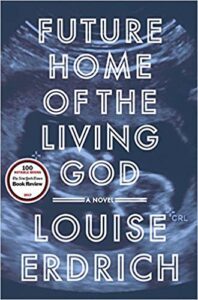 Future Home of the Living God by Louise Erdrich
 Format: Hardcopy; Length: 263 pages
This was my first Louise Erdrich but won’t be my last. Cedar finds herself pregnant as the world is unraveling genetically. With a precarious pregnancy, a questionable father of the baby and a complicated family of origin, Cedar navigates this strange new world with grit. Erdrich creates an apocalyptic book with theological themes that are not overworked, drawing on the Christian mystics and northern Minnesota Native American mythologies to create an interesting reflection on motherhood, family, heritage and life. For me I found Erdrich’s gritty yet hopeful outlook in Future Home of the Living God strangely comforting.
Non-Fiction
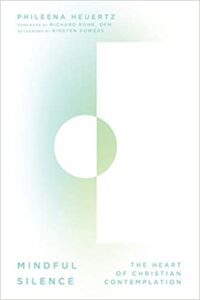 Mindful Silence: The Heart of Christian Contemplation by Phileena Heuertz
 Format: Hardcopy; Length: 188 pages
A thoughtful look at the intersection of prayer, meditation and mindful living by one of the co-directors of Gravity Center. I found some excellent takeaways for my own spiritual practice. Heuertz, studying under Richard Rohr for decades, brings a fresh voice to the contemplative world in Mindful Silence.
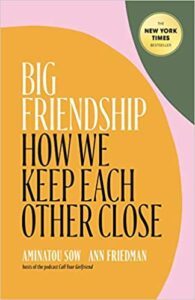 Big Friendship: How We Keep Each Other Close by Aminatou Sow & Ann Friedman
Format: Hardcopy; Length: 256 pages
Big Friendship is a delightful reflection on what it takes to make and keep lasting and meaningful friendships. I found myself so moved that by the second chapter I had mailed copies to two of my dearest friends (with plans to mail the others copies soon #budget). Not only was this book affirming of the women in my life I love but it gave me new language and frameworks for thinking about my friendships, how I invest in them and how they have stretched me to grow as a person. I particularly love the way Aminatou and Ann debunked “Squad Goals” as cliquish and performative and instead offered up the metaphor of the Friendweb which better captures the nuance of our connection. I also think the entire chapter on inter-racial friendship in a racist culture was worth the price of the book alone.
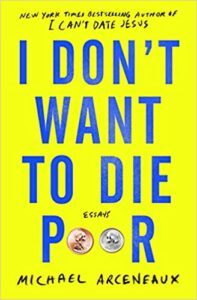 I Don’t Want to Die Poor by Michael Arceneaux
 Format: Hardcopy; Length: 256 pages
I Don’t Want to Die Poor a collection of essays by Michael Arceneux about the calamity of higher education, debt and rising cost of living is honest, self-deprecating yet unflinching look what’s its like to be an entire generation of young adults struggling to achieve an ounce of the American dream.
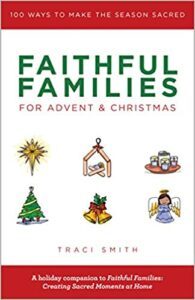 Faithful Families for Advent and Christmas: 100 Ways to the Season Sacred by Traci Smith
 Format: Hardcopy; Length: 128 pages
I love love love this resource for families this holiday. Its the perfect book to help you celebrate Advent and Christmas at home in meaningful and thoughtful ways. You can read all the reasons why HERE.
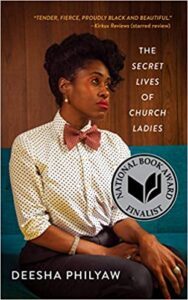 The Secret Lives of Church Ladies by Deesha Philyaw
 Format: Hardcopy; Length: 192 pages
This collection of short stories nominated for the National Book Award blew my mind and I don’t say that lightly. Exploring the intersections of race, gender, sexuality and faith, The Secret Lives of Church Ladies will be a book I think about for years to come. Don’t let this small, powerful book slip off your radar.
Save Me the Plums: My Gourmet Memoir by Ruth ReichlFormat: Hardcopy; Length: 266 pages
After years as a restaurant critic for the New York Times Ruth Reichl is offered the top position at America’s oldest epicurean magazine Gourmet. The story of Reichl’s time at the helm of Gourmet during the golden age and subsequent decline of print media is a fascinating look into not just the magazine world, but the culinary world as its was rapidly changing. Save Me the Plums was a delight and I will be reaching for more of Reichl’s work. You can read my full review HERE.
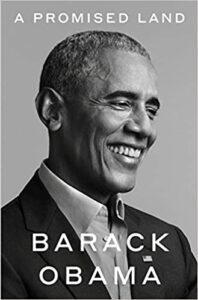 A Promised Land by Barack Obama
 Format: Audiobook; Length: 30 hours
In the strange year that is 2020 some people have mastered baking sourdough bread, others have conquered the Pellaton world, while others have trained for marathons. Me? Well, I read all 750 pages of the first volume of President Obama’s memoir A Promised Land. I knew it would deliver an in depth look at his election and first term but what I wasn’t prepared for was how emotional I would be reading it. This wasn’t due to President Obama’s overly optimistic view of his work, although it was emotional to be reminded of what an orientation towards optimism and hope can do to shape one’s work. Instead I found myself moved several times because this history was so real to my own young adulthood and formation. To revisit the historical moments that shape me with him was a treat.
Poetry
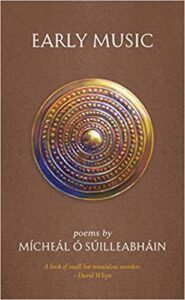 Early Music by Micheal O’Suilleabhain
 Format: Hardcopy; Length: 86 pages
I am a sucker for the Irish poets with the reverence of nature, gritty, nuanced view of humanity and ability to knead the English language into something startlingly beautiful. Early Music delivers on everything I love about Irish poetry from someone who’s musical background shines in the lyrical quality of the poems enclosed.
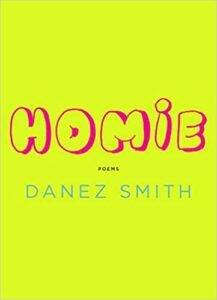 Homies by Danez Smith
 Format: Hardcopy; Length: 96 pages
Homies sat for too long on my shelf as a gift from a loved one earlier in the year, but I am so glad that I got to it before the end of the year. These poems are everything you’ve come to expect from Smith–sharp, witty, honest.
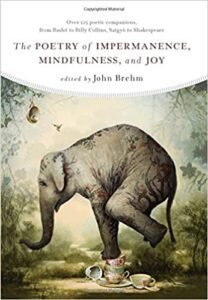 The Poetry of Impermanence, Mindfulness and Joy ed John Brehm
 Format: Hardcopy; Length: 312 pages
This book was strangely hard to digest due to its physical size and I wasn’t expecting that. Despite this being a pocket-sized volume I enjoyed the poems selected from around the world and particularly appreciated the small biographical entries at the back of the book so you could learn more about each poet and their work could be experienced in context.
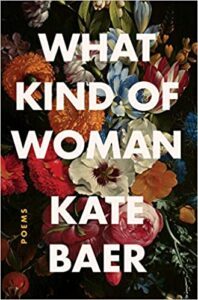 What Kind of Woman: Poems by Kate Baer
 Format: Hardcopy; Length: 112 pages
I received a copy of What Kind of Woman from the generous people at HarperCollins and found it immediately engaging. Baer offers poems about womanhood through a feminist lense, there were some gems within the collection and I even selected her opening poem for part of my newsletter reflection last month.
On the whole, fall was a more deliberate reading season for me. I read more poetry and non-fiction so my literary diet was more balanced and for that reason I think I enjoyed more of what I read. While the earlier half of the year I was willing to explore genres I don’t normally engage like YA and contemporary romance, the later part of the year I tend to get focused on reading the books in the genres I adore like literary and contemporary fiction and really try to seek out the books that will make my best of list for the year.
At the end of each season I do a recap of the books I’ve read and offer a few thoughts. You can read my Fall 2019 Reading Recap to see what I was reading this time last year. Or you can see the Winter, Spring and Summer recaps for 2020 to get a feel for the sweep of books I’ve consumed this year. And as always you are welcome to follow along on my reading adventures on Instagram where I talk mostly about books and writing.
November 27, 2020
Home by Another Way: A Meditation on a Covid Christmas
The highway between our home and my parents had been under construction for several years, as Oklahoma highways are neither expedient nor efficient in the repairs department. The road would predictably narrow to a bottleneck of a single lane where travelers would sit nearly still for an hour or longer headed north. As the holidays approached that year and we planned to make the trek with a potty training toddler and a preschooler with not much more bladder control we debated how we would make a three hour trip that often turned into a five hour trip.
My brother suggested a rural highway that cut up through the southeast part of the state and after much deliberation we decided we would try this other highway. Even if it was longer, we reasoned, we wouldn’t get stuck in traffic with someone in the back seat yelling “I neeeeeed to go pottyyyyyy!”
The road circumvented the construction but it turns out was further out of the way, adding an hour to the trip. We would not sit in traffic but we would arrive at the same time and the two lane highway offered some pretty seedy places to stop and potty with little kids. Just as we settled into the grumpiness of these facts, the road turned and we were driving through a nature preserve neither myself or my partner or I had known about. Hoping to stretch the small restless legs in the back seat and buoy our own bedraggled spirits, we decided we might pull over and do a bit of exploring. As we pulled off the two lane highway into the designated parking we looked up to see beyond the wire fencing a herd of buffalo grazing.
We stood gazing at these giant creatures in the setting sun amazed. Heads bowed, slowly chewing the tall grasses that blew gently in the late afternoon breeze these giant creatures seemed unconcerned with our hurried need to get to the holidays safely and without a potty accident. We took a breath, soaked up the scene and got back into the car more settled and ready to finish the trip. The kids both fell asleep in the back seat as Tim and I made hushed conversation, a rare moment of connection in the chaos of parenting small humans.
Two years ago the prolific Barbara Brown Taylor released a children’s Christmas book, entitled Home by Another Way. Rather than centering the holy family, pilgrimage to Bethlehem and manger, Taylor chose to focus on the entanglement between Herod and the wisemen. The title of the book and central theme comes from Matthew 2:12 “And having been warned in a dream not to return to Herod, they left for their own country by another road.” This is a story of two ways home–the wiseman take another road and Mary and Joseph instead of returning to their home land of Nazareth migrate to Egypt in an attempt to protect their newborn from the death dealing ways of Herod. Both roads were not the roads they had planned. Both roads led them into uncharted territory, along unfamiliar terrain. Both were committed to keeping their small travel parties safe from the ill will of Herod.
As I think about what this Advent and Christmas will be like as a minister, a mother and a person of faith I cannot think of a more perfect story from the Gospels to guide this season. As most of the country exceeds worst case scenario infection rates and hospitalizations and we respond ethically to the science around the danger of gathering indoors with people outside our household, Advent and Christmas will not be shaped by sanctuaries filled with carols, but of the small liturgies we shape at home. In the confines of our apartments, condos, rooms and homes we will shape the space and season in a new way. This is not the road we planned. It will be filled with unexpected disappointments, it will not live up to old expectations or standards. But maybe we should leave those old expectations and standards along the side of the road.
Given the new terrain, who do we want to be? What are the rituals that help us make meaning in this new land? How might we see our faith differently as we try it out in a new land?
This year we can follow the lead of the holy family, of the wisemen and find home, the home of Christ dwelling in our lives and in this world, a different way. We can make a home for the living Christ to dwell in our midst from the spaces and places that are the most intimately us, most messy, most real, our own homes and discover what new word God might have to breath into this story are we figure out how to discover Christ in our midst by a different road. We might even be amazed at what we discover on this road, we did not want to take, that feels far from the comfort of the roads we know. We might even encounter God in our midst.
Like what you’ve read? Want more? Sign up for my twice a month newsletter (because we’re not spammy) and get original content you can’t find here on the blog. Reflections on faith and living, book recommendations and other good, nerdy fun. Sign up HERE.
November 24, 2020
On Gratitude in the Hard Years
“Grace and gratitude belong together like heaven and earth.
Grace evokes gratitude like the voice of an echo.
Gratitude follows grace as thunder follows lightning.” ~Karl Barth
This has been a hard year but in the pantheon of hard years, this one does not take the day. There was the year that my oldest daughter had three open heart surgeries the third week of January. My employer at the time graciously allowed me to drain my entire vacation for the year to sit with her in the ICU by day, leaving my husband to sleep there at night when I would go home and nurse my nine month old baby. And then there was the year that, exhausted from the full time employment required to support myself and the demands of upper level college courses required, my grades slipped and I lost my scholarships. And my grants. Determined to complete my degree I worked two more jobs to pay my $900 a month tuition bill in addition to rent and utilities and the other bills that one pays to keep one’s head above water. Despite only being able to afford to eat off the employee menu where I waited tables, a steady diet of grilled cheese and turkey sandwiches I lost 20 pounds that year. Or there is the year that we moved to a new city, weathered a layoff and had a baby in a few short months.
This year has taken its toll in different ways, in some ways softened by the resilience that only age and experience brings, in some ways harder to stomach because I’m now old enough to know the cost of such change. My kids while wearing the hell out of me with their constant raiding of the pantry and leaving socks everywhere but the hamper have weather this year well. I might even dare to say that they have figured out ways to thrive in the midst of a pandemic. My work while slowing down to a Covid-crawl is still beautiful and holy.
As we draw near to the season of gratitude, I have been thinking about the way that grace shows up in the mess. I think about the year of my daughter’s surgery, a family in my church who ran a cattle ranch left the most beautiful and savory pot roast dinner on my front porch. To this day I remember standing at the kitchen counter at 10pm after another long day of accompanying my daughter through a day in the ICU taking bite after bite. Savoring the sacrament of such an offering, allowing the gift of it to nourish more than my grieving body. I think about the friend that came and sat in the waiting room with us the day of her first surgery and the friend who came on day seven when hopes of a full recovery were grim. I remember the professor who caught wind of my scholarship dilemma and who personally marched himself into the university financial aid office and demanded to know the appeals process for my case and then ushered me through the process. Of the church secretary that knew my school and financial hardship and would keep crackers and peanut butter in her desk in case I came to work having not eaten that day. Quietly she gave me the gift of maintaining my dignity, never letting on to anyone we worked with my situation.
This year I think of the grace of Zoom nights with girlfriends, small handwritten cards in the mail, long walks as the sun rises to meet the day, the way punchy with exhaustion my partner and I can crack a joke that puts the other to tears. I savor the rare occasions that we’ve gathered safely with family this year after the holy practice of quarantine, their rarity making them all the more sweet. Grace evoking gratitude like an echo, grace inviting us to look beyond the broken to the beautiful.
As I have said before “this is not the year we wanted but it can still be a good one.” I still believe that is true. It is the twin gifts of grace and gratitude that act as an invitation for us to see God working in the midst of the mess. It is grace that creates just enough space for gratitude to enter in. And it is gratitude that reminds us that there will be better days, but that these hard days have their own ounce of beauty
Like what you’ve read? Want more? Sign up for my twice a month newsletter (because we’re not spammy) and get original content you can’t find here on the blog. Reflections on faith and living, book recommendations and other good, nerdy fun. Sign up HERE.