Sharon Wray's Blog, page 58
January 18, 2022
Sarah Munro’s Lemon Balm Syrup
Lemon Balm Syrup is used for many things, including as a sleep aid. Lemon Balm, which grows wild in so many gardens, is a common ingredient in herbal teas and infusions because it has anti-viral and relaxing properties. It’s also been used to treat upset stomachs. Many people say that lemon balm helps with frayed nerves and can settle a child (or adult) down for the night.

I love the flavor of this infused syrup, especially when added to my favorite night-time herbal tea. If you use some honey as well, you get a touch of sweetness as well as honey’s humectant properties. On winter nights when I’m restless or anxious, I take a tablespoon and then sit in a warm bath. Because lemon balm reductions have been around since the Middle Ages, Sarah Munro added this recipe to her collection of herbal remedies (Sarah, a PhD historian, is the heroine in book 2 of the Deadly Force series, ONE DARK WISH.)
Sarah Munro’s Lemon Balm Syrup@media all and (min-width: 768px){#kt-layout-id_cabb30-2a > .kt-row-column-wrap > .inner-column-1{flex:0 1 65%;-webkit-flex:0 1 65%;}#kt-layout-id_cabb30-2a > .kt-row-column-wrap > .inner-column-2{flex:0 1 35%;-webkit-flex:0 1 35%;}}#kt-layout-id_cabb30-2a{margin-bottom:32px;}#kt-layout-id_cabb30-2a > .kt-row-column-wrap{padding-top:0px;padding-bottom:0px;padding-left:0px;padding-right:0px;}.kt-row-layout-inner > .kt-row-column-wrap > .kadence-column_a91dff-4d > .kt-inside-inner-col{padding-top:30px;padding-bottom:30px;padding-left:30px;padding-right:30px;border-color:var(--global-palette7, #EDF2F7);border-top-width:2px;border-right-width:2px;border-bottom-width:2px;border-left-width:2px;}.kt-row-layout-inner > .kt-row-column-wrap > .kadence-column_a91dff-4d > .kt-inside-inner-col{background-color:var(--global-palette9, #ffffff);}@media all and (max-width: 767px){.kt-row-layout-inner > .kt-row-column-wrap > .kadence-column_a91dff-4d > .kt-inside-inner-col{padding-top:30px;padding-bottom:30px;padding-left:30px;padding-right:30px;}}Ingredients1 cup fresh lemon balm leaves (washed and air dried)*honey**filtered waterjar with tight fitting lid, sterilized.kt-row-layout-inner > .kt-row-column-wrap > .kadence-column_fcb50b-01 > .kt-inside-inner-col{background-image:url('https://sharonwray.com/wp-content/upl... center;background-attachment:scroll;background-repeat:no-repeat;}#kt-layout-id_fbb445-78{margin-bottom:32px;border-top-left-radius:0px;border-top-right-radius:0px;border-bottom-right-radius:0px;border-bottom-left-radius:0px;}#kt-layout-id_fbb445-78 > .kt-row-column-wrap{padding-top:30px;padding-bottom:30px;padding-left:30px;padding-right:30px;}#kt-layout-id_fbb445-78 > .kt-row-layout-overlay{opacity:0.34;background-color:var(--global-palette9, #ffffff);}.kt-row-layout-inner > .kt-row-column-wrap > .kadence-column_e8b7ca-e5 > .kt-inside-inner-col{background-color:var(--global-palette9, #ffffff);}.kt-svg-icons_7320ea-8d .kt-svg-item-0:hover .kt-svg-icon {color:var(--global-palette2, #2B6CB0)!important;}#kt-adv-heading_8a0930-fc, #kt-adv-heading_8a0930-fc .wp-block-kadence-advancedheading, .wp-block-kadence-advancedheading.kt-adv-heading_8a0930-fc[data-kb-block="kb-adv-heading_8a0930-fc"], .kadence-advanced-heading-wrapper .kt-adv-heading_8a0930-fc[data-kb-block="kb-adv-heading_8a0930-fc"]{text-align:left;font-size:35px;margin-top:0px;}Directions:#kt-adv-heading_dfd61e-11, #kt-adv-heading_dfd61e-11 .wp-block-kadence-advancedheading, .wp-block-kadence-advancedheading.kt-adv-heading_dfd61e-11[data-kb-block="kb-adv-heading_dfd61e-11"], .kadence-advanced-heading-wrapper .kt-adv-heading_dfd61e-11[data-kb-block="kb-adv-heading_dfd61e-11"]{text-align:left;}#kt-adv-heading_dfd61e-11 mark, #kt-adv-heading_dfd61e-11 .wp-block-kadence-advancedheading mark, .kt-adv-heading_dfd61e-11[data-kb-block="kb-adv-heading_dfd61e-11"] mark{color:var(--global-palette9, #ffffff);}Place the lemon balm leaves in a small saucepan and add enough filtered water to cover the leaves by half an inch. Bring to a boil, and lower to a simmer. Simmer on low heat until the liquid is reduced by half. If you find the liquid is still simmering too vigorously, partially cover the pot if you can.
#kt-adv-heading_7afa95-92, #kt-adv-heading_7afa95-92 .wp-block-kadence-advancedheading, .wp-block-kadence-advancedheading.kt-adv-heading_7afa95-92[data-kb-block="kb-adv-heading_7afa95-92"], .kadence-advanced-heading-wrapper .kt-adv-heading_7afa95-92[data-kb-block="kb-adv-heading_7afa95-92"]{text-align:left;}When the liquid is reduce by half, strain out the leaves and pour the water into a measuring cup. For every 1/2 cup of reduction, add a 1/4 cup of honey to the warm water. Add more if you want a sweeter syrup. Make sure to stir in the honey before the water cools so it all blends together. The syrup lasts 3 days in the refrigerator.
#kt-adv-heading_099ef5-c1, #kt-adv-heading_099ef5-c1 .wp-block-kadence-advancedheading, .wp-block-kadence-advancedheading.kt-adv-heading_099ef5-c1[data-kb-block="kb-adv-heading_099ef5-c1"], .kadence-advanced-heading-wrapper .kt-adv-heading_099ef5-c1[data-kb-block="kb-adv-heading_099ef5-c1"]{text-align:left;}To use, take a Tablespoon every night before bed or add to your favorite herbal tea.
*If you’re on thyroid medication, or are pregnant, nursing, you may want to speak with a qualified health professional before drinking lemon balm medicinally.
**Honey should not be used in children under 1 years of age.
IMPORTANT DISCLAIMER ABOUT WILD PLANTS, FORAGING , AND MAKING HERBAL REMEDIES:I am not a medical professional and nothing written on this blog is medical advice. None of my statements have been evaluated by the FDA (I am legally required to give you this disclaimer).
It is important to do your due diligence before foraging, harvesting, and/or consuming any type of medicinal plant.
If you are taking any medications, talk to your doctor about any potential drug interactions.If you are allergic to anything, make sure whatever you are foraging is not in the same family. Example: While dandelions are typically considered safe, those who are allergic to ragweed, latex, daisies, or any other plants in the same or similar families, may not be able to consume dandelion.Always research potential side effects, dosage recommendations, and how to properly prepare and consume each medicinal plant.
Always make sure you are foraging what you believe to be. Fully prepare and study the anatomy before harvesting wild plants.
Always make sure your kitchen/work area is clean and that all materials are sterilized.
Do not forage plants from areas that have been sprayed within the past 2 years at the very least.
I am not legally or morally responsible for the health of any of my readers. Please do your own research!
 Subscribe to the blog
 Email Address
Subscribe


January 17, 2022
Reader’s Guide to Adult Fiction Book Genres
As a reference librarian, one of the most common questions I get is about book genres, both fiction and non-fiction. While book genre rules are not complicated, they are very specific and determine how books are shelved in bookstores and libraries, and why both places shelve books differently. In this post, we’ll look at fiction and next week I’ll add a post for non-fiction. Why the split? Because the first division of books is between fiction and non-fiction. They are a librarian’s oil and water and should never meet on the book shelf!

The next division of books is all about the age of the protagonist (fiction) or age of the reader (non-fiction). Since the line between Adult and Children’s books, for both non-fiction and fiction, are stronger than the 38th parallel, I will have a third post specifically about children’s books just in time for the release of the 2021 Mid-Winter YA and Middle Grade book list. Now on to the genres!
Adult Fiction Book Genres (with sub genres) ClassicsThese are books and plays that have continued to spur meaningful debate and conversation (and sometimes controversy) across generations and through the decades. Most librarians will only consider a more current book to be a classic once the author has passed away. These books and plays include titles like Jane Eyre, Romeo and Juliet, A Christmas Carol, and The Great Gatsby. These books are usually shelved together, although some bookstores will separate out the books by those published before 1900 and those published after. I’ve never understood that delineation but I know it has to do with old cataloging rules that no one worries about now with online catalogs. Here are the two Classic sub-genres.
Pre-Twentieth CenturyTwentieth Century and onwards Literary FictionThese books are considered to have artistic qualities (whatever that subjective term means). They usually have a subtle theme and discuss the political/social/economic/personal issues of the day. The biggest difference between Literary Fiction and General Fiction is that the protagonist in Literary Fiction is only expected to complete a portion of the Hero’s Journey instead of the entire journey. Many bookstores will keep the literary and general fiction books together due to lack of space. In a library, they may be shelved in a separate section. Again, the decision to shelve the Literary and General Fiction together usually is determined by space or lack of it. Here are a few of the more popular Literary Fiction sub-genres.
Magical Realism (realistic drama with mythical or magical elements)Drama (a story with unexpected elements that lead to an emotionally satisfying story)Fables/Fairy Tales (stories with legendary figures, mythical animals, etc., and that teach a moral lesson)Fiction in Verse (story narrative told in any type of rhyming verse) General FictionGeneral Fiction books are usually fun, entertaining stories told in a contemporary world. They bridge the world of Literary Fiction (which can use more complicated language) and what’s commonly known as Genre Fiction (which includes Romance, Mystery/Suspense, Adrian/Adventure, Fantasy, Science Fiction, and Horror). There is always a fully realized Hero’s Journey, but a Happily Ever After isn’t always achieved. In this category, the HEA is always determined by the sub-genre. So Women’s Fiction and Chick Lit always have a happy ending while Tragedies will never have an HEA. General Fiction is more “approachable” and considered easier to read than Literary Fiction. Depending on space in a library, they may be shelved with Literary Fiction. Since bookstores are always short on floor space, they are usually shelved together. (Much to the chagrin of literary authors!) Below are a few of the more popular sub-genres within this category.
Women’s Fiction (a story with a heroine in her thirties or older, usually with an emotional story that focuses on growth instead of romance.)Chick Lit (lighthearted story that centers on the emotional growth of a heroine with romance as a sideline)Drama (a story about a common character with unexpected elements that lead to an emotionally satisfying story)Humor (stories that make us laugh)Realistic Fiction (stories that could actually happen in the real world)Satire (stories that use humor, irony, or ridicule to expose and criticize a character’s choices)Tragedy (stories with a failed Hero’s Journey that make us cry) Historical FictionThese are books that take place at least thirty years before the author writes them. So right now WWII and books about the 1960s and 70s are popular. As are stories about the craziness (and fun!!) of the 1980s. The sub-genres below can be broken down by time period (medieval, Viking, Roman, WWII, etc) and by type.
Traditional Historical Fiction (stories set in any historical time period)Multi-Period Sagas (usually family sagas that take place over generations)Historical Romantic Fiction (romances that take place in the past)Historical Biographical Fiction (made up stories about real historical figures)Historical Western Fiction (always takes place in the western U.S. frontier, often after the Civil War. But not always.)Mystery/Thriller/Adventure Historical Fiction (a mystery/thriller/adventure story set in the past)Time-Travel Historical Fiction (stories that jump time)Alternate Histories (stories that change the stories and/or endings of historical events)Fantasy Historical Fiction (set in a fantasy world but in our past history)Christian Historical Fiction (about a Christian historical character or time period) RomanceI could write a book about this genre, and many people have. This genre is unique in that these books are the only ones within all of fiction where the protagonist is changed due to positive pressure from the lover (who is the antagonist, in this. case) instead of from negative pressure from a villain. Beyond that, these books always have an emotionally satisfying Happily Ever After. Usually in libraries and bookstores, all romances are shelved together by author’s last name and all the genres are mixed in together. The sexual heat level can vary from super sweet to erotic, so it’s important to know what type of story you want to read before you pull one off the shelf. There are tons of sub and sub-sub genres in this category (it’s also, by far, the largest category on the list) so I’m only listing the more popular sub-genres in this category below.
Contemporary Romance (takes place in contemporary times)Historical Romance (takes place at least thirty years in the past from publication date)Paranormal Romance (has paranormal elements like vampires or magic)Erotica (there are a lot of open door adult situations)Urban Fantasy (set in an urban setting with magical elements)Fantasy (set in any kind of fantasy world)Science Fiction (set in any kind of sci fi situation or world)Series Romance (romances written by many authors that can be read in any order such as Harlequin Romances)Christian Romance (romances where the lovers’ relationship with God is of primary importance)Romantic Suspense (love story is intertwined with a suspense or mystery plot) Mystery/SuspenseThese novels are all about The Who-done-it ? and Why–was-it-done?. The protagonist is usually the detective or private investigator who is up against a ticking clock to prevent another murder/crime/bad thing. Below are a few of the more popular sub-genres in this category.
Detective/Private Investigator (classic mystery novels where the protagonist must solve a mystery)Cozy Mystery (usually set in a small town, with lots of humor and heart and low stakes)Police Procedural (a police detective/FBI agent who follows the law to solve a crime. Usually very graphic and violent.)Psychological Thriller (high pressure story where, if the mystery isn’t solved, people will die)Noir (stylized mystery and a very cynical/world weary protagonist) Action/AdventureThese stories have very high stakes and a lot of movement between scenes, usually traversing the world. The protagonist is under constant pressure and their lives are always at risk. These are fast-paced stories that are easily translated into movies/TV series. Below are a few of the more popular sub-genres in this category.
Adventure (interesting or exotic locales and lots of exploration)Military/Espionage (a soldier or spy protagonist with plots revolving around the government/military/political operations) Political Thriller (a protagonist who goes up against a government conspiracy)Western (always set in the U.S. western frontier) FantasyThese books are set in completely different worlds, or in a version of this world that contains magic. The key to these stories is the world-building, the level of which determines the sub-genre. Below are a few of the more popular sub-genres in this category.
Epic/High Fantasy (highly evolved and creative worlds, often using elements from the past)Low Fantasy (the current world with magical elements)Urban Fantasy (an urban, contemporary setting with magic)Historical Fantasy (the world at least thirty years before current day, with magical elements)Grimdark Fantasy (high fantasy that is violent, dark, and dystopian) Science FictionThese books set up world where we imagine technology’s impact in the future. There is tons of world building and usually a large cast of characters, including aliens from other worlds. This category has a ton of sub and sub-sub-genres and I listed a few below.
Hard Science Fiction (so factually accurate that the reader believes the events could actually happen)Soft Science Fiction (more focused on things like sociology and folklore)Space Opera (stories set in a fully fictionalized space)Dystopian (stories set in a post-apocalyptic world, either on Earth or another planet. Almost always an undesirable world)Steampunk (historical setting with a heavy focus on steam-powered technology, even if it’s not part of the period) HorrorBooks about the supernatural or supernatural elements that terrify readers as well as the protagonists within the stories. Below are a few of the more popular sub-genres in this category.
Monster/Creature Horror (a story about a creature or a monster that scares the protagonist and the reader)Psychological Horror (stories that use emotional and mental influences to frighten characters and readers)Splatter Horror (defined by extreme gore and graphic violence that creates a feeling of horror and fear)Subscribe to the blog Email Address
Subscribe
January 14, 2022
The Hungry {Romance} Writer: Lemon Balm Pesto Chicken
It’s date night and I have a book due in a week! Ack!! Since we’re planning on a simple winter outing, but want to eat at home, I’m putting Lemon Balm Pesto Chicken in the crockpot.

This is an easy dish that can be adapted easily. Sometimes I add in lemon slices or sprinkle on some lemon pepper. I’ve also added minced garlic and lightly sautéed onions. The other great thing about this recipe is that all of the raw ingredients can be frozen in a freezer bag before hand and dumped into the crockpot as a frozen blob. Or, if you have leftovers, you can freeze those as well. You can also use frozen chicken breasts instead of fresh. If you do that though, I’d add two teaspoons of extra virgin olive oil to make sure the chicken doesn’t dry out. Regardless of how you make it, it’s a perfect quick dish for a cold, winter night.
Sharon Wray
Yields 6 servings
The Hungry {Romance} Writer: Lemon Balm Pesto ChickenI love this recipe because all of the ingredients can be combine in a plastic bag and frozen, making it a "dump" meal. Or, if you have leftovers, you can freeze them for up to three months. Fresh lemon juice does make a difference and the lemon balm pesto (recipe included) adds an extra zing to this dish. This is a mish-mash or recipes so feel free to add extra ingredients like onions and garlic, etc.
30 minPrep Time
8 hrCook Time
8 hr, 30 Total Time
 Save Recipe Print Recipe var print_b = document.getElementById('mpp_print_button'); var save_b = document.getElementById('mpp_saverecipe_button'); print_b.onclick = function(){ zlrPrint( "mpprecipe-container-202", "https://sharonwray.com/wp-content/plu...", "mpprecipe-design22", "1", "#" ) }; save_b.onclick = function(){ window.open('https://sharonwray.mealplannerpro.com...' + window.location.href); return false; };
  My Recipes My Lists My Calendar
 Ingredients
Chicken1 1/2 lbs. boneless chicken breasts1 cup chicken broth1/4 cup lemon juice1/2 cup Lemon Balm pesto* (or jarred basil pesto)1/4 teaspoon Kosher salt1/4 teaspoon freshly-ground black pepperLemon Balm Pesto3/4 cup lemon balm leaves, washed, dried, and firmly packed1/2 cup pine nuts3/4 cup grated Parmesan cheese1/4 cup extra virgin olive oil3 Tablespoons freshly-squeezed lemon juice1 teaspoon fresh chivesKosher salt and freshly-ground black pepper, to tasteInstructions
Lemon Balm PestoPlace all ingredients in the bowl of a food processor with a metal blade. Pulse until smooth.Add salt and pepper to taste.Store in an airtight container for one week in the refrigerator, or three months in the freezer.ChickenLayer all of the ingredients, in order, in the bowl of a crock pot or slow cooker.Cook on high for 8 hours.Serve with cooked noodles or rice. Use the pesto/chicken juices in the crock pot as a gravy over the chicken or toss it into the noodles or rice.7.8.1.2202https://sharonwray.com/the-hungry-writer/the-hungry-romance-writer-lemon-balm-pesto-chicken/ { "@context": "http://schema.org/", "url": [ "https:\/\/sharonwray.com\/the-hungry-writer\/the-hungry-romance-writer-lemon-balm-pesto-chicken\/" ],"name" : "The Hungry {Romance} Writer: Lemon Balm Pesto Chicken","description" : "I love this recipe because all of the ingredients can be combine in a plastic bag and frozen, making it a \"dump\" meal. Or, if you have leftovers, you can freeze them for up to three months. Fresh lemon juice does make a difference and the lemon balm pesto (recipe included) adds an extra zing to this dish. This is a mish-mash or recipes so feel free to add extra ingredients like onions and garlic, etc. ","prepTime" : "PT30M","cookTime" : "PT8H","recipeYield" : "6 servings","datePublished" : "2021-11-17 09:53:11","recipeInstructions":[ { "@type": "HowToSection", "name": "Lemon balm pesto", "itemListElement": [ { "@type": "HowToStep", "text": "Place all ingredients in the bowl of a food processor with a metal blade. Pulse until smooth." }, { "@type": "HowToStep", "text": "Add salt and pepper to taste." }, { "@type": "HowToStep", "text": "Store in an airtight container for one week in the refrigerator, or three months in the freezer." }]}, { "@type": "HowToSection", "name": "Chicken", "itemListElement": [ { "@type": "HowToStep", "text": "Layer all of the ingredients, in order, in the bowl of a crock pot or slow cooker. " }, { "@type": "HowToStep", "text": "Cook on high for 8 hours." }, { "@type": "HowToStep", "text": "Serve with cooked noodles or rice. Use the pesto\/chicken juices in the crock pot as a gravy over the chicken or toss it into the noodles or rice." }]}],"keywords" : "The Hungry {Romance} Writer: Lemon Balm Pesto Chicken","recipeIngredient" : ["1 1\/2 lbs. boneless chicken breasts","1 cup chicken broth","1\/4 cup lemon juice","1\/2 cup Lemon Balm pesto* (or jarred basil pesto)","1\/4 teaspoon Kosher salt","1\/4 teaspoon freshly-ground black pepper","3\/4 cup lemon balm leaves, washed, dried, and firmly packed","1\/2 cup pine nuts","3\/4 cup grated Parmesan cheese","1\/4 cup extra virgin olive oil","3 Tablespoons freshly-squeezed lemon juice","1 teaspoon fresh chives","Kosher salt and freshly-ground black pepper, to taste"], "image": { "@type": "ImageObject", "url": "https:\/\/sharonwray.com\/wp-content\/uploads\/2021\/11\/December-Blog-Post-Images-16.png" }, "author": { "@type": "Person", "name": "Sharon Wray" }, "nutrition": { "@type": "NutritionInformation", "servingsize": "1 serving"},"@type": "Recipe"}Subscribe to the blog Email Address
Subscribe
January 13, 2022
Prep & Plan: Week Twelve
Since I’m still recovering from traveling and cleaning and putting things away, today’s post is a simple-yet-fun one, especially if you love to organize things and shop for things on sale!
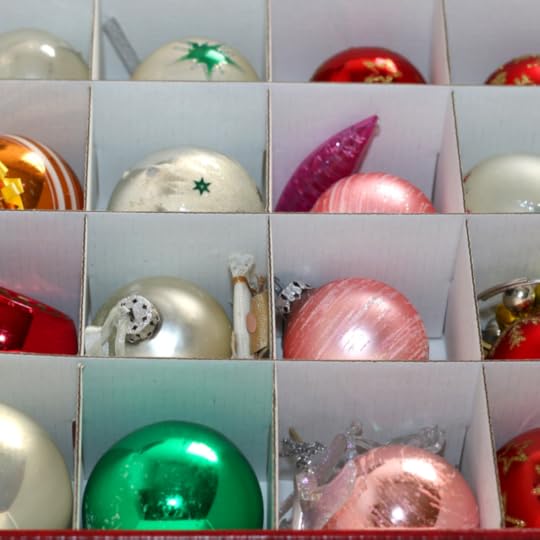
Today’s post is about organizing holiday decorations and serving pieces. Why are we talking about this after the holidays? Because January and February are known for a few different types of sales. First, these two months are known for sales of furniture and linens (towels, sheets, etc.). Second, these months have also started to be known for sales of organizing tools like stackable boxes, wreath and light bags, and china/flatware bins. And today I want to talk specifically about tools that help you organize and store your holiday decorations and your china/flatware that you only use a few times a year.
First I want to talk about china. Not everyone uses fancy china anymore, and I’ve noticed with my many nieces’ weddings that they don’t even register for china nowadays. But chances are that one day, if you entertain, you will end up with dishes and cups that you use for certain holidays, not even just this time of year. One of the things I recently invested in are these soft-sided quilted storage containers. They are available from many different vendors, but at the time I was writing this post Amazon had the best prices. (I am NOT an Amazon affiliate and make no money from any links on this blog). You can also find similar items at Walmart, Target, Bed, Bath & Beyond, etc.
I have five full sets of china that I inherited from grandmothers, etc., and I just recently invested in these quilted containers with felt dividers. Not only to they protect the dishes from small scrapes that lead to crazing, but they also prevent chipping and keep the dishes clean and free from dust. I also use this flatware box to keep my silver flatware together. While it’s not lined with silver felt, if your flatware is sterling silver you can add these inexpensive silver protector (anti-tarnish) paper strips to protect the silver from tarnishing and pitting. The same company that makes the flatware boxes also makes a storage box for water and wine glasses. I have enough room in my china cabinet that I don’t need to pack them away, but I used them at my mother’s house and they were definitely sturdy enough to protect the finest crystal. I also have some random silver serving pieces that I received from my grandmother, and I store them in these silver bags and place them in my china cabinet. But they would also fit in these storage boxes. I would still keep them wrapped in the silver bags within the boxes to prevent tarnishing and pitting.
Why do I go to all this trouble? I do this for many reasons, some emotional and others financial. First, these items came to me from my female relatives (many of whom who’ve passed on), as well as from my wedding. I have deep emotional ties to these things and would like to pass them down to my own children. So I want to keep them in good condition. Second, many of these things have value on the secondary china/silver markets. If I ever need quick cash, I can sell them on eBay or Facebook Marketplace, or I can even sell them on consignment to auction houses or even Replacements, Ltd. Third, some these things are insured and I need to prove that they are being stored correctly and safely in order to prove that I’ve stored them correctly (yes, I take photos of these items in their storage containers) in case I ever have to make an insurance claim. Fourth, I have moved many times over the years and having these items already boxed up properly will make the next move even easier. Then there is the fifth reason–if we ever need to leave the house quickly, I can grab the silver. I know it sounds silly and dystopian, but crazy things have been happening in the world lately. While I wouldn’t take the china with me, I would take the sterling silver because it could be sold quickly or traded for something else we may need.
Yes, that fifth reason is a stretch but one thing the last two years have taught me is that weird things happen when you least expect them.
Okay. Let’s move on to decorations. Yes, your decorations are probably all stored away now. But since these packing items are on sale now, you may want to get them and store them away until next year. Or, during a blizzard or your spring cleaning, you may want to reduce and reorganize your decorations to save space.
Here are some of my favorite storage tools to look out for when they go on sale: (Again, these are Amazon links but you should shop around to see if there are better prices elsewhere. And, like I said before, I am NOT an affiliate and receive no money from these product links)
I love these ornament storage boxes. They have acid-free linings to prevent discoloration as well as removable trays for stacking. Here is another style that’s in a stackable square form. And I have three of these wreath bags that I’ve been using for years for my fake wreaths. (I only use a real wreath on my front door). These wreath bags are soft sided and I stack them on top of each other. While I loved the harder plastic wreath bins, the plastic clips keeping them closed kept breaking off! These soft wreath bags are made out of a sturdy canvas with a strong zipper.
For larger, fragile items like snow globes and porcelain villages houses, I use these bins. They have strong dividers and can be stacked on top of each other. They also store collectible caroler statues and medium-sized nutcrackers. For random items that are still in their original packaging, or soft things that I can store in ziplock bags, I use these bins from Lowe’s. They are strong, waterproof, and stack safely in threes.
A few weeks ago, we talked about storage and organization for holiday wrapping supplies. Here’s a link for that blog post, and many of those items will also be going on sale this month and next month.
Finally, outdoor lights. While my husband takes care of these items, he does use the Lowe’s bins (mentioned above as well) as well as these storage containers as well as these light storage containers. While all of these containers can add up in price, now is the best time of the year to find them on sale. Even if you buy them now and store them until next year, before we know it (in 10 months!) we’ll be dragging all of these things out to decorate the house for the 2022 holidays. Then, when you’re putting things away in January 2023, you’ll have everything you need to organize your holiday decorations then. And you will have done it with 2022’s sale prices!
I hope you all have a great weekend, and next week we’ll go back to our decluttering schedules and begin to work on our Family Disaster Binder. I can’t wait!
If you want to catch up before next week, here’s a quick recap with links to the homework we were working on before the holidays arrived:
Week One’s assignments was to make a list of all the possible disasters that could happen in your area. Anything floods to hurricanes to blizzards to riots. On the second half of the page, keep a list of the disasters that have happened to you or your family personally. Keep this list on your refrigerator or someplace where it would be easy to add to. This will be an ongoing list we’ll use later on when we begin long-term planning. Then we’re making a meal list–listing every meal you eat in a month. So this is ongoing homework until you feel you have a good idea of what meals and foods/snacks you eat and drink every day, every week, every month. (this is not a grocery list!)
Week Two’s assignments was to make a list of all the cleaning supplies you use in every room of the house. And note those products you love and don’t love. When that is done, it’s time to do a deep review and clean of each room. And don’t forget to set up meals and rewards ahead of time!
Week Three’s assignment: Figure out your menu for the next month or two (depending on the holidays you celebrate and all the things/visitors you have planned). Make an ingredient list and, from that, make a shopping list. Don’t forget to include any cleaning supplies that you might need (from last week’s list), especially any specialty or seasonal items like silver polish and Lysol.
Week Five’s assignments: Think longer term about non-perishable food and household products (cleaning, paper products, etc). Make a list of what you need for the next four months to get you through the worst of the winter. Collect coupons and check prices and make a plan for how and when you’re going to purchase these things before the stores run out.
Subscribe to the blog Email Address
Subscribe
January 12, 2022
Tropes to Tell A Story
There’s a question I get a lot at writing events, and that is: What myths/fairytales/legends inspired my debut novel Every Deep Desire? I haven’t been to many reader events in the last two years, and a reader recently emailed me this question. Since the answer is a bit long, I decided to write a blog post about it.

All writers are inspired by the stories that came before ours, and fairy tale tropes, Greek and Roman myths, and legends are some of the greatest sources of ideas out there. In Every Deep Desire, I was inspired by five myths/fairytales/legends. The first four pertain to the heroine, Juliet. Rafe, the hero, gets the fifth one.
Although Every Deep Desire is a contemporary romantic suspense with a sexy, ex-Green Beret hero, the story’s protagonist is his wife Juliet, a beautiful landscape architect. Rafe has a tortured backstory, but Juliet has the harder job. She must learn to love again. Early in their marriage, Rafe abandoned Juliet and, although she rebuilt her life, she never recovered her heart. Juliet’s character arc from a woman betrayed to a woman who chooses love draws from two myths, one fairytale, and a play.
The two myths are from the Greek stories of Ariadne and Persephone. These two goddesses, in spite of their tragic love stories, use their fierce, feminine courage to win their HEAs.
Ariadne, the daughter of King Minos, fell in love with a prisoner named Theseus. When Theseus faced the Minotaur in the labyrinth, Ariadne offered Theseus a sword to kill the beast and a ball of string to help him return. Theseus succeeded, took Ariadne to Naxos, and abandoned her. After years of sadness, and helping the people of Naxos, Ariadne fell in love with the god Dionysus. They married, had five sons, and lived happily ever after.
Persephone was abducted by Hades and taken to the underworld until her mother Demeter complained. Persephone was allowed to leave but, since she’d eaten three pomegranate seeds, she had to spend three months (winter) of every year with Hades. Despite disliking the arrangement, Persephone became queen of the underworld and helped souls—dead and alive. And every spring she returned, filling the world with beauty and fragrance.
In both stories, neither heroine has a point of view. Ariadne’s story is told in Theseus’s tales. Demeter and Hades speak for Persephone. Yet, this lack of voice reveals these goddesses’ courageous choices, selflessness, and grace when faced with heartache. We see them through their actions, not their words.
And that’s what I wanted for my heroine Juliet Capel. She was traumatized by an early love and suffered before becoming a landscape architect in Savannah, GA—the city of gardens and labyrinths. She, too, has no voice in the beginning. Yet, as she changes, her voice—and her actions—are the only things that can save those she loves.
My third inspiration for Juliet is Sleeping Beauty by Charles Perrault in La Belle au bois (Little Briar Rose) in 1697.
While other sources portray Briar Rose as a passive victim of fate, Perrault offers something new. Briar Rose, cursed by an evil fairy, pricks her finger and falls asleep until a prince wakes her with a kiss. Although they’re in love, she convinces the prince to marry in secret. His mother is an ogress and Briar Rose is concerned about the evil fairy. They hide in the woods until her mother-in-law/ogress tries to kill their two children and serve them for dinner. But Briar Rose outwits the ogress and saves her children.
What I love about Perrault’s version is that the heroine falls asleep a cursed, young princess and wakes up a strong-willed queen who’ll do anything to save her family. In Every Deep Desire, Juliet believed in love, had her heart broken and shut down her emotions, only to be reawakened as a woman who does things she never thought she’d do—like stand up to a group of ex-Green Berets and the leader of a secret army of assassins in order to protect those she loves.
The fourth inspiration is Romeo and Juliet. Every Deep Desire is a loose, contemporary retelling of Shakespeare’s tragic play as well as a redemption of the love story. I’ve always wondered what the lovers’ marriage would’ve been like they’d lived. If their passion would’ve dissipated or increased with maturity. In Every Deep Desire, when Juliet Capel’s young marriage died a metaphorical death, fulfilling her father’s warnings, she shut down emotionally. It’s not until Rafe returns and forces her to face her life (an awakening) that she realizes, in order to truly live, she must risk her heart again.
The fifth story—a legend—is about the hero. Rafe is an ex-Green Beret who left his A-team and abandoned his wife to join the Fianna—a secret army known for its brutal training and covert assassinations.
The idea of a secret army of assassins is based on the stories of Fionn Mac Cumhaill, the hero of the Fenian Cycle of Celtic Poetry. Fionn and his men lived in 1st century AD Ireland. When Rome invaded Britain, Fionn gathered men, trained them hard, and attacked Rome’s legions.
The key thing about Fionn’s men, and the Fianna army in Every Deep Desire, is that they had to give up everything tying them to this world, including everyone they loved. In Rafe’s case, he gave up the men in his unit and his beloved wife.
When Rafe returns to protect Juliet from an enemy of the Fianna, he finds a woman so shut off from her emotions that she’s only half living. His goal is to take down the enemy and teach her that if she wants a full life, she must open her heart.
Except Rafe has been gone a long time and, despite the fact he’s returned a sexy man who still loves her, she can’t return his love. As she helps him find his enemy, and begins to open her heart, she doesn’t discover until the end that their success means they’ll be separated forever. Juliet then has to decide whether or not she cares enough to outwit a unit of ex-Green Berets and the leader of the Fianna—not with violence or weapons, but with grace, dignity, and a fierce, feminine courage. A courage modeled by Ariadne, Persephone, and Briar Rose. A courage driven by an epic, forever kind of love.
Subscribe to the blog Email Address
Subscribe
January 11, 2022
Sarah Munro’s Grapefruit Lip Balm
My biggest issue during winter, besides trying not to get sick, is dry lips. I’ve tried every lip balm and lip gloss out there, and they all seem to eventually dry my lips out even more. After much trial and error, I’ve decided that this recipe is one of my favorites. And because variations of this recipe has been around for a long time, Sarah Munro added it to her collection of herbal remedies. (Sarah, a PhD historian, is the heroine in book 2 of the Deadly Force series, ONE DARK WISH.)

This lip balm is all natural so once you start using it, you have to use it within the month. Still, it’s a nice lip balm that’s both easy to make and tastes great alone or with another flavoring. This time of year, I prefer a very light peppermint flavor because it blends well with the grapefruit. I use a drop of the same peppermint flavoring that I buy for cookies and frostings. I also like to add a bit of beet root powder to tint the balm a light pink. All of the ingredients, including containers, are available online or in natural food stores. If you buy the ingredients in bulk, they are cheaper. Luckily, all the ingredients last a long time in their original forms. I hope your lips stay plump and hydrated this winter!
Sarah Munro’s Grapefruit Lip Balm@media all and (min-width: 768px){#kt-layout-id_cabb30-2a > .kt-row-column-wrap > .inner-column-1{flex:0 1 65%;-webkit-flex:0 1 65%;}#kt-layout-id_cabb30-2a > .kt-row-column-wrap > .inner-column-2{flex:0 1 35%;-webkit-flex:0 1 35%;}}#kt-layout-id_cabb30-2a{margin-bottom:32px;}#kt-layout-id_cabb30-2a > .kt-row-column-wrap{padding-top:0px;padding-bottom:0px;padding-left:0px;padding-right:0px;}.kt-row-layout-inner > .kt-row-column-wrap > .kadence-column_a91dff-4d > .kt-inside-inner-col{padding-top:30px;padding-bottom:30px;padding-left:30px;padding-right:30px;border-color:var(--global-palette7, #EDF2F7);border-top-width:2px;border-right-width:2px;border-bottom-width:2px;border-left-width:2px;}.kt-row-layout-inner > .kt-row-column-wrap > .kadence-column_a91dff-4d > .kt-inside-inner-col{background-color:rgba(218, 108, 191, 0.07);}@media all and (max-width: 767px){.kt-row-layout-inner > .kt-row-column-wrap > .kadence-column_a91dff-4d > .kt-inside-inner-col{padding-top:30px;padding-bottom:30px;padding-left:30px;padding-right:30px;}}Ingredients:5 grams of grated beeswax1 Tablespoon Shea butter2 Tablespoons coconut oil1 Tablespoon castor oil5-6 drops grapefruit essential oildash of peppermint flavoring (optional)1/2 teaspoon fresh beet juice (optional for coloring)7-8 containers of your choice (sterilized and dried).kt-row-layout-inner > .kt-row-column-wrap > .kadence-column_fcb50b-01 > .kt-inside-inner-col{background-image:url('https://sharonwray.com/wp-content/upl... center;background-attachment:scroll;background-repeat:no-repeat;}#kt-layout-id_fbb445-78{margin-bottom:32px;background-color:rgba(218,108,191,0.06);}#kt-layout-id_fbb445-78 > .kt-row-column-wrap{padding-top:30px;padding-bottom:30px;padding-left:30px;padding-right:30px;}.kt-svg-icons_7320ea-8d .kt-svg-item-0:hover .kt-svg-icon {color:var(--global-palette2, #2B6CB0)!important;}#kt-adv-heading_8a0930-fc, #kt-adv-heading_8a0930-fc .wp-block-kadence-advancedheading, .wp-block-kadence-advancedheading.kt-adv-heading_8a0930-fc[data-kb-block="kb-adv-heading_8a0930-fc"], .kadence-advanced-heading-wrapper .kt-adv-heading_8a0930-fc[data-kb-block="kb-adv-heading_8a0930-fc"]{text-align:left;font-size:35px;margin-top:0px;}Directions:#kt-adv-heading_435562-74, #kt-adv-heading_435562-74 .wp-block-kadence-advancedheading, .wp-block-kadence-advancedheading.kt-adv-heading_435562-74[data-kb-block="kb-adv-heading_435562-74"], .kadence-advanced-heading-wrapper .kt-adv-heading_435562-74[data-kb-block="kb-adv-heading_435562-74"]{text-align:left;}Sterilize your containers and let them dry completely.
#kt-adv-heading_520087-f4, #kt-adv-heading_520087-f4 .wp-block-kadence-advancedheading, .wp-block-kadence-advancedheading.kt-adv-heading_520087-f4[data-kb-block="kb-adv-heading_520087-f4"], .kadence-advanced-heading-wrapper .kt-adv-heading_520087-f4[data-kb-block="kb-adv-heading_520087-f4"]{text-align:left;}In a double boiler over medium-low heat, melt the beeswax. Once it’s almost all melted, stir in the shea butter, coconut oil, and castor oil. Stir constantly until all the ingredients are melted and well blended.
Remove the top pan from the heat and place on a cutting board or a towel on the counter. Quickly mix in the grapefruit essential oil, peppermint flavoring (optional), and beet root powder (optional for coloring tint). Add in the coloring until you reach the desired tint. Before the wax hardens, pour the lip balm into the completely dry containers. (this is really important). Once the balm is dried, cover tightly. The lip balm will keep, unopened, for up to four months. Once open, use within one month.
IMPORTANT DISCLAIMER ABOUT WILD PLANTS, FORAGING , AND MAKING HERBAL REMEDIES:I am not a medical professional and nothing written on this blog is medical advice. None of my statements have been evaluated by the FDA (I am legally required to give you this disclaimer).
It is important to do your due diligence before foraging, harvesting, and/or consuming any type of medicinal plant.
If you are taking any medications, talk to your doctor about any potential drug interactions.If you are allergic to anything, make sure whatever you are foraging is not in the same family. Example: While dandelions are typically considered safe, those who are allergic to ragweed, latex, daisies, or any other plants in the same or similar families, may not be able to consume dandelion.Always research potential side effects, dosage recommendations, and how to properly prepare and consume each medicinal plant.
Always make sure you are foraging what you believe to be. Fully prepare and study the anatomy before harvesting wild plants.
Always make sure your kitchen/work area is clean and that all materials are sterilized.
Do not forage plants from areas that have been sprayed within the past 2 years at the very least.
I am not legally or morally responsible for the health of any of my readers. Please do your own research!
Subscribe to the blog Email Address
Subscribe
January 10, 2022
Too Many Planners? Never.
I have to admit that I’m a planner girl. I love planners. I love videos and blog posts about planners. And I have to be really careful when I pass stationary stores that sell planners because I will buy them all.
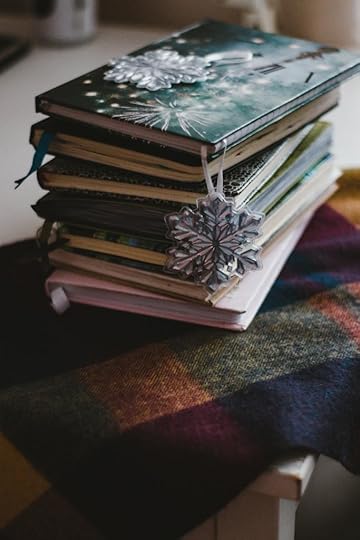
But there is a problem called “Planner Freeze”. This is when you have so many planners for so many different areas of your life that you get overwhelmed and freeze up and don’t do anything. So this year I’m determined to be choosy about which planners and notebooks I’m using, and below is my final, pared-down list. (If I have time, I will make a video about this and embed it below.)
Long-Term Goals PlannerLike I mentioned above, I am a big planner. And one of the things I like to do is goal planning by ten years, five years, one year, and quarters. So I usually start at the top with my ten-year plan and work my way down. These goals are both personal and work-related goals. Since I work from home, I often have a difficult time separating my time between family, personal, and work. For years, to help me with this separation, I bought the Lara Casey’s Power Sheets. It’s a great tool that breaks down ten areas in your life and helps keep you accountable to your long-term dreams. I loved it and used it for years until 2021 when I switched to Hilary Rushford’s Elegant Excellence Goals Journal.
While I loved the Power Sheets (and still do–they are an excellent tool), I needed something…. deeper. The Elegant Excellence Goals Journal is more than a planner. It’s actually a journal that has pages and pages of “work” that requires you to think about what you really, really want your life to look like. And after the crazy years we’ve all just lived through, I needed to go deeper into my dreams and goals. This journal is also in two parts, which I love. There are two books, each divided into 6 months, as well as monthly and quarterly reviews to make sure that the long-term goals (like more than five years out) are still what you want. Hilary is big on constantly reviewing where you are, what you’re doing, and how you’re going to get where you want to go. But if, at any time, any of these three things change it’s better to know sooner rather than later. This is NOT a daily planner. This is considered a “clarifying” planner that you refer to throughout the year, monthly and quarterly. This year’s planner also comes with live classes and videos and guided audios that help you work through the sections requiring deep thought. That means there is a nice community surrounding this product that can help answer any questions you have.
These two journals are spiral bound and use a thick white paper that takes markers without ghosting. The cover is like a plastic cardboard that holds up really well to being thrown in backpacks and purses. I used it last year, combined with my 2021 Goals planner (below), and loved it. So I reordered it again this year. It’s not cheap, but considering how much I accomplished last year, it was well worth the cost.
2022 Goals PlannerOnce I review my long, long term goals, I need to begin breaking things down to figure out what I can realistically get done during the year. While the Long Term Planner (above) is for all areas of my life, I use my yearly goals planner for work. This year, like last year, I am using the HB90 Goals Planner. HB90 is both a course and a series of planners offered by Heart Breathings by Sarra Cannon. Sarra is a fabulous YA author who also has her own YouTube Channel and. She actually has two channels, one for her readers and one for authors and Heart Breathings is the channel for authors. Anyway, Sarra loves to plan as well and offers a fabulous course called the HB90 Goal Planning Method. If you take this course, you get her weekly/daily planner (see below). Otherwise you can buy it from her Etsy shop as a digital download.
The 2022 Goals Planner is just that… it’s a workbook that helps you work through your biggest dreams so you can break them down into goals, projects, and tasks. The great thing about this planner is that is forces you to look at time in a realistic way. She has charts and graphs to help you figure out how much time you really have and what you can realistically get done versus what you think you can accomplish. The first part is a lot of work, but since I do some of it in the Elegant Excellence Journal (above) it doesn’t take me too long. There is some duplication between this Goals Planner and the Elegant Excellence Journal, but going through both planners really helps me solidify my dreams and goals. The thing I love about Sarra’s goals planner is it forces me to be honest about time. And that’s not an easy thing to face.
This is a digital download that I print on white #20 printer Letter-sized paper. I then use a Happy Planner punch and assemble it with Happy Planner discs. I then put the entire thing into a large Happy Planner portfolio. The planner is set up with worksheets in the beginning, then a monthly calendar, then quarterly goals, projects, and tasks. There’s also monthly and quarterly reviews. The planner also come with weekly checklists that I love. I fill out this planner quarterly and then check in with it weekly when I set up my weekly planner (below). Sarra offers her HB90 Goal Setting Course quarterly. If you’re interested, fill out the newsletter form on her Heart Breathings site and you’ll be notified when the next class runs. (It’s fabulous and so worth the money!)
Weekly/Daily Task PlannerI use another Heart Breathings product for my weekly and daily task planning for work. It’s Sarra’s HB90 Method planner and is available as a digital download from her Etsy shop. The beginning of the planner is similar to the Goals Planner I discussed above, but it’s also different. The pages in this planner are specifically designed to get the projects and tasks that you’ve already outlined in the Goals Planner done in a timely manner. There is a weekly spread followed by daily pages. There is also a weekly check-in to make sure you’re doing those things that will help you accomplish your near-term and long-term goals. There are task blocks as well as lots of open space on the daily pages to keep notes. There are even pages to help you keep track of blog post ideas and other creative endeavors.
I print this out in A5 size on white #20 paper. Then I use a hole punch designed for my A5 ring notebooks. I use the Recollections ring binders from Michaels as well as the A5 binders from Kikki-K. But I always buy them on sale! I use the Monday start, undated version of the planner. I also use this planner daily. It sits on my desk and I fill it out on Sunday afternoons, and then add to it through the week as things come up.
Blogging & Social Media CalendarBesides writing books, I blog 5-6 days a week. In order to keep up this schedule, I actually write and schedule my blogs out 6-8 weeks in advance. (I may even be writing this blog while eating leftover Thanksgiving pie!). So I needed a planner/calendar that was easy to use, had a large enough monthly calendar, and pages in between so I could keep notes about what I want to write about. Because I write ahead, I plan out 80% of my blog posts six months in advance. I am also a founder of two big Facebook Reader Groups (The Isn’t it Romantic Book Club and Midnight in the Garden reader group), and I want to post to Instagram when I remember. Then there are all the guest blogs and Facebook/IG promo events. Not to mention the book club videos I’m in, and newsletters I need to send. So I really needed a separate Social Media calendar system that would keep all of the details straight.
Last year I stumbled upon the Erin Condren Academic Planner. It was on sale because the year was half over. So I bought it and used it for the last six months… and loved it! It’s the classic size (7″ x 9″) and it has thick paper and a sturdy coil. Because it’s an EC planner, I can also switch out the covers whenever I want. But what I really love about it is the spread is large enough for me to write in my blog post subjects and any other SM events I’m running that day. Then there is a page where I can take general notes about the month. After that, there are weekly spreads and there’s plenty of room in each’s day’s entry box to keep notes on what is happening each day like notes on a blog post, or more information on my FB group events. And in the back, I added more note pages (for an extra fee) which I use as I research my blog posts.
The other thing about this planner is that there is enough room to keep track of my newsletter schedule (and topics) as well as my launch schedule for new releases. It’s thick because of the high quality paper and the extra note pages in the back, but the coil is so large that the pages turn easily. So far this has been a great choice to keep track of all my SM ideas and plans, and I hope that it works just as well in 2022. This sits on my desk along with my HB90 A5 planner (above) and I use both daily.
Daily Home PlannerSince I also run a home and have a family, I needed something to help me keep everyone in order! I also needed a planner that could easily sit on the kitchen counter and that the family could refer to. And I wanted a planner that offered me a clean to-do list every day. For the last seven years, I have used the Emily Ley Simplified Planner to keep my family organized and on task. I love this planner because it’s simple and every day offers me a clean, bright-white sheet to use with both an hourly layout and a to-do list checklist. If I had to choose only one planner for my life, it would be this one.
It’s not huge, about 7″ x 9″, and uses a white Mohawk #70 paper that I love. It doesn’t ghost or bleed through when I use markers. I rarely use stickers or washi tape because I just love the clean look it offers. This is a daily planner that sits on my counter, almost always turned to the current page. Everyone in the family refers to it. The monthly spread keeps track of vacations and appointments, etc., while the daily pages keep track of all the family to-dos. I even list what’s for dinner on the top of the page, even though there’s no special place for it. (which I like!) There’s a notes section on the bottom where I add phone numbers or jot down things we all need to know that day. Like it’s title, it’s a simple, clean, functional planner that works well for the household.
Budget PlannerI like to keep track of my spending on a daily basis, but I hate doing it in Excel or on my phone. To be honest, I spend so much time looking at screens that I plan in time away from my computers and phone. Last year I watched a Youtube video about using a Hobonichi Weeks Sneaker as a budget tracker. It’s small and fits into a zippered wallet that I keep in my purse. As I go about my day, I just slip my receipts into the Hobonichi Weeks and then, when I get home or stop for a coffee, I record my spending in the weekly sections.
Hononichi uses Tomoe River paper which is super thin and a light cream color. I love it but I know that others prefer thicker paper. Because the paper is so thin, this is a thinner notebook that fits easily into my zippered wallet. I also love the sneaker version because it has a soft cover and extra notes pages in the back. Because I keep this in my wallet, I prefer the soft cover to the hard cover. It’s just lighter weight and easier to carry around.
The Hobonich Weeks Sneaker has a Monthly spread as well as a weekly calendar that is faced by graph paper for taking notes. There are a ton of YouTube videos about how to use this little notebook. Most people use it as a daily planner or for daily journaling, but I love to use it to keep track of all of my spending, both for work and the household. Oh, the calendar notes are also in Japanese.. but that just adds to its uniqueness!
Cleaning & Routine PlannerYes, when I have time, I attempt to clean the house. I used to do zone cleaning with the Flylady. But then I switched to Clean Mama’s home keeping routine and found it easier to keep up with. Although, if you follow both women on SM, you’ll see some fun throwdowns between women who love/hate these systems. The FlyLady system is great, but for some reason I could never keep up. Although I adore Diane in Denmark’s videos about how she uses the FlyLady system and I highly recommend her channel. Anyway, once I switched to Clean Mama’s routine, things in the house calmed down a bit. For a while I used her downloads to help me keep track of what needed to be done, but this year I bought her Homekeeping Planner. It’s undated so although I bought it during her fall sale, I didn’t have to start it until January. (because why start cleaning earlier!)
I just started using it and so far I like it. I just wish I could add in some notes pages in between the months. While she has space for checklists and notes, I like the flexibility of having extra pages. I was originally thinking that this could replace my Emily Ley planner (above), but I really need the daily pages that this planner doesn’t offer. So we’ll see… I’ll let you know in a few months what I think about it.
Holiday Family NotebookThis is something that’s not really a planner but a notebook I’ve been keeping for a while. I wrote about it more here in my Prep & Plan series. But basically it’s just a cheap notebook where I mark each holiday or special event so I can keep track of what worked (menu-wise, guest-wise, etc) and what didn’t work. I also tape in all of my receipts for each event so I can keep track through the years of what I bought, what I regretted buying, and how much things cost.
If you want to learn more about it, here is a blog post I where wrote about this notebook after Thanksgiving.
Plotting NotebookSo I totally borrowed this idea from Sarra Cannon, and here’s her video on how to make a plotting notebook using a classic Happy Planner. I have used Sarra’s free plotting downloads but have also made my own that I print out and use in this planner. I make one of these notebooks for each book I am currently working on. If you’re not a writer, you can totally ignore this one! Although I think this type of frankenplanning using old HP pages could be of use to anyone who does creative work. Basically, you use an old Happy Planner, including the old page dividers, and turn it into a usable notebook that keeps track of all the elements of you story. I’m not describing it well, but the video is great. If you’re interested, I highly recommend watching it!
Home Emergency BinderI run a series on this blog called Prep & Plan, and one of the things we do is set up a Home Emergency Binder. This does not have to be expensive or time consuming. I took an old 3-ring binder (Letter size) and some page protectors and started collecting copies of my family’s most important documents. I store these copies in the page protectors within this binder for one reason — to grab all of our important papers on the way out the door in case of an emergency. There is an excellent download at the bottom of the Ready.gov site that talks about the kinds of documents that you need in your binder. And we will be discussing how to put together this binder in the Prep & Plan group in the coming weeks. So if you want more information, sign up for my blog below so you can keep up to date. Things to think about including in this binder are: mortgage or leasing documents, vehicle titles, birth certificates, social security numbers, copies of driver’s licenses, professional/work licenses, etc. And if you already keep an Emergency Binder, January is always a great time to review the documents and update them as needed.
So I hope you’ve enjoyed this walk through of planners and notebooks. And in case you’re wondering, yes this is about five fewer than I had last year! One day I’ll do a blog post about what planners didn’t work and why. But for now… happy planning and Happy New Year!
Subscribe to the blog Email Address
Subscribe
January 9, 2022
The Doors of Janus
Today, January 9, is also known as the Festival of Janus. In the Roman pantheon of pagan gods, Janus was the god of doorways (latin word januae) and archways (latin word jani). Rome, even before the twins Romulus and Remus appeared, was a city that honored its entrances and exits with ceremonies and sacred holidays.
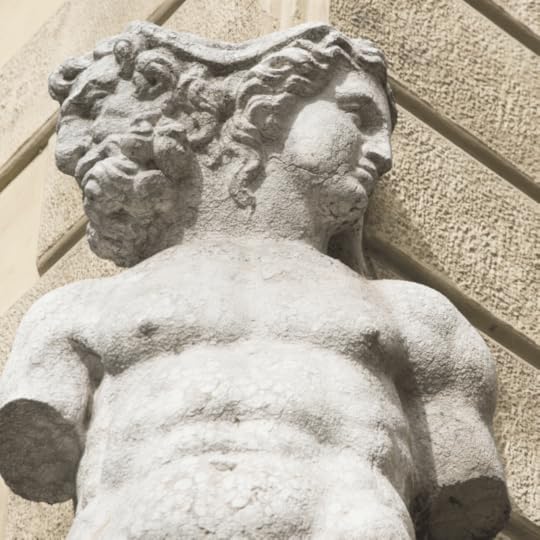
Rome was, and still is, filled with free standing archways that lead to important buildings and homes. It always seemed odd to me that you’d be walking down a street in Rome and come across a random archway that cars and pedestrians have to maneuver around. But back in the early days of Rome, walking or marching through an archway or doorway offered luck and peace because going in and out of doorways and entrances symbolized new beginnings.
The Roman army, in particular, marched out of the city through particular gates in specific fashions, in order to promote luck in battle. Rome’s most famous gate was the Janus Geminus. It was on the north side of the Roman Forum with a shrine to Janus at the base of the gate. This gate had rectangular bronze double doors which were left open during times of war and kept closed during peacetime. According to Livy, an ancient Roman historian, the doors were only closed twice between 7th Century BC (aka the reign of Numa Pompilius) and 1st Century AD (aka the reign of Caesar Augustus).
Early Romans believed that Janus’s association with doorways and archways came about because he was, at first, considered the god of all beginnings and passages (both real and metaphorical). The beginning of a day, week, or year–hence we get the name January for the first month of the year. He was also in charge of new endeavors, like the first battle in a war, the first meeting of a new business, or the first planting of spring crops. But even beyond new beginnings, he was also called the two-faced god (or four-faced god within a four-way arch) because if he was the father of new beginnings, he could also see the past. It was believed that in order to succeed in a new endeavor, you had to understand what happened to you before and accept the good and the bad. This idea has also been extended to major life transitions as well as to traveling and taking journeys.
Today, many Janus statues stand in Rome with two faces, one facing forward and one facing backwards. His feast day is January 9 which had once been part of an ancient rite knows as agonium, an event that happened 3-4 times a year where rams were sacrificed in order to appease the Roman pantheon for random reasons. And here’s a fun ancient Roman note: Janus and the nymph Camasene had a baby boy named Tiberinus. When Tiberinus almost drowned in the river Albula, and was saved, the river was renamed the Tiber. Tiberinus, as an adult, saved the twins Romulus and Remus from being murdered along the banks of the River Tiber. The twins eventually grew up and became the founders of Rome around 750 BC. I hope you all have a happy Sunday!
Subscribe to the blog Email Address
Subscribe
January 7, 2022
The Hungry {Romance} Writer: Beef & Sweet Potato Stew
The kids have gone back to school/work and I’m home alone again with my husband. I’m also working toward two deadlines and I’ll be traveling to see my older parents.

So we’re back to long walks before dinner and eating simply by the fire. This is another beef stew recipe that my husband loves except it includes sweet potatoes and uses red wine instead of apple cider. Because of our still-crazy schedule, this month I’m focusing on meals where I can easily freeze the leftovers in two-person portions. This stew isn’t just a perfect way to start off those long winter nights with the one you love, the leftovers can be frozen for up to three months.
Sharon Wray
Serves 6-8 servings
0The Hungry {Romance} Writer: Beef & Sweet Potato StewThis stew is an adaptation of a recipe I found in an old Good Housekeeping cookbook and a recipe I found online at My Recipes. I've adjusted the seasonings and increased the liquid because the original recipes came out a bit dry. I bet you could cook this (once the meat and veggies are browned) in a crockpot or an instant pot, but I haven't tried that yet. The best thing about this recipe, beside the taste, is that the leftovers can be frozen for up to 3 months.
30 minPrep Time
1 hr, 10 Cook Time
1 hr, 40 Total Time
Save Recipe Print Recipe var print_b = document.getElementById('mpp_print_button'); var save_b = document.getElementById('mpp_saverecipe_button'); print_b.onclick = function(){ zlrPrint( "mpprecipe-container-187", "https://sharonwray.com/wp-content/plu...", "mpprecipe-design22", "1", "#" ) }; save_b.onclick = function(){ window.open('https://sharonwray.mealplannerpro.com...' + window.location.href); return false; };  My Recipes My Lists My Calendar
 Ingredients
2 Tablespoons extra virgin olive oil2 pounds top sirloin (or bottom round) steak, dicedKosher salt and freshly ground black pepper, to taste1 medium Vidalia onion, diced1 medium carrot, peeled and diced2 celery ribs, diced3 cloves garlic, minced8 ounces cremini mushrooms, quartered1/4 cup all-purpose flour2 Tablespoons tomato paste1/2 cup dry red wine4 cups beef stock4 sprigs fresh thyme2 bay leaves1 large sweet potato (about 1 1/2 pounds), peeled and cut in 1/2-inch chunks2 tablespoons chopped fresh parsley leavesInstructions
In a large stockpot, heat olive oil over medium heat.In a large bowl, toss the meat with some Kosher salt and pepper. Let meat sit, covered, for ten minutes.In batches, add the steak to the hot oil. Sear the meat, stirring it in the pot, until evenly browned. This will take between 5-7 minutes per batch. Transfer the meat to a large bowl and set aside.Once the meat is browned, add the onion, carrots, and celery to the hot oil. With a wooden spoon, stir the vegetables occasionally until they are tender. about 4-5 minutes.Add garlic and mushrooms to the veggies in the pot, and cook, stirring occasionally, until tender and browned, about 3-4 minutes. Do not let the garlic burn.Whisk flour into the pot with the veggies. Then stir in the tomato paste until everything is lightly browned, about 1 minute.Slowly stir in the wine, scraping up any browned pieces from the bottom of the stockpot.Stir in the beef stock, fresh thyme, bay leaves, and steak chunks.Bring the pot to a boil and reduce heat to a simmer. Cook for 30-40 minutes until beef is tender. If necessary, add more beef broth to think out the liquid.Stir in the sweet potatoes.Simmer everything until the sweet potatoes are just tender and the stew has thickened, about 20-30 minutes. Again, if the stew thickens too much, you. can add a bit more broth.Remove the fresh thyme sprigs and bay leaves.Stir in the parsley and season again with Kosher salt and pepper to taste.Serve immediately.7.8.1.2187https://sharonwray.com/writers-life/the-hungry-romance-writer-beef-sweet-potato-stew/ { "@context": "http://schema.org/", "url": [ "https:\/\/sharonwray.com\/writers-life\/the-hungry-romance-writer-beef-sweet-potato-stew\/" ],"name" : "The Hungry {Romance} Writer: Beef & Sweet Potato Stew","description" : "This stew is an adaptation of a recipe I found in an old Good Housekeeping cookbook and a recipe I found online at My Recipes. I've adjusted the seasonings and increased the liquid because the original recipes came out a bit dry. I bet you could cook this (once the meat and veggies are browned) in a crockpot or an instant pot, but I haven't tried that yet. The best thing about this recipe, beside the taste, is that the leftovers can be frozen for up to 3 months.","prepTime" : "PT30M","cookTime" : "PT1H10M","datePublished" : "2021-10-04 09:18:14","recipeInstructions":[ { "@type": "HowToStep", "text": "In a large stockpot, heat olive oil over medium heat." }, { "@type": "HowToStep", "text": "In a large bowl, toss the meat with some Kosher salt and pepper. Let meat sit, covered, for ten minutes." }, { "@type": "HowToStep", "text": "In batches, add the steak to the hot oil. Sear the meat, stirring it in the pot, until evenly browned. This will take between 5-7 minutes per batch. Transfer the meat to a large bowl and set aside." }, { "@type": "HowToStep", "text": "Once the meat is browned, add the onion, carrots, and celery to the hot oil. With a wooden spoon, stir the vegetables occasionally until they are tender. about 4-5 minutes." }, { "@type": "HowToStep", "text": "Add garlic and mushrooms to the veggies in the pot, and cook, stirring occasionally, until tender and browned, about 3-4 minutes. Do not let the garlic burn." }, { "@type": "HowToStep", "text": "Whisk flour into the pot with the veggies. Then stir in the tomato paste until everything is lightly browned, about 1 minute." }, { "@type": "HowToStep", "text": "Slowly stir in the wine, scraping up any browned pieces from the bottom of the stockpot. " }, { "@type": "HowToStep", "text": "Stir in the beef stock, fresh thyme, bay leaves, and steak chunks." }, { "@type": "HowToStep", "text": "Bring the pot to a boil and reduce heat to a simmer. Cook for 30-40 minutes until beef is tender. If necessary, add more beef broth to think out the liquid." }, { "@type": "HowToStep", "text": "Stir in the sweet potatoes." }, { "@type": "HowToStep", "text": "Simmer everything until the sweet potatoes are just tender and the stew has thickened, about 20-30 minutes. Again, if the stew thickens too much, you. can add a bit more broth." }, { "@type": "HowToStep", "text": "Remove the fresh thyme sprigs and bay leaves. " }, { "@type": "HowToStep", "text": "Stir in the parsley and season again with Kosher salt and pepper to taste." }, { "@type": "HowToStep", "text": "Serve immediately." }],"keywords" : "The Hungry {Romance} Writer: Beef & Sweet Potato Stew","recipeIngredient" : ["2 Tablespoons extra virgin olive oil","2 pounds top sirloin (or bottom round) steak, diced","Kosher salt and freshly ground black pepper, to taste","1 medium Vidalia onion, diced","1 medium carrot, peeled and diced","2 celery ribs, diced","3 cloves garlic, minced","8 ounces cremini mushrooms, quartered","1\/4 cup all-purpose flour","2 Tablespoons tomato paste","1\/2 cup dry red wine","4 cups beef stock","4 sprigs fresh thyme","2 bay leaves","1 large sweet potato (about 1 1\/2 pounds), peeled and cut in 1\/2-inch chunks","2 tablespoons chopped fresh parsley leaves"], "image": { "@type": "ImageObject", "url": "https:\/\/sharonwray.com\/wp-content\/uploads\/2021\/10\/Halloween-Graphics-3.png" }, "author": { "@type": "Person", "name": "Sharon Wray" }, "nutrition": { "@type": "NutritionInformation", "servingsize": "6 serving"},"@type": "Recipe"}Subscribe to the blog Email Address
Subscribe
January 6, 2022
To Celebrate the Epiphany
During Elizabethan times, the twelve days between December 24 and January 6 were the most joyful of the entire year. The celebrations began on Christmas Eve with the Yule log being placed in the fireplace and set ablaze. It had to be large enough to burn, 24/7, until January 6th, also known as Twelfth Night. As they waited to attend midnight mass, the halls of great homes were decorated with holly and ivy and people visited their neighbors and sang carols in exchange for a spiced wine known as wassail. (The word “wassail” comes from the Old English phrase “waes hael” meaning “be well.”)

On Christmas Day, a young man would be chosen to preside over the twelve days of activities and he was called the Lord of Misrule. He would dress outlandishly and lead all of the dancing and games. He was basically the emcee for the twelve days of fun and festivities. He also coordinated with the local choirs and traveling mummers so there would always be music.
On New Year’s Day, small gifts were exchanged like oranges spiked with cloves, ginger cookies, and small bags of spices. On Twelfth Night, the last night of celebration, the Lord of Misrule would present one final night of feasting, dancing, and music before giving up his title. And, of course, there was a Twelfth Night cake. Usually it was a heavily spiced fruit cake that made up for the lack of sugar with tons of wine. Today, people serve fruit cakes, cheese cakes, and pound cakes. Basically, any kind of cake will do. The Elizabethans also added a coin or a bean to the cake. Whoever found the bean or coin would be King or Queen for the day and everyone had to do what they said, even the Lord of Misrule.
But why did this holiday season last until January 6, exactly 12 days after Christmas? Because January 6, aka The Epiphany, is the celebration of the day that the three Maji (wise men) arrived in Bethlehem to offer their gifts of gold, frankincense, and myrrh to the baby Jesus. This moment represents the moment God as man was presented to the world. The word “Epiphany” comes from the Greek word “epiphaneia” which means “manifestation” or “reveal”. This feast day refers to the day that Jesus manifested himself to the gentile kings from the east. These kings represented all of humanity.
Here is the visit spelled out in the Gospel according to Matthew, Chapter 2:
“When Jesus was born in Bethlehem of Judea, … behold, magi from the east arrived in Jerusalem, saying, ‘Where is the newborn king of the Jews? We saw his star at its rising and have come to do him homage.’ …. And behold, the star that they had seen at its rising preceded them, until it came and stopped over the place where the child was. They were overjoyed at seeing the star, and on entering the house they saw the child with Mary his mother. They prostrated themselves and did him homage. Then they opened their treasures and offered him gifts of gold, frankincense, and myrrh.”
The Western Christian church names these kings as Melchior (Persian scholar), Caspar (Ethiopian scholar), and Balthazar (Arabian Scholar). The gifts they offered were the kind normally offered to a king. Myrhh was an anointing oil, Frankincense was a perfume, and gold was the most valuable asset available. These gifts also had a spiritual meaning since gold represents kingship on earth, frankincense was an incense that represented deity, and myrrh was used an embalming oil and represented death.
The Epiphany takes the birth of Christ, presents Him to the world, and hints at what was to come (Death and Resurrection). Therefore, in the Elizabethan world, this day was the final and most important day of the season. With dancing and cake and lots of festivities, the season ended with a promise of next year. Even the embers of the dying Yule log were collected to help start the Yule log fire the next year. But the next day, also known as Ploughman’s Day, was when all the decorations came down and people headed back to work. Most importantly in an agrarian society, those who worked in the fields took stock of what needed to be done to get ready for spring. It was even considered bad luck to keep the holiday decorations up after the Epiphany. So after you eat your Epiphany cake (recipe below), save your embers, and clean up your last holiday meal, it’s time to return to work. Until next year’s holiday season comes around!
And because I love holidays that have special desserts, here’s my recipe for a Spiced Eggnog Maji Cake!
 PrintThe Hungry {Romance} Writer: Spiced Eggnog Maji CakeThis recipe is a conglomeration of three recipes that I've adapted over the years. The first is a recipe from a poundcake posted by Kim at A Yankee in a Southern Kitchen, an eggnog cake posted by Lisa at My Own Sweet Thyme, and from a cranberry and ginger bread recipe from my best friend and critique partner, Mary Lenaburg. I've reworked this cake a few times and love how it turned out. It's a festive poundcake filled with lemon, cranberries, crystallized ginger, and eggnog. And, yes, all of the flavors blend beautifully! It's a perfect addition to our Epiphany celebration. And don't forget to slip a chocolate coin into the bottom of the cake for a lucky person to find! Whoever finds it becomes king or queen for the day and everyone has to do what they say until midnight. Course DessertPrep Time 30 minutesCook Time 1 hourServings 12IngredientsCake3 1/2 cups flour1 teaspoon baking powder½ teaspoon salt1 1/2 cups light brown sugar firmly packed1 cup sugar1½ cups butter softened6 large eggs2 Tablespoons lemon zest grated1 1/2 cups eggnog1 cup fresh cranberries chopped1/3 cup crystallized ginger finely choppedGlaze3/4 cup Powdered sugar4 1/2 teaspoons fresh lemon juice 1/2 teaspoons lemon zest gratedpinch saltTreat for the king or queen of the day1 chocolate coin to hide in the cakeInstructionsCakePreheat the oven to 325 degrees F. Grease and flour a bundt cake pan.In a large bowl, stir together all the dry ingredients including the flour, baking powder, and salt. Set aside. In the large bowl of a standing electric mixer, use the paddle attachment to cream the butter, white sugar, and brown sugar. Mix until well blended and fluffy. Mix in the lemon zest.Alternating the flour mixture and the eggnog, start with the flour mixture by adding 1/3 of a cup and then some eggnog. Beat in between each addition, ending with the eggnog if possible. It should form a smooth batter when finished. Pour the batter in the prepared bundt pan. Do not overfill! If you have extra batter, use it in a prepared muffin tins or a bread pan and bake it separately.Bake for 1 hour, testing it at 45 minutes to make sure it doesn't overflow or over bake. It is done when an inserted toothpick come out clean.Remove from the oven and cool on a baking rack for 15 minutes. The glaze is optional. But if you want to add it, make the glaze while the cake is cooling. Add all the glaze ingredients to a medium bowl and whisk it together until it's smooth and shiny and well blended.Take the cake out of the pan and place on a cake plate. In the bottom of the cake, make a small slit and slip in the chocolate coin. Then drizzle the glaze over the top and allow the bread to cool before serving it. Subscribe to the blog
 Email Address
Subscribe