Sharon Wray's Blog, page 57
January 31, 2022
Reader’s Guide to Adult Non-Fiction Book Genres
Two weeks ago I published a post about Adult Fiction book genres, and today I want to discuss the Non-Fiction book genres. The world of publishing is first divided by fiction and non-fiction. While fiction is a huge group with lots of sub-divisions, non-fiction is even larger because it contains all of human knowledge. The one category I’m leaving off this list is Textbooks because that is a type of book that is not dependent on the content of the book.

One term I’d like to clear up the idea of “Reference Book”. In the library world, it has two meanings. The first are books that provide objective information like encyclopedias, dictionaries, etc. The second meaning is any book that is kept at the reference desk at the library. These reference books are usually large and expensive and there’s only one copy. They can be of any topic, from fixing your car to the history of WWII, and are heavily used by patrons. There are also items called “reference materials” kept at the reference desk. These include things like the Annual Consumer’s Report Car issue and laminated Periodic Charts. Many reference desks also keep copies of different versions of the Bible. So if you can’t find a bible on the shelf, ask the librarian!
Below I’ve listed the most popular major non-fiction genres with a few sub-genres beneath, in no particular order. If I listed them all, this blog post would turn into in a reference book.
Adult Non-Fiction Book Genres (with sub genres)ReferenceIn this section, I’m talking about dictionaries, encyclopedias, thesauri, books of quotations, etc. These books offer objective information in an organized format, usually with extensive indexes.
Government DocumentsAny book, document, pamphlet, etc. published by the U.S. Federal Government. Includes the Federal Register, FOIA requests, FDA submissions, Federal Statues, Congressional Record, etc. Usually these documents are kept in regional libraries so it’s best to discuss your needs with a Gov Docs librarian so she can help you find what you need. This category is so enormous, since everything the government says and does is eventually recorded, that the information is hard to find. It’s also online but the indexes are so outdated that talking to a librarian is often the easiest and fastest way to go.
HistoryThese are books about true, past events, researched and written the best way the author(s) knows how. These books can be huge portrayals of countries or regions that cross the centuries, or may be about a specific battle in a specific war. These books can be sweeping reference books or reprinted diaries. They are always heavily researched and can be written in a strict, academic form or in a personal narrative. This is a HUGE genre that includes books from every time in human history. Because there are so many sub-sub genres in this group, I’m just listing the major sub-genre divisions used in libraries and bookstores.
Pre-history (history of pre-literate and early literate societies, usually including history up to the ending of BC and beginning of AD time.)Post-history (history from AD timeframe onwards)Military History (history of all warfare throughout time)BiographyThese books true written accounts about a person’s life. Below are a few of the more popular sub-genres within this category.
Autobiography (where the writer relates their own, true story)Memoir (a true story, about the author and written by the author, told in a more relatable narrative about a specific time in their life) Letters (Collections of correspondence from the author or received from other people)Diaries (published diary of a specific person)Collections (short biographies about different people published in one book)Fine ArtsThese books include all the information about our aesthetic lives and pursuits. Below are a few of the more popular sub-genres within this category.
Poetry (Information about how to write poetry, what poetry is, details rhythm and style. Includes the history of poetry and indexes of poems.)Theater (Books about the theater, how it works, history of plays and their production. Includes books on how to write plays and run theaters.) Art & Art History (Books about the visual arts, history of art and artists, books on how to paint, draw, etc, and collections of art images, etc.)Music (Music history, how to write and read music, music theory and composition, etc.)PhilosophyThese are books study the nature of knowledge and experience of human existence with an academic perspective. Usually found in textbook form or narrative form translated from ancient languages.
FolkloreCollections of legends, fairytales, and the activity and history of storytelling, both oral and written.
ReligionThese books examine and reflect upon different established religions. Also includes the history of religions, how to practice/worship a religion, as well as all holy books and records.
HumorBooks that make us laugh like joke books, funny comic books, and social and political satires, etc,
New AgeThese books examine alternate belief systems and non-traditional spirituality. Below are the major sub-genres in this category.
New Age (Self-help books that use non-traditional spirituality.)Psychics & Psychic Powers (Books about how to use the human mind to affect surroundings and behaviors)Astrology (books that teach how to use celestial bodies to predict the future and human behaviors)Fortune Telling (books that offer ways to predict the future)Social ScienceBooks about societies and social relationships. Here are a few of the major sub-genres.
Anthropology (This is the study of humans and human behaviors (past and present) within a social construct.)Sociology (Books that study social relationships and social systems)Political Science (These books review different systems of government as well as past and present political issues.)ScienceBooks all about science that include physical/natural sciences, life sciences, some mathematics/statistics, medical sciences, chemistry, biology, etc. Usually these books are in textbook form with lots of indexes and bibliographies.
Health & WellnessThese books help us all stay healthy by offering advice about fighting disease, discussing medical literature at a non-scientist level, alternative medicine, etc.
LegalAll of the legal references, case law, and legal code books that one would need for their own country, state, county, town, etc. Includes all of the Federal statues and codes. See also Government Documents category above. All of these books review the system of rules that societies need to regulate their actions. Also includes books about how the judicial system works.
PsychologyBooks that offer information about the mental and emotional functions of human beings and their ultimate well-being. Like the other categories, there are tons of sub-genres but here are the most popular ones.
Self-help (books that offer information on self-improvement)Childcare (books on parenting and taking care of kids of all ages)Recovery (books about addictions, codependency, seeking help, etc.)EducationThis category includes books on the educational systems around the world, teaching/teacher guides, curriculum builders, homeschooling, test prep, etc. They are usually in workbook format and have extensive indexes and bibliographies.
CookingBooks that are collections of recipes that have a lot of sub sub-genres like “Paleo” or “Barbecue”. Also includes books that tell the history of food.
Pet CareThese books are all about how to take care of your pets. They are usually shelved by type of animal and pet. There are a lot of sub-genres in this group, but dogs, cats, and fish are the largest.
Business & EconomicsThese are books about starting and managing businesses of all types, career skills, career advice, personal and business finance and investing, any books on how money works. It even includes books on digital currency and sometimes statistics. (sometimes statistics books can be found under Mathematics).
MathematicsAll books about math. Every topic for every educational level. The only glitch may be statistics. Some booksellers and librarians put books about statistics under Business & Economics. It all depends on the cataloging of the book and how the bookseller believes it will be found on the shelves.
CommunicationsThis is a huge category devoted to all languages and how we use them. It includes works on written and oral communication, books on propaganda and marketing, and all books on the technical issues unique to human communication.
Home & GardenAll of the books that discuss planning, designing, organizing, cleaning, and decorating homes and gardens of all types. Also included in this category are books about sewing home furnishings (instead of in the recreation section).
True CrimeThese are books that retell the stories of specific crimes & criminals, as well as historical crimes. They are usually high-profile crimes and criminals like Jack the Ripper and Charles Manson.
RecreationThese books are for hobbies, crafts, sports, and other enjoyable activities. There are too many sub-genres to list but this category includes things like how to play soccer, advanced knitting patterns, coin and stamp collection, books on the history of fashion, etc.
 Subscribe to the blog
 Email Address
Subscribe


January 30, 2022
Is it October Yet?
Although I am known as a romantic suspense author, I also write in other genres. And one of my favorites is romantic comedy. That’s why I was so thrilled to join some of my favorite bestselling romance authors in a fall-themed contemporary romance anthology coming out October 4, 2022.
[image error]Since so many October and Halloween-themed romance anthologies are in the paranormal romance genre, we decided we’d write about contemporary heroines dealing with everyday life in the fall–except with sexy heroes, quirky friends, Halloween parties (and bad decisions), and all the other things that can (and will!) go wrong in the life of a dauntless-yet-imperfect contemporary heroine and her Mister October. There will be laughs, sweet & steamy adventures, and all sorts of Halloween fun.
What are the deets on this awesome Halloween anthology? See the cover and preorder link below!
Now I’m just counting down the days until October!
#kt-layout-id_211ea5-60{margin-bottom:32px;}#kt-layout-id_211ea5-60 > .kt-row-column-wrap{padding-top:0px;padding-bottom:0px;}.kt-row-layout-inner > .kt-row-column-wrap > .kadence-column_ca9a78-4c > .kt-inside-inner-col{padding-top:50px;padding-bottom:50px;padding-left:50px;padding-right:100px;margin-right:-50px;border-top-width:0px;border-right-width:0px;border-bottom-width:0px;border-left-width:0px;border-top-left-radius:0px;border-top-right-radius:0px;border-bottom-right-radius:0px;border-bottom-left-radius:0px;}.kt-row-layout-inner > .kt-row-column-wrap > .kadence-column_ca9a78-4c > .kt-inside-inner-col{background-color:rgba(170, 164, 158, 0.18);}@media all and (max-width: 767px){.kt-row-layout-inner > .kt-row-column-wrap > .kadence-column_ca9a78-4c > .kt-inside-inner-col{padding-top:30px;padding-bottom:30px;padding-left:30px;padding-right:30px;margin-right:0px;}}#kt-adv-heading_fb5751-c9, #kt-adv-heading_fb5751-c9 .wp-block-kadence-advancedheading, .wp-block-kadence-advancedheading.kt-adv-heading_fb5751-c9[data-kb-block="kb-adv-heading_fb5751-c9"], .kadence-advanced-heading-wrapper .kt-adv-heading_fb5751-c9[data-kb-block="kb-adv-heading_fb5751-c9"]{color:#f3860a;}Bad decisions. Broken hearts. Second Chances
What do these all have in common? Mister October!
Think naughty costumes, deliciously devious “snacks,” and spooky twists. And, of course, sexy heroes and HEAs!
Follow our dauntless heroines through bad decisions, broken hearts and second chances. You’ll love the mix of suspense, comedy, sweet/steamy romance, and holiday drama without a drop of magic.
If you loved the anthologies Hate to Want You, Desire After Dark or Secret Santa, Mister October is your next addiction.
Are ready for a book that will keep you up all night?
Will you answer the door for Mister October?
If so, click here: books2read.com/mroctober
PSST… Don’t worry! More retailers are coming soon! Bookmark the link today so you don’t forget to snag the “candy” on this cover later.)
#kt-adv-heading_5e8ad3-27, #kt-adv-heading_5e8ad3-27 .wp-block-kadence-advancedheading, .wp-block-kadence-advancedheading.kt-adv-heading_5e8ad3-27[data-kb-block="kb-adv-heading_5e8ad3-27"], .kadence-advanced-heading-wrapper .kt-adv-heading_5e8ad3-27[data-kb-block="kb-adv-heading_5e8ad3-27"]{text-align:center;line-height:66px;background-color:rgba(243,134,10,0.86);}Preorder Mister October here!.kt-row-layout-inner > .kt-row-column-wrap > .kadence-column_01c849-7b > .kt-inside-inner-col{margin-top:50px;}.kt-row-layout-inner > .kt-row-column-wrap > .kadence-column_01c849-7b{z-index:2;}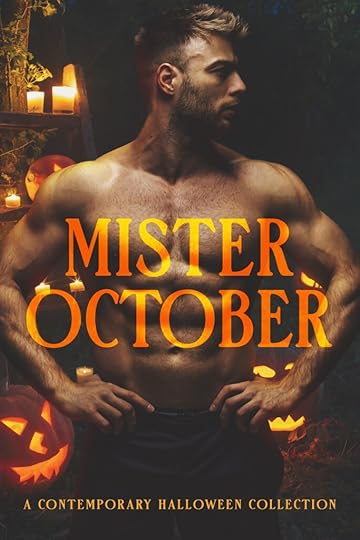 Subscribe to the blog
 Email Address
Subscribe
January 28, 2022
The Hungry {Romance} Writer: Lasagna Rolls
It’s a winter date night, and I’m making a simple meal that makes lots of leftovers that can easily be frozen. Lasagna Rolls made with sweet sausage, fresh spinach, and ricotta and mozzarella cheeses are easy and delicious on a cold winter’s night, especially after an afternoon of sledding.
[image error]I love this recipe because it can be made ahead, by at least three days, and then baked whenever you prefer. The original recipe that was from a Pillsbury package (it was so long ago, I don’t remember what the package was for), said this recipe could me made ahead and frozen before it was baked. I’ve never done that, but if you have the freezer space I assume it would work well. Although, I would only freeze it for up to three months ahead of time. I hope you have a wonderful weekend and are enjoying the winter weather.
[image error] PrintThe Hungry {Romance} Writer: Lasagna RollsThis is an adaptation of an old Pillsbury recipe I found year ago on a package. I've changed up the spices, and I use whatever jarred pasta sauce I have in the pantry. I've also cut down on the garlic and use a Vidalia onion. But this recipe is easily adapted for any taste, and the leftovers can be frozen for up to three months. Prep Time 50 minutesCook Time 45 minutesServings 8Ingredients8 uncooked lasagna noodles2 1/2 cups pasta sauce1 lb bulk sweet Italian sausage1/2 cup chopped Vidalia onion1 cloves garlic finely chopped2 cups lightly packed fresh spinach chopped1/2 teaspoon dried basil leaves1/2 teaspoon dried oreganoKosher salt and black pepper to taste2 cups mozzarella cheese shredded (not low fat)1 cup whole milk ricotta cheeseInstructionsPreheat oven to 350°F. Lightly grease an 11″ x 9″ glass baking dish.Boil the lasagna noodles according to the directions on the box. Drain pasta and rinse with hot water. Drain again.In a large cast iron skillet over medium heat, sauté the Italian sausage, onion, and garlic on in 10-inch skillet for 8-12 minutes, until the sausage is cooked through.Drain the fat.Stir in the spinach, basil leaves, oregano, Kosher salt, and black pepper. Cook 2-3 minutes, until spinach is wilted.Stir in 1 cup of the pasta sauce and bring to a simmer. Turn off the heat and cool for 10-15 minutes.Stir in 1 cup of the mozzarella cheese.In the baking dish, spread a few spoonfuls of the pasta sauce across the bottom of the pan.Working with each noodle individually on a cutting board, spread 2 Tablespoons of ricotta cheese to within 1 inch of the short end. Top with 1/2 cup of Italian sausage mixture. Roll the noodle up firmly toward the unfilled end. Place seam side down in the baking dish. Repeat with the other 7 noodles. When finished, spread the remaining 1 cup of pasta sauce over the top.Cover the baking dish tightly with tin foil. Bake 35-45 minutes, until hot and bubbly. Remove the tin foil and sprinkle remaining 1 cup mozzarella cheese over top. Bake, uncovered, for about 4-5 minutes until cheese is melted.Remove from oven and let it stand 5-8 minutes before serving.To freeze the leftovers, allow lasagna rolls to cool completely. Place in an oven-proof and freezer-proof container and seal tightly. Freezes for up to 3 months. To reheat, let the container rest on the counter for 15 minutes before placing it in a 350 degree oven, uncovered, for about 30 minutes. I suggest you heat up some pasta sauce in a saucepan to serve alongside, in case the noodles have dried out.Subscribe to the blog Email Address
Subscribe
January 27, 2022
Prep & Plan: Week Fourteen
Last week we regrouped, finished off our holiday cookies and other treats, and completed our Family Holiday Planner, efficiently ending 2021. Yay! So today I want to get us back on track with the building up of a prepper and planner mindset. (see Prep & Plan Week One). Because I still haven’t taken down all of my holiday decorations, today’s assignment is more intellectual than physical.
[image error]Like I said in the beginning, “…being ready for emergencies has nothing to do with the crazy TV shows about people hiding in underground bunkers or building tree houses in the Ozarks. The kind of Prepping & Planning I’m talking about is a no-nonsense, no-stress way of evaluating risk and your family’s readiness in the face of unexpected emergencies. And these unexpected emergencies can be anything from a flat tire 100 miles from home or a burst washing machine hose that is flooding the house (both of these have happened to me!).
In September, we began this adventure with 3 legal pads. If you haven’t finished this first assignment, or things have changed in your life and it needs to be redone, here is a recap:
“First, pull off one page to work on separately. On this page, draw a straight line to divide the pad in half horizontally. (does not have to be perfect!) At the very top of this page, list the children under 16, and animals that live in your household or that you are responsible for in an emergency (like if your mother lives down the street). Extra note: if you take care of kids or anyone else in your house during the day, include them off to the side. You never know–a storm may hit and their parents may not be able to get home for a while. So while we won’t take them into consideration for long-term planning, note that they are there and how often and for how long.
In the top half of the page but below the names, list all of the disasters/bad things that have happened or could happen in your neighborhood, surrounding area, county or state. This can include pandemics, wild fires, earthquakes, hurricanes, civil unrest/riots, hospital closures, etc. List anything you can think of and write them down. But be realistic–not every place in the country gets hit by hurricanes or tsunamis or blizzards. If you have a lot of things on your list, write them down in columns so you can read them but also fit them in the section. Leave extra space so you add things later as you think of them.
In the bottom half of the page, list the family/pet emergencies you’ve dealt with and still remember. If you don’t remember them, they’re not worth planning for. This list could include things like broken toes, house flood, frozen/burst pipes, fire, identity fraud, serious illness, unemployment, loss of insurance, injured pet, etc. Don’t relive and dwell on the things that have happened! We’re not doing an emotional purge. Just jot them down. Again, leave space so you can add things later.”
Today, I want to focus on this first assignment, specifically the list of disasters that have happened or could happen. Since I wrote the first blog post in September, a lot has happened including wildfires in Colorado and tornadoes in the deep south. And part of building a Prepping & Planning mindset is to acknowledge, statistically and realistically, what disasters could happen wherever you live. So grab your legal pad 3 (the Financial/Bugout/Long Range Planning notebook we haven’t used yet), a cup of tea and a snack, and let’s get to work.
First, title a page in Legal Pad 3 as Disasters Review. Then, on that page, rewrite all of the family/pet emergencies you’ve dealt with over the years. Below that, list any other kinds of disasters that could happen, even if they haven’t yet. These include natural disasters (tornadoes, hurricanes, wildfires, landslides, flooding, etc.) and accidental disasters (frozen/broken pipes that flood your house, a house fire, electrical emergency, broken clothes dryer, etc. )
Second, turn to another page and write down everything you can think of, besides people and pets, that you would want to save if you had to evacuate your home quickly. Would you grab your purse or laptop? Cellphone? Jewelry, silver, or other heirlooms? Photographs? I remember one of my best friends telling me that when she would hide in her tornado shelter (built into the garage of her Alabama home), she would be sitting on all of her photo albums and clutching her cell phone and her cats. Those are the things that are important to her.
This seems like an easy assignment, but it’s not that simple. If you lost everything, and had to start over, what would you want with you? Would you want all of your important documents (including insurance documents and car/home titles, etc.)? Your grandmother’s engagement ring? All of the keys to your cars and safety deposit box? Take your time and write down everything you would need and want. This will be the basis of your family’s bugout bags that we’ll be building in a few weeks. But, for now, make the list. Then ask everyone else in your family what they need and want.
Next week we’ll begin to break this all down, starting with a Home Emergency Binder. If you’re interested in more information about disaster preparedness, check out Ready.gov’s Make a Plan. Although it’s a HUGE site and can overwhelm even the most sophisticated planner, it’s a great place for general information. But, if you want to begin more simply, just write down everything on your legal pad while drinking a cup of tea or coffee (or a glass of wine). And don’t stress. The entire point of this blog series is to help move you into a mindset where preparedness becomes second nature. A mindset where this all becomes easy, just like brushing your teeth or taking a walk.
Until next week, stay safe and enjoy the winter. It will be over before we know it!
Subscribe to the blog Email Address
Subscribe
January 26, 2022
Sarah Munro’s Citrus Spice Bath Salts
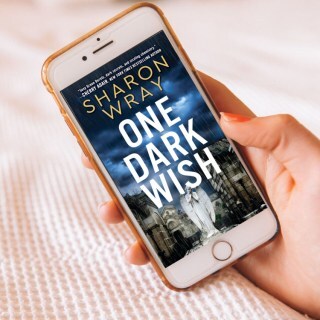
After a walk on a freezing winter’s day, my favorite thing to do is to slip into a hot bath. And one of my favorite additions to my bath are Citrus Spice Bath Salts. The recipe, filled with the essences of lemon, orange, fir trees, and pine trees is the perfect scent for this time of year. Because these kinds of baths were common during the later 18th century, Sarah Munro added this recipe to her collection of herbal remedies (Sarah, a PhD historian, is the heroine in book 2 of the Deadly Force series, ONE DARK WISH.)

While it is perfectly safe to add pine needles and cedar leaves to your bath, I don’t forage them. I purchase dried, ground leaves from a health food store that I trust either online or in my neighborhood. While you can purchase non-ground leaves, it’s much easier to buy them already ground up. It’s worth the little of extra that you may pay. Cloves and lemon essential oil can be irritating if you have sensitive skin. So if that’s something you deal with, especially during the winter, then just leave out those two ingredients. And if there are ingredients you can’t find, that’s okay too. There are so many in this recipe that you may or may not notice if you leave one out. But my favorite way to make these salts is with all the ingredients, whenever possible. I sometimes add the salts to a cotton muslin bag and let it steep in the bath. That way the leaves don’t go down the drain and it makes cleaning the tub easier.
Why so many ingredients? Because they add warming properties (pine, cinnamon, & cloves, and other essential oils), anti-inflammatory properties (cedar, rosemary, and lemon essential oil), and calming properties (orange peel, oil, baking soda, and Epsom salts). While the list looks daunting, they are easy to find online. Mountain Rose Herbs is one of my favorite online sources. I hope you find that slipping into a bath steeped with Citrus Spice Bath Salts melts away all your stress and eases your sore muscles on a cold winter day.
Sarah Munro’s Citrus Spice Bath Salts@media all and (min-width: 768px){#kt-layout-id_cabb30-2a > .kt-row-column-wrap > .inner-column-1{flex:0 1 65%;-webkit-flex:0 1 65%;}#kt-layout-id_cabb30-2a > .kt-row-column-wrap > .inner-column-2{flex:0 1 35%;-webkit-flex:0 1 35%;}}#kt-layout-id_cabb30-2a{margin-bottom:32px;}#kt-layout-id_cabb30-2a > .kt-row-column-wrap{padding-top:0px;padding-bottom:0px;padding-left:0px;padding-right:0px;}.kt-row-layout-inner > .kt-row-column-wrap > .kadence-column_a91dff-4d > .kt-inside-inner-col{padding-top:30px;padding-bottom:30px;padding-left:30px;padding-right:30px;border-color:var(--global-palette7, #EDF2F7);border-top-width:2px;border-right-width:2px;border-bottom-width:2px;border-left-width:2px;}.kt-row-layout-inner > .kt-row-column-wrap > .kadence-column_a91dff-4d > .kt-inside-inner-col{background-color:rgba(187, 161, 137, 0.09);}@media all and (max-width: 767px){.kt-row-layout-inner > .kt-row-column-wrap > .kadence-column_a91dff-4d > .kt-inside-inner-col{padding-top:30px;padding-bottom:30px;padding-left:30px;padding-right:30px;}}Ingredients:3 cups Epsom salts1/2 cup finely ground dried pine needles1/2 cup finely ground dried cedar leaves2/3 cup dried orange peel1/2 cup finely ground dried rosemary leaves1/2 cup olive or coconut oil2 Tablespoons baking soda3 Tablespoons dried juniper berries1 teaspoon cinnamon1/2 teaspoon ground cloves (optional)15 drops of grand fir essential oil15 drops scotch pine essential oil15 drops black spruce essential oil15 drops cardamom essential oil10 drops lemon essential oil (optional).kt-row-layout-inner > .kt-row-column-wrap > .kadence-column_fcb50b-01 > .kt-inside-inner-col{background-image:url('https://sharonwray.com/wp-content/upl...% 21%;background-attachment:scroll;background-repeat:no-repeat;}#kt-layout-id_fbb445-78{margin-bottom:32px;}#kt-layout-id_fbb445-78 > .kt-row-column-wrap{padding-top:30px;padding-bottom:30px;padding-left:30px;padding-right:30px;}.kt-svg-icons_7320ea-8d .kt-svg-item-0:hover .kt-svg-icon {color:var(--global-palette2, #2B6CB0)!important;}#kt-adv-heading_8a0930-fc, #kt-adv-heading_8a0930-fc .wp-block-kadence-advancedheading, .wp-block-kadence-advancedheading.kt-adv-heading_8a0930-fc[data-kb-block="kb-adv-heading_8a0930-fc"], .kadence-advanced-heading-wrapper .kt-adv-heading_8a0930-fc[data-kb-block="kb-adv-heading_8a0930-fc"]{text-align:left;font-size:35px;margin-top:0px;}Directions:#kt-adv-heading_bf3c48-57, #kt-adv-heading_bf3c48-57 .wp-block-kadence-advancedheading, .wp-block-kadence-advancedheading.kt-adv-heading_bf3c48-57[data-kb-block="kb-adv-heading_bf3c48-57"], .kadence-advanced-heading-wrapper .kt-adv-heading_bf3c48-57[data-kb-block="kb-adv-heading_bf3c48-57"]{text-align:left;}In a large glass bowl, stir together all of the dry ingredients, including the cinnamon and cloves.
Stir in the essential oils, one at a time, making sure to stir well in between each oil. Let sit for 30 minutes and stir again. Store the salts in a large glass jar with a tight fitting lid.
For each bath, use 1 cup of the salts. You should be able to get 6-7 baths out of this recipe. Or you could stir the salts in smaller jars and give them away as gifts.
Note: If you can’t find the leaves and needles already ground, use a coffee grinder or a tiny spin blender to grind up the ingredients.
While the salts will dissolve, the leaves and spices will go down the drain. If you prefer that not to happen, place the salts in a cotton muslin bag that you can tie closed and toss that into the bath. The salts will still dissolve and the rest of the ingredients will steep in the water, like a giant cup of tea!
IMPORTANT DISCLAIMER ABOUT WILD PLANTS, FORAGING , AND MAKING HERBAL REMEDIES:I am not a medical professional and nothing written on this blog is medical advice. None of my statements have been evaluated by the FDA (I am legally required to give you this disclaimer).
It is important to do your due diligence before foraging, harvesting, and/or consuming any type of medicinal plant.
If you are taking any medications, talk to your doctor about any potential drug interactions.If you are allergic to anything, make sure whatever you are foraging is not in the same family. Example: While dandelions are typically considered safe, those who are allergic to ragweed, latex, daisies, or any other plants in the same or similar families, may not be able to consume dandelion.Always research potential side effects, dosage recommendations, and how to properly prepare and consume each medicinal plant.
Always make sure you are foraging what you believe to be. Fully prepare and study the anatomy before harvesting wild plants.
Always make sure your kitchen/work area is clean and that all materials are sterilized.
Do not forage plants from areas that have been sprayed within the past 2 years at the very least.
I am not legally or morally responsible for the health of any of my readers. Please do your own research!
Subscribe to the blog Email Address
Subscribe
January 25, 2022
Happy Birthday, Rabbie Burns
On January 25, 1759, Robert Burns (aka Rabbie Burns) was born in Alloway, Scotland to William Burns, a tenant farmer, and his wife Agnes Broun. Robert Burns, the first of seven children was born into desperate poverty and a life of hard labor, a situation that left him stooped over and with a weak constitution. Robert, as a farmer’s son, had an average education and struggled financially throughout most of his short life.

But, in spite of less than stellar circumstances, he was happy and had a natural gift for language. Specifically, poetry which he used for successfully wooing girls. So much so that he earned the nickname The Ploughman Poet. When not farming, he joined a dancing school, started a bachelor’s club, and continued writing poetry. He fell in love often and had lots of children (although many died in infancy). Despite tragic losses, even before turning 22 years old, Robert Burns had a unique, romantic and spontaneous take on life.
After years of rejection, in 1786 a printer in Kilmarnock published his first collection of poetry written in the Scottish dialect. A few months later, as he was about to board a ship for Jamaica, another publisher offered to publish an enlarged second edition. This led to more publishing successes that allowed him to leave farming behind.
Robert Burns lived a colorful, vibrant life and is probably best known for his poem “Auld Lang Syne” which we all sing on New Year’s. As a founder of the Romantic movement, his work influenced the great literary figures of Percy Bysshe Shelley, William Wordsworth, and Samuel Taylor Coleridge.
That second edition of Poems, Chiefly in the Scottish Dialect, changed his life. And by the time he died at the age of 37, Robert Burns had become a national treasure. His natural skill in writing verse, not just in the Scots language in but also in the Scottish English dialect, made his poems available to even the smallest, most remote areas of Scotland. Today Robert Burns is Scotland’s National Poet and is revered throughout the world, including the United States and Russia. Movies, songs, and books written by artists such as JD Salinger, John Steinbeck and Bob Dylan all reference Robert Burns’ most famous works. But one of the most important tributes to Robert Burns happens annually, on his birthday of January 25, with the celebration of local Burns Suppers.

Burns supper is a traditional Scottish meal shared with friends to honor Robert Burns’ birthday. In between courses, guests raise their glasses of the finest Scotch whiskey and toast the great bard by quoting his most famous works. Here are a few examples you might recognize:
The best laid schemes o’ mice an’ men Gang aft a-gley, An’ lea’e us nought but grief an’ pain For promis’d joy.
Some hae meat and canna eat, — And some wad eat that want it; But we hae meat, and we can eat, Sae let the Lord be thankit.
O would some power the giftie gie us to see ourselves as others see us. (O would some power the gift to give us to see ourselves as others see us.)
O, my Luve is like a red, red rose, That’s newly sprung in June. O, my Luve is like the melodie, That’s sweetly played in tune.
Where sits our sulky, sullen dame, Gathering her brows like gathering storm, Nursing her wrath to keep it warm.
But to see her was to love her, Love but her, and love forever.
Suspense is worse than disappointment.
Man’s inhumanity to man makes countless thousands mourn!
There is no such uncertainty as a sure thing.
The wide world is all before us – but a world without a friend.
Below I’ve included a list of recipes so you can host your own Burns supper. But don’t forget to serve the aged Scottish Whiskey. That’s the most important part of the meal!
So even if you’re not Scottish, I hope you’ll still raise a glass to one of the world’s most favorite poets. And just in case you’re not familiar with his work, here is one of my favorite Burns poems set to music and played but the Royal Scots Dragoon Guard. Slàinte Mhath!
Subscribe to the blog Email Address
Subscribe
January 24, 2022
Cinderella: A Story as Old as Time
“There are no new stories.” That is a refrain that authors hear all the time. It usually goes like this: All the stories that have ever exist or will ever existed have all been told before. There’s nothing new, no new or exciting plots, no new or exciting are archetypal characters.
I heard this complaint while an undergrad student as well as in graduate school for library science. Then, when I decided to become a fiction author, I heard it again. No matter how hard I work, I will never come up with an original story. And that is probably true. But one of my all-time favorite fairytales, Cinderella, proves why that particular truth doesn’t matter.
The story of Cinderella has been around for centuries. For those of you who are not familiar with this folktale, it’s about a young woman (sometimes a young man) who, due to a tragedy, must live off the charity of others, usually their families who treat her terribly. But when this young woman meets a nobleman, he is desperate to find out who she is and where she lives. Once he finds her, they get married and she’s now the wife of royalty. The mean family members who treated her like dirt get their comeuppance. They are destroyed for their cruelty. Often, in many, many renditions of this story, there is a magical element that helps Cinderella succeed.
The earliest version of this story is by a Greek storyteller named Strabo. Sometime between 7 BC and 23 AD, Strabo wrote down a tale of a young Egyptian girl named Rhodopis who was a courtesan. One day while taking a bath, an eagle took her sandal, flew off, and dropped the sandal on Pharoah’s lap. He was so fascinated by the color and petite size of the slipper, he searched for her. Then, around 860 AD, a Chinese storyteller told a similar story. This story found its way into Malaysia with the tale of “Bawahg Putih Bawan Merah” and the Vietnamese have their own version called “Tam Cam”.
It wasn’t until 1634, when the Italian soldier and scholar Giambattista Basile decided to collect fairytales, that he came across the Chinese version of Cinderella. To this day, Basile is known in Europe as the first person to write down all the oral stories he could find, and over a century later the Grimm Brothers relied heavily on his work for their own collection of fairytales. Basile was well known for collecting rare and unusual folktales and was especially interested in those from non-European countries. His primary work was titled “Lo cunto de li cunti overo lo trattenemiento de peccerille ” which translates as “The Tale of Tales for Little Ones.” The title was eventually shorted to The Pentamerone.
A few of the more well-known stories in Basile’s collection include old versions of Rapunzel, Puss in Boots, Hansel and Gretel, Sleeping Beauty, and Cenerentola (Cinderella). Basile’s version of Cinderella included an evil stepmother and stepsisters, losing one shoe, magical elements, and a prince who spent years searching for Cinderella.
Because we live in an age of instant information, and often so much information that we can’t take it all in, it’s hard to describe how important Basile’s work was for his time. All stories were told orally, throughout Europe and Asia. So to have a collection written down meant that there was now an official canon of these stories for other storytellers to draw upon. In 1697, before the Grimm Brothers wrote their own collection of fairytales, a French author named Charles Perrault wrote his own version of Cinderella in a collection of tales titled Histoires ou contes du temps passé or Stories or Tales from Past Times. He relied heavily on Basile’s version of Cinderella (which in turn had relied heavily on the Chinese version). Except Perrault included more magic such as the pumpkin, fairy godmother, and glass slipper. Walt Disney, in turn, relied heavily on Perrault’s version of the story for his own Cinderella movie which he made in 1950.
Charles Perrault wasn’t just a French author. He was a member of the Académie Française, a division of the French government that focused on the importance of the French language and culture. Because of Perrault’s importance in the French government, he was able to promote this new genre called Fairy Tales. Perrault gave credit to all the earlier works (such as Basile and Strabo) when he could find them. His collection of fairytales gave us the more modern version of Cinderella as well as Little Red Rigind Hood, Puss in Boots, Bluebeard, and Sleeping Beauty. A century later, the Grimm Brothers also relied on Perrault’s versions of fairytales to help them in their own collections of fairy tales. The Brothers Grimm appreciated not just the updated stories (from Basile’s and Strabo’s collections) but also the enormous amount of scholarly work that went into citing the original versions of these stories. Where Basile gave citations, Perrault offered more extensive footnotes.
By the time the Brothers Grimm discovered the story of Cinderella, there were over 345 versions floating around. When they included it in their 1812 version of Grimm’s Fairy Tales, they called her Ashenputtel. In the Grimm brother’s version, Ashenputtel plants a hazel twig which she waters with her tears. When a white bird (maybe a dove) makes the tree its home, Ashenputtel believes it is the reincarnation of her dead mother. The bird is the magical element in the story, offering her a white gown and golden silk shoes to wear to the ball. When she runs away from the prince, he chases her her. She runs home but loses one of her slippers. The prince searches his kingdom for her, asking all eligible women to try on the slipper. Ashenputtel’s stepsisters try on the shoes but when it doesn’t fit, they cut off their toes to fit into the shoe. When the shoe doesn’t fit and the prince notices blood coming out of the shoes, he retrieves the slipped. Eventually he tries it on Cinderella. He finds his princess and takes her away to marry her. They leave behind the evil stepmother and stepsisters who can no longer walk.
While this is no longer the tale of Cinderella we know (thanks to Walt Disney), many of the earlier tales have a young, poor woman tormented by evil female relatives. There is almost always a ball, a magical ballgown, and a curfew that cuts off the fun (and magic) at midnight. Sometimes magical birds show up to offer magic, and others have a magical fairy godmother. Both the birds and godmothers are metaphors for kindness. Also, in some stories, she loses a shoe while in others Cinderella loses jewelry. My favorite is in a Russian version where she loses a shoe made from a squirrel!
Regardless of all these variations, the thing I love about this story is while it proves the original thesis of “no new stories” correct, it also shows us that there are innumerable ways of retelling stories. Just check out the huge number of fairytale retellings on Amazon. Some are retold for small children, others for young adults, and there are even erotic retellings. One of my favorite YA series retells the stories in a science fiction setting. So for those authors out there who are worried about this idea that there are no new stories, remember Cinderella. While her story has been around since 7 BC, we never get tired of new versions of this classic tale. If you have one in your heart, write it and tell it. The world wants to hear it!
Subscribe to the blog Email Address
Subscribe
January 21, 2022
The Hungry {Romance} Writer: Chicken Cordon Bleu Casserole
This is not a recipe for a traditional Chicken Cordon Bleu. This is a Chicken Cordon Bleu Casserole that is perfect for a cold January night with leftovers that freeze beautifully. It’s a great addition to this mini-series on meals that can be frozen and, when they are reheated, taste just as good (if not better) than the night they were made.

This is an easy recipe for a weeknight, a date night, a kid’s sports night, or a Sunday night dinner. It’s quick to put together and can be assembled earlier in the day. Just remove it from the refrigerator about 45 minutes before putting it in the oven. I love to serve this with a green salad, a warm baguette, and of course a glass of French wine. I hope you all have a wonderful winter weekend!
 PrintThe Hungry {Romance} Writer: Chicken Cordon Bleu CasseroleThis is one of my favorite go-to recipes for families with new babies or for people who've returned from the hospital. It's easy to reheat or freeze for later. All you need is a green salad and a crusty loaf of bread to make a perfect meal. This is an adaptation of a recipe I once received from my babysitter when my twins were still tiny, and the kids still love it today. Prep Time 45 minutesCook Time 30 minutesServings 8IngredientsCasserole6 cups cooked chicken cubed or shredded1/2 pound ham cubed3 cups cavatappi (corkscrew) pasta1 Tablespoon olive oil extra virginCheese Sauce4 Tablespoons unsalted butter4 Tablespoons flour4 cups whole milk1/2 teaspoon Kosher salt1/4 teaspoon ground black pepper1 teaspoon garlic powder1 teaspoon paprika2 cups mozzarella cheese shreddedTopping2 cups Swiss cheese shredded1/2 cup sourdough bread crumbsInstructionsPreheat the oven to 375 degrees F.Lightly grease a 9" x 13" baking dish with coconut oil cooking spray. Set aside.Cook the pasta per box directions, drain, and rinse. Return to the pasta pot and drizzle with some extra virgin olive oil.In a large cast iron pan, over medium heat, melt the butter.Add the flour to the butter and whisk until combined. Cook for 2 minutes, until the flour and butter are combined and the flour begins to lightly brown.Slowly whisk in the milk, stirring until it is mixed in. Bring to a simmer.Reduce the heat to low. Stir in the salt, pepper, paprika, and garlic powder. Whisk the ingredients and adjust seasonings to taste.Remove the pan to a heat-proof cutting board. Stir in the shredded mozzarella until melted.In a very large bowl, mix together the chicken and ham. Pour the cheese sauce over the top and stir until mixed and all ingredients are coated with sauce.Pour the chicken mixture into the prepared pan. Smooth the top with a spatula and top with the shredded Swiss cheese, and then top with the sourdough bread crumbs. Bake, uncovered, for 25-30 minutes. It done when the cheese is a light golden brown and the mixture is bubbly.Remove the casserole from the oven. Let it stand for 10-15 minutes before serving.To freeze the leftovers, place in a freezer-and-oven safe container. Freeze for up to 3 months. When ready to use, remove from freezer and take off the lid. Cover tightly with tin and foil put directly in a pre-heated 350 degree oven for 1 hour. No need to defrost if stored in an oven-safe and freezer-safe container.Subscribe to the blog
 Email Address
Subscribe
January 20, 2022
Prep & Plan: Week Thirteen
Recently, it snowed in Virginia. You may have heard about the storm that hit the east coast, especially the part where Interstate 95 in Northern Virginia (below Washington, DC) was shut down for over 20 hours. While the news mentioned that people were stuck in their cars for hours, and that many ran out of gas, they didn’t really delve into the disaster–and almost tragedy–that was occurring during those hours when the temperature dropped to 11 degrees F.
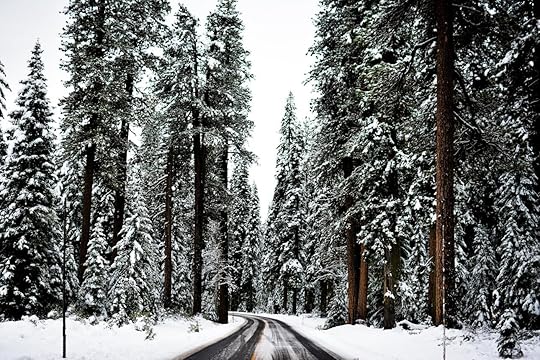
We all know that since late February 2020 the world has been crazy. And some days it seems to be getting crazier. But that night, for those people stuck in their cars in the freezing cold, it must have seemed like a nightmare. While I live in Virginia, my family and I were lucky that we’d made with home from Charleston, SC a few days earlier. So we were tucked and warm in our home and beds. Still, I couldn’t help but think about those people–and the children–stuck outside in a wintery and icy disaster. I knew the fear and worry that was a constant companion as night settled in. Many, many years ago I was in a similar situation. I ended up stuck on Interstate 287, in the Ramapo mountains on the border of New York and New Jersey. At the time, there were no cell phones, no internet, no emergency notifications unless you had an AM radio or were watching one of three TV stations.
Anyway, a fast moving blizzard moved in and trapped me, along with hundreds of other cars and trucks, for over 12 hours. Honestly, it could have been longer but I’ve let myself forget most of this terrible night. Because there were no cell phones or internet, and I couldn’t get radio reception in the mountains, I had no idea what was going on. I couldn’t reach my family to tell them I was okay. I had no idea how long this would last. And the snow fell faster and faster until it reached about 18 inches. Lucky for me, I had a father who always thought ahead. When I told him I was going to NY state for the day (and the weather showed no signs of snow), he threw a blanket in my car along with a flash light, some water bottles, and a few snacks including some Little Debbie snack cakes. I will forever be grateful to my dad for his planning ahead. Because I had a blanket, some water, and a few snacks, I was able to get through the night mostly unscathed. And I used the flashlight when I needed to get out of the car, in the middle of the night, to head to the woods on the side of the road to go to the bathroom. I can’t truly explain the terror of trying to find my way through snowdrifts in the dark woods because I couldn’t wait until we were rescued. While I saw others do the same thing, it was so windy that no one stopped to talk to each other. We were all worried about making it back to our cars while we could see them. Yes, the blizzard winds were blinding.
The next morning, State Troopers (who’d parked miles away), hiked in with backpacks and were handing out water and small snacks to people in their cars. The snow had stopped and, finally, we were able to get out and assess the situation in the daylight. And we were able to talk to other people in other cars. We were told that the there were snowplows, and people with shovels, who were slowly clearing the roads and extricating the trucks who’d jackknifed and were blocking both the north and south lanes. A few hours later, I was able to turn on the car and follow the other slow-moving cars. While I was only an hour from home at this point, it took me another four hours to arrive at my parents’ house (mine was still another two hours south). Most of that extra time was caused by having to dodge cars left on the road because they’d run out of gas.
It was a major disaster and led to all sorts of new rules about closing roads in the mountains ahead of storms. As well as requirements for snow tires or snow chains for tires. While things are different now because we have so much up-to-date information, I still worry. Which is why, ever since that incident, I have prepped my car (and my kids’ cars) for winter. While I may end up in another storm, like that one that hit this week and shut down I95, I will never be caught unprepared again. In fact, that story is one of the reasons why I became a pepper-minded person before anyone had a name for it. It was a huge blessing that no one died during my ordeal years ago, or the one a few weeks ago. Still, because we live in a crazy world where anything can happen, being prepared improves my family’s chances of survival. And the more prepared I am in an emergency, the more I can help others by sharing what I have.
Here’s my plan for when I travel by car in the winter throughout the U.S. (the rules are different for international travel, so this list is just for the U.S.)
First, before winter hits, my husband winterizes the cars by checking all the fluids (including wiper fluid), changing the oil and spark plugs, checking the all-weather tires, etc. I try to keep the gas tanks close to full during these months, as well.
While he’s doing that, I’m reloading the car’s Winter EDC aka the Winter Every Day Carry Emergency Bag. This is the list I use for my long distance travels (over 2 hours). While I don’t need all these things for shorter trips, I just keep them in the same duffel. I’d rather have a heavier bag than be caught without what I need. For some of these items, you’ll need one (or more, like food) for every person in the car. Here is a downloadable list you can personalize for your own use.
Winter Every Day Carry Emergency BagCash. I always take a ton of cash with me. During this recent emergency, by the time people got off the highway the closest gas stations were limiting gas and only accepting cash. Caffeine pills ~ These are available in any drug store, but if you’re alone in an emergency they help you stay awake. Depending on how cold it is, and if you have to turn off your car to save gas, you could freeze to death if you fall asleep and don’t keep moving.)A case of bottled waterA large, cozy blanket. More blankets if you have more than two people in the car.Winter boots and thick socks Heavy-duty winter jacketsHats and mittens and gloves (you need gloves to work outside the car, doing things like scraping ice and changing tires, but they’re not warm enough inside the car if you’re not moving)An ice scraper with a long handle, preferably that has a glove-type covered handle.De-icer for the windshield and mirrors. Granola bars/protein bars/other non-sugary snacks. Also cheese sticks, pudding cups, and mandarin oranges work well.Ibuprofen and acetaminophen HeadlampsFlashlight Swiss Army knife or something similarLifestraw to filter water you’ve melted from snow. UV purifying water bottle and/or water purifying pillsExtra cold weather clothing from your luggage. Sweatshirts, sweatpants, dry socks, long johns, etc. High quality First Aid Kit along with a pair of scissors (if not included)Paper maps for your location in case you lose cell service or run out of battery powerCell phone battery block with multiple USB slots and a small LED light, as well as the cords to hook up small electronics. This way you don’t need to run the car engine to charge you phone. Fully charge the block before you hit the road.Make a connection bag that holds the different types of cords you need for your electronics. Emergency weather radio with AM stations. Or a CB radio, if you preferA package of tissues to use as toilet paperConsider compact urinals (males and female) in case you need to use the bathroom but can’t leave the car. (I really wish I’d had one of these during my emergency. You can order them from Amazon, Walmart, or any camping supply store and they come in different sizes and models.)Extra medications ~ Bring extra if there’s a med you need to take daily. Especially things like insulin, etc. Identity documents in a plastic, waterproof bag. While I also have these on a thumb drive, you won’t be able to access them in an emergency from your car. (We will discuss this in the next two weeks of this series). These documents include Driver’s licenses, car registration and insurance information, medical cards for emergencies as well as anything else you might need quickly like prescription refill forms, etc. Don’t forget any licenses for weapons you have in the car.Sun protection ~ I know we’re planning for winter, but you can still get a sunburn on your face if you have to walk off the highway.Solar kit ~ I travel with a 25W solar panel with two USB outlets.Fire making kit ~ A small torch light and a regular lighter. Storm proof matches are nice if you know how to use them. Add a few small candles.Extra glasses ~ If you can’t see without glasses (for reading or driving), bring an extra pair. Same thing if you wear contacts. Duct tape and paracord ~ My husband was in the army and we always have these two things in the car. And we’ve used both of them in emergencies. Work gloves ~ to change tires, collect wood, etc.A few other things to consider:
Gas. It’s dangerous to drive around with gas cans in your car. But if you end up in a traffic jam for hours, like the Virginia I95 debacle, you’ll need to turn off your car to conserve gas. One thing that helps is never letting your gas tank go below half full. But that also means you’ll need to stop more frequently to get gas, which can be a pain when you’re on a long haul trip. It’s just something to keep in mind. One of the biggest issues when a road reopens is that the lanes are littered with cars that have no gas which makes getting out a more difficult and dangerous proposition.
Personal Protection: This can be a controversial subject. But if you carry a licensed weapon with you, make sure you know the legal requirements in each state you pass through. Some states/cities/localities ban tasers, pepper spray, knives as well as guns. So whatever you have with you, make sure you know the rules for every state you pass through. And, if you have a license for your weapon, keep it with you.
Long, long, long haul car trips: The list above is for a trip that may normally take up to 12 hours. But if you are traveling cross country, you may want to consider packing camping gear, a small fire stove, extra food/MREs, etc. Here is a great article about planning long haul driving trips across different terrain.
Balance: When you are traveling long distances, with many people, and maybe staying someplace for many days, weight and space become a concern. So you’ll have to balance what you need at your destination versus what you need on your trip (or might need). That’s a personal decision you’ll have to figure out on your own after considering your situation such as distance, age of car, number and ages of passengers, etc. But if the goal is to get someplace safely, you may want to consider the above lists. Even just having a First Aid kit and some water will mean the difference between life and death. I am not being hyperbolic, just realistic.
Finally, information is your friend. When you plan out your trip, check the weather as well as the routes. Depending on where you’re driving, you may want to double check the crime rates of areas you’re driving through. Also, you could make a list of high-quality hotels along the route, as well as the locations of hospitals, ERs, police stations, etc. And write down any other critical information you may need if you don’t have access to the internet, due to a national or weather emergency.
Although this is a long list of things to consider, the goal of traveling (hopefully) is to have fun. The great thing about a Winter Every Day Carry Emergency Bag is that once you build it, you don’t have to do much to maintain it. And switching things out for different seasons (like taking out mittens and adding bug spray) is easy.
I hope you find this list helpful and not stressful. The point it to get prepared and then forget about it because you’ll know that no matter what craziness happens, you and your family will survive. And maybe you’ll be in a position to help others as well.
Subscribe to the blog Email Address
Subscribe
January 19, 2022
Snow White: Darker Than Most Fairytales
Everyone who has children, or who was once a child, has probably heard the story of Snow White or seen the famous Disney movie about the princess who eats a poisoned apple. A 2006 Zogby poll even found that 77% of adults polled knew all of the dwarves’ names but only 24% of adults could name the Supreme Court justices.

While tragic, it’s also interesting because, in the original story of Snow White, the dwarves have no names. This just proves that most of the fairytale movies made in the last eighty years, including Snow White, have darker and more interesting histories than the animated movies portray. And Snow White is no exception.
In 1806, Germany’s most famous storyteller and folklorist was a man named Clemens Brentano. He had published a popular collection of old German folk songs and was working on a compilation of folk stories. Overwhelmed, Clemens told his friends that he needed help compiling and reconciling all of the collected stories. A friend of his introduced him to two brothers who’d recently graduated with law degrees but who seemed more interested in stories than case law. These two young scholarly men, Jacob and Wilhelm Grimm, were happy to help Clemens Brentano with his compilation of folk tales. Jacob and Whilhem interviewed everyone they could find, from students to street-side storytellers and others from every walk of life. They met with minor aristocrats, Italian royalty, French Huguenot exiles, and wounded soldiers and wrote down everything they heard. They were especially interested in the tales told and retold by grandmothers, the kinds of stories that were passed down through the generations.
In 1810, the Grimm brothers sent 49 stories to Brentano, including the tales of Snow White, Sleeping Beauty, and Rumpelstiltskin. Unfortunately, Brentano sent the collected stories to a monastery in Alsace and left them there for some unknown reason. They were left there for over a century! Luckily for the rest of the world, the Brothers Grimm had made copies of their work. When they realized that Brentano had disappeared and had no intention of following through with his book, the Grimm brothers published their own version of the these folktales in 1812. The book was called Kinder-und Hausmärchen, which means “children’s and household tales”. They ended up publishing seven editions of their tales over the course of 45 years. By 1870, the brothers had died but their book (now referred to as fairy tales), had become part of the culture. Their tales were incorporated into school curriculums and became the second best-selling book in Germany, behind the Bible. To this day, the Fairytales by the Brothers Grimm is still a best-seller.
One of the stories within this book stood out as it was an old tale that had been pulled from older and slightly different versions discovered in England, Italy, Ireland, and Wales. It was called “Schneewittchen” or “Little Snow White.” As the brothers edited the books over the years, this story in particular took a lot of twists and turns. While the 1857 version is the closest to the Disney movie (although still very different), the 1812 version is more interesting. Here’s a quick synopsis of both versions.
1812 Little Snow White
First of all, in the original story of Snow White the villain isn’t her step-mother. It’s her REAL mother! And…. Snow White is seven years old. (that is just so wrong) In a jealous fit, Snow White’s evil, horrible mother sends the Huntsman out with Snow White and says, “Take her out into the woods to a remote spot, and stab her to death.” Then her mother eats her organs. Except they’re not really Snow White’s organs because the Huntsman let her go. Snow White runs off and finds the dwarves except they have no names and no separate identities or personalities. When Snow White’s mom realizes her daughter is still alive, she visits the dwarves three times. The first time she thinks she kills Snow White, the evil queen is dressed as a peddler woman and gives Snow White a poisoned lace that tightens her bodice until she can’t breathe. Except the dwarves cut the ties and save Snow White. Then the evil queen changes into a gypsy woman and gives Snow White a poisoned comb. When she combs her hair, she falls dead until the dwarves come home and take out the comb and revive her.
Then there is the third attempt when the evil queen dresses up like a farmer’s wife and gives Snow White the poisoned apple. Snow White dies and the dwarves can’t revive her. Brokenhearted, they make a glass coffin, engraved with her name and birth, and place Snow White inside. Many, many, many years later, a prince comes to the house seeking refuge. He sees the coffin and the dwarves tell him the story. He falls in love instantly and asks to buy the woman in the coffin. (who hasn’t decayed and has apparently aged?) The dwarves say no until he begs or pays them (it’s unclear).
His servants carry the glass coffin home and he makes his servants move the coffin around his castle so he’s always in the room with her. One of the servants gets tired of carrying it around so he opens the coffin and smacks Snow White on the face. The poisoned apple falls out of her mouth and she wakes up. (No kiss, just a smack on the face!)
When Snow White wakes up as a young woman, she falls in love with the prince and they get married. But they have a plan. They invite the evil queen to the wedding. When the evil queen sees Snow White alive, she is “so petrified with fright that she could not budge. Iron slippers had already been heated over a fire, and they were brought over to her with tongs. Finally, she had to put on the red-hot slippers and dance until she fell down dead.”
Yes, it’s a much darker story than Walt Disney’s version, and I totally get why he changed it for his movie. But the Brothers Grimm also made changes.
In 1857, they edited Little Snow White. While most of the story remained the same, the evil queen was now a step-mother (Snow White’s real mother had died in childbirth), and Snow White was older–about seventeen or so. Also, when the Huntsman returns, he doesn’t bring Snow White’s lungs and liver (which the queen requested). He brings the lungs and liver of a boar, and the evil queen boils them in salt and eats them. (again, there are so many things wrong here!)
Another change is with the prince. In this version, the prince gets the coffin from the dwarves but while his servants are carrying the glass coffin to his castle, they drop it and the poisoned apple falls out of her mouth and she wakes up. (No kiss, just a drop!) Then the queen’s magic mirror tells her there’s another beauty in the land, and the queen gets herself invited to this beautiful woman’s wedding where she discovers it is Snow White. But the rest about the evil queen dancing in hot iron slippers remains the same. So, this version is almost as dark and violent as the first, but having the evil queen be Snow White’s mom, making Snow White only 7 years old, and Snow White getting hit in the face by a servant was probably too much even for an early 19th century audience. According to historians, the Brothers Grimm changed the bit about Snow White’s mother due to public pressure and the fact that the society at the time held motherhood as sacred.
While some of Walt Disney’s films have come under scrutiny lately, in the case of Snow White I am so glad he lightened up the story. No one needs to read about an evil queen (mother or step-mother) cannibalizing her seven-year-old daughter. I like scary movies, but that’s way to dark, even for me. And I have to admit that sometimes I wish I didn’t know these earlier versions. I prefer my fairytales to give me happy dreams instead of nightmares. Happy reading!
Subscribe to the blog Email Address
Subscribe