Sharon Wray's Blog, page 22
February 3, 2025
A Valentine From Chaucer
Valentine’s Day is one of my favorite holidays because of the history behind it. This day even plays a part in my romantic suspense novel EVERY DEEP DESIRE since the prologue, where the heroine Juliet discovers her husband Rafe has supposedly abandoned her, happens on Valentine’s Day.
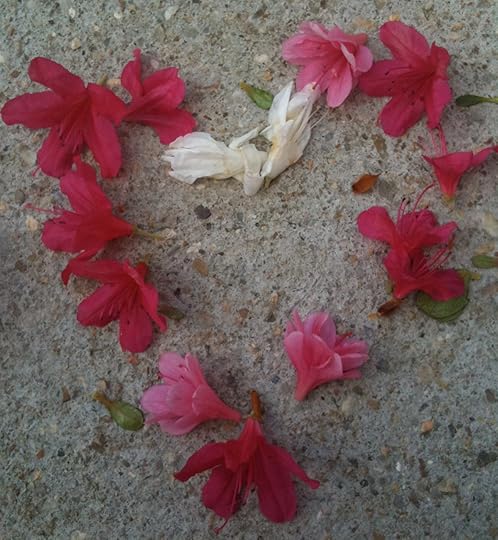
But I love this holiday, not because of the chocolate or cards or flowers, or because of the tie-in with my novel, but because of the man himself. A courageous Bishop known as St. Valentine.
Born during the reign of Claudius II, a Roman Emperor who hated and persecuted early Christians, St. Valentine was an early Bishop who married young couples in Christian ceremonies in flagrant violation of Claudius II’s edicts. Since Claudius II believed his soldiers fought better without wives or families, and he hated Christianity, he had St. Valentine arrested.
Turns out St. Valentine had also been marrying couples right before they were martyred and had been aiding the Christian families of those left behind. Enraged, Claudius II told St. Valentine to renounce his faith or be martyred. After St. Valentine gave a forceful “No“, Claudius II had St. Valentine beaten with clubs and beheaded outside the Flaminian Gates in Rome on February 14, 269 AD (approx year).
According to legend, two days before his execution, St. Valentine miraculously healed the jailor’s blind daughter and on the day of his death left her a letter signed “your Valentine“. (I guess you could say St. Valentine was one of the first romance writers!)
Sometime between the years 492 and 496 AD, the date February 14 was chosen to replace the February 15 pagan feast known as Lupercalia, a day set aside to worship the pagan god Lupercus. On this day, young Roman men would draw the names of young women whom they would then keep for a year as their sexual companions.
Pope Gelasius I, not happy with this annual event, came up with a new lottery. On February 14, young people would choose the name of a Christian saint whose example they would try to emulate throughout the year. But since young men still hoped to seduce young women by sending them handwritten notes, the Pope elected Saint Valentine to be the patron saint of the day. Hence the custom of sending cards from “your Valentine“.
But Valentine’s Day didn’t really come into vogue until the 14th century when Geoffrey Chaucer (best known for writing The Canterbury Tales) wrote his famous poem “The Parliament of Fowls” sometime between 1380 and 1390. This 699-line romantic poem is about birds choosing their mates. I know it seems strange that a $20 billion industry rests upon the shoulders of a saint from the earliest days of the Catholic church and a 14th century poet. Yet historians agree that this poem, about birds finding their mates, may have been a satirical allegory written to honor the marriage of Richard II of England and Anne of Bohemia, a courtship which took five long years of intense negotiations that almost ended in conflict a few times.
This famous line from the poem, “Three eagles in fact vie for the hand of this single female eagle, and since no conclusion is found them marriage is postponed” may represent the difficult diplomatic negotiations that eventually ended in the marriage between King Richard and Anne. This was obviously a political alliance instead of a love match, but the poem suggests that nature may have more to do with the happiness between lovers instead of love that is ruled and regulated. In the poem, the female eagle refuses all three suitors and asks Mother Nature for another year to male her decision. Mother Nature agrees and tells the suitors that “A year isn to too long to endure”.
Chaucer, through this poem, is telling the reader that sometimes forcing the issue (as in arranged political marriages) can lead to more strife. Yet if you allow the natural course of love to occur (the definition of Courtly Love), you end up with more joy and the potential miracles of love… aka babies. The whole poem is an idealized look at love during the Middle Ages, both the good (falling in love naturally) and the bad (arranged marriages). Although it was written over 600 years ago, its opening line still resonates with modern readers:
“So short our lives, so hard the lessons, so difficult the tests, so sudden the final viceroy, so tenuous the hope of joy that so easily evaporates into fear — this is what I mean by Love.”
But the lines that really matter to the holiday of Valentine’s Day are found within the stanzas of this VERY LONG poem where all the birds gather to select a mate and they decide to do this on Valentine’s Day. (I’ve included the small portions of original version and the modern English translation)
or this was on seynt Valentynes day,
Whan every foul cometh there to chese his make’ (309-10)
(Translation)
For this was on Saint Valentine’s Day
When every fowl comes to choose his mate.
Chaucer goes on to mention that the birds will sing for Saint Valentine, and he’ll help them choose their spouse.
aynt Valentyne, that are ful hy on-lofte,
Thus syngen smale foules for thy sake:
Now welcome, somer…’ (683-85)
(Translation)
Saint Valentine, that are full lofty on high
Thus small fowls (birds) sing for thy sake.
Now welcome, summer…
Although Chaucer’s poem is still the most important literary link between Saint Valentine and the idea of having a day to celebrate courtly love, other poets liked the idea so much that they took up the idea as well. John Gower (an English poet who died in 1408) and Oton de Grandson (a French poet who died n 1387) refer to this idea that Valentine was the patron saint of true love and should be celebrated on February 14th. Also, in 1415, when the French Duke of Orleans was imprisoned in the Tower of London, he wrote a letter to his wife titled, “Ma doulce Valentin gent” meaning My sweet gentle Valentine.
What I love about this history is the idea that courtly love, which comes with a saint’s protection and was made popular in medieval society, still resonates today. Considering the amount of money spent on Valentine’s Day, the rest of the world agrees so much that Valentine’s Day has now been expanded to include friendships and other positive, uplifting relationships. I hope you all have a wonderful and safe February, and that we can all spend time with those we love.
Who loves the common good and virtue too
Shall unto a blissful place yet wend,
There where joy is that lasts without an end.
(Translation of The Parliament of Fowls by Geoffrey Chaucer, 1380 – 1390)
The post A Valentine From Chaucer first appeared on Sharon Wray.


February 2, 2025
A History of Candlemas & Groundhogs
Today is Candlemas, a day set aside to celebrate the Feast of the Presentation of Jesus Christ as well as the Feast of the Purification of Mary. Although most people think of February 2 as Groundhog Day, the truth is that the importance of this day dates back to pagan Celtic and Roman times. We are now halfway between the Winter Solstice and the Spring Equinox, and back in the day this was a huge cause for celebration. It meant that the food hadn’t run out, the winter cold hadn’t taken your life, and the bandits who hadn’t prepared for winter had either been repelled or disappeared.
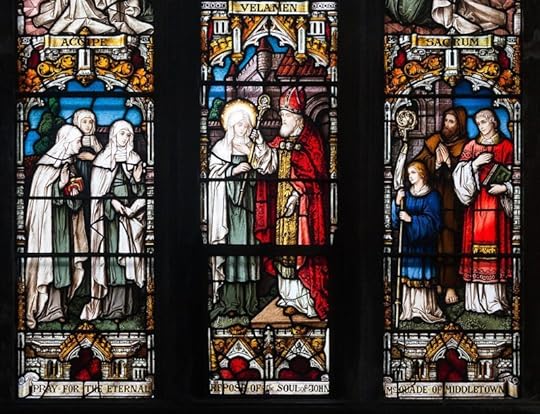 WikiCommons License: St. Patrick’s Cathedral (RC), Armagh, County Armagh, Northern Ireland: Lower part of the stained glass window in the north wall of the west transept (liturgically north), depicting St. Mel and St. Brigid.24 September 2013Photographed by Andreas F. Borchert
When society was more agrarian, people lived by the seasons. They marked the Solstices (the longest and shortest days of the years) and the Equinoxes (halfway point between the Solstices). But they also celebrated on the quarter days, and Candlemas was one of the most important. It was a festival of light that represented hope that the days would eventually get longer. It was also a time to go through the pantries and eat food that might be going bad like soft apples and squash, or grains that were getting moldy. One of the foods served during this time was unleavened cakes and breads, including pancakes.
In the Celtic lands, this day was also known as Imbolc, a feast day that celebrated the Irish goddess Brigid (not to be confused with the Irish Saint Brigid). The pagan Brigid was the goddess of the dawn, of fertility, and of healing. It was also the beginning of the lambing season which represented the coming of spring. People lit bonfires and candles to represent the warmth of the sun. When the idea of Imbolc merged with the real-life person of Saint Brigid, the feasts became Christian. Now people use the Feast of St. Brigid on February 1 to celebrate home and hearth and new life. People in Ireland still visit holy wells dedicated to St. Brigid to bring back water to bless their homes. They also make St. Brigid crosses (made from reeds or straw) to give to their neighbors as a way to offer hope and love to their community.
In Europe, as pagan people turned to Christianity, this time of year–which is 40 days after Christmas–became known as the fortieth day of Epiphany. It became an official Christian holiday in 6th century when Pope Sergio’s instituted this festival in Rome. During the Dark Ages, when people were desperate for relief from the plague, they began celebrating this day with processions that honored the Blessed Mother and her Feast of the Purification. By the 11th Century, people would process to the church and get their candles (all the ones they’d use for the year) blessed. Even today, the church blesses all of the candles they will use during the year on Candlemas. (The word Candlemas comes from “Candle + Mass”)
So how did Ground Hogs steal this festival of Candlemas? Many historians believe it dates back to an old Scottish verse:
If Candlemass Day be dry and fair,
The half o’winter’s to come and mair [more];
If Candlemass Day be wet and foul,
The half of winter’s gane [gone] at Yule.
So if it’s sunny and dry on February 2, Winter will continue. But if it’s cloudy, Spring is almost here. This belief was reinforced by the behaviors of bears who would either stay in hibernation or leave hibernation early. As the decades went by, bears became ground hogs. Now, if the ground hog sees his shadow on a sunny day he gets scared and hibernates for another six weeks of Winter. But if he doesn’t see his shadow, he won’t be scared and Spring will come early.
When you combine all of these stories, you still come to the same conclusion: Candlemas is the day we celebrate the ending of dark days the promise that light will arrive soon. Because I love holidays that have their own special foods, I’ve included a recipe for Gingerbread Pancakes. They are easy to make and, because it’s still the last day of the Epiphany, these pancakes have a holiday flavor. I hope you all have a wonderful Candlemas. And don’t forget to light your candles and eat pancakes. Because Spring will be here soon.
[image error] PrintGingerbread SconesCourse BreakfastKeyword SconesPrep Time 15 minutes minutesCook Time 15 minutes minutesServings 8Calories 310kcalIngredientsGingerbread Scones2 cups whole wheat flour1 Tablespoon baking powder1/2 teaspoon ground ginger1/2 teaspoon ground cinnamon1/4 teaspoon ground cloves1/2 teaspoon sea salt2 Tablespoons sugar1/2 cup butter cut into small cubes and chilled1/4 cup dark molasses1/2 cup milk1 teaspoon Turbinado sugar for top1 teaspoon milk for topMaple Glaze1 cup powdered sugar2 Tablespoons butter melted1 Tablespoon pure maple syrup1 teaspoon pure vanilla extractInstructionsPreheat the electric griddle to 425℉. Line a baking sheet with parchment paper and set asideIn a large mixing bowl, whisk together the flour, baking powder, salt, ginger, cinnamon, and cloves. Stir in 2 Tablespoons of sugar. Cut the butter cubes into the dry ingredients until the butter is the size of baby peas–or smaller.Make a well in the center of the dough and pour in the milk and molasses. Mix it with a fork until the ingredients are well blended. Lightly flour the counter and turn the dough out onto the surface and turn it with your hands a few times until it forms a ball. Don't overwork!Place the dough on the baking sheet and flatten the top. The circle of dough should be about 3/4" – 1" thick. Brush the top with milk and then sprinkle the Turbinado sugar on top. But the dough into 8 wedges and bake for 15-20 minutes depending on your oven. The scones should rise and turn a nice, golden brown. While the scones are baking, make the glaze. In a small bowl, mix all the glaze ingredients together and then set aside.Remove the baking sheet from the oven and pour the glaze over top. Serve immediately.The post A History of Candlemas & Groundhogs first appeared on Sharon Wray.
January 31, 2025
A Heroine Named Brigid
As a romance writer, I’m fascinated by heroines. The women in my books don’t have to be famous or rich or powerful. They don’t have to be beautiful or perfect. Even if they live ordinary lives in ordinary worlds, all they have to be is determined. Determined to fight for those they love. Determined to achieve their goals. Determined to make the world a better place. And one of my favorite role models is a woman most people haven’t heard of—St. Brigid of Kildare.
It just so happens that tomorrow is the Feast of St. Brigid, although in some places, it is celebrated on February 1st and 2nd. For my neo-pagan friends, today is Imbolc, one of the four Celtic fire festivals that celebrates the changing of the seasons. Specifically, the moving from winter into spring. St. Brigid, the first native-born Irish saint, is remembered as a strong, independent, and feisty woman who was born a slave and died as one of the most beloved people in all of Ireland. Her story is one of struggle and determination. Despite being born during some of the darkest times of history, St. Brigid was a woman who fought against the rules of the day to spread a fierce love wherever she went.
St. Brigid of Kildare, one of Ireland’s three patron saints, was born in 451 to a Christian female slave named Brocca and a Leinster chieftan named Dubhthach. Dubhthach was not only a pagan but he had a wife who didn’t appreciate her husband’s infidelity. When Dubhthach’s wife discovered the pregnancy, she sold Brocca off to a druid landowner. Once there, St. Brigid was born into slavery.
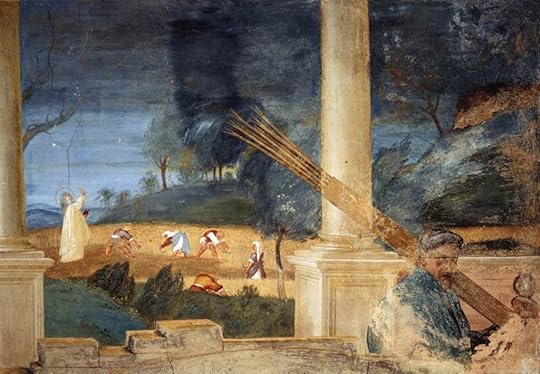 Legend of St. Brigid painted fresco in the Oratori Suardi, Lombardy, Italy 1523
Lorenzo Lotto, CC BY-SA 4.0 https://creativecommons.org/licenses/by-sa/4.0, via Wikimedia Commons
There are so many myths and legends around St. Brigid, and so few written records, it’s hard to tell what’s true. But there are some recurring stories that most historians agree upon. Her childhood is dotted with stories about her generous charity and many miracles. Legends state that St. Brigid, from a young age, would feed the poor and give everything away, much to the consternation of the frustrated druid landowner. One day Brigid gave butter from her mother’s storeroom and when she prayed, butter reappeared so she wouldn’t get in trouble.
The druid landowner, upon seeing her great charity and hearing her talk about the Trinity while weaving crosses out of reeds, eventually converted to Christianity. When St. Brigid was ten, the law stated that she must return to her legal owner: her father Dubhthach. Once there she began giving her father’s things away as well.
It didn’t take long for Dubhthach to get annoyed at his stubborn daughter who offered his money to beggars away and welcomed lepers into his home. One day he dragged her to the King of Leinster, intending to marry her off to the King of Ulster. While Dubhthach was talking to the King of Leinster, St. Brigid (who had taken a vow of chastity and had no intention of getting married) gave away her father’s jeweled sword to a starving family. Dubhthach was furious and the King of Ulster, who wasn’t thrilled with his leper-loving fiancée who gave away everything, asked her, “Will you give away my riches too?”
To which she replied, “I would give all the wealth of Ireland away to serve the King of Heaven.”
At this point, her father and the two kings decided St. Brigid shouldn’t get married and they let her become a nun.
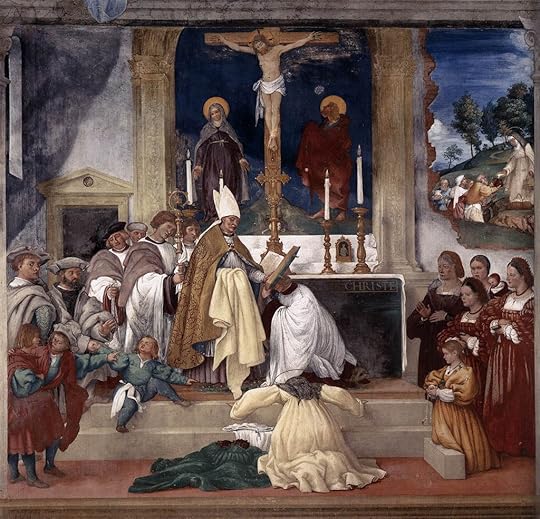 Legend of St. Brigid painted fresco in the Oratori Suardi, Lombardy, Italy 1523
 Lorenzo Lotto, CC BY-SA 4.0 https://creativecommons.org/licenses/by-sa/4.0, via Wikimedia Commons
Some stories say that before the arranged marriage St. Brigid prayed for her beauty to be taken away so the King of Ulster wouldn’t want to marry her. Some stories say she poked out an eye and once she was released from the betrothal, her eye healed. Regardless of which story is true, after St. Patrick presided over her final vows her beauty was restored. When another priest told St. Patrick that he accidentally used the form for ordaining priests on Brigid, St. Patrick responded, “So be it, my son, she is destined for great things.”
St. Patrick knew the stubborn, fiery St. Brigid was a natural leader.
After her final vows, Brigid continued performing miracles including turning water into beer and healing lepers. Other stories include the woman accused of stealing a brooch and about to be sold as a slave. When Brigid found out about this poor woman’s fate, St. Brigid asked a local fisherman to cut open his catch and the brooch was found in the fish’s belly. This act saved the poor woman.
When St. Brigid was traveling with a man and his two mute daughters, Brigid fell off her horse and hit her head. She used the blood from her wound to heal the daughter’s muteness.
When St. Brigid asked the King of Leinster for land to build a convent, he said no. Then she asked for as much land as her cloak would cover, and he laughed. So she and three of her friends flung the cloak over the countryside. It miraculously expanded until it covered many acres. The king was so startled, yet not surprised since it was St. Brigid after all, he granted her all the land she wanted. With that enormous piece of land, she founded two monasteries in Kildare, one for men and one for women. She named it the Church of the Oak because it was built beneath an oak tree and covered a pagan shrine and well devoted to the Celtic goddess Brigid.
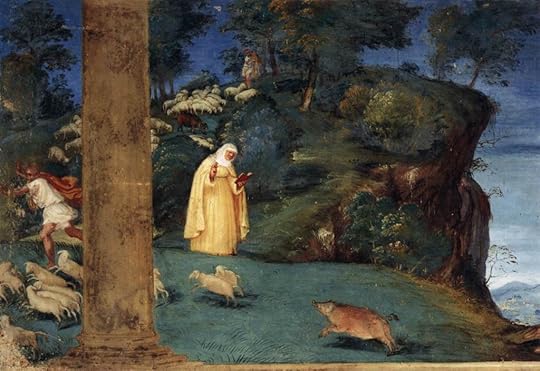 Legend of St. Brigid painted fresco in the Oratori Suardi, Lombardy, Italy 1523
Lorenzo Lotto, CC BY-SA 4.0 https://creativecommons.org/licenses/by-sa/4.0, via Wikimedia Commons
Brigid also established an art school that taught metalwork and manuscript illumination. This school produced the famous Book of Kildare which predates the Book of Kells currently held in the Trinity College Library in Dublin. Gerald of Wales praised the Book of Kildare as “the work of angelic and not human skill.” Unfortunately, it was lost three centuries ago.
St. Brigid not only served many people in her lifetime, she became friends with St. Patrick. With his help, she performed so many great works that the entire island loved her for her charity and generosity and kindness. St. Brigid died on February 1 (her feast day) in the year 525 AD. Her body was entombed in the jewel-encrusted high altar of Kildare Cathedral. She lay there until 878 when, during the Viking raids, priests moved her relics to the isle of Columba. Once there, the priests laid her to rest in the same tomb as St. Patrick.
St. Brigid is often depicted holding a reed cross, a crozier, or a lamp. She is also the patron saint of Ireland, dairymaids, cattle, midwives, Irish nuns, and newborn babies. And it is said that if you place a piece of clothing (a scarf or jacket) outside on the night of her feast day, she will pass by and bless it with healing powers. And when I was a very young girl, I had an aunt who would use a blessed scarf to heal headaches and colds. I have no idea if it worked, but I always thought it was a charming tradition.
St. Brigid was a remarkable woman in a time not known for being kind to women. Despite the fact she was poor and had no earthly power, her natural leadership abilities, stubbornness in defending the poor and unwanted, and her fierce love for those who were alone and hungry make her one of history’s most compelling women. And these traits make her a perfect role-model for any romance novel heroine . . . and romance reader.
The post first appeared on Sharon Wray.
January 30, 2025
Sarah Munro’s Herbal Foot Soak
This time of year takes a toll on the feet. Between the dry skin, wearing snow boots and heavy socks, and trying to walk with a heavier gait through the snow, the feet often end up dry, chapped, and tired. That’s why I love to soak my feet in the winter, and this foot soak is one of my favorites. The cinnamon is a warming spice that can increase circulation to the feet and lower legs. Cinnamon can also help improve blood flow to the hand. The Epsom salts, which is magnesium, is great for improving vascular tone and decreasing muscle contractions in the legs. Since it’s absorbed through the skin, it can also help with pain relief and even constipation. The essential oils in this recipe help relax the body, decrease pain, and improve circulation. When used before bedtime, it can even improve you quality of sleep.
For those of you new to this series, Sarah Munro, the heroine in ONE DARK WISH, the second book in the Deadly Force series, is an 18th century historian who inherited a collection of colonial-era herbal and homeopathic remedies. And, in this blog space, I’ve been sharing her recipes with you all. I’m adding this recipe to this collection because all of these ingredients are known for their warming and relaxing properties which is something we all need this season. All of these ingredients are available on Amazon as well as specialty food stores.
Ingredients:1 cup Epsom Salts1 Tablespoon fractionated coconut oil4 drops Ho Wood essential oil4 drops Clary Sage essential oil1 teaspoon ground Ceylon cinnamonGlass jar with tight-fitting lidEnough water to fill a bath or basin
 Directions for Herbal Foot SoakNOTES: This recipe is safe for children over 4, as well as cats and dogs, but if you have a sensitivity to any of the ingredients (especially the cinnamon) remove your feet and wash with cold water.In a glass bowl, stir together the fractionated coconut oil, Ho Wood oil, and Clary Sage oil. Stir in Epsom salt and transfer to a glass jar with a tight-sealing lid.USAGE: Fill a foot bath (or a bathtub) with warm water and add a 1/4 cup of the herbal salts. Then sprinkle in the cinnamon. Stir well, place your feet (or body) in the bath, and relax until the water cools and you’re ready to get out.
IMPORTANT DISCLAIMER ABOUT WILD PLANTS, FORAGING
, AND MAKING HERBAL REMEDIES:
Directions for Herbal Foot SoakNOTES: This recipe is safe for children over 4, as well as cats and dogs, but if you have a sensitivity to any of the ingredients (especially the cinnamon) remove your feet and wash with cold water.In a glass bowl, stir together the fractionated coconut oil, Ho Wood oil, and Clary Sage oil. Stir in Epsom salt and transfer to a glass jar with a tight-sealing lid.USAGE: Fill a foot bath (or a bathtub) with warm water and add a 1/4 cup of the herbal salts. Then sprinkle in the cinnamon. Stir well, place your feet (or body) in the bath, and relax until the water cools and you’re ready to get out.
IMPORTANT DISCLAIMER ABOUT WILD PLANTS, FORAGING
, AND MAKING HERBAL REMEDIES:I am not a medical professional and nothing written on this blog is medical advice. None of my statements have been evaluated by the FDA (I am legally required to give you this disclaimer).
It is important to do your due diligence before foraging, harvesting, and/or consuming any type of medicinal plant.
If you are taking any medications, talk to your doctor about any potential drug interactions.If you are allergic to anything, make sure whatever you are foraging is not in the same family. Example: While dandelions are typically considered safe, those who are allergic to ragweed, latex, daisies, or any other plants in the same or similar families, may not be able to consume dandelion.Always research potential side effects, dosage recommendations, and how to properly prepare and consume each medicinal plant.
Always make sure you are foraging what you believe to be. Fully prepare and study the anatomy before harvesting wild plants.
Always make sure your kitchen/work area is clean and that all materials are sterilized.
Do not forage plants from areas that have been sprayed within the past 2 years at the very least.
I am not legally or morally responsible for the health of any of my readers. Please do your own research!
The post Sarah Munro’s Herbal Foot Soak first appeared on Sharon Wray.
January 29, 2025
How Writing Short Saved My Career
This title may be a bit hyperbolic, but this Saturday I’m speaking on a panel about writing short fiction for the Washington, DC Romance Writers. I’m excited and looking forward to seeing friends in person again (it’s been years since I’ve been to an in-person WRW meeting), but I’m also kind of surprised to be doing this. You see, most of my novels (traditionally published and indie published) are really, really long. My romantic suspense books, in the Deadly Force Series, have drafts that reach 140,000 words and end up being published with around 120,000 words. For a long time, it never occurred to me that I could write shorter stories.
But then the pandemic happened, bookstores closed down, and the publishing world made another momentous shift. And, honestly, I was sad about that (the pandemic as well, but that’s another conversation). Then one day Christine, a good friend of mine who is also a published author, suggested I join an anthology with other authors. Mostly for the socialization, but also because it would force me to learn how to write and market shorter fiction. So before I talked myself out of it, I said yes. Suddenly, I was writing stories between 8,000 and 55,000 words. I met tons of new author friends, found new readers, and my world expanded again. I am still so grateful to Christine for reaching out and helping me through those dark moments of 2020.
Since then, I’ve written over 20 novellas and short stories, most of them published in anthologies before I published them on my own. But I have to admit it wasn’t easy. It took me nine months of studying and writing and editing before I had a novella I was proud of.
One October Night, which debuted in the Mister October Anthology, is that story. Writing this first book in the Kingsmill Courtships Series pulled me out of my funk and helped me find the joy in writing again.
I not only learned how to write short, but I also learned so much about marketing, writing blurbs, finding designers to help me with covers, making videos, running ads and Bookfunnel promos–you name the marketing/promo skill, and I learned it.
Then my agent reached out to me about the next project to work on, and I told her I was writing a category novel for Harlequin. (It’s one of my life-long dreams to write for Harlequin!). Since I’d spent so much time writing novellas and category-length books, I was confident I could do this. (I am currently on submission!)
But I didn’t want to take this trip into short fiction alone, so I brought some of my best writing friends with me. They’ve also published shorter works in anthologies and on their own, and some are actively querying their longer books.
So that brings me back to this Saturday’s talk. I’m one of a number of speakers/panelists discussing the ins and outs of writing short fiction. The fun and the pitfalls and everything in between. I’ve even begun a resource document called Writing Short: A Resource List which you can find at the link. It’s also located in the menu on the homepage under Grace Notes. And if you have any resources you’d like to add, you can always email me on the contact page. I hope to see you there!
 All the DEETs for the Washington Romance Writers Meeting on Saturday, February 1, 2025The Ins and Outs of Writing Short FictionSaturday, February 1 2025 at the Connie Morella Library, Bethesda MD
7400 Arlington Road, Bethesda, MD 20814 (Parking is free on the weekends)
1:00 – 1:30 – come early and mingle with your writing peers!
1:30 – 4:00 – panel discussion
This workshop offers the tools and inspiration to write short fiction that makes a big impact. We’ll dive into the opportunities and benefits of writing short fiction, from bonus content for existing fans to anthologies that can introduce you to new readers and more. And you’ll learn how to scale down conflict, adjust stakes, and lean into tropes to create compelling stories that resonate with readers—all while navigating the unique challenges of limited word counts. Whether you’re looking to expand your portfolio, experiment with new ideas, or connect with audiences, this session has something for every romance writer.
The post How Writing Short Saved My Career first appeared on Sharon Wray.
January 28, 2025
A Cover Reveal for His Perfect Valentine
I can’t believe that not only is the Valentine’s Day candy in the grocery store on sale, it’s almost sold out. I feel so behind since I’m still putting away stray Christmas decorations and writing thank you notes. Anyway, a few weeks ago, I told you about Just Add Love, a new Valentine’s Day Charity Anthology I’m in where all the proceeds go to Breast Cancer Research. But today I want to share the cover for my novella within this anthology, His Perfect Valentine.
I’m not in many anthologies this year, (maybe 2?), but Just Add Love is one I’m excited about. This Instalove Romance collection contains His Perfect Valentine, another novella in the Kingsmill Courtships Series. It’s the story of two teenagers who fell in love instantly but then discovered, more than a decade later, that the kind of true love that makes a marriage last is so much more powerful than anything they ever imagined.
Eve and Kane first appeared in Eve’s Christmas Kiss , a holiday novella that’s still available for .99 in the Nice Until Proven Naughty Christmas Anthology. (catch this one quickly since it’s leaving on February 1, 2025). But their story continues in His Perfect Valentine–a sweet (and slightly steamy) story of love, forgiveness, and the power of believing in miracles. It’s now available for preorder and debuts on February 12, 2025, just in time for Valentine’s Day!
Soon to be in A romance charity collectionHis Perfect ValentineCan the powerful teenage love that brought them together save their marriage from their heartbreaking past?
When 16-year-old Eve Crenshaw and Kane Mosby fell in love instantly, they believed they could transcend any problem, until their marriage crumbled, and they separated. Years later, after reuniting, they believed they finally had a chance at happiness.
Except Kane, now a reformed outlaw biker, can’t forgive himself for the pain he caused. And Eve’s silent longing for a family has caused an emotional distance he can’t breach—until he comes up with the perfect Valentine’s Day surprise.
But when an old enemy threatens them, Eve and Kane must rely on the passion that once brought them together to save the future they’ve always dreamed of.
Preorder just add love here!A contemporary romance charity collectionJust Add LoveDive into a world where love ignites in the blink of an eye with “Just Add Love,” a captivating collection of contemporary romance short stories. Each tale weaves the enchanting theme of instalove, exploring the magic that happens when two hearts collide unexpectedly. From encounters in bustling city cafes to chance meetings at picturesque parks, these stories celebrate the exhilarating spark of immediate connection. Follow characters as they navigate their emotions, face their fears, and discover the transformative power of love at first sight.
Perfect for readers who believe in the beauty of spontaneous romance, “Just Add Love” invites you to experience heartwarming moments, laughter, and a few delightful surprises along the way. All proceeds go to Breast Cancer Research.
Including stories by:
Michelle Moncrieff, Linda G. Hill, Danielle Sibarium, Sharon Michalove, Gabbi Grey, CM Peters, J.M. Adele, Juliet Martini, Harper Michaels, Angela Kady, Sharon Wray, Emma Lynn Everly, Jeanine Lauren, Charlotte O’Shay, Trinity Wood, and Gabbi Black.
The post A Cover Reveal for His Perfect Valentine first appeared on Sharon Wray.
January 27, 2025
2025 Mid-Winter Middle Grade & Young Adult Book List
It’s freezing, snowing, and still dark by six p.m., so it must be time for the 2025 Mid-Winter Middle Grade & Young Adult book list! As I’ve mentioned before, this is NOT a best-seller or new release list. This is an ongoing, cumulative list of books the kids in my reading army have read and is updated twice a year. They find their books on their own, usually in libraries or through recommendations from friends. With so many books being published–both traditionally and independently–it’s hard to keep up. So I want to thank my preteen & teen readers for their help and suggestions, as well as my blog readers who’ve made this list such a popular download. And if you’d like a refresher about how publishers and librarians classify Middle Grade and Young Adult books–and why–I wrote a blog post to help clarify the rules.
Thank you to Amazon for book covers, links, and blurbs*

This bi-annual compilation offers a good cross-section of genres for teens and tweens. Like in the last few years, a lot of new YA Fantasy and Middle Grade Non-Fiction were recently released. I was happy to add some new non-fiction books geared toward pre-teen boys as well. I’ve also added many new Middle Grade Action/Adventure books. There are books on the list for all readers to get them through the rest of the winter!
Below are just a few highlights in no particular order. Some are new, and some are older, rediscovered books that were just added to the list. For the entire printable list available from Bookfunnel, click here: 2025 Mid-Summer MG/YA Book List.
YOUNG ADULT FICTION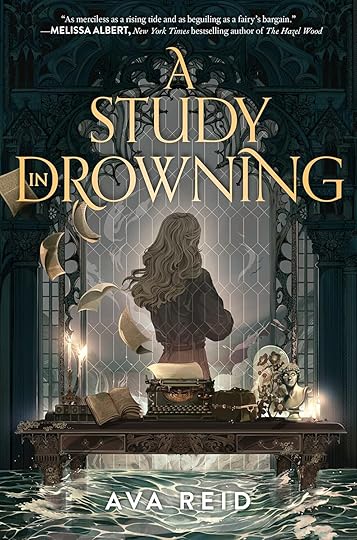 by Ava ReidA Study in Drowning
Effy Sayre has always believed in fairy tales. Haunted by visions of the Fairy King since childhood, she’s had no choice. Her tattered copy of Angharad—Emrys Myrddin’s epic about a mortal girl who falls in love with the Fairy King, then destroys him—is the only thing keeping her afloat. So when Myrddin’s family announces a contest to redesign the late author’s estate, Effy feels certain it’s her destiny.
But musty, decrepit Hiraeth Manor is an impossible task, and its residents are far from welcoming. Including Preston Héloury, a stodgy young literature scholar determined to expose Myrddin as a fraud. As the two rivals piece together clues about Myrddin’s legacy, dark forces, both mortal and magical, conspire against them—and the truth may bring them both to ruin.
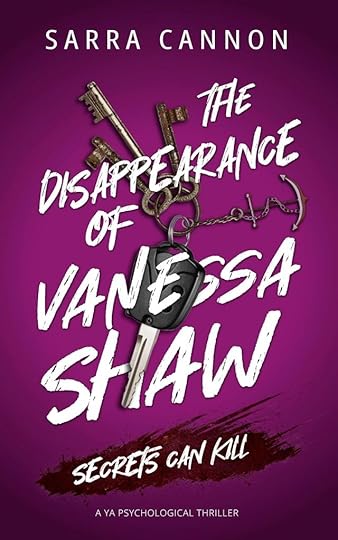 by Sarra CannonThe Disappearance of Vanessa Shaw
Secrets can kill.
Vanessa Shaw was the kind of girl you either loved or you loved to hate. Over the course of our friendship, I’d done both. I never should have gone to her family’s secluded cabin on the river that night, but it was meant to bring us all closer. One last party with our original group before senior year began.
Instead, Vanessa disappeared without a trace, and her memory’s been haunting me ever since. Now, exactly one year later, her brother Kirin has brought us all back to the cabin to honor her life. Six of Vanessa’s closest friends, each with a secret we’d do anything to protect.
But I have a feeling no one is leaving until we unbury the truth. After all, everyone there that night had a reason to want Vanessa gone … Including me.
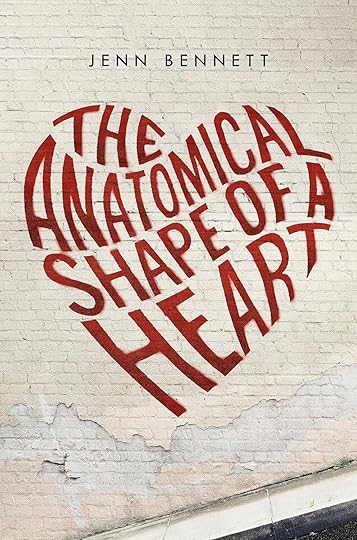 by Jenn BennettThe Anatomical Shape of a Heart
Artist Beatrix Adams knows exactly how she’s spending the summer before her senior year. Determined to follow in Da Vinci’s footsteps, she’s ready to tackle the one thing that will give her an advantage in a museum-sponsored scholarship contest: drawing actual cadavers. But when she tries to sneak her way into the hospital’s Willed Body program and misses the last metro train home, she meets a boy who turns her summer plans upside down.
Jack is charming, wildly attractive . . . and possibly one of San Francisco’s most notorious graffiti artists. On midnight buses and city rooftops, Beatrix begins to see who Jack really is-and tries to uncover what he’s hiding that leaves him so wounded. But will these secrets come back to haunt him? Or will the skeletons in Beatrix’s own family’s closet tear them apart?
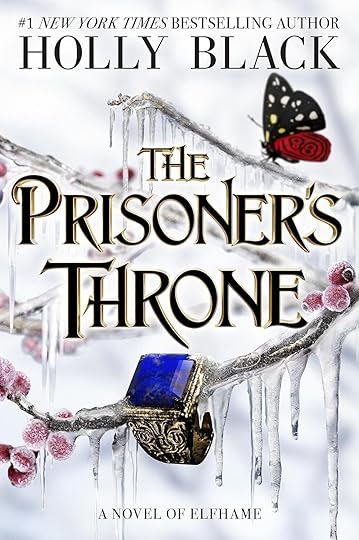 by Holly BlackThe Prisoner’s ThroneStolen heir book 2
An imprisoned prince. A vengeful queen. And a battle that will determine the future of Elfhame.
Prince Oak is paying for his betrayal. Imprisoned in the icy north and bound to the will of a monstrous new queen, he must rely on charm and calculation to survive. With High King Cardan and High Queen Jude willing to use any means necessary to retrieve their stolen heir, Oak will have to decide whether to attempt regaining the trust of the girl he’s always loved or to remain loyal to Elfhame and hand over the means to end her reign—even if it means ending Wren, too.
With a new war looming on the horizon and treachery lurking in every corner, neither Oak’s guile nor his wit will be enough to keep everyone he loves alive. It’s just a question of whom he will doom.
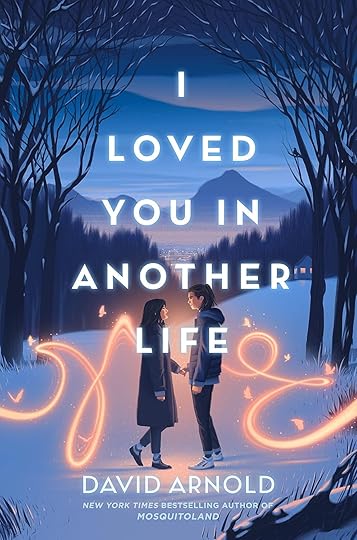 by David ArnoldI Loved You in Another Life
Evan Taft has plans. Take a gap year in Alaska, make sure his little brother and single mother are taken care of, and continue therapy to process his father’s departure. But after his mom’s unexpected diagnosis, as Evan’s plans begin to fade, he hears something: a song no one else can hear, the voice of a mysterious singer . . .
Shosh Bell has dreams. A high school theater legend, she’s headed to performing arts college in LA, a star on the rise. But when a drunk driver takes her sister’s life, that star fades to black. All that remains is a void—and a soft voice singing in her ear . . .
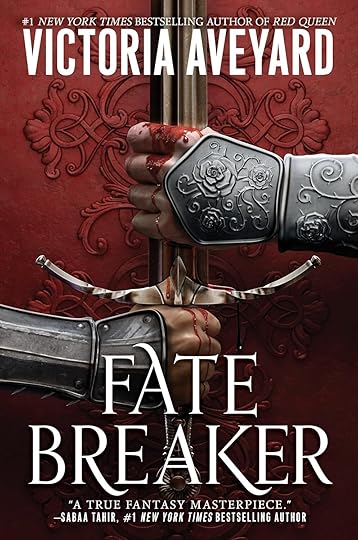 by Victoria AveyardFate BreakerRealm Breaker Book 3
Change your fate—or kneel to it.
The Companions are scattered and hopeless, torn from each other. After Corayne barely escapes with her life, she must forge on alone, leaving her blade broken and her allies behind her. Her only consolation: Corayne now has Taristan’s sword, the only Spindleblade left in existence. Without it, he can’t rip open any more Spindles. Without it, he can’t end the world.
But Taristan and Queen Erida will not be defeated so easily. Both will burn the world to bring down Corayne—and bring forth their demon god, What Waits, ready to claim the realm of Allward for his own.
In a final clash between kingdoms and gods, all must rise to fight—or be destroyed.
Middle Grade Fiction and Non-Fiction Books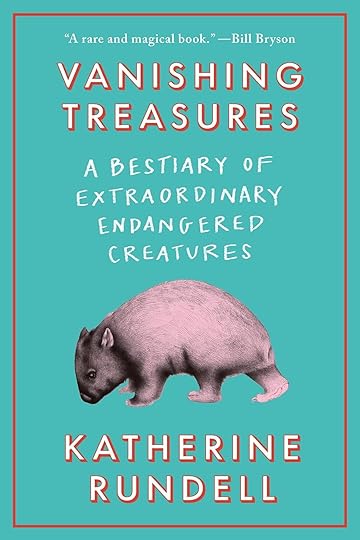 by Katherine RundellVanishing TreasuresA Bestiary of extraordinary endangered species
The world is more astonishing, more miraculous, and more wonderful than our wildest imaginings. In this brilliant and passionately persuasive book, Katherine Rundell takes us on a globe-spanning tour of the world’s most awe-inspiring animals currently facing extinction.
Consider the seahorse: couples mate for life and meet each morning for a dance, pirouetting and changing colors before going their separate ways, to dance again the next day. The American wood frog survives winter by allowing itself to freeze solid, its heartbeat slowing until it stops altogether. Come spring, the heart kick-starts itself spontaneously back to life. As for the lemur, it lives in matriarchal troops led by an alpha female (it’s not unusual for female ring-tailed lemurs to slap males across the face when they become aggressive). Whenever they are cold or frightened, they group together in what’s known as a lemur ball, paws and tails intertwined, to form a furry mass as big as a bicycle wheel.
But each of these extraordinary animals is endangered or holds a sub-species that is endangered. This urgent, inspiring book of essays dedicated to 23 unusual and underappreciated creatures is a clarion call insisting that we look at the world around us with new eyes—to see the magic of the animals we live among, their unknown histories and capabilities, and above all how lucky we are to tread the same ground as such vanishing treasures.
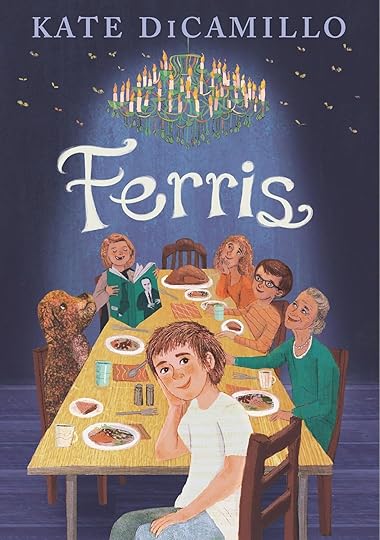 by Kate DiCamilloFerris
It’s the summer before fifth grade, and for Ferris Wilkey, it is a summer of sheer pandemonium: Her little sister, Pinky, has vowed to become an outlaw. Uncle Ted has left Aunt Shirley and, to Ferris’s mother’s chagrin, is holed up in the Wilkey basement to paint a history of the world. And Charisse, Ferris’s grandmother, has started seeing a ghost at the threshold of her room, which seems like an alarming omen given that she is also feeling unwell.
But the ghost is not there to usher Charisse to the Great Beyond. Rather, she has other plans—wild, impractical, illuminating plans. How can Ferris satisfy a specter with Pinky terrorizing the town, Uncle Ted sending Ferris to spy on her aunt, and her father battling an invasion of raccoons?
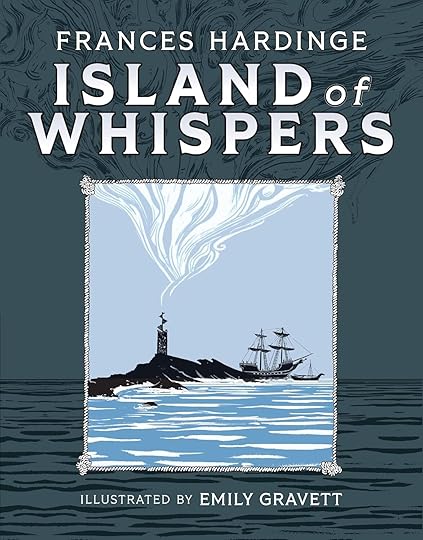 by Frances Hardinge & Emily GravettIsland of Whispers
Part gothic thriller and part seafaring coming-of-age story, this new illustrated middle grade fantasy from award-winning author Frances Hardinge and acclaimed illustrator Emily Gravett is about a strange island filled with ghosts and long-buried secrets.
On the island of Merlank, the Dead must not be allowed to linger. The very sight of their ghosts can kill you. When young Milo is thrust into the role of Ferryman following his father’s sudden death, he is the one who must carry away the Dead.
Pursued by a vengeful lord and two malignant magicians, Milo must navigate strange and perilous seas where untold threats whisper in the mist. Does he have the courage and imagination to complete his urgent mission?
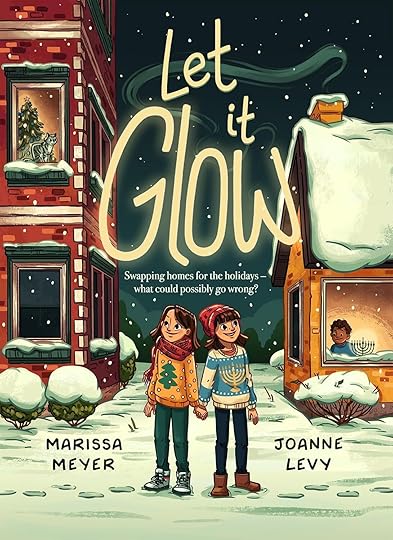 by Marissa Meyer & Joanne LevyLet it Glow
When Aviva Davis and Holly Martin meet at the holiday pageant tryouts for their local senior’s center, they think they must be seeing double. While they both knew they were adopted, they had no idea they had a biological sibling, let alone an identical twin! The similarities are only skin deep, though, because while Aviva has a big personality and even bigger Broadway plans, Holly is more the quiet dreamer type who longs to become a famous author like her grandfather.
One thing the girls do have in common is their curiosity about how the other celebrates the holidays. What better way to discover the magic of the holidays than to experience them firsthand? The girls secretly trade lives, planning to stage a dramatic reveal to their families. Two virtual strangers swapping homes, holidays, and age-old traditions–what could possibly go wrong?
Disclaimer: Some of these books are (or once were) controversial. Some older YAs have closed-door or open-door adult situations, and others (YA & MG) deal with harsh issues such as suicide, bullying, war, poverty, drug use, social media anxiety, and loss of a parent. As a librarian, reader’s advisor, author, and mother, I’ve learned that tweens and teens tend to read within their comfort zone, both emotionally and reading-level wise. All of these books offer a chance for parents and kids to discuss which topics are appropriate now and which books are best left for another time. But I hope you all find books that will give your family new adventures and imaginary friends.
See you in July for the 2025 Mid-Summer Young Adult and Middle Grade Book List!
*The books listed in this blog post are in no particular order.
The post 2025 Mid-Winter Middle Grade & Young Adult Book List first appeared on Sharon Wray.
January 26, 2025
Reader’s Guide to Young Adult and Children’s Books.
A few years ago, I wrote posts discussing reader’s guides to adult books (Fiction and Non-Fiction), young adult books, and children’s books. And in anticipation of my 2025 Mid-Winter YA and MG Reading List coming out tomorrow, I decided to edit and republish this post. Very little has changed, but with the rise of romantasy in YA fiction, some adjustments had to be made.
Just like adult books, children’s books are also divided between Non-Fiction and Fiction. But the most important thing to know is that young adult books are classified as children’s books, and the divisions have everything to do with the age of the protagonist and NOT the age of the reader. I’m going to repeat that because it’s really important. All children’s books are classified by AGE OF PROTAGONIST and not the age of the reader. That’s because children learn to read and comprehend at their own speed. There may be many of you, including myself, who loved to read from a young age and could read at an adult level (including grammar, writing style, and story themes) by the time you were twelve. And there are other kids who don’t develop their reading skills until they are in high school or older. I know I’m not the only woman who was reading inappropriate adult romances while in middle school. (but that’s another issue!).
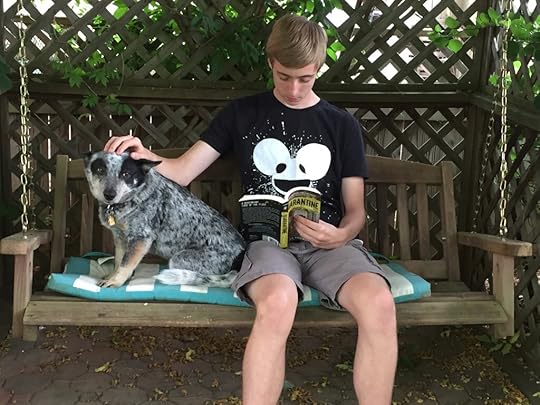
So the publishing industry, with the help of schools and libraries, has broken down children’s fiction into the following major classifications.
Major Classifications of YA & Children’s FictionUpper Young Adult Novels ~ protagonist is 18 years old (may turn 19 during the story)
Middle Young Adult Novels ~ protagonist is 17 years old (may turn 18 during the story)
Lower Young Adult Novels ~ protagonist is 15 – 16 years old
Upper Middle Grade Novels ~ protagonist is 14 years old
Middle Middle Grade Novels ~ protagonist is 13 years old
Lower Middle Grade Novels ~ protagonist is 11- 12 years old
Upper Chapter Books ~ protagonist is 10 years old
Middle Chapter Books ~ protagonist is 9 years old
Lower Chapter Books ~ protagonist is 8 years old
Easy Reading Books ~ protagonist is 6-8 years old
Early Reading Books ~ protagonist is 4-5 years old (there are exceptions with characters up to 8 years old)
Primers ~ protagonist is usually in pre-school or kindergarten. These books can be both fiction and non-fiction and are designed to teach phonics and basic grammar.
Picture Books ~ protagonist can be any age, but is usually no older than 10. (but there are exceptions)
Now that we’ve established how children’s books are classified, we can now discuss the Fiction genres of each group. Due to space, I’m going to do this according to YA books (protagonists aged 15-18), Middle Grade (protagonists aged 9-14), and Children (protagonists aged 3-8). A quick note about these classifications–the general idea behind breaking these ages down is the idea of “the monster under the bed.” Both as a metaphor and a real thing. What is not discussed in this post are board books for infants and toddlers. There are some unique titles in the board book world, but many of them are books written for the 3-4 year-old set that are published in a different format.
When kids are little, they are afraid of monsters under the bed, and the books for younger readers address this idea usually in a humorous way, usually ending with the premise that the monsters don’t exist or that they are friendly and helpful. (The movie Monsters, Inc. is a great example of this)
When kids are in middle school, they are beginning to realize that bad things sometimes happen and that monsters in the world may actually real. But because of the psychological make-up of these ages, these monsters tend to be metaphorical (although they can be real as well). While the “monsters under the bed” aren’t denied, in Middle Grade books they are explained and/or neutralized before they actually appear. Or, if they appear, they do so in a way that allows the middle grade protagonist to grow up wiser and less fearful.
By the time kids turn 15, they know that monsters walk around this world. They’ve seen news stories, have been affected by things in their own lives, etc. So YA books deal with the actual monsters, especially in the Fantasy and Sci Fi books. Although there are always happy endings (or what’s known as “Happily Ever Afters For Now”), the protagonist has to fight the monster in a physical way. It could be a vampire, an alien, or a bully. The monster is real, although it can be internal or external, and the monster is defeated.
Young Adult Fiction Book Genres Anthologies & NovellasAnthologies are collections of short stories by popular authors. Novellas are short stories by popular authors, but are published alone. Anthologies and novellas are found in every sub-genre of YA fiction, but they are most popular in Fantasy, Sci Fi, and Romance genres.
Realistic FictionThese are stories that could happen in the real world. This genre includes books about bullying, loss of friendships, suicide, first sexual experiences (usually closed door), and darker topics like abuse and abandonment. One of the more popular sub-genres is Sick Lit which includes stories about teens battling diseases or addictions. This genre may also include mystery/suspense/paranormal/futuristic/historical elements.
RomanceJust like adult romances, this genre is unique in that these books are the only ones within all of fiction where the protagonist is changed due to positive pressure from the love interest (who is the antagonist, in this case) instead of from negative pressure from a villain. Beyond that, these books always have an emotionally satisfying Happily Ever After. Usually in libraries and bookstores, all YA romances are shelved together by author’s last name and all the sub-genres are mixed in together. The sexual heat level can vary from super sweet to closed-door sexual situations (usually a “first time” scenario). Although there are a few stories out there that have open door sexual situations, they are really rare. And in those rare cases, the female protagonist is always 18 years old, if not 19. It’s important to know what type of story a teenager wants to read before they pull one off the shelf. There are tons of sub and sub-sub genres in this category (it’s also, by far, the largest category on the list) so I’m only listing the more popular sub-genres in this category below.
Contemporary Romance (takes place in contemporary times)Historical Romance (takes place at least thirty years in the past from publication date)Paranormal Romance (has paranormal elements like vampires or magic)Urban Fantasy (set in an urban setting with magical elements)Fantasy (set in any kind of fantasy world)Romantasy (set in any kind of fantasy world where the romance is at least 45% of the story, if not 50-60%)Science Fiction (set in any kind of sci fi situation or world)Christian Romance (romances where the protagonist’s relationship with God is of primary importance)Romantic Suspense (love story is intertwined with a suspense or mystery plot) ParanormalStories in this genre always have a paranormal element, including stories with romantic elements. These books include ghost stories, and stories about magical creatures like fairies, witches, vampires, etc.
ClassicsThese are books and plays that have continued to spur meaningful debate and conversation (and sometimes controversy) across generations and through the decades. Most librarians will only consider a more current book to be a classic once the author has passed away. In the YA world, these books include Mark Twain’s The Adventures of Huckleberry Finn, Lord of the Flies by William Golding, and The Outsider by S.E. Hinton.
FantasyThese books are set in completely different worlds, or in a version of this world that contains magic. The key to these stories is the world-building, the level of which determines the sub-genre. Below are a few of the more popular sub-genres in this category. Books like J.R.R. Tolkien’s Lord of the Rings Trilogy, while High fantasy, is usually shelved with classics because the author died years ago. So if you don’t find what you’re looking for on the shelf, and the book is older, check the classics section. YA Fantasy novels actually have more romantic elements than adult fantasy. (I have no idea why!)
Epic/High Fantasy (highly evolved and creative worlds, often using elements from the past)Low Fantasy (the current world with magical elements)Urban Fantasy (an urban, contemporary setting with magic)Historical Fantasy (the world at least thirty years before current day, with magical elements)Grimdark Fantasy (high fantasy that is violent, dark, and dystopian)Romantasy (even though this newer genre is mentioned above in the romance section, I’m adding it here too. Depending on the amount of romance in the story, these books could be shelved with either romance or fantasy. If you can’t find a romantasy book on the shelf, ask the librarian/book store employee. In rare instances, they end up in the adult section, especially of the main character turns 19 or older throughout the series) Science FictionThese books set up worlds where we imagine technology’s impact in the future. There is tons of world building and usually a large cast of characters, including aliens from other worlds. This category has a ton of sub and sub-sub-genres and I listed a few below. While there may be romantic elements, sexual situations are rare.
Hard Science Fiction (so factually accurate that the reader believes the events could actually happen)Soft Science Fiction (more focused on things like sociology and folklore)Space Opera (stories set in a fully fictionalized space)Dystopian (stories set in a post-apocalyptic world, either on Earth or another planet. Almost always an undesirable world)Steampunk (historical setting with a heavy focus on steam-powered technology, even if it’s not part of the period) HorrorBooks about the supernatural or supernatural elements that terrify young readers as well as the protagonists within the stories. They tend to be much less graphic than adult horror books, and there’s always some kind of happy or satisfying ending.
Action/Adventur e/Speculative/DystopianThese stories have very high stakes and a lot of movement between scenes, usually traversing the world. Speculative and Dystopian fiction usually represents a post-apocalyptic or totalitarian world. The protagonist is under constant pressure and their lives are always at risk. These are fast-paced stories that are easily translated into movies/TV series. A good example is The Hunger Games by Suzanne Collins. These books can have historical, science fiction, or paranormal elements. Below are a few of the more popular sub-genres in this category. The
Adventure (interesting or exotic locales and lots of exploration)Post Apocalyptic (life after a world-altering event, not necessary nuclear war) Time Travel (a current-day protagonist who travels back in time to save the future)Western (always set in the U.S. western frontier) Mystery/SuspenseThese novels are all about The Who-done-it ? and Why–was-it-done?. The protagonist is usually the teenage detective or private investigator who is up against a ticking clock to prevent another murder/crime/bad thing. Although it’s a TV show, the series Veronica Mars is a great example of a teenage investigator. These mysteries tend to deal with less serious issues than adult mysteries. It all depends on the age of the protagonist. An 18-year old detective may deal with a dead body while a 15-year old detective may deal with a cheating scandal in school.
Middle Grade Fiction Book GenresUnlike the YA books which are sub-divided into many sub-sub genres, Middle Grade books tend to be mushed together. That’s because Middle Grade books tend to contain elements from many sub-genres which makes it hard to separate them out. Below are the main divisions for Middle Grade books although they are often all shelved together by author’s last name.
ClassicsJust like the classics above, these books are written by authors who have passed away yet their stories persist. Books in this genre include The Little Princess by Frances Hodgson Burnett, Madeline L’Engle’s A Wrinkle in Time series, and White Fang by Jack London.
Action/Adventure/Humor/ Mystery/Sci Fi/ FantasyBooks in this genre include stories about zombies, animals, ghosts, historical, and mystery/fantasy elements, etc. Superheroes and most Manga (Japanese comics) characters are also included, as are dystopian plots. And it also includes Science Fiction. The key to this genre is that the young protagonist is the driving force in defeating the monster and keeping their homes and families safe. (although often the schools are destroyed! LOL). Due to the huge popularity of YA romantasy books, there’s been a slow creep of low-level fantasy books at the middle grade level. But while they have fantastical elements, like dragons, etc, there is no romance.
Family & RelationshipsThis is a genre unique to Middle Grade books. It includes mother/daughter stories, stories about princesses and dragons, etc. But the key here is that the family/friend relationships are far more important than the magical element. The relationships drive the story instead of the plot.
Children’s Fiction Book Genres ClassicsThese books include all books written by Dr. Seuss, as well as authors/books like Maurice Sendak’s Where the Wild Things Are, and A.A. Milne’s Winnie the Pooh. They are sometimes told in rhyme and are usually classified as bedtime stories. The protagonists are young and they often interact with magical creatures. Like all other classic books, the authors are dead yet their books are still popular.
MysteryThese include mystery chapter books (of all levels) which usually include a group of young kids who all work together to solve a simple mystery. There are some stand-alone chapter book mysteries, but they tend to have the older protagonists (8-10 years old).
Chapter BooksAgain, more of a type of book than a genre. These books, which cross ALL genres, are usually “buddy” books. Stories where a group of friends meets an alien, travel in time, or fly dragons, etc. They are almost always in a series where each short book solves a simple problem while all the characters remain friends at the end, even if there are relationship problems within along the way while the story is unfolding.
Easy Readers/Early Readers/PrimersThese are also types of book (separated by age of protagonist), instead of a genre, but these types of books come in ALL genres. There are princess primers, astronaut primers, western early readers, etc. If you can’t find them in the bookstore, ask your school librarian for recommendations and ordering information. Sometimes they cannot be purchased on Amazon and are only available through in-school book fairs. (It all depends on the publisher). The Scholastic Newsletter is a great source for these types of books that aren’t necessarily available online due to limited publishing schedules.
Picture BooksWho doesn’t love children’s picture books? While this is another type, instead of a genre, picture books are available in ALL genres from holiday stories to action/adventure stories. Many popular books are often reissued and reprinted in picture book form. This type also includes board books and fabric books which are meant for babies to chew on while parents read to them. They are one of the few types of books read by all ages of readers, and they are often the most beloved books in a reader’s life.
The post Reader’s Guide to Young Adult and Children’s Books. first appeared on Sharon Wray.
January 25, 2025
A Birthday Supper for Robert Burns
Tomorrow, January 25, 1759, Robert Burns (aka Rabbie Burns) was born in Alloway, Scotland to William Burns, a tenant farmer, and his wife Agnes Broun. Robert Burns, the first of seven children was born into desperate poverty and a life of hard labor, a situation that left him stooped over and with a weak constitution. Robert, as a farmer’s son, had an average education and struggled financially throughout most of his short life.
But, in spite of less than stellar circumstances, he was happy and had a natural gift for language. Specifically, poetry which he used for successfully wooing girls. So much so that he earned the nickname The Ploughman Poet. When not farming, he joined a dancing school, started a bachelor’s club, and continued writing poetry. He fell in love often and had lots of children (although many died in infancy). Despite tragic losses, even before turning 22 years old, Robert Burns had a unique, romantic and spontaneous take on life.
After years of rejection, in 1786 a printer in Kilmarnock published his first collection of poetry written in the Scottish dialect. A few months later, as he was about to board a ship for Jamaica, another publisher offered to publish an enlarged second edition. This led to more publishing successes that allowed him to leave farming behind.
Robert Burns lived a colorful, vibrant life and is probably best known for his poem “Auld Lang Syne” which we all sing on New Year’s. As a founder of the Romantic movement, his work influenced the great literary figures of Percy Bysshe Shelley, William Wordsworth, and Samuel Taylor Coleridge.
That second edition of Poems, Chiefly in the Scottish Dialect, changed his life. And by the time he died at the age of 37, Robert Burns had become a national treasure. His natural skill in writing verse, not just in the Scots language in but also in the Scottish English dialect, made his poems available to even the smallest, most remote areas of Scotland. Today Robert Burns is Scotland’s National Poet and is revered throughout the world, including the United States and Russia. Movies, songs, and books written by artists such as JD Salinger, John Steinbeck and Bob Dylan all reference Robert Burns’ most famous works. But one of the most important tributes to Robert Burns happens annually, on his birthday of January 25, with the celebration of local Burns Suppers.
Burns supper is a traditional Scottish meal shared with friends to honor Robert Burns’ birthday. In between courses, guests raise their glasses of the finest Scotch whiskey and toast the great bard by quoting his most famous works. Here are a few examples you might recognize:
The best laid schemes o’ mice an’ men Gang aft a-gley, An’ lea’e us nought but grief an’ pain For promis’d joy.
Some hae meat and canna eat, — And some wad eat that want it; But we hae meat, and we can eat, Sae let the Lord be thankit.
O would some power the giftie gie us to see ourselves as others see us. (O would some power the gift to give us to see ourselves as others see us.)
O, my Luve is like a red, red rose, That’s newly sprung in June. O, my Luve is like the melodie, That’s sweetly played in tune.
Where sits our sulky, sullen dame, Gathering her brows like gathering storm, Nursing her wrath to keep it warm.
But to see her was to love her, Love but her, and love forever.
Suspense is worse than disappointment.
Man’s inhumanity to man makes countless thousands mourn!
There is no such uncertainty as a sure thing.
The wide world is all before us – but a world without a friend.
Below I’ve included a list of recipes so you can host your own Burns supper. But don’t forget to serve the aged Scottish Whiskey. That’s the most important part of the meal!
Host your own Burns Supper! Neeps & Tatties Soup
 Warm Salad
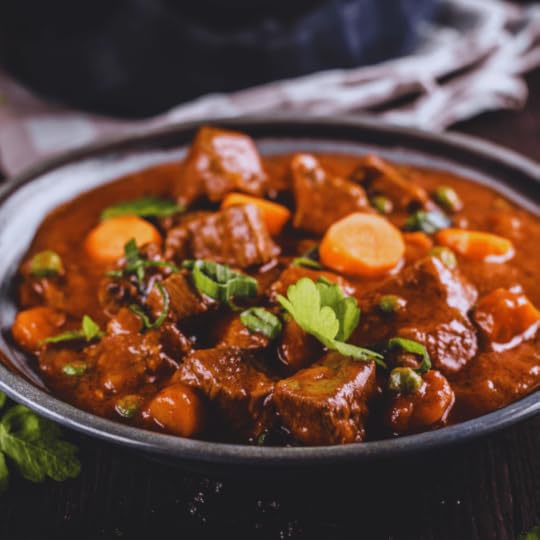 Scottish Beef Stew
 Orange Cranachan
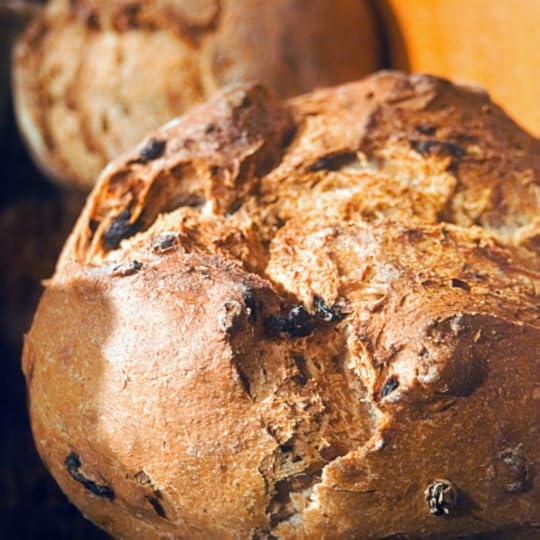 Bannock
The post A Birthday Supper for Robert Burns first appeared on Sharon Wray.
January 23, 2025
Emergency Binders for Unthinkable Events
The past few years have seen so many terrible natural disasters, including the recent hurricane in North Carolina and surrounding mountainous areas and, of course, the California fires. In light of these terrible events, I’ve edited and am reposting this older post about how to build an Emergency Binder that you can grab as you run out the door during a rushed evacuation.

Some disasters offer time to get things together, such as hurricanes where the storm can be followed for days before an evacuation is necessary. But other disasters, like a house fire or a tornado, offer no time whatsoever. You grab what’s next to you, including the people and pets you love, and get out. That’s why it’s a good idea (and the government agrees) that having a Home Emergency Binder and a Family Fireproof Safe aka the getaway fireproof safe is one of the best ways to rebuild your life when the unthinkable happens.
First, let’s discuss the binder. The Home Emergency Binder is a collection of COPIES of all of your family and household documents that you would need to rebuild your life. The U.S. government has a great site called Ready.gov which as a page devoted to building a Home Emergency Binder. While I highly recommend it, it’s also confusing and overly complicated and doesn’t list everything you may need. So below I’ve listed the types of things that you may want to include in your home binder. But I’ve also included a comprehensive list in the form of a free printable download to help you.
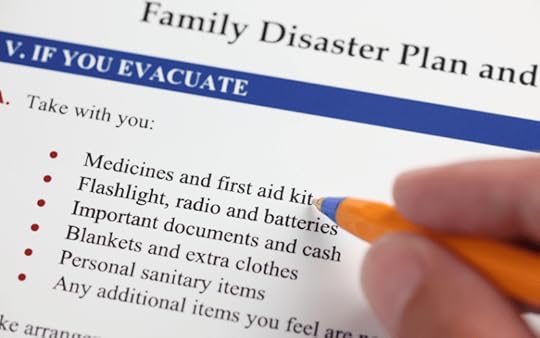 Download a Free Home Emergency Document ListDocuments included in a Home Emergency Binder
Household Identification:
Photo ID/Real ID/Passports (to prove identity of household members)Birth certificatesSocial Security cards (to apply for FEMA disaster assistance)Military service/veteran ID cardsPet ID tags, local licenses, & medical/vaccination records/microchip numbersMarriage/divorce/adoption/death certificatesNaturalization or Citizenship documentsTSA/Global Entry cardsCurrent photos of all family members & petsAddresses and phone numbers of family members you will want to contactFinancial and Legal Documentation:
Housing payments & mortgage documentationPower of AttorneyWillsLiving Wills/End of Life directivesTrust documentsHIPAA release forms, if necessarySources of income (to maintain payments and credit)Current IRS Tax statements (to provide contact information for financial and legal providers and to apply for FEMA disaster assistance)Medical RecordsHealth Insurance informationInclude physical addresses and toll-free phone numbers of all insurance institutionsInclude all account numbers and online passwords so you can access accountsImmunization recordsHome, Business, & Property/Car Insurance InformationInclude physical addresses and toll-free phone numbers of all insurance institutionsInclude all account numbers and online passwords so you can access accountsBanking & Financial InformationInclude physical addresses and toll-free phone numbers of all financial institutionsInclude account/PIN numbers and online passwords so you can access accountsKeep all credit card/debit card information as private as possibleInclude your online access to all three credit reporting agenciesTitles/leases/deeds to homes, cars, & other propertyInsurance agentsInclude physical addresses and toll-free phone numbers of all insurance institutionsInclude all account numbers and online passwords so you can access accountsLocation of Safety Deposit Box and keyBusiness documents, i.e. LLC formation docs, etc.Other Documentation:
Physician information (in case medical care is needed)Include physical addresses and phone numbers of any other medical professionalsList of Medications with RX numbers/Refill informationAllergy information (for household members with specific allergy needs)Service providersInclude physical addresses and toll-free phone numbers of all your service providers including gas, electricity, water, trash, internet/cell phone, etc.Place of worshipInclude physical addresses and emergency phone numbers of your place of worship, if you have one.Household Property Inventory ListInclude photos, if possibleInclude any appraisalsA Home Emergency Binder doesn’t have to be complicated. I use an old three-ring binder and plastic page protectors, and both are available on Amazon, at Walmart or your local grocery store. Even Walgreens and CVS carry inexpensive brands. There’s also a good chance you have a binder lying around the house somewhere that can be reused. It does not have to be pretty! Putting together the binder is easy. Photocopy the documents you need, slip them into the page protectors, and add them to the binder. As I add things to my binder, I also scan the documents and store them in a secure cloud (or as secure as clouds can be) and an external hard drive/USB drive.
After I finish the binder, which I update every quarter, I store the originals in my Family Fireproof Safe. In this safe, I also put the external hard drive/USB drive, some emergency cash, my safety deposit key, and anything else I have of value like jewelry or coins, etc. I also include photos of valuables that I may not be able to take with me. At the beginning of each year, I take photos and videos of different rooms in my home. I store the digital copies online and then place the USB drive and physical photos in the safe. This way, if I lose everything, I have proof of my losses. (I even hate talking about that!). It’s also a good idea to keep any extra medication you absolutely need in this safe.
Where you store the binder and safe is up to you, but I recommend you keep them both together near an exit so you can grab them quickly if you have to evacuate. While putting all of this together isn’t hard, it is time consuming. But if it’s time consuming during an optimal time, imagine how hard it would be during an emergency. There’s no doubt, in my case, that if I didn’t keep up with my binder and had to evacuate I would not be ready. And that would make rebuilding our lives so much harder… and even more time consuming. One thing I like to do is get my family to help me. I put on a favorite movie and we photocopy, scan, and compile/update the binder together. Then, when it’s done, I order my family’s favorite take-out dinner as a treat!

While talking about disasters is never fun, it’s so much better to be prepared on the other side of an emergency. And I promise, if the worst happens, you will thank yourself for taking the time now to get prepared.
The post Emergency Binders for Unthinkable Events first appeared on Sharon Wray.