Sharon Wray's Blog, page 18
April 2, 2025
A Cherry Blossom for Spring
Every year in Spring, despite the March winds that wreak havoc in Virginia, we have an explosion of cherry blossoms that are so stunning photos just don’t do them justice. The other thing I love about them is the history of how they ended up in the U.S…. and the long, difficult path these trees took to get here.
[image error]The iconic cherry blossom trees in Washington, D.C. are not only a beautiful springtime attraction, they are also a symbol of friendship between the United States and Japan. The story of these trees dates back to the early 20th century and reflects a long-standing bond between the two nations. But the actual story of how the trees came to the tidal basin dates back even further.
In 1885, Mrs. Eliza Ruhama Scidmore, a U.S. diplomat, returned to Washington after spending time in Japan. Knowing that the Potomac waterfront, and the Tidal Basin, were being renovated, she contacted the U.S. Army Superintendent of the Office of Public Buildings and Grounds and suggested that Japanese cherry trees be planted along the waterfront. But her suggestion was ignored. Still, over the next 24 years, she badgered every new superintendent about her idea to plan the Japanese cherry tress along the tidal basin.
Then, in 1906, Dr. David Fairchild (a plant explorer and USDA official), agreed with Mrs. Scidmore and imported 75 flowering cherry trees and 25 weeping cherry trees from the Yokohama Nursery Company in Japan. The next year, after seeing the success of his plantings, Dr. Fairchild and Mrs. Scidmore tried to promote the idea that these types of trees were perfect for the entire Washington, D.C. area. Then, on September 26, 1907, the Chevy Chase Land Company agreed to order 300 cherry trees for Chevy Chase, MD. They weren’t planted in D.C., but they were close.
In 1908, Dr. Fairchild gave cherry tree saplings to the school children in D.C. for Arbor Day, hoping the children would plant them around the city. He then spoke of his dream to have the area around the Tidal Basin transformed into a “Field of Cherries”. Mrs. Scidmore, who was at the Arbor Day event, agreed. His plan was to test the ability of the cherry trees to survive in the Washington, D.C. area–and a year later his experiment was successful.
In 1909, Mrs. Scidmore, desperate to raise the money necessary to purchase enough cherry trees to donate to the city, sent a note to the new First Lady, Helen Herron Taft. This letter outlined the plan to transform the city into a “Field of Cherries”. Mrs. Taft, who’d lived in Japan and loved the cherry trees, responded with this letter:
The White House, Washington
April 7, 1909
Thank you very much for your suggestion about the cherry trees. I have taken the matter up and am promised the trees, but I thought perhaps it would be best to make an avenue of them, extending down to the turn in the road, as the other part is still too rough to do any planting. Of course, they could not reflect in the water, but the effect would be very lovely of the long avenue. Let me know what you think about this.
Sincerely yours,
Helen H. Taft
The day after Mrs. Taft’s letter was sent to Mrs. Scidomore, Dr. Jokichi Takamine (the Japanese chemist who discovered adrenaline and takadiastase and was also in D.C. at at the time) met with Mr. Midzuno, the Japanese consul. The two men were discussing this letter (which they found about through a mutual friend) and Dr. Takamine asked Mr. Midzuno if Japan would donate 2,000 trees to the city. Mr. Midzuno thought it was a wonderful idea and offered that the trees be donated in the name of the city of Tokyo. So Dr. Takamine asked the Mayor of Tokyo (a man named Yukio Ozaki) whether he’d make the donation to the United States.
Mayor Yukio Ozaki loved the idea, and Mrs. Taft agreed to accept the donation of 2,000 cherry trees! Meanwhile, five days after her acceptance of the trees, the Superintendent of the Office of Public Buildings and Grounds, Colonel Spencer Cosby, U.S. Army, purchased 90 Fugenzo Cherry Trees (Prunus serrulata “Fugenzo”) from Hoopes Brothers and Thomas Co., West Chester, PA. He did this on his own, not realizing that other trees were on their way. These 90 trees were planted along the Potomac Rover, from the Lincoln Memorial, toward East Potomac Park. But not long after they were planted, it was discovered that the trees weren’t name properly. They were the wrong cultivar and had to be dug up.
Finally, on August 30, 1090, the Japanese Embassy officially told the U.S. Department of State that the City of Tokyo intended to donate 2,000 cherry trees to be planted along the Potomac River. On December 10, 2000 cherry trees arrived in Seattle. On January 6, 1910, the trees arrived in Washington, D.C.–except on January 19, inspectors discovered the trees were infested with insects and nematodes. The diseased trees had to be destroyed to protect American agriculture.
On January 28, President Taft ordered to trees to be burned. Everyone involved was upset with this situation, and Tokyo Mayor Yukio Ozaki suggested a second donation. Finally, on February 14, 1912, 3,020 cherry trees from twelve varieties were shipped from Yokohama. The trees sailed across the pacific on board the S.S. Awa Maru, bound for Seattle. When they arrived, they were sent in insulated freight cars to Washington. D.C. The first cherry trees were planted on March 27, 1912. First Lady Helen Herron Taft and Viscountess Chinda, wife of the Japanese ambassador, ceremonially planted two of the original trees along the northern bank of the Tidal Basin. These trees still stand today as a reminder of that historic moment.
The cherry blossoms quickly became a beloved feature of Washington, D.C.’s landscape, drawing both locals and visitors to the National Mall each spring. In 1935, the first Cherry Blossom Festival was held to celebrate the blooming trees. Today, the festival has grown into an annual, multi-week event that attracts over a million visitors from around the world. During World War II, relations between the United States and Japan were strained, and some of the cherry trees were vandalized. However, in the post-war period, the trees once again became a symbol of peace and reconciliation. In 1965, Japan gifted an additional 3,800 trees to the U.S., further cementing the tradition.
The cherry blossoms in Washington, D.C., bloom from late March to early April, with the peak bloom typically occurring in early April. This breathtaking natural display transforms the Tidal Basin into a sea of soft pink and white, providing a serene and picturesque backdrop for visitors and photographers alike. The cherry blossoms continue to represent the friendship between Japan and the United States, as well as the beauty of nature and the hope of renewal that springtime brings. The other thing I love about this story is that it proves that no matter how small or insignificant your dream might seem, you should never give up on it. I have no that if Mrs. Scidmore was still alive, she’d be astounded that her and Dr. Fairchild’s dream of a “Field of Cherries” have had such a profound, beautiful effect on the world.
The post A Cherry Blossom for Spring first appeared on Sharon Wray.


April 1, 2025
Painting Wonder
Yesterday I wrote about the history of C.S. Lewis and his famous work The Chronicles of Narnia. Today I want to spend a few minutes talking about a new book that was just released which tells the story of Pauline Baynes, the talented woman who illustrated the original Narnia books. This new book, Painting Wonder, is a beautifully illustrated and deeply moving story about the woman who brought both C.S. Lewis’ and J.R.R. Tolkien’s stories into the visual world. I have to admit, with a huge amount of pride and love, that the artist/author who wrote and illustrated Painting Wonder is also my lovely niece, Katie Wray Schon. Her newest illustrated book, which is appropriate for all ages, is available at all book vendors and is sure to become a classic.
 Painting Wonder by Katie Wray Schon
How Pauline Baynes Illustrated the Worlds of C. S. Lewis & J.R.R. Tolkien
“Read about Pauline Baynes and how her childhood and work during World War II brought her to the right place and time to do something magical: illustrate all seven books of the Chronicles of Narnia. This picture book biography, told in lyrical prose with vivid and detailed illustrations, will be a favorite read-aloud for kids and grown-ups alike.”
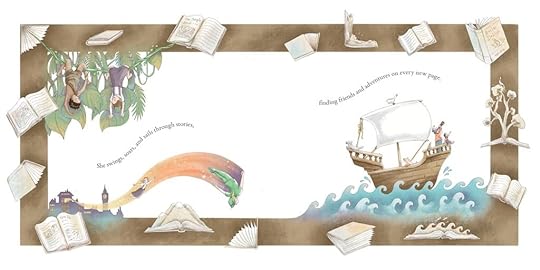
Pauline Baynes, born in 1922, was an English illustrator, author, and commercial artist who honed her craft while working as a map illustrator and making marine charts for England’s Royal Navy during WWII. This experience helped her later in life when she was commissioned to illustrate the maps for both the worlds of Narnia and Middle Earth. She also illustrated many of J.R.R. Tolkien’s minor works, including Farmer Giles of Ham, The Adventures of Tom Bombadil, and Smith of Wootton Major. While her style wasn’t quite right to do the interior illustrations for Lord of the Rings, she was commissioned to illustrate the original covers for both the Chronicles of Narnia and the Lord of the Rings Trilogy.
But it was her work on the Narnia books, which she revisited and edited many times as newer editions were published, that made her famous. I don’t want to give too much away about Pauline’s life, because that is told within Katie’s book, but Pauline was an extremely talented woman, born during difficult times, whose work is still in print and actively sought after since her death in 2008. Pauline lived a fascinating life in India and England, crossing paths with some of the most beloved authors of the 20th century, but she also suffered tragedies and sadness. Maybe that’s why her illustrations carry such emotion, both poignant and grand at the same time. It’s also a talent that has clearly been passed on to my niece Katie. As Kirk’s Reviews stated, “Painting Wonder … is a beautiful tribute.” And I couldn’t agree more.
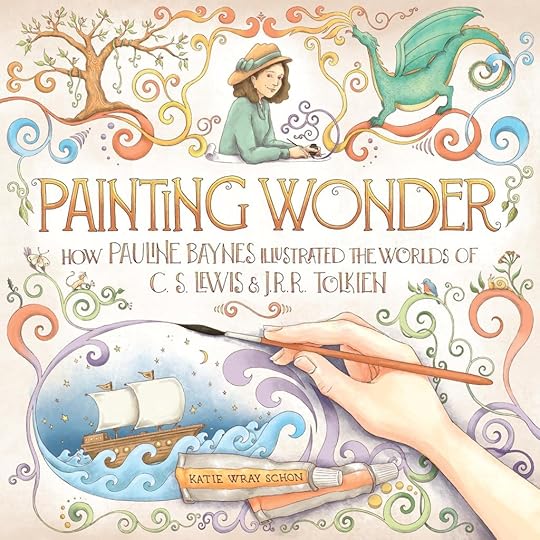 Painting Wonder by Katie Wray Schon
★ “It’s a beautiful tribute. An accessible and inspiring mini-biography, delightfully illustrated.”―Kirkus Reviews (Starred Review)
Just in time for the 75th anniversary of The Lion, the Witch, and the Wardrobe comes Painting Wonder, an enchanting picture book biography about the artist whose illustrations brought the worlds of C. S. Lewis and J. R. R. Tolkien to life.
Young Pauline Baynes lives in India, a land of towering mountains, sparkling lakes, and bright flowers. She even has a pet monkey that joins her for tea.
Then her life takes a turn, and Pauline is sent to dreary England. Books bring light and color to her world, so she sets out to paint the stories she loves. Years later, two iconic authors see her paintings and know she’s the illustrator for their stories―of fire-breathing dragons, towering giants, a golden lion, and four brave children.
Follow Pauline into some of the most beloved and prominent landscapes in all of children’s literature: the magical lands of J.R.R. Tolkien and C. S. Lewis.
Each purchase of a physical Waxwing book includes a free audiobook and videobook version.
The post Painting Wonder first appeared on Sharon Wray.
March 31, 2025
The Lion, the Witch, and the Wardrobe: A Short History
Later this year, on October 16th, the publishing world will celebrate the 75th anniversary of C.S. Lewis’s beloved classic, The Lion, the Witch, and the Wardrobe. This portal fantasy, and all of its magical characters, still captures the hearts of readers of all ages. But despite its huge popularity, the book’s journey to publication was not as magical as the story itself. The truth is, writing is hard and publishing is even harder. It was this way in 1950, the original year of publication, as it is today.

The seeds for The Lion, the Witch, and the Wardrobe were planted in the imagination of C.S. Lewis long before he wrote the book. As a child, Lewis often dreamed of magical worlds, and one image in particular—a faun carrying an umbrella and parcels through a snowy wood—stayed with him. He didn’t know what to do with this image at the time, but years later, it would become the foundation for Narnia.
The true inspiration for the story took shape during World War II. In 1939, as the war escalated, children were evacuated from London to escape the Blitz. Lewis, who lived in Oxford, took in several young evacuees at his home, The Kilns. Their presence (it is speculated by scholars) sparked the idea of children entering another world. Hence was born the idea of the Pevensie siblings stepping through a magical wardrobe.
After mulling and drafting for years, Lewis began seriously writing The Lion, the Witch, and the Wardrobe in 1948. Except the process was not straightforward. (because, again, writing is hard!) He had already written numerous theological works and essays, but writing for children was a new venture. Initially, he faced challenges, and his first draft didn’t come together as smoothly as he hoped. In fact, his best friend and fellow author, J.R.R. Tolkien, was quite critical of the story in its early stages. But Lewis kept writing, revising, and weaving together elements of Christian allegory, mythology, and his own love of fairy tales.
Illustrated image from the upcoming book Painting Wonder by Katie Wray Schon, detailing the story of this series’ famous illustrator, Pauline Baynes.Many elements of the book—such as the character of Aslan, the great lion—came to him unexpectedly. As a lover of afternoon naps, he once admitted that Aslan “came bounding into” his mind while writing after long nap. Aslan, of course, became the heart of the story, representing sacrifice, redemption, and hope.
When The Lion, the Witch, and the Wardrobe was finally published on October 16, 1950, it was the first book inThe Chronicles of Narnia, a seven-book series. In fact, before the publication date he’d finished his first draft of Prince Caspian, another book in the series. Although The Lion, the Witch, and the Wardrobe received mixed reviews and didn’t sell as well as the publisher expected, the novel’s charm, rich symbolism, and captivating world eventually won over readers. Now it’s considered a classic of children’s literature. His vivid imagination, his experiences during the war, and his deep sense of faith and wonder all converged to create a story that still resonates with themes of courage, love, and the eternal battle between good and evil. Luckily for us, Narnia continues to invite generations of readers into a magical world where the promise of spring always follows the harshest winter.
While there have been a few TV shows and movies adapted from these books (and another version coming from Greta Gerwig of Barbie fame for Netflix), there is a charming illustrated new hardcover book detailing the history of the illustrator Pauline Baynes who illustrated the famous first editions of the Chronicles of Narnia coming out April 1st… but that’s a story for tomorrow’s post.
The post The Lion, the Witch, and the Wardrobe: A Short History first appeared on Sharon Wray.
March 28, 2025
April’s Rough Draft Challenge Meal Plan
April’s Rough Draft Challenge is almost here, and I’m trying ing to get my life ready for two important projects I want to complete. One of the things I do ahead of a monthly writing challenge is to plan meals for myself and my family. I make a basic weekly menu that allows me to mix-and-match foods and snacks. While each menu isn’t enough for the entire week, each recipe offers lots of leftovers (especially if they are doubled) so I can eat yesterday’s dinner for lunch, and then eat the homemade bread with a soup or salad for an afternoon snack or late dinner. At the end of this post, I have free RDC project printables to make this month more fun!
[image error]Rough Draft Challenge Meal Planning NotesBelow is an example of a weekly menu that can be made on Sundays and stored for the week. I start making the bread in the morning and then begin the soup. While the soup is simmering and the bread is rising/baking, I prep the dinner and the salad/veggies for the rest of the week. While I don’t eat a lot of sweets, I do make a weekly cookie for my afternoon tea. But the deal is I can’t have the cookie unless I’m working on my WIP. 
This is not a complete menu for the week (there’s not enough food), but it’s a menu that offers lots of leftovers, depending on the size of your family. It’s meant as a guide to help you get started.
This is a milder menu when it comes to flavors and tastes since I’m often cooking for people with allergies, gluten-free needs, etc. So it’s low on allergens or, if there are nuts, etc., leaving them out won’t change the taste. Every recipe I included can be adapted for gluten-free, vegan, etc. diets.
I never drink alcohol during deadline projects, so I keep my Berkey water filter filled and have my favorite sparkling water in the fridge. I LOVE coffee, but also I try not to overdue the caffeine otherwise I’ll be suffering from headaches all month.
For snacks, I keep seasonal fruit on hand, as well raw veggies, yogurt, and nuts.
Yes, it’s easier to buy fast food or rely on UberEats during deadline project months. But that gets expensive and can widen your waistband, especially if you’re not moving/working out like normal. So while making meals takes more time, you’ll feel better this summer me when your favorite clothes still fit.
Each menu below offers ideas and corresponding recipe links. Each week includes a homemade bread, healthy breakfast, a hot soup, a filling dinner, a salad/veggie that can be eaten any time day, and a cookie. All the links go to recipes in The Hungry {Romance} Writer Index, and they are all printable.
Rough Draft Challenge Weekly Meal PlanRDCA Writer’s Meal Plan: Week 1Rough Draft challenge Meal Plan: Week 1 Whole Wheat Molasses Bread
 Lemon bars
[image error]
asparagus quiche
Lemon bars
[image error]
asparagus quiche
 Chicken Cordon Bleu Casserole
 Garza’s Orange Squash Soup
[image error]
Southern Broccoli SaladRDCA Writer’s Meal Plan: Week 2Rough Draft challenge Meal Plan: Week 2
Garza’s Orange Squash Soup
[image error]
Southern Broccoli SaladRDCA Writer’s Meal Plan: Week 2Rough Draft challenge Meal Plan: Week 2
 Sourdough & Rosemary Bread
[image error]
Raspberry Crumb Bars
Sourdough & Rosemary Bread
[image error]
Raspberry Crumb Bars
 egg & crabmeat scramble
 pork sliders
 roasted carrot soup
 strawberry Spinach SaladRDCA Writer’s Meal Plan: Week 3Rough Draft challenge Meal Plan: Week 3
[image error]
Cranberry Irish Soda Bread
[image error]
TEss Montfort’s Brownies
strawberry Spinach SaladRDCA Writer’s Meal Plan: Week 3Rough Draft challenge Meal Plan: Week 3
[image error]
Cranberry Irish Soda Bread
[image error]
TEss Montfort’s Brownies
 pecan pancakes
 Kells Torridan’s Corned Beef
[image error]
creamy broccoli Soup
Kells Torridan’s Corned Beef
[image error]
creamy broccoli Soup
 Green SlawRDCA Writer’s Meal Plan: Week 4Rough Draft Challenge Meal Plan: Week 4
[image error]
Hot Cross Buns
Green SlawRDCA Writer’s Meal Plan: Week 4Rough Draft Challenge Meal Plan: Week 4
[image error]
Hot Cross Buns
 Juliet’s Apricot Oatmeal Bars
 Lemon Ricotta Pancakes
 Shrimp & Zucchini Noodles
 cauliflower Soup
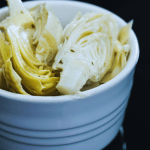 Hearts of Palm & Artichoke SaladRDC Checklist & PrintablesRough Draft Challenge Part 1: A checklist to help you prepare for a month of writing.
Setting Questionnaire
: To help guide your world building.
Spring Word Count Tracker
30-Day Spring Word Count Coloring Tracker
Hearts of Palm & Artichoke SaladRDC Checklist & PrintablesRough Draft Challenge Part 1: A checklist to help you prepare for a month of writing.
Setting Questionnaire
: To help guide your world building.
Spring Word Count Tracker
30-Day Spring Word Count Coloring Tracker

The post April’s Rough Draft Challenge Meal Plan first appeared on Sharon Wray.
March 27, 2025
Rough Draft Challenge for Spring
Although the weather is still cold and windy here in Virginia, I’m prepping for Spring. I’m working in my greenhouse, finishing taxes, and looking forward to getting some more writing done. And one of the ways that I’m planning on getting all the words written is by joining the writing world in a springtime Rough Draft Challenge. A number of writing groups are running their own programs, but I’ve decided to join Sarra Cannon’s RDC which is free for all writers (more info below). The great thing about this RDC is that you can work on anything you want. Write a rough 50,000 word draft. Redo your email welcome sequence. Edit a book that’s been under your bed forever. But whatever you choose to do, there will be some prep work involved. So that’s what I’m doing this weekend–prepping to complete a novella and a partial for my agent. Not sure how to prep? Well, I have some links and tips below to help you get started.
[image error]Prepping for RDC:We all write different things in different ways, so change/add/delete whatever works for you! I’m also working on an annotated bibliography here on the website that is available for free to anyone who is interested. While I would never presume to tell another writer how to write a book, I am a reference librarian who is good at organizing and making lists of resources for authors at all stages of their careers. So I’ve put together a quick checklist of things to think about before you begin your RDC project, with links to other writers who know way more than I do! I’ve also added links to some wonderful writing YouTubers who offer great advice–for beginner and advanced writers. Many of these videos also come with links for free printables. This list is a guideline to help you mentally prepare for Spring’s RDC!
Choose the title, genre/sub-genre, and length of the story.Check your calendar/schedule for April and set aside days and times you know you can write. Do it now before your schedule fills up! (Here is another video from Sarra that offers a free Spring RDC Planning Guide with a full calendar)Set up your Scrivener or Word file. Play around with templates. (Alexa Donne, another great YouTuber and author, has some great videos on how to set up Scrivener for beginners and for Scrivener for advanced writers. Bethany Atazadeh, another great YouTuber and author, has this great tutorial on tips for setting up a Word document for a complete novel.)Write a logline: Who, what, when/where, how, & why (See Hauge, Michael, Selling Your Story in Sixty Seconds: The Guaranteed Way to Get Your Story Read, Michael Wiese Productions, 2006 for a great walkthrough on how to do this.)Decide on the type plot structure you want to follow and jot down the basics you already know. (Blake Snyder’s Beat Sheets, The Hero’s Journey, etc. See the annotated bibliography for more resources) Plottr, the online writing app, is also a great resource and it comes with a free 30-day trial.Make a list of character names and roles they play in the story. (primary and secondary)Brainstorm your characters’ traits, personalities, etc. and create character summary sheets (Enneagram? Archetypes?)If you have any ideas of scenes you already know, journal about them quickly. Just get them down before you forget.Decide on a setting and do some preliminary research.Buy the perfect writing candle to light for inspiration while you write. (Not a necessity, but fun to do)Fill out a world-building questionnaire (especially if writing sci-fi or fantasy or paranormal).Research ways to build a series bible, if necessary for your story/series/world. (Here’s another video by Bethany Atazadeh on building a Story Bible)Create a writing music playlist or white noise.Plan rewards and reward system.Pre-plan easy meals, maybe even make some and freeze ahead. (Here is one I made for November’s RDC)Choose a new writing craft book to read this month. (some suggestions below)Stock up on snacks/coffee/tea/treats for April.Find other writing friends/accountability partners.Clean and prepare your writing space. Buy whatever office supplies you may need (notecards, highlighters, colored markers, etc).Buy a new journal and begin brainstorming your story outline.Abbreviated Writing Craft Bibliography BELOW are a few books on my ONGOING LIST OF FAVORITE WRITING CRAFT BOOKS, ALPHABETICAL BY AUTHOR’S LAST NAME:
Bell, James Scott, Write Your Novel from the Middle, 2014.
Bork, Erik, The Seven Elements of a Viable Story for Screen, Stage, or Fiction, 2018.
D’Costa, H.R., Sparkling Story Drafts: How to Outline Your Way Toward Cleaner Rough Drafts, Reduce Your Revision Time, and Get a First-Rate Screenplay or Novel onto the Marketplace, 2018.
Hauge, Michael, Selling Your Story in Sixty Seconds: The Guaranteed Way to Get Your Story Read, 2006.
Hauge, Michael, Storytelling Made Easy, 2017
Hayes, Gwen, Romancing the Beat, 2016
Henley, Jodi, Practical Emotional Structure: An Easy to Understand Plain-English Guide to Emotional Theory and the Transformational Character Arc, 2013.
Weiland, K.M., Outlining Your Novel, 2013.
Weiland, K.M., Structuring Your Novel: Essential Keys for Writing an Outstanding Story, 2013.
The post Rough Draft Challenge for Spring first appeared on Sharon Wray.
March 26, 2025
The Anemoi of March
Although it’s late March, the west winds in Virginia are still brutal. They come rolling off the Shenandoah and Appalachian mountains, frigid and violent, as if we needed a reminder that Spring isn’t quite here yet, despite the Spring Equinox having already occurred. Even the Roman poet Virgil had issues with these winter northwest winds. In a letter, he once described a steppe winter near the Sea of Asov by writing: Semper hemp, semper spirants rigors cauri. This translates to: Always winter, always the northwest winds breathing cold. This description has been especially true during the past few weeks. Anyway, in honor of March almost being over, I thought I’d share a brief history of The Anemoi, the Greek gods of wind. The four mischievous deities who used to take the blame for unwelcome weather.
Once upon a time, Eos, the radiant goddess of dawn, and the celestial Titan Astraeus, the god of the stars and the planets, gave birth to powerful wind deities. Their four sons, the Greek wind gods known as the Anemoi, are the personifications of the four cardinal winds, each associated with a particular direction and season. The Anemoi became the embodiments of the natural world, influencing everything from seasons to travel and even the destinies of mortals and gods alike. While the Anemoi had individual powers, they often acted together to control the flow of air, weather, and even the courses of epic myths like The Odyssey and Dionysiaca.
The Anemoi: The Wind Gods and Children of EosEach wind god had his own personality, and these divine beings were frequently invoked by sailors, farmers, and warriors who sought to gain favor over nature’s unpredictable moods. While they were not always portrayed as kind, they were essential in maintaining the balance of the seasons and the world’s natural order.
Boreas: The North Wind, known for bringing cold and wintery weather, is often depicted as a fierce, bearded man with the power to freeze and chill the land.Notus: The South Wind, which is typically associated with the heat of summer and brings storms and rains. Notus is linked with agricultural seasons and the torrential downpours that aid in the growth of crops.Eurus: The East Wind, considered to be the least predictable, is associated with storms and unpredictable weather patterns. Eurus is a mysterious and less prominently featured god in Greek mythology.Zephyrus: The West Wind, known for bringing gentle breezes and pleasant springtime weather, is depicted as a lover of beauty and is linked with the growth of flowers and the coming of warmer weather. (honestly, I’m not a fan since the west winds are the ones that cause the most issues where I live!)Photo attribution: The wedding of Zephyrus and Chloris. Ancient Roman fresco (54-68 d.C.), Pompeii, Italy. Naples National Archaeological Museum, Attribution, via Wikimedia Commons. Photo taken by Stefano Bolognini.In The Odyssey, the Anemoi play a significant role in the journey of Odysseus. In particular, the god Aeolus, the ruler of the winds, is introduced as the keeper of the Anemoi. When Odysseus and his men visit Aeolus’ island, the god gifts them a bag containing all the winds except for the gentle west wind, which is meant to guide them home. However, when Odysseus’ curious men open the bag, they release the winds, causing a violent storm that blows them far off course. This episode in the poem highlights the unpredictable and dangerous nature of the Anemoi, whose power can either aid or hinder depending on the circumstances. Aeolus’ gift and the subsequent mishap serve as a reminder of how the winds, like many forces in Greek mythology, are both a blessing and a potential source of chaos.
In addition to the major four Anemoi, there are four lesser winds in Greek mythology that may be the offspring of the Anemoi (although that is unclear). Kaikias, the north-east wind, is a violent and icy breeze, associated with winter storms. He is a subordinate wind to Boreas, sharing a similar chilly temperament. Skiron, the north-west wind, is connected to the winds of the sea and storms, particularly those that bring rain or the fierce squalls of early spring. Apeliotes, the south-east wind, brings warm, moist air, often associated with the growing season and harvest time, similar to Notus but with a gentler, more temperate nature. Lips, the south-west wind, is often depicted as grabbing a ship’s stern because the south-west wind blew into the harbor of Piraeus, preventing ships from leaving port and sailing away. These lesser winds, while not as prominent as the main four Anemoi, are still part of the larger family of winds, each serving a unique role in the ever-changing weather patterns of the ancient Greek world.
There are at least nine other lesser-lesser winds, but their backgrounds and uses are muddled due to inconsistencies in poorly translated works. Anyway, as the last of the March winds sweep down from the Shenandoah Mountains, I’m reminded of the ancient myths that personified these powerful forces of nature. Whether gentle or fierce, the winds signal the transition from winter to spring. So, as you brace yourself against the gusts this season, take a moment to appreciate the timeless dance of the Anemoi all around us.
The post The Anemoi of March first appeared on Sharon Wray.
March 25, 2025
Literary Gems of the French Quarter: A Visit to Three Beloved Bookstores
Last week I attended there WriterMBA meeting in New Orleans. Besides being an incredible conference, it was held in one of my favorite cities… and my husband was able to come with me. That meant, instead of staying at the boring hotel at the end of Canal Street, we stayed at the lovely Hotel Mazarin in the heart of the French Quarter. The French Quarter, despite being famous for Bourbon’s Street’s ongoing parties, is also known for its vibrant culture, rich history, and captivating charm. And for book lovers, it hosts a number of unique, independent bookstores. Nestled among the cobblestone streets and wrought iron balconies, these bookstores offer a retreat for readers, collectors, and anyone who appreciates the written word.
I was lucky enough to visit a number of these bookstores, but below are my must-visit bookstores in the heart of the French Quarter that offer more than just shelves of books—they’re an experience. Although, I am still disappointed that none of the stores I visited carried romance or women’s fiction novels. So if anyone has a dream of opening a bookstore in a charming city like New Orleans’ French Quarter, there is a desperate need for romances and other books favored by those who crave happily ever afters.
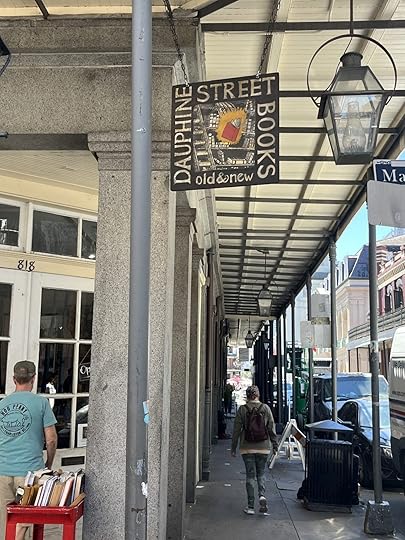 Dauphine Street Books
Tucked away on Dauphine Street, in the quieter part of the French Quarter, this cozy, used bookstore is a hidden gem. Dauphine Street Books boasts an eclectic mix of rare and secondhand books, with everything from classic literature to local history and oddities you won’t find elsewhere. The space is charmingly cramped, filled with well-worn shelves and stacks of books, that makes the search for the perfect book feel like a treasure hunt. If you’re looking for a one-of-a-kind find or want to lose yourself among the pages of a forgotten story, this is the place to go. While this bookstores had the largest selection of used fiction that I found in the city, there was still no romance or women’s fiction. (I’m very sad about that!)
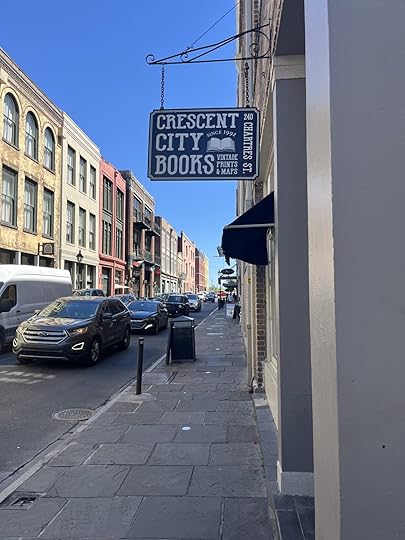 Crescent City Books
A haven for collectors and bibliophiles, Crescent City Books offers an extensive selection of rare, used, and antiquarian books. A short walk from the bustling noise of Bourbon Street, this bookstore is a peaceful respite for those who want to browse thoughtfully curated classic literary collections. This bookstore includes a large, recently published, fiction collection as well as a huge selection of books on New Orleans history, art, and culture.
There are even shelves devoted to cookbooks written by some of the famous chefs who’ve worked/owned restaurants in the French Quarter. With two floors of literary wonders, Crescent City Books also has an impressive array of maps, prints, and vintage ephemera. Whether you’re a serious collector or a casual browser, you’ll find something to spark your curiosity.
Beckham’s BookshopSteeped in history, Beckham’s Bookshop has been a beloved institution in the French Quarter since 1967. This charming bookstore specializes in used and rare books, and its towering shelves and cozy nooks make it easy to spend hours perusing its impressive selection. Located on Decatur Street, Beckham’s is especially known for its literary fiction, nonfiction, and Louisiana-centric books. It’s also a special place where history buffs can find unique titles on Southern history and culture.
There is not a huge fiction collection (and absolutely no romance, women’s fiction, or even popular literary fiction that I could find), but it does have an impressive collection of first edition, leather-clad books stored in a glass cabinet especially for serious collectors. With its old-world charm and knowledgeable staff, Beckham’s is a must for any book lover visiting the French Quarter.
Whether you’re searching for a rare edition, a piece of New Orleans history, or a quiet escape from Bourbon Street, the bookstores of the French Quarter offer something for everyone. Each store has its own unique character, reflecting the eclectic spirit of this very interesting city. Next time you’re wandering through the historic streets of New Orleans, make sure to visit Dauphine Street Books, Crescent City Books, and Beckham’s Bookshop—you may just leave with a piece of the Quarter’s literary soul.
The post Literary Gems of the French Quarter: A Visit to Three Beloved Bookstores first appeared on Sharon Wray.
March 24, 2025
Persephone Retellings for Spring
Now that the Spring Equinox has passed, and I recently shared the myth of Persephone, I thought I’d share some of my favorite Persephone and Hades romance retellings. A few of these are steamier than others, and some are written for the young adult audience. But they all stay true to the essence of the myth of the King of the Underworld and his spunky, contrary Queen!
All book blurbs courtesy of Amazon (I am not an affiliate so there are no affiliate links in this post).
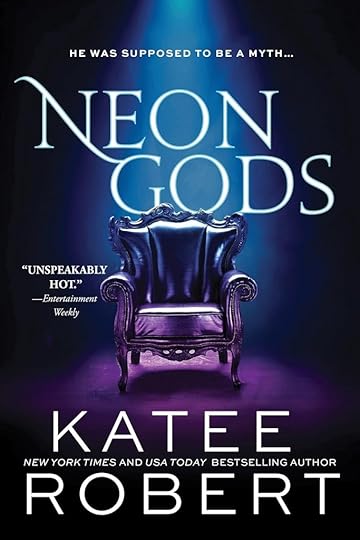 Steamy RomanceNeon Gods by Katie Roberts
 AMAZON BLURB: He was supposed to be a myth. But from the moment I crossed the River Styx and fell under his dark spell…he was, quite simply, mine.
Society darling Persephone Dimitriou plans to flee the ultra-modern city of Olympus and start over far from the backstabbing politics of the Thirteen Houses. But all that’s ripped away when her mother ambushes her with an engagement to Zeus, the dangerous power behind their glittering city’s dark facade.
With no options left, Persephone flees to the forbidden undercity and makes a devil’s bargain with a man she once believed a myth…a man who awakens her to a world she never knew existed.
Hades has spent his life in the shadows, and he has no intention of stepping into the light. But when he finds that Persephone can offer a little slice of the revenge he’s spent years craving, it’s all the excuse he needs to help her—for a price. Yet every breathless night spent tangled together has given Hades a taste for Persephone, and he’ll go to war with Olympus itself to keep her close…
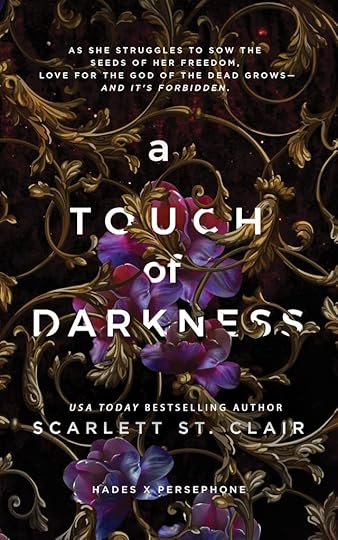
steamy RomanceA Touch of Darkness by Scarlett St. Clair
AMAZON BLURB: She remembered the words she had whispered to him in the back of the limo after La Rose. “You will worship me, and I won’t even have to order you.” His request felt sinful and devious, and she reveled in it.
She answered, “Yes.” Persephone is the Goddess of Spring in title only. Since she was a little girl, flowers have only shriveled at her touch. After moving to New Athens, she hoped to lead an unassuming life disguised as a mortal journalist. All of that changes when she sits down in a forbidden nightclub to play a hand of cards with a hypnotic and mysterious stranger.
Hades, God of the Dead, has built a gambling empire in the mortal world and his favorite bets are rumored to be impossible. But nothing has ever intrigued him as much as the goddess offering him a bargain he can’t resist.
After her encounter with Hades, Persephone finds herself in a contract with the God of the Dead, and his terms are impossible: Persephone must create life in the Underworld or lose her freedom forever. The bet does more than expose Persephone’s failure as a goddess, however. As she struggles to sow the seeds of her freedom, love for the God of the Dead grows—a love that is both captivating and forbidden.
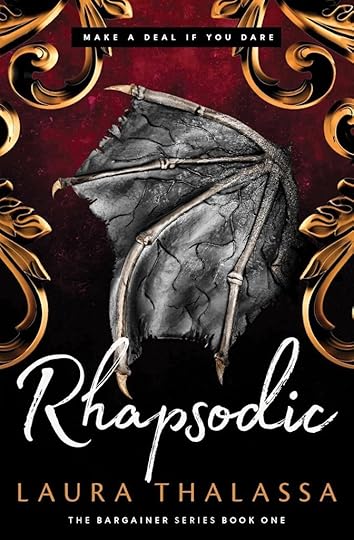 steamy romanceRhapsodic by Laura Thalassa
AMAZON BLURB: Callypso Lillis is a siren with a very big problem, one that stretches up her arm and far into her past. For the last seven years Callie has been wearing a bracelet of black beads up her wrist, magical IOUs for favors she once received. Only death or repayment will fulfill her obligations.
Everyone knows that if you need a favor, you go to the Bargainer to make it happen. He’s a man who can get you anything you want … at a price. And everyone knows that sooner or later he always collects. But for Callie, he’s never asked for repayment. Not until now.
When Callie finds the Bargainer in her room, a grin on his lips and a twinkle in his eye, she knows things are about to change. At first it’s admitting a truth—a single bead’s worth—acknowledging the attraction between them. But the Bargainer is after more than just rekindling their connection. Something is happening in the Otherworld. Fae warriors are going missing one by one, and only the women are returned, each in a glass casket, a child clutched to her breast.
For the Bargainer to save his people, he’ll need the help of the siren he spurned long ago. If she can forgive him.
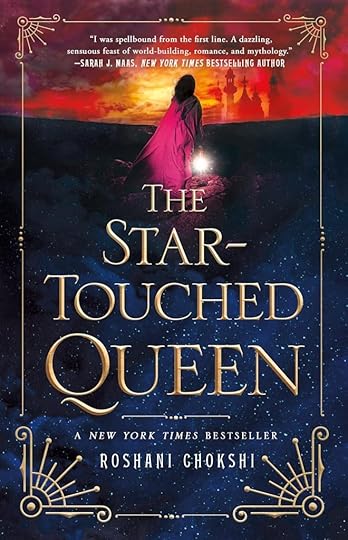 Young adult fantasy romanceThe Star-Touched Queen by Roshani Chokshi
AMAZON BLURB: Fate and fortune. Power and passion. What does it take to be the queen of a kingdom when you’re only seventeen?
Maya is cursed. With a horoscope that promises a marriage of Death and Destruction, she has earned only the scorn and fear of her father’s kingdom. Content to follow more scholarly pursuits, her whole world is torn apart when her father, the Raja, arranges a wedding of political convenience to quell outside rebellions. Soon Maya becomes the queen of Akaran and wife of Amar. Neither roles are what she expected: As Akaran’s queen, she finds her voice and power. As Amar’s wife, she finds something else entirely: Compassion. Protection. Desire…
But Akaran has its own secrets — thousands of locked doors, gardens of glass, and a tree that bears memories instead of fruit. Soon, Maya suspects her life is in danger. Yet who, besides her husband, can she trust? With the fate of the human and Otherworldly realms hanging in the balance, Maya must unravel an ancient mystery that spans reincarnated lives to save those she loves the most… including herself.
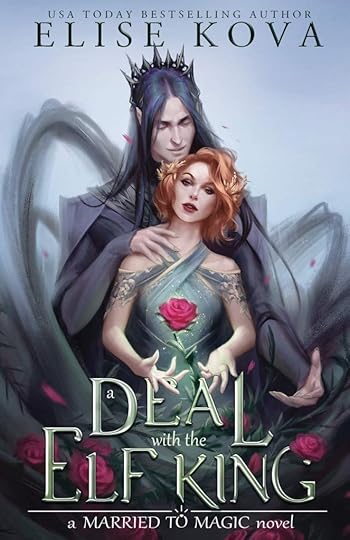 Fantasy romanceA Deal with the Elf King by Elise Kova
AMAZON BLURB: The elves come for two things: war and wives. In both cases, they come for death.
Three-thousand years ago, humans were hunted by powerful races with wild magic until the treaty was formed. Now, for centuries, the elves have taken a young woman from Luella’s village to be their Human Queen. To be chosen is seen as a mark of death by the townsfolk. A mark nineteen-year-old Luella is grateful to have escaped as a girl. Instead, she’s dedicated her life to studying herbology and becoming the town’s only healer.
That is, until the Elf King unexpectedly arrives… for her.
Everything Luella had thought she’d known about her life, and herself, was a lie. Taken to a land filled with wild magic, Luella is forced to be the new queen to a cold yet blisteringly handsome Elf King. Once there, she learns about a dying world that only she can save. The magical land of Midscape pulls on one corner of her heart, her home and people tug on another… but what will truly break her is a passion she never wanted.
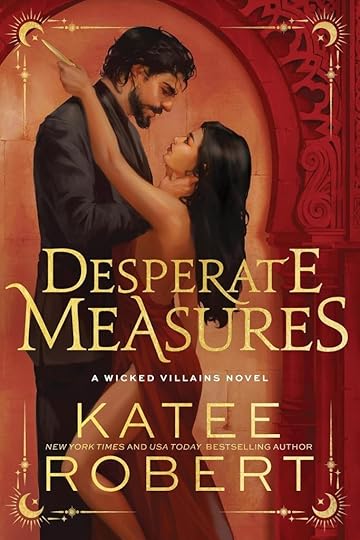 Steamy romanceDesperate Measures by Katee Robert
AMAZON BLURB: Once upon a time, I was a sheltered princess. Now he owns me, body and soul.
One night, and my entire life went up in flames. All because of him. Jafar. As my world burned around me, he offered me a choice: walk away with nothing but my freedom…or rise to his challenge and win my fortune back.
I bargained. I lost. Now Jafar owns me, and even as my mind rails against him, my body loves the delicious punishments he deals out. It’s almost enough to believe he cares. But a gilded cage is still a prison, and I’ll do anything to obtain my freedom. Even betray the man who captured my heart.
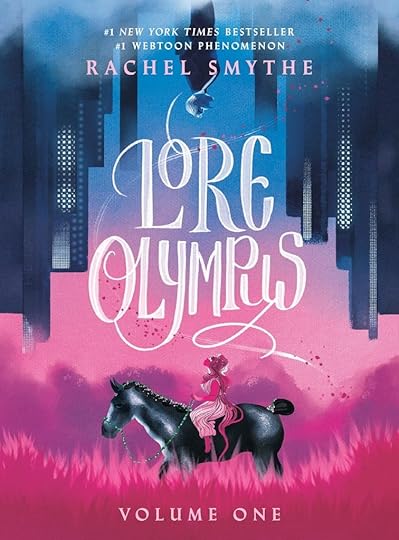 Webcomic fantasy romanceLore Olympus by Rachel Smythe
AMAZON BLURB: Persephone, young goddess of spring, is new to Olympus. Her mother, Demeter, has raised her in the mortal realm, but after Persephone promises to train as a sacred virgin, she’s allowed to live in the fast-moving, glamorous world of the gods. When her roommate, Artemis, takes her to a party, her entire life changes: she ends up meeting Hades and feels an immediate spark with the charming yet misunderstood ruler of the Underworld. Now Persephone must navigate the confusing politics and relationships that rule Olympus, while also figuring out her own place—and her own power.
This edition of Smythe’s original Eisner-winning webcomic Lore Olympus brings Greek mythology into the modern age in a sharply perceptive and romantic graphic novel.
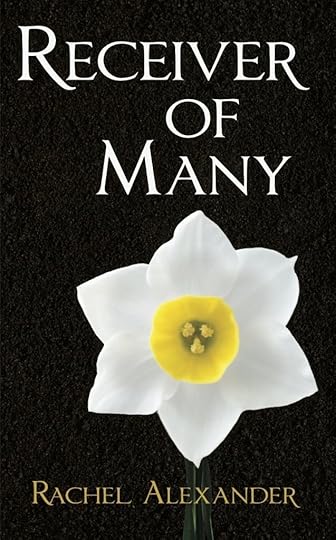 steamy romanceReceiver of Many by Rachel Alexander
AMAZON BLURB: Persephone’s life has been one of leisure among the verdant fields: the maiden of flowers, sheltered by her mother, the Harvest Goddess Demeter. Now she is a woman, a goddess in her own right, yearning for freedom— even as the terms of an ancient pact are about to come due.
Hades’s life has been one of solitude in the somber land of the dead: the God of the Underworld, he lives without attachments, eternally governing the souls of mortals. But he dreams of the young goddess who was promised to be his wife, and knows it is time for his Kingdom to have a Queen.
When Hades arrives to claim his betrothed, he finds a young goddess eager to unearth her divine potential— and a powerful mother unwilling to let go. Receiver of Many begins an erotic story of passion and possession, duty and desire, and a struggle that threatens both ancient Greece and the Realm of the Dead itself.
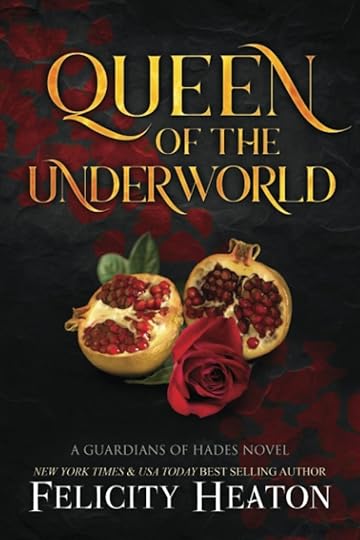 steamy romanceQueen of the Underworld by Felicity Heaton
AMAZON BLURB: Hades, the wickedly dark god-king of the Underworld, needs a queen.
And he’s chosen Persephone.
All Persephone has ever desired is control of her own life, and someone noticing her once in a while. Kept in her mother’s shadow, and overlooked by the entirety of Olympus, her dream seems impossible… and now she’s doomed to wed a dull god of her mother’s choosing… Until she crosses paths with a handsome, dark warrior who rouses wildfire heat in her veins—a male whose immense power is unmistakable, and who matches the fearful tales whispered in Olympus—stories of a cruel, heartless king who rules his realm of death with an iron fist.
When Hades abducts her and imprisons her in the depths of the Underworld, a dormant part of her awakens. And as she slowly discovers the truth about him, Persephone isn’t sure whether the snarling, dark beast of a king is her doom… or her saviour… but she knows one thing… She will embrace the fire he awakens in her with every heated glance, and every vicious growl. And use it to tame him and forge her dreams into reality.
Because, Persephone, the quiet, gentle goddess of nature, desires a king. And nothing will stop her from claiming his black heart.
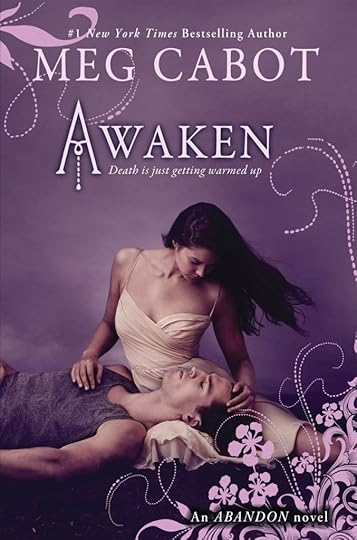 Young Adult Fantasy RomanceAwaken by Meg Cabot
AMAZON BLURB: Death has her in his clutches. Pierce doesn’t want him to let go.Seventeen-year-old Pierce Oliviera knew by accepting the love of John Hayden, she’d be forced to live forever in the one place she’s always dreaded most: the Underworld.
The sacrifice seemed worth it, though, because it meant she could be with the boy she loves.But now her happiness — and safety — are threatened, all because the Furies have discovered that John has broken one of their strictest rules: He revived a human soul.If the balance between life and death isn’t fixed, both the Underworld and Pierce’s home back on earth will be wiped away. But there’s only one way to restore order. Someone has to die.The myth of Persephone. . . darkly reimagined.
The post Persephone Retellings for Spring first appeared on Sharon Wray.
March 21, 2025
The Hungry {Romance} Writer: Green Slaw
I can’t believe Friday is here again. It’s been a busy week and I know that next week will be even busier. So that means it’s time for leftovers and easy, healthy suppers. Since I still have some corned beef and Irish soda bread left over from St. Patrick’s Day, and today is warmer than normal for this time in March, I’m making my favorite Green Slaw.

This is an easy cabbage-based salad that is both filling and delicious and is a healthier side dish for corned beef than colcannon (which I will never offer a recipe for since I have despised that dish ever since I was a kid). Anyway, I hope you enjoy this Spring salad and that you have a wonderful weekend!
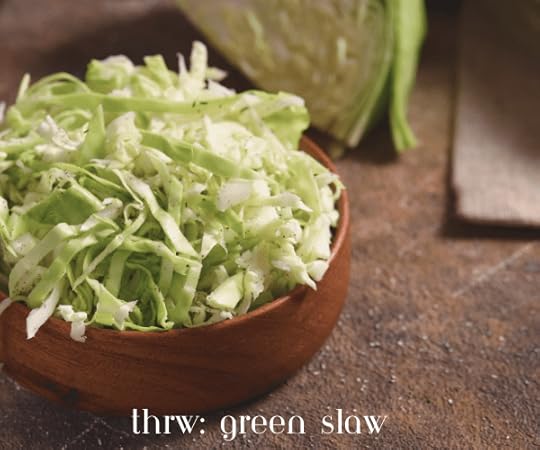 PrintGreen SlawCourse SaladPrep Time 15 minutes minutesCook Time 5 minutes minutesServings 12Calories 124kcalIngredients1 1/2 cups sugar3/4 cup white vinegar3/4 cup olive oil1 Tablespoon salt1 teaspoon celery seed1 medium head cabbage shredded (about 10 cups)1 large Vidalia onion chopped1 medium cucumber choppedInstructionsPlace a small saucepan over medium heat. Stir in sugar, white vinegar, olive oil, salt, and celery seed. Whisk and cook until it boils. Lower the heat a bit and keep whisking until the sugar is dissolved. This will take about 2-3 minutes. Remove the pan from the heat and cool.In a large bowl, stir together the cabbage, onion, and cucumber. Toss the veggies with the dressing. Chill until ready to serve.
The post The Hungry {Romance} Writer: Green Slaw first appeared on Sharon Wray.
March 20, 2025
Persephone: A Goddess for Spring
Since today is the Spring Equinox, I thought I’d retell one of my favorite myths for this season: The story of Persephone and her mother Demeter (and Hades, but she’s more important!).
[image error]As the days grow longer and winter’s chill begins to thaw, my thoughts to renewal, rebirth, and the beauty of spring. Across cultures and time periods, stories of spring’s return are abundant, but few are as enduring as the Greek myth of Persephone, the goddess whose journey between worlds gives us the changing seasons.
In Greek mythology, Persephone’s story begins in the vibrant fields of Earth, where she roams freely as the beloved daughter of Demeter, the goddess of agriculture. Their mother/daughter bond was close, and together they ensured the land flourished, bringing life to crops and flowers, allowing humankind to thrive. But one day while Persephone was walking in a field of jonquils alone, her beauty caught the eye of Hades, the god of the Underworld. Desperate to make her his queen, Hades abducts Persephone and carries her into his dark kingdom. When Demeter discovers her daughter is missing, her grief is so profound that she abandons her duties, causing the earth to wither. Without her, the land becomes barren—marking the arrival of the first winter.
For months, Demeter searched for Persephone, refusing to allow anything to grow. The suffering of humankind did not go unnoticed, and soon Zeus, king of the gods, got annoyed and intervened. He ordered Hades to return Persephone to the surface so that balance could be restored. But there was a catch—before Persephone left, Hades tricked her into eating six pomegranate seeds, binding her to the Underworld for part of each year. Frustrated, Zeus came up with a compromise: for six months, Persephone would live on Earth with her mother, Demeter, bringing the spring and summer’s warmth, beauty, and life. For the other half of the year, she would return to the Underworld as Hades’ queen, and Demeter’s sorrow would once again cause the earth to plunge into winter’s cold embrace.
The myth of Persephone is more than just an explanation for the changing seasons. It’s a tale of growth, transformation, and the cycle of life. Like Persephone, we all experience periods of darkness, challenges, and loss. But the promise of spring—of renewal and new beginnings—reminds us that light and life will always return. And I’m feeling all these emotions right now as I work on multiple projects and abandoned others. In writing romance, I often think about Persephone’s journey, especially the balance between light and dark, love and loss. Her myth holds deep emotional resonance as it reflects the universal truth that life is not static. We are constantly shifting, evolving, and moving through our own seasons of joy and struggle. And just like the goddess of spring, we find strength in embracing these changes and trusting that love and light will return.
Since today is the Spring Equinox, Persephone’s story offers a reminder that after the cold and quiet of winter, we can emerge stronger and more resilient. It’s a chance to reflect on our own journeys, to honor the seasons of life we’ve passed through, and to look forward to the beauty that awaits us just around the corner.
The post Persephone: A Goddess for Spring first appeared on Sharon Wray.