Linda Shenton Matchett's Blog, page 37
July 13, 2022
Talkshow Thursday: Meet Jenny Fulton
Talkshow Thursday: Meet Jenny Fulton
 Linda: Welcome! It’s great to chat with you, and I look forward to hearing about your book, A Princess’s Guide to the Alphabet. What was your inspiration for the story?
Jenny: As a mother and an educator, I’ve read my share of alphabet books. Since my daughters have big imaginations and enjoy such fantasy creatures as unicorns, mermaids, and dragons, I thought it would be fun to write an ABC book that included those fantasy elements in a lighthearted, educational way.
LM: You’ve traveled abroad and taught in multiple settings. How did you decide to focus on Native American culture in the book?
Jenny: In short, because it’s part of who I am. I grew up in Kansas but am an enrolled member of the Navajo Nation. My great-grandpa was a Navajo medicine man, and my Grandma (Lillian) Litfin was an interpreter at Torreon Navajo Mission near Cuba, NM. I loved the reservation lands from the moment I first saw them and have equally enjoyed getting to know the Navajo people. I’ve always proud of that part of my heritage and it has been a joy to include it now in the books I write.
LM: How did you find your illustrator and what was it like to work with her?
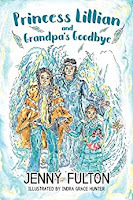 Jenny: The hybrid publisher I worked with on my first book, Princess Lillian and Grandpa’s Goodbye, actually found the illustrator through work the young woman had submitted for other projects. Though I didn’t work as directly with her on the first book, I’ve been able to do so more on this second one, especially after I made the decision, for various reasons, to self-publish rather than continue with the publisher. Indra, my illustrator has been great to work with! We’re both still somewhat new to this publishing world, so it has been a learning process for both of us, but she does beautiful work, is honest in her business practices, and does well with balancing her creativity and vision with whatever suggestions/directions I offer.
LM: What was your process for writing the book, and how long did it take?
Jenny: This book went through several changes. I first wrote it in 2019 with a teacher giving a basic ‘A is for apple’ lesson and an imaginative girl picturing a wild fantasy-themed scenario. I submitted this version to agents, but though there were a couple who were initially interested, it wasn’t accepted anywhere. After I published Princess Lillian and Grandpa’s Goodbye in 2021, I came back to this manuscript, decided to put the older sister in the teacher’s place and show the girls imagining and interacting with their different personalities. I wrote the current version in a morning but spent a few months running it by critique partners and editors, and self-published it this year in June.
LM: What was your favorite childhood book and why?
Jenny: Too many favorites! But since this is about my picture book, the two picture books I enjoyed and remember the most from my childhood are The Girl Who Loved Wild Horses by Paul Goble and Mufaro’s Beautiful Daughters by John Steptoe. For both books, I loved the different ethnicities presented and the folktale, fanciful/magical feel they had. I also enjoyed the Cinderella-style lesson in Mufaro’s Beautiful Daughters.
LM: What one piece of advice would you give to fledgling writers?
Jenny: Learn what you can about the art and mechanics of writing, but keep your own voice and write from your heart.
 Pixabay/Steve HaseldenLM: Can you tell us what writing projects are on your plate right now?
Jenny: I have a Bible Study on 1 Corinthians that is in the publishing process with a traditional publisher, am working on my next picture book with the same characters, and on a Navajo mystery novel with another author.
Linda: Where can folks connect with you?
Jenny: Website: https://heart-soul-mind.org/ Facebook: www.facebook.com/JennyFultonWriter Instagram: https://www.instagram.com/jennyannfulton/ Twitter: https://twitter.com/AuthorFulton Email: jennyannlitfin@gmail.com
_____________________
About A Princesses' Guide to the Alphabet
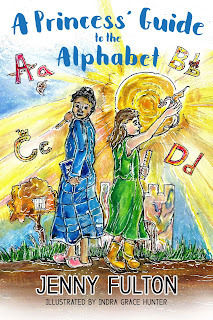 A fantasy-themed Alphabet book. Two princess sisters engage in fantasy scenarios for each letter of the Alphabet.
“D is for dancing dragons,” Lillian declared.
Zoe drenched diamond duchesses.
Filled with such fairy-tale favorites as dragons, elves, fairies, mermaids, and unicorns, this book provides an entertaining way to introduce the letters of the alphabet, identify their sounds, build vocabulary, and discuss other language arts skills.
It is a well-known fact that not all princesses are the same. While Lillian is a gentle, daydreamy Navajo one, little sister Zoe is of the rough-n-tumble warrior variety. As the day progresses, their perspectives produce distance, conflict, and unity.
Great for Educators!
This book teaches children much more than the A-B-Cs.
In addition to letter and sound recognition that includes multiple vowel sounds, this book can be used to teach:Alliteration (Zoe magnetized moon mermaids.) Characters and Personalities (How are Lillian and Zoe different and alike?) Dialogue Tags and Punctuation (“A is for awkward aerial acrobats,” announced Lillian.) Grammar (nouns, verbs, and adjectives) Vocabulary (aerial, frolicked, quelled...) Active Voice: vs. Passive Voice (Zoe drenched... vs. “D is for…”) Go to heart-soul-mind.org to download free lesson plans.Purchase Link: http://www.amazon.com/dp/B09RQCHMDN
 Linda: Welcome! It’s great to chat with you, and I look forward to hearing about your book, A Princess’s Guide to the Alphabet. What was your inspiration for the story?
 Jenny: As a mother and an educator, I’ve read my share of alphabet books. Since my daughters have big imaginations and enjoy such fantasy creatures as unicorns, mermaids, and dragons, I thought it would be fun to write an ABC book that included those fantasy elements in a lighthearted, educational way.
LM: You’ve traveled abroad and taught in multiple settings. How did you decide to focus on Native American culture in the book?
Jenny: In short, because it’s part of who I am. I grew up in Kansas but am an enrolled member of the Navajo Nation. My great-grandpa was a Navajo medicine man, and my Grandma (Lillian) Litfin was an interpreter at Torreon Navajo Mission near Cuba, NM. I loved the reservation lands from the moment I first saw them and have equally enjoyed getting to know the Navajo people. I’ve always proud of that part of my heritage and it has been a joy to include it now in the books I write.
LM: How did you find your illustrator and what was it like to work with her?
 Jenny: The hybrid publisher I worked with on my first book, Princess Lillian and Grandpa’s Goodbye, actually found the illustrator through work the young woman had submitted for other projects. Though I didn’t work as directly with her on the first book, I’ve been able to do so more on this second one, especially after I made the decision, for various reasons, to self-publish rather than continue with the publisher. Indra, my illustrator has been great to work with! We’re both still somewhat new to this publishing world, so it has been a learning process for both of us, but she does beautiful work, is honest in her business practices, and does well with balancing her creativity and vision with whatever suggestions/directions I offer.
 LM: What was your process for writing the book, and how long did it take?
Jenny: This book went through several changes. I first wrote it in 2019 with a teacher giving a basic ‘A is for apple’ lesson and an imaginative girl picturing a wild fantasy-themed scenario. I submitted this version to agents, but though there were a couple who were initially interested, it wasn’t accepted anywhere. After I published Princess Lillian and Grandpa’s Goodbye in 2021, I came back to this manuscript, decided to put the older sister in the teacher’s place and show the girls imagining and interacting with their different personalities. I wrote the current version in a morning but spent a few months running it by critique partners and editors, and self-published it this year in June.
LM: What was your favorite childhood book and why?
Jenny: Too many favorites! But since this is about my picture book, the two picture books I enjoyed and remember the most from my childhood are The Girl Who Loved Wild Horses by Paul Goble and Mufaro’s Beautiful Daughters by John Steptoe. For both books, I loved the different ethnicities presented and the folktale, fanciful/magical feel they had. I also enjoyed the Cinderella-style lesson in Mufaro’s Beautiful Daughters.
LM: What one piece of advice would you give to fledgling writers?
Jenny: Learn what you can about the art and mechanics of writing, but keep your own voice and write from your heart.
 Pixabay/Steve HaseldenLM: Can you tell us what writing projects are on your plate right now?
 Jenny: I have a Bible Study on 1 Corinthians that is in the publishing process with a traditional publisher, am working on my next picture book with the same characters, and on a Navajo mystery novel with another author.
Linda: Where can folks connect with you?
Jenny: Website: https://heart-soul-mind.org/ Facebook: www.facebook.com/JennyFultonWriter Instagram: https://www.instagram.com/jennyannfulton/ Twitter: https://twitter.com/AuthorFulton Email: jennyannlitfin@gmail.com
_____________________
About A Princesses' Guide to the Alphabet
 A fantasy-themed Alphabet book. Two princess sisters engage in fantasy scenarios for each letter of the Alphabet.
 “D is for dancing dragons,” Lillian declared.
Zoe drenched diamond duchesses.
Filled with such fairy-tale favorites as dragons, elves, fairies, mermaids, and unicorns, this book provides an entertaining way to introduce the letters of the alphabet, identify their sounds, build vocabulary, and discuss other language arts skills.
It is a well-known fact that not all princesses are the same. While Lillian is a gentle, daydreamy Navajo one, little sister Zoe is of the rough-n-tumble warrior variety. As the day progresses, their perspectives produce distance, conflict, and unity.
Great for Educators!
This book teaches children much more than the A-B-Cs.
In addition to letter and sound recognition that includes multiple vowel sounds, this book can be used to teach:Alliteration (Zoe magnetized moon mermaids.) Characters and Personalities (How are Lillian and Zoe different and alike?) Dialogue Tags and Punctuation (“A is for awkward aerial acrobats,” announced Lillian.) Grammar (nouns, verbs, and adjectives) Vocabulary (aerial, frolicked, quelled...) Active Voice: vs. Passive Voice (Zoe drenched... vs. “D is for…”) Go to heart-soul-mind.org to download free lesson plans.Purchase Link: http://www.amazon.com/dp/B09RQCHMDN


July 11, 2022
Traveling Tuesday: Madison Square Garden
Traveling Tuesday: Madison Square Garden
 Pixabay/Andrew ScozzariIn celebration of the second book birthday of Murder at Madison Square Garden, I'm re-running a post about this iconic New York landmark.
Growing up in New Jersey, I often traveled into New York City with my family and on school trips to sightsee and attend events. One of the venues, I often visited was Madison Square Garden and have many fond memories. While researching one of my books, I discovered that famed aviator Charles Lindbergh spoke at a rally at the Garden in 1941 and knew I had the kernel of an idea for another book. What I didn’t realize until I dug deeper is that there have actually been four Madison Square Gardens, and the one I visited is not the one where Lindbergh spoke.
Here’s a bit more about the famous facilities that bear the name:
The first Madison Square Garden was the former train depot of the New York and Harlem Railroad.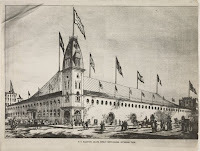 WikiImagesOwned by Commodore Vanderbilt, the building remained vacant from 1871 to 1874 when it was leased to P.T. Barnum. He renovated to create an open oval arena with benches and seats. Named Great Roman Hippodrome, the facility was used for Barnum’s circus performances as well as other events. Subsequent lessees used it for flower, dog, and beauty shows, temperance meetings, concerts, revivals, and boxing matches. After Vanderbilt’s death in 1879, his nephew took back control and renamed the building Madison Square Garden.
Ten years later, he sold to a syndicate that included J.P Morgan, Andrew Carnegie, and W.W. Astor who chose to demolish the building and have a new one designed by well-known architect Stanford White. With a minaret-like tower that rose thirty-two stories, the Garden was the city’s second-tallest building. The main hall had permanent seating for 8,000 people and floor capacity for thousands more. In addition, a “small” theatre held 1,200 and a concert hall 1,500. In addition, there was a restaurant and rooftop cabaret. Unfortunately, the cost to build was nearly three million dollars, and never provided the success and financial gain anticipated, so it was torn down in 1925.
The third Madison Square Garden, the one in which Lindbergh spoke, was located between 49th and 50th street on 8th Avenue, and not located on Madison Square. Construction costs are estimated at just under five million dollars, and the facility was constructed in just over eight months. Groundbreaking occurred on January 9, 1925. Seating was available on three levels with a capacity of 18,496 visitors. The facility hosted several noteworthy events:
Although the Garden never hosted a national political convention, a rally was held to support Franklin Delano Roosevelt’s bid for president in 1932. In 1936, he delivered his last campaign speech before the election there.
Five years later, in 1937, a Boycott Nazi Germany rally was held sponsored by the American Jewish Congress and the Jewish Labor Committee. New York City mayor Fiorello LaGuardia was one of the speakers.
 WikiImagesIn February 1939, the pro-Nazi organization German American Bund held a rally with 20,000 participants. The group was outlawed by the U.S. government by December 1941.
On May 23, 1941, Charles Lindbergh spoke at the America First Committee rally.
Nearly thirty years later, the building was demolished after the current Garden was constructed at One Worldwide Plaza.
____________________
About Murder at Madison Square Garden:
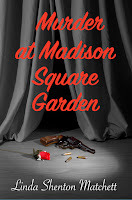 The dream of a lifetime becomes a nightmare.
Photojournalist Theodora “Teddy” Schafer’s career has hit the skids thanks to rumors of plagiarism. With any luck, a photo spread with Charles Lindbergh at the America First Rally will salvage her reputation. After an attempted assassination of Lindbergh leaves another man dead, Teddy is left holding the gun. Literally. Can she prove her innocence before the police lock her up for a murder she didn’t commit?
Private Investigator Ric Bogart wants nothing to do with women after his wife cleaned out their bank account and left him for another man, but he can’t ignore the feeling he’s supposed to help the scrappy, female reporter who is arrested for murder at the America First rally. Can he believe her claims of innocence and find the real killer without letting Teddy steal his heart?
Purchase Link: https://books2read.com/u/31qK17
 Pixabay/Andrew ScozzariIn celebration of the second book birthday of Murder at Madison Square Garden, I'm re-running a post about this iconic New York landmark.
Growing up in New Jersey, I often traveled into New York City with my family and on school trips to sightsee and attend events. One of the venues, I often visited was Madison Square Garden and have many fond memories. While researching one of my books, I discovered that famed aviator Charles Lindbergh spoke at a rally at the Garden in 1941 and knew I had the kernel of an idea for another book. What I didn’t realize until I dug deeper is that there have actually been four Madison Square Gardens, and the one I visited is not the one where Lindbergh spoke.
Here’s a bit more about the famous facilities that bear the name:
The first Madison Square Garden was the former train depot of the New York and Harlem Railroad.
 WikiImagesOwned by Commodore Vanderbilt, the building remained vacant from 1871 to 1874 when it was leased to P.T. Barnum. He renovated to create an open oval arena with benches and seats. Named Great Roman Hippodrome, the facility was used for Barnum’s circus performances as well as other events. Subsequent lessees used it for flower, dog, and beauty shows, temperance meetings, concerts, revivals, and boxing matches. After Vanderbilt’s death in 1879, his nephew took back control and renamed the building Madison Square Garden.
 Ten years later, he sold to a syndicate that included J.P Morgan, Andrew Carnegie, and W.W. Astor who chose to demolish the building and have a new one designed by well-known architect Stanford White. With a minaret-like tower that rose thirty-two stories, the Garden was the city’s second-tallest building. The main hall had permanent seating for 8,000 people and floor capacity for thousands more. In addition, a “small” theatre held 1,200 and a concert hall 1,500. In addition, there was a restaurant and rooftop cabaret. Unfortunately, the cost to build was nearly three million dollars, and never provided the success and financial gain anticipated, so it was torn down in 1925.
The third Madison Square Garden, the one in which Lindbergh spoke, was located between 49th and 50th street on 8th Avenue, and not located on Madison Square. Construction costs are estimated at just under five million dollars, and the facility was constructed in just over eight months. Groundbreaking occurred on January 9, 1925. Seating was available on three levels with a capacity of 18,496 visitors. The facility hosted several noteworthy events:
Although the Garden never hosted a national political convention, a rally was held to support Franklin Delano Roosevelt’s bid for president in 1932. In 1936, he delivered his last campaign speech before the election there.
Five years later, in 1937, a Boycott Nazi Germany rally was held sponsored by the American Jewish Congress and the Jewish Labor Committee. New York City mayor Fiorello LaGuardia was one of the speakers.
 WikiImagesIn February 1939, the pro-Nazi organization German American Bund held a rally with 20,000 participants. The group was outlawed by the U.S. government by December 1941.
On May 23, 1941, Charles Lindbergh spoke at the America First Committee rally.
Nearly thirty years later, the building was demolished after the current Garden was constructed at One Worldwide Plaza.
____________________
About Murder at Madison Square Garden:
 The dream of a lifetime becomes a nightmare.
Photojournalist Theodora “Teddy” Schafer’s career has hit the skids thanks to rumors of plagiarism. With any luck, a photo spread with Charles Lindbergh at the America First Rally will salvage her reputation. After an attempted assassination of Lindbergh leaves another man dead, Teddy is left holding the gun. Literally. Can she prove her innocence before the police lock her up for a murder she didn’t commit?
Private Investigator Ric Bogart wants nothing to do with women after his wife cleaned out their bank account and left him for another man, but he can’t ignore the feeling he’s supposed to help the scrappy, female reporter who is arrested for murder at the America First rally. Can he believe her claims of innocence and find the real killer without letting Teddy steal his heart?
Purchase Link: https://books2read.com/u/31qK17
July 10, 2022
Mystery Monday: Crime Writer Mabel Seeley
Mystery Monday: Crime Writer Mabel Seeley
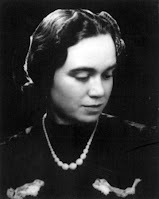 I love to immerse myself in the books that would be read by my characters. It’s especially fun for me to sometimes find little-known authors or authors who were wildly popular at the time but have fallen into obscurity. Today’s author, Mabel Seeley, falls into the latter category.
Born Mabel Hodnefield in 1903, in Herman, Minnesota, a tiny hamlet nearly two hundred miles northwest of Minneapolis. Still small, the town boasted a population of 437 in the 2010 census. I can’t imagine how much smaller it must have been in the early part of the last century.
When she was seventeen, her family moved to St. Paul where she attended Mechanic Arts High School, then went on to graduate summa cum laude from the University of Minnesota. Her love of writing grew from exposure (and perhaps classes with) Mary Ellen Chase a scholar, educator, and author in her own right who was teaching there at the time.
Mabel married fellow UM student Kenneth Seeley in 1926, and they moved to Chicago where she got a job writing advertising copy for a department store (a background that would be the setting of her first book, The Listening House published in 1938). After her husband developed tuberculosis, they returned to Minnesota for his medical treatments. He recovered, but they divorced sometime later.
After WWII, she and her son moved to Colorado. An avid midwesterner, Mabel set all her books in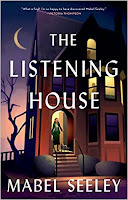 Minnesota. She delved deeply into her research for each book, going so far as to visit a North Shore lake at night time to capture an eerie feeling. She also ran through fields of tall, dry grass to see how grasshoppers respond when startled. For another book, she spent time in her uncle’s grain elevator to experience the wind whistling in the bins and to hear the talk of farmers. (Now, that’s research!)
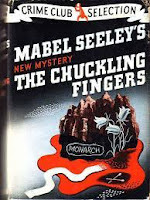
Most readers, even devoted mystery readers, are unfamiliar with her work, but she was highly popular during her lifetime. Her books were highly praised in some of the most noteworthy publications of the day such as Saturday Review and The New Yorker. The Saturday Review of Literature named The Crying Sisters (1939) best mystery of the year, and The Chuckling Fingers won Mystery of the Year award in 1941. An early member of Mystery Writers of America, she served on the organization’s first Board of Directors.
 Long before modern feminism, Mabel wrote female protagonists who were “smart, frank, and strong-willed.” The characters are typically middle class working such jobs as librarian, copywriter, and stenographer. The heroines are not private investigators, but rather women caught in unusual circumstances requiring them to fight to save those they love.
Unfortunately for readers, Mabel married attorney Henry Ross in 1956 and chose to stop writing, telling one reporter that she did so to devote more time to her marriage. She passed away on June 9, 1991.
_____________________
About Murder at Madison Square Garden
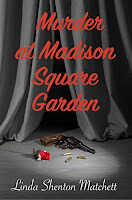 The dream of a lifetime becomes a nightmare.
Photojournalist Theodora “Teddy” Schafer’s career has hit the skids thanks to rumors of plagiarism. With any luck, a photo spread with Charles Lindbergh at the America First Rally will salvage her reputation. After an attempted assassination of Lindbergh leaves another man dead, Teddy is left holding the gun. Literally. Can she prove her innocence before the police lock her up for a murder she didn’t commit?
Private Investigator Ric Bogart wants nothing to do with women after his wife cleaned out their bank account and left him for another man, but he can’t ignore the feeling he’s supposed to help the scrappy, female reporter who is arrested for murder at the America First rally. Can he believe her claims of innocence and find the real killer without letting Teddy steal his heart?
Purchase Link: https://books2read.com/u/31qK17
 I love to immerse myself in the books that would be read by my characters. It’s especially fun for me to sometimes find little-known authors or authors who were wildly popular at the time but have fallen into obscurity. Today’s author, Mabel Seeley, falls into the latter category.
Born Mabel Hodnefield in 1903, in Herman, Minnesota, a tiny hamlet nearly two hundred miles northwest of Minneapolis. Still small, the town boasted a population of 437 in the 2010 census. I can’t imagine how much smaller it must have been in the early part of the last century.
When she was seventeen, her family moved to St. Paul where she attended Mechanic Arts High School, then went on to graduate summa cum laude from the University of Minnesota. Her love of writing grew from exposure (and perhaps classes with) Mary Ellen Chase a scholar, educator, and author in her own right who was teaching there at the time.
Mabel married fellow UM student Kenneth Seeley in 1926, and they moved to Chicago where she got a job writing advertising copy for a department store (a background that would be the setting of her first book, The Listening House published in 1938). After her husband developed tuberculosis, they returned to Minnesota for his medical treatments. He recovered, but they divorced sometime later.
After WWII, she and her son moved to Colorado. An avid midwesterner, Mabel set all her books in
 Minnesota. She delved deeply into her research for each book, going so far as to visit a North Shore lake at night time to capture an eerie feeling. She also ran through fields of tall, dry grass to see how grasshoppers respond when startled. For another book, she spent time in her uncle’s grain elevator to experience the wind whistling in the bins and to hear the talk of farmers. (Now, that’s research!)
Most readers, even devoted mystery readers, are unfamiliar with her work, but she was highly popular during her lifetime. Her books were highly praised in some of the most noteworthy publications of the day such as Saturday Review and The New Yorker. The Saturday Review of Literature named The Crying Sisters (1939) best mystery of the year, and The Chuckling Fingers won Mystery of the Year award in 1941. An early member of Mystery Writers of America, she served on the organization’s first Board of Directors.
 Long before modern feminism, Mabel wrote female protagonists who were “smart, frank, and strong-willed.” The characters are typically middle class working such jobs as librarian, copywriter, and stenographer. The heroines are not private investigators, but rather women caught in unusual circumstances requiring them to fight to save those they love.
 Unfortunately for readers, Mabel married attorney Henry Ross in 1956 and chose to stop writing, telling one reporter that she did so to devote more time to her marriage. She passed away on June 9, 1991.
_____________________
About Murder at Madison Square Garden
 The dream of a lifetime becomes a nightmare.
Photojournalist Theodora “Teddy” Schafer’s career has hit the skids thanks to rumors of plagiarism. With any luck, a photo spread with Charles Lindbergh at the America First Rally will salvage her reputation. After an attempted assassination of Lindbergh leaves another man dead, Teddy is left holding the gun. Literally. Can she prove her innocence before the police lock her up for a murder she didn’t commit?
Private Investigator Ric Bogart wants nothing to do with women after his wife cleaned out their bank account and left him for another man, but he can’t ignore the feeling he’s supposed to help the scrappy, female reporter who is arrested for murder at the America First rally. Can he believe her claims of innocence and find the real killer without letting Teddy steal his heart?
Purchase Link: https://books2read.com/u/31qK17
July 6, 2022
Talkshow Thursday: Meet Suzie Waltner
Talkshow Thursday: Meet Suzie Waltner
 Linda: Thanks for joining me today. Congratulations on your upcoming release, Midnight Blue. Where did you get the inspiration for the plot?
Suzie: One of the rules given for authors is “write what you know.” I live in the Nashville, TN, area, and what’s more known in Nashville than country music? So, while I wrote about a place I know extremely well, I did have to do some research on the music industry side of things.
LM: You wrote several novels, then took a break before coming back to writing. How is your process different? The same?
Suzie: My first novels were more hobby writing. At the time I first started writing, I didn’t know there were such things as writing groups, writing rules, critique groups, and marketing. I found those things after I’d written my first couple of books. Then I took a break from writing and spend a few years in the reader world as a book blogger. I got to know other readers, what they like in books, what they don’t like in books, and what helps connect them with authors. I’ve poured a lot of that information into my more recent writing and, even though I’m still not quite there yet, I am developing the habit of writing every day. Even if it’s just a page or two.
LM: Research is an important element in writing. What did you do to research for Midnight Blue and was there something you found you knew had to be included?
 Pixabay/Lisa JohnsonSuzie: I knew my main character was going to be the lead singer of a country music band, so I researched a lot of that. I worked for a company that published some music magazines that highlighted Christian bands when I first moved to Nashville, but that was over twenty years ago. With the popularity of streaming services today, a lot of what I once knew has changed and a lot of musicians have recording capabilities in their homes for their rough demos for their record labels.
LM: How did you develop your characters, and how did you decide on their names (Are you a Gone with the Wind fan?)
Suzie: I am not a Gone with the Wind fan. In fact, I’ve not ever even watched the entire movie. I usually find my character names using a baby names book. I’ll browse until one seems to be the right fit. I have gotten halfway through a book a time or two and decided the name I was using for a character just wasn’t the right one, though. As far as developing characters, I love using character interview worksheets. I have one which is some basic information like appearance, likes and dislikes, family, etc. and another that dives into some more emotional and heart-deep issues of the characters.
LM: What is one thing you wish you knew how to do?
Suzie: Play the piano. I can pluck but getting both of my hands to work together just never clicked for me.
LM: What was your favorite childhood book?
Suzie: It was an obscure little book called Nobody’s Fault? by Patricia Hermes (I believe it’s out of print now). It was the first book I ever read that made me cry and tugged on my emotions.
LM: What is one piece of advice you have for fledgling writers?
 Pixabay/StartUpStockPhotosSuzie: Connect with other writers. Authors are some of the most generous, encouraging people you will meet. They genuinely want you to succeed and willingly share the knowledge they’ve gained over their careers with others.
LM: What is your next project?
Suzie: I’ve turned in the follow-up book to Midnight Blue to my publisher and am currently working on book three. There will be four books total in this series, and each one will feature members of the band readers will meet in Midnight Blue.
LM: Where can folks find you on the web?
Suzie: Website: https://suziewaltner.com Newsletter: https://suziewaltner.com/join-my-newsletter/ Facebook: https://facebook.com/suziewaltnerwrites Twitter: https://twitter.com/nashpredsfan Instagram: https://instagram.com/suziewaltner
____________________________
About Midnight Blue:
 Can they find a way back to each other or was their love a one-hit wonder?
A series of heartbreaking setbacks behind her, Scarlett Sykes is now focused on creating the best life possible for her daughter. One where innocence and joy is not colored by rejection or loss. While finances are tight and Scarlett’s job isn’t ideal for a single mother, her child will always know she’s loved. Especially since Harmony’s father wanted nothing to do with them.
As lead singer and the face of a successful country band, Jake Turnquist’s closest friends depend on him, but life in the spotlight is quickly losing its appeal. At a party celebrating another accomplishment, he’s stunned to discover Scarlett assisting the caterer. Almost ten years have passed, but he’s never forgotten his first love. In the hours after a surprise revelation, Jake scrambles to orchestrate a way to spend time with Scarlett and Harmony—the family he’s always wanted but never knew he had. He once gave her up to pursue his music. What will he have to surrender to win her back?
 Linda: Thanks for joining me today. Congratulations on your upcoming release, Midnight Blue. Where did you get the inspiration for the plot?
 Suzie: One of the rules given for authors is “write what you know.” I live in the Nashville, TN, area, and what’s more known in Nashville than country music? So, while I wrote about a place I know extremely well, I did have to do some research on the music industry side of things.
LM: You wrote several novels, then took a break before coming back to writing. How is your process different? The same?
Suzie: My first novels were more hobby writing. At the time I first started writing, I didn’t know there were such things as writing groups, writing rules, critique groups, and marketing. I found those things after I’d written my first couple of books. Then I took a break from writing and spend a few years in the reader world as a book blogger. I got to know other readers, what they like in books, what they don’t like in books, and what helps connect them with authors. I’ve poured a lot of that information into my more recent writing and, even though I’m still not quite there yet, I am developing the habit of writing every day. Even if it’s just a page or two.
LM: Research is an important element in writing. What did you do to research for Midnight Blue and was there something you found you knew had to be included?
 Pixabay/Lisa JohnsonSuzie: I knew my main character was going to be the lead singer of a country music band, so I researched a lot of that. I worked for a company that published some music magazines that highlighted Christian bands when I first moved to Nashville, but that was over twenty years ago. With the popularity of streaming services today, a lot of what I once knew has changed and a lot of musicians have recording capabilities in their homes for their rough demos for their record labels.
LM: How did you develop your characters, and how did you decide on their names (Are you a Gone with the Wind fan?)
Suzie: I am not a Gone with the Wind fan. In fact, I’ve not ever even watched the entire movie. I usually find my character names using a baby names book. I’ll browse until one seems to be the right fit. I have gotten halfway through a book a time or two and decided the name I was using for a character just wasn’t the right one, though. As far as developing characters, I love using character interview worksheets. I have one which is some basic information like appearance, likes and dislikes, family, etc. and another that dives into some more emotional and heart-deep issues of the characters.
LM: What is one thing you wish you knew how to do?
Suzie: Play the piano. I can pluck but getting both of my hands to work together just never clicked for me.
LM: What was your favorite childhood book?
Suzie: It was an obscure little book called Nobody’s Fault? by Patricia Hermes (I believe it’s out of print now). It was the first book I ever read that made me cry and tugged on my emotions.
LM: What is one piece of advice you have for fledgling writers?
 Pixabay/StartUpStockPhotosSuzie: Connect with other writers. Authors are some of the most generous, encouraging people you will meet. They genuinely want you to succeed and willingly share the knowledge they’ve gained over their careers with others.
LM: What is your next project?
Suzie: I’ve turned in the follow-up book to Midnight Blue to my publisher and am currently working on book three. There will be four books total in this series, and each one will feature members of the band readers will meet in Midnight Blue.
LM: Where can folks find you on the web?
Suzie: Website: https://suziewaltner.com Newsletter: https://suziewaltner.com/join-my-newsletter/ Facebook: https://facebook.com/suziewaltnerwrites Twitter: https://twitter.com/nashpredsfan Instagram: https://instagram.com/suziewaltner
____________________________
About Midnight Blue:
 Can they find a way back to each other or was their love a one-hit wonder?
 A series of heartbreaking setbacks behind her, Scarlett Sykes is now focused on creating the best life possible for her daughter. One where innocence and joy is not colored by rejection or loss. While finances are tight and Scarlett’s job isn’t ideal for a single mother, her child will always know she’s loved. Especially since Harmony’s father wanted nothing to do with them.
As lead singer and the face of a successful country band, Jake Turnquist’s closest friends depend on him, but life in the spotlight is quickly losing its appeal. At a party celebrating another accomplishment, he’s stunned to discover Scarlett assisting the caterer. Almost ten years have passed, but he’s never forgotten his first love. In the hours after a surprise revelation, Jake scrambles to orchestrate a way to spend time with Scarlett and Harmony—the family he’s always wanted but never knew he had. He once gave her up to pursue his music. What will he have to surrender to win her back?
June 30, 2022
Fiction Friday: New Releases!
July 2022 New Releases More in-depth descriptions of these books can be found on the ACFW Fiction Finder website
Contemporary Romance:
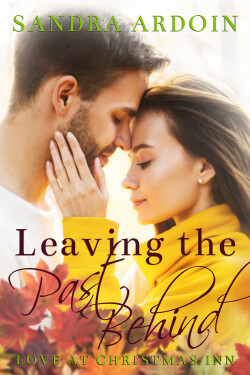 Leaving the Past Behind by Sandra Ardoin -- The joy Danni Barnett found in her job as a travel writer and photographer faded around the same time her husband walked out on her. When her late sister-in-law’s will brings the couple together to care for her children, Danni must face her fear of motherhood or lose a second chance with Brooks. Brooks Barnett’s life has spun out of his control. A crumbled marriage. A career on hold. The loss of his sister. Brooks determines to keep Danni at arm’s length, but it’s a daunting task when his niece and nephew love her as much as he does. How will Brooks protect two grieving children from more loss when he can’t even protect his heart from Danni’s pull? (Contemporary Romance, Independently Published)
 Muskota Blue by Carolyn Miller -- For Sarah Maguire, spending the summer at Lake Muskoka was supposed to be about finding the courage to put back the pieces of her shattered life—not falling in love with the charming yet unsophisticated hockey player from next door. Daniel Walton may have been praying for Miss Right to appear, but Sarah’s ice princess act just cries Miss Wrong. Dan’s summer plans hadn’t included befriending a redhead with a sassy tongue and cute accent, but as Muskoka works its magic he soon discovers that underneath the frost and prickles is the funny, feisty, loving woman he’s waited all his life to meet. As their friendship deepens, Sarah comes to appreciate Dan’s patience and kindness yet struggles to let go of the past and embrace the future, while Dan, only too conscious of the personal history he wants to forget, questions the wisdom of pursuing a girl whose heart may never be wholly his – who may soon return to live on the opposite side of the world. Will past regrets lead to further heartbreak? Or can Sarah and Dan learn to leave the past in the past and embrace God’s promises for the future? (Contemporary Romance, Independently Published)
 Seaside Proposal by Narelle Atkins -- Billie Radcliffe has a secret. And she isn't sharing it with anyone, including Zach Montford. Even though she feels an instant connection with the good-looking banker and youth leader, she's wary of rejection. Besides she's only in the close-knit beach community until she meets the one man who can fill in the blanks about her history. Zach hopes his temporary stint with the church will help him decide whether to go into full-time ministry. Though his career plans are uncertain, he's sure about his growing feelings for Billie. When a shocking revelation throws everything into question, Zach and Billie have a chance to put the past to rest … and walk into the future together. (Contemporary Romance, Independently Published)
 To Begin Again by Emily Conrad -- Michaela Vandehey’s reality show win transformed her from the girl whose own father ignored her into a pop singer loved by the masses. But fame has proven hard to keep. To bolster her floundering career, she heads to Wisconsin to snag a collaboration with the iconic rock band Awestruck. There, she meets bass guitarist Philip, a dad whose devotion challenges her skepticism about love and family. Whatever faith Philip Miller had died with his wife. Now, “Amazing Grace” is nothing but a lullaby to sing to his children in her memory. Thanks to Awestruck, he can provide privileged lives for his kids, but he has no intention of finding love again. If only he weren’t so drawn to Michaela. When he falls for her despite himself, Michaela learns the dark secret that threatens his family’s future. The grace they’ve heard so much about might grant them the fresh start they need, but to begin again, they’ll first have to sacrifice what they hold most dear. (Contemporary Romance, Independently Published)
General Contemporary:
 More Than Sparrows by Claire SpencerChristensen -- Kate is at a crossroads. A lapse in judgement has her clashing with management at Westbrook Community Justice Service, her offer to accommodate a client in her own home breaching department regulations. Not only does this infuriate her team leader, but it provides the clever, charismatic department psychologist, Dr Paul Leeuwin, yet another opportunity to heap scorn on her world view and rubbish her belief in God. The pressure increases when she dares to question a church leadership decision to fund an extension, seemingly ignoring needy families in the surrounding suburbs. Her concerns dismissed, she falls out with friends when she suggests the community could be better served if the money was spent on a parachurch organisation. In conflict at work and at odds with fellow believers, what is God trying to tell her? (General Contemporary, Independently Published)
 Perfectly Placed by Liana George -- Six weeks after leaving China, Nicki Mayfield returns to complete two critical tasks: restore order at New Hope Orphanage and re-connect with the little girl who stole her heart. However, between a stubbornly stone walling supervisor, missing documents, and personal tragedy, Nicki faces challenges at every turn. Is she the best person to bring order – and longevity – to the place these children call home? Then, with the help of an unexpected ally, Nicki makes a life-altering decision that upends her well-planned life and the lives of those around her. Will she lose it all, or has she found the way to save what matters most? (General Contemporary, from Scrivenings Press)
Historical Romance:
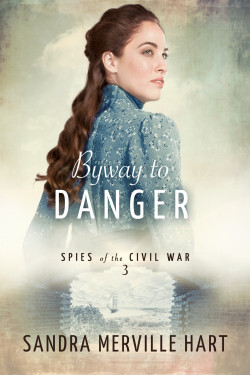 Byway to Danger by Sandra Merville Hart -- Everyone in Richmond has secrets. Especially the spies. Meg Brooks, widow, didn't stop spying for the Union when her job at the Pinkerton National Detective Agency ended, especially now that she lives in the Confederate capital. Her job at the Yancey bakery provides many opportunities to discover vital information about the Confederacy to pass on to her Union contact. She prefers to work alone, yet the strong, silent baker earns her respect and tugs at her heart. Cade Yancey knows the beautiful widow is a spy when he hires her only because his fellow Unionist spies know of her activities. Meg sure didn't tell him. He's glad she knows how to keep her mouth shut, for he has hidden his dangerous activities from even his closest friends. The more his feelings for the courageous woman grow, the greater his determination to protect her by guarding his secrets. Her own investigations place her in enough peril. As danger escalates, Meg realizes her choice to work alone isn't a wise one. Can she trust Cade with details from her past not even her family knows? (Historical Romance from Wild Heart Books)
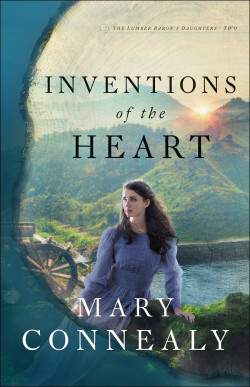 Inventions of the Heart by Mary Conneally -- Her heart seeks safety. But will trouble find her even here? After her sister's marriage, Michelle Stiles is left hiding at Two Harts Ranch with the handsome but stubborn Zane Hart. She's managed to stay one step ahead of her stepfather and his devious plans, but if he finds her, she will no longer be safe. Zane has problems of his own. Having discovered a gold mine on his property, he must figure out how to harvest it without kicking off a gold rush. Michelle, educated and trained to run her father's business, wants to manage all aspects of the mine, but Zane thinks for a person so smart she can have some misguided ideas. Running the mining operation will be a dangerous job, and he can't risk putting her in harm's way. But danger finds Michelle anyway when she's suddenly attacked. If they go to the sheriff, they'll reveal her location, but if they do nothing . . . their troubles have only just begun. (Historical Romance, from Bethany House)
Speculative/Science Fiction:
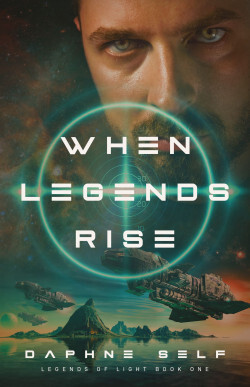 When Legends Rise by Daphne Self -- He is now one of them. Genetically altered... Designed to kill... Trained to eradicate...Until he became more. Juliet 7-A was the top elite assassin for the Global Federated Territories until an ambush deemed him unsalvageable. He was scheduled for decommission. His only recourse for survival is a new identity and his search for the one friend he had--a friend who deserted him. Those he once hunted will save him. Yet it comes with a price. A price that demands much of him. What happens when an assassin awakens? (Speculative Fiction from Ambassador International)
Thriller/Suspense/Romance:
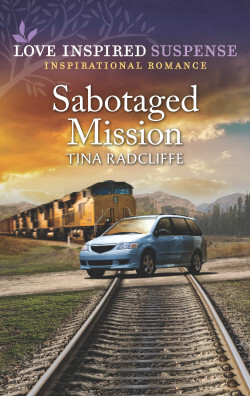 Sabotaged Mission by Tina Radcliffe -- When a failed mission leaves CIA operative MacKenzie “Mac” Sharp injured and her partner presumed dead, going off-grid is the only way to survive. But her old flame, CIA officer Gabe Denton, has tracked her down and led a well-connected enemy right to her door. Now with someone trying to frame and kill her, working with Gabe is the only way to clear her name…and stay alive. (Thriller/Suspense/Romance from Love Inspired/Harlequin)
Western:
[image error] The Sister’s Search by Susan Page Davis -- Molly Weaver and her widowed mother embark on an arduous journey at the end of the Civil War. They hope to join Molly’s brother Andrew on his ranch in Texas. When they arrive, Andrew is missing and squatters threaten the ranch. Can they trust Joe, the stranger who claims to be Andrew’s friend? Joe’s offer to help may be a godsend—or a snare. And who is the man claiming to be Molly’s father? If he’s telling the truth, Molly’s past is a sham, and she must learn where she really belongs. (Western from Scrivenings Press)
Plus check out these recent additions to Fiction Finder published within the past month:
Anchored at Mackinac by Carrie Fancett Pagels, Will hearts be broken when choices are made—or will all hoped-for wishes be fulfilled? (Historical Romance)
A Thousand Lies by Kathy Cassel, Will uncovering her true identity bring the closure and purpose Bailey seeks—or turn out to be the worst mistake of her life? (General Contemporary)
Ben in Trouble by Luana Ehrlich, Can Titus get them out of the mess they’re in, or will Ben salvage the operation and bring it to a successful conclusion? (Thriller/Suspense)
Close Encounters of the Mysterious Kind by Marissa Shrock, Bobbi Sue knows she can’t stay quiet, and the problem is, the person behind the murder is intent on her doing exactly that, no matter what it takes. (Mystery: Cozy)
Shadow of Honor by Ronnie Kendig, Faced with her true identity, Eija sees her purpose snap into focus, and she realizes the war Marco fears may be the very one he has been called to start.(Speculative Fiction)
Wages of Sin by Urcelia Teixeira, To find her future, she must embrace her past. (Thriller/Suspense)
Contemporary Romance:
Leaving the Past Behind by Sandra Ardoin -- The joy Danni Barnett found in her job as a travel writer and photographer faded around the same time her husband walked out on her. When her late sister-in-law’s will brings the couple together to care for her children, Danni must face her fear of motherhood or lose a second chance with Brooks. Brooks Barnett’s life has spun out of his control. A crumbled marriage. A career on hold. The loss of his sister. Brooks determines to keep Danni at arm’s length, but it’s a daunting task when his niece and nephew love her as much as he does. How will Brooks protect two grieving children from more loss when he can’t even protect his heart from Danni’s pull? (Contemporary Romance, Independently Published)
Muskota Blue by Carolyn Miller -- For Sarah Maguire, spending the summer at Lake Muskoka was supposed to be about finding the courage to put back the pieces of her shattered life—not falling in love with the charming yet unsophisticated hockey player from next door. Daniel Walton may have been praying for Miss Right to appear, but Sarah’s ice princess act just cries Miss Wrong. Dan’s summer plans hadn’t included befriending a redhead with a sassy tongue and cute accent, but as Muskoka works its magic he soon discovers that underneath the frost and prickles is the funny, feisty, loving woman he’s waited all his life to meet. As their friendship deepens, Sarah comes to appreciate Dan’s patience and kindness yet struggles to let go of the past and embrace the future, while Dan, only too conscious of the personal history he wants to forget, questions the wisdom of pursuing a girl whose heart may never be wholly his – who may soon return to live on the opposite side of the world. Will past regrets lead to further heartbreak? Or can Sarah and Dan learn to leave the past in the past and embrace God’s promises for the future? (Contemporary Romance, Independently Published)
Seaside Proposal by Narelle Atkins -- Billie Radcliffe has a secret. And she isn't sharing it with anyone, including Zach Montford. Even though she feels an instant connection with the good-looking banker and youth leader, she's wary of rejection. Besides she's only in the close-knit beach community until she meets the one man who can fill in the blanks about her history. Zach hopes his temporary stint with the church will help him decide whether to go into full-time ministry. Though his career plans are uncertain, he's sure about his growing feelings for Billie. When a shocking revelation throws everything into question, Zach and Billie have a chance to put the past to rest … and walk into the future together. (Contemporary Romance, Independently Published)
To Begin Again by Emily Conrad -- Michaela Vandehey’s reality show win transformed her from the girl whose own father ignored her into a pop singer loved by the masses. But fame has proven hard to keep. To bolster her floundering career, she heads to Wisconsin to snag a collaboration with the iconic rock band Awestruck. There, she meets bass guitarist Philip, a dad whose devotion challenges her skepticism about love and family. Whatever faith Philip Miller had died with his wife. Now, “Amazing Grace” is nothing but a lullaby to sing to his children in her memory. Thanks to Awestruck, he can provide privileged lives for his kids, but he has no intention of finding love again. If only he weren’t so drawn to Michaela. When he falls for her despite himself, Michaela learns the dark secret that threatens his family’s future. The grace they’ve heard so much about might grant them the fresh start they need, but to begin again, they’ll first have to sacrifice what they hold most dear. (Contemporary Romance, Independently Published)General Contemporary:
More Than Sparrows by Claire SpencerChristensen -- Kate is at a crossroads. A lapse in judgement has her clashing with management at Westbrook Community Justice Service, her offer to accommodate a client in her own home breaching department regulations. Not only does this infuriate her team leader, but it provides the clever, charismatic department psychologist, Dr Paul Leeuwin, yet another opportunity to heap scorn on her world view and rubbish her belief in God. The pressure increases when she dares to question a church leadership decision to fund an extension, seemingly ignoring needy families in the surrounding suburbs. Her concerns dismissed, she falls out with friends when she suggests the community could be better served if the money was spent on a parachurch organisation. In conflict at work and at odds with fellow believers, what is God trying to tell her? (General Contemporary, Independently Published)
Perfectly Placed by Liana George -- Six weeks after leaving China, Nicki Mayfield returns to complete two critical tasks: restore order at New Hope Orphanage and re-connect with the little girl who stole her heart. However, between a stubbornly stone walling supervisor, missing documents, and personal tragedy, Nicki faces challenges at every turn. Is she the best person to bring order – and longevity – to the place these children call home? Then, with the help of an unexpected ally, Nicki makes a life-altering decision that upends her well-planned life and the lives of those around her. Will she lose it all, or has she found the way to save what matters most? (General Contemporary, from Scrivenings Press)Historical Romance:
Byway to Danger by Sandra Merville Hart -- Everyone in Richmond has secrets. Especially the spies. Meg Brooks, widow, didn't stop spying for the Union when her job at the Pinkerton National Detective Agency ended, especially now that she lives in the Confederate capital. Her job at the Yancey bakery provides many opportunities to discover vital information about the Confederacy to pass on to her Union contact. She prefers to work alone, yet the strong, silent baker earns her respect and tugs at her heart. Cade Yancey knows the beautiful widow is a spy when he hires her only because his fellow Unionist spies know of her activities. Meg sure didn't tell him. He's glad she knows how to keep her mouth shut, for he has hidden his dangerous activities from even his closest friends. The more his feelings for the courageous woman grow, the greater his determination to protect her by guarding his secrets. Her own investigations place her in enough peril. As danger escalates, Meg realizes her choice to work alone isn't a wise one. Can she trust Cade with details from her past not even her family knows? (Historical Romance from Wild Heart Books)
Inventions of the Heart by Mary Conneally -- Her heart seeks safety. But will trouble find her even here? After her sister's marriage, Michelle Stiles is left hiding at Two Harts Ranch with the handsome but stubborn Zane Hart. She's managed to stay one step ahead of her stepfather and his devious plans, but if he finds her, she will no longer be safe. Zane has problems of his own. Having discovered a gold mine on his property, he must figure out how to harvest it without kicking off a gold rush. Michelle, educated and trained to run her father's business, wants to manage all aspects of the mine, but Zane thinks for a person so smart she can have some misguided ideas. Running the mining operation will be a dangerous job, and he can't risk putting her in harm's way. But danger finds Michelle anyway when she's suddenly attacked. If they go to the sheriff, they'll reveal her location, but if they do nothing . . . their troubles have only just begun. (Historical Romance, from Bethany House)Speculative/Science Fiction:
When Legends Rise by Daphne Self -- He is now one of them. Genetically altered... Designed to kill... Trained to eradicate...Until he became more. Juliet 7-A was the top elite assassin for the Global Federated Territories until an ambush deemed him unsalvageable. He was scheduled for decommission. His only recourse for survival is a new identity and his search for the one friend he had--a friend who deserted him. Those he once hunted will save him. Yet it comes with a price. A price that demands much of him. What happens when an assassin awakens? (Speculative Fiction from Ambassador International)Thriller/Suspense/Romance:
Sabotaged Mission by Tina Radcliffe -- When a failed mission leaves CIA operative MacKenzie “Mac” Sharp injured and her partner presumed dead, going off-grid is the only way to survive. But her old flame, CIA officer Gabe Denton, has tracked her down and led a well-connected enemy right to her door. Now with someone trying to frame and kill her, working with Gabe is the only way to clear her name…and stay alive. (Thriller/Suspense/Romance from Love Inspired/Harlequin)Western:
[image error] The Sister’s Search by Susan Page Davis -- Molly Weaver and her widowed mother embark on an arduous journey at the end of the Civil War. They hope to join Molly’s brother Andrew on his ranch in Texas. When they arrive, Andrew is missing and squatters threaten the ranch. Can they trust Joe, the stranger who claims to be Andrew’s friend? Joe’s offer to help may be a godsend—or a snare. And who is the man claiming to be Molly’s father? If he’s telling the truth, Molly’s past is a sham, and she must learn where she really belongs. (Western from Scrivenings Press)
Plus check out these recent additions to Fiction Finder published within the past month:
Anchored at Mackinac by Carrie Fancett Pagels, Will hearts be broken when choices are made—or will all hoped-for wishes be fulfilled? (Historical Romance)
A Thousand Lies by Kathy Cassel, Will uncovering her true identity bring the closure and purpose Bailey seeks—or turn out to be the worst mistake of her life? (General Contemporary)
Ben in Trouble by Luana Ehrlich, Can Titus get them out of the mess they’re in, or will Ben salvage the operation and bring it to a successful conclusion? (Thriller/Suspense)
Close Encounters of the Mysterious Kind by Marissa Shrock, Bobbi Sue knows she can’t stay quiet, and the problem is, the person behind the murder is intent on her doing exactly that, no matter what it takes. (Mystery: Cozy)
Shadow of Honor by Ronnie Kendig, Faced with her true identity, Eija sees her purpose snap into focus, and she realizes the war Marco fears may be the very one he has been called to start.(Speculative Fiction)
Wages of Sin by Urcelia Teixeira, To find her future, she must embrace her past. (Thriller/Suspense)
June 27, 2022
Traveling Tuesday: London’s Broadcasting House and WWII
Traveling Tuesday: London’s Broadcasting House and WWII
 Ruth Brown, the protagonist in my Ruth Brown Mystery series, is a war correspondent during World War II. After arriving in London, she joins the hundreds of journalists from around the world in using the facilities at BBC’s Broadcasting House to write up and transmit her articles. The Art Deco structure, constructed between 1928-1932, is the organization’s first purpose-built home for radio broadcasting.
Art Deco is defined as combining “modern styles with fine craftsmanship and rich materials. Featuring rare and expensive materials such as ebony and ivory, the style was influenced by the bold geometric forms of Cubism, the bright colors of Fauvism, the updated craftsmanship of the furniture from the eras of Louis Philip I and Louis XVI, and the exotic styles of China, Japan, India, Egypt, and Maya.
 Described by many as appearing like a ship because of the accentuated front section bearing a clock tower and aerial mast, the building is located in Portland Place and Langham Place. Nine floors tower above the street, and three floors are underground. Architect George Val Myer in collaborated with civil engineer M.T. Tudsbery to design the structure that is asymmetrical because of complaints from residents on Langham Street that the building would cast shadows on their homes cutting off natural light. The front of the structure features statues of Prospero and Ariel from Shakespeare’s The Tempest with several others of Ariel around the sides. In the foyer, a statue of “The Sower” greets staff and guests.
When built, Broadcasting House contained twenty-two radio stations, but during WWII opened its door to British and foreign war correspondents. Unfortunately, for journalists stationed there, the building was bombed twice during the Blitz, experiencing heavy damage, several deaths, and many injuries.
 Photo: Courtesy of BBCThe first bombing occurred on October 15, 1940 and was heard live on air by listeners who had tuned in for the nine o’clock news, that night read by broadcaster Bruce Belfrage. The 225 kg (496 pounds) bomb exploded at exactly one minute and fifty seconds past the hour, but it had actually landed earlier that same evening. The level of noise and other explosions prevented anyone from realizing the device hadn’t detonated. After it was found by the defense staff, they began to evacuate the building.
 Photo: Pixabay/
Jorge GuillenFollowing the incident, nearby residents made a formal complaint to the BBC that the structure was easy to sight from the sky and was being targeted by the Germans. Executive staff decided to “tone down” the building with camouflage paint, and within a month the job was complete. However, it seemed to have little effect. Just after ten o’clock in the evening on Sunday, December 8, 1940, a landmine floated down outside the entrance and exploded. There were fewer casualties but the damage was more severe than the first bombing. Afterward, the area was reinforced with a pillbox and concrete apron. During this time, a secret bomb-proof bunker was created, allowing the studios to stay on air even in the most devastating attack.
Despite bombs falling nearby on two other occasions, Broadcasting House suffered no more damage, however, Overseas Services division and some of the domestic staff moved to temporary studios on Oxford Street. BBC Radio continued to broadcast from the roof, even during air raids.
__________________
Under Fire
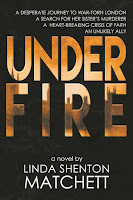
Set in April 1942, Under Fire, the first book in the Ruth Brown Mystery Series, tells the story of Ruth Brown whose missing sister jane is declared dead. Convinced her sister is still alive, Ruth follows clues from her small New Hampshire town to war-torn London trying to find her. Discovering that Jane has been murdered results in a faith crisis for Ruth, and she decides she must find Jane’s killer. During her search for the culprit, she runs into smugglers, resistance fighters, and the IRA, all of whom want her dead for what she knows.
Purchase Link: http://www.amazon.com/dp/B0743MS95H
 Ruth Brown, the protagonist in my Ruth Brown Mystery series, is a war correspondent during World War II. After arriving in London, she joins the hundreds of journalists from around the world in using the facilities at BBC’s Broadcasting House to write up and transmit her articles. The Art Deco structure, constructed between 1928-1932, is the organization’s first purpose-built home for radio broadcasting.
 Art Deco is defined as combining “modern styles with fine craftsmanship and rich materials. Featuring rare and expensive materials such as ebony and ivory, the style was influenced by the bold geometric forms of Cubism, the bright colors of Fauvism, the updated craftsmanship of the furniture from the eras of Louis Philip I and Louis XVI, and the exotic styles of China, Japan, India, Egypt, and Maya.
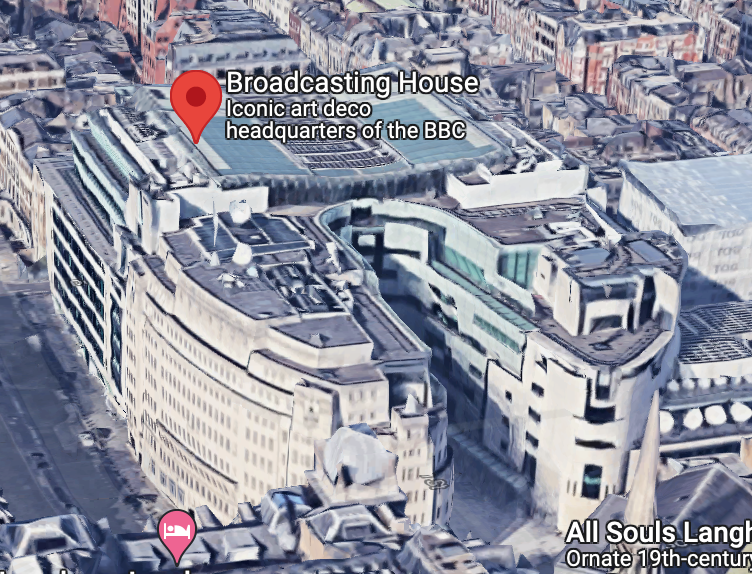 Described by many as appearing like a ship because of the accentuated front section bearing a clock tower and aerial mast, the building is located in Portland Place and Langham Place. Nine floors tower above the street, and three floors are underground. Architect George Val Myer in collaborated with civil engineer M.T. Tudsbery to design the structure that is asymmetrical because of complaints from residents on Langham Street that the building would cast shadows on their homes cutting off natural light. The front of the structure features statues of Prospero and Ariel from Shakespeare’s The Tempest with several others of Ariel around the sides. In the foyer, a statue of “The Sower” greets staff and guests.
 When built, Broadcasting House contained twenty-two radio stations, but during WWII opened its door to British and foreign war correspondents. Unfortunately, for journalists stationed there, the building was bombed twice during the Blitz, experiencing heavy damage, several deaths, and many injuries.
 Photo: Courtesy of BBCThe first bombing occurred on October 15, 1940 and was heard live on air by listeners who had tuned in for the nine o’clock news, that night read by broadcaster Bruce Belfrage. The 225 kg (496 pounds) bomb exploded at exactly one minute and fifty seconds past the hour, but it had actually landed earlier that same evening. The level of noise and other explosions prevented anyone from realizing the device hadn’t detonated. After it was found by the defense staff, they began to evacuate the building.
  Photo: Pixabay/
Jorge GuillenFollowing the incident, nearby residents made a formal complaint to the BBC that the structure was easy to sight from the sky and was being targeted by the Germans. Executive staff decided to “tone down” the building with camouflage paint, and within a month the job was complete. However, it seemed to have little effect. Just after ten o’clock in the evening on Sunday, December 8, 1940, a landmine floated down outside the entrance and exploded. There were fewer casualties but the damage was more severe than the first bombing. Afterward, the area was reinforced with a pillbox and concrete apron. During this time, a secret bomb-proof bunker was created, allowing the studios to stay on air even in the most devastating attack.
Despite bombs falling nearby on two other occasions, Broadcasting House suffered no more damage, however, Overseas Services division and some of the domestic staff moved to temporary studios on Oxford Street. BBC Radio continued to broadcast from the roof, even during air raids.
__________________
Under Fire

Set in April 1942, Under Fire, the first book in the Ruth Brown Mystery Series, tells the story of Ruth Brown whose missing sister jane is declared dead. Convinced her sister is still alive, Ruth follows clues from her small New Hampshire town to war-torn London trying to find her. Discovering that Jane has been murdered results in a faith crisis for Ruth, and she decides she must find Jane’s killer. During her search for the culprit, she runs into smugglers, resistance fighters, and the IRA, all of whom want her dead for what she knows.
Purchase Link: http://www.amazon.com/dp/B0743MS95H
June 22, 2022
Talkshow Thursday: On Tour with Jenny Knipfer
Talkshow Thursday: On Tour with Jenny Knipfer!

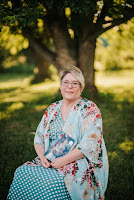 Jenny Knipfer's most recent release, Violet's Vow, released on May 6, 2022. Book 2 in the Botanical Seasons series, the story features flower shop owner Violet Brooks. Read on for an excerpt from Chapter One of this delightful new novel:
May 1891
Fluffing out the head of the peach-colored carnation in her hand, envy built in Violet for the simplicity of the clove-scented flower. But although the fragrance held sweetness, carnations were said to have sprung up from Mary’s tears along the path Jesus trod as He carried His cross. And thus, it was a divine flower, birthed in passion. Though far removed from what the Lord suffered, Violet knew a bit about spent passion and wondered if her hopes and dreams would end up buried with Roger. She brought the ruffled carnation petals to her nose, closing her eyes and breathing deeply. The spicy scent reminded her of the aftershave he had worn.
Dear Rodger—her best friend, confidant, and husband. She conjured his rugged yet handsome face in her mind: wide-set, brown eyes, a heavy brow, and deep lines around his mouth, from too many days in the sun. How she missed him still. Though his passing had been over a year ago, in some ways, it seemed like yesterday. They had been such good companions, interested in the same things, but Violet hadn’t really considered them to be a love match. Theirs had been more a union of like minds, and oddly enough, their relationship had satisfied them both.
The bell tinkled on the shop door, and Violet stood to attention, rolling her eyes open to see who had entered her domain—Fragrant Sentiments. She and Roger had worked so hard to establish the flower shop, providing most of the cut flowers from their three greenhouses and multiple gardens. It had been full-time work just growing the flowers, let alone selling them, until they had hired Webster, a young man unafraid of hard work and eager to learn more about gardening. The three of them had made a happy team. However, they were three no longer, and the workload, at times, overwhelmed her. Whether she could keep the business afloat without Roger remained to be seen.
Violet keenly missed Roger’s presence in the shop. Oddly enough for a man, he’d had an eye for design and arrangements of a grander scale, while it was the everyday bouquets that spoke to Violet. Her heart lay in the little treasures to brighten the home. She held to the philosophy that flowers should be an everyday part of a household, as much as tea or coffee were. Her Aunt Dahlia had often said that flowers were the morning drink of the soul, and Violet agreed.
Violet positioned the carnation next to some lilacs in a white, porcelain urn which held a half-arranged bouquet of flowers, destined for the funeral of a young woman. Finally focusing on her clientele, Violet’s gaze brushed over the tailored cut of the man’s light gray suit and the fine, couture lines of the light blue, silk dress the young woman wore. A loose pompadour style encapsulated her dark hair, and her dark brown eyes glistened like dewy centers of a rudbeckia.
The woman smiled, easy and sincere, showing straight teeth. “A good morning to you, ma’am. My, it smells so lovely in here.” She turned her head left and right, taking in the shop displays and buckets of flowers.
Violet offered a slight curve of her lips in return. “Thank you.”
A tinge of envy nudged at Violet. She had lost that sense of identifying an overpowering, welcoming fragrance upon entering the flower shop some time ago, and she missed it. Her nose had gotten used to so many flowers in one space.
The young woman loosened the blue, velvet pouch dangling from her wrist and pulled out a calling card. “I’m Miss Holly Moore, and this is my uncle, Mr. Devon Moore.” She flipped her wrist in the man’s direction. He smiled, sincere as well but with a hint of something else altogether. Sadness perhaps. Upon that intuition, Violet instinctively glimpsed his spirit as a purple hyacinth, holding regret and sorrow. She had a way about her, for matching flowers to people.
Inclining his head ever so slightly, he said, “Ma’am,” in an airy but not unmasculine voice.
Reaching out to take the card, Violet said, “Why, good day. I’m Mrs. Violet Brooks. How may I be of service to you?”
About Violet's Vow:
 A springtime novella about a secret love and a passionate vow.
In the late 1890s, intuitive flower shop owner Violet Brooks opens up her heart and business to the Moore family but yet has vowed to get justice for her deceased husband, Roger, whom she believed had died as a result of bucking the Moore lumber company.
Handsome lumber baron, Devon Moore, frequents Violet's shop with his niece, Holly, who is preparing for her upcoming wedding. Running the shop herself after her husband's death a year prior exhausts Violet, so she hires Holly, surprising herself by hoping to have more chances for her path to cross with Devon's.
In the meantime, a secret admirer leaves Violet messages in the language of flowers. Her heart blossoms to the sentiments within. She's torn between her growing attraction for Devon and her admirer, or are they one and the same?
Journalist Frankie Dermot, an old classmate and flame of Violet's, comes back to tow. Violet enlists his help in her search for the truth about Roger's death. But when they uncover who's responsible for her husband's passing, Violet is shocked.
Will Violet shut herself off from newfound love, or will she allow her past vow to her deceased husband to dictate her future and keep her from the man who wins her heart?
Purchase Link: http://www.amazon.com/dp/B09V38Z3C6
NEXT BLOG STOP (June 24): https://kristinahallauthor.wordpress.com/blog/

 Jenny Knipfer's most recent release, Violet's Vow, released on May 6, 2022. Book 2 in the Botanical Seasons series, the story features flower shop owner Violet Brooks. Read on for an excerpt from Chapter One of this delightful new novel:
May 1891
Fluffing out the head of the peach-colored carnation in her hand, envy built in Violet for the simplicity of the clove-scented flower. But although the fragrance held sweetness, carnations were said to have sprung up from Mary’s tears along the path Jesus trod as He carried His cross. And thus, it was a divine flower, birthed in passion. Though far removed from what the Lord suffered, Violet knew a bit about spent passion and wondered if her hopes and dreams would end up buried with Roger. She brought the ruffled carnation petals to her nose, closing her eyes and breathing deeply. The spicy scent reminded her of the aftershave he had worn.
Dear Rodger—her best friend, confidant, and husband. She conjured his rugged yet handsome face in her mind: wide-set, brown eyes, a heavy brow, and deep lines around his mouth, from too many days in the sun. How she missed him still. Though his passing had been over a year ago, in some ways, it seemed like yesterday. They had been such good companions, interested in the same things, but Violet hadn’t really considered them to be a love match. Theirs had been more a union of like minds, and oddly enough, their relationship had satisfied them both.
The bell tinkled on the shop door, and Violet stood to attention, rolling her eyes open to see who had entered her domain—Fragrant Sentiments. She and Roger had worked so hard to establish the flower shop, providing most of the cut flowers from their three greenhouses and multiple gardens. It had been full-time work just growing the flowers, let alone selling them, until they had hired Webster, a young man unafraid of hard work and eager to learn more about gardening. The three of them had made a happy team. However, they were three no longer, and the workload, at times, overwhelmed her. Whether she could keep the business afloat without Roger remained to be seen.
Violet keenly missed Roger’s presence in the shop. Oddly enough for a man, he’d had an eye for design and arrangements of a grander scale, while it was the everyday bouquets that spoke to Violet. Her heart lay in the little treasures to brighten the home. She held to the philosophy that flowers should be an everyday part of a household, as much as tea or coffee were. Her Aunt Dahlia had often said that flowers were the morning drink of the soul, and Violet agreed.
Violet positioned the carnation next to some lilacs in a white, porcelain urn which held a half-arranged bouquet of flowers, destined for the funeral of a young woman. Finally focusing on her clientele, Violet’s gaze brushed over the tailored cut of the man’s light gray suit and the fine, couture lines of the light blue, silk dress the young woman wore. A loose pompadour style encapsulated her dark hair, and her dark brown eyes glistened like dewy centers of a rudbeckia.
The woman smiled, easy and sincere, showing straight teeth. “A good morning to you, ma’am. My, it smells so lovely in here.” She turned her head left and right, taking in the shop displays and buckets of flowers.
Violet offered a slight curve of her lips in return. “Thank you.”
A tinge of envy nudged at Violet. She had lost that sense of identifying an overpowering, welcoming fragrance upon entering the flower shop some time ago, and she missed it. Her nose had gotten used to so many flowers in one space.
The young woman loosened the blue, velvet pouch dangling from her wrist and pulled out a calling card. “I’m Miss Holly Moore, and this is my uncle, Mr. Devon Moore.” She flipped her wrist in the man’s direction. He smiled, sincere as well but with a hint of something else altogether. Sadness perhaps. Upon that intuition, Violet instinctively glimpsed his spirit as a purple hyacinth, holding regret and sorrow. She had a way about her, for matching flowers to people.
Inclining his head ever so slightly, he said, “Ma’am,” in an airy but not unmasculine voice.
Reaching out to take the card, Violet said, “Why, good day. I’m Mrs. Violet Brooks. How may I be of service to you?”
About Violet's Vow:
 A springtime novella about a secret love and a passionate vow.
In the late 1890s, intuitive flower shop owner Violet Brooks opens up her heart and business to the Moore family but yet has vowed to get justice for her deceased husband, Roger, whom she believed had died as a result of bucking the Moore lumber company.
Handsome lumber baron, Devon Moore, frequents Violet's shop with his niece, Holly, who is preparing for her upcoming wedding. Running the shop herself after her husband's death a year prior exhausts Violet, so she hires Holly, surprising herself by hoping to have more chances for her path to cross with Devon's.
In the meantime, a secret admirer leaves Violet messages in the language of flowers. Her heart blossoms to the sentiments within. She's torn between her growing attraction for Devon and her admirer, or are they one and the same?
Journalist Frankie Dermot, an old classmate and flame of Violet's, comes back to tow. Violet enlists his help in her search for the truth about Roger's death. But when they uncover who's responsible for her husband's passing, Violet is shocked.
Will Violet shut herself off from newfound love, or will she allow her past vow to her deceased husband to dictate her future and keep her from the man who wins her heart?
Purchase Link: http://www.amazon.com/dp/B09V38Z3C6
NEXT BLOG STOP (June 24): https://kristinahallauthor.wordpress.com/blog/
June 21, 2022
Wartime Wednesday: Those Who have Gone Before
Wartime Wednesday: Those Who Have Gone Before
 As men headed overseas or moved into the defense jobs during WWII, a void was created in every industry from agriculture to manufacturing. Initially, employers were reluctant to hire women, instead using prisoners of war, interned Japanese-Americans, and males too old or too young to go into the armed forces. Eventually, companies realized that without using women, production goals would never be met.
However, there was one industry that seemed to have no shortage of men: journalism. Nearly every newspaper and magazine in the U.S. from tiny weekly periodicals to national publications employed a man who covered the conflict on location. In order to be allowed in a war zone, a reporter had to be accredited. Accreditation was a long, tedious process, but by the end of the war over 1,473 men and 127 women had achieved that coveted status.
 Photo: WikiImagesDespite their approval, many female correspondents faced scorn, derision, and opposition in the form of refusal to transport them to the front, as was part of the “deal” of being accredited. Instead, they had to coerce, bribe, or charm their way onto jeeps, trucks, or ships. Collier’s journalist Martha Gellhorn wrote in a letter to military authorities, “I have too frequently received the impression that women war correspondents were an irritating nuisance. I wish to point out that none of us would have our jobs unless we knew how to do them, and this curious condescending treatment is as ridiculous as it is undignified.”
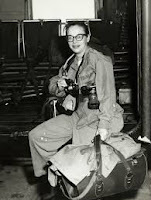 Photo: WikiImagesUnable to get to Normandy on D-Day any other way, Gellhorn stowed away on a hospital ship. When told by one hard-nosed general that he didn’t want his Marines to have to pull up their pants because she was around Dickey Chappelle responded, “That won’t bother me one bit. My object is to cover the war.” And ex-fashion photographer Lee Miller managed to make her way to Dachau where she captured pictures of the camp’s liberation. These women the other 124 correspondents exhibited grit and grace to get the job done.
My WWII mystery, Under Fire, features War Correspondent/Amateur Sleuth Ruth Brown. It is my hope that her story will honor those correspondents who forged the trail for future generations of women who can now choose to do or be anything they want.
_________________
Under Fire
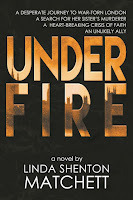
Set in April 1942, Under Fire tells the story of Ruth Brown whose missing sister jane is declared dead. Convinced her sister is still alive, Ruth follows clues from her small New Hampshire town to war-torn London trying to find her. Discovering that Jane has been murdered results in a faith crisis for Ruth, and she decides she must find Jane’s killer. During her search for the culprit, she runs into smugglers, resistance fighters, and the IRA, all of whom want her dead for what she knows.
Purchase Link: http://www.amazon.com/dp/B0743MS95H
 As men headed overseas or moved into the defense jobs during WWII, a void was created in every industry from agriculture to manufacturing. Initially, employers were reluctant to hire women, instead using prisoners of war, interned Japanese-Americans, and males too old or too young to go into the armed forces. Eventually, companies realized that without using women, production goals would never be met.
 However, there was one industry that seemed to have no shortage of men: journalism. Nearly every newspaper and magazine in the U.S. from tiny weekly periodicals to national publications employed a man who covered the conflict on location. In order to be allowed in a war zone, a reporter had to be accredited. Accreditation was a long, tedious process, but by the end of the war over 1,473 men and 127 women had achieved that coveted status.
 Photo: WikiImagesDespite their approval, many female correspondents faced scorn, derision, and opposition in the form of refusal to transport them to the front, as was part of the “deal” of being accredited. Instead, they had to coerce, bribe, or charm their way onto jeeps, trucks, or ships. Collier’s journalist Martha Gellhorn wrote in a letter to military authorities, “I have too frequently received the impression that women war correspondents were an irritating nuisance. I wish to point out that none of us would have our jobs unless we knew how to do them, and this curious condescending treatment is as ridiculous as it is undignified.”
 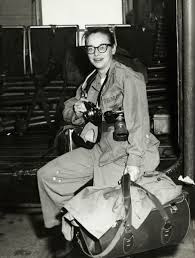 Photo: WikiImagesUnable to get to Normandy on D-Day any other way, Gellhorn stowed away on a hospital ship. When told by one hard-nosed general that he didn’t want his Marines to have to pull up their pants because she was around Dickey Chappelle responded, “That won’t bother me one bit. My object is to cover the war.” And ex-fashion photographer Lee Miller managed to make her way to Dachau where she captured pictures of the camp’s liberation. These women the other 124 correspondents exhibited grit and grace to get the job done.
 My WWII mystery, Under Fire, features War Correspondent/Amateur Sleuth Ruth Brown. It is my hope that her story will honor those correspondents who forged the trail for future generations of women who can now choose to do or be anything they want.
_________________
Under Fire

Set in April 1942, Under Fire tells the story of Ruth Brown whose missing sister jane is declared dead. Convinced her sister is still alive, Ruth follows clues from her small New Hampshire town to war-torn London trying to find her. Discovering that Jane has been murdered results in a faith crisis for Ruth, and she decides she must find Jane’s killer. During her search for the culprit, she runs into smugglers, resistance fighters, and the IRA, all of whom want her dead for what she knows.
Purchase Link: http://www.amazon.com/dp/B0743MS95H
June 12, 2022
Mystery Monday: 1800s Mysteries
Mystery Monday: 1800s Mysteries
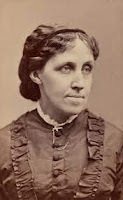 Photo: WikiImagesThink Louisa May Alcott, and her book Little Women springs to mind. But you’ll probably be surprised to discover that long before she wrote the young adult classic, she made her living writing gothic and mystery stories.
Born in 1832, she was raised in New England (primarily Massachusetts) by transcendentalist parents, her upbringing didn’t include a lot of formal education. Primarily homeschooled, Louisa had to go to work in her teens because of her family’s financial straits. However, her parents’ friends included such literary greats as Ralph Waldo Emerson, Nathaniel Hawthorne, Henry David Thoreau, and Henry Wadsworth Longfellow, so she was able to learn from the masters.
Not unusual for the time, she published under the pen name A.M. Barnard. Her stories have been described as “lurid” and “sensational.” Her novels focused on passion and revenge. Hard to believe after reading Little Men and Jo’s Boys. However, these books were highly popular and she received critical success during the 1860s.
She signed up for a three-month period to serve as a nurse at the Union Hospital in Georgetown, Washington, DC during the Civil War, but had to quit after six weeks because of contracting typhoid. In 1863, she published Hospital Sketches based on letters she sent home during her time as a nurse.
 That same year she won the $100 prize from Frank Leslie’s Illustrated Weekly (a periodical purported to be similar to the National Inquirer “minus the TV and movie celebrities,” for the short story Pauline’s Passion and Punishment. Described by one commentator as “mild stuff if read from the perspective of a 21st-century reader,” the story is one of love, anger, and betrayal. Goodreads states, “The beautiful Pauline has been wronged and sets about getting a little of her own back. Collateral damage ensues in this tale of revenge and its consequences.” Despite the themes, the author managed to keep offensive material out of the story.
 The plot is simple: Pauline is jilted by her beloved Gilbert who leaves her for a wealthy heiress. As a result, Pauline plans revenge by marrying a nice young man named Manuel. As Manuel is in love with her, he agrees to the marriage even after she informs him of her motive to make Gilbert jealous and remorseful. Her plan works, and her former beau is desperate to win her back even though he is married. In a bit of irony, Manuel meets and grows close to Gilbert’s wife. Pauline manipulates those around her to carry out her wishes, creating chaos and tragedy. The consequences are severe, but she’ll stop at nothing until Gilbert has felt the same pain she did. I
In many ways, the ending is a surprise, but in others typical of Alcott’s writings. It is available for free in many places including the Gutenberg project, so you can read it for yourself.
___________________
Ellie's Escape
 She’s running for her life. He needs a trophy wife. They didn’t count on falling in love.
Ellie Wagner is fine being a spinster school teacher. Then she witnesses a bank hold up and can identify the bandits. Fellow robbery victim Milly Crenshaw happens to run the Westward Home & Hearts Matrimonial Agency so she arranges for Ellie to head West as a mail-order bride. But her groom only wants a business arrangement. Can she survive a loveless marriage?
Banker Julian Sheffield is more comfortable with numbers than with people, but he’s done well for himself. Then the bank president tells him that in order to advance further he must marry in six weeks’ time. The candid, unsophisticated woman sent by the agency is nothing like he expected, but time is running out. When her past comes calling, does he have what it takes to ensure their future?
Purchase Link: http://www.amazon.com/dp/B09QZ14KKZ
 Photo: WikiImagesThink Louisa May Alcott, and her book Little Women springs to mind. But you’ll probably be surprised to discover that long before she wrote the young adult classic, she made her living writing gothic and mystery stories.
 Born in 1832, she was raised in New England (primarily Massachusetts) by transcendentalist parents, her upbringing didn’t include a lot of formal education. Primarily homeschooled, Louisa had to go to work in her teens because of her family’s financial straits. However, her parents’ friends included such literary greats as Ralph Waldo Emerson, Nathaniel Hawthorne, Henry David Thoreau, and Henry Wadsworth Longfellow, so she was able to learn from the masters.
Not unusual for the time, she published under the pen name A.M. Barnard. Her stories have been described as “lurid” and “sensational.” Her novels focused on passion and revenge. Hard to believe after reading Little Men and Jo’s Boys. However, these books were highly popular and she received critical success during the 1860s.
She signed up for a three-month period to serve as a nurse at the Union Hospital in Georgetown, Washington, DC during the Civil War, but had to quit after six weeks because of contracting typhoid. In 1863, she published Hospital Sketches based on letters she sent home during her time as a nurse.
 That same year she won the $100 prize from Frank Leslie’s Illustrated Weekly (a periodical purported to be similar to the National Inquirer “minus the TV and movie celebrities,” for the short story Pauline’s Passion and Punishment. Described by one commentator as “mild stuff if read from the perspective of a 21st-century reader,” the story is one of love, anger, and betrayal. Goodreads states, “The beautiful Pauline has been wronged and sets about getting a little of her own back. Collateral damage ensues in this tale of revenge and its consequences.” Despite the themes, the author managed to keep offensive material out of the story.
  The plot is simple: Pauline is jilted by her beloved Gilbert who leaves her for a wealthy heiress. As a result, Pauline plans revenge by marrying a nice young man named Manuel. As Manuel is in love with her, he agrees to the marriage even after she informs him of her motive to make Gilbert jealous and remorseful. Her plan works, and her former beau is desperate to win her back even though he is married. In a bit of irony, Manuel meets and grows close to Gilbert’s wife. Pauline manipulates those around her to carry out her wishes, creating chaos and tragedy. The consequences are severe, but she’ll stop at nothing until Gilbert has felt the same pain she did. I
In many ways, the ending is a surprise, but in others typical of Alcott’s writings. It is available for free in many places including the Gutenberg project, so you can read it for yourself.
___________________
Ellie's Escape
 She’s running for her life. He needs a trophy wife. They didn’t count on falling in love.
 Ellie Wagner is fine being a spinster school teacher. Then she witnesses a bank hold up and can identify the bandits. Fellow robbery victim Milly Crenshaw happens to run the Westward Home & Hearts Matrimonial Agency so she arranges for Ellie to head West as a mail-order bride. But her groom only wants a business arrangement. Can she survive a loveless marriage?
Banker Julian Sheffield is more comfortable with numbers than with people, but he’s done well for himself. Then the bank president tells him that in order to advance further he must marry in six weeks’ time. The candid, unsophisticated woman sent by the agency is nothing like he expected, but time is running out. When her past comes calling, does he have what it takes to ensure their future?
Purchase Link: http://www.amazon.com/dp/B09QZ14KKZ
June 9, 2022
Forensic Friday: Crime-solving in the Old West
Crime Solving in the Old West
 Photo: Pixabay/Master TuxIntriguingly, ballistics science has been around since the 1500s. How was this possible? Very easily, as it turns out. Before guns were mass-produced, each weapon was handmade, allow the bullet fired to be identified because of “rifling” on the bullet – the lines and scratches made by the barrel. The first documented case occurred in 1835 in London. Police were able to get a conviction when they matched the bullet found at the murder scene to the suspect’s gun.
Unfortunately, when manufacturing replaced hand tools, this comparison was no longer possible. However, an earlier case was the conviction of John Tom in 1784 because the paper wadding removed from the victim’s wound matched paper found in the suspect’s pocket.
What about fingerprints?
 Photo: Pixabay/
Emilion Robert VicolIt turns that Italian scientist Marcello Malpighi recognized fingerprint patterns way back in 1685, coining the terms loops and whorls that are still used today. It wouldn’t be until 1823 that Johannes Purkinje, a Czech physiologist, would develop a rudimentary fingerprint classification system. Nearly sixty years later, Scotch doctor, scientist (and missionary!) Henry Faulds showed that dusting with powder would expose latent fingerprints.
Three years later in 1883, author Mark Twain used fingerprint identification in his books Life on the Mississippi and The Tragedy of Pudd’nhead Wilson. Scotland Yard wouldn’t replace anthropometry with a fingerprint identification system for another eighteen years in 1901. Two years would pass until the US would implement the first systematic use of fingerprints for criminal identification in the New York State prison system.
 Photo: Pixabay/succo
Forensics inched forward during the 1800s as methods were devised to detect poisons, but two important discoveries rocked the scientific world when Karl Landsteiner designated the ABO blood typing system and Paul Uhlenhuth created a method to distinguish between human and animal blood. But perhaps the biggest progression was the 1923 case Frye v. United States that set standards for admission of scientific evidence in US courtrooms, a common occurrence now, but unusual at the time.
Without the ability to use science in the Old West, lawmen and attorney were “stuck” using other means to prove their cases.
____________________
 She’s running for her life. He needs a trophy wife. They didn’t count on falling in love.
Ellie Wagner is fine being a spinster school teacher. Then she witnesses a bank hold up and can identify the bandits. Fellow robbery victim Milly Crenshaw happens to run the Westward Home & Hearts Matrimonial Agency so she arranges for Ellie to head West as a mail-order bride. But her groom only wants a business arrangement. Can she survive a loveless marriage?
Banker Julian Sheffield is more comfortable with numbers than with people, but he’s done well for himself. Then the bank president tells him that in order to advance further he must marry in six weeks’ time. The candid, unsophisticated woman sent by the agency is nothing like he expected, but time is running out. When her past comes calling, does he have what it takes to ensure their future?
Purchase Link: http://www.amazon.com/dp/B09QZ14KKZ
 Photo: Pixabay/Master TuxIntriguingly, ballistics science has been around since the 1500s. How was this possible? Very easily, as it turns out. Before guns were mass-produced, each weapon was handmade, allow the bullet fired to be identified because of “rifling” on the bullet – the lines and scratches made by the barrel. The first documented case occurred in 1835 in London. Police were able to get a conviction when they matched the bullet found at the murder scene to the suspect’s gun.
 Unfortunately, when manufacturing replaced hand tools, this comparison was no longer possible. However, an earlier case was the conviction of John Tom in 1784 because the paper wadding removed from the victim’s wound matched paper found in the suspect’s pocket.
What about fingerprints?
 Photo: Pixabay/
Emilion Robert VicolIt turns that Italian scientist Marcello Malpighi recognized fingerprint patterns way back in 1685, coining the terms loops and whorls that are still used today. It wouldn’t be until 1823 that Johannes Purkinje, a Czech physiologist, would develop a rudimentary fingerprint classification system. Nearly sixty years later, Scotch doctor, scientist (and missionary!) Henry Faulds showed that dusting with powder would expose latent fingerprints.
Three years later in 1883, author Mark Twain used fingerprint identification in his books Life on the Mississippi and The Tragedy of Pudd’nhead Wilson. Scotland Yard wouldn’t replace anthropometry with a fingerprint identification system for another eighteen years in 1901. Two years would pass until the US would implement the first systematic use of fingerprints for criminal identification in the New York State prison system.
 Photo: Pixabay/succo
Forensics inched forward during the 1800s as methods were devised to detect poisons, but two important discoveries rocked the scientific world when Karl Landsteiner designated the ABO blood typing system and Paul Uhlenhuth created a method to distinguish between human and animal blood. But perhaps the biggest progression was the 1923 case Frye v. United States that set standards for admission of scientific evidence in US courtrooms, a common occurrence now, but unusual at the time.
Without the ability to use science in the Old West, lawmen and attorney were “stuck” using other means to prove their cases.
____________________
 She’s running for her life. He needs a trophy wife. They didn’t count on falling in love.
 Ellie Wagner is fine being a spinster school teacher. Then she witnesses a bank hold up and can identify the bandits. Fellow robbery victim Milly Crenshaw happens to run the Westward Home & Hearts Matrimonial Agency so she arranges for Ellie to head West as a mail-order bride. But her groom only wants a business arrangement. Can she survive a loveless marriage?
Banker Julian Sheffield is more comfortable with numbers than with people, but he’s done well for himself. Then the bank president tells him that in order to advance further he must marry in six weeks’ time. The candid, unsophisticated woman sent by the agency is nothing like he expected, but time is running out. When her past comes calling, does he have what it takes to ensure their future?
Purchase Link: http://www.amazon.com/dp/B09QZ14KKZ