Linda Shenton Matchett's Blog, page 35
September 12, 2022
Traveling Tuesday: Fort George G. Meade
Traveling Tuesday: Fort George G. Meade
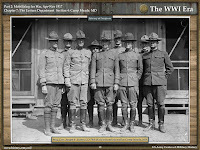 Photo:Courtesy
Library of CongressAfter college, my mom got a job at Fort George G. Meade working with departing servicemen to fill out their DD-214s. She talked often about the men she met and her admiration for them, so when it came time to select a military base associated with my upcoming release, Estelle’s Endeavor, I knew where to go.
Located between Baltimore, Maryland and Washington, DC, Fort Meade is about a twenty-minute drive from the state capital of Annapolis. Originally an army installation, the base is now home to all five branches of military service as well as government agencies and organizations (over 115!) such as the National Security Agency, Defense Information Systems Agency, and United States Cyber Command. Over 186 miles of roads crisscross the eight square miles that comprise the base.
Fort Meade was authorized by an act of Congress in May 1917 as one of sixteen camps constructed for troops drafted for The Great War (as WWI was known at the time). The site was selected because of its proximity to the nation’s capital, Baltimore ports, and the railroad. Built at the staggering cost of $18 million, the post was named for Major General George Gordon Meade whose victory at the Battle of Gettysburg was a turning point in the American Civil War.
Meade was the eighth of eleven children born into a Pennsylvanian Irish-Catholic family. His father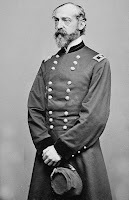 was a well-to-do merchant stationed in Spain as a naval agent at the time of Meade’s birth. However, the family lost most of their wealth because of his father’s support of Spain in the Peninsular War. They returned to the U.S. in 1817. Interestingly, his older brother became a naval officer and several of his sisters married military men. In 1831 he entered West Point and graduated 19th out of 56 cadets four years later, commissioned as a brevet second lieutenant.
After fighting the Seminole Indians in Florida, he resigned his commission and worked a variety of civilian jobs. Unfortunately, steady work was hard to find so he re-entered the army in 1842 where he would remain for the rest of his life.
The Fort named in his honor saw more than 400,000 soldiers pass through its gates – a training site for three infantry divisions, three training battalions, and one depot brigade. It was also a remount station that collected over 22,000 horses and mules. Meade’s nephew, Major Peter F. Meade as in charge of the remount station. Additionally, the “Hello Girls,” bilingual telephone-switchboard operators of the U.S. Army Signal corps were stationed here. In 1928, the base was redesignated Fort Leonard Wood, but one report indicates a Pennsylvania congressman held up appropriations until the name reverted permanently to Fort George G. Meade on March 5, 1929. (Who says money doesn’t talk??)
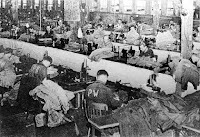 Like many other bases around the nation, Fort Meade saw heavy activity during WWII. As a training center, the base was used by more than 200 united and was home to more than 3.5 million men between 1942 and 1946. Over 150,000 women in the Women’s Army Corp (WAC) also passed through. The wartime peak of 70,000 men and women was reached in March, 1945. In addition to serving as a troop installation, Fort Meade was home to German and Italian prisoners-of-war. The first shipment of 1,632 Italian and 58 German prisoners arrived in September 1943. One of the more highly decorated Germans was submarine commander Werner Henke.
An important base, Fort Meade is Maryland’s largest employer and has the third largest workforce of any Army installation in the continental United States.
Estelle's Endeavor
 Will a world at war destroy a second chance at love?
Estelle Johnson promised to wait for Aubry DeLuca, but then she receives word of his debilitating injuries. Does she have the strength to stand by him in his hour of need?
Aubry DeLuca storms the beaches at Normandy, then wakes up in the hospital, his eyes bandaged. Will he regain his sight? Will the only woman he’s ever loved welcome him home or is he destined to go through life blind and alone?
Pre-order Link: https://amzn.to/3DiALn2
 Photo:Courtesy
 Library of CongressAfter college, my mom got a job at Fort George G. Meade working with departing servicemen to fill out their DD-214s. She talked often about the men she met and her admiration for them, so when it came time to select a military base associated with my upcoming release, Estelle’s Endeavor, I knew where to go.
Located between Baltimore, Maryland and Washington, DC, Fort Meade is about a twenty-minute drive from the state capital of Annapolis. Originally an army installation, the base is now home to all five branches of military service as well as government agencies and organizations (over 115!) such as the National Security Agency, Defense Information Systems Agency, and United States Cyber Command. Over 186 miles of roads crisscross the eight square miles that comprise the base.
Fort Meade was authorized by an act of Congress in May 1917 as one of sixteen camps constructed for troops drafted for The Great War (as WWI was known at the time). The site was selected because of its proximity to the nation’s capital, Baltimore ports, and the railroad. Built at the staggering cost of $18 million, the post was named for Major General George Gordon Meade whose victory at the Battle of Gettysburg was a turning point in the American Civil War.
Meade was the eighth of eleven children born into a Pennsylvanian Irish-Catholic family. His father
 was a well-to-do merchant stationed in Spain as a naval agent at the time of Meade’s birth. However, the family lost most of their wealth because of his father’s support of Spain in the Peninsular War. They returned to the U.S. in 1817. Interestingly, his older brother became a naval officer and several of his sisters married military men. In 1831 he entered West Point and graduated 19th out of 56 cadets four years later, commissioned as a brevet second lieutenant.
 After fighting the Seminole Indians in Florida, he resigned his commission and worked a variety of civilian jobs. Unfortunately, steady work was hard to find so he re-entered the army in 1842 where he would remain for the rest of his life.
The Fort named in his honor saw more than 400,000 soldiers pass through its gates – a training site for three infantry divisions, three training battalions, and one depot brigade. It was also a remount station that collected over 22,000 horses and mules. Meade’s nephew, Major Peter F. Meade as in charge of the remount station. Additionally, the “Hello Girls,” bilingual telephone-switchboard operators of the U.S. Army Signal corps were stationed here. In 1928, the base was redesignated Fort Leonard Wood, but one report indicates a Pennsylvania congressman held up appropriations until the name reverted permanently to Fort George G. Meade on March 5, 1929. (Who says money doesn’t talk??)
 Like many other bases around the nation, Fort Meade saw heavy activity during WWII. As a training center, the base was used by more than 200 united and was home to more than 3.5 million men between 1942 and 1946. Over 150,000 women in the Women’s Army Corp (WAC) also passed through. The wartime peak of 70,000 men and women was reached in March, 1945. In addition to serving as a troop installation, Fort Meade was home to German and Italian prisoners-of-war. The first shipment of 1,632 Italian and 58 German prisoners arrived in September 1943. One of the more highly decorated Germans was submarine commander Werner Henke.
An important base, Fort Meade is Maryland’s largest employer and has the third largest workforce of any Army installation in the continental United States.
Estelle's Endeavor
 Will a world at war destroy a second chance at love?
Estelle Johnson promised to wait for Aubry DeLuca, but then she receives word of his debilitating injuries. Does she have the strength to stand by him in his hour of need?
Aubry DeLuca storms the beaches at Normandy, then wakes up in the hospital, his eyes bandaged. Will he regain his sight? Will the only woman he’s ever loved welcome him home or is he destined to go through life blind and alone?
Pre-order Link: https://amzn.to/3DiALn2


September 7, 2022
Welcome back, Pam Desmond Wright!
Welcome Back, Pam Desmond Wright!
 LM: Thanks for joining me today. Congratulations on your recent release Finding Her Amish Home. Before we chat about that, tell us what draws you to writing about the Amish?
Pamela: I grew up playing in an authentic log cabin on my grandparent’s farm. It was wonderful, complete with a woodburning stove! I love everything old-fashioned, like oil burning lamps, a crackling fire, and simple pass-times like needlepoint.
LM: What was your inspiration for the story?
Pamela: I really can’t say what inspired it, just that like so many of my stories it just popped into my mind and I knew I had to write it.
LM: What sort of research did you have to do for this particular book?
Pamela: Since I am in Texas I do a lot of research online, through Google. Many of my readers are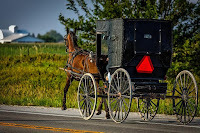 Pixabay/David Markastonished I do not live in Amish country or ever even met an Amish person. It’s all research.
LM: You were a prolific writer in the 1990s, then took a break and came back to the industry in 2013. How are things different in publishing? The same?
Pamela: It is pretty much the same. Deadlines and delivery dates rule a writer’s schedule.
LM: How do you decide your characters’ names, what they look like, and their jobs?
Pamela: I love looking for unusual names and once I have a name, I can “see” what they look like in my mind.
LM: What is your favorite part of the writing process?
Pamela: Really disappearing into the story so much that I forget the outside world.
LM: You’ve accomplished quite a lot. What is one thing you wish you knew how to do?
 Pixabay/S. HermannPamela: I wish I was more mechanical and could repair things like cars and other kinds of engines. That would be a handy talent to have nowadays.
LM: What is your next project?
Pamela: I am presently working on the second book in my Texas Amish Brides series. This is the sequel to The Cowboy’s Amish Haven and is Rebecca’s story.
LM: Where can folks find you on the web?
Pamela: http:// www.pameladesmondwright.com
About Finding Her Amish Home:

What she wants more than anything Could also be the most dangerous… After her twin sister’s death, Maddie Baum flees to Wisconsin Amish country with her nephew in tow in the hopes of protecting him from his criminal father. Befriending Amish shopkeeper Abram Mueller gives her a glimpse of the happiness she’s been yearning for all along. Can she find a fresh start with Abram—or will old sins tear them apart?
Purchase Link: https://amzn.to/3TdyVJy
 LM: Thanks for joining me today. Congratulations on your recent release Finding Her Amish Home. Before we chat about that, tell us what draws you to writing about the Amish?
 Pamela: I grew up playing in an authentic log cabin on my grandparent’s farm. It was wonderful, complete with a woodburning stove! I love everything old-fashioned, like oil burning lamps, a crackling fire, and simple pass-times like needlepoint.
LM: What was your inspiration for the story?
Pamela: I really can’t say what inspired it, just that like so many of my stories it just popped into my mind and I knew I had to write it.
LM: What sort of research did you have to do for this particular book?
Pamela: Since I am in Texas I do a lot of research online, through Google. Many of my readers are
 Pixabay/David Markastonished I do not live in Amish country or ever even met an Amish person. It’s all research.
LM: You were a prolific writer in the 1990s, then took a break and came back to the industry in 2013. How are things different in publishing? The same?
Pamela: It is pretty much the same. Deadlines and delivery dates rule a writer’s schedule.
LM: How do you decide your characters’ names, what they look like, and their jobs?
Pamela: I love looking for unusual names and once I have a name, I can “see” what they look like in my mind.
LM: What is your favorite part of the writing process?
Pamela: Really disappearing into the story so much that I forget the outside world.
LM: You’ve accomplished quite a lot. What is one thing you wish you knew how to do?
 Pixabay/S. HermannPamela: I wish I was more mechanical and could repair things like cars and other kinds of engines. That would be a handy talent to have nowadays.
 LM: What is your next project?
Pamela: I am presently working on the second book in my Texas Amish Brides series. This is the sequel to The Cowboy’s Amish Haven and is Rebecca’s story.
LM: Where can folks find you on the web?
Pamela: http:// www.pameladesmondwright.com
About Finding Her Amish Home:

What she wants more than anything Could also be the most dangerous… After her twin sister’s death, Maddie Baum flees to Wisconsin Amish country with her nephew in tow in the hopes of protecting him from his criminal father. Befriending Amish shopkeeper Abram Mueller gives her a glimpse of the happiness she’s been yearning for all along. Can she find a fresh start with Abram—or will old sins tear them apart?
Purchase Link: https://amzn.to/3TdyVJy
September 6, 2022
Wartime Wednesday: The Office of Civilian Defense
Wartime Wednesday: The Office of Civilian Defense
 Author photoBecause aviation was still in its infancy, the United States didn’t have to worry about attacks from other countries during World War I. However, the government established a Council of National Defense to coordinate resources for national defense and to boost public morale. The organization helped set up local defense councils to direct efforts in health, welfare, and other activities, but the volunteer needs were small.
By the second world war, that changed. Airplanes were advanced enough to be able to reach the United States. Air raids and other attacks in populated areas of Europe gave rise to fear that similar attacks could happen in the US. More than six months before America entered the war and prompted by a letter from New York mayor Fiorello LaGuardia, President Franklin Roosevelt set up the Office of Civilian Defense (OCD) to coordinate state and federal measures to protect citizens in war-related emergencies.
Roosevelt appointed LaGuardia as the organization’s director. The four operating divisions were as follows:
Federal-State Cooperation: provided a link between the federal government and local governments to foster communication in order to handle individual needs that resulted from war such as health, housing, volunteers, recreation, welfare, and child care.Protection Services: trained and organized volunteers in the efforts required to protect citizens such as organizing evacuations, blackouts, auxiliary police and fire services, and outfitting protective buildings.Protective Property: loaned protective property and equipment purchased by OCD to local communities.Industrial Protection: helped protect industrial plants against dangers such as fire and enemy sabotage. There was only seventy-five paid staff in the OCD. The rest of the work was done by the more than Courtesy loc.gov
eleven million volunteers that made up 14,000 local defense councils around the nation. In order to volunteer, individuals had to meet age, citizenship, and training requirements, then volunteers were given positions based on their skills and interests. Once accepted, the volunteer was required to take an oath of loyalty. Youth under the age of sixteen could join the Junior Citizens Service Corps.
People could volunteer in fire protection (responsible for extinguishing incendiary bombs), communication (air raid drills, blackout, relaying messages by bicycle and radio in the event the telephone system was disabled), evacuation (coordination with the army to move people to safety), shelters (distributed flyers explaining the different types of bombs, designed shelters, and trained in tunneling and other protective techniques), and gas (distributed gas masks and protective clothing, taught the public how to identify different gases and instructed people on emergency decontamination measures).
In addition, the OCD had efforts in place to restore transportation, communications, and other services after an attack, prepare emergency hospitals and mobile medical teams, and keep watch for enemies in the sky.
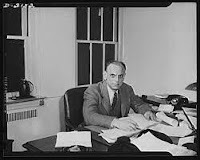 Courtesy loc.govAfter the attack at Pearl Harbor, Roosevelt replaced LaGuardia with Harvard Law School professor (and New Dealer) James Landis to head the organization. He reorganized the agency, moving what he saw as “superfluous” departments to other agencies, and recruited new personnel. After a year of no air raids or enemy threats, Landis recommended that the organization be abolished. The president didn’t agree, but Landis resigned, so Roosevelt appointed Deputy Director John Martin as acting director. Upon his resignation in 1944, Lt. General William N. Haskell was put in charge until the agency ceased operations in 1945.
Check out this promotional film from 1942: https://www.youtube.com/watch?v=BBv5IYDpc9o
_______________________
Estelle's Endeavor
 Will a world at war destroy a second chance at love?
Estelle Johnson promised to wait for Aubry DeLuca, but then she receives word of his debilitating injuries. Does she have the strength to stand by him in his hour of need?
Aubry DeLuca storms the beaches at Normandy, then wakes up in the hospital, his eyes bandaged. Will he regain his sight? Will the only woman he’s ever loved welcome him home or is he destined to go through life blind and alone?
Pre-order link: https://amzn.to/3R5uSNM
 Author photoBecause aviation was still in its infancy, the United States didn’t have to worry about attacks from other countries during World War I. However, the government established a Council of National Defense to coordinate resources for national defense and to boost public morale. The organization helped set up local defense councils to direct efforts in health, welfare, and other activities, but the volunteer needs were small.
By the second world war, that changed. Airplanes were advanced enough to be able to reach the United States. Air raids and other attacks in populated areas of Europe gave rise to fear that similar attacks could happen in the US. More than six months before America entered the war and prompted by a letter from New York mayor Fiorello LaGuardia, President Franklin Roosevelt set up the Office of Civilian Defense (OCD) to coordinate state and federal measures to protect citizens in war-related emergencies.
Roosevelt appointed LaGuardia as the organization’s director. The four operating divisions were as follows:
Federal-State Cooperation: provided a link between the federal government and local governments to foster communication in order to handle individual needs that resulted from war such as health, housing, volunteers, recreation, welfare, and child care.Protection Services: trained and organized volunteers in the efforts required to protect citizens such as organizing evacuations, blackouts, auxiliary police and fire services, and outfitting protective buildings.Protective Property: loaned protective property and equipment purchased by OCD to local communities.Industrial Protection: helped protect industrial plants against dangers such as fire and enemy sabotage. There was only seventy-five paid staff in the OCD. The rest of the work was done by the more than
 Courtesy loc.gov
eleven million volunteers that made up 14,000 local defense councils around the nation. In order to volunteer, individuals had to meet age, citizenship, and training requirements, then volunteers were given positions based on their skills and interests. Once accepted, the volunteer was required to take an oath of loyalty. Youth under the age of sixteen could join the Junior Citizens Service Corps.
People could volunteer in fire protection (responsible for extinguishing incendiary bombs), communication (air raid drills, blackout, relaying messages by bicycle and radio in the event the telephone system was disabled), evacuation (coordination with the army to move people to safety), shelters (distributed flyers explaining the different types of bombs, designed shelters, and trained in tunneling and other protective techniques), and gas (distributed gas masks and protective clothing, taught the public how to identify different gases and instructed people on emergency decontamination measures).
In addition, the OCD had efforts in place to restore transportation, communications, and other services after an attack, prepare emergency hospitals and mobile medical teams, and keep watch for enemies in the sky.
 Courtesy loc.govAfter the attack at Pearl Harbor, Roosevelt replaced LaGuardia with Harvard Law School professor (and New Dealer) James Landis to head the organization. He reorganized the agency, moving what he saw as “superfluous” departments to other agencies, and recruited new personnel. After a year of no air raids or enemy threats, Landis recommended that the organization be abolished. The president didn’t agree, but Landis resigned, so Roosevelt appointed Deputy Director John Martin as acting director. Upon his resignation in 1944, Lt. General William N. Haskell was put in charge until the agency ceased operations in 1945.
Check out this promotional film from 1942: https://www.youtube.com/watch?v=BBv5IYDpc9o
_______________________
Estelle's Endeavor
 Will a world at war destroy a second chance at love?
Estelle Johnson promised to wait for Aubry DeLuca, but then she receives word of his debilitating injuries. Does she have the strength to stand by him in his hour of need?
Aubry DeLuca storms the beaches at Normandy, then wakes up in the hospital, his eyes bandaged. Will he regain his sight? Will the only woman he’s ever loved welcome him home or is he destined to go through life blind and alone?
Pre-order link: https://amzn.to/3R5uSNM
September 1, 2022
Fiction Friday: New Releases!
September 2022 New Releases
More in-depth descriptions of these books can be found on the ACFW Fiction Finder website
Contemporary Romance:
[image error] Breath of Heaven by Deborah Raney -- After a joyful wedding in Kansas, Natalie Camfield Chambers is back in the village of Timoné in South America with her beloved husband, David Chambers. But the adjustments to married life while serving on the mission field in a remote Colombian village along the Rio Guaviare are more than either Natalie or David bargained for. The growing unrest in the country only adds to the challenges they face. When the village is invaded by guerrilla soldiers and one of their Timoné neighbors, a young mother, goes missing, Natalie and David find themselves caring for her small daughter, even as Natalie has begun to suspect that she is carrying their own child. When a trip by boat on the Guaviare turns treacherous and ultimately deadly, Natalie and David face the fight of their lives. Their faith—and their love—will be tested in ways they never dreamed, and the decisions they make will echo for generations to come. (Contemporary Romance, Independently Published)
[image error] Harvest Moon by Denise Hunter -- When a tragedy leaves a divorced couple with guardianship of their friends’ little girl, Laurel and Gavin drop everything for the sake of the child. While searching for a more permanent arrangement, the estranged couple move into their friends’ home to provide temporary care for Emma and manage the on-property apple orchard. As they work together to comfort the grieving child and manage the busy harvest, tempers flare—as does the passion they both remember so well. But will the seeds of love, still growing inside them, thrive and flourish? Or will grief and regret strangle the feelings before they can fully blossom? (Contemporary Romance from HarperCollins Christian Publishing/Thomas Nelson and Zondervan)
 Love in Any Season by Amy Anguish, et. al. -- Spring Has Sprung – by Regina Rudd Merrick: What does he want more—for Laurel to fall in love with his favorite season? Or him? The Missing Piece – by Amy R. Anguish: With each stitch taken, they work toward more than just a completed blanket. A Sweet Dream Come True – by Sarah Anne Crouch: Can Mel and Isaac trust in God’s provision and make a leap of faith? Will their partnership end in disaster, or will it be a sweet dream come true? Sugar and Spice – by Heather Greer: With gingerbread and Ryker together, can Emmie make it through the festival with her mind and heart intact? (Contemporary Romance from Scrivenings Press)
[image error] Midnight Blue by Suzie Waltner -- A series of heartbreaking setbacks behind her, Scarlett Sykes is now focused on creating the best life possible for her daughter. One where innocence and joy is not colored by rejection or loss. While finances are tight and Scarlett’s job isn’t ideal for a single mother, her child will always know she’s loved. Especially since Harmony’s father wanted nothing to do with them. As lead singer and the face of a successful country band, Jake Turnquist’s closest friends depend on him, but life in the spotlight is quickly losing its appeal. At a party celebrating another accomplishment, he’s stunned to discover Scarlett assisting the caterer. Almost ten years have passed, but he’s never forgotten his first love. In the hours after a surprise revelation, Jake scrambles to orchestrate a way to spend time with Scarlett and Harmony—the family he’s always wanted but never knew he had. He once gave her up to pursue his music. What will he have to surrender to win her back? (Contemporary Romance, from Anaiah Press)
[image error] Muskoka Shores by Carolyn Miller -- Serena Williamson loves working at Muskoka Shores, the fancy resort on Lake Muskoka, and making couples dreams come true. But after returning from a celebrity wedding to find her own hopes crumbling to dust, she sets out for self-improvement, and to prove her ex was wrong. But when a misunderstanding concerning the new assistant church minister leads to more self-doubt, can she ever really trust a man again? Joel Wakefield is looking forward to a fresh start for himself and his sister in this beautiful small town beside Lake Muskoka. He hadn't counted on meeting a curvy cutie with a gift for hospitality and a gracious heart. Can he show her that it's what is inside that truly counts? (Contemporary Romance, Independently Published)
 Off the Record by Susan Page Davis -- Wynne Harding is just doing her job. Wynne is new at the newspaper, and she deals with some challenging assignments. Sent to report on a farm accident, she learns a little girl has been injured in a fall. The father, Andrew Cook, has cause to hate reporters. His farming grandparents want Wynne in the family, and she adores Andrew's four-year-old twins, but she isn’t comfortable around him. When her assignments get tougher and troubles surface at the farm, the two need to seek God's guidance ... but can they overcome their differences? (Contemporary Romance from Tea Tin Press)
 The Baby’s Christmas Blessing by Meghann Whistler -- Nothing will be merry about Steve Weston’s Christmas if he doesn’t find a nanny for his newborn nephew fast. But the best choice is Chloe Richardson, the woman he pushed away years ago. He has a second chance at making the season’s joy last for a lifetime—unless he allows old wounds to separate them once more... (Contemporary Romance from Love Inspired/Harlequin)
 To Win a Prince by Toni Shiloh -- As a fashion aficionado and best friend of the queen of the African island country Oloro Ilé, Iris Blakely dreams of using her talent to start a business to help citizens in impoverished areas. But when she discovers that Ekon Diallo will be her business consultant, the battle between her desires and reality begins. Ekon Diallo has lost everything: his princely title, his material possessions, his friends, and the respect of his countrymen. To pay for his actions against Oloro Ilé, he's forced to assist the charismatic Iris Blakely--but he can't allow his heart to distract him from regaining his status. As Iris strives to get her business off the ground while keeping her heart intact, will her dreams of happily ever after survive the challenges she faces? (Contemporary Romance from Bethany House)
Historical Romance:
 As Silent as the Night by Danielle Grandinetti -- Chicago, 1933―Lucia Critelli will do anything for her ailing grandfather, including stand in a breadline to have enough food to make him a St. Nicholas Day meal. When she catches the eye of a goon who threatens her grandfather, she discovers the end of Prohibition doesn’t mean the end of the mafia’s criminal activity. Retired Marine Scout Giosue “Gio” Vella can find anything, especially if it helps a fellow Italian immigrant, so he has no doubt he can locate his neighbor’s granddaughter, who has gone missing from a local church. Keeping her safe is another matter. Especially when he chooses to hide out with his Marine buddy in Eagle, Wisconsin, the site of a barely-held truce among striking dairy farmers. Will Christmas bring the miracle they all need or will Gio discover there are some things even he can’t find, particularly when he stumbles upon the most elusive gift of all: love. (Historical Romance, Independently Published)
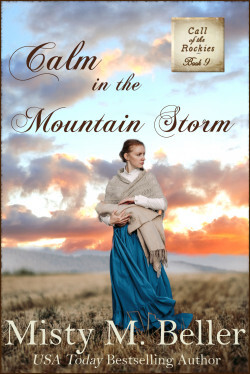 Calm in the Mountain Storm by Misty M. Beller -- his epic journey will test his ability to protect his children—and they’re all he has left. Missionary Elise Lane returns with her team to the Rocky Mountain native tribe they serve to discover the entire village—including the children she’s come to love—has been massacred. A fierce brave standing at the edge of the devastation has taken the only surviving child. Goes Ahead returns home with his son to find his worst fears have come true—his entire village has been slaughtered, including his wife. Only their infant daughter has survived. But there’s no time for grief or vengeance. He must get his children across the mountains to the protection of his family. (Historical Romance, Independently Published)
[image error] Estelle’s Endeavor by Linda Shenton Matchett -- Will a world at war destroy a second chance at love? Estelle Johnson promised to wait for Aubry DeLuca, but then she receives word of his debilitating injuries. Does she have the strength to stand by him in his hour of need? Aubry DeLuca storms the beaches at Normandy, then wakes up in the hospital, his eyes bandaged. Will he regain his sight? Will the only woman he’s ever loved welcome him home or is he destined to go through life blind and alone? (Historical Romance from Shortwave Press)
 Heart’s Journey by Linda Hoover -- In June, 1880, newlyweds Jacob and Julia go to Iowa to fulfill Jacob’s dream of having his own farm. Their original plans fall apart when they get there, and Jacob wonders, will he be able to keep the promise he made to Julia and her family? Jacob and Julia spend much time in prayer, and God provides a better plan. Now, upper-class Julia allows herself to consider her role. She’s never been in a kitchen, let alone on a farm. How will she manage their home? After many mishaps, Julia asks a neighbor for help, and gains confidence as she learns to cook, garden and handle other household duties. Jacob and Julia grow closer, but a personal loss for Julia triggers a disagreement leading to estrangement and deeper issues Jacob must confront. Can their faith in God bring forgiveness and reconciliation? (Historical Romance from Linda Hoover Books)
Mystery:
 A Night to Remember by Danny & Wanda Pelfrey -- With her college friend arriving, Riley is anticipating a reprieve from the rigors of law school. Then one of her Sunday School girls is kidnapped. The circumstances that follow put Riley and her friends through a series of fast paced, dangerous episodes as they scurry to rescue the child. (Mystery from CrossLink)
Thriller/Suspense/Romance:
[image error] Covert Danger by Jerusha Agen -- An assassin is on the loose in the Twin Cities, aiming to kill FBI witnesses the Phoenix K-9 Security and Detection Agency is hired to protect. Rogue CIA agent Amalia Pérez and her protection K-9 must get the edge on this deadly opponent before he kills her childhood best friend—the only man who knows her true identity. Investigative journalist Michael Barrett can’t believe his eyes when the woman he’s spent years searching for walks back into his life. But he soon fears the woman he loved is lost forever beneath the secrets Amalia wears like armor. As the assassin closes in, Amalia will risk anything to keep Michael safe—anything except believing in the God he trusts. When the layers of deception become as dangerous as bullets, can Amalia and Michael uncover the truth in time to stop the assassin from completing his lethal mission? (Thriller/Suspense/Romance, Independently Published)
 Grace Immeasurable by Gina Holder -- She’s a modern-day damsel. He’s her self-appointed knight. Who will rescue whom? Kylie just wants to run her café without people thinking she’s a damsel-in-distress. That proves difficult when a man claiming to be her half-brother reveals buried family trauma and forces Kylie to face the scars of her childhood. Peter doesn’t mean to be a knight in shining armor, but as her proverbial big brother, he decides to uncover the truth about Kylie’s semi-sibling, while trying to make peace with his own mistakes. Unearthing the past leads to a danger greater than either ever expected. In the end, who will rescue whom? (Thriller/Suspense/Romance, Independently Published)
 Two Believe by Luana Ehrlich -- It was no ordinary robbery. The suspect is no ordinary thief. The investigator is no ordinary detective. He’s Silas McKay, head of operations for Discreet Corporate Security Systems in Dallas, Texas. Silas doesn’t usually investigate stolen merchandise, but when his boss asks him to look into a jewelry heist at Gadise Diamonds, a high-end store in the Dallas area, he makes an exception. When Silas learns this was no ordinary robbery, and the suspect is no ordinary thief, he enlists the help of Ashley Davenport, who’s no ordinary woman. (Thriller/Suspense/Romance, Independently Published)
 Sinister Secrets by Paige Edwards -- 3 Novellas: Secrets of St. Augustine: FBI Special Agent Doug Valdez is in France looking for money launderers. The last thing he expects is to find a young girl fleeing for her life or the deadly game of cat and mouse that ensues. Hounded: Recently retired Army Ranger Renn Huitt has found the perfect job. Working for Bob, a private investigator nearing retirement, should be easy. But Bob has put a lot of people behind bars--people who hold a grudge. And now they are coming for him. In Plain Sight: Jaclyn Girard was in the wrong place at the wrong time, and now she's caught in the middle of a deadly investigation. With danger mounting, she must work alongside FBI operative Cody Ackert if she hopes to survive. (Thriller/Suspense/Romance from Covenant Communications, Inc.)
Plus check out these recent additions to Fiction Finder published within the past month:
A Fallen Sparrow by <844href="http://www.fictionfinder.com/author/d..." rel="noopener noreferrer" target="_blank">Lynn Basham Tagawa, Three very different people, a printer's daughter, a Shenandoah valley farmer, and a British spy, must deal with questions relating to the time of the Revolution: when is it biblical to resist tyranny? (General Historical)
Lily’s Mechanic by Seralynn Lewis, Sometimes you have to go home again and find the one who loved you first. (Contemporary Romance)
She Gets July by Susan Page Davis, Things come to a head at the cottage, where he gets June and she gets July. (Contemporary Romance)
Tracking a Killer by Elizabeth Goddard, Can an officer and her furry partner survive a killer and the wilderness? (Thriller/Suspense/Romance)
More in-depth descriptions of these books can be found on the ACFW Fiction Finder website
Contemporary Romance:
[image error] Breath of Heaven by Deborah Raney -- After a joyful wedding in Kansas, Natalie Camfield Chambers is back in the village of Timoné in South America with her beloved husband, David Chambers. But the adjustments to married life while serving on the mission field in a remote Colombian village along the Rio Guaviare are more than either Natalie or David bargained for. The growing unrest in the country only adds to the challenges they face. When the village is invaded by guerrilla soldiers and one of their Timoné neighbors, a young mother, goes missing, Natalie and David find themselves caring for her small daughter, even as Natalie has begun to suspect that she is carrying their own child. When a trip by boat on the Guaviare turns treacherous and ultimately deadly, Natalie and David face the fight of their lives. Their faith—and their love—will be tested in ways they never dreamed, and the decisions they make will echo for generations to come. (Contemporary Romance, Independently Published)
[image error] Harvest Moon by Denise Hunter -- When a tragedy leaves a divorced couple with guardianship of their friends’ little girl, Laurel and Gavin drop everything for the sake of the child. While searching for a more permanent arrangement, the estranged couple move into their friends’ home to provide temporary care for Emma and manage the on-property apple orchard. As they work together to comfort the grieving child and manage the busy harvest, tempers flare—as does the passion they both remember so well. But will the seeds of love, still growing inside them, thrive and flourish? Or will grief and regret strangle the feelings before they can fully blossom? (Contemporary Romance from HarperCollins Christian Publishing/Thomas Nelson and Zondervan)
Love in Any Season by Amy Anguish, et. al. -- Spring Has Sprung – by Regina Rudd Merrick: What does he want more—for Laurel to fall in love with his favorite season? Or him? The Missing Piece – by Amy R. Anguish: With each stitch taken, they work toward more than just a completed blanket. A Sweet Dream Come True – by Sarah Anne Crouch: Can Mel and Isaac trust in God’s provision and make a leap of faith? Will their partnership end in disaster, or will it be a sweet dream come true? Sugar and Spice – by Heather Greer: With gingerbread and Ryker together, can Emmie make it through the festival with her mind and heart intact? (Contemporary Romance from Scrivenings Press)[image error] Midnight Blue by Suzie Waltner -- A series of heartbreaking setbacks behind her, Scarlett Sykes is now focused on creating the best life possible for her daughter. One where innocence and joy is not colored by rejection or loss. While finances are tight and Scarlett’s job isn’t ideal for a single mother, her child will always know she’s loved. Especially since Harmony’s father wanted nothing to do with them. As lead singer and the face of a successful country band, Jake Turnquist’s closest friends depend on him, but life in the spotlight is quickly losing its appeal. At a party celebrating another accomplishment, he’s stunned to discover Scarlett assisting the caterer. Almost ten years have passed, but he’s never forgotten his first love. In the hours after a surprise revelation, Jake scrambles to orchestrate a way to spend time with Scarlett and Harmony—the family he’s always wanted but never knew he had. He once gave her up to pursue his music. What will he have to surrender to win her back? (Contemporary Romance, from Anaiah Press)
[image error] Muskoka Shores by Carolyn Miller -- Serena Williamson loves working at Muskoka Shores, the fancy resort on Lake Muskoka, and making couples dreams come true. But after returning from a celebrity wedding to find her own hopes crumbling to dust, she sets out for self-improvement, and to prove her ex was wrong. But when a misunderstanding concerning the new assistant church minister leads to more self-doubt, can she ever really trust a man again? Joel Wakefield is looking forward to a fresh start for himself and his sister in this beautiful small town beside Lake Muskoka. He hadn't counted on meeting a curvy cutie with a gift for hospitality and a gracious heart. Can he show her that it's what is inside that truly counts? (Contemporary Romance, Independently Published)
Off the Record by Susan Page Davis -- Wynne Harding is just doing her job. Wynne is new at the newspaper, and she deals with some challenging assignments. Sent to report on a farm accident, she learns a little girl has been injured in a fall. The father, Andrew Cook, has cause to hate reporters. His farming grandparents want Wynne in the family, and she adores Andrew's four-year-old twins, but she isn’t comfortable around him. When her assignments get tougher and troubles surface at the farm, the two need to seek God's guidance ... but can they overcome their differences? (Contemporary Romance from Tea Tin Press)
The Baby’s Christmas Blessing by Meghann Whistler -- Nothing will be merry about Steve Weston’s Christmas if he doesn’t find a nanny for his newborn nephew fast. But the best choice is Chloe Richardson, the woman he pushed away years ago. He has a second chance at making the season’s joy last for a lifetime—unless he allows old wounds to separate them once more... (Contemporary Romance from Love Inspired/Harlequin)
To Win a Prince by Toni Shiloh -- As a fashion aficionado and best friend of the queen of the African island country Oloro Ilé, Iris Blakely dreams of using her talent to start a business to help citizens in impoverished areas. But when she discovers that Ekon Diallo will be her business consultant, the battle between her desires and reality begins. Ekon Diallo has lost everything: his princely title, his material possessions, his friends, and the respect of his countrymen. To pay for his actions against Oloro Ilé, he's forced to assist the charismatic Iris Blakely--but he can't allow his heart to distract him from regaining his status. As Iris strives to get her business off the ground while keeping her heart intact, will her dreams of happily ever after survive the challenges she faces? (Contemporary Romance from Bethany House)Historical Romance:
As Silent as the Night by Danielle Grandinetti -- Chicago, 1933―Lucia Critelli will do anything for her ailing grandfather, including stand in a breadline to have enough food to make him a St. Nicholas Day meal. When she catches the eye of a goon who threatens her grandfather, she discovers the end of Prohibition doesn’t mean the end of the mafia’s criminal activity. Retired Marine Scout Giosue “Gio” Vella can find anything, especially if it helps a fellow Italian immigrant, so he has no doubt he can locate his neighbor’s granddaughter, who has gone missing from a local church. Keeping her safe is another matter. Especially when he chooses to hide out with his Marine buddy in Eagle, Wisconsin, the site of a barely-held truce among striking dairy farmers. Will Christmas bring the miracle they all need or will Gio discover there are some things even he can’t find, particularly when he stumbles upon the most elusive gift of all: love. (Historical Romance, Independently Published)
Calm in the Mountain Storm by Misty M. Beller -- his epic journey will test his ability to protect his children—and they’re all he has left. Missionary Elise Lane returns with her team to the Rocky Mountain native tribe they serve to discover the entire village—including the children she’s come to love—has been massacred. A fierce brave standing at the edge of the devastation has taken the only surviving child. Goes Ahead returns home with his son to find his worst fears have come true—his entire village has been slaughtered, including his wife. Only their infant daughter has survived. But there’s no time for grief or vengeance. He must get his children across the mountains to the protection of his family. (Historical Romance, Independently Published)[image error] Estelle’s Endeavor by Linda Shenton Matchett -- Will a world at war destroy a second chance at love? Estelle Johnson promised to wait for Aubry DeLuca, but then she receives word of his debilitating injuries. Does she have the strength to stand by him in his hour of need? Aubry DeLuca storms the beaches at Normandy, then wakes up in the hospital, his eyes bandaged. Will he regain his sight? Will the only woman he’s ever loved welcome him home or is he destined to go through life blind and alone? (Historical Romance from Shortwave Press)
Heart’s Journey by Linda Hoover -- In June, 1880, newlyweds Jacob and Julia go to Iowa to fulfill Jacob’s dream of having his own farm. Their original plans fall apart when they get there, and Jacob wonders, will he be able to keep the promise he made to Julia and her family? Jacob and Julia spend much time in prayer, and God provides a better plan. Now, upper-class Julia allows herself to consider her role. She’s never been in a kitchen, let alone on a farm. How will she manage their home? After many mishaps, Julia asks a neighbor for help, and gains confidence as she learns to cook, garden and handle other household duties. Jacob and Julia grow closer, but a personal loss for Julia triggers a disagreement leading to estrangement and deeper issues Jacob must confront. Can their faith in God bring forgiveness and reconciliation? (Historical Romance from Linda Hoover Books)Mystery:
A Night to Remember by Danny & Wanda Pelfrey -- With her college friend arriving, Riley is anticipating a reprieve from the rigors of law school. Then one of her Sunday School girls is kidnapped. The circumstances that follow put Riley and her friends through a series of fast paced, dangerous episodes as they scurry to rescue the child. (Mystery from CrossLink)Thriller/Suspense/Romance:
[image error] Covert Danger by Jerusha Agen -- An assassin is on the loose in the Twin Cities, aiming to kill FBI witnesses the Phoenix K-9 Security and Detection Agency is hired to protect. Rogue CIA agent Amalia Pérez and her protection K-9 must get the edge on this deadly opponent before he kills her childhood best friend—the only man who knows her true identity. Investigative journalist Michael Barrett can’t believe his eyes when the woman he’s spent years searching for walks back into his life. But he soon fears the woman he loved is lost forever beneath the secrets Amalia wears like armor. As the assassin closes in, Amalia will risk anything to keep Michael safe—anything except believing in the God he trusts. When the layers of deception become as dangerous as bullets, can Amalia and Michael uncover the truth in time to stop the assassin from completing his lethal mission? (Thriller/Suspense/Romance, Independently Published)
Grace Immeasurable by Gina Holder -- She’s a modern-day damsel. He’s her self-appointed knight. Who will rescue whom? Kylie just wants to run her café without people thinking she’s a damsel-in-distress. That proves difficult when a man claiming to be her half-brother reveals buried family trauma and forces Kylie to face the scars of her childhood. Peter doesn’t mean to be a knight in shining armor, but as her proverbial big brother, he decides to uncover the truth about Kylie’s semi-sibling, while trying to make peace with his own mistakes. Unearthing the past leads to a danger greater than either ever expected. In the end, who will rescue whom? (Thriller/Suspense/Romance, Independently Published)
Two Believe by Luana Ehrlich -- It was no ordinary robbery. The suspect is no ordinary thief. The investigator is no ordinary detective. He’s Silas McKay, head of operations for Discreet Corporate Security Systems in Dallas, Texas. Silas doesn’t usually investigate stolen merchandise, but when his boss asks him to look into a jewelry heist at Gadise Diamonds, a high-end store in the Dallas area, he makes an exception. When Silas learns this was no ordinary robbery, and the suspect is no ordinary thief, he enlists the help of Ashley Davenport, who’s no ordinary woman. (Thriller/Suspense/Romance, Independently Published)
Sinister Secrets by Paige Edwards -- 3 Novellas: Secrets of St. Augustine: FBI Special Agent Doug Valdez is in France looking for money launderers. The last thing he expects is to find a young girl fleeing for her life or the deadly game of cat and mouse that ensues. Hounded: Recently retired Army Ranger Renn Huitt has found the perfect job. Working for Bob, a private investigator nearing retirement, should be easy. But Bob has put a lot of people behind bars--people who hold a grudge. And now they are coming for him. In Plain Sight: Jaclyn Girard was in the wrong place at the wrong time, and now she's caught in the middle of a deadly investigation. With danger mounting, she must work alongside FBI operative Cody Ackert if she hopes to survive. (Thriller/Suspense/Romance from Covenant Communications, Inc.)Plus check out these recent additions to Fiction Finder published within the past month:
A Fallen Sparrow by <844href="http://www.fictionfinder.com/author/d..." rel="noopener noreferrer" target="_blank">Lynn Basham Tagawa, Three very different people, a printer's daughter, a Shenandoah valley farmer, and a British spy, must deal with questions relating to the time of the Revolution: when is it biblical to resist tyranny? (General Historical)
Lily’s Mechanic by Seralynn Lewis, Sometimes you have to go home again and find the one who loved you first. (Contemporary Romance)
She Gets July by Susan Page Davis, Things come to a head at the cottage, where he gets June and she gets July. (Contemporary Romance)
Tracking a Killer by Elizabeth Goddard, Can an officer and her furry partner survive a killer and the wilderness? (Thriller/Suspense/Romance)
August 31, 2022
Welcome, Linda Hoover!
Welcome, Linda Hoover!
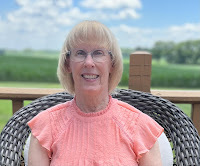 LM: Thanks for joining me today. Congratulations on your most upcoming release Heart’s Journey. What was your inspiration for the story, and did you set out to write a series?
Linda: Thank you for allowing me to come. This is release day for Heart’s Journey, so it’s an exciting day for me. I can’t really give you something specific on inspiration. I read a lot and have always had stories in my head. The characters and ideas just came together. Originally the first book in the series, Heart’s Desire, was long enough to be two books. I was advised to consider making it a series, which I agreed was a good idea.
LM: How do you develop your characters? (e.g. decide on their vocation, names, etc.)?
Linda: In the first book, set in 1880, I knew I wanted my heroin to be in a rich family and live in a city with a lot to offer in the way of entertainment and recreation. I wanted a city in the east and found Boston to be perfect. The hero of the story grew up on a farm but is working at a jewelry store when the heroin meets him. Not an acceptable match for her. For names, I look at census records for the time period. I also look for names popular in different countries if I have a character who is from an immigrant family. Vocation is something else I research. What were the occupations available during that time?
LM: What draws you to write historical fiction?
Linda: I’ve always been interested in history. Growing up my family would take summer vacations to Pixabay/
Dariusz Sankowskihistoric places and most of the books I read were historic. I love to research, which is necessary to make sure I’m accurate, but I have to be careful I don’t lose a lot of time following rabbit trails. There are lots of interesting things to know, but they don’t always apply to the story I’m writing.
LM: You’ve been a journalist and written middle-grade fiction. How are the process different than writing fiction? The same? Do you find one easier than the other?
Linda: Writing fiction is more fun and I have a good imagination. If you’re writing nonfiction, you better make sure you have your facts straight. With fiction, I’m free to make most of it up.
LM: You’ve accomplished quite a lot. What is one thing you wish you could do?
Linda: I’ve seen some of the locations I’ve written about, but I think it would be fun if I could hop in the car or on a plane to personally check out where the story takes place.
LM: What is your advice to fledgling writers?
 Pixabay/StartUpStockPhotosLinda: One of the most important things you can do is join a writing group. I went to hear an author
speak and when I asked her some questions afterward, she invited me to come to the writing group she was part of. I joined that day. I learned so much about the craft of writing and the business side of it. You need to be around other writers who can encourage you and relate to your struggles.
LM: What is your next project?
Linda: I need to get started on book three in the Heart’s Desire series. I started a Christmas book two years ago that I’d love to finish. We’ll have to see how things go.
LM: Where can folks find you on the web?
Linda: My Linktree account will show you every place I can be found with one click:
http://www.linktr.ee/lindahooverbooks
About Heart's Desire:
 Julia goes from upper-class Boston to an Iowa farm. What could possibly go wrong?
In June, 1880, newlyweds Jacob and Julia go to Iowa to fulfill Jacob’s dream of having his own farm. Their original plans fall apart when they get there, and Jacob wonders, will he be able to keep the promise he made to Julia and her family?
Jacob and Julia spend much time in prayer, and God provides a better plan. Now, upper-class Julia allows herself to consider her role. She’s never been in a kitchen, let alone on a farm. How will she manage their home?
After many mishaps, Julia asks a neighbor for help, and gains confidence as she learns to cook, garden and handle other household duties. Jacob and Julia grow closer, but a personal loss for Julia triggers a disagreement leading to estrangement and deeper issues Jacob must confront. Can their faith in God bring forgiveness and reconciliation?
Purchase Link: https://amzn.to/3AX7GMh
 LM: Thanks for joining me today. Congratulations on your most upcoming release Heart’s Journey. What was your inspiration for the story, and did you set out to write a series?
 Linda: Thank you for allowing me to come. This is release day for Heart’s Journey, so it’s an exciting day for me. I can’t really give you something specific on inspiration. I read a lot and have always had stories in my head. The characters and ideas just came together. Originally the first book in the series, Heart’s Desire, was long enough to be two books. I was advised to consider making it a series, which I agreed was a good idea.
LM: How do you develop your characters? (e.g. decide on their vocation, names, etc.)?
Linda: In the first book, set in 1880, I knew I wanted my heroin to be in a rich family and live in a city with a lot to offer in the way of entertainment and recreation. I wanted a city in the east and found Boston to be perfect. The hero of the story grew up on a farm but is working at a jewelry store when the heroin meets him. Not an acceptable match for her. For names, I look at census records for the time period. I also look for names popular in different countries if I have a character who is from an immigrant family. Vocation is something else I research. What were the occupations available during that time?
LM: What draws you to write historical fiction?
Linda: I’ve always been interested in history. Growing up my family would take summer vacations to
 Pixabay/
Dariusz Sankowskihistoric places and most of the books I read were historic. I love to research, which is necessary to make sure I’m accurate, but I have to be careful I don’t lose a lot of time following rabbit trails. There are lots of interesting things to know, but they don’t always apply to the story I’m writing.
LM: You’ve been a journalist and written middle-grade fiction. How are the process different than writing fiction? The same? Do you find one easier than the other?
Linda: Writing fiction is more fun and I have a good imagination. If you’re writing nonfiction, you better make sure you have your facts straight. With fiction, I’m free to make most of it up.
LM: You’ve accomplished quite a lot. What is one thing you wish you could do?
Linda: I’ve seen some of the locations I’ve written about, but I think it would be fun if I could hop in the car or on a plane to personally check out where the story takes place.
LM: What is your advice to fledgling writers?
 Pixabay/StartUpStockPhotosLinda: One of the most important things you can do is join a writing group. I went to hear an author
speak and when I asked her some questions afterward, she invited me to come to the writing group she was part of. I joined that day. I learned so much about the craft of writing and the business side of it. You need to be around other writers who can encourage you and relate to your struggles.
LM: What is your next project?
Linda: I need to get started on book three in the Heart’s Desire series. I started a Christmas book two years ago that I’d love to finish. We’ll have to see how things go.
LM: Where can folks find you on the web?
Linda: My Linktree account will show you every place I can be found with one click:
http://www.linktr.ee/lindahooverbooks
About Heart's Desire:
 Julia goes from upper-class Boston to an Iowa farm. What could possibly go wrong?
 In June, 1880, newlyweds Jacob and Julia go to Iowa to fulfill Jacob’s dream of having his own farm. Their original plans fall apart when they get there, and Jacob wonders, will he be able to keep the promise he made to Julia and her family?
Jacob and Julia spend much time in prayer, and God provides a better plan. Now, upper-class Julia allows herself to consider her role. She’s never been in a kitchen, let alone on a farm. How will she manage their home?
After many mishaps, Julia asks a neighbor for help, and gains confidence as she learns to cook, garden and handle other household duties. Jacob and Julia grow closer, but a personal loss for Julia triggers a disagreement leading to estrangement and deeper issues Jacob must confront. Can their faith in God bring forgiveness and reconciliation?
Purchase Link: https://amzn.to/3AX7GMh
August 30, 2022
Wartime Wednesday: First Photographs at Pearl Harbor
Wartime Wednesday: First Photographs at Pearl Harbor
 I’m proud of my little museum here in Wolfeboro. David Wright, the founder, started collecting military vehicles from WWII until one day a friend of his supposedly said something to the effect of: “you’ve got to do something with them besides cluttering up the yard. You should start a museum.”
So, in 1982, the E. Stanley Wright Museum Foundation was established. It would be another ten years before David and his wife, Carole, found the perfect location in Wolfeboro, NH. In the early days, it wasn’t much, but apparently, word got out about its potential and how special it was going to be because Army photographer Lee Embree who was the first photographer to snap pictures during the attack at Pearl Harbor showed up one day at the Wright museum and offered David his photos.
Born in Iowa in 1915, Lee enlisted in the Army Air Corps in 1936. Shortly thereafter, he was assigned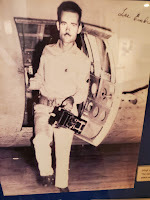 Courtesy of Wright
Museumto the 38th Reconnaissance Squadron as an aerial photographer. By the time 1941 rolled around, he’d been promoted to staff sergeant. On the “day that will live in infamy, Lee had hitched a ride on one of twelve B-17 Flying Fortresses that was heading to Hawaii from California. He was headed to the Philippines along with a few other soldiers.
The planes all held skeleton crews of five and carried bomb sights and machine guns but no ammunition. The 2,400-mile flight required all the gasoline the aircraft could carry. Because the B-17s were expected, the inbound Japanese planes that showed up on radar were assumed to be the Americans.
As the pilots in the Flying Fortresses spotted the Hawaiian islands, they saw what they thought were burning sugar cane fields that bordered the air base. Not long after that, they noticed a group of fighter jets headed their way, and were glad to have escorts for the remaining miles to the field. To their dismay, the plans began to fire on them, and the bombers scattered.
During the mayhem, Embree grabbed his camera and began snapping pictures, many of which ended up in Life, Time, and other important periodicals of the time. Copies are at the National Archives. In a 2001 interview, he was asked why he didn’t take more photos than he did. His response: “I can only answer that I was so flabbergasted at what I saw I forgot about the camera that was in my hand.” He went on to say, “They passed us so close on the left, I could see the pilots’ faces. They were grinning from ear to ear. We were just very lucky. The plane was hit several times, but we weren’t.” On the third circle over Pearl Harbor, Embree’s plane was out of fuel and forced to land (still in the midst of the attack).
 Following the attack, Embree remained at the base as an aerial photographer until February 1942 when he was stationed in Fiji for nine months. He became a combat photographer with the Army Signal Corps and served in many places through the Pacific, including New Caledonia, New Zealand, the Philippines, and Guadalcanal. After the war, he enlisted in the Air Force Reserves where he retired as a major in 1957 and continued to work in photography. An interesting aside is the fact that the camera shop where Lee took his film to be developed refused to return the negatives, instead sending them to Washington, DC at the orders of U.S. Secretary of the Navy Frank Knox. According to Embree, “The next time I saw one of my photos, it was on the front cover of an Australian magazine.” He eventually got his negatives, returned to him years later in a brown envelope covered with Army postmarks from across the Pacific Ocean.
He passed away at the age of 92 in 2008.
_________________
Estelle's Endeavor
 Will a world at war destroy a second chance at love?
Estelle Johnson promised to wait for Aubry DeLuca, but then she receives word of his debilitating injuries. Does she have the strength to stand by him in his hour of need?
Aubry DeLuca storms the beaches at Normandy, then wakes up in the hospital, his eyes bandaged. Will he regain his sight? Will the only woman he’s ever loved welcome him home or is he destined to go through life blind and alone?
Pre-order link: https://amzn.to/3zk40Ci
 I’m proud of my little museum here in Wolfeboro. David Wright, the founder, started collecting military vehicles from WWII until one day a friend of his supposedly said something to the effect of: “you’ve got to do something with them besides cluttering up the yard. You should start a museum.”
 So, in 1982, the E. Stanley Wright Museum Foundation was established. It would be another ten years before David and his wife, Carole, found the perfect location in Wolfeboro, NH. In the early days, it wasn’t much, but apparently, word got out about its potential and how special it was going to be because Army photographer Lee Embree who was the first photographer to snap pictures during the attack at Pearl Harbor showed up one day at the Wright museum and offered David his photos.
Born in Iowa in 1915, Lee enlisted in the Army Air Corps in 1936. Shortly thereafter, he was assigned
 Courtesy of Wright
Museumto the 38th Reconnaissance Squadron as an aerial photographer. By the time 1941 rolled around, he’d been promoted to staff sergeant. On the “day that will live in infamy, Lee had hitched a ride on one of twelve B-17 Flying Fortresses that was heading to Hawaii from California. He was headed to the Philippines along with a few other soldiers.
The planes all held skeleton crews of five and carried bomb sights and machine guns but no ammunition. The 2,400-mile flight required all the gasoline the aircraft could carry. Because the B-17s were expected, the inbound Japanese planes that showed up on radar were assumed to be the Americans.
As the pilots in the Flying Fortresses spotted the Hawaiian islands, they saw what they thought were burning sugar cane fields that bordered the air base. Not long after that, they noticed a group of fighter jets headed their way, and were glad to have escorts for the remaining miles to the field. To their dismay, the plans began to fire on them, and the bombers scattered.
During the mayhem, Embree grabbed his camera and began snapping pictures, many of which ended up in Life, Time, and other important periodicals of the time. Copies are at the National Archives. In a 2001 interview, he was asked why he didn’t take more photos than he did. His response: “I can only answer that I was so flabbergasted at what I saw I forgot about the camera that was in my hand.” He went on to say, “They passed us so close on the left, I could see the pilots’ faces. They were grinning from ear to ear. We were just very lucky. The plane was hit several times, but we weren’t.” On the third circle over Pearl Harbor, Embree’s plane was out of fuel and forced to land (still in the midst of the attack).
 Following the attack, Embree remained at the base as an aerial photographer until February 1942 when he was stationed in Fiji for nine months. He became a combat photographer with the Army Signal Corps and served in many places through the Pacific, including New Caledonia, New Zealand, the Philippines, and Guadalcanal. After the war, he enlisted in the Air Force Reserves where he retired as a major in 1957 and continued to work in photography. An interesting aside is the fact that the camera shop where Lee took his film to be developed refused to return the negatives, instead sending them to Washington, DC at the orders of U.S. Secretary of the Navy Frank Knox. According to Embree, “The next time I saw one of my photos, it was on the front cover of an Australian magazine.” He eventually got his negatives, returned to him years later in a brown envelope covered with Army postmarks from across the Pacific Ocean.
 He passed away at the age of 92 in 2008.
_________________
Estelle's Endeavor
 Will a world at war destroy a second chance at love?
 Estelle Johnson promised to wait for Aubry DeLuca, but then she receives word of his debilitating injuries. Does she have the strength to stand by him in his hour of need?
Aubry DeLuca storms the beaches at Normandy, then wakes up in the hospital, his eyes bandaged. Will he regain his sight? Will the only woman he’s ever loved welcome him home or is he destined to go through life blind and alone?
Pre-order link: https://amzn.to/3zk40Ci
August 29, 2022
Traveling Tuesday: Walter Reed Hospital
Traveling Tuesday: Walter Reed Hospital
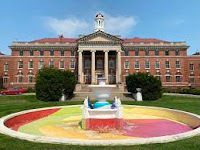 In my upcoming release, Estelle’s Endeavor, my male protagonist is sent to Walter Reed General Hospital for further care after he is injured during the invasion at Normandy during WWII. I drove past the hospital during my commute in the early days of my career but rarely gave it any thought. Living in the Washington, DC/suburban Maryland area, one tends to get used to the various government facilities and installations that dot the landscape. During my research for the story, I turned up many interesting facts, especially about the hospital’s namesake.
As far back as George Washington’s era, the army medical staff realized the need for a separate military hospital campus (or reservation as one source called it), but the dream would not become reality until after the Civil War. The Washington Arsenal, located on a peninsula where the Potomac Anacostia Rivers merge, was the site of a small hospital from 1898 to 1909. It is said that Dr. Walter Reed was assigned to the Arsenal as camp surgeon from 1881 to 1882.
Reed was brilliant by all reports. He finished his two-year program in one year and received his degree at seventeen years of age from the University of Virginia in 1869. He then moved to New York where he received his second degree from Bellevue Hospital Medical College and went on to work at several hospitals within the city.
After marrying, he decided that joining the army would give him a steady income and allow him to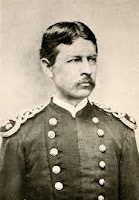 travel. He was commissioned as a first lieutenant assistant surgeon, and for several years he and his wife moved around the country for his assignments. At one point, he was stationed at Fort McHenry, and he took the opportunity to attend classes at Johns Hopkins University.
Bacteriology, infectious diseases, and the concept of germs was in the forefront of the study in medicine during the 1880s and early 1890s, and Reed began research into the cause of typhoid and yellow fever. His studies were breakthroughs in many ways. Not only did he disprove the theory that the diseases were spread through the air, but he was also able to prove mosquitos as the carriers. Additionally, his study was the first time test subjects signed consent forms.
In 1902, Reed died from peritonitis after an emergency appendectomy, and his friend and fellow physician Lt. Colonel William Borden was the driving force to get Congressional support to create a true medical center. It took several years, but funds were finally appropriated in the amount of $192,000, and the new facility welcomed its first ten patients on May 1, 1902. Capacity at that time was eighty beds, and the facility has grown to 5,500 rooms on nearly thirty acres.
 Since its inception, Walter Reed has served more than 150,000 active and retired personnel from all branches of the military. Some of its more famous patients include Major General William Donovan (founder of the OSS), John Foster Dulles (Secretary of State), General Dwight D. Eisenhower (President of the United States), Mamie Eisenhower (First Lady), General John Pershing (Commander, U.S. Expeditionary Forces WWI), and General Douglas MacArthur (US Army Chief of Staff).
_______________________
Estelle's Endeavor
 Will a world at war destroy a second chance at love?
Estelle Johnson promised to wait for Aubry DeLuca, but then she receives word of his debilitating injuries. Does she have the strength to stand by him in his hour of need?
Aubry DeLuca storms the beaches at Normandy, then wakes up in the hospital, his eyes bandaged. Will he regain his sight? Will the only woman he’s ever loved welcome him home or is he destined to go through life blind and alone?
Pre-order link: https://amzn.to/3JlKBWe
 In my upcoming release, Estelle’s Endeavor, my male protagonist is sent to Walter Reed General Hospital for further care after he is injured during the invasion at Normandy during WWII. I drove past the hospital during my commute in the early days of my career but rarely gave it any thought. Living in the Washington, DC/suburban Maryland area, one tends to get used to the various government facilities and installations that dot the landscape. During my research for the story, I turned up many interesting facts, especially about the hospital’s namesake.
As far back as George Washington’s era, the army medical staff realized the need for a separate military hospital campus (or reservation as one source called it), but the dream would not become reality until after the Civil War. The Washington Arsenal, located on a peninsula where the Potomac Anacostia Rivers merge, was the site of a small hospital from 1898 to 1909. It is said that Dr. Walter Reed was assigned to the Arsenal as camp surgeon from 1881 to 1882.
Reed was brilliant by all reports. He finished his two-year program in one year and received his degree at seventeen years of age from the University of Virginia in 1869. He then moved to New York where he received his second degree from Bellevue Hospital Medical College and went on to work at several hospitals within the city.
After marrying, he decided that joining the army would give him a steady income and allow him to
 travel. He was commissioned as a first lieutenant assistant surgeon, and for several years he and his wife moved around the country for his assignments. At one point, he was stationed at Fort McHenry, and he took the opportunity to attend classes at Johns Hopkins University.
Bacteriology, infectious diseases, and the concept of germs was in the forefront of the study in medicine during the 1880s and early 1890s, and Reed began research into the cause of typhoid and yellow fever. His studies were breakthroughs in many ways. Not only did he disprove the theory that the diseases were spread through the air, but he was also able to prove mosquitos as the carriers. Additionally, his study was the first time test subjects signed consent forms.
In 1902, Reed died from peritonitis after an emergency appendectomy, and his friend and fellow physician Lt. Colonel William Borden was the driving force to get Congressional support to create a true medical center. It took several years, but funds were finally appropriated in the amount of $192,000, and the new facility welcomed its first ten patients on May 1, 1902. Capacity at that time was eighty beds, and the facility has grown to 5,500 rooms on nearly thirty acres.
 Since its inception, Walter Reed has served more than 150,000 active and retired personnel from all branches of the military. Some of its more famous patients include Major General William Donovan (founder of the OSS), John Foster Dulles (Secretary of State), General Dwight D. Eisenhower (President of the United States), Mamie Eisenhower (First Lady), General John Pershing (Commander, U.S. Expeditionary Forces WWI), and General Douglas MacArthur (US Army Chief of Staff).
 _______________________
Estelle's Endeavor
 Will a world at war destroy a second chance at love?
Estelle Johnson promised to wait for Aubry DeLuca, but then she receives word of his debilitating injuries. Does she have the strength to stand by him in his hour of need?
Aubry DeLuca storms the beaches at Normandy, then wakes up in the hospital, his eyes bandaged. Will he regain his sight? Will the only woman he’s ever loved welcome him home or is he destined to go through life blind and alone?
Pre-order link: https://amzn.to/3JlKBWe
August 24, 2022
Welcome Lynn Basham Tagawa
Welcome Lynn Basham Tagawa
 LM: Thanks for joining me today. Congratulations on your most upcoming release A Fallen Sparrow What was your inspiration for the story?
Lynne: The Great Awakening of the 1740s. I knew it had ripple effects, and so when I wrote the first book in the trilogy set during this period of great revival, I had my eye on the events of the Revolution. Our revolution was different from the bloodbath in France for a reason. Call me a nerd, but I love this stuff!
LM: I’m intrigued that you included so many real historical figures in the story. How did you go about researching the individuals, and do you worry about getting their personalities and dialogue correct?
Lynne: It all happened so organically. I wanted to place a character at the Boston Massacre. Well,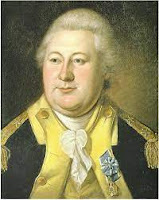 much of what we know about what happened is because Henry Knox was there. So I bought his biography, and what an interesting guy! I didn’t feel bad inventing dialogue for him. He just felt so accessible. Washington, on the other hand, only appears here and there, and I just gave him lines that are known from the historical record. I did fret a bit over my bad guy, a real-life person who went on to have lots of kids. (I couldn’t kill him LOL.) But he really did do something disturbing during the southern campaign, so I felt justified in making him nasty.
LM: What draws you to the time period of the 1700s?
Lynne: So much happened that is foundational to our country today!
LM: In addition to being an author, you are also an editor. How do you turn off your internal editor when writing?
Lynne: I really don’t. I do tell myself that with a word processing program I can always come back to it, but it’s hard. A constant struggle.
LM: You’ve written textbooks and curriculum. How is writing fiction different than nonfiction? The same? Do you find one easier than the other?
Lynne: The curriculum I just dashed off for the class. I didn’t know any rules, just that I wanted history that was fun. So I wrote it in narrative fashion, not knowing that narrative non-fiction is a thing. You see, I never wrote fiction when I was young. Research papers I could do. So really, the textbook was the breakthrough for me, asking the question, What would it have been like to be there? Later, the jump to true fiction was natural.
LM: You’ve accomplished quite a lot. What is one thing you wish you could do?
Lynne: Travel more! I’ve never seen the Shenandoah Valley, Boston, or Philadelphia except in pictures, or in using the Google Maps avatar.
 Pixabay/WikiImages
LM: What is your next project?
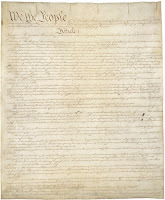
Lynne: I’m working on a couple of novellas for the series. One is a fleshing out of the relationship of two secondary characters from The Heart of Courage. The other is an epistolary where one of my characters from A Fallen Sparrow goes to the Constitutional Convention.
LM: Where can folks find you on the web?
Lynne: Website: http://www.lynnetagawa.com Facebook: https://www.facebook.com/lynne.tagawa
About A Fallen Sparrow
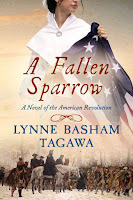 It was all Samuel Adams’s fault.
Ruth Haynes uses the pen name Honorius when she writes for her father’s newspaper. Boston has changed beyond recognition, and her Loyalist views soon get her in trouble. With war looming, what will their family do?
Jonathan Russell hides a guilty secret. The Battle of Bunker’s Hill sweeps him and his Shenandoah Valley family into the war. The unthinkable happens, and he’s forced to deal with both his grief—and his guilt.
Lieutenant Robert Shirley is summoned by his godmother and introduced to the Earl of Dartmouth, who charges him to gather intelligence in Boston. He is horrified but must obey.
Gritty, realistic, and rich with scriptural truth, this story features Dr. Joseph Warren, Major John André, Henry Knox, and Lt. Col. Banastre Tarleton.
Purchase Link: https://amzn.to/3cI1b6s
 LM: Thanks for joining me today. Congratulations on your most upcoming release A Fallen Sparrow What was your inspiration for the story?
 Lynne: The Great Awakening of the 1740s. I knew it had ripple effects, and so when I wrote the first book in the trilogy set during this period of great revival, I had my eye on the events of the Revolution. Our revolution was different from the bloodbath in France for a reason. Call me a nerd, but I love this stuff!
LM: I’m intrigued that you included so many real historical figures in the story. How did you go about researching the individuals, and do you worry about getting their personalities and dialogue correct?
Lynne: It all happened so organically. I wanted to place a character at the Boston Massacre. Well,
 much of what we know about what happened is because Henry Knox was there. So I bought his biography, and what an interesting guy! I didn’t feel bad inventing dialogue for him. He just felt so accessible. Washington, on the other hand, only appears here and there, and I just gave him lines that are known from the historical record. I did fret a bit over my bad guy, a real-life person who went on to have lots of kids. (I couldn’t kill him LOL.) But he really did do something disturbing during the southern campaign, so I felt justified in making him nasty.
LM: What draws you to the time period of the 1700s?
Lynne: So much happened that is foundational to our country today!
LM: In addition to being an author, you are also an editor. How do you turn off your internal editor when writing?
Lynne: I really don’t. I do tell myself that with a word processing program I can always come back to it, but it’s hard. A constant struggle.
LM: You’ve written textbooks and curriculum. How is writing fiction different than nonfiction? The same? Do you find one easier than the other?
Lynne: The curriculum I just dashed off for the class. I didn’t know any rules, just that I wanted history that was fun. So I wrote it in narrative fashion, not knowing that narrative non-fiction is a thing. You see, I never wrote fiction when I was young. Research papers I could do. So really, the textbook was the breakthrough for me, asking the question, What would it have been like to be there? Later, the jump to true fiction was natural.
LM: You’ve accomplished quite a lot. What is one thing you wish you could do?
Lynne: Travel more! I’ve never seen the Shenandoah Valley, Boston, or Philadelphia except in pictures, or in using the Google Maps avatar.
 Pixabay/WikiImages
LM: What is your next project?
Lynne: I’m working on a couple of novellas for the series. One is a fleshing out of the relationship of two secondary characters from The Heart of Courage. The other is an epistolary where one of my characters from A Fallen Sparrow goes to the Constitutional Convention.
LM: Where can folks find you on the web?
Lynne: Website: http://www.lynnetagawa.com Facebook: https://www.facebook.com/lynne.tagawa
About A Fallen Sparrow
 It was all Samuel Adams’s fault.
Ruth Haynes uses the pen name Honorius when she writes for her father’s newspaper. Boston has changed beyond recognition, and her Loyalist views soon get her in trouble. With war looming, what will their family do?
Jonathan Russell hides a guilty secret. The Battle of Bunker’s Hill sweeps him and his Shenandoah Valley family into the war. The unthinkable happens, and he’s forced to deal with both his grief—and his guilt.
Lieutenant Robert Shirley is summoned by his godmother and introduced to the Earl of Dartmouth, who charges him to gather intelligence in Boston. He is horrified but must obey.
Gritty, realistic, and rich with scriptural truth, this story features Dr. Joseph Warren, Major John André, Henry Knox, and Lt. Col. Banastre Tarleton.
Purchase Link: https://amzn.to/3cI1b6s
August 22, 2022
Traveling Tuesday: Baltimore During WWII
Traveling Tuesday: Baltimore During WWII
 The history of Baltimore begins nearly three hundred years ago, its residents living through economic booms and busts, social and political upheaval, fire, and war, the last of which was a mixed blessing for the city.
A mere three decades prior to World War II Baltimore suffered a massive fire. At the corner of German (now Redwood) and Liberty Streets smoke rose from the basement of a dry goods store, then shortly before eleven o’clock in the morning, the building exploded. Burning debris landed on nearby structures, and the winds fanned the flames, pushing them even farther until the entire downtown area was ablaze. Thirty hours later, Baltimore firemen and those who had arrived from other cities along the East Coast put out the fire that had consumed 140 acres, destroyed 1,526 buildings, and burned out 2,500 companies. It would take the city ten years to fully rebuild.
World War I, also known as The Great War, brought economic and social changes. Manufacturing plants sprang up or expanded creating jobs and supporting the war effort. Anti-German sentiment brought name changes to streets and businesses (German Street became Redwood Street, and German-American Bank became American Bank). Unfortunately, twelve years after the war ended, the Depression would nearly devastate the city. Baltimore Trust Company closed its thirty-two-story skyscraper, and by 1933, the governor closed all the banks to prevent mass withdrawals. By 1934, almost 30,000 residents were unemployed. Federal resources such as the Civil Works Administration and the Works Progress Administration helped, but it took the second world war to bring Baltimore back to its former glory.
Two of the largest government contractors were the Glenn L. Martin plant that produced military aircraft such as the B-26 Marauder and the Bethlehem-Fairfield shipyard which built Liberty ships and had the honor of launching the first, the SS Patrick Henry. Camp Holabird is where the army tested the world-famous jeep and trained the soldiers who would keep those jeeps and other military vehicles operating. Coast Guard sailors trained at Fort McHenry and Curtis Bay. And thousands of men and women would go overseas to fight the enemy in every theatre of war.
Like everywhere else in the nation, residents planted victory gardens, but Baltimore went one step further when Henry P. Irr, president of Baltimore Federal Savings and Loan, sponsored a statewide competition and offered bonds as prizes. Constance Black, wife of Baltimore Sun executive Harry Black, tilled a section behind their mansion and put in boysenberries, currants, cabbage, chard, and fruit trees. Apparently, not to be outdone, her husband rode to work in a horse and carriage.
 By all reports, Baltimore became a twenty-four-hour city. Manufacturers operated three shifts, and many support businesses extended their hours. Housing became a major issue as people flooded the city to work at the various plants. Many houses were cut up into small apartments, and some rowhouses were fitted with multiple beds, each bed shared among three men, one per eight-hour shift. Unfortunately, the city was not a welcoming place for people of color, and segregated housing was poor at best. According to one source, Baltimore refused federal money to build permanent public housing for African Americans, instead “opting for temporary trailers so they can be easily moved out after the war is over.”
Since the war, Baltimore has continued to experience the ebb and flow of success and failure, growth and stagnation, stability and unrest, but as shown in her history, the city and her people will prevail.
__________________
Estelle's Endeavor
 Will a world at war destroy a second chance at love?
Estelle Johnson promised to wait for Aubry DeLuca, but then she receives word of his debilitating injuries. Does she have the strength to stand by him in his hour of need?
Aubry DeLuca storms the beaches at Normandy, then wakes up in the hospital, his eyes bandaged. Will he regain his sight? Will the only woman he’s ever loved welcome him home or is he destined to go through life blind and alone?
Pre-order link: https://amzn.to/3zk40Ci
 The history of Baltimore begins nearly three hundred years ago, its residents living through economic booms and busts, social and political upheaval, fire, and war, the last of which was a mixed blessing for the city.
 A mere three decades prior to World War II Baltimore suffered a massive fire. At the corner of German (now Redwood) and Liberty Streets smoke rose from the basement of a dry goods store, then shortly before eleven o’clock in the morning, the building exploded. Burning debris landed on nearby structures, and the winds fanned the flames, pushing them even farther until the entire downtown area was ablaze. Thirty hours later, Baltimore firemen and those who had arrived from other cities along the East Coast put out the fire that had consumed 140 acres, destroyed 1,526 buildings, and burned out 2,500 companies. It would take the city ten years to fully rebuild.
World War I, also known as The Great War, brought economic and social changes. Manufacturing
 plants sprang up or expanded creating jobs and supporting the war effort. Anti-German sentiment brought name changes to streets and businesses (German Street became Redwood Street, and German-American Bank became American Bank). Unfortunately, twelve years after the war ended, the Depression would nearly devastate the city. Baltimore Trust Company closed its thirty-two-story skyscraper, and by 1933, the governor closed all the banks to prevent mass withdrawals. By 1934, almost 30,000 residents were unemployed. Federal resources such as the Civil Works Administration and the Works Progress Administration helped, but it took the second world war to bring Baltimore back to its former glory.
Two of the largest government contractors were the Glenn L. Martin plant that produced military aircraft such as the B-26 Marauder and the Bethlehem-Fairfield shipyard which built Liberty ships and had the honor of launching the first, the SS Patrick Henry. Camp Holabird is where the army tested the world-famous jeep and trained the soldiers who would keep those jeeps and other military vehicles operating. Coast Guard sailors trained at Fort McHenry and Curtis Bay. And thousands of men and women would go overseas to fight the enemy in every theatre of war.
Like everywhere else in the nation, residents planted victory gardens, but Baltimore went one step further when Henry P. Irr, president of Baltimore Federal Savings and Loan, sponsored a statewide competition and offered bonds as prizes. Constance Black, wife of Baltimore Sun executive Harry Black, tilled a section behind their mansion and put in boysenberries, currants, cabbage, chard, and fruit trees. Apparently, not to be outdone, her husband rode to work in a horse and carriage.
 By all reports, Baltimore became a twenty-four-hour city. Manufacturers operated three shifts, and many support businesses extended their hours. Housing became a major issue as people flooded the city to work at the various plants. Many houses were cut up into small apartments, and some rowhouses were fitted with multiple beds, each bed shared among three men, one per eight-hour shift. Unfortunately, the city was not a welcoming place for people of color, and segregated housing was poor at best. According to one source, Baltimore refused federal money to build permanent public housing for African Americans, instead “opting for temporary trailers so they can be easily moved out after the war is over.”
Since the war, Baltimore has continued to experience the ebb and flow of success and failure, growth and stagnation, stability and unrest, but as shown in her history, the city and her people will prevail.
__________________
Estelle's Endeavor
 Will a world at war destroy a second chance at love?
Estelle Johnson promised to wait for Aubry DeLuca, but then she receives word of his debilitating injuries. Does she have the strength to stand by him in his hour of need?
Aubry DeLuca storms the beaches at Normandy, then wakes up in the hospital, his eyes bandaged. Will he regain his sight? Will the only woman he’s ever loved welcome him home or is he destined to go through life blind and alone?
Pre-order link: https://amzn.to/3zk40Ci
August 17, 2022
Talkshow Thursday: Welcome Back, Kathleen Bailey!
Talkshow Thursday: Welcome Back, Kathleen Bailey!
 Linda: Welcome back! Congratulations on your upcoming release Redemption’s Hope. I can’t wait to read it. Where did you find your inspiration for this installment in your Western Dreams series?
KATHLEEN: Linda, it is great to be here. Honestly, I didn’t have to be inspired for Jenny’s book. She had a powerful presence in the first two “Western Dreams” books. I couldn’t NOT write about her.
LM: I love hearing that. After years of writing nonfiction as a journalist, why and how did you end up writing historical fiction?
KATHLEEN: I’ve wanted to be a novelist since I was six years old. It just took me longer than most people. Journalism paid the bills – and taught me discipline and deadline-keeping.
LM: Research is an important part of the writing process. What sort of research did you do for Redemption’s Hope? Did you unearth anything that was totally unexpected?
KATHLEEN: “Redemption’s Hope” was tricky logistically, because I had to coordinate the two lovers and two distinct sets of villains, one after her and one after him, and I had to move them around the then-known world. I used a lot of charts and maps to make sure everyone was in the right place. My other two books were pretty static, even the Oregon Trail one – they moved a lot, but they were all going in the same direction. This was more of a saga/epic, and I had a lot of coordinating to do.
LM: Sounds intriguing! As mentioned, you’re also a journalist and have an upcoming nonfiction book coming out about war monuments in New Hampshire. How do you juggle the two genres.?
KATHLEEN: It’s all writing. It’s all telling stories. I tend to spend more time on whichever project needs me at the moment, but it all balances out.
LM: What do you do to prepare for writing?
KATHLEEN: Earl Grey tea in a china cup, and deal with my social media and correspondence first, so I can concentrate.
LM: How do you come up with your characters (names, jobs, physical attributes, etc.)?
KATHLEEN: It’s almost a mystical process. My characters show up first and I riff on that. Plotting does not come as easy…
LM: What was your favorite childhood book?
KATHLEEN: Maud Hart Lovelace’s Betsy, Tacy and Tib series. Kind of like “Little House,” only in a small Minnesota town just after the turn of the century and before World War I. But the books have the “Little House” insight into the child’s mind. The “Betsy” character wanted to be a writer, and I related to that. I also loved Edward Eager’s “Magic” series, including “Half Magic” and “Knight’s Castle.” I graduated to “A Wrinkle in Time,” which was the Harry Potter of my generation.
LM: I loved A Wrinkle in Time. What are you currently working on?
 Pixabay/John FrenchKATHLEEN: I’m editing a novel about Lexington and Concord. But the West won’t leave me alone, so I’m researching another Western book.
LM: Where can folks find you on the web?
KATHLEEN: Facebook and LinkedIn, Kathleen D. Bailey; Twitter, @piechick1.
_____________________
About Redemption's Hope:
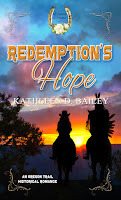
Two orphaned children. Two different sets of villains. A man without a country and a woman with too much past. And a rambunctious young country where anything went, especially in the West. Seriously. What could go wrong?
Purchase Link: https://amzn.to/3AEutN4
.jpg) Linda: Welcome back! Congratulations on your upcoming release Redemption’s Hope. I can’t wait to read it. Where did you find your inspiration for this installment in your Western Dreams series?
Linda: Welcome back! Congratulations on your upcoming release Redemption’s Hope. I can’t wait to read it. Where did you find your inspiration for this installment in your Western Dreams series?KATHLEEN: Linda, it is great to be here. Honestly, I didn’t have to be inspired for Jenny’s book. She had a powerful presence in the first two “Western Dreams” books. I couldn’t NOT write about her.
LM: I love hearing that. After years of writing nonfiction as a journalist, why and how did you end up writing historical fiction?
KATHLEEN: I’ve wanted to be a novelist since I was six years old. It just took me longer than most people. Journalism paid the bills – and taught me discipline and deadline-keeping.
LM: Research is an important part of the writing process. What sort of research did you do for Redemption’s Hope? Did you unearth anything that was totally unexpected?
KATHLEEN: “Redemption’s Hope” was tricky logistically, because I had to coordinate the two lovers and two distinct sets of villains, one after her and one after him, and I had to move them around the then-known world. I used a lot of charts and maps to make sure everyone was in the right place. My other two books were pretty static, even the Oregon Trail one – they moved a lot, but they were all going in the same direction. This was more of a saga/epic, and I had a lot of coordinating to do.
LM: Sounds intriguing! As mentioned, you’re also a journalist and have an upcoming nonfiction book
 coming out about war monuments in New Hampshire. How do you juggle the two genres.?
KATHLEEN: It’s all writing. It’s all telling stories. I tend to spend more time on whichever project needs me at the moment, but it all balances out.
LM: What do you do to prepare for writing?
KATHLEEN: Earl Grey tea in a china cup, and deal with my social media and correspondence first, so I can concentrate.
LM: How do you come up with your characters (names, jobs, physical attributes, etc.)?
KATHLEEN: It’s almost a mystical process. My characters show up first and I riff on that. Plotting does not come as easy…
LM: What was your favorite childhood book?
KATHLEEN: Maud Hart Lovelace’s Betsy, Tacy and Tib series. Kind of like “Little House,” only in a small Minnesota town just after the turn of the century and before World War I. But the books have the “Little House” insight into the child’s mind. The “Betsy” character wanted to be a writer, and I related to that. I also loved Edward Eager’s “Magic” series, including “Half Magic” and “Knight’s Castle.” I graduated to “A Wrinkle in Time,” which was the Harry Potter of my generation.
LM: I loved A Wrinkle in Time. What are you currently working on?
 Pixabay/John FrenchKATHLEEN: I’m editing a novel about Lexington and Concord. But the West won’t leave me alone, so I’m researching another Western book.
 LM: Where can folks find you on the web?
KATHLEEN: Facebook and LinkedIn, Kathleen D. Bailey; Twitter, @piechick1.
_____________________
About Redemption's Hope:
%20-%20Copy.jpg)
Two orphaned children. Two different sets of villains. A man without a country and a woman with too much past. And a rambunctious young country where anything went, especially in the West. Seriously. What could go wrong?
Purchase Link: https://amzn.to/3AEutN4