Linda Shenton Matchett's Blog, page 34
October 5, 2022
Welcome Penny Frost McGinnis!
Welcome Penny Frost McGinnis!
 LM: Welcome! Congratulations on your recent release Home Where She Belongs. What was your inspiration for the story?
Penny: Thank you. All of my stories are inspired by the hope I have in Jesus. In Home Where She Belongs, I wanted readers to see the hope Sadie found. She has just escaped an abusive relationship and moved to the island where she spent the summers of her youth with her grandparents and her friends, Lucy and Joel. Sadie needs to learn to trust again and find out there are good men, like Joel, she can count on.
LM: Home Where She Belongs is the first book in the Abbott Island series. How many books do you have planned? How did you come up with the location? (e.g., is it based on a real place, etc.)
Penny: I plan to write three. I have completed the manuscript for book two, Marigold and Johnny’s story and plan for book three to be Lucy’s story. Abbott Island is based on Kelleys Island, Ohio an island in Lake Erie. My husband and I love to vacation in that area. I’ve used some of the features of Kelleys Island to create the fictional Abbott Island. I chose to fictionalize, but wanted to incorporate the beautiful natural setting on Kelleys and the festivals and activities they have. By fictionalizing, I could use my imagination and add what I needed for the story.
LM: How did you come up with your characters? Do any of them have traits of you?
Penny: Sadie and Joel formed after a visit to Kelleys Island and spoke to me about their story. My Pixabay/Logan Wengercharacters tell me their story as I write. and some show up unexpectedly. Sadie had been on my heart for a while. She is a culmination of women who have been through difficult times and long for a peaceful life. Joel represents hope, even though he is a flawed man, he is a kind-hearted and caring person. I tend to listen to my characters as they tell me the story, and I'm surprised at times where the story goes, but it's a fun process. Marigold came from a woman I met on the island who rented kayaks to tourists. She’s probably got a bit of me in her, because she is a creative and determined lady.
LM: What do you do to prepare for writing?
Penny: I often write in the morning, with a cup of coffee. I pray over whatever I am writing. If I forget to pray, the words don’t flow as well. I’ve learned that from experience. I like to sit in my recliner and especially love it when the weather is mild, and I can open my windows and listen to the birds.
LM: What is your favorite aspect of writing?
Penny: I enjoy incorporating nature in my writing, and I like discovering the characters and their conflicts. The last stages of editing, when the story is coming together, brings me great satisfaction.
LM: What is one thing you wish you could do?
Penny: My grandkids love superheroes and one day we were talking about what superpower we would like to have. I’d love to be able to teleport, then I could go where I wanted without driving or flying.
LM: What advice do you have for fledgling writers?
 Pixabay/Janeb13Penny: Keep at it. If the dream of publication and the call to write rests on you, put in the time, the work, the tears, the laughter, embrace the love of the written word and be faithful. The time-line between my desire to write fiction and actual publication has been twenty-five years. During that time, I wrote devotions and had some published. I also started a blog where I post devotions, book reviews, and encouraging thoughts. I penned ideas and I read, a lot. So many great books have been written by amazing authors who want to help new writers. I joined the American Christian Fiction Writers and got to attend one conference where I connected with seasoned authors. I found smaller conferences to attend and connect. The encouragement spurred me along. I invested money and time for many years because I knew God called me to be faithful to Him and write, and I eventually learned publication was up to Him. I pray you are surrounded by encouragement.
LM: Where can folks find you on the web?
Penny: At Hope for Today’s Heart where I blog and share book reviews and devotions: https://www.pennyfrostmcginnis.com/
About Home Where She Belongs
 Small-town romance with a dash of mystery and the promise of hope.
Tired of being a pawn for her father and an emotional punching bag for her ex-boyfriend, Sadie Stewart escapes to Abbott Island where she spent summers with her grandparents. Would the love and faith she learned from them be enough to fuel her new life? She wants to believe God's promises, yet broken trust holds her back.
Joel Grayson left the island long enough to train at the Police Academy. The community trusts him, even though he's failed. When he finds Sadie at her grandparents' cottages, his heart skips a beat. He'd love to get to know her again, but no one needs to share the hurt he harbors.
When Sadie discovers someone is sabotaging her future, she seeks Joel's help. As they are drawn together, will Joel let down his guard and let her in? Will Sadie trust the man who loves her and the Father Who cares?
Purchase Link: https://books2read.com/u/3nX775
 LM: Welcome! Congratulations on your recent release Home Where She Belongs. What was your inspiration for the story?
 Penny: Thank you. All of my stories are inspired by the hope I have in Jesus. In Home Where She Belongs, I wanted readers to see the hope Sadie found. She has just escaped an abusive relationship and moved to the island where she spent the summers of her youth with her grandparents and her friends, Lucy and Joel. Sadie needs to learn to trust again and find out there are good men, like Joel, she can count on.
LM: Home Where She Belongs is the first book in the Abbott Island series. How many books do you have planned? How did you come up with the location? (e.g., is it based on a real place, etc.)
Penny: I plan to write three. I have completed the manuscript for book two, Marigold and Johnny’s story and plan for book three to be Lucy’s story. Abbott Island is based on Kelleys Island, Ohio an island in Lake Erie. My husband and I love to vacation in that area. I’ve used some of the features of Kelleys Island to create the fictional Abbott Island. I chose to fictionalize, but wanted to incorporate the beautiful natural setting on Kelleys and the festivals and activities they have. By fictionalizing, I could use my imagination and add what I needed for the story.
LM: How did you come up with your characters? Do any of them have traits of you?
Penny: Sadie and Joel formed after a visit to Kelleys Island and spoke to me about their story. My
 Pixabay/Logan Wengercharacters tell me their story as I write. and some show up unexpectedly. Sadie had been on my heart for a while. She is a culmination of women who have been through difficult times and long for a peaceful life. Joel represents hope, even though he is a flawed man, he is a kind-hearted and caring person. I tend to listen to my characters as they tell me the story, and I'm surprised at times where the story goes, but it's a fun process. Marigold came from a woman I met on the island who rented kayaks to tourists. She’s probably got a bit of me in her, because she is a creative and determined lady.
 LM: What do you do to prepare for writing?
Penny: I often write in the morning, with a cup of coffee. I pray over whatever I am writing. If I forget to pray, the words don’t flow as well. I’ve learned that from experience. I like to sit in my recliner and especially love it when the weather is mild, and I can open my windows and listen to the birds.
LM: What is your favorite aspect of writing?
Penny: I enjoy incorporating nature in my writing, and I like discovering the characters and their conflicts. The last stages of editing, when the story is coming together, brings me great satisfaction.
LM: What is one thing you wish you could do?
Penny: My grandkids love superheroes and one day we were talking about what superpower we would like to have. I’d love to be able to teleport, then I could go where I wanted without driving or flying.
LM: What advice do you have for fledgling writers?
.jpg) Pixabay/Janeb13Penny: Keep at it. If the dream of publication and the call to write rests on you, put in the time, the work, the tears, the laughter, embrace the love of the written word and be faithful. The time-line between my desire to write fiction and actual publication has been twenty-five years. During that time, I wrote devotions and had some published. I also started a blog where I post devotions, book reviews, and encouraging thoughts. I penned ideas and I read, a lot. So many great books have been written by amazing authors who want to help new writers. I joined the American Christian Fiction Writers and got to attend one conference where I connected with seasoned authors. I found smaller conferences to attend and connect. The encouragement spurred me along. I invested money and time for many years because I knew God called me to be faithful to Him and write, and I eventually learned publication was up to Him. I pray you are surrounded by encouragement.
Pixabay/Janeb13Penny: Keep at it. If the dream of publication and the call to write rests on you, put in the time, the work, the tears, the laughter, embrace the love of the written word and be faithful. The time-line between my desire to write fiction and actual publication has been twenty-five years. During that time, I wrote devotions and had some published. I also started a blog where I post devotions, book reviews, and encouraging thoughts. I penned ideas and I read, a lot. So many great books have been written by amazing authors who want to help new writers. I joined the American Christian Fiction Writers and got to attend one conference where I connected with seasoned authors. I found smaller conferences to attend and connect. The encouragement spurred me along. I invested money and time for many years because I knew God called me to be faithful to Him and write, and I eventually learned publication was up to Him. I pray you are surrounded by encouragement.LM: Where can folks find you on the web?
Penny: At Hope for Today’s Heart where I blog and share book reviews and devotions: https://www.pennyfrostmcginnis.com/
About Home Where She Belongs
 Small-town romance with a dash of mystery and the promise of hope.
Tired of being a pawn for her father and an emotional punching bag for her ex-boyfriend, Sadie Stewart escapes to Abbott Island where she spent summers with her grandparents. Would the love and faith she learned from them be enough to fuel her new life? She wants to believe God's promises, yet broken trust holds her back.
Joel Grayson left the island long enough to train at the Police Academy. The community trusts him, even though he's failed. When he finds Sadie at her grandparents' cottages, his heart skips a beat. He'd love to get to know her again, but no one needs to share the hurt he harbors.
When Sadie discovers someone is sabotaging her future, she seeks Joel's help. As they are drawn together, will Joel let down his guard and let her in? Will Sadie trust the man who loves her and the Father Who cares?
Purchase Link: https://books2read.com/u/3nX775


October 4, 2022
Wartime Wednesday: Armed Services Editions
Wartime Wednesday: Armed Services Editions
 Author photoPerhaps you’ve heard of Victory Gardens and Victory Mail (later v-mail). Maybe you’re even familiar with the Victory Liberty Loans, but are you aware of the dozens of U.S. manufacturers and organizations that jumped on the bandwagon early during World War II to capitalize on the concept?
The Dalemar Paper Company of Lodi, NJ produced a “Victory Pack” of waxed paper for food preservation and Dee-Jay Farms sold “Victory Chicken.” Children could assemble a Victory Jeep from paper or purchase a wooden Victory Tank or Victory Broadcasting Truck. Victory bags - canvas totes to carry groceries - were also popular. One company even put out a “Victory Swatter” (fly swatter).
But my favorite, for obvious reasons, is the Victory Book Campaign.
In 1939, there were only 174,000 men serving in the Army. By the end of 1942 there were 5,400,000, in 1943 there were 7,000,000, and by the end of the war, there were 8,300,000. Naval strength increased by 1,400,000 sailors. Needless to say, it was a massive challenge to equip and organize the rapidly growing force, and despite the government’s understanding of the morale-boosting potential of good reading material, supplying books to military camp libraries simply could not be an immediate priority. Congress allocated money for buying new books, but the process was slow, and the book distribution was limited to bases with new construction.
The American Library Association, the American Red Cross, and the United Service Organizations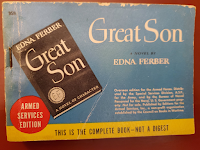 Author photo
(USO) stepped in to fill the void and created the National Defense Book Campaign with a goal to have the public donate books for soldiers and sailors. The Victory Book Campaign, as it was renamed, was wildly successful in one sense. Nearly eleven million books were donated. However, almost half of those were unusable for various reasons. Eventually, the cost of shipping and unsuitability of soldiers carrying heavy hardcover books made the project untenable, and the program dissolved.
But the idea of supplying the men with reading material was still valid, so another organization was founded by booksellers, publishers, librarians, authors, and others. Called the Council of Books in Wartime, the organization was a non-profit and not connected to the government in any way.
 WikiImages
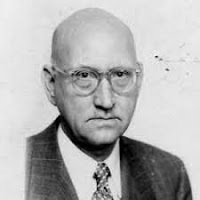
Philip Van Doren Stern of Pocket Books, producer of the first mass-market, pocket-sized paperback, was project manager, and his first order of business was to design a book that fit into the pockets of military uniforms. A volunteer advisory panel selected the fiction and nonfiction books that would be printed. During the four years of its existence, CBW issued 122 million copies of 1,324 titles.
That’s what I call victory.
_______________________
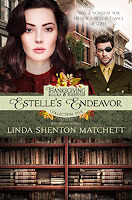
Will a world at war destroy a second chance at love?
Estelle Johnson promises to wait for Aubry DeLuca to return from the war, but then she receives word of his debilitating injuries. Does she have the strength to stand by him during his hour of need?
Aubry DeLuca storms the beaches of Normandy, then wakes up in a hospital, his eyes heavily bandaged. Will the only woman he’s ever loved welcome him home or is he destined to go through life blind and alone?
Purchase Link: https://amzn.to/3SuXWPI
 Author photoPerhaps you’ve heard of Victory Gardens and Victory Mail (later v-mail). Maybe you’re even familiar with the Victory Liberty Loans, but are you aware of the dozens of U.S. manufacturers and organizations that jumped on the bandwagon early during World War II to capitalize on the concept?
The Dalemar Paper Company of Lodi, NJ produced a “Victory Pack” of waxed paper for food preservation and Dee-Jay Farms sold “Victory Chicken.” Children could assemble a Victory Jeep from paper or purchase a wooden Victory Tank or Victory Broadcasting Truck. Victory bags - canvas totes to carry groceries - were also popular. One company even put out a “Victory Swatter” (fly swatter).
But my favorite, for obvious reasons, is the Victory Book Campaign.
In 1939, there were only 174,000 men serving in the Army. By the end of 1942 there were 5,400,000, in 1943 there were 7,000,000, and by the end of the war, there were 8,300,000. Naval strength increased by 1,400,000 sailors. Needless to say, it was a massive challenge to equip and organize the rapidly growing force, and despite the government’s understanding of the morale-boosting potential of good reading material, supplying books to military camp libraries simply could not be an immediate priority. Congress allocated money for buying new books, but the process was slow, and the book distribution was limited to bases with new construction.
The American Library Association, the American Red Cross, and the United Service Organizations
 Author photo
(USO) stepped in to fill the void and created the National Defense Book Campaign with a goal to have the public donate books for soldiers and sailors. The Victory Book Campaign, as it was renamed, was wildly successful in one sense. Nearly eleven million books were donated. However, almost half of those were unusable for various reasons. Eventually, the cost of shipping and unsuitability of soldiers carrying heavy hardcover books made the project untenable, and the program dissolved.
But the idea of supplying the men with reading material was still valid, so another organization was founded by booksellers, publishers, librarians, authors, and others. Called the Council of Books in Wartime, the organization was a non-profit and not connected to the government in any way.
 WikiImages
Philip Van Doren Stern of Pocket Books, producer of the first mass-market, pocket-sized paperback, was project manager, and his first order of business was to design a book that fit into the pockets of military uniforms. A volunteer advisory panel selected the fiction and nonfiction books that would be printed. During the four years of its existence, CBW issued 122 million copies of 1,324 titles.
That’s what I call victory.
_______________________

Will a world at war destroy a second chance at love?
Estelle Johnson promises to wait for Aubry DeLuca to return from the war, but then she receives word of his debilitating injuries. Does she have the strength to stand by him during his hour of need?
Aubry DeLuca storms the beaches of Normandy, then wakes up in a hospital, his eyes heavily bandaged. Will the only woman he’s ever loved welcome him home or is he destined to go through life blind and alone?
Purchase Link: https://amzn.to/3SuXWPI
October 2, 2022
Mystery Monday: Ellery Queen's Calamity Town
Calamity Town by Ellery Queen
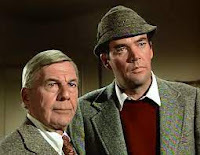 The television program Ellery Queen only ran for two years (1975-1976), but I remember being an avid viewer. Actor Jim Hutton played the title role, and each episode featured some big-name star from Hollywood. (Hutton’s son, actor Timothy Hutton, would later dress as Ellery Queen at a costume party in an episode of Leverage, no doubt in homage to his father.) But Ellery Queen started long before the TV show ever aired.
Created as a pseudonym by two writers with their own pseudonyms, Ellery Queen came into existence in 1928. Frederick Dannay (real name Daniel Nathan) and Manfred Bennington Lee (real name Emanuel Benjamin Lepofsky) were cousins who were born and raised in New York City. They created the character who acts as his own narrator to enter a contest in McClure’s magazine for the best first mystery novel. The good news is they won the contest; the bad news is the periodical went out of business before the piece could be published. After submitting the manuscript to several publishers, the book was finally accepted and printed in 1929, under the title The Roman Hat Mystery.
A great success, The Roman Hat Mystery provided a template the authors would use for most of their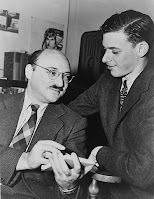 stories: an unusual crime, a complex series of clues and red herrings, lots of misdirected solutions, and a huge cast of characters. Interestingly, the authors also include a single page near the back of the book that declared the reader had seen all the clues Ellery had, and that only one solution was possible.
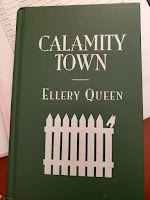
In 1942, Calamity Town, the first of the “Wrightsville” books is published. Ellery has moved to the small town of Wrightsville, somewhere in New England, so he can find peace and quiet to write a book. He rents a house, known as Calamity House, and becomes involved in the story of Jim Haight and Nora Wright. Three years prior on the eve of his wedding Jim disappeared but has recently returned and the wedding is on again. Then evidence comes to light that Jim is planning to poison Nora, but his sister Rosemary dies instead. Jim is tried for the murder, but Ellery eventually reveals the identity of the murderer. At one point, Ellery himself is a suspect.
 This, as well as the other Wrightsville novels, is considered more character-driven and realistic than the earlier “puzzle” mysteries. There is also quite a bit of observation and comment about the nature of small American towns: “Wrightsville was a place in the US where people lived, worked, and died in an atmosphere of decency and independence. A typical American town…one could freely breathe the air here, although the industry has had its influence.”
Another great book from the Golden Age of Detective Fiction!
_________________
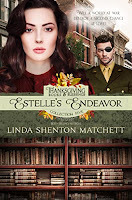
Will a world at war destroy a second chance at love?
Estelle Johnson promised to wait for Aubry DeLuca, but then she receives word of his debilitating injuries. Does she have the strength to stand by him in his hour of need?
Aubry DeLuca storms the beaches at Normandy, then wakes up in the hospital, his eyes bandaged. Will he regain his sight? Will the only woman he’s ever loved welcome him home or is he destined to go through life blind and alone?
Purchase Link: https://amzn.to/3SuXWPI
 The television program Ellery Queen only ran for two years (1975-1976), but I remember being an avid viewer. Actor Jim Hutton played the title role, and each episode featured some big-name star from Hollywood. (Hutton’s son, actor Timothy Hutton, would later dress as Ellery Queen at a costume party in an episode of Leverage, no doubt in homage to his father.) But Ellery Queen started long before the TV show ever aired.
Created as a pseudonym by two writers with their own pseudonyms, Ellery Queen came into existence in 1928. Frederick Dannay (real name Daniel Nathan) and Manfred Bennington Lee (real name Emanuel Benjamin Lepofsky) were cousins who were born and raised in New York City. They created the character who acts as his own narrator to enter a contest in McClure’s magazine for the best first mystery novel. The good news is they won the contest; the bad news is the periodical went out of business before the piece could be published. After submitting the manuscript to several publishers, the book was finally accepted and printed in 1929, under the title The Roman Hat Mystery.
A great success, The Roman Hat Mystery provided a template the authors would use for most of their
 stories: an unusual crime, a complex series of clues and red herrings, lots of misdirected solutions, and a huge cast of characters. Interestingly, the authors also include a single page near the back of the book that declared the reader had seen all the clues Ellery had, and that only one solution was possible.
In 1942, Calamity Town, the first of the “Wrightsville” books is published. Ellery has moved to the small town of Wrightsville, somewhere in New England, so he can find peace and quiet to write a book. He rents a house, known as Calamity House, and becomes involved in the story of Jim Haight and Nora Wright. Three years prior on the eve of his wedding Jim disappeared but has recently returned and the wedding is on again. Then evidence comes to light that Jim is planning to poison Nora, but his sister Rosemary dies instead. Jim is tried for the murder, but Ellery eventually reveals the identity of the murderer. At one point, Ellery himself is a suspect.
 This, as well as the other Wrightsville novels, is considered more character-driven and realistic than the earlier “puzzle” mysteries. There is also quite a bit of observation and comment about the nature of small American towns: “Wrightsville was a place in the US where people lived, worked, and died in an atmosphere of decency and independence. A typical American town…one could freely breathe the air here, although the industry has had its influence.”
Another great book from the Golden Age of Detective Fiction!
_________________

Will a world at war destroy a second chance at love?
Estelle Johnson promised to wait for Aubry DeLuca, but then she receives word of his debilitating injuries. Does she have the strength to stand by him in his hour of need?
Aubry DeLuca storms the beaches at Normandy, then wakes up in the hospital, his eyes bandaged. Will he regain his sight? Will the only woman he’s ever loved welcome him home or is he destined to go through life blind and alone?
Purchase Link: https://amzn.to/3SuXWPI
September 28, 2022
Talkshow Thursday: Welcome BD Lawrence!
Talkshow Thursday: Welcome BD Lawrence!
 LM: Thanks for joining me today. Congratulations on your recent publication Killer Redemption. What was your inspiration for the story?
B.D.: Since becoming a Christian in 2000, I’ve had a fascination with redemption. I am also a student of the apostle Paul. I thought who is a modern-day equivalent of Paul? Who is someone that would seem beyond redemption? A hitman. From one perspective, Paul was a hitman. He was sent out to kill and capture Christians. How does a hitman get to redemption? He falls in love with a Christian woman.
LM: Your first book, An Angel and a One-Armed Man is crime fiction. What made you try your hand at a romantic suspense book?
B.D.: First of all, let me clarify. Killer Redemption is what I consider romantic suspense, not necessarily what the market considers. That is, a suspense novel with a romantic element. The romantic suspense I’ve read should be called suspenseful romance, as they tend to be romances with some suspense. Killer Redemption is a crime novel, but the romance between Cora and Hardgrave plays a huge part. It was the juxtaposition of that life of crime Hardgrave has and the Christian life Cora has that was the inspiration.
LM: What sort of research did you have to do for your story, and was there a particular tidbit you knew had to be included?
B.D.: This book didn’t require the same rigor of research that many do. One reason is that I made up Pixabay/igormattiothe city the story takes place in. I borrowed that from one of my favorite crime writers, Ed McBain, who has a fictional city that’s similar to New York City in his 83rd precinct novels, but it’s not. Same with my city. It’s similar to Boston, but it’s not. I did have to do research on jazz artists, guns, police / FBI procedure.
LM: You’ve written more than two dozen short stories. How was the process of writing a full-length novel different? The same? Do you find one easier than the other?
B.D.: This is always a fun question to discuss. Many newbie writers ask “how long should this story be?” My answer is that a story is as long as a story needs to be and no longer and no shorter. Therefore, for me, ideas come to me and I plot them out in my head. This tends to dictate what the story is, short story, novella, novel. The big difference in the process for me is for short stories, I write them. From beginning to end. Generally, I don’t need to make notes. I don’t scene them out. I just write them. For a novel, I tend to know the beginning, the ending, and the main characters. Much of the rest evolves. Even ancillary characters pop up as I go. For a short story, I know the characters to start with. For novels, I write 5 – 10 scene outlines ahead. I try not to confine myself too much so that’s why only that many scenes forward.
LM: What is one thing you wish you could do?
B.D.: Write full-time. I still have a full-time job, so writing doesn’t get the attention I’d like.
LM: What is your advice to fledgling writers?
 Pixabay/DmitriyB.D.: One exercise I learned from a writing workshop instructor that is valuable for new writers is write your story. Now, rewrite it but cut it in half. Then do that again. Finally, do that one more time. Now, you have the essence of your story. This teaches a writer to recognize what is necessary. Another piece of advice is when you get feedback from neutral readers (not your mom, in other words), if one person suggests something, consider it. If more than one, consider it strongly.
LM: What is your next project?
B.D.: I’m working on book two of my One-Armed Detective series. It’s currently called The Coyote and a One-Armed Man. Lefty Bruder and Eileen go to Phoenix to rescue a girl sold into trafficking and end up also trying to save a twelve-year-old Mexican girl sold to a cartel boss.
LM: Where can folks find you on the web?
B.D.: Website: https://www.bdlawrence.comFacebook: https://www.facebook.com/bdlawrencewriter Twitter: @bdlawrence3. Goodreads: https://www.goodreads.com/author/show/22044740.B_D_LawrenceBookBub: https://www.bookbub.com/authors/b-d-lawrence
About Killer Redemption:
 Lyle Hardgrave is a gentleman, a poet, a jazz lover, and a hitman.
And he’s fallen in love with Cora Wilson, who is energetic, unrestrained, passionate, and devout.
Hardgrave is known to the criminal underworld as the Gorgon. See his face. Die. He’s lived a life of anonymity, a life in which he has total control and where emotions are a handicap. Years ago, he chained them and buried them, then threw away the key.
A series of events threatens his anonymity and his control. He’s forced to kill the son of the top mob boss. His best friend, and the only one that knows his identity, disappears. The FBI closes in. The mob hunts him. All part of the lifestyle he’s chosen.
Except, there’s Cora Wilson. She fills a void he’s ignored for decades. Cora possesses the key to his shackled emotions. One by one she unlocks them. But Cora doesn’t know Hardgrave’s secret. Hardgrave must choose. Leave his criminal life or leave Cora. Even if he chooses Cora, will she accept who he really is? Can he have love from this amazing woman and find redemption from his past? Lyle Hardgrave battles organized crime, the FBI, and unchained emotions to keep himself and the love of his life alive.
Purchase Link: https://amzn.to/3Dk4ziW
 LM: Thanks for joining me today. Congratulations on your recent publication Killer Redemption. What was your inspiration for the story?
B.D.: Since becoming a Christian in 2000, I’ve had a fascination with redemption. I am also a student of the apostle Paul. I thought who is a modern-day equivalent of Paul? Who is someone that would seem beyond redemption? A hitman. From one perspective, Paul was a hitman. He was sent out to kill and capture Christians. How does a hitman get to redemption? He falls in love with a Christian woman.
LM: Your first book, An Angel and a One-Armed Man is crime fiction. What made you try your hand at a romantic suspense book?
B.D.: First of all, let me clarify. Killer Redemption is what I consider romantic suspense, not necessarily what the market considers. That is, a suspense novel with a romantic element. The romantic suspense I’ve read should be called suspenseful romance, as they tend to be romances with some suspense. Killer Redemption is a crime novel, but the romance between Cora and Hardgrave plays a huge part. It was the juxtaposition of that life of crime Hardgrave has and the Christian life Cora has that was the inspiration.
LM: What sort of research did you have to do for your story, and was there a particular tidbit you knew had to be included?
B.D.: This book didn’t require the same rigor of research that many do. One reason is that I made up
 Pixabay/igormattiothe city the story takes place in. I borrowed that from one of my favorite crime writers, Ed McBain, who has a fictional city that’s similar to New York City in his 83rd precinct novels, but it’s not. Same with my city. It’s similar to Boston, but it’s not. I did have to do research on jazz artists, guns, police / FBI procedure.
 LM: You’ve written more than two dozen short stories. How was the process of writing a full-length novel different? The same? Do you find one easier than the other?
B.D.: This is always a fun question to discuss. Many newbie writers ask “how long should this story be?” My answer is that a story is as long as a story needs to be and no longer and no shorter. Therefore, for me, ideas come to me and I plot them out in my head. This tends to dictate what the story is, short story, novella, novel. The big difference in the process for me is for short stories, I write them. From beginning to end. Generally, I don’t need to make notes. I don’t scene them out. I just write them. For a novel, I tend to know the beginning, the ending, and the main characters. Much of the rest evolves. Even ancillary characters pop up as I go. For a short story, I know the characters to start with. For novels, I write 5 – 10 scene outlines ahead. I try not to confine myself too much so that’s why only that many scenes forward.
LM: What is one thing you wish you could do?
B.D.: Write full-time. I still have a full-time job, so writing doesn’t get the attention I’d like.
LM: What is your advice to fledgling writers?
 Pixabay/DmitriyB.D.: One exercise I learned from a writing workshop instructor that is valuable for new writers is write your story. Now, rewrite it but cut it in half. Then do that again. Finally, do that one more time. Now, you have the essence of your story. This teaches a writer to recognize what is necessary. Another piece of advice is when you get feedback from neutral readers (not your mom, in other words), if one person suggests something, consider it. If more than one, consider it strongly.
 LM: What is your next project?
B.D.: I’m working on book two of my One-Armed Detective series. It’s currently called The Coyote and a One-Armed Man. Lefty Bruder and Eileen go to Phoenix to rescue a girl sold into trafficking and end up also trying to save a twelve-year-old Mexican girl sold to a cartel boss.
LM: Where can folks find you on the web?
B.D.: Website: https://www.bdlawrence.comFacebook: https://www.facebook.com/bdlawrencewriter Twitter: @bdlawrence3. Goodreads: https://www.goodreads.com/author/show/22044740.B_D_LawrenceBookBub: https://www.bookbub.com/authors/b-d-lawrence
About Killer Redemption:
 Lyle Hardgrave is a gentleman, a poet, a jazz lover, and a hitman.
And he’s fallen in love with Cora Wilson, who is energetic, unrestrained, passionate, and devout.
Hardgrave is known to the criminal underworld as the Gorgon. See his face. Die. He’s lived a life of anonymity, a life in which he has total control and where emotions are a handicap. Years ago, he chained them and buried them, then threw away the key.
A series of events threatens his anonymity and his control. He’s forced to kill the son of the top mob boss. His best friend, and the only one that knows his identity, disappears. The FBI closes in. The mob hunts him. All part of the lifestyle he’s chosen.
Except, there’s Cora Wilson. She fills a void he’s ignored for decades. Cora possesses the key to his shackled emotions. One by one she unlocks them. But Cora doesn’t know Hardgrave’s secret. Hardgrave must choose. Leave his criminal life or leave Cora. Even if he chooses Cora, will she accept who he really is? Can he have love from this amazing woman and find redemption from his past? Lyle Hardgrave battles organized crime, the FBI, and unchained emotions to keep himself and the love of his life alive.
Purchase Link: https://amzn.to/3Dk4ziW
September 27, 2022
Wartime Wednesday: Tennis star Alice Marble
Wartime Wednesday: Alice Marble
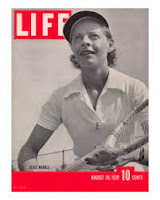 How does one go from being the winner of eighteen Grand Slam tennis championships to an editor for DC Comics to a spy running, or rather driving, for her life?
Life for Alice Irene Marble began on September 28, 1913 in Beckwourth, California as the fourth of five children to a high climber lumberjack and his wife, a former nurse. When she was five years old, the family moved to San Francisco where her father passed away two years later. As a result, her older brothers left school to find jobs.
She did well in academics, but where she really excelled was athletics, and eventually played seven sports in high school, including basketball and baseball. Preferring that she pick up a more “ladylike” sport, her brother Dan gave her a tennis racket. At first, she had little use for the game, but within a short time fell in love with it, going on to win local then several California junior tournaments. By the time she was twenty-three, she’d won the singles title at the U.S. Championships as well as the mixed doubles title with Gene Mako. For the next four years she’d win every match she played. In 1940, she went professional and earned the equivalent of $2 million.
Her abilities and fame led her to hobnobbing with Hollywood’s elite from movie stars to industry leaders. In 1941, she met publisher Max Gaines at a cocktail party where he proposed a new character for his All American Comics universe – Wonder Woman. Would Alice be willing to endorse the effort? She agreed with the caveat that he include stories about real female heroes from history such as Clara Barton, Dolly Madison, and Eleanor Roosevelt. By the end of the evening, she was an associate editor with the company.
Within a year, she was chafing at the bit. She wasn’t making a difference. In her mind, she wasn’t sacrificing anything or giving enough. A few months before, she’d received a tuberculosis diagnosis which meant she couldn’t enlist. She spoke to youth groups encouraging them get involved and entertained the troops at military bases, but she still felt a void.
Then in 1942 she met Captain Joe Crowley. The handsome pilot spoke five languages and worked for Army intelligence. After a whirlwind romance, the two married, but then the dreaded telegram came eighteen months later informing her that he’d been killed in action after being shot down over Germany. Depression settled over her, and she attempted to kill herself. When friend and widower of Carole Lombard, Clark Gable heard what happened, he sent a card saying “If I can do it, so can you.”
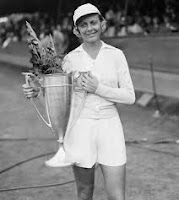 While in recovery, Colonel Linden of Army intelligence showed up. Would she be willing to play a tennis exhibition in Switzerland, and by the way, also renew acquaintance with an old boyfriend so they could learn about his Nazi connections and investors. With nothing to lose, she said yes and was soon headed over the ocean. “Hans,” whose real name was never released, welcomed her with open arms, and she was able to infiltrate her way into his life. One night while collecting evidence, her cover was blown, and she raced out the door, a Nazi agent on her heels. She jumped into Hans’s Mercedes and barreled down the road. The German followed her in his own vehicle and eventually caught up with her. She tried to flee on foot, was shot in the back, and left for dead. Sometime later, she woke up in a hospital, the evidence gone. But at least she was alive. And she would go on to live another forty-five years.
_________________________
About Estelle's Endeavor
 Will a world at war destroy a second chance at love?
Estelle Johnson promised to wait for Aubry DeLuca, but then she receives word of his debilitating injuries. Does she have the strength to stand by him in his hour of need?
Aubry DeLuca storms the beaches at Normandy, then wakes up in the hospital, his eyes bandaged. Will he regain his sight? Will the only woman he’s ever loved welcome him home or is he destined to go through life blind and alone?
Purchase Link: https://amzn.to/3RSujHe
 How does one go from being the winner of eighteen Grand Slam tennis championships to an editor for DC Comics to a spy running, or rather driving, for her life?
Life for Alice Irene Marble began on September 28, 1913 in Beckwourth, California as the fourth of five children to a high climber lumberjack and his wife, a former nurse. When she was five years old, the family moved to San Francisco where her father passed away two years later. As a result, her older brothers left school to find jobs.
She did well in academics, but where she really excelled was athletics, and eventually played seven sports in high school, including basketball and baseball. Preferring that she pick up a more “ladylike” sport, her brother Dan gave her a tennis racket. At first, she had little use for the game, but within a short time fell in love with it, going on to win local then several California junior tournaments. By the time she was twenty-three, she’d won the singles title at the U.S. Championships as well as the mixed doubles title with Gene Mako. For the next four years she’d win every match she played. In 1940, she went professional and earned the equivalent of $2 million.
Her abilities and fame led her to hobnobbing with Hollywood’s elite from movie stars to industry
 leaders. In 1941, she met publisher Max Gaines at a cocktail party where he proposed a new character for his All American Comics universe – Wonder Woman. Would Alice be willing to endorse the effort? She agreed with the caveat that he include stories about real female heroes from history such as Clara Barton, Dolly Madison, and Eleanor Roosevelt. By the end of the evening, she was an associate editor with the company.
Within a year, she was chafing at the bit. She wasn’t making a difference. In her mind, she wasn’t sacrificing anything or giving enough. A few months before, she’d received a tuberculosis diagnosis which meant she couldn’t enlist. She spoke to youth groups encouraging them get involved and entertained the troops at military bases, but she still felt a void.
Then in 1942 she met Captain Joe Crowley. The handsome pilot spoke five languages and worked for Army intelligence. After a whirlwind romance, the two married, but then the dreaded telegram came eighteen months later informing her that he’d been killed in action after being shot down over Germany. Depression settled over her, and she attempted to kill herself. When friend and widower of Carole Lombard, Clark Gable heard what happened, he sent a card saying “If I can do it, so can you.”
 While in recovery, Colonel Linden of Army intelligence showed up. Would she be willing to play a tennis exhibition in Switzerland, and by the way, also renew acquaintance with an old boyfriend so they could learn about his Nazi connections and investors. With nothing to lose, she said yes and was soon headed over the ocean. “Hans,” whose real name was never released, welcomed her with open arms, and she was able to infiltrate her way into his life. One night while collecting evidence, her cover was blown, and she raced out the door, a Nazi agent on her heels. She jumped into Hans’s Mercedes and barreled down the road. The German followed her in his own vehicle and eventually caught up with her. She tried to flee on foot, was shot in the back, and left for dead. Sometime later, she woke up in a hospital, the evidence gone. But at least she was alive. And she would go on to live another forty-five years.
_________________________
About Estelle's Endeavor
 Will a world at war destroy a second chance at love?
Estelle Johnson promised to wait for Aubry DeLuca, but then she receives word of his debilitating injuries. Does she have the strength to stand by him in his hour of need?
Aubry DeLuca storms the beaches at Normandy, then wakes up in the hospital, his eyes bandaged. Will he regain his sight? Will the only woman he’s ever loved welcome him home or is he destined to go through life blind and alone?
Purchase Link: https://amzn.to/3RSujHe
September 26, 2022
Traveling Tuesday: Hawaii's Home Front after Pearl Harbor
Traveling Tuesday: Hawaii’s Home Front After Pearl Harbor
 The December 7, 1941 attack on Pearl Harbor forced the United States into war with Japan. The following day, Germany declared war on the U.S., and the country became embroiled in WWII. Within hours of the attack, the Territorial Governor stripped himself of his administrative powers, and Hawaii (still a territory at that time) was put under martial law.
Under military law, the normal judicial process is suspended, therefore courts, witnesses, and juries are unnecessary. Instead, a military tribunal handles all violations and metes out punishment as it sees fit. With more than a third of the residents being of Japanese descent, the government was in a quandary about what to do with them. Interning the individuals, as was being done on the mainland, was impractical for numerous reasons, therefore it was hoped that martial law would take care of the situation.
 All residents over the age of six were fingerprinted and issued identification papers that were to be carried all times and produced upon demand. Curfews and blackouts (including electricity shutoff after sundown) were implemented, the media and mail were censored, and food, gasoline, and other items were rationed. Business hours were assigned and alcohol was prohibited. Traffic was monitored and special garbage collection was administered.
 Civilians were banned from photographing coastal locations, but they were also used to dig holes for bomb shelters and place barbed wire around beaches, water pumping stations, electrical installations, and government buildings. Gas masks were issued and regular drills were held to prepare for gas attacks or air raids.
 Waikiki’s beachfront hotels were closed to the public and taken over for the exclusive use of the military (whose five branches all had a presence on the islands). Seven POW and internment camps were located on Oahu, the big island, Maui, and Kauai.
Hawaii was forever changed as a result of WWII, and many scholars feel the statehood that followed fourteen years later had a direct correlation to the war.______________________
Estelle's Endeavor
Will a world at war destroy a second chance at love?
Estelle Johnson promised to wait for Aubry DeLuca, but then she receives word of his debilitating injuries. Does she have the strength to stand by him in his hour of need?
Aubry DeLuca storms the beaches at Normandy, then wakes up in the hospital, his eyes bandaged. Will he regain his sight? Will the only woman he’s ever loved welcome him home or is he destined to go through life blind and alone?
Purchase Link: https://amzn.to/3U6yBMX
September 25, 2022
Release Day: Estelle's Endeavor
Release Day! Estelle’s Endeavor
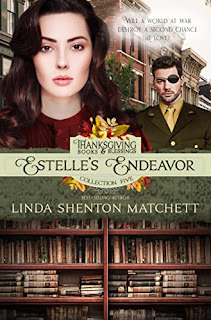
I am thrilled to be part of this year’s Thanksgiving Books & Blessings series spearheaded by Caryl McAdoo. The theme for 2022 is Thanksgiving Through the Ages, and unsurprisingly, I selected the WWII era. I wanted to explore what it would be like to celebrate the holiday during a time of deprivation, loss, and grief. How is it possible to be thankful in spite of our circumstances rather than because of them?
Because my knowledge of the era centers around the home front, I needed to conduct research into the combat side of the war, specifically the push by the Allies to head to Germany by first making their way up the “boot” of Italy and then into France. I love libraries and librarians (and know quite a few!), so I couldn’t resist making my female protagonist a librarian. I hope you’ll enjoy this slice of history.
Here’s the book blurb:
Will a world at war destroy a second chance at love?
Estelle Johnson promised to wait for Aubry DeLuca, but then she receives word of his debilitating injuries. Does she have the strength to stand by him in his hour of need?
Aubry DeLuca storms the beaches at Normandy, then wakes up in the hospital, his eyes bandaged. Will he regain his sight? Will the only woman he’s ever loved welcome him home or is he destined to go through life blind and alone?
Purchase Link: https://amzn.to/3DiALn2

I am thrilled to be part of this year’s Thanksgiving Books & Blessings series spearheaded by Caryl McAdoo. The theme for 2022 is Thanksgiving Through the Ages, and unsurprisingly, I selected the WWII era. I wanted to explore what it would be like to celebrate the holiday during a time of deprivation, loss, and grief. How is it possible to be thankful in spite of our circumstances rather than because of them?
Because my knowledge of the era centers around the home front, I needed to conduct research into the combat side of the war, specifically the push by the Allies to head to Germany by first making their way up the “boot” of Italy and then into France. I love libraries and librarians (and know quite a few!), so I couldn’t resist making my female protagonist a librarian. I hope you’ll enjoy this slice of history.
Here’s the book blurb:
Will a world at war destroy a second chance at love?
Estelle Johnson promised to wait for Aubry DeLuca, but then she receives word of his debilitating injuries. Does she have the strength to stand by him in his hour of need?
Aubry DeLuca storms the beaches at Normandy, then wakes up in the hospital, his eyes bandaged. Will he regain his sight? Will the only woman he’s ever loved welcome him home or is he destined to go through life blind and alone?
Purchase Link: https://amzn.to/3DiALn2
September 21, 2022
Talkshow Thursday: Welcome Cindy Stewart
Talkshow Thursday: Welcome Cindy Stewart
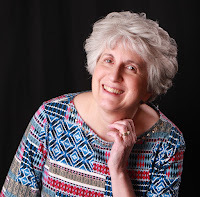 LM: Thanks for joining me today. Congratulations on completing your novel Abounding Hope. Before we chat about that, tell us about what draws you to the World War II era?
Cindy: I love reading stories about characters who overcome great odds during turbulent times, and I especially enjoy stories based on real historical events. Although WWII was a terrible time in history, so many ordinary people accomplished extraordinary feats, defying all reason.
LM: You’re a teacher by vocation. How did your job prepare you to be a fiction writer?
Cindy: Actually, I had to forget almost everything I had learned about writing from my school days and learn how to write fiction from scratch. It’s so different from non-fiction. In order to advance in my profession, I earned a master's in Secondary Education/History. My grad class in Research taught me how to dig for details and to search for primary sources. I love teaching history and utilize my writing research to tell my students little-known tidbits of information, especially from the WWII time period.
LM: As a regular contributor to the Heroes, Heroines, and History blog, you have an opportunity to share intriguing stories about the past. How do you decide what topics to write about, and do you have a favorite area of interest?
Cindy: Because I’ve been researching WWII for the past 10+ years, I’ve uncovered many interesting stories to share from this time period. Most of my posts are about events that happened during the war.
LM: Readers who sign up for your newsletter receive a collection of true WWII stories. Please tell us about the book and where to sign up.
Cindy: I’ve compiled an e-book of true short stories of escape from WWII, and it’s available as a free download to anyone who signs up for my newsletter. Readers can find the simple signup form on my brand-new website at: http://www.cindykaystewart.com
LM: What is the plot for your novel Abounding Hope?
Cindy: Abounding Hope is a romance set in Poland and Hungary at the beginning of WWII in 1939. The main characters and some of the secondary characters are American citizens who’ve grown up in Europe and attended a Christian boarding school in France between WWI and WWII. At graduation, they pledged to come to each other’s aid if any member was in trouble—so the Circle of Hope was born. WWII brings lots of trouble. Abounding Hope is the story of two of these characters who must make their escape and find love in the process, but they find a little help along the way.
LM: How did you come up with the characters for Abounding Hope?
Cindy: I wanted a strong, vivacious female protagonist who loved children and was dedicated to her ministry. One who was married to that ministry and wouldn’t want to flee at the first threats of war. I wanted a strong male protagonist who would bring out the worst and the best in her. Someone who had to learn he couldn’t always be in control.
LM: You’ve accomplished quite a lot. What is one thing you wish you could do?
Cindy: Cook. I can follow a recipe, but who has time?
 Pixabay/
Edi Nugaha
LM: What is your next project?
Cindy: I have three projects in the works—a prequel novella set in Germany, the sequel to Abounding Hope set in Norway and France, and the first book in a spinoff series set in Belgium and France.
LM: Where can folks find you on the web?
Cindy: Folks can find me at—http://www.cindykaystewart.com
Book Blurb:1939. Lvov, Poland. After the Germans invade, American teacher Irena Simmons must leave her family behind and flee with German children wanted by the Nazis.
American shipping magnate Jonathan Huntwell returns to Eastern Europe to meet Irena, but she and the little ones are missing.
For fans of WWII Christian romance comes a sweeping novel of two Americans caught in the sudden onslaught of Nazi aggression in Eastern Europe . . .
 LM: Thanks for joining me today. Congratulations on completing your novel Abounding Hope. Before we chat about that, tell us about what draws you to the World War II era?
 Cindy: I love reading stories about characters who overcome great odds during turbulent times, and I especially enjoy stories based on real historical events. Although WWII was a terrible time in history, so many ordinary people accomplished extraordinary feats, defying all reason.
LM: You’re a teacher by vocation. How did your job prepare you to be a fiction writer?
Cindy: Actually, I had to forget almost everything I had learned about writing from my school days and learn how to write fiction from scratch. It’s so different from non-fiction. In order to advance in my profession, I earned a master's in Secondary Education/History. My grad class in Research taught me how to dig for details and to search for primary sources. I love teaching history and utilize my writing research to tell my students little-known tidbits of information, especially from the WWII time period.
LM: As a regular contributor to the Heroes, Heroines, and History blog, you have an opportunity to share intriguing stories about the past. How do you decide what topics to write about, and do you have a favorite area of interest?
Cindy: Because I’ve been researching WWII for the past 10+ years, I’ve uncovered many interesting stories to share from this time period. Most of my posts are about events that happened during the war.
LM: Readers who sign up for your newsletter receive a collection of true WWII stories. Please tell us about the book and where to sign up.
Cindy: I’ve compiled an e-book of true short stories of escape from WWII, and it’s available as a free
.jpg) download to anyone who signs up for my newsletter. Readers can find the simple signup form on my brand-new website at: http://www.cindykaystewart.com
download to anyone who signs up for my newsletter. Readers can find the simple signup form on my brand-new website at: http://www.cindykaystewart.comLM: What is the plot for your novel Abounding Hope?
Cindy: Abounding Hope is a romance set in Poland and Hungary at the beginning of WWII in 1939. The main characters and some of the secondary characters are American citizens who’ve grown up in Europe and attended a Christian boarding school in France between WWI and WWII. At graduation, they pledged to come to each other’s aid if any member was in trouble—so the Circle of Hope was born. WWII brings lots of trouble. Abounding Hope is the story of two of these characters who must make their escape and find love in the process, but they find a little help along the way.
LM: How did you come up with the characters for Abounding Hope?
Cindy: I wanted a strong, vivacious female protagonist who loved children and was dedicated to her ministry. One who was married to that ministry and wouldn’t want to flee at the first threats of war. I wanted a strong male protagonist who would bring out the worst and the best in her. Someone who had to learn he couldn’t always be in control.
LM: You’ve accomplished quite a lot. What is one thing you wish you could do?
Cindy: Cook. I can follow a recipe, but who has time?
 Pixabay/
Edi Nugaha
LM: What is your next project?
Cindy: I have three projects in the works—a prequel novella set in Germany, the sequel to Abounding Hope set in Norway and France, and the first book in a spinoff series set in Belgium and France.
LM: Where can folks find you on the web?
Cindy: Folks can find me at—http://www.cindykaystewart.com
Book Blurb:1939. Lvov, Poland. After the Germans invade, American teacher Irena Simmons must leave her family behind and flee with German children wanted by the Nazis.
American shipping magnate Jonathan Huntwell returns to Eastern Europe to meet Irena, but she and the little ones are missing.
For fans of WWII Christian romance comes a sweeping novel of two Americans caught in the sudden onslaught of Nazi aggression in Eastern Europe . . .
September 20, 2022
Wartime Wednesday: War Brides
Wartime Wednesday: War Brides
 Ever since there have been wars, there have been war brides. World War II was no different. One source I found indicates that between 1942 and 1952, approximately one million American soldiers married foreign women from fifty different countries. About 100,000 brides were British with another 150-200,000 from continental Europe. Somewhere between 50,000 and 100,000 servicemen married women from the Far East and Germany. Remember these numbers are just American troops!
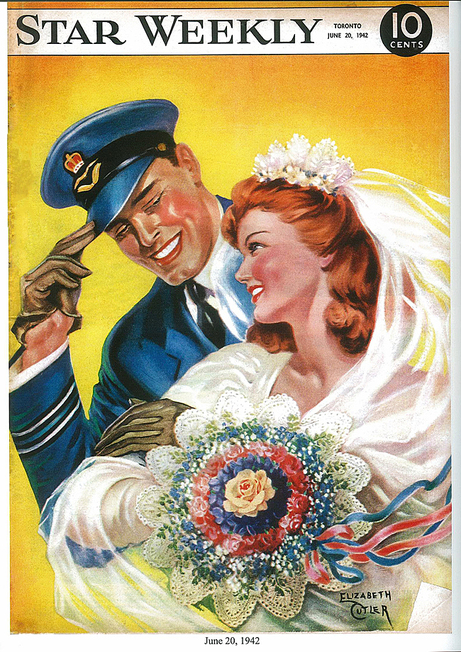 Why were these women willing to marry and leave the country of their birth? Some would say proximity—the “Yanks” were available. Native men were not. Others might say it was the generosity exhibited by American soldiers. To the women of war-torn countries where deprivation and the struggle to survive were a way of life, the food, personal items such as stockings, and money, offered by the Americans had to be tantalizing. Perhaps these women simply want to raise their children without the threat of war.
In anticipation of this issue, soldiers, sailors, and airmen were issued a 38-page handbook instructing them on how to handle being guests in various countries (whether it was ally or foe). The rules encouraged friendliness, but discouraged “special relationships.” An article in Yank Magazine touted “Don’t Promise Her Anything – Marriage Outside the U.S. is Out.”
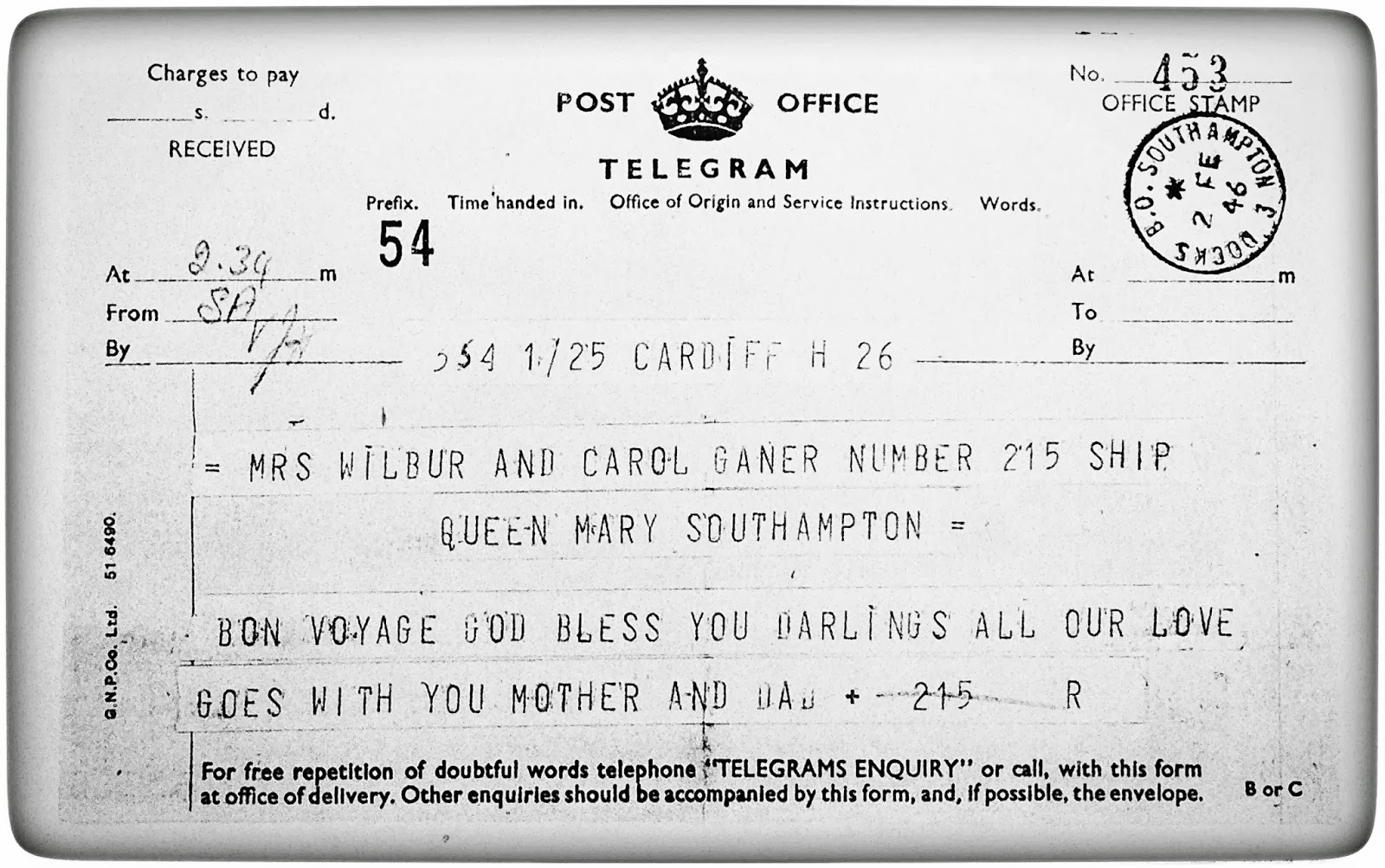 The story’s title may not have been officially correct, but the process for American servicemen to marry foreign wives was a complex requirement that included up to fifteen forms, and it could take up to a year before permission was granted or denied. A regulation from the War Department required overseas troops to obtain permission to wed, on the threat of court-martial.
Until Congress passed the War Brides Act in 1945, these women were part of the limited number of immigrant aliens allowed to enter the U.S. each year, potentially leaving them stuck in their home countries for months or years. Six months later, Congress enacted the Fiancées Act which granted fiancées of servicemen three-month visas as temporary visitors. If the couple didn’t marry during the ninety days, the fiancée would be returned home.
 The women were eligible for free transport to the U.S. via former troop or hospital ships but were told the ships might not be available for a year or more. Protests were conducted in front of the U.S. Embassy in June 1945. Then upon hearing that former First Lady Eleanor Roosevelt was in London that November, a group of brides gathered outside her hotel carrying placards that read “We Demand Ships” and “We Want Our Dad.”
 The pressure worked, and by January, the first shipment in Operation War Bride was on its way across the Atlantic. The ladies were met with excitement by the press and suspicion by some American women who declared them nothing more than gold-diggers. Many of the brides formed social clubs that served as emotional support as they adjusted to their new homes.
__________________
Estelle's Endeavor
 Will a world at war destroy a second chance at love?
Estelle Johnson promised to wait for Aubry DeLuca, but then she receives word of his debilitating injuries. Does she have the strength to stand by him in his hour of need?
Aubry DeLuca storms the beaches at Normandy, then wakes up in the hospital, his eyes bandaged. Will he regain his sight? Will the only woman he’s ever loved welcome him home or is he destined to go through life blind and alone?
Pre-order link: https://amzn.to/3U6yBMX
September 14, 2022
Welcome Gretchen Carlson!
Welcome Gretchen Carlson!
 LM: Thanks for joining me today. Congratulations on your debut novel More Than Grit. For those people who haven’t visited your website, please share your inspiration for the story.
Gretchen: Thank you for inviting me! My book was inspired by true events from my grandmother’s life, in rural Kansas during the Great Depression, and how her farm family got electricity. Through her story, I want others to be encouraged to never give up.
LM: How do you develop your characters? (e.g. decide on their vocation, names, etc.)?
Gretchen: I create characters who aren’t perfect, and I know what motivates them to act as they do. I don’t just develop personalities, but I flesh out each character’s unique strengths and weaknesses. Sometimes I use nicknames. The main character is Sissy because she is not a weak-kneed sissy. The gnarly, eccentric Great War veteran is Old Man. Many readers have told me they “know” this man whose tough shell hides a soft heart. I also use names from the era such as Homer, Arvid, and Verl.
LM: Why did you decide to tell the story as a YA book rather than adult fiction?
Gretchen: From middle grade, through my teen years I devoured books and many had a big impact on Pixabay/Jill Wellingtonme. My main character is a spunky twelve-year-old girl, and through her, I want to inspire teens that their lives have an impact. They can make a difference in their homes, school, and their community. On a different note, I’ve been concerned with content trends in middle grade and YA. Many parents had asked me for book recommendations that have Christian values. More Than Grit is not preachy, but it is a fast-paced book that readers enjoy and see the power of friendship and forgiveness.
LM: You’ve been a journalist. How was the process of writing fiction different than reporting? The same? Do you find one easier than the other?
Gretchen: My journalism background taught me how to cover the facts and make every word count. I’m the queen of chop-chop-chop in critique groups with wordy writers. Writing fiction challenges me to write beyond the plot or facts and to show, not tell, characters’ emotions and feelings. Writing dialogue is easy for me because as a reporter I learned to select the most interesting statements for direct quotes.
LM: You’ve accomplished quite a lot. What is one thing you wish you could do?
Gretchen: I want to give back. Other writers have given me time and counsel, and I would like to engage with teens and create fun writing clubs. I respond to readers with encouragement and hope.
LM: What is your advice to fledgling writers?
Gretchen: Join a writing or critique group. Interact on a regular basis with other writers.
 Pixabay/Gisela Merkuur
LM: What is your next project?
Gretchen: I’m halfway through a sequel called I Be Brave. This coming-of-age novel centers around guilt and forgiveness in a mother-daughter relationship.
LM: Where can folks find you on the web?
Gretchen:
Website: https://gretchen-carlson.com/ Facebook: https://www.facebook.com/gretchen.carlson.31 Instagram: https://www.instagram.com/carlsongretchen/
More Than Grit:
 When do secrets become lies? When is grit not enough?
A story of broken lives and deep friendship, inspired by true events from1939, when the shadows of World War II lengthened.
Scarred by burns from a kerosene lantern, twelve-year old Sissy knows electricity is more than her farm family’s dream. It’s vital. She also knows they can’t afford the required deposit to be connected to electric lines, so she wrangles a secret deal to help her parents. As she faces danger and sacrifices to support her family, Sissy’s best efforts fail. She’s blind to what she needs most, and when she tells her secrets, she fears it’s too late.
Set in Kansas farmland, More than Grit is an unforgettable story of determination to succeed against all odds that will appeal to middle-grade and teen readers, their parents, and anyone who roots for the underdog.
Award-winning author Gretchen Carlson fills her characters with grit and grace as she shares the story her grandmother kept secret.
Purchase Link: https://amzn.to/3emulbN
 LM: Thanks for joining me today. Congratulations on your debut novel More Than Grit. For those people who haven’t visited your website, please share your inspiration for the story.
Gretchen: Thank you for inviting me! My book was inspired by true events from my grandmother’s life, in rural Kansas during the Great Depression, and how her farm family got electricity. Through her story, I want others to be encouraged to never give up.
LM: How do you develop your characters? (e.g. decide on their vocation, names, etc.)?
Gretchen: I create characters who aren’t perfect, and I know what motivates them to act as they do. I don’t just develop personalities, but I flesh out each character’s unique strengths and weaknesses. Sometimes I use nicknames. The main character is Sissy because she is not a weak-kneed sissy. The gnarly, eccentric Great War veteran is Old Man. Many readers have told me they “know” this man whose tough shell hides a soft heart. I also use names from the era such as Homer, Arvid, and Verl.
LM: Why did you decide to tell the story as a YA book rather than adult fiction?
Gretchen: From middle grade, through my teen years I devoured books and many had a big impact on
 Pixabay/Jill Wellingtonme. My main character is a spunky twelve-year-old girl, and through her, I want to inspire teens that their lives have an impact. They can make a difference in their homes, school, and their community. On a different note, I’ve been concerned with content trends in middle grade and YA. Many parents had asked me for book recommendations that have Christian values. More Than Grit is not preachy, but it is a fast-paced book that readers enjoy and see the power of friendship and forgiveness.
LM: You’ve been a journalist. How was the process of writing fiction different than reporting? The same? Do you find one easier than the other?
Gretchen: My journalism background taught me how to cover the facts and make every word count. I’m the queen of chop-chop-chop in critique groups with wordy writers. Writing fiction challenges me to write beyond the plot or facts and to show, not tell, characters’ emotions and feelings. Writing dialogue is easy for me because as a reporter I learned to select the most interesting statements for direct quotes.
LM: You’ve accomplished quite a lot. What is one thing you wish you could do?
Gretchen: I want to give back. Other writers have given me time and counsel, and I would like to engage with teens and create fun writing clubs. I respond to readers with encouragement and hope.
LM: What is your advice to fledgling writers?
Gretchen: Join a writing or critique group. Interact on a regular basis with other writers.
 Pixabay/Gisela Merkuur
LM: What is your next project?
Gretchen: I’m halfway through a sequel called I Be Brave. This coming-of-age novel centers around guilt and forgiveness in a mother-daughter relationship.
LM: Where can folks find you on the web?
Gretchen:
Website: https://gretchen-carlson.com/ Facebook: https://www.facebook.com/gretchen.carlson.31 Instagram: https://www.instagram.com/carlsongretchen/
More Than Grit:
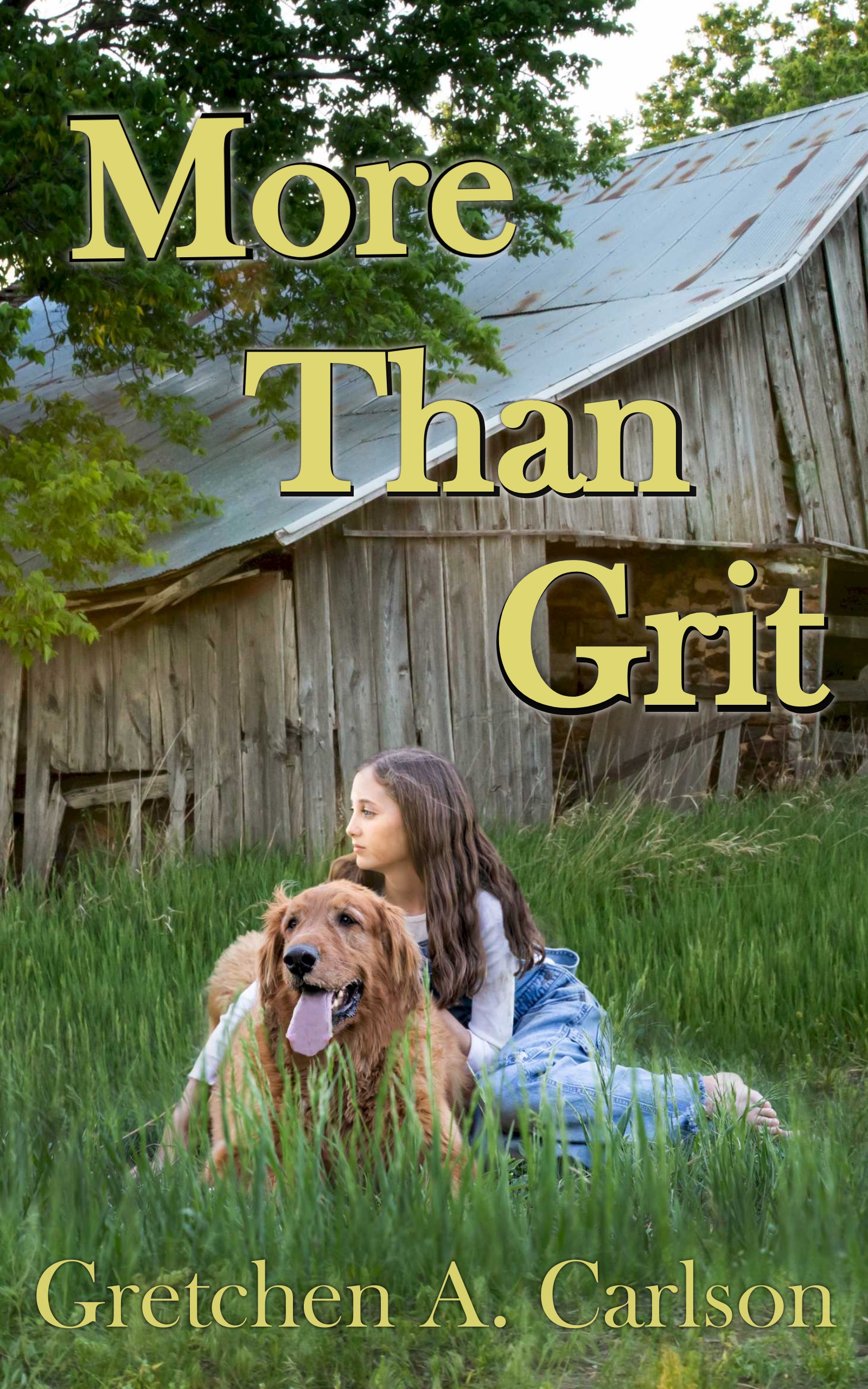 When do secrets become lies? When is grit not enough?
 A story of broken lives and deep friendship, inspired by true events from1939, when the shadows of World War II lengthened.
Scarred by burns from a kerosene lantern, twelve-year old Sissy knows electricity is more than her farm family’s dream. It’s vital. She also knows they can’t afford the required deposit to be connected to electric lines, so she wrangles a secret deal to help her parents. As she faces danger and sacrifices to support her family, Sissy’s best efforts fail. She’s blind to what she needs most, and when she tells her secrets, she fears it’s too late.
Set in Kansas farmland, More than Grit is an unforgettable story of determination to succeed against all odds that will appeal to middle-grade and teen readers, their parents, and anyone who roots for the underdog.
Award-winning author Gretchen Carlson fills her characters with grit and grace as she shares the story her grandmother kept secret.
Purchase Link: https://amzn.to/3emulbN