
Steve Hely's Blog, page 121
November 23, 2016
Holiday Gift Guide
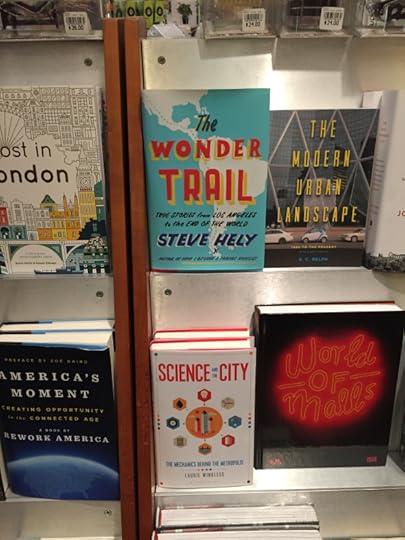
On display at the National Building Museum, thanks reader Melissa L!
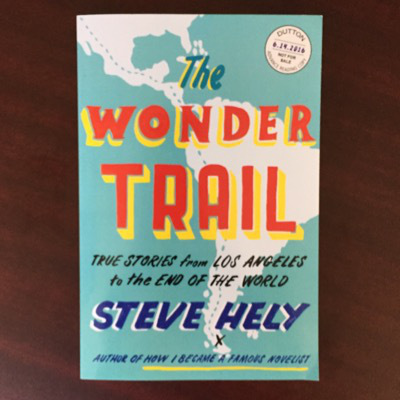
Our number one pick is: THE WONDER TRAIL: True Stories From Los Angeles To the End of The World, available at Amazon or your local indie bookstore. You’ll enjoy it.
Other items we enjoyed this year and can endorse:

Not exactly a steal at $299 but if Tony Robbins is to believed it’s very important for your lymph nodes to be shaken. We’ve found it stimulating!

Treat yourself or a loved one to a Coyuchi towel? ($48)
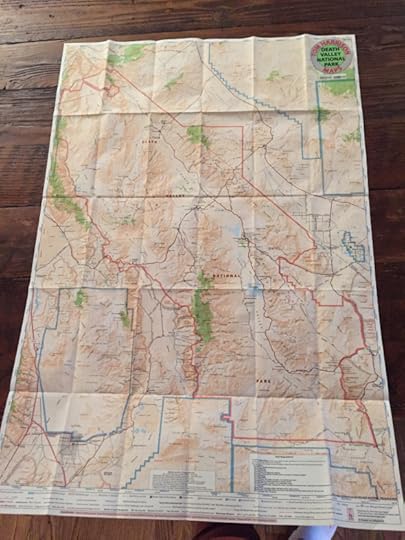
For the California adventurer, we recommend Tom Harrison maps? ($8.95)

Or perhaps a Delorme atlas?:
But really, what you want is:


November 20, 2016
Thoughts of a Philosophical Fighter Pilot
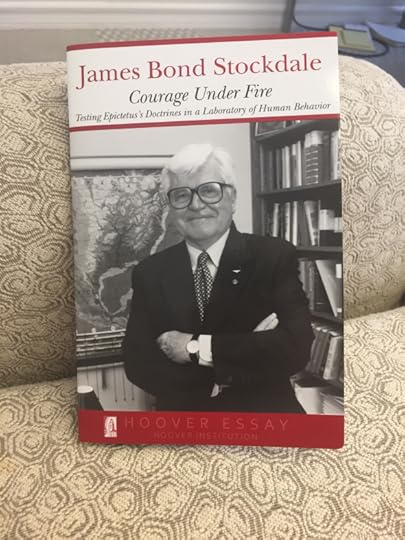
Remember this guy? For some reason or another I bought this pamphlet of a speech he gave at King’s College, London, November 1993:
Stockdale was a 38 year old naval aviator when he got sent to Stanford for two years of study. He was pretty bored until a professor handed him a copy of The Enchiridion, a collection of the teachings of Epictetus.
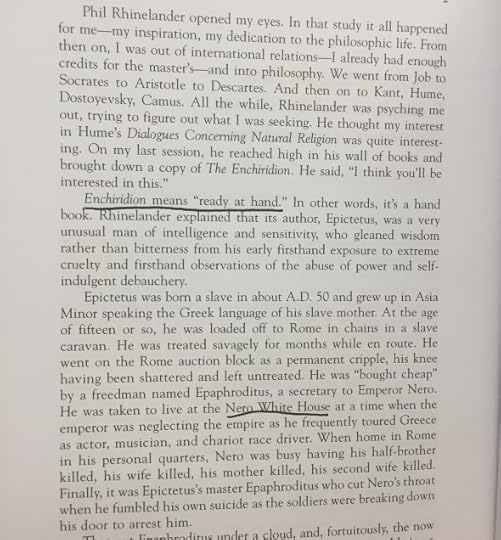
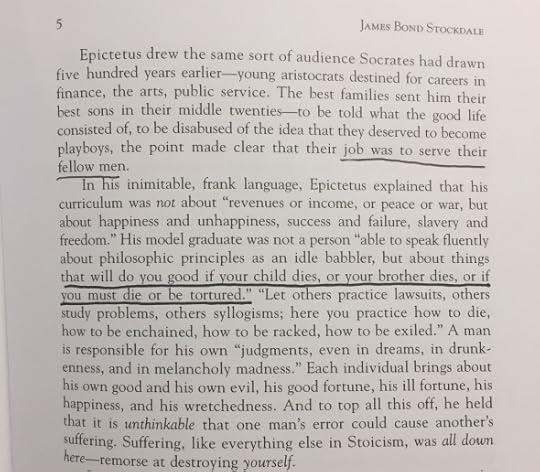
What does Epictetus teach?
He taught how to play the game of life with perspective: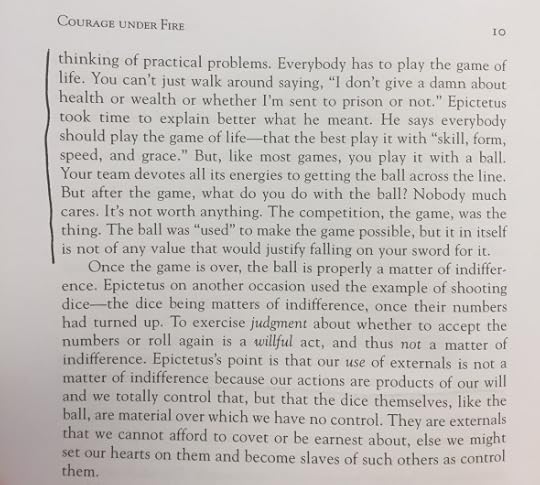

an A-4
Five years later, this is what happened to Stockdale:
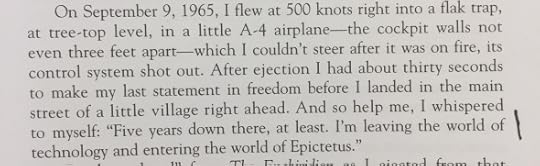
Stockdale was wrong about how long he’d be there. He was there for 7 1/2 years, much of it in solitary confinement:

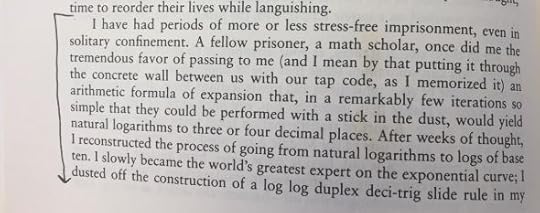
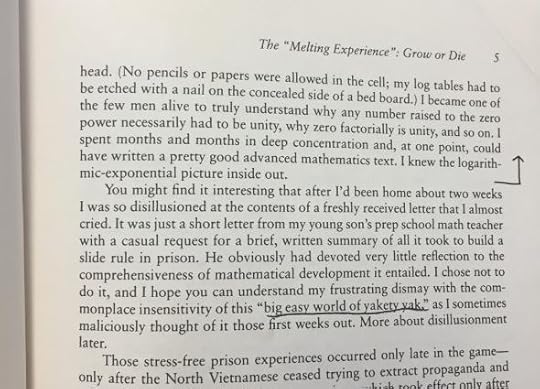
How did he spend his time? Well, for one thing he constructed a sliderule in his mind from equations tapped to him in code through a concrete wall::
A bigger collection of Stockdale’s speeches and essays:
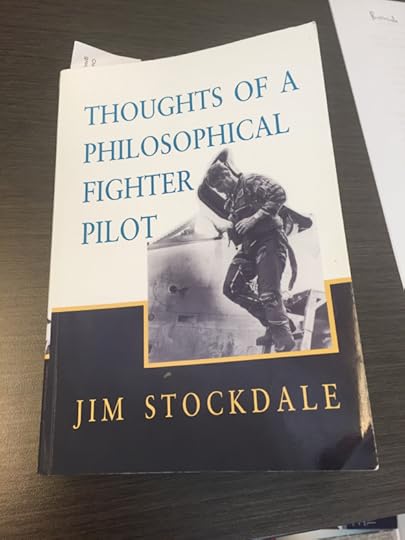
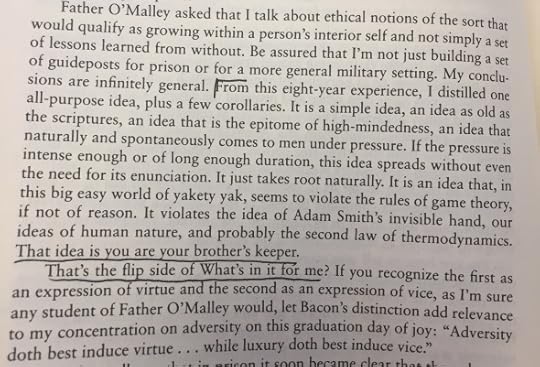
where he distills what he learned through his prison experience down to “one all-purpose idea, plus a few corollaries”:
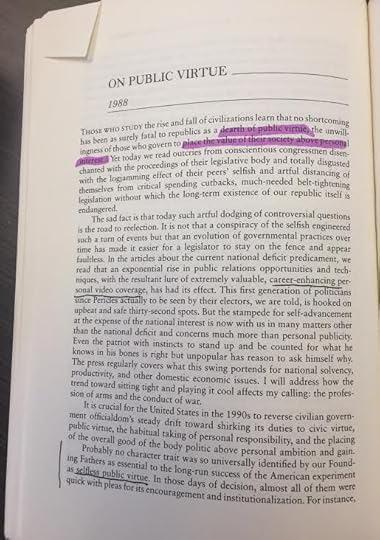
What he has to say about public virtue is distressing as I watch the future president:
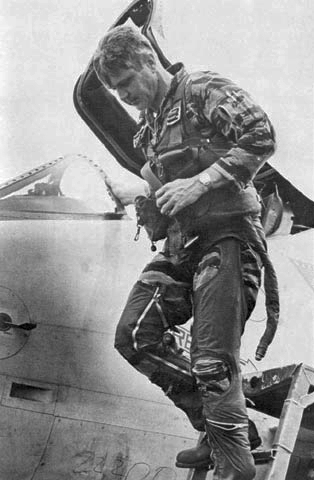
A badass:
Recommend Courage Under Fire, which costs five bucks or $3.85 on Kindle. Thoughts Of A Philosophical Fighter Pilot is for the serious Stockdale student.
I think you can appreciate the greatness of Stockdale and also find this funny:
http://www.nbc.com/saturday-night-live/video/joyride-with-perot/n10313
Coverage of another philosophical fighter pilot, John Boyd, here.

November 19, 2016
Hearts & Minds
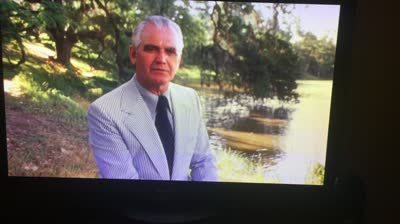
from the doc Hearts & Minds (1974) which was on TCM on Election Night.

November 18, 2016
Meet Farkas
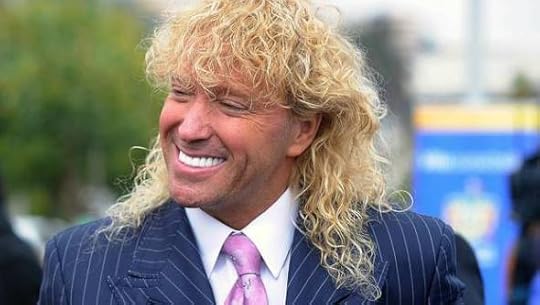
Meet Farkas.
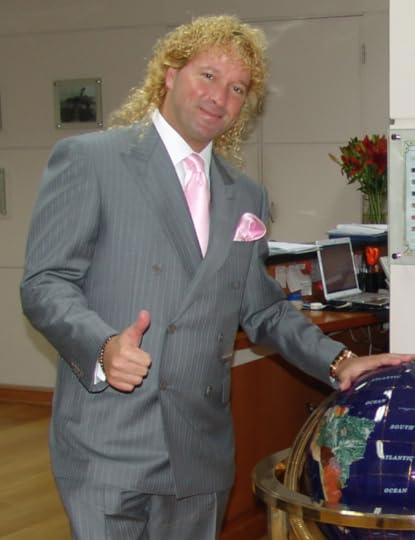
He’s Chile’s own Donald Trump. 
Shoutout to my pal Fabrizio Copano for telling me about him. 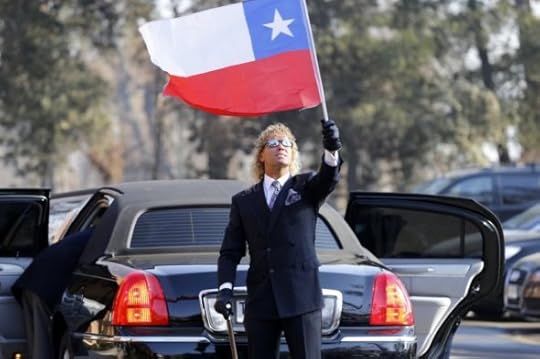
TO lighten the mood deep down in the San José Mine, the 33 trapped miners would playfully imitate Leonardo Farkas Klein, donning makeshift wigs to simulate the long curly blond mane of the mining executive.

November 16, 2016
Faithless electors
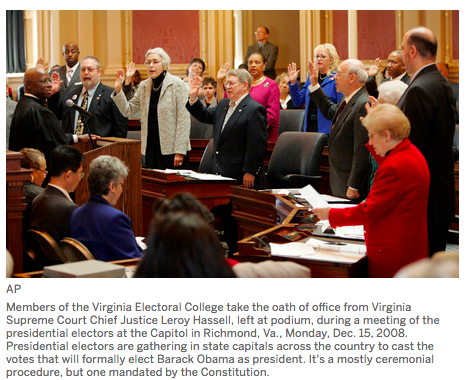
Salving myself with fantasies of whole state delegations of presidential electors tossing out Trump when the Electoral College voting goes down.
The Electoral College never actually meets as one body. Electors meet in their respective state capitals (electors for the District of Columbia meet within the District) on the Monday after the second Wednesday in December, at which time they cast their electoral votes on separate ballots for president and vice president.
The history of “faithless electors” doesn’t break a five on a 1-10 scale of interesting (with 10 being reasonably interesting) but the case of the last faithless elector is kind of funny:
1 – 2004 election: An anonymous Minnesota elector, pledged for Democrats John Kerry and John Edwards, cast his or her presidential vote for John Ewards [sic],[8]rather than Kerry, presumably by accident
There’s some talk of the Electoral College in The Federalist 68, which seems a little optimistic at the moment:
The process of election affords a moral certainty, that the office of President will never fall to the lot of any man who is not in an eminent degree endowed with the requisite qualifications. Talents for low intrigue, and the little arts of popularity, may alone suffice to elevate a man to the first honors in a single State; but it will require other talents, and a different kind of merit, to establish him in the esteem and confidence of the whole Union, or of so considerable a portion of it as would be necessary to make him a successful candidate for the distinguished office of President of the United States.

November 15, 2016
Seinfeld –> Trump?

Read this Bloomberg profile by Joshua Green of the president-elect’s “chief strategist and senior counselor,” Steve Bannon:
And then, serendipitously, Bannon wound up in the entertainment business himself. Westinghouse Electric, a client, was looking to unload Castle Rock Entertainment, which had a big TV and movie presence, including Billy Crystal’s films. Bannon reeled in an eager buyer: Ted Turner. “Turner was going to build this huge studio,” he says, “so we were negotiating the deal at the St. Regis hotel in New York. As often happened with Turner, when it came time to actually close the deal, Ted was short of cash. … Westinghouse just wanted out. We told them, ‘You ought to take this deal. It’s a great deal.’ And they go, ‘If this is such a great deal, why don’t you defer some of your cash fee and keep an ownership stake in a package of TV rights?’ ” In lieu of a full adviser’s fee, the firm accepted a stake in five shows, including one in its third season regarded as the runt of the litter: Seinfeld. “We calculated what it would get us if it made it to syndication,” says Bannon. “We were wrong by a factor of five.”
This has been reported elsewhere. Nearly unbelievable. Tried to do the digging and found out the other four shows. Best I could find:
That’s where Bannon popped up. He had left Goldman Sachs to start Bannon & Co., a boutique banking firm specializing in media companies. His firm was representing Westinghouse, and when Turner didn’t have the cash to close both deals, he offered as partial payment the right to participate in some of Castle Rock’s TV shows. Most were unremarkable titles that even insiders can’t quite recall (though some say The Ed Begley Jr. Show and Julie Brown: The Show were included). There also was Seinfeld, which was struggling to find an audience even in its third season. Bannon advised Westinghouse to accept Turner’s terms. Westinghouse executives countered that if Bannon was so confident, he should also accept participation rights instead of a portion of his bank’s $3 million fee. Bannon took the chance. Neither Seinfeld, Horn, Reiner nor anyone at Castle Rock were even aware of the arrangement.

Amazing!
What lessons are in this profile?
But this “conspiracy,” at least under Bannon, has mutated into something different from what Clinton described: It’s as eager to go after establishment Republicans such as Boehner or Jeb Bush as Democrats like Clinton.
Engineered Weiner downfall?:
Tipped to Weiner’s proclivity for sexting with female admirers, Bannon says, the site paid trackers to follow his Twitter account 24 hours a day and eventually intercepted a crotch shot Weiner inadvertently made public. The ensuing scandal culminated in the surreal scene, carried live on television, of Andrew Breitbart hijacking Weiner’s press conference and fielding questions from astonished reporters.
Let us be careful about punditry with oversold conclusions:
For Bannon, the Clinton Cash uproar validated a personal theory, informed by his Goldman Sachs experience, about how conservatives can influence the media and why they failed the last time a Clinton was running for the White House. “In the 1990s,” he told me, “conservative media couldn’t take down [Bill] Clinton because most of what they produced was punditry and opinion, and they always oversold the conclusion: ‘It’s clearly impeachable!’ So they wound up talking to themselves in an echo chamber.”
Interesting lessons:
In response, Bannon developed two related insights. “One of the things Goldman teaches you is, don’t be the first guy through the door because you’re going to get all the arrows. If it’s junk bonds, let Michael Milken lead the way,” he says. “Goldman would never lead in any product. Find a business partner.” His other insight was that the reporters staffing the investigative units of major newspapers aren’t the liberal ideologues of conservative fever dreams but kindred souls who could be recruited into his larger enterprise. “What you realize hanging out with investigative reporters is that, while they may be personally liberal, they don’t let that get in the way of a good story,” he says. “And if you bring them a real story built on facts, they’re f—ing badasses, and they’re fair.”
Used the media outlets of his opponents to his advantage:
“It seems to me,” says Brock of Bannon and his team, “what they were able to do in this deal with the Times is the same strategy, but more sophisticated and potentially more effective and damaging because of the reputation of the Times. If you were trying to create doubt and qualms about [Hillary Clinton] among progressives, theTimes is the place to do it.” He pauses. “Looking at it from their point of view, theTimes is the perfect host body for the virus.”
The takeover boom:
Bannon landed in Goldman’s New York office at the height of the hostile takeover boom. “Everything in the Midwest was being raided by Milken,” he says. “It was like a firestorm.” Goldman didn’t do hostile takeovers, instead specializing in raid defense for companies targeted by the likes of Drexel Burnham and First Boston. The first few years, he worked every day except Christmas and loved it: “The camaraderie was amazing. It was like being in the Navy, in the wardroom of a ship.” Later, he worked on a series of leveraged buyouts, including a deal for Calumet Coach that involved Bain Capital and an up-and-comer named Mitt Romney.
Two big things were going on at Goldman Sachs in the late ’80s. The globalization of world capital markets meant that size suddenly mattered. Everyone realized that the firm, then a private partnership, would have to go public. Bankers also could see that the Glass-Steagall Act separating commercial and investment banking was going to fall, setting off a flurry of acquisitions. Specialists would command a premium. Bannon shipped out to Los Angeles to specialize in media and entertainment. “A lot of people were coming from outside buying media companies,” he says. “There was huge consolidation.”
The narrative:
Breitbart’s genius was that he grasped better than anyone else what the early 20th century press barons understood—that most readers don’t approach the news as a clinical exercise in absorbing facts, but experience it viscerally as an ongoing drama, with distinct story lines, heroes, and villains. Breitbart excelled at creating these narratives, an editorial approach that’s lived on. “When we do an editorial call, I don’t even bring anything I feel like is only a one-off story, even if it’d be the best story on the site,” says Alex Marlow, the site’s editor in chief. “Our whole mindset is looking for these rolling narratives.” He rattles off the most popular ones, which Breitbart News covers intensively from a posture of aggrieved persecution. “The big ones won’t surprise you,” he says. “Immigration, ISIS, race riots, and what we call ‘the collapse of traditional values.’ But I’d say Hillary Clinton is tops.”
Wow:
Schweizer grew disillusioned with Washington and became radicalized against what he perceived to be a bipartisan culture of corruption. “To me, Washington, D.C., is a little bit like professional wrestling,” he told me. “When I was growing up in Seattle, I’d turn on Channel 13, the public-access station, and watch wrestling. At first I thought, ‘Man, these guys hate each other because they’re beating the crap out of each other.’ But I eventually realized they’re actually business partners.”

Mission… accomplished? How about this:
Hillary Clinton’s story, they believed, was too sprawling and familiar to tackle in its entirety. So they’d focus only on the last decade, the least familiar period, and especially on the millions of dollars flowing into the Clinton Foundation. Bannon calls this approach “periodicity.”
Ewwwwww:
“The modern economics of the newsroom don’t support big investigative reporting staffs,” says Bannon. “You wouldn’t get a Watergate, a Pentagon Papers today, because nobody can afford to let a reporter spend seven months on a story. We can. We’re working as a support function.”

November 13, 2016
Back soon!
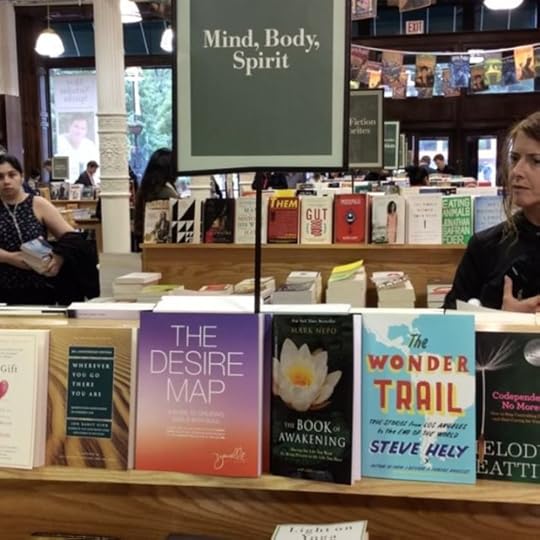
go visit a bookstore, here’s local indie ones
Helytimes in on hiatus once again as we consider the work ahead.
Believe me. I’d prefer easier work. But we all got ourselves into this mess. Now we all gotta pitch in to get us out. This country’s always asked for work from its citizens. It’s asked much less of me that it asked, say, these guys (by which I mean women and men):
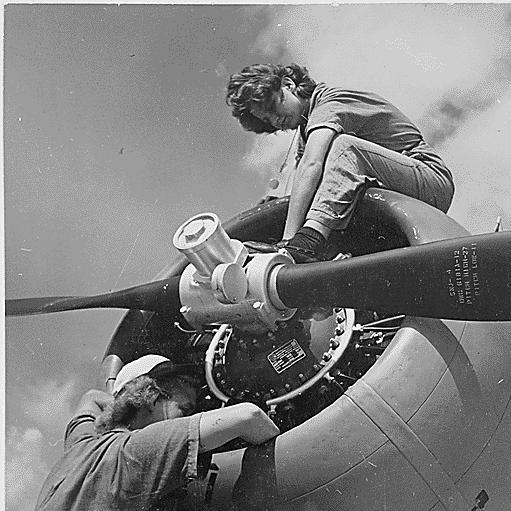
fix airplanes!
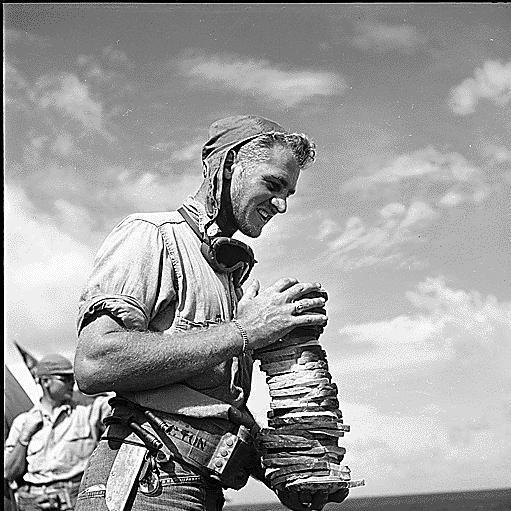
make sandwiches!
So, fine. If you have any good ideas on how to be useful, communicate with me via secret channel. If you read this, you probably already do.

Move to Australia? Sounds good, love to visit, but we better help out here.
Our hiatuses last an average of two days.
Uncouth to hawk your own book at a time like this? I don’t think so. Cheer yourself up by supporting an indie bookstore. Those bastions of democracy. Or fine, support Washington Post owner Jeff Bezos.
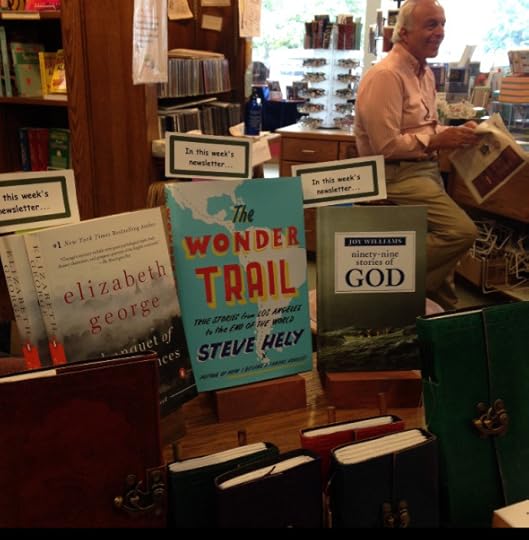
Damn, featured in the newsletter? Damn.
being curious about the world
the people south of us and how they got that way
survivals in the face of the catastrophes in history.

November 11, 2016
Small note

in the wilderness
After seeing Horrible Trump at the RNC, I was in a terrible mood, you can hear it in my voice in the episode of Great Debates we recorded right after.
Talked about it afterwards in Great Debates News, and I get upset anew when I remember what I thought then:
Here’s the simplest and worst thing I can say about a Trump rally: you’re way more likely to say “I hate you” to somebody afterwards.
Can already feel this feeling happening again, to me and to people around me. This is a nasty guy and hearing him and seeing him makes you feel nasty. For myself, gonna try hard to not get worse, ruder.
Need to think on some new judo.

DEFEAT INTO VICTORY
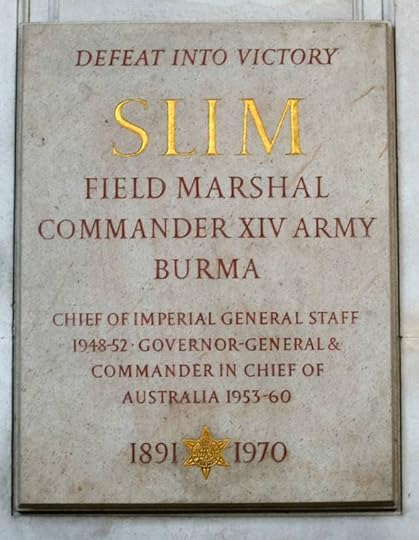
Struck once on a visit to London by the power of the monument to Viscount Slim, at St. Paul’s:

Slim’s book gets a good place on my shelf:
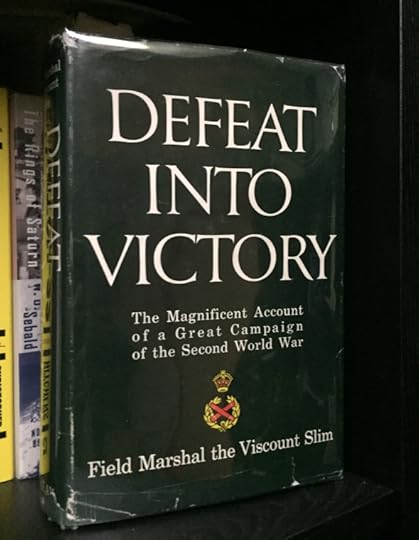
Because I want a daily reminder of his attitude:
George MacDonald Fraser, later author of The Flashman Papers series of novels, then a nineteen-year-old lance corporal, recalled:
But the biggest boost to morale was the burly man who came to talk to the assembled battalion … it was unforgettable. Slim was like that: the only man I’ve ever seen who had a force that came out of him… British soldiers don’t love their commanders much less worship them; Fourteenth Army trusted Slim and thought of him as one of themselves, and perhaps his real secret was that the feeling was mutual.
Let us remember things have been dark before. When it comes to the pinch human beings are heroic, said Orwell (worth checking out the context).

November 10, 2016
O Pioneers!
Just finished reading:
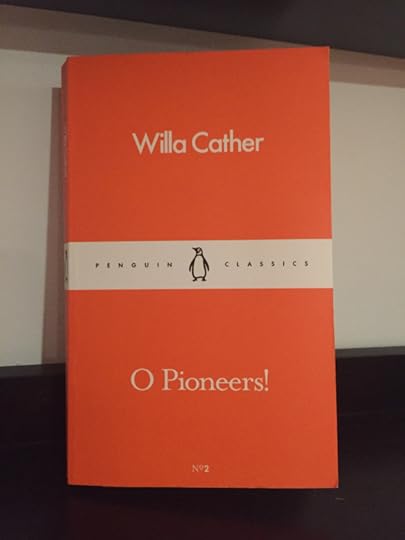
A strange thing to read, maybe. Here is the story of how I came to read it.
Some years ago, filming the finale of The Office on Dwight Schrute’s farm:

I looked around at the inland Malibu landscape and got to wondering if there could be a show about the pioneers: people who arrived on empty* land and built their lives there.
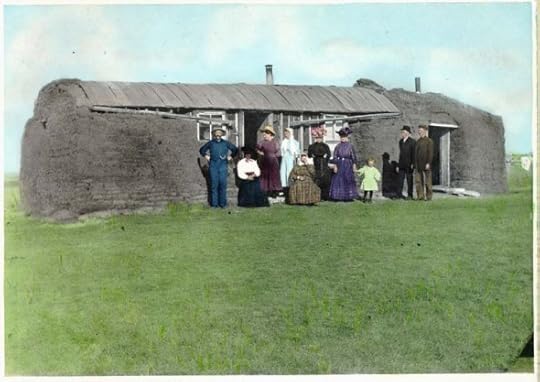
Sod house in Saskatchewan circa 1900
So as research I picked up the first book I thought of:
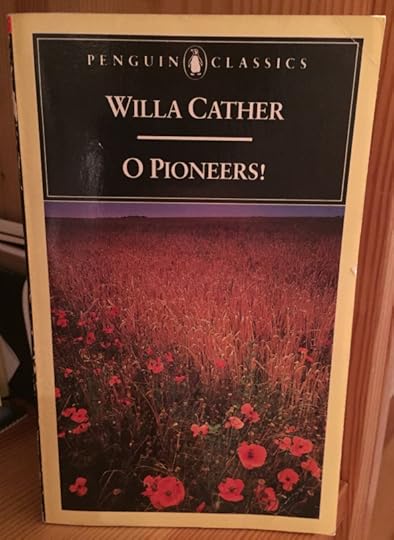
Didn’t finish it. Got distracted before I got off the third page, probably at first by my phone and then by my life.
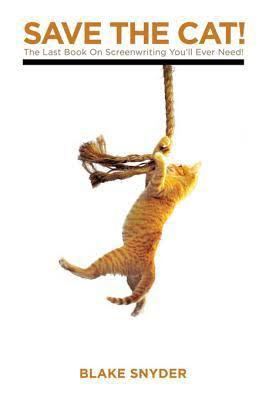
A true Save The Cat
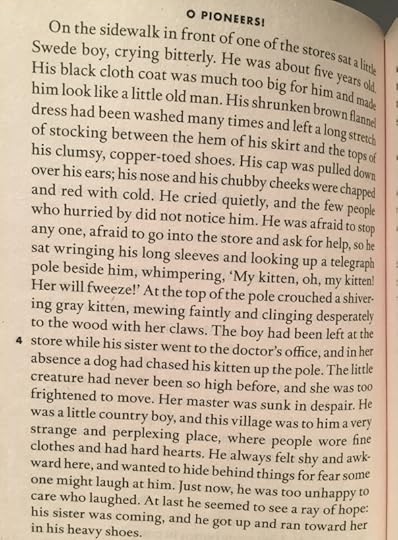
On the first page of O Pioneers!, there is a true Save The Cat situation.
We’re in the middle of a blizzard, and Little Emil’s cat has gone up a telegraph pole, and he’s afraid it’ll freeze:
Reunited
Down in Australia in August, I saw the cool Penguin Classics edition:

and picked it up thinking, eh what the hell I should find out what happened to that cat.
Well, I found out, and I found out what happened to Emil and his sister Alexandra for the next forty years.
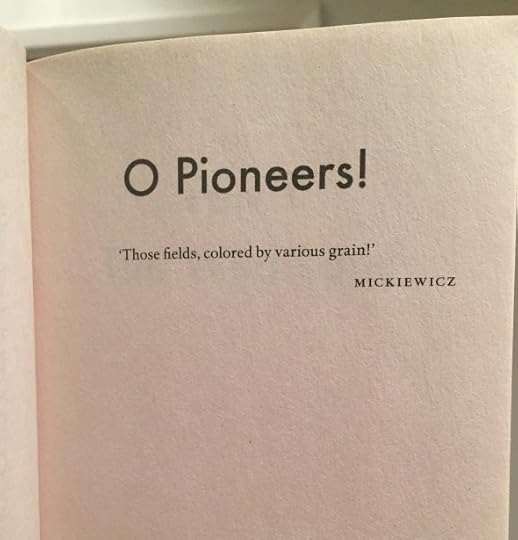
I believe an error was made in choosing this quote for the front page:
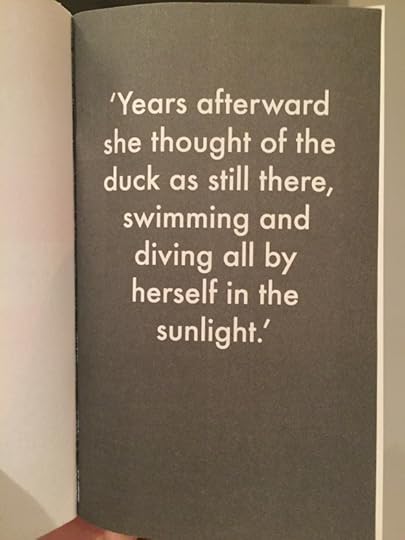
It isn’t the most inspiring one from the book. I might’ve chosen this:
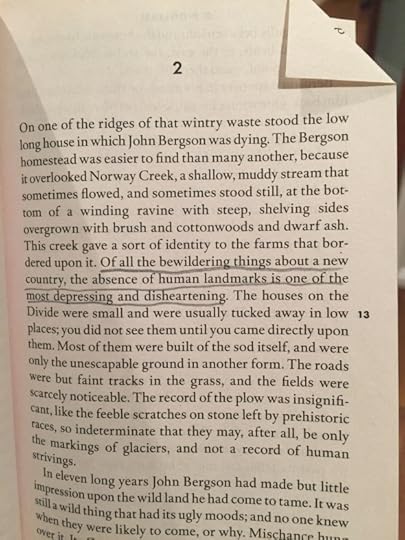
Or this:
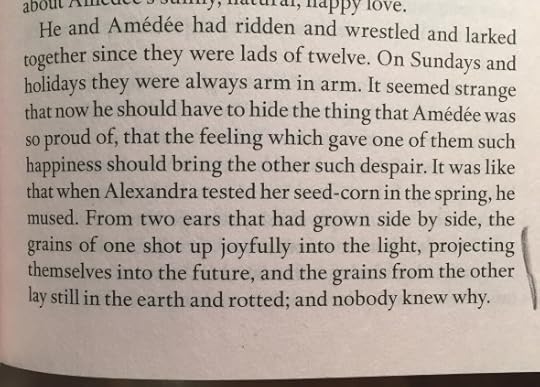
Or this:
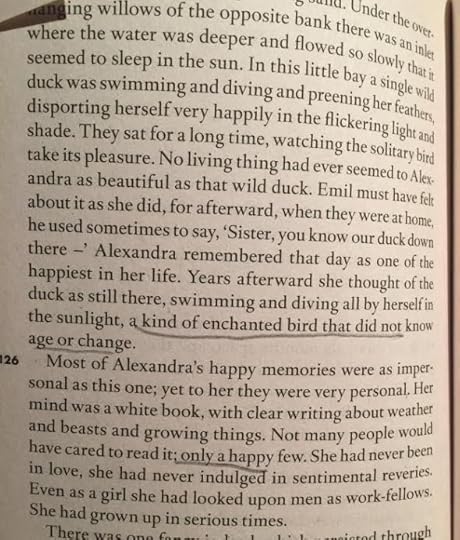
Or this:
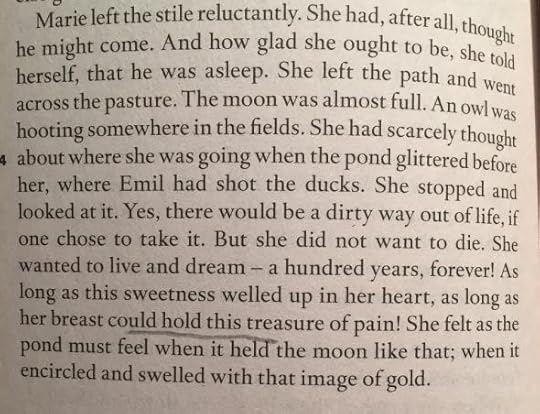
This quote made me think of the news:
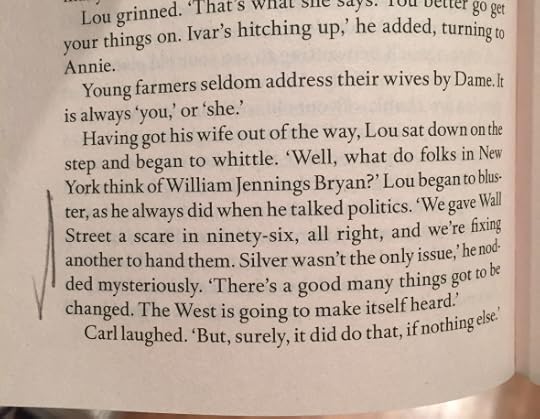
Also can’t say that the epigraph is especially sexy:
Perhaps it’s better in the original polish.
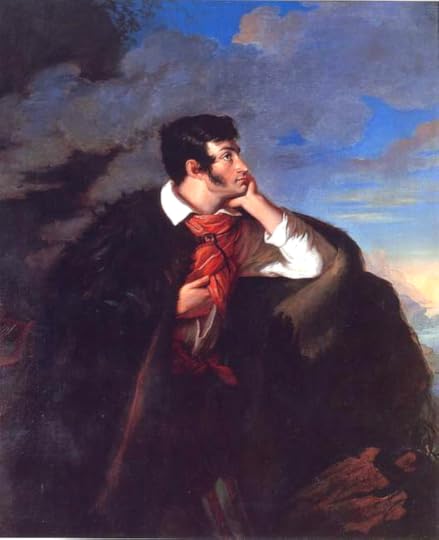
Mickiewicz is bae?
But still I pressed on, and in the end, I gotta give it up to O Pioneers!
The life of Willa Cather
Willa Cather must’ve been quite something. She was born in Gore, Virginia, but as a girl she was brought to Red Cloud, Nebraska:

where she made a real impression:
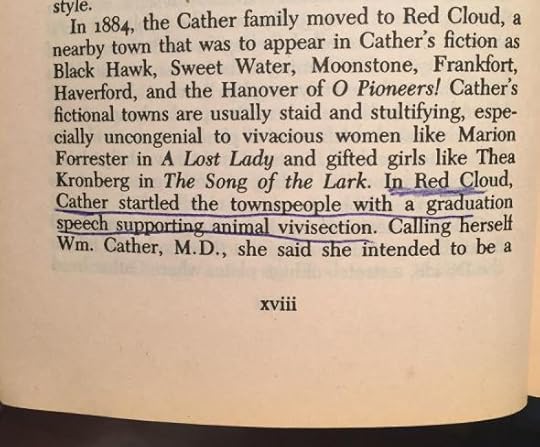
Was Willa Cather a lesbian?
Willa Cather shot out of Nebraska like a rocket.
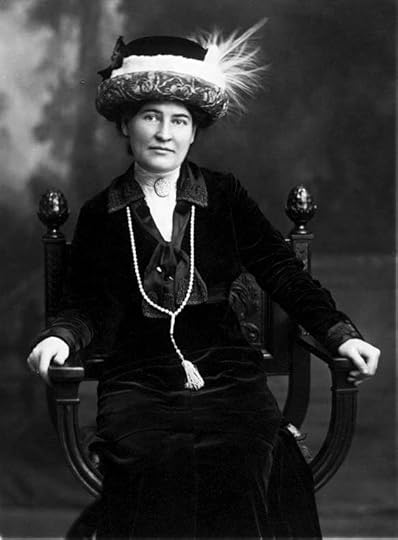
The closest relationships in her life were with women, and she lived with one Edith Lewis:
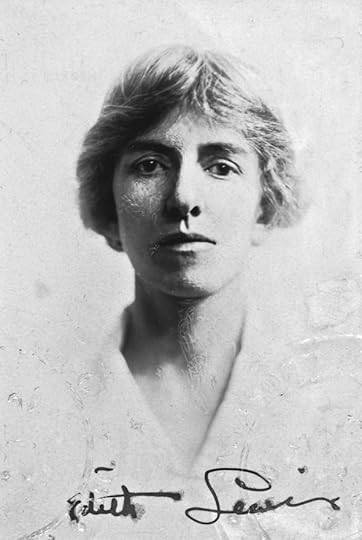
for close to thirty years. Some biographers hesitate to call her a lesbian, though, saying she never identified herself that way.
Willa Cather Memorial Prairie
Willa died in 1947. She has a memorial prairie named after her, it’s the number 2 thing to do in Red Cloud, NE after her house:

Willa on writing
O Pioneers! still holds up. I found myself moved by it, and it’s short. Cather has a way of summing up loneliness, heartache, longing, compassion, in a few short lines.
I went ahead and got Willa’s collected essays on writing.
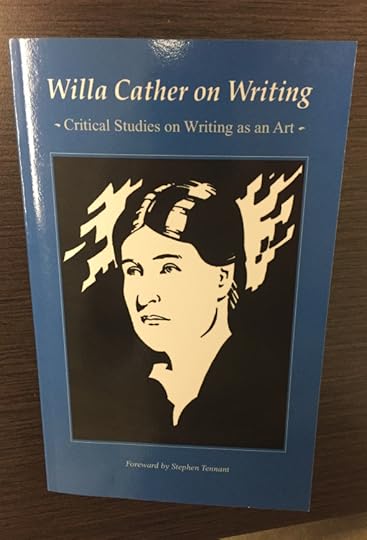
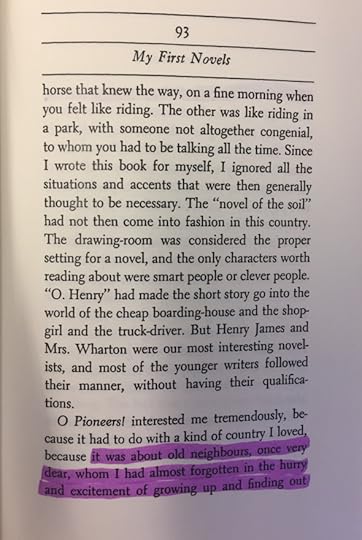
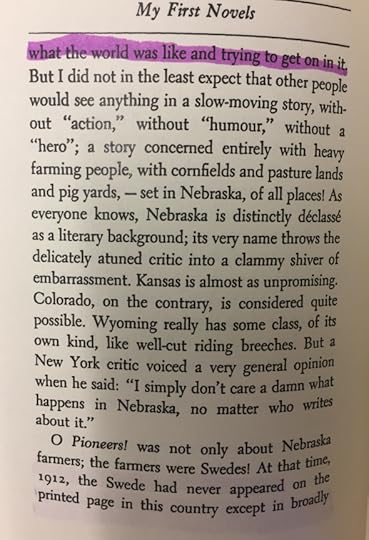
Here she tells how she came to write O Pioneers!, her second book: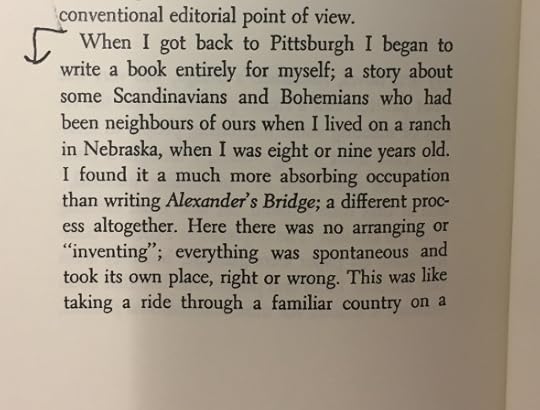
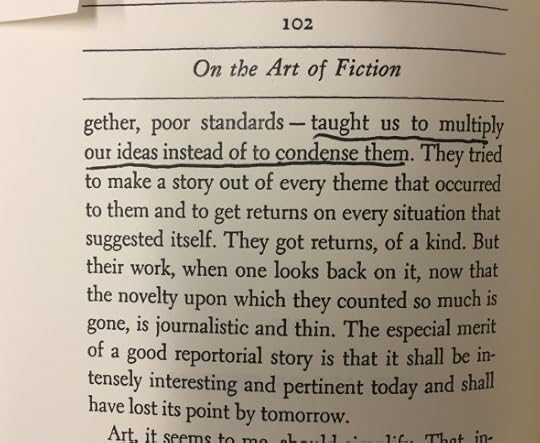
She wrote in some opposition to the detail-filled writing of Balzac:
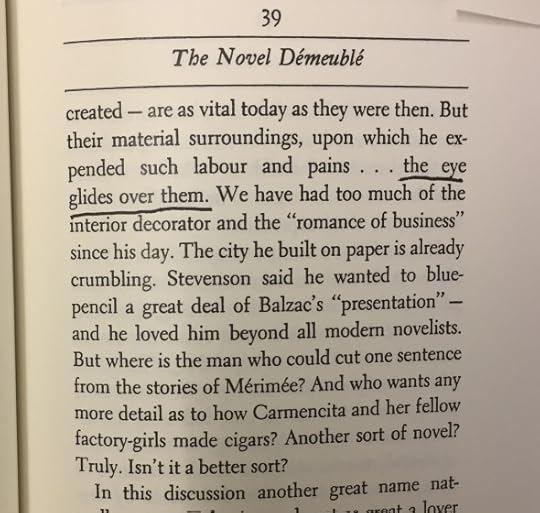
Interesting point here:
Red Cloud, Nebraska
Here’s a picture of downtown Red Cloud from Google Maps:

About as solid a Trump country as you will find: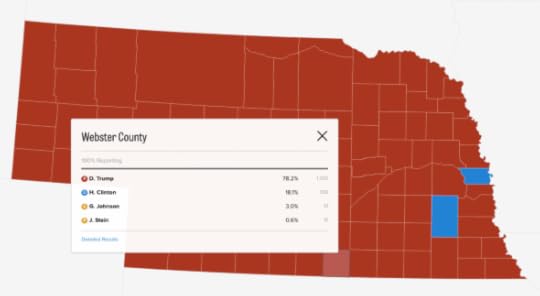
As of 2000 the median income for a household in the city was $26,389, and the median income for a family was $34,038. Males had a median income of $26,364 versus $17,232 for females. The per capita income for the city was $14,772. About 8.4% of families and 13.3% of the population were below the poverty line, including 20.9% of those under age 18 and 10.1% of those age 65 or over.
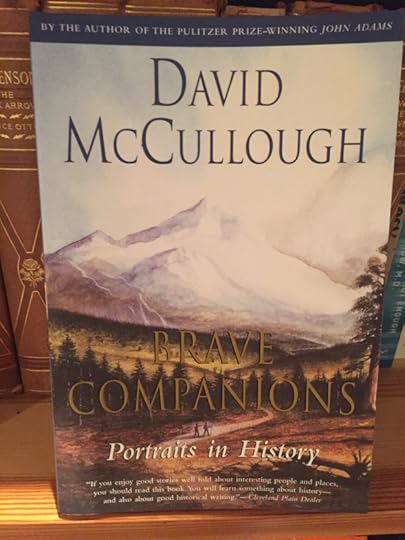
Brave Companions
David McCullough has something moving to say about Red Cloud and Willa and her other famous book:
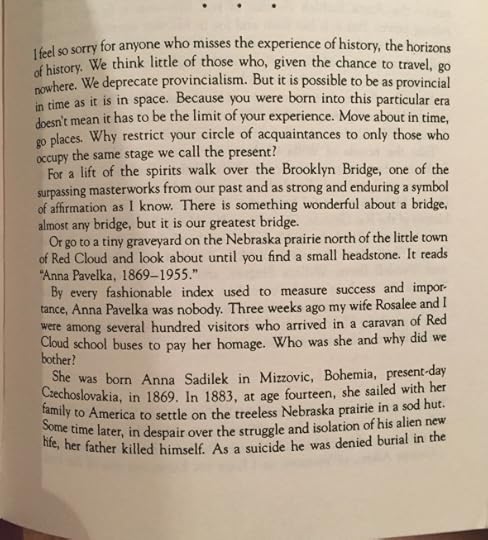
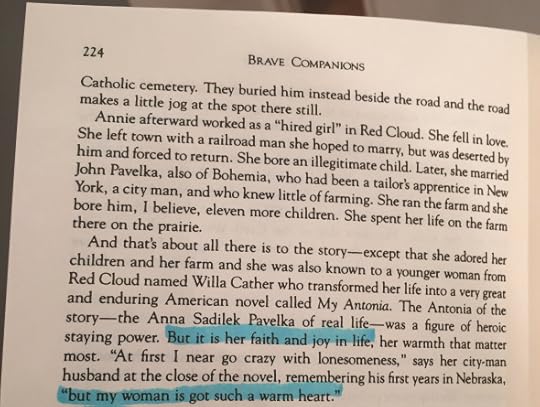
from:
I found O Pioneers! very moving and powerful, let me share with you why:
Warning: O Pioneers! spoiler
Skip this if you intend to read the book with suspense in mind.
But I doubt you will. I found this the most moving passage, and worth all the reading. Let me set it up for you:
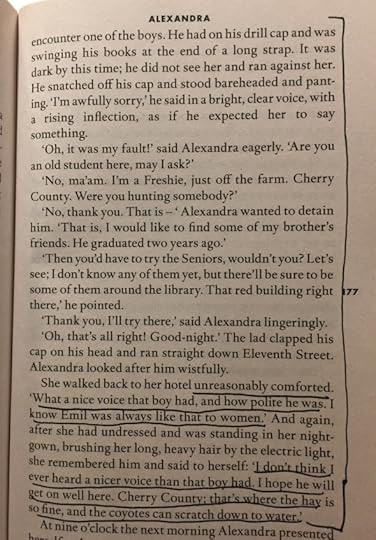
Emil, he of the lost cat on page 2, grows up under the guidance of his older sister, Alexandra. She’s really the focus of our story. Carl, the local boy who saves the cat, is in love with her, but he goes off, and leaves her behind. She’s left to care for her brothers.
Emil, youngest brother, does great. He goes on to college at the University of Nebraska, while Alexandra stays to watch over the farm. All the while Emil’s been in love with a neighbor girl, Marie, who marries another man.
Still, Emil and Marie are in love. Eventually Marie’s husband, Frank Shabata, finds his wife and Emil together. In a crazed rage he murders Marie and Emil both.
Alexandra, alone at age forty, is heartbroken, left adrift at the death of her brother. But still, she feels sympathy for Frank Shabata, who’s been sent to prison in Lincoln for his crime.
Alexandra, lost and in pain, decides to go visit Frank in prison. In afternoon/dusk, after arriving in Lincoln, she wanders the campus of the university, thinking of her murdered brother. Desperate for any kind of connection, she runs into a student:
Walt Whitman Reads: America
or
The Whitman Recording
The title of O Pioneers! comes from a poem by Walt Whitman.
Some years ago, a recording of Walt Whitman’s voice, said to have been recorded onto an Edison wax cylinder around 1889 or 1890, was rediscovered.
In these times when it seems maybe we lost our way, nationally, it made me feel good to hear this. Forty-six seconds long:


