
 Sign in with Facebook



“My old friend, what are you looking for?
After years abroad you’ve come back
with images you’ve nourished
under foreign skies
far from you own country.’
‘I’m looking for my old garden;
the trees come to my waist
and the hills resemble terraces
yet as a child
I used to play on the grass
under great shadows
and I would run for hours
breathless over the slopes.’
‘My old friend, rest,
you’ll get used to it little by little;
together we will climb
the paths you once knew,
we will sit together
under the plane trees’ dome.
They’ll come back to you little by little,
your garden and your slopes.’
‘I’m looking for my old house,
the tall windows
darkened by ivy;
I’m looking for the ancient column
known to sailors.
How can I get into this coop?
The roof comes to my shoulders
and however far I look
I see men on their knees
as though saying their prayers.’
‘My old friend, don’t you hear me?
You’ll get used to it little by little.
Your house is the one you see
and soon friends and relatives
will come knocking at the door
to welcome you back tenderly.’
‘Why is your voice so distant?
Raise your head a little
so that I understand you.
As you speak you grow
gradually smaller
as though you’re sinking into the ground.’
‘My old friend, stop a moment and think:
you’ll get used to it little by little.
Your nostalgia has created
a non-existent country, with laws
alien to earth and man.’
‘Now I can’t hear a sound.
My last friend has sunk.
Strange how from time to time
they level everything down.
Here a thousand scythe-bearing chariots go past
and mow everything down”
―
After years abroad you’ve come back
with images you’ve nourished
under foreign skies
far from you own country.’
‘I’m looking for my old garden;
the trees come to my waist
and the hills resemble terraces
yet as a child
I used to play on the grass
under great shadows
and I would run for hours
breathless over the slopes.’
‘My old friend, rest,
you’ll get used to it little by little;
together we will climb
the paths you once knew,
we will sit together
under the plane trees’ dome.
They’ll come back to you little by little,
your garden and your slopes.’
‘I’m looking for my old house,
the tall windows
darkened by ivy;
I’m looking for the ancient column
known to sailors.
How can I get into this coop?
The roof comes to my shoulders
and however far I look
I see men on their knees
as though saying their prayers.’
‘My old friend, don’t you hear me?
You’ll get used to it little by little.
Your house is the one you see
and soon friends and relatives
will come knocking at the door
to welcome you back tenderly.’
‘Why is your voice so distant?
Raise your head a little
so that I understand you.
As you speak you grow
gradually smaller
as though you’re sinking into the ground.’
‘My old friend, stop a moment and think:
you’ll get used to it little by little.
Your nostalgia has created
a non-existent country, with laws
alien to earth and man.’
‘Now I can’t hear a sound.
My last friend has sunk.
Strange how from time to time
they level everything down.
Here a thousand scythe-bearing chariots go past
and mow everything down”
―

“This is the excellent foppery of the world, that when we are sick in fortune (often the surfeits of our own behavior) we make guilty of our disasters the sun, the moon, and stars, as if we were villains on necessity; fools by heavenly compulsion; knaves, thieves, and treachers by spherical predominance; drunkards, liars, and adulterers by an enforced obedience of planetary influence; and all that we are evil in, by a divine thrusting on. An admirable evasion of whoremaster man, to lay his goatish disposition on the charge of a star! My father compounded with my mother under the Dragon's tail, and my nativity was under Ursa Major, so that it follows I am rough and lecherous. I should have been that I am, had the maidenliest star in the firmament twinkled on my bastardizing.”
― King Lear
― King Lear
“Good night, good night! parting is such sweet sorrow,
That I shall say good night till it be morrow.”
― Romeo and Juliet
That I shall say good night till it be morrow.”
― Romeo and Juliet
“Let me not to the marriage of true minds
Admit impediments. Love is not love
Which alters when it alteration finds,
Or bends with the remover to remove.
O no, it is an ever-fixed mark
That looks on tempests and is never shaken;
It is the star to every wand'ring barque,
Whose worth's unknown, although his height be taken.
Love's not Time's fool, though rosy lips and cheeks
Within his bending sickle's compass come;
Love alters not with his brief hours and weeks,
But bears it out even to the edge of doom.
If this be error and upon me proved,
I never writ, nor no man ever loved.”
― Great Sonnets
Admit impediments. Love is not love
Which alters when it alteration finds,
Or bends with the remover to remove.
O no, it is an ever-fixed mark
That looks on tempests and is never shaken;
It is the star to every wand'ring barque,
Whose worth's unknown, although his height be taken.
Love's not Time's fool, though rosy lips and cheeks
Within his bending sickle's compass come;
Love alters not with his brief hours and weeks,
But bears it out even to the edge of doom.
If this be error and upon me proved,
I never writ, nor no man ever loved.”
― Great Sonnets
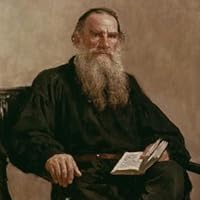
“All the girls in the world were divided into two classes: one class included all the girls in the world except her, and they had all the usual human feelings and were very ordinary girls; while the other class -herself alone- had no weaknesses and was superior to all humanity.”
― Anna Karenina
― Anna Karenina

VR’s 2025 Year in Books
Take a look at VR’s Year in Books, including some fun facts about their reading.

1,288 books
|
19 friends

530 books
|
146 friends

490 books
|
64 friends

60 books
|
97 friends

84 books
|
27 friends

188 books
|
63 friends

1 book
|
3 friends

226 books
|
250 friends
More friends…


Favorite Genres
Polls voted on by VR
Lists liked by VR
