Mills


Enemy of the State (Mitch Rapp, #16)
Total Power (Mitch Rapp, #19)
Red War (Mitch Rapp, #17)
Rising Phoenix (Mark Beamon, #1)
Enemy at the Gates (Mitch Rapp, #20)
Lethal Agent (Mitch Rapp, #18)
Order to Kill (Mitch Rapp, #15)
Oath of Loyalty (Mitch Rapp, #21)
The Survivor (Mitch Rapp, #14)
Code Red (Mitch Rapp #22)
Free Fall (Mark Beamon, #3)
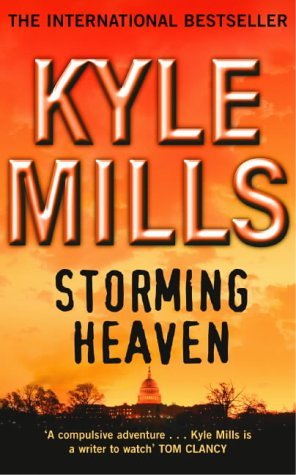
Storming Heaven (Mark Beamon, #2)
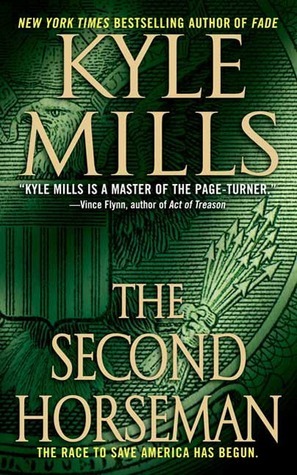
The Second Horseman
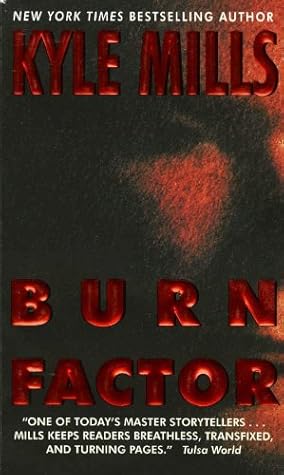
Burn Factor
Sphere of Influence (Mark Beamon, #4)
North and South by Elizabeth GaskellLyddie by Katherine PatersonThe Daring Ladies of Lowell by Kate AlcottSo Far From Home by Barry DenenbergThe Blue Door by Ann Rinaldi
Textile Mill Fiction
105 books — 32 voters
Leave While the Party’s Good by Lee C. KluckCharlie Hustle by Keith O'BrienDaybreak at Chavez Ravine by Erik ShermanBaseball Rebels by Peter DreierRed Barber by Judith R. Hiltner
Seymour Award Finalists
98 books — 1 voter

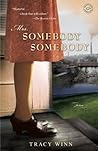
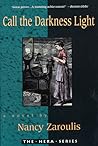
The Daring Ladies of Lowell by Kate AlcottMrs. Somebody Somebody by Tracy WinnUnravelling by Elizabeth GraverCall the Darkness Light by Nancy ZaroulisLyddie by Katherine Paterson
Lowell Mills
55 books — 7 voters
Shattered Trust by Jacqueline BairdSeparate Lives by Caroline JantzThe Dark Side of Desire by Michelle ReidMistress of the Groom by Susan NapierComparative Strangers by Sara Craven
Favorite Harlequins
101 books — 56 voters

Dreaming of You by Lisa KleypasChasing Cassandra by Lisa KleypasMoonlight and Mill Whistles by Terry Ward TuckerIt Happened One Midnight by Julie Anne LongSex And The Single Earl by Vanessa Kelly
Child Labor in Romance Novels
10 books — 6 voters
Jamestown by Joyce CrawfordBread and Roses, Too by Katherine PatersonHoliday and Celebration Bread in Five Minutes a Day by Zoë FrançoisCity in Amber by Jay AtkinsonThe Cry of the Street by Mabel Farnum
Bread and Roses
14 books — 5 voters

Friedrich Engels
The Industrial Revolution brought forth a transformation in the lives of women, as they moved from the domestic sphere to the factories, facing long hours of toil and challenging conditions. This shift not only altered their economic roles but also laid the groundwork for the questioning of established gender norms.
Friedrich Engels