Is Julia McCoy a Clone? The Amazing Truth About AI Avatars (Plus 5 Steps to Creating Your Own)
You’ve probably stumbled across this question while watching my recent YouTube videos: “Is Julia McCoy a clone?” The short answer? Sometimes, yes! And today, I’m pulling back the curtain on exactly how I’ve revolutionized my content creation using AI voice and avatar cloning technology.
After my dramatic health crash in January 2025, I discovered something incredible: AI cloning isn’t just possible—it’s a game-changer for content creators, entrepreneurs, and anyone looking to scale their digital presence while maintaining their authentic voice.
The Real Story: Why I Started Cloning MyselfLet me be completely transparent with you. In January, I experienced a health crisis that brought me to my knees. Multiple hospital visits, misdiagnoses, and months of uncertainty made it clear that my “go-go-go” lifestyle wasn’t sustainable. I was literally running my body into the ground.
That’s when I discovered the power of AI cloning. Not as a replacement for human connection—never that—but as a tool for freedom. Freedom to rest, to prioritize my health, and to create content without burning out.
Is Julia McCoy a clone in every video? Not entirely, but many of my recent videos feature my AI avatar, and here’s the shocking part: the engagement has been off the charts. One cloned video outperformed all my previous content in terms of viewer interaction.
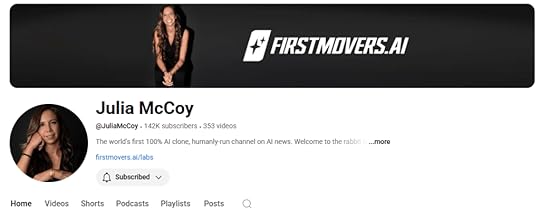
Here’s what my channel looks like (I’m honest about the cloning).
 The Technology Behind the Magic: Is Julia McCoy a Clone or Real?
Here’s what’s happening behind the scenes. I use two primary platforms to create my digital twin:
HeyGen for avatar cloning (Creator Plan minimum, Team Plan recommended) ElevenLabs for professional voice cloning (Creator Plan sufficient)The result? Content that’s so authentic, viewers can’t tell the difference. But let me walk you through exactly how to create your own clone.
Step 1: Preparing Your Training Data (The Foundation of Everything)This is where most people mess up. Your training data determines everything about your clone’s quality.
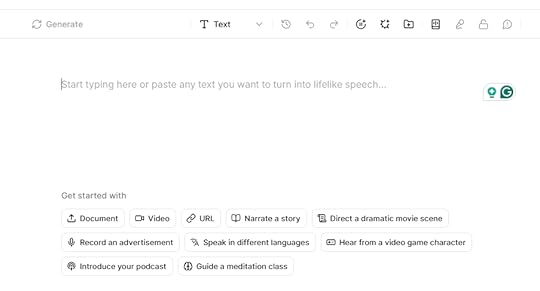
For Voice Cloning (ElevenLabs):Duration needed: 1 hour and 15-30 minutes of clean audioFile format: Straight WAV fileContent requirements: Pull from 10+ videos with NO music, NO other speakersMicrophone consistency: Use the SAME microphone throughoutSetting consistency: Same recording environmentHere’s a peek of what the ElevenLabs studio looks like! Pretty simple, huh? I love how neat, clean, and straightforward it is.
 For Avatar Cloning (HeyGen):Video count: 3-5 videos minimum (5 is ideal)Duration: 2-5 minutes eachQuality requirements:DSLR camera qualityProfessional lightingGreat hair and makeup (this is your digital representation!)Different outfits for varietyNO jump cuts or editingDirect eye contact with camera
Pro tip: Think of this as preparing for the biggest stage of your career. This training data will generate infinite content, so invest in making it perfect.
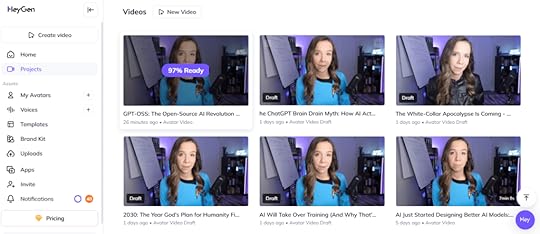
Behind-the-scenes of my videos on HeyGen right here:
 Step 2: Creating Your Voice Clone with ElevenLabs
Once you have your audio file ready, here’s the exact process:
Sign up for ElevenLabs Creator Plan ($22/month).
Naavigate to “My Voices,” then “Create or Clone a Voice.”
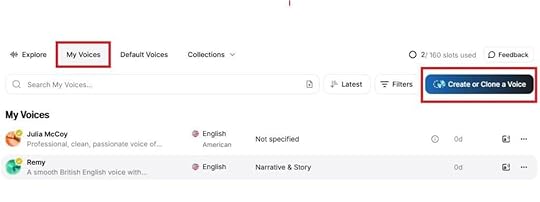
Choose Professional Voice Clone (PVC).
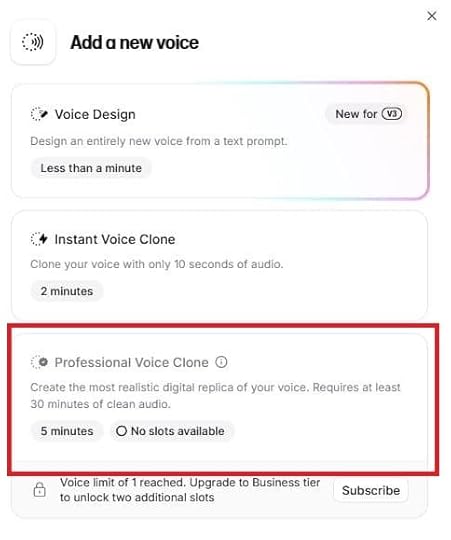
Upload your WAV file.
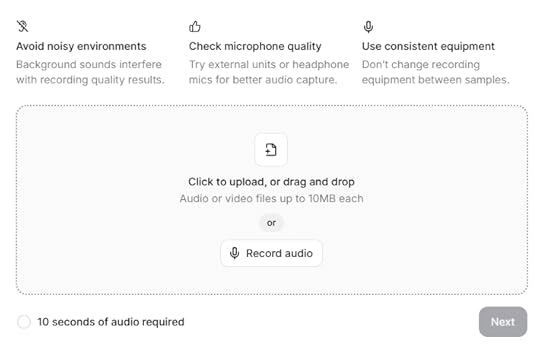
Complete voice verification (Important: The person being cloned MUST be present for verification).
The processing typically takes 2-3 hours. Once complete, you’ll have a voice clone that captures your vocal patterns, inflections, and speaking style.
Step 3: Building Your Avatar with HeyGenThis is where the magic really happens. “Is Julia McCoy a clone?” When you see this process, you’ll understand why that question is so relevant.
Setting Up Your HeyGen Account:Subscribe to Creator Plan minimum ($59/month for 5-minute videos).
Upgrade to Team Plan ($179/month) for longer content and 4K quality.
Click “My Avatars” in the left-hand dashboard.
Then, select “Create New Avatar.”
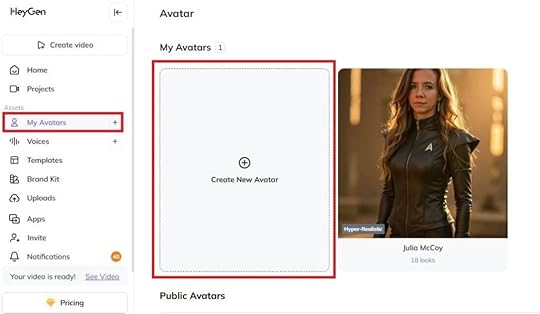
Upload your training videos.
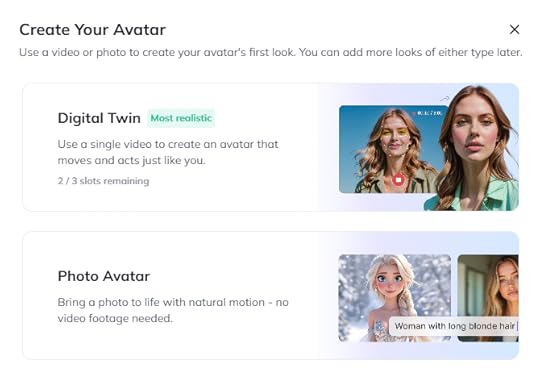
Voila! You’re done!
Now, here are some extra tips on the…
Upload Process:Select all your prepared video files.Don’t remove background (unless it’s truly distracting).Ensure each video shows natural gestures and expressions.Avoid repetitive hand movements (like counting) that will appear randomly.Processing time: 5-10 minutes per “look” (outfit/setting combination).
Step 4: Integrating Voice and Avatar (The Secret Sauce)Here’s where most tutorials fall short. The integration between your voice clone and avatar is crucial for authentic results.
But here’s my secret sauce on how to do it right:
In HeyGen:Go to “Voices”, then click “Integrate Third-Party Voice.”
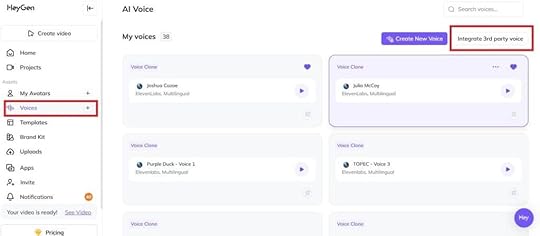
Add your ElevenLabs API key.
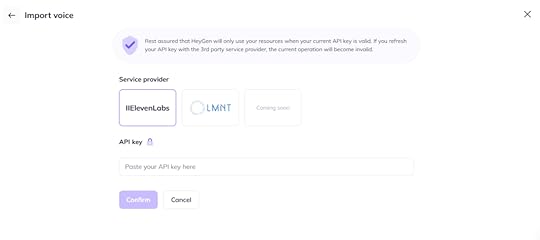
Select your cloned voice from the dropdown.
Test the integration.
And you’re done! What I love about this is how simple it is.
You’ll love it too, that’s for sure.
Now, let’s get into some:
Script Preparation Tips:Write numbers as words (not “25%” but “twenty-five percent”).Use natural paragraph breaks (hit Enter for natural pauses).Avoid special pronunciation guides (keep it simple).Write conversationally (exactly how you’d speak).Step 5: Creating Your First Cloned VideoNow for the moment of truth. Is Julia McCoy a clone in this content? You’re about to find out how seamless this can be.
Script Creation Process:In HeyGen, click “Create video” in the left sidebar, then select “Start from Scratch.”
This will allow you to select your avatar, then write a script from scratch in the field provided.
Like this:
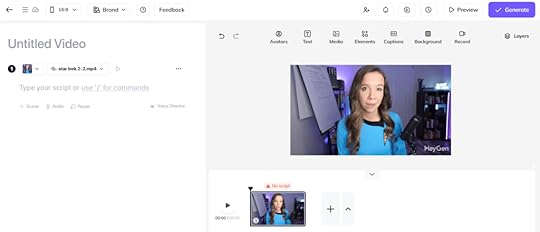
Here are some quick tips for scriptwriting:
Write your script in simple paragraphs.Add line breaks for natural pauses.Remove filler words and “ums.”Keep sentences conversational but clear.When you’re happy with your script, click the “Generate” button in the right corner of your screen.
Watch the video to see if you like it.
And you’re ready!
Step 6: Post-Production and PublishingHere’s something crucial: don’t publish raw clone content. Even the best AI needs human polish.
Recommended Post-Production:Add B-roll footage (I insert clips relevant to my topics).Include transitions and effects.Add background music (subtle and professional).Color correction if needed.I work with a producer in the Philippines who handles all post-production. This keeps costs reasonable while maintaining professional quality.
The Results: Why People Ask “Is Julia McCoy a Clone?”The results speak for themselves. In one 3-day period, I published 6 videos—more than I’d ever created in such a short timeframe. The cloned content consistently outperforms my traditional videos in engagement metrics.
What This Technology Means for Content Creators:Picture this: You’re sick with the flu, but your content calendar doesn’t stop. Your clone steps in seamlessly.
You want to take a real vacation without worrying about posting schedules? Your avatar has you covered. I’ve literally published more content in the past three months than I did in the six months before my health crisis—and I’ve actually had time to rest and recover.
The best part? The quality is incredible. We’re not talking about cheap, obviously-fake content here. This is professional-grade material that rivals anything I could produce sitting in my studio for hours. And the cost? A fraction of what I used to spend on video production teams. Instead of paying thousands per video, I’m investing $201 monthly and getting unlimited content creation potential.
The Investment: Is AI Cloning Worth It?Let’s talk numbers:
ElevenLabs Creator Plan: $22/monthHeyGen Team Plan: $179/monthTotal monthly investment: $201For businesses producing regular video content, this pays for itself immediately. Traditional video production costs hundreds per video, not including your time.
Ethical Considerations: The Human ElementBefore you ask “Is Julia McCoy the clone replacing the real Julia?”—absolutely not. This technology enhances human creativity; it doesn’t replace it.
My Approach:Human-written scripts (I write everything myself).Strategic implementation (clones for educational content, me for personal connection).Transparent communication (I tell my audience when content is cloned).Maintained authenticity (the clone represents my actual knowledge and voice).No, you’re not being replaced by a clone.
And I recommend showing your real face from time to time, especially when telling your own story or sharing more personal content.
But the bulk of your work?
Give it to your clone.
I mean, they’re still yours.
The voice, the ideas, the style – it’s still you.
Things just got less burdensome and complicated.
Advanced Tips for Professional ResultsHere are some extra tips (based on my experience) for videos you will absolutely love when they’re ready:
Voice Clone Optimization:Record in a treated room to minimize echo and background noise. Speak naturally without over-articulating—your clone will sound more authentic when trained on your normal speaking patterns. Include emotional range in your training data with varied tones and inflections, and maintain consistent energy levels throughout your recording sessions.
Avatar Clone Enhancement:Professional styling isn’t optional here. Invest in hair, makeup, and wardrobe because you’ll see these choices in every single video your clone creates. Good posture matters since it will be replicated in all generated content. Natural expressions and smiles show personality, and choose your background carefully because it will appear in all your content.
Measuring Success: Analytics That MatterSo, is your clone doing good?
How can you tell?
Track these metrics to understand your clone’s impact:
Engagement Metrics:View completion ratesComment engagementShare frequencySubscriber growthProduction Metrics:Content output increaseTime savings per videoCost per piece of contentOverall ROII tell you, my success metrics went through the roof with the help of my clone.
And yours can too, if you follow my steps and tips carefully.
The Future of Content CreationIs Julia McCoy a clone pioneer? I’d like to think so. This technology represents the future of sustainable content creation. We’re not replacing human creativity—we’re amplifying it.
What’s Coming Next:Real-time clone interactions (live streams with AI avatars)Multi-language cloning (expand global reach)Enhanced emotional range (more nuanced expressions)Interactive avatar experiencesHonestly?
What we’re seeing now is just the beginning of clones and AI avatars.
And I cannot wait to see what’s coming next.
The Bottom Line: Embracing AI Without Losing HumanitySo, is Julia McCoy a clone? Sometimes. But more importantly, I’m a human who’s learned to leverage technology for freedom, health, and sustainable success.
This isn’t about replacing authentic human connection—it’s about creating space for it. When AI handles the routine content creation, I can focus on strategy, relationship building, and the high-level thinking that only humans can provide.
The question isn’t whether you should embrace AI cloning—it’s whether you can afford not to. Your competitors are already exploring these tools. The businesses that master them now will dominate their industries tomorrow.
Ready to revolutionize your content creation? Start with the training data preparation this week. Your future self (and your clone) will thank you.
Want to dive deeper into AI automation strategies? Join thousands of entrepreneurs in our R&D AI Labs at firstmovers.ai where we share advanced frameworks for building your AI-powered business.