
Designing Perplexity
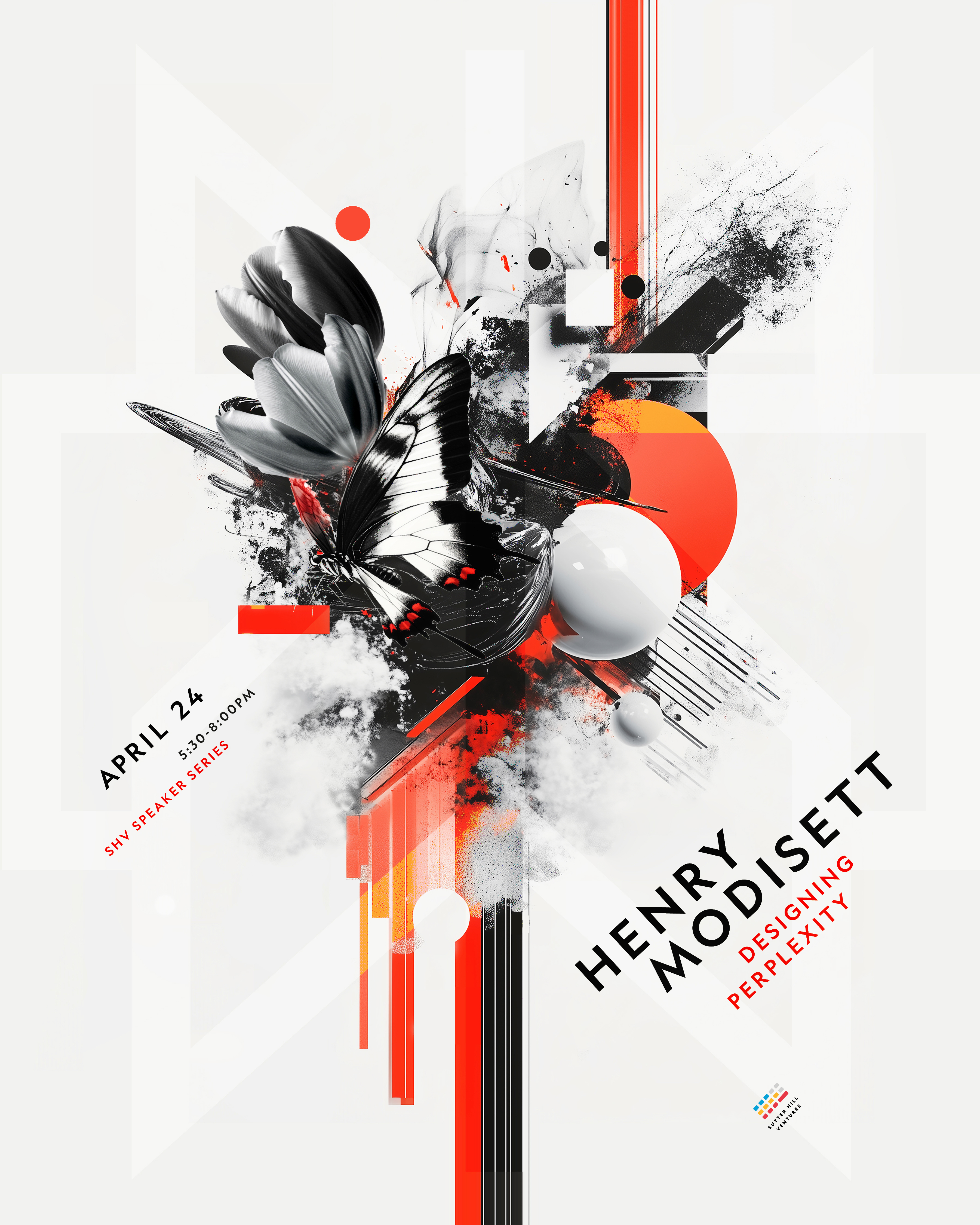
In his AI Speaker Series presentation at Sutter Hill Ventures, Henry Modisett, Head of Design at Perplexity, shared insights on designing AI products and the evolving role of designers in this new landscape. Here's my notes from his talk:
Technological innovation is outpacing our ability to thoughtfully apply it
We're experiencing a "novelty effect" where new capabilities are exciting but don't necessarily translate to enduring value
Most software will evolve to contain AI components, similar to how most software now has internet connectivity
New product paradigms are emerging that don't fit traditional software design wisdom
There's a significant amount of relearning required for engineers and designers in the AI era
The industry is experiencing rapid change with companies only being "two or three weeks ahead of each other"
AI products that defy conventional wisdom are gaining daily usage
Successful AI products often "boil the ocean" by building everything at once, contrary to traditional startup advice
Design Challenges Before AI
Complexity Management: Designing interfaces that remain intuitive despite growing feature sets
Dynamic Experiences: Creating systems where every user has a different experience (like Gmail)
Machine Learning Interfaces: Designing for recommendation systems where the UI primarily exists to collect signals for ranking
New Design Challenges with AI
Designing based on trajectory: creating experiences that anticipate how technology will improve. Many AI projects begin without knowing if they'll work technically
Speed is the most important facet of user experience, but many AI products work slowly
Building AI products is comparable to urban planning, with unpredictability from both users and the AI itself
Designing for non-deterministic outcomes from both users and AI
Deciding when to anthropomorphize AI and when to treat it as a tool
Traditional PRD > Design > Engineering > Ship process no longer works
New approach: Strategic conversation > Get anything working > Prune possibilities > Design > Ship > Observe
"Prototype to productize" rather than "design to build"
Designers need to work directly with the actual product, not just mockups
Product mechanics (how it works) matter more than UI aesthetics
AI allows for abstracting complexity away from users, providing power through simple interfaces Natural language interfaces can make powerful capabilities accessible
But natural language isn't always the most efficient input method (precision)
Discoverability: How do users know what the product can do?
Make opinionated products that clearly communicate their value


No comments have been added yet.
Luke Wroblewski's Blog

- Luke Wroblewski's profile
- 86 followers
Luke Wroblewski isn't a Goodreads Author
(yet),
but they
do have a blog,
so here are some recent posts imported from
their feed.

