
Hymn Before Action – Review
Rudyard Kipling
The earth is full of anger,
The seas are dark with wrath,
The Nations in their harness
Go up against our path:
Ere yet we loose the legions —
Ere yet we draw the blade,
Jehovah of the Thunders,
Lord God of Battles, aid!
High lust and froward bearing,
Proud heart, rebellious brow —
Deaf ear and soul uncaring,
We seek Thy mercy now!
The sinner that forswore Thee,
The fool that passed Thee by,
Our times are known before Thee —
Lord, grant us strength to die!
For those who kneel beside us
At altars not Thine own,
Who lack the lights that guide us,
Lord, let their faith atone.
If wrong we did to call them,
By honour bound they came;
Let not Thy Wrath befall them,
But deal to us the blame.
From panic, pride, and terror,
Revenge that knows no rein,
Light haste and lawless error,
Protect us yet again.
Cloak Thou our undeserving,
Make firm the shuddering breath,
In silence and unswerving
To taste Thy lesser death!
Ah, Mary pierced with sorrow,
Remember, reach and save
The soul that comes to-morrow
Before the God that gave!
Since each was born of woman,
For each at utter need —
True comrade and true foeman —
Madonna, intercede!
E’en now their vanguard gathers,
E’en now we face the fray —
As Thou didst help our fathers,
Help Thou our host to-day!
Fulfilled of signs and wonders,
In life, in death made clear —
Jehovah of the Thunders,
Lord God of Battles, hear!
© by owner. provided at no charge for educational purposes
You may find this and other poems here.
Analysis
Rudyard Kipling’s “Hymn Before Action” is a powerful and deeply reflective poem that speaks to the moral and spiritual turmoil faced by soldiers on the brink of war. Written during World War I, the poem blends Christian themes with vivid natural imagery, using them to explore the internal conflicts of soldiers preparing for battle. The poem is framed as a prayer, calling on divine intervention to help soldiers confront the violence and chaos they are about to face, while also grappling with their own vulnerability, sin, and need for redemption.
The poem opens with a stark portrayal of nature’s wrath. “The earth is full of anger, / The seas are dark with wrath,” Kipling uses nature to mirror the violence of the war. The earth and seas are personified as hostile forces, setting the tone for the poem. The imagery of “angry earth” and “dark seas” suggests a world in turmoil, overwhelmed by the destruction wrought by human conflict. This natural chaos parallels the soldiers’ own emotional and moral disarray, as they prepare to march into a battle that seems inevitable and all-consuming. It is as though nature itself is complicit in the violence, adding an additional layer of tension and urgency to the soldiers’ plight.
In this context, Kipling introduces the central theme of divine intervention. The soldiers, aware of their own moral failings, turn to God, asking for mercy and strength. “Jehovah of the Thunders, / Lord God of Battles, aid!” By invoking God as the protector of soldiers, Kipling places the poem within a Christian framework, drawing on biblical traditions where soldiers and warriors seek divine favor before battle. The soldiers’ prayer is not for victory but for the strength to face death and for guidance through the moral uncertainties of war. They ask for protection from their own darker impulses—“panic, pride, and terror”—and the chaotic, lawless tendencies that can arise in the heat of battle. This plea for divine mercy reflects the internal moral struggle that soldiers endure as they wrestle with fear, duty, and the potential for wrongdoing in the face of violence.
The Christian themes of sin and redemption are central to the poem. The soldiers acknowledge their unworthiness—“the sinner that forswore Thee, / The fool that passed Thee by”—yet still plead for God’s grace. The phrase “grant us strength to die” encapsulates not only a willingness to face death but a desire for spiritual strength to endure the violence they will face, suggesting that the battle is as much a moral and spiritual challenge as a physical one. This recognition of the soldiers’ sinfulness and their plea for mercy emphasizes the moral confusion and emotional weight of war. Kipling does not glorify war but instead portrays it as a place where soldiers must confront their own weaknesses and vulnerabilities, asking for divine help in navigating the complex moral terrain of battle.
The inclusion of Mary, “pierced with sorrow,” brings a compassionate and nurturing element to the poem. Kipling calls on the Virgin Mary to intercede on behalf of the soldiers, reflecting the Christian view of Mary as a compassionate figure who understands human suffering. “True comrade and true foeman” is a line that highlights the shared vulnerability of all soldiers, whether friend or foe. This plea for mercy for soldiers of all nations, regardless of their faith, underscores Kipling’s understanding of the common humanity that binds people together, even in the midst of war. The prayer for Mary to intercede also suggests that there is a hope for mercy that transcends religious boundaries—a desire for redemption for all, not just those who share the same beliefs.
In addition to Christian themes, Kipling uses nature to reflect the soldiers’ emotional and spiritual struggles. The metaphor of the soldiers being “bound in harness” suggests that they are part of a larger, uncontrollable force, trapped by history and fate. The natural world—represented by the angry earth, dark seas, and thunder—acts as a reflection of the uncontrollable forces at play in the soldiers’ lives. Kipling evokes the destructive power of storms, which mirror the emotional storms within the soldiers themselves. “Jehovah of the Thunders” is a plea for divine intervention, asking God to control the storm, both literal and figurative, that the soldiers face. This heightened sense of nature’s fury emphasizes the sense of doom that hangs over the soldiers as they approach the battlefield.
However, Kipling also acknowledges the soldiers’ potential to disrupt the natural and moral order. The lines “revenge that knows no rein” and “light haste and lawless error” suggest that the soldiers may be swept away by their own destructive impulses. Despite their prayers for divine guidance, they are aware that they might act in ways that mirror the chaos of nature. The soldiers are asking for protection not just from external enemies but from the darker forces within themselves—fear, panic, and revenge—that threaten to cloud their judgment and lead them astray.
In the final stanzas, Kipling brings the prayer full circle, asking for protection and guidance as the soldiers face the coming violence. The tone is one of grim acceptance, with no illusions about the horrors of war. The repetition of phrases like “Jehovah of the Thunders” and “Lord God of Battles” reinforces the urgency and earnestness of the plea, while also creating a ritualistic, hymn-like structure that mirrors the soldiers’ preparation for battle. The poem ends with a final plea for divine aid: “E’en now their vanguard gathers, / E’en now we face the fray.” This sense of inevitability underscores the helplessness the soldiers feel in the face of the overwhelming forces of nature, history, and war.
Ultimately, “Hymn Before Action” is a meditation on the vulnerabilities of soldiers and the moral and spiritual challenges they face in the lead-up to war. Kipling’s use of nature to reflect both the destructive forces of war and the soldiers’ internal struggles is effective in conveying the bleak reality of battle. The Christian themes of sin, mercy, and redemption add a layer of depth to the poem, highlighting the soldiers’ need for divine intervention as they grapple with their fears, pride, and moral uncertainties. The poem is not a glorification of war but rather a solemn prayer for strength, guidance, and compassion in the face of impending violence. In a world ravaged by war, Kipling’s soldiers seek solace not just in their faith but in the hope that divine mercy can help them navigate the moral chaos that war inevitably brings.
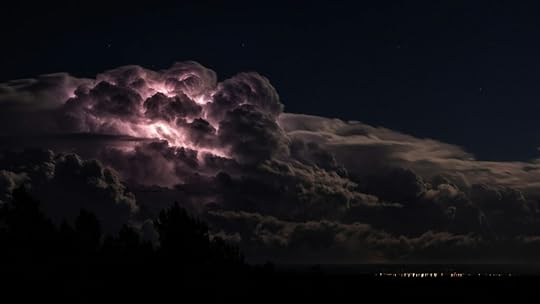
Photo by Yoal Desurmont on Unsplash


