A Comprehensive Guide to Types of SEO Links
As a website owner, you’ve just built your dream website, but you’re finding it tough to drive traffic and improve your search engine rankings.
What’s missing?
 Well, the answer might be hiding in plain sight: SEO links! The different types of SEO links help both people and search engines to move around your website.
In this article, I am going to take a close look at the types of SEO links.
We’ll talk about internal links that link your own web pages and external links that connect you to other websites, including through guest posts.
I’ll also show you some practical ways to use the types of SEO links to improve your SEO.
Let’s dive in!
Build a successful blog, 10x faster, with AI today! Check out our AIO Blogger course.
Table Of Contents:What Are SEO LinksInternal Links in SEOExternal Links: Expanding Your Web PresenceInternal Links: The Backbone of Your WebsiteWhy Do Internal Links Matter?Achieving Better Site NavigationExternal Links: How They Build Authority and TrustTypes Of External Links for SEOMaking The Most Of Your External Linking StrategyTypes of Links in SEO You Need to KnowInternal Links: Navigational AidsExternal or Outbound Links: Showcasing CredibilityInbound or Backlinks: A Vote of ConfidenceOptimizing Your Linking Strategy for Better SEOCommon Mistakes to Avoid in Linking StrategyOverusing Links in Your ContentIgnoring Internal LinksOverlooking Anchor Text OptimizationPrioritizing Quantity Over QualityIgnoring Broken LinksFAQs About Types of SEO LinksWhat are the 3 main types of SEO links?How many types of links are used in SEO?What are SEO links?Which links are best for SEO?Integrating SEO Links into Your Digital MarketingSocial Media’s Role in Extending ReachInfluencer Collaborations And Backlink ProfilesOngoing SEO EffortsConclusionWhat Are SEO LinksSEO links, including nofollow links and follow links, play a pivotal role in your link building strategy, directly impacting your website’s visibility on search engines.
But what exactly are they?
Essentially, an SEO link connects one web page to another.
If you use them the right way, they can significantly improve your site’s performance on search engine results pages (SERPs).
The power of an SEO link lies in its ability to boost credibility and improve user experience—two factors that search engines love. Click To TweetThere are two main types of links in SEO: internal and external.
Internal Links in SEOInternal links are hyperlinks that connect to other pages on the same website.
When you use them effectively, they help visitors navigate your site easily, making it easy to find content.
Second, they help Google understand your site’s structure, connecting the dots between pages. This understanding influences how your site appears in search results.
Below is an image showing sitelinks on Google’s SERPs.
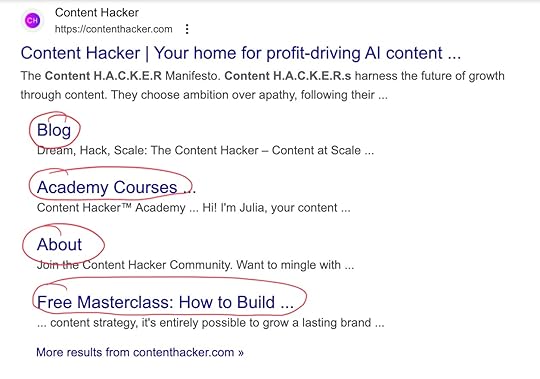
Google creates these sitelinks from understanding your site’s layout through your internal links.
Sitelinks show up in search results and give a quick view of your main pages. This makes your site more visible and can lead to more clicks in search results.
External Links: Expanding Your Web PresenceExternal links point to other websites. These are very important for SEO.
They tell search engines that your site is connected to other trustworthy sites–that is, of course, if you strategically link to reputable sites.
Understanding when and how to use external links is key to a strong online presence.
One other thing: Good links are not just for search engine algorithms–they make the user journey better too.
They keep visitors on your site longer, encourage them to explore more, and ultimately turn them into loyal customers.
Internal Links: The Backbone of Your WebsiteThink of your website as a spider’s web. Internal links are like the silk threads that connect every part of this web.
Why Do Internal Links Matter?In SEO, nothing exists in isolation, much like a spider’s web. If a link is missing or broken, well… things start to fall apart quickly.
Achieving Better Site NavigationImagine trying to navigate a maze blindfolded. That’s how users feel on websites with poor internal linking—they can’t find their way around.
This does not have to be your website:
Weave internal links throughout your website to guide visitors smoothly from one content piece to another.
This simple practice will lower bounce rates and increase time on site—two metrics Google considers when ranking your website.
But—make sure each link fits naturally within your content. Don’t force links where they don’t belong.
External Links: How They Build Authority and TrustExternal links, including carefully selected nofollow links from social media and other platforms, build your website’s authority and trust. Here’s why they are effective.
Expanding Your Reach:
External links are like gateways connecting your site to the broader internet.
By using them in your content, you provide your readers with valuable resources and signal to search engines like Google that you’re part of a larger community.
Gaining Trust:
When high-authority websites link to yours, they show confidence in your content.
This endorsement enhances your site’s credibility in the eyes of both users and search engines. Here’s how it benefits SEO.
Types Of External Links for SEONatural editorial links: These are organic backlinks from other sites that find value in your content.Gained contextual links: You get these when others link to your pages, finding them useful or relevant.Social media shares/mentions: Social mentions also boost your online visibility and authority.Making The Most Of Your External Linking StrategyTo benefit most from external linking, you want to create link-worthy content—be it informative blog posts, engaging infographics, or compelling videos.
Excellent content naturally attracts more high-quality backlinks—and over time, this improves your rankings.
Also, I like to advise creators to ALWAYS use relevant anchor texts for links.
This helps search engines understand what your linked content is about and improves user experience—double WIN!
That said, avoid over-linking or repeating the same link. This comes off as spammy and could hurt your SEO efforts.
Types of Links in SEO You Need to KnowTo boost your website’s search engine performance, you need to fully appreciate the different types of links in SEO.
Internal Links: Navigational AidsAs I have mentioned earlier, internal links connect one page of your site to another, making it easier for visitors to navigate.
They also help spread authority throughout your site, which is a good thing for your SEO.
External or Outbound Links: Showcasing CredibilityExternal or outbound links are hyperlinks pointing to high-quality, relevant sites. It might seem counterintuitive – directing traffic away from your own webpage.
But here’s the twist: they enhance user experience and show that your site is credible.
Inbound or Backlinks: A Vote of ConfidenceInbound or backlinks are vital for SEO rankings. Other websites link to yours to signify trust in your content, and Google interprets this as proof of your content’s quality.
You see, mastering SEO goes beyond keyword use. Knowing how each link type works can significantly improve your site’s visibility and ranking.
But remember—don’t just go crazy with linking. Like many things in life (and especially so with digital marketing), balance is key.
Optimizing Your Linking Strategy for Better SEOYour website is like a city where links are roads that help visitors navigate through it. But these aren’t just any roads—they’re well-designed highways for the best user and search engine experience.
For internal links, which connect different pages on your site, here’s how to optimize:
Create lots of high-quality content. This gives you more opportunities to link internally.Use descriptive, relevant anchor text for linked page. Remember: this isn’t just for SEO—it improves user experience too.Avoid overdoing keyword-rich anchors. Google might view this as manipulative.Moving onto external links, these demonstrate authority and trust.
They lead your readers to reputable sites, providing them with more insights on your topic and enhancing their learning.
For effective external linking:
Cite sources from authoritative websites when stating facts or statistics. Here’s an example.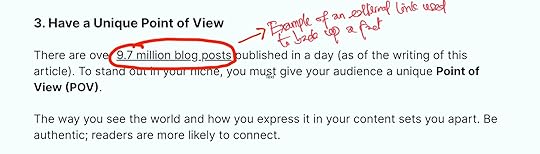 Diversify your external links. Linking back to the same domains again and again can seem spammy to Google.Ensure your outbound links add value for readers rather than serving purely SEO purposes.
To balance between both types of links in SEO, quality trumps quantity every time. When you use outbound links, make sure each link benefits the reader and fits the content.
Common Mistakes to Avoid in Linking StrategyAvoiding certain mistakes in your linking strategy can lead to better SEO performance. Here’s what to watch out for:
Overusing Links in Your Content

Cramming too many links into your content is like stuffing a room full of guests. There’s no room to breathe, and everyone feels overwhelmed. This not only confuses your readers but also search engine crawlers.
Ignoring Internal LinksDo not underestimate the power of internal links. They’re like family ties that strengthen your website’s structure.
Internal links guide visitors through your site, keeping them engaged and boosting your SEO.
Overlooking Anchor Text OptimizationAnchor text—the clickable text in a hyperlink—plays a significant role in how search engines understand and rank your content.
Use relevant text, but avoid keyword stuffing to prevent being marked as spam.
Prioritizing Quantity Over QualityChasing after many links without considering their quality is a trap. It’s like having 100 fair-weather friends instead of a few true ones.
In SEO terms, using numerous low-quality links can do more than just underperform—such links harm your site’s reputation, especially with Google’s penalties for shady tactics for suspicious activities.
Ignoring Broken LinksDon’t overlook broken links. They lead to frustration and lower rankings as visitors encounter annoying “404 error” pages.
Regularly check and fix these links to maintain a smooth user experience.
By steering clear of these common linking strategy mistakes, you’re on your way to better SEO for your website.
FAQs About Types of SEO LinksWhat are the 3 main types of SEO links?There are three essential types of SEO links:
Internal Links: Connect pages within your website.External Links: Lead to other websites.Backlinks: These are incoming links from other websites.How many types of links are used in SEO?SEO primarily involves three types of links:
Internal Links: Boost navigation within your site.External or Outbound Links: Direct to external sites.Inbound or Backlinks: These are links from other sites to yours.What are SEO links?SEO links are hyperlinked text used for web navigation.
They help in connecting webpages and play a vital role in enhancing a website’s visibility on search engines.
Which links are best for SEO?Each link type has its unique value:
Internal Links: Improve user experience and page authority.External and Inbound Links: Establish credibility with visitors and search engines like Google.Integrating SEO Links into Your Digital MarketingIn digital marketing, synergy between content marketing and Search Engine Optimization (SEO) is key.
They work together to boost your online visibility and drive organic traffic to your website.
Social Media’s Role in Extending ReachSocial media platforms play a significant role in amplifying the reach of SEO-linked content.
Sharing your content links on these platforms increases exposure, drives more traffic to your site, and can boost search engine rankings. Google considers social signals when determining page ranks.
Influencer Collaborations And Backlink ProfilesPartnering with influencers can significantly backlink profiles.
Their established audience base brings you exposure and high-quality backlinks, improving domain authority and SEO.
Ongoing SEO EffortsSEO is a continuous process that should evolve with the digital landscape.
By focusing on SEO within a holistic digital marketing strategy, you can maintain a strong online presence and sustainable growth.
ConclusionSEO links are a powerful tool. Internal links tie your site together, simplifying navigation.
External links are like handshakes, establishing trust with other websites and search engines.
Understanding and using different types of SEO links wisely is essential for great SEO results.
The key takeaways here? A solid linking strategy can make or break your SEO efforts. So pay attention!
Mistakes happen, but now you know what pitfalls to avoid in your linking strategy. You’re well on your way toward mastering this critical aspect of SEO.
Buckle up! Your journey into the world of effective link usage has just begun…
It’s time to build your blog empire.
Want to be a real Content Hacker along with us, but not sure where to start?
We’ve got custom-created resources just for you, friend.
Get inside the Content Hacker Community  – at just $20/month, it’s a no-brainer. On-call, expert support, live calls, and so much more.
Want to go deeper? Check out our AIO Blogger course – an immersive one-week course teaching you everything you need to know to build a money-making online blog.
Can’t WAIT to welcome you inside.
with gratitude,
Julia
The post A Comprehensive Guide to Types of SEO Links appeared first on Content Hacker.