Clarissa Read-Along (Letters Dated 6th-12th March)
‘Things Can Only Get Better’ as D:Ream once famously said, unless you’re Clarissa in Samuel Richardson’s classic tragedy of the same name, in which case, things will just keep getting worse.
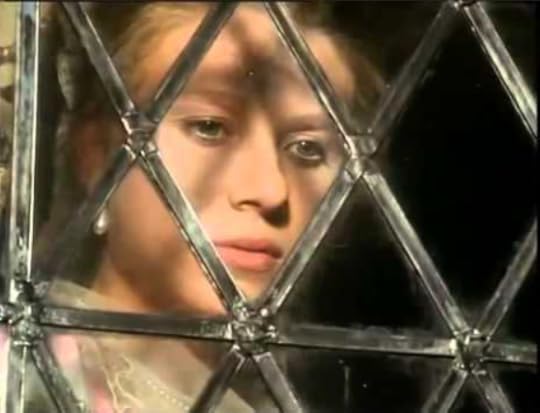
It’s been a harrowing week for our heroine, with lots of letter writing between the Harlowes and our favourite side character, Miss Anna Howe.
In our last group of letters, it was becoming increasingly obvious where Richardson was hammering in moral lessons intended for the reader (one might even suggest too bluntly). It seems everyone but Clarissa herself is straying from the path of proper virtue (yes, even our beloved Anna). This week was no different, with our main lady and her good friend continuing to examine the behaviour of Clarissa’s tyrannical family in that logical and considered way that seems so alien to the high tones of emotion vibrating throughout the rest of the story.
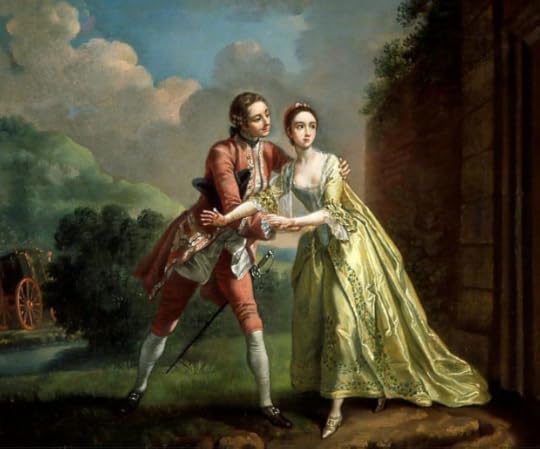
The more Clarissa resists, the tighter the hold about her becomes; with her maid Hannah now fired and her time beyond her bedroom much restricted, our young lady is forced into increasingly clandestine means of finding support for herself. Therein lies the main message within this group of letters. Clarissa states it repeatedly: if her family are so determined they do not want her to marry Mr Lovelace, their behaviour is forcing her towards that very fate.
Beware, parents who wish to control the hearts of their young daughters, one cannot tyrannise a daughter’s heart into obedience in such a delicate matter as marriage.
Mr Lovelace is starting to find his footing in the novel, as his name crops up again and again. Anna has been doing some digging, and still seems convinced that this rakish fellow is her friend’s best hope of escaping the awful Mr Solmes.
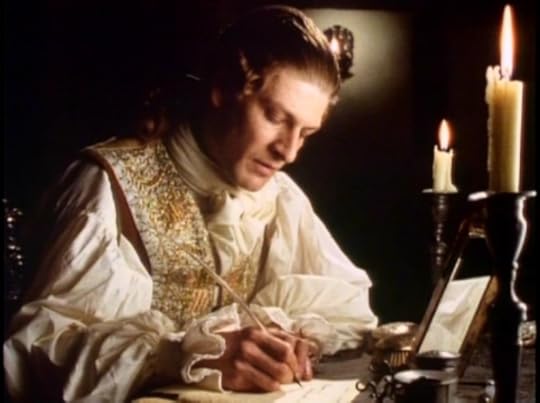
All we knew about Mr Lovelace for much of the novel until now had been deduced from various reports and gossip. With Mr Lovelace appearing at church, seemingly to seek out Clarissa in person, one begins to wonder just how bold this fellow might become.
‘This man, this Lovelace, gives me great uneasiness. He is extremely bold and rash. He was this afternoon at our church — in hopes to see me, I suppose: and yet, if he had such hopes, his usual intelligence must have failed him.’
Hints are beginning to appear that Lovelace has some insight into the inner workings of the Harlowe household, which is putting Clarissa on edge. She describes her communication with him as something she feels most uneasy and unhappy about doing. She finds Lovelace very ready to be pleased with the slightest hint of approbation from her side. With encouragement so quickly found, we begin to feel how carefully a Georgian young lady must play her cards.
The threat of the impending marriage to Mr Solmes continues to close in upon our young lady, it begins to feel as if there is nobody in her own family who might put an end to this misery. Is Mr Lovelace the answer? Anna would say so, yet Clarissa is far more measured in her judgement of him; he is a notorious rake. But then young women imprisoned by their own cruel families can’t really be choosers.
‘O how you run out in favour of the wretch! — His birth, his education, his person, his understanding, his manners, his airs, his fortune.’
It seems that Bella is quite convinced of her sister’s infatuation, but Clarissa herself admits to only a ‘conditional liking’ — meaning, reduced to a circumstance of choosing between him and Mr Solmes, Clarissa can find enough to like about Mr Lovelace to make him a tolerable prospect. But will she really be forced into such a choice?
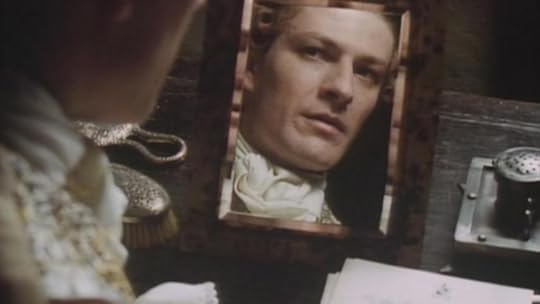
The wait is almost over, just around the corner we have letters from the primary gentleman of this story, Lovelace. It is then we might pick away at the layers of his character for ourselves.
Until next time, adieu, my dears!
[image error]