Has Spring Sprung Early?
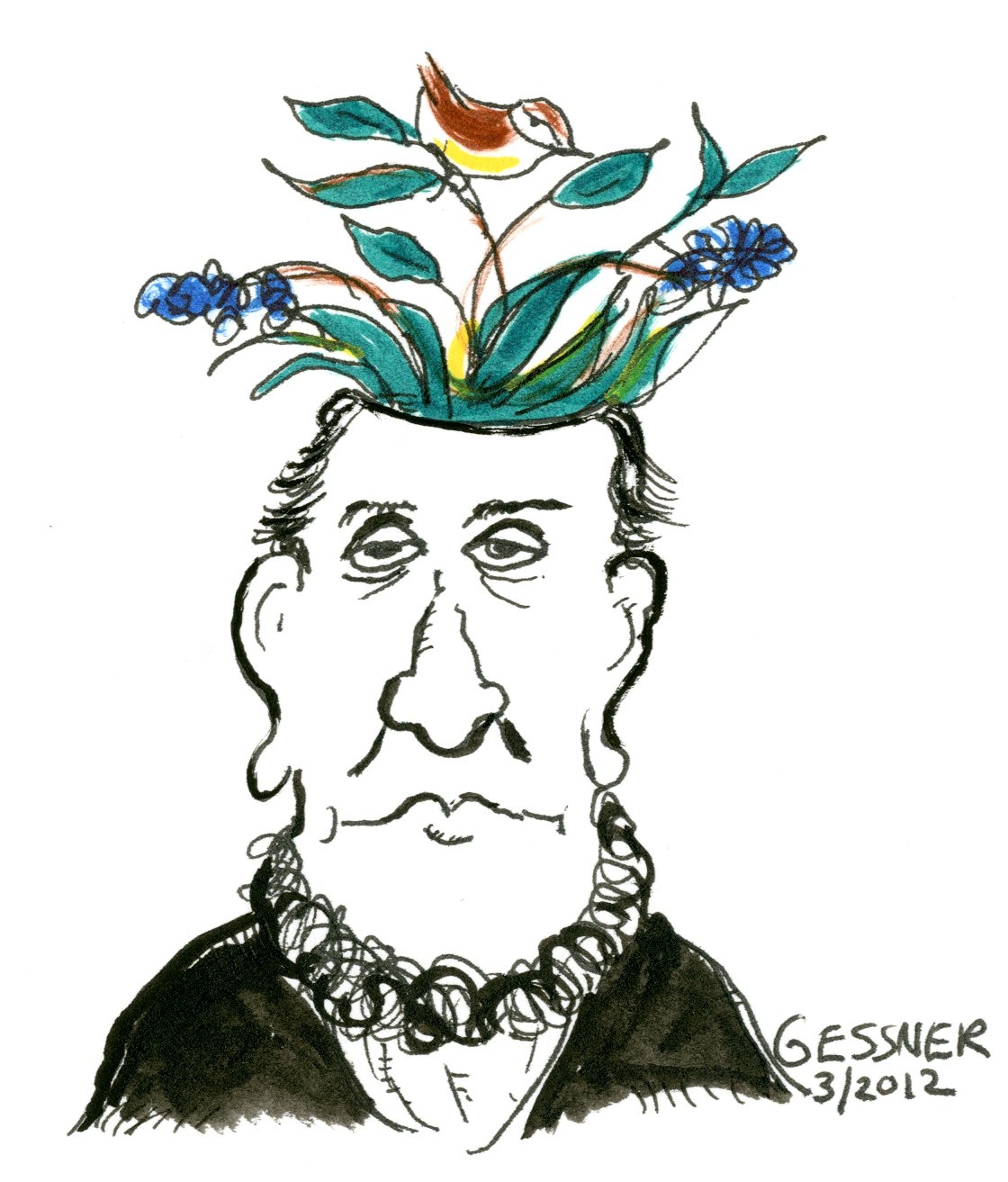 This morning the newborn Carolina wrens are busy begging for food. A hundred feet in front of me a mute swan has built a much larger nest. Meanwhile last week I heard (but did not see) a painted bunting, a bird aflame with color that has come back from points south far too early.
"Phenology," writes Jack Turner, "is the study of the mature naturalist." And what is phenology? The discipline of watching phenomena change as the seasons turn. I remember my personal highlight as a phenologist. It was fall and we were living on the beach on Cape Cod, and after a walk I said to my wife, "The seals should be back soon." Each summer "our" seals migrated to the cooler waters of the Gulf of Maine, and each fall they migrated back.
The next day, walking again, I saw that the seals were indeed back, loafing on the offshore rocks. I couldn't have been more thrilled by a promotion at work — and in a way, that's just what it was.
Phenology has always been a private science, a way of getting your own clock in synch with the world's, and so far there have not been any Nobel Prizes awarded for knowing when the seals will be back. But that may be changing. It has been reported that the notes made in the journal of the granddaddy of phenology, Henry David Thoreau, are finding a whole new relevance.
It turns out that the meticulous phenological notes that Henry made in his journal are now being used to confirm what anyone who has lived through this non-winter already knows: spring is springing much too early. Recently, Richard Primack, a professor of biology at Boston University, and Abe Miller-Rushing, who was his grad student at the time, took notes on the same species that Thoreau had observed beginning in 1851 and concluded that nature's timing has changed for the earlier.
How wonderful that Henry's private notes should play this public role. I think of one of his own favorite metaphors, one he employs on the last page of Walden, that of the "strong and beautiful bug," which emerged after lying dormant inside of a farmer's wooden table for sixty years, after having been deposited in the living tree "many years earlier still." Thoreau concludes: "Who does not feel his faith in a resurrection and immortality strengthened by hearing of this?"
What thrills him is that something — insect or idea — can sleep for decades before springing back into "beautiful and winged life." And now his journals are doing the same thing, speaking to us a hundred and fifty years after he spoke to them. It's true the news they tell is bad, but I can't help but find the fact that they can speak to us at all is hopeful.
Who would have guessed? Noticing, it turns out, can be valuable.