Knowest thou, lord
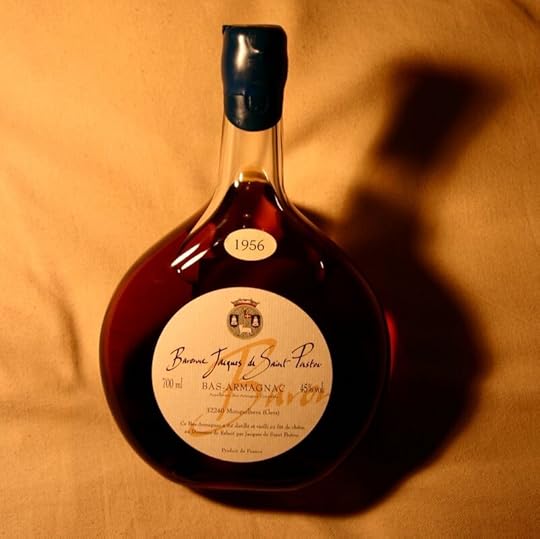 In 1282 the Count of Armagnac, Géraud VI, was seized and imprisoned by the seneschal of Toulouse. At this stage Armagnac, situated between the Adour and Garonne rivers in the lower foothills of the Pyrenees, was part of the Plantagenet duchy of Gascony. Géraud and his brother, the Archbishop of Auch, hated the French and were constantly arguing with the seneschal at Toulouse, Eustace de Beaumarchais.
That, at least, was the common understanding. One man who did not buy it was Jean de Grailly, Edward I's seneschal of Gascony. The 'Lettres de Rois', a printed compilation of medieval correspondence between the courts of England and France, contain a long series of spy reports from Grailly to his master. These include several letters in which the seneschal gives his version of events in Armagnac.
In the first letter, Grailly describes a report from one of his agents in Gascony. This man had discovered that Géraud and his brother had come to a private deal with the king of France, Philip III. The archbishop had agreed to submit his temporality – secular lands and goods – to the court of France. Philip would then use that as an excuse to seize possession of all the churches in the province of Auch.
The archbishop would then claim the lands of Armagnac and Fézensac from Edward. If his request was granted, those lands would then be handed over to Philip. Thus, without raising a finger, the French king would have conquered a sizeable chunk of Gascony.
However, it appears the conspiracy was abandoned. On 19 May the seneschal dispatched a second letter to Edward:
“Knowest thou, Lord, that the Count d'Armagnac was locked up in the castle of Toulouse. It seems to me and many others that if the brothers are thus oppressed they will be compelled to submit themselves, through who knows what trumped-up context, to the King of France.”
The seneschal had changed his tune. Instead of a plot, he now claimed that Géraud and his brother were being oppressed by Philip. Edward then received two conflicting reports from Géraud and his rival Eustace. These two accused each other of stirring up war in Armagnac, and building illegal forts to use as bases to raid each other's lands.
The king's response was to do nothing very much. He privately agreed with Grailly's suspicions, but without firm evidence he could not simply arrest the Count of Armagnac. Besides, Géraud was already in a French prison. If it was all a ploy, then let him cool his heels for a while. On 18 November Edward replied to the count that he could not always help his vassals; however, he sent his condolences and advised Géraud to make use of Edward's lawyers in Paris. Also, if Géraud had any friends in Paris, perhaps it might be worth contacting them. I
The Armagnac crisis is another of the endless problems in Gascony. After the Treaty of Paris (1259), the kings of France were constantly seeking to interfere in the duchy's affairs, and weaken the authority of the Plantagenet king-dukes. One method was to undermine the loyalty of the local nobility. The Gascons in turn sought to profit by playing off their rival overlords against each other. All the Plantagenets could do was monitor events and maintain networks of spies and agents.


No comments have been added yet.