
Rescuing Nelson Mandela from sainthood
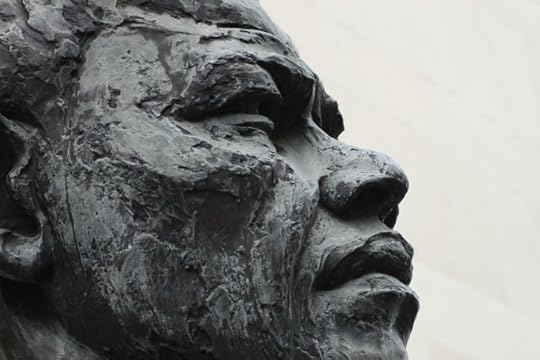
Mandela statue at Southbank Centre in London. Image credit Paul Simpson via Flickr.
Like millions of South Africans, my own story is deeply tied to��that of��Nelson Mandela. It begins with my father. Inspired by Nelson Mandela, he joins��the African National Congress. In 1961,��my father��slips out of the��country and begins��his life in exile. He��travels to��Russia��and does military training. He travels around Africa doing revolutionary things. He thinks he will be gone for only a year. He never says goodbye to anyone because those are the instructions. He is��21��when he leaves���and he is gone��30��years. He is��51��when he finally touches South African soil again.
During those��30��years,��he was busy. He met a woman in Lusaka in the 1970s and they had three girls. I am the eldest of those children. I grew up in many different countries, part of the ANC community in exile. We sang freedom songs about Mandela, Walter��Sisulu and��Govan��Mbeki and all those who were fighting bravely for our freedom. I owe my sense of self-belief to that community, to the adults I grew up with who taught me that I was as good as anyone in the world.
I was��17��when Mandela was released. It was like a dream come true. My family���like many others���was able to return because of the changes that began to happen in the early 1990s.�� Other than my parents no one did more to determine my destiny and shape my life, than Nelson Mandela.
This is why��I am especially pleased to have a chance to reflect on the father of the nation. And in this capacity���as what Audre Lorde referred to as a sister outsider���I am paying��him��tribute of course,��but also��giving��voice to some of��what troubles me about��how he is viewed today.
Today, many younger South Africans suggest that��Mandela��made too many compromises.����Twenty-six years into the new era, there is a lively, angry, often chaotic debate about the role and place of the father of our nation.
When the��student��protests began a few years ago��on South Africa���s university campuses some��of the young activists accused��Nelson Mandela��of betraying the��revolution.��They called him a sell-out.��The elders were alarmed and hurt,��but the young ones were convinced. I am of the generation that lies between the two:��I was not old enough to fight for freedom but I am old enough to remember Mandela. I know that he was no sell-out.
I agree with one point��the youth made however:����the��revolution was betrayed.��I��do not��place the blame at Madiba���s feet��though.��The blame for that lies squarely with the generation of leaders who followed him���my parent���s generation. The freedom fighters whom I respected and loved��in Lusaka and Nairobi,��returned home. They��put down their guns��and��they��picked��up their spoons and��they��began to eat.��Many of them��have not stopped��eating��since. I can��think of only a handful of��them who I would trust with my��future.
Although he was a loyal and lifelong member of the ANC,��Nelson Mandela��was also a pragmatist.��He once said,�����you must support the African National Congress only so far as it delivers the goods, if the ANC does not deliver the goods, you must do to it what you have done to the��Apartheid regime.���
He��was a man whose life was totally dedicated to removing oppression and restoring dignity.����Yet today, when we talk about Mandela, we focus almost exclusively on��his message of��healing and forgiveness.
If Mandela were to be named a saint, I have no doubt that��he would be named as the Patron Saint of��Forgiveness.��Today,��forgiveness��is seen as��the central component of��Mandela���s legacy. I must confess that this irritates me greatly. Worse, I think this excessive focus on forgiveness diminishes his political legacy and blunts his power.��Embracing��the Rainbow Nation forgiveness narrative puts��white people at the center��of the frame��so,��that over time, as the story of our transition has been told and retold in the popular imagination it has become a tale of forgiveness rather than one of justice. It has been told as though Madiba loved white people so much that he was prepared to forgive them, regardless of their collective sins.
This is a perversion of the truth, and a distortion of his political legacy. The truth of course is that in��his��75-year career as a leader and an activist, Mandela��never wavered in his commitment to those who had been the greatest victims of��Apartheid���black people.
I think it is time that we put forgiveness back into its proper place in South Africa. Because when you look at Mandela���s life, and his approach to problem-solving, you see a man who was��both principled and��pragmatic.��Madiba��was always prepared to throw away an idea or a theory that did not support his main cause,��which was the liberation of black people.�� So while he became a committed and wonderful champion of forgiveness, it is very clear that if forgiveness had been standing in the way of justice, if Mandela believed that it was an obstacle��or a blockage, if he saw that it was being used as��an excuse for maintaining oppression, he would have very easily��stopped advocating it.
I am not saying forgiveness is not good or important, but I am saying that it cannot be reduced to the��only��strategy, and indeed the��only��story about South Africa.��Furthermore, it concerns me that��forgiveness��takes��up all the oxygen in conversations about South Africa��because it��appeals��to white people.��This is because talking about forgiveness��eases��white��fears and��anxieties about black rage. These��white��anxieties��supersede black people���s pain, and black people���s need for justice. In the long history of unfair race relations this is an old theme. White people��are always far more sympathetic to one another���s pain than they��are to��the suffering of black people.��When it comes to this issue,��they are��tribalists���perhaps unconsciously so. It is as though��the empathy muscle can only be activated deeply��in service of white feelings.
So,��I want to suggest to you that the idea of��Mandela as the Forgiver-In-Chief is not benign. I want to argue tonight that to the contrary,��it��is very��dangerous.��In the years since��Apartheid ended, the��story of Mandela���s forgiveness has taken on a life of its own.��You might say��a��cult of forgiveness has emerged, with Mandela as its��unwitting��high priest.��The Prophet��Mandela����has��been��reduced to a caricature of himself.��This hijacked Mandela��is a commodity.��Today you can find��him on��tea��cups and t-shirts. The other day I even saw Madiba leggings!
I don���t blame Mandela for this. This mythology was certainly not of his making. But it has spread like wildfire because it ties into already existing ideas about who we are as raced subjects; about the potential of black people for volatility and the desire white people have to be considered innocent of racial crimes.
Mandela is especially loved by my fellow white South Africans.��Indeed, in��South Africa, there are many white people who have never hosted a black person in their homes, and who have not had any social cause to really engage much with black people, who have pictures of him on their walls. They love Mandela���s smile. They love photos of him with children. Indeed, Mandela may be the only black person many of my fellow��white��citizens ���know.��� Whenever you do something they don���t like, they are quick to tell you that Mandela would never have behaved like this.
The Mandela��these white people love��is�����reasonable,�����and never angry.��In an interesting parallel,��White South Africans love Madiba the way many white Americans love Obama.����They have turned him into a��saint, a teddy bear, a totem for peace and good vibes.��This love,��however, doesn���t seem to translate into real life actions. Mandela and Che Guevara and Gandhi. Incense and ohms.
Mandela��has become��the chai latte of revolutionaries.��I want to take a minute to outline this because it gets to the saccharine nature of why this Mandela is appealing.��Chai has a long history. It is a��beautiful, scented��spiced tea. A latte��on the other hand,��is a type of coffee.����It is a��totally different��plant, with a completely��different history��and��different taste.��A chai latte is an entirely new concoction. This is a millennial��marketing invention directly from the mind of an��executive in Seattle who has��probably��never been outside America. Sweet, drinkable in small doses but empty of useful calories.
Watching the chai lattification��of Mandela��makes me sad��because we see Mandela stripped of the complexity of his legacy. Instead, as time passes,��those who profess to love him often do so because they are engaged in an act of��profound misremembering.��They��forget about the��freedom fighter and intellectual giant��and in so doing, they diminish his relevance for young people today.
So,��I want to talk about how we can rescue Mandela from this Cult of Forgiveness,��to reflect on��how we might restore him to the dignity of��strong��black coffee rather than��a��chai��(soy)��latte.��There are��two��ways I think we can accomplish this. The first is to remember his love for Winnie Mandela.��I want to��close the gap that has been created between them for reasons I understand, but that ultimately do more damage than good. Winnie forces us to complicate the frame, to remember Mandela the radical��and��to insist that they were more alike for many years than they were different.
The second way we rescue Mandela (and South Africa) from the cult of forgiveness is by��reminding ourselves of his genius; by remembering correctly that��Mandela��was skilled at maintaining his��political principles��while being able to make important��political compromises.
Those who want to cast Mandela as a saint��find it difficult to reconcile the fact that Mandela loved��Winnie��because she��was��implicated in violence and corruption and all the issues that are the opposite of what Mandela stands for.��So, over the years as Mandela���s image has become��more identified��with forgiveness,��there has been a gradual erasure of Winnie Mandela.��The association is seen as toxic.
Yet,��of course,��it is��impossible to write Winnie out of our history, and it is even more difficult to write her out of Madiba���s heart.��There is nothing more poignant that reading his description of the first time they embraced��21��years after he was sent to prison. Until that point,��he had not even been allowed to touch her hand. Then,��suddenly,��they were allowed in the same room together with no glass wall between them. He says he held onto her so tightly and all he could hear��was the sound of��both of��their hearts beating. I want us to remember how much these two sophisticated, brave souls loved one another.
I want us to remember how, after��she��was found guilty��of participating in the��abduction and assault��of a young boy in 1992,��Mandela wrote, ���As far as I was concerned,��verdict or no verdict,��her innocence was not in doubt.�����I don���t say this to make Mandela look bad. I say it for the opposite reason���to remind us that��Winnie��wasn���t some tragic mistake in his life. He loved and defended her.
I also��invoke her spirit and her memory because so many women loved her. She inspired us with the anger and her defiance.��Women��could relate to her because their own husbands were far away too���in the mines or in the cities. Like her, they struggled to manage against forces that were far bigger than them. And yet she was always there, a constant, ungovernable presence. When you push her to the side, then you push all those women away. You silence their stories. These women and these families that loved Winnie and still do today, they are not stupid. They are not evil. You can���t simply dismiss them because��they admire someone who���like many other people in our damaged society���participated in violence.
At the same time, you cannot wish away her participation in violence. To do so would be to��dishonor��and disrespect the victims���the boys who were caught up in her recklessness.
Those who find her actions intolerable, do not like to hear this,��but we cannot change it. In fact,��it is better to accept it, to accept him as he was, not as we wish him to be. Winnie reminds us that many of South Africa���s heroes were both courageous and flawed. They deserve both respect for their courage and revulsion for their crimes. But,��if we are expected to understand and forgive the racists who engineered��Apartheid then,��surely,��we can extend some empathy to Winnie.
Ultimately,��I am saying you can hold the contradictions in your head and in your heart���that you must in fact hold them together��at the same time��because��they are��part of the South African story.
When we try to tell smooth, easy stories about South Africa;��lovely stories about Nelson, we keep bumping into Winnie and the countless others whose stories were told��and not told��at the Truth��and Reconciliation��Commission.
I have many critiques about the��formal process through which the forgiveness narrative was implemented���that is the TRC.��But,��there is no question that for a brief moment under the extraordinary leadership of Mandela��and under the auspices of the TRC,��nation��examined its past and the ugly truth about what had been done.��
Today, those who are obsessed with forgiveness��forget that many questions were��not��resolved when the��five-year��official��TRC process ended.��They forget that most��Apartheid leaders said they didn���t know what had happened��to the activists who had been killed, to the prisoners who had been detained. The��forgiveness-ers��forget that only one person ever served time for his��Apartheid��crimes:��Eugene De Kock.��Everyone else walked away because they said they didn���t��remember,��or they didn���t know.��
South Africa was��supposed to be��healed��after the five-year period��and it is hard for the world to accept��that this did not happen. The��TRC was an incomplete, uneven and often devastating process.��At the end of it all��white people collectively and individually did not show enough remorse.��For most people���regardless of race���remorse is a precondition for forgiveness.��
When��Bishop Desmond Tutu handed the final TRC��Report��to then President Mbeki in��2000,��some black people��had��managed to find it in their hearts to��forgive those who had hurt them.�� Others had not. This has to be okay���it has to be accepted��and the political framework for democracy in South Africa cannot pretend to be contingent on whether or not black people embrace whites.��
White South Africans will not die if they do not receive the love from black people that they think they deserve.��White people��in all contexts where historical wrongs have been carried out��must learn that black people���s lives do not��center��around their feelings.
Mandela knew that you must deal with painful matters openly,��but��it is true, he was��anxious to push us in a particular direction���towards forgiveness and reconciliation.��I understand��why. The��situation��was��volatile.��The threat of violence was real.��But,��once again,��this is where the narrative betrays us.��The threat was of��white��violence more than black violence.
It was whites who had the military power, it was whites who were angry about losing��political��power and had a history of cruel and violent behavior towards black people. So,��Mandela���s approach of appeasing white anxiety was strategic. He wasn���t just in love with white people���he was��managing��them. He wasn���t��terribly��afraid that��black people would drive whites into the sea or rise up and slit their throats.��Those fears lie in the white imagination and Mandela was a black man��who knew very well that black people were��unlikely��to do that.
So,��yes, the young people who��criticize��Madiba today are right���he��was��appeasing whites. And I can���t fault him. He was right to��try to��appease them because he��understood their capacity for violence.��Across space and time, the��instances where��black��people��have killed��white people in retribution��are��vanishingly rare.��On the other hand, the��instances where whites have killed black people��simply for existing, are��abundant.��Madiba���s��drive for��forgiveness��was about his hope for the future.��He preached forgiveness so that nothing would stand in the way for black people���s freedom.
When Madiba was a young boy in Qunu, he and his friends were trying to ride a donkey. The donkey did not like this because donkeys are not horses.��They don���t like to be ridden.����And so when it was Madiba���s turn to jump on, the harassed animal bucked and threw him off.�� Mandela��fell into a thorny��bush, with scratches all over his face.��When he stood up he was very embarrassed. The donkey had��got its way and unseated him,��but Madiba never forgot the��feeling of humiliation. He took it to heart. They��had learned that��you can beat your opponent without humiliating him. He integrated this into his thinking and time and again.��When the country needed cool heads and a generous heart Mandela was able to��go back to this��simple lesson.
In 1993 De Klerk and Mandela were jointly awarded the Nobel Peace Prize.�� Many people in South Africa���myself included���continue to be angry about this. It is true that De Klerk took many important actions that led to the dismantling of��Apartheid. He��took a risk and held the��referendum in which whites in the country��were asked to vote on whether to��end��Apartheid or continue.��Sixty-nine percent��of them voted yes to negotiating the end of the evil system.
Yet,��as Madiba pointed out later, ���De Klerk did not make any of his reforms with the intention of putting himself out of power. He made them for precisely the opposite reason: to ensure power for the Afrikaner in the new dispensation.�����Although��De Klerk was prepared to end��Apartheid, in Madiba���s estimation, ���He was not prepared to negotiate the end of white rule.���
Those of you who are old enough, will remember that��there were a series of horrific massacres that took place under De Klerk���s watch��just as the��constitutional negotiations began to unfold. De Klerk never explained or��apologized��for them��although Mandela confronted him about them. De Klerk���s attitude, and the fact that he was ratcheting up violence,��enraged Mandela.
Mandela��knew��very well��De Klerk was not his intellectual or moral equal. Yet Mandela said, ���I never sought to undermine Mr.��De Klerk for the practical reason that the weaker he was, the weaker the negotiations process. To make peace with an enemy, one must work with that enemy, and that enemy becomes your partner.”
He took the high road and used the Nobel speech to make sure that De Klerk would not��turn back���that he would finish the last mile.��Mandela was not going to let his ego or the facts get in the way.��If he had rebuked the Nobel Committee and told them he��was offended��that a man whose security forces were killing black people��should share��the��award with him,��it would have damaged De Klerk���s credibility.��For the country���s process to have legitimacy,��Mandela��needed De Klerk to shine.
It is very clear that��Mandela��was never��motivated by sentimentality. He��did not��particularly like De Klerk.��He wasn���t playing into respectability politics and being polite. No. Instead Mandela���s��actions��were��propelled by two things. Firstly, he had��a clear vision of the end��goal. He needed to ensure that black people won the franchise. Secondly, he had a very��pragmatic approach about how to get there.��This included a��willingness to compromise on issues that did��not matter��like who got a prize and who did not.
I want to circle back to��the mid-1990s��though, to how we even got to the stage where Mandela was in a position to negotiate with De Klerk. It began in��1985,��when��Mandela��was��moved away from his comrades��at Pollsmoor Prison. They remained on the third floor while Mandela was placed in a more spacious cell on the first floor.��It was damp and not good for his chest, and it was darker than his old cell, although it was much bigger. Under the new arrangement however, Mandela��was not allowed to see��his comrades��without applying for an official visit.��The men who had been sentenced to life in prison together all those years back,��might as well have been in Johannesburg���that is how hard it was for them to see one another.
He was lonely and missed his��friends. He had been able��to talk to them whenever he wanted and now for the first time in years that contact was gone.��Yet,��as he began to accept his��situation, he��realized��that it presented an��opportunity.
���My solitude gave me a certain liberty and I decided to do something I had been pondering for a long while: begin discussions with the government���. My solitude would give me an opportunity to take the first steps in that direction without the kind of scrutiny that might destroy such efforts.
The move was risky.��The��Apartheid��regime had repeatedly said that they would never negotiate with terrorists and communists.��Similarly, the��ANC had long asserted that there was nothing to talk about��with the government��until��it had��unbanned the ANC, unconditionally released all political prisoners and removed the troops from the townships.
So,��there was an impasse. He could see that if no one moved forward, millions of black south Africans would be trapped in poverty, violence and indignity forever.��Neither��side would back down and neither side would ever win.
Technically, the��decision to open talks��with the regime��could only be made in consultation with Lusaka���with his best friend and the acting president of the ANC Oliver Tambo.��Yet,��Madiba decided to act on his own.
I chose to tell no one what I was about to do. I knew that my colleagues�����would condemn my proposal and that would kill my initiative before it was even born. There are times when a leader must move ahead of the flock���
Ever the pragmatist he also knew that��this would probably be only time when the��ANC would have plausible deniability.��He wrote,�����My isolation furnished my��organization��with an excuse in case matters went awry: the old man was alone and completely cut off and his actions were taken by him as an individual�����they could say.
Thus,��protected by��what he referred to as a ���period of��splendid��isolation,�����and able to use that isolation to protect his movement,��Mandela the pragmatist removed the cloak of dogma that was blinding his comrades. With a clear vision in mind of��building a��South African society in which the core principles for which he had always fought��were firmly embedded,��he��approached the enemy. He proposed a path of�����talks about talks.���
This, as we now��know, was the beginning of the end of the��Apartheid regime.��I am here today���we are all here today���because of that splendid isolation.
Mandela never took his eyes off black people���even��though white��South Africans,��with their fragility and their tea��cozies��and Madiba leggings��and their desire to be��constantly��reassured���thought that Mandela was their champion.��In those delicate years when a lasting peace was imminent,��but by no means guaranteed, Mandela was always calculating, balancing and re-assessing.��And he was always focused on us.
He made concessions and changed plans when necessary,��but he never conceded on any issue that would compromise the end-goal:��that South Africa should become a country where each person would vote, regardless of skin��color��and where the will of the majority would��determine the leadership and direction of the country.��A country in which human rights were respected.��This, in Mandela���s mind was the key to dignity.
He was steadfast and systematic once the negotiations started. He stayed principled,��but he also made compromises. Today, we��live in a world where politicians refuse to make political compromises and��where too few have��political principles. Mandela had both.
Mandela��was an expert at��both��small kindnesses��and grand��gestures.��The fact that South Africa is not equal today is not��Nelson Mandela���s��fault. The fault lies with those who took his political legacy and squandered it. It lies with those who took his belief in political compromise as a sign of weakness rather than strength. Mandela did not worship forgiveness, he treasured dignity and freedom.
It is not just societies that are��considered to be in��conflict that need Mandela.��There has never been more��polarization��across Europe and America. Rising white nationalism and xenophobia are rampant. In Brazil and India,��hatred is on the rise, and a cruelty and mean-spiritedness is on display��everywhere from social media to the halls of power.
We need Mandela��today in all these places���not to preach about forgiveness,��but to lead the way towards crafting political solutions in places where people are��paralyzed��by��dogma and��self-righteousness.
Mandela���s greatness must be taught in schools, not as a story about forgiveness but as a story about power,��principles,��pragmatism, determination and,��yes,��that word which��the world seems to reject these days���compromise.��Political compromise does not mean allowing discrimination��to thrive in a weaker form. It means outlawing discrimination��even as we accept��human fallibility.
There can be justice, no lasting peace without��people who,��like Mandela,��are willing to��move beyond restating their positions toward reaching agreements.��If one man, in a damp prison cell��at the tip of the African continent,��isolated from his friends and separated from his people for decades,��if that man��can change the history of his nation��and inspire us all,��then just imagine what all of us who are free can do?
Those of us who hope for a better world��have an obligation to��move��beyond us and them,��beyond dogma, and towards one another. We��must��do this not because we love��each other��but because we need one another.��When we��walk��towards the other��who��we fear or��the other we��hate or��the other we��do not understand,��we do so because we know that��there has never been��any other way to��end oppression.��In the world in which I want to live,��peace and justice are king and queen,��and forgiveness is��but��their humble servant.


Sean Jacobs's Blog

- Sean Jacobs's profile
- 4 followers

