
The marginalization of African runners
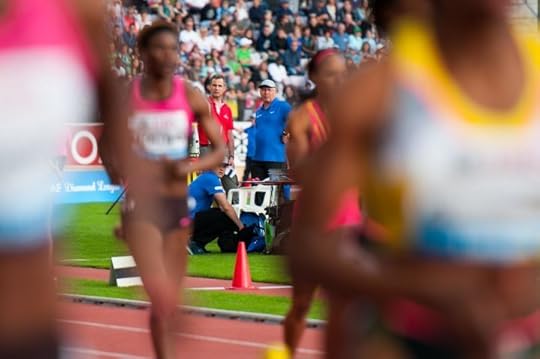
Image credit Elisabeth via Flickr (CC).
On March 11,��2019,��the International Association of Athletics Federations (IAAF)���the international governing body of the sport of athletics���published a press release about changes to be implemented in track and field���s most prestigious competitions���the Diamond League.��One proposed change, in particular, that is rattling the running community, is that the longest distance��race��to be held will be the 3,000��meters. While mourning the�����death of the 5k�����some are asking: to what extent is this deliberately exclusionary of��East Africans?
Hobby joggers can rejoice, because indeed the tremendously popular recreational event��run on city streets and not tracks,��will likely continue to grow.��But for the Kenyans and Ethiopians who have been dominating long distance running��on the track��for the past��five decades, and to whom average runners get to compare their mediocre times, this seems��regressive��in many ways.
The��athletic��federations from Kenya and Ethiopia, have been quick to point this out. On March 14,��Athletics Kenya called the change ���illegitimate.��� Then, the��Ethiopian Athletics Federation called out��the��IAAF���s research��that led to this decision,��and criticized that although it ���included��detailed research and discussions with athletes, coaches, fans, and broadcasters,��there is no record that shows a platform was provided for long distance athletes particularly from East Africa.��� Two days prior, Ethiopian legend, Haile��Gebreselassie,��also pointed��to��the��disproportionate��affect the change would have on East African countries.
The Diamond League in many ways is the cr��me de la cr��me of track and field.��Even in comparison to the Olympics, for countries like Ethiopia��and Kenya, which can only send three athletes per event,��open track races offer more opportunities for their��abundance of talent to produce world records and the most competitive performances.
Further, the prize money is unbeatable.��Each competition has prize monies beginning with $10,000 for first place, $6,000 for second and $4,000 for third. The final prize monies amount to��$50,000, $20,000, 3rd��$10,000, and decrease incrementally to 8th��place.��In 2018, Ethiopian men secured positions one through��five��in the 5,000m. In 2017,��they also took four of the top eight positions.
The notion that��a thirteen-minute running��race��is boring for most fans to��watch is not a��novel��concern to most track fans.��(In any case, most live or delayed broadcasts of major track and field meets, shows the start of these races, usually cut away to show field events, then return for the last two laps of the race for the proverbial big finish.) Making the sport more popular has been central to conversations about athletics��over��the last��few��years.��Lack of sponsorship flexibility, poor race commentary,��and interpreter-less interviews with��African athletes unable to explain their��race strategies��and personal biographies��in non-native languages��and reduced to monosyllabic answers in English,��are among the oft-cited reasons for the lack of popularity.
This��is��probably��what Sebastian��Coe, the president of the IAAF means, when he says that�����we can make it even stronger and more relevant to the world our athletes and our fans live in today.���
As the representatives at the Ethiopian Athletics Federation explicitly indicate, who��precisely�����we��� means is hardly defined, and plainly exclusionary.��Histories��of financial embezzlement��(at the center of which is an African athletics official, deployed there to represent the continent���s athletes, but instead enriched himself)��and being curiously headquartered in the wealthy city-state of Monaco, have not exactly imbued the IAAF with widespread trust.��The��IAAF��have considerable power over the fates of East African runners, who have��singlehandedly brought the sport of running��to far more competitive heights.
Aren���t these runners the best placed to determine what gives the sport its relevancy? Unfortunately, the IAAF doesn���t seem to agree.


Sean Jacobs's Blog

- Sean Jacobs's profile
- 4 followers

