
Abantu Book Festival as an archive of the future
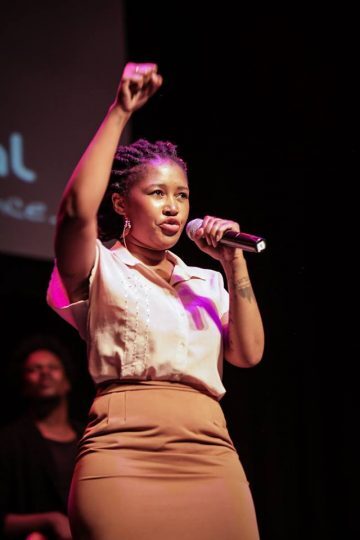
Zuko. Image via Abantu Book Festival Facebook page.
For anyone wishing to understand contemporary South Africa, there is no better place to start than to become informed about��Abantu��Book Festival, an annual celebration of Black-centered reading cultures.��Abantu��centers��and takes seriously Black intellectual��labor, resisting the tropes of newness and emergence that often diminish and marginalize Blackness.
The��archive of��photographs, videos and blogs about the��gathering around books allows��one��to try to insert��yourself��imaginatively and affectively into this community, and to confront the ethics of attempting to do so. If viewing this Black-centered archive makes some viewers feel excluded or disoriented, so much the better���the ethics of engaging with��Abantu,��and the��nature of the��relationship one might have to the community gathered there,��is part of what��Abantu��has to teach.
On the opening night of the first��Abantu��Book Festival��in the Soweto Theatre, on 8 December 2016, South African poet Lebo��Mashile��was more exuberant than usual. She welcomed the audience, marking the importance of the occasion: ���It has been a gap in our hearts for a long time,��� she said, to murmurs of assent. Her comments about a ���gap��� referred to the absence of spaces like��Abantu, where Black South Africans can gather to discuss books and ideas. The nature of this�����gap��� did not need to be��explained to��the audience,��who understood the significance of��Abantu: it is��a radical alternative��to the ways in which the publishing industry and literary culture in South Africa have worked to marginalize Blackness and Black reading audiences. Indeed,��the��impetus for��Abantu��was precisely��to counter the extraordinary claim,��often made in the media,��that Black South Africans do not read��or buy books.
The project is the brain child of��Thando��Mgqolozana, who announced his exit from the white-centered��South African��literary festival scene in a series of hard-hitting tweets in 2015. Addressing a nearly all-white audience at the��Franschhoek��Literary Festival, he famously said: ���Look at yourselves! It is not normal!��� and then proceeded to outline his transformative��and inspirational��agenda on Twitter.
Mgqolozana��is an internationally celebrated author, whose��acclaimed��debut novel��A Man Who is Not a Man��(2009),��was followed by��Hear Me Not Alone��(2011)��and��Un/Importance��(2014). He is widely read��and��a��highly-respected figure,��whose��work is��frequently included (inside as well as outside South Africa) in courses about South African literature.��Beyond the Black-centered spaces of��Abantu��and its publics,��however,��his��work is often described��as ���emergent��� and he is��frequently��heralded as a ���new voice,��� even ten years after his debut novel was published.
Such descriptors entrench ways of reading his work��(and the work of other Black��South African��writers)��as always and timelessly young,��unchangingly��new, and always emergent. This ignores the deep literary and intellectual precursors��in the great Black thought traditions of South Africa,��and entrenches a sense that Black intellectual and writing traditions are��surprisingly��new. This��stress on the newness and freshness of the work, and descriptions of Black South African voices as��ahistorically�����emergent��� (akin to the near universally rejected descriptor ���born-free���) deletes the contextual and historical bloodlines��that have sustained and shaped��contemporary Black intellectual traditions.
In my monograph,��Written under the Skin: Blood and Intergenerational Memory in South Africa, I argue (in the chapter, ���Who can see this bleeding? Women���s blood and men���s blood in these #Fallist��times���) that South African scholars, creators and academics like��Mgqolozana��are taking up the hard and demanding labour of ���reading��� the bloods under the skin���of our own times, and also of the past���and making evident their��intellectual��histories and affective��bloodlines. In their thinking, their creative practices and their scholarly work, we see a recalibration of how we��are to��understand the South African present, as well as our shared, divided, multidirectional and oppositional pasts. These thinkers��are disputing and debating the terms through which to understand contemporary South Africa, and��they��frequently do so through reference to intergenerational forms of memory.
Abantu��is one of the spaces where such contextual and historical��intellectual��bloodlines are made evident, through an emphasis on the dynamic inter-connectedness between reading and the continuous and activist work of bringing a��networked��Black��self into being. ���Abantu��Book Festival: Imagining Ourselves into Existence,��� is the slogan of the project. The location (Soweto), the name (abantu, the plural of the Nguni noun��umntu��which means a (Black) person as part of a��community��of other persons) and the emphasis on ���ourselves��� are all distinguishing marks of the activist vision behind this literary festival.
There have been��complaints that��Abantu��excludes or is unwelcoming to white people,��but��there are many ways to pay attention to��Abantu��even if one��does not��actually attend the festival.��Abantu��has become much more than a physical gathering; it is also a living and evolving archive of images of Black people reading and talking about books, the web site and social media presence cataloging a proliferation of book clubs and communities centered around books, and a vibrant reading culture which places the Black self as part of a networked community of others.
The third edition of the��Abantu��Book Festival took place in Soweto in December 2018, and the��growing��collection of images, videos, blog��posts, Facebook��(Abantu��Book Festival) and Twitter updates (@abantu) continues to convene its publics and to make clear the impact of the extraordinary phenomenon that is��Abantu. This collection��of images and memories��constitutes a rich historical and affective resource. It��creates��and preserves��beyond the physical gathering what��Litheko��Modisane��in his 2013 book on cinema audiences has called so memorably ���Black-centred publics.����� The ongoing documentation of the project emphasizes, if the title of the festival does not already do so, the significance of��Abantu��in laying claim to a vibrant and��already existent��literary culture with long histories; and crucially as Black and Black-centered.
As a teaching and learning resource, the value of what is becoming an archive of the future is immense. In years to come, it will (and should) be impossible to understand and to think about the South African literary��and cultural��scene without paying serious attention to this festival, and even centering it. The availability of the online traces of the��embodied��offline community creates a��proliferating and vibrant��time capsule: this is now, we are here.


Sean Jacobs's Blog

- Sean Jacobs's profile
- 4 followers

