
Taking a Mallett to a SuperSport
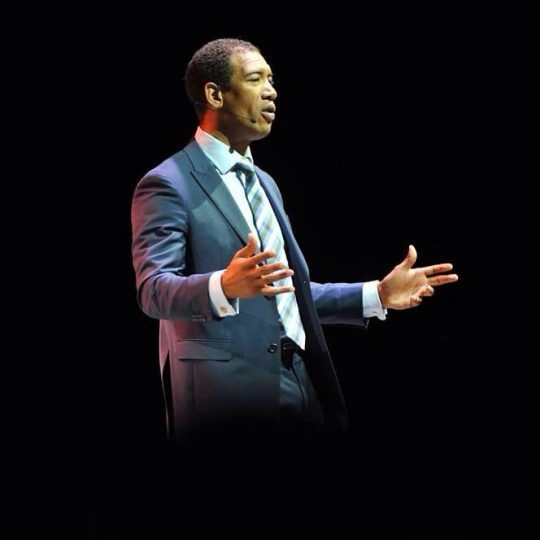
Image via Ashwin��Willemse Facebook.
It has become a��cause celebre.��On May��19,��2018,��SuperSport��rugby commentator and former Springbok rugby player,��Ashwin��Willemse, ���walked off the set during the studio live broadcast. He said on-air before he walked off that he felt undermined by his fellow analysts [Naas Botha and Nick��Mallett] and audibly complained that they had patronized him.���
Advocate Vincent��Maleka, appointed by Webber��Wentzel��Attorneys, who were themselves commissioned by SuperSport, was asked to review the incident. Two months later��Maleka��concluded��in his report:
There is no incident of a personal��nature[,] such as unresolved grudges, resentment or annoyance that I established as a possible or reasonable explanation for the incident of 19 May 2018��� From a professional perspective I have established that all analysts and anchor are highly��knowledgeable��in the sport of rugby��� I have also established that they treat their contractual obligations seriously and present��� inputs consistent with the ethical norms of decency and respect.
Standing in stark contrast to this conclusion, the report does reveal that on����October��6,��2016, Mallet wrote to an executive producer at SuperSport, saying:
I really enjoy working with ���Bobs��� and��Xola��[Ntshinga] and Scott. They are a real pleasure.��Xola��asks very good questions and Bobs knows enough about rugby to produce interesting clips for discussion. Unlike with the complex Ashwin, there are no agendas. It would be great if Ashwin could be moved to the morning show where we don���t have to work together. I think he talks garbage��� I am happy to work with��Breyton��[Paulse], Shimmy or Bobs instead as, unlike with Ashwin, I respect their hard work and rugby opinions.
Breyton��Paulse��must have been surprised by this endorsement by��Mallett. As Andy Colquhoun reveals in the book��Nick & I,��Mallett��had not believed in��Paulse���s��rugby abilities��when��Paulse��played for the Springboks.��According to Colquhoun,��Mallett��believed that��Paulse���s��defensive frailties were not outweighed by his:
undoubted but still fragile attacking abilities. In fact in 1999 was the second time��Mallett��had been forced to pick��Breyton. The first had been��in 1996��� In the dressing room��Mallett��said to everyone: ‘in my opinion you are getting picked too fast.’
As Colquhoun wryly comments,�����It may not have been his best piece of man management��but��Breyton��did go on to score a fine try in that��match.�����Time and again�����Mallett��resolved he would use Deon��Kayser���a more reliable all-round player��to fill the Springboks�����quota berth.�����For��Mallett, Deon and��Breyton��were the obligatory quota players out on the wing.
Is it puzzling how��Maleka��reached a conclusion that there were no�����unresolved grudges, resentment or annoyance�����given the contents of��Mallett���s��letter? Yes, Mallet did not have the courage to declare his disdain of his colleague to��Willemse���s��face. But it would propose a sublime level of hypocrisy to suggest that Mallet never betrayed in his ���banter��� what��Willemse��picked up: an abiding underlying contempt.
It says in the Good Book that he who seeks shall find. But he who seeks in the wrong places shall surely find the wrong answers. Adv Maleka��was never going to find an AWB tattoo on Mallet���s forehead. Nor was he going to find Mallet comparing blacks to monkeys. The whole report went wrong in failing to grapple with stuff a lot more subtle than that and was not helped by a woefully inexpert rendition of what covert or subtle�� racism��is experienced��to be.��Adv��Maleka��found no splint in Supersport���s eye because the true injury was caused by a poke. The kind of poking many Willemses��have endured over the years: a snide offensiveness peculiar��to��the Malletts��of the world.
How does this poking work. It works through the adoption of a superior attitude. It may come across as simple arrogance but it���s more than just that. A merely arrogant man praises himself; a poker must pull others down too. On page 39 of the report, it is revealed that��Mallett�����corrected Mr��Willemse���s��use of English.��� Mallett���s��defense is that this is�����not unusual as he adopts the same stance in respect of fellow commentators across the color-line��� It is a personality trait which he developed from his father, who was an educationalist, and was reinforced when he too became an English teacher.�����What��Mallett��does not reveal is that he taught for six months as a stand-in teacher in 1983 and when he did apply for a permanent post at Bishops he was turned down.
Maleka��goes on:
Mr Botha accepts that here and there Mr��Mallett��would correct or assist him with the use of the English language. He found nothing untoward��about this. On the strength of this, I do not regard the conduct of Mr��Mallett��as a sign of covert or subtle racism.
The reasoning is astounding. Because Botha thinks��Mallett���s��behavior is acceptable, this means that it is okay? And surely��Mallett��must know how this didactic personality trait, if it is one, comes across: as patronizing and undermining? Does he not care enough to suppress the urge to show everyone how Queenly his English is?
And why is��Mallett���s��use of English the one that is acceptable? What gives him the right to decide? English is a wonderfully elastic language and billions of us across the world keep reinventing it and playing with it. In fact, the term��World��Englishes��is now employed to refer to localized or indigenized varieties of English across the globe.
On page 25 of the report, we come to the immediacy of the incident that sparked��Willemse���s��walk off. It reveals that Botha and��Mallett�����felt concerned that Mr��Willemse��was not afforded time to express his view on the Lions/Brumbies match before the game commenced���before the resumption he (Botha) said to Mr��Willemse:�����Okay��Ashwin, it���s all yours,�����and then laughed.���
Nobody had told��Willemse��that the normal order of things had been changed. Caught unawares, he took��Mallett��and Botha���s insistence that he be given time to talk as patronizing. Can we delink��Willemse���s��intuition from the now proven fact that at least one of the colleagues thought that his views were nonsense.
The ���expert��� witness on racism Professor Adam Habib���s intervention takes us nowhere. It is de-linked from context, is expressed in generalities and does not purport to offer evidence. What is important about��Willemse���s��outburst is not so much the allegation of racism but the objection he raised to being patronized. This undermining may well have a dose of racism within it but it is overlaid by something harder to discern but just as objectionable: a��toffishness.
Maleka��leaned too heavily on Habib���s intervention to reach exculpatory conclusions. Instead of turning to experts in racism, the Advocate would have been better served to trace the histories of the contending parties. What would have quickly emerged is that��Mallett��has a history of rude, arrogant behavior that is covered by or perhaps even produced by the bluster of Oxfordesque privilege.
Edward Griffiths in his book,��The Captains��(2001), reveals that while��Mallett��was Springbok coach it was a roller-coaster ride for the captain Gary��Teichmann��as��Mallett��was determined that Bobby��Skinstad��would be his go-to man. Even when��Skinstad��was seriously injured in a car accident��Mallett��stuck to his guns while simultaneously not communicating with��Teichmann.
Griffiths goes on to comment:
The split was becoming muddled and unpleasant. The captain had asked what��was the problem, and the coach had incongruously replied by declaring his plans for a player who had been injured for three months. There was no logic, no clear communication,��no��decency.
While��Mallett��might have seen��Paulse��as a quota player,��Mallett��was not exactly the paragon of merit selection. As Andy Colquhoun reveals:
When it came to selection��Mallett, by instinct probably, leant toward selecting English-speaking players ��� there was a subconscious bias in my opinion �����Mallett��thought ��� that English speakers were more adaptable, more adaptable, more adventurous and confident ��� Maybe there was a chip on his shoulder���
While��Mallett��was quick to berate all and sundry,��Colquhoun reveals that with his����������armor-plated��self-assurance he was pretty much protected from any kind of criticism. It���s all wrapped up in a kind of colonial outlook on life���.���
In tracking the diverging biographies of��Mallett��and��Willemse��one gets to see what privilege looks like. Reading��The��Ashwin��Willemse��Story��by Peter Bills and��Heindrich��Wyngaard��is a heart-rending journey.��Willemse��grows up in��poverty,��lives as a street kind, there are moments of��gangsterism, an absent father, random violence. There is one haunting, arresting moment that��Willemse��recalls. In his home town of Caledon,��Willemse��attended��Swartberg��High. Across the railway line stood Overberg High. In 1998 Overberg crossed the railway line to play rugby. As��Willemse��remembers:
They arrived in their smart blazers and their freshly laundered kit. They came expecting their usual victory ��� One of Overberg���s star players was Emile Valentine, a former schoolmate of ours���I called it ���Emile���s little upgrade in life���. By choosing some of the best kids from the coloured schools nearby, Overberg and other former Model C schools all but guaranteed their supremacy on the sports field���
Willemse��and the rest of the��Swartberg��team had other ideas:
Emile Valentine was the first to feel the power of our pent-up emotion. All over��the��rough, scrubby field were little mole hills. I hit Emile so hard��in an early tackle it sent him into one of the mole hills���the tackles that day had a clear meaning. History would somehow be made���the final whistle blew. We had won���It was the greatest day of my life as a rugby player at our school.
The next year, 1999,��Willemse���s��final year at school, Overberg asked him for an interview:�����Those of us in the poorer part looked across the valley and��saw the gleaming white buildings of Overberg. I had done it myself many times. It was an oasis in the desert. A promised land������
With some trepidation��Willemse��set off for the interview:�����I put into words one important concern.�����I don���t have clothes to come here or money to buy them.��������Willemse��was told�����Oh, we have an Old Boys section of the school���They donate old clothes they don���t want anymore.���
Willemse��turned them down. He did receive a gift from��Breyton��Paulse��in his final year:
���a whole tog bag filled with training gear, a tracksuit and boots arrived. The boots were too small for my feet. Not that it stopped me from wearing them. First, I crammed wet newspapers into the boots, asked a friend with smaller feet to wear them in and, later, forced my own feet into them. I paid with painful blisters.
Reflect on��Mallett���s��life trajectory:��Peterhouse��(the Rhodesian Michaelhouse), St Andrews (Grahamstown), University of Cape Town and Oxford University. Compare it to��Willemse���s��shack shared with innumerable uncles, tasked with cleaning the pee-pot every morning and��Mallett���s��at Bishops where father Anthony was principal;�����grand accommodation, flourishing school and splendid view of the��mountains.�����None of this is to berate Mallet for the fortune of his circumstances. It is to show that the somewhat boorish way his privilege permits him to move through the world, is keenly felt by others around him.
The difference in their upbringings��is important for another reason. In his world��Mallett��could safely sneer at those he considered his inferior behind their backs. Cutting whispers to the boss don���t count, nor do daggers in the back. In the Anglo-Saxon mould, you have to catch someone directly disrespecting you before making a scene.��Willemse��has a different code. Where he comes from, when you get a sense that someone is looking at you funny, you confront it head on. And Mallet��was��looking at��Willemse��skeef��all these years.
I don���t know what Ashwin is going to tell the Equality Court. Maybe there are overt instances of racism to emerge. But everyone who has been at the receiving��end of the lesser sort knows: the scorn and scoffing may be oh-so-subtle and coded, but those who fancy themselves your betters give themselves away eventually. Let us remember what��Willemse���s��on air accusation was. He felt undermined and patronised. Adv.��Maleka��should have known that there was something in the SuperSport air that Ashwin picked up?
In the report��we get a bizarre indictment of SuperSport and the poverty of��Maleka���s��understanding��of what constitutes patronizing behavior and racism:
I was informed that SuperSport took the view that Black analysts should be preferred to operate the touch-screen because of its sophistication and in order to undermine the publicly held view that they do not have the technical skill-set or craft to operate sophisticated equipment��� That is a legitimate consideration which should be encouraged.
There is a ���publicly held view��� that Black people ���do not have the technical skill-set to operate sophisticated equipment���? And so, we must ensure the Black presenters reveal that they are computer-literate? The mind truly boggles. First, this kind of reverse social engineering works to entrench stereotypes, certainly on set. Imagine if Black presenters knew that they were specifically assigned computer duties so that SuperSport could prove that Blacks could use touch-screens, after all. It���s insulting. And prove to whom?�� In reality it has the opposite effect in that white analysts (proper) at the desk are seen to give orders to the black help (at the screen) in providing the true talking points on games. Which change-management firm gave them this disastrous advice?
Maleka���s��resounding conclusion is that touch-screen operators should be racially rotated! Nothing here about the racial mind-set at SuperSport, even obsession with race, that they were deliberately placing analysts in different racial groups in different places on set.��Maleka���s��recommendation is to move the deckchairs.
While this was unfolding��four��SuperSport��rugby commentators ���Messrs.��Nkumane,��Ntshinga,��Ntunja��and Bobo��� in a lawyer���s letter dated��May��28��2018 made allegations that�����certain roles are allocated along racial lines�����and�����white contractors are paid more than black contractors, who are often expected to do more work.����� The letter also makes allegations ���that there exists a�����black-list��of members of the rugby fraternity whom our clients are not permitted to contact, interview or quote. These experts are predominantly black���.�����The��letter��goes��on to hold�����that there is a culture of victimization, public humiliation, abusive language, intimidation and other inappropriate behavior by some senior employees��� Our client���s fear the repercussions of their collective actions, as��they have been previously threatened that their contracts would be summarily terminated or not renewed.”
In this context one appreciates why��Willemse���s��view of the review process was that��it��functioned�����to administer a balm [of some sort] to injuries inflicted upon Mr��Willemse���s��rights to dignity and not to be discriminated against based on the color of his skin.�����It is really SuperSport that should be in the dock.
Willemse��takes his case to the Equality Court. I, for one, cannot wait to see Naas Botha being cross-examined and��Mallett��vainly��trying to correct his English.��Will��SuperSport��screen it live and will a Black person be at the touch-screen?


Sean Jacobs's Blog

- Sean Jacobs's profile
- 4 followers

