
Back in the USSR
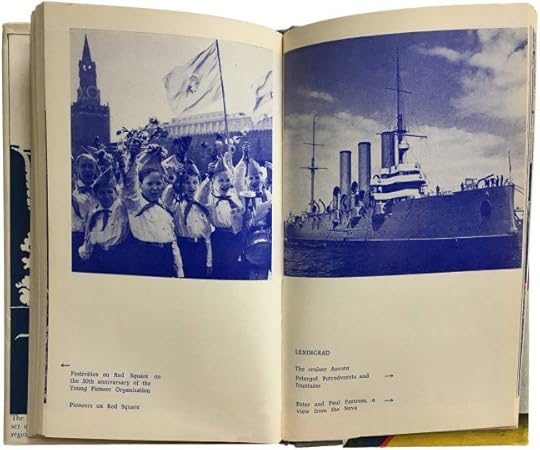
Forty years ago in��1978,��Progress Publishers in Moscow released��A Soviet Journey��by the South African writer Alex La��Guma.��Today it stands as��one of��the longest accounts��of the Soviet Union by an African writer. Yet it remains largely ignored, a non-fiction aberration��within his��library of politically committed fiction.��La��Guma��was not��the��only African writer to describe the USSR and its��personal and political��meanings. Andrew Amar��(An African in Moscow, 1960), William Anti-Taylor (Moscow Diary, 1967), and Richard��Dogbeh-David (Voyage ay pays de��L��nine, 1967) published��shorter��accounts that��depicted their experiences studying and traveling in��the Soviet Union. Fellow South African writer Christopher Hope composed��a��memoir of visiting Moscow (Moscow! Moscow!, 1990)��toward the end of the��Cold War,��while the��Jungian�����white bushman,�����Laurens van der Post, published��A Journey into Russia��(1964) at the height of it. Primarily an anti-communist screed,��Van��der Post���s account is technically longer than La��Guma���s, but is nonetheless a questionable source given��the former���s��long-discredited reputation.��Still, why did La��Guma��write��A Soviet Journey, and what does it tell us about South African politics��and the role��of the USSR in the anti-Apartheid��political imagination?
Born��in 1925��and raised in Cape Town, La��Guma��was one of��the��Apartheid��era���s most celebrated��writers. He posthumously received��the Order of��Ikhamanga��in Gold��from the South��African government in 2003, almost two decades after his death��in Havana, Cuba, in 1985.��He is still��best known for his��fiction,��which��captured��the��lives��of��day��laborers, activists, prisoners,��petty criminals,��and impoverished families in Cape Town��in��such works as��A Walk in the Night��(1962),��And a Threefold Cord��(1964),��The Stone Country��(1967), and��In the Fog of the Seasons��� End��(1972).��With Maxim Gorky as his literary hero, La��Guma��crafted a South African version of ���proletarian humanism�����(an��expression��of Gorky���s)��that sought to��represent��the��precarious and��violent world��of working-class life��under��Apartheid. In this regard, he was a member of��a��pivotal��generation of��new��South African writers during the 1950s and 1960s,��exemplified��by��Drum��magazine contributors like��Es���kia��Mphahlele, Can��Themba,��Lewis��Nkosi��and Bloke��Modisane,��who sought to portray��the��vitality of urbanism in��South African life.��La��Guma, Richard Rive��and James Matthews were Cape Town counterparts to this Johannesburg scene.
Against this backdrop,��A Soviet Journey��appears as an anomaly in La��Guma���s��oeuvre��in terms of genre, geography, and subject matter.��However, despite these��contrary qualities, it is also one of his most personal works, with memories of his father, his childhood, and reflections on the wider political world that he belonged to. Beyond his writing��life,��La��Guma��was also a member of��a heralded generation of African National Congress (ANC)��and��South African Communist Party (SACP)��activists��that included such figures as��Nelson Mandela, Walter��Sisulu,��Oliver Tambo, Joe��Slovo��and Ruth First.��A Soviet Journey��unquestionably captures��this political side, while conforming��to��and expanding the widely-recognized��political themes��of��his fiction.
Distinguished as La��Guma���s��longest literary work, fiction or non-fiction,��A Soviet Journey��is a memoir of his travels to the Soviet Union beginning in the late 1960s in his capacity as a representative for the ANC and the SACP.��It is also based on a single trip he took in 1975 upon the invitation of the Soviet Writers Union. In short, it��is a composite work that��fills an important gap in his personal history, given the South African focus of his fiction that does not directly address his time of nearly two decades in exile, primarily in London and Havana. But��A Soviet Journey��is also compelling as a historical and political document of a period when an entire generation of��activists left for exile.��It��points��to the complex politics of the��ANC-SACP alliance��during the Cold War, when the anti-Apartheid��struggle intersected with a broader set of Third World politics that was tri-continental���Africa, Asia, and Latin America���in scope and ambition. La��Guma���s��book provides rare insight into the global political communities that anti-Apartheid��activists were part of, challenging more conventional understandings of this period that have gravitated toward nationalist politics and struggles��internal��to South Africa���the��writings of Mandela,��First, and Steve��Biko��being key examples of this fight on the domestic front.
More specifically,��A Soviet Journey��re-situates the important role that the USSR played for liberation struggles around the world as a patron, host, and political model���perspectives that have gradually been lost, particularly at a popular level, since the demise of the Soviet Union��itself.��Beginning with the 1917��October��Revolution, Leninism provided an alternative model of self-determination apart from��American��Wilsonianism���one that combined nationalism with class politics. This strategic intersection, further articulated through Lenin���s ���Preliminary Draft Theses on the National and Colonial Questions��� (1920), held wide appeal for��black and colonized activists around the��world, resulting in the Black Belt Nation��thesis��and the Native Republic thesis, both of which argued for black liberation in the American South and South Africa, respectively. In both cases, a nationalist struggle would come before a socialist revolution���a two��-stage process and strategy that��broadly��informed the 1927 League Against Imperialism meeting held in Brussels,��which was��sponsored by the��Comintern��under the leadership of Nikolai Bukharin��and��promoted anti-colonial liberation movements around the world. Marxism-Leninism consequently inspired and empowered a spectrum of activist-intellectuals��during this period before the Second World War, including Claude McKay, George��Padmore, Langston Hughes,��and��M. N. Roy,��to name only a few.
It also inspired James (Jimmy) La��Guma, Alex���s father, who attended the League��Against��Imperialism meeting as a representative for the Communist Party of South Africa (founded in 1921) along with Josiah��Gumede��of the ANC. This was��an��early rehearsal��of the��later��affinity and collaboration between both organizations starting in the 1950s. The senior La��Guma��would go on to cultivate a political career of his own, but these sequential political positions��of national liberation followed by socialist revolution��would��continue to shape liberation politics up through the early 1990s and the CODESA process. The argument of ���colonialism of a special type��� developed during the 1950s is the best known iteration of this��political��logic, which pitched South Africa as a colony despite its self-governing status as of 1910. But this position had deeper roots, in addition to experiencing��debate and��revision over time.
This evolving program��also informed��Alex La��Guma���s��writing. His��early fiction��not only captured the oppressiveness of��Apartheid authoritarianism���and, thus, the dimensions of the colonial question in South Africa���but��also��his later work, after he left for in exile in 1966,��examined the fissures, dilemmas, and potential resolutions for the national question. His later novels��In the Fog of the Seasons��� End��(1972) and��Time of the Butcherbird��(1979), which appeared the same decade as��A Soviet Journey, grappled��with this question specific to urban and��rural areas, respectively. But��A Soviet Journey��illustrated an actually existing model of political revolution, decolonization��and self-determination in the eyes of La��Guma. The Soviet system���a��multinational federation of states���had solved the national question��through socialism. Indeed, in contrast to the frequently grim and adverse worlds found in his fiction,��A Soviet Journey��is a joyful work, with La��Guma��celebrating everything about the USSR. For this reason, La��Guma���s��sanguine outlook can be critiqued in retrospect, particularly given knowledge of the Stalinist purges of the 1930s and the Gulag system��more generally��in the decades thereafter. But he was not alone. Figures such as��Padmore, Paul Robeson, W. E. B. Du Bois, and Angela Davis continued to promote the Soviet model as an alternative to the racial capitalist system of the Euro-American West.
Revisiting��A��Soviet Journey��today not only provides for a reconsideration of a neglected text, but also��the restoration of��a personal history, an intellectual history��and a political future that has since been lost.��It expands the definition��and possibilities��of African literature. As��a programmatic statement,��A Soviet Journey��also��opens a broader set of parameters as to how South African politics can be approached, as well as��how��the black��radical tradition, as once formulated by Cedric Robinson and��which has been��centered in the North Atlantic, might be extended to the South Atlantic and across Africa more generally. Anthony��Bogues��has discussed two modes within this tradition���one heretical and another prophetic���that underpin��its��potential for��rupturing the Western Marxist tradition.��Though La��Guma���s��vision of��a��future South Africa was never fulfilled along the lines he imagined,��A Soviet Journey��reflects both of these qualities, exemplifying��a��type of ���epistemic displacement��� (to use an expression of��Bogues���s)��that��points to the��momentary��conjuncture between��the��Black Atlantic,��the��Third World��and South African politics during the Cold War.��La��Guma��and��A Soviet Journey��constitute��a pivot point between all three,��providing a correction to the liberal��triumphalism��that��has often inhabited��post-Cold War��historiographies��of the present. It is a��reminder that national self-determination��remains only a first step.


Sean Jacobs's Blog

- Sean Jacobs's profile
- 4 followers

