Introduction to Blockchain Technology
When one uses the term, "database," one means a system where data is centrally located and administered. Since the data is all in one place, performance is often excellent. Trusted employees, such as DBAs (Database Administrators) are tasked with keeping the database up and running, with appropriate back-ups.
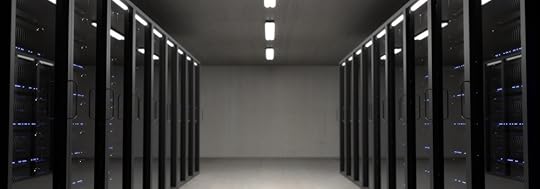
Big, centralized database
The idea of "blockchain" is almost the exact opposite of database technology. In blockchain technology, the data, saved in "blocks," is distributed, or "chained" from block to block. All of the chains exist on all the nodes.
A blockchain network is a ledger of transactions needing protection and privacy. That's why the technology is used in Bitcoin, and other businesses that require some way to securely store transactions.
Blockchain is the very opposite of centralized storage. The data, or blocks, are completely distributed to every node. Thus, there is no need for taking a "backup," since the entire network IS the backup. There is also no central target for a hacker to penetrate the system.
One feature in Blockchain technology is that no one needs to administer the database. In fact, there is no such thing as a central administrator, since there is no database to administer! All of the nodes have all of the information.
The closest thing in the database world is "multimaster replication," where all the database is automatically send to all nodes. These systems are complicated, and need experienced technicians to administer.
Everyone has the data
In blockchain, the replication of all information to everyone means that there is a big performance hit. Realistically, this type of system cannot process the same rate of transactions as a big database online system.