THE TIMELESS APPEAL OF SERIAL KILLERS
by K.J. Howe
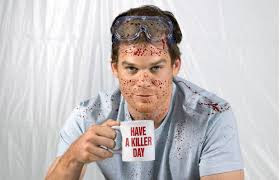 As writers, we're observers of human nature. We chronicle the lives of characters who resonate with us, or infuriate us--and the most interesting stories are usually those that involve flawed people. And the draw of serial killers is fascinating and timeless. Although people like Dexter are responsible for less than 1% of the murders in the US each year, these characters stand out as the most memorable. Is that because we can relate to their shadowy side, echoes of our darker nature, the one we hide from the world for fear of judgement or reprisal?
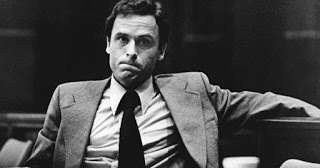 Jack the Ripper, the most notorious serial killer of all, whose identity remains a mystery, has been immortalized in popular culture. Ted Bundy, David Berkowitz (Son of Sam), and Dennis Rader (Bind, Torture, Kill) have all held the public's fascination as notorious and deadly serial killers. These men have become what one might call "celebrity monsters." In many ways, serial killers in fiction are for adults what monster movies are for kids, a guilty pleasure that might illicit feelings of shame. Good citizens who have been socialized to respect life and possess a normal range of emotions, including remorse, struggle to comprehend the pathological mind that would make one abduct, torture, rape, kill, engage in necrophilia, and occasionally even cannibalize another human being. Yet the aberrance is fascinating. Maybe because on the outside, many of these murderers seem rather benign, and the dichotomy intrigues us.
An investigation into serial murder by the FBI's Behavioural Analysis Unit in 2005 concluded that they "are not monsters and may not appear strange. Serial murderers often have families and homes, are gainfully employed, and appear to be normal members of the community." But we all know they truly aren't normal or benign.
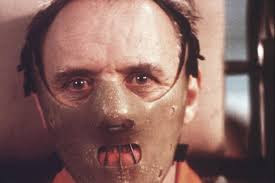 Hannibal Lecter is an excellent example of the powerful draw of serial killers in fiction, perhaps because he is depicted as a real, well-rounded person--he bleeds, feels pain, and is quite human. In many ways, he's an impressive man--wealthy, an accomplished psychiatrist, highly intelligent, musical, linguistic, not to mention his knowledge and skills with food and wine. Who doesn't want to have such a multitude of talents? And he even uses discrimination when he kills, targeting rude people. We've all been the recipient of brutal treatment, and it would be only natural to fantasize about exacting revenge in a Hannibalesque manner--but of course, we have a conscience and refrain from acting out those dark thoughts. But the darkness that allows others to act on those thoughts is fascinating.
From Alfred Hitchcock's The Lodger to The Girl With the Dragon Tattoo, serial killers draw audiences in droves. Perhaps serial killers appeal to the most basic and powerful instinct in all of us--survival. The total disregard for life that serial killers exhibit shock us and make us question our safety and security. With crimes that are so inhuman and brutal, we're drawn to serial killers as they provoke intense curiosity.
Which serial killers, real or fictional, do you find the most compelling and why?
 As writers, we're observers of human nature. We chronicle the lives of characters who resonate with us, or infuriate us--and the most interesting stories are usually those that involve flawed people. And the draw of serial killers is fascinating and timeless. Although people like Dexter are responsible for less than 1% of the murders in the US each year, these characters stand out as the most memorable. Is that because we can relate to their shadowy side, echoes of our darker nature, the one we hide from the world for fear of judgement or reprisal?
 Jack the Ripper, the most notorious serial killer of all, whose identity remains a mystery, has been immortalized in popular culture. Ted Bundy, David Berkowitz (Son of Sam), and Dennis Rader (Bind, Torture, Kill) have all held the public's fascination as notorious and deadly serial killers. These men have become what one might call "celebrity monsters." In many ways, serial killers in fiction are for adults what monster movies are for kids, a guilty pleasure that might illicit feelings of shame. Good citizens who have been socialized to respect life and possess a normal range of emotions, including remorse, struggle to comprehend the pathological mind that would make one abduct, torture, rape, kill, engage in necrophilia, and occasionally even cannibalize another human being. Yet the aberrance is fascinating. Maybe because on the outside, many of these murderers seem rather benign, and the dichotomy intrigues us.
An investigation into serial murder by the FBI's Behavioural Analysis Unit in 2005 concluded that they "are not monsters and may not appear strange. Serial murderers often have families and homes, are gainfully employed, and appear to be normal members of the community." But we all know they truly aren't normal or benign.
 Hannibal Lecter is an excellent example of the powerful draw of serial killers in fiction, perhaps because he is depicted as a real, well-rounded person--he bleeds, feels pain, and is quite human. In many ways, he's an impressive man--wealthy, an accomplished psychiatrist, highly intelligent, musical, linguistic, not to mention his knowledge and skills with food and wine. Who doesn't want to have such a multitude of talents? And he even uses discrimination when he kills, targeting rude people. We've all been the recipient of brutal treatment, and it would be only natural to fantasize about exacting revenge in a Hannibalesque manner--but of course, we have a conscience and refrain from acting out those dark thoughts. But the darkness that allows others to act on those thoughts is fascinating.
From Alfred Hitchcock's The Lodger to The Girl With the Dragon Tattoo, serial killers draw audiences in droves. Perhaps serial killers appeal to the most basic and powerful instinct in all of us--survival. The total disregard for life that serial killers exhibit shock us and make us question our safety and security. With crimes that are so inhuman and brutal, we're drawn to serial killers as they provoke intense curiosity.
Which serial killers, real or fictional, do you find the most compelling and why?


No comments have been added yet.