How to Write a Fairytale (And Why You Should Try)
I’m obsessed with fairytales.

That’s because I’m writing my own right now, so they’re filling my head:��Disney, Grimm, Arabian Nights.
I always put a twist on the original. So far I have a sleeping beast, a Charming Ball, a fairy godfather … and many more.
Right now I’m writing a take on the 12 Dancing Princesses. In my��most recent story, Hayley, aged 6,��goes to a princess party. Quite suddenly Hayley, the rest of the party, and the entire party building disappears. Or has it?��Her father, a soldier in a specialist unit, sets out to find her.
Fairy tales are surprisingly��easy to write. This post shows you why fairytales��make good stories, and how you can use their strengths to craft your own.
3 Reasons Why��Fairytales Make Fantastic Story Starting-Points:
1. ��They��have strong character archetypes:
The��hero (or heroine) is attractive: Snow White and Cinderella are beautiful; Ali-Baba is clever;��Jack the giant-killer is strong.
The bad characters are altogether evil.��Snow-white’s stepmother isn’t just vain and jealous; she’s also murderous.
2. ��They have the��classic hero’s journey plot structure:
This plot structure is like the��Ultimate Guide to Great Storywriting. It’s the plot structure used by screenwriters ��� why? Because it works. More on that below.
3. ��The themes are powerful:
The obstacles��tap into deeply held terrors. Hansel and Gretel are small children, lost in a forest. Cinderella loses her mother.
The drama is intense and often horrific. Hansel and Gretel burn an old woman��alive. The Little Mermaid walks on knife blades. Snow-white’s stepmother wants her heart.
4. Optional extras
Original folk tales (that is, the stories that fairytales came from) were frequently bawdy. In today’s world��of��political correctness we’ve lost that part of the story, but one��version of Sleeping Beauty has��the sleeping heroine��being raped by the prince. In Arabian Nights a prince marries��a virgin each day and beheads��her the next.
Fairy tales used to contain barbaric violence.��Cinderella’s step sisters chop off their toes to squeeze their foot into the glass shoe (the prince notices the fraud when their blood seeps out).

The Hero’s Journey
Here’s a short summary of the classic hero’s journey plot structure, and how this is��used in fairytales:
A likeable hero (or heroine).
The hero has a Goal: ��Cinderella wants to go to the ball. Sleeping Beauty wants to avoid a curse.
He��faces MONUMENTAL��obstacles: Jack doesn’t just fight��an ogre; he fights��an evil, man-eating, giant ogre.
He encounters��set-backs: Cinderella gets to the ball, only to have to run away at the stroke of midnight.
He has to��overcome a final, almost overwhelming obstacle: Hansel escapes from the cage, only to be caught by the evil witch.
He must overcome his/her internal demons:��Cinderella gains the courage to defy her evil stepmother and set her foot in the glass slipper
How to write a fairytale
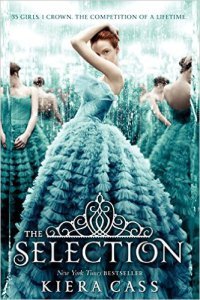
You can start by a small change, like the setting. Put Cinderella in the present day, for example, and then all of a sudden you’ve got The Bachelor on steroids. Kiera Cass did this very successfully, in The Selection.
You could change the hero’s��gender (I did this once, and made Cinderella a man, and called her Cynders).
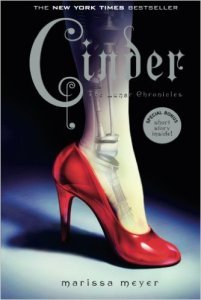
You can play with��the technology of the tale, and what it means. Marissa Meyer did this really well in her Lunar Chronicles��series. In��Beauty is a Subjective Term, my��Snow White retelling, a��mirror needed reprogramming. Because what does ‘fair’ really mean?
But the best way is to change��a fairytale is to consider the motivation of the character.
For example, Cinderella. In Ten Minutes to Go, Cinderella is��no longer interested in the prince; she’s interested in his��prince’s money. And so, in Ten Minutes to Go, Cinderella was��a��contract killer��with a deadline of midnight.
So if you want to write your own fairytale, first think of the story. Think about the characters. Change their names if you want to; their gender; their setting. But most importantly, consider what they want to achieve.
And really, that’s how you write any story. The fairy tale is just a scaffold that, fortunately, usually leads to��a bloody good story.
More information?
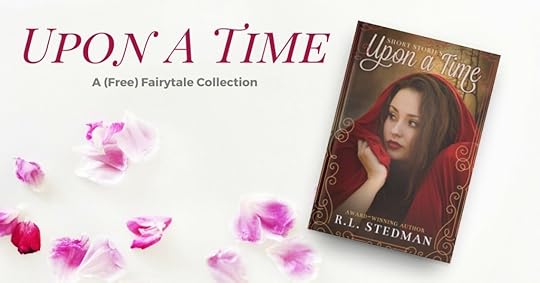
If you want to read some other examples of fairytale retellings, check out this blog post here. And if you want to read my��stories that are mentioned above,��you can download them for free here. And now, what are you waiting for? Go away and write your own!
The post How to Write a Fairytale (And Why You Should Try) appeared first on RL Stedman.