
 Sign in with Facebook
James S. Cutsinger’s Followers (10)


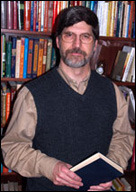
James S. Cutsinger
Born
South Carolina, The United States
Website
Genre
More books by James S. Cutsinger…


“The heart governs and reigns”, state the Macarian Homilies: it is the dominant element in our total human structure, the controlling power. It governs and reigns, more specifically, “over the whole bodily organism”: it is in the first place a corporeal organ, located in the chest, which acts as the physical center of the human being; when our heart stops beating, we die. Yet this is not all. The Homilies go on to say that the heart rules also over the “thoughts”, and that “there in the heart is the intellect”. The heart is not only the physical but the psychic and spiritual center. The Greek word
used here for “intellect”, nous, signifies not only the reasoning brain but also, more fundamentally, a higher faculty of intuitive insight and mystical vision. Elsewhere in the Macarian Homilies it is stated that the nous within the heart is like the eye within the body; in other words, through the use of the intellect within the heart we do not merely reach conclusions by means of discursive
argumentation, but the intellect enables us to see the truth in a direct and unmediated manner. The heart in which the intellect dwells is thus the faculty with which we think, both in a rational and a suprarational way. It is both the seat of reasoning intelligence and also, on a higher or deeper level, the place of wisdom and spiritual knowledge (gnosis). (p. 13)”
― Paths to the Heart: Sufism and the Christian East
used here for “intellect”, nous, signifies not only the reasoning brain but also, more fundamentally, a higher faculty of intuitive insight and mystical vision. Elsewhere in the Macarian Homilies it is stated that the nous within the heart is like the eye within the body; in other words, through the use of the intellect within the heart we do not merely reach conclusions by means of discursive
argumentation, but the intellect enables us to see the truth in a direct and unmediated manner. The heart in which the intellect dwells is thus the faculty with which we think, both in a rational and a suprarational way. It is both the seat of reasoning intelligence and also, on a higher or deeper level, the place of wisdom and spiritual knowledge (gnosis). (p. 13)”
― Paths to the Heart: Sufism and the Christian East
“The heart is the center of the human microcosm, at once the center of the physical body, the vital energies, the emotions, and the soul, as well as the meeting place between the human and the celestial realms where the spirit resides. How remarkable is this reality of the heart, that mysterious center which from the point of view of our earthly existence seems so small, and yet as the Prophet has said it is the Throne (al-‘arsh) of God the All-Merciful (ar-Rahmân), the Throne that encompasses the whole universe. Or as he uttered in another saying, “My Heaven containeth Me not, nor My Earth, but the heart of My faithful servant doth contain Me.” It is the heart, the realm of interiority, to which Christ referred when he said, “The kingdom of God is within you” (Lk 17:21), and it is the heart which the founders of all religions and the sacred scriptures advise man to keep pure as a condition for his salvation and deliverance. We need only recall the words of the Gospel, “Blessed are the pure in heart, for they shall see God” (Mt 5:8)
[…]
In Christianity the Desert Fathers articulated the spiritual, mystical, and symbolic meanings of the reality of the heart, and these teachings led to a long tradition in the Eastern Orthodox Church known as Hesychasm, culminating with St Gregory Palamas, which is focused on the “prayer of the heart” and which includes the exposition of the significance of the heart and the elaboration of the mysticism and theology of the heart. In Catholicism another development took place, in which the heart of the faithful became in a sense replaced by the heart of Christ, and a new spirituality developed on the basis of devotion to the Sacred Heart of Jesus. Reference to His bleeding heart became common in the writings of such figures as St Bernard of Clairvaux and St Catherine of Sienna. The Christian doctrines of the heart, based as they are on the Bible, present certain universal theses to be seen also in Judaism, the most important of which is the association of the heart with the inner soul of man and the center of the human state. In Jewish mysticism the spirituality of the heart was further developed, and some Jewish mystics emphasized the idea of the “broken or contrite heart” (levnichbar) and wrote that to reach the Divine Majesty one had to “tear one’s heart” and that the “broken heart” mentioned in the Psalms sufficed. To make clear the universality of the spiritual significance of the heart across religious boundaries, while also emphasizing the development of the “theology of the heart” and methods of “prayer of the heart” particular to each tradition, one may recall that the name of Horus, the Egyptian god, meant the “heart of the world”. In Sanskrit the term for heart, hridaya, means also the center of the world, since, by virtue of the analogy between the macrocosm and the microcosm, the center of man is also the center of the universe. Furthermore, in Sanskrit the term shraddha, meaning faith, also signifies knowledge of the heart, and the same is true in Arabic, where the word îmân means faith when used for man and knowledge when used for God, as in the Divine Name al-Mu’min. As for the Far Eastern tradition, in Chinese the term xin means both heart and mind or consciousness. – Seyyed Hossein Nasr (Chapter 3: The Heart of the Faithful is the Throne of the All-Merciful)”
― Paths to the Heart: Sufism and the Christian East
[…]
In Christianity the Desert Fathers articulated the spiritual, mystical, and symbolic meanings of the reality of the heart, and these teachings led to a long tradition in the Eastern Orthodox Church known as Hesychasm, culminating with St Gregory Palamas, which is focused on the “prayer of the heart” and which includes the exposition of the significance of the heart and the elaboration of the mysticism and theology of the heart. In Catholicism another development took place, in which the heart of the faithful became in a sense replaced by the heart of Christ, and a new spirituality developed on the basis of devotion to the Sacred Heart of Jesus. Reference to His bleeding heart became common in the writings of such figures as St Bernard of Clairvaux and St Catherine of Sienna. The Christian doctrines of the heart, based as they are on the Bible, present certain universal theses to be seen also in Judaism, the most important of which is the association of the heart with the inner soul of man and the center of the human state. In Jewish mysticism the spirituality of the heart was further developed, and some Jewish mystics emphasized the idea of the “broken or contrite heart” (levnichbar) and wrote that to reach the Divine Majesty one had to “tear one’s heart” and that the “broken heart” mentioned in the Psalms sufficed. To make clear the universality of the spiritual significance of the heart across religious boundaries, while also emphasizing the development of the “theology of the heart” and methods of “prayer of the heart” particular to each tradition, one may recall that the name of Horus, the Egyptian god, meant the “heart of the world”. In Sanskrit the term for heart, hridaya, means also the center of the world, since, by virtue of the analogy between the macrocosm and the microcosm, the center of man is also the center of the universe. Furthermore, in Sanskrit the term shraddha, meaning faith, also signifies knowledge of the heart, and the same is true in Arabic, where the word îmân means faith when used for man and knowledge when used for God, as in the Divine Name al-Mu’min. As for the Far Eastern tradition, in Chinese the term xin means both heart and mind or consciousness. – Seyyed Hossein Nasr (Chapter 3: The Heart of the Faithful is the Throne of the All-Merciful)”
― Paths to the Heart: Sufism and the Christian East
“The heart is the center of the human microcosm, at once the center
of the physical body, the vital energies, the emotions, and the soul,
as well as the meeting place between the human and the celestial
realms where the spirit resides. How remarkable is this reality of the heart, that mysterious center which from the point of view of our earthly existence seems so small, and yet as the Prophet has said it is the Throne (al-‘arsh) of God the All-Merciful (ar-Rahmân), the Throne that encompasses the whole universe. Or as he uttered in another saying, “My Heaven containeth Me not, nor My Earth, but the heart of My faithful servant doth contain Me.”
It is the heart, the realm of interiority, to which Christ referred
when he said, “The kingdom of God is within you” (Lk 17:21), and it is the heart which the founders of all religions and the sacred scriptures advise man to keep pure as a condition for his salvation and deliverance. We need only recall the words of the Gospel, “Blessed are the pure in heart, for they shall see God” (Mt 5:8)
[…]
In Christianity the Desert Fathers articulated the spiritual, mystical, and symbolic meanings of the reality of the heart, and these teachings led to a long tradition in the Eastern Orthodox Church known as Hesychasm, culminating with St Gregory Palamas, which is focused on the “prayer of the heart” and which includes the exposition of the significance of the heart and the elaboration of the mysticism and theology of the heart. In Catholicism another development took place, in which the heart of the faithful became in a sense replaced by the heart of Christ, and a new spirituality developed on the basis of devotion to the Sacred Heart of Jesus. Reference to His bleeding heart became common in the writings of such figures as St Bernard of Clairvaux and St Catherine of Sienna. The Christian doctrines of the heart, based as they are on the Bible, present certain universal theses to be seen also in Judaism, the most important of which is the association of the heart with the inner soul of man and the center of the human state. In Jewish mysticism the spirituality of the heart was further developed, and some Jewish mystics emphasized the idea of the “broken or contrite heart” (levnichbar) and wrote that to reach the Divine Majesty one had to “tear one’s heart” and that the “broken heart” mentioned in the Psalms sufficed. To make clear the universality of the spiritual significance of the heart across religious boundaries, while also emphasizing the development of the “theology of the heart” and methods of “prayer of the heart” particular to each tradition, one may recall that the name of Horus, the Egyptian god, meant the “heart of the world”. In Sanskrit the term for heart, hridaya, means also the center of the world, since, by virtue of the analogy between the macrocosm and the microcosm, the center of man is also the center of the universe. Furthermore, in Sanskrit the term shraddha, meaning faith, also signifies knowledge of the heart, and the same is true in Arabic, where the word îmân means faith when used for man and knowledge when used for God, as in the Divine Name al-Mu’min. As for the Far Eastern tradition, in Chinese the term xin means both heart and mind or consciousness. – Seyyed Hossein Nasr (Chapter 3: The Heart of the Faithful is the Throne of the All-Merciful)”
― Paths to the Heart: Sufism and the Christian East
of the physical body, the vital energies, the emotions, and the soul,
as well as the meeting place between the human and the celestial
realms where the spirit resides. How remarkable is this reality of the heart, that mysterious center which from the point of view of our earthly existence seems so small, and yet as the Prophet has said it is the Throne (al-‘arsh) of God the All-Merciful (ar-Rahmân), the Throne that encompasses the whole universe. Or as he uttered in another saying, “My Heaven containeth Me not, nor My Earth, but the heart of My faithful servant doth contain Me.”
It is the heart, the realm of interiority, to which Christ referred
when he said, “The kingdom of God is within you” (Lk 17:21), and it is the heart which the founders of all religions and the sacred scriptures advise man to keep pure as a condition for his salvation and deliverance. We need only recall the words of the Gospel, “Blessed are the pure in heart, for they shall see God” (Mt 5:8)
[…]
In Christianity the Desert Fathers articulated the spiritual, mystical, and symbolic meanings of the reality of the heart, and these teachings led to a long tradition in the Eastern Orthodox Church known as Hesychasm, culminating with St Gregory Palamas, which is focused on the “prayer of the heart” and which includes the exposition of the significance of the heart and the elaboration of the mysticism and theology of the heart. In Catholicism another development took place, in which the heart of the faithful became in a sense replaced by the heart of Christ, and a new spirituality developed on the basis of devotion to the Sacred Heart of Jesus. Reference to His bleeding heart became common in the writings of such figures as St Bernard of Clairvaux and St Catherine of Sienna. The Christian doctrines of the heart, based as they are on the Bible, present certain universal theses to be seen also in Judaism, the most important of which is the association of the heart with the inner soul of man and the center of the human state. In Jewish mysticism the spirituality of the heart was further developed, and some Jewish mystics emphasized the idea of the “broken or contrite heart” (levnichbar) and wrote that to reach the Divine Majesty one had to “tear one’s heart” and that the “broken heart” mentioned in the Psalms sufficed. To make clear the universality of the spiritual significance of the heart across religious boundaries, while also emphasizing the development of the “theology of the heart” and methods of “prayer of the heart” particular to each tradition, one may recall that the name of Horus, the Egyptian god, meant the “heart of the world”. In Sanskrit the term for heart, hridaya, means also the center of the world, since, by virtue of the analogy between the macrocosm and the microcosm, the center of man is also the center of the universe. Furthermore, in Sanskrit the term shraddha, meaning faith, also signifies knowledge of the heart, and the same is true in Arabic, where the word îmân means faith when used for man and knowledge when used for God, as in the Divine Name al-Mu’min. As for the Far Eastern tradition, in Chinese the term xin means both heart and mind or consciousness. – Seyyed Hossein Nasr (Chapter 3: The Heart of the Faithful is the Throne of the All-Merciful)”
― Paths to the Heart: Sufism and the Christian East
Is this you? Let us know. If not, help out and invite James to Goodreads.
