Gordon A. Wilson's Blog, page 5
December 18, 2015
Little Writing Lessons
Last week I did what is a fairly serious (for me) breakdown of what I have learned about "writing" a book. The big picture discoveries and so forth. I am just minutes or so from having Firetok ready to hit the market and it has me thinking. Imagine that. I want to do a little less formal mop up on a couple smaller aspects. As usual, if you agree, disagree or just would like to talk about it, let me know. I am more than happy to converse and increase my knowledge. I also am continuously looking for people more intelligent than myself who have something to share. I want to hear from you.
Some of the little things I learned.
Really writing. I say just write. Take the time to write. Don't think about it, don't make a plan or any of that crap. Just write. I have experimented with outlines and it may be a workable strategy, but for now its seems a gateway to non writing detail addiction. I keep thinking about the outline, the shape I want it to take instead of letting a story which is fully formed in my head out. This has to be my strategy. I pretend to speak for noone else but myself. The outline feels more like a collar around my neck. I see scenes in depth and detail and they are not part of my outline. It's like a tug of war with myself and my hands are getting rope burn.
Dialogue. Something which came out during the edit process by Sheri McInnis was the strength of the dialogue. I found this very interesting particularly due to my self criticism and inability to see anything I have done as acceptable. I thought about her comments on dialogue. What did I learn here? After I roughed out the story I went back repeatedly and out loud did the dialogue. I know what the characters sound like and I had to fight to get their voices on paper. This was a bit of a challenge due to dialect and trying to avoid too much of it. But my technique was that, have the conversations out loud and feel for authenticity. The characters come from different parts of the spectrum. Did their voice match their circumstance? Did it match the current situation? Was it consistent with other parts of their personality already revealed in the narrative? This is the feeling I am trying to convey when I clean up dialogue, and it takes quite a bit of redoing to get even close to what I would consider acceptable...
Reading Out Loud. This is something I learned years ago and have shared with only a couple close friends but it's not like I invented it. Read it out loud. Blog posts or my books, even Facebook posts, anything. You don't have to trust me here, if you aren't doing it already. Try it. I guarantee anything I write will not sound the way I intended when read out loud. Unfortunately this may be unique to me since the few people who really know me will admit I might be one of the most misunderstood people. My bluntness seems to read better than it goes over live. People in general want honesty in low doses and on their own terms. What kind of honesty is that? Back to reading aloud. You want to enhance the experience? Have someone read it out loud to you. Proceed with caution here. I have been so disgusted and verbally outspoken while using this process I have come close to getting hard objects thrown at me to quiet my objections. When I hear the words "do you want me to read this or not?" over my bitching, it's time to duck. This method might be best used with someone who REALLY loves you or someone you care absolutely nothing about. Bottom line. Hearing my words is getting pretty close to the final edit, an in house second opinion. Honestly, more than half the time I will say out loud, "is that what it really says?" Nothing sounds the same outside my head as it does inside, there is typically about a 90 some percent drop in quality during the transfer.
I know this list can go on and it will. I am not sure these are the most important little things but they were on my mind, in the meantime I will get back to the battle of letting the next Firetok episode out of my head.
Some of the little things I learned.
Really writing. I say just write. Take the time to write. Don't think about it, don't make a plan or any of that crap. Just write. I have experimented with outlines and it may be a workable strategy, but for now its seems a gateway to non writing detail addiction. I keep thinking about the outline, the shape I want it to take instead of letting a story which is fully formed in my head out. This has to be my strategy. I pretend to speak for noone else but myself. The outline feels more like a collar around my neck. I see scenes in depth and detail and they are not part of my outline. It's like a tug of war with myself and my hands are getting rope burn.
Dialogue. Something which came out during the edit process by Sheri McInnis was the strength of the dialogue. I found this very interesting particularly due to my self criticism and inability to see anything I have done as acceptable. I thought about her comments on dialogue. What did I learn here? After I roughed out the story I went back repeatedly and out loud did the dialogue. I know what the characters sound like and I had to fight to get their voices on paper. This was a bit of a challenge due to dialect and trying to avoid too much of it. But my technique was that, have the conversations out loud and feel for authenticity. The characters come from different parts of the spectrum. Did their voice match their circumstance? Did it match the current situation? Was it consistent with other parts of their personality already revealed in the narrative? This is the feeling I am trying to convey when I clean up dialogue, and it takes quite a bit of redoing to get even close to what I would consider acceptable...
Reading Out Loud. This is something I learned years ago and have shared with only a couple close friends but it's not like I invented it. Read it out loud. Blog posts or my books, even Facebook posts, anything. You don't have to trust me here, if you aren't doing it already. Try it. I guarantee anything I write will not sound the way I intended when read out loud. Unfortunately this may be unique to me since the few people who really know me will admit I might be one of the most misunderstood people. My bluntness seems to read better than it goes over live. People in general want honesty in low doses and on their own terms. What kind of honesty is that? Back to reading aloud. You want to enhance the experience? Have someone read it out loud to you. Proceed with caution here. I have been so disgusted and verbally outspoken while using this process I have come close to getting hard objects thrown at me to quiet my objections. When I hear the words "do you want me to read this or not?" over my bitching, it's time to duck. This method might be best used with someone who REALLY loves you or someone you care absolutely nothing about. Bottom line. Hearing my words is getting pretty close to the final edit, an in house second opinion. Honestly, more than half the time I will say out loud, "is that what it really says?" Nothing sounds the same outside my head as it does inside, there is typically about a 90 some percent drop in quality during the transfer.
I know this list can go on and it will. I am not sure these are the most important little things but they were on my mind, in the meantime I will get back to the battle of letting the next Firetok episode out of my head.


December 11, 2015
7 Scariest Non Human Horror Characters

As an aficionado of speculative fiction since a young child I have loved stories that have stretched the imagination beyond 'normal' boundaries. My name is TK Medlock and I'm and addict. (Room says 'hi TK). Thank you, and welcome to my take on the scariest 'non human characters of all times. These are the most popular 'standout-ish' if it were. Let's go.
The Top Seven Scariest “Non Human” Horror Characters

7: Christine: The story was written by Stephen King and directed by John Carpenter. Bill Phillips did the screenplay for the movie that had a estimated budget of 9,700,000.00. King brought a 1958 Plymouth Fury to life. The car almost had a love affair with the boy that bordered on obsession. People are hard enough but an old school car made to come alive takes talent.

6: Chucky: The original movie title was Child’s Play. The premise was a mother buys her son a sought after doll for his birthday that is possessed with the soul of a serial killer. This movie cost a estimated 9,000,000.00 to make and grossed over 34,000,000.00. Dolls have been done in the past but this was the first to really hit a home run. This movie was grindhouse of it’s day and spawned countless sequels.

5: Duel: The short story was originally written by Richard Matheson (published in Playboy) who wrote the screenplay. This was Steven Spielberg’s 2nd directorial project and a hit that put him on the map. Richard wrote it based on a true incident that happened when he was actually tailgated by a trucker on the highway resulting in a short bout of road rage. Because the truck was like an antagonist (you only briefly saw the trucker) I include this on my list. The menacing size and presence of the truck ramped up the tension and took on a character all it’s own. Road rage made successful.
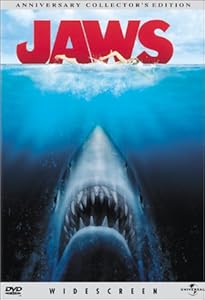
4: Jaws: With a tight budget Steven Spielberg got this nod because of Duel. The story was adapted from a Peter Benchley novel. The studios put much pressure on Spielberg for a number of reasons. Because of all the problems that plagued the making of the film it was nicknamed Flaws. All the problems that the mechanical shark had allowed it to only appear in a hand full of shots. The rest of the time they had to use music to substitute when the shark was supposed to be in the shot. The rest is scary movie history. Now every scary antagonist has to have their own scary music. You’re welcome, Friday The 13th’s Jason. They had a 8,000,000.00 budget with a gross of 260,000,000.00 at the box office. Killer hit.

3: Annabelle: A vintage doll that is possessed in connection with some satanic cultists come together to breath life into the scary toy premise. Not since Chucky have we seen a doll with such power to scare. Annabelle is based on a true story. Titled The Conjuring the story was based on a Raggedy Ann doll that was given to a college student with a roommate in her dorm. The doll was purchased in a hobby store. The girls claimed the doll would move from where she would leave it in her room. The creators of the movie made the story work. Scary toys are a stretch for anybody.
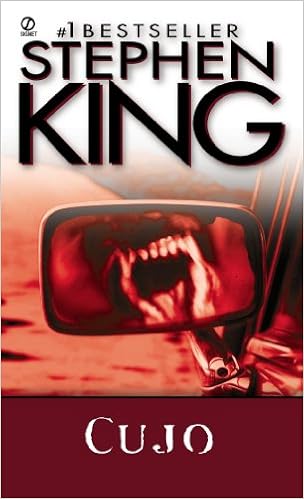
2: Cujo: Stephen King is back on the list. The story of a rabid St. Bernard that goes on a killing rampage was not only a huge hit but a signal of the power of King’s narrative. With stories like Christine, Needful Things, Pet Cemetery, It, he was challenging the imaginations of generations to suspend disbelief and fear things that we previously thought had no soul. The dog in this movie died during filming because of bloat proving even he was not invincible.
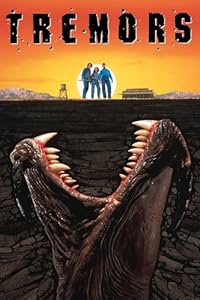
1: Tremors: Director Ron Underwood actually made us afraid of giant sand, earthworms. This premise was a throwback to films of my childhood like The Fly, Attack of the Killer Tomatoes and movies of that vein. The successfulness of this film is the amount of sequels that it has spawned (at last count 5). The first one is my favorite and a Kevin Bacon tour-de-force. Who could not love the father from Family Ties, Michael Gross, and his trusty shotgun wrecking havoc. Bringing a giant earthworm (graboid) to life is some heavy lifting. Kudos to the director and writer.
Non Writing Essentials for Every Author
The time has come. Many months ago I put writing the sequel to FIRETOK on hold. I was and am still trying to figure out all I did wrong when I "did" FIRETOK. I intentionally use the word did instead of write. Why? It has not been about the writing. It is about the unending "everything else." I can see winter is here and so is the end of the year. Is it time for a wrap up? Maybe. I have officially gotten back into writing the second episode of FIRETOK. Does this signify a breakthrough in my journey? Have I figured out everything I did wrong? Not exactly. But I have learned a lot and it's time to move on. What have I learned in the last year?
My biggest question is this, have I learned enough to get back into writing the sequel? This led to many other questions but I have broken it down into a top four "everything else" list. What are the most important "everything else" elements? Sometimes you need to define the problem in order to construct a solution, that's kind of what this is. It is more a definition of my problem so I can seek treatment for a cure. As always I love nothing more than these posts to create a conversation. If you read on and find something worth talking about, by all means let me know.
Publishing. Get an agent or should I say, try to get an agent. Self Publish, wait, now I know of another option, independent press. What is right for me? I have no idea. Would I love to find an agent ready to take the FIRETOK franchise through the roof? Hell yes. What a stupid question, right? This subject has earned its own posts and will continue to, so I will leave it at this, which method is right for me? I don't know. At the moment I could see all three of these options being perfect with a whole mess of additional effort. Having the backing of a huge publisher sounds more appealing than being backed by my own back...but... I will stop right at the edge of the abyss before my footing gives.

Editing. Editing is not writing, right? So it makes it to the big list of "everything else". I write and I write like mad and it makes for abundant editing. One of the things I wanted to fix - my lack of "style" - I don't know how to spell CHICAGO MANUAL OF STYLE much less write "properly". In my rough drafts I overuse words, I use the same words in subsequent sentences. I have sentences that last for pages. My grammar knowledge is abundantly obvious, I could go on but I won't right now. Have I fixed this? No, kind of, I don't know, can I get another question? Some of it. I cannot even say how many times the original FIRETOK manuscript was re edited, yet after printing I still found imperfections. Seriously. This is something I never thought I could fix since it was a done deal. I am fixing it. I am getting some very generous help, but it is getting fixed and for no other reason than knowing it is fixed. The book will be relaunched likely in the next couple of months, reedited, reformatted and maybe some other re words I will think of later. Things I never thought possible will be fixed. In the meantime, I am trying to remove the word 'that' and everything to do with the word 'had' from my fiction vocabulary. Will this change my bulk writing? Hopefully not. I don't want to be slowed down for such nonsense when I am letting it out. But editing is a pretty important part of the "everything else."

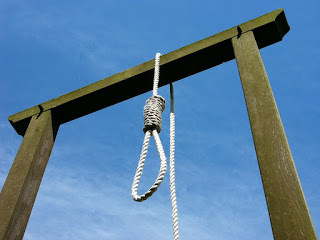
Platform. I hate this term enough to use a second word before it which rhymes with any word that ends in -ucking. The magical platform. As an author I am supposed to build this platform upon which I climb to crow about why you should buy my book or something like that. It reminds me of the RobRoy quote, "Love is but a dung hill and I am but a cock which climbs upon it to crow." I am not sure how appropriate the quote is to the subject but it's definitely what comes to my mind. Cock a doodlely doo. I am afraid my platform looks like an old timey western gallows, trapdoor and all. My platform the judge built just outside the courthouse so he could overlook my hanging without having to leave his office. Or was that a Clint Eastwood movie? I am making light of what is supposed to be a very important component of an author's success. I have a good reason for that, I don't think I have it, not sure I completely understand what it is and am pretty sure I haven't fixed it yet. I won't be surprised to find out I should have spent much more time on this down the road, but for now I am just going to leave it here untreated or I might consider self medication. Shot of Jack, anyone?
Promotion. Oh really, could it get worse? If I hate platform I might have to use two -ucking words here or go back to my military training of stacking them up for effect. Alright. I get it a little. It's not one thing. It will need to be a bunch of things. As much as I hate the "buy my book, buy my book" method of promotion, I have heard many say it works. How disappointing. That is just about as appealing to me as picking up a day old road kill skunk to have for dinner because dude says it tastes good.

I mean seriously, when all the debate was going on about waterboarding, I think they were testing the "buy my book, buy my book" Tweets as a less controversial torture replacement. I still abhor it, but bottom line is this, someone, somehow, or even some way, promotion has to happen. The fantasy about "getting discovered" is truly fantasy. Whole books have been written on this and advertising isn't necessarily the answer, it might help but this will need to be a multi-faceted approach. Do I have this fixed? Can I get another question yet? No. I don't think so. Have I learned quite a bit on the subject? Yes. I have seen extreme examples in both directions. I have been pestered by people I have no idea who they are to "buy my book, buy my book" and I have seen people totally unwilling to promote their book as well. Which option makes the most sense? Would you like me to stick a screwdriver in your right ear or would you prefer the left?

I am confident there is no bestseller fairy with magic dust floating around my house. If she were I would get a net or whatever it takes to trap her if the dogs didn't get her first. Until that day, here is my top 4 "everything else" list, editing, platform, promotion, publishing. What does this all mean? I don't have the answers. Do I know enough? Am I really ready to write my book? My grandma had 9 kids, one of which is my mother. She told us many times if she had waited till she was ready to have kids she would never have had any of them. Nine kids, I wouldn't have a brain cell left... back to books. Will I ever be "ready" to write my book?
I will tell myself I know more than I did and I need to get my book written. Can I tell you honestly it was worth the time away from the book for the knowledge I gained? No, I can't. Yes, I can. So many incredible things have happened along the way, it has definitely been worth it. In addition to the wonderful people I met, I have also learned so much. Each of these subjects is a bottomless pit of learning. I feel I have not scraped the surface on any one of them enough to make a difference, but I still need to write my book.
One of the best quotes of the year I read on Twitter and can't remember the author but it was something like, "the difference between a writer and an author is an author sells books." Ponder that awhile.
What do I say?
An unwritten book requires no editing.
An unpublished book needs no promotion and an author who "is gonna write a book someday" needs no platform.
As I recently told my good friend, "finish the book." With that said, keep an eye out as it gets colder for FIRETOK to reemerge in an improved state and if I appear to be a little less visible online you will know where I am.
My biggest question is this, have I learned enough to get back into writing the sequel? This led to many other questions but I have broken it down into a top four "everything else" list. What are the most important "everything else" elements? Sometimes you need to define the problem in order to construct a solution, that's kind of what this is. It is more a definition of my problem so I can seek treatment for a cure. As always I love nothing more than these posts to create a conversation. If you read on and find something worth talking about, by all means let me know.
Publishing. Get an agent or should I say, try to get an agent. Self Publish, wait, now I know of another option, independent press. What is right for me? I have no idea. Would I love to find an agent ready to take the FIRETOK franchise through the roof? Hell yes. What a stupid question, right? This subject has earned its own posts and will continue to, so I will leave it at this, which method is right for me? I don't know. At the moment I could see all three of these options being perfect with a whole mess of additional effort. Having the backing of a huge publisher sounds more appealing than being backed by my own back...but... I will stop right at the edge of the abyss before my footing gives.

Editing. Editing is not writing, right? So it makes it to the big list of "everything else". I write and I write like mad and it makes for abundant editing. One of the things I wanted to fix - my lack of "style" - I don't know how to spell CHICAGO MANUAL OF STYLE much less write "properly". In my rough drafts I overuse words, I use the same words in subsequent sentences. I have sentences that last for pages. My grammar knowledge is abundantly obvious, I could go on but I won't right now. Have I fixed this? No, kind of, I don't know, can I get another question? Some of it. I cannot even say how many times the original FIRETOK manuscript was re edited, yet after printing I still found imperfections. Seriously. This is something I never thought I could fix since it was a done deal. I am fixing it. I am getting some very generous help, but it is getting fixed and for no other reason than knowing it is fixed. The book will be relaunched likely in the next couple of months, reedited, reformatted and maybe some other re words I will think of later. Things I never thought possible will be fixed. In the meantime, I am trying to remove the word 'that' and everything to do with the word 'had' from my fiction vocabulary. Will this change my bulk writing? Hopefully not. I don't want to be slowed down for such nonsense when I am letting it out. But editing is a pretty important part of the "everything else."

Platform. I hate this term enough to use a second word before it which rhymes with any word that ends in -ucking. The magical platform. As an author I am supposed to build this platform upon which I climb to crow about why you should buy my book or something like that. It reminds me of the RobRoy quote, "Love is but a dung hill and I am but a cock which climbs upon it to crow." I am not sure how appropriate the quote is to the subject but it's definitely what comes to my mind. Cock a doodlely doo. I am afraid my platform looks like an old timey western gallows, trapdoor and all. My platform the judge built just outside the courthouse so he could overlook my hanging without having to leave his office. Or was that a Clint Eastwood movie? I am making light of what is supposed to be a very important component of an author's success. I have a good reason for that, I don't think I have it, not sure I completely understand what it is and am pretty sure I haven't fixed it yet. I won't be surprised to find out I should have spent much more time on this down the road, but for now I am just going to leave it here untreated or I might consider self medication. Shot of Jack, anyone?

Promotion. Oh really, could it get worse? If I hate platform I might have to use two -ucking words here or go back to my military training of stacking them up for effect. Alright. I get it a little. It's not one thing. It will need to be a bunch of things. As much as I hate the "buy my book, buy my book" method of promotion, I have heard many say it works. How disappointing. That is just about as appealing to me as picking up a day old road kill skunk to have for dinner because dude says it tastes good.

I mean seriously, when all the debate was going on about waterboarding, I think they were testing the "buy my book, buy my book" Tweets as a less controversial torture replacement. I still abhor it, but bottom line is this, someone, somehow, or even some way, promotion has to happen. The fantasy about "getting discovered" is truly fantasy. Whole books have been written on this and advertising isn't necessarily the answer, it might help but this will need to be a multi-faceted approach. Do I have this fixed? Can I get another question yet? No. I don't think so. Have I learned quite a bit on the subject? Yes. I have seen extreme examples in both directions. I have been pestered by people I have no idea who they are to "buy my book, buy my book" and I have seen people totally unwilling to promote their book as well. Which option makes the most sense? Would you like me to stick a screwdriver in your right ear or would you prefer the left?

I am confident there is no bestseller fairy with magic dust floating around my house. If she were I would get a net or whatever it takes to trap her if the dogs didn't get her first. Until that day, here is my top 4 "everything else" list, editing, platform, promotion, publishing. What does this all mean? I don't have the answers. Do I know enough? Am I really ready to write my book? My grandma had 9 kids, one of which is my mother. She told us many times if she had waited till she was ready to have kids she would never have had any of them. Nine kids, I wouldn't have a brain cell left... back to books. Will I ever be "ready" to write my book?
I will tell myself I know more than I did and I need to get my book written. Can I tell you honestly it was worth the time away from the book for the knowledge I gained? No, I can't. Yes, I can. So many incredible things have happened along the way, it has definitely been worth it. In addition to the wonderful people I met, I have also learned so much. Each of these subjects is a bottomless pit of learning. I feel I have not scraped the surface on any one of them enough to make a difference, but I still need to write my book.
One of the best quotes of the year I read on Twitter and can't remember the author but it was something like, "the difference between a writer and an author is an author sells books." Ponder that awhile.
What do I say?
An unwritten book requires no editing.
An unpublished book needs no promotion and an author who "is gonna write a book someday" needs no platform.
As I recently told my good friend, "finish the book." With that said, keep an eye out as it gets colder for FIRETOK to reemerge in an improved state and if I appear to be a little less visible online you will know where I am.
December 3, 2015
Horror Basics?
Helplessness.
I've talked on end about horror. What makes horror, how it has evolved, how it is defined, so on and so forth. Today I want to talk about what I feel is a rather base element when I consider something which is disturbing. The feeling of helplessness. A futile state of whatever I do, I cannot change the mess I am in. It is pretty universal. A single decision can render me helpless in the aftermath. A series of decisions culminating in an unforeseen chasm of despair and regret? Totally possible. This could be a decision someone else made on your behalf, does not matter, you can end up in the same chasm.

I personally cannot even imagine a mind so far from my own as to enjoy a feeling of true helplessness. Not even close. The intent of horror is to disturb, challenge or make someone unsettled. Make them feel helpless. Take away their hope. If we are trying to invoke fear here, I cannot at the moment think of a more universal one than this. It can be done in any number of ways, but boil it down, you need to remove as much hope as possible and invoke the feeling of no way out. Obviously if you are telling a story you may need to save a glimmer of hope back, maybe just enough to keep things moving, but you want real despair and futility. Remove hope. There is some real horror.
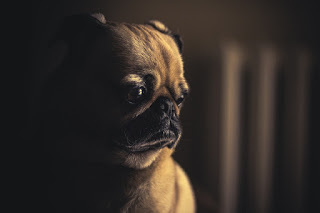
So now I have to go on and finish this thought. Hopeless, helpless, futile. What grain of humanity could pull someone back from the hell of hopelessness. What is that one thing which could have the power to pull you back into the fight you have already determined you cannot win. The knowledge that someone out there is counting on you? You love someone else enough to put up a fight? The memory of a kind word? Could end up being a tuna sandwich for all I know but there must be something as far as I am concerned.

I believe now is where I can start talking again about inspirational horror. I do not see the point of flat out removing hope, ha ha everyone is dead. No, I see the struggle for holding on as what may truly be the crux of the story. The point of the horror. I have read it described in many ways, as people explain how to manufacture a story. Today I am going to just boil it down to the big what. What would it take to carry on? What can you possibly find hope in when you feel hope is gone?
Helpless. Hopeless. Futility. That is truly horrific. Living with hope and helping others I find that inspirational.
I've talked on end about horror. What makes horror, how it has evolved, how it is defined, so on and so forth. Today I want to talk about what I feel is a rather base element when I consider something which is disturbing. The feeling of helplessness. A futile state of whatever I do, I cannot change the mess I am in. It is pretty universal. A single decision can render me helpless in the aftermath. A series of decisions culminating in an unforeseen chasm of despair and regret? Totally possible. This could be a decision someone else made on your behalf, does not matter, you can end up in the same chasm.

I personally cannot even imagine a mind so far from my own as to enjoy a feeling of true helplessness. Not even close. The intent of horror is to disturb, challenge or make someone unsettled. Make them feel helpless. Take away their hope. If we are trying to invoke fear here, I cannot at the moment think of a more universal one than this. It can be done in any number of ways, but boil it down, you need to remove as much hope as possible and invoke the feeling of no way out. Obviously if you are telling a story you may need to save a glimmer of hope back, maybe just enough to keep things moving, but you want real despair and futility. Remove hope. There is some real horror.

So now I have to go on and finish this thought. Hopeless, helpless, futile. What grain of humanity could pull someone back from the hell of hopelessness. What is that one thing which could have the power to pull you back into the fight you have already determined you cannot win. The knowledge that someone out there is counting on you? You love someone else enough to put up a fight? The memory of a kind word? Could end up being a tuna sandwich for all I know but there must be something as far as I am concerned.

I believe now is where I can start talking again about inspirational horror. I do not see the point of flat out removing hope, ha ha everyone is dead. No, I see the struggle for holding on as what may truly be the crux of the story. The point of the horror. I have read it described in many ways, as people explain how to manufacture a story. Today I am going to just boil it down to the big what. What would it take to carry on? What can you possibly find hope in when you feel hope is gone?
Helpless. Hopeless. Futility. That is truly horrific. Living with hope and helping others I find that inspirational.
November 23, 2015
Social Media for Authors Part 2
I would say I have learned quite a bit about Twitter, almost enough to not have even scratched the surface yet. I have met some pretty neat people along the way which is perhaps the best thing. I have mentioned in other posts how years ago I was so turned off by my experience on Twitter I logged out for years. There really are some great, genuine people out there, fortunately I have met a few of them and they have enriched my life. That is good stuff and yes I find that inspiring. So I figured it's time to update the social media file and talk about...
Tagging people in a Twitter post.
Let me start with a clarification. Some of these clever people have been tagging me in straight up nonsense posts, the current version of buy followers or like my Facebook page. These are unsolicited and from people I don't even know. I am not talking about this.
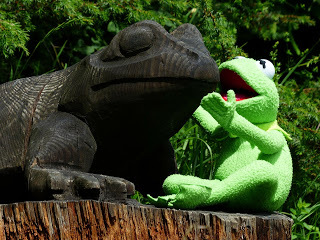
Bring a friend's attention to something.
I have a couple of friends I met on Twitter. Initially I would tag them when I was sending out a tweet in order to be sure they saw it. I thought of it as bringing their attention to something for a specific reason. Kind of like "Hey Tee take a look at this!" The other thing I could be certain of is, if I tagged them, they would most often retweet it. I still can and they know if they tag me in anything I will retweet as well. So what right? So a lot. I began to notice a difference between tweets I tagged people in and ones I did not. Even the ones which were not even retweeted. If you have been using Twitter for awhile I would suggest looking at your analytics. If you are just getting started, visit it as soon as you get a feel for what is going on. I will caution you here it is a bottomless pit. Be careful. My friends know I live by my stats but I find it is an effective tool to see what works and what doesn't. I am interested in getting my blog in front of as many eyes as I can for myself and guest authors. Knowing this is my aim, I want to maximize the tweets I use to promote it.

Increase your exposure.
Back to the analytics. One of the key terms measured is impressions. Essentially how many people saw the tweet. Let me break it down. I have 1000 followers and send a tweet one time. Of these 1000 followers maybe a handful actually see the tweet. Lets say my impressions were 20. Twenty people saw the tweet. This is perhaps a stupidly generous number and likely would not be this high. In general, the numbers would be higher on many messages which were tagged with a friend. I can not explain exactly why and it is far from a rule but a noticeable trend. By the time they actually retweet the message, they have increased the potential of my tweet being seen at least by their followers as well. Of course it's not that simple but it helps demonstrate what I am talking about. A better extreme example, let's say M Lemont with his 150000 followers just retweeted my tweet. There is a pretty good chance that really added to my impressions. You can see how a retweet can increase the exposure. The right retweet can make things go pretty crazy. I was looking through my stats one day and one of my tweets had a huge number next to it. I had to look. An actor who may or may not have to do with a famous zombie show tweeted one of my blog posts and it received a ridiculous amount of impressions. Kind of fun when that happens. Kind of fun are you kidding me? I was thrilled. Also, this was a post maybe two months old at the time, read on to see why this matters.

Encourages others to follow.
Back to business. OK so we are talking about tagging friends. The other thing I find on this subject is this, if one of my friends tags me and someone else in a tweet, I instinctively follow the other person. We might even have a conversation but at a minimum I have followed. I can say I have followed many hundred people based on them being part of a tweet. The status of them following back is a whole other subject. I still don't understand anyone trying to do anything on Twitter and not having a very liberal follow back policy. Just doesn't make any sense. Good or bad it's what I do and I cannot be the only one. So I would say, if your friend tags you in a tweet be grateful, they are exposing you to their whole network. Thank you. Obviously this is not the same as the people who tag you in a promotion or something like that, I am talking about your friends.
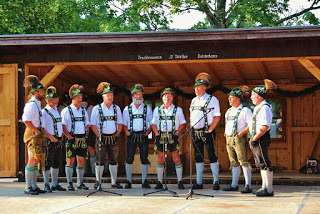
Conversation Starter.Here is another reason to tag someone in a tweet. Let's say my friend, (I am saying friend here intentionally and not in the Facebook sense), has met someone they want me to meet, she tags us both and next thing we know we are all having a conversation and singing Beatles songs together. That is good stuff and we must have had something in common or she would not have put us together in the same room with a record player right?

Make sure I see it.
I personally prefer my friends to tag me in a tweet for more than one reason. The main one is this - I will most likely see it. If one of my friends has a new post I want to know about it so I can read it. The chance of a close acquaintance's tweet coming up in my feed at the exact moment I am looking at it is nearly impossible. Do the math, it is pretty unlikely. Yes, you can set up lists, watch lists and all kinds of things to try to achieve this. If that works for you more power to you, maybe you can teach me some day. It doesn't really work for me.
Recycling.The next thing I feel a need to share is this. Recycling. I think it was some time in August, Sheri did a guest post on self publishing. It took off like gangbusters and was read by thousands of people. I send it out every once in awhile now and guess what? People still read it. It is still relevant and even though thousands of people read it in August, many millions did not. It is fresh to them. Another author even republished it last week on his blog to do with his publishing journey. This is an article several months old. So what? I have heard so many people say they don't want to tweet or share too much. Balderdash. Of course you have to do what is right for you and what you have time for but I tweet continuously and have not found the point of too much so far. We have made quite an effort to collect a body of good stuff to read and it is not a one time use thing. That relevant post you wrote may still have legs. Ask another friend, Michele, about her Cinderella guest post here. I was starting to feel guilty about continuing to post it, but guess what? Every time it goes out people are reading it and commenting and making Michele blush like a little girl all over again. The story is still inspiring people, why throw it away? I promise to retire it when its legs fall off but there is no end in sight. If it is good material it doesn't have a shelf life as far as I am concerned, and the statistics back my opinion. This does bring up my final reason for now of why to tag someone in a tweet.
Keep everyone involved.I host a decent share of guest authors. This is a great opportunity for everyone involved and some incredibly good things have occurred as a byproduct of these posts. When I publish a guest post and tweet it for example, the author will have no idea I am tweeting it right? Unless they are camped out on my feed. I intentionally tag the author on some of the tweets to include them in the aftermath. As people are making comments or retweets, the original author is involved and can see what is going on and comment or interact as it unfolds. This is especially vital on a guest post, I love the feedback but I didn't actually write the post. I look at this as my desire to interact with people and I love it when someone gives me feedback on something I wrote. Even better? When an actual conversation starts and who knows where that can lead... many good places.
Bottom Note.Since I am updating the Twitter file - I am still getting deluged with these idiotic DMs upon follow soliciting me for something. I still have not followed a link to someone's Facebook page. I am all for the "don't know until you ask" principal but why are people doing this? Maybe I will be enlightened to find out it really does work and I have been missing out on bolstering my Facebook likes for all this time... in the meantime I have a feature on my Twitter which has been made irrelevant. Direct Messages.

Tagging people in a Twitter post.
Let me start with a clarification. Some of these clever people have been tagging me in straight up nonsense posts, the current version of buy followers or like my Facebook page. These are unsolicited and from people I don't even know. I am not talking about this.

Bring a friend's attention to something.
I have a couple of friends I met on Twitter. Initially I would tag them when I was sending out a tweet in order to be sure they saw it. I thought of it as bringing their attention to something for a specific reason. Kind of like "Hey Tee take a look at this!" The other thing I could be certain of is, if I tagged them, they would most often retweet it. I still can and they know if they tag me in anything I will retweet as well. So what right? So a lot. I began to notice a difference between tweets I tagged people in and ones I did not. Even the ones which were not even retweeted. If you have been using Twitter for awhile I would suggest looking at your analytics. If you are just getting started, visit it as soon as you get a feel for what is going on. I will caution you here it is a bottomless pit. Be careful. My friends know I live by my stats but I find it is an effective tool to see what works and what doesn't. I am interested in getting my blog in front of as many eyes as I can for myself and guest authors. Knowing this is my aim, I want to maximize the tweets I use to promote it.

Increase your exposure.
Back to the analytics. One of the key terms measured is impressions. Essentially how many people saw the tweet. Let me break it down. I have 1000 followers and send a tweet one time. Of these 1000 followers maybe a handful actually see the tweet. Lets say my impressions were 20. Twenty people saw the tweet. This is perhaps a stupidly generous number and likely would not be this high. In general, the numbers would be higher on many messages which were tagged with a friend. I can not explain exactly why and it is far from a rule but a noticeable trend. By the time they actually retweet the message, they have increased the potential of my tweet being seen at least by their followers as well. Of course it's not that simple but it helps demonstrate what I am talking about. A better extreme example, let's say M Lemont with his 150000 followers just retweeted my tweet. There is a pretty good chance that really added to my impressions. You can see how a retweet can increase the exposure. The right retweet can make things go pretty crazy. I was looking through my stats one day and one of my tweets had a huge number next to it. I had to look. An actor who may or may not have to do with a famous zombie show tweeted one of my blog posts and it received a ridiculous amount of impressions. Kind of fun when that happens. Kind of fun are you kidding me? I was thrilled. Also, this was a post maybe two months old at the time, read on to see why this matters.

Encourages others to follow.
Back to business. OK so we are talking about tagging friends. The other thing I find on this subject is this, if one of my friends tags me and someone else in a tweet, I instinctively follow the other person. We might even have a conversation but at a minimum I have followed. I can say I have followed many hundred people based on them being part of a tweet. The status of them following back is a whole other subject. I still don't understand anyone trying to do anything on Twitter and not having a very liberal follow back policy. Just doesn't make any sense. Good or bad it's what I do and I cannot be the only one. So I would say, if your friend tags you in a tweet be grateful, they are exposing you to their whole network. Thank you. Obviously this is not the same as the people who tag you in a promotion or something like that, I am talking about your friends.

Conversation Starter.Here is another reason to tag someone in a tweet. Let's say my friend, (I am saying friend here intentionally and not in the Facebook sense), has met someone they want me to meet, she tags us both and next thing we know we are all having a conversation and singing Beatles songs together. That is good stuff and we must have had something in common or she would not have put us together in the same room with a record player right?

Make sure I see it.
I personally prefer my friends to tag me in a tweet for more than one reason. The main one is this - I will most likely see it. If one of my friends has a new post I want to know about it so I can read it. The chance of a close acquaintance's tweet coming up in my feed at the exact moment I am looking at it is nearly impossible. Do the math, it is pretty unlikely. Yes, you can set up lists, watch lists and all kinds of things to try to achieve this. If that works for you more power to you, maybe you can teach me some day. It doesn't really work for me.

Recycling.The next thing I feel a need to share is this. Recycling. I think it was some time in August, Sheri did a guest post on self publishing. It took off like gangbusters and was read by thousands of people. I send it out every once in awhile now and guess what? People still read it. It is still relevant and even though thousands of people read it in August, many millions did not. It is fresh to them. Another author even republished it last week on his blog to do with his publishing journey. This is an article several months old. So what? I have heard so many people say they don't want to tweet or share too much. Balderdash. Of course you have to do what is right for you and what you have time for but I tweet continuously and have not found the point of too much so far. We have made quite an effort to collect a body of good stuff to read and it is not a one time use thing. That relevant post you wrote may still have legs. Ask another friend, Michele, about her Cinderella guest post here. I was starting to feel guilty about continuing to post it, but guess what? Every time it goes out people are reading it and commenting and making Michele blush like a little girl all over again. The story is still inspiring people, why throw it away? I promise to retire it when its legs fall off but there is no end in sight. If it is good material it doesn't have a shelf life as far as I am concerned, and the statistics back my opinion. This does bring up my final reason for now of why to tag someone in a tweet.

Keep everyone involved.I host a decent share of guest authors. This is a great opportunity for everyone involved and some incredibly good things have occurred as a byproduct of these posts. When I publish a guest post and tweet it for example, the author will have no idea I am tweeting it right? Unless they are camped out on my feed. I intentionally tag the author on some of the tweets to include them in the aftermath. As people are making comments or retweets, the original author is involved and can see what is going on and comment or interact as it unfolds. This is especially vital on a guest post, I love the feedback but I didn't actually write the post. I look at this as my desire to interact with people and I love it when someone gives me feedback on something I wrote. Even better? When an actual conversation starts and who knows where that can lead... many good places.
Bottom Note.Since I am updating the Twitter file - I am still getting deluged with these idiotic DMs upon follow soliciting me for something. I still have not followed a link to someone's Facebook page. I am all for the "don't know until you ask" principal but why are people doing this? Maybe I will be enlightened to find out it really does work and I have been missing out on bolstering my Facebook likes for all this time... in the meantime I have a feature on my Twitter which has been made irrelevant. Direct Messages.
November 12, 2015
Inspiration from Mediocrity
 I started this blog writing about things which inspired me. The inspiration has come in so many different ways. Seeing someone trying to get somewhere is always inspiring. When I see an honest effort to get something done it just makes me feel good. When I can see this effort being made it inspires me to want to put anything I can into supporting their effort.
I work with a lot of different students, and I see every level of dedication and commitment. I have a student who I never need to prepare for because she never practices. She can make excuses for anything and everything and believe me she does. I could teach her the same stuff every lesson and I swear sometimes I do because she puts no effort into growing.
At the other end of the spectrum is a student who devours everything she comes near. She worked on learning the chords to a song so she could play and sing it. I wasn't sure what to expect. She returned a couple days later able to play and sing the song almost all the way through. Let me explain, to the non instrument players- playing and singing anything at the same time is not the same as playing or singing. It typically is something most people really have to work at to synchronize and get right. She pulled this off in couple days. She admitted that when she got home she was so excited she played it over and over until she got it right. Talk about self motivation.

So what does this have to do with anything? I was considering asking the same question. In the course of my exhaustive research for something I was working on yesterday I came upon a video entitled something like, why you suck at guitar. The gist of the video was what kind of guitar player do you want to be? He drew up this great analogy about being alright with and accepting mediocrity. He explained more about the amount of effort and preparation it would take to get there which is not much. He also went on to explain how much effort and essentially practice it would take to become a really good guitar player. It is an entirely different level of commitment and a completely different mindset as well. Have I answered the question what does this have to do with anything yet? No. Not really but it's getting closer.

What does the whole mindset aspect have to do with anything? Enough that it deserves a volume on its own. A champion in any field cannot have the mindset of a failure. A champion cannot even have an average mindset. Most of the champions I admire are humble so we are not talking about braggadocio. I am talking about confidence and vision.There are a few things I would like to be much better at. One of them ironically is playing guitar and singing. But I really desire to become a better writer. In a sea overflowing with writers, what could possibly separate my writing from anyone else's? I don't know that it could. But I can tell you for certain bad writing is not the path. Writing worse or accepting mediocrity is not on the path. Becoming a less interesting storyteller certainly won't separate me from averageness. (I realize it may not be a real word but it so fits in with the point I am making.) Mediocrity. Being OK with mediocrity. Think about that one for a minute. This is where the whole playing guitar blends in with being a writer and as far as I am concerned being a person.
 I can choose to not practice. I can choose to not learn. I can choose to be petty and small. I can choose to hold onto a self destructive grudge. I can choose to substitute judgement for understanding. I could fill my days with excuses for not accomplishing any given thing. When I get done I could ask someone to tell me what it looks like from where they stand. My guess is it would look just like it did before I made all my excuses. Why wouldn't it? Nothing changed. I didn't really look at the things that make my writing less than interesting. I didn't really practice that part I am having a hard time with. I made excuses and got nothing done.
The bottom line is this. The phrase "being alright with mediocrity" is offensive. It makes me cringe. I know the sea of writers is overflowing, as is the sea of entrepreneurs, singers, songwriters and about any other group I could list. Do I think the ones who have risen to the top of their field were the ones who were alright with their own mediocrity? Absolutely not.
What is inspiring about any of this? Everything. Look I know I will never be John Steinbeck or Ernest Hemingway nor will I wait for an invitation to go on tour with the Stones. But I can make choices to take steps each day to separate myself from mediocrity. I can learn from these greats and the not so greats. I can practice at being a more patient person. I can make efforts to spend more time listening and less time talking or assuming. I can make decisions to improve that which is improvable. Working to move away from mediocrity is inspiring.
November 5, 2015
Inspiration From Success and Failure
Failure. The other F word. If it came down to hearing failure and you in the same sentence rather than the other F word and you, I might prefer the more vulgar option. One word I often use and hear frequently. The other is an offensive word which I can't stand. It makes me cringe. Makes me lose sleep. Overrides pleasant parts of my life. Why is that so? Because I allow it to. I allow the dark cloud which accompanies conflict and failure to roll in and linger too long. Wait a minute, this is too simple of an answer.
I have had many a success. I have had many a failure. Do I gloat about the successes? Not likely. Do I obsess on the failures? Absolutely. To a fault. What kind of sense does this make. I am not putting a question mark here on purpose. It is a statement and I am slamming my fist on the table.

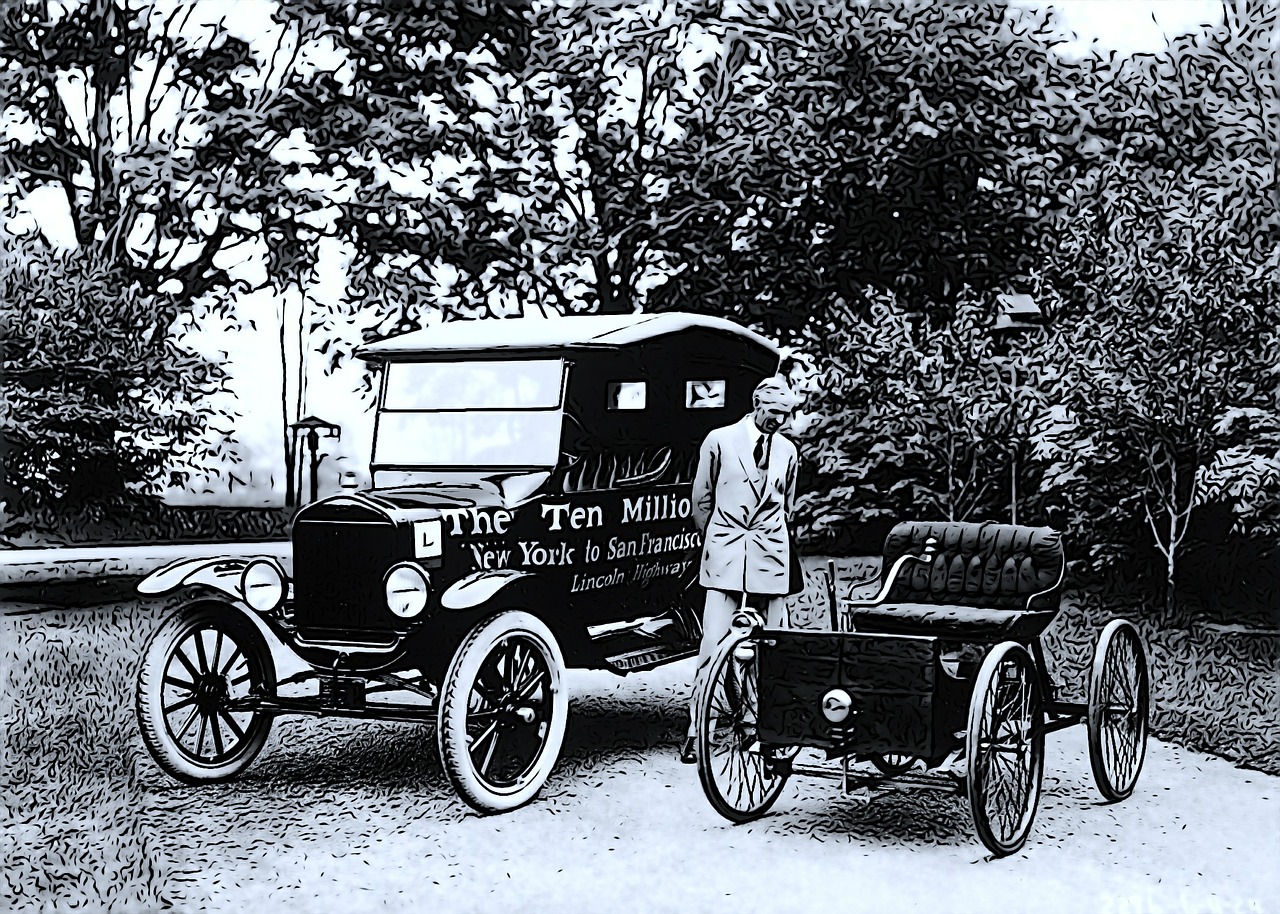
I have read so many times how many failures all the great business people endured on their way to success. Read, understood and believe. So many times, it's not even necessary to list the names. The field is unimportant. Business, writing, politics. Ronald Reagan ran for President 3 times before he was elected. Henry Ford had many failures prior to his eventual success. Big, hairy, lose a ton of money failures. His path was speckled with some pretty big flops. He took the good along with the not so good and built on them. He may have also been a merciless tyrant to work for or be related to but that is outside of what I am talking about today. He took his failures with him and built an enduring empire.
Another character who also shares a Michigan connection is Thomas Edison. He was self educated or maybe even home schooled long before it was stylish, but it was more out of necessity. He lost his hearing at a young age and engaged himself in numerous ventures starting as a child in an attempt to make money for his family. He had anything but an upbringing of privilege or advantage of nearly any sort. Yet he went on to be one of the most influential inventors of modern time. Can anyone imagine life without a telephone, much less a the modern evolutions of his phonograph or light bulb? I think my daughter's generation considers life without a cell phone barbaric. Edison may also have been a bit of a tyrant to work for as well but that also exceeds the parameters of what I am talking about. He persisted. He endured. He took his failures and created and enduring history. He took each successful or profitable invention with his failures and moved on.

This gets inspiring, just wait. Now here is a story I have not heard until I began the extensive research necessary for this post. Colonel Sanders. Not the poser currently making his rounds on the commercials, the real one. To start with he did serve in the Army but I am pretty sure that is not where he earned the title Colonel. He went through loads of jobs, failed ventures and more before he started to find some success. But even when he found success it was speckled with failure. His relentless hard work and an idea to sell fried chicken did eventually take off in a big way and continues to expand as an empire. This is all history still being written and it wasn't because the people involved took their failures and gave up.

I was not there I can't explain how someone takes a huge failure and figures out a way to turn it around. I think it has to do with life and almost pure perseverance. I have certainly lived long enough to have seen a lot. I emphasized that word more than italics allow. I hope I have learned from both the success and the failures along the way. I will admit when it comes to live and learn I wonder if you ever get old enough to not need to learn quite so much. I have not reached that age yet. The bottom line is, no one will do it for me. I have lived long enough to have this figured out. The one thing each of the people I mentioned here have in common is their work ethic. They worked hard and worked long. They labored and persisted through it all. We can help each other out along the way and I hope we do. But in the end if I want something to happen, I need to make it happen. Need help? Ask someone. You might be surprised at the answer.
What is inspiring about failure? Everything. Without failure there is no success. At times failure is more of a stepping stone than a true lack of success. Not every time, but often enough. Countless times in my life I have prepared for something only to have that which I was preparing for vanish. It may have looked like a failure on the surface but my preparations eventually made me ready for the next opportunity. An opportunity I never considered but without the previous failures, I would not have been prepared for either. There is the other side of everything. Having the courage to press forward to it is what can be a challenge. Is the challenge worth the struggle? I can't answer this because I don't have a choice. I can't give up. It may be a hard pill to swallow but this is where I find inspiration in failure.
October 28, 2015
Horror Evolution
So it may seem like a rehash here but I think of it more as something which will never really be answered and if it were it would be time to change the question.
What is horror? How has horror evolved? We have already discovered the main ingredient according to the experts is intent. The intent of the work is to frighten, startle, scare, let's just call it horrify. The intent is to horrify. That's part of the horror doctors definition.
Horror has been around for who knows how long? Lets be safe and call it hundreds of years. Some might say the Bible contains some horrific content but I would be very careful in how I said that to keep from being misunderstood. My point is horror in some form has been around likely since... lets just say people have. I imagine a couple of cavemen sitting around the fire eating grilled teriyaki pterodactyl (tery-tero amongst the hip) telling a story of a deranged clown menacing the cave next door.

How has horror evolved? I often come across Edgar Allen Poe in discussions of the horrific. I remember in junior high it was punishment to hand copy The Raven. The amount of times was based on the crime. Until today I can not say I ever read it since then. Now I look back, that assistant principal may have been onto something. Punish the bad kids with horrifying classic literature. I see potential here, "Hillary you appear to be lying. Go copy this dreadful Poe poem until you crack one way or the other. Sit in front of that window so the whole school can see..."
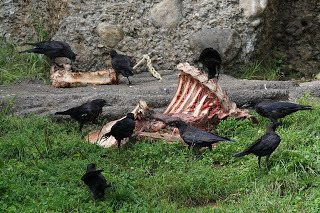
The rhyming pattern itself is disturbing enough to me, just how he wrote so much and made it all go together so awfully well. And this is without considering the content. Pretty sure the talking bird gently tapping at my window would have been enough to completely freak me out, much less opening the window to let the damn thing in? Who would do that? You have to be kidding, and this all happened after Lenore's ghost was tapping on his doors? "I give I give, I deleted the email to hide my AshleyMadison profile! Hit me with the paddle, call my mom, kick me out of home ec... No more Poe... PLEASE! I promise I will be good."
This Poe tangent takes us back to the 1800's. Yes horror has evolved incredibly since this time but has it really? If the intent is to horrify, that old piece is still more than a little disturbing. And this is just one example. Obviously nearly everything else in the human experience has changed since the 1800's if you look at how we live, technology, even culture as a whole has changed so much. But what are the things which remain the same? Love, hate, good, evil, security and fear? Certainly their faces change with time but at the core has that which scares us really changed?
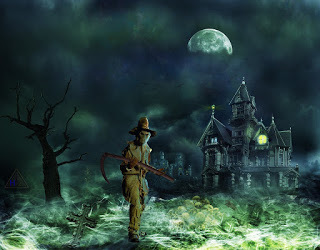
Obviously with the advent of movies the graphic availability has spread the genre out to more visual mediums. This shift in itself has evolved in a way which deserves its own volumes of analysis. The immediacy of included graphics allowed horror to become very visceral and some would say simpler. Adding unseen before horrific images and situations to a story line was terrifying. Numerous scholarly articles have documented the evolution of horror more toward the psychological, cerebral experience and away from the slasher type horror. Viewers have experienced so much of the earlier that it appears to be taking a more in depth approach from those who intend to horrify. Sounds to me like an evolution to the past. Poe had no special effects to pull us in and repulse us with immediacy. He had to force the reader to get there on their own with their mind.
The more things change, the more they stay the same?

What is horror? How has horror evolved? We have already discovered the main ingredient according to the experts is intent. The intent of the work is to frighten, startle, scare, let's just call it horrify. The intent is to horrify. That's part of the horror doctors definition.
Horror has been around for who knows how long? Lets be safe and call it hundreds of years. Some might say the Bible contains some horrific content but I would be very careful in how I said that to keep from being misunderstood. My point is horror in some form has been around likely since... lets just say people have. I imagine a couple of cavemen sitting around the fire eating grilled teriyaki pterodactyl (tery-tero amongst the hip) telling a story of a deranged clown menacing the cave next door.

How has horror evolved? I often come across Edgar Allen Poe in discussions of the horrific. I remember in junior high it was punishment to hand copy The Raven. The amount of times was based on the crime. Until today I can not say I ever read it since then. Now I look back, that assistant principal may have been onto something. Punish the bad kids with horrifying classic literature. I see potential here, "Hillary you appear to be lying. Go copy this dreadful Poe poem until you crack one way or the other. Sit in front of that window so the whole school can see..."

The rhyming pattern itself is disturbing enough to me, just how he wrote so much and made it all go together so awfully well. And this is without considering the content. Pretty sure the talking bird gently tapping at my window would have been enough to completely freak me out, much less opening the window to let the damn thing in? Who would do that? You have to be kidding, and this all happened after Lenore's ghost was tapping on his doors? "I give I give, I deleted the email to hide my AshleyMadison profile! Hit me with the paddle, call my mom, kick me out of home ec... No more Poe... PLEASE! I promise I will be good."
This Poe tangent takes us back to the 1800's. Yes horror has evolved incredibly since this time but has it really? If the intent is to horrify, that old piece is still more than a little disturbing. And this is just one example. Obviously nearly everything else in the human experience has changed since the 1800's if you look at how we live, technology, even culture as a whole has changed so much. But what are the things which remain the same? Love, hate, good, evil, security and fear? Certainly their faces change with time but at the core has that which scares us really changed?

Obviously with the advent of movies the graphic availability has spread the genre out to more visual mediums. This shift in itself has evolved in a way which deserves its own volumes of analysis. The immediacy of included graphics allowed horror to become very visceral and some would say simpler. Adding unseen before horrific images and situations to a story line was terrifying. Numerous scholarly articles have documented the evolution of horror more toward the psychological, cerebral experience and away from the slasher type horror. Viewers have experienced so much of the earlier that it appears to be taking a more in depth approach from those who intend to horrify. Sounds to me like an evolution to the past. Poe had no special effects to pull us in and repulse us with immediacy. He had to force the reader to get there on their own with their mind.
The more things change, the more they stay the same?
October 27, 2015
Seven Misconceptions About Horror
Guest Post by T.K.Medlock
1: All horror is demonic.
So not true. Not all horror deals with religious topics. The ones that do usually showcase the battle between good and evil. In a lot of these stories good prevails.
2: Horror writers are the devil's spawn:
Anyone who writes in this genre exclusively is far from evil. To be able to convey such complex themes you have to be evolved. Good and evil coexist in all of us. Anyone who acknowledges this fact is safer than that stranger following you in the grocery store parking lot.
3: If you read it you'll go to hell:
Your religious fate is in your hands not some writers. Grow up.
4: Exposing myself to horrific themes will draw evil to me:
You are the magnet. What you think and feel predominantly you will manifest. If you can't separate reality from make believe then it's best stay away. Period.
5: Horror themed stories fuel killers:
Killers minds fuel killers. Their imaginations are their incentive. Books don't kill people...you know the rest.
6: Spec. fiction hates women and children:
There are some sub-genres that are gonzo out in the market. They do not reflect the entire genre nor define it. Slasher and cyber-punk are two that have themes some find offensive. You cannot judge the whole by the parts. Females write horror and there is a YA horror/paranormal sub-set that is currently thriving.
7: I will start having nightmares if I'm exposed to it.
Wrong. Fear is a universal emotion. The only thing that can induce nightmares is your imagination. Horror can actually help you get over some fears if you sit through a movie or read a book and face a particular fear.
TK Medlock resides in a small town just outside of Houston. Born in New Jersey he lived there and a small town in South Carolina. He lives with his wife and two dogs. Honing his craft of writing and fishing in the gulf are two of his favorite pastimes.
https://twitter.com/Willrite
1: All horror is demonic.
So not true. Not all horror deals with religious topics. The ones that do usually showcase the battle between good and evil. In a lot of these stories good prevails.
2: Horror writers are the devil's spawn:
Anyone who writes in this genre exclusively is far from evil. To be able to convey such complex themes you have to be evolved. Good and evil coexist in all of us. Anyone who acknowledges this fact is safer than that stranger following you in the grocery store parking lot.
3: If you read it you'll go to hell:
Your religious fate is in your hands not some writers. Grow up.
4: Exposing myself to horrific themes will draw evil to me:
You are the magnet. What you think and feel predominantly you will manifest. If you can't separate reality from make believe then it's best stay away. Period.
5: Horror themed stories fuel killers:
Killers minds fuel killers. Their imaginations are their incentive. Books don't kill people...you know the rest.
6: Spec. fiction hates women and children:
There are some sub-genres that are gonzo out in the market. They do not reflect the entire genre nor define it. Slasher and cyber-punk are two that have themes some find offensive. You cannot judge the whole by the parts. Females write horror and there is a YA horror/paranormal sub-set that is currently thriving.
7: I will start having nightmares if I'm exposed to it.
Wrong. Fear is a universal emotion. The only thing that can induce nightmares is your imagination. Horror can actually help you get over some fears if you sit through a movie or read a book and face a particular fear.
TK Medlock resides in a small town just outside of Houston. Born in New Jersey he lived there and a small town in South Carolina. He lives with his wife and two dogs. Honing his craft of writing and fishing in the gulf are two of his favorite pastimes.
https://twitter.com/Willrite
October 23, 2015
5 Surprises From My Book Club Beta Readers
Sheri McIniss doesn't need much of an introduction but in case this is your first visit, welcome, and a little about her. She traditionally published her first two works of fiction and decided to go this one alone and self publish. She is deep in the final stages of pre-publishing has agreed to share some more of the journey. Specifically, highlights of her beta reading experience. I think she happened on to yet another pot of gold finding so many avid readers willing to commit to her project. Without me holding you up much longer, in her words...
5 Surprises From My Book Club Beta Readers
by Sheri L. McInnis
My third novel, HUNTER'S MOON, is due out next month. It's the first time I've self-published a book, so I wanted to make sure I followed as many of the rules as possible.
One of the major steps as an indie writer is to 'beta test' your manuscript (MS) on a number of readers before you release it. It's become part of the self-publishing handbook.
You can find beta readers among your friends and family or at places like GoodReads.com. But when I found out my landlady, Zuzana Syrovy, ran the Toronto Book and Brunch Club, I couldn't help but think there was an opportunity there. With almost 900 avid readers - 'Brookies' they're called - it seemed to be a goldmine of potential betas.
I asked Zuzana what she thought of the idea and she said she'd put the word out. A couple days later, she had nineteen beta readers for me - including herself.
Along with the friends and family I already had - including my BFF, Tracey Lowther, who's been my Alpha Beta since we were kids - I had a total of twenty-eight beta readers. The vast majority were women, but they were all different ages (from their 20s to 80s). Some were into supernatural books - like mine - others weren't. One thing was certain: they were all avid readers.
I wrote a general letter, thanking them all for their help and input. Reading a book is a big time commitment. Making notes on one that's not even published is even bigger.
I asked them to comment on the characters, the plot development, whether or not they liked the ending, etc. And, of course, I asked them to flag typos. That was just a modest request because after about two hundred reads of the book myself, I didn't expect there were any of those.
The readers had the MS for about six weeks. I've gone through all the feedback - and just started the revisions - but even early on, five things have surprised me about the process.
1) How many of the readers actually finished the book.
From what I hear, you can collect all the betas you want, but that's no guarantee people will finish reading the book and/or give you feedback. A lot of betas - whether you know them or not - disappear without a trace.
There were a few people in my group who didn't finish the book, but the vast majority of them did. That surprised me because - as Zuzana warned me - Brookies are mostly a literary bunch and supernatural stories like mine aren't usually read and discussed.
But if you recruit avid readers - like book club members and the bookworms in your own circle - you can expect them to be more likely to finish reading the MS than if you just rope your boyfriend - who plays video games all day - into doing it.
Of course, it helps if you have someone like Zuzana to organize everything. She was so great, everyone took the task seriously.
2) The cost of photocopying.
Photocopying isn't about beta feedback, of course, but it's another part of the process that surprised me.
If you're following the handbook, you should ask your betas what format they prefer to read in. Mine wanted hard copies, so I had a big print job on my hands: close to thirty copies of a three-hundred page document.
I chose a printer that used recycled paper and had a tree-planting program, but even after doing my research and getting a good deal, the cost was close to $15.00 a copy - for a total of about $500. It was a shock because I didn't budget more than $80-100 for beta printing costs.
If you do have to send physical copies to your betas, check the print shops in your area that actually produce book proofs. There are plenty out there and they can print soft cover 'galleys' of your book for less money than a photocopy job. It takes more time to format the file and do the printing - which I didn't have - but for convenience and cost, it's worth investigating.
As big as the photocopying expense was, I took it out of my 'editor budget' and decided to look at all these people as real editors. I'm glad I did. Which brings me to Surprise #3.
3) How many typos there were.
As I said, I just 'modestly' asked the betas to flag typos. I'm really great at catching mistakes in other people's work and I'd been through my MS hundreds of times.
But it's so true what the experts say! You cannot spot all of your own typos, no matter how many times you read through a draft. It's almost as if writers suffer from an optical illusion - the phenomenon of persistence of vision - which lets our brains see things that aren't there! Because there were at least twenty-five typos I missed, most of them dropped words.
But some of the mistakes were actually embarrassing. Take my witches, for instance. The bad ones - the Wayward - are gearing up for world domination. The good ones - the Avowed - choose to live in peace and harmony with humanity - or 'Normals' as they're called.
But when the Queen of the Avowed explains this to the main character - in a very important scene btw - she says "we choose to leave in peace and harmony with humanity." Leave? Where to exactly?
Or this one:
"How long have you been married, Grace?""Eight months. No, none." None months? Really? Of course, I meant 'nine' months and most everyone caught that one - except for me.
Not a single person flagged all of the mistakes either. People seemed to have their own radar for certain kinds of typos, which is why it was great to have such a large group to catch them all.
So listen to the indie gurus: find yourself a bunch of picky readers and/or hire a professional copy editor. Because we all know too many typos will cost you at least one star on any Amazon or GoodReads review!
4) The criticism didn't hurt as much as I thought.
Zuzana warned me that not only were Brookies mostly a literary bunch, they were also very outspoken, so she prepared me to take some criticism.
Since I got the manuscripts back, she's been texting and calling, as if she's put me on suicide watch or something.
Anyway, yes, there has been criticism. Some of the readers are not into supernatural books and they were clear HUNTER'S MOON wasn't their thing.
There was also lots of positive feedback too - and it was so great to read - but as any writer knows, it's the criticism that tends to slide into the long term memory bank. ;)
But you might as well accept that you're never going to escape criticism by readers. No writer does. My first two novels were published by major New York houses and getting notes from an editor wasn't a walk in the park either.
When it comes to negative feedback on creative projects, I always remember something I heard Kevin Bacon (of all people) say. I'm paraphrasing here, but you'll get my point:
"When they criticize you, it's really rough. But when they praise you, it's never enough."
So take criticism in stride, consider how it could help you - and accept that it's part of your job as a writer.
5) How detailed the notes were.
I was really surprised by the depth of the feedback. Although some betas just flagged typos, others composed long structured emails (I set up a special account) with page and paragraph numbers and suggested changes. Others commented on character development, story arcs and whether or not they'd read the sequel. Even the sex scenes got singled out.
My book is not 'erotica' but there are a few, ahem, sexual encounters. Some people thought my sex scenes were really hot. But at least one person went out of her way to say meh about them.
Then there was the woman who thought the lesbian sex was way hotter than the heterosexual sex. Which sort of gave her pause because she's straight. It was a very hot scene to write as well, and being straight myself, it's giving me pause too. Trust me.
But again, avid readers - like people in book clubs - take books very seriously. They love reading and discussing books and because of that, they're more experienced in terms of offering advice.
Even though I'm still in the early stages, I'd say working with a book club is great practice for dealing with the real world of readers and reviewers. It's a trial run - or 'beta test' - of what you can expect when your book gets released.
Whether you try to find readers who specialize in your genre, or decide to cast a wide net like I did, one way or another you can't skip this part of the process. Because it will definitely make your book beta. I mean, better.
Here's more info about the Toronto Book and Brunch Club. Twitter: @booknbrunchInstagram: @zuskas
And how to find book clubs in your area at bookclub.meetup.com.
btw HUNTER'S MOON is due out in November!
5 Surprises From My Book Club Beta Readers
by Sheri L. McInnis
My third novel, HUNTER'S MOON, is due out next month. It's the first time I've self-published a book, so I wanted to make sure I followed as many of the rules as possible.
One of the major steps as an indie writer is to 'beta test' your manuscript (MS) on a number of readers before you release it. It's become part of the self-publishing handbook.
You can find beta readers among your friends and family or at places like GoodReads.com. But when I found out my landlady, Zuzana Syrovy, ran the Toronto Book and Brunch Club, I couldn't help but think there was an opportunity there. With almost 900 avid readers - 'Brookies' they're called - it seemed to be a goldmine of potential betas.
I asked Zuzana what she thought of the idea and she said she'd put the word out. A couple days later, she had nineteen beta readers for me - including herself.
Along with the friends and family I already had - including my BFF, Tracey Lowther, who's been my Alpha Beta since we were kids - I had a total of twenty-eight beta readers. The vast majority were women, but they were all different ages (from their 20s to 80s). Some were into supernatural books - like mine - others weren't. One thing was certain: they were all avid readers.
I wrote a general letter, thanking them all for their help and input. Reading a book is a big time commitment. Making notes on one that's not even published is even bigger.
I asked them to comment on the characters, the plot development, whether or not they liked the ending, etc. And, of course, I asked them to flag typos. That was just a modest request because after about two hundred reads of the book myself, I didn't expect there were any of those.
The readers had the MS for about six weeks. I've gone through all the feedback - and just started the revisions - but even early on, five things have surprised me about the process.
1) How many of the readers actually finished the book.
From what I hear, you can collect all the betas you want, but that's no guarantee people will finish reading the book and/or give you feedback. A lot of betas - whether you know them or not - disappear without a trace.
There were a few people in my group who didn't finish the book, but the vast majority of them did. That surprised me because - as Zuzana warned me - Brookies are mostly a literary bunch and supernatural stories like mine aren't usually read and discussed.
But if you recruit avid readers - like book club members and the bookworms in your own circle - you can expect them to be more likely to finish reading the MS than if you just rope your boyfriend - who plays video games all day - into doing it.
Of course, it helps if you have someone like Zuzana to organize everything. She was so great, everyone took the task seriously.
2) The cost of photocopying.
Photocopying isn't about beta feedback, of course, but it's another part of the process that surprised me.
If you're following the handbook, you should ask your betas what format they prefer to read in. Mine wanted hard copies, so I had a big print job on my hands: close to thirty copies of a three-hundred page document.
I chose a printer that used recycled paper and had a tree-planting program, but even after doing my research and getting a good deal, the cost was close to $15.00 a copy - for a total of about $500. It was a shock because I didn't budget more than $80-100 for beta printing costs.
If you do have to send physical copies to your betas, check the print shops in your area that actually produce book proofs. There are plenty out there and they can print soft cover 'galleys' of your book for less money than a photocopy job. It takes more time to format the file and do the printing - which I didn't have - but for convenience and cost, it's worth investigating.
As big as the photocopying expense was, I took it out of my 'editor budget' and decided to look at all these people as real editors. I'm glad I did. Which brings me to Surprise #3.
3) How many typos there were.
As I said, I just 'modestly' asked the betas to flag typos. I'm really great at catching mistakes in other people's work and I'd been through my MS hundreds of times.
But it's so true what the experts say! You cannot spot all of your own typos, no matter how many times you read through a draft. It's almost as if writers suffer from an optical illusion - the phenomenon of persistence of vision - which lets our brains see things that aren't there! Because there were at least twenty-five typos I missed, most of them dropped words.
But some of the mistakes were actually embarrassing. Take my witches, for instance. The bad ones - the Wayward - are gearing up for world domination. The good ones - the Avowed - choose to live in peace and harmony with humanity - or 'Normals' as they're called.
But when the Queen of the Avowed explains this to the main character - in a very important scene btw - she says "we choose to leave in peace and harmony with humanity." Leave? Where to exactly?
Or this one:
"How long have you been married, Grace?""Eight months. No, none." None months? Really? Of course, I meant 'nine' months and most everyone caught that one - except for me.
Not a single person flagged all of the mistakes either. People seemed to have their own radar for certain kinds of typos, which is why it was great to have such a large group to catch them all.
So listen to the indie gurus: find yourself a bunch of picky readers and/or hire a professional copy editor. Because we all know too many typos will cost you at least one star on any Amazon or GoodReads review!
4) The criticism didn't hurt as much as I thought.
Zuzana warned me that not only were Brookies mostly a literary bunch, they were also very outspoken, so she prepared me to take some criticism.
Since I got the manuscripts back, she's been texting and calling, as if she's put me on suicide watch or something.
Anyway, yes, there has been criticism. Some of the readers are not into supernatural books and they were clear HUNTER'S MOON wasn't their thing.
There was also lots of positive feedback too - and it was so great to read - but as any writer knows, it's the criticism that tends to slide into the long term memory bank. ;)
But you might as well accept that you're never going to escape criticism by readers. No writer does. My first two novels were published by major New York houses and getting notes from an editor wasn't a walk in the park either.
When it comes to negative feedback on creative projects, I always remember something I heard Kevin Bacon (of all people) say. I'm paraphrasing here, but you'll get my point:
"When they criticize you, it's really rough. But when they praise you, it's never enough."
So take criticism in stride, consider how it could help you - and accept that it's part of your job as a writer.
5) How detailed the notes were.
I was really surprised by the depth of the feedback. Although some betas just flagged typos, others composed long structured emails (I set up a special account) with page and paragraph numbers and suggested changes. Others commented on character development, story arcs and whether or not they'd read the sequel. Even the sex scenes got singled out.
My book is not 'erotica' but there are a few, ahem, sexual encounters. Some people thought my sex scenes were really hot. But at least one person went out of her way to say meh about them.
Then there was the woman who thought the lesbian sex was way hotter than the heterosexual sex. Which sort of gave her pause because she's straight. It was a very hot scene to write as well, and being straight myself, it's giving me pause too. Trust me.
But again, avid readers - like people in book clubs - take books very seriously. They love reading and discussing books and because of that, they're more experienced in terms of offering advice.
Even though I'm still in the early stages, I'd say working with a book club is great practice for dealing with the real world of readers and reviewers. It's a trial run - or 'beta test' - of what you can expect when your book gets released.
Whether you try to find readers who specialize in your genre, or decide to cast a wide net like I did, one way or another you can't skip this part of the process. Because it will definitely make your book beta. I mean, better.
Here's more info about the Toronto Book and Brunch Club. Twitter: @booknbrunchInstagram: @zuskas
And how to find book clubs in your area at bookclub.meetup.com.
btw HUNTER'S MOON is due out in November!