Laurinda Wallace's Blog, page 6
November 2, 2013
Pickin' Cotton
On a monotonous three-hour drive up the I-10 this week, most of the scenery is desert, and I mean desert. Not much is going on between Tucson and Phoenix in the way of visual entertainment except for the amazing fields of cotton. Most people think that cotton comes out of the South, which is true, but there's also a lot of cotton in Arizona. It's not your run-of-the-mill cotton, but top of the line, long fiber cotton. Arizona cotton is right up there with the coveted Egyptian cotton.
 It all started with the Goodyear Tire Company purchasing 16,000 acres of desert to grow Pima cotton for vehicle tire threads. This was in 1917 when the automobile was starting to get a real foothold on American transportation. A boll weevil infestation that was decimating Egyptian cotton fields made Goodyear executives search for a similar climate to grow the essential fiber. Now Goodyear, Arizona is a growing city which blends in with city limits of Phoenix. But the fields of white dot the landscape still in that area, as well as the I-10.
Pima is a variety which is an extra-long staple (ELS) cotton grown in Peru, the American Southwest, and Australia. It's extremely durable and absorbent. It was ideal for Goodyear's purposes, but it's also sought after for fine linens today.
The plant is named after a tribe of Indians indigenous to the American Southwest since they first cultivated it. However, the plant's origins are from Peru. The fabric woven from the fibers wears 50% better than many other cotton fabrics. Shirts, sweaters, towels, and sheets are the products most often made from the white fluffy stuff. There's nothing like high thread count Pima cotton sheets for a good night's sleep.

In the bad old days, cotton was picked by hand, but it's been automated for a long time now. John Deere cotton pickers eat through the rows and huge white bales are loaded onto waiting trucks. We got a glimpse of some the harvest as we whizzed by at 80 mph.
So the next time you're looking at buying new towels or sheets, consider buying American Pima cotton straight from those old cotton fields of Arizona. I can hear my Dad strumming his guitar and singing, "When I was little bitty baby, my Mama used rock me in that cradle. In them old cotton fields back home..."
 It all started with the Goodyear Tire Company purchasing 16,000 acres of desert to grow Pima cotton for vehicle tire threads. This was in 1917 when the automobile was starting to get a real foothold on American transportation. A boll weevil infestation that was decimating Egyptian cotton fields made Goodyear executives search for a similar climate to grow the essential fiber. Now Goodyear, Arizona is a growing city which blends in with city limits of Phoenix. But the fields of white dot the landscape still in that area, as well as the I-10.
 Pima is a variety which is an extra-long staple (ELS) cotton grown in Peru, the American Southwest, and Australia. It's extremely durable and absorbent. It was ideal for Goodyear's purposes, but it's also sought after for fine linens today.
The plant is named after a tribe of Indians indigenous to the American Southwest since they first cultivated it. However, the plant's origins are from Peru. The fabric woven from the fibers wears 50% better than many other cotton fabrics. Shirts, sweaters, towels, and sheets are the products most often made from the white fluffy stuff. There's nothing like high thread count Pima cotton sheets for a good night's sleep.

In the bad old days, cotton was picked by hand, but it's been automated for a long time now. John Deere cotton pickers eat through the rows and huge white bales are loaded onto waiting trucks. We got a glimpse of some the harvest as we whizzed by at 80 mph.
So the next time you're looking at buying new towels or sheets, consider buying American Pima cotton straight from those old cotton fields of Arizona. I can hear my Dad strumming his guitar and singing, "When I was little bitty baby, my Mama used rock me in that cradle. In them old cotton fields back home..."


October 27, 2013
Adventures with Mesquites
We left a yard of maples, pines, and an elm tree in New York for a yard of mesquite trees in Arizona. In fact, we have three acres of mesquite trees. The mesquite is a tough, drought tolerant small tree. Famous for its wood that smokes meat to a delicious flavor, the tree averages about 20 feet in height. Its leaves are delicate and lacy looking, but watch out! Most mesquite varieties have thorns--along the same lines as thorn apples Back East. They are deciduous and when they leaf out in April, it's about the only green we have until the monsoon.
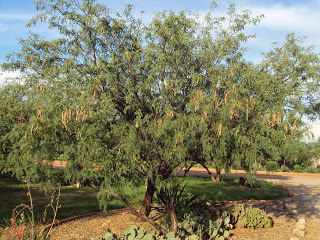 There are several varieties of mesquite and the ones most plentiful in our area are the honey mesquite. The tree flowers out in May with a long, fuzzy yellow bloom, and then long pods form once the flowers are gone. Unbeknownst to us, these pods are sweet and have been used in the Southwest for a long time. Our local farmers market has been milling the dried pods for a few years to make flour, so we decided to take a crack at collecting a bunch this summer. If you purchase the flour online or in a store, it runs from $7-9 per HALF pound. It was worth our time to harvest some pods.
Here's the process we followed to collect the pods:
1. We picked dry pods from the trees and NOT off the ground. Using beans that have resided on the ground is not a good idea because of bacteria. Pods with black mold are to be avoided for obvious reasons.
2. We tasted the beans before picking from individual trees. Only those with a sweet, pleasant flavor were the ones we picked. Not all trees are equal.
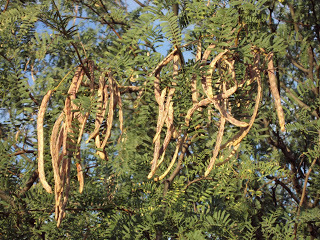
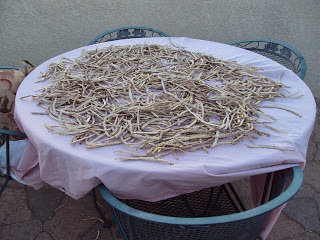
3. We dried them in the sun to get every bit of moisture out of them over a period of a few days. There are bugs who bore into the pods, so you keep the buckets of pods outside. If you take them in too soon, you'll have a buggy house. The pods are really dry when they snap easily in half. If you want to kill off all of the bugs, spread the pods on baking sheets and bake at 175 degrees for an hour or two. We decided that drying and sorting over several days got rid of the majority of bugs. A little extra fiber never hurt anyone.
4. We stored the pods in airtight food safe plastic buckets to await the milling day which was last week. The pods had been in the buckets for a couple of months, so we spread them out in the sun one more time to make sure they were good to go.
The farmers market had a line of folks waiting to have their pods ground into flour, but the wait was worth it. Each year, mesquite milling gets more popular. A lot of time is spent in the final sorting by market volunteers, who are looking for things that shouldn't go through the milling machine, like rocks, sticks, moldy pods, etc. Our little harvest yielded a little over seven pounds of beautiful mesquite flour from seven gallons of pods. I'll be experimenting with pancakes, breads and maybe some cookies. Substituting a small portion of regular flour with mesquite seems to be the way to adapt recipes. So, a recipe that calls for a cup of flour adjusts out to 3/4 of a cup of all-purpose flour and 1/4 cup of mesquite. The flour is sweet and nutty. It's actually a bit sticky, attesting to the sweet pods from our trees.
 For those who may be interested, the flour is gluten free and is full of good stuff for us. It does need to be mixed with other flours since gluten is what makes bread, well bread and not just a pile of crumbs. It has a strong flavor, so some experimentation is required for the correct ratio for your taste buds.
Since it is so pricey, I'm tempted to package it up in small bags and sell it out my car. Well---maybe not.
Cooking with mesquite flour link: http://www.desertharvesters.org/mesquite-in-the-kitchen/cooking-with-mesquite/
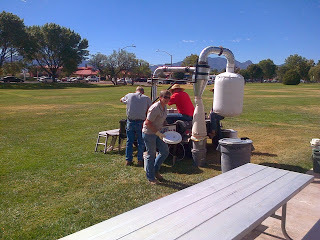 Milling at Sierra Vista Farmers Market
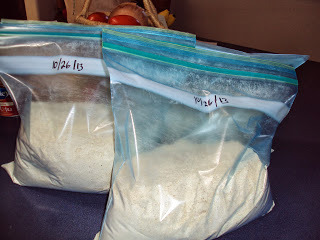 Finished Product
 There are several varieties of mesquite and the ones most plentiful in our area are the honey mesquite. The tree flowers out in May with a long, fuzzy yellow bloom, and then long pods form once the flowers are gone. Unbeknownst to us, these pods are sweet and have been used in the Southwest for a long time. Our local farmers market has been milling the dried pods for a few years to make flour, so we decided to take a crack at collecting a bunch this summer. If you purchase the flour online or in a store, it runs from $7-9 per HALF pound. It was worth our time to harvest some pods.
Here's the process we followed to collect the pods:
1. We picked dry pods from the trees and NOT off the ground. Using beans that have resided on the ground is not a good idea because of bacteria. Pods with black mold are to be avoided for obvious reasons.
2. We tasted the beans before picking from individual trees. Only those with a sweet, pleasant flavor were the ones we picked. Not all trees are equal.

3. We dried them in the sun to get every bit of moisture out of them over a period of a few days. There are bugs who bore into the pods, so you keep the buckets of pods outside. If you take them in too soon, you'll have a buggy house. The pods are really dry when they snap easily in half. If you want to kill off all of the bugs, spread the pods on baking sheets and bake at 175 degrees for an hour or two. We decided that drying and sorting over several days got rid of the majority of bugs. A little extra fiber never hurt anyone.
4. We stored the pods in airtight food safe plastic buckets to await the milling day which was last week. The pods had been in the buckets for a couple of months, so we spread them out in the sun one more time to make sure they were good to go.
The farmers market had a line of folks waiting to have their pods ground into flour, but the wait was worth it. Each year, mesquite milling gets more popular. A lot of time is spent in the final sorting by market volunteers, who are looking for things that shouldn't go through the milling machine, like rocks, sticks, moldy pods, etc. Our little harvest yielded a little over seven pounds of beautiful mesquite flour from seven gallons of pods. I'll be experimenting with pancakes, breads and maybe some cookies. Substituting a small portion of regular flour with mesquite seems to be the way to adapt recipes. So, a recipe that calls for a cup of flour adjusts out to 3/4 of a cup of all-purpose flour and 1/4 cup of mesquite. The flour is sweet and nutty. It's actually a bit sticky, attesting to the sweet pods from our trees.
 For those who may be interested, the flour is gluten free and is full of good stuff for us. It does need to be mixed with other flours since gluten is what makes bread, well bread and not just a pile of crumbs. It has a strong flavor, so some experimentation is required for the correct ratio for your taste buds.
Since it is so pricey, I'm tempted to package it up in small bags and sell it out my car. Well---maybe not.
Cooking with mesquite flour link: http://www.desertharvesters.org/mesquite-in-the-kitchen/cooking-with-mesquite/
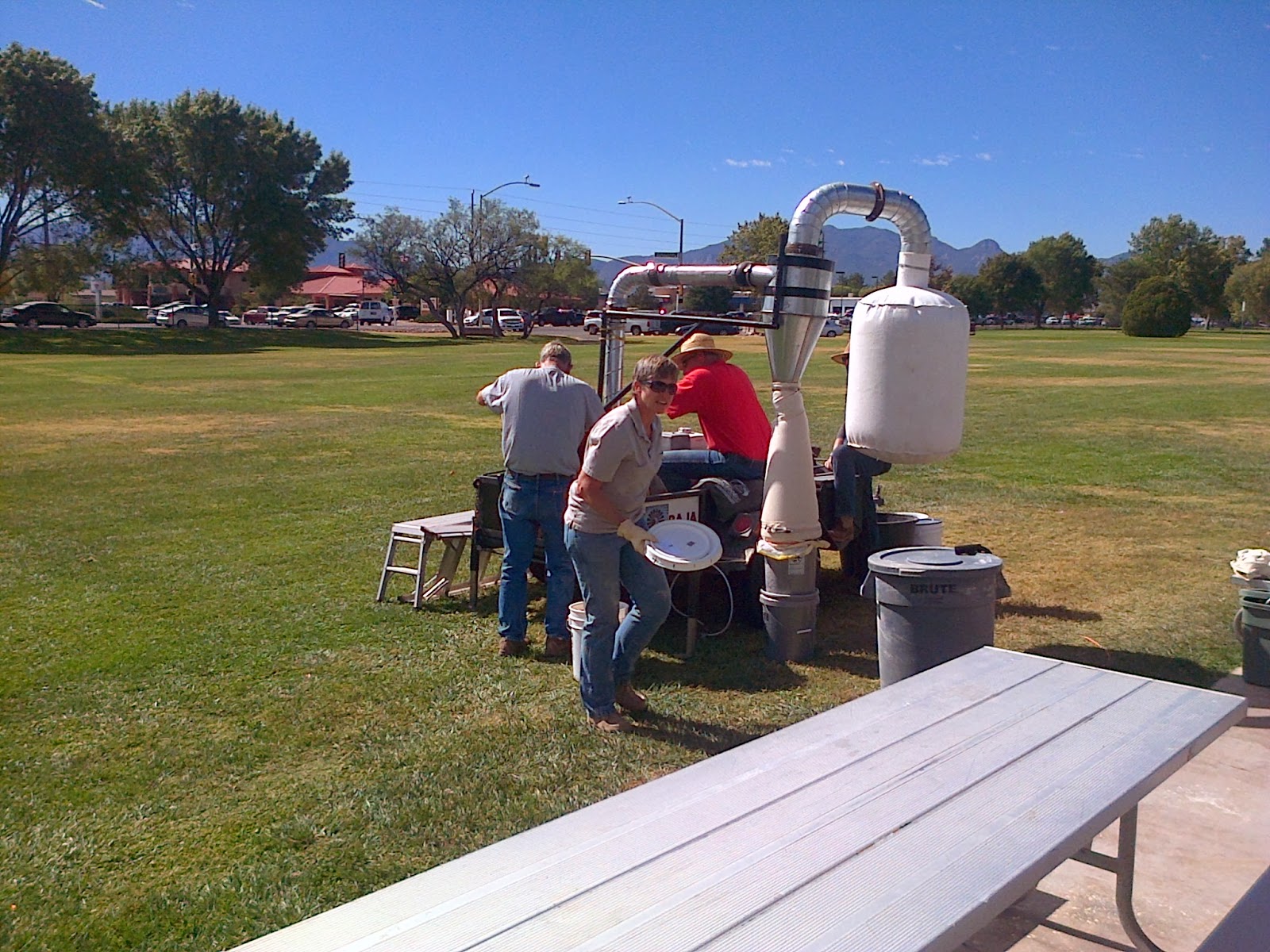 Milling at Sierra Vista Farmers Market
 Finished Product
October 23, 2013
Under Pressure
Our daughter and her husband are in the throes of moving half-way around the world over the next few weeks. Things are crazy for them as you might imagine. But there's more than meets the eye on this move. It's a military move for one. Then there's the fact that her husband, an Air Force captain is stationed in South Korea at the present time. She's in Arizona trying to coordinate this massive transition while waiting for paperwork, selling household goods, vehicles, and transporting their dog to their new duty station. It's a stressful time, full of uncertainty and frustration. Anyone who's ever moved even down the street knows it's not a walk in the park. And if you've been through a military move, it probably sounds familiar, and you have a story or two about that experience.
Life is full of pressures or trials, and they are temporary, but not at all pleasant to endure. We know what the ultimate goal is, but the road is usually difficult and full of the unknown, which is very scary. Whether it's a
 move, challenges at work, serious illness, or loss of a job, the pressure rises and we find ourselves stressed out and angry. Joshua was a man who was under a lot of pressure. He knew God's plan for Israel was to conquer Canaan and settle there. It was the Promised Land. He had an army with only a few battles under its belt, battle-tested enemies, lots of women, children, and livestock to care for. God gave him very specific orders to conquer the land before him. It would seem that he had an impossible task to complete. But God knew the pressure that Joshua was under. He gave him a very specific list of promises and instructions to encourage the new leader of Israel. You'll find all of these in Joshua 1.
Be strong and courageous I promise you what I promised Moses: ‘Wherever you set foot, you will be on land I have given you—I will not fail you or abandon you. Be strong and very courageous. Study this Book of Instruction continually. Meditate on it day and night so you will be sure to obey everything written in it. Only then will you prosper and succeed in all you do.This is my command—be strong and courageous! Do not be afraid or discouraged. For the LORD your God is with you wherever you go.”Here's what we can do when the pressures of life are crushing us. Stand with Joshua and:
1. Be strong and courageous.2. Because God will not fail us or abandon us.3. Stay in the Word, think about it, and obey it because it's got the right instructions to get us through.4. Be strong and courageous.5. Because He is with us wherever we go.
Because you are my helper,
I sing for joy in the shadow of your wings. Psalm 63:7
Life is full of pressures or trials, and they are temporary, but not at all pleasant to endure. We know what the ultimate goal is, but the road is usually difficult and full of the unknown, which is very scary. Whether it's a
 move, challenges at work, serious illness, or loss of a job, the pressure rises and we find ourselves stressed out and angry. Joshua was a man who was under a lot of pressure. He knew God's plan for Israel was to conquer Canaan and settle there. It was the Promised Land. He had an army with only a few battles under its belt, battle-tested enemies, lots of women, children, and livestock to care for. God gave him very specific orders to conquer the land before him. It would seem that he had an impossible task to complete. But God knew the pressure that Joshua was under. He gave him a very specific list of promises and instructions to encourage the new leader of Israel. You'll find all of these in Joshua 1.
Be strong and courageous I promise you what I promised Moses: ‘Wherever you set foot, you will be on land I have given you—I will not fail you or abandon you. Be strong and very courageous. Study this Book of Instruction continually. Meditate on it day and night so you will be sure to obey everything written in it. Only then will you prosper and succeed in all you do.This is my command—be strong and courageous! Do not be afraid or discouraged. For the LORD your God is with you wherever you go.”Here's what we can do when the pressures of life are crushing us. Stand with Joshua and:
1. Be strong and courageous.2. Because God will not fail us or abandon us.3. Stay in the Word, think about it, and obey it because it's got the right instructions to get us through.4. Be strong and courageous.5. Because He is with us wherever we go.
Because you are my helper,
I sing for joy in the shadow of your wings. Psalm 63:7
October 20, 2013
Choosing Canine Accomodations
 Boarding Kennel
 Dog sitting Dude with Clancy as chaperon.At one time or another, dog owners will have to be away and arrange for someone to take care of their four-footed friend or friends. It's not always possible to take Fido with you, although you'll find toy dogs underneath airplane seats or dogs of all sizes in hotels and motels. There are excellent options for care and it's up to you to find the best accommodation.
 1. Friends or Family - Dropping off your dog with friends or family is usually the most economical option and many times for the most comfortable for owners. The dog will have lots of company and attention. However if your dog is thrust into a new family environment it may be stressful both for the dog and caregiver. A dry run with introductions to children, other dogs, the house and the yard may alleviate those stressors. If there are other dogs in the house, separate eating and sleeping areas will help with the visit unless the dogs are old buddies.
2. The Pet Nanny or Home Care - There are lots of pet sitting services out there. You can arrange for one or several daily visits for walks, feeding, and other services. This is a great option if you have several dogs or just need care for an overnight trip. Friends, family, or a neighbor may be available to perform this service too. Make sure you check out pet sitters. Angie's List is a good resource, your vet, or ask the caregiver for references. They should introduce themselves in advance to your dog(s) and have access to equipment, food, and medications while you're gone. Another option is a house sitter who stays in your home while you're away. An exchange of phone numbers and veterinarian info is a must with any of these.
3. Boarding Kennel - While this can be a more expensive option, a good bed and biscuit kennel can be a great choice. Check out the kennel in advance and ask around about one with a good reputation in your area. A reputable boarding kennel will happily give you a tour of their facilities. The buildings should smell clean and be clean. The exercise/play areas should be a gravel or concrete surface. This area should be clean as well. Things should be organized and staff friendly. A kennel should ask for your dog's vaccination records. You can arrange for grooming services right before you pick up your dog too. An annual bordatella vaccine (Kennel Cough) should be given to your dog if you board him. Some dogs are escape artists, so ensure that outdoor runs as well as the kennel property is secure. If your dog falls in this category, make sure the kennel is aware of your Houdini. Be aware that if your dog is aggressive that a kennel may not board him. The safety of other dogs and the folks taking care them is a priority.
Many people are heartbroken to drop off their furry companion at a kennel and feel that it's too stressful for the dog. In reality, they're probably more upset than the dog. Our dogs have always enjoyed their B & B vacations. There are lots of new smells and things to mark--that's the fun of being a boy dog, plus they've always received excellent care. We were gone over Christmas one year and when we picked up Clancy, we were also given a handful of photos of Clancy with Santa. He was spoiled rotten while we were away.
I've used all of these options over the years and found them all to be just fine. Circumstances and finances usually dictate the option. Reputable and dependable caregivers are paramount to making sure your dog is well cared for while you're away. After all, dogs are members of the family.
Here are a couple of tips for saying good bye to Fido:
1. Don't drag it out. Keep it short and sweet, without a lot of drama.
2. Get in your car and drive away. Enjoy your vacation and Fido will enjoy his.
October 16, 2013
Yo-Yo Spirituality
The term yo-yo dieting has been around for a long time. As you probably know, yo-yo dieting is a common weight loss problem. The dieter follows the strict ABC or XYZ Diet for a period of time and then once the diet is over, proceeds to overeat and gain back the weight. The person usually gains a few more pounds to boot. Studies show that over time, if the person continues this pattern, it puts a strain on the heart and can lead to heart disease. The metabolism slows leading to weight gain and it can damage you emotionally. Yo-yo dieters may become depressed, feeling like failures. Success is always just out of reach.
It's an easy comparison to the Christian who is constantly dealing with the same sin or spiritual growth issue. We decide to finally have a daily quiet time and it will be 30 minutes every day. It starts off well until a missed alarm comes along and we don't have time that morning. Then, one of the kids is sick all night and we're dog tired. We decide to do it at night instead, but our favorite show is on TV. We try again the next day, but it all seems so difficult. Maybe 15 minutes would be better.Then slowly, but surely the quiet time is not part of the daily routine. There's simply no time for it. Maybe when things are less hectic. It's the same with well-worn sins. We tackle them all at once, trying to clean up our lives, and things are pretty good. But it's so hard to maintain and we slip back into old habits.
We're the person who wavers, who's tossed back and forth. We wish we could get on track and stay there. James 1:6 says:
Do not waver, for a person with divided loyalty is as unsettled as a wave of the sea that is blown and tossed by the wind.
We never make real progress because we're always making up lost ground. Instead of standing our ground and staying the course, we give up. It's too hard. Our loyalty is divided between ourselves and God. We forget that He will absolutely help us to grow, but we must remain, or abide with Him.
Jesus told us in John 15: Remain in me, and I will remain in you. For a branch cannot produce fruit if it is severed from the vine, and you cannot be fruitful unless you remain in me.“Yes, I am the vine; you are the branches. Those who remain in me, and I in them, will produce much fruit. For apart from me you can do nothing."
 The process is a team effort. We need to cooperate by staying close to Jesus. Once the branch is detached from the vine, it's not going to grow, have fruit, or be very useful. We're not going to make big changes in two weeks or less as a rule. As the branches grow over the season and mature, so do our lives. We can make progress through small changes in behaviors, in attitudes. One step at a time, one day at a time--never giving up, but focusing on what is possible that day. Failures along the way will happen, but we don't let those derail us. Stand your ground and go forward. Sick child in the night, no time for that quiet time you're committed to? Been there done that. You can pray while sorting the laundry. You can sing praise songs at the top of your lungs in the car. There are other ways to have a quiet time. Don't let circumstances stop you. I've been there and done that too. Yo-yo spirituality is an easy habit to fall into and not easy to get away from. It will damage us not only spiritually, but emotionally and physically too. Anxiety, depression, and health issues arise from having a divided mind. We all need a firm foundation to build our lives on.
A person who keeps the weight off over a long period of time has made a lifestyle change. They aren't on a diet because it's unsustainable. The growing Christian is making lifestyle changes - allowing Christ to change him or her from the inside out.

Paul told Timothy:
“Physical training is good, but training for godliness is much better, promising benefits in this life and in the life to come.” I Timothy 4:8 NLT
If you want a life full of the good things like peace, joy, love, patience, perseverance, kindness, goodness, faithfulness, self-control, and gentleness you must abide/live in the Vine. That one relationship trumps all others, keeps us focused on the right things, and produces some great fruit. That's a sure cure for yo-yo spirituality.
It's an easy comparison to the Christian who is constantly dealing with the same sin or spiritual growth issue. We decide to finally have a daily quiet time and it will be 30 minutes every day. It starts off well until a missed alarm comes along and we don't have time that morning. Then, one of the kids is sick all night and we're dog tired. We decide to do it at night instead, but our favorite show is on TV. We try again the next day, but it all seems so difficult. Maybe 15 minutes would be better.Then slowly, but surely the quiet time is not part of the daily routine. There's simply no time for it. Maybe when things are less hectic. It's the same with well-worn sins. We tackle them all at once, trying to clean up our lives, and things are pretty good. But it's so hard to maintain and we slip back into old habits.
We're the person who wavers, who's tossed back and forth. We wish we could get on track and stay there. James 1:6 says:
Do not waver, for a person with divided loyalty is as unsettled as a wave of the sea that is blown and tossed by the wind.
We never make real progress because we're always making up lost ground. Instead of standing our ground and staying the course, we give up. It's too hard. Our loyalty is divided between ourselves and God. We forget that He will absolutely help us to grow, but we must remain, or abide with Him.
Jesus told us in John 15: Remain in me, and I will remain in you. For a branch cannot produce fruit if it is severed from the vine, and you cannot be fruitful unless you remain in me.“Yes, I am the vine; you are the branches. Those who remain in me, and I in them, will produce much fruit. For apart from me you can do nothing."
 The process is a team effort. We need to cooperate by staying close to Jesus. Once the branch is detached from the vine, it's not going to grow, have fruit, or be very useful. We're not going to make big changes in two weeks or less as a rule. As the branches grow over the season and mature, so do our lives. We can make progress through small changes in behaviors, in attitudes. One step at a time, one day at a time--never giving up, but focusing on what is possible that day. Failures along the way will happen, but we don't let those derail us. Stand your ground and go forward. Sick child in the night, no time for that quiet time you're committed to? Been there done that. You can pray while sorting the laundry. You can sing praise songs at the top of your lungs in the car. There are other ways to have a quiet time. Don't let circumstances stop you. I've been there and done that too. Yo-yo spirituality is an easy habit to fall into and not easy to get away from. It will damage us not only spiritually, but emotionally and physically too. Anxiety, depression, and health issues arise from having a divided mind. We all need a firm foundation to build our lives on.
A person who keeps the weight off over a long period of time has made a lifestyle change. They aren't on a diet because it's unsustainable. The growing Christian is making lifestyle changes - allowing Christ to change him or her from the inside out.

Paul told Timothy:
“Physical training is good, but training for godliness is much better, promising benefits in this life and in the life to come.” I Timothy 4:8 NLT
If you want a life full of the good things like peace, joy, love, patience, perseverance, kindness, goodness, faithfulness, self-control, and gentleness you must abide/live in the Vine. That one relationship trumps all others, keeps us focused on the right things, and produces some great fruit. That's a sure cure for yo-yo spirituality.
October 12, 2013
Doughnuts Anyone?
One of life's little pleasures is that deep fried delicacy - the doughnut or its variant - donut. Fall brings the advent of cider and of course, doughnuts. This simple combination of the sweet fruit drink and fried sweet dough has been around for a long time. This is where I have to put a plug in for Schutt's fried cakes from Schutt's Apple Mill in Webster, NY. I'd love to have a dozen of those beauties. They are the quintessential American fry cake. OK--back to the post. Then there's coffee and doughnuts. Definitely an eyeopener for breakfast - caffeine and lots of refined sugar.
 There are two different kinds of doughnuts, the yeast dough type and my absolute favorite, the humble fry cake type doughnut that isn't a yeast dough recipe. The cake doughnut is heavier since the leavening agent doesn't puff it up like the yeast dough variety. The fry cake comes in a wonderland of choices - glazed, chocolate frosted, plain, powdered sugar, frosted with sprinkles...mmmm. Hungry yet?
Every culture has its own take on fried dough --fritters, sonhos (Brazil), picarones (Chile), ponchiki (Russia), shuangbaotai (China)...you get the idea. Americans lay claim to the unique shape, but the Brits may have beaten us to that. One theory gives credit to a Dutch immigrant for the invention, but a British cookbook from 1803 has a recipe for doughnuts. However, in spirit of American ingenuity let's assume that the circular shape with hole in the middle is all ours. And what about that little ball of dough taken from the middle of each doughnut? Those are perennial favorites too. Dunkin' Donuts calls them "munchkins." You can eat a bunch of those without batting an eye. They're really small, right?
Americans love choices so the yeast doughnut has spectacular fillings - jam, jelly, cream, fruit, pudding, you name it, it's probably been stuffed into a doughnut. Just take a look in your grocery store's bakery. America also has entire stores dedicated to the making and selling of these delightful treats - Krispy Kreme, and Dunkin' Donuts are probably most familiar. Krispy Kremes are really good and my first taste of one hot off the conveyor belt was truly glorious. Dunkin' Donuts has become a traditional stop when we visit our grandsons in Florida. We go geocaching and then we make a donut run afterwards. One of the best experiences was when the boys talked to two policemen who happened to be stopping in at the same time we were. The boys were in hog heaven--men with guns and donuts. Does it get any better?
There is a sweet story about The Salvation Army and doughnuts. During World War I, two female Salvation Army officers got the idea of making doughnuts for our soldiers who were on the front lines in France. These women and approximately 250 other Salvation Army volunteers were there assisting these soldiers in 1917. To boost morale, the women decided that some home cooking might do the trick. After considering how they would do that with limited food supplies and equipment, doughnuts were selected. They actually fried them in helmets and thus began a daily ritual of the "Doughnut Lassies" delivering this taste of home right to the soldiers in the trenches. Now you know where the term "doughboy" comes from--it wasn't from Pillsbury. The tradition continued during World War II and The Salvation Army celebrates a National Doughnut Day in June.
Here's the original recipe, still enjoyed today.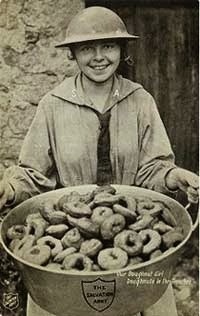 Stella Young - Doughnut Lassie
SALVATION ARMY LASSIES’ DOUGHNUT RECIPEYield: 4 doz. doughnuts5 C flour
2 C sugar
5 tsp. baking powder
1 ‘saltspoon’ salt
2 eggs
1 3/4 C milk
1 T lardDIRECTIONS* Combine all ingredients (except for lard) to make dough.* Thoroughly knead dough, roll smooth, and cut into rings that are less than 1/4 inch thick. (When finding items to cut out doughnut circles, be creative! Salvation Army doughnut girls used whatever they could find, from baking powder cans to coffee percolator tubes.)* Drop the rings into the lard, making sure the fat is hot enough to brown the doughnuts gradually. Turn the doughnuts slowly several times.* When browned, remove doughnuts and allow excess fat to drip off.* Dust with powdered sugar. Let cool and enjoy.So there you have it. A little doughy history for this weekend. While you're deciding what kind of doughnut you'll eat, I'll encourage you to support The Salvation Army. They've been on the front lines serving others for a lot of years. And as we get toward the holiday season, the needs are great and this Army is out there working hard to meet the needs for food, shelter, counseling, and so much more. Be generous when you see a bell ringer in the next couple of months or better yet, get serious with your checkbook and donate at their website or your local headquarters. Now that's really sweet!
 There are two different kinds of doughnuts, the yeast dough type and my absolute favorite, the humble fry cake type doughnut that isn't a yeast dough recipe. The cake doughnut is heavier since the leavening agent doesn't puff it up like the yeast dough variety. The fry cake comes in a wonderland of choices - glazed, chocolate frosted, plain, powdered sugar, frosted with sprinkles...mmmm. Hungry yet?
 Every culture has its own take on fried dough --fritters, sonhos (Brazil), picarones (Chile), ponchiki (Russia), shuangbaotai (China)...you get the idea. Americans lay claim to the unique shape, but the Brits may have beaten us to that. One theory gives credit to a Dutch immigrant for the invention, but a British cookbook from 1803 has a recipe for doughnuts. However, in spirit of American ingenuity let's assume that the circular shape with hole in the middle is all ours. And what about that little ball of dough taken from the middle of each doughnut? Those are perennial favorites too. Dunkin' Donuts calls them "munchkins." You can eat a bunch of those without batting an eye. They're really small, right?
Americans love choices so the yeast doughnut has spectacular fillings - jam, jelly, cream, fruit, pudding, you name it, it's probably been stuffed into a doughnut. Just take a look in your grocery store's bakery. America also has entire stores dedicated to the making and selling of these delightful treats - Krispy Kreme, and Dunkin' Donuts are probably most familiar. Krispy Kremes are really good and my first taste of one hot off the conveyor belt was truly glorious. Dunkin' Donuts has become a traditional stop when we visit our grandsons in Florida. We go geocaching and then we make a donut run afterwards. One of the best experiences was when the boys talked to two policemen who happened to be stopping in at the same time we were. The boys were in hog heaven--men with guns and donuts. Does it get any better?
There is a sweet story about The Salvation Army and doughnuts. During World War I, two female Salvation Army officers got the idea of making doughnuts for our soldiers who were on the front lines in France. These women and approximately 250 other Salvation Army volunteers were there assisting these soldiers in 1917. To boost morale, the women decided that some home cooking might do the trick. After considering how they would do that with limited food supplies and equipment, doughnuts were selected. They actually fried them in helmets and thus began a daily ritual of the "Doughnut Lassies" delivering this taste of home right to the soldiers in the trenches. Now you know where the term "doughboy" comes from--it wasn't from Pillsbury. The tradition continued during World War II and The Salvation Army celebrates a National Doughnut Day in June.
Here's the original recipe, still enjoyed today.
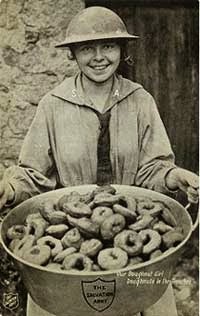 Stella Young - Doughnut Lassie
SALVATION ARMY LASSIES’ DOUGHNUT RECIPEYield: 4 doz. doughnuts5 C flour
2 C sugar
5 tsp. baking powder
1 ‘saltspoon’ salt
2 eggs
1 3/4 C milk
1 T lardDIRECTIONS* Combine all ingredients (except for lard) to make dough.* Thoroughly knead dough, roll smooth, and cut into rings that are less than 1/4 inch thick. (When finding items to cut out doughnut circles, be creative! Salvation Army doughnut girls used whatever they could find, from baking powder cans to coffee percolator tubes.)* Drop the rings into the lard, making sure the fat is hot enough to brown the doughnuts gradually. Turn the doughnuts slowly several times.* When browned, remove doughnuts and allow excess fat to drip off.* Dust with powdered sugar. Let cool and enjoy.So there you have it. A little doughy history for this weekend. While you're deciding what kind of doughnut you'll eat, I'll encourage you to support The Salvation Army. They've been on the front lines serving others for a lot of years. And as we get toward the holiday season, the needs are great and this Army is out there working hard to meet the needs for food, shelter, counseling, and so much more. Be generous when you see a bell ringer in the next couple of months or better yet, get serious with your checkbook and donate at their website or your local headquarters. Now that's really sweet!
October 5, 2013
Old West Side Jobs
As I've written before, Cochise County doesn't have a long history of law and order. From the early days of the Apache wars to wild times in Tombstone, there's a healthy supply of interesting tales. Cattle rustling was one enterprise that the Indians, Mexicans and Americans seemed to enjoy. The terrain is well-suited because of the multitude of canyons, arroyos, and undefined borders which benefited rustlers.
Curly Bill's gang (of the OK Corral shoot out fame) headed an active bunch of rustlers whose most famous exploit was killing a group of Mexican smugglers in Skeleton Canyon. After that awful deed, they proceeded to steal 300 head of cattle in Mexico and jubilantly returned to the Tombstone area with their catch. The Mexican vacqueros pursued the bovine bandits back into the U.S. and recovered the cattle and managed to rustle 200 more head on the way back across the Mexican border. This only escalated the whole affair with Curly Bill who wasn't going to accept defeat. He rushed into Mexico and re-stole the cattle. The vacqueros followed them back into the U.S. and proceeded to kill the new "owner" who was "Old Man" Clanton. Several of his companions met the the same fate in Guadalupe Canyon.
After this complex and bloody incident things began to change. Law enforcement and the ranchers on both sides of the border took more precautions and reduced rustling significantly. American rustlers stayed on U.S. side for the most part and Mexican rustlers stayed on their side. When John Slaughter became sheriff in 1887, the whole rustling industry was pretty much shut down, although small ranchers were not adverse to appropriating random calves from the larger ranching enterprises. To avoid detection, the rustlers moved the unbranded little dogeys up into secluded, natural mountain corrals where they were branded and allowed to heal before freed to the range. The Arizona Rangers were formed in 1901 and finally got a handle on this type of rustling. They made 1800 arrests in the first two years, which was pretty effective in discouraging any others who might consider this as a career or pastime.
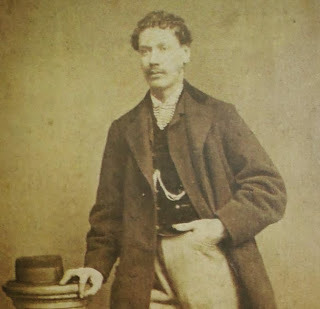 William Brocious a/k/a Curly Bill
Photo - WikipediaNot all of the rustlers had such a violent reputation as Curly Bill. Black Jack Christian was well liked and known to help with round-ups and shoe horses. Mrs. Hunsaker who ran an outfit in Leslie Canyon was fond of the outlaws who would help with chores and leave their guns outside, unlike posse members who stomped into her house, spitting tobacco juice on the floor. Jacob Scherer, another rancher was willing to obstruct justice to give the rustlers a chance to get away. When questioned on Black Jack's whereabouts (the rustler had spent the night at the Scherer cabin) he denied ever seeing the man.
Once again, the independent spirit of the West, straddling both law and order on a rather uncomfortable saddle at times continues to fascinate. The historian, Frederick Jackson Turner commented on that very thing when he read the 1880 census taker's report on the disappearance of the frontier.
It is to the frontier that Americans are indebted for that: "coarseness and strength...that practical inventive turn of mind...that masterful grasp of material things...that restless, nervous energy; that dominant individualism...and withal that buoyancy and exuberance which comes with freedom...."
The pioneer time period was brief, albeit colorful in this county. For photos and more information that may be of interest click the LINK.
 Cattle Rustling Near Tombstone
Frederic Remington Sketch 1882
Curly Bill's gang (of the OK Corral shoot out fame) headed an active bunch of rustlers whose most famous exploit was killing a group of Mexican smugglers in Skeleton Canyon. After that awful deed, they proceeded to steal 300 head of cattle in Mexico and jubilantly returned to the Tombstone area with their catch. The Mexican vacqueros pursued the bovine bandits back into the U.S. and recovered the cattle and managed to rustle 200 more head on the way back across the Mexican border. This only escalated the whole affair with Curly Bill who wasn't going to accept defeat. He rushed into Mexico and re-stole the cattle. The vacqueros followed them back into the U.S. and proceeded to kill the new "owner" who was "Old Man" Clanton. Several of his companions met the the same fate in Guadalupe Canyon.
After this complex and bloody incident things began to change. Law enforcement and the ranchers on both sides of the border took more precautions and reduced rustling significantly. American rustlers stayed on U.S. side for the most part and Mexican rustlers stayed on their side. When John Slaughter became sheriff in 1887, the whole rustling industry was pretty much shut down, although small ranchers were not adverse to appropriating random calves from the larger ranching enterprises. To avoid detection, the rustlers moved the unbranded little dogeys up into secluded, natural mountain corrals where they were branded and allowed to heal before freed to the range. The Arizona Rangers were formed in 1901 and finally got a handle on this type of rustling. They made 1800 arrests in the first two years, which was pretty effective in discouraging any others who might consider this as a career or pastime.
 William Brocious a/k/a Curly Bill
Photo - WikipediaNot all of the rustlers had such a violent reputation as Curly Bill. Black Jack Christian was well liked and known to help with round-ups and shoe horses. Mrs. Hunsaker who ran an outfit in Leslie Canyon was fond of the outlaws who would help with chores and leave their guns outside, unlike posse members who stomped into her house, spitting tobacco juice on the floor. Jacob Scherer, another rancher was willing to obstruct justice to give the rustlers a chance to get away. When questioned on Black Jack's whereabouts (the rustler had spent the night at the Scherer cabin) he denied ever seeing the man.
Once again, the independent spirit of the West, straddling both law and order on a rather uncomfortable saddle at times continues to fascinate. The historian, Frederick Jackson Turner commented on that very thing when he read the 1880 census taker's report on the disappearance of the frontier.
It is to the frontier that Americans are indebted for that: "coarseness and strength...that practical inventive turn of mind...that masterful grasp of material things...that restless, nervous energy; that dominant individualism...and withal that buoyancy and exuberance which comes with freedom...."
The pioneer time period was brief, albeit colorful in this county. For photos and more information that may be of interest click the LINK.
 Cattle Rustling Near Tombstone
Frederic Remington Sketch 1882
October 2, 2013
This Little Light of Mine
Yesterday I saw an unusual sight for our neck of the woods. An Amish buggy pulled by a sharp looking bay horse was trotting down a road near the house. It was one of those moments when you stop and try to make sure you're really seeing what you're seeing. I haven't seen any Amish since leaving New York ten years ago.The horse and buggy was out of place. If I'd seen a guy in a cowboy hat astride a horse of any color, I wouldn't have given it a second thought. That's a pretty common sight. The horse and buggy were out of the ordinary.
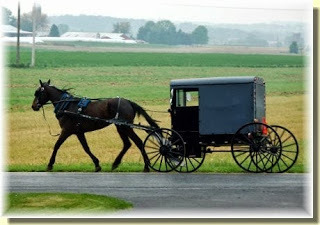 Photo by Christian Homekeeper
That little incident made me think about these verses from Matthew 5:
No one lights a lamp and then puts it under a basket. Instead, a lamp is placed on a stand, where it gives light to everyone in the house. In the same way, let your good deeds shine out for all to see, so that everyone will praise your heavenly Father.
Although it's popular for Christians to blend in with the culture and not make any waves, that's contrary to Scripture. Jesus says our good deeds should stand out, shine, make a difference in the world around us. They should be so extraordinary that they point directly to the Heavenly Father. Really? That's exactly what the Bible says. Why would that be so important?
It's unusual. Just like the Amish horse and buggy. A life filled with consistent good deeds in the face of rude, mean, and ugly behavior from others stands out. Whether it's a kind response to a rude person or getting a meal for the homeless guy on the street or....you name it. Most of us know the good things we should be doing, but sadly don't act. Those deeds are points of light that direct the recipient to your Heavenly Father. Without them the world is darker still.
Our relationship with Jesus has nothing to do with our works earning salvation.
Ephesian 2:8,9 God saved you by his grace when you believed. And you can’t take credit for this; it is a gift from God. Salvation is not a reward for the good things we have done, so none of us can boast about it.
But good works should prove who we belong to. People aren't always going to applaud you for those good works, nor is doing the right thing popular. However that isn't the Christian's focus or concern. It's not to make others look bad or draw attention to ourselves. James, the brother of Jesus said this:
If you are wise and understand God's ways, prove it by living an honorable life, doing good works with the humility that comes from wisdom. James 3:13
This little light of mine. I'm gonna let it shine. Hide it under a bushel--no! I'm gonna let it shine!
 Photo by Christian Homekeeper
That little incident made me think about these verses from Matthew 5:
No one lights a lamp and then puts it under a basket. Instead, a lamp is placed on a stand, where it gives light to everyone in the house. In the same way, let your good deeds shine out for all to see, so that everyone will praise your heavenly Father.
Although it's popular for Christians to blend in with the culture and not make any waves, that's contrary to Scripture. Jesus says our good deeds should stand out, shine, make a difference in the world around us. They should be so extraordinary that they point directly to the Heavenly Father. Really? That's exactly what the Bible says. Why would that be so important?
It's unusual. Just like the Amish horse and buggy. A life filled with consistent good deeds in the face of rude, mean, and ugly behavior from others stands out. Whether it's a kind response to a rude person or getting a meal for the homeless guy on the street or....you name it. Most of us know the good things we should be doing, but sadly don't act. Those deeds are points of light that direct the recipient to your Heavenly Father. Without them the world is darker still.
Our relationship with Jesus has nothing to do with our works earning salvation.
Ephesian 2:8,9 God saved you by his grace when you believed. And you can’t take credit for this; it is a gift from God. Salvation is not a reward for the good things we have done, so none of us can boast about it.
But good works should prove who we belong to. People aren't always going to applaud you for those good works, nor is doing the right thing popular. However that isn't the Christian's focus or concern. It's not to make others look bad or draw attention to ourselves. James, the brother of Jesus said this:
If you are wise and understand God's ways, prove it by living an honorable life, doing good works with the humility that comes from wisdom. James 3:13
This little light of mine. I'm gonna let it shine. Hide it under a bushel--no! I'm gonna let it shine!
September 28, 2013
The White Woman of the Genesee
If you've visited Letchworth State Park or are from Wyoming County, NY you're familiar with Mary Jemison a/k/a The White Woman of the Genesee. Hers is a fascinating story spanning years before the Revolutionary War to the early 1800s. Mary's life is a Western New York legend, a rich part of the early history of the white man coming to the "beautiful valley."
A daughter of Thomas and Jane Jemison, Mary drew her first breath on board the sailing ship William and Mary in the fall of 1743. Her parents, of Scotch-Irish heritage were Protestant settlers in Adams County, near Carlisle, Pennsylvania. On April 5, 1758, Indians and Frenchmen descended on the frontier neighborhood, killing many and dragging off captives. Mary, her parents, and several neighbors along with their children were among those captured and forced to march many miles through woods and swamps. Their fate was almost certain death, but the second night on the march, Mary was given a pair of moccasins to replace her shoes. A young boy was also given a pair of moccasins that same night. Mary's mother believed her daughter would be spared because of this gesture, which proved to be right. Mary had to endure the sight of her parents' scalps hung to dry after that night.
 An elderly Mary Jemison
from Letchworth Park HistoryMary was adopted by two Seneca sisters who taught her the language and customs of their tribe. Jane Jemison's parting words to her daughter were to never forget the prayers she'd been taught and her own language. She never did forget, but Mary was wise enough to understand that her life was changed forever and quickly immersed herself in the ways of the Seneca. She married a Delaware warrior and bore two children. Her firstborn, a girl lived only a couple of days and then a son was born, whom she named Thomas after her father. Mary moved with the Seneca sisters and eventually took up residence in Little Beard's Town or present day Cuylerville, NY. Sheninjee, her husband went off to fight and never returned. Many months later she learned he had died from illness.
A few years later, Mary married Hiakatoo, a well known Seneca chief. He was much older than Mary--over 60 years old and she was 24. Six children were born to them, four daughters and two sons. Hiakatoo was powerful and a fierce chief. Over six feet tall, he provided protection and security for his tiny wife. They were married for over 40 years. Her children, although her greatest joy, were also a source of great sadness. Her son, John killed two of his brothers, and John was eventually killed in a drunken brawl.
Mary never went back to the white culture, although she was given opportunities over the years. Her adopted people, the Senecas were her family. However, she never referred to herself as Indian and all of her children were given English names. She became a highly respected woman among both the Indians and whites. In 1797 a council of whites and Indians was convened on the banks of the Genesee River, near present day Geneseo, NY. Land had been promised to Dehgewanus (Mary) and now that the Seneca Nation was in negotiations to relinquish over a half million acres of land to a land speculator, Robert Morris, it was time for Mary to select her land. A huge tract of land was eventually given to her - 17, 297 acres, an area six miles wide, 4 3/4 miles long on both sides of the Genesee. Red Jacket one of the Seneca chiefs, fought against Mary with great eloquence. However, once Red Jacket had been enjoying firewater in excess, Dehgewanus' claim was approved. Cabins were built for her children and herself on the Gardeau Flats. Her good friend and adviser, Thomas Clute helped her manage the tract of land and leases for many years.
In 1823, James Seaver interviewed Mary at the home of Mrs. Jennet Whaley in the Town of Castile. Seaver recorded that even at 80, Mary walked without assistance and she still had a peaches and cream complexion. Seaver's book, A Narrative of the Life of Mrs. Mary Jemison is a classic in Western New York history. I highly recommend reading his book if you want to learn more about this fascinating woman. Seaver's formal style of writing may be a challenge, but his in depth interview with The White Woman of the Genesee is riveting. Arch Merrill, a well-known WNY journalist in the 1940s and 1950s wrote several books about the history of the Genesee Valley and his easy to read style may suit you better. The White Woman and Her Valley is another book I recommend for further reading.
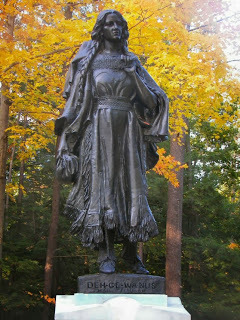 Mary Jemison Statue
Letchworth State Park
Mary Jemison died at age 90 and was buried on the Buffalo Creek Reservation in Buffalo, NY. William Pryor Letchworth who owned what is now Letchworth State Park, and which was part of Jemison's land created a memorial to her in the park. In 1870, he had the Seneca Council House located in Caneadea, NY moved to his property and in 1874 received permission to move Jemison's remains to be re-interred near the Council House. A bronze statute of a young Mary was also erected in September, 1910 to honor the memory of this courageous woman.
Her life will always be one for the books. As Arch Merrill said in The White Woman and Her Valley, "No frontier girl was ever forced to lead a stranger life. Mary Jemison's years were full of toil and woe. Yet she never lost her sunny smile, her fortitude or her abiding generosity."
Helpful Links: http://www.letchworthparkhistory.com/jem.html
http://www.swarthmore.edu/SocSci/bdorsey1/41docs/47-jem.html
A daughter of Thomas and Jane Jemison, Mary drew her first breath on board the sailing ship William and Mary in the fall of 1743. Her parents, of Scotch-Irish heritage were Protestant settlers in Adams County, near Carlisle, Pennsylvania. On April 5, 1758, Indians and Frenchmen descended on the frontier neighborhood, killing many and dragging off captives. Mary, her parents, and several neighbors along with their children were among those captured and forced to march many miles through woods and swamps. Their fate was almost certain death, but the second night on the march, Mary was given a pair of moccasins to replace her shoes. A young boy was also given a pair of moccasins that same night. Mary's mother believed her daughter would be spared because of this gesture, which proved to be right. Mary had to endure the sight of her parents' scalps hung to dry after that night.
An elderly Mary Jemisonfrom Letchworth Park HistoryMary was adopted by two Seneca sisters who taught her the language and customs of their tribe. Jane Jemison's parting words to her daughter were to never forget the prayers she'd been taught and her own language. She never did forget, but Mary was wise enough to understand that her life was changed forever and quickly immersed herself in the ways of the Seneca. She married a Delaware warrior and bore two children. Her firstborn, a girl lived only a couple of days and then a son was born, whom she named Thomas after her father. Mary moved with the Seneca sisters and eventually took up residence in Little Beard's Town or present day Cuylerville, NY. Sheninjee, her husband went off to fight and never returned. Many months later she learned he had died from illness.
A few years later, Mary married Hiakatoo, a well known Seneca chief. He was much older than Mary--over 60 years old and she was 24. Six children were born to them, four daughters and two sons. Hiakatoo was powerful and a fierce chief. Over six feet tall, he provided protection and security for his tiny wife. They were married for over 40 years. Her children, although her greatest joy, were also a source of great sadness. Her son, John killed two of his brothers, and John was eventually killed in a drunken brawl.
Mary never went back to the white culture, although she was given opportunities over the years. Her adopted people, the Senecas were her family. However, she never referred to herself as Indian and all of her children were given English names. She became a highly respected woman among both the Indians and whites. In 1797 a council of whites and Indians was convened on the banks of the Genesee River, near present day Geneseo, NY. Land had been promised to Dehgewanus (Mary) and now that the Seneca Nation was in negotiations to relinquish over a half million acres of land to a land speculator, Robert Morris, it was time for Mary to select her land. A huge tract of land was eventually given to her - 17, 297 acres, an area six miles wide, 4 3/4 miles long on both sides of the Genesee. Red Jacket one of the Seneca chiefs, fought against Mary with great eloquence. However, once Red Jacket had been enjoying firewater in excess, Dehgewanus' claim was approved. Cabins were built for her children and herself on the Gardeau Flats. Her good friend and adviser, Thomas Clute helped her manage the tract of land and leases for many years.
In 1823, James Seaver interviewed Mary at the home of Mrs. Jennet Whaley in the Town of Castile. Seaver recorded that even at 80, Mary walked without assistance and she still had a peaches and cream complexion. Seaver's book, A Narrative of the Life of Mrs. Mary Jemison is a classic in Western New York history. I highly recommend reading his book if you want to learn more about this fascinating woman. Seaver's formal style of writing may be a challenge, but his in depth interview with The White Woman of the Genesee is riveting. Arch Merrill, a well-known WNY journalist in the 1940s and 1950s wrote several books about the history of the Genesee Valley and his easy to read style may suit you better. The White Woman and Her Valley is another book I recommend for further reading.
 Mary Jemison Statue
Letchworth State Park
Mary Jemison died at age 90 and was buried on the Buffalo Creek Reservation in Buffalo, NY. William Pryor Letchworth who owned what is now Letchworth State Park, and which was part of Jemison's land created a memorial to her in the park. In 1870, he had the Seneca Council House located in Caneadea, NY moved to his property and in 1874 received permission to move Jemison's remains to be re-interred near the Council House. A bronze statute of a young Mary was also erected in September, 1910 to honor the memory of this courageous woman.
Her life will always be one for the books. As Arch Merrill said in The White Woman and Her Valley, "No frontier girl was ever forced to lead a stranger life. Mary Jemison's years were full of toil and woe. Yet she never lost her sunny smile, her fortitude or her abiding generosity."
Helpful Links: http://www.letchworthparkhistory.com/jem.html
http://www.swarthmore.edu/SocSci/bdorsey1/41docs/47-jem.html
September 26, 2013
Forensic Evidence
Yesterday I had my fingerprints taken. It's a requirement for the new job I start next week. Ink was pressed into my fingertips and fingers, then expertly rolled by the technician onto the official card. Now, I'm in the system. As everyone knows, fingerprints are unique to each person. Not even identical twins have identical fingerprints. They're similar, but still different. So if I run out and commit a crime and leave my fingerprints behind, they'll know whodunnit.
 Our legal system uses this information to catch the bad guys. It's a wonderful tool and has solved many crimes since the 1800s. The U.S. military began using fingerprints as a primary method of identification in 1905 and it quickly spread to police departments. Now, it's standard procedure. Fingerprints, DNA, and now a host of other things make up identity. We are one-of-a-kind people, extraordinary individuals. And we always leave traces of ourselves wherever we go. A strand of hair, a fingerprint, or a conversation.
For the Christian, our identity is not wrapped up in ourselves. Romans 8:29 says: "For those God foreknew he also predestined to be conformed to the image of his Son, that he might be the firstborn among many brothers and sisters."
It's God's will/plan that we become just like Jesus. There is usually a family resemblance among siblings. I know that's true in my family. Jesus is my brother--my eldest brother, and he's already shown me how to live in light of horrific trials, how to deal with fame, how to be a friend, how to treat enemies, and how to love. Our society teaches us to be a Lone Ranger, a solo act to make our mark on the world.
"You were taught, with regard to your former way of life, to put off your old self, which is being corrupted by its deceitful desires; to be made new in the attitude of your minds; and to put on the new self, created to be like God in true righteousness and holiness." Ephesians 4:22-24
The fingerprints we leave on our relationships, our job, or in Wal-Mart should look like Jesus was there. The trail of evidence will always lead to our relationship with Him or the lack of it. Criminals sometimes wear gloves to eliminate any prints being left, but all of us leave something behind. No gloves will hide a rude response or leaving a cart in a parking space, because we were too busy to put it where it belongs. Which would you rather that the cashier at Wal-Mart remembers you for - a smile and a kind word or a grumpy, dissatisfied customer? If you say that you don't care...that says it all.
Do not let any unwholesome talk come out of your mouths, but only what is helpful for building others up according to their needs, that it may benefit those who listen. Ephesians 4:29
 Our legal system uses this information to catch the bad guys. It's a wonderful tool and has solved many crimes since the 1800s. The U.S. military began using fingerprints as a primary method of identification in 1905 and it quickly spread to police departments. Now, it's standard procedure. Fingerprints, DNA, and now a host of other things make up identity. We are one-of-a-kind people, extraordinary individuals. And we always leave traces of ourselves wherever we go. A strand of hair, a fingerprint, or a conversation.
 For the Christian, our identity is not wrapped up in ourselves. Romans 8:29 says: "For those God foreknew he also predestined to be conformed to the image of his Son, that he might be the firstborn among many brothers and sisters."
It's God's will/plan that we become just like Jesus. There is usually a family resemblance among siblings. I know that's true in my family. Jesus is my brother--my eldest brother, and he's already shown me how to live in light of horrific trials, how to deal with fame, how to be a friend, how to treat enemies, and how to love. Our society teaches us to be a Lone Ranger, a solo act to make our mark on the world.
"You were taught, with regard to your former way of life, to put off your old self, which is being corrupted by its deceitful desires; to be made new in the attitude of your minds; and to put on the new self, created to be like God in true righteousness and holiness." Ephesians 4:22-24
The fingerprints we leave on our relationships, our job, or in Wal-Mart should look like Jesus was there. The trail of evidence will always lead to our relationship with Him or the lack of it. Criminals sometimes wear gloves to eliminate any prints being left, but all of us leave something behind. No gloves will hide a rude response or leaving a cart in a parking space, because we were too busy to put it where it belongs. Which would you rather that the cashier at Wal-Mart remembers you for - a smile and a kind word or a grumpy, dissatisfied customer? If you say that you don't care...that says it all.
Do not let any unwholesome talk come out of your mouths, but only what is helpful for building others up according to their needs, that it may benefit those who listen. Ephesians 4:29