Carolee Dean's Blog, page 16
August 25, 2019
ALL THE IMPOSSIBLE THINGS at SECOND STAR TO THE RIGHT
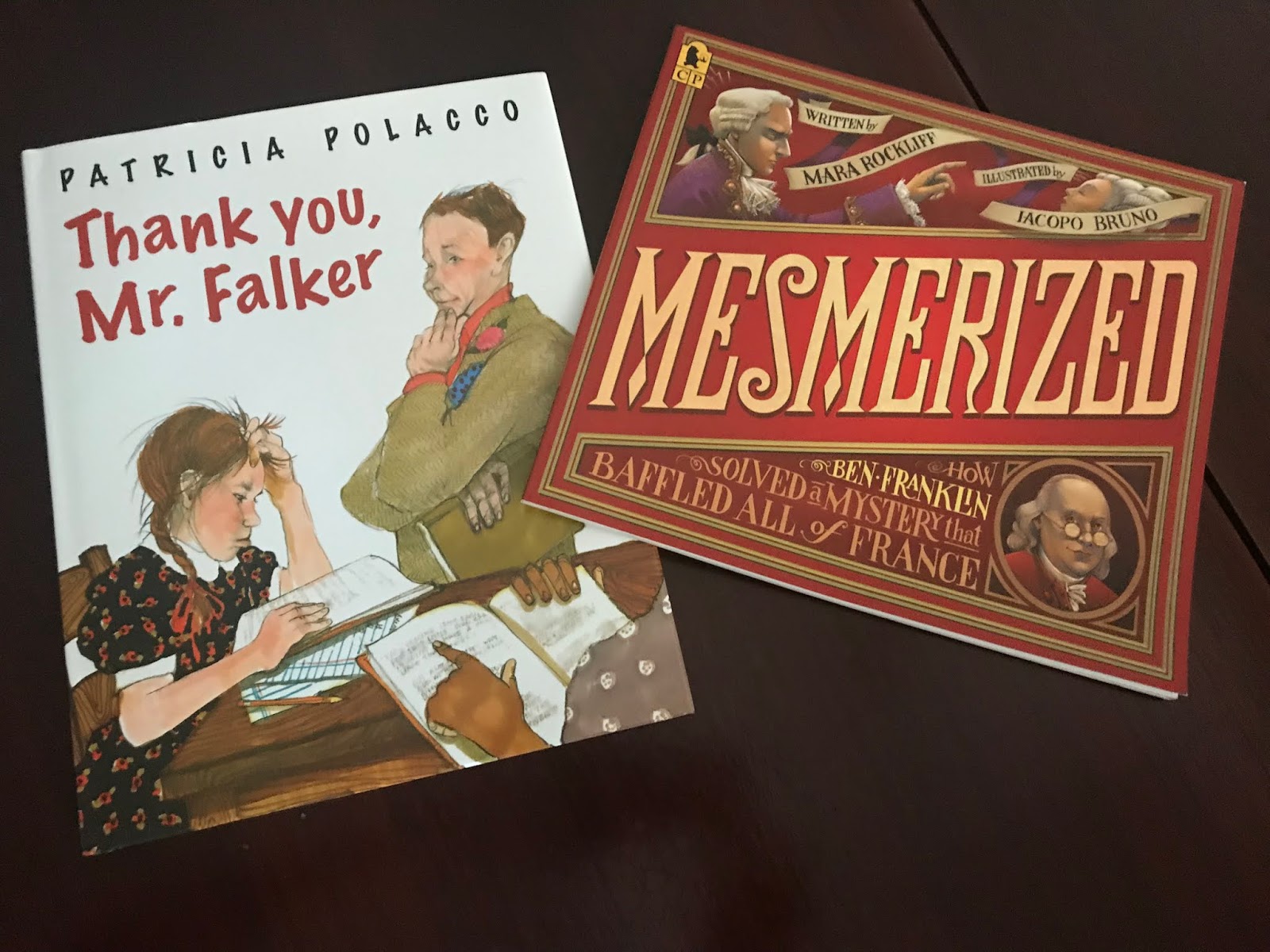
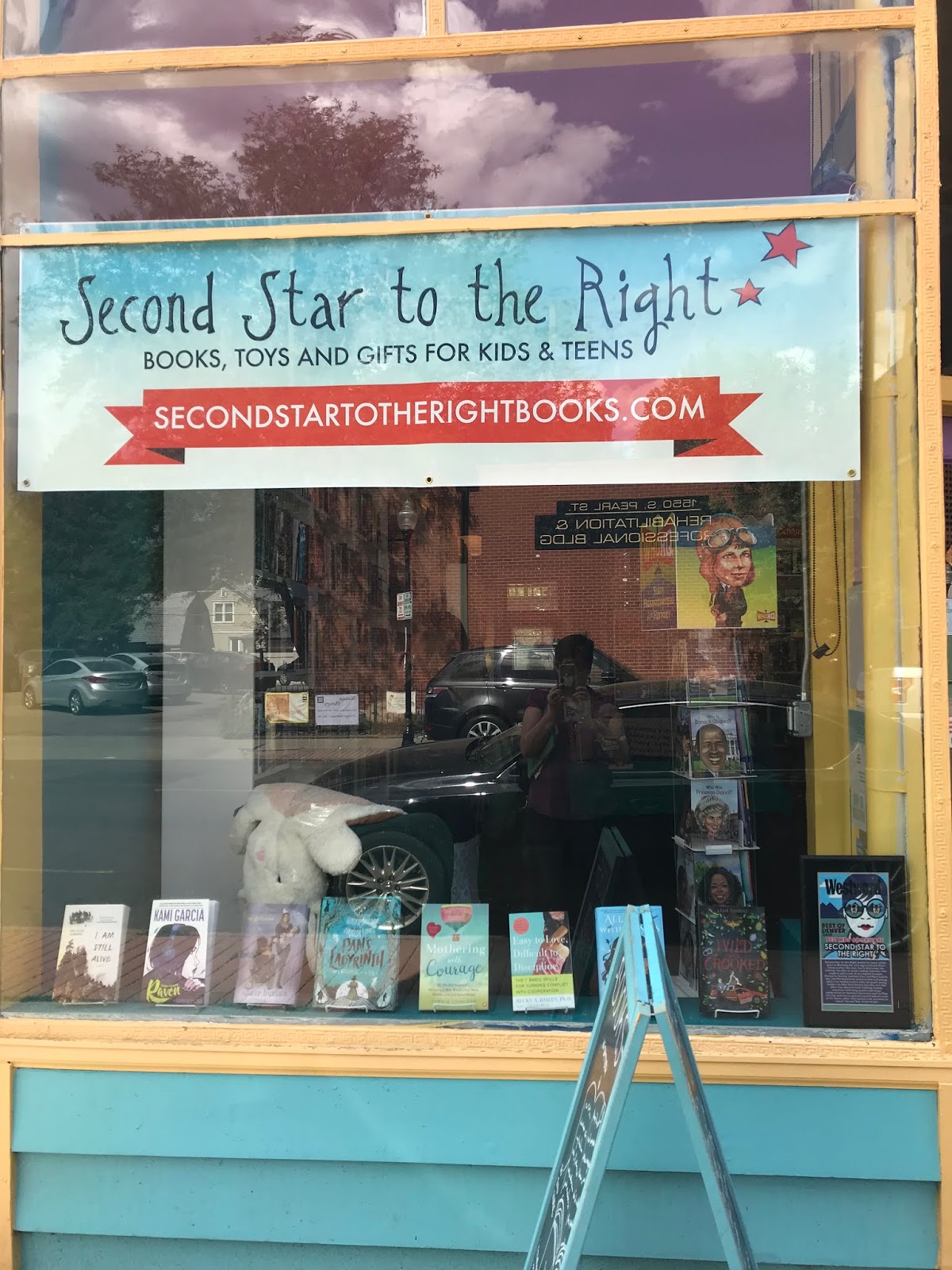
My new favorite children's bookstore, Second Star to the Right, is on Pearl Street, the same location as my favorite Farmer's Market. Today I picked up these treasures I had on order, along with some Patter Bars and caramelized onions.
While I was there, I found out that Colorado native, Lindsay Lackey, will be launching her new book, All the Impossible Things, at Second Star on Tuesday, September 3 at 6:30pm. It's on my calendar!
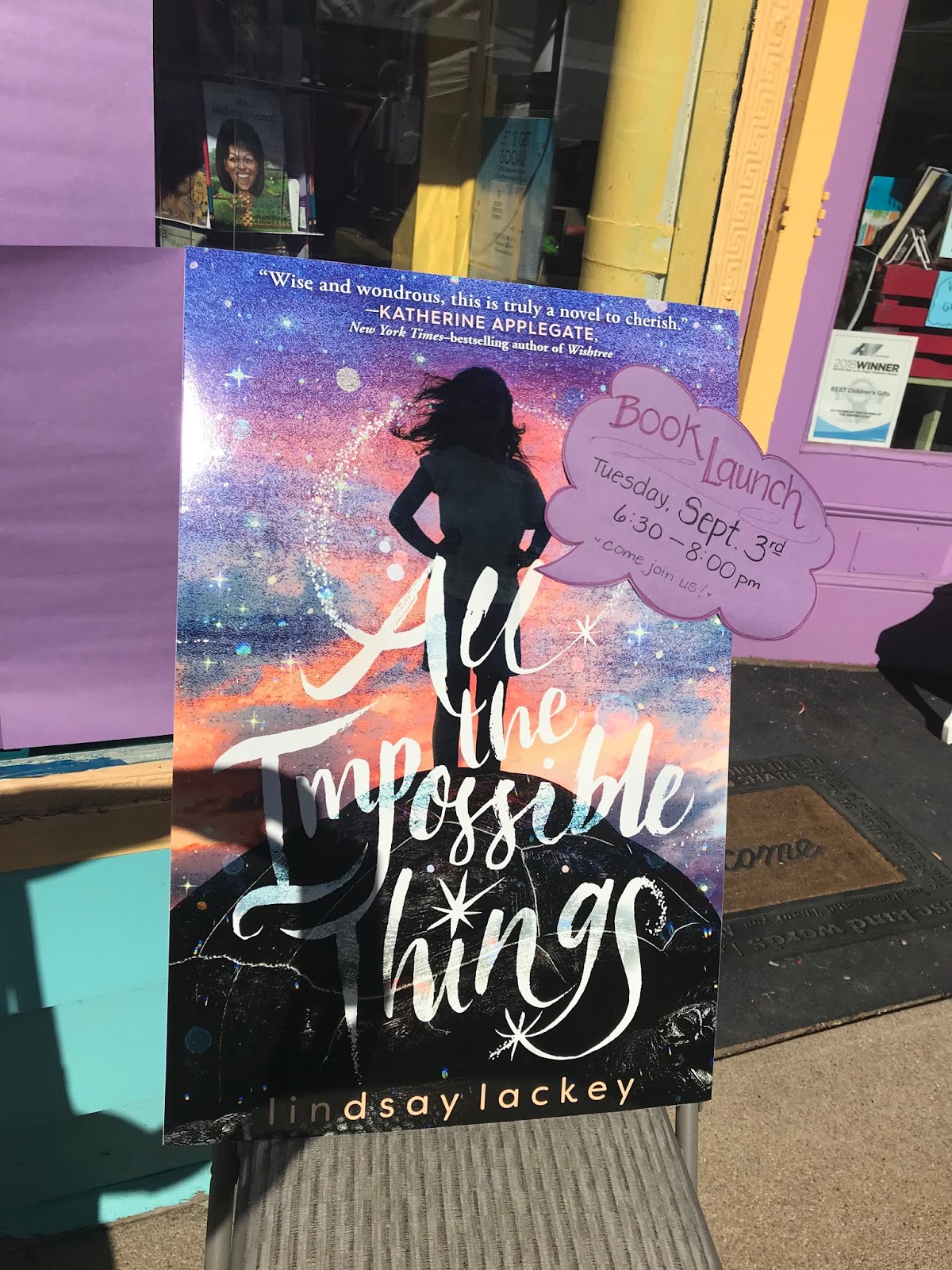
Here's what Katherine Applegate, New York Times–bestselling author of Wishtree has to say about Lindsay's book, "Wise and wondrous, this is truly a novel to cherish.” You can tell from the cover that this will be a magical book.
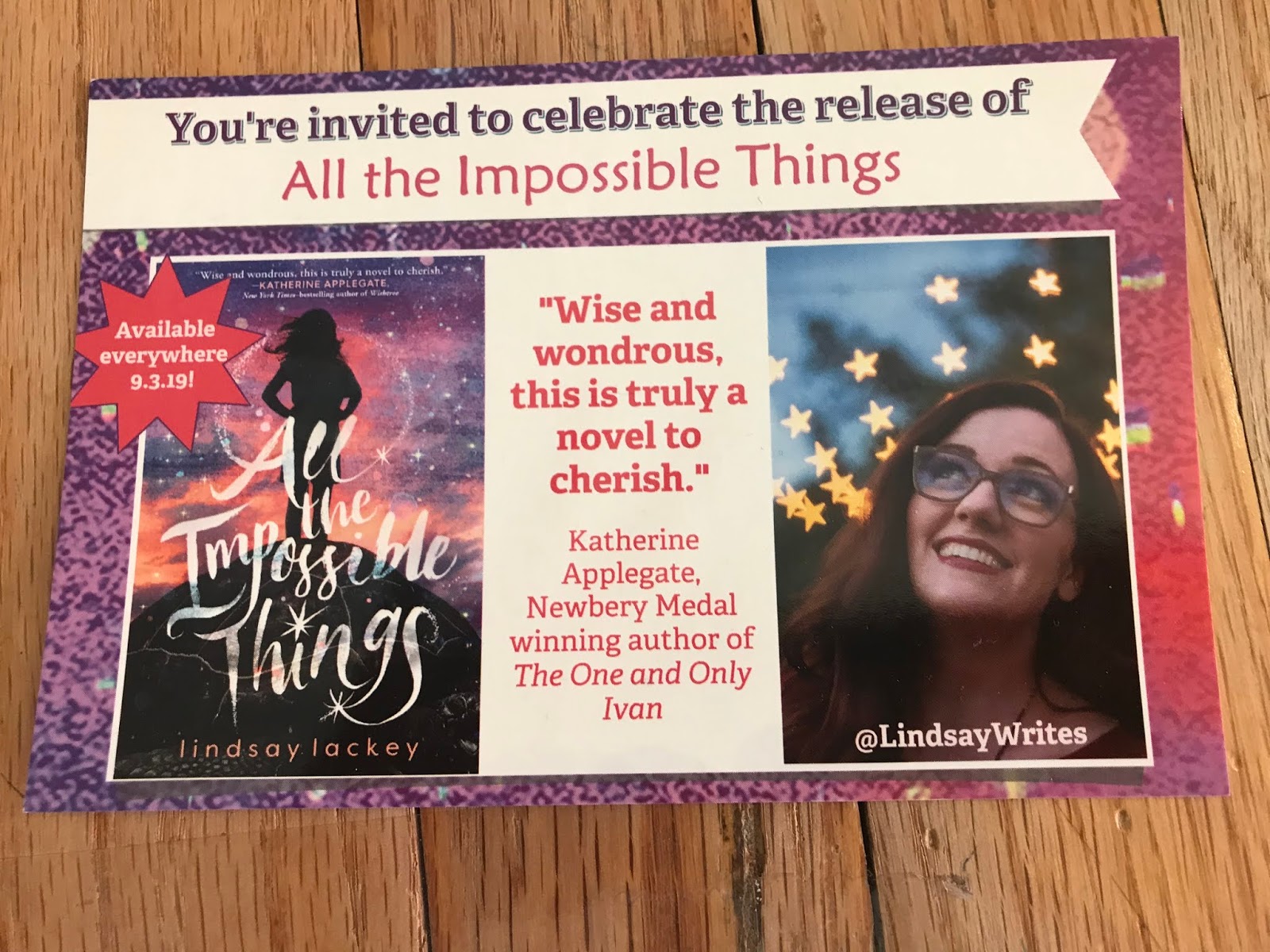
All the Impossible Things is a middle-grade novel about a young girl with special powers who moves from foster home to foster home as she tries to find her place in the world. If you are in Denver, be there on September 3.


August 19, 2019
Carolee Dean Books: Captain Underpants and Dog Man to the Rescue of St...
Carolee Dean Books: Captain Underpants and Dog Man to the Rescue of St...: I recently started reading the Dog Man series by Dav Pilkey with my students with dyslexia. Even the girls love this unlikely crime-fi...
Captain Underpants and Dog Man to the Rescue of Struggling Readers
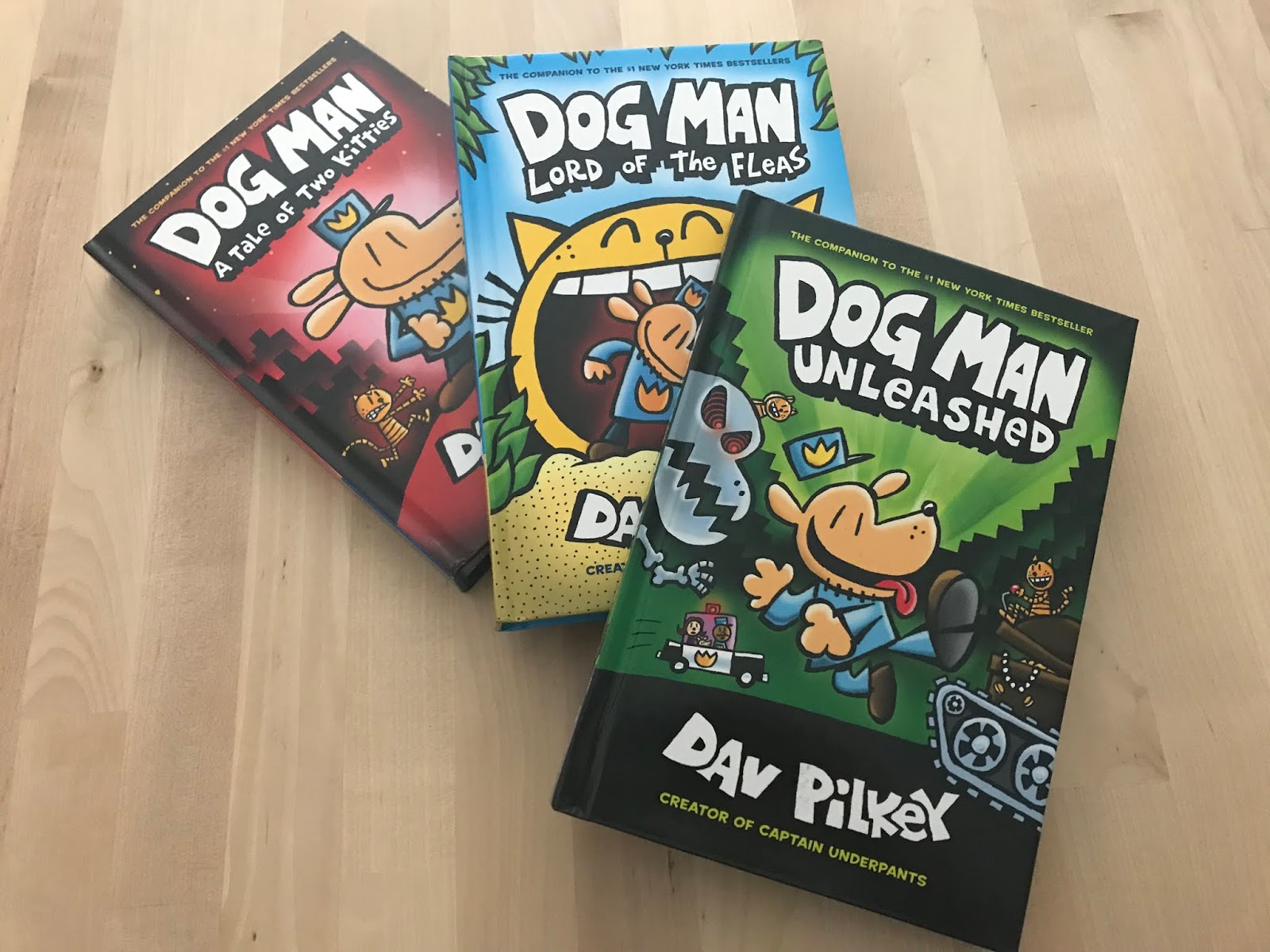
I recently started reading the Dog Man series by Dav Pilkey with my students with dyslexia. Even the girls love this unlikely crime-fighting hero who is part cop and part dog. What makes these books even more meaningful is the fact that Dav has dyslexia and ADHD. He has several YouTube videos where he speaks very frankly about his experiences as a struggling reader. Check out the video on Reading Rockets. Pilkey was often sent out into the hall for being disruptive in class and would draw cartoons that he later shared with his peers. He was in second grade when he first came up with the ideas for Dog Man and Captain Underpants.
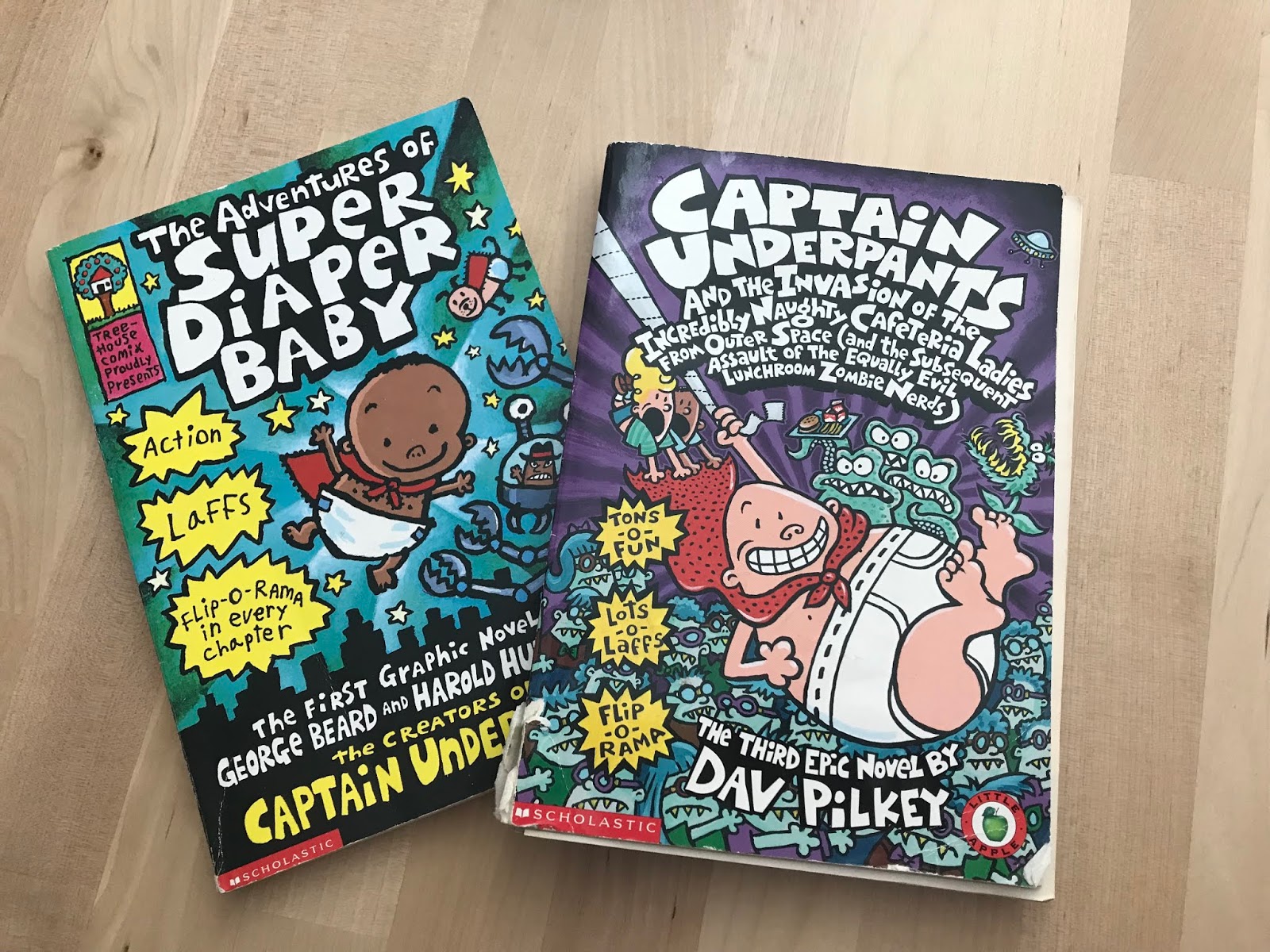
Feeling nostalgic, I looked through my son's old treasures and found the Captain Underpants books I bought for him seventeen years ago. He wasn't much of a reader at the time. I still remember him jumping up and down on the bed each night as I read to him and his sister. I wasn't sure if anything was soaking in. One day he came home from the school library with a Captain Underpants. When I saw the pure delight these stories of underwear and evil cafeteria ladies inspired, I went out and bought more. Those books are what turned my son into a reader.
My first young adult novel, Comfort, came out around that time. It tackled tough issues like alcoholism and family dysfunction. I remember wanting to write "important" children's literature and I thought a lot about what that meant. What I learned from my son's experience with Captain Underpants is this:
Important children's literature is the stuff kids choose to read when no one is making them read it.
With that definition, I'd have to say that Dav Pilkey's books rank right up there with Shakespeare. Interestingly, the same son who couldn't sit still for a bedtime story later took an entire class on Shakespeare in high school. In college, he gravitated to books on philosophy that I didn't even understand. I personally believe Captain Underpants is partially responsible for these successes.
Dav Pilkey recently talked to UNDERSTOOD.ORG about how he believes every kid has some kind of superpower, even if it is just imagination. He considers his dyslexia and ADHD to be his superpowers because they helped him to be very cautious about the words he chooses for each of his books and to "not be boring." See the post HERE and check out the other helpful resources at UNDERSTOOD.ORG for kids and parents. Pilkey created a free coloring sheet that is downloadable on that site.
Kids with learning disabilities and other challenges often feel alone. It helps for them to have role models to look up to who have overcome significant learning challenges. We have to be cautious, though, and not make kids feel that on top of all their other challenges, we have huge expectations for them to become Olympic athletes, famous illustrators, or billionaire entrepreneurs (Several of the entrepreneurs on Shark Tank have mentioned that they have dyslexia). That's why I really like what Pilkey says about imagination itself being a superpower. I also love that his Captain Underpants characters, George and Harold, are such unlikely heroes with the primary mission of defending, "truth, justice and all that is pre-shrunk and cottony." Their main gift is their imagination, and that is a superpower we must foster in all children.
July 20, 2019
My New Favorite Children's Bookstore and My New Favorite Illustrator
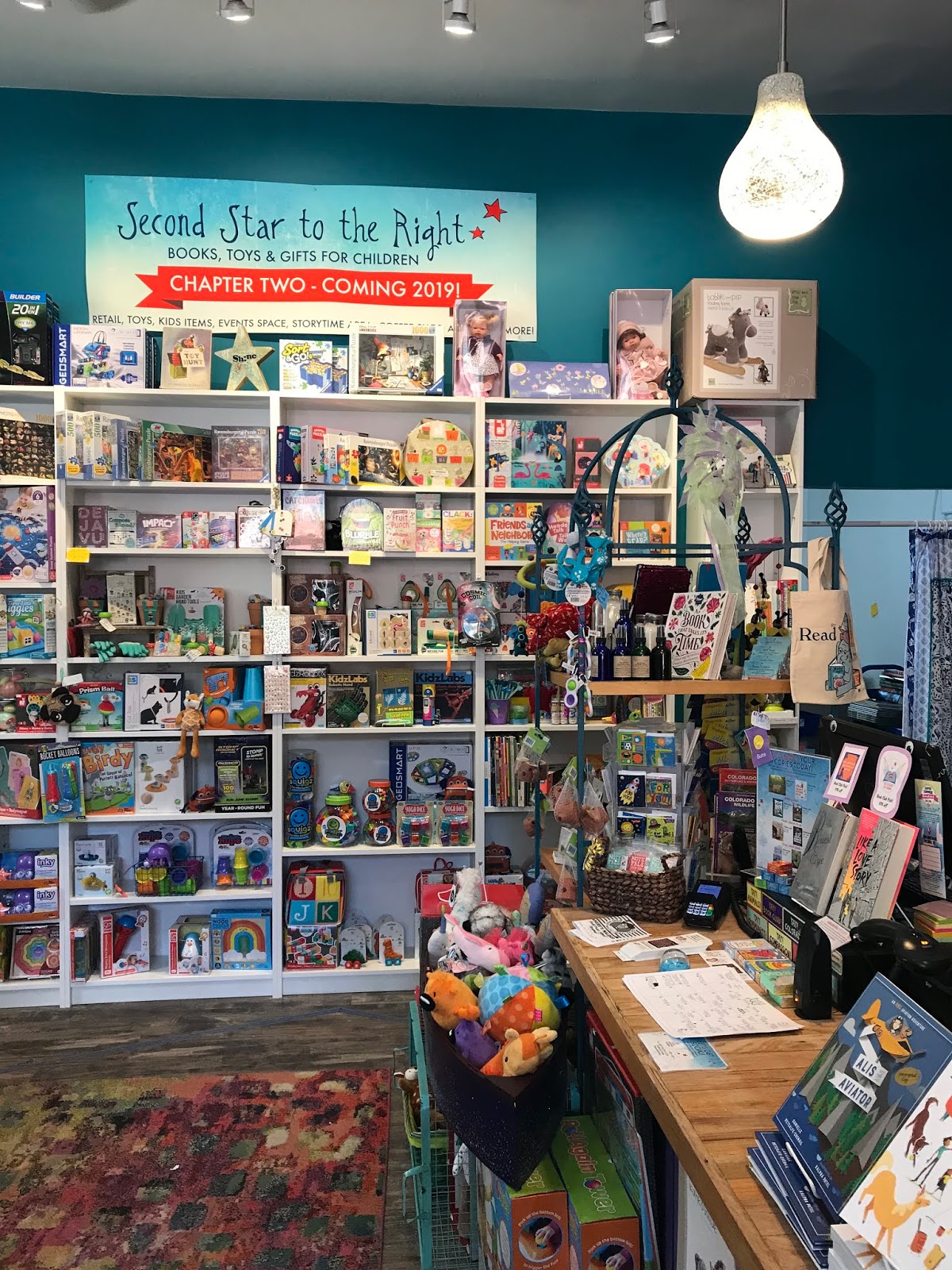
Last week several children's authors from the Rocky Mountain Branch of The Society of Children's Book Writers and Illustrators (RMC-SCBWI) met at Second Star to the Right Children's Books to mingle, socialize, and learn about the store's community outreach programs. This little bookstore does a lot of big work to promote literacy including arranging book drives and author visits for low-income schools. They will be expanding the size of their space over the course of the next year and want to become a community hub by providing room for everything from art classes to birthday parties. They are located on Pearl Street in Denver where my favorite farmer's market happens every Sunday.
I ordered a picture book, Titan and the Wild Boars: The True Cave Rescue of the Thai Soccer Team, to pick up while I was at the store and was surprised and delighted to discover that one of the illustrators at the gathering, Dow Phurmiruk, was the illustrator for the book! Titan was written by Susan Hood and Pathana Sornhiran, one of the reporters on-site during the eighteen-day ordeal. Titan is the true story of the heroic rescue of the boy's soccer team that got stuck inside a cave in Thailand for over two weeks in the summer of 2018 when a storm came up unexpectedly and flooded the area they were exploring. It took a team of international divers, Navy Seals, and scientists to devise a plan to get them out.
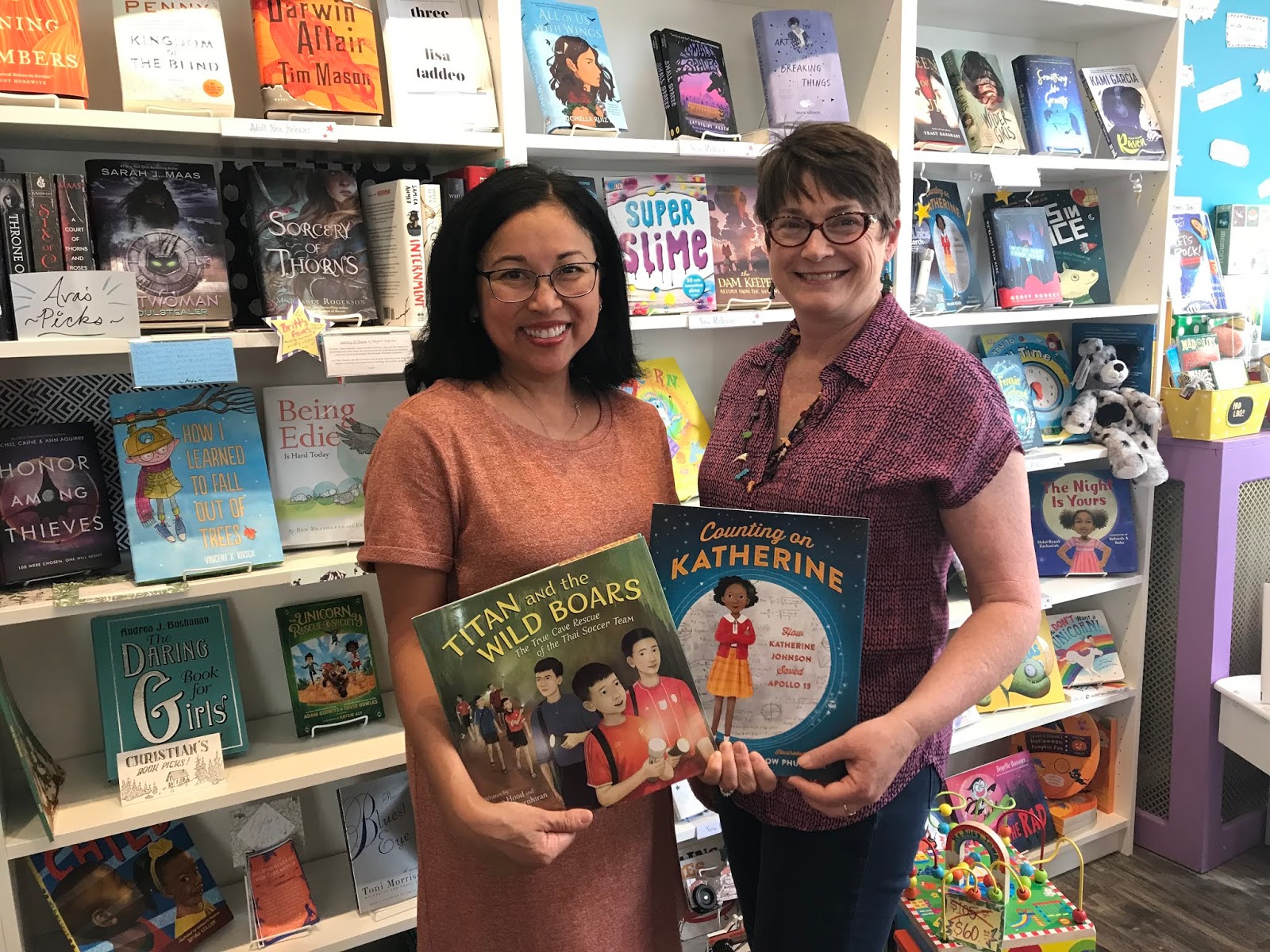
Dow was kind enough to pose with me above. She is also the illustrator for Counting On Katherine: How Katherine Johnson Saved Apollo 13 which I used with my elementary school students for several weeks last spring. It is based on the life of Katherine Johnson, one of the women from the movie Hidden Figures, who helped to bring Apollo 13 home after an explosion in space. Dow does a brilliant job of simplifying abstract concepts related to calculus, physics, and aerodynamics through her artful and insightful illustrations. I wondered how an artist had developed such a deep understanding and appreciation of science. Then I found out that Dow is also a pediatrician and teaches at a medical school part-time.
I plan to highlight both of these books in my upcoming title with Brookes Publishing - Story Frames: Using Narratives to Improve Reading Comprehension, Writing, Executive Function Skills and More coming October 2020. Stay tuned for more details and sign up for my newsletter HERE.
July 17, 2019
July 12, 2019
Pseudoscience, Fringe Theories and MESMERIZED
p.p1 {margin: 0.0px 0.0px 0.0px 0.0px; font: 17.0px Helvetica; color: #000000} span.s1 {font-kerning: none} span.Apple-tab-span {white-space:pre}
The July 2019 issue of the ASHA Leader, a publication of the American Speech-Language and Hearing Association, has a very insightful article by Nancy Volkers about why pseudoscience is often more popular than statistics and real evidence. The article is entitled, “Does Truth Have A Future?” It looks at why fringe theories are so popular and what to do about their growing influence.
Volkers points out that one of the reasons for the popularity of fringe theories is that blogs seem as credible to the unknowing reader as peer-reviewed research articles. Blogs are certainly easier to digest. As someone with a master's degree in science, I still find it a challenge to plod my way through research articles, even in my field. They are filled with statistics and jargon I can't always decipher.
Blogs, on the other hand, can present ideas that make sense on a gut level, even when there is absolutely no science backing their claims, which means that we must all exercise caution when determining their value.
To counteract the effect of pseudoscience in social media, Volkers suggests that researchers (and the rest of us who appreciate real science) should be more visible on social media, which is the reason I'm exploring this topic on my blog. It’s also important to admit that science can be full of bias. Even deciding which hypotheses to test is a form of bias.
Another article in the July issue of the ASHA Leader, “The Research Translation Problem: A Modest Proposal,” by Meredith Harold, suggests that clinicians (SLPs and audiologists), scientists, business owners, and leaders should use “Empathy-Rooted Problem-Solving” to bridge the gap between research and its practical application. Dr. Harold points out that the expected audience of a typical research article is other scientists, NOT therapists or teachers and certainly not the general public. She suggests that spreading the information in these articles in a way that others can understand could be done much more effectively than it is happening now. Also, more research should focus on the needs of the people in the trenches - the therapists, teachers, administrators, and publishers of educational resources who are responsible for putting research to practical use.
I recommend that anyone who has access to the ASHA Leader articles look these over closely. It is available to SLPs and audiologists who are members of ASHA.
On this topic, I believe it's crucial to teach children from a young age how to understand the scientific process and how to recognize bias so that they will grow up to be wise consumers of the growing sea of information coursing through the internet.
One book that does this brilliantly but simply in a fun but compelling non-fiction narrative is Mesmerized: How Ben Franklin Solved a Mystery that Baffled All of France written by Mara Rockliff with illustrations by Iacopo Bruno.
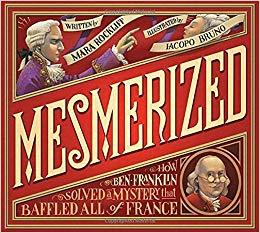
Benjamin Franklin travels to France to ask King Louis for financial assistance with the revolutionary war. While Franklin is in Paris, Dr. Mesmer creates quite a stir by claiming to have discovered a mysterious, new, invisible force with the power to cure any kind of illness. Benjamin Franklin exposes Mesmer for the fraud that he is by running experiments using the scientific method. The author and illustrator do an excellent job of explaining terms like hypothesis and placebo effect in a way that is both humorous and accessible.
I will be discussing Mesmerized at length along with several other non-fiction narrative picture books in my upcoming educational book, Story Frames: Using Narratives to Improve Reading Comprehension, Writing, Executive Function Skills and More (Brookes Publishing, October 2020).
For updates, articles, and free offers sign up for my monthly newsletter CLICK HERE.

The July 2019 issue of the ASHA Leader, a publication of the American Speech-Language and Hearing Association, has a very insightful article by Nancy Volkers about why pseudoscience is often more popular than statistics and real evidence. The article is entitled, “Does Truth Have A Future?” It looks at why fringe theories are so popular and what to do about their growing influence.
Volkers points out that one of the reasons for the popularity of fringe theories is that blogs seem as credible to the unknowing reader as peer-reviewed research articles. Blogs are certainly easier to digest. As someone with a master's degree in science, I still find it a challenge to plod my way through research articles, even in my field. They are filled with statistics and jargon I can't always decipher.

Blogs, on the other hand, can present ideas that make sense on a gut level, even when there is absolutely no science backing their claims, which means that we must all exercise caution when determining their value.
To counteract the effect of pseudoscience in social media, Volkers suggests that researchers (and the rest of us who appreciate real science) should be more visible on social media, which is the reason I'm exploring this topic on my blog. It’s also important to admit that science can be full of bias. Even deciding which hypotheses to test is a form of bias.
Another article in the July issue of the ASHA Leader, “The Research Translation Problem: A Modest Proposal,” by Meredith Harold, suggests that clinicians (SLPs and audiologists), scientists, business owners, and leaders should use “Empathy-Rooted Problem-Solving” to bridge the gap between research and its practical application. Dr. Harold points out that the expected audience of a typical research article is other scientists, NOT therapists or teachers and certainly not the general public. She suggests that spreading the information in these articles in a way that others can understand could be done much more effectively than it is happening now. Also, more research should focus on the needs of the people in the trenches - the therapists, teachers, administrators, and publishers of educational resources who are responsible for putting research to practical use.
I recommend that anyone who has access to the ASHA Leader articles look these over closely. It is available to SLPs and audiologists who are members of ASHA.
On this topic, I believe it's crucial to teach children from a young age how to understand the scientific process and how to recognize bias so that they will grow up to be wise consumers of the growing sea of information coursing through the internet.
One book that does this brilliantly but simply in a fun but compelling non-fiction narrative is Mesmerized: How Ben Franklin Solved a Mystery that Baffled All of France written by Mara Rockliff with illustrations by Iacopo Bruno.
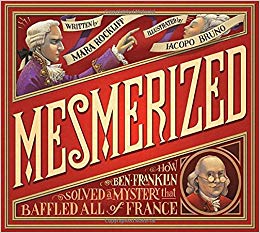
Benjamin Franklin travels to France to ask King Louis for financial assistance with the revolutionary war. While Franklin is in Paris, Dr. Mesmer creates quite a stir by claiming to have discovered a mysterious, new, invisible force with the power to cure any kind of illness. Benjamin Franklin exposes Mesmer for the fraud that he is by running experiments using the scientific method. The author and illustrator do an excellent job of explaining terms like hypothesis and placebo effect in a way that is both humorous and accessible.
I will be discussing Mesmerized at length along with several other non-fiction narrative picture books in my upcoming educational book, Story Frames: Using Narratives to Improve Reading Comprehension, Writing, Executive Function Skills and More (Brookes Publishing, October 2020).
For updates, articles, and free offers sign up for my monthly newsletter CLICK HERE.
July 10, 2019

July 6, 2019
Special Announcement: STORY FRAMES Coming October 2020!
I'm excited to announce that Brookes Publishing has offered a contract for my educational book, Story Frames: Using Narratives to Improve Reading Comprehension, Writing, Executive Function Skills and More. Publication is scheduled for October of 2020. Even more exciting, they have agreed to use the illustrations created by my very talented brother, Chris Jochens. Here's a sample of his artwork:
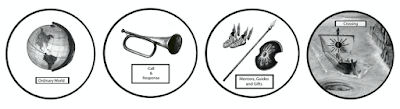 In Story Frames, I combine my understanding of story structure (from my perspective as a young adult author) with my years of experience using narratives with struggling students in the public schools working as a speech-language pathologist. I have been fine-tuning this approach for years. A detailed description of the twelve story elements along with examples of stories I have analyzed using this method may be found on this blog at the tab for The Secret Language of Stories.
Free activities may be found on my Teachers Pay Teachers Page HERE.
If you want to keep up with news and other free offers, sign up for my free newsletter on my CONTACT PAGE.
Thanks to everyone who has offered support and encouragement for this project. It has been quite a labor of love. I couldn't have done it without you!
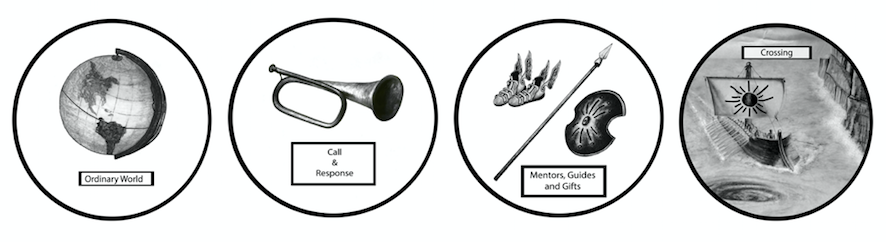 In Story Frames, I combine my understanding of story structure (from my perspective as a young adult author) with my years of experience using narratives with struggling students in the public schools working as a speech-language pathologist. I have been fine-tuning this approach for years. A detailed description of the twelve story elements along with examples of stories I have analyzed using this method may be found on this blog at the tab for The Secret Language of Stories.
Free activities may be found on my Teachers Pay Teachers Page HERE.
If you want to keep up with news and other free offers, sign up for my free newsletter on my CONTACT PAGE.
Thanks to everyone who has offered support and encouragement for this project. It has been quite a labor of love. I couldn't have done it without you!
April 25, 2019
BETTER SPEECH AND HEARING MONTH
May is Better Speech and Hearing Month and the American Speech-Language and Hearing Association has developed many free resources to educate the public about what speech-language pathologist do as well as the nature of speech and language disorders. The following resources were developed by the American Speech-Language-Hearing Association.
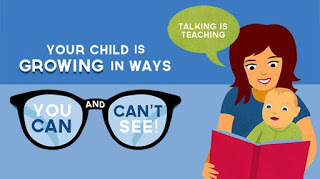
1. Communicating with Baby - Tips and Milestones from Birth to Age 5. Check out this free toolkit for parents with downloadable PDFs in English and Spanish. It outlines the communication skills you should expect your child to have at each age and gives helpful tips for encouraging development through reading aloud and other activities.

2. Signs of Speech and Language Disorders. Learn the signs that a child or adult may be exhibiting if they have a speech and language disorder. There is a link to find a speech-language pathologist in your area.

3. Signs of Hearing Loss. Sometimes hearing loss comes on slowly. It's not always easy to know what the problem is. These signs for adults and children are red flags that the difficulty may be due to a hearing loss.
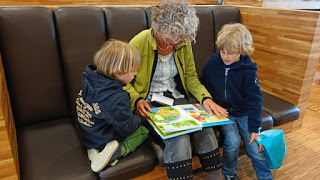
4. 21 Day Reading Challenge. Reading with your child for just 15 minutes a day can have a profound effect on later reading and learning. Find small, practical tips for enhancing this experience in a reproducible PDF.
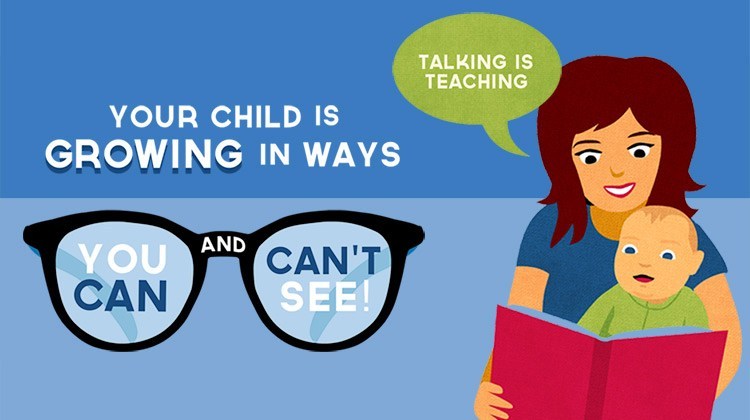
1. Communicating with Baby - Tips and Milestones from Birth to Age 5. Check out this free toolkit for parents with downloadable PDFs in English and Spanish. It outlines the communication skills you should expect your child to have at each age and gives helpful tips for encouraging development through reading aloud and other activities.

2. Signs of Speech and Language Disorders. Learn the signs that a child or adult may be exhibiting if they have a speech and language disorder. There is a link to find a speech-language pathologist in your area.

3. Signs of Hearing Loss. Sometimes hearing loss comes on slowly. It's not always easy to know what the problem is. These signs for adults and children are red flags that the difficulty may be due to a hearing loss.
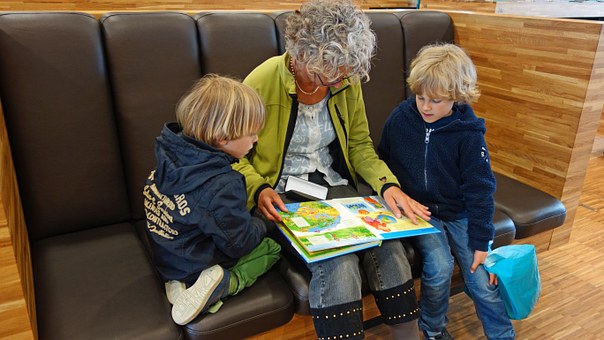
4. 21 Day Reading Challenge. Reading with your child for just 15 minutes a day can have a profound effect on later reading and learning. Find small, practical tips for enhancing this experience in a reproducible PDF.
April 21, 2019
CELEBRATING POETRY MONTH
It's poetry month, my favorite time of year. Spring is in the air, school is almost out, and people everywhere are celebrating in verse. Here is a fresh take on a popular format, the cinquain. A cinquain is a five line poem traditionally written with a syllable structure of 2, 4, 6, 8, 2; however, a popular form with students uses word count instead of syllables as follows:
Line 1 - one word title (subject of poem) 2 - two adjectives describing the title 3 - three word phrase or 3 gerunds 4 - four words related to the subject 5 - one word relating back to the title
I used a variety of poetry forms, including the cinquain, in my verse novel, Forget Me Not. I chose the cinquain to create brief character sketches to give the feeling of introducing a cast of characters.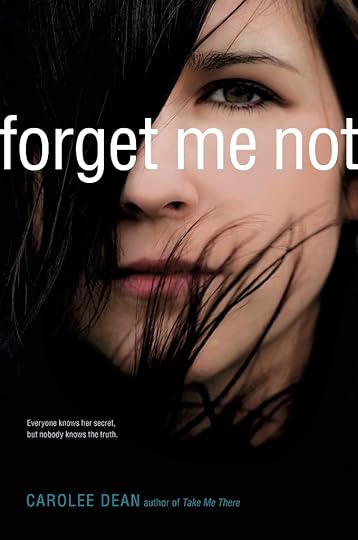
Allyafraid, alonehurting, hiding, bidingnever can go backme
Elijahbrave, boldknowing, helping, showinghe risks it allfriend
Copyright 2012 Carolee Dean
If you are a teacher, consider having students do a fresh take on the traditional book report by incorporating character sketches written either in this format or the traditional 2, 4, 6, 8, 2 syllable structure of the cinquain. This is an activity that can be fun for all ages.
If you are a writer, think about using the cinquain to create sketches for your original story characters.
Another poetry form I used in Forget Me Not was the pantoum. It can feel constricting and circular since the beginning of the poem often comes back around again at the end. A pantoum consists of four-line stanzas with the second and fourth lines of one stanza repeating as the first and third lines of the next one. Traditionally, these rhymed in quatrains of a,b,a,b. In many pantoums, the first and third line from verse one repeat in the final stanza. The poem below from page 221 of Forget Me Not is an example of a pantoum.
In nice straight linesHe sets up pensHe orders lifeHe schedules plans
He sets up pensthe black, the blueHe schedules plansFor both of us
The black, the blueWords on the fridgeFor both of usTell where to go
Words on the fridgeOur whiteboard weekTell where to goThe clock is king
Our whiteboard weekFilled to the brimThe clock is kingAnd I comply
Filled to the brimA tight-run shipAnd I complyBut it can sink
A tight-run shipA neat abodeBut it can sinkIf there are holes
A neat abodeIs not enoughIf there are holesIt fills up fast
It's not enoughHe thinks that ifIt fills up fastHe'll keep us both
He thinks that ifHe orders lifeHe'll keep us bothin nice straight lines
Copyright 2012 Carolee Dean
The theme of this poem is fairly dark. Ally's father is a tightly wound and highly controlling man. Consider, though, what fun you could have with this poetry form if you had students take turns writing stanzas about a story they had read or perhaps a humorous subject or theme with the requirement that they need to repeat the second and fourth lines of the previous student's stanza as the first and third lines of their own.
While we are on the subject of poetry, consider using verse novels for your next class project. They are great for struggling readers because there is a lot of white space on the page. Also, if you are working on having students understand the main idea of a reading passage, you can focus on a page talk instead of a chapter. A page can be a much more manageable amount of information for many students.
Here are a few of my favorite verse novels:
May B. by Caroline Starr Rose (ages 8-12)
Home of the Brave by Katherine Applegate (ages 10 and up)
The Crossover by Kwame Alexander (ages 10 and up)
Girl Coming In for a Landing by April Halprin Wayland (ages 12 and up)
and my own Forget Me Not by Carolee Dean (ages 14 and up)
Last but not least, I was very excited to learn that Bethany Hegedus has a book coming out in August of 2019 about the life of Maya Angelou. That one is definitely going on my "to buy" list. See her post on the Nerdy Book Club page about Rise! From Caged Bird To Poet of the People, Maya Angelou (Lee & Low/ August 6, 2019). Maya's grandson, Colin Johnson, writes about her childhood in the foreword of the book.
Line 1 - one word title (subject of poem) 2 - two adjectives describing the title 3 - three word phrase or 3 gerunds 4 - four words related to the subject 5 - one word relating back to the title
I used a variety of poetry forms, including the cinquain, in my verse novel, Forget Me Not. I chose the cinquain to create brief character sketches to give the feeling of introducing a cast of characters.
Allyafraid, alonehurting, hiding, bidingnever can go backme
Elijahbrave, boldknowing, helping, showinghe risks it allfriend
Copyright 2012 Carolee Dean
If you are a teacher, consider having students do a fresh take on the traditional book report by incorporating character sketches written either in this format or the traditional 2, 4, 6, 8, 2 syllable structure of the cinquain. This is an activity that can be fun for all ages.
If you are a writer, think about using the cinquain to create sketches for your original story characters.
Another poetry form I used in Forget Me Not was the pantoum. It can feel constricting and circular since the beginning of the poem often comes back around again at the end. A pantoum consists of four-line stanzas with the second and fourth lines of one stanza repeating as the first and third lines of the next one. Traditionally, these rhymed in quatrains of a,b,a,b. In many pantoums, the first and third line from verse one repeat in the final stanza. The poem below from page 221 of Forget Me Not is an example of a pantoum.
In nice straight linesHe sets up pensHe orders lifeHe schedules plans
He sets up pensthe black, the blueHe schedules plansFor both of us
The black, the blueWords on the fridgeFor both of usTell where to go
Words on the fridgeOur whiteboard weekTell where to goThe clock is king
Our whiteboard weekFilled to the brimThe clock is kingAnd I comply
Filled to the brimA tight-run shipAnd I complyBut it can sink
A tight-run shipA neat abodeBut it can sinkIf there are holes
A neat abodeIs not enoughIf there are holesIt fills up fast
It's not enoughHe thinks that ifIt fills up fastHe'll keep us both
He thinks that ifHe orders lifeHe'll keep us bothin nice straight lines
Copyright 2012 Carolee Dean
The theme of this poem is fairly dark. Ally's father is a tightly wound and highly controlling man. Consider, though, what fun you could have with this poetry form if you had students take turns writing stanzas about a story they had read or perhaps a humorous subject or theme with the requirement that they need to repeat the second and fourth lines of the previous student's stanza as the first and third lines of their own.
While we are on the subject of poetry, consider using verse novels for your next class project. They are great for struggling readers because there is a lot of white space on the page. Also, if you are working on having students understand the main idea of a reading passage, you can focus on a page talk instead of a chapter. A page can be a much more manageable amount of information for many students.
Here are a few of my favorite verse novels:
May B. by Caroline Starr Rose (ages 8-12)
Home of the Brave by Katherine Applegate (ages 10 and up)
The Crossover by Kwame Alexander (ages 10 and up)
Girl Coming In for a Landing by April Halprin Wayland (ages 12 and up)
and my own Forget Me Not by Carolee Dean (ages 14 and up)
Last but not least, I was very excited to learn that Bethany Hegedus has a book coming out in August of 2019 about the life of Maya Angelou. That one is definitely going on my "to buy" list. See her post on the Nerdy Book Club page about Rise! From Caged Bird To Poet of the People, Maya Angelou (Lee & Low/ August 6, 2019). Maya's grandson, Colin Johnson, writes about her childhood in the foreword of the book.