Carolee Dean's Blog, page 15
October 3, 2020
Children's Authors with Dyslexia - Henry Winkler
October is Dyslexia Awareness Month and I'm raising awareness about children's authors with dyslexia. They are a tremendous inspiration to struggling young writers. My students love reading their stories and watching YouTube interviews with the authors talking about their learning challenges. This week I'm sharing two series by Henry Winkler co-written with Lin Oliver, Executive Director of the Society of Children's Book Writers and Illustrators.
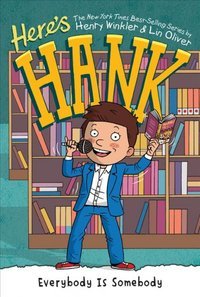
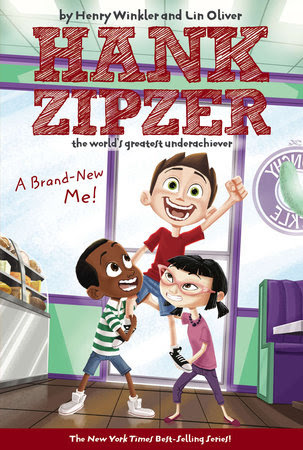
Hank Zipzer: The World's Greatest Underachiever, is a series of middle-grade novels based on Winkler's own experiences with dyslexia. Hank is smart, resourceful, funny, and creative, but he struggles with the many ways dyslexia can impact everyday life. The series is for grades 3-7, ages 8-12 with a reading Lexile of 610. The Here's Hank series is based on a younger version of the same boy in second grade and is written for ages 6-9 with a Lexile of 540-660.
In a 2019 NPR Article, Henry Winkler talked about his experiences with dyslexia. The comedian/actor didn't find out that he had dyslexia until he was 31. Like many adults, he discovered that he had a learning disability when he took his son to be tested.
Winkler spent most of his youth being treated like he was stupid or lazy and he felt like an underachiever. He was grounded through much of high school because of his poor school performance. When he discovered that he had a talent for acting, he had difficulty reading scripts impromptu. He used memorization, improvisation, and humor to make it as an actor on the hit TV show Happy Days. One of the hardest challenges for him was the emotional impact of having a learning difference and facing what he described as feelings of inadequacy and embarrassment. He says that he had "no sense of self."
Reading Rockets has a video interview with Henry Winkler and Lin Oliver on their website. They also have a video hosted by Henry Winkler called Reading and the Brain about the neuroscience of reading.
Although Winkler reported feeling stupid for most of his early life and adulthood, he was actually quite intelligent. He earned a Master of Fine Arts from Yale University.
His work reminds me of another author with dyslexia, DAV PILKEY, author of the Dog Man and Captain Underpants series. See my August POST about Dav and his books. Dav's stories are also filled with humor.
On a separate but related note, the International Dyslexia Association will be featuring a 24-hour virtual event on October 17, 2020, called Go Red (Reimagining Education for Dyslexia.) Go to their website for more information.


July 5, 2020
WEBINAR FATIGUE - 5 TIPS FOR COPING

If you are experiencing the following symptoms, you may be suffering from webinar fatigue. Do you feel an irrational need to sign up for more webinars than you can reasonably fit into your schedule (or your brain) because they are FREE?Do you experience a strong (or slight) feeling of nausea when another FREE webinar pops up in your email queue or during your online browsing?Do you suffer from headaches or blurred vision induced by too much screen time?Do you contemplate your ability to catch up on webinars now that summer is here, followed by a wave of anxiety and sense of inferiority because you will never be able to watch them all, and you may miss that important gem of information that would have helped you improve your online teaching skills, boost your immune system, or avoid economic disaster? Or perhaps all three at once!

Please know you are not alone. Webinar fatigue is a growing epidemic. I began suffering these symptoms early in the Covid-19 pandemic quarantine. I had a sense that I should have more time since I couldn’t go anywhere, yet I was continually double booking webinars over Zoom coffee dates with friends while having difficulty fitting in all the online shopping induced by the numerous sales and special offers that would in expire in 24 hours if I didn’t act immediately.
Everyone is adjusting to dealing with the economic ups and downs as well as working from home, schooling from home, cooking more and dining out less, and turning our garages into mini gyms. Innumerable webinars have appeared to help us navigate these challenging times, but they can become overwhelming and leave us with a feeling of never catching up. For that reason, I have created Five Tips for Coping with Webinar Fatigue.
5 TIPS FOR COPING WITH WEBINAR FATIGUE
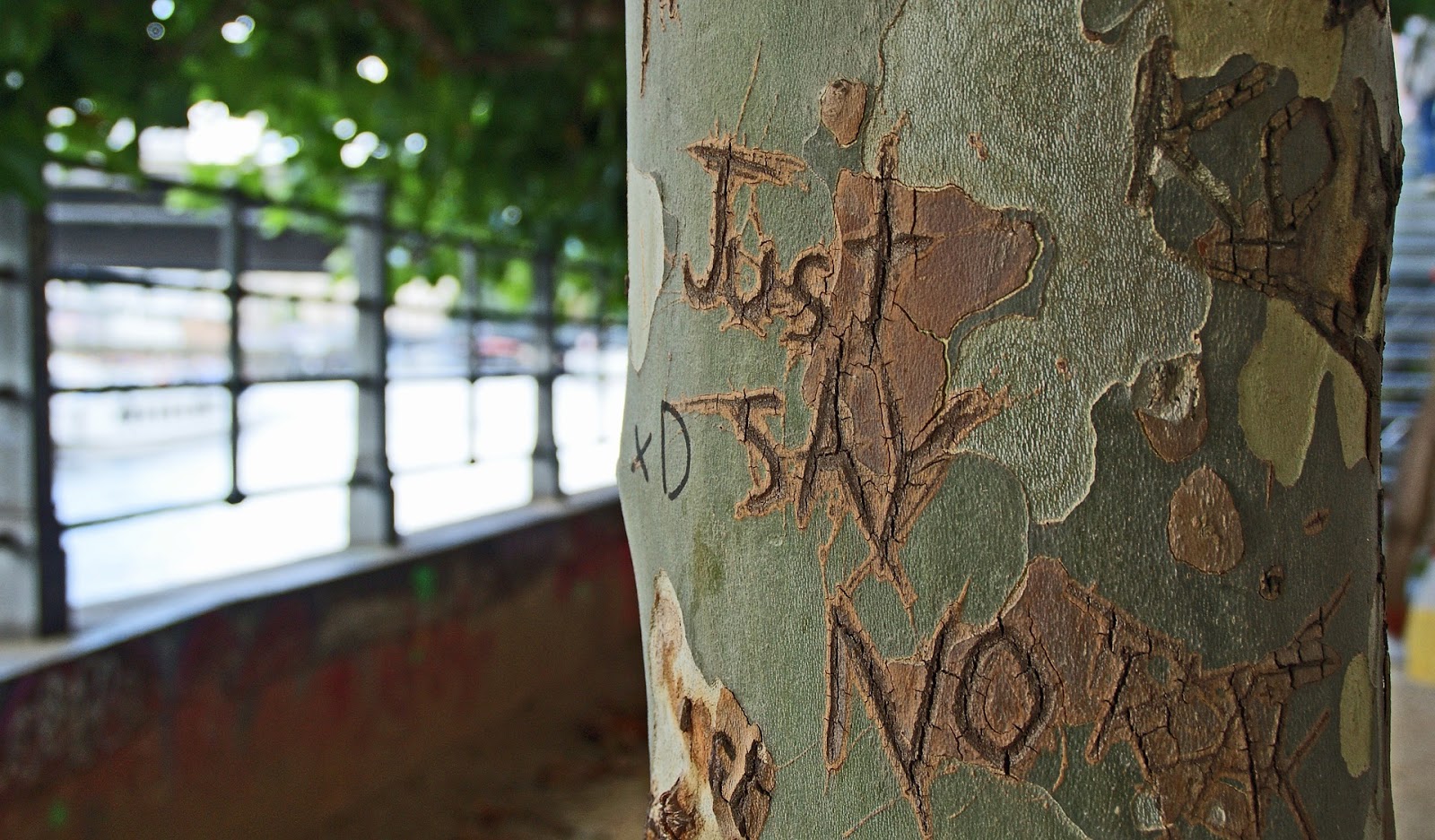
Just Say No - Press delete and don’t look back.Procrastinate - Many webinars are live which can cause the added stress of needing to rearrange your schedule to accommodate them; however, many of these information sessions also offer a recorded option after you sign up or sometimes even prior to signing up. Take the recorded option if one is presented and then wait a week. If the need to watch the webinar has passed by then, follow tip #1 and delete it.Multi-Task - Watch the webinar from that mini gym in your garage while you lift weights or do your lunges. That way if the online information turns out to be a recap of every other webinar you have watched, you haven’t wasted an hour. If you find that the information is redundant or not helpful, follow tip #1 and press EXIT.Remember that Nothing is Truly Free - Put a price tag on your time and ask yourself if the hour you would give up is worth it.Pay the Price and Get What You Really Want - Rather than focusing on free webinars, consider attending that big national or international conference you’ve always wanted to go to, but couldn’t afford because it’s usually $500 plus airfare plus lodging. Many of these conferences are now available at a fraction of the cost. Because they are online, the travel expense is eliminated. A few of my favorites are below.

I hope these tips have helped you deal with the symptoms of webinar fatigue, or put it into perspective, or at least has given you the opportunity to laugh at the experience. After all, laughter is the best medicine.
SOME EVENTS YOU MAY WANT TO CONSIDER
The Society of Children’s Book Writers and Illustrators (SCBWI) is offering their summer conference as an Online Summer Spectacular from July 31 - August 4 with recordings available through the month of August. The cost of the SCBWI conference is $100 for members and $175 for nonmembers. Membership is only $80 and anyone can join. SCBWI has also been offering several free webinars only for members. Children’s authors speaking at the online summer event include Kwame Alexander, Philip Pullman, Laurie Halse Anderson, Judy Blume, Grace Lin, Jane Yolen, and Jacqueline Woodson to name a few. A host of editors and agents will also be presenting. To find out more GO HERE.
The International Dyslexia Association will host their annual conference - Reading, Literacy, and Learning online November 13-14. The cost is $179 for professionals (access to 56 sessions) and $79 for parents (access to 11 sessions). Session recording will be available for 72 hours after the conference. Networking and a virtual exhibit hall will also be available. To find out more GO HERE. Visit the IDA website to find out about the many free webinars they have made available recently at dyslexiaida.org.
Recordings for these types of events usually come at an additional fee. They are extremely valuable because they allow you to listen to the information at your own pace and to catch sessions you were not able to see in person.
April 3, 2020
I WILL BE PRESENTING AT NCTE

I am excited to announce that I will be leading a panel at the 2020 Annual Convention for the National Council of Teachers of English (NCTE) in Denver in November at the Colorado Convention Center.
SING A SONG OF SIX PIXSunday, November 22, 2020, 9:00am-10:15amColorado Convention Center
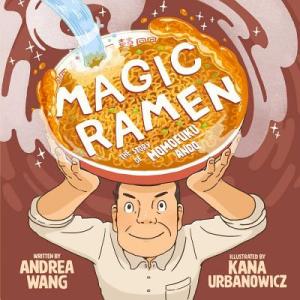
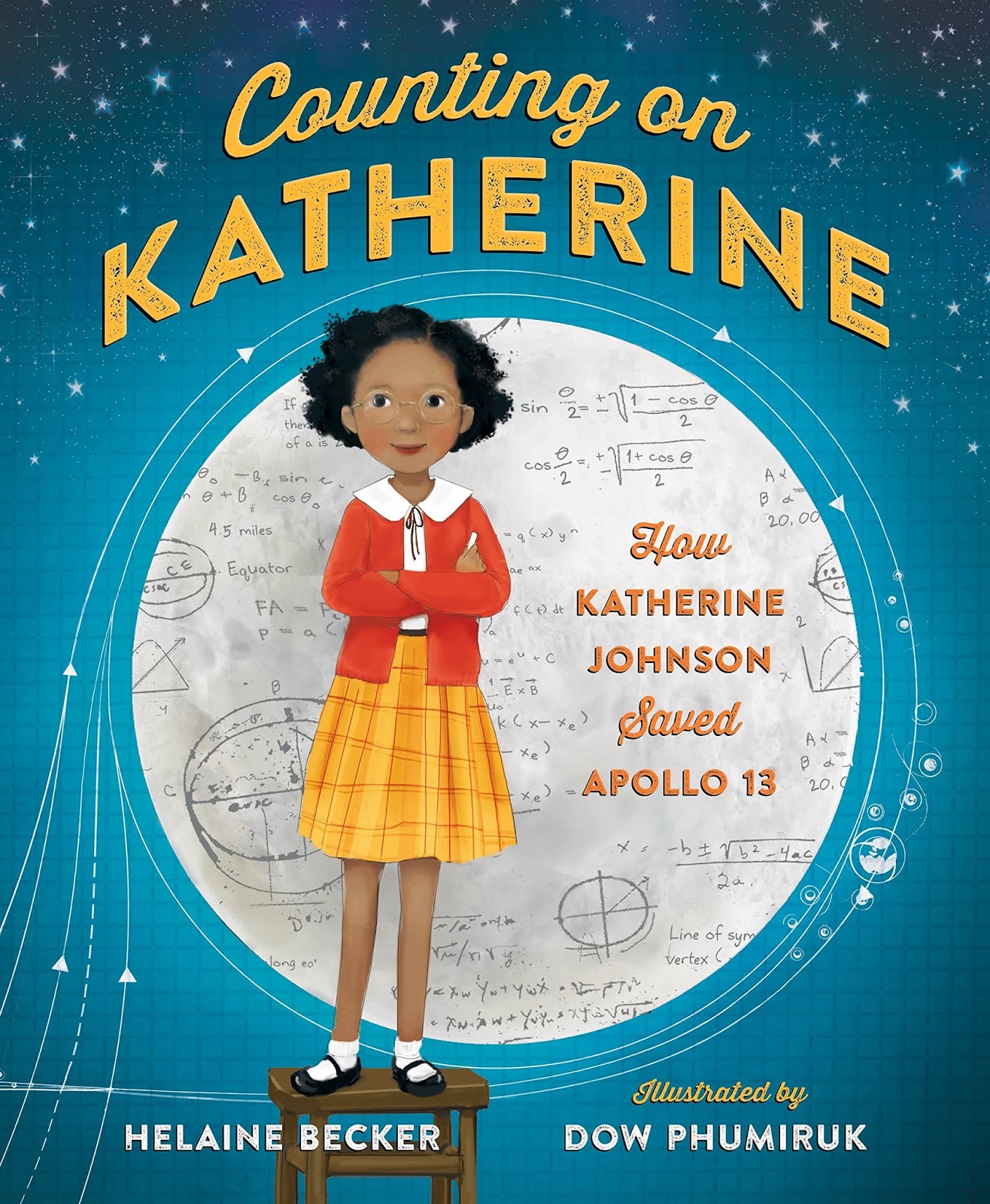
Program Description: Six narrative non-fiction picture books, four authors, two educators, eight different strategies to teach a confluence of skills to a diversity of learners… and one silly song to help remember them all! Join us for a session filled with fun, music, and practical suggestions for the classroom.The other members of the panel include Dow Phumirik, Andrea Wang, and Beth Anderson. I will be talking more about these talented women and their stories in the months to come. Each of them has a story featured in my upcoming educational book, Story Frames (Brookes Publishing, November 2020). Here are a few of their titles:

Avoiding Zoombombing
1. Don't post meeting links on social media or public platforms if it can be avoided. You never know who might join the meeting.
2. Make it mandatory that people join the meeting with a password.
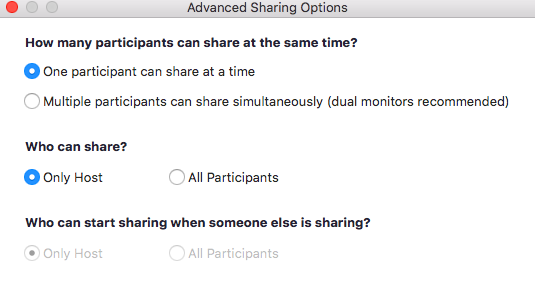
3. To prevent other people from sharing inappropriate images during a meeting, click on the arrow next to Share Screen and go to Advanced Sharing Options.
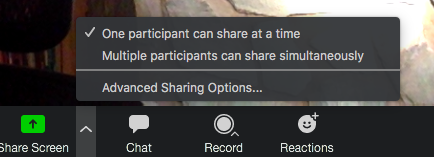
Then select Only Host so that only the host can share his/her screen.
 4. To prevent unwanted visitors from making inappropriate comments, go to Manage Participants. Mute EVERYONE. This is also helpful in large meetings when people forget to mute themselves. Then you can decide if you want to allow people to unmute themselves to speak to the group or not. If everyone is muted, they may need to raise their hand to share.
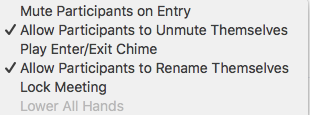
5. Zoom lists other precautions such as using the Waiting Room, Lock Meeting and Disable Private Chat features HERE.
I'm sure other people will have more to share on this topic as well as more advanced advice.
February 8, 2020
Interview with Author Lois Ruby

Some authors consider themselves Plotters, some Pantsers, and others say they are something in between. Plotters spend a lot of time setting up a story before they ever start writing. Pantsers tend to jump into a story and fly by the seat of their pants. Over the next few months, I will be interviewing several authors about their writing process. These authors all have books featured in my upcoming educational resource, Story Frames: Using Narratives to Improve Reading, Writing, and Executive Function Skills in Struggling Readers (Coming November 2020, Brookes Publishing).
Today I'm talking with author, Lois Ruby, who has a new book that was released just this week - Red Menace for ages 11 and up. Set in 1953, the story is told from the perspective of thirteen-year-old Marty Rafner whose parents are investigated by the FBI for suspicion of being communist sympathizers. As the date approaches for the execution of Julius and Ethel Rosenberg, Marty sees just how serious the stakes really are and that it may be up to him save his family (Carolrhoda Books, February 2020). And now for the interview with Lois Ruby...
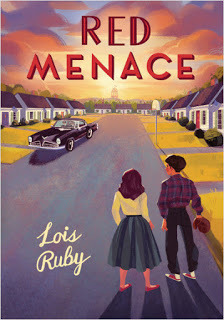 Find on Amazon
1. Thanks for joining us today, Lois. You tend to write books that require a lot of research and follow the unfolding of historical events. I know you are meticulous in your research. When it comes to plotting, how structured are you? Do you consider yourself a Plotter, a Pantser, or Something Else?
Lois: I fall into the "something else" category. Occasionally I'm required to pound out an outline before a book is accepted and written, and that's like chewing nails, so I make up something that sounds plausible. Then I feel little obligation to follow that outline when I start the writing. The plotting part? Meh. Secondary at best. Character always comes first, and that determines the time and place for the story and gives me a vague idea of where the story is going, which plunges me into interminable research until I'm exhausted and admit it's time to start writing. Then it goes quickly, zooming toward the ending. I prefer to be surprised by the ending when I get there, so I guess that's the "pantser" part.
2. What has been your most interesting research experience so far?
Lois: My most interesting research experience was interviewing three Skinhead teens at a Taco Bell in Kansas -- two guys in full skinhead regalia and a girl with the back of her head shaved, and her long hair starting mid-scalp and hanging over her eyes. I looked around the crowded Taco Bell, and all I could think was, I hope people don't think these are my children. I told those sad kids that I'd buy all the burritos and tacos and Cokes they wanted, and all they had to do was talk to me about their lives. Oh, man, what an eye-opener! Out of that enlightening and horrifying interview emerged my book, SKIN DEEP.
 Find on Amazon
3. What is your favorite children's book?
Lois: My favorite children's book is the incredible forever-classic novel, THE GIVER, by Lois Lowry. Of course, I like the fact that the author shares my first name, which has led to some memorable experiences, including my twice accepting her awards in her absence. I'm told she's asked, "Who is this Lois Ruby person who always seems to be in the right place when I can't be?" Impostor? No, it's only coincidence. THE GIVER is, in my estimation, the most significant and thought-provoking children's book of our generation, worthy of reading numerous times, by kids and adults, in search of new nuggets of truth.
4) Do you have any advice for young writers?
Lois: I have lots of advice for young writers since I'm quite bossy when I encounter them during school visits and in my email. Three words: read, read, read
Read everything from toothpaste tubes and cereal boxes to kiddie books and adult novels, to scientific treatises, non-fiction works, and commercial ads. Read to younger brothers and sisters and to grandparents, in order to savor the texture and flavor of words, theirunderlying meanings, and how they meld together.
Then write, write, write. Write quickly to get the words down without censoring them, and then revise until you feel excited and proud about what's on the page or screen. Finally, find a trusted person (not your mother, who has to love everything you do!) but a kindly, objective reader to offer suggestions on what does and doesn't work in your writing. Revise again. Above all, enjoy!
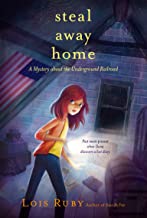
Find on Amazon
What is most interesting to me about Lois and her writing process is that when it came time for me to choose books to analyze for strong plot structure while writing Story Frames, I instantly thought of Lois's book Steal Away Home which will be featured in Story Frames. It's about a girl who finds a skeleton in a hidden closet of a home her family is renovating only to discover that the bones belonged to a woman from the Underground Railroad. Read about it on Amazon. As I have said before, I believe that many authors have such a strong sense of plot that they don't have to think of it overtly the way many of us do.
To receive information about publications and events and to catch all of the author interviews, sign up for my newsletter HERE or simply follow this blog. To read more about the plotting structure outlined in Story Frames, visit my page for The Secret Language of Stories. To read the interview with author Caroline Starr Rose, go HERE.
January 14, 2020
DR. CAROL WESTBY'S NARRATIVE SEMINAR

I was delighted to have dinner with a college mentor of mine, Dr. Carol Westby, here in Denver at the Great Northern. She was in town to give a presentation for PESI on Narrative Intervention entitled: Developing Social-Emotional Skills & Self-Regulation in Students: Narrative Intervention for Long-Term Academic, Personal & Social Success.
I attended her Friday workshop and was thrilled to hear her talk about using picture books with students of all ages including those at the high school level. I have long advocated using illustrated texts for older students, especially narrative non-fiction picture books that include engaging autobiographies of scientists, mathematicians, sports figures, and important people from history. These books explore sophisticated topics, but the picture support makes them accessible to second language learners as well as to students with limited vocabulary and concept knowledge.
In my upcoming book with Brookes Publishing, I discuss several current picture books appropriate for students of all ages. Watch for Story Frames coming November 2020.
I'm thrilled to announce that Dr. Westby will be writing a chapter for Story Frames about Multicultural Issues. During her December PESI presentation, she discussed this topic at length. She pointed out that western stories tend to have a linear structure while the stories of many other cultures do not. We must exercise caution when listening to the stories of students from other cultures. Otherwise, we might assume that their narratives are incoherent when they are simply following a structure different from what we are used to teaching. This is especially important when using a student's narrative to assess language abilities.
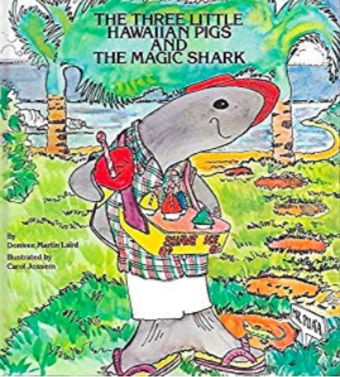
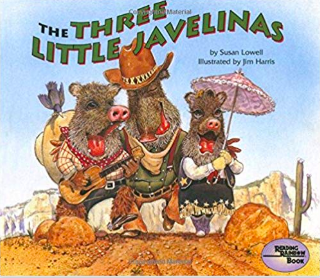
One fun suggestion Westby gave for exploring unfamiliar settings was to use the story of The Three Little Pigs to discuss the different types of homes people construct in various parts of the world. She uses picture books that are take-offs on this story to provide examples such as The Three Little Hawaiin Pigs and the Magic Shark by Donivee Laird as well as The Three Little Javelinas written by Susan Lowell and illustrated by Jim Harris. The latter title is also available in Spanish.
Another book I explore in Story Frames is The True Story of the Three Little Pigs written by Jon Scieszka and illustrated by Lane Smith. It is told from the perspective of the wolf who claims he was framed and is useful for discussing how spoofs are created from well-known classics and for discussing point-of-view. These tales provide great inspiration for student writing.

Dr. Westby has several upcoming presentations with PESI that are listed below. Live Online Webcasts of the presentations are available on 2/28/20 and 3/20/20. For more information or to register for these events, visit PESI and type Westby in the search window.
"Play & Language: The Roots of Literacy"
Thursday, February 27, 2020 - PORTLAND, MEFriday, February 28, 2020 - MANCHESTER, NHFriday, March 20, 2020 - DENVER, COThursday, April 30, 2020 - NANUET, NYFriday, May 1, 2020 - FORT LEE, NJFriday, May 15, 2020 - KING OF PRUSSIA, PA
December 8, 2019
Holiday Potluck Recipe - Carolee's Gluten Free Southwest Cornbread

Since my daughter has celiac disease, I'm always on the lookout for good gluten-free recipes. The ones I love most are the recipes that are naturally GF. The following is a twist on an old favorite. It makes a large batch. It is perfect for holiday potlucks or as a fun substitute for cornbread dressing. The creamed corn and sour cream give it a texture somewhere between a spoon bread and a moist cornbread. Perfect for cold winter nights.
Ingredients
1 1/2 cups yellow cornmeal
1 1/2 tsp. salt
1 1/2 Tb baking powder
3 eggs - beaten
1/3 cup corn oil
1 - 8 oz carton sour cream
1 - 13 oz container Bueno frozen green chili (thaw and drain excess liquid)
2 cups colby jack grated cheese
Grease a large 8x12 inch baking dish. Mix together dry ingredients. Mix together wet ingredients and add to dry ingredients. Stir in grated cheese. Bake for one hour at 350 degrees.
Holiday Potluck Recipe - Carolee's Gluten Free Mexican Cornbread
Since my daughter has celiac disease, I'm always on the lookout for good gluten-free recipes. The ones I love most are the recipes that are naturally GF. The following is a twist on an old favorite. It makes a large batch. It is perfect for holiday potlucks or as a fun substitute for cornbread dressing. The creamed corn and sour cream give it a texture somewhere between a spoon bread and a moist cornbread. Perfect for cold winter nights.
Ingredients
1 1/2 cups yellow cornmeal
1 1/2 tsp. salt
1 1/2 Tb baking powder
3 eggs - beaten
1/3 cup corn oil
1 - 8 oz carton sour cream
1 - 13 oz container Bueno frozen green chili (thaw and drain excess liquid)
2 cups colby jack grated cheese
Grease a large 8x12 inch baking dish. Mix together dry ingredients. Mix together wet ingredients and add to dry ingredients. Stir in grated cheese. Bake for one hour at 350 degrees.
November 30, 2019
Interview with Author Caroline Starr Rose
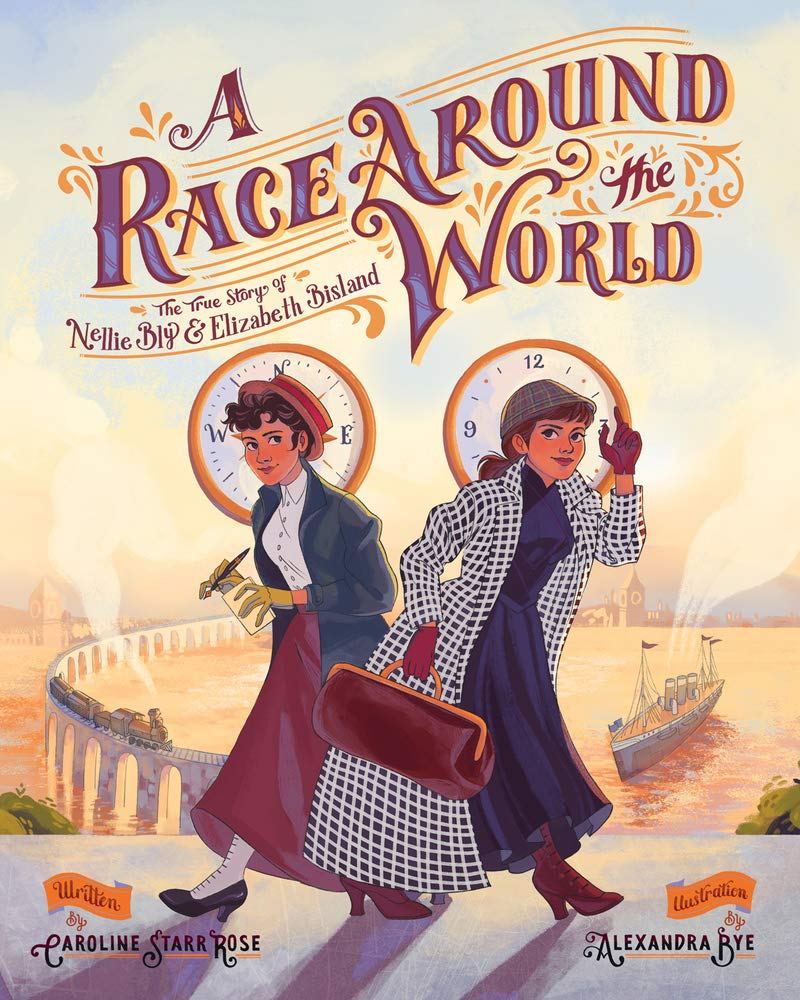

In November 2020, my new educational book on narrative structure will be published by Brookes Publishing - Story Frames - Using Narratives to Improve Reading Comprehension, Writing, and Executive Function Skills for Struggling Learners. In Chapter eleven, I analyze the plots of several narrative non-fiction picture books including A Race Around the World: The True Story of Nellie Bly and Elizabeth Bisland written by Caroline Starr Rose and illustrated by Alexandra Bye (2019, Albert Whitman & Company). In Chapter thirteen, I analyze the plots of several novels with historical connections including the verse novel, May B. (2014, Yearling), also by Caroline Starr Rose.
Although I examine books through the lens of narrative structure, many of the authors I discuss do not think of themselves as Plotters. Others have a plotting process very different from mine. Over the next several months, I will be interviewing many of them and talking to them about their writing process. The first author is Caroline Starr Rose, but before we get started with Caroline, let's clarify the difference between Plotters and Pantsers.
A Note about Plotters and Pantsers
Some authors think of themselves as Plotters, some as Pantsers, and others as something in between. Plotters spend a lot of time setting up a story before they ever start writing. They may organize scenes using index cards, create elaborate outlines, and have key beats or turning points in mind that they use to organize the events of a narrative. Pantsers tends to jump into a story and fly by the seat of their pants. They may come back later to refine the plot or not. Even authors who spend a lot of time researching a non-fiction topic may vary widely in the way they plot (or don't plot) their stories. Now let's find out about Caroline and her writing process.
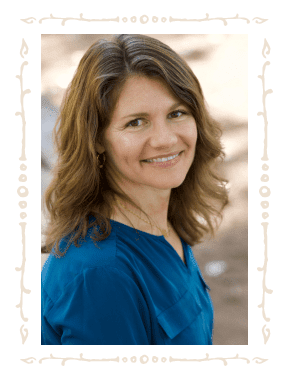
1. Do you consider yourself a Plotter, a Pantser, or something else?
Caroline: I consider myself as a plotster, a combination of the two. While I can recognize story structure in other’s work, it’s often hard for me to find the same patterns in my own for a very long time. My aim when I’m beginning is to get familiar with my main character, the setting, and major turning points. The story grows (with some dead ends and wrong turns) from there.
2. What has been your most interesting research experience so far?
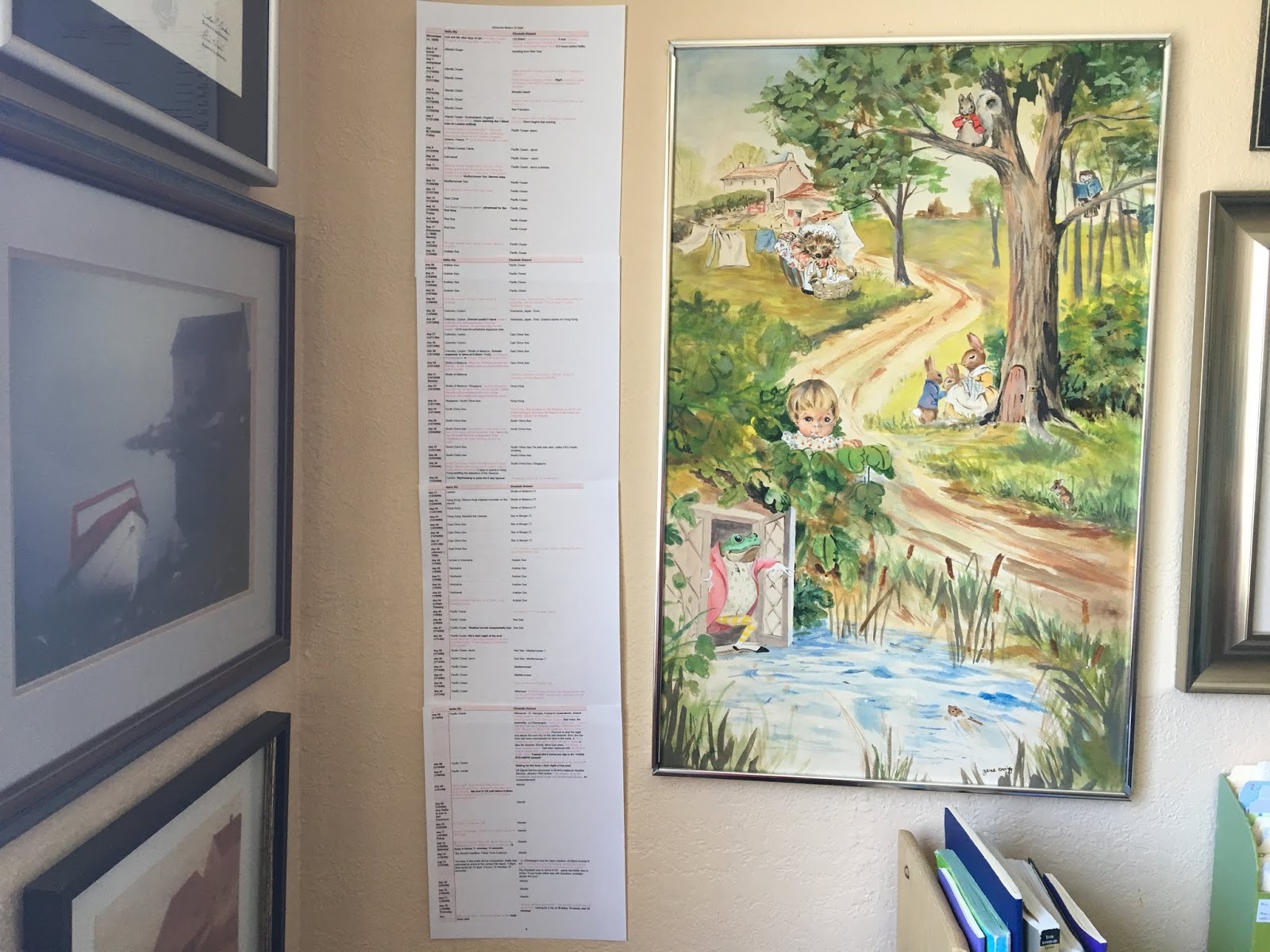
Caroline: I loved learning about the real-life race featured in A RACE AROUND THE WORLD. The history gave me a built-in structure to shape the story around. I ended up creating a huge day-by-day chart of the race so I could have a sense of the event in its entirety. My editor referenced it when we worked on the manuscript, so did the art director and illustrator!
3. What is your favorite children’s book?
Caroline: I adore THE PHANTOM TOLLBOOTH. I’ve probably read it thirty times over the years, first as a student, then to my students, and finally to my own boys. It’s a great book to use in mapping out the twelve story elements, from Crossing into the New World, called The Lands Beyond, to the Climax / Final Test, which includes climbing the Mountains of Ignorance to the highest physical point (and climatic point) in the story, the Castle in the Air.
4. Do you have any advice for young writers?
Caroline: Read, read, read, read, read. Read everything. It will be your greatest writing teacher. Let writing be fun! Sometimes the word “write” carries some negative connotations, even for me, and this is my job. Instead of writing, I often tell myself I’m about to explore, create, experiment, tinker, or play. There’s no wrong way to do those things, is there? This is a freeing way to approach my work! I hope it helps you, too.
To read more about the plotting structure outlined in Story Frames, visit my page for The Secret Language of Stories. To read more about Caroline and her other amazing books, visit carolinestarrrose.com
September 2, 2019
Courage vs. Violence
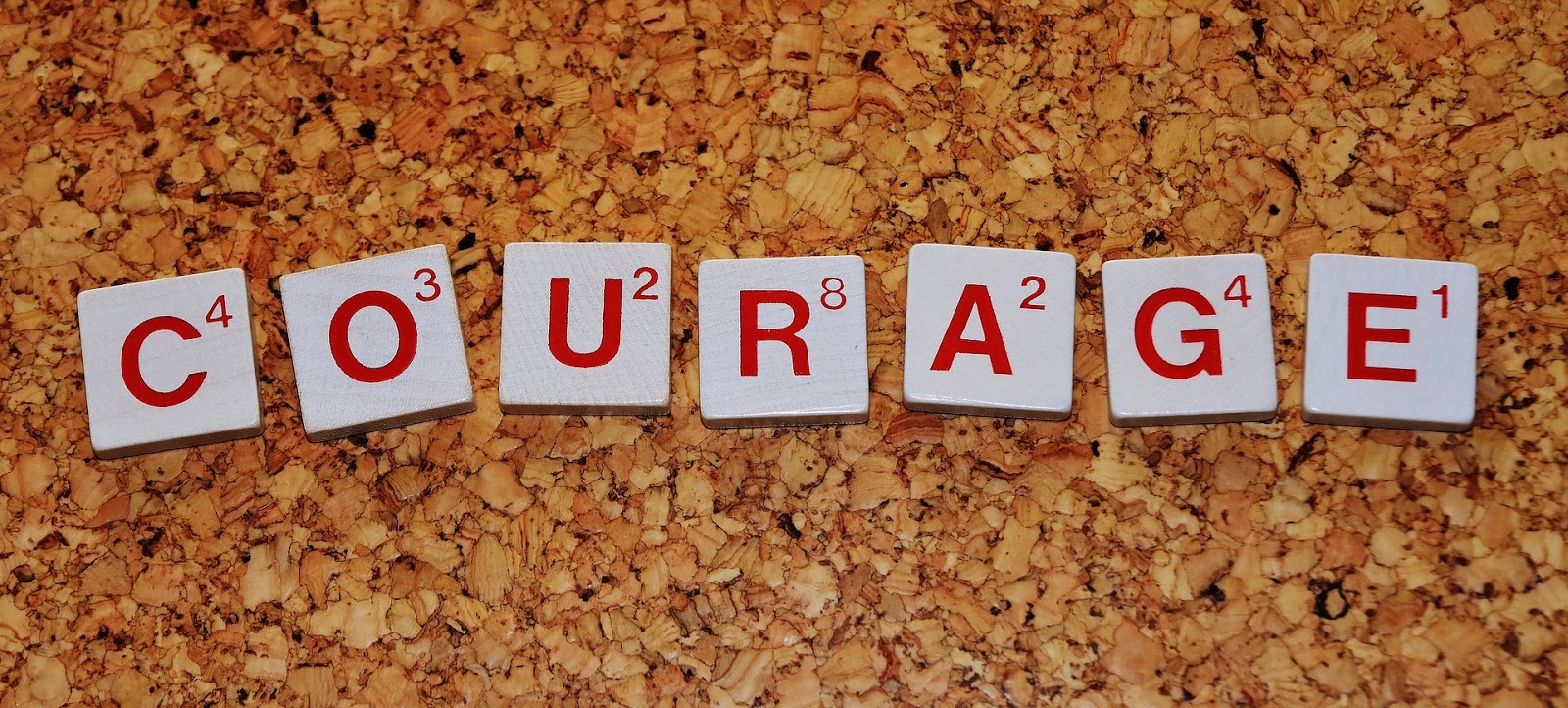
We have been splitting our time this past year between Midland, Texas and Denver, Colorado, so the recent shootings in Odessa, as well as Highlands Ranch, were very close to home.
We traveled the highway from Midland to the airport between Midland-Odessa around noon on Saturday, August 31, chatting with the driver about her previous work as a special education teacher and her husband's recent return from the Middle East where he was deployed with the national guard. I consider people like that to be everyday heroes working in the trenches. She was a fascinating person with a remarkable story.
We didn't know until we landed that someone had gone on a rampage and killed seven people on the highway between Midland-Odessa. I don't mention the gunman's name because it's not important.
A gunman randomly shooting people is NOT a compelling story. It takes no unique skill or ability. It requires no courage or bravery.
I want to know about the other people involved. I read the tributes to the people who died in the incident, but I don't want to know about their deaths only. I want to know about their lives. I want to know about the histories of the first responders. Any of them could have been making a lot more money working in the nearby oil fields. Instead, they chose to stay in public service where they knew their lives could be in jeopardy. I want to know about the people evacuated from the movie theater that came close to disaster but escaped it. I want to know about the small kindnesses and acts of bravery.
I appreciate the Midland Reporter-Telegram reporting on the shooting victims as well as describing the bravery of Zack Owens, one of the police officers who risked his own safety to keep the gunman from going into the nearby Cinergy Movie Theaters. I hope we hear many more of these stories.
In May there was a similar incident at the STEM School in Highlands Ranch, five miles from our home in Colorado. That's old news now. So many tragedies have happened in the months between. I liked the way the Denver News handled the STEM School incident. Their focus was on Kendrick Castillo, the young man who lost his life when he charged one of the shooters. Very little was said about the shooters, but Kendrick, his life, and his story were all over the news. Brendan Bialy, a survivor who also ran at one of the shooters said it best:
"As the trend is now to propagate the name of the shooter, shooters and their intents just kind of glorifies it, if anything inspires other people," Bialy said. "So in this happenstance, the absolute legend of the events of yesterday, Kendrick Castillo is the name I think should not go away to the sands of time." See Bialy's story at NBC NEWS.
It is of value to understand why people commit violence. When someone figures it out, I'd like to know that story, if it's short. But random violence isn't very interesting. It's easy. Anyone can replicate it. What I really want to know about are the everyday citizens who react to tragedy with courage, kindness, and fortitude. I want to know about heroes who don't even know they are heroes until they are suddenly called to action.
I hope that the news stories over the next few days and weeks focus on those heroes and their stories, and I hope that we, as a culture, start to value those stories more than we value stories of senseless anger. As we choose what to retweet, share to social media, and talk about around the water cooler, I pray that we can find those gems that may be hidden, but shine so much more brightly.