Beth Alvarez's Blog, page 37
July 12, 2016
Encouragement Costs Nothing
It was a happy event. Our young next-door neighbor had just graduated from high school and been accepted to one of her universities of choice, her major chosen and her moving plans underway. There were congratulatory balloons everywhere from the celebration, including inside our house, after our three-year-old convinced her to share. We didn’t attend the party, but we gave her a card and a gift, and she met me at the chain link fence between our cozy back yards to thank us.
We had the usual polite small-talk. With me being eleven years her senior, it didn’t seem she’d want to spend a lot of time chatting with me when she had a lot of friends and a free summer ahead of her. I asked about her major; she said English. Despite writing being my first thought, surely because of my own profession, I decided to play it safe and ask if she planned to teach. No, she said, she wanted to do professional editing for publication. And it was there, in the subtle way she kept smiling though she lowered her eyes, that I felt an immediate rise of anger.
See, I’m not even sure she knew she did it. But that one tiny gesture told me a story like a thousand others. That, not her parents, as they’re the loving and supportive type, not her friends, or they wouldn’t be her friends, but someone–some time–told her that the path of her dreams was not viable.
It’s a story almost everyone shares, and though it cuts us deep when it happens to us, we always manage to pass it on to the next generation. That what they want to do isn’t viable as a career option; that it’s too hard; that their chances of being hired are slim; that it’s great for a hobby, but not a career; that there’s not enough money in that field to support a family.
I was excited. I told her how incredible I thought that was, that I thought it was an excellent choice, that she would love it, and that the written world was my field, too. Her smile brightened and I took it to mean something. Lots of friends and relatives had likely encouraged her, but I was saying something from the other side. I already had experience writing, editing, working with publishers. Though I devote most of my time and attention to being a stay-at-home mom and the whole “books” thing is just a side gig now, I had done what she wanted to do, and that made it seem that much more attainable.
Careers can crop up in the most unlikely of areas, these days. With the advent of the internet, we can make our way through methods no one ever would have dreamed of before. Encouragement costs us nothing, but it can be what makes or breaks a person’s dreams. It didn’t even take a minute to share a few positive words, but it made a difference.
The next time we crossed paths, both of us walking to our cars to run errands, she told me she’d declared her major and had all her classes lined up. No more timid lowering of the eyes, no more somewhat-sheepish smile while she laid her heart bare by sharing her interests. All I saw was the excitement and enthusiasm, the eager energy of someone just beginning on the best parts of their life.


July 5, 2016
Making doll eyes: Cost vs savings
There’s a popular graphic floating around on social media sites that says “Why buy it for $7 when you can make it yourself with $92 of craft supplies?”
Anyone interested and do it yourself route already knows that DIY isn’t always the way to save money, especially when you’re making a limited number of things. If you’re good, you might get a return on your investment by turning to options like Etsy, but don’t count on it.
Working with my dolls, I encounter this scenario frequently. Do I buy it, or do I use my pre-existing skills to make it myself? I have the advantage of having a large collection of crafting tools already, so if I can get the materials cheap, it’s almost always in my best interest to do it myself. For one, I’m on a tight budget, which means anything that can save me pennies is something worth looking into. And then sometimes I bite off more than I can chew.
When shopping for doll eyes after the arrival of my two newest, I had two options: Buy pre-made eyes from a company I was already familiar with, or learn to make my own. I had two other dolls waiting for proper eyes, so assuming I was happy with one pair each and bought from said familiar company, I was looking at a total of $100 plus international shipping. But what if I wasn’t happy with the eyes I got? What if the color didn’t look like the photos? And what if I got more dolls later?
Without as much consideration as I probably should have given it, I decided to take the route of making my own. I figured it would save me money in the long run. After all, how hard could it be?
Turns out it’s not always easy to make stuff, especially when that means learning new skills. I needed a variety of materials and new tools. And a lot of them were things I’d never worked with before.
The concept wasn’t too tough: I’d need to sculpt bases, make a mold of them, cast bases in resin, paint them, and top them off with clear resin. The problem was I didn’t have the kind of paints I’d want. Or any of the rest of the stuff, for that matter. So first came a materials list. Here’s the breakdown of what I used.
• Moldable plastic and round beads for making sphere molds – $0 (Already on hand)
• Polymer clay and filler putty for sculpting bases – $0 (Already on hand)
• Sandpaper and files – $0 (Already on hand)
• Plasticine clay – $0 (Already on hand)
• Glitter and gemstones – $0 (Already on hand)
• 2-part mold putty – $0 (Already on hand)
• White resin – $14 with coupon (Reg. price $22)
• Clear resin – $14 with coupon (Reg. price $22)• Magic Glos UV resin – $7 with coupon (Reg. price $11)
• UV lamp – $22 with coupon (Reg. price $36)
• Plastic transfer pipettes – $5
• 2-part pourable silicone – $30 (Ordered enough other things to qualify for free shipping)
• Additional paints – $20
• Flatback pearls – $4
So before I even began, even with the large amount of stuff I already had handy, I ended up spending $116–before Tennessee’s hefty 9.25% sales tax. When all was said and done, it was closer to $130, and I hadn’t even invested the time yet.
And what a lot of time it took.
At this point, I probably have close to 20 hours invested in my eye project, and I still only have one pair I’m completely happy with. The rest are lacking, and I’ve encountered more than my fair share of issues with the materials, largely because of the particularly humid climate I live in. Fewer than half the eyes I’ve made have turned out, either because of bubbles in the resin or the resins failing to adhere to each other properly, both symptoms of the local weather.
Assuming I pay myself my standard commission fee for art/crafts related projects, which is $10/hour, I’ve invested $330 worth of time and resources into the eye making project and I still only have one pair. At the end of the day, I might still just buy eyes from a reputable company, instead of continuing to struggle and/or wait for the perfect weather to come along.
But I am learning new skills out of it, so take that for what you will. I didn’t save any money, and I’m a long way off from getting what I was aiming for to begin with, but experiences count for a lot.
I documented my work, as well, while making note of a few pitfalls I discovered along the way. Then I compiled it all into one video, sharing what I learned–minus mention of the costs.
Curious to see how it went? You can watch the whole process here:
Happy crafting!
June 28, 2016
Dear Buzzfeed: Stop Ruining Lists
Nobody likes clickbait.
A few weeks ago, I discovered the magnificent organization Stop Clickbait, where they take clickbaity articles and post the link along with the answer to the baiting headline. It’s amazing! I only have one issue with it: they classify lists as clickbait.
There are two kinds of lists that permeate the blogosphere, and sweeping them all into the same “clickbait” category is harmful to the kind that’s actually worth something. And yes, in case you’re wondering, I write a lot of these!
In defense of those lists, it’s an excellent blog format. It lets bloggers categorize thoughts and ideas under neat headlines that let you, the reader, know if a point is something you want to read about. If it’s a subject you’re already familiar with, or the bullet point is a tidbit you already know, you can skip it. Aside from keeping everything neatly organized, information presented as a list can help save precious minutes of your day.
And then there’s Buzzfeed.
I get it–Lists get a lot of clicks. But when people click a list headline, they’re usually expecting useful information, not a collection of 30 GIFs with one-line, opinionated and non-informative snippets written in “hip” language.
Even worse are the “listicles” (shorthand for list-article, apparently) that offer bullet points and a single line of text on individual pages, rife with popups and obnoxious banner ads, expecting you to click through eight to twelve pages or more to get a tidbit of information.
It’s awful, because as I said, I love lists. Lists are great. But as that kind of list permeates the internet, it becomes harder and harder for me to tell if a list I click is actually going to be informative, or if it’s going to be… well, clickbait.
So seriously, Buzzfeed and everyone taking a page from their book, stop messing up our lists. Stop Clickbait is a great idea, but when a major site’s actions drop people like me under a spammy title just because I use lists, I have a problem with that.
Lists are great. They’re helpful. And when I label a blog post in list format, don’t worry–I promise the only reason I’m naming it “Eight great things about dragons” is because I have detailed articulation that explains those qualities, which I can’t boil down into a few keywords in a headline.
There’s no clickbait here. I promise.
June 21, 2016
Tea review: Reading Nook Blend black tea from Plum Deluxe
When I saw this tea’s ingredients, I frowned in puzzlement. Honestly, I wasn’t sure I’d enjoy it. I couldn’t see how those flavors would work together and couldn’t picture a blend. I’m always hesitant when it comes to lavender, anyway, because I love the smell, but the flavor reminds me too much of laundry detergent.
Plum Deluxe’s website boasts that this is their best-selling tea. After having my first cup, it’s easy to see what makes it so popular. It’s well named, for one–the flavor really did make me want to curl up with a book, which is pretty much exactly what I did while drinking it.
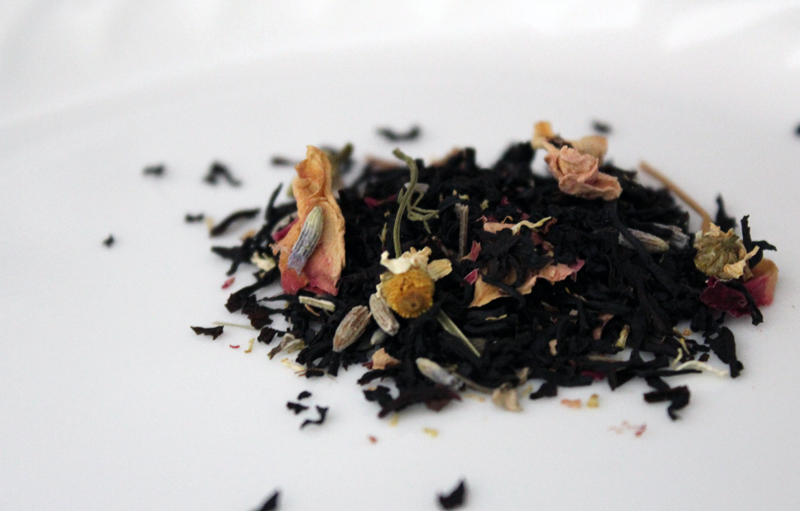
For another, it’s probably one of the prettiest teas I’ve ever seen. Black tea mingled with rose petals, lavender, and chamomile. I was surprised and delighted when I got myself a teaspoon for my infuser and discovered the chamomile flowers were whole, beautifully preserved, and still on the dainty stem. That something so delicate would be intact in this tea makes it clear that a lot of care goes into mixing these blends.
The tea brewed with a slightly spicy scent that surprised me, soothing and welcoming. The black tea base is mild, letting the sweet, fruity-floral taste dominate a straight cup. There was no bitterness, a warming flavor, and a delightful spiced note that reminded me of everything I like best about chai teas.
The addition of sweeteners brings out the floral tones, downplaying the hints of spice, letting the tea through a little louder. And the addition of milk mellows it out, making the flavor milder, less floral, but bringing back just enough of the spice notes to make a really soothing drink.
Pleasant in every form, I’d drink it straight in the evenings to unwind, or first thing in the morning with a bit of milk and sugar for a delicious but not overpowering breakfast tea.
June 14, 2016
Easy alterations to repurpose old doll clothing
Every time I clean an area in my house, I try to get rid of some things to prevent it from becoming cluttered again. It helps keep us comfortable in our little house, and being able to walk into the closets is always a plus.
Last time I cleaned and organized the closet in my workshop, I ran across my old porcelain doll from when I was a little girl. She was pretty, but since my taste in dolls has evolved, I didn’t see a reason to keep her. But I’d often read about people using clothes from porcelain dolls to dress their ball-jointed dolls, and since Laele didn’t have any clothing of her own yet, I decided to try the dress on her.
 Since the nYID body is so curvy and I got her with a larger bust option, I wasn’t sure it would work. To my surprise, the bodice fit as if the dress were made for her. The problem area was much lower–the porcelain doll was a standard 18″ size, while Laele is a good bit taller than that.
Still, I was pleased. I could dispose of the old doll and still get a dress for one of my newer dolls. And with a really easy alteration, I’d have a pretty dress with little cost and little work. It’s fitting for her station, too, if not her personality, something I think suits her story fairly well; she’s a bit more adventurous, but her family a bit more traditional, so it makes sense that her father–a spice merchant–would provide her with over-the-top frilly dresses, fit for afternoon tea rather than gallivanting across the country. It also came with the bonus of being pink, a complementary color for her unnaturally green hair. Don’t worry–the hair is part of her story, and it’ll be explained once I get her book written.
 Finding materials was actually the hard part. I looked at Hancock Fabrics, hoping to score something I could use for cheap, since they’re closing. But on top of not having much to choose from to begin with, there was a 30 minute wait to check out and only two people working, both of whom were very rude, so I decided to look elsewhere.
I visited several other stores and eventually found something I could work with at Hobby Lobby, which is fortunate, since it was my last option for buying something locally. I couldn’t find any pink satin that matched well, so I settled for a lighter shade and figured I’d cover the whole thing with lace. The lace I got was a pretty pattern in ivory, gathered onto elastic. That it was pre-gathered saved me a lot of effort, and that it was on elastic made it easy to attach to the satin.
I cut a piece of satin that was 8 inches wide and 44 inches long, adding a rolled hem to one edge and only finishing the other with a zig-zag stitch to keep down bulkiness. Then came the time consuming process of pinning yards and yards of lace onto the new addition. I put on three rows and then added the new ruffle to the bottom edge of the dress. The stitching ran along the existing hem stitching, and the crown of one ruffle hid the seam, creating an attractive blend.
Then came time for photos.

The end result was quite pleasing, and I’m glad I decided to keep the dress and send the doll on to a new home. From now on I’ll have to keep an eye out for porcelain dolls at thrift shops and the like–you never know when I might find one that’ll have a dress just right to add to Laele’s wardrobe.
June 7, 2016
Hand-me-downs and motherhood
There are some challenges that come with parenthood that people don’t tell you about. They’ll warn you of sleepless nights and spectators when you just want to use the bathroom alone. They’ll warn of messy kitchens and mountains of laundry and the way you’ll worry, sitting up at night with a sick little one.
But they don’t tell you that you’ll lose yourself.
They don’t tell you that every mother ends up overwhelmed and lonely, even when people come to visit or help.
They don’t tell you that trying to look after a child is such an all-consuming feat that everything else ends up being put aside to make it a little easier to wash a little person’s underwear because they’re mysteriously out of clean pairs, or wash a floor your shoes have been sticking to all day. Hobbies and interests stop existing for a while, because there’s simply no time. Time for these things will return eventually, but sometime, things come together in a curious way that makes everything seem far worse than it is.
Growing up in a large family, the idea of hand-me-down clothing was nothing new. Shoes rarely lasted long enough to be passed down, but clothing cycled from one kid to the next. Since I was the eldest girl, I rarely fell into this cycle. My parents would occasionally be gifted bags of previously-loved clothing from friends or coworkers, but for the most part, I got new clothes.
There’s an important form of self-expression that comes through clothing, and often we’re not even aware that it’s happening. We pick things we like or things we feel look good on us, without ever considering our choices. Our clothing lets us reflect our personalities on the outside, helping form a clear idea of who you are. But when your clothes are hand-me-downs, this freedom of expression is stripped from you.
Raising kids is as expensive as it is time-consuming. Clothes shopping with a toddler is a nightmare, and trying to check tags and scout out the things you can afford just doesn’t happen. So after our little one joined the family, I jumped at every offer of hand-me-down clothing, both for her and for me. It saved time, it saved effort, and it saved a fortune.
And yet it led to the slow replacement of the things in my drawers, my carefully curated collection of clothing assembled over the course of years. My own hand-chosen clothing wore out and was thrown away. Over time, I came to own a myriad of clothing from brands I’d heard of but didn’t wear and from stores I’d never visited. And then one day I opened a drawer to get dressed in the morning, and I was already having a bad day, and as I looked in at my clothing, I realized no part of myself was left in those drawers.
The shirts with words portraying my sense of humor, the shirts depicting characters from my favorite video games and movies, the shirts representing my favorite bands–all primarily black and dark clothing–were gone, save a few which were already in the hamper from the weekend.
Instead I was left with neon bright and pale clothing from Aeropostale, American Eagle and Hollister. I wore logos from stores I’ve never even set foot in, in colors I’d never dream of. And when I looked at myself in the mirror, I wasn’t entirely sure who was in that first glance.
That was the moment when everything came together for a pitiful afternoon of gutting my closet and discovering none of my old favorite dresses fit any more, all my favorite pants were worn out and torn at the pockets or the knees, and though the classy Korean clothing I’d imported a year before still fit, it was too warm outside to wear any of those long-sleeved fashions. I was stuck in someone else’s wardrobe, and I spent the day feeling like I was stuck in someone else’s life. Logically, I realized that wasn’t the case, but it still led to an uncomfortable and sort of surreal experience.
I’ve since found myself unhappy every time I open my dresser drawers, but the good news is it’s easy to remedy; a month or so to save money, and a weekend to shop for things that put the essence of me on the outside. A small problem, something most would label as a first-world problem, but a problem, nonetheless.
So to my younger sisters: I’m sorry for the hand-me-downs.
May 31, 2016
Want pink hair? A review of 4 popular dyes
It’s been over a year since I decided to dye my hair pink. I’ve been all over–pink streaks, pink dip dye, pink all over, pink ombré–and while I decided I liked the ombré best, experimentation with different dyes kept going.
Odd colors come in semi-permanents, and of the colors, pink seems to be the most delicate. It’s hard to keep it bright, keep it from turning salmon, and keep it from turning my clothes and skin odd colors. I had a lot of recommendations from a lot of people, but I eventually settled on a handful of colors to try, so here, I’ll share my experiences of sampling those dyes–complete with terrible selfies to show off the color.
1. Pravana

Pravana pink and pastel pink ombré, undiluted, on bleached hair
Applied by my excellent stylist whenever I’m in her neighborhood, I’ve tried an assortment of pink Pravana dyes. I’ve had the ChromaSilk in vivids, pastel, vivids locked-in, and they all did pretty much the same thing, though in varying degrees of brightness. Pravana dyes provide gorgeous color. They’re bright and not at all brassy, just exactly the kind of color I want. But when it comes to lasting power, they’re a little lacking. Even with careful care and consideration, using expensive shampoos formulated to baby these hair colors along–or not using any shampoo at all–I can’t seem to get them to last. They’re sound for the first wash, but after the second, the fade is quick. If I lived closer to my stylist, I wouldn’t be concerned, since she could help me re-apply more regularly. But since I live six hours away from her salon, it’s not a good option, even though the color and shine these dyes offer is beautiful.
2. Manic Panic

Manic Panic Hot Hot Pink, undiluted, on unbleached hair
Manic Panic was the first crazy hair dye I heard of, and for good reason. The pink range offers an incredible punch, though my favorite is the Hot Hot Pink. If I want a lighter shade, it’s easy to dilute with white conditioner and get any effect I want. The richest color I’ve had came from Manic Panic. It’s easy to apply at home, and gave me the longest color life, too, a whole month of high-intensity color. Unfortunately, it’s not without its shortcomings. The color shed with Manic Panic is heaviest of all the dyes I’ve tried, and when you’re in a humid climate like mine, this spells doom for any clothing, pillow cases or furniture that aren’t black. I made the mistake of wearing a white leather jacket with my hot pink hair. As stylish as my hot pink leather jacket is, it’s a result I would have preferred to avoid. If you’re in a dry locale, it probably won’t present as much of a problem, but for me, it means lots of extra precautions to go with bright hair. As of right now, I don’t have any photos of Manic Panic used diluted, but it’s essentially the same as the results you’d get with something like Special Effects, which we’ll look at now.
3. Special Effects

Special Effects Atomic Pink, extremely diluted, on bleached hair
Another vegetable-based dye, Special Effects was touted by a lot of beauty bloggers as superior to Manic Panic. I ordered a bottle of Atomic Pink off Amazon, not sure what to expect, but this dye is super. I’ve only used it diluted, but the color goes on unlike any of the other dyes I’ve used. What you see is what you get, so make sure the color is exactly what you’re looking for. For the color shown above, I used less than a tablespoon of Atomic Pink dye mixed into half a cup of white conditioner. After this initial experiment I’ve started using a tiny drop of Manic Panic Shocking Blue in the mix to cool off the brassiness, and it’s given me a very pretty pink that’s similar in color to the Pravana locked-in dye, though it doesn’t seem as shiny. The lack of shine is my primary complaint with Special Effects; it gives my hair a slightly chalky look, which lasts until it’s completely washed out. It’s also highly prone to turning salmon pink or apricot-colored as it fades, which means re-dyeing every 2-3 weeks or toning it out before it runs its course.
4. Ion

Ion Hottie Pink, undiluted, on bleached hair
Out of all the dyes I tried, Ion came recommended most. All my friends have used it, though all of them used purples, blues and greens. Their colors last beautifully. Pink? Not so much. I applied two colors, Hottie Pink and Rose, hoping for an ombre similar to what my stylist gave me with Pravana dyes. After following the instructions to the letter, I was dismayed when my hot pink dye rinsed straight out of my hair in ice cold water with no shampoo or cleanser added. It left only a light pink stain in my bleached locks, extremely brassy and not at all what I was hoping for. My bathtub, however, turned the most beautiful shade of hot pink I’d hoped to see in my hair, and I’m still working on bleaching that out.
Of all the dyes I’ve tried so far, Manic Panic and Special Effects are my top picks. Manic Panic would win, hands down, if not for the extreme color shed.
Have a pink dye you think I should try? Leave me a comment–I’d love to check it out!
May 24, 2016
Tea review: Raspberry Earl Grey black tea from Plum Deluxe
As I mentioned in my last tea review, one of the unique things Plum Deluxe offers as a tea company is their monthly tea subscription that offers special blends you can’t get otherwise. That makes this month’s tea review special.
Since I mentioned in our correspondence that I was fond of loose leaf Earl Greys, Andy–the founder of Plum Deluxe, in case you missed it–pulled a sample of one their current subscription-only teas so I could try a cup. The good news is this lets me tell you a bit about what to expect from their specialty teas, which are a surprise from month to month. The bad news is you won’t be able to get it now… and it’s really, really good.
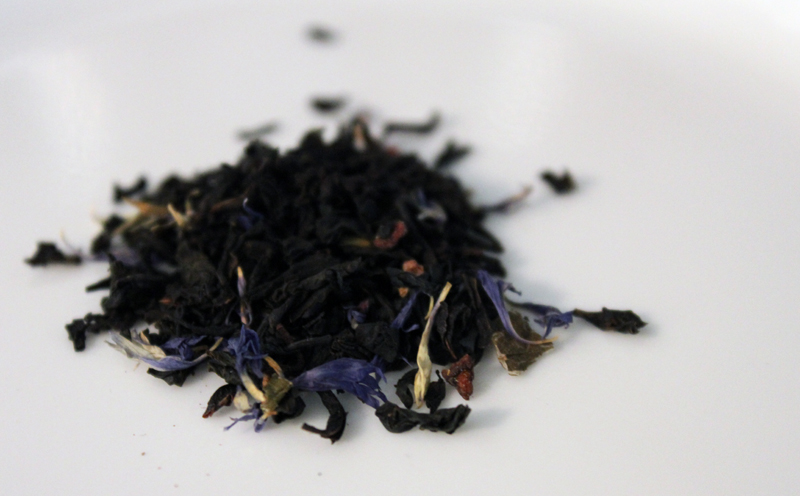
The flavor of the black tea in this blend is more subdued than that of the standard Plum Deluxe Earl Grey I tried, leaving room for the new flavors to play. There’s just the right amount of raspberry in this mix, which means it takes the lead, but doesn’t drown out the taste of the bergamot.
I wouldn’t recommend any additives for this blend: it stands beautifully alone. The berry flavor brings just the right amount of sweetness to a straight cup, meaning even a pinch of sugar added detracts from the well-balanced mix of flavors.
It’s also a pretty blend, including bits of dried berry and orange peel, as well as raspberry leaves to give it a hint of herbal flavor. I’ve always been fond of berry flavored teas, so this one really is the best of both worlds, and I would have loved to have some to add to my collection–but as I said, it’s a subscription exclusive, and the window of opportunity to nab this one is already closed.
I’m definitely curious about the other special tea blends offered only to members, which I’m sure was the intention. If they’re all as yummy as this raspberry blend, it’d be hard to go wrong. As for this specific tea, though, there’s enough left in my sample bag to give me two more cups, and you’d better believe I’m going to enjoy them.
May 17, 2016
3 reasons to abandon a writing project
Late last year I shared a list of story ideas I decided not to use. It wasn’t that they were bad (okay, some of them were) but that they just didn’t work for me. Either they didn’t fit my preferred writing niches, or they didn’t give me enough to work with for the creation of actual books.
There are a lot of ideas I keep in reserve, but I try not to talk about them until they become a solid part of my writing plan. A lot goes on behind the scenes that I never talk about, but since one of those ideas has recently slipped from the idea folder to the trash can, I thought I’d take a few minutes to talk about this quiet part of my writing process, where only my husband and a few close friends get to see me bouncing around raw ideas.
Two and a half years ago, I worked on developing an idea for a sort of sci-fi YA novel. It revolved around a girl who was determined to escape the city she’d been assigned to, wanting to find a better life with the other half of her family. The cities rested on an alien planet filled with monstrous creatures. There were two problems: getting past the alien life to make the trek to her father’s home city, and getting out of her city at all. The cities were protected from the alien life by a device called the Adrammelech, named for the ancient Earth Mesopotamian deity. The Adrammelech was powered by the sun, a massive arm of fiery energy that swept around the city’s protective barrier and burned everything in its path to cinders, be it friend or foe. Her chance for escape arrives when an unexpected celestial event causes the Adrammelech to shut down, leaving the city defenseless. It’s the only time she may ever make it past the Adrammelech’s arm, but leaving means abandoning her younger siblings when her survival skills are all that can save them from the encroaching threat of the wildlife.
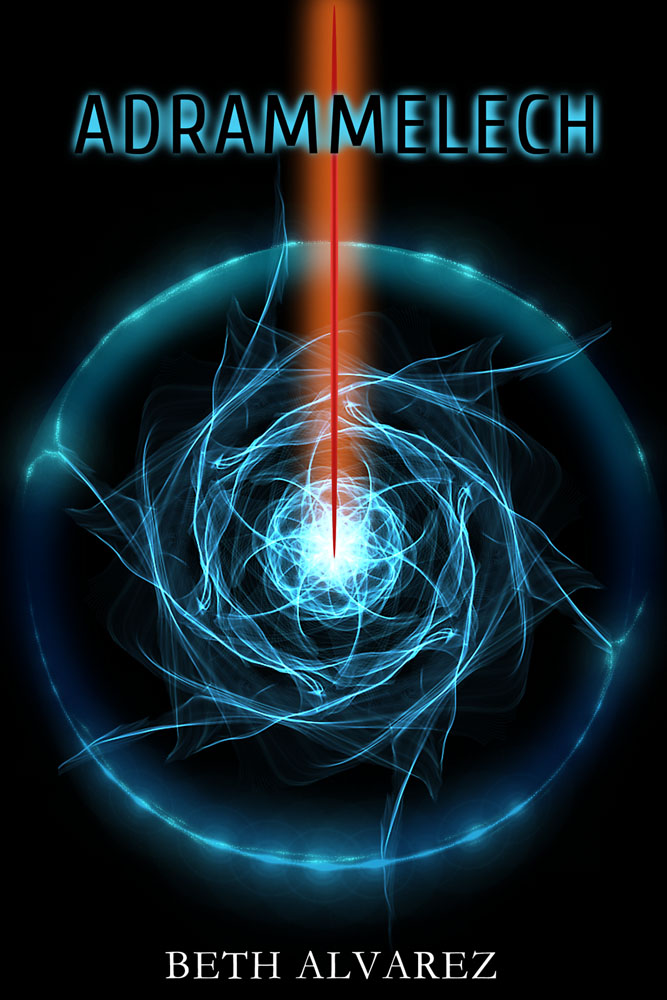 It was enough of an idea to create a book from and I was excited to add it to my roster of titles to write. I created a preliminary cover for it–something I do for almost all my books, so I can visually sort the project folders–and stockpiled ideas for when I’d eventually get around to writing it. But instead of writing it, eventually I decided the project was a no-go, and I moved my existing work on the idea to the no-man’s land of my Abandoned Projects folder. Here are the biggest reasons why.
1. It’s outside my comfort zone.
There’s nothing wrong with pushing boundaries, and you can learn a lot from doing it. But when I’m so early in my writing career, pushing boundaries and expanding into new genres isn’t going to help, especially when it’s one I won’t visit often, if ever again. Writers shouldn’t pigeonhole themselves into just one category of writing, of course, but building my early catalogue should be in something I’m both familiar with and in love with. Branching out into other ideas can happen later, which means there’s no point in keeping this one around now.
2. The stakes are too small.
This is a big problem for this particular book. The heroine might not make it out of the city because her family needs her. Ultimately this is such a small issue that when I read back over my story notes, I stop and think “so what?” Not all stories need to be big stories, but they need to have enough impact to resonate with readers. If it’s not resonating with me, something is wrong. Sometimes issues like this can be fixed, but when coupled with the problem of this one not fitting within my preferred genres or the direction I ultimately want my writing to go, there doesn’t seem to be a lot of point in trying to beef the plot up enough to give it real impact.
3. Sometimes you just lose interest.
The years that pass between having an idea and having the time to write it are the best thing to separate the wheat from the chaff. It’s pretty normal for writers to jump into a half-baked idea with both feet, only to find it too superficial to complete. If an idea is worth executing, it will stick around for the long haul, drawing you back in over the course of years and years. This is why Emberheart, one of my current WIP stories, is still on the table and scheduled to be tackled next after more than a decade. An idea’s lasting power is almost as important as the willpower to muscle through to a project’s end.
What are some reasons you’d put aside a project, writing or otherwise?
May 10, 2016
When Good Friends Write Bad Books
One of the greatest things about being a writer is the chance to connect with other writers. Sometimes they’re in your genre, sometimes they couldn’t be more different, but you’re always able to relate through your shared passion. And since writing is difficult, having support from fellow creatives is very important.
It also means you’ll never be short on fresh reading material.
The bad news is sometimes that reading material isn’t so great.
 I’m not talking about early drafts. Those are always bad, no matter who’s writing them. If I sign up to read a first draft, I know what to expect: a story containing some typos and grammatical errors, plot holes, filler, and some things that are flat out mistakes. That’s normal, and I’d never judge a writer by an early draft. But sometimes these things slip through to the final work, the piece people are paying for. And when that’s the case, being my friend isn’t going to let you off the hook.
It’s incredibly awkward to look forward to a friend’s writing, only to find it’s actually sort of terrible. That doesn’t mean I’m going to change how I feel about a writer or a friend, but it does mean that if someone isn’t good at taking constructive criticism, our conversations about the books might be a little awkward. Unfortunately, that’s a problem I’ve encountered a lot.
Writer types are sensitive, I know, but coddling them isn’t a good idea. If someone asks for an honest opinion, I’ll give it. If they don’t want honest feedback, or they’ve bemoaned honesty before, I probably won’t talk about the book at all. I won’t recommend it to family or friends, either. Silence, sometimes, can say a great deal.
In the past month, I’ve read three finished, edited books by people I know. Two were disappointments, though for different reasons. And while I haven’t had the time to write reviews of them yet–something I won’t censor, even for people I love–it led me to one important decision. From now on, I won’t read finished work by people I know unless it falls within genres I already prefer. That means if someone comes to me with a completed and published cozy mystery and offers me a copy to read, I’ll probably turn them down. It’s not that I’m not interested in their work, it’s just that it’s not a genre I’m familiar with, so I can’t give constructive feedback on how to improve the next one. Limiting myself to familiar genres doesn’t save me from bad books, but it does let me critique from a standpoint of familiarity, and that’s a plus.