
Matador Network's Blog, page 317
April 4, 2023
This Tiny Village Is the Heart and Soul of Vietnam’s Incense Tradition
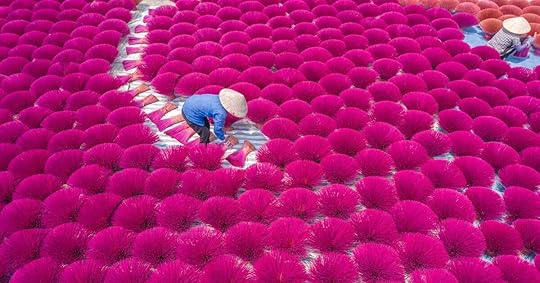
In the province of Vinh Phuc, Vietnam lies Quang Phu Cau, a small but lively community home to an ancient incense-making tradition. For centuries, locals have been crafting incense sticks by hand using fragrant herbs and spices to create a delightfully aromatic product. This tradition has been passed down through generations and remains alive today.
@matadornetwork The Quang Phu Cau village in Ung Hoa district of Vietnam is known as the "incense village.” In Vietnam, producing incense is a long-standing cultural and religious tradition. Incense has been burned for ages to commemorate significant occasions and to pray for and remember ancestors. They are often scented with sandalwood, cinnamon, or pine and available in a variety of colorful hues such as red, green, purple, and yellow @iamsiennachristine Quang Phu Cau Village, Vietnam #incensevillage #vietnamtravel #visitvietnam #incense ♬ original sound – ༌ ᰷ ༌ ᰷
The process of making incense sticks in Quang Phu Cau Village begins with gathering locally-sourced herbs and spices. These ingredients are then combined into a mixture that is heated over an open fire before being rolled into long thin strips of dough. The strips are then hand-crafted into individual incense sticks, which are left to dry in the sun for several days before being packaged for sale.
This ancient tradition is kept alive by a close-knit community of artisans who dedicate their lives to perfecting their craftsmanship. Each artisan has their own unique style and technique when it comes to creating incense sticks; no two products are exactly alike. The artisans also utilize traditional methods for packaging their products, such as wrapping them in palm leaves or bamboo shoots, adding another layer of authenticity to the experience of purchasing these handmade products from local vendors.
Incense sticks made in Quang Phu Cau Village are not just decorative items, but hold great cultural significance within Vietnamese culture as well. Burning incense on special occasions such as weddings or funerals is seen as a way to honor loved ones who have passed away or celebrate important milestones in one’s life. As such, these incense sticks have become symbols of faith and hope for Vietnamese families for many generations.


11 Boston Museums for Travelers of All Ages
It’s no coincidence that Boston is one of America’s great museum cities. The Cradle of Liberty, as Boston is sometimes called, is dripping in history. Many first-time visitors head to the Freedom Trail, a walking route that connects historic landmarks tracing back to the American Revolution, a lot of which now stand as museums. But Boston museums aren’t limited to its tributes to its early days. The city is also home to a wealth of art museums, as well as those dedicated to everything from science to natural history to education topics for children. Below is a list of Boston museums everyone should see, whether you’re new to the city or you live there.
Must-see Boston museums, mappedMuseum of Fine Arts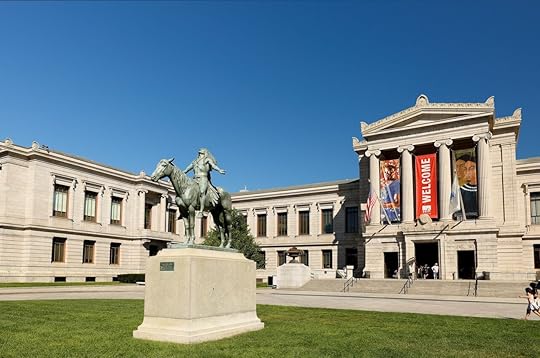
Photo: Jay Yuan/Shutterstock
Boston’s largest art museum, the Museum of Fine Arts (MFA) has one of the largest permanent collections in the country, representing a variety of mediums and artists from all over the world. In total, it houses nearly half a million artworks and artifacts in more than 100 galleries. Some of the most famous artists to grace the museum’s walls include van Gogh, Monet, Rembrandt, Cezanne, and Japanese painter and printmaker artist Hokusai. Fun fact: The MFA displays the largest collection of Japanese art outside of Japan.
Address: 465 Huntington Ave, Boston, MA 02115
Hours of operation: 10 AM-5 PM Sat-Mon, closed Tues, 10 AM-5 PM Weds, 10 AM-10 PM Thurs-Fri
Cost: $27 for adults, $10 for ages seven to 17, free for kids six and under
Isabella Stewart Gardner MuseumPhoto: LnP images/Shutterstock
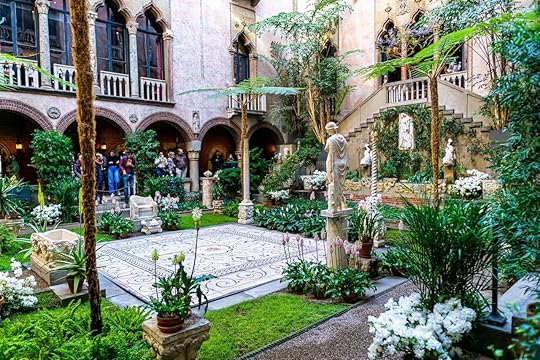
Neighboring the MFA near Boston’s Back Bay Fens, the Isabella Stewart Gardner Museum is a beautiful museum designed to resemble a 15th-century Venetian Palace. The impressive collection was assembled by philanthropist and patron of the arts Isabella Stewart Gardner and now includes roughly 7,500 artworks and another 7,000 artifacts dating as far back as Ancient Rome. Notable works include Rembrandt’s “The Storm on the Sea of Galilee” and Titian’s “Rape of Europa.” Visitors will enjoy both the museum’s galleries and its gardens, which together feature paintings, sculptures, furniture, and decorative arts from across the world.
Address: 25 Evans Way, Boston, MA 02115
Hours of operation: 11 AM-5 PM Mon, closed Tues, 11 AM-5 PM Weds, 11 AM-9 PM Thurs, 11 AM- 5 PM Fri, 10 AM-5 PM Sat-Sun
Cost: $20 for adults, $18 for seniors, $13 for students, free for visitors under 18
Boston Tea Party Ships & Museum
Photo: Dominionart/Shutterstock
The Boston Tea Party Ships & Museum is a museum dedicated to one of American history’s defining moments. Located at the site of the original 1773 protest, the museum allows visitors to explore three recreated tall ships while costumed reenactors bring to life stories from the colonial era. Inside, you’ll also find interactive exhibits and multimedia presentations that tell the story of this historic event. Other attractions include a movie theater, gift shop, café.
Address: 306 Congress St, Boston, MA 02210
Hours of operation: 11 AM-5 PM Mon, closed Tues, 11 AM-5 PM Weds, 11 AM-9 PM Thurs, 11 AM- 5 PM Fri, 10 AM-5 PM Sat-Sun
Cost: $34 for adults ages 13 and up ($36 on weekends), $25 for children between 3 and 10, free for kids ages two and under
USS Constitution Museum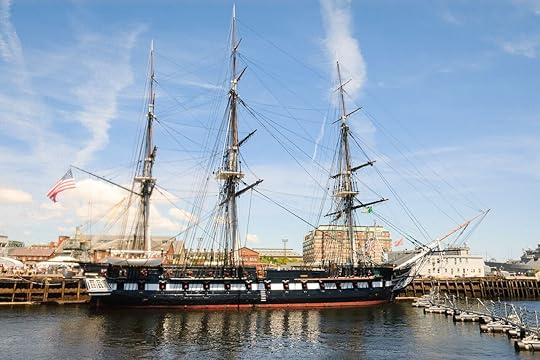
Photo: Zack Frank/Shutterstock
Home to the world’s oldest commissioned warship, the USS Constitution Museum is a must for history buffs, particularly fans of American naval heritage. The museum has been teaching visitors about the origins of “Old Ironsides” — beginning with its launch in 1797 and service through conflicts including the War of 1812 — ever since being preserved in the Boston Harbor since 1907. Exhibits focus on the ship’s design, construction, and operations during wartime. The museum also offers interactive tours and special programs for students and adults alike.
Address: Building 22, Charlestown Navy Yard, Charlestown, MA 02129
Hours of operation: The museum is open 10 AM-5 PM daily; the ships is open 10 AM-4 PM Weds-Sun, closed Mon-Tues
Cost: $34 for adults ages 13 and up ($36 on weekends), $25 for children between 3 and 10, free for kids ages two and under
Museum of Science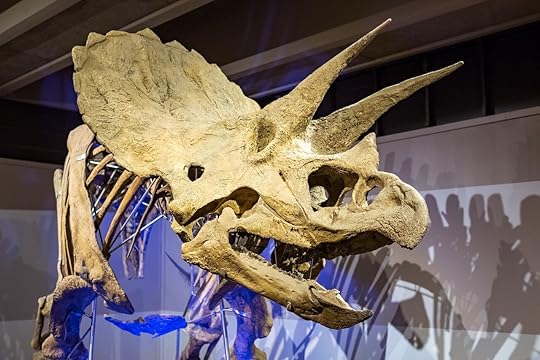
Photo: Micha Weber/Shutterstock
Boston’s Museum of Science is one of the most comprehensive science centers in the country, with more than 700 interactive exhibits, daily live presentations, a planetarium, and an IMAX theater. It’s a little slice of history, too, having been founded in 1830. In addition to fascinating exhibits on astronomy, biology, engineering, technology, and more, the museum also conducts important research addressing global issues related to health and the environment.
Address: 1 Museum Of Science Driveway, Boston, MA 02114
Hours of operation: 9 AM-5 PM Sat-Thurs, 9 AM-9 PM Fri
Cost: $29 for adults, $25 for seniors ages 60 and up, $24 for children ages 3 to 11, free for children under three
Boston Children’s Museum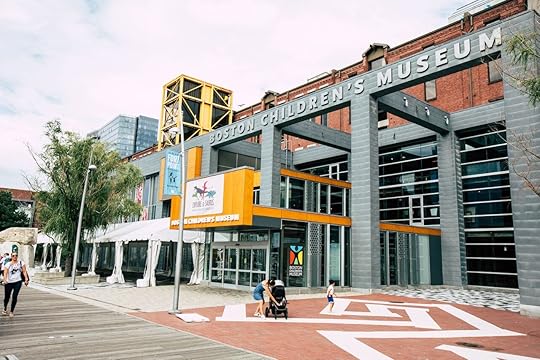
Photo: 2p2play/Shutterstock
The Boston Children’s Museum is an interactive, educational institution located on the Boston Harbor. Founded in 1913, it was among the first museums of its kind in the US and continues to be a leader in innovative exhibits and programs for children, families, and schools. Its three floors of galleries create an adventure through art, science, culture, sports, and more. Visitors can explore more than a dozen themed galleries focused on topics such as life sciences, music, global cultures, early literacy development, and mathematics. Additionally, there are live performances, workshops and special events throughout the year.
Address: 308 Congress St, Boston, MA 02210
Hours of operation: 9 AM-12 PM & 1:30 PM-4:30 PM Weds-Sun (online reservations required)
Cost: $20 for general admission, free for children under 12 months
Institute of Contemporary Art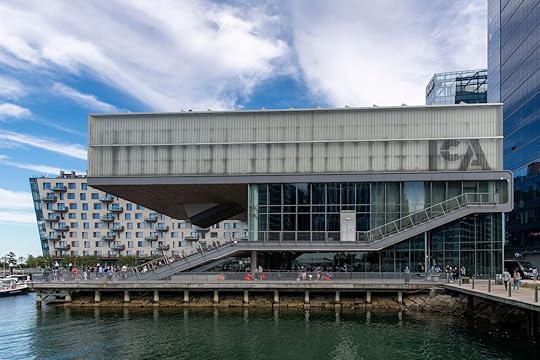
Photo: 365 Focus Photography/Shutterstock
The Institute of Contemporary Art (ICA) in Boston is an innovative contemporary art venue located on the waterfront. Founded in 1936, it’s dedicated to promoting and exploring new ideas, forms, and practices of contemporary art. It features rotating exhibits of established and emerging artists from around the world, with exhibitions exploring a variety of media, such as sculpture, painting, photography, video, film, and performance art.
Address: 25 Harbor Shore Dr, Boston, MA 02210
Hours of operation: Closed Mon, 10 AM-5 PM Tues-Weds, 10 AM-9 PM Thurs-Fri, 10 AM-5 PM Sat-Sun
Cost: $20 for adults, $17 for seniors ages 60 and up, $15 for students, free for visitors ages 18 and under
Paul Revere House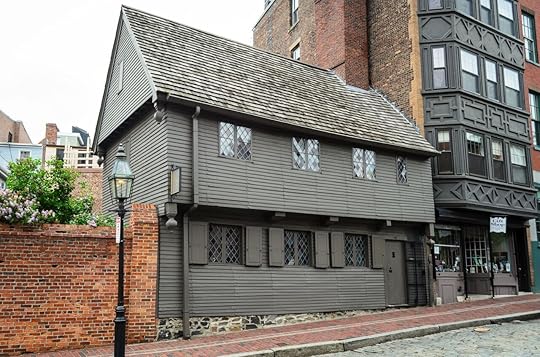
Photo: Zack Frank/Shutterstock
The Paul Revere House is a landmark attraction located in Boston’s North End. It was home to American patriot and silversmith Paul Revere during the time of the American Revolution. Today, it stands as one of the oldest homes in all of downtown Boston, having been built in 1770. Visitors can learn about Revere’s life and times through guided tours offered daily at the museum. The house has been carefully preserved with many original features still intact, such as furniture crafted by Revere himself and numerous artifacts from the Revolutionary War era. The Paul Revere House is also a stop on the Freedom Trail of historic sites in Boston.
Address: 19 N Square, Boston, MA 02113
Hours of operation: 10 AM-5:15 PM daily from April 15 to October 31, 10 AM-4:15 PM from November 1 to April 14, closed Mon January-March
Cost: $6 for adults, $5.50 for seniors and college students, $1 for children ages five to 17
Museum of African American HistoryThe Museum of African American History is dedicated to preserving and celebrating the history, art, and culture of Black Americans. Founded in 1969, the museum curates an impressive collection of artifacts that span several centuries. It features a variety of rotating exhibits and interactive programs that explore themes of identity, resilience, and progress through the lens of African American history. The museum also houses a number of permanent exhibitions, such as collections on early Civil Rights leaders, Black Americans in the military, and slavery.
Address: 46 Joy St, Boston, MA 02114
Hours of operation: 10 AM-4 PM Tues-Sat
Cost: $10 for adults, $8 for students and seniors ages 62 and up, free for children 12 and under
Harvard Museum of Natural History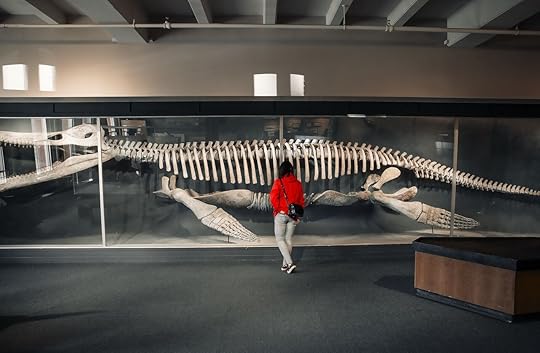
Photo: EvgeniiAnd/Shutterstock
Located on the Harvard campus in Cambridge across the Massachusetts Avenue Bridge, the Harvard Museum of Natural History is one of the older museums in the country. Founded in 1859, the institution showcases an impressive collection of natural history artifacts ranging from dinosaur fossils, to rocks and minerals, to a bird gallery, to exhibits focused on human evolution.
Address: 26 Oxford St, Cambridge, MA 02138
Hours of operation: 9 AM-5 PM daily
Cost: $15 for adults, $13 for seniors ages 65 and up, $10 for non-Harvard students and youths ages three to 18, free for children under three
Harvard Art Museums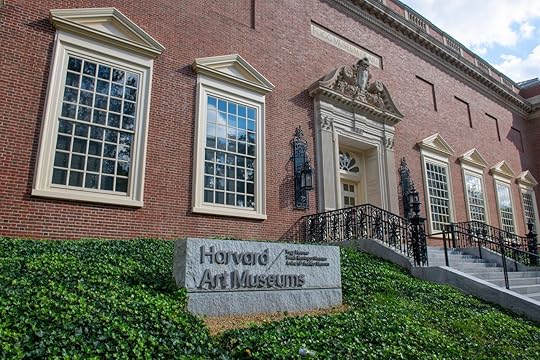
Photo: Wangkun Jia/Shutterstock
While you’re at Harvard, don’t miss the Harvard Art Museums, founded in 1891. The museums are composed of three collections: the Fogg Museum of Art, the Busch-Reisinger Museum, and the Arthur M. Sackler Museum. Together, they cultivate a collection spanning 5,000 years of art from across the globe, featuring works from ancient Egypt to contemporary art. The highlights at these museums include the renowned Van Gogh self-portrait and masterpieces by artists such as Cezanne, Monet, and Gauguin.
Address: 32 Quincy St, Cambridge, MA 02138
Hours of operation: 10 AM-5 PM Tues-Sun
Cost: $20 for adults; $18 for seniors ages 65 and up; free for students, youths under 18, and everyone on Sundays
Where to stay near Boston museumsFrom the Boston Harbor to Cambridge, Boston’s finest museums are scattered all over the city. Your best bet for staying near all the best Boston museums is to pick an accommodation near the Back Bay Fens, a local-favorite park; in the North End or on the waterfront; or in Cambridge if you’re eager to see the Harvard campus and its museums. Here are a few nice Boston Airbnbs and hotels that put you in the center of the action.
We hope you love these accommodations near must-see Boston museums! Just so you know, Matador may collect a small commission from the links on this page if you decide to book a stay. Listed prices are accurate as of the time of publication.
InterContinental Boston, an IHG Hotel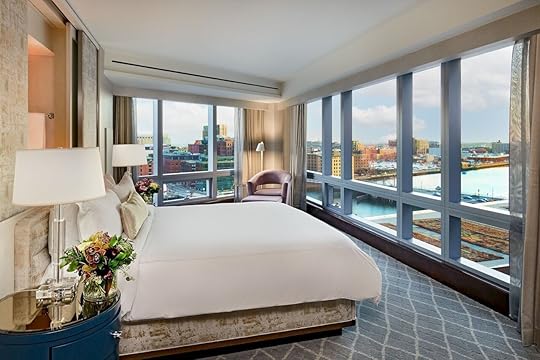
Photo: Expedia
The InterContinental Boston is a luxury hotel located near top attractions like Faneuil Hall Marketplace and the Boston Common, not to mention the Boston Tea Party Ships and Museum, the Boston Children’s Museum, and the Institute of Contemporary Art. Plus, there’s an excellent spa and a pool to keep you busy during your downtime.
Price per night: From $474
Clean and Bright One-Bedroom Airbnb
Photo: Airbnb
In addition to being walking distance from the MFA and Isabella Stewart Gardner Museum, this one-bedroom Airbnb bridges the bustling Fenway, Kenmore, and Back Bay neighborhoods. You’ll love the natural light that floods in through the many windows, as well as the local feeling that renting an Airbnb in this area gives you compared to a hotel.
Price per night: $275
Irving House at Harvard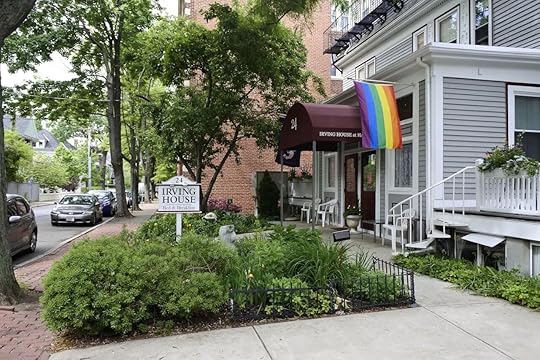
Photo: Expedia
If you want to see the Harvard Art Museums and Harvard Natural History Museum, there’s no better place to stay than the Irving House, located right in the center of the Harvard campus. Staying at a bed and breakfast will evoke the feeling of experiencing Boston’s days gone by, just like visiting its historic sites will.
Price per night: From $265
One-Bedroom Airbnb by Hanover Street
Photo: Airbnb
Centrally located in Boston’s North End, this clean and comfortable one-bedroom apartment comes with a fully equipped kitchen, a simple bedroom, and a cozy living room to make you feel at home. But the real treat is the shared rooftop patio, perfect for sunny summer days.
Price per night: $235
These Vienna Airbnbs Showcase the Best of the Historic City Center

The city that rocketed Mozart toward fame and gave us Klimt, Vienna is one of the European centers for classical culture and the arts. Between touring the Habsburg palaces and inhaling the world’s most decadent chocolate cake, Austria’s calm capital will inspire you to slow the pace. As you’d expect, the accommodation scene in Vienna is divine. The best hotels in Vienna shower you with traditional Austrian hospitality with subtle nods to the city’s past. Similarly, Airbnbs in Vienna combine old-world elegance with contemporary amenities to make your stay all the more comfortable.
Traveling to Europe? Check out Matador’s Europe accommodations gudies: These Greek Villas Make for a Unique and Cozy Stay in Athens 9 dreamy Airbnbs in the Greek islands 9 dreamiest Airbnbs in the South of France These Airbnbs Near the Eiffel Tower Offer Incredible Views of the Entire City 14 of the best Airbnbs in Barcelona 11 Best Airbnbs in Madrid, From a Luxury Penthouse To Artsy Apartments These Airbnbs in Ireland Showcase the Best of the Emerald Isle Stay like royalty at these Airbnb Ireland castle rentals
We hope you love the Airbnb Vienna vacation rentals we recommend! Just so you know, Matador may collect a small commission from the links on this page if you decide to book a stay. Listed prices are accurate as of the time of publication.
Vintage Viennese apartment in the Inner City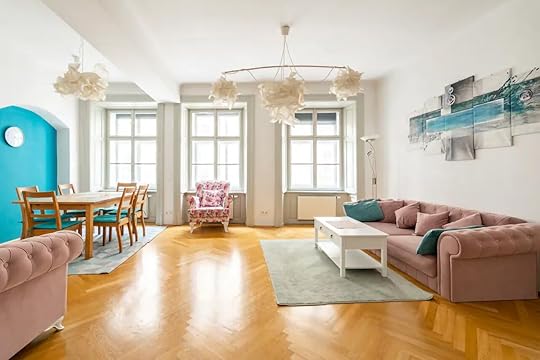
Photo: Airbnb
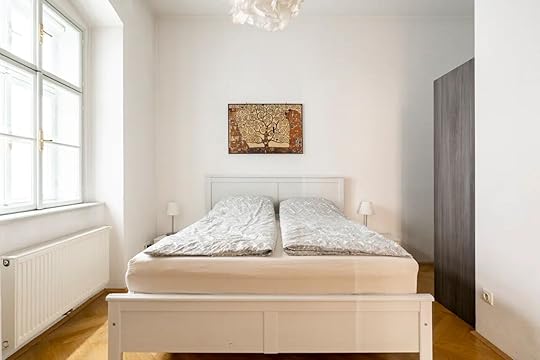
Photo: Airbnb
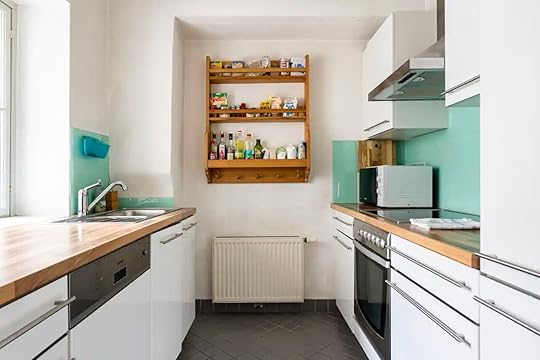
Photo: Airbnb
Photo: Airbnb
See more photosHoused in a 1754 residence, this Airbnb in Vienna City Center is a stone’s throw from Stephansplatz. The location is superb, made all the more appealing by the fact that you stand a greater chance of hearing the clatter of horse-drawn carriages than cars. Consisting of a mammoth living room with a separate kitchen and bedroom, the rental is perfect for a longer stay or for couples who appreciate space.
Three guests, one bedroom
Price: $246 per night
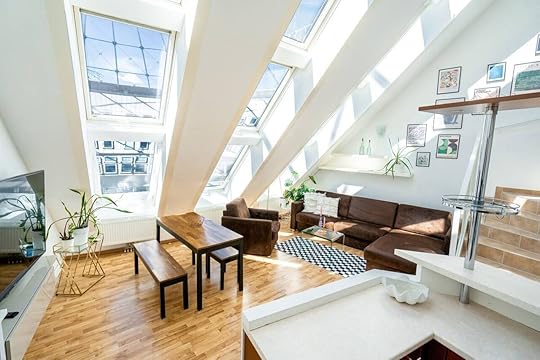
Photo: Airbnb
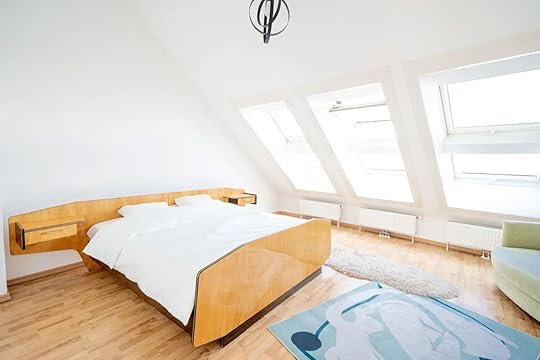
Photo: Airbnb

Photo: Airbnb

Photo: Airbnb
See more photosFormerly used to store gas, the four Gasometers of Vienna have been carefully reimagined as ultra-modern homes. On the lower concourse of the towers, you’ll find malls, stores, and concert venues. Up in this swanky penthouse, seven-meter-high angled windows pour sunlight into the lounge where you can kick back with a movie and a Stiegl. And, because you’re never too old, there’s a swing hanging in the hallway of this unique Airbnb near Vienna Airport.
Four guests, one bedroom
Price: $190 per night
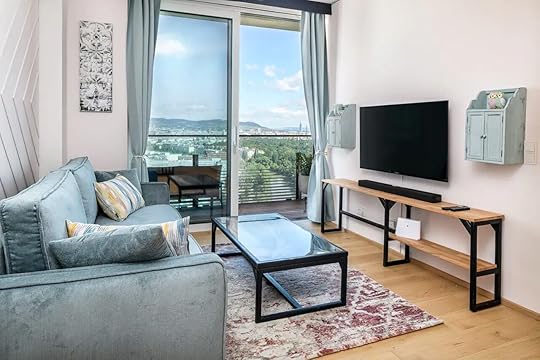
Photo: Airbnb
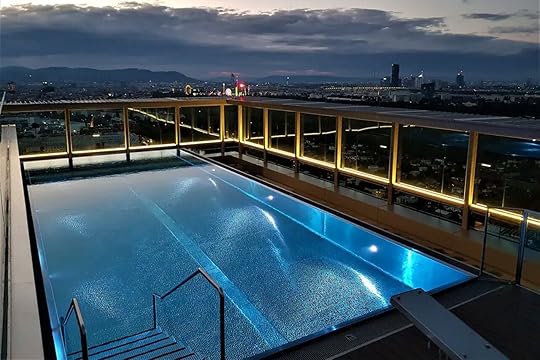
Photo: Airbnb
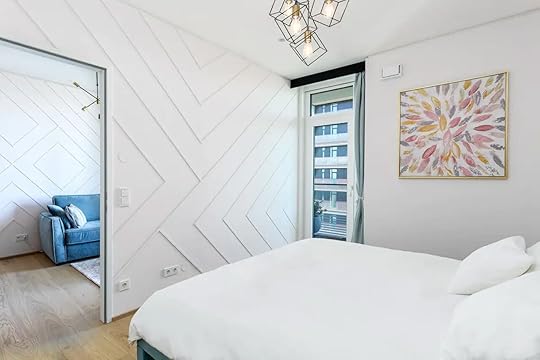
Photo: Airbnb
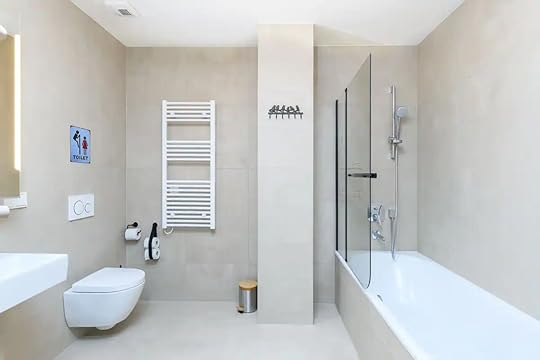
Photo: Airbnb
See more photosDrop your bags at this peaceful condo in the affluent third district of Vienna, Landstrasse. Twenty-four floors up (don’t panic, there’s an elevator) the view from the balcony sweeps over the Danube River and Prater Park. As a brand new complex, all amenities are in shipshape condition. During your stay, you have full rein to use the seasonal rooftop pool, garden, and library lounge. Only 15 minutes by car, this is one of the coolest Airbnbs near Vienna Airport.
Four guests, one bedroom
Price: $150 per night
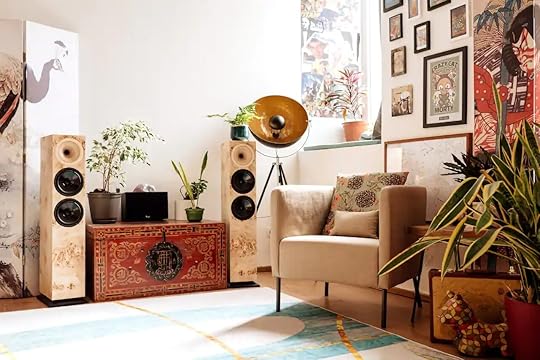
Photo: Airbnb
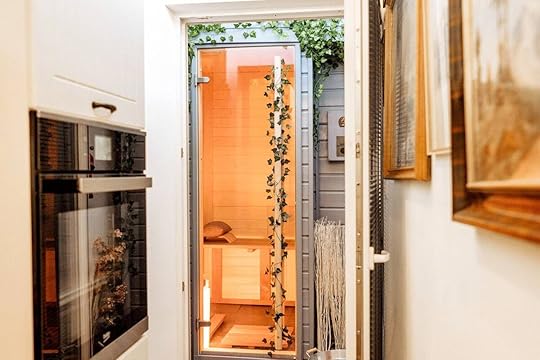
Photo: Airbnb
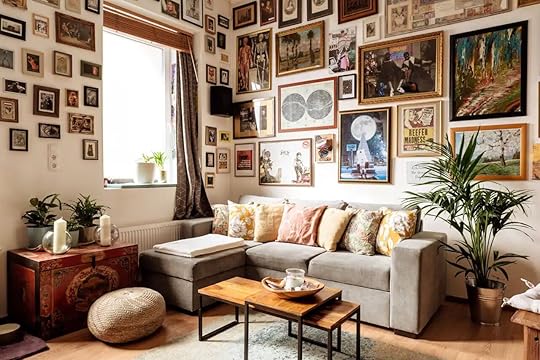
Photo: Airbnb
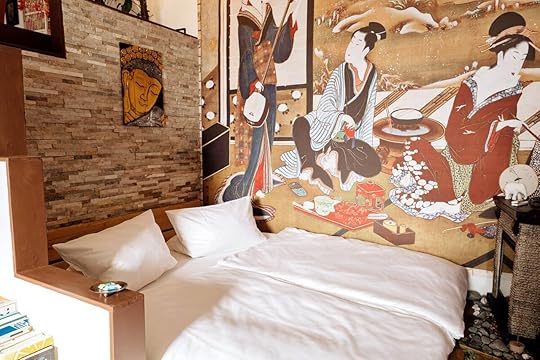
Photo: Airbnb
See more photosMinimalists, look away. The walls of this Airbnb in Vienna’s second district, Leopoldstadt, are covered in paintings and photography from bygone centuries through to the present day. Books, trinkets, and plants create a homely environment while the sound system and Xbox are awesome for a mellow night in. As if this eclectic apartment didn’t already deliver on comfort and style, wait until you see the private sauna.
Four guests, one bedroom
Price: $130 per night
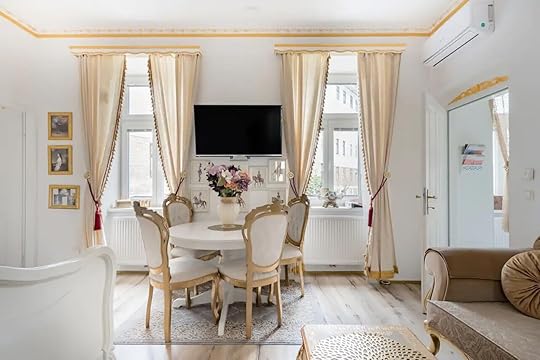
Photo: Airbnb
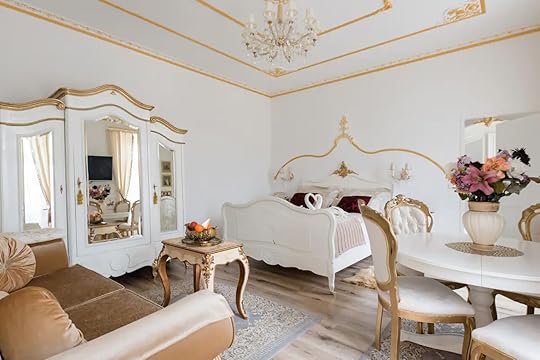
Photo: Airbnb
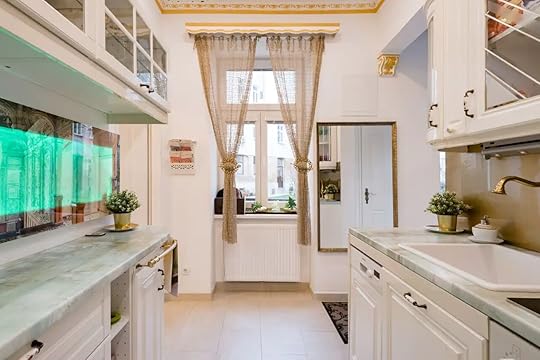
Photo: Airbnb
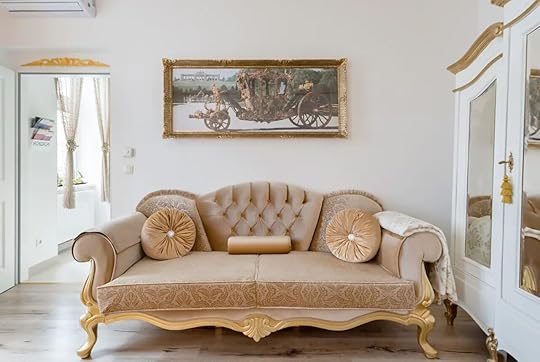
Photo: Airbnb
See more photosGet a taste of upper-class life in 18th-century Vienna at this elegant apartment with Rococo furniture and gold-accented styling. Squeeze in siestas on the scroll-end settee and sleep like a Bridgerton in the regency bed. Although ornamental, the kitchen is fully functional with an oven and even a dishwasher. The place is rigged with furiously fast Wi-Fi and a smart TV to keep you rooted in the 21st century.
Four guests, two bedrooms
Price: $365 per night
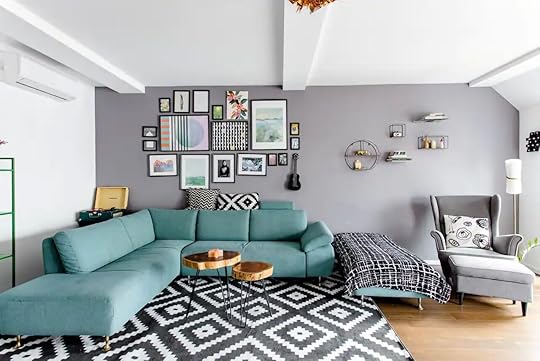
Photo: Airbnb
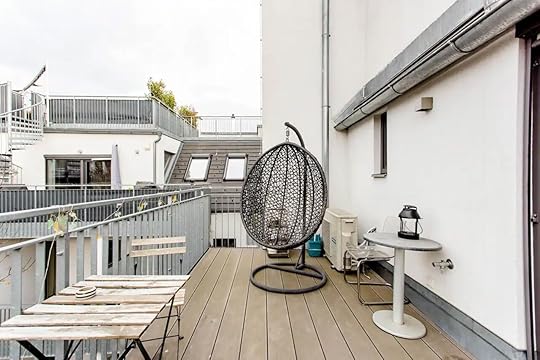
Photo: Airbnb
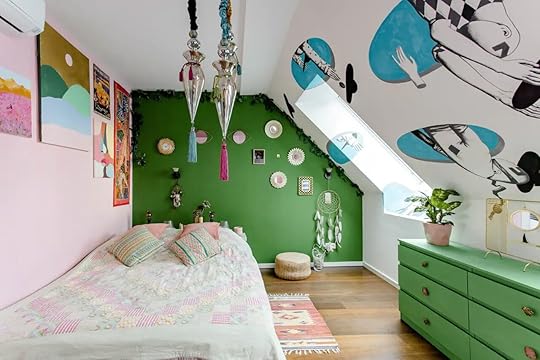
Photo: Airbnb
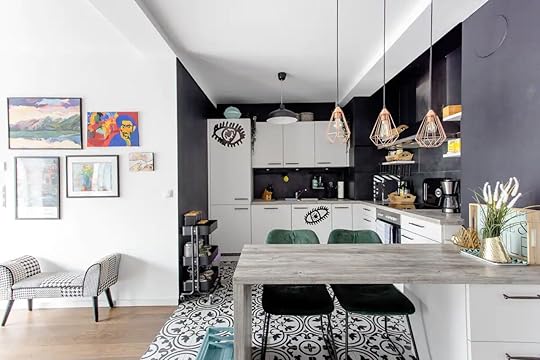
Photo: Airbnb
See more photosOccupying the top floor of a typical Viennese apartment block in Leopoldstadt, this two-bedroom unit has the perk of a furnished patio overlooking the surrounding rooftops. The interiors are funky and colorful with a nifty record player primed with vinyls to conduct your own playlist while popping a meal together. Kitschy bedrooms with murals painted by the artist Luo Xi will usher you into a dream-filled sleep.
Five guests, two bedrooms
Price: $199 per night
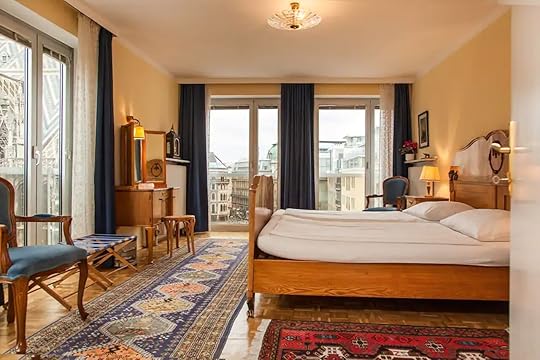
Photo: Airbnb
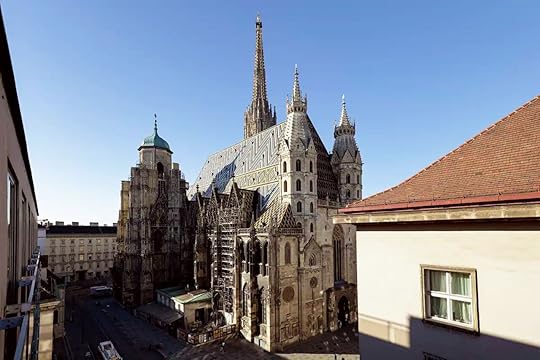
Photo: Airbnb
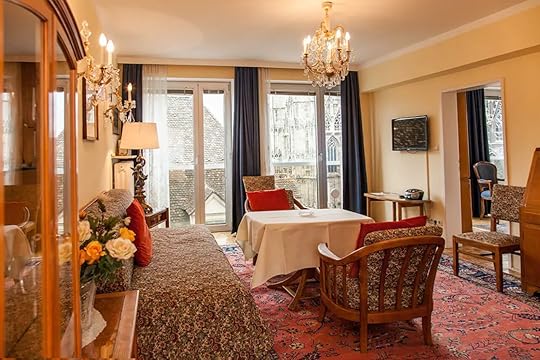
Photo: Airbnb
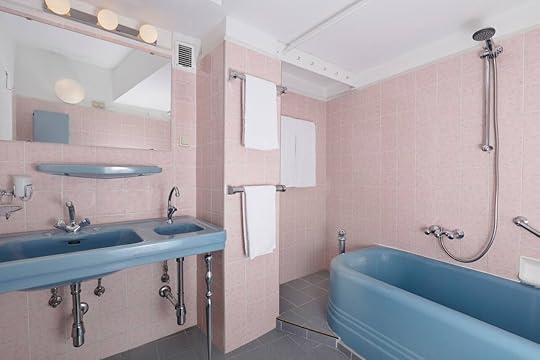
Photo: Airbnb
See more photosWelcome to Pension Sacher, Vienna’s most exclusive collection of Inner City Airbnb rentals managed by the descendants of the man behind the Sacher-Torte. These two-room suites have been lovingly restored and furnished with warm wooden moveables, vintage rugs, and a comfy bed. However, it’s the views that seal the deal – with St. Stephen’s Cathedral so close you can practically reach out and touch it. Note that apartments are assigned at check-in, but they follow the same template.
Four guests, one bedroom
Price: $218 per night
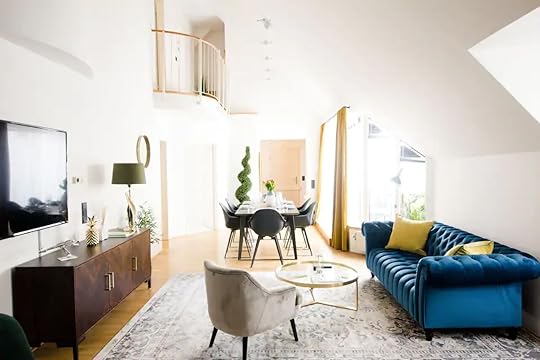
Photo: Airbnb
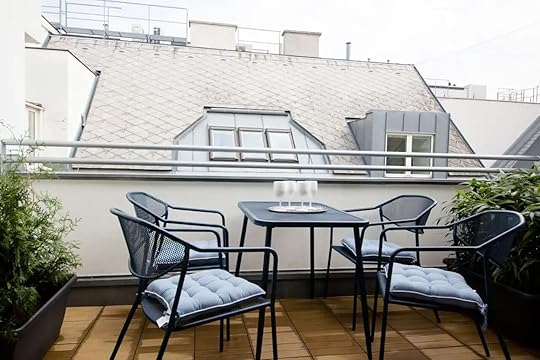
Photo: Airbnb
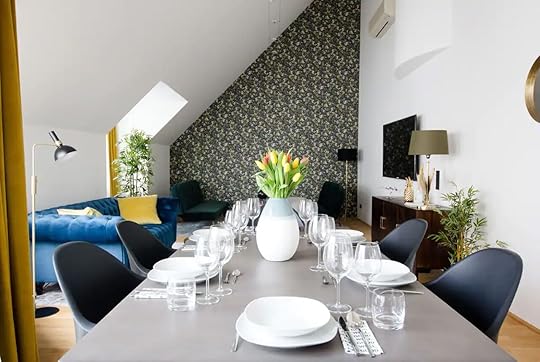
Photo: Airbnb
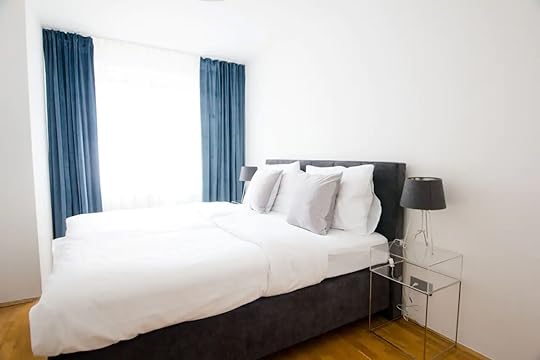
Photo: Airbnb
See more photosLocated on the top floor of a historic property in the first district, this Inner Center Airbnb is next door to the Vienna State Opera. Simple and clean, the light-filled duplex is stocked with mod-cons including a Nespresso machine and blackout curtains in the bedrooms. The furnished balcony is lovely for morning pastries or pre-dinner wine while the plush couch works like a charm for an afternoon snooze. The host can provide an infant bed and high chair making this a top pick for families.
Six guests, two bedrooms
Price: £288 per night
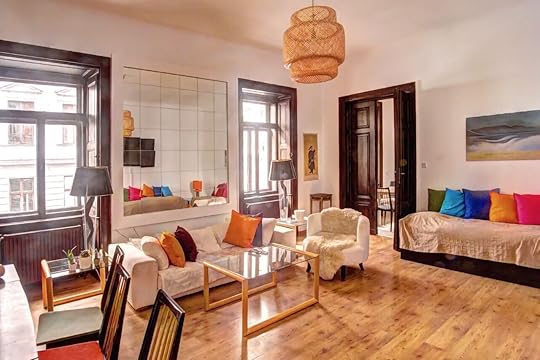
Photo: Airbnb
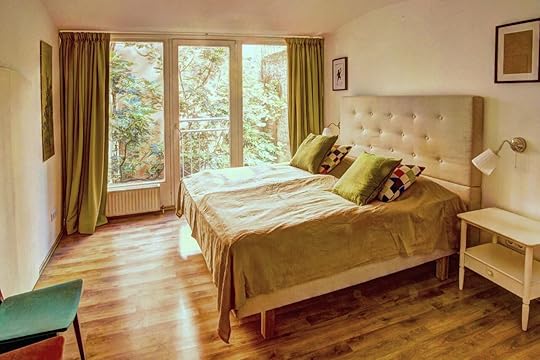
Photo: Airbnb
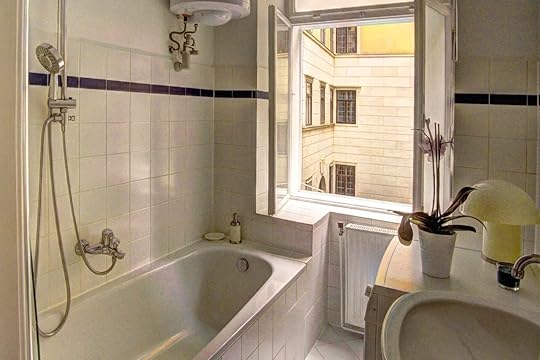
Photo: Airbnb
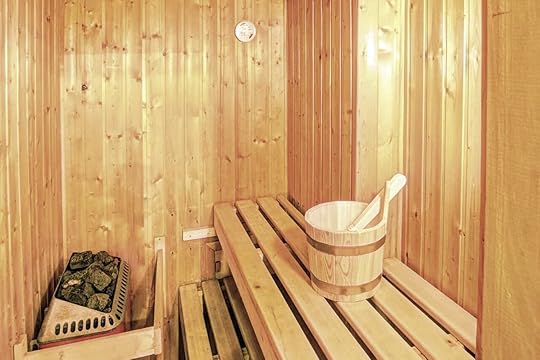
Photo: Airbnb
See more photosWithin walking distance of the Belvedere Palace and gardens, this duplex vacation unit features a queen-size bedroom and a twin room. There’s a sofa bed in the lounge if needed, making this one of the best Vienna Airbnbs for families. High ceilings and floor-to-ceiling windows flood the space with natural light while the two bathtubs add a luxury touch. The most surprising feature is the sauna, which will round off the perfect day in Vienna.
Six guests, two bedrooms
Price: $147 per night
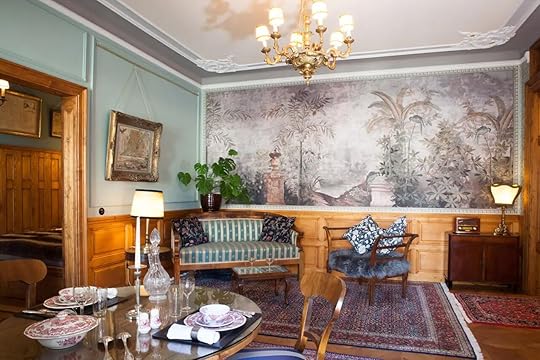
Photo: Airbnb
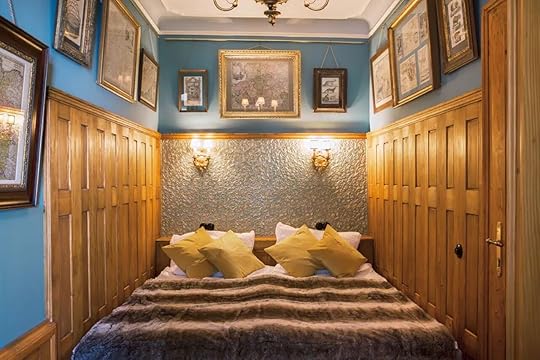
Photo: Airbnb
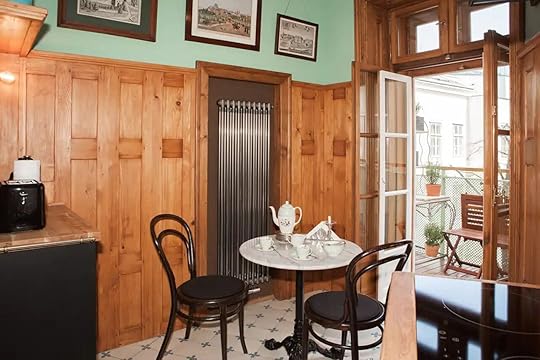
Photo: Airbnb
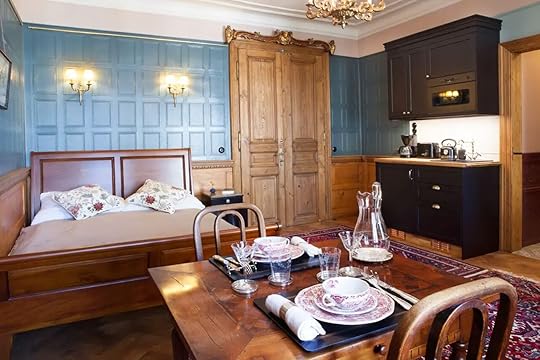
Photo: Airbnb
See more photosThis late 19th-century apartment has been beautifully revamped with refurbished centuries-old wood paneling and appointed with period furnishings. An ornamental fireplace, frescoes, and chandeliers add character to the salon while the balcony peers over a small courtyard. The place has a kooky layout, with a small kitchenette in one of the two bedrooms plus the main kitchen. Therefore, the rental will suit a duo of couples in particular. Taborstrasse U-Bahn is less than five minutes away and you can also walk to Prater.
Four guests, two bedrooms
Price: $294 per night
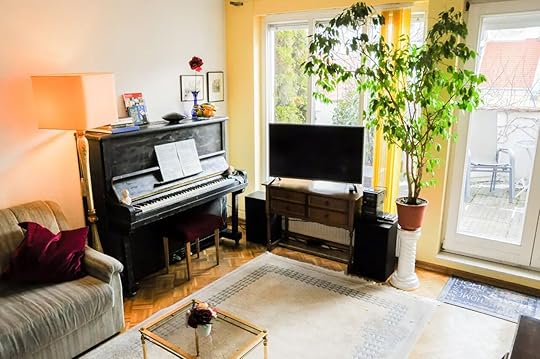
Photo: Airbnb
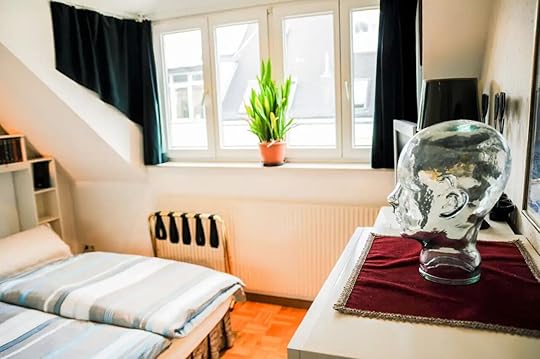
Photo: Airbnb
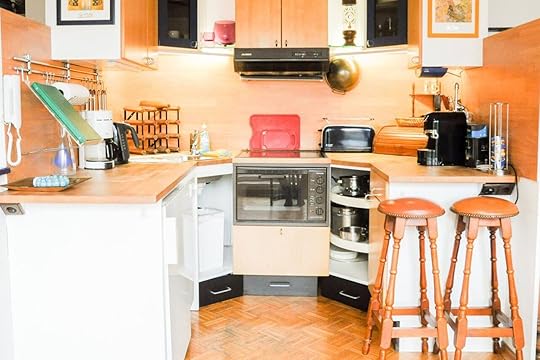
Photo: Airbnb
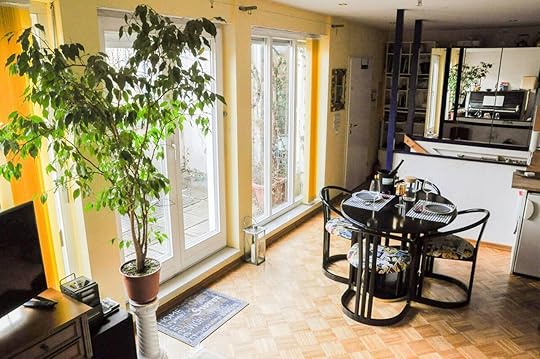
Photo: Airbnb
See more photosSeeing as you’re headed to the City of Music, you might fancy having a go at mastering Für Elise. The lounge of this cozy one-bedroom apartment opens out onto a secluded patio shrouded in greenery. Although fairly compact, the loft is wonderfully equipped and offers a peaceful hideaway for couples and solo travelers. Situated in the third district, the rental is close to the Hundertwasserhaus.
Two guests, one bedroom
Price: $135 per night
The Finest Hotels in Dubrovnik With Spectacular Views Over the Adriatic Sea
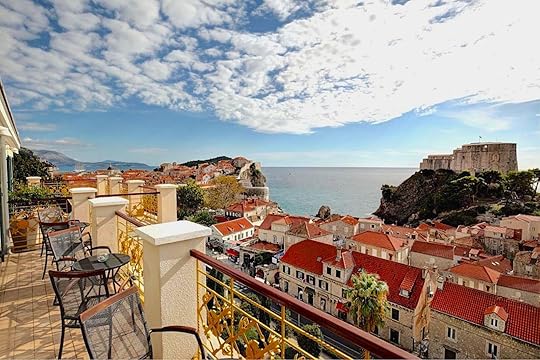
Dubrovnik is a charming coastal city located in southern Dalmatia, Croatia, known for its medieval Old Town and its prominent role as the filming location for King’s Landing in the world-famous television series Game of Thrones. It has been dubbed the “Pearl of the Adriatic” due to its beautiful townscape, comprising medieval architecture and marble pavings, and stunning views of the Adriatic Sea. With its friendly locals, delicious seafood, and breathtaking islands and national parks, it’s no wonder why Dubrovnik is one of Europe’s most popular destinations. Its popularity comes with a price tag, in the high season finding affordable accommodation can be tricky, so planning and booking in advance is advised. To help you out, here are some of the best Dubrovnik hotels, famed for their high level of hospitality, jaw-dropping views, and amenities.
When to visit DubrovnikThe best time to visit Dubrovnik is in the shoulder seasons. During this period, temperatures are not too hot, there are fewer tourists and cruise ships have left the port. Nick-named the “grandmother’s summer,” late September to mid-October is highly recommended. This quieter time of the year is still warm, but you’ll find a better deal on accommodation and booking popular restaurants is much easier.
Taking a European trip? Check out Matador’s accommodation guides to the best places to stay:The 11 dreamiest Airbnbs in ItalyThese dreamy Amalfi Coast Airbnbs are the perfect seaside escapeThese Greek Villas Make for a Unique and Cozy Stay in Athens9 dreamy Airbnbs in the Greek islands9 dreamiest Airbnbs in the South of FranceThe most beautiful Airbnbs in ParisThese Airbnbs make you feel like you’re living in Game of ThronesStay like royalty at these Airbnb Ireland castle rentals
We hope you love the Dubrovnik hotels we recommend! Just so you know, Matador may collect a small commission from the links on this page if you decide to book a stay. Listed prices are accurate as of the time of publication.
Villa Orsula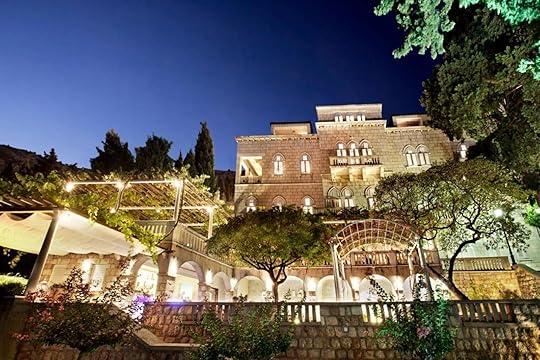
Photo: Booking.com
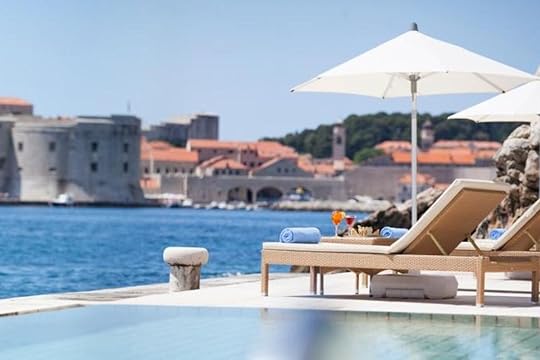
Photo: Booking.com
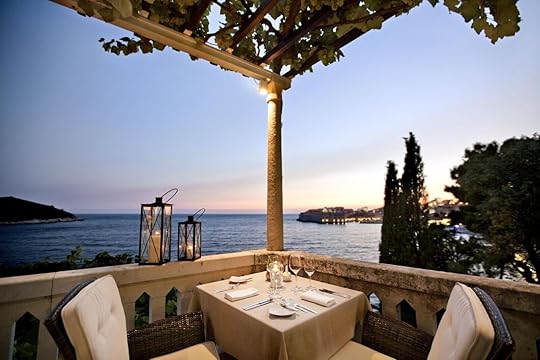
Photo: Booking.com
Villa Orsula is a luxurious hotel situated in a terraced garden overlooking the Adriatic Sea and the green islet of Lokrum. The hotel is just a 10-minute walk along the coast from Ploče Gate, the eastern entrance into Dubrovnik’s Old Town. The Art Deco villa was built in the 1930s and offers travelers a romantic retreat and impeccable service. Guests can enjoy stunning views of the coast from the vine-draped terrace of the renowned restaurant and from one of the 13 rooms. There are 11 elegantly decorated rooms with shutter windows and two suites. Some have stone balconies and breathtaking sea views. These are saught after, so it’s with enquiring in advance about availability.
Villa Orsula: Frana Supila 14, Ploce, 20 000 Dubrovnik, Croatia
Price per night: $662
Book NowSt. Joseph’s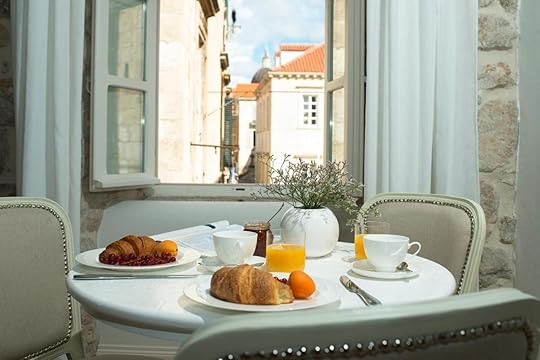
Photo: Booking.com
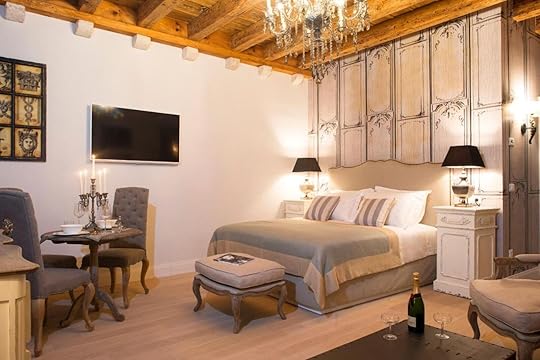
Photo: Booking.com
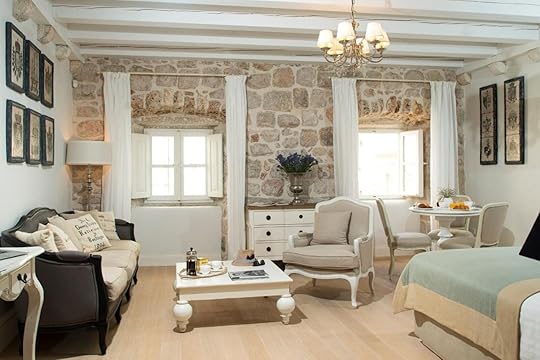
Photo: Booking.com
This charming boutique hotel is located in the heart of Dubrovnik’s Old Town just off the main thoroughfare Stradun. The 16th-century stone building has been lovingly restored, creating a romantic and peaceful atmosphere perfect for couples looking to explore the city. Despite its secluded location on a quiet side street, all of the city’s main attractions and restaurants are within a 10-minute walk. There are only six suites that are stately in size and decor, each has a kitchenette, providing guests an opportunity to save money on eating out and enjoy cooking with local produce.
St. Joseph’s: Svetog Josipa 3, Old Town, 20000 Dubrovnik, Croatia
Price per night: $356
Book NowHotel Bellevue Dubrovnik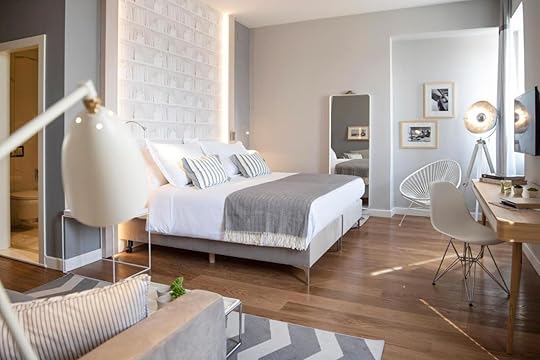
Photo: Booking.com
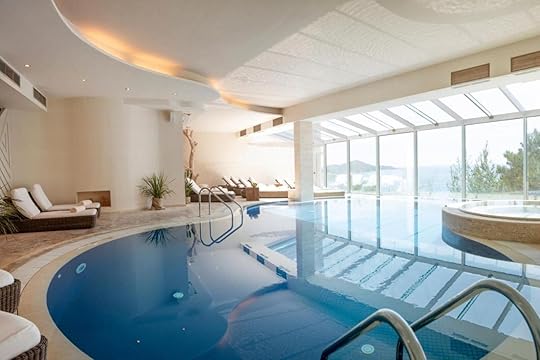
Photo: Booking.com
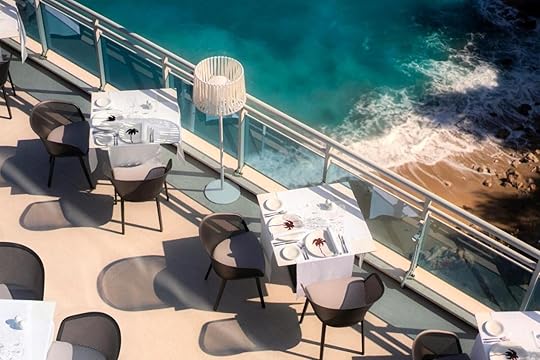
Photo: Booking.com
Hotel Bellevue Dubrovnik is located midway between Dubrovnik’s Old Town and Lapad. It offers 77 beautifully refurbished rooms and 14 suites, each with modern interiors and breathtaking views of the Adriatic Sea. If your budget allows, opt for a Superior Room which features French windows that open up onto a large balcony and uninterrupted views over the coast. Guests can enjoy two restaurants, a wine bar, and a wellness center and spa with an indoor pool that also overlooks the water.
Hotel Bellevue Dubrovnik: Pera Cingrije 7, 20000 Dubrovnik, Croatia
Price per night: $428
Book NowHilton Imperial DubrovnikPhoto: Booking.com
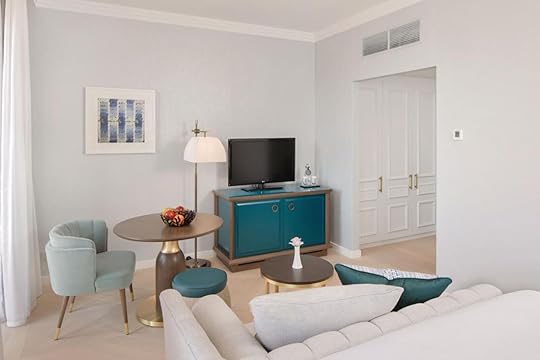
Photo: Booking.com
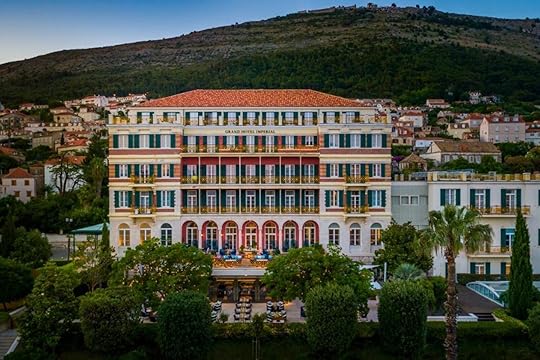
Photo: Booking.com
The iconic Hilton Imperial Dubrovnik, located just outside the historic city walls, is a grande dame of Dubrovnik hotels. Constructed in the 19th century, it was the city’s first purpose-built hotel. The five-star offers 149 spacious rooms, a lovely leafy restaurant terrace, a wooden deck with sunbeds in the garden, and a small spa with an indoor pool featuring a glass-domed roof — perfect for your Croatian vacation or relaxing weekend city break.
Hilton Imperial Dubrovnik: Marijana Blazica 2, 20000 Dubrovnik, Croatia
Price per night: $246
Book NowHotel Kompas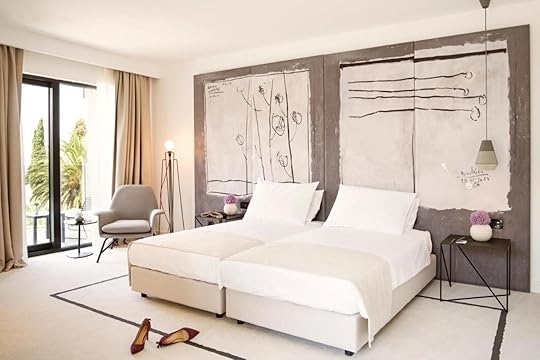
Photo: Booking.com
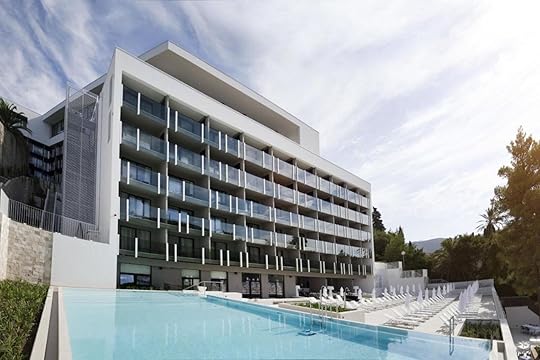
Photo: Booking.com
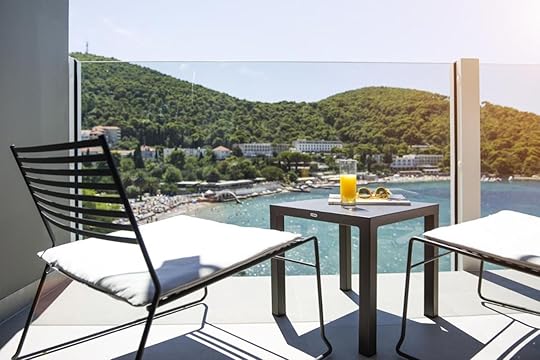
Photo: Booking.com
Hotel Kompas sits in the beautiful Lapad Bay neighborhood. It’s a short 20-minute bus ride away from Dubrovnik’s Old Town and features sleek, monochrome light and airy rooms (all with balconies) with contemporary furnishings and floor-to-ceiling views of the Adriatic Sea. Kompas also has a lovely turquoise indoor pool, surrounded by natural stone walls and daybeds, an outdoor sea-view pool, and several rows of sunbeds and parasols on Lapad pebble beach. On the first floor, you’ll find the spa, where guests can enjoy beauty treatments, a Finish sauna, a steam room, plus personal trainer and yoga instructor services.
Hotel Kompas: Kardinala Stepinca 21, Lapad, 20 000 Dubrovnik, Croatia
Price per night: $173
Book NowSheraton Dubrovnik Riviera Hotel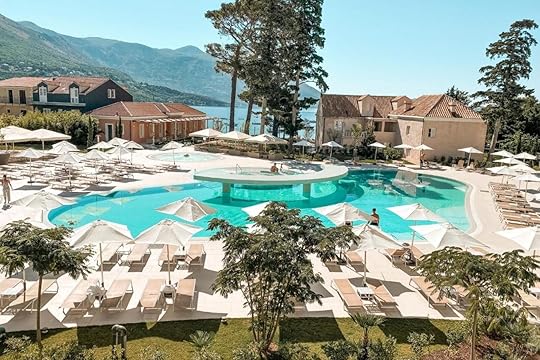
Photo: Booking.com
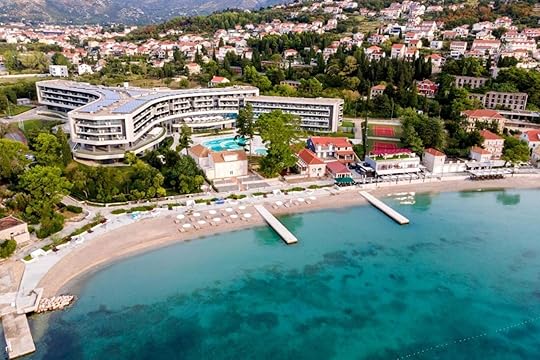
Photo: Booking.com
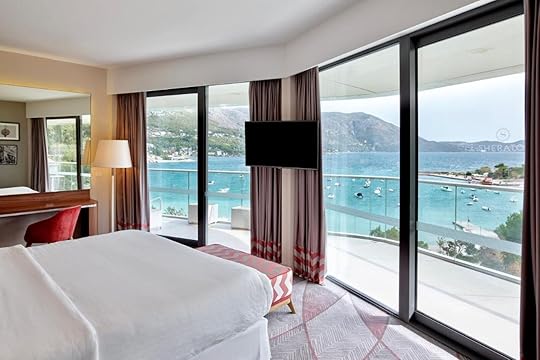
Photo: Booking.com
Overlooking the stunning Srebreno Bay, with rugged mountains in the backdrop, the Sheraton offers a tranquil escape from the clammer of Dubrovnik’s streets. Srebreno Bay sits four miles from the city and this seaside resort is a superb option for those traveling with a family. The large pebble beach has fine sand on the sea floor and there are plenty of activities for visitors to enjoy, such as sunset sea kayaking and snorkeling. Back at the hotel, there’s a free-form swimming pool, a separate kid’s pool, two tennis courts, and a world-class spa.
Sheraton Dubrovnik Riviera Hotel: Setaliste Franje Tudmana 17, 20207 Mlini, Croatia
Price per night: $145
Book NowRoyal Neptun Hotel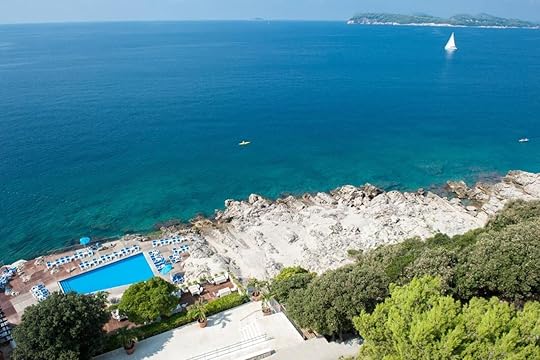
Photo: Booking.com
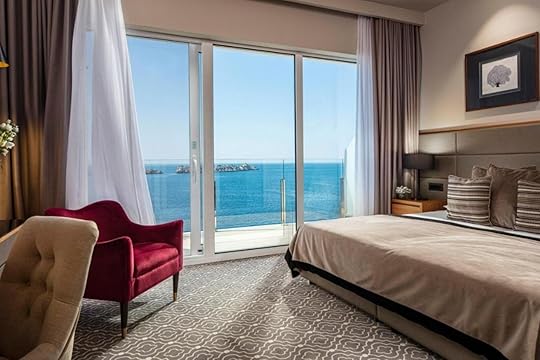
Photo: Booking.com
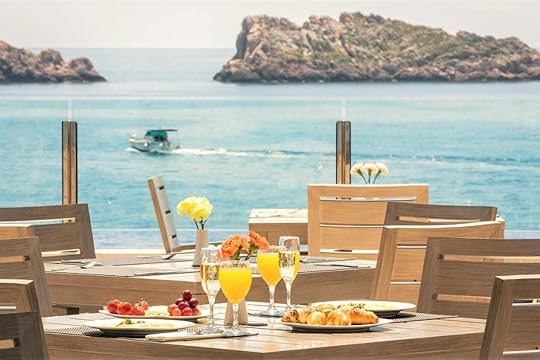
Photo: Booking.com
The Royal Neptun is a 91-room hotel located in Babin Kuk on the Lapad peninsula. It is part of the Importanne Resort and offers guests a luxurious four-star experience with stunning views of nearby islands. Guests can enjoy access to rock-and-concrete beach areas with water sports, two outdoor pools, wellness zones, and five restaurants. The crystal clear waters of the Adriatic Sea provide an ideal backdrop for swimming and sunbathing while the proximity to Old Town Dubrovnik allows visitors to explore its rich history and culture. Royal Neptun Hotel also provides easy access to Poluotok Lapad, where guests can find plenty of shopping, dining, and entertainment options.
Royal Neptun Hotel: Kardinala Stepinca 31, Lapad, 20000 Dubrovnik, Croatia
Price per night: $128
Book NowWhich is better Split or Dubrovnik?Split or Dubrovnik? It’s a question that many travelers ask when planning a trip to Croatia. Both cities are incredibly beautiful and offer unique experiences, but which one is right for you?
Split is the second-largest city in Croatia and it feels more authentic than its smaller, more touristy sister, Dubrovnik. It is also generally cheaper than Dubrovnik, making it a great option for those looking to save some money on their trip. Split also has more international flight connections and Croatia’s fast motorways make it an excellent base to explore the rest of the country.
Dubrovnik, on the other hand, is smaller than Split and if you stay in or near the Old Town, there’s an excellent chance that you won’t need to do anything else during your visit.
Is Dubrovnik expensive?The answer is yes, Dubrovnik can be expensive. Prices for food and accommodation are higher than other Croatian cities, with an average cost of $75 — $250 per day. However, there are ways to visit Dubrovnik on a budget if you plan ahead. Look for accommodation deals in advance, and opt for cheaper meals such as pastries or small meals instead of full-blown dinners. You can also save money by taking advantage of free activities like walking around the city walls or exploring the nearby islands. Overall, while Dubrovnik may be more expensive than other destinations in Croatia, it’s still possible to enjoy the city without breaking the bank. With a little bit of planning and research, you can find ways to experience all that Dubrovnik has to offer without spending too much money.
The most popular day trips from DubrovnikThere are countless day trips you can take from the Dubrovnik. One of the most popular is to visit the island of Lokrum. This small island is known for its secluded beaches and lush gardens, making it an ideal spot for a relaxing day in the sun. You can also take a boat tour and explore its many hidden coves and bays. Another great option is to visit Cavtat, which is located just south of Dubrovnik. Here you can find stunning views of the Adriatic Sea as well as some amazing restaurants and bars.
For those looking for something more adventurous, Montenegro is only a short drive away from Dubrovnik and offers plenty of activities such as hiking, rafting, and kayaking. You can also explore some of Montenegro’s historic sites such as Kotor or Mostar. Mljet National Park is also close if you’re looking for something more nature-focused. Here you can find lush forests and lakes that are perfect for exploring on foot or by bike. There are also plenty of opportunities to go swimming or kayaking here too.
April 3, 2023
Glamp Under the Moroccan Stars at This Traditional Desert Camp

If you’re looking for a rugged outdoor experience in Morocco, that also gives you a dose of its traditional culture, it doesn’t get much better than Inara Camp. Located in the desert, this camp offers travelers a chance to experience the traditional Bedouin lifestyle while enjoying a variety of activities and amenities. Whether you’re interested in camping under the stars, camel trekking through the desert, or simply relaxing beside a campfire with friends and family, you can do it all here.
@epic.stays We sent @visit #CreatorInResidence @bycarlavianna to spend the night in the Agafay Desert in #Morocco
Inara Camp #moroccotravel #hotelguide #traveltiktok #glamping ♬ original sound – epic.stays
We hope you love Inara Camp! Just so you know, Matador may collect a small commission from the links on this page if you decide to book a stay. Listed prices are accurate as of the time of publication.
The camp offers luxurious accommodations for visitors who want to relax after a long day of exploring Morocco’s wonders. The tents have been designed with comfort and style in mind, so you won’t exactly be roughing it. You can look forward to electricity, bathrooms, private terraces, and even wood stoves and air coolers. The camp also offers an array of dining options from light snacks by the poolside during the day to delicious dinner feasts under the stars at night.
As for activities, there are options for both experienced adventurers as well as those just looking for a relaxed vacation. Camel treks are available for those wanting to explore the surrounding area and take in the desert vistas. You can also take a guided hike or sightseeing trip along ancient caravan routes. Additionally, visitors can enjoy traditional Moroccan cuisine cooked over an open fire, and get involved in local customs like henna painting or learning about desert wildlife. One of the best parts about staying at Inara Camp, however, is taking part in nightly stargazing sessions with knowledgeable guides.
Before embarking on your journey to Inara Camp, it’s important to be aware that this is a remote destination without many modern conveniences. There is limited cell phone service due to its location, so it’s best to come prepared with other forms of communication like walkie talkies or CB radios if needed. Finally, although safety precautions are taken at all times during your stay at Inara Camp, this is still an off-the-beaten-path destination so it’s best to bring some extra supplies such as food and water just in case you want them during your stay, or during one of your daily excursions away from camp.
20 Airbnbs in Santorini With Epic Sea Views and Pools

Santorini vacation rentals are about as iconic as the island’s caldera, sunset lookouts, and volcanic black beaches. Cycladic-style properties in the vibrant capital Fira (Thira) and chic Oia are carved into the volcanic ash and partially underground to protect from the tempestuous climate. Scattered in quieter villages across the Greek isle, you’ll find luxurious Santorini villa rentals with pools. Read on for the most unique Airbnbs in Santorini, Greece, across cave houses and private estates.
Traveling to Greece? Check out Matador’s accommodation guides to Athens, the islands, and more:These Greek Villas Make for a Unique and Cozy Stay in Athens9 dreamy Airbnbs in the Greek islandsYou Can Literally Walk Into the Mediterranean Sea From This Airbnb in Greece
We hope you love the Airbnb Santorini vacation rentals we recommend! Just so you know, Matador may collect a small commission from the links on this page if you decide to book a stay. Listed prices are accurate as of the time of publication.
Top-rated all-inclusive and luxury Airbnbs in SantoriniAirbnbs in Fira (Thira), SantoriniAirbnbs in Oia, SantoriniAirbnbs in Perissa, SantoriniAirbnbs in Kamari Beach, SantoriniAirbnbs in Firostefani, SantoriniTop-rated all-inclusive and luxury Airbnbs in SantoriniLuxury Santorini Airbnb with private pool
Photo: Airbnb

Photo: Airbnb

Photo: Airbnb

Photo: Airbnb
See more photos
Set within 2.5 acres of an estate, this stone-clad retreat consists of a main house plus a self-contained unit wrapped around a pair of restored kilns. Interiors feature crisp white walls punctuated with cobalt upholstery and tangerine kitchenware. Out on the deck, the pool, heated spa tub, and dining zone overlook the Aegean. Renting this all-inclusive Santorini villa covers your airport transfers, daily breakfast, and housekeeping; they even throw in a hire car on the house.
Ten guests, five bedrooms
Price: $969 per night

Photo: Airbnb

Photo: Airbnb

Photo: Airbnb

Photo: Airbnb
See more photos
Soaring 2,000 feet over the island in a terraced valley, Santorini Sky is a swanky hideaway near Pyrgos, far from the coastal hotspots. Carved out of the mountainside, the Retreat Suite is the newest addition to this trending Airbnb resort with a private heated pool and a shower open to the heavens. Your booking is inclusive of breakfast supplies and complimentary snacks, leaving more time for basking in the sun and drinking up the sea views.
Two guests, one bedroom
Price: $538 per night

Photo: Airbnb

Photo: Airbnb

Photo: Airbnb

Photo: Airbnb
See more photos
With a panoramic heated pool, hot tub, sauna, and stocked wine cellar, this deluxe property is one of the best all-inclusive Santorini villa rentals. Breakfast is delivered daily to enjoy on the terrace while the host provides a round pick-up service and complimentary car rental. Located in the peaceful and lesser-visited Pyrgos Village, the rental is still less than five minutes to Fira (Thira).
Six guests, three bedrooms
Price: $1,511 per night

Photo: Airbnb

Photo: Airbnb

Photo: Airbnb

Photo: Airbnb
See more photos
This historic winery is the best Santorini Airbnb for large groups. The property has been reimagined as one of the best Santorini vacation rentals for larger groups. Spread over three villas, the complex is fitted with two outdoor pools, one of which features a cave nook. You’ll find sufficient sheltered areas for dining outside, Mediterranean-style, with mountain and sea views. Bedrooms are built into the original foundations of the cave residence with upscale bathing facilities and top-end bedding.
Fourteen guests, five bedrooms
Price: $920 per night
Photo: Airbnb

Photo: Airbnb

Photo: Airbnb

Photo: Airbnb
See more photos
Once the home of a sea captain, this Airbnb in Fira, Santorini, has been regenerated into an exclusive cave villa in the heart of the island’s capital. Interiors revolve around archetypal Cycladic features with two terraces each with a hot tub overlooking the caldera. Breakfast and daily housekeeping are included in the rate while personal chefs, massages, and food delivery are available at a surcharge.
Six guests, three bedrooms
Price: $619 per night

Photo: Airbnb

Photo: Airbnb

Photo: Airbnb

Photo: Airbnb
See more photos
This cave-style Santorini Airbnb with private pools, an outdoor hot tub, and a steam room is perfect for honeymooners. Appointed with swanky furnishings and monochrome decor, the living spaces are an easy match for the lush terrace with a sea view. Drop down to the subterranean wine cellar and dining zone in the evening for a romantic dinner cooked by a Thira-based chef.
Four guests, one bedroom
Price: $494 per night

Photo: Airbnb

Photo: Airbnb

Photo: Airbnb

Photo: Airbnb
See more photos
Encompassing the main house and a guest apartment, this Airbnb in Fira, Santorini, with a hot tub is suitable for a trip of couples or two families. Constructed in 1830, the villa displays Venetian exteriors and contemporary interiors with period furnishings following a recent facelift. Terraces with bougainvillea provide protection from the fierce sun and are a delight for morning coffee through to al fresco suppers. Consider hiring a local chef to elevate the experience.
Six guests, three bedrooms
Price: $802 per night

Photo: Airbnb

Photo: Airbnb

Photo: Airbnb

Photo: Airbnb
See more photos
This Airbnb in Oia, Santorini, with a private plunge pool overlooks the Aegean Sea and the two volcanic islands, Palia and Nea Kameni. The bedrooms and living room are minimalist, with full emphasis on traditional Cycladic architecture and unparalleled sunset views. One bathroom is fitted with a rainfall shower and the second with a soaking tub. Breakfast is supplied every morning to the villa.
Four guests, two bedrooms
Price: $420 per night

Photo: Airbnb

Photo: Airbnb

Photo: Airbnb

Photo: Airbnb
See more photos
One of the coolest Santorini vacation rentals, this duo of picturesque whitewashed homes are brought to life with kooky pieces of art and intricately tiled bathrooms. The terraces and hot tubs survey the glamorous village of Oia and grant an unobstructed view of the famous sunset viewpoint. After hours, you can clamber down the ladder to your own little cave winery – designed to resemble a Greek tavern.
Nine guests, three bedrooms
Price: $602 per night

Photo: Airbnb

Photo: Airbnb

Photo: Airbnb

Photo: Airbnb
See more photos
If you like piña coladas, book this cave-house Airbnb in Santorini with a private pool, pronto! This traditional Cycladic dwelling has been renovated with modern luxuries while preserving its heritage legacy. The highlight is the partially covered exterior plunge pool with a whirlpool feature overlooking the volcano. This spills onto the sun terrace where you can top up your vitamin D and live like an A-lister.
Two guests, one bedroom
Price: $665 per night

Photo: Airbnb

Photo: Airbnb

Photo: Airbnb

Photo: Airbnb
See more photos
What was once the bakery of Oia has been restored into this extraordinary cave house vacation rental. Accented by red pumice stones, antique marble floors, and handcrafted wooden furniture, the space feels homely. A skylight in the middle of the central dome floods the interiors with the Mediterranean sunshine while the private cave pool is partially covered. Dubbed the “dome of awesome” by one happy guest, this is one of the best cave Airbnbs for families in Santorini.
Three guests, three bedrooms
Price: $503 per night

Photo: Airbnb

Photo: Airbnb

Photo: Airbnb

Photo: Airbnb
See more photos
Cast yourself to the quieter half of the island at this Airbnb in Perissa on Santorini’s southeast coast. Nature mingles with luxury in a garden teeming with bougainvillea, palms, and hibiscus while the private pool is sizable enough for getting some laps in. Bedrooms are simple with emphasis placed on comfort and there’s a charming kitchen where you can flex your meze-making skills – or outsource to a local chef.
Six guests, three bedrooms
Price: $685 per night

Photo: Airbnb

Photo: Airbnb

Photo: Airbnb

Photo: Airbnb
See more photos
This two-story Airbnb in Santorini with a private pool and outdoor Jacuzzi peers over the Aegean Sea and is a short walk or drive to the Greek island’s black beaches. Interiors channel a homely vibe through the careful selection of linens, art, and decorative trinkets. The host goes the extra mile by stocking the pantry prior to arrival and will work with you to personalize your stay for a special occasion such as a honeymoon or birthday.
Five guests, two bedrooms
Price: $331 per night

Photo: Airbnb

Photo: Airbnb

Photo: Airbnb

Photo: Airbnb
See more photos
This five-bedroom vacation home is another contender for one of the best Santorini villa rentals for larger groups and wedding parties. The swimming pool is equivalent to half Olympic size, making it one of the largest on the island – with a bridge for honing your finest belly flops! Daily housekeeping is included in the rate and the host can arrange breakfast, tours, and spa treatments upon request.
Fourteen guests, five bedrooms
Price: $953 per night

Photo: Airbnb

Photo: Airbnb

Photo: Airbnb

Photo: Airbnb
See more photos
A ten-minute walk from Kamari Beach, this cozy suite is countrified with wooden beams and barn doors. Perfect for a couple, the space comprises a lounge, kitchenette, and bathroom with a mezzanine bedroom in the loft. Out on the patio, a private hot tub awaits plus deck chairs and a swing seat. The host will arrange traditional Greek breakfasts and cooked meals to enjoy on the terrace for a surcharge.
Two guests, one bedroom
Price: $180 per night

Photo: Airbnb

Photo: Airbnb

Photo: Airbnb

Photo: Airbnb
See more photos
Wake up to the sound of the waves at this modern beachfront villa with direct access to the sea from the private porch. The yard is landscaped with shrubs and plants, with your own Jacuzzi overlooking the shore – remember to grab a bottle of vino from the winery next door and you’re all set for sunset. Furnished with a fitted kitchen and tons of closet space, this is one of the best Airbnbs for a long-term stay.
Four guests, one bedroom
Price: $248 per night

Photo: Airbnb

Photo: Airbnb

Photo: Airbnb

Photo: Airbnb
See more photos
Comprising two en suite king-size bedrooms plus a sofa bed in the lounge, this family-friendly Airbnb is in the heart of the village. Beautifully decorated with Santorini trinkets and natural woods, this bright and airy villa has a soothing aesthetic. The rental unit includes a fully equipped kitchen with an oven and stovetop while the yard contains a pool with whirlpool features. All this, moments from the beach, local eateries, and buses.
Six guests, two bedrooms
Price: $460 per night

Photo: Airbnb

Photo: Airbnb

Photo: Airbnb

Photo: Airbnb
See more photos
Located on the periphery of Fira (Thira), in the village of Firostefani, this stylish vacation home plucks different elements from Greek and European interior design. With step-free access from the street, the rental is suitable for wheelchair users or guests with mobility concerns – a rare find in Santorini. Although not pictured, the apartment does have a kitchen and the hosts are on hand to arrange deliveries from recommended taverns and bakeries.
Two guests, one bedroom
Price: $407 per night

Photo: Airbnb

Photo: Airbnb

Photo: Airbnb

Photo: Airbnb
See more photos
Check into Villa Cloud and one day you might be able to say you slept at a Bond filming location. Chiseled into the volcanic soil, the interiors are lit by a surreal lighting concept with sound motion and optical illusions. The hot tub on the upper level floats above the first floor with a glass bottom while a trick mirror in the bedroom suggests the presence of water above the bed. Located in Firostefani, you’re tucked away in a tranquil spot within walking distance of the capital.
Three guests, one bedroom
Price: $727 per night

Photo: Airbnb

Photo: Airbnb

Photo: Airbnb

Photo: Airbnb
See more photos
With a view like this, why even leave your Airbnb? Elevated over the caldera, the sun deck is fitted with a hot tub and pergola equipped for dining and snoozing. In fact, this is one of the largest private terraces on the island. Two of the three bedrooms are cocooned within the cave complex while the bathroom of the master suite has a tub etched into the walls. Traveling chefs can rustle up an al fresco feast in the American-style kitchen with all the trimmings.
Six guests, three bedrooms
Price: $794 per night
The Meaning Behind the Haka, New Zealand’s Mesmerizing Maori Dance

The haka is a traditional dance of the Maori people of New Zealand. It is best known for being performed by the national rugby team, but it has been an important part of Maori culture for centuries. To an outside observer it may look intimidating, but there’s a beautiful tradition behind the haka dance that’s worth learning even if you aren’t planning a trip to New Zealand.
@matadornetwork There’s something truly mesmerizing about the haka—an ancient #Māori cultural dance traditionally used to challenge an enemy. There are different types of haka with various meanings and may be performed for visiting dignitaries or to honor local heroes, but they are used to celebrate great occasions or achievements within a group. Learning and performing the #Hakadance is more than just a way to show appreciation – it's an amazing tradition steeped in meaning. It is a symbol of strength, unity, and courage that has been passed down for generations. Share this with someone who needs to see this beautiful traditional dance!@papa.and.pepe #haka #thehaka #culturadance #traditionaldance #maoritiktok ♬ original sound – Matador Network
The haka is thought to have originated in Polynesia, with the earliest known form being performed in 1250 A.D. Over time, it evolved into a type of war dance that was used as both a form of entertainment and a way of intimidating enemies on the battlefield. Today, it continues to be used in warfare and also as a ceremonial dance at weddings, sporting events, and other important gatherings.
The movements and facial expressions used in the haka are intended to convey strength and courage. They often include stomping feet, slapping hands against chests, thrusting tongues outward, and shouting loudly. Each movement has its own meaning within the context of Maori culture—foot stamping is meant to show strength, while tongue thrusting is symbolic of defiance—but all converge to create an overall feeling of power when performed as part of a group. The intensity of the performance varies depending on the occasion; while some performances are more subdued, others are frantic and full of energy.
To learn how to perform a haka yourself, there are plenty of opportunities available throughout New Zealand. Classes and workshops are available where visitors can learn from local experts in Maori culture. If you’d prefer something more intimate or tailored towards your own interests, private workshops can also be arranged with local guides, who specialize in teaching visitors about this traditional form of dance and storytelling.
The 7 Best Festivals in Munich To Attend in 2023
Munich is known for its stunning architecture, rich history, and vibrant cultural scene. It offers visitors a unique glimpse into Germany’s Bavarian culture. It was the capital of Bavaria until it became part of Germany in the late 1800s, and offers lots of museums and tours of the former royal palaces. It was the site of the formation of the Nazi party, and has plenty of somber and interesting historical sites in and around the city.
Of course, Munich has also been at the forefront of the country’s artistic and intellectual movements, with notable figures such as Johann Wolfgang von Goethe, Richard Wagner, and Thomas Mann all spending time in the city. It has exceptionally good Christmas markets, including one with a full medieval theme and another LGBT+-focused one, with everything decked out in bright pink.
But perhaps the city’s most well-known aspect are the festivals in Munich, including the world-famous Oktoberfest. These festivals are deeply ingrained in the city’s culture and have been celebrated for centuries, drawing visitors from all over the world. The festivals offer a unique opportunity to experience traditional Bavarian customs and cuisine while also enjoying live music, carnival rides, and other forms of entertainment. And good beer, of course.
Where to find the best festivals in Munich
The festivals in Munich below are in various parts of the city and some, like Oktoberfest, are celebrated throughout the whole state of Bavaria. The easiest way to get to these festivals is by public transportation, including buses, trains, and subways, which run frequently and efficiently throughout the city.
Phtoto: FooTToo
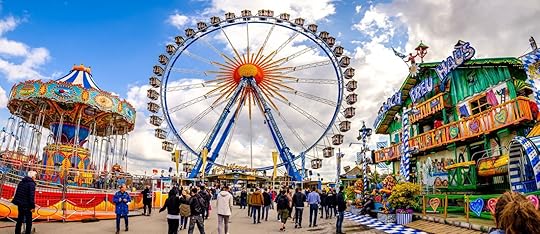
Frühlingsfest, also known as the “Spring Festival,” is an annual two-week spring festival. The festival has its origins in the 1960s, when it was first held as a small-scale alternative to the world-famous Oktoberfest. Over the years, the festival has grown in popularity and now attracts thousands of visitors annually.
During the festival, visitors can expect to find many of the same attractions offered at Oktoberfest, including carnival rides, beer tents, and traditional Bavarian food and drink. However, Frühlingsfest is generally considered to be a smaller and more relaxed version of the September celebration, with a more family-friendly atmosphere. You can’t make reservations, unless you want to reserve an entire table for 10-12 people. Just show up and find a seat.
Frühlingsfest is held on the same fairgrounds as the Oktoberfest, but the layout is different. Instead of one large area with beer tents and rides, Frühlingsfest is spread out over several smaller areas, each with its own unique atmosphere and attractions. It’s one of the best festivals in Munich if you think you may be a bit overwhelmed by Oktoberfest, since it’s often called “Oktoberfest’s little sister.”
Admission fee: FreeAddress: Theresienwiese, MünchenUsual dates: Last week of April and first week of MayMay, July, and October: Auer Dult
Photo: FooTToo/Shutterstock
Auer Dult is a traditional Bavarian folk festival hosted in Munich for more than 200 years. The festival takes place three times a year – in May, July, and October – and is named after the Auer Kirche, a church in Munich’s Au district where the festival was first held.
Auer Dult dates to the early 19th century, when it was primarily a market for local farmers to sell their goods. Over time, the festival grew to include carnival rides, food stalls, and traditional Bavarian crafts. It’s sort of like another famous festival in Munich – the Christmas markets – except it’s not Christmas-themed. But the layout is similar.
Visitors can expect to find a wide variety of items for sale, including pottery, textiles, and handcrafted goods, plus lots and lots of food stalls. Auer Dult also has a special area dedicated to antique dealers, where visitors can find rare and unique items from all over Europe. That area is known as the Antikmarkt – the antique market.
Admission fee: FreeAddress: Mariahilfplatz, MünchenUsual dates: First week of May, last week of July, middle of OctoberJune and July: Munich Film Fest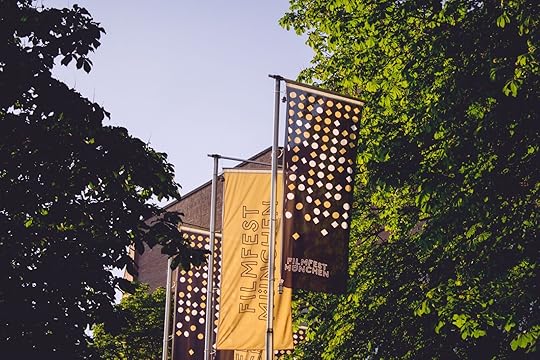
Photo: Timo Nausch/Shutterstock
The Munich Film Festival, also known as Filmfest München, is an annual film festival first held in 1983. Now, it’s one of the most important film festivals in Germany and Europe.
It’s played a significant role in promoting German and international movies, and has helped to launch the careers of many successful filmmakers. The festival often showcases films from up-and-coming directors and artists, as well as films that challenge traditional notions of cinema and storytelling. Movies you may recognize that were once shown as the festival include Moonlight (2016), 12 Years a Slave (2013), The King’s Speech (2010), and Slumdog Millionaire (2008).
The festival typically takes place in late June and early July and lasts for two weeks. During this time, visitors can expect to see a wide variety of films, including international feature films, documentaries, and short films. The festival also features workshops, panel discussions, and events with filmmakers and industry professionals. Events and movies are in English and German, though many of the panel events are in German only. And there’s also a section of the festival called New German Cinema, where movies are primarily in German.
Admission fee: €5 per film or €30 for a passAddress: Most events are at the Gasteig (Rosenheimer Str. 5, 81667 München, Germany)Usual dates: Late JuneJuly: Kaltenberger Ritterturnier
Photo: ihorga/Shutterstock
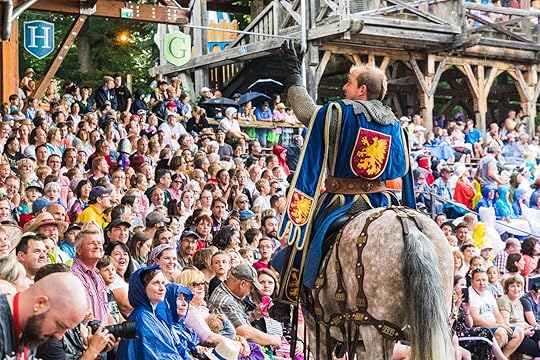
The Kaltenberger Ritterturnier, also known as the Kaltenberg Knights’ Tournament, is an annual medieval festival and jousting tournament held in Kaltenberg Castle, about 20 miles west of Munich. It’s typically held over two or three weekends in July.
During the festival, dozens of knights and their squires dressed in full armor engage in thrilling jousts and mock battles. The festival also features traditional crafts, food, and drink, as well as live music and other entertainment. It’s probably the best festival in Munich to attend if you like the type of Renaissance Festivals often hosted in cities around the US.
One unique aspect of the Kaltenberger Ritterturnier are the falconers and their birds of prey. Visitors can watch as trained falcons, hawks, and other birds are released to fly freely around the castle grounds, swooping down to catch prey or performing intricate aerial displays. The festival was canceled for a few years during COVID but should be back for 2023.
Admission fee: Varies, starting at €39Address: Schloßstraße 10, 82269 Geltendorf, GermanyUsual dates: Second and third weekends of JulyJuly: Kocherlball
Photo: Timo Nausch/Shutterstock
Kocherlball is a traditional Bavarian ball – “ball” as in a fancy party, not as in a sports ball. It’s one of the best summer festivals in Munich, held in late July.
Kocherlball has a long and interesting history dating to the 19th century, when servants and kitchen staff in Munich would gather early on Sunday mornings to dance and socialize before the start of the workday. Over time, the event became more formalized, and it evolved into the soireé we know it for today.
The ball takes place in the early morning hours, typically 6 AM to 10 AM, as it has since it started. Visitors can expect to see traditional Bavarian clothing, including dirndls for women and lederhosen for men, as well as live music and dancing, plus traditional Bavarian food and drink. No reservations are needed and the event is free – just show up and find a spot to dance. Try to get there early as it’s magical when the venue is lit by candlelight and traditional musicians are on stage.
Admission fee: FreeAddress: English Garden, Munich, GermanyUsual dates: Third Sunday in JulySeptember: Oktoberfest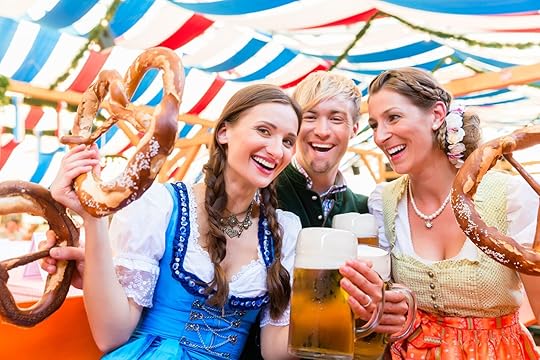
Photo: Kzenon/Shutterstock
Oktoberfest is the most famous festival in Munich – indeed, it’s possibly the most famous festival in the world. The annual festival is held in late September and early October and typically lasts for 16-18 days.
The origins of Oktoberfest can be traced back to 1810 when Bavarian Crown Prince Ludwig married Princess Therese of Saxony-Hildburghausen. They held a horse race to celebrate their marriage on the fields in front of the city gates, which became known as Theresienwiese (Therese’s Meadow).
The horse race was such a success that they decided to do it every year, and over time, other attractions were added, such as carnival rides and games. The festival also began to include beer tents and beer gardens, where visitors could enjoy the famous Bavarian beer and traditional food.
Visitors can expect to see various attractions, including carnival rides, games, and live music. The festival is also known for its traditional Bavarian clothing, such as dirndls and lederhosen – plus lots of beer. Expect Oktoberfest to get crazy, with wild events and incredibly lively celebrations. Make your hotel reservations as far in advance as possible, as the city fills up and it’s impossible to get last-minute hotel rooms.
Admission fee: Tents are usually “free” but have a mandatory beer/food purchaseAddress: Theresienwiese, MünchenUsual dates: Mid-September to first weekend in OctoberNovember and December: Christkindlmarkts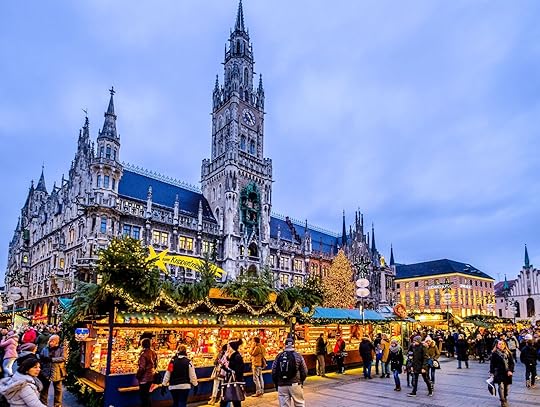
Photo: FooTToo/Shutterstock
Christkindlmarkts are traditional Christmas markets held in the weeks leading up to Christmas. These markets typically last from late November to just before Christmas and are usually open from around noon to 10 PM.
The origins of Christkindlmarkt can be traced back to the Middle Ages when markets were held in towns and cities during the Advent season. These markets featured crafts, food, and other goods, and were intended to provide a festive atmosphere for shoppers and traders alike. It was a place where people from near and far could come to shop for winter.
Visitors can expect to see a wide variety of traditional crafts, foods, and drinks at each market, plus modern options too, of course. Christmas markets have dozens and sometimes hundreds of wooden stalls, each selling handmade goods such as ornaments, candles, and toys. Large markets, like the one at Marienplatz, have live music, restaurants, and shows, and may sometimes have a fee to enter, even if you don’t buy anything.
Most vendors at Christmas markets will take credit cards, though it may be useful to have a few Euros on you just in case. On cold nights, be sure to try a Feuerzangenbowle – mulled wine with a rum shot set on fire. Blow it out early if you want it to be as boozy as possible.
Admission fee: Varies, most are freeAddress: Varies, but the main one is at MarienplatzUsual dates: End of November through Dec 24Where to stay in Munich
The best place to stay for attending festivals in Munich is probably the city center, specifically in the Altstadt-Lehel or Ludwigsvorstadt-Isarvorstadt neighborhoods. These areas are close to the festival locations (which are in several locations through the city) and offer a variety of accommodations, from budget-friendly hostels to luxury hotels. It’s recommended to book in advance, especially during peak festival season.
We hope you love the spaces and stays we recommend! Just so you know, Matador may collect a small commission from the links on this page if you decide to book a stay. Listed prices are accurate as of the time of publication.
The Niu Brass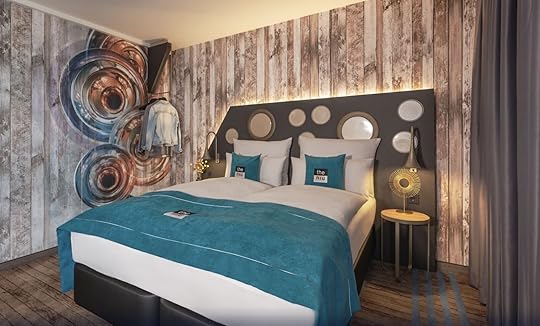
Photo: Expedia
The niu Brass is a stylish and modern hotel in Munich. The hotel is part of the niu Hotel chain, which is known for its unique design and trendy atmosphere. The niu Brass is in the Ludwigsvorstadt-Isarvorstadt neighborhood, just a short walk from the city’s main attractions. Rooms are small but clean and comfy, and rates start at a very reasonable $70 or so a night but can get into the $300s on busy weekends.
Boutique Hotel Germania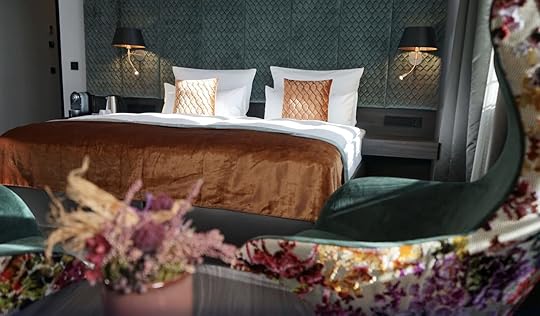
Photo: Expedia
Boutique Hotel Germania is a luxurious and rather charming hotel just a short walk from the city’s main attractions. The on-site restaurant serves delicious German cuisine and you can walk to sights like Marienplatz, the Viktualienmarkt, and the Munich Residence museum. Rooms start around $132 per night.
Hotel Louis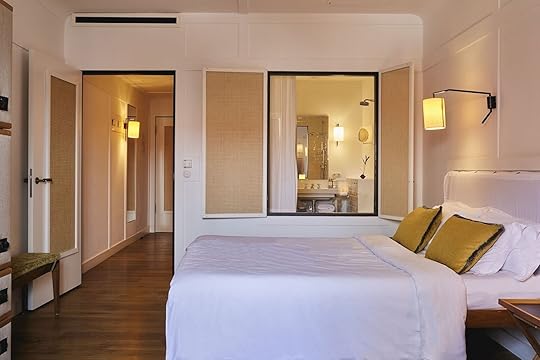
Photo: Expedia
For chic and elegant rooms an easy five-minute walk from the Munich Central Train Station, head to Hotel Louis. Rooms are cozy with windows overlooking cute alleyways and garden areas. Breakfast is included, and the central location makes it easy to walk to some of the best festivals in Munich, including several Christmas markets. Rooms start around $325 a night.
April 2, 2023
This Luxe Eco-Lodge Puts All Other Puerto Natales Hotels To Shame

Even if you don’t recognize the name “Torres del Paine,” you’ll definitely recognization the location. The national park is the most famous of all the national parks in Chile, and its two famous ridgelines — the Torres del Paine towers and the Torres del Paine horns — are probably among the most recognizable landscapes in the world.
And if you’re going to somewhere so remote, so special, and so tied to nature, you should probably stay somewhere equally unique. This is not the place to book a Holiday Inn (not that there are any, anyway).
@epic.stays When in #Patagonia staying at
Enter Hotel Remota — a four-star ecolodge south of the park entrance that starts at a shockingly affordable price (for Patagonia, anyway). The hotel is truly one-of-a-kind, with a unique architectural design that pays homage to the regions sheepherding history. But if sleeping in a hotel inspired by sheep sounds unappealing, think again — apparently, sheep live in luxury in Patagonia. The hotel has large rooms with rain showers, a stunning outdoor/indoor spa, and packages that include activities ranging from hiking sections of the famous W Trek to horseback riding with gauchos through private nature reserves and going for early morning puma-spotting safaris.
Here’s why Hotel Remota is among the best Puerto Natales hotels you can book, and what to expect at the award-winning property.
The locationPhoto: Suzie Dundas
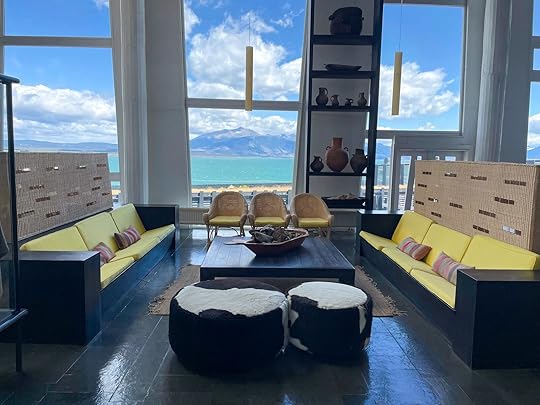
Photo: Suzie Dundas

The downright gorgeous indoor pool at Hotel Remota. Photo: Suzie Dundas
Hotel Remota is one of the most unique Puerto Natales hotels. Puerto Natales is one of two main tourist towns of Chilean Patagonia (the other is Punta Arenas, three hours south). The hotel sits on the shore of the fjord looking out on glaciers and the mountains beyond. It’s about a 15-minute walk to town, though bikes are available for guest use, which make the trip much faster.
Like nearly all the Puerto Natales hotels, it’s about a 45-minute drive to Torres del Paine National Park. Fortunately, all excursions come with shuttle drivers so you can enjoy the landscapes (or take a nap, if you’re leaving for an early morning hike) while someone else does the driving. It may seem far, but the drive goes by very fast and the scenery is beautiful.
If you don’t stay in Puerto Natales, the only other option convenient to the park is to stay at one of the lodges in the park. That certainly can be a good choice, but they tend to be extremely expensive, and you won’t have any options for going to restaurants or local cafes if you want a change of pace. And moving around the park can be tough, with a limited shuttle system and rough roads.
Staying outside the park also means you’ll be much closer to the activities outside the park boundaries, like glacier hikes, horseback riding, fly fishing, exploring ancient caves, and mountain biking. The actual Torres del Paine park isn’t huge, but the entire region is gorgeous, and you’ll definitely want to spend time away from the popular tourist areas during your stay — which makes a Puerto Natales hotel like Hotel Remota a much better pick (in this writer’s opinion).
Orvis Adventures at Remota Lodge
Many of the best rivers for fly fishing in Patagonia are on private land. Photo: Suzie Dundas
If you’re used to visit national parks in the US and think visiting Torres del Paine will be just as easy, think again. It can be a little hard to figure out trail distances, weather patters and transportation and bus schedules within the park, so trying to travel on your own throughout the park is difficult. And many of the best adventures in the area, like non-park hikes, remote areas where you can spot pumas and condors, rivers for fly fishing, and gorgeous vistas for horseback rides, are on private land. In some cases, you need to have permission from the landowner to use the land, and in other cases, you’re allowed to access the areas freely.
But good luck knowing what areas are which, finding distances and directions to starting points, or knowing what areas pumas frequent while you’re down there. There’s not a lot of signage outside the park and there’s no central database of trailheads or glacial lakes. Planning from afar can be really, really difficult (and time-intensive). Speaking Spanish may make it a bit easier, of course.

There are tons of gorgeous road biking routes around Puerto Natales — but you have to know where to go (and they’re not on Strava). Photo: Suzie Dundas
Fortunately, you can opt out of all of that if you book your Remota Hotel via an Orvis Adventure, as this writer did. Orvis Adventures are similar to REI Adventures, except they’re based in one location, and fly fishing is always an available activity. When I booked my trip as an Orvis Adventure, it included everything: pre-arrival information on what to pack, available activities, and a point person to help with travel issues and arrange an airport pickup.

Empty spaces: something the Hotel Remota guides know how to find. Photo: Suzie Dundas

Doing the 11-mile, 4,000-foot-gain Towers Base Camp hike is a lot more pleasant when you have a private guide and can set your own pace. Photo: Suzie Dundas

I requested a hike with no people, and my guide delivered a six-mile hike without a single other person in sight -- pretty amazing for such a popular park. Photo: Suzie Dundas
At the lodge, the package included all my food and drink (including alcohol), my room, and activities every day. And it’s not lame, “only some activities are included and you have to pay extra for the good ones” activities — it’s anything. On my first day I went out with an incredibly skilled, Orvis-approved fly fishing instructor who took me to some of the most beautiful rivers in the area, and on the second day, I had a guide and driver who took me to a remote area of Torres del Paine and put together a custom point-to-point hike for me.
Day three was mountain biking to an archeological cave site, and on day four, we did the famous “Torres del Paine” towers hike (in about five hours, no big deal). On my final full day, Remota Lodge booked me on a catamaran tour out to the famous grey glacier, complete with a calafate sour cocktail on-board.

A boat tour to the park's Grey Glacier was one of many activities to choose from when I booked an Orvis Adventure at Hotel Remota. Photo: Suzie Dundas

A calafate sour, made with glacier ice. Photo: Suzie Dundas
Having the ability to choose my activity every day and having a private Orvis-approved guide meant the excursions moved at my pace; I wasn’t stuck in a group of hikers who needed to stop every 15 minutes or cycling with athletes who treated rides like the Tour de France. Knowing that I tell the hotel what I wanted to do every day and they’d take care of it was a huge stress-relief and allowed me to actually relax in the evenings, rather than spending all my time trying to research and plan activities for the next day. I would definitely not hesitate to book an Orvis Adventure again.
High-end service at a low-range price
The outdoor hot tubs overlooking the water at Hotel Remota. Photo: Suzie Dundas
While booking a package deal can be pricey, Remota Hotel is actually fairly inexpensive: rooms and breakfast start at $130 per night. As expected, all-inclusive packages are far more expensive, and travelers should expect to spend anywhere between $300 and $700 a day, depending on whether they want private or shared guides and “soft” or more cardio-heavy adventures. Rates are highest between mid-December and mid-January and lowest in April through October, so visit in the off-season for a much more affordable trip.
The service is exceptional, from the guides to drivers and restaurant staff. And of particular note is the excellent spa facility, offering reasonably priced hot stone massages that are practically a must-do after a 10-mile hike to the Torres del Paine base.
Getting there, and other Puerto Natales hotel optionsView this post on Instagram
A post shared by Suzie Dundas (@hikeupyourskirt)
It was only a few years ago that the only way to get to Torres del Paine National Park was to fly into Punta Arenas and drive roughly three hours north to Puerto Natales. Fortunately, there’s a new and easy-to-use airport in Puerto Natales, so you can fly directly to the town and save the long drive. Flights run daily in the tourist season (November through April) and more like once or twice a week during Patagonian winter.
Flying directly to Santiago then connecting to a flight to Patagonia is easier and quicker than you’d think. The airport is served by SKY Airlines, LATAM, and JetSmart, and connects to Puerto Montt and Santiago. It’s about a three-hour flight from Santiago, and once you arrive, it only takes about 10 minutes to get from the airport into town.

The small town of Puerto Natales. Photo: Suzie Dundas
While Remota Lodge is certainly one of the most popular Puerto Natales hotels, it’s not the only option — though it may be one of the most affordable, at least by nightly rate. And it’s the only Orvis-approved property in the area, which gives you some peace of mind knowing it’s already been vetted by adventure travelers. But other nearby hotels in Puerto Natales include:
The Singular Patagonia: This eco-chic boutique is similarly stylish, but more expensive in terms of total cost for Puerto Natales hotels. Excursions are a la carte and range from $260 per person for a half-day excursion to $520 per person for a full day.Hotel Simple Patagonia: Hotel Simple is similar to Remota, but smaller, with just 11 rooms. It’s also a bit more expensive. All stays include breakfast, but everything else has an extra cost. Rooms start around $200 a night in the off season, compared to Remota’s starting rate closer to $140 for similar dates.Factoria Patagonia: For something extremely budget-friendly by Patagonian standards, head to this hotel in Puerto Natales. Factoria Patagonia has private and group dorm rooms, plus an on-site excursion booking desk. Rates start around $100 a night.More like thisInsider Guides10 Things You Need To Know Before Visiting Patagonia
March 31, 2023
Lupine Season Makes Iceland Come Alive With Blue and Red Blooms

Iceland is known for its dramatic peaks, hot springs, volcanoes, and black sand beaches, but you might not typically associate the country with…flowers? very year from mid-May to late June, Iceland is transformed into a botanical wonderland as fields of vibrant purple and blue lupines come into bloom.
Lupines were first introduced to Iceland in 1945 by two Icelandic farmers, who imported a shipment of Canadian lupine seeds in an effort to combat soil erosion and revive the country’s depleted soil quality. Little did they know that these hardy plants would thrive in their new home and become the iconic sight. Thanks to these farmers, in the early summer hillsides and fields come alive with vibrant shades of purple, pink, blue and red.
@visitLupine season in Iceland — horseback edition. (
: IG @linaimages)
You can find the blooming lupines all across Iceland. Some places with particularly striking lupine blooms include Thingvellir National Park, Landmannalaugar Nature Reserve, and the Westfjords region near Ísafjörður. The best way to experience them is by taking a road trip around the Icelandic countryside—you never know what other spectacular sights you might stumble upon — or even a horseback riding excursion through the fields themselves. Just remember — although these flowers are beautiful, they’re also delicate, so don’t pick them or trample them while exploring.
Lupines are incredibly hardy plants, now growing naturally across much of Iceland’s landscape despite its cold climate. They have become especially popular among local farmers who use them as a way to attract pollinators like bees and butterflies—which helps maintain healthy crop yields throughout the year. Many Icelanders take advantage of lupine season by harvesting these vibrant flowers for medicinal or culinary purposes. Their leaves are said to contain anti-inflammatory properties while their petals make for a delicious addition to salads and soups.
Matador Network's Blog

- Matador Network's profile
- 6 followers

