Naty Matos's Blog, page 10
October 14, 2024
Are You Feeling Burnt Out? This Episode Is For You!

In our fast-paced world, many women are juggling more than ever—careers, family, relationships, and personal goals. If you’ve ever felt like you’re trying to keep it all together while burning out at both ends, you’re not alone. The good news? You don’t have to live like this, and there is a way to find balance.
On this week’s episode of Thrive by The Rising Muse, hosts Naty and Veda sit down with Dr. Kaci Lacey, a renowned psychologist and founder of H & L Legacy Consulting. Dr. Lacey has dedicated her career to empowering women, helping them navigate the challenges of leadership, life, and burnout. With personal experiences as a former C-suite executive and as a mom, Dr. Lacey understands the pressures women face and shares strategies to reclaim confidence and live authentically without falling into the burnout trap.
In this insightful conversation, we tackle:
The signs of burnout that go beyond the workplace.How perfectionism can lead to burnout and how to let go of it.The role of workplace culture in burnout and what needs to change.Practical strategies to balance career, family, and personal fulfillment.How to build unshakeable confidence and prevent burnout in leadership roles.Dr. Lacey offers a fresh perspective on how women can overcome the unrealistic expectations placed on them—whether in the office or at home—and why authenticity is key to thriving.
But we’re not giving it all away here! Tune in to hear Dr. Lacey’s empowering story of grit, resilience, and practical tips that will inspire you to take control of your life and prevent burnout before it takes over.

Dr. Kasi Lacey is a psychologist and executive coach dedicated to supporting women and fostering thriving workplaces. Moving out on her own at 16, she earned her Ph.D. in Counseling Psychology by age 26, driven by her passion for leadership and change. As a former vice president/c-suite executive, she led diverse departments and secured significant federal grants, and her service on various boards reflects her commitment to community and equity. Dr. Lacey’s experience spans various settings, where she has helped women build confidence and excel in their roles. She aims to work with corporations and organizations to create environments where employees feel valued, motivated, and supported. She is a highly regarded speaker, with expertise in leadership, psychology in the workplace, and positive change, and is driven by her two daughters to inspire the next generation of leaders.
Dr. Lacey is launching a course this October. “Building Unshakable Confidence in 6 Weeks” — a transformative journey designed to help you step into your most powerful, authentic self. She created this course because she understands the unique challenges women face in leadership roles — from battling imposter syndrome and self-doubt to struggling with work-life balance and finding their authentic voice in a world that often tells us to shrink. She’s been there herself, and has seen countless women hold back from their true potential simply because they lack the confidence to fully own their strengths. This course is crafted to meet you where you are and guide you toward where you want to be. Whether you’re a seasoned leader or someone just stepping into your power, the tools and insights provided here will help you break free from self-imposed limitations, cultivate a mindset for growth, and lead with confidence and authenticity. (Sign up for the newsletter at here to be the first to get the details on date, discount price, etc.)

Don’t forget to subscribe to Thrive by The Rising Muse for more conversations like this, and share this episode with anyone who needs to hear it.
Stay tuned, stay thriving!


October 9, 2024
The Power of a Smile: How a Simple Gesture Can Change Your Life
We often underestimate the power of a smile. It’s such a small, effortless act, yet it has the ability to brighten someone’s day, convey love, and even transform lives. From a Christian perspective, a smile is more than just a facial expression; it is an outward sign of the joy and love that comes from knowing Christ. When we smile, we reflect the light of Jesus to those around us, becoming beacons of hope and encouragement in a world that can often feel dark and heavy.

The Light of Joy in Our Hearts
The Bible tells us, “A joyful heart is good medicine” (Proverbs 17:22, ESV). When we smile, it is often a reflection of the joy that God has placed in our hearts. This joy is not dependent on our circumstances but is rooted in our relationship with Christ. Even in times of trial and hardship, we can still smile because we know that God is with us and that He is our strength.
The apostle Paul, in his letter to the Philippians, wrote from a place of suffering and imprisonment: “Rejoice in the Lord always; again, I will say, rejoice” (Philippians 4:4, ESV). Paul’s joy and the smile he carried in his heart were not diminished by his chains. He knew that the love and grace of Christ transcended his situation, and his joy was contagious even in difficult circumstances. Our smile, like Paul’s, can be a powerful testimony to others that our hope is anchored in something greater than ourselves.
A Smile: A Witness to the Love of Christ
In a world filled with stress, anxiety, and despair, a genuine smile can be a rare gift. When we choose to smile, we are embodying the love of Christ and showing kindness to others, even in the simplest ways. A smile can disarm hostility, build bridges, and open the door to deeper conversations about faith.
Jesus taught us, “You are the light of the world. A city set on a hill cannot be hidden” (Matthew 5:14, ESV). Part of being that light is bringing joy and encouragement to others, and a smile is one of the simplest ways to do so. Whether you are interacting with a stranger, consoling a friend, or just greeting someone at church, a smile can communicate love, compassion, and acceptance. It lets others know that they are seen, valued, and loved by God.
The Healing Power of a Smile

Beyond its emotional and spiritual impact, a smile can even have physical benefits. Scientific research shows that smiling can reduce stress, lower blood pressure, and release endorphins that help us feel better. This aligns beautifully with Scripture, which says, “A cheerful look brings joy to the heart; good news makes for good health” (Proverbs 15:30, NLT). When we smile, we are literally sharing a bit of God’s healing grace, not only with others but with ourselves as well.
Choosing to Smile, Even When It’s Hard
Smiling doesn’t mean ignoring life’s challenges or pretending everything is perfect. There are seasons of grief and hardship where smiling may feel impossible. Yet, even in those times, a small smile can be an act of faith. It can be a way of saying, “Lord, I trust that You are with me and that You are working all things for good” (Romans 8:28). It can be a way to show others that our hope is not rooted in our present troubles but in God’s eternal promises.

A Simple Gesture with Eternal Impact
Never underestimate the power of your smile. It can lift a spirit, calm a worried heart, and point others to the joy found in Christ. As followers of Jesus, let us choose to smile, not just when life is easy, but also when life is challenging. Let our smiles be a testimony that we serve a God who loves us unconditionally and fills our hearts with a joy that surpasses all understanding (Philippians 4:7).
So, the next time you feel prompted to smile at someone, don’t hold back. You never know the impact that small gesture may have. It could be the very encouragement someone needs to see the love of Jesus in a tangible way.
May we all smile more, love deeper, and shine brighter for Christ!
“May the Lord bless you and keep you; the Lord make his face to shine upon you and be gracious to you; the Lord lift up his countenance upon you and give you peace” (Numbers 6:24-26, ESV).
Until next time, be blessed!
October 7, 2024
The Power of Preparation and Healing – Domestic Violence & Faith (Part 2)
In part two of our Thrive by The Rising Muse series on domestic violence, faith, and healing, we delve even deeper into the complexities of escaping abusive relationships. Joined again by trauma therapist Tabitha Westbrook, we uncover essential strategies for survival, including how to create a safety plan, the importance of finding your voice, and the power of faith in healing.
How Can You Prepare for the Unexpected?

Tabitha shares crucial tips on how to create a personalized safety plan—from where to safely store vital documents to the simple items that could make a world of difference in a crisis (like clean underwear and a toothbrush). But more than that, she emphasizes the importance of protecting yourself emotionally and spiritually during the process of leaving an abusive relationship.
Faith as a Guide Through Darkness
As we explore the role of faith, we discuss how churches can be a source of support, but also where they sometimes fall short. Tabitha doesn’t shy away from the difficult conversations, like reconciling faith with the harsh realities of abuse and understanding God’s true intentions when it comes to divorce and protection for the vulnerable.
Why This Episode is a Must-Listen
Whether you’re a survivor, a supporter, or just someone looking to learn, this episode is filled with actionable insights and heartfelt wisdom. From personal stories to professional advice, Tabitha’s passion for helping those affected by domestic violence shines through, offering hope and practical steps for anyone who may be in a dangerous situation.

Tabitha Westbrook, LMFT-S, LCMHC-QS, LPC-S, is a licensed therapist who helps people who have messy, funky pasts (and sometimes messy, funky presents) live amazing, empowered lives today. In addition to being a licensed counselor and supervisor, Tabitha is an EMDR Certified Therapist and Approved Consultant, Certified Sex Addiction Therapist, Certified Clinical Trauma Professional, and Certified Christian Trauma Care Provider.
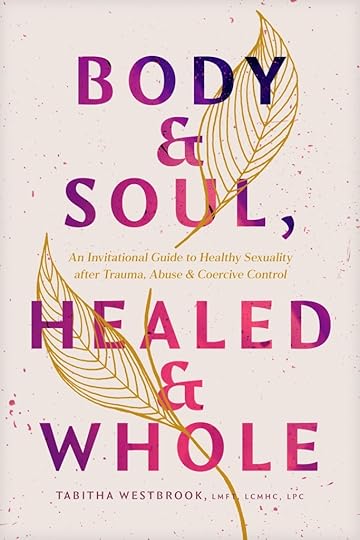
She’s the Founder & CEO of The Journey and The Process, a private practice with offices in North Carolina and Texas, specializing in complex trauma, with a focus on domestic abuse and coercive control. Tabitha is a nationally known expert and speaker on domestic abuse & coercive control, providing training to churches, therapists, and agencies. She also helps train domestic abuse advocates through Called to Peace Ministries’ faith-based advocacy training, and she co-facilitates the G5 Men’s Batterer Intervention Group. Tabitha is the author of the forthcoming book Body & Soul, Healed & Whole: An Invitational Guide to Healthy Sexuality After Trauma, Abuse, and Coercive Control.
If you or someone you know is in danger, please reach out to the National Domestic Violence Hotline at 1-800-799-7233 or visit thehotline.org. Help is available—you are not alone.

October 3, 2024
Transform Your Thoughts: Practical Steps to Healing
In the hustle and bustle of modern life, our thoughts often dictate our emotions, behaviors, and overall well-being. Negative thinking patterns, self-doubt, and internal struggles can weigh us down. However, Scripture reminds us that we have the power to renew our minds and experience healing, not only emotionally but also spiritually. If you’re seeking to transform your thoughts and walk a path of healing, here are some practical steps to get you started, backed by the timeless truths of the Bible.
1. Recognize and Acknowledge Your Thoughts
The first step to transforming your thoughts is to recognize them. What are the thoughts that dominate your mind? Are they uplifting, or are they pulling you into a cycle of negativity and despair? It’s important to be aware of your internal dialogue so that you can change what needs changing.
In Scripture, Paul advises us to take control of our thoughts:
“We take captive every thought to make it obedient to Christ.”
— 2 Corinthians 10:5 (NIV)
By actively recognizing negative thoughts and holding them up to the truth of God’s Word, you can begin the process of transformation. Awareness is the foundation of change.
2. Renew Your Mind with the Word of GodThe Bible provides powerful tools for renewing your mind. The Word of God acts as a mirror, reflecting the truth of who we are and the thoughts we should entertain. Immersing yourself in Scripture allows God’s truth to reshape your mental and spiritual patterns.
“Do not conform to the pattern of this world, but be transformed by the renewing of your mind.”
— Romans 12:2 (NIV)

The renewal process involves replacing negative, harmful thoughts with positive, Christ-centered truths. This doesn’t happen overnight, but with consistent study and meditation on God’s promises, your thought life will begin to reflect His peace and wisdom.
Practical Tip:Daily Bible Reading: Set aside time each day to read Scriptures related to peace, healing, and hope. Journaling these verses and reflecting on how they apply to your life can be incredibly powerful.3. Speak Life Over YourselfOur thoughts are often influenced by the words we speak. Negative self-talk can become a cycle of internal damage, while speaking words of life can transform how we view ourselves and our circumstances. Scripture emphasizes the power of the tongue in shaping our reality:
“The tongue has the power of life and death, and those who love it will eat its fruit.”
— Proverbs 18:21 (NIV)
It’s not enough to simply think positively; speaking God’s truth over your life reinforces that mindset. Declare God’s promises over yourself daily.
Affirmation Exercise:Affirmations Based on Scripture: Write down affirmations that are rooted in God’s Word. For example, if you’re struggling with fear, remind yourself, “God has not given me a spirit of fear, but of power, love, and a sound mind” (2 Timothy 1:7).4. Guard Your Mind Against Negative InfluencesThe Bible teaches us to guard our hearts and minds because what we allow into them will shape our thoughts and actions. In a world where negativity is constantly broadcast, it’s essential to be selective about what we consume—whether it be media, conversations, or relationships.
“Above all else, guard your heart, for everything you do flows from it.”
— Proverbs 4:23 (NIV)
This means limiting exposure to toxic environments that fuel negative thoughts and embracing godly influences that encourage a spirit of love, joy, and peace. Consider the content you watch, listen to, and engage with.
Practical Tip:Curate Your Content: Be intentional about what you read, listen to, and watch. Choose uplifting music, sermons, or podcasts that align with the transformation you are seeking in your thought life.5. Practice Gratitude and Focus on the Good
Gratitude is a powerful antidote to negative thinking. When we intentionally focus on the blessings in our lives, our thoughts begin to shift from negativity to positivity. The Bible encourages us to dwell on what is good and praiseworthy:
“Finally, brothers and sisters, whatever is true, whatever is noble, whatever is right, whatever is pure, whatever is lovely, whatever is admirable—if anything is excellent or praiseworthy—think about such things.”
— Philippians 4:8 (NIV)
Gratitude rewires your brain to see the good, even in challenging situations. By practicing this regularly, you can train your mind to default to positivity rather than dwelling on negativity.
Gratitude Practice: Daily Gratitude List: At the end of each day, write down three things you are grateful for. This could be anything from a kind word spoken by a friend to the beauty of nature you observed. Focusing on blessings shifts your mindset from scarcity to abundance.6. Surrender Your Worries to God
Many of our negative thoughts are rooted in anxiety, fear, and uncertainty about the future. The Bible invites us to cast our burdens on God and to trust Him with all our worries and concerns:
“Cast all your anxiety on Him because He cares for you.”
— 1 Peter 5:7 (NIV)
Learning to surrender control and trust God with the outcome can free your mind from the weight of constant worry. When anxiety starts to creep in, remind yourself that God is in control, and He is working everything for your good.
Practical Tip:Prayer of Surrender: Begin your day with a prayer of surrender, laying your worries and fears before God. Trust Him to guide you and bring healing to every area of your life.7. Seek Community and SupportTransformation and healing are not meant to be walked alone. The Bible highlights the importance of community in fostering growth and healing:
“Therefore encourage one another and build each other up, just as in fact you are doing.”
— 1 Thessalonians 5:11 (NIV)
Find a community of believers who will encourage you, pray with you, and keep you accountable. Healing and transformation often happen in the context of supportive, loving relationships where others can help guide you back to truth when your thoughts wander.
Action Step:Join a Small Group or Bible Study: Being part of a Bible study or a small group provides the opportunity to share struggles, receive encouragement, and grow spiritually alongside others.ConclusionTransforming your thoughts is a journey, not an overnight fix. Through consistent effort, prayer, and reliance on God’s Word, you can experience profound healing and renewal in your mind and spirit. As you take these steps, remember that God is with you, guiding you every step of the way. His desire is for you to walk in freedom and peace, and by aligning your thoughts with His truth, you can live a life transformed.
“You will keep in perfect peace those whose minds are steadfast, because they trust in you.”
— Isaiah 26:3 (NIV)
May your mind be renewed, your heart healed, and your life transformed as you walk in His truth and grace.
September 30, 2024
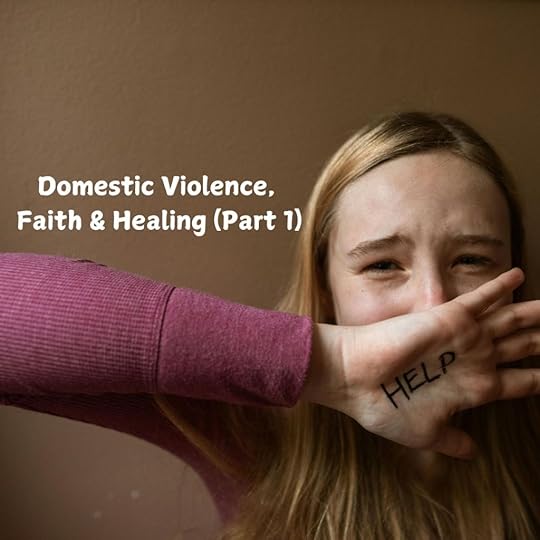
Domestic Violence, Faith & Healing (Part 1)
Are you ready to confront one of our most difficult yet vital conversations? In the latest episode of Thrive by The Rising Muse, we sit down with renowned trauma therapist Tabitha Westbrook for an unflinching look into domestic violence and its devastating impact on families, mental health, and faith.
The Darkness of Coercive Control
Too often, domestic violence is misunderstood or oversimplified. In this eye-opening episode, Tabitha walks us through the different, often invisible, forms of abuse like coercive control—where the victim’s freedom, identity, and autonomy are systematically stripped away. It’s not always about physical harm. As Tabitha explains, it’s the slow, methodical erosion of a person’s sense of self that can be just as, if not more, damaging.
Faith and the Journey to Healing
What role does faith play in both surviving and healing from domestic violence? As a survivor herself, Tabitha shares her deeply personal story of how God walked with her through the pain and ultimately called her to help others do the same. In this episode, she offers practical advice on how faith communities can provide real, life-changing support to those in abusive situations.
The Moment of Freedom
One of the most powerful moments in the conversation comes when Tabitha describes the importance of regaining autonomy. She recounts stories of survivors—some of whom felt a rush of liberation in the simplest moments, like sitting in a car, knowing they finally had control over their own lives. It’s a reminder that even in the darkest times, freedom is possible.
Why You Can’t Miss Part 2
This episode is just the beginning. We’ve only scratched the surface of this complex and important topic. In part two, we’ll dive even deeper into the spiritual and emotional aspects of domestic violence recovery, as well as provide actionable resources for those who may be suffering in silence.

Tabitha Westbrook, LMFT-S, LCMHC-QS, LPC-S, is a licensed therapist who helps people who have messy, funky pasts (and sometimes messy, funky presents) live amazing, empowered lives today. In addition to being a licensed counselor and supervisor, Tabitha is an EMDR Certified Therapist and Approved Consultant, Certified Sex Addiction Therapist, Certified Clinical Trauma Professional, and Certified Christian Trauma Care Provider.
She’s the Founder & CEO of The Journey and The Process, a private practice with offices in North Carolina and Texas, specializing in complex trauma, with a focus on domestic abuse and coercive control. Tabitha is a nationally known expert and speaker on domestic abuse & coercive control, providing training to churches, therapists, and agencies. She also helps train domestic abuse advocates through Called to Peace Ministries’ faith-based advocacy training, as well as co-facilitates the G5 Men’s Batterer Intervention Group. Tabitha is the author of the forthcoming book Body & Soul, Healed & Whole: An Invitational Guide to Healthy Sexuality After Trauma, Abuse, and Coercive Control.
If you or someone you know is in danger, please reach out to the National Domestic Violence Hotline at 1-800-799-7233 or visit thehotline.org. Help is available, and you are not alone.
September 26, 2024
Preparing for the Storm: Lessons from Hurricane Helene

As Hurricane Helene approaches, many of us are diligently preparing—securing our homes, gathering supplies, and ensuring our families are safe. This got me thinking about how we often respond to the storms in life. Whether physical or emotional, storms can be inevitable, but how we prepare can determine how well we withstand them.
Here are some parallels between hurricane preparedness and preparing spiritually for life’s storms, with scriptures to guide us along the way:
1. Secure Your FoundationIn a hurricane, it’s crucial to ensure that your home’s foundation is strong enough to withstand high winds and flooding. Similarly, in life, a strong spiritual foundation can keep us anchored in faith during difficult times.
“Everyone then who hears these words of mine and does them will be like a wise man who built his house on the rock.” — Matthew 7:24-25
When the winds of adversity blow, it’s our trust in God and our grounding in His Word that keeps us from crumbling.
2. Gather Your Supplies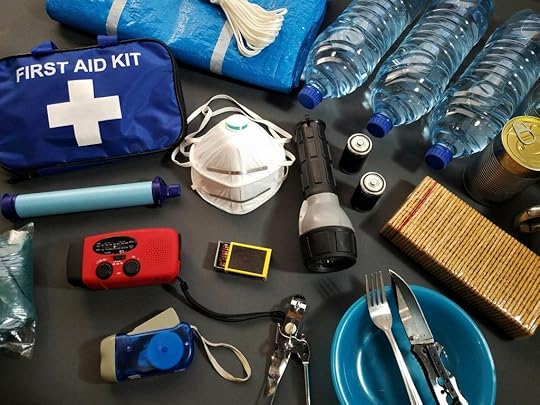
Before a hurricane, we stock up on water, non-perishable food, batteries, and essentials. Spiritually, we also need to be equipped. Prayer, scripture, and community support are the tools we need to endure the emotional and spiritual storms of life.
“Finally, be strong in the Lord and in the strength of his might. Put on the whole armor of God, that you may be able to stand against the schemes of the devil.” — Ephesians 6:10-11
God equips us with the spiritual “supplies” to face trials—His Word, prayer, and faith.
3. Stay ConnectedIn the midst of a storm, communication is vital. We keep our phones charged, stay informed, and keep in touch with family and friends. In life’s storms, staying connected to God and a support system is just as essential.
“Pray without ceasing.” — 1 Thessalonians 5:17
Prayer is our direct line to God. Even in the middle of chaos, maintaining that connection gives us peace and direction.
4. Trust the PlanDuring a hurricane, we rely on weather forecasts, evacuation plans, and emergency protocols. While life’s storms may not come with a forecast, we can trust God’s plan even when we don’t understand it.
“For I know the plans I have for you, declares the Lord, plans for welfare and not for evil, to give you a future and a hope.” — Jeremiah 29:11
God’s plan is not always immediately visible, but He assures us that it is for our good, even in the middle of life’s hurricanes.
5. Seek Shelter
When the winds get too strong, we are told to find shelter in a safe place. Similarly, God invites us to find refuge in Him when the storms of life are overwhelming.
“God is our refuge and strength, a very present help in trouble. Therefore we will not fear, though the earth gives way, though the mountains be moved into the heart of the sea.” — Psalm 46:1-2
When life feels like it’s falling apart, God is our safe place, a shelter from the storm.
6. Prepare Ahead of TimeWe don’t wait until the hurricane is on our doorstep to begin preparing. Likewise, in our spiritual lives, we should be proactive in building our faith, so when the storms come, we are ready.
“Watch therefore, for you know neither the day nor the hour.” — Matthew 25:13
Being spiritually prepared isn’t something we do at the last minute. It’s a daily commitment to grow in faith, trust, and reliance on God.

As we prepare for Hurricane Helene, let’s also take a moment to reflect on how we can prepare for the inevitable storms of life. With a strong foundation, spiritual supplies, and trust in God’s plan, we can weather any storm that comes our way.
Prayer for Protection:
Lord, as we face both physical and spiritual storms, we trust in Your protection and guidance. Strengthen our faith, remind us to turn to You, and equip us to face the challenges ahead with courage and peace. Amen.
Stay safe!
September 23, 2024
Unlocking the Secrets of OCD with Author Marin Canaday

In our latest episode of Thrive by The Rising Muse, we dive into an eye-opening conversation with Marin Canaday—an author, national volleyball champion, and someone who’s bravely battled OCD (Obsessive Compulsive Disorder) since childhood. Marin shares the deeply personal journey that led her to write My Little Monster, a children’s book that creatively illustrates the struggles of living with OCD through the metaphor of a “little monster.”
But this isn’t just any monster story—it’s a powerful exploration of the invisible battles that many face daily. Marin opens up about how her OCD shaped her identity, from her childhood experiences of compulsively confessing small mistakes to her adult struggles with terrifying obsessive thoughts. Yet, her story is one of hope, resilience, and the importance of seeking professional help.
In this episode, we explore key questions:
How did Marin’s OCD influence her life as a student and athlete?What role does faith play in navigating mental health challenges?Why is professional support crucial when managing OCD, and how can it make a difference?
Marin’s vulnerability and strength shine through as she discusses how she continues to manage her OCD and the vital role that both therapy and faith have played in her healing process. This is more than a story about overcoming OCD—it’s a testament to the power of resilience and finding purpose even in our darkest moments.
If you’ve ever felt overwhelmed by anxiety, mental health challenges, or simply want to better understand the struggles of those with OCD, this episode is a must-listen. Marin’s journey is a reminder that while we all have our own “little monsters,” they don’t have to control our lives.

Marin Canaday grew up with obsessive-compulsive disorder from early childhood. However, she was
not formally diagnosed with OCD until her adult years. She found studying and sports helped her cope
with her OCD as a child. In adulthood, she continued to struggle with her anxiety disorder but had to
find new ways to cope as her athletic career and days of studying were behind her. Today, Marin writes
in her free time. She is the author of My Little Monster and The Very Best Me, children’s picture books
that describe her struggle with OCD. She writes to encourage children struggling with anxiety
disorder. To connect with Marin go to her website.
Tune in to hear Marin’s incredible story and learn how you, too, can face your own monsters with strength, faith, and the right support.
Catch the full episode on Thrive by The Rising Muse and discover how Marin Canaday is helping others take control of their mental health—one monster at a time.
Stay connected:

September 19, 2024
Overcoming Depression & Anxiety: The Best Strategies for Thriving

Depression and anxiety are challenges that many face, affecting not just our minds and emotions but our spiritual health as well. For Christians, these struggles can be particularly difficult as they may feel guilt or shame for experiencing them. However, it’s important to remember that even the most faithful individuals can encounter these trials. The Bible is full of stories of people who faced deep despair yet found hope and strength in God.
In this post, we’ll explore effective strategies for overcoming depression and anxiety, rooted in Biblical teachings and practical wisdom. By grounding ourselves in faith and making positive changes in our daily lives, we can not only overcome these challenges but thrive despite them.
Grounding Yourself in God’s PromisesOne of the most powerful ways to combat depression and anxiety is by immersing yourself in God’s promises. The Bible is rich with verses that remind us of God’s unwavering love, presence, and strength. For instance, Psalm 34:18 tells us, “The Lord is close to the brokenhearted and saves those who are crushed in spirit.” This verse reassures us that God is near, especially when we feel most vulnerable.

Similarly, Philippians 4:6-7 encourages us not to be anxious about anything, but in every situation, by prayer and petition, with thanksgiving, present our requests to God. It goes on to promise that “the peace of God, which transcends all understanding, will guard your hearts and your minds in Christ Jesus.” By regularly reading and meditating on these scriptures, you can fortify your mind against the negative thoughts that fuel anxiety and depression.
Isaiah 41:10 also offers comfort: “So do not fear, for I am with you; do not be dismayed, for I am your God. I will strengthen you and help you; I will uphold you with my righteous right hand.” When feelings of despair or worry creep in, these verses serve as powerful reminders of God’s enduring support and protection.
The Power of Prayer and MeditationPrayer is a direct line to God, offering a way to unburden our hearts and minds. In times of anxiety or depression, prayer can be a refuge where we lay our concerns at God’s feet, trusting Him to take care of us. 1 Peter 5:7 urges us to “Cast all your anxiety on him because he cares for you.” This act of casting our cares upon the Lord can bring immense relief, knowing that we are not meant to carry these burdens alone.
In addition to prayer, Christian meditation—focusing on God’s word and His presence—can help calm a restless mind. Regular meditation on scriptures, coupled with deep, reflective prayer, can help anchor your thoughts and emotions, leading to greater peace and clarity. Consider setting aside a few minutes each day to meditate on a verse that speaks to your current struggles and let God’s truth wash over you.
Community and Support: You’re Not Alone
It’s easy to feel isolated when battling depression and anxiety, but the truth is, you are not alone. The Christian community is a vital source of support and encouragement. Hebrews 10:24-25 reminds us to “consider how we may spur one another on toward love and good deeds, not giving up meeting together, as some are in the habit of doing, but encouraging one another.” Whether through church, small groups, or Christian counseling, connecting with others who share your faith can provide much-needed support.
Don’t hesitate to reach out to trusted friends, pastors, or counselors when you need help. Sharing your struggles with others can lighten the load and open the door to healing. Remember, there is no shame in seeking help; it is a sign of strength and wisdom to lean on your community during tough times.
Practical Lifestyle Changes for Mental HealthWhile spiritual practices are crucial, practical lifestyle changes can also play a significant role in managing depression and anxiety. Our bodies are temples of the Holy Spirit (1 Corinthians 6:19-20), and taking care of them is an act of stewardship. Regular physical activity, a balanced diet, and sufficient sleep can significantly impact your mental and emotional health. Exercise, for example, releases endorphins, which are natural mood lifters. Eating nutritious foods can fuel your body and mind, helping you feel more energetic and focused.
Making time for rest and relaxation is equally important. Chronic stress and lack of sleep can exacerbate symptoms of depression and anxiety. By honoring your body’s need for rest, you are better equipped to face life’s challenges with a clear mind and a resilient spirit.
 Trusting God’s Plan and Finding Purpose
Finally, trusting in God’s plan is essential when navigating the difficulties of depression and anxiety. Jeremiah 29:11 offers a hopeful reminder: “For I know the plans I have for you,” declares the Lord, “plans to prosper you and not to harm you, plans to give you hope and a future.” Even when life feels overwhelming, God’s plan for you is one of hope and purpose.
Romans 8:28 further assures us that “in all things God works for the good of those who love him, who have been called according to his purpose.” By seeking and pursuing the purpose God has for your life, you can find a deeper sense of meaning and fulfillment, which can be a powerful antidote to feelings of despair.
Conclusion: A Journey of Faith and HealingOvercoming depression and anxiety is a journey, one that requires faith, action, and support. By grounding yourself in God’s promises, maintaining a strong prayer life, seeking community, and making healthy lifestyle choices, you can not only manage these challenges but thrive despite them. Remember, you are never alone in your struggles—God is with you, and so is your Christian community. As you take steps towards healing, may you find peace, hope, and a renewed sense of purpose in Christ.
September 16, 2024
Toxic Work Environment? Here’s How To Escape.
Are you feeling stuck in a toxic work or ministry environment? Do you find it challenging to break free from negativity and improve your mental health? This week on Thrive by The Rising Muse, we welcome Earl Morrison, a retired Chief of Police, mentor, and author, to help us tackle these very issues.

With over 29 years of leadership experience, Earl has seen it all. In this episode, he dives deep into how toxic environments can affect not just organizational growth but your personal well-being. He shares the most common signs of a toxic workplace and how these environments can slowly take a toll on your mental health.
But it’s not all doom and gloom—Earl also reveals practical strategies to transform these negative spaces into productive, healthier environments. From communication breakdowns to accountability and teamwork, Earl’s leadership strategies emphasize the importance of character-based leadership, rooted in both personal and professional growth.
If you’ve ever wondered how faith-based principles can play a role in overcoming these challenges, Earl’s insights are invaluable. He shares how integrating faith into leadership can help individuals not only rise above toxic environments but also thrive mentally and spiritually.
Want to know the practical steps Earl recommends for those struggling in toxic environments? Curious about how mentoring can significantly impact not only your professional life but also your mental health? Tune in to this episode and discover how you can start turning things around today.
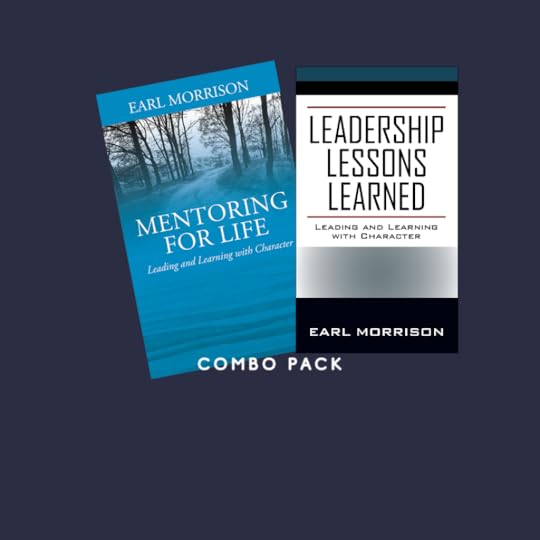
To connect with Earl and or obtain his books :
Website: https://earlmorrison.com
Facebook: https://www.facebook.com/EarlMorrisonLeadingandLearningwithCharacter
Catch the full episode of Thrive by The Rising Muse now to learn more about Earl’s transformative insights and how you can apply them in your life!
Don’t forget to subscribe and leave us a review! Follow us on social media @TheRisingMuse for more updates.

September 12, 2024
How Art Can Improve Mental Health
In today’s fast-paced world, mental health has become a significant concern for many people. Stress, anxiety, and depression are all too common, affecting individuals across different age groups and backgrounds. While traditional methods of managing mental health, such as therapy and medication, are essential, there’s another powerful tool that often goes unnoticed: art.
Art isn’t just about creating something beautiful; it’s a means of expression, a way to release pent-up emotions, and a channel for processing complex feelings. Whether you’re painting, drawing, sculpting, or even doodling, engaging in artistic activities can have profound benefits for your mental well-being. In this blog post, we’ll explore how art can improve mental health and why it’s worth incorporating into your life.
The Therapeutic Power of Creativity
One of the most significant ways art benefits mental health is by serving as an emotional outlet. When words fail to express what you’re feeling, art can step in. Creating art allows you to channel your emotions—whether it’s joy, sadness, frustration, or anger—into something tangible. This process can be incredibly cathartic, helping to alleviate feelings of stress and anxiety.
Different forms of art, from painting to music, offer unique ways to express yourself. For example:
Painting and Drawing: These forms of art allow for visual expression, helping you to explore and communicate feelings that may be difficult to articulate.Writing: Whether through poetry, journaling, or storytelling, writing can help you process emotions and gain a deeper understanding of your inner world.Music: Composing or even just listening to music can evoke emotions and provide comfort.Creative expression helps in managing mental health by providing a healthy outlet for emotions. This not only reduces stress but can also lead to a sense of accomplishment and self-worth, which are crucial for overall well-being.
Art as a Form of MeditationArt isn’t just a way to express emotions; it can also serve as a form of meditation. When you engage in art, you often enter a state of “flow,” where you become fully absorbed in the activity, losing track of time and external distractions. This state of flow is similar to the deep focus experienced during meditation, offering numerous mental health benefits.

Flow promotes mindfulness—a mental state where you focus on the present moment without judgment. Activities like painting, drawing, or sculpting require your full attention, helping you to stay grounded and reduce rumination. As a result, your mind gets a break from the constant barrage of thoughts and worries, leading to reduced anxiety and improved mood.
Moreover, the repetitive motions involved in certain art forms, such as knitting, coloring, or sculpting, can be particularly soothing. These activities help regulate your nervous system, bringing about a sense of calm and relaxation.
Art and Community ConnectionArt doesn’t have to be a solitary activity. In fact, it can be a powerful way to connect with others, fostering social bonds that are essential for mental health. Engaging in group art activities, whether in a class, workshop, or community project, can help combat feelings of loneliness and isolation.

Creating art in a group setting allows for shared experiences, where individuals can connect over their work and the emotions it evokes. These connections can be especially beneficial for those struggling with mental health issues, as they provide a sense of belonging and support.
Additionally, being part of an art community—whether online or in person—can offer inspiration, encouragement, and validation. The collective experience of creating, sharing, and appreciating art can strengthen your social network, which is a key factor in maintaining good mental health.
Art Therapy: A Professional ApproachWhile creating art on your own can be incredibly beneficial, art therapy takes it a step further. Art therapy is a form of psychotherapy that uses art as a medium to help individuals explore their emotions, develop self-awareness, and cope with mental health challenges.
In art therapy, a trained therapist guides you through the creative process, helping you to use art to express and process complex emotions. This practice is particularly effective for individuals who find it difficult to communicate their feelings verbally.

Research has shown that art therapy can be beneficial for a wide range of mental health issues, including depression, anxiety, PTSD, and eating disorders. It has been used successfully in various settings, from hospitals to schools, providing a safe and supportive environment for healing.
Success stories abound, with individuals reporting significant improvements in their mental health after participating in art therapy. This evidence highlights the potential of art as a powerful tool for emotional healing.
ConclusionArt is more than just a creative pastime; it’s a valuable tool for improving mental health. Whether you’re using art to express emotions, practice mindfulness, connect with others, or engage in therapy, its benefits are profound. By incorporating art into your life, you can enhance your emotional well-being, reduce stress, and find joy in the process of creation.
So, why not pick up a paintbrush, start sketching, or even join an art class? The journey of self-expression through art might just be the key to unlocking better mental health and a more balanced, fulfilling life.